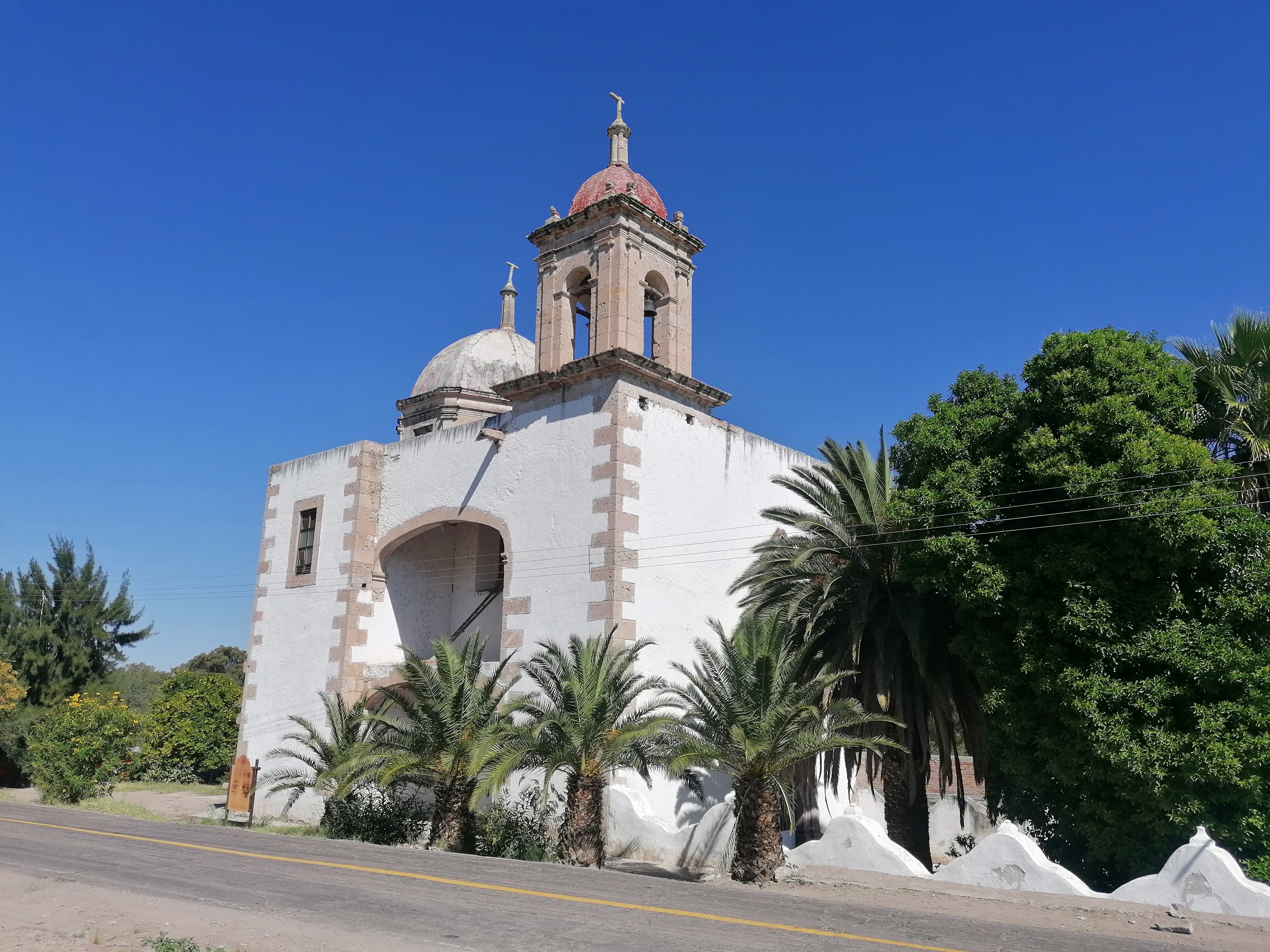

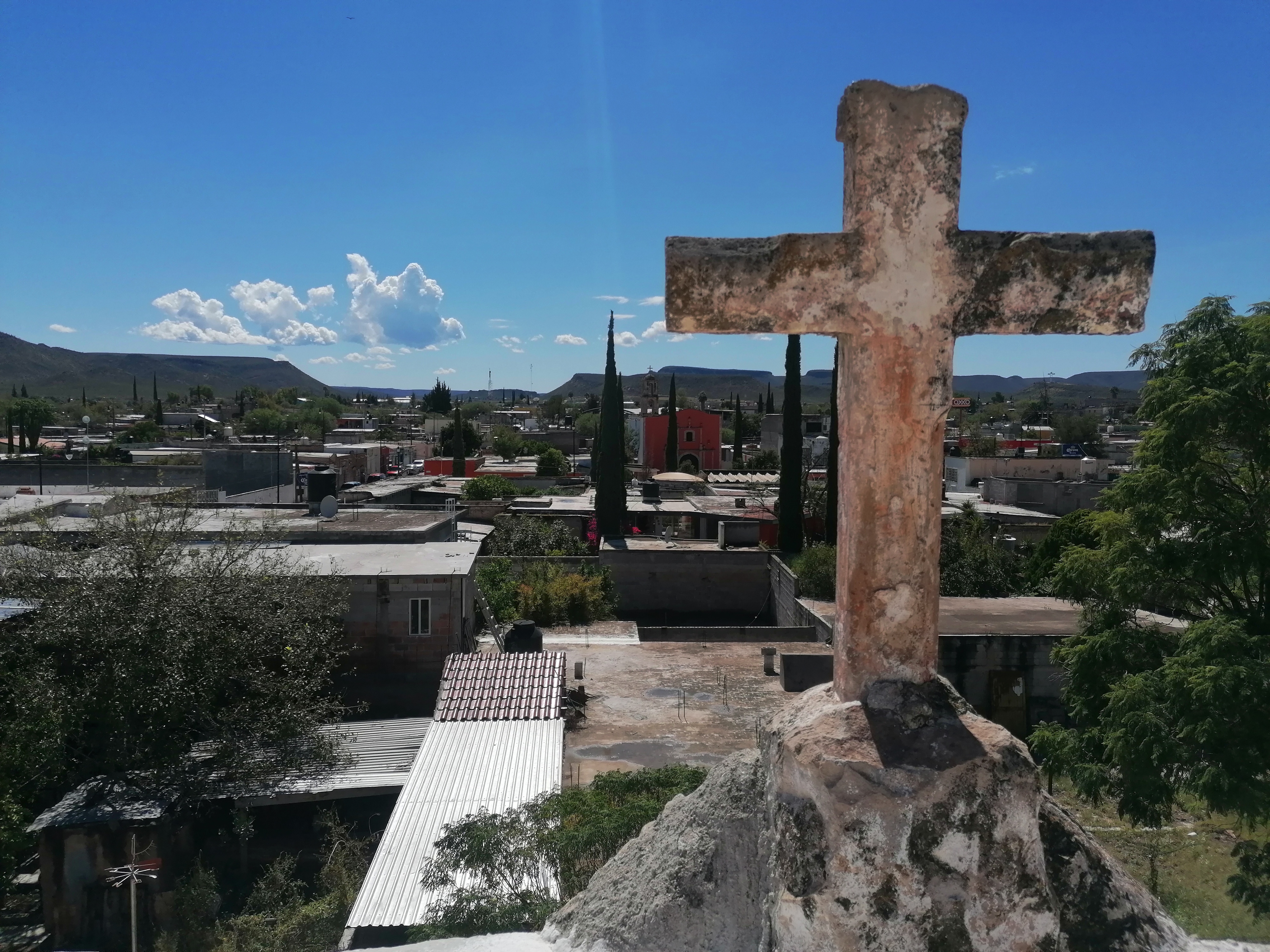
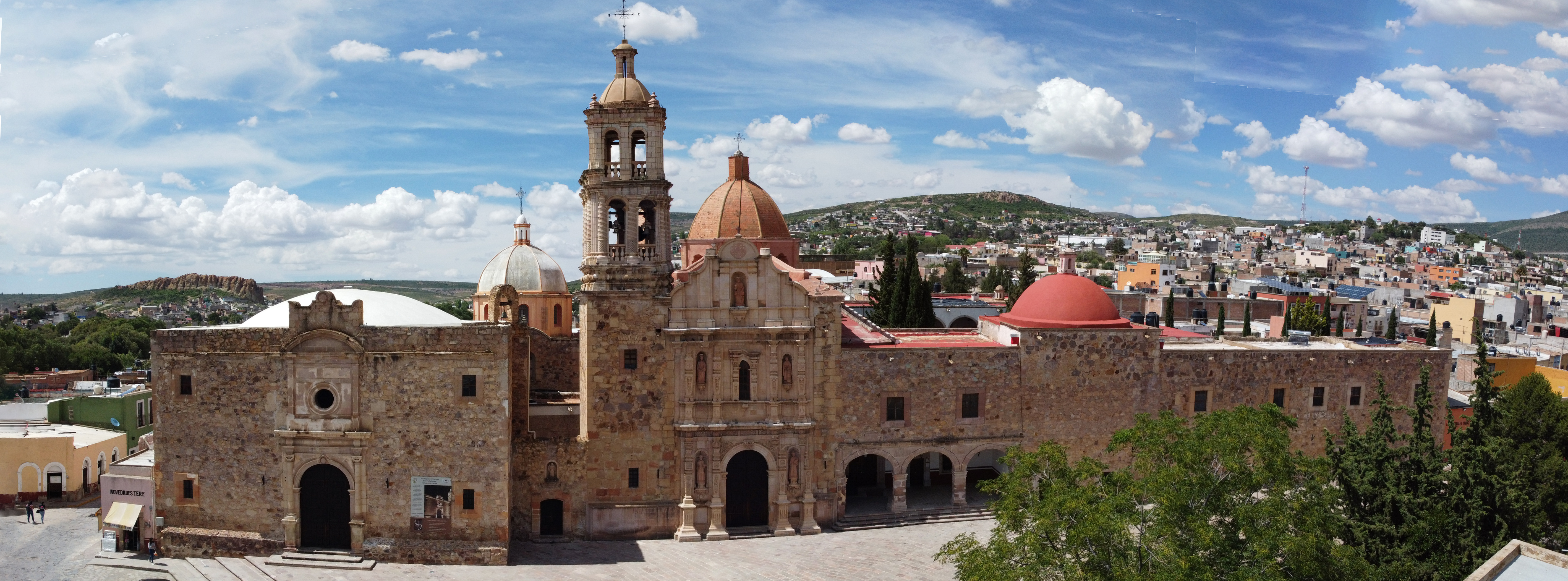
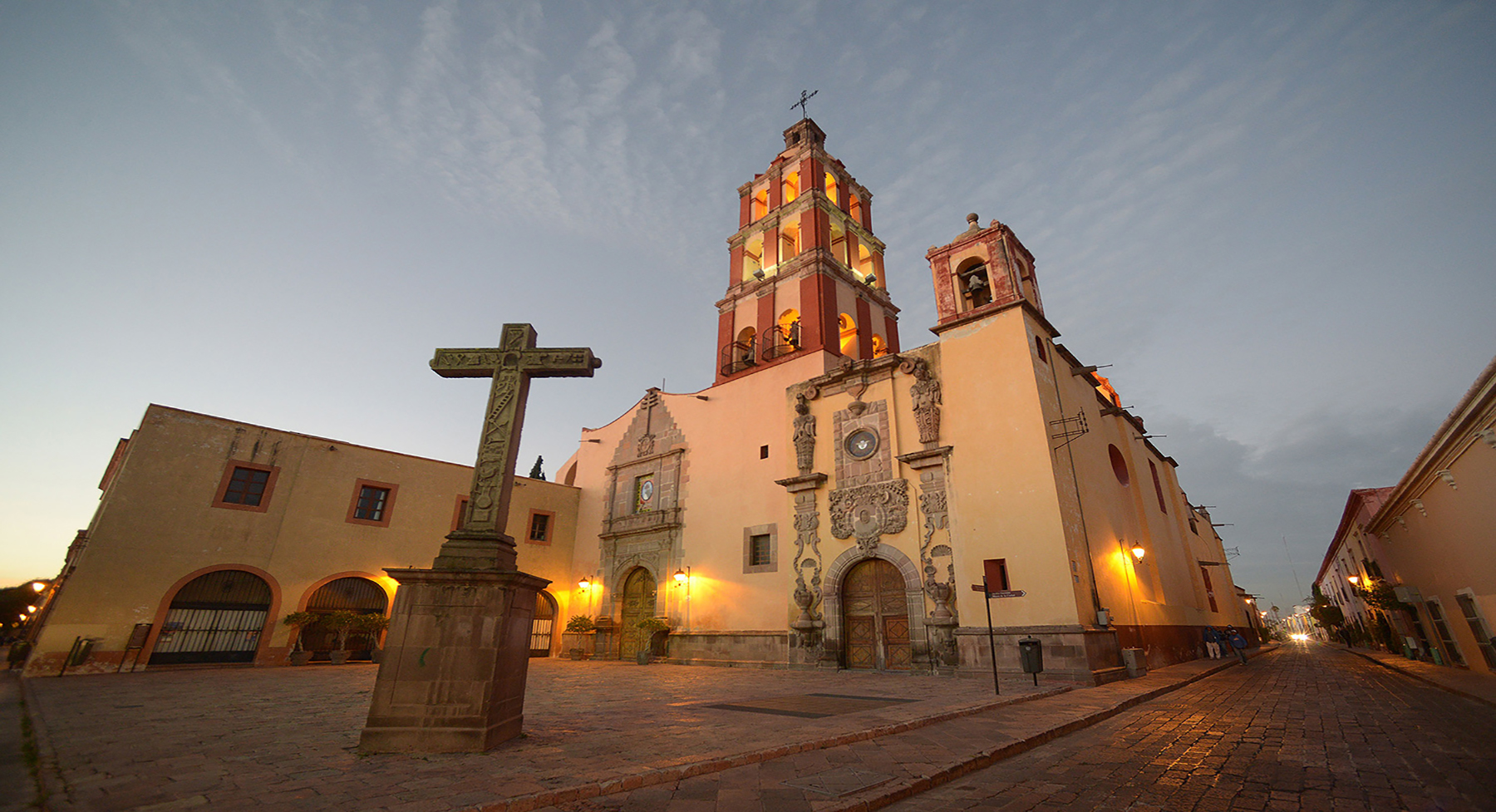





Camino Real de Tierra Adentro
Camino Real de Tierra Adentro

World Heritage
Patrimonio mundial
Cultural
Cultural route
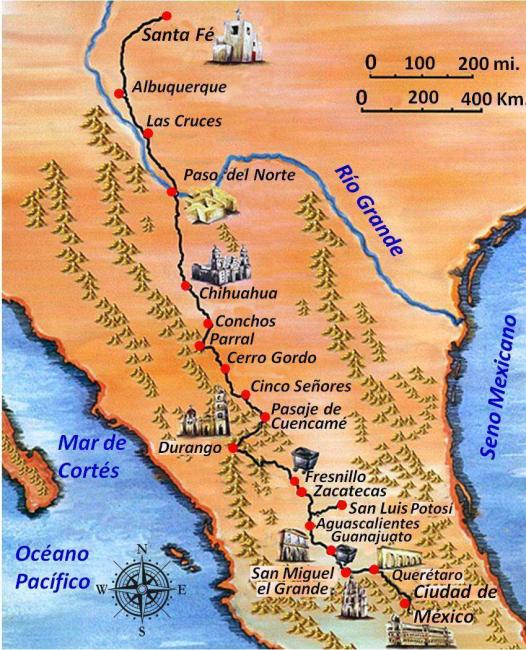
Used between the 16th and 19th centuries, this road was used to transport silver extracted from the mines of Zacatecas, Guanajuato and San Luis Potosí, as well as mercury imported from Europe. Although its origin and use are linked to mining, the Camino Real de Tierra Adentro also fostered the establishment of social, cultural and religious links between Hispanic and Amerindian cultures.
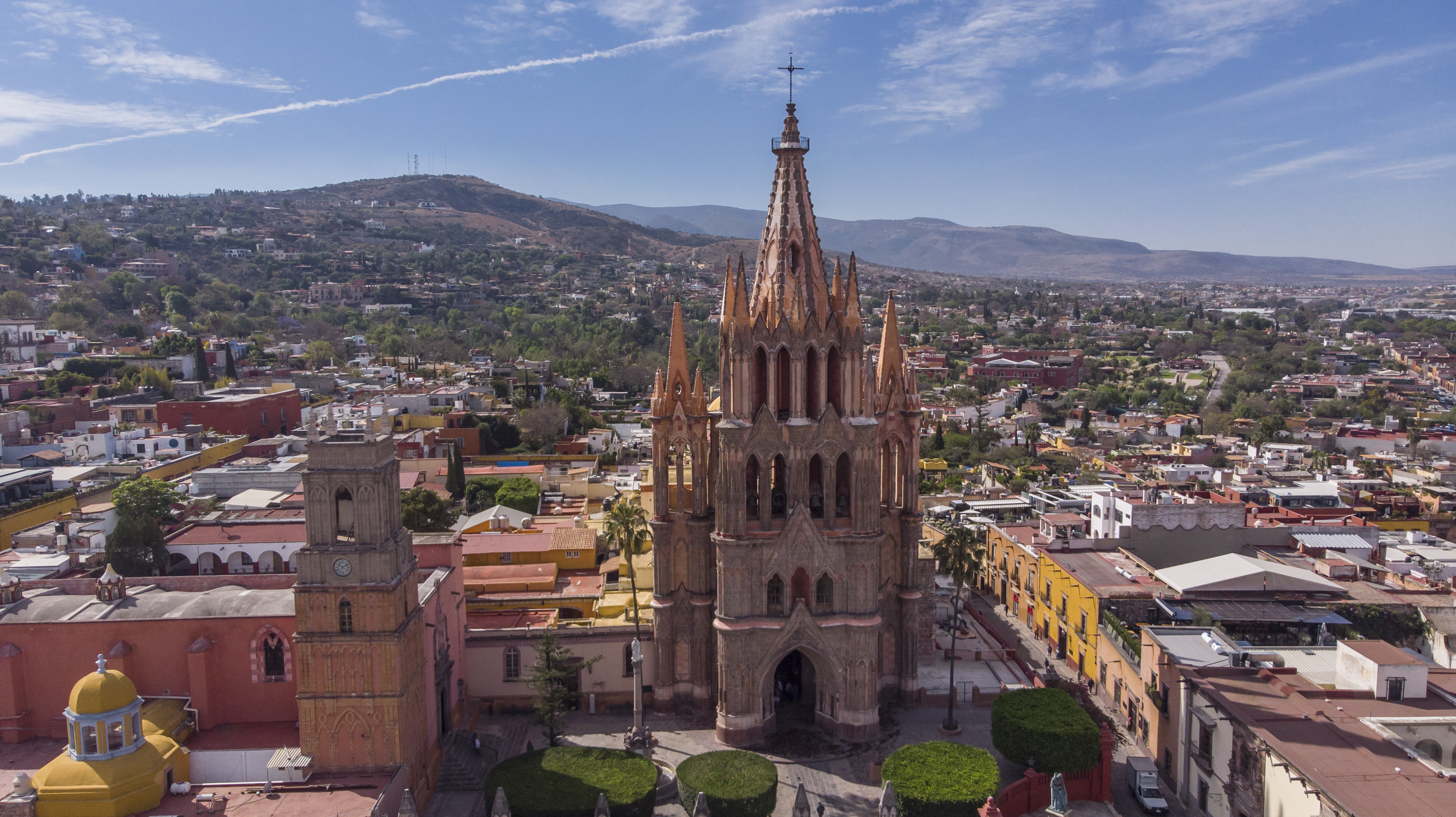
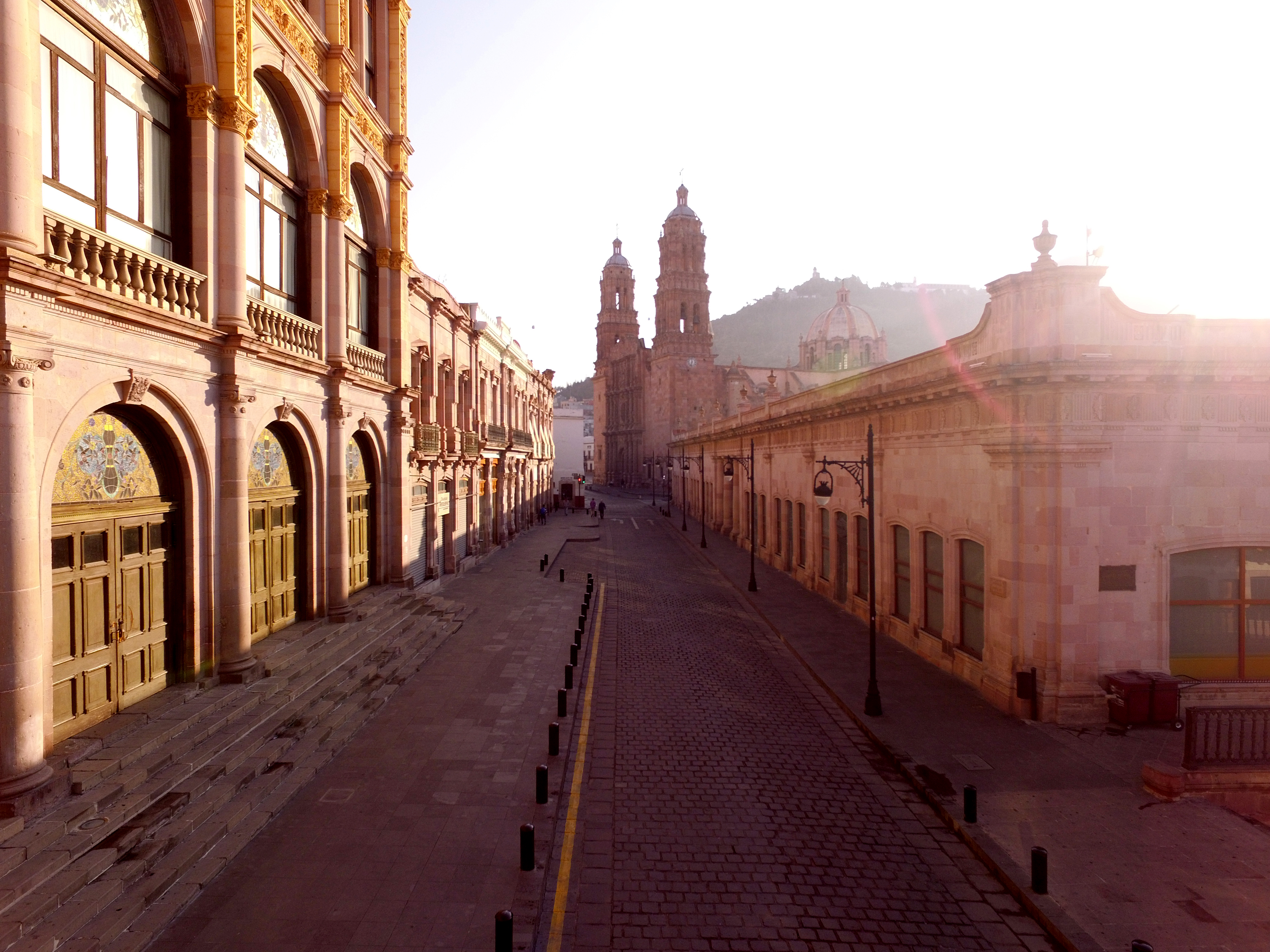
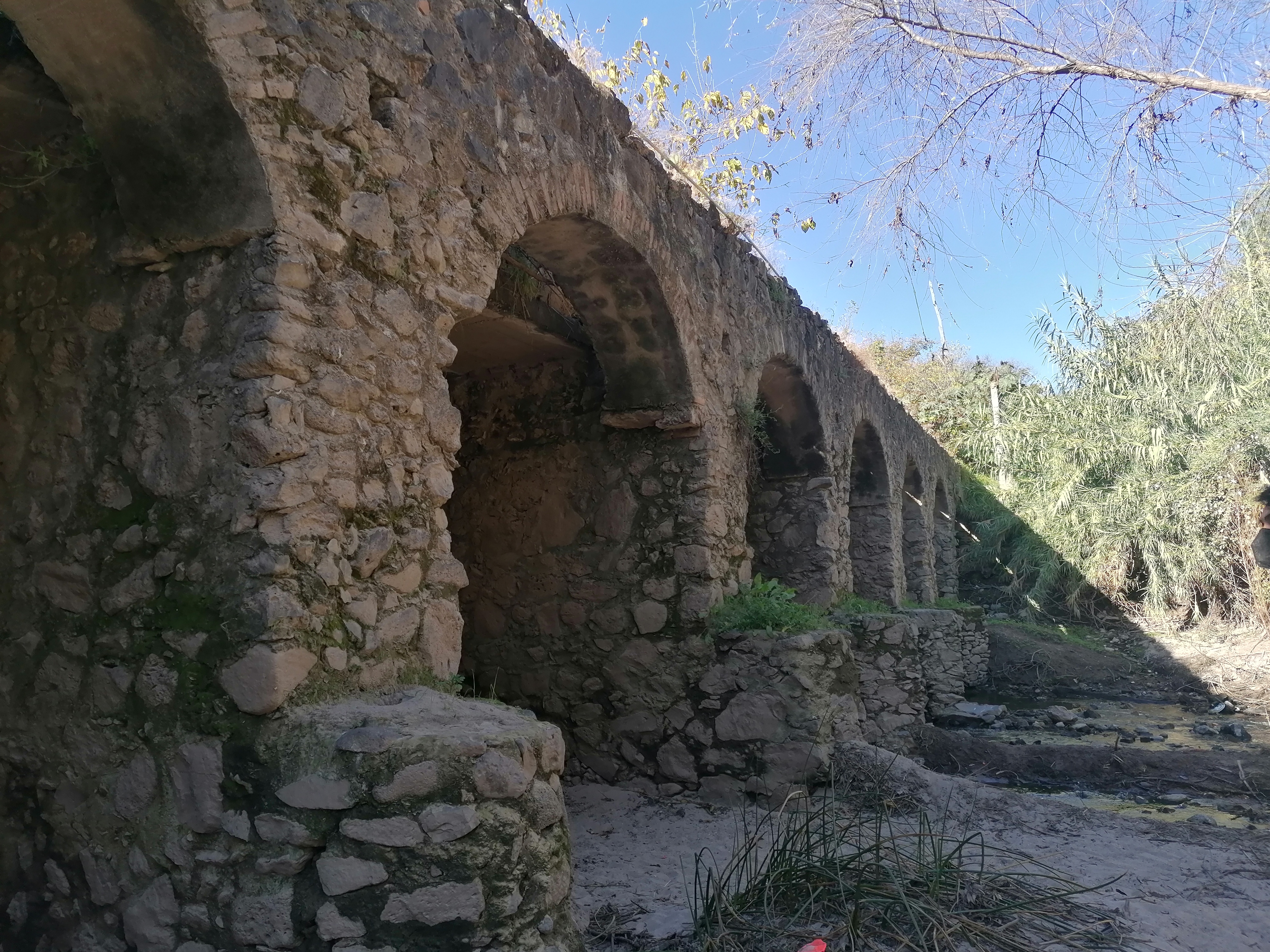
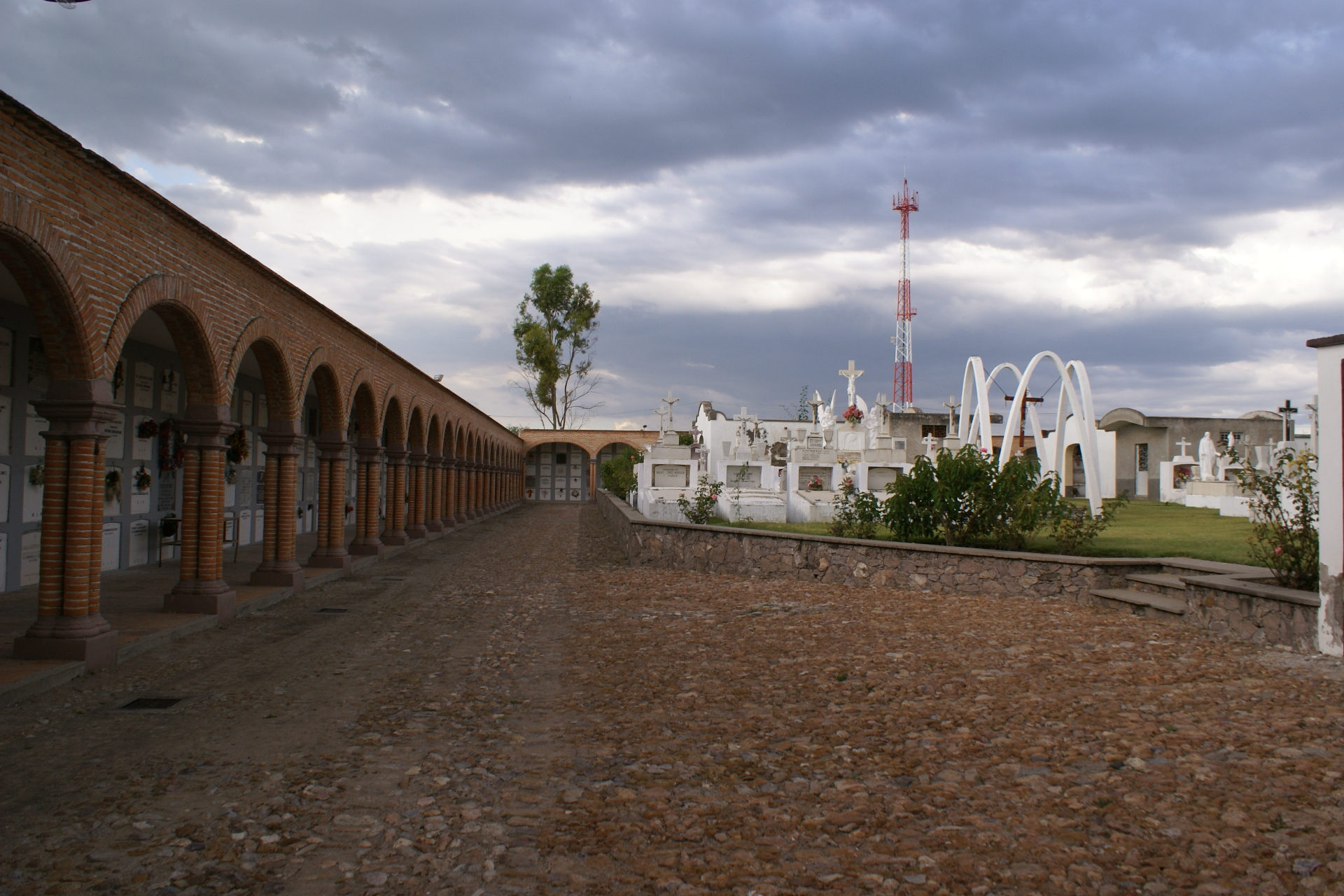
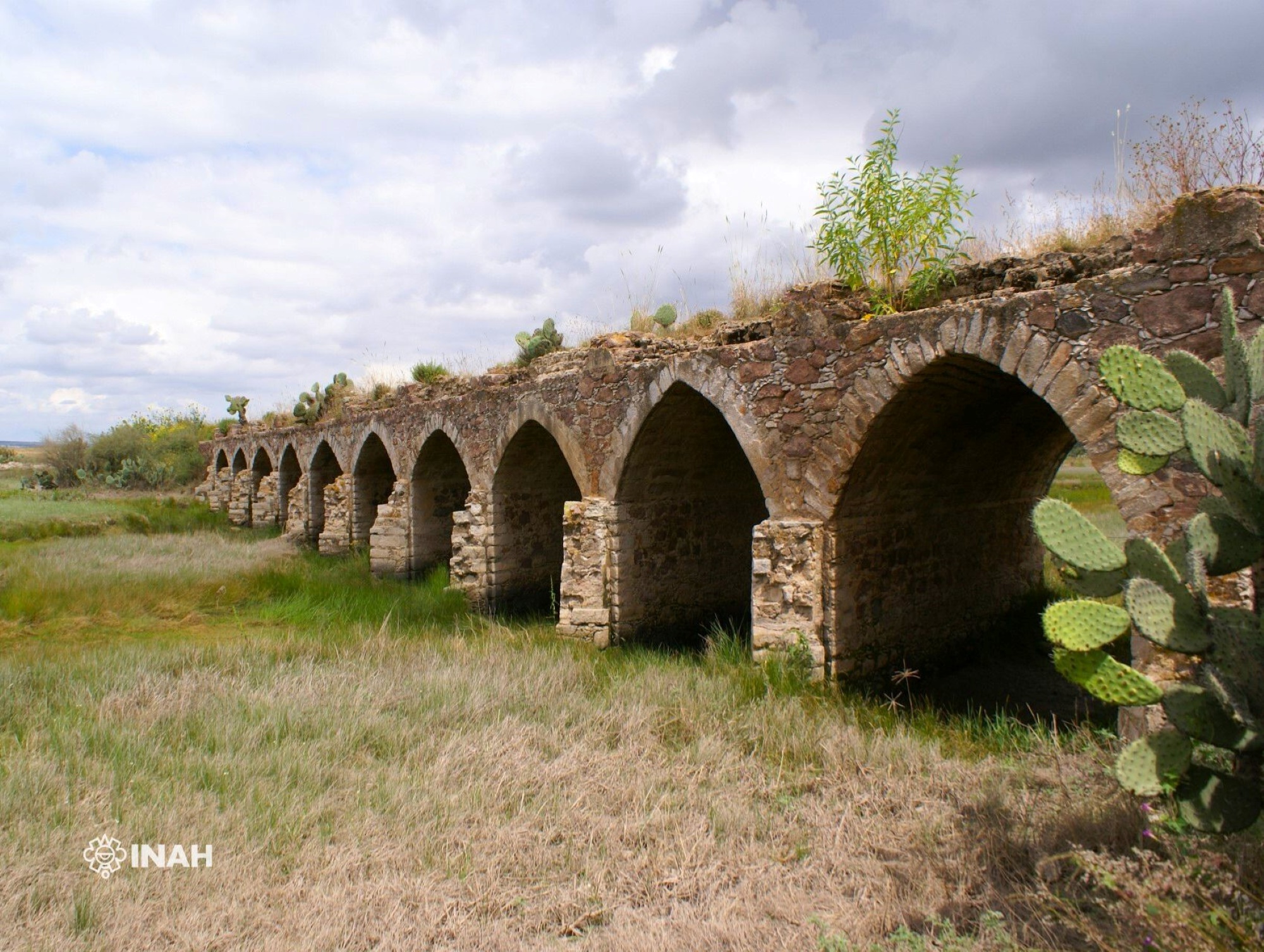
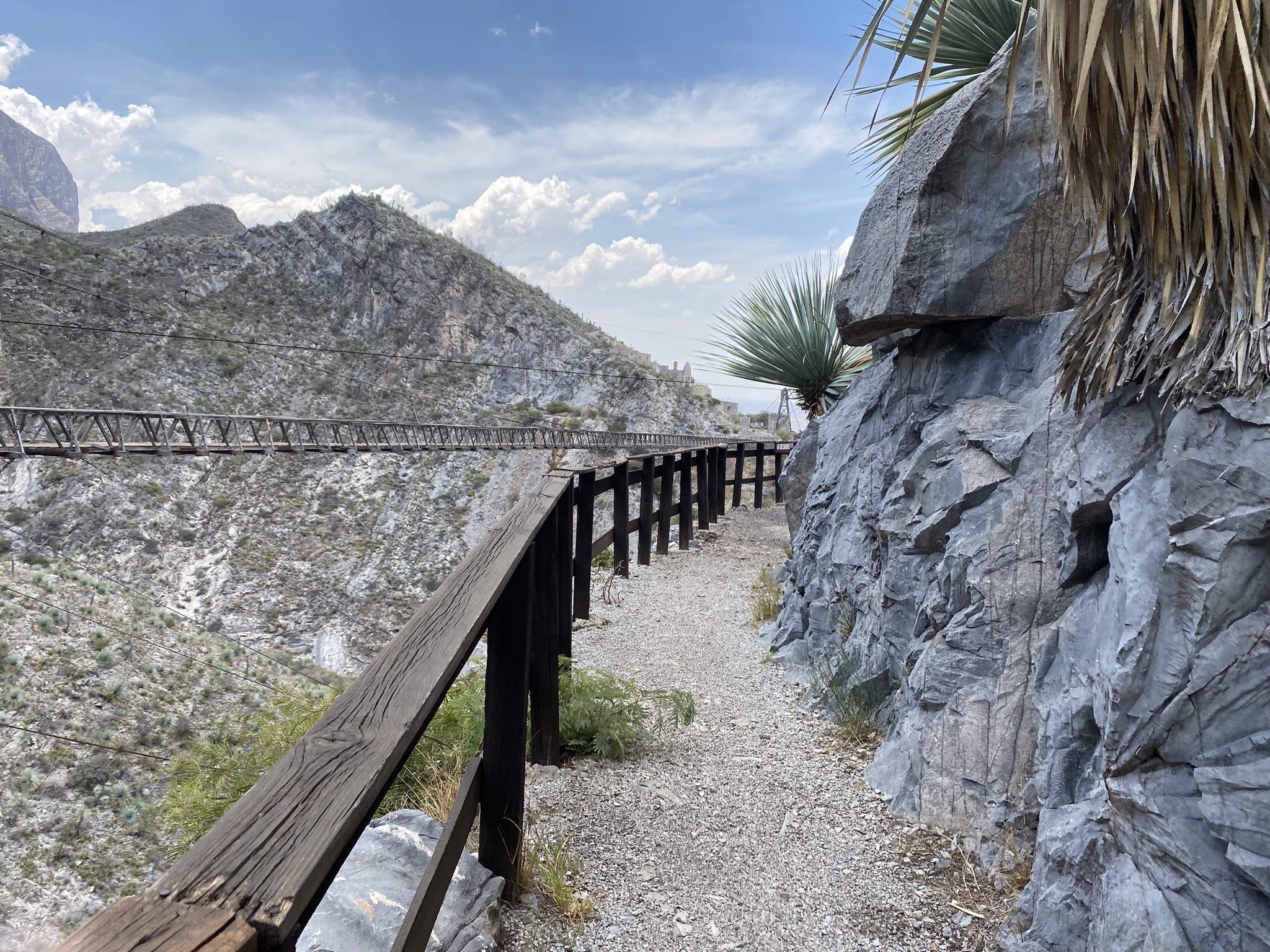
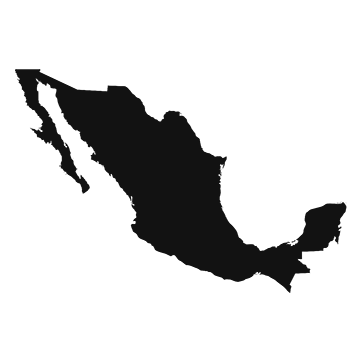
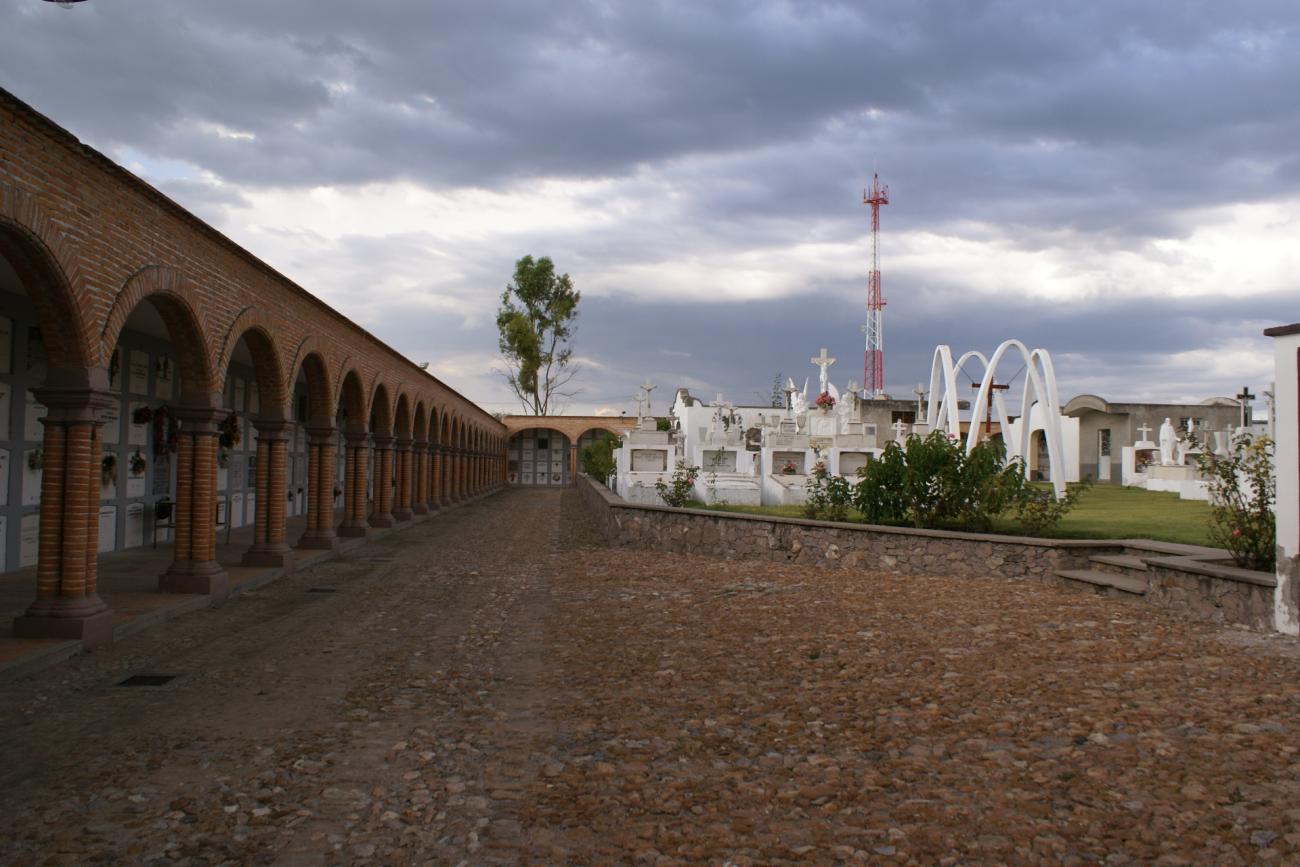
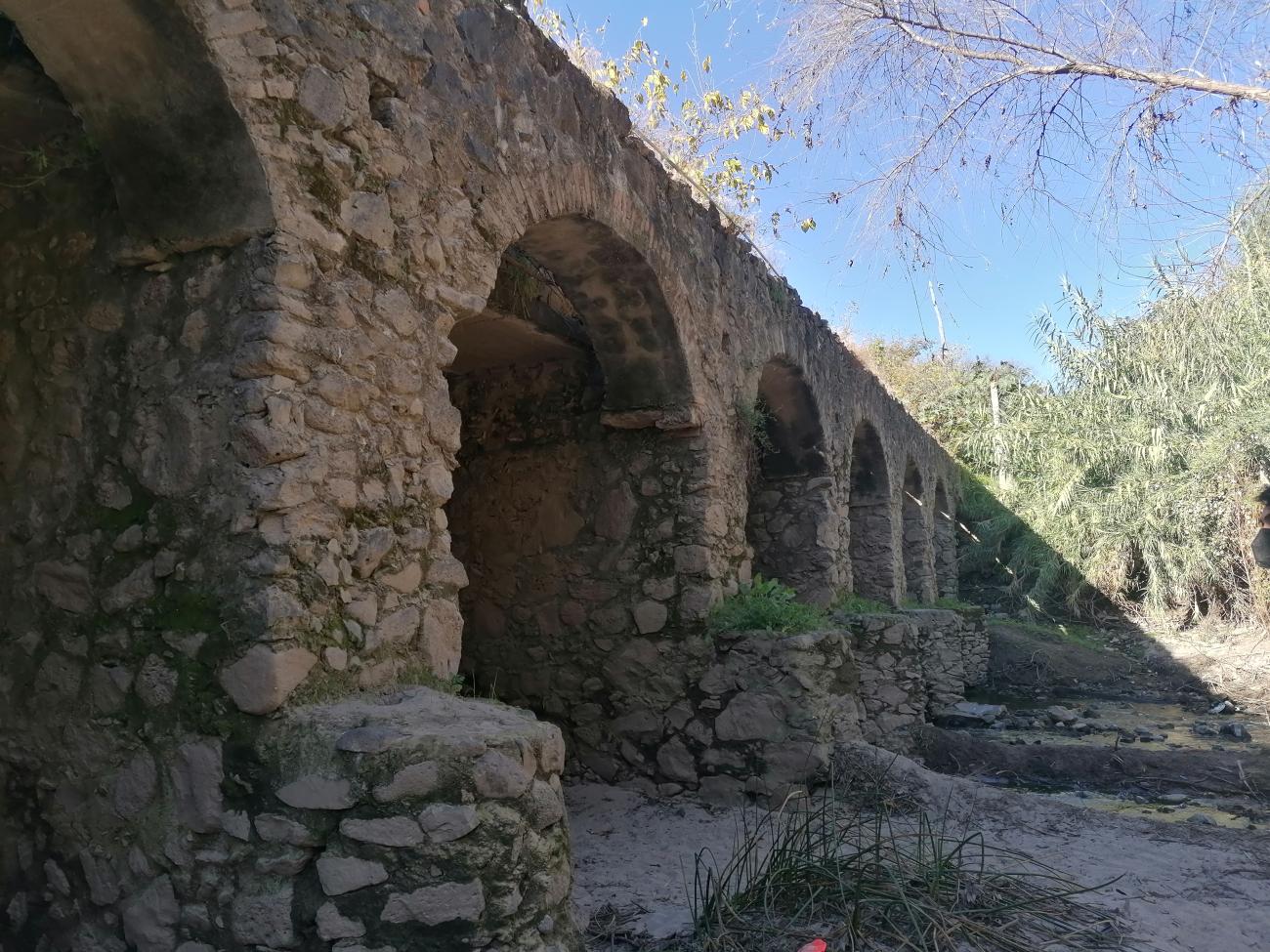
The Camino Real de Tierra Adentro constitutes a part of the Spanish Intercontinental Royal Route from Mexico City to Santa Fe. The property, consists of five existing urban World Heritage sites and 55 other sites related to the use of the road, such as bridges, former haciendas, historic centres/towns, a cemetery, former convents, a mountain range, stretches of road, a mine, chapels/temples and caves within a 1,400 km stretch of the road between Mexico City and the Town of Valle de Allende.
The Camino was an extraordinary phenomenon as a communication channel. Silver was the driving force that generated the wealth and commitment of the Spanish Government and the will of colonists to ‘open up’ the northern territory for mining, to establish the necessary towns for workers and to build the forts, haciendas, and churches.
The outcome of this highly profitable process was the development of mines, and the construction of the road and bridges, the establishment of multi-ethnic towns, with elaborate buildings that reflect a fusion of Spanish and local decoration, an agricultural revolution in the countryside centered on large hacienda estates with churches, and the movement of peoples up and down the road, facilitated to a great degree initially by settlements of muleteers, all of which led to the development of a distinctive culture along the route.
Ultimately the wealth of silver led to massive economic development in Spain and other parts of Europe and a period of great economic inflation. The impact of the road was enormous in terms of social tensions as well as ultimately social integration between the many people that came to be involved in the economic development. The structures in the property together reflect some aspects of this interchange of ideas and people along the southern stretch of the road.
Declaratoria UNESCO

Patrimonio Cultural
Categoría Cultural route
Fecha 01-08-2010
Criterios de valor Universal Excepcional
Este lugar cumple con los siguientes criterios de valor Universal Excepcional
(ii)
To exhibit an important interchange of human values, over a span of time or within a cultural area of the world, on developments in architecture or technology, monumental arts, town-planning or landscape design.
(iv)
To be an outstanding example of a type of building, architectural or technological ensemble or landscape which illustrates (a) significant stage(s) in human history.




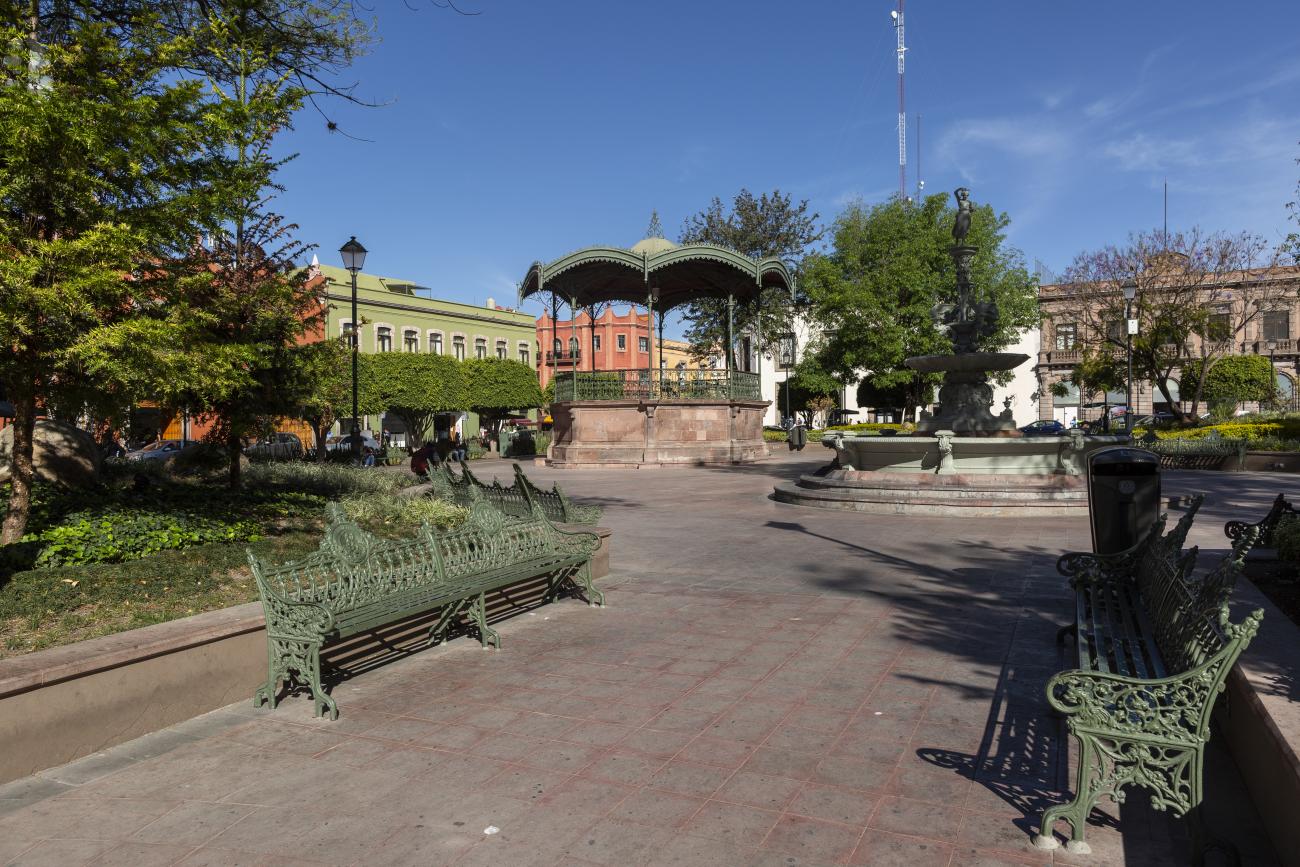
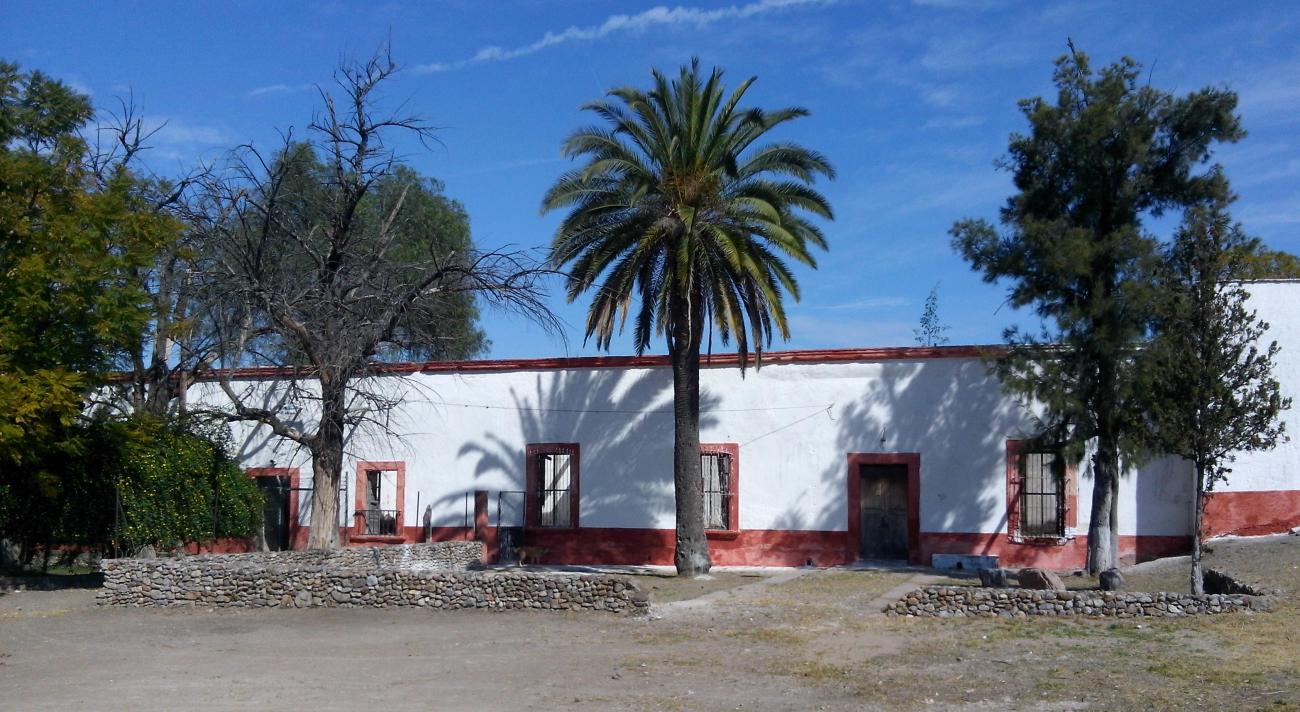
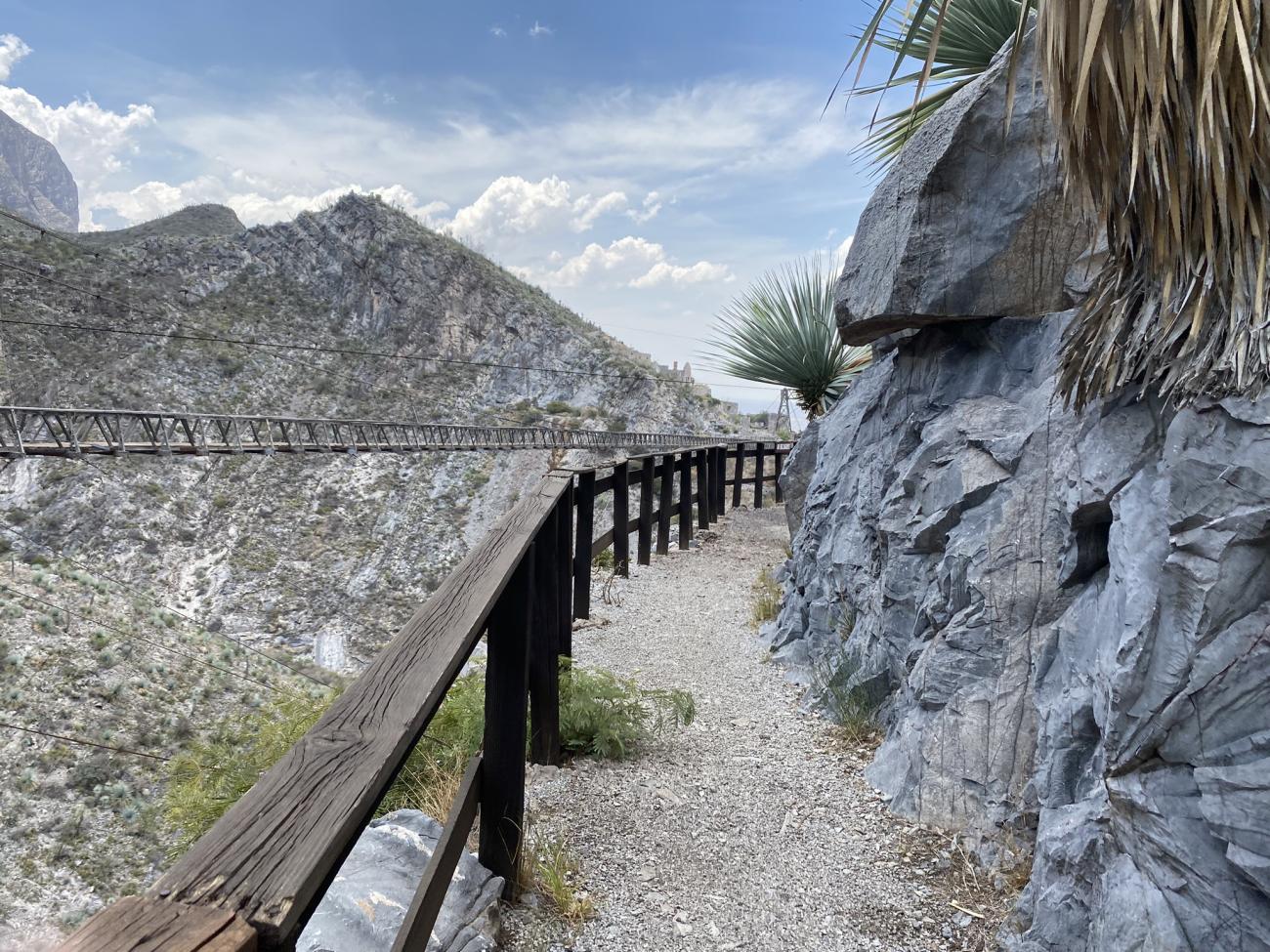
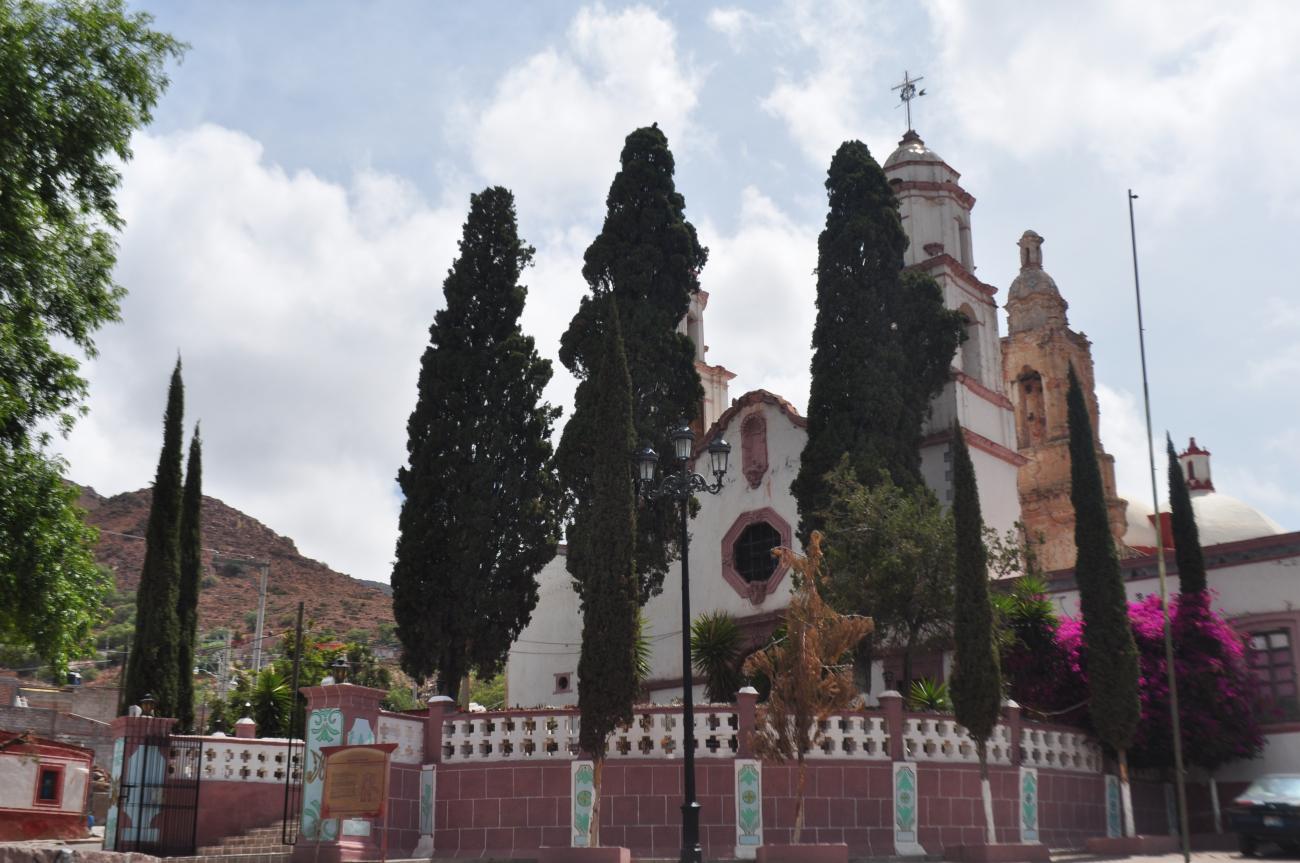
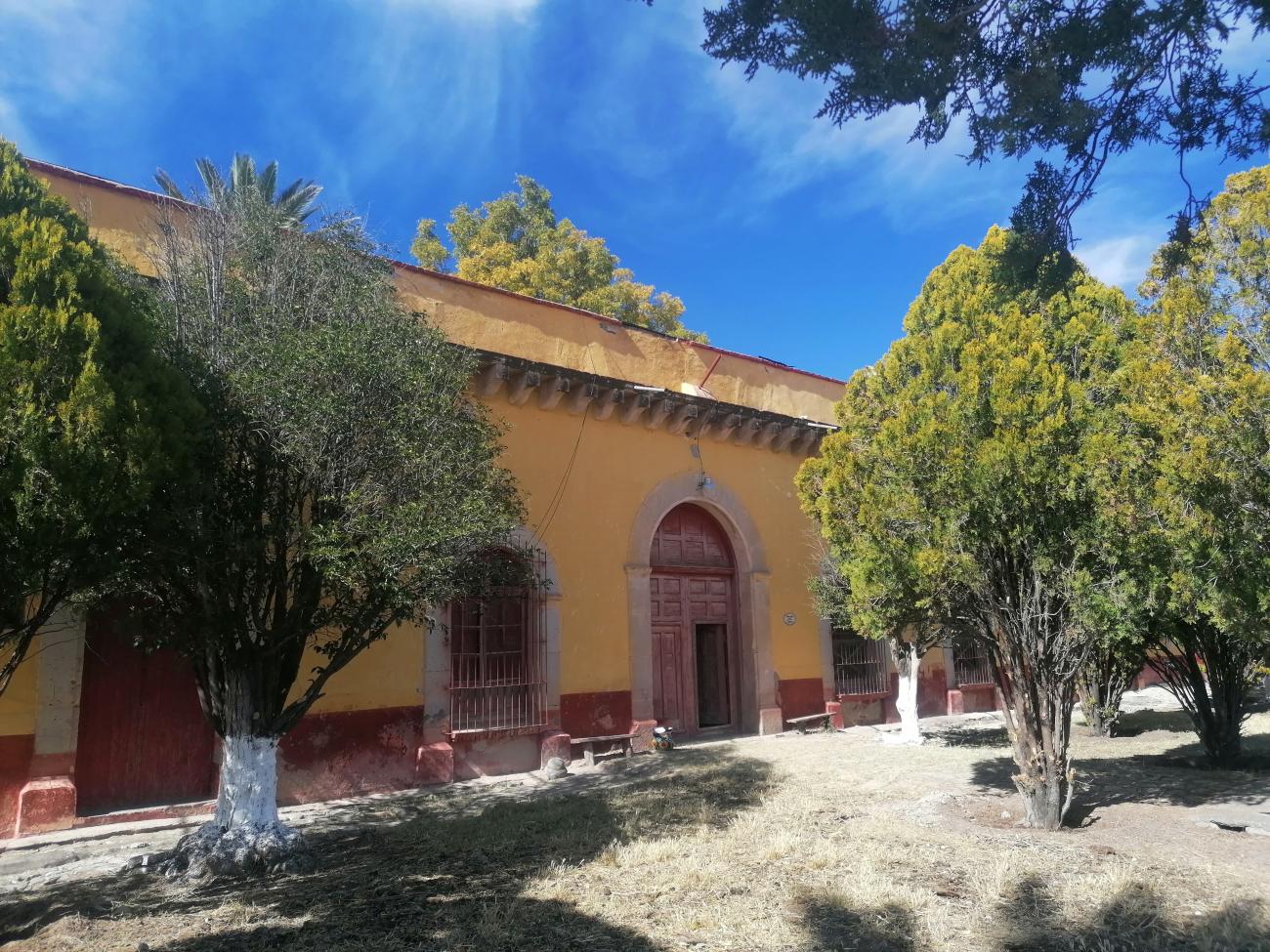
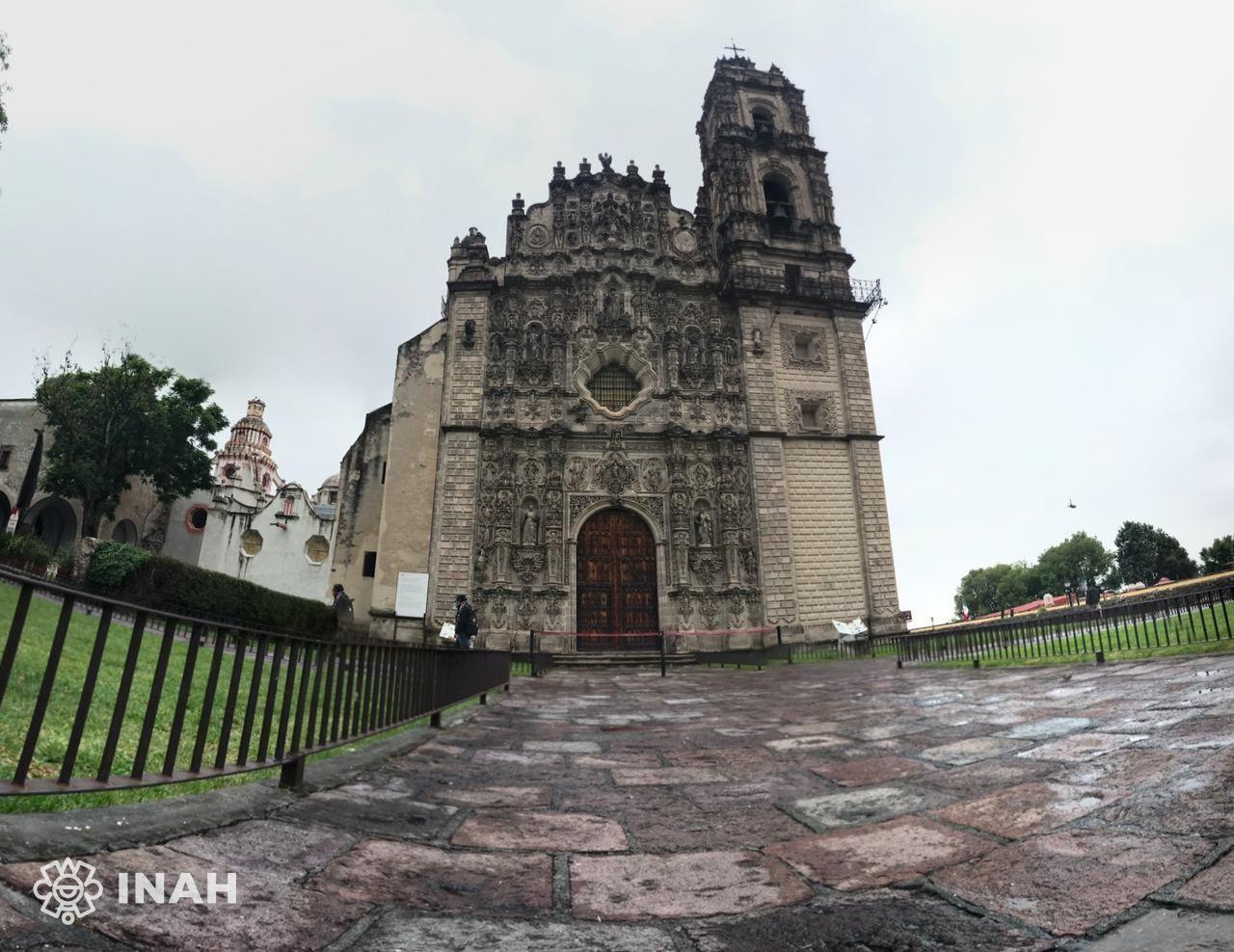

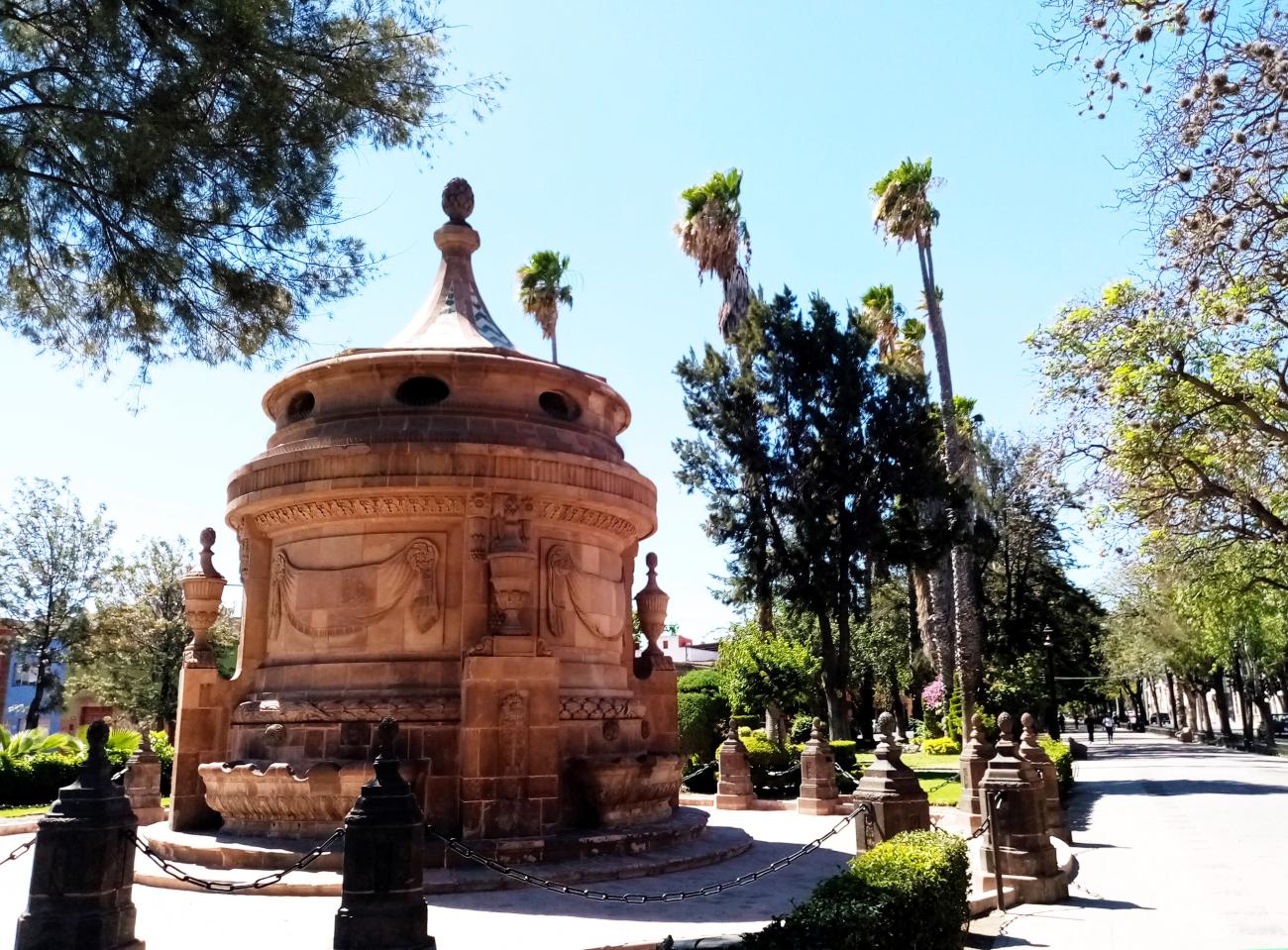
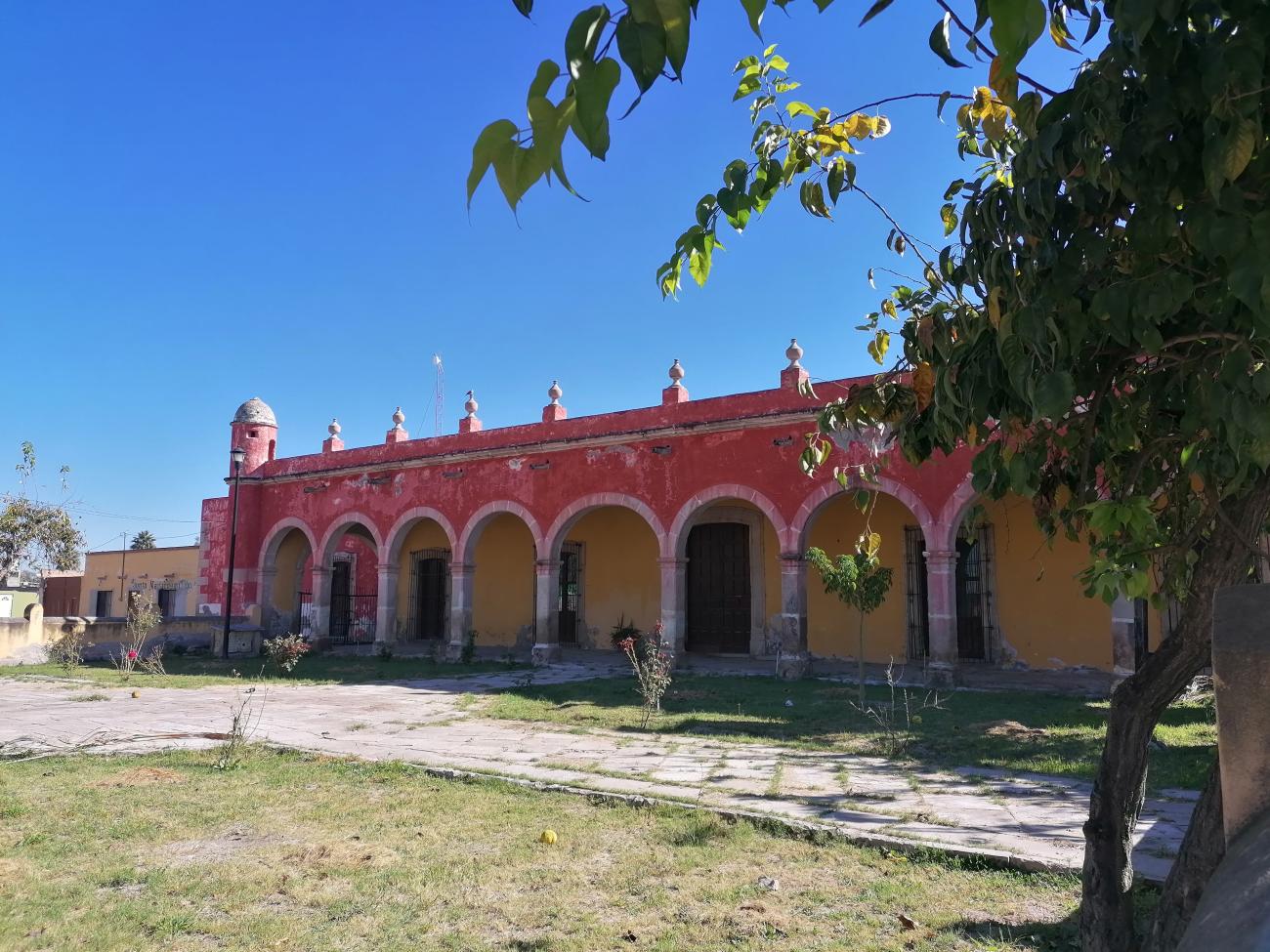
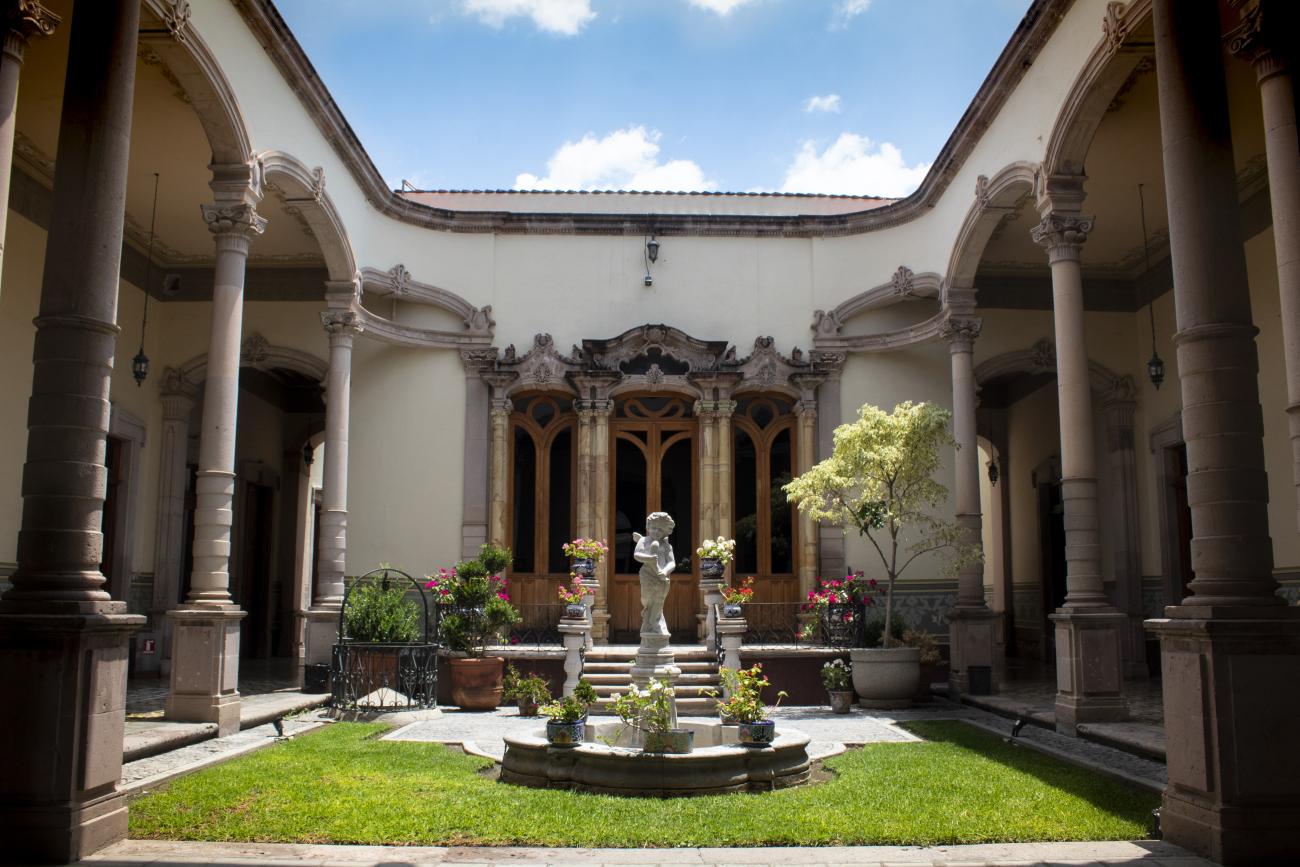
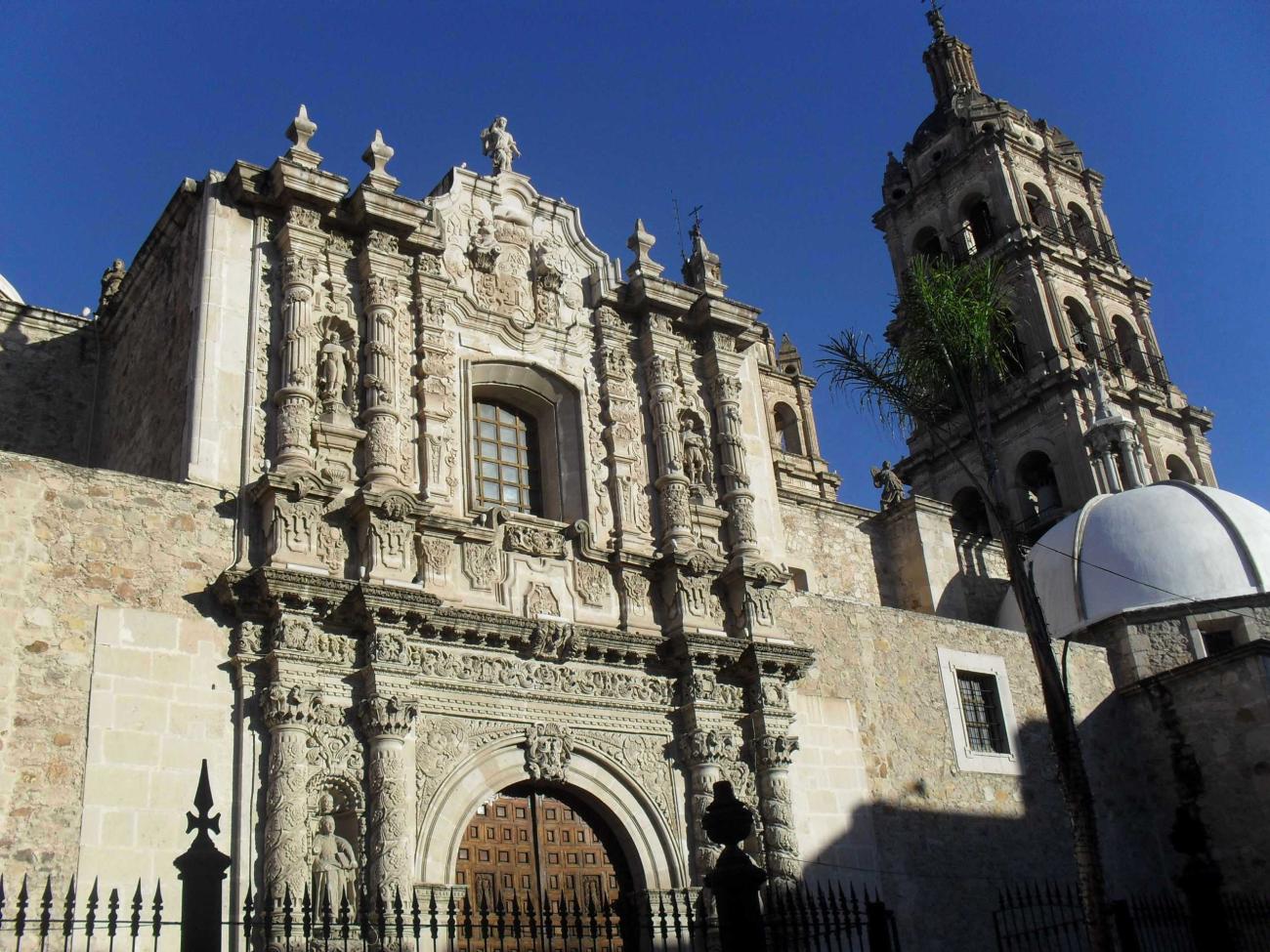
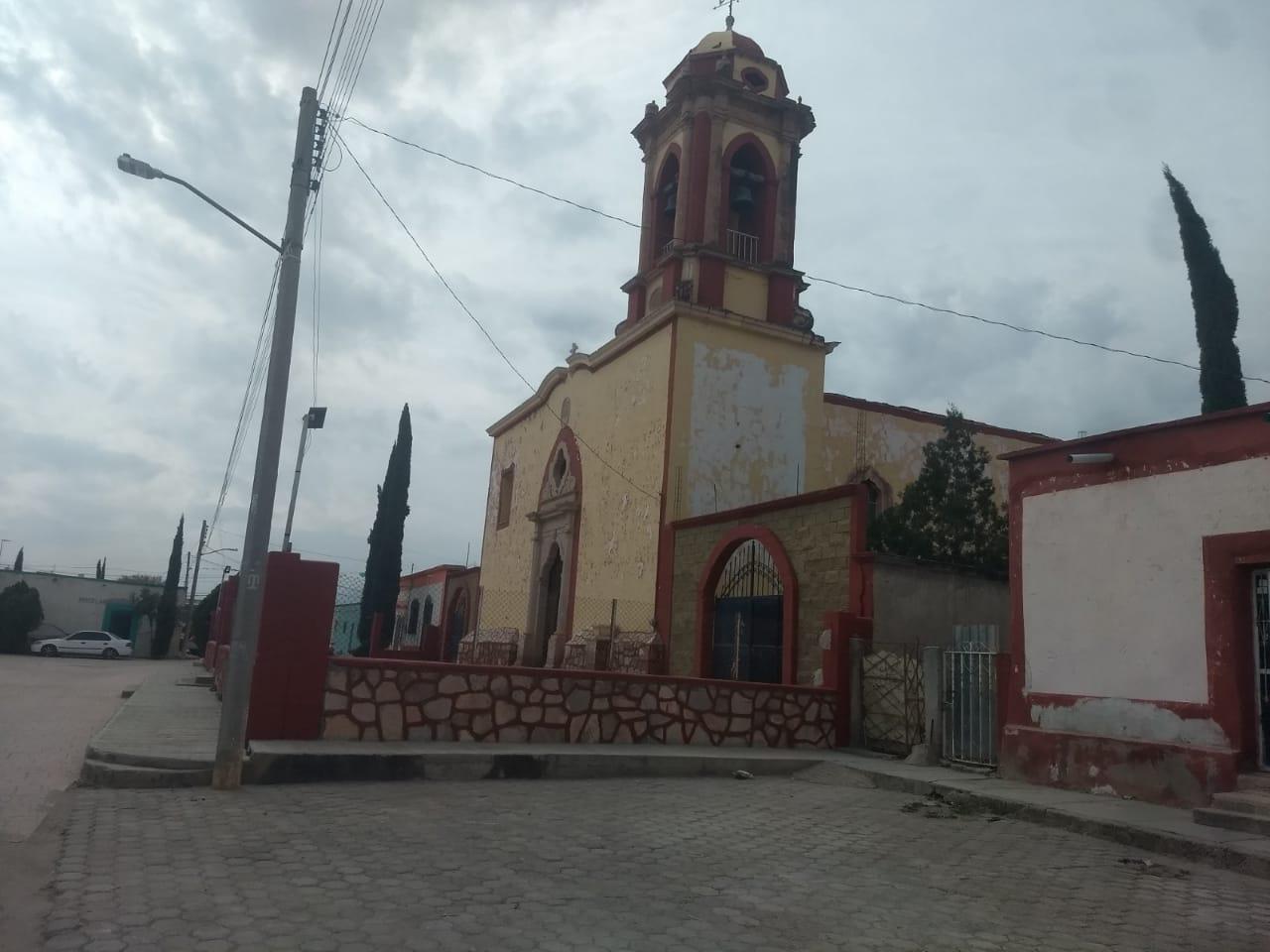

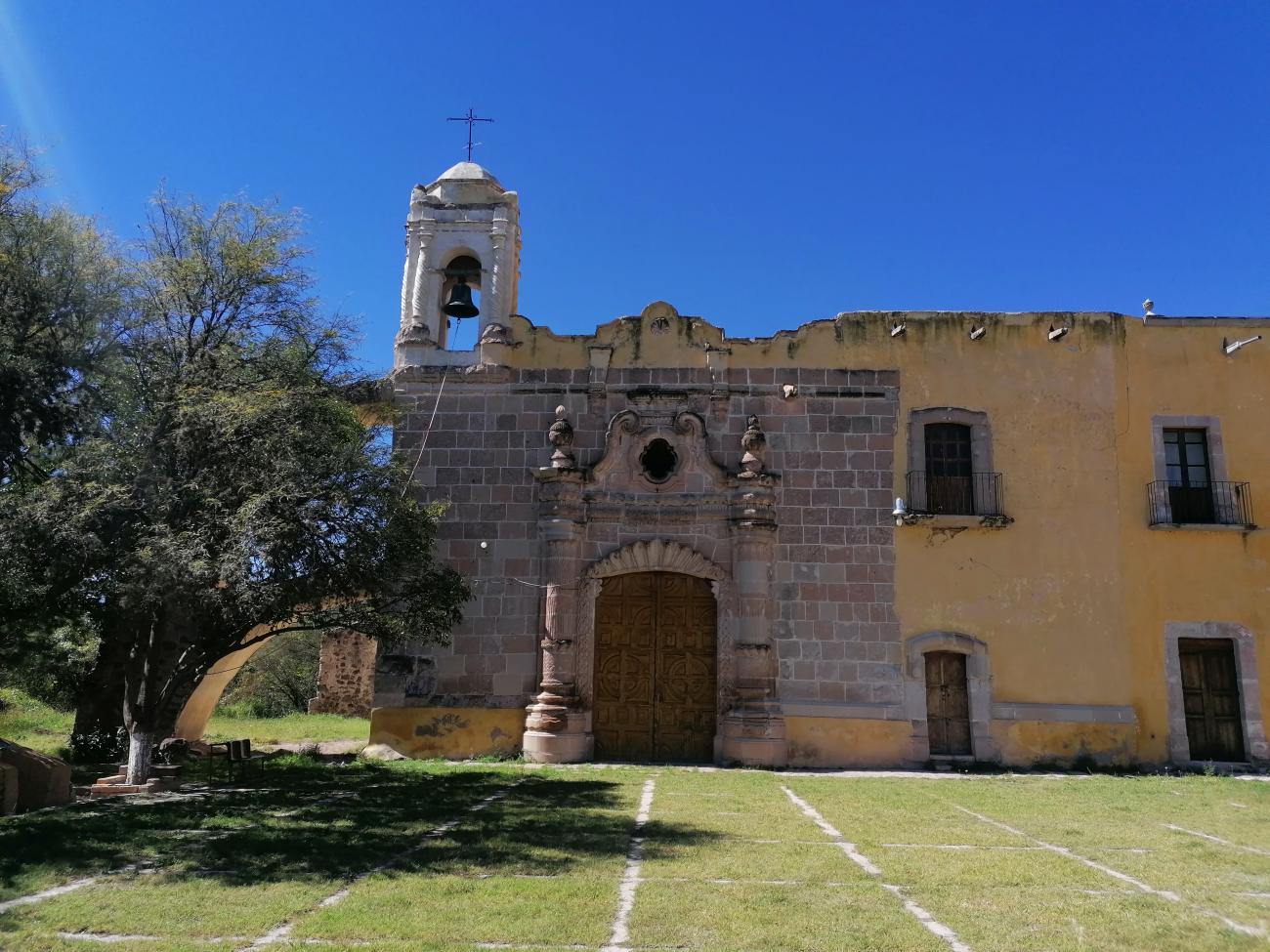
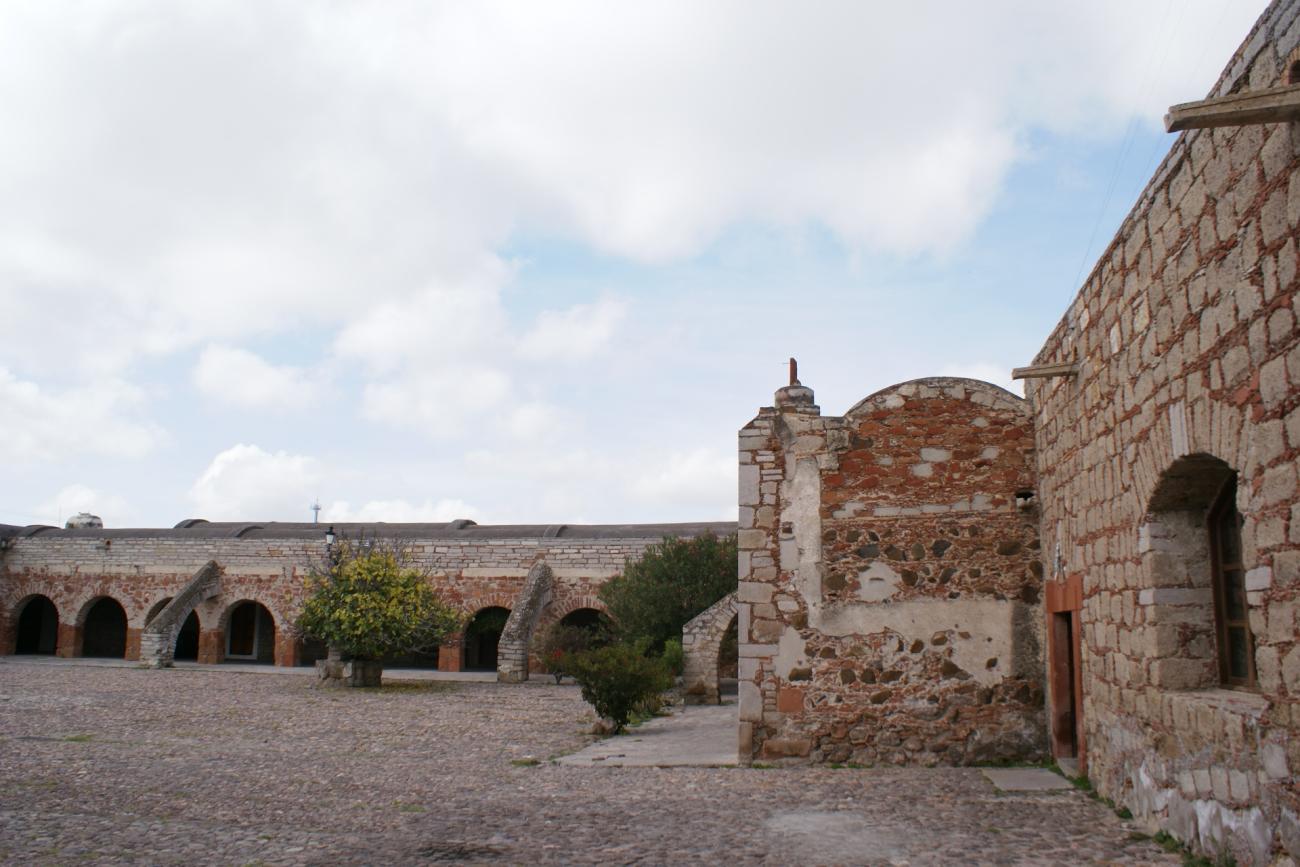
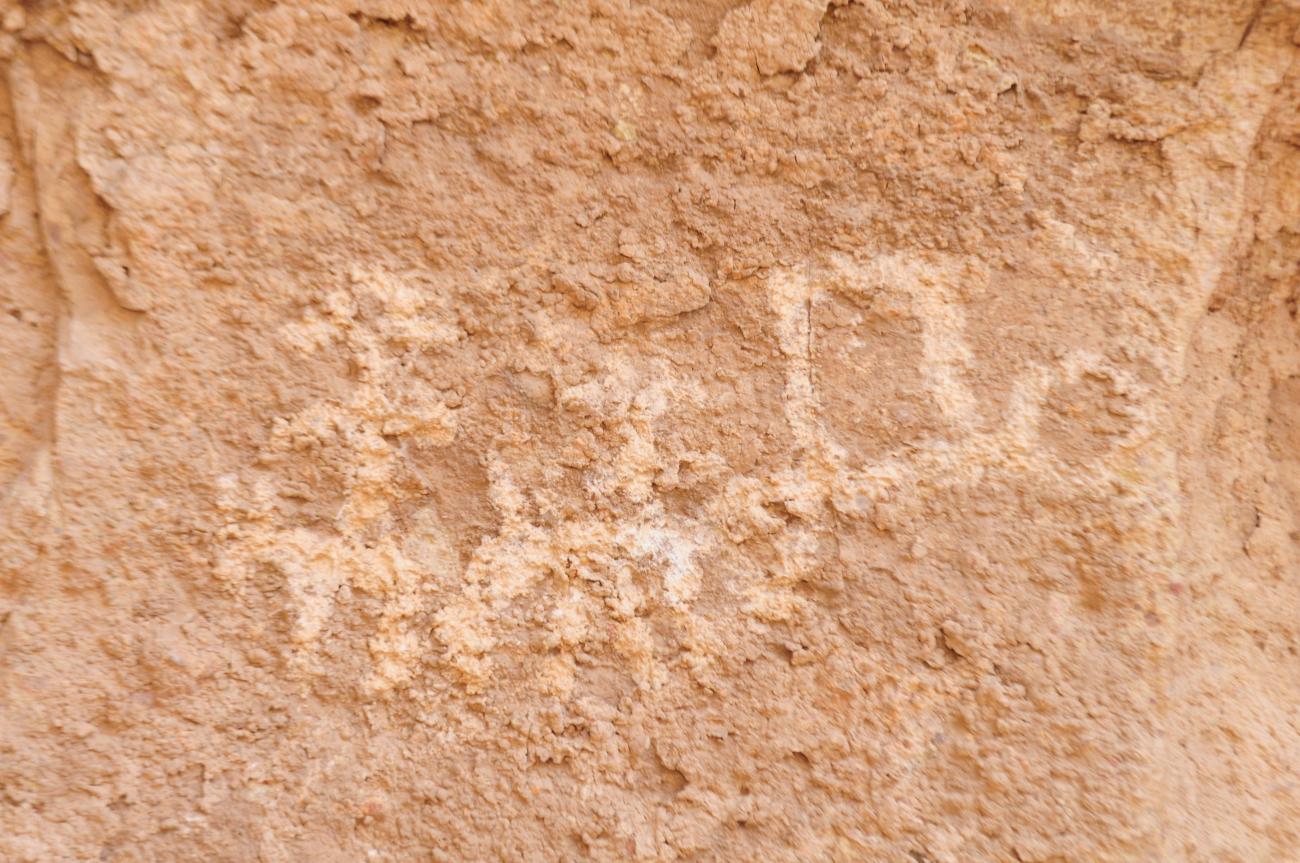

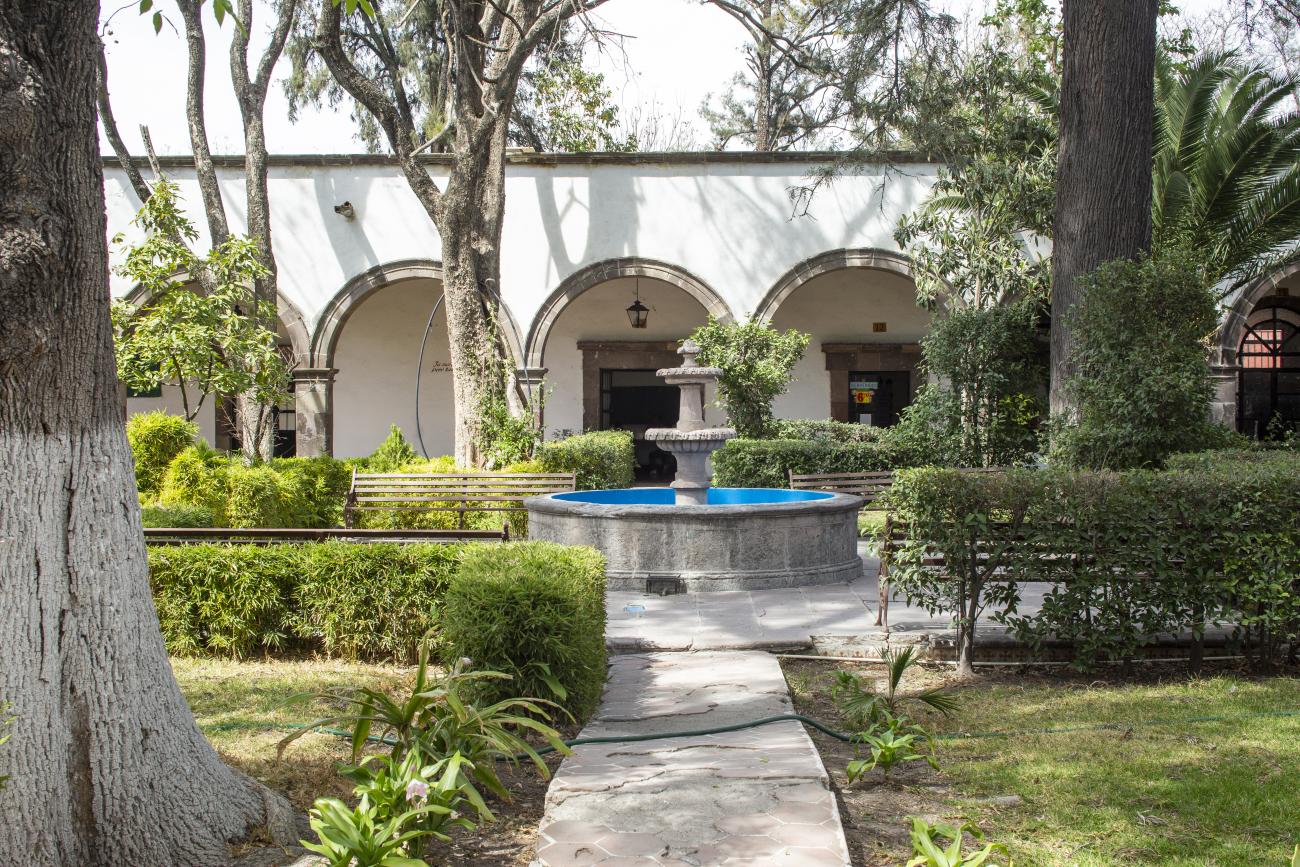
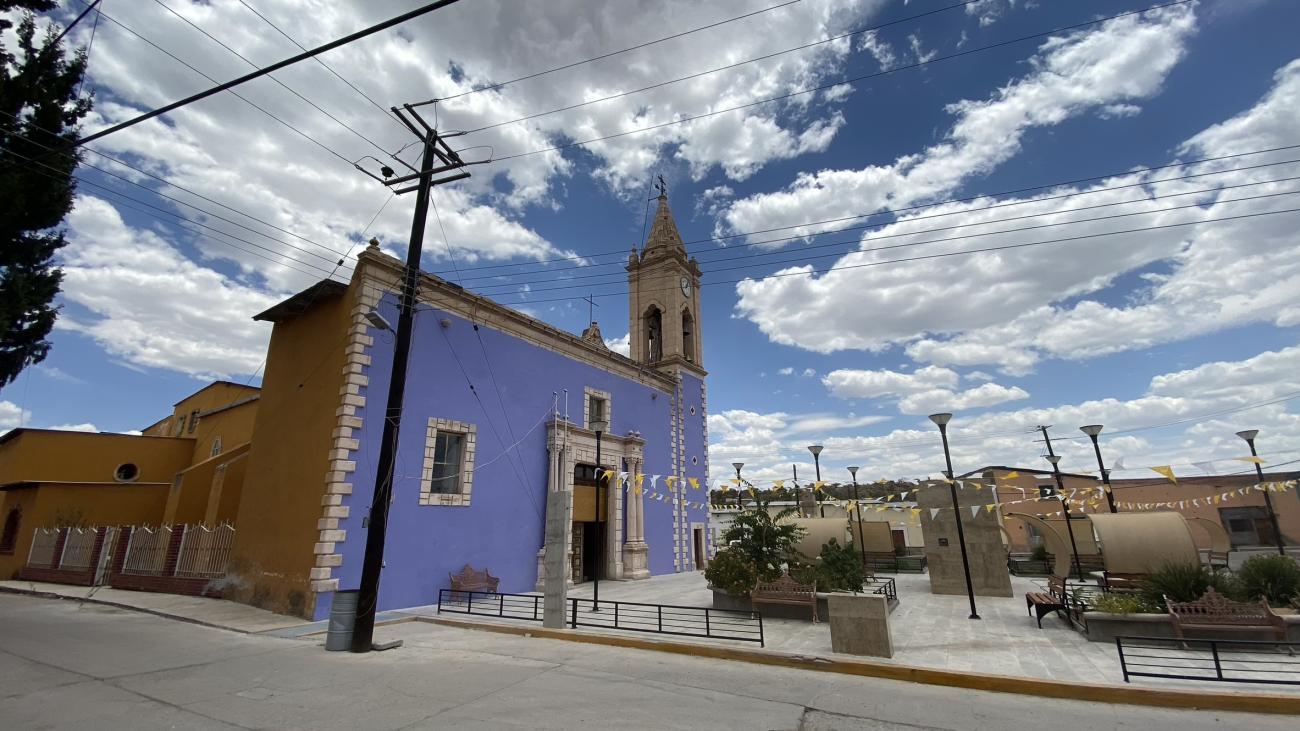
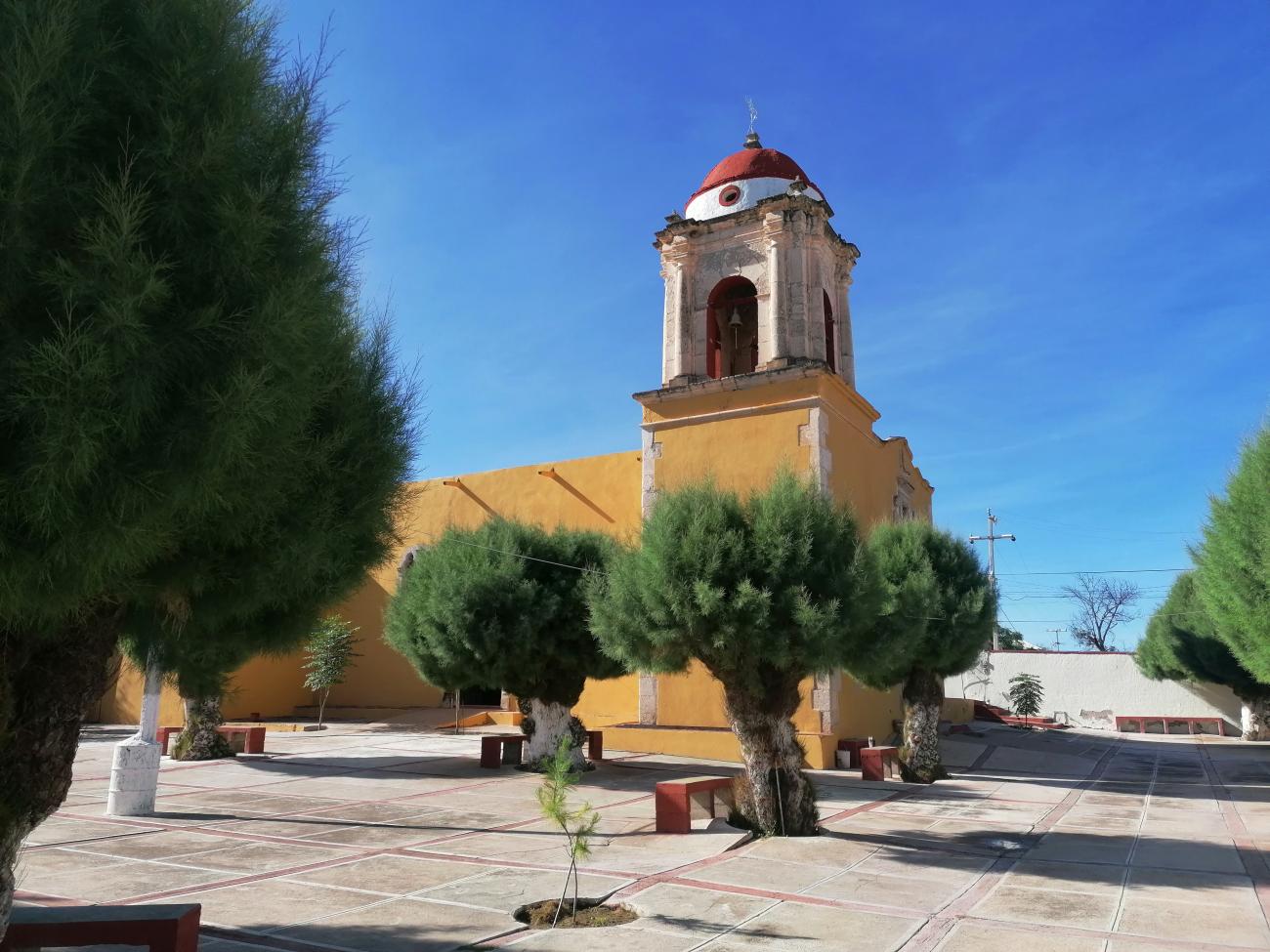

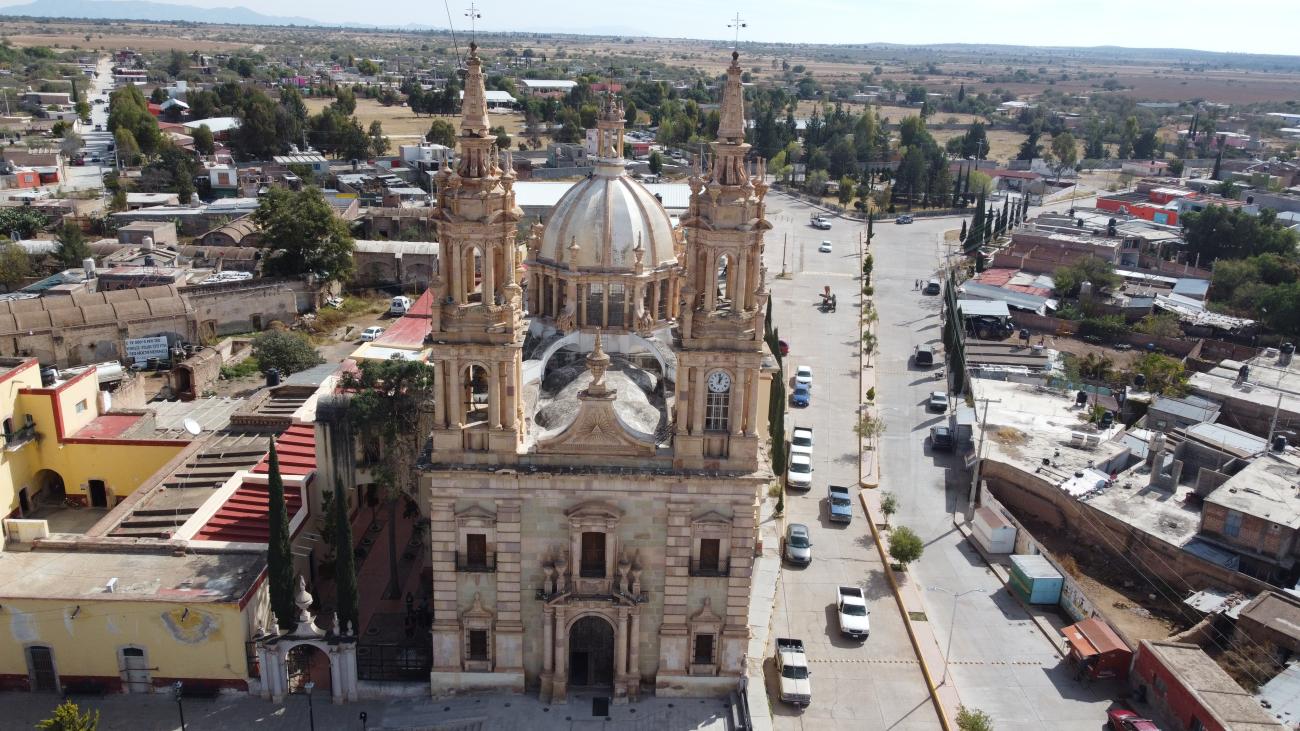
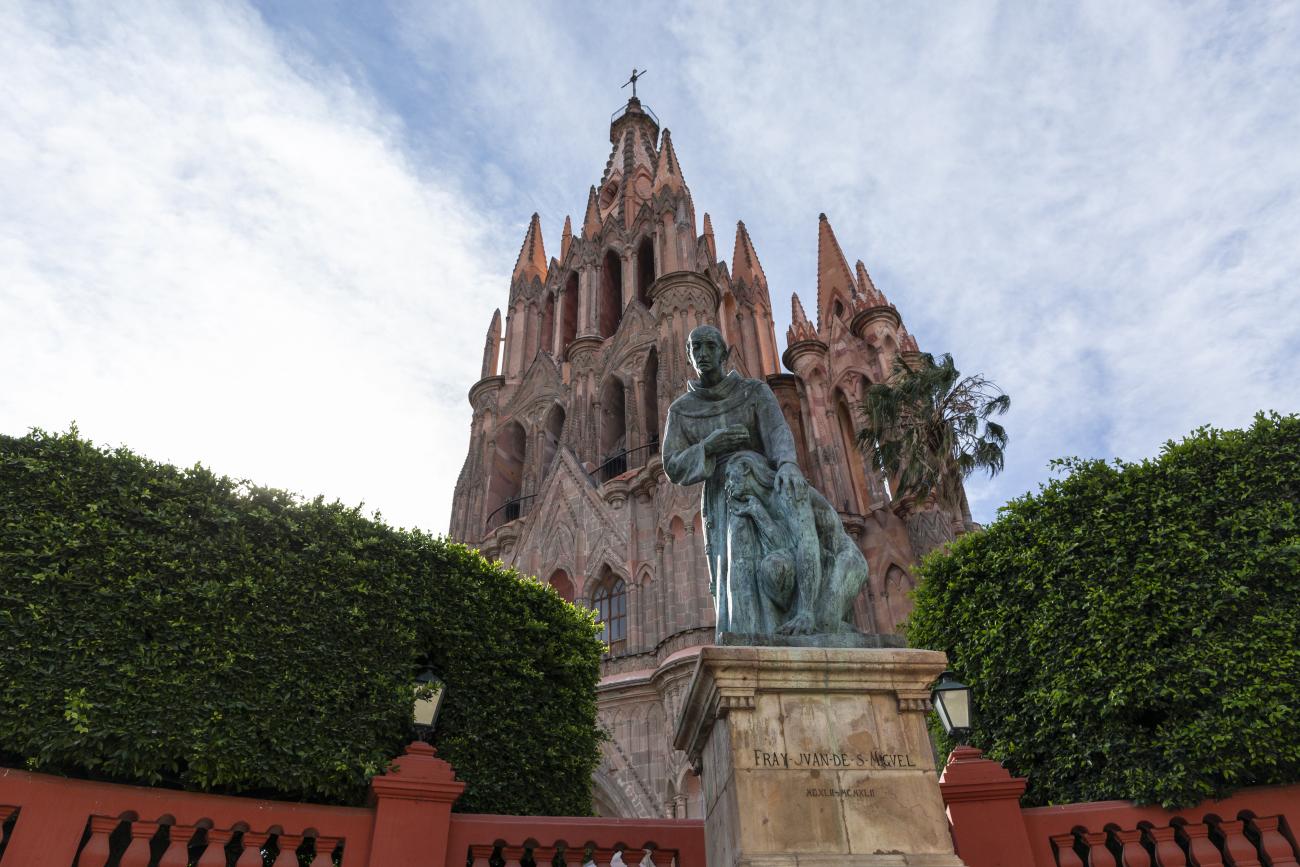
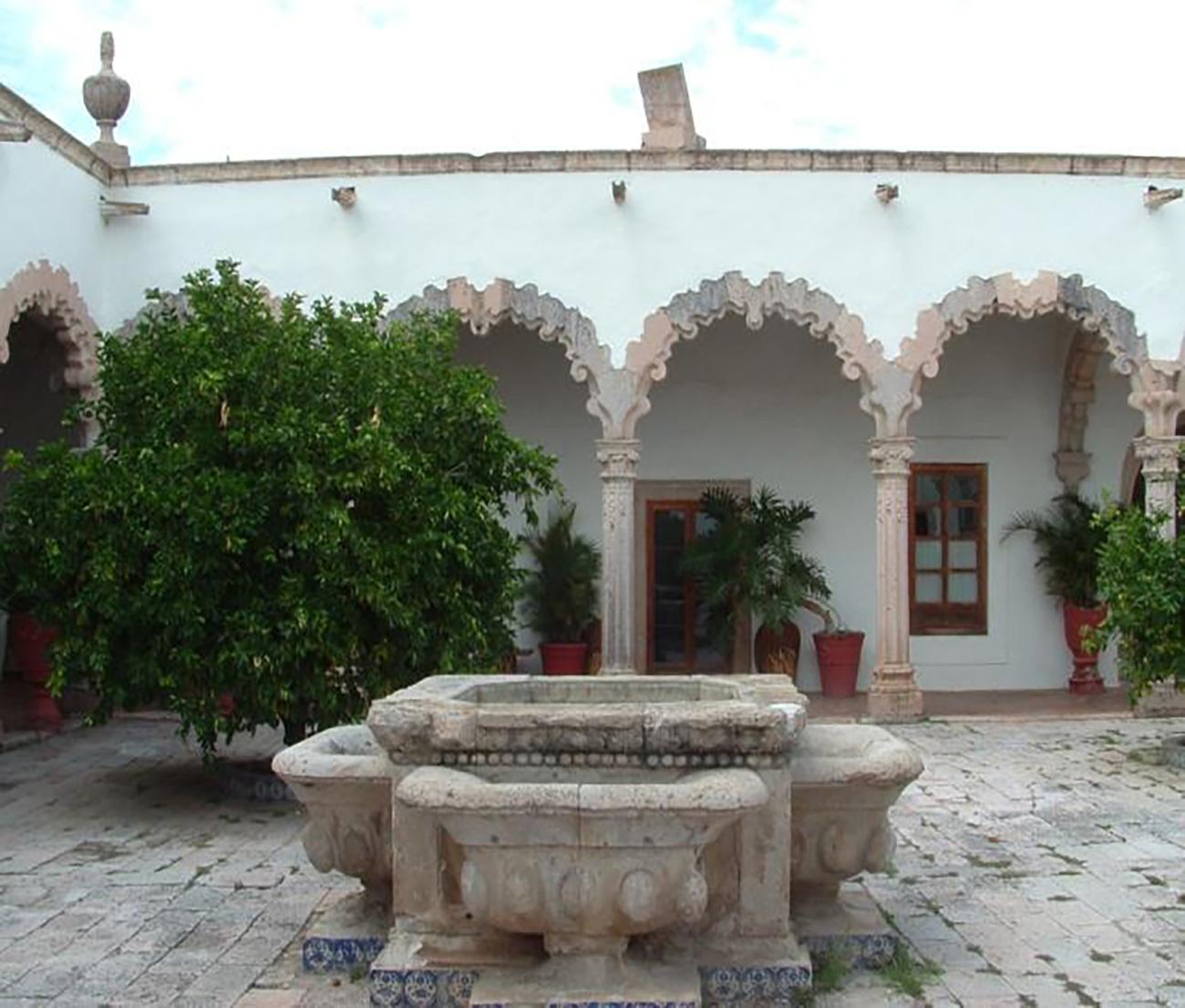

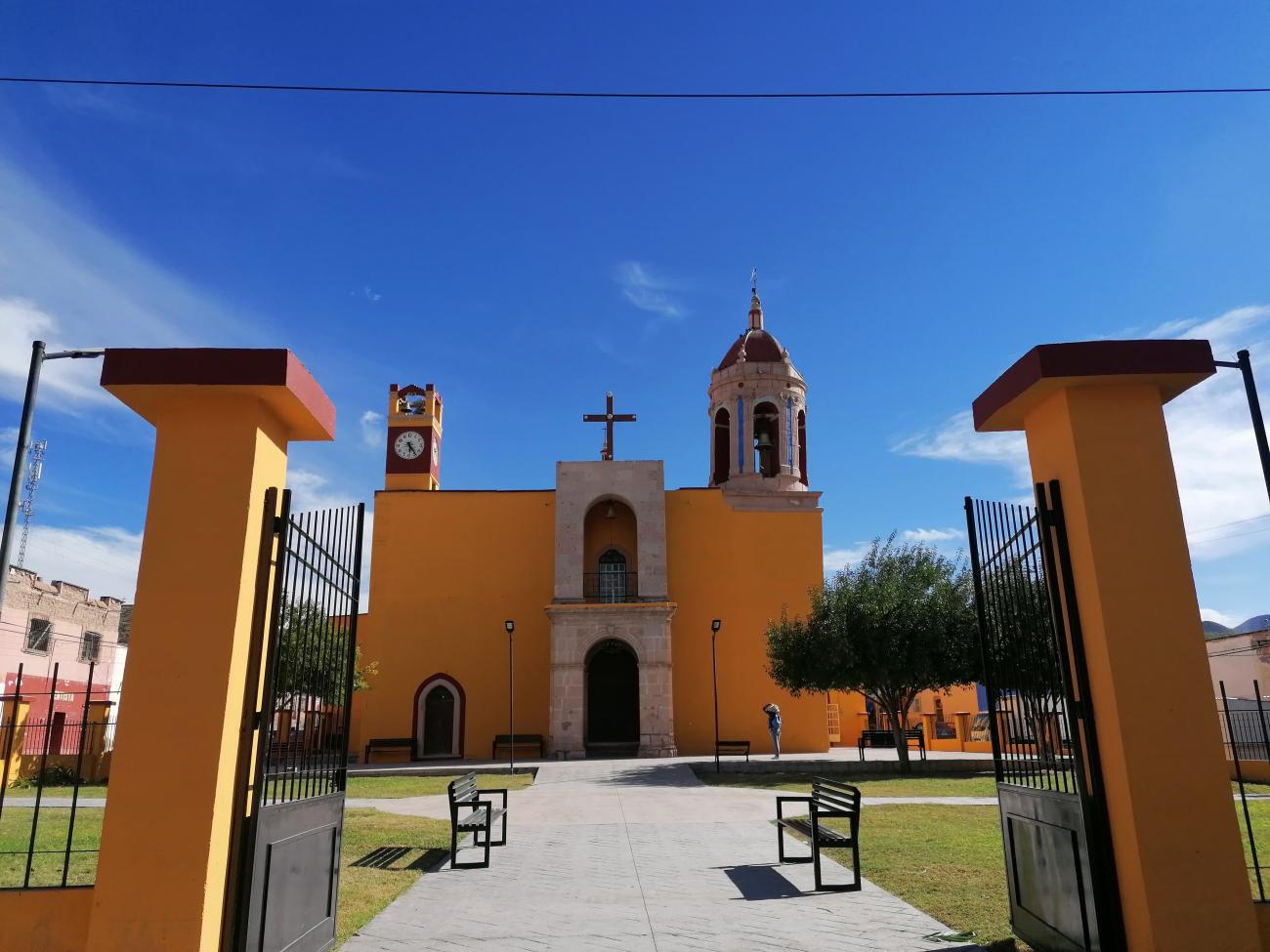
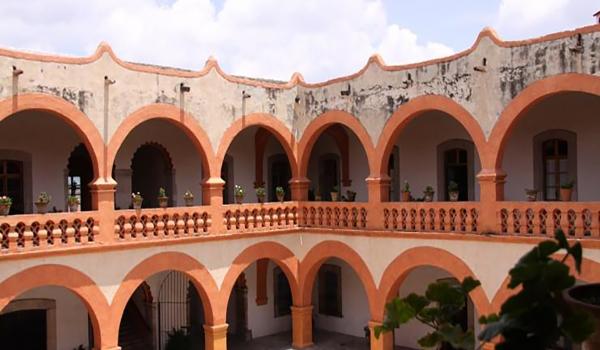
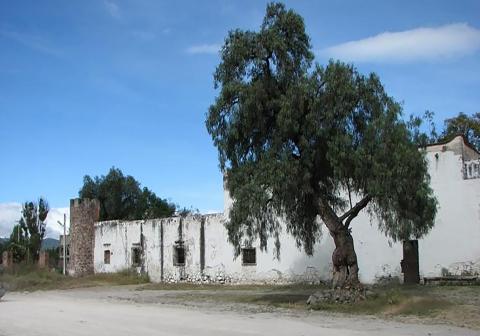
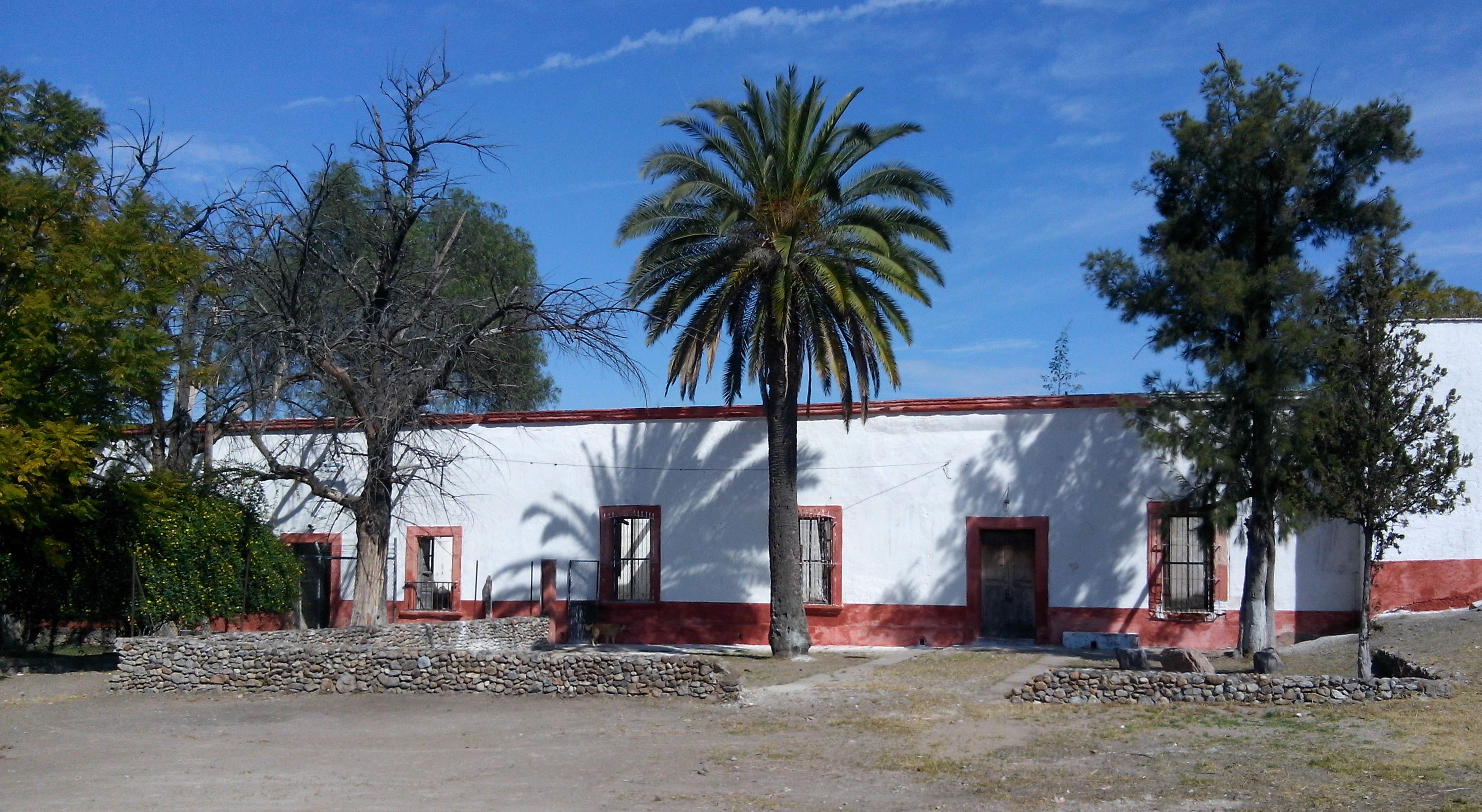
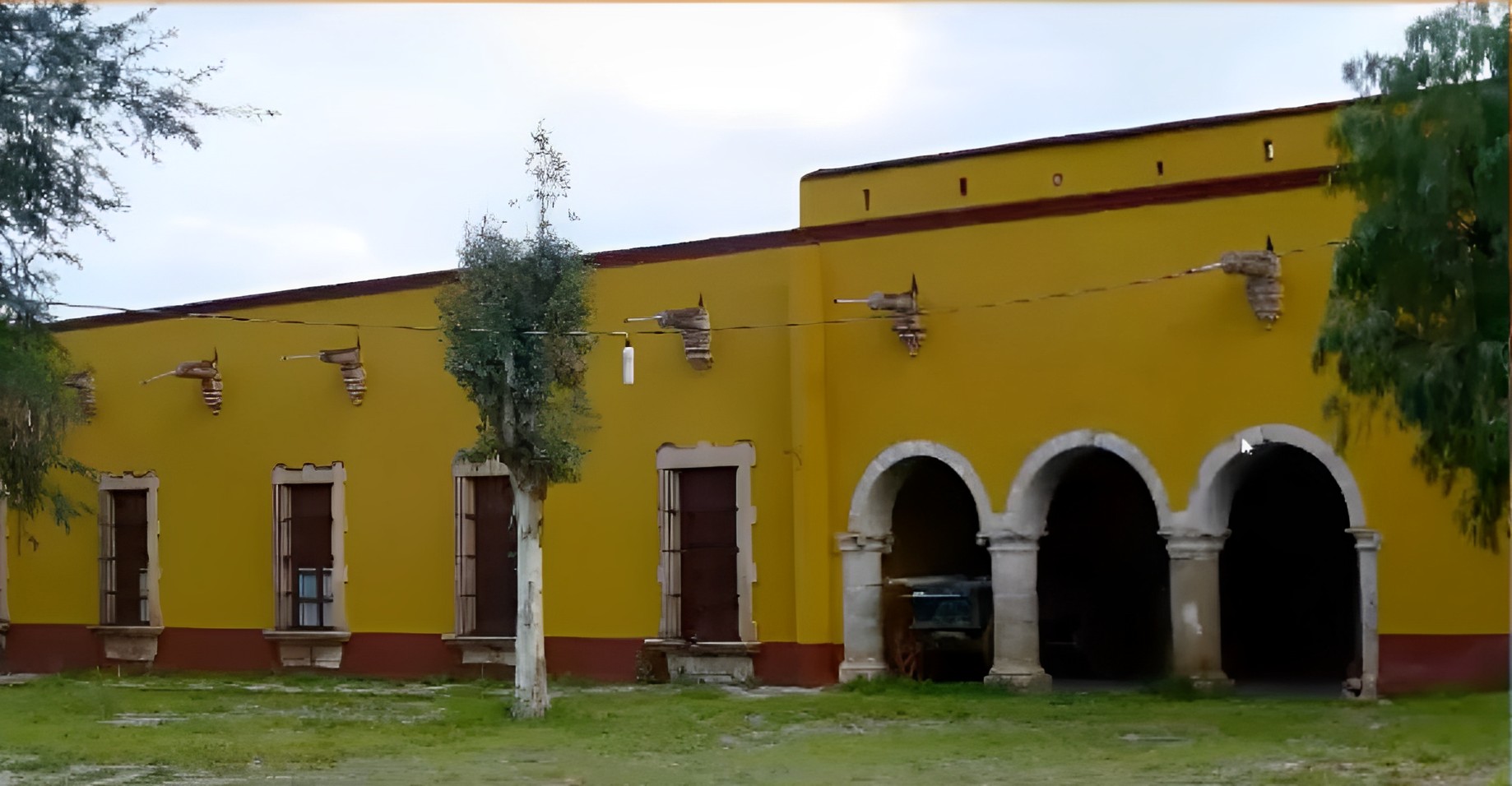
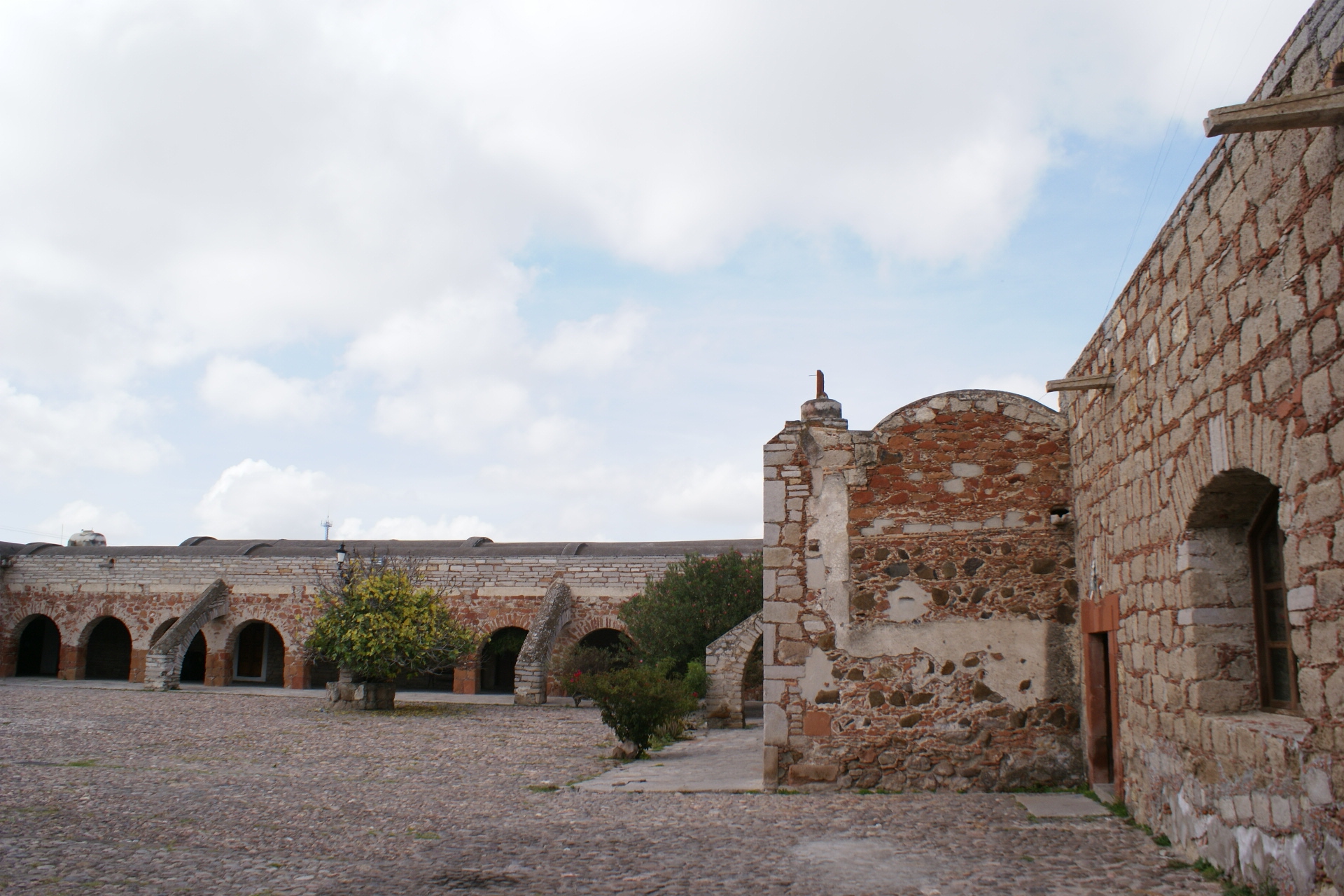
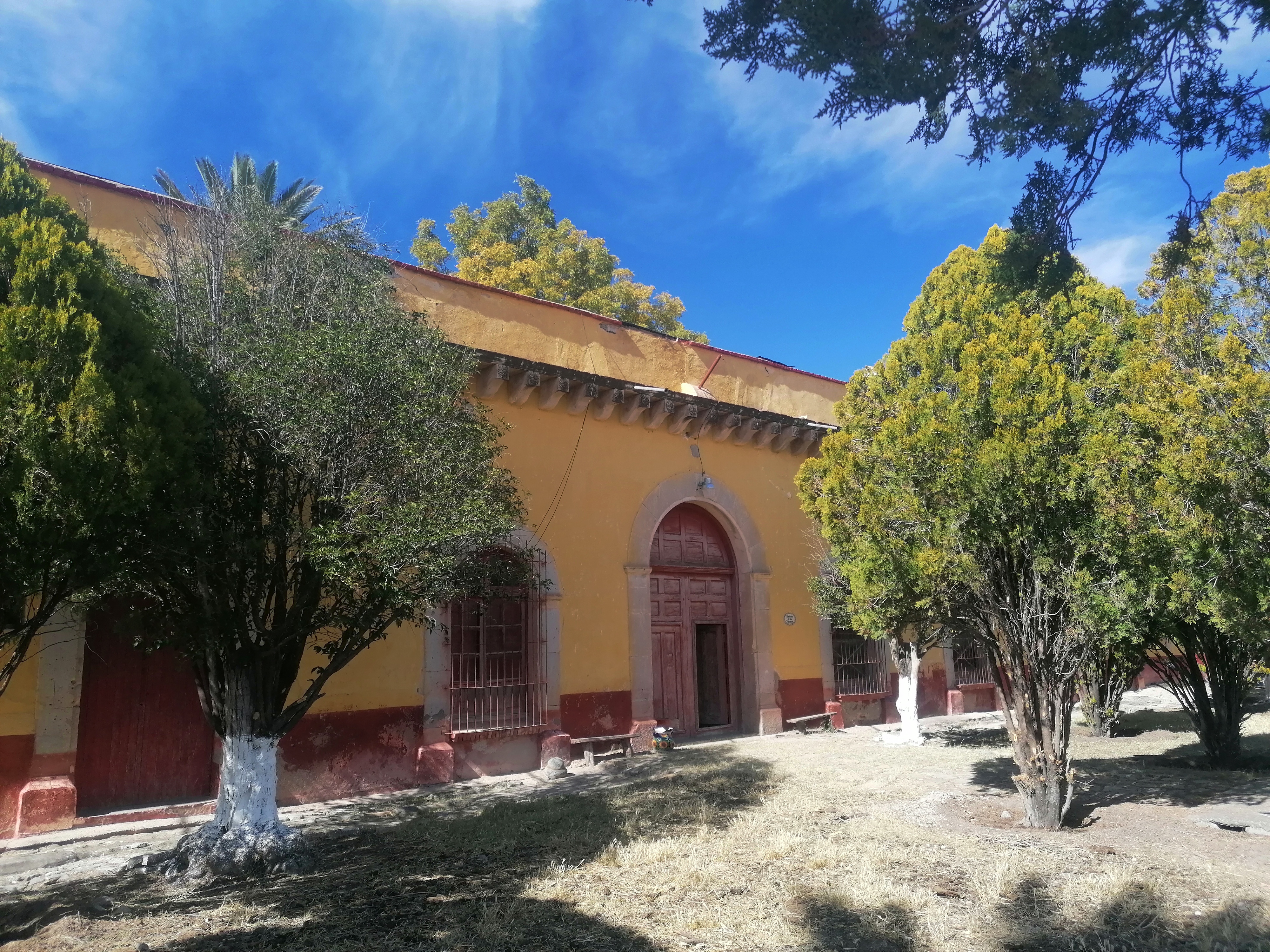
Antigua hacienda de Chichimequillas
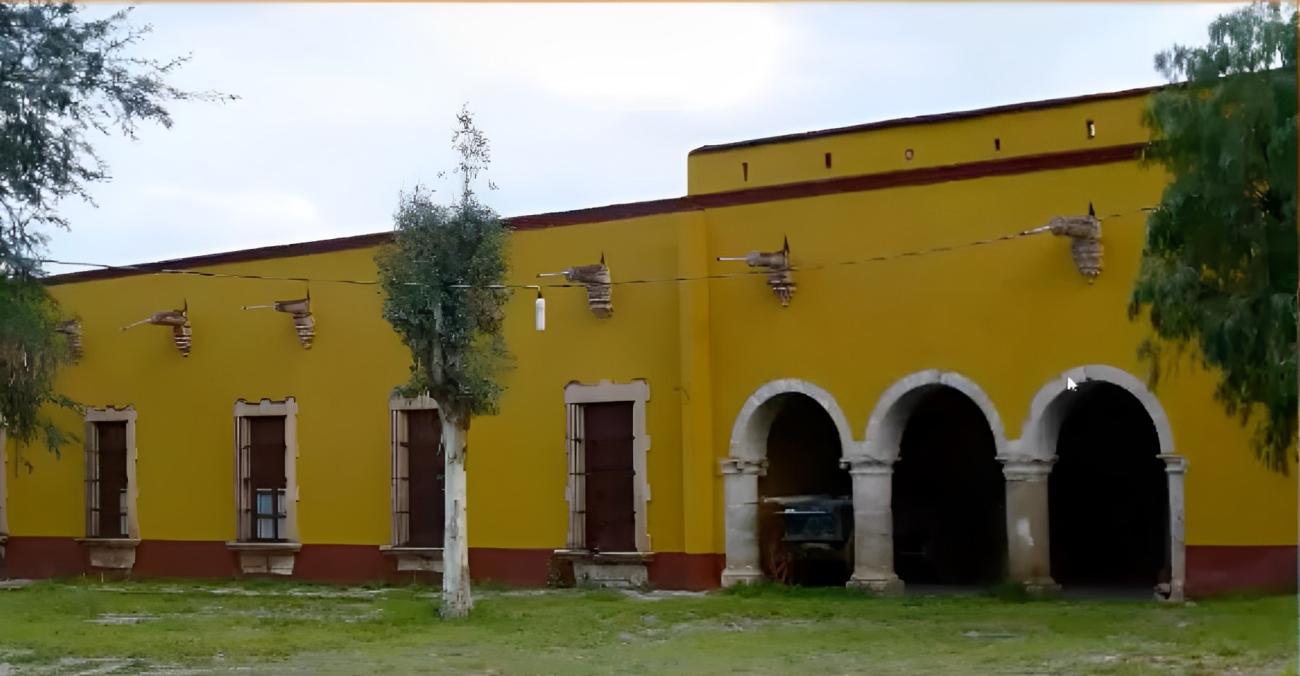
The hacienda de Chichimequillas is located in the municipality of El Marqués, Querétaro.
Antigua hacienda de Chichimequillas
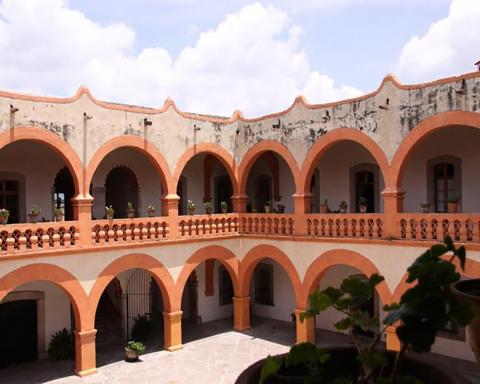
The hacienda de Chichimequillas is located in the municipality of El Marqués, Querétaro. It was built around 1690 by Carmelite monks who settled in the area to assist and settle the Chichimeca Jonaces and Pame indigenous people, while also providing shelter to travelers journeying along the Camino Real de Tierra Adentro to and from the mining regions of Guanajuato and Zacatecas.
Antigua hacienda de Ciénega de Mata
The former hacienda of Ciénaga de Mata is located in the town of Francisco Primo de Verdad, municipality of Lagos de Moreno, Jalisco. It was formerly known as Ciénaga de Rincón, named after the prestige achieved by the Rincón Gallardo family, also Marquises of Guadalupe.
Antigua hacienda de Ciénega de Mata
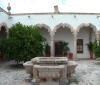
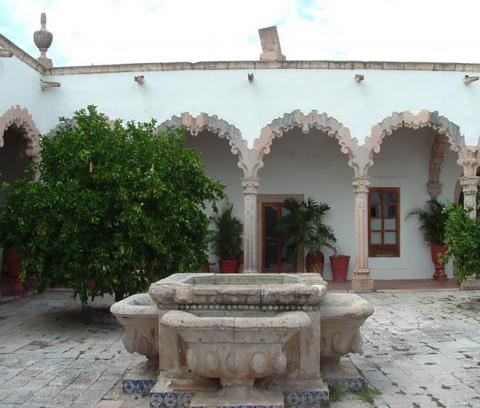
The former hacienda of Ciénaga de Mata is located in the town of Francisco Primo de Verdad, municipality of Lagos de Moreno, Jalisco. It was formerly known as Ciénaga de Rincón, named after the prestige achieved by the Rincón Gallardo family, also Marquises of Guadalupe. The proximity of this area to Zacatecas and other mining centers in need of grains and meat was an incentive for the first men who owned titles and land to become interested in making the area productive, despite its hostility.
Antigua hacienda de Cieneguilla
The former hacienda of Ciénaga de Mata is located in the town of Francisco Primo de Verdad, municipality of Lagos de Moreno, Jalisco. It was formerly known as Ciénaga de Rincón, named after the prestige achieved by the Rincón Gallardo family, also Marquises of Guadalupe.
Antigua hacienda de Cieneguilla
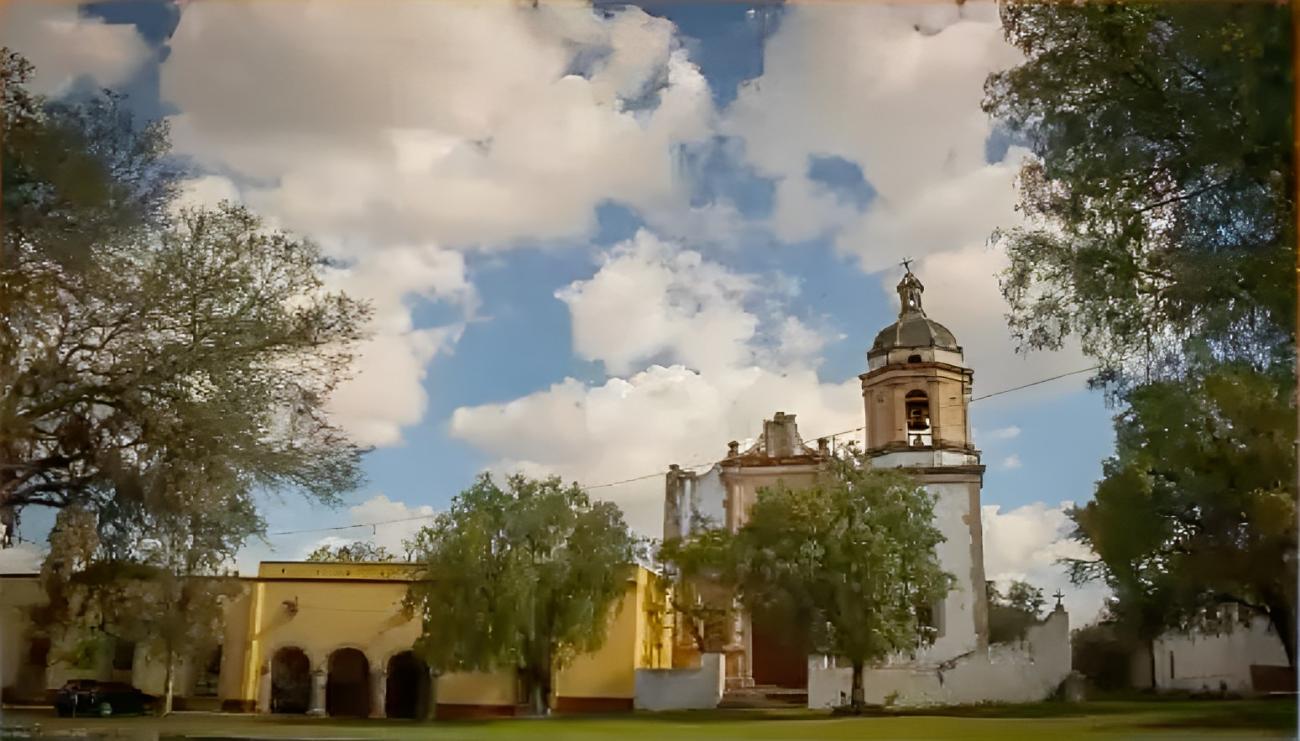

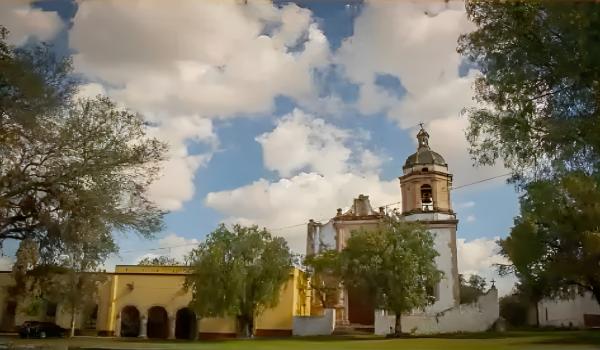
The former hacienda of Ciénaga de Mata is located in the town of Francisco Primo de Verdad, municipality of Lagos de Moreno, Jalisco. It was formerly known as Ciénaga de Rincón, named after the prestige achieved by the Rincón Gallardo family, also Marquises of Guadalupe. The proximity of this area to Zacatecas and other mining centers in need of grains and meat was an incentive for the first men who owned titles and land to become interested in making the area productive, despite its hostility.
Antigua hacienda de la Limpia Concepción de El Canutillo
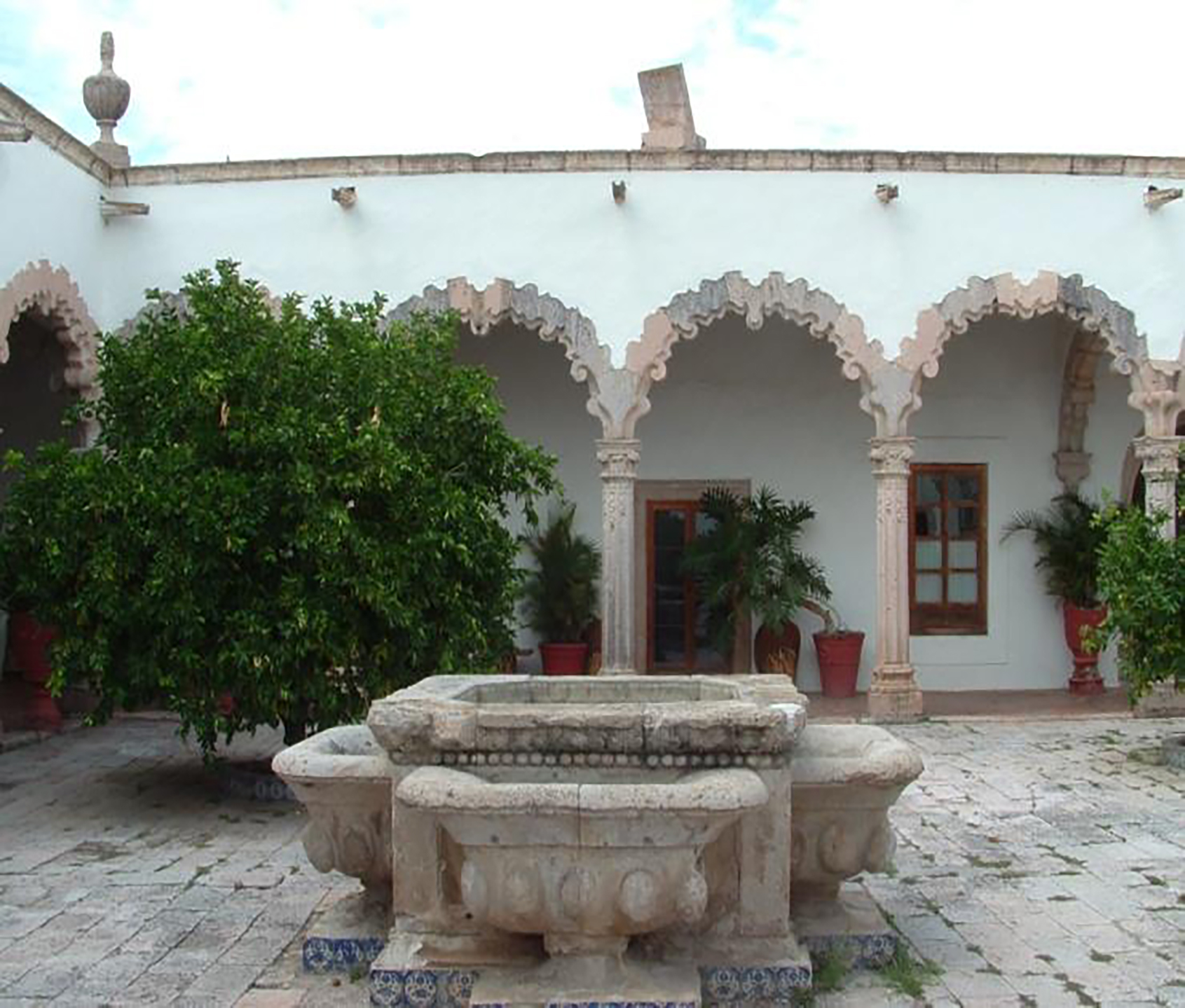
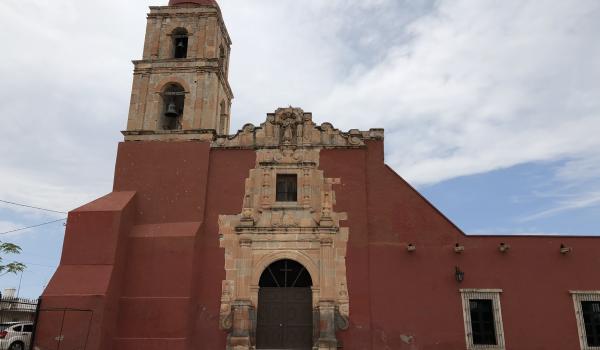
The Hacienda de la Limpia Concepción de El Canutillo, located in the current municipality of Ocampo, Durango, dates back to the second half of the 17th century. Originally built as an agricultural estate, its primary function was to supply the mining center of Parral (Chihuahua).
Antigua hacienda de la Limpia Concepción de El Canutillo
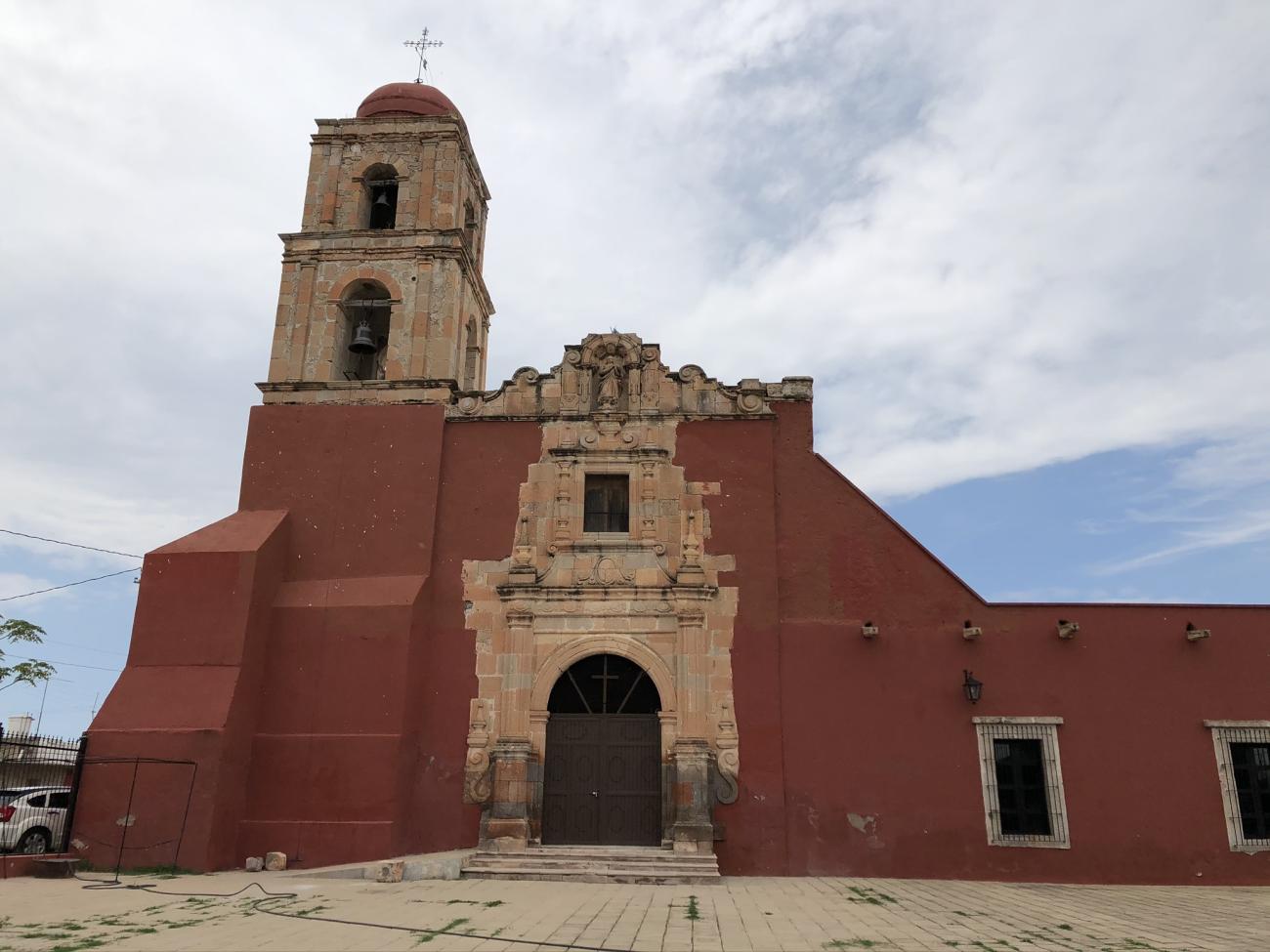
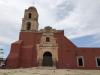
The Hacienda de la Limpia Concepción de El Canutillo, located in the current municipality of Ocampo, Durango, dates back to the second half of the 17th century. Originally built as an agricultural estate, its primary function was to supply the mining center of Parral (Chihuahua). However, it eventually became one of the wealthiest haciendas in the region due to its proximity to the Río Florido, which facilitated irrigation and thereby increased productivity.
Antigua hacienda de Pabellón de Hidalgo
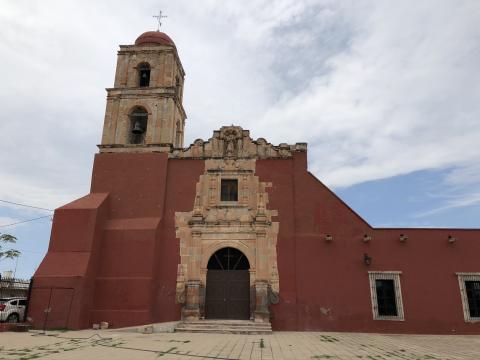
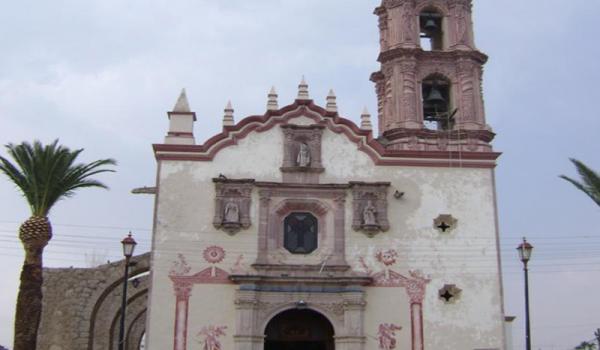
The hacienda Pabellón de Hidalgo, like most haciendas in Aguascalientes, owes its existence to the investment of miners from Zacatecas.
Antigua hacienda de Pabellón de Hidalgo
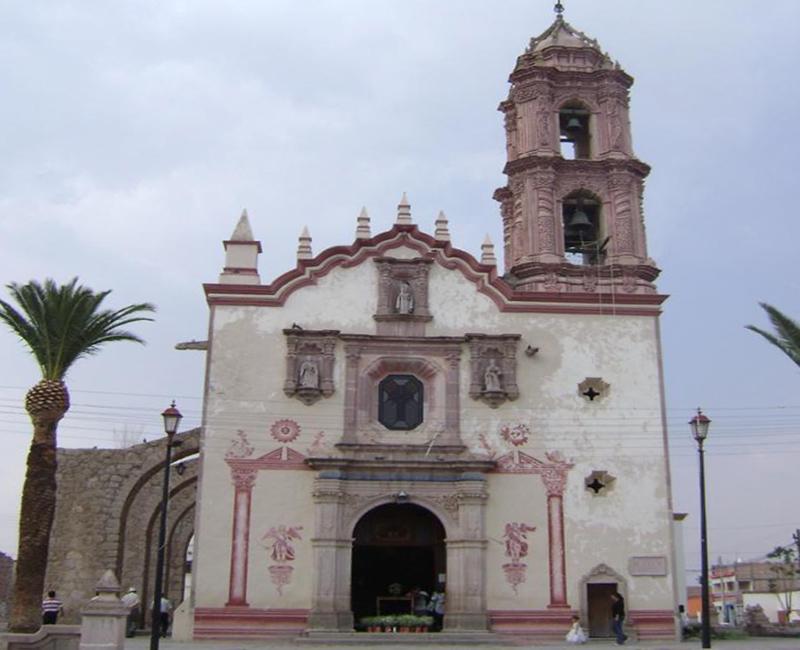
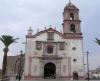
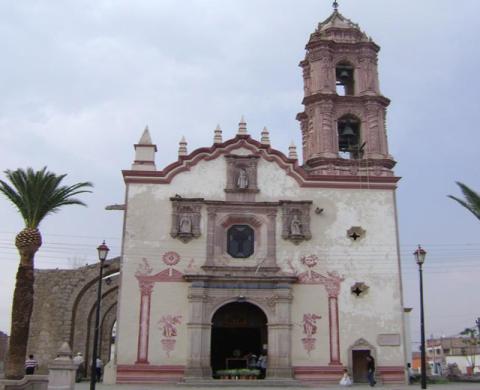
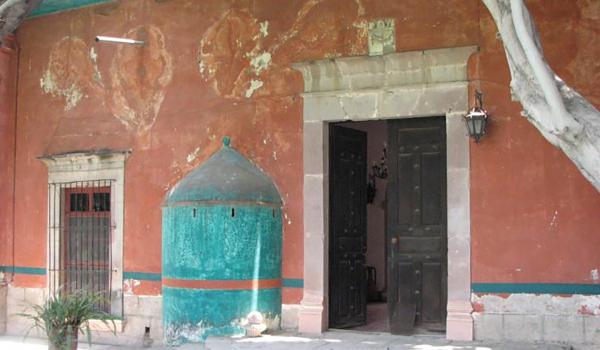
The hacienda Pabellón de Hidalgo, like most haciendas in Aguascalientes, owes its existence to the investment of miners from Zacatecas. The properties of Garabato and San Isidro, acquired by the Zacatecan miner José de la Peña Durán in 1681, would eventually give rise to the hacienda of Pabellón de Hidalgo.
Antigua hacienda de Peñuelas
The hacienda of Peñuelas was founded in 1612, making it one of the oldest in Aguascalientes.
Antigua hacienda de Peñuelas
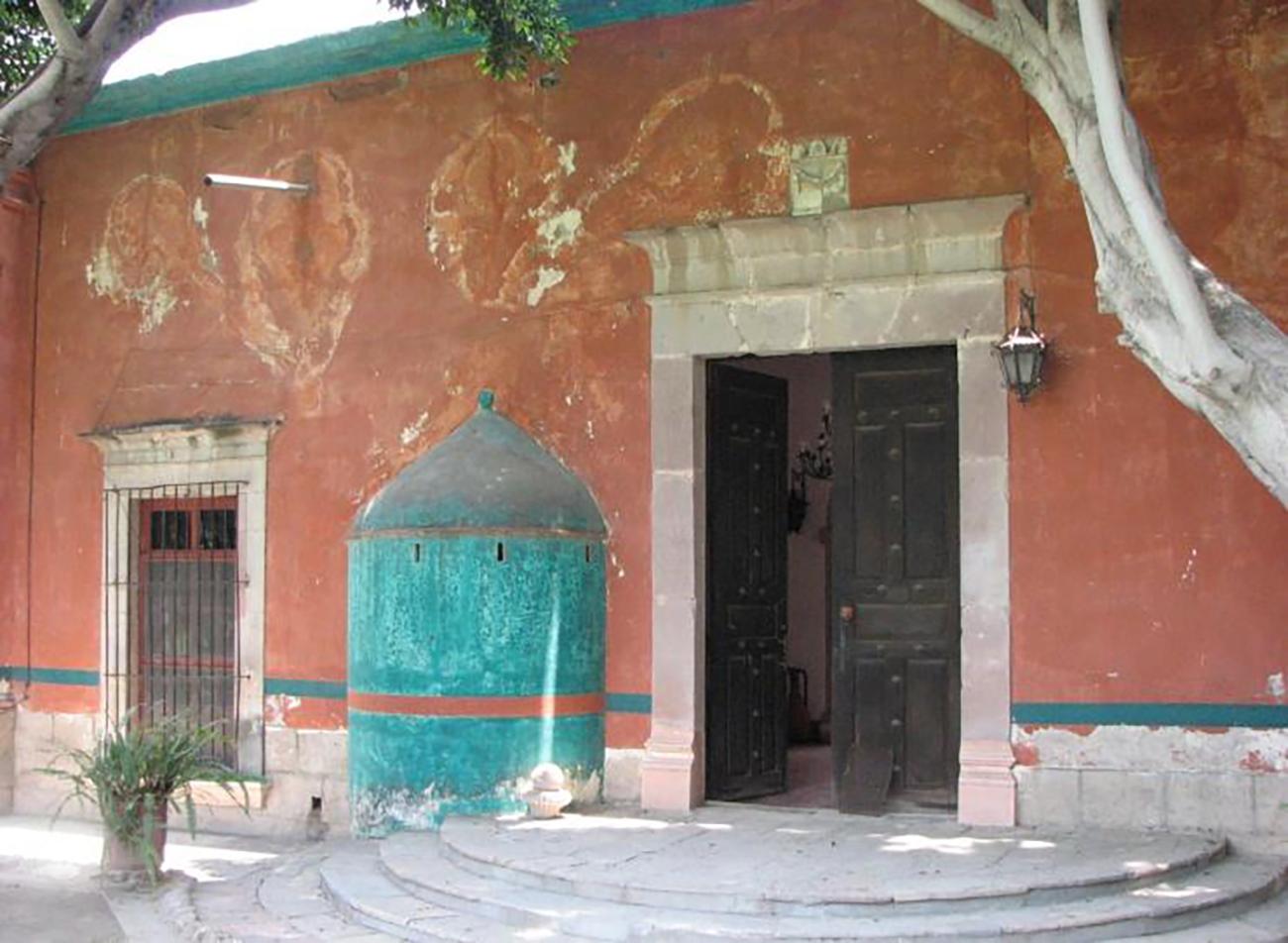
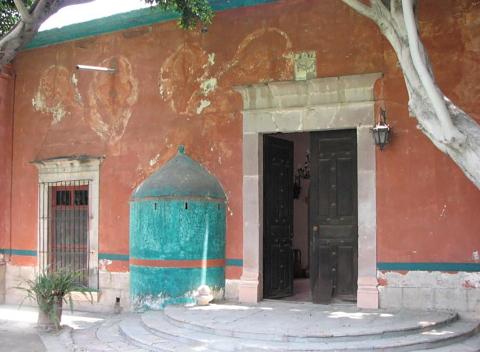
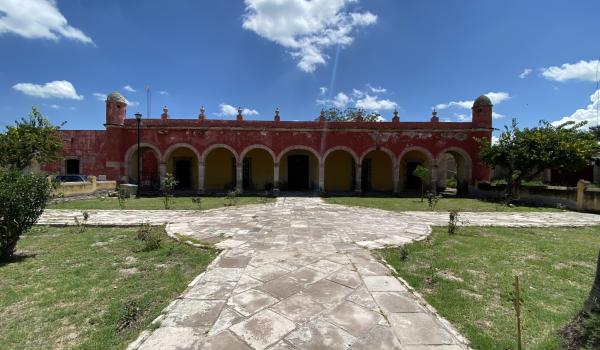
The hacienda of Peñuelas was founded in 1612, making it one of the oldest in Aguascalientes. Originally established under the name San Isidro Labrador, this name fell out of use because people began referencing the rocky landscape of the area, leading to the appellation that has persisted to this day.
Antigua hacienda de San Diego de Navacoyán y Puente del Diablo
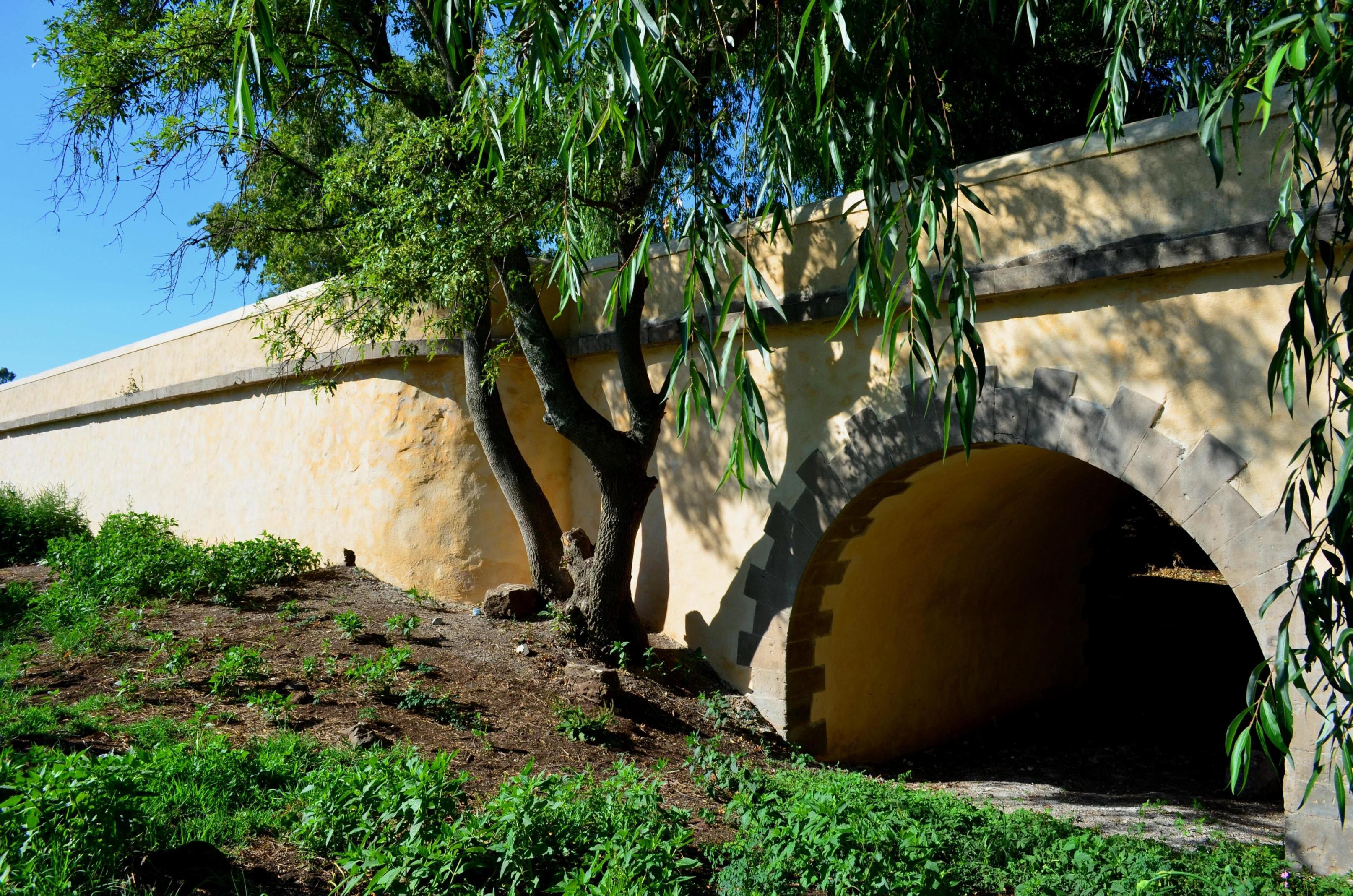
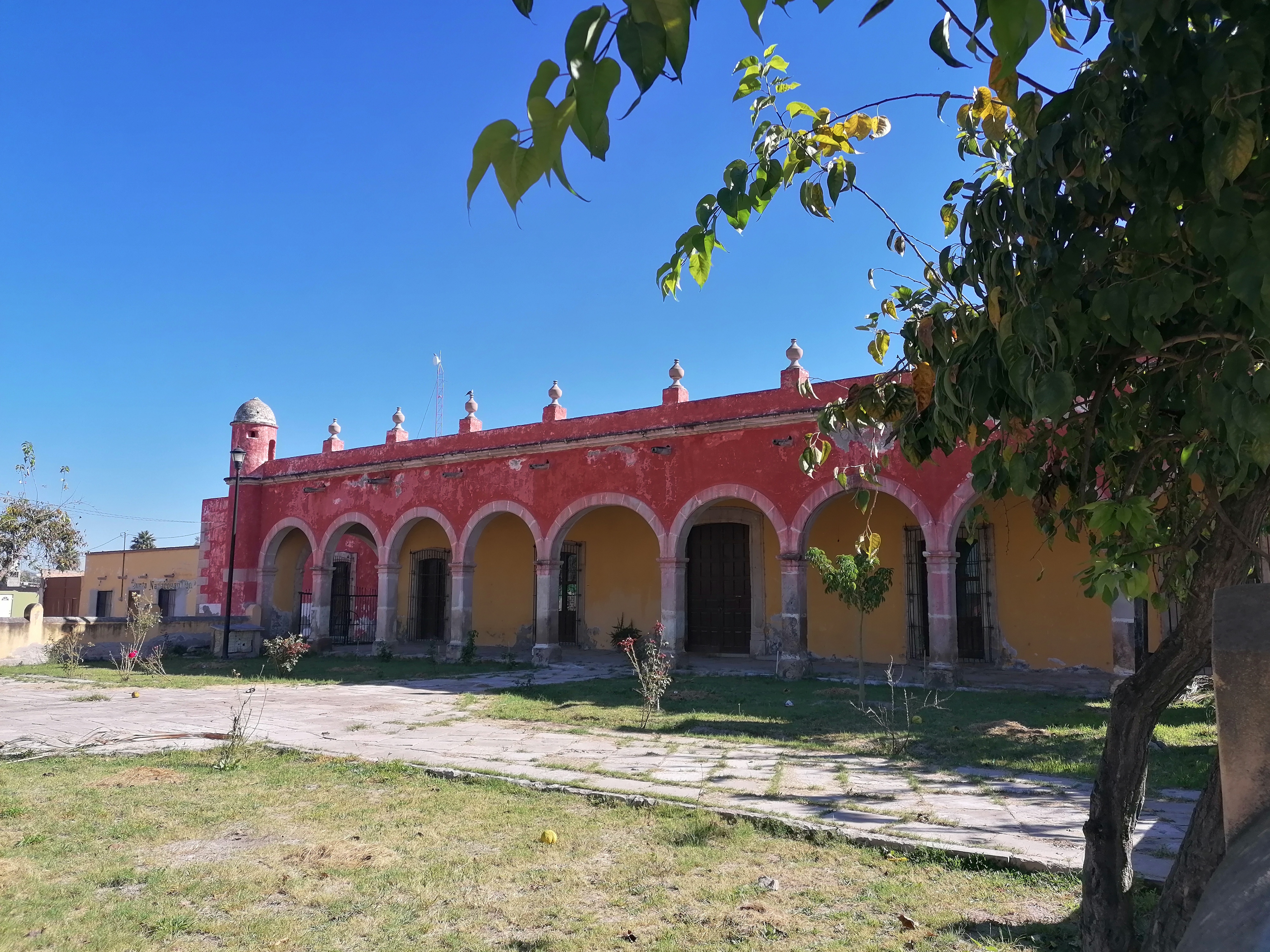
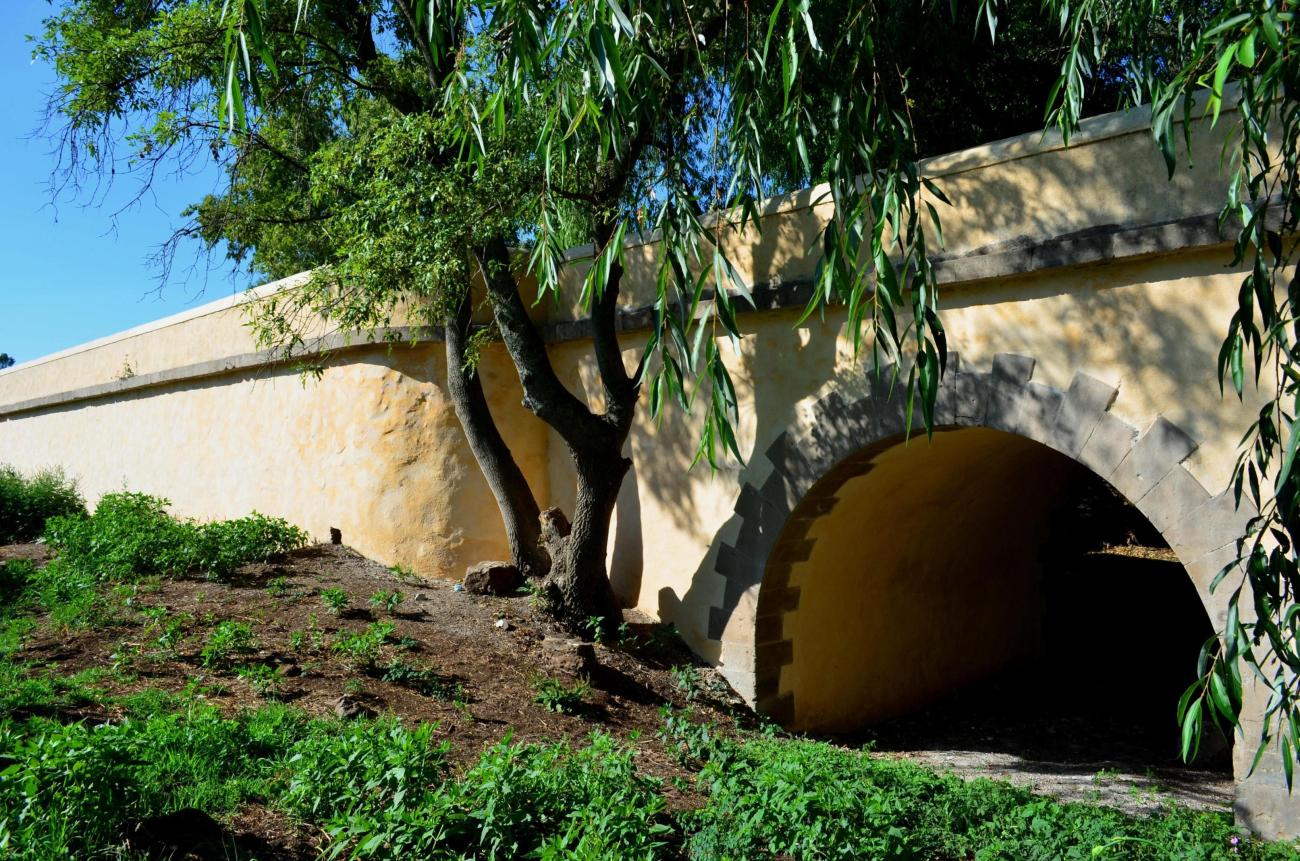
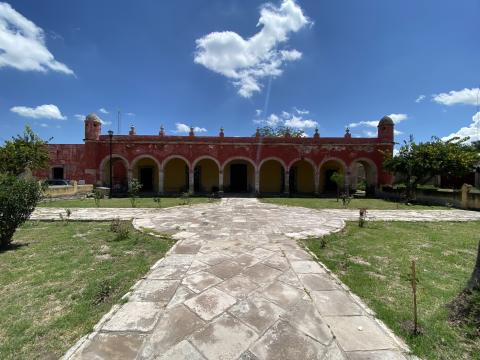
The Hacienda de San Diego de Navacoyán, located on the banks of the Tunal River in the present-day state of Durango, was another significant stop on the itinerary of the Camino Real de Tierra Adentro.
Antigua hacienda de San Diego de Navacoyán y Puente del Diablo
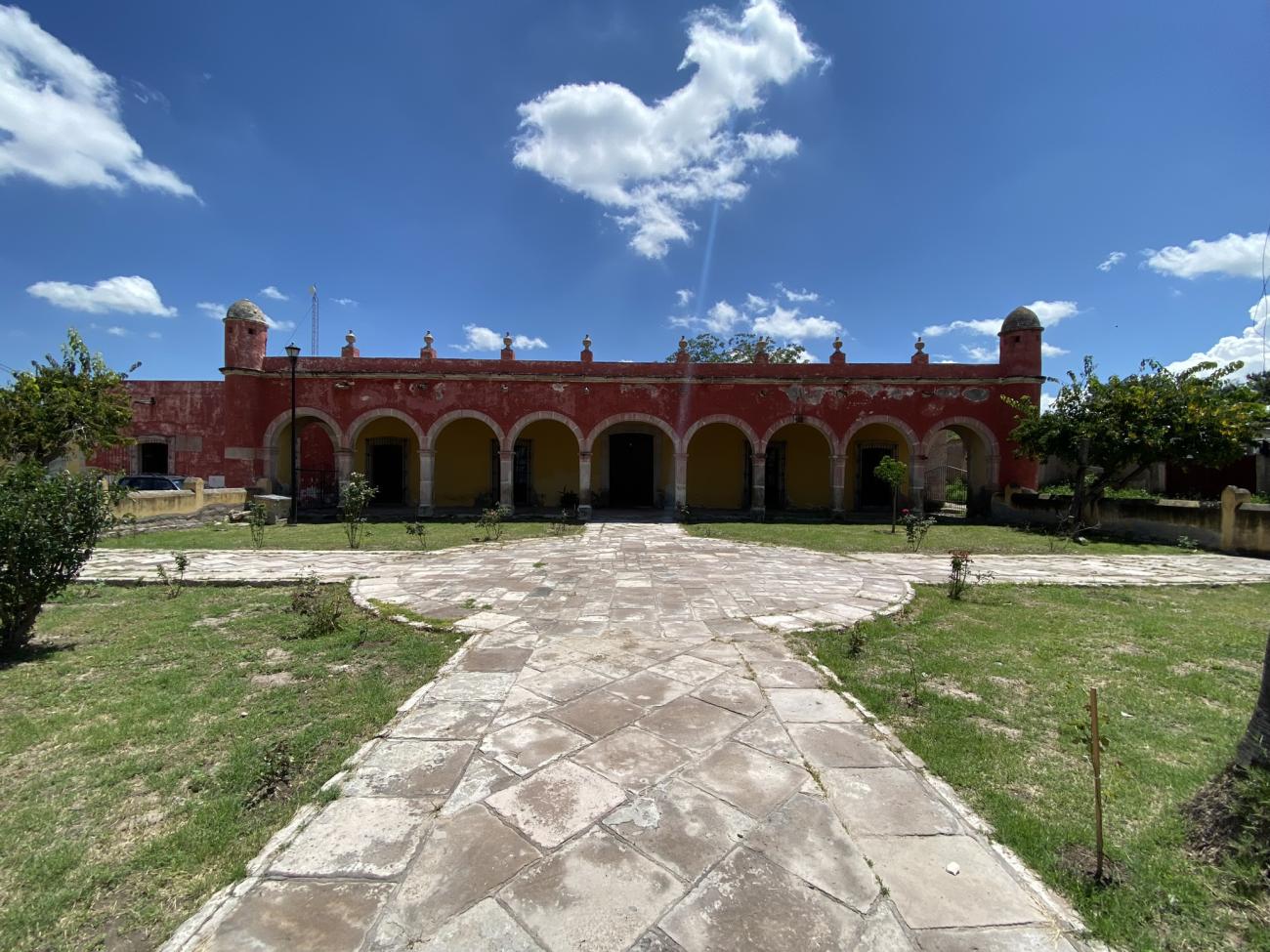
The Hacienda de San Diego de Navacoyán, located on the banks of the Tunal River in the present-day state of Durango, was another significant stop on the itinerary of the Camino Real de Tierra Adentro. Travelers needed to cross this river to continue their route towards Chihuahua and New Mexico.
Antiguo colegio de Nuestra Señora de Guadalupe de Propaganda Fide
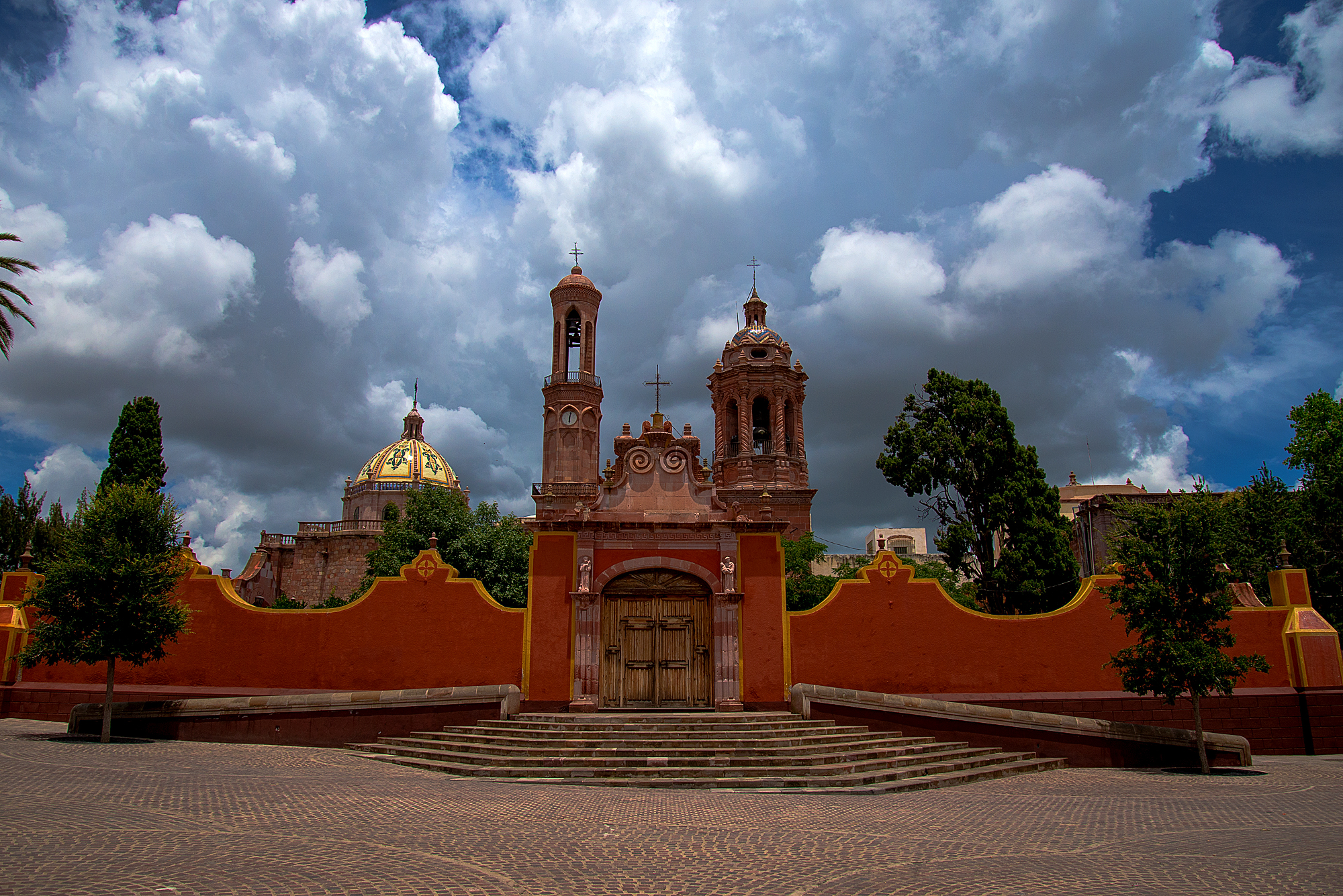
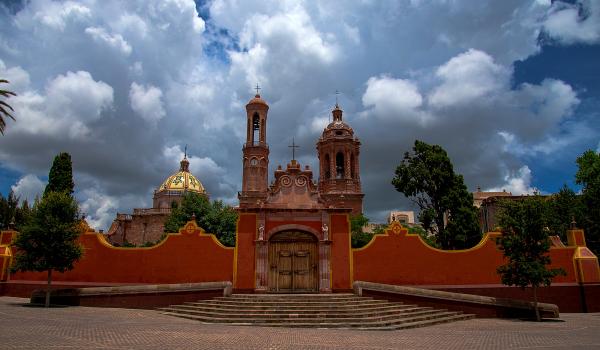
The Franciscan order had a prolific presence in various parts of New Spain, particularly in what is now the state of Zacatecas.
Antiguo colegio de Nuestra Señora de Guadalupe de Propaganda Fide
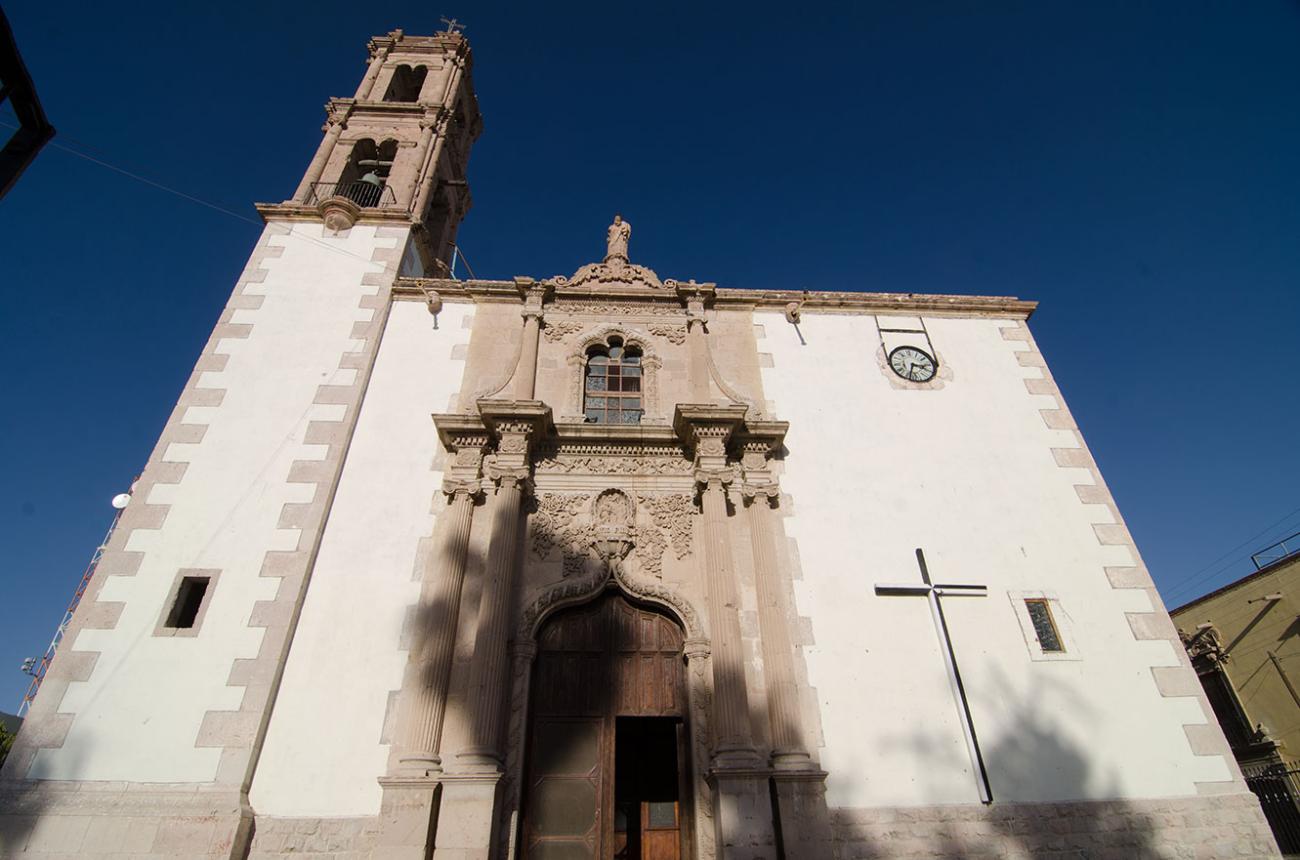
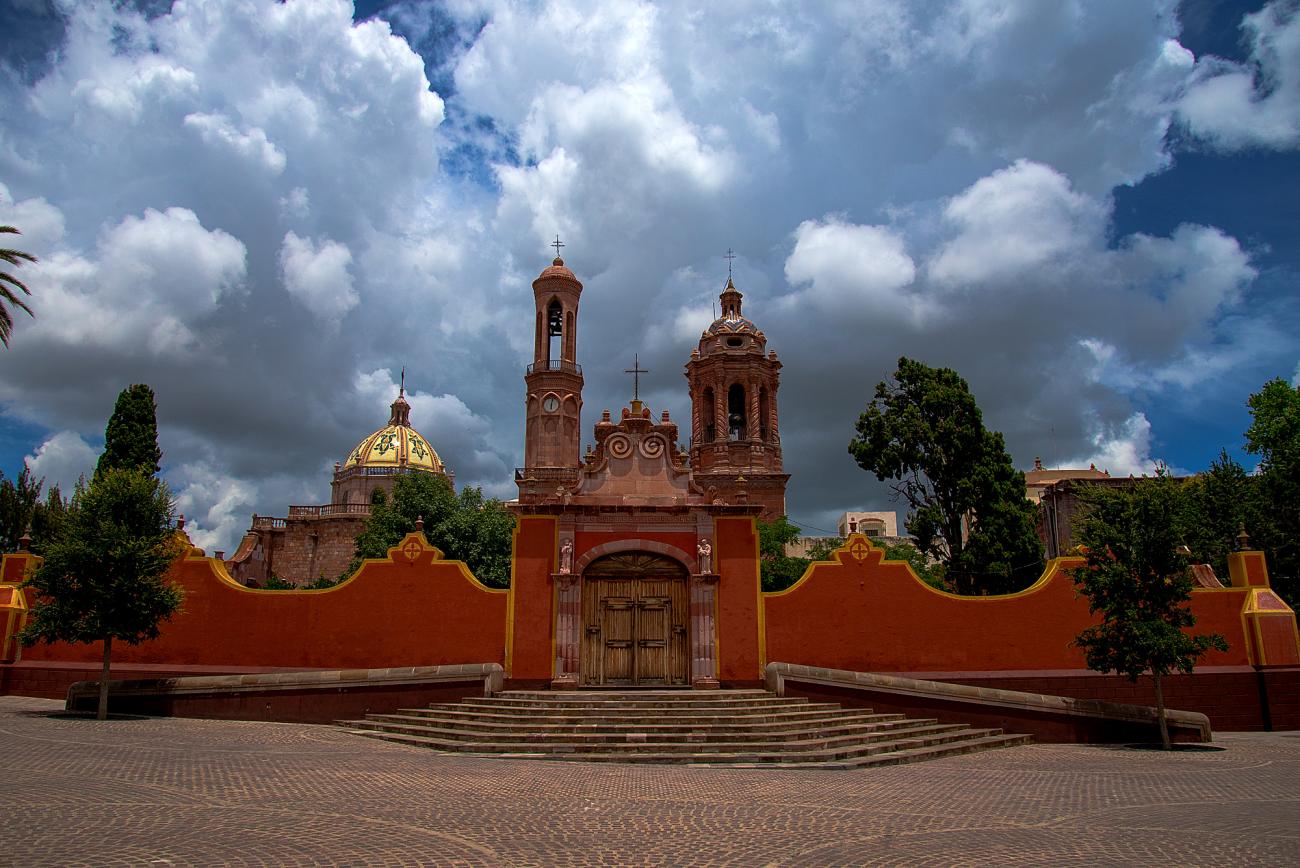
The Franciscan order had a prolific presence in various parts of New Spain, particularly in what is now the state of Zacatecas. On January 12, 1707, Fray Antonio Margil de Jesús, along with ten other Franciscans, founded the College of Our Lady of Guadalupe de Propaganda Fide on the outskirts of Zacatecas. This institution interacted with its counterpart in Santa Cruz de Querétaro along the Camino Real de Tierra Adentro. Construction took place between 1713 and 1717, overseen by Father Guardian José Guerra.
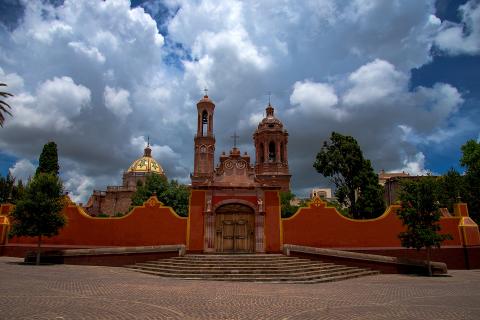
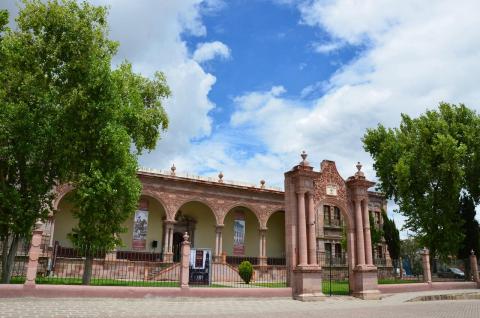
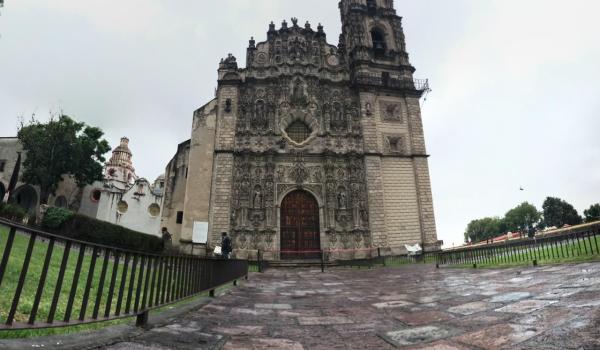
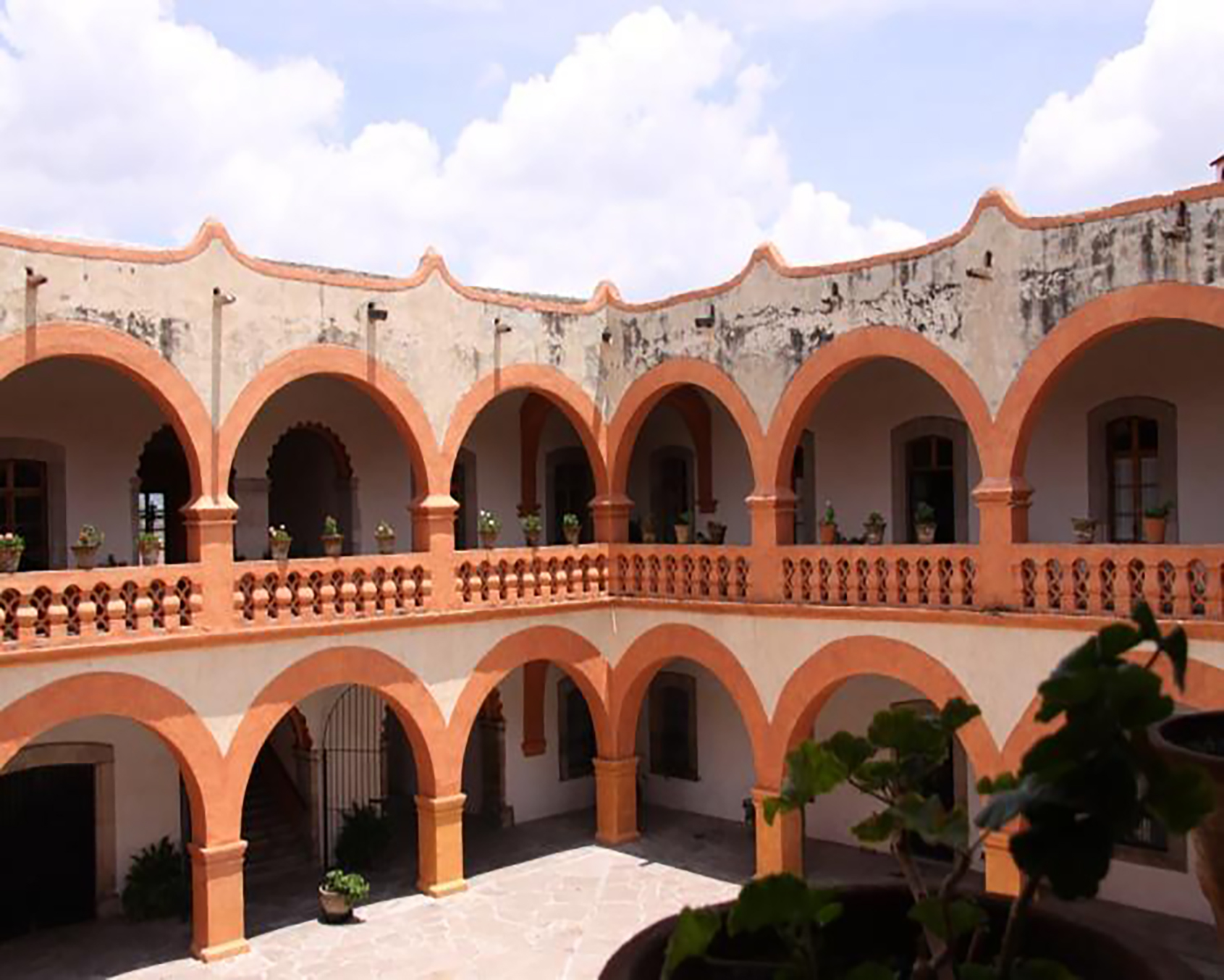
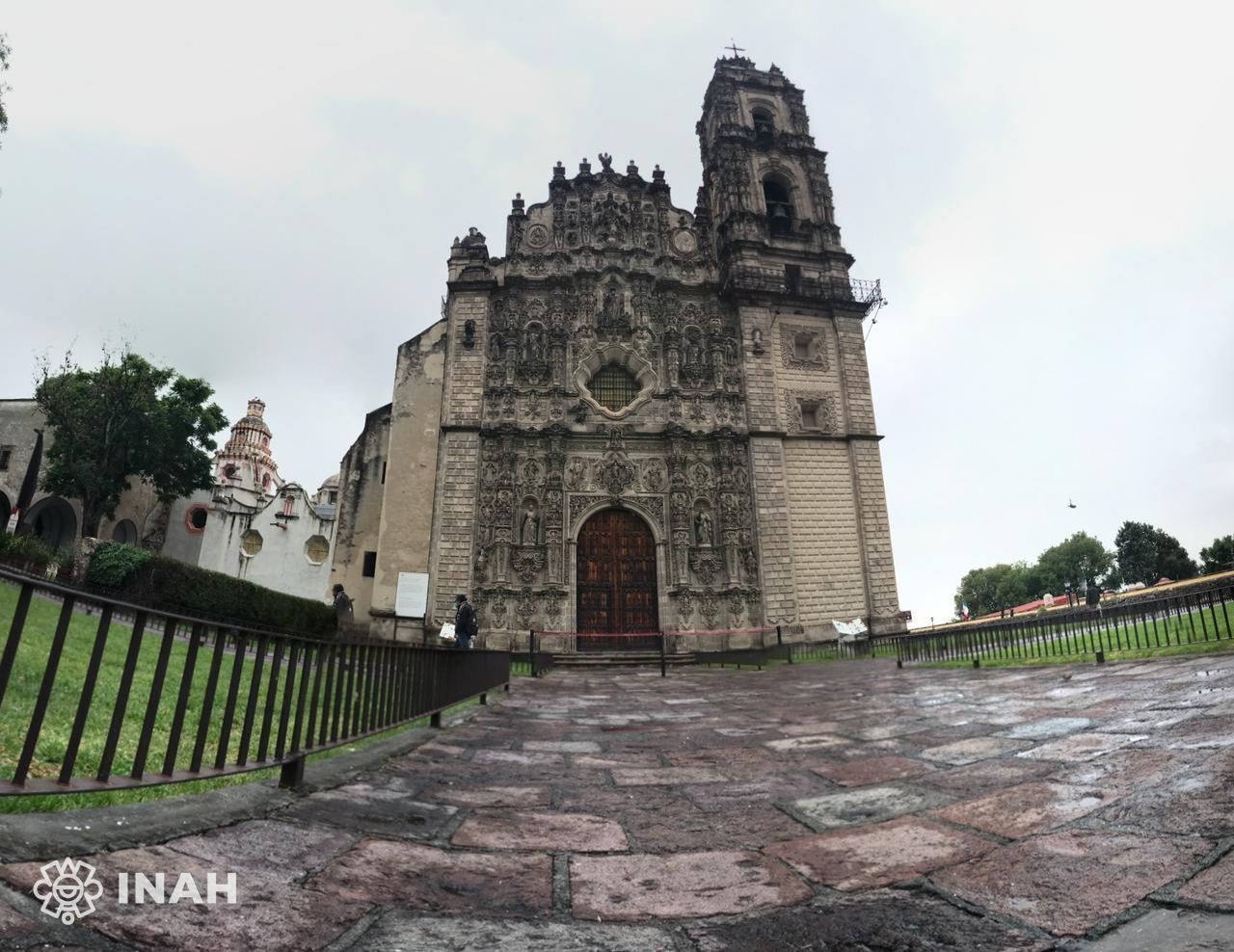
Antiguo Colegio de San Francisco Javier en Tepotzotlán
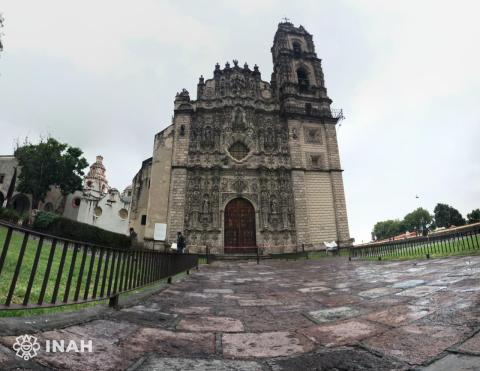
Located in the municipality of Tepotzotlán, State of Mexico, the ancient Conciliar College and Seminary of San Francisco Javier, of the Society of Jesus, was for many generations a pilgrimage site for the Chichimeca until the formal establishment of the independent lordship of Tepotzotlán in 1460
Antiguo Colegio de San Francisco Javier en Tepotzotlán
Located in the municipality of Tepotzotlán, State of Mexico, the ancient Conciliar College and Seminary of San Francisco Javier, of the Society of Jesus, was for many generations a pilgrimage site for the Chichimeca until the formal establishment of the independent lordship of Tepotzotlán in 1460 during the 15th century.

Antiguo convento de San Francisco en Tepeji del Río y puente
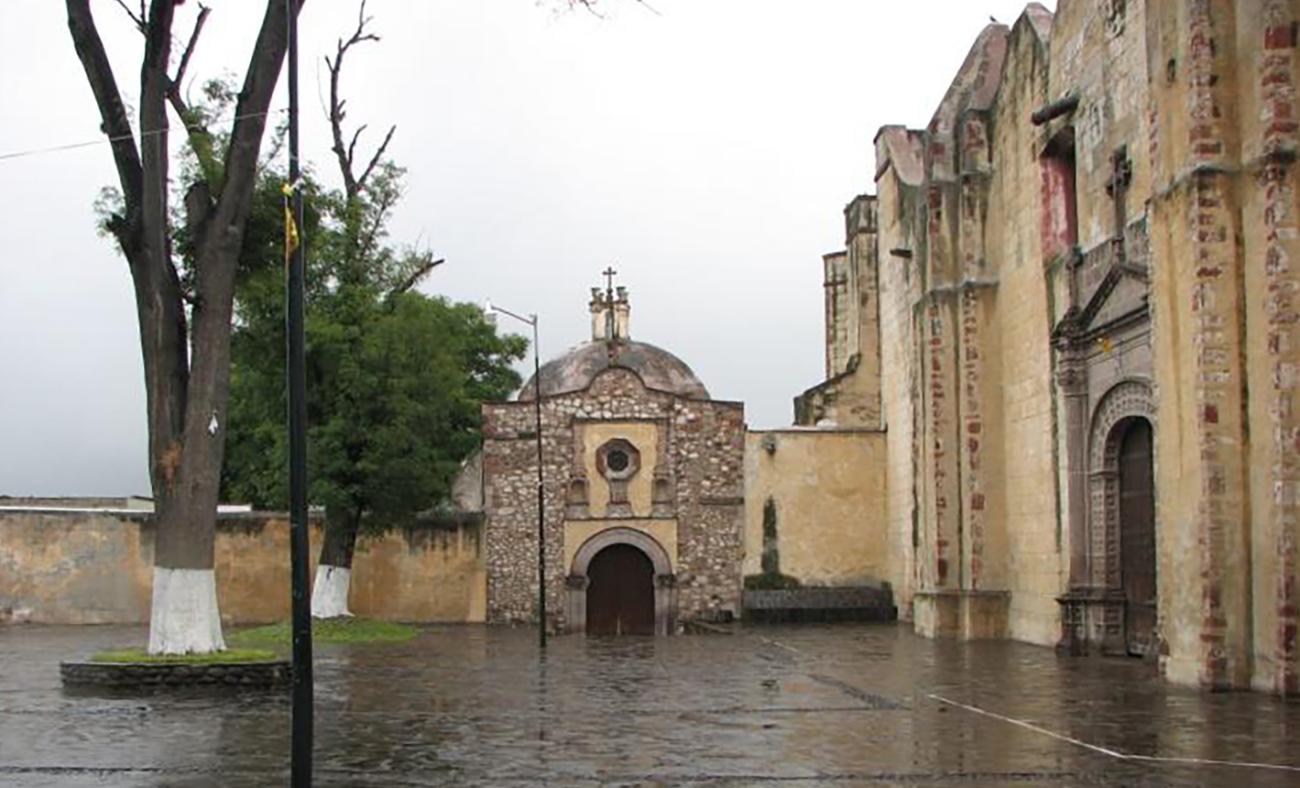
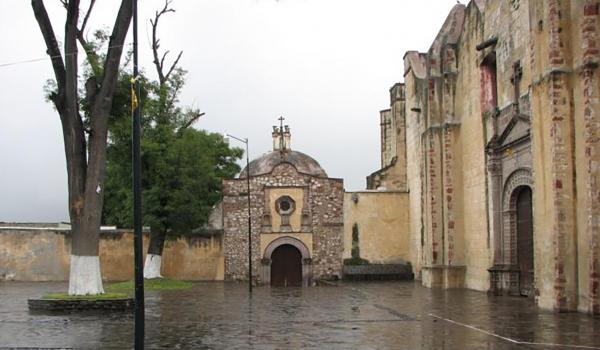
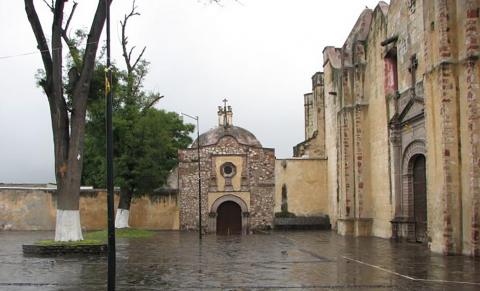
During the colonial era, the current territory of the state of Hidalgo was of great importance due to its missionary activity. Several churches and convents were founded in what was called the Province of the Holy Gospel, which were under the jurisdiction of the Archdiocese of Mexico.
Antiguo convento de San Francisco en Tepeji del Río y puente
During the colonial era, the current territory of the state of Hidalgo was of great importance due to its missionary activity. Several churches and convents were founded in what was called the Province of the Holy Gospel, which were under the jurisdiction of the Archdiocese of Mexico. The extensive missionary activity began in the pre-Hispanic center of Tula, led by the Franciscans, the first order to arrive in the province. Additionally, the first significant mines near Mexico City were discovered in the state of Hidalgo.
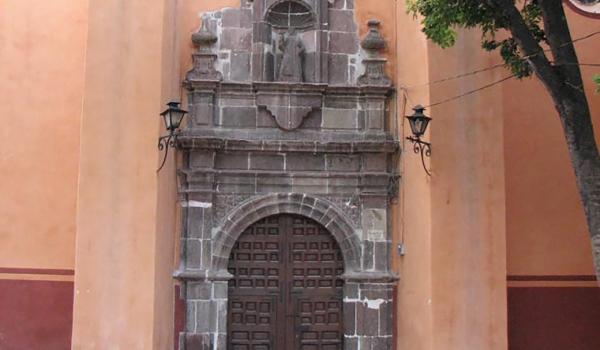
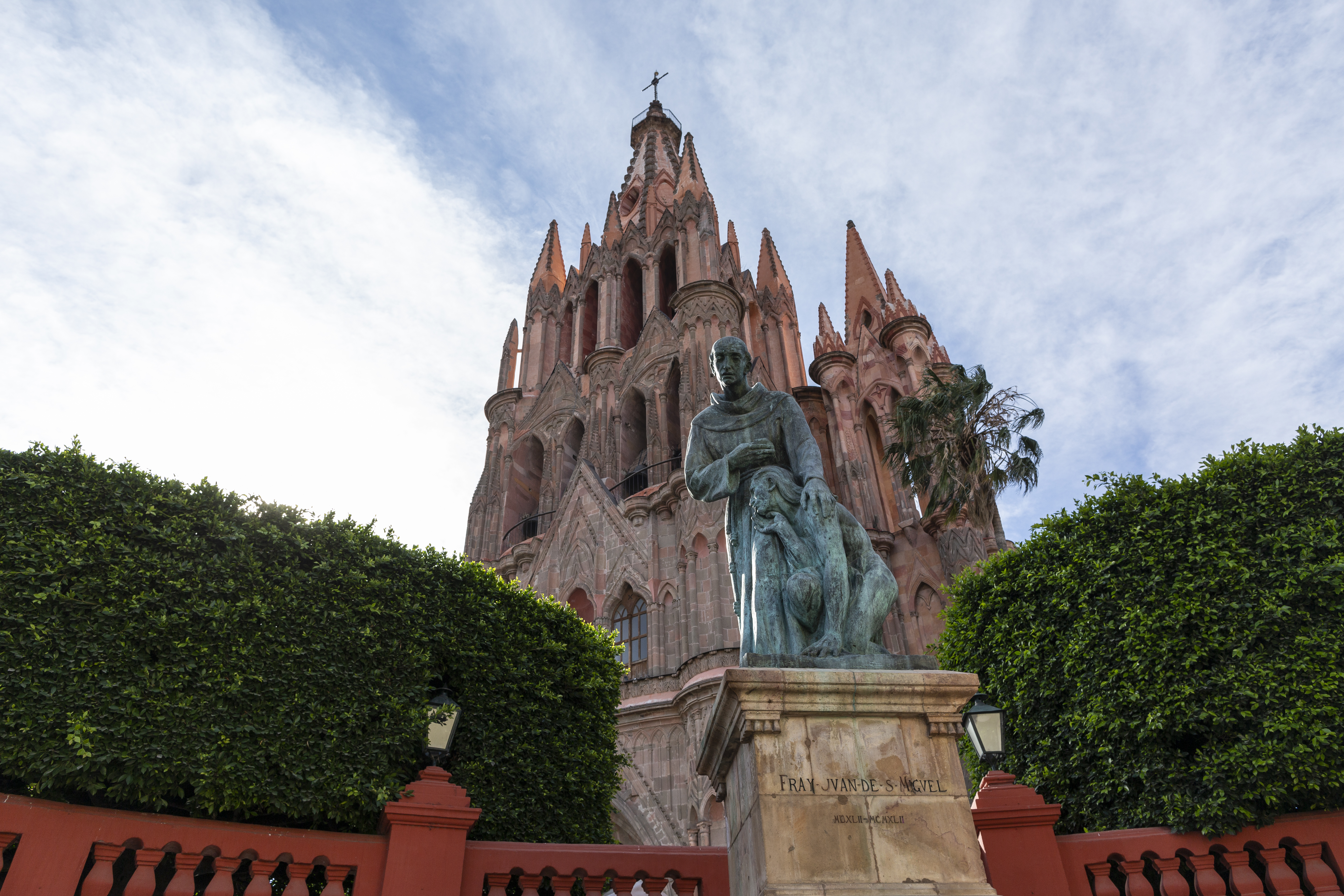
Antiguo Real Hospital de San Juan de Dios de San Miguel de Allende
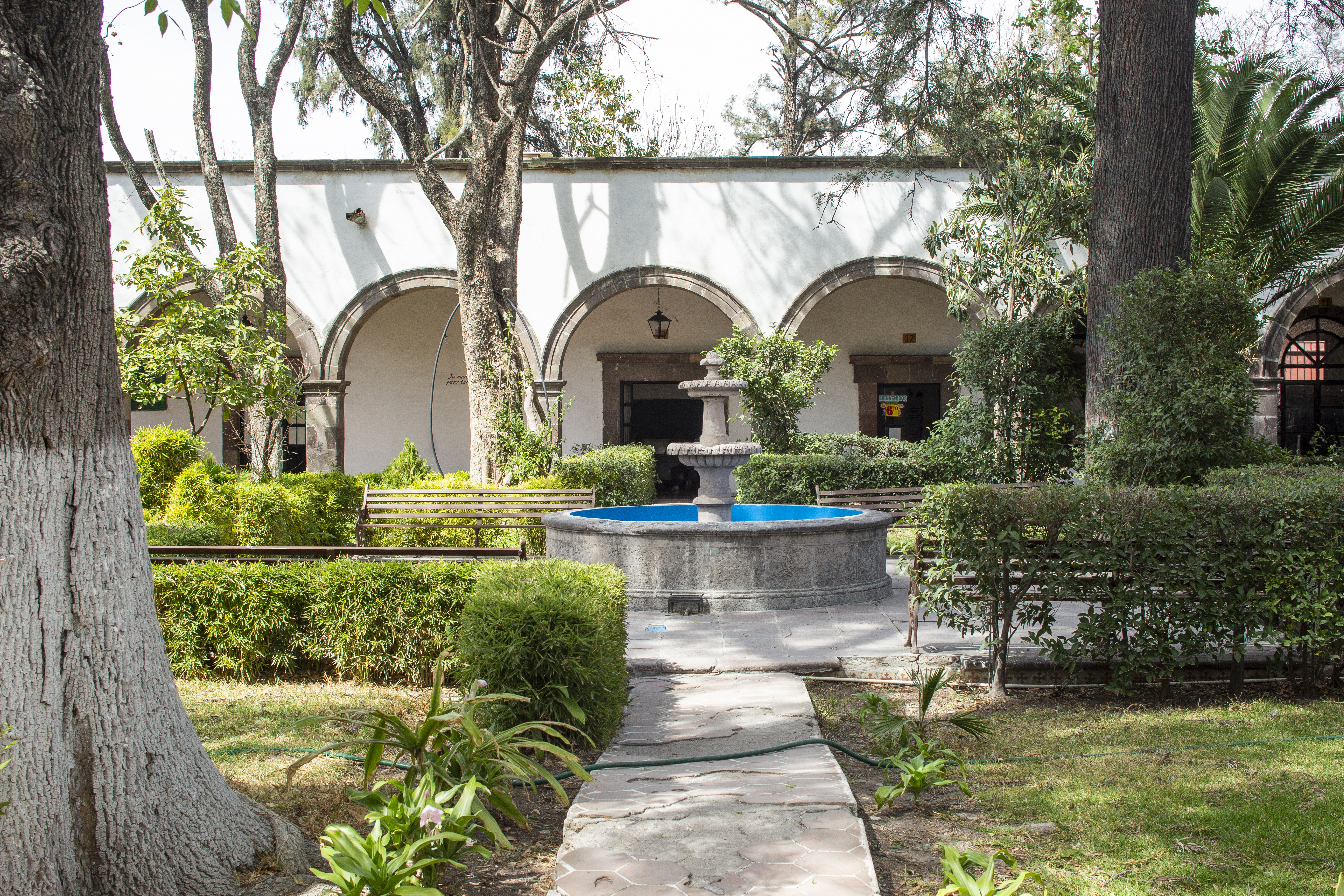
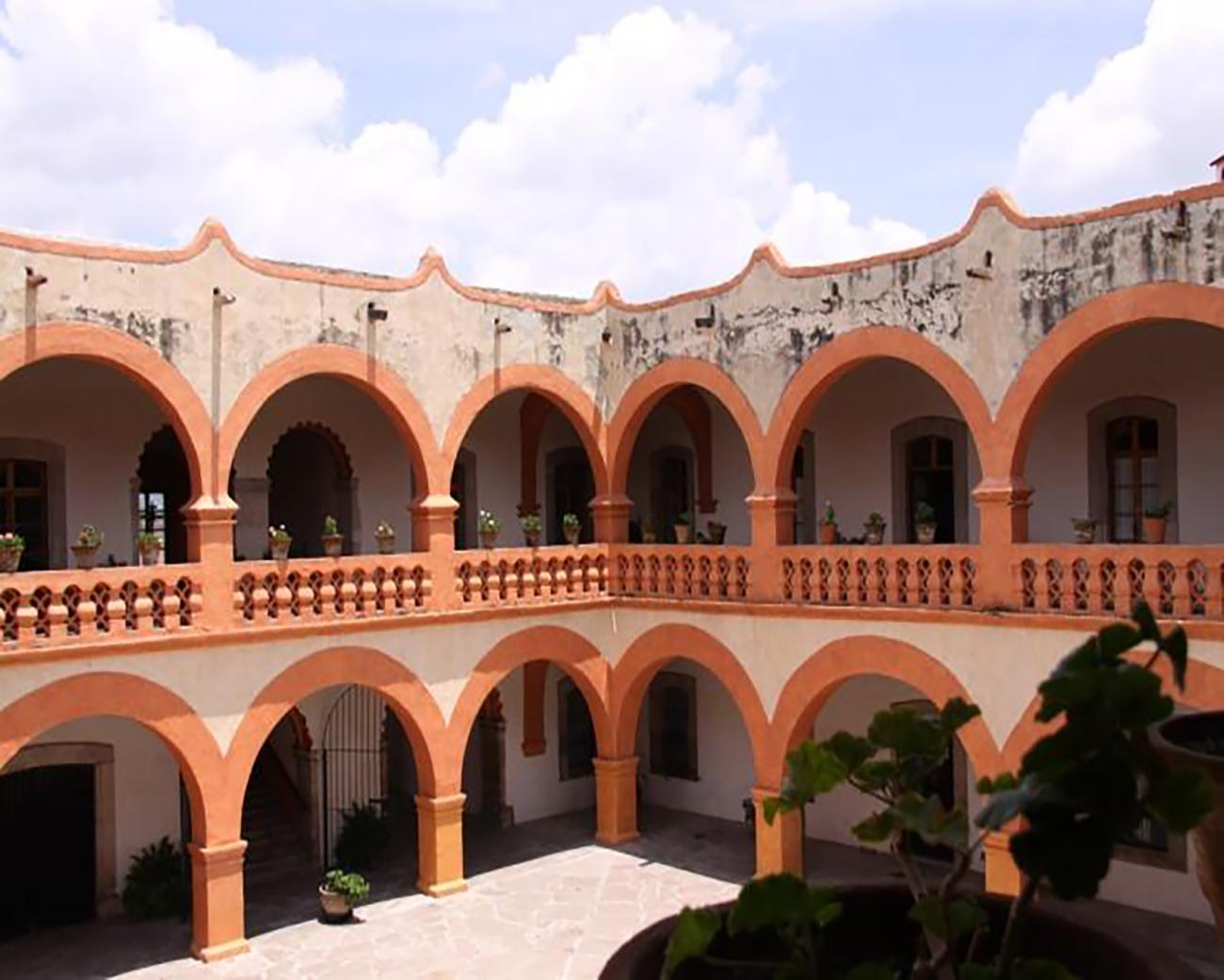
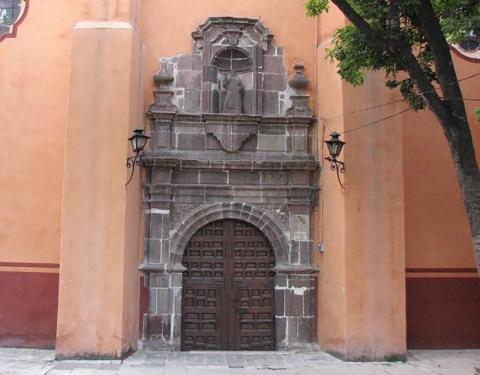
The old Hospital of San Juan de Dios in the city of San Miguel de Allende, Guanajuato, also known as the Royal Hospital, is a work attributed to Father Juan Manuel de Villegas, who was in charge of its construction in 1753.
Antiguo Real Hospital de San Juan de Dios de San Miguel de Allende
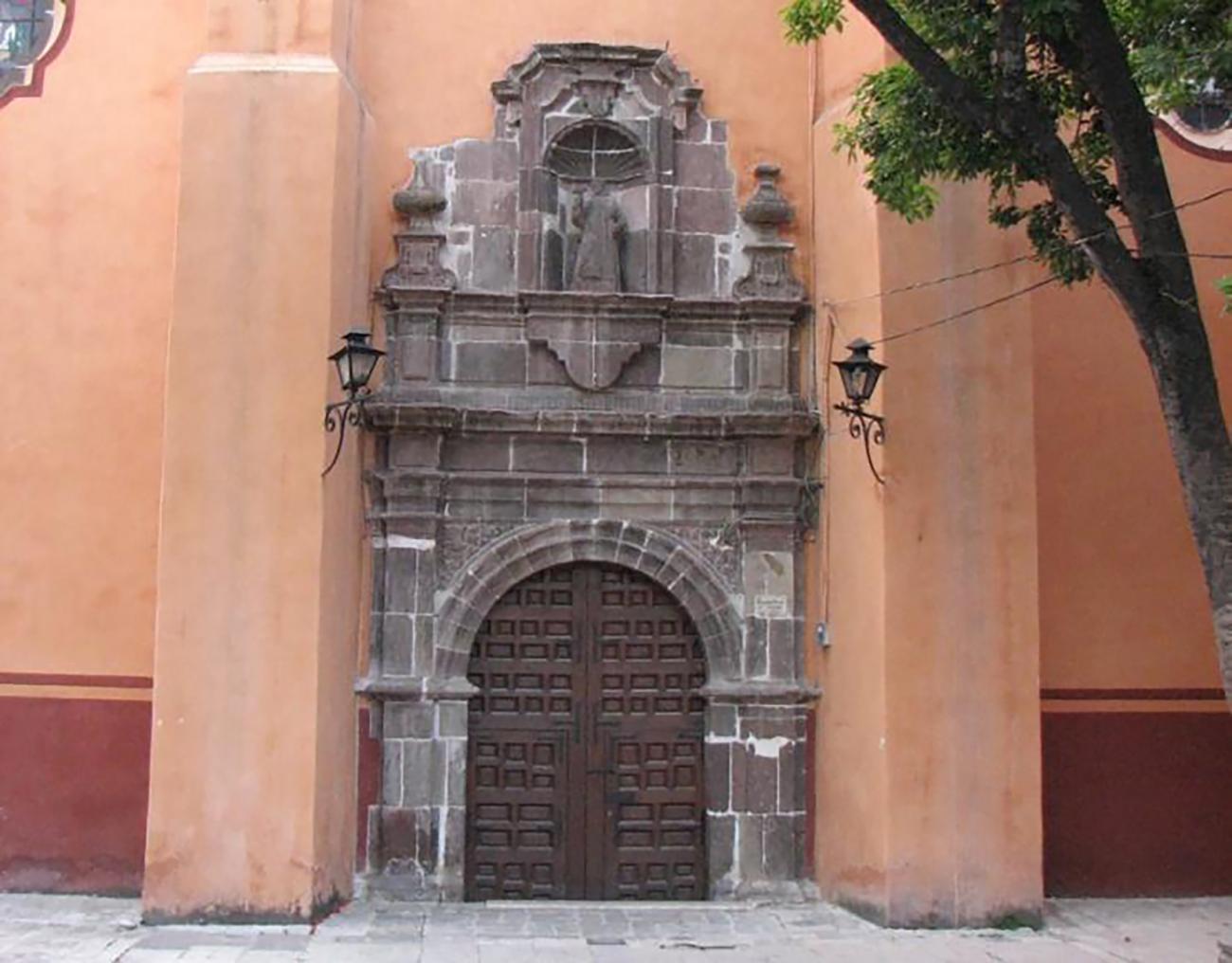
The old Hospital of San Juan de Dios in the city of San Miguel de Allende, Guanajuato, also known as the Royal Hospital, is a work attributed to Father Juan Manuel de Villegas, who was in charge of its construction in 1753.
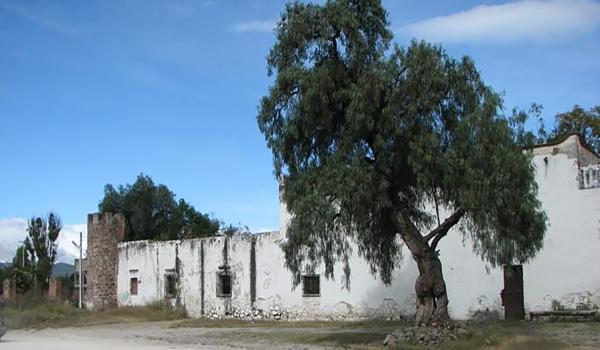
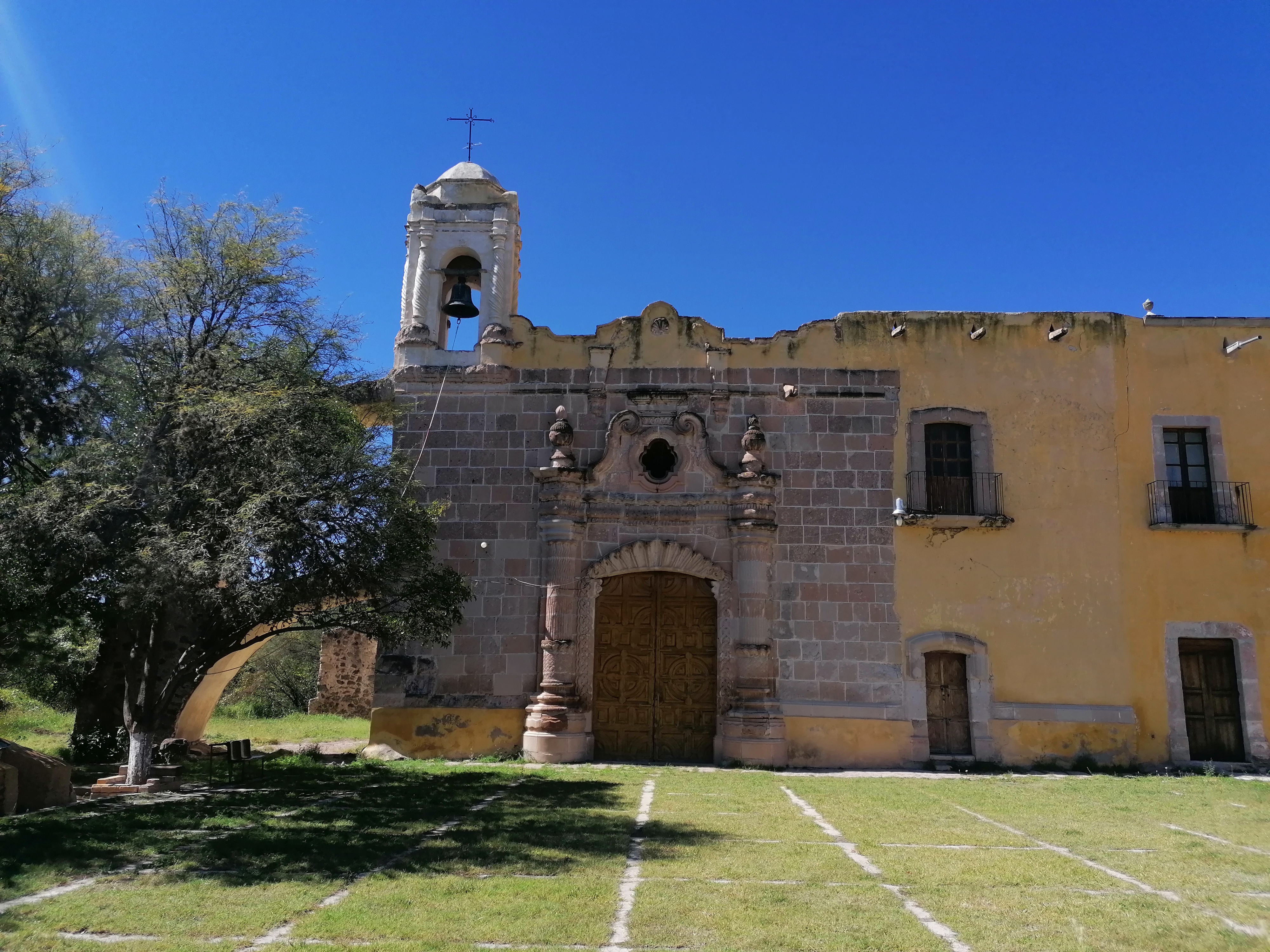
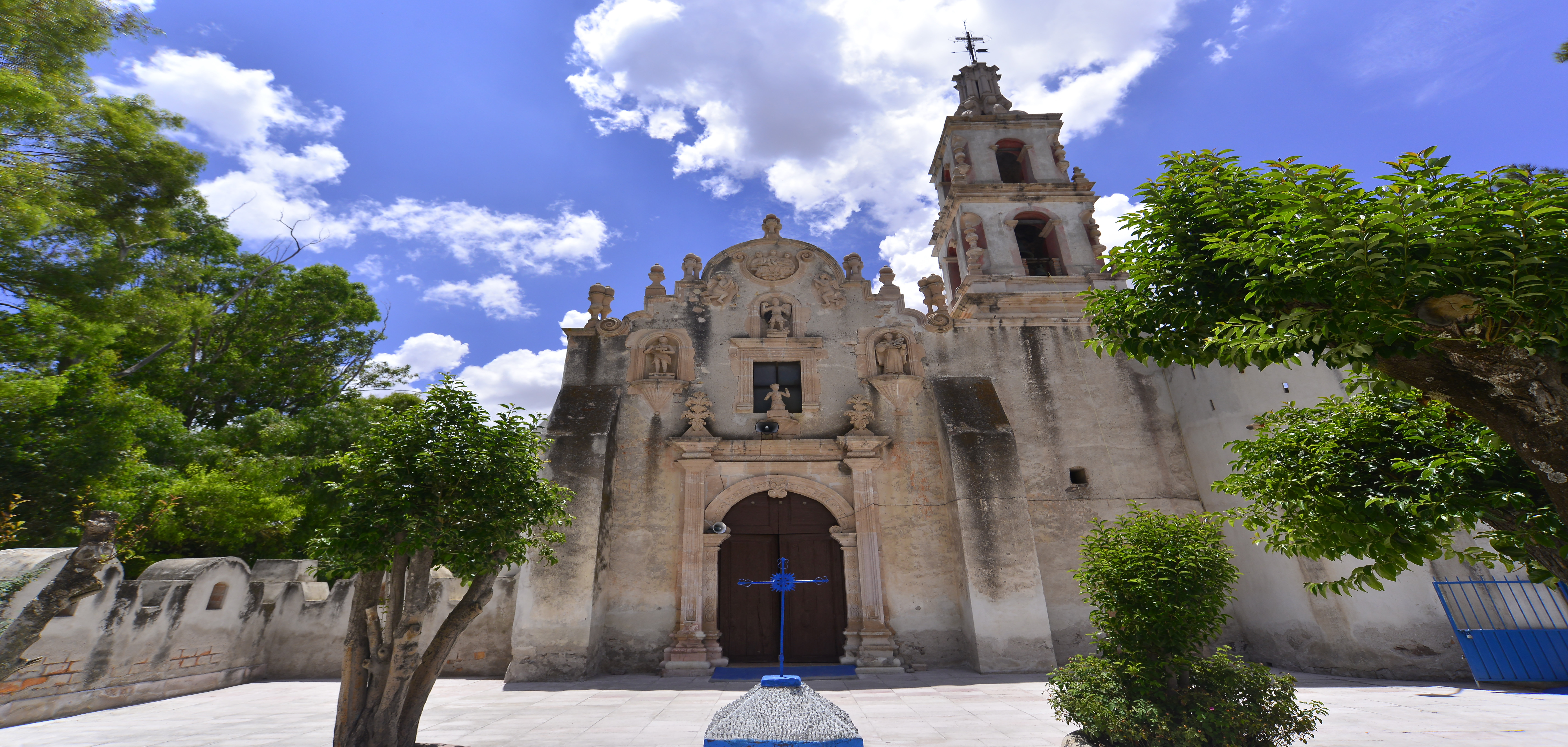
Capilla de la antigua hacienda de Buenavista
During the 16th century, the Spanish crown attempted to populate the territory of the former encomienda of Jilotepec, located on the Chichimeca frontier. This effort aimed to protect the road leading from Mexico City to the northern territories of New Spain.
Capilla de la antigua hacienda de Buenavista
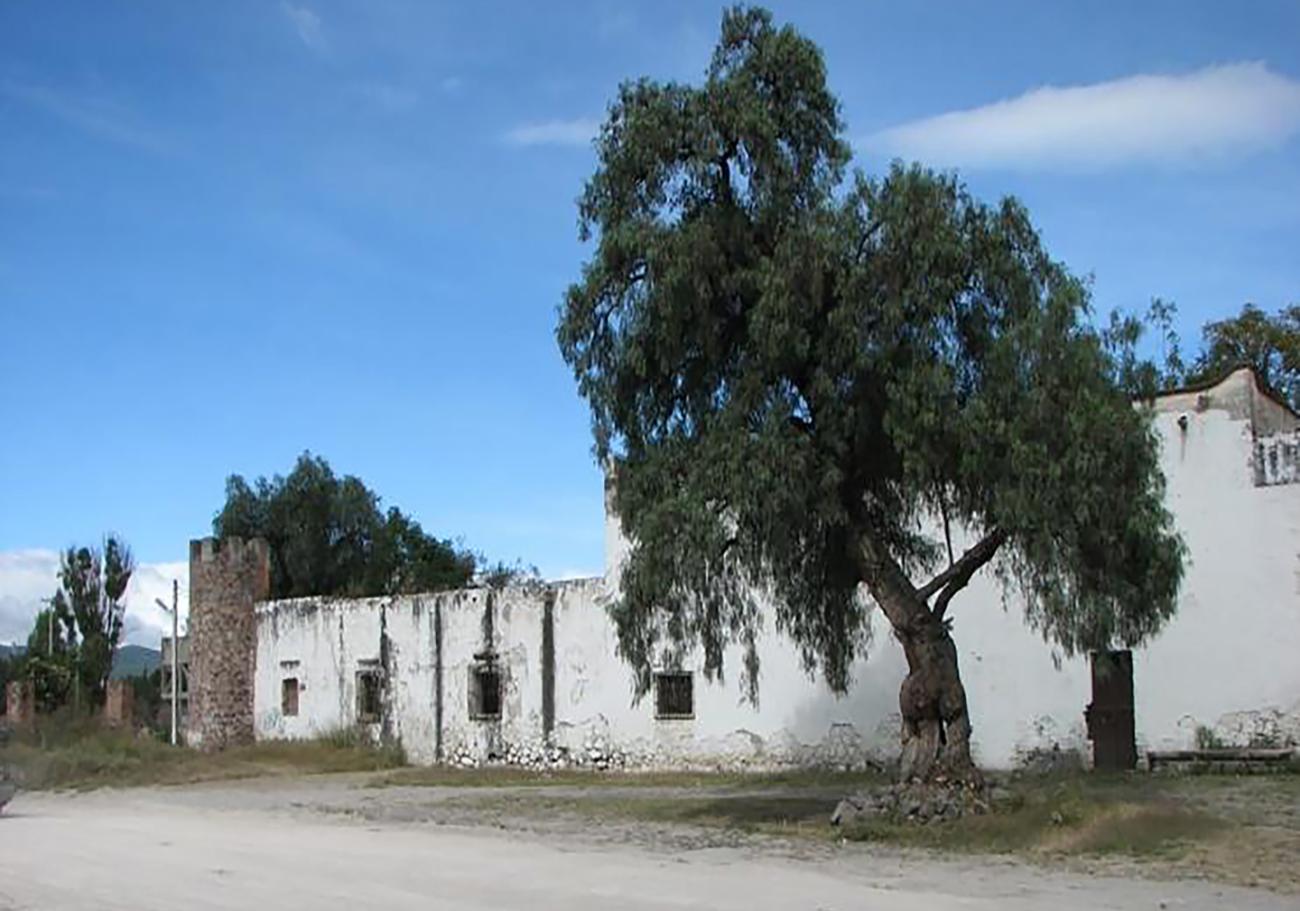
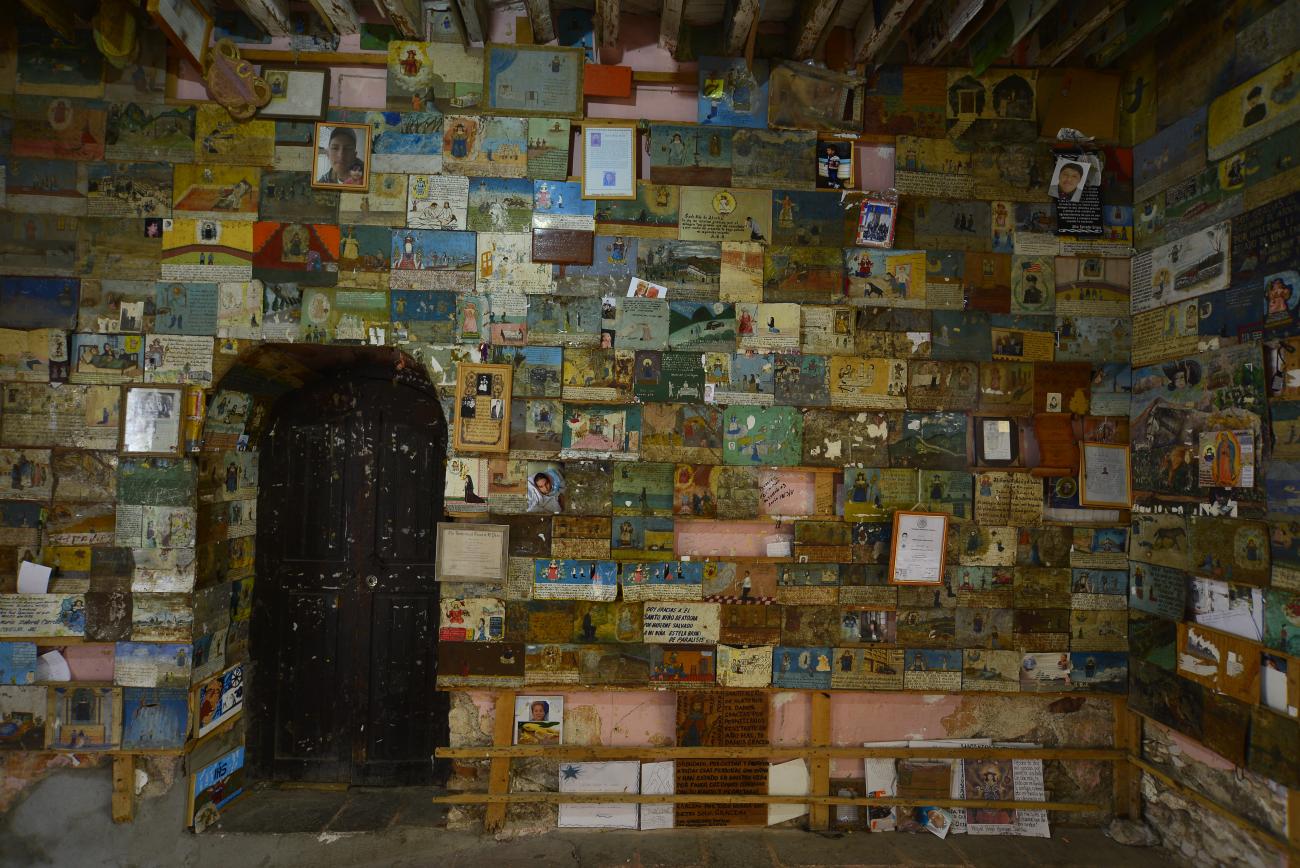
During the 16th century, the Spanish crown attempted to populate the territory of the former encomienda of Jilotepec, located on the Chichimeca frontier. This effort aimed to protect the road leading from Mexico City to the northern territories of New Spain.