

Museos
Museos de sitio y salas de interpretación
Mostrando 1 - 12 de 167
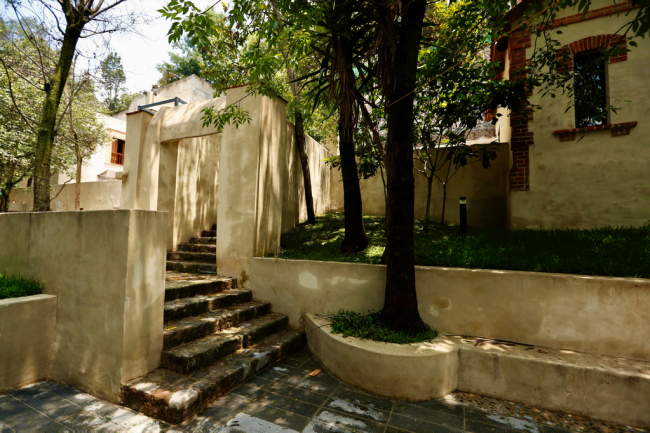
Antigua Ermita Vasco de Quiroga

A historic site whose origins date back to the 16th century, currently located in the Fourth Section of Chapultepec Forest, in the Santa Fe neighborhood of Mexico City. This site is closely linked to the figure of Vasco de Quiroga, known as “Tata Vasco,” who founded the first town-hospital of…

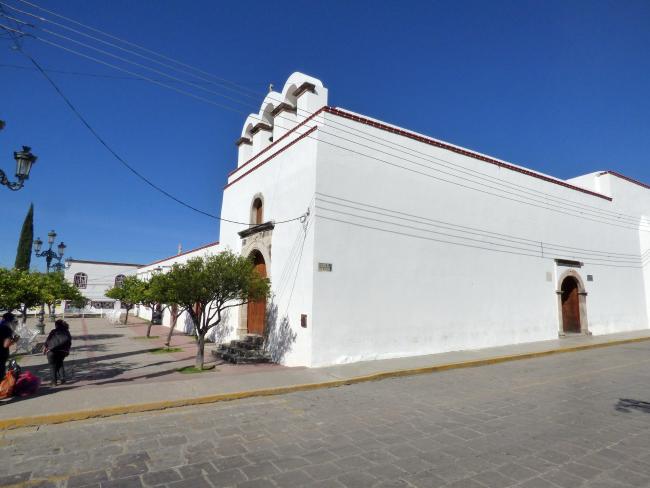
Casa de Cultura Ex Hospital de Indios
A historic 16th-century building, constructed around 1545 as part of a hospital dedicated to the care and evangelization of the indigenous population during the colonial era. Over time, it lost its original function and was restored, with its simple, austere chapel…
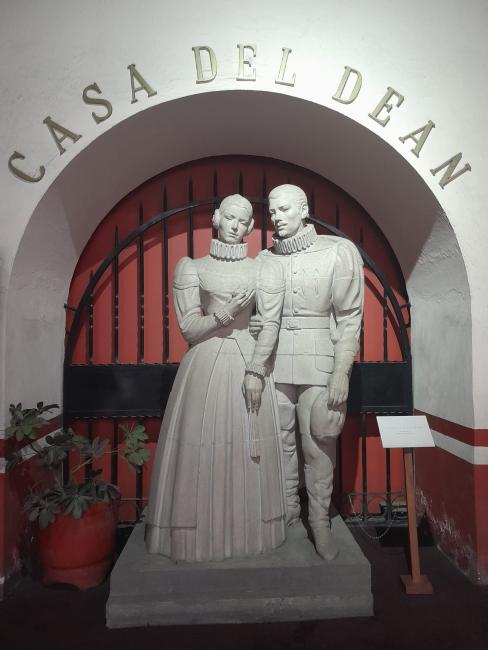
Casa del Dean
The "Casa del Deán" is one of the most iconic buildings in the city of Puebla. It is considered the oldest standing civil structure in the noble city of "Puebla de los Ángeles" and served as an architectural precedent for the construction of the city's cathedral. Built between 1564 and 1580, the…
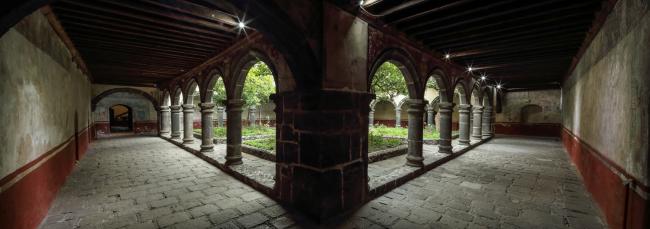
Centro Comunitario Culhuacán
This sixteenth-century Augustinian monastery built in the Renaissance style boasts remarkable frescos, a collection of pre-Hispanic, viceregal, religious and everyday objects, as well as the remains of Latin America’s first paper mill.
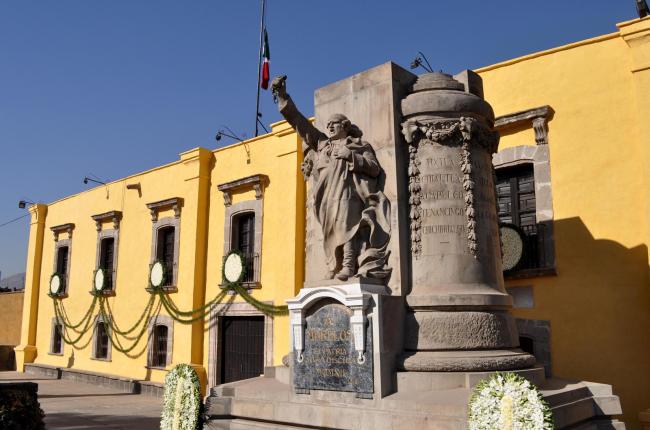
Centro Comunitario Ecatepec, Casa de Morelos
The former residence of the Viceroys—Bucareli and others were received here—José María Morelos was taken from here to be shot in 1815. It houses a rich collection of articles referring to the national hero. The upper floors are used for temporary exhibitions. Also on exhibition are some…
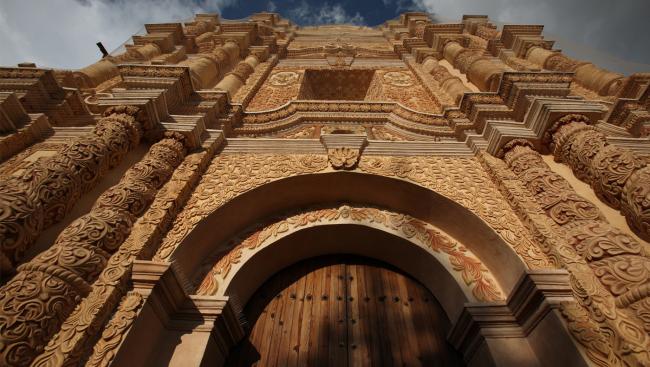
Centro Cultural de los Altos de Chiapas
Built soon after the conquest, a Dominican monastery with magnificent baroque moldings produced by local indigenous people. Splendid exhibition on the European presence, indigenous resistance and evangelization, in which there are fine examples of Mayan textiles from the codices and fascinating…
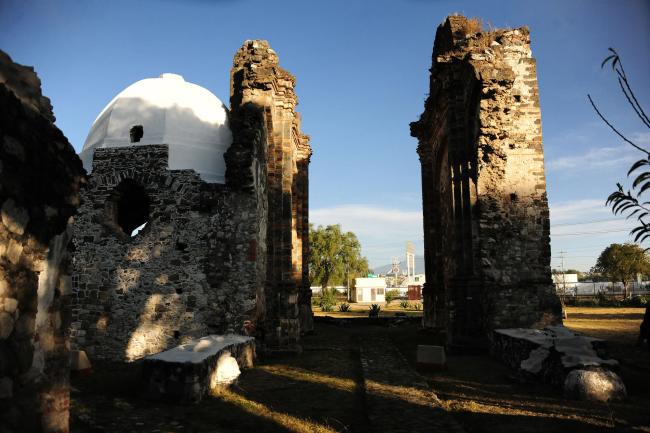
Ex Convento de Nuestra Señora de las Nieves
Built in the 16th century by the Order of Preachers, it served as a center for evangelization and the starting point for Tlaxcaltecan migrations northward in 1591. After suffering from flooding, it was abandoned and later used as a cemetery. Today, it stands as a testament to the colonial era in…
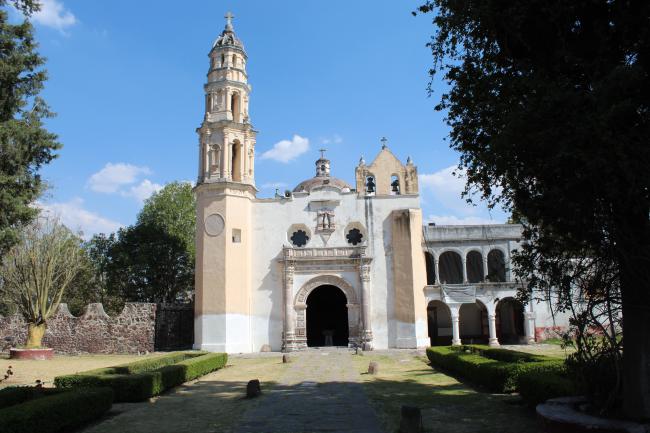
Ex Convento de Oxtotipac
Located 7 kilometers from Otumba, the former Convent of Oxtotipac was built in the 16th century atop the base of a pre-Hispanic pyramid. Today, it is admired for its historical and architectural significance—particularly its unusually small staircases, doorways, and low ceilings.
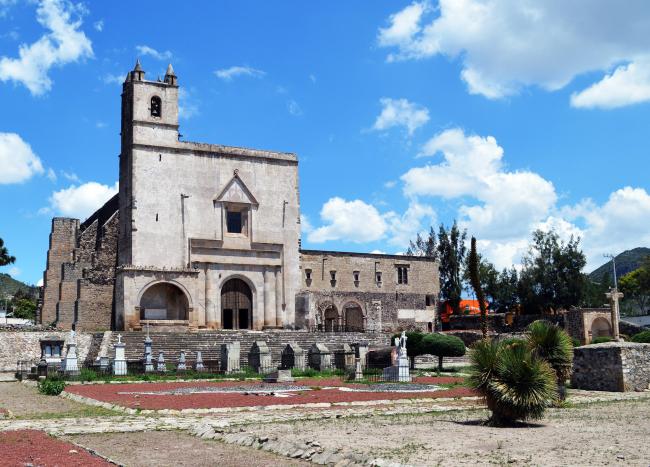
Ex Convento de San Andrés Apóstol
Founded in 1540 by Augustinian friars, this monastery preserves extraordinary polychrome murals and examples of Romanesque, Mudéjar and Plateresque styles can be identified on its walls with many indigenous additions. The three Panels of Epazoyucan with scenes from the life of Jesus, are the…
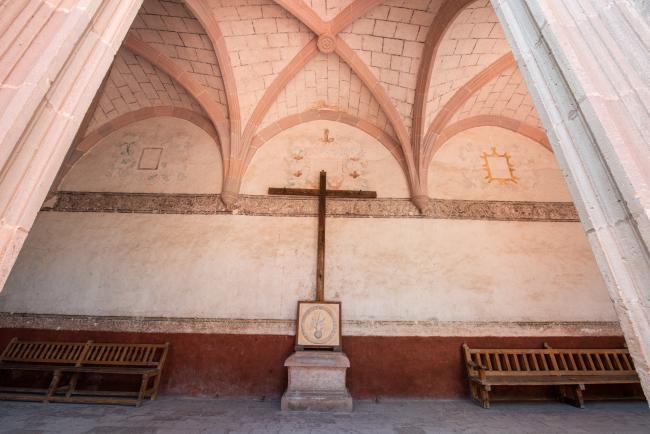
Ex Convento de San Nicolás de Tolentino
An important Augustinian monastery preserving valuable murals and examples of religious art from the sixteenth to nineteenth centuries. The ethnographic gallery shows the everyday life and crafts of the Otomi people of the valley of Mezquital.
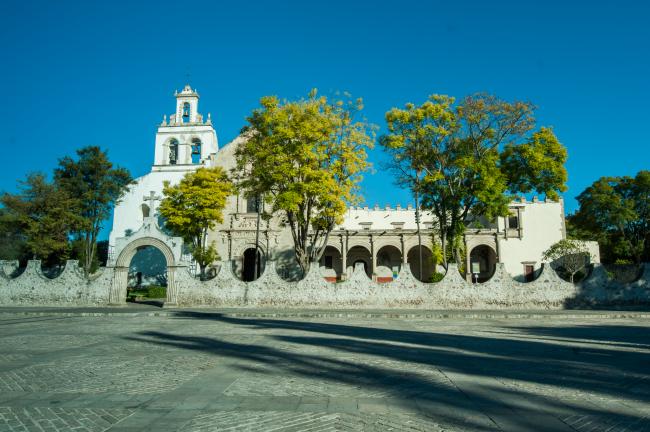
Ex Convento de Santa María Magdalena Cuitzeo
The Augustinian order’s fifth monastery in Michoacan, was built very much like a fortress in 1550. It was a center for evangelizing the Tarascans and for training priests for this work. This great building was notable for the great masters and pupils who lived and worked here. Restored to its…
Galería de Historia, Museo del Caracol
Since 1960, the Museo del Caracol has been an educational exhibition venue (mainly for children) focusing on Mexican history and spanning the period from the War of Independence until the 1917 Constitution. The information is presented using dioramas, models, videos and information boards.
