








Casa de Cultura Ex Hospital de Indios
A historic 16th-century building, constructed around 1545 as part of a hospital dedicated to the care and evangelization of the indigenous population during the colonial era. Over time, it lost its original function and was restored, with its simple, austere chapel being the main feature preserved. Today it serves as a cultural center, hosting workshops, exhibitions, and artistic activities.
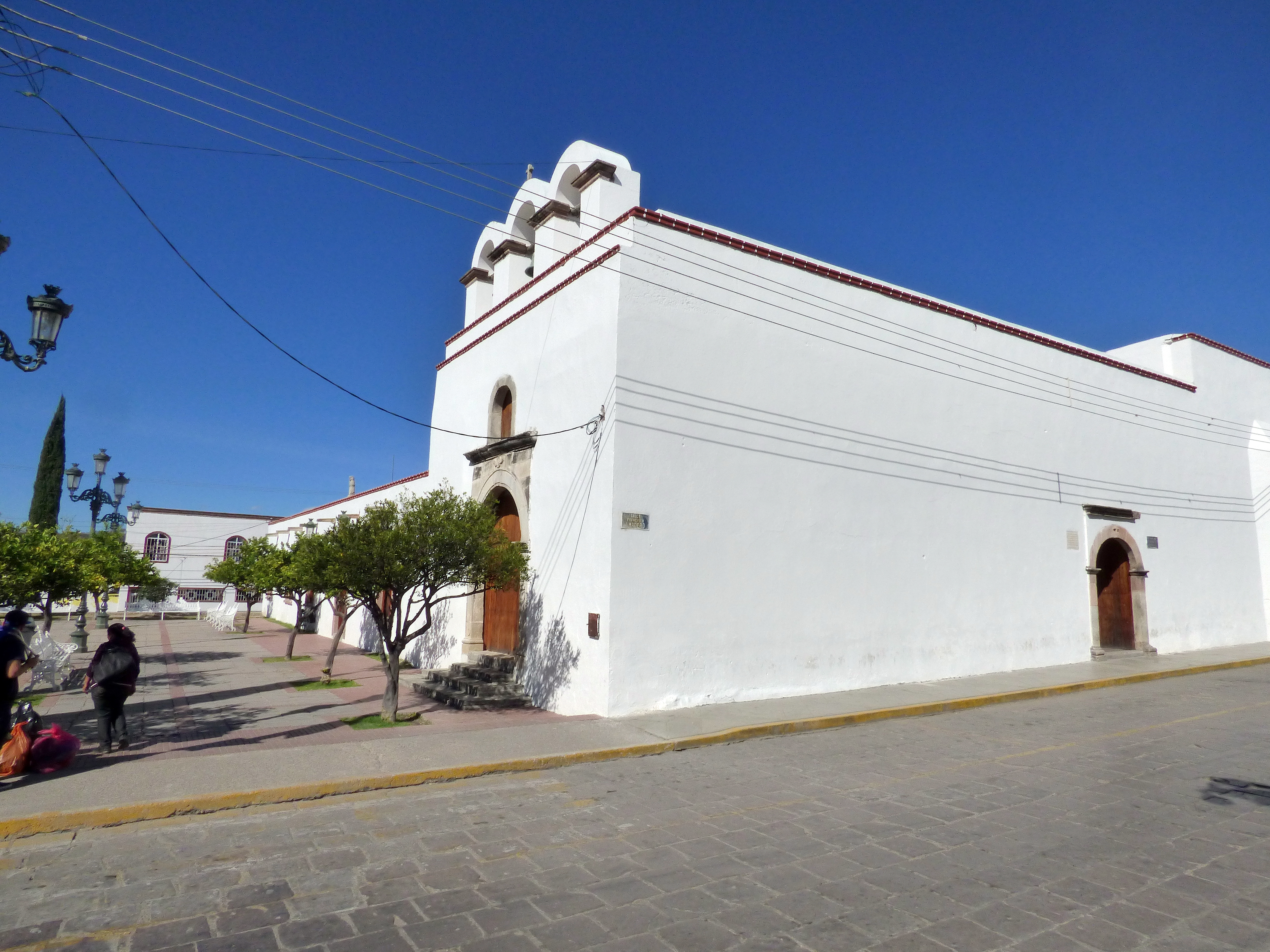
The Casa de Cultura Ex Hospital de Indios, also known as the Hospitalito de Indios, is one of the most important historic buildings in Teocaltiche, Jalisco. Its origins date back to approximately 1545, during the early years of the colonial period in New Spain. It was built as part of the so-called Indian hospitals, institutions established by religious orders that not only provided care for the sick but also served as spaces for evangelization, refuge, and community organization for the indigenous population.
Unlike modern hospitals, these places served multiple social and religious functions. They treated illnesses, taught Christian practices, and reinforced the new colonial order. For this reason, the Hospital de Indios in Teocaltiche played a fundamental role in integrating indigenous communities into the system imposed by the Spanish during the 16th century.
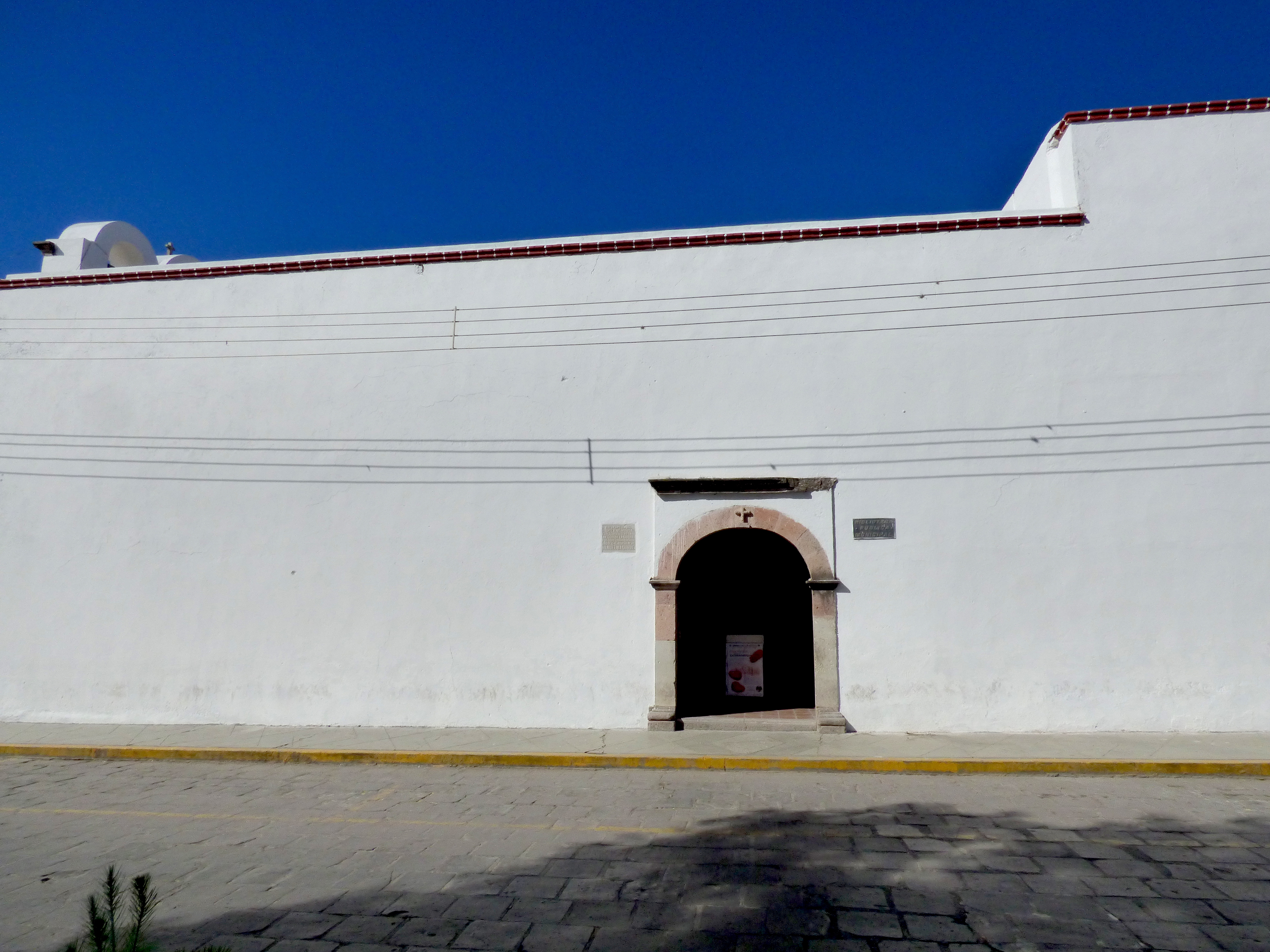
The building that remains today is primarily the chapel of the former hospital. Its architecture is simple and reflects the austere style of Franciscan buildings of the period. Notable features include its quarry-stone façade with a semicircular arch, as well as a belfry where the bells were once housed. The thick walls and the simplicity of the design show that it was a functional rather than an ornamental space, characteristic of the early stages of colonial architecture in Mexico.
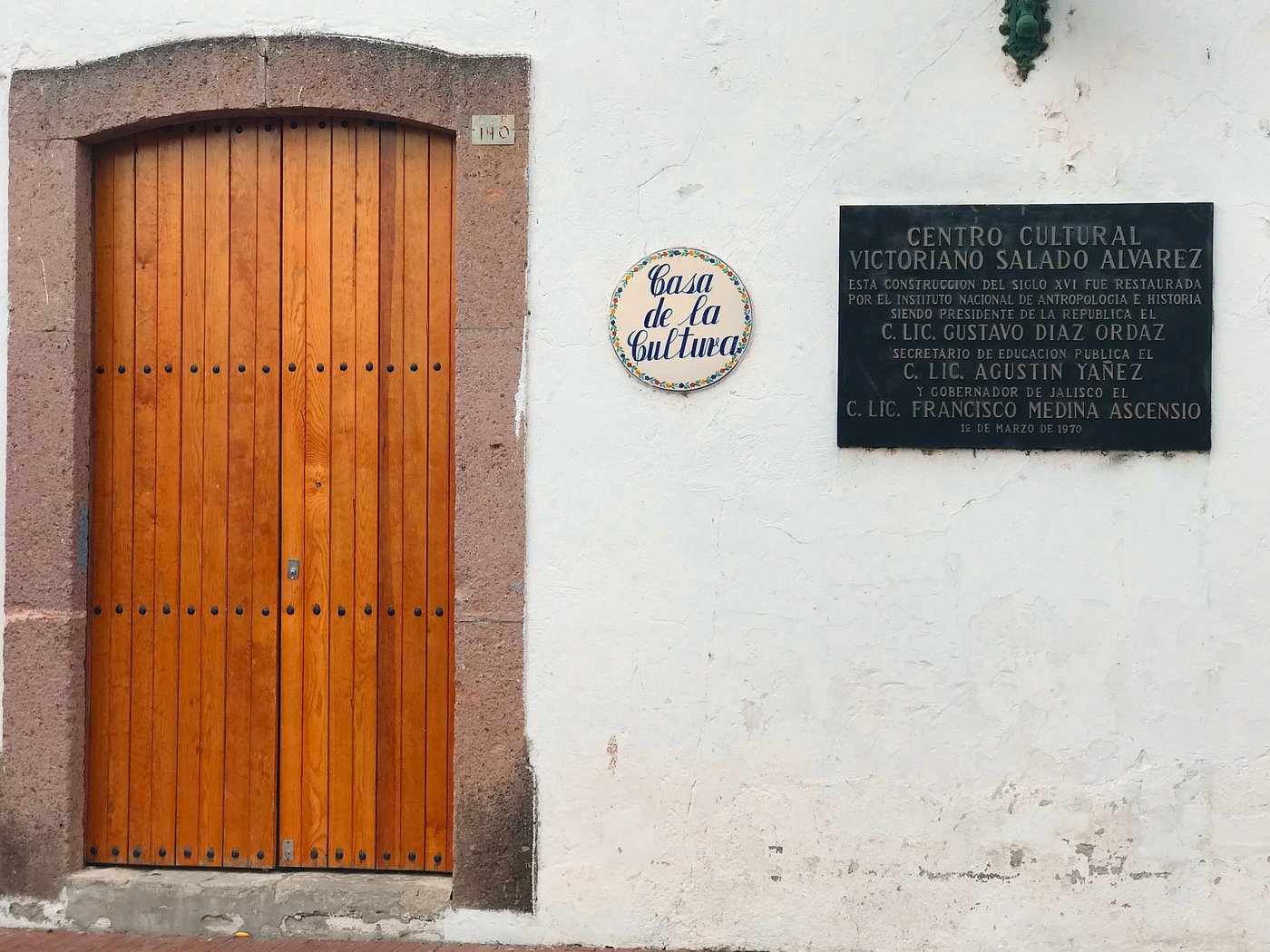
Over time, the building lost its original function and went through various phases, including periods of abandonment and deterioration. However, thanks to its historical value, it was saved and restored, transforming into what is now known as the Casa de Cultura. This new purpose has allowed the building to be preserved and brought back to life as a space dedicated to promoting art and culture.
Today, the Casa de Cultura hosts workshops in dance, music, painting, and other artistic disciplines, as well as exhibitions, performances, and cultural activities open to the community. This change in use represents a significant transformation: from a place of care and evangelization during the colonial era, it has become a center for cultural expression and the strengthening of local identity.
The Hospitalito de Indios stands as a testament to Mexico’s history, reflecting both the process of colonization and the evolution of society over the centuries. Its preservation and current use help keep Teocaltiche’s historical memory alive, while also contributing to the community’s cultural development.
Antigua
The museum houses display cases containing oil lamps, sewing machines, glassware such as vases, jugs, glasses, and cruets, as well as some typewriters and adding machines, reel-to-reel tape recorders, shortwave radios, and loom machinery—which is still used to make sarapes—along with various crafts…
Antigua
The museum houses display cases containing oil lamps, sewing machines, glassware such as vases, jugs, glasses, and cruets, as well as some typewriters and adding machines, reel-to-reel tape recorders, shortwave radios, and loom machinery—which is still used to make sarapes—along with various crafts made from bone and mesquite wood, a variety of antique irons, and video cameras.
Prehistórica
Visitors can see shark teeth, a stuffed turtle, various corals, petrified bones, fossils, and mastodons; stone axes found on Cerro de los Antiguos, as well as clay pots that were used for offerings and beaded necklaces.
Prehistórica
Visitors can see shark teeth, a stuffed turtle, various corals, petrified bones, fossils, and mastodons; stone axes found on Cerro de los Antiguos, as well as clay pots that were used for offerings and beaded necklaces.
Exposiciones Temporales
A dedicated space for hosting temporary exhibitions, with a 22-day exhibition schedule.
Exposiciones Temporales
A dedicated space for hosting temporary exhibitions, with a 22-day exhibition schedule.
Biblioteca Salvador Morán Sandoval
It was formerly the chapel of the Hospital de Indios. The chapel’s façade features a semicircular arch with a flower-shaped keystone; the arch rests on paneled jambs, and above it is a choir window, with the façade topped by a bell gable with three openings; on the wall is a plaque bearing an…
Biblioteca Salvador Morán Sandoval
It was formerly the chapel of the Hospital de Indios. The chapel’s façade features a semicircular arch with a flower-shaped keystone; the arch rests on paneled jambs, and above it is a choir window, with the façade topped by a bell gable with three openings; on the wall is a plaque bearing an inscription and the date 1545. Inside, a 17th-century oil painting depicting the Divine Prisoner is visible in the center, along with others located at the ends, depicting St. Francis of Assisi, St. Jerome, and several Franciscans, as this religious order was responsible for the spiritual conquest of the region.
This site was restored during the administrations of Agustín Yáñez and Gustavo Díaz Ordaz, and some of the original elements it preserves can still be seen, such as: ceilings with moldings, and a wooden beam where a few Latin words are faintly visible.
Área para talleres
A space dedicated to cultural workshops (dance, painting, music) as well as artistic events and lectures.
Área para talleres
A space dedicated to cultural workshops (dance, painting, music) as well as artistic events and lectures.
- Dirección del Centro INAHAlicia García Vázquezalicia_garcia@inah.gob.mx+52 (333) 614 5416
