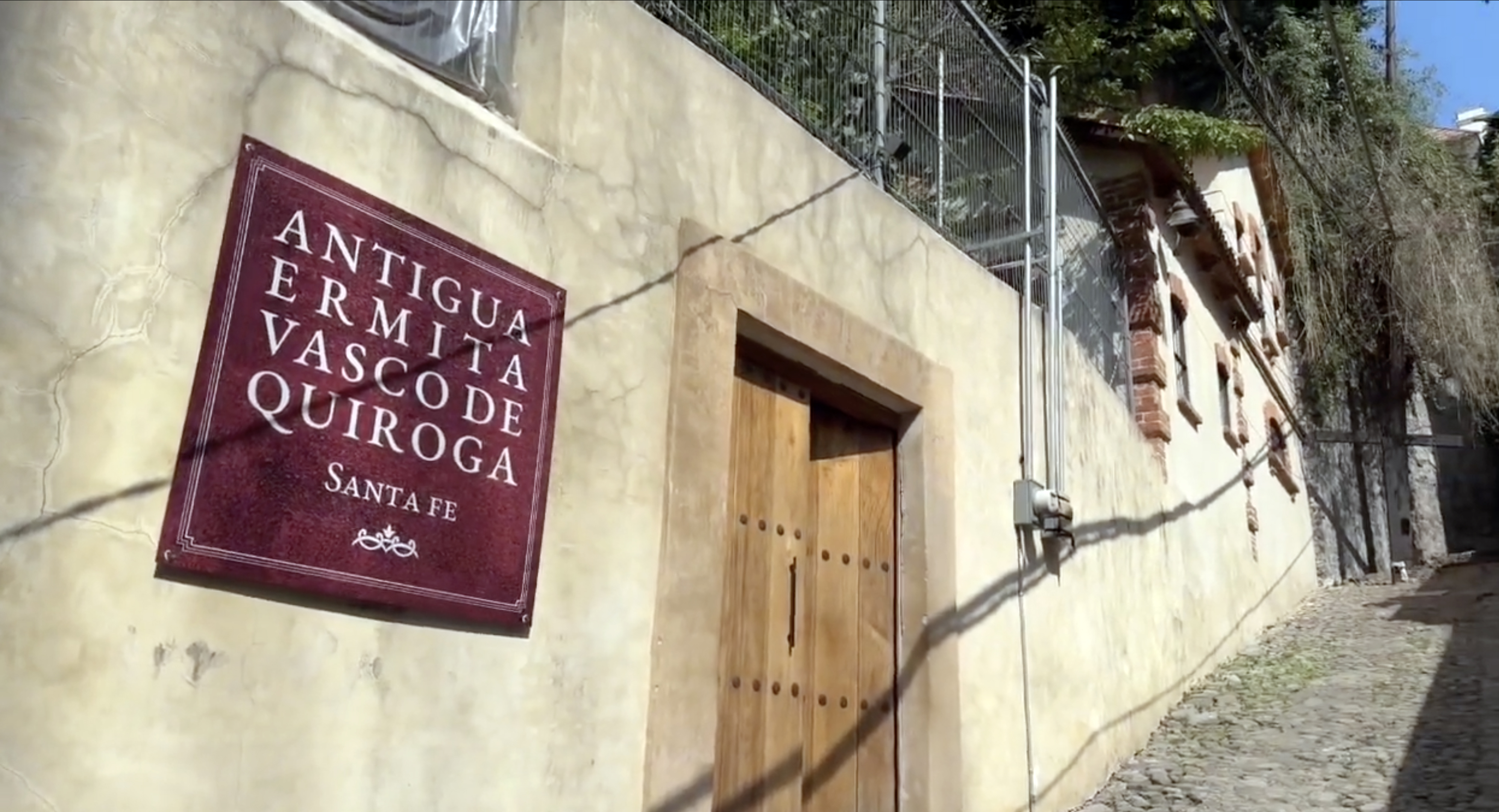






Antigua Ermita Vasco de Quiroga
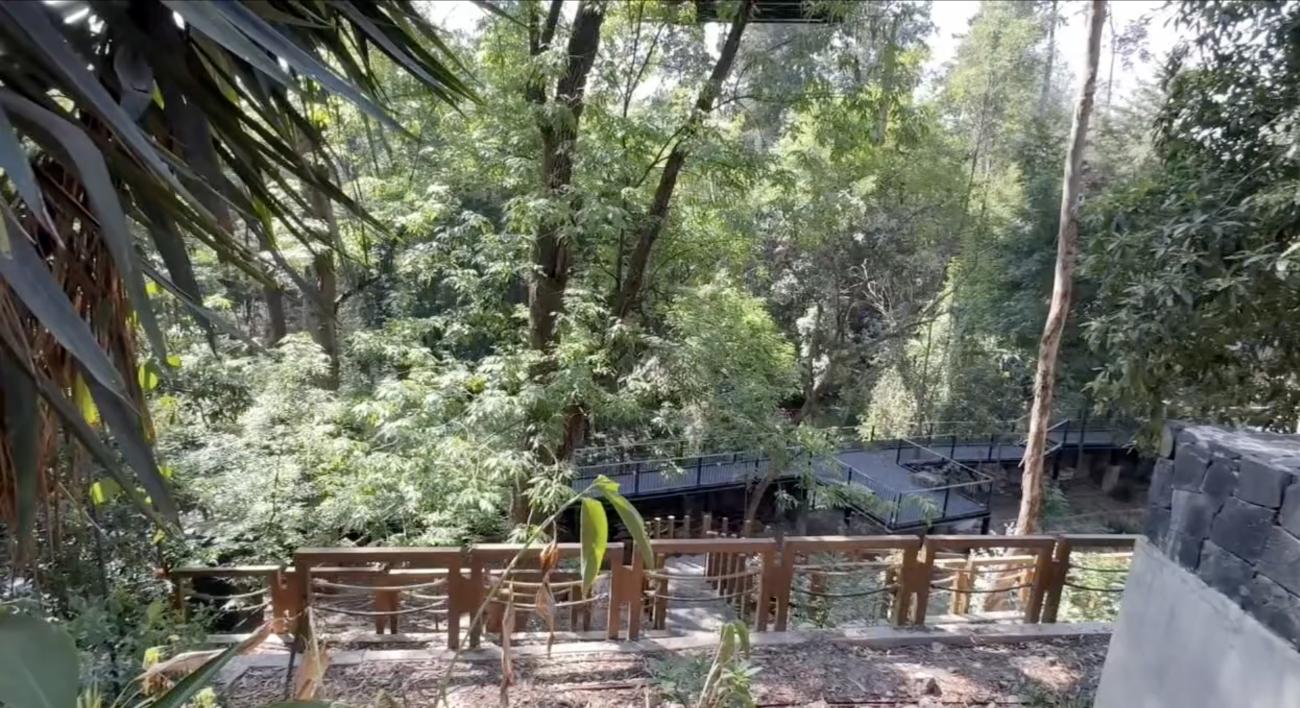
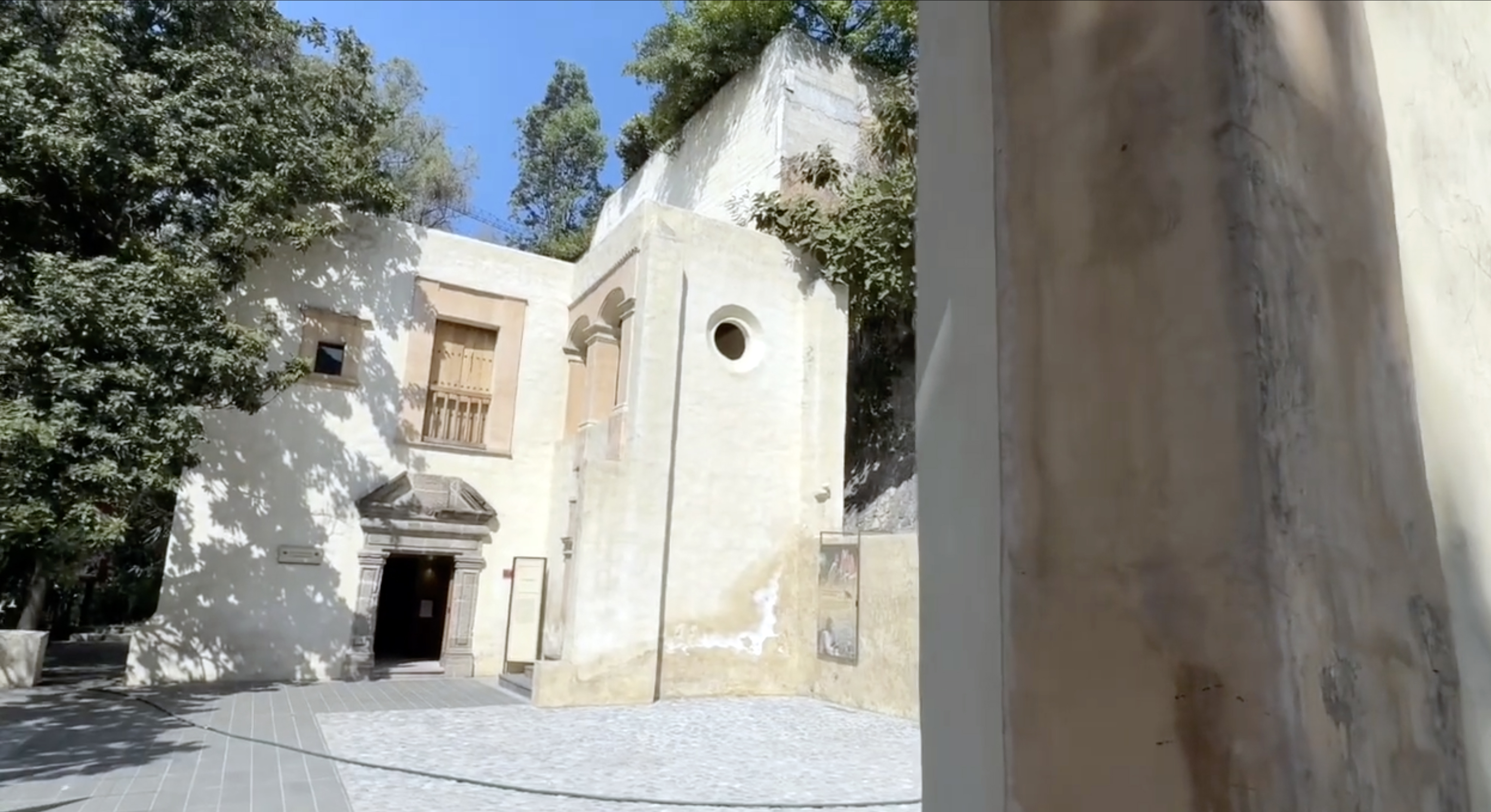
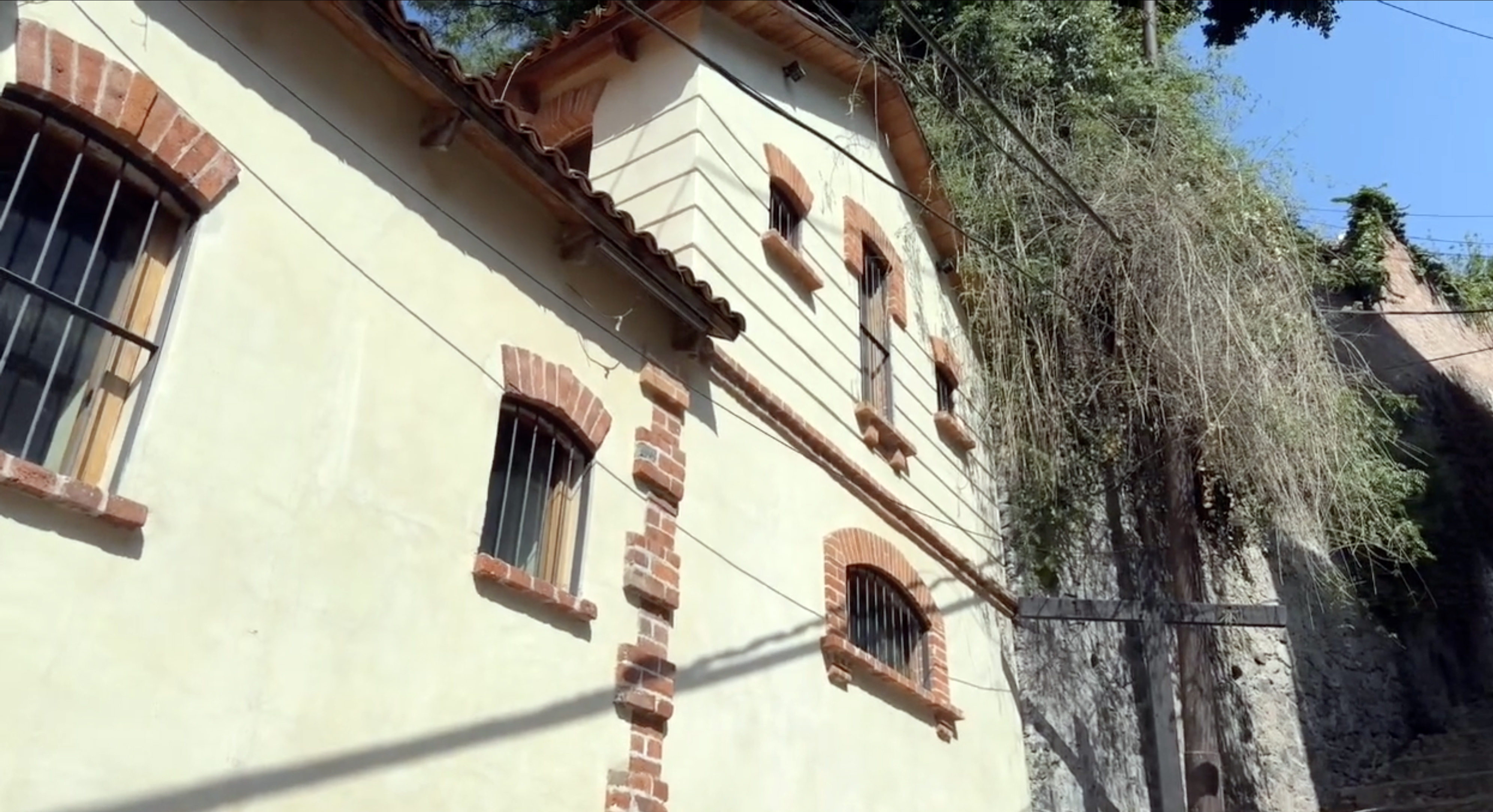
A historic site whose origins date back to the 16th century, currently located in the Fourth Section of Chapultepec Forest, in the Santa Fe neighborhood of Mexico City. This site is closely linked to the figure of Vasco de Quiroga, known as “Tata Vasco,” who founded the first town-hospital of Santa Fe in this region around 1532, with the aim of creating a community organized according to principles of social justice, collective work, and support for indigenous peoples.
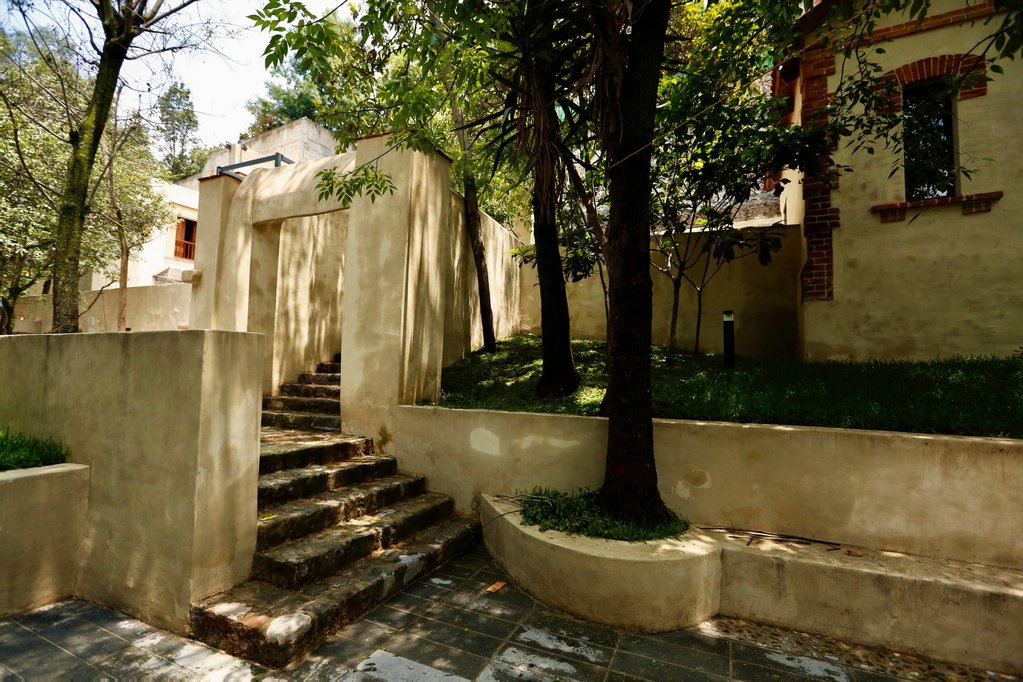
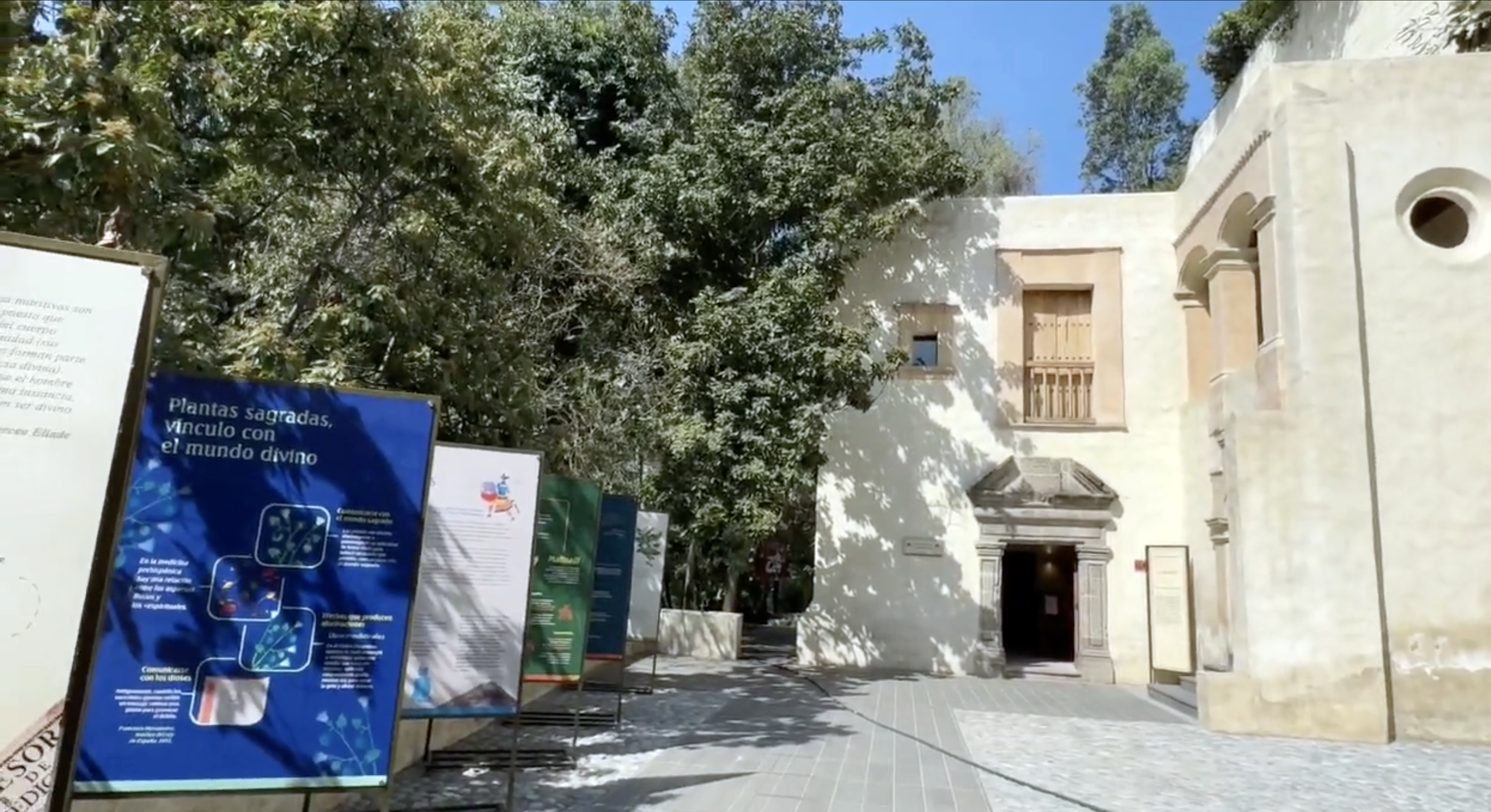
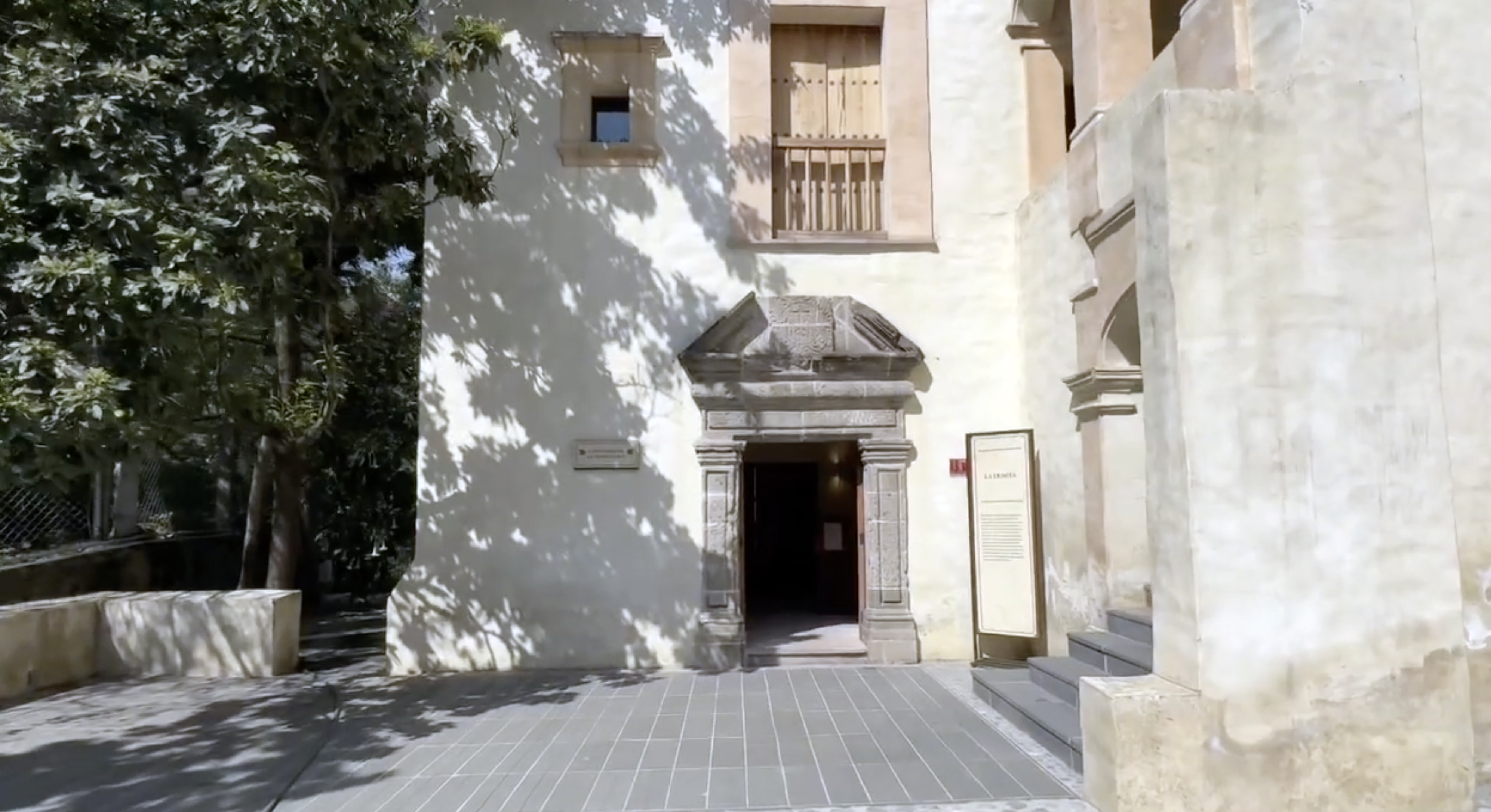
A historic building located in the Fourth Section of Chapultepec Forest, in the Santa Fe neighborhood of Mexico City. It is an old chapel or oratory dating from the 17th century, although its origins go back to the 16th century, when the first colonial settlements were established in that area.
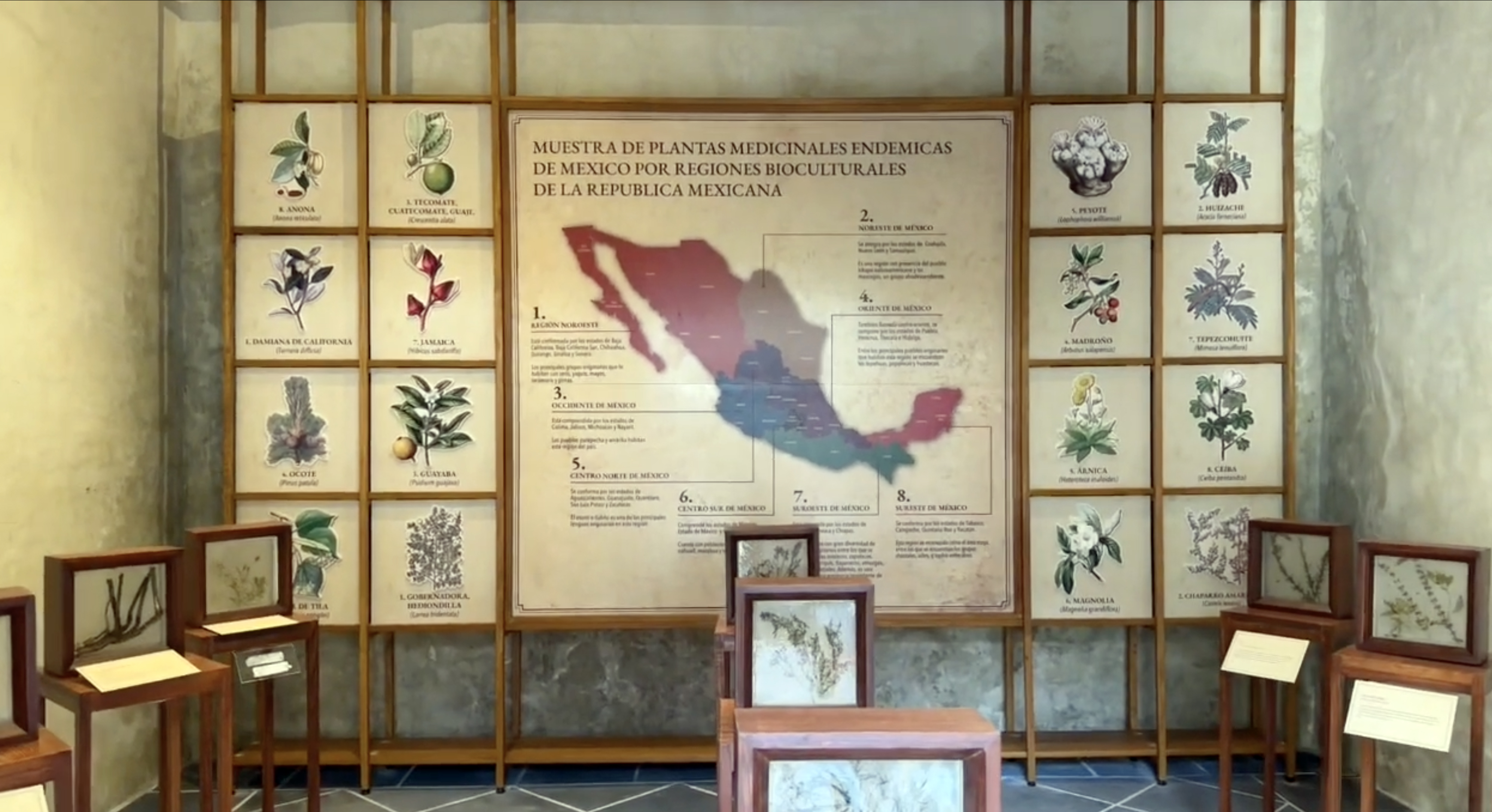
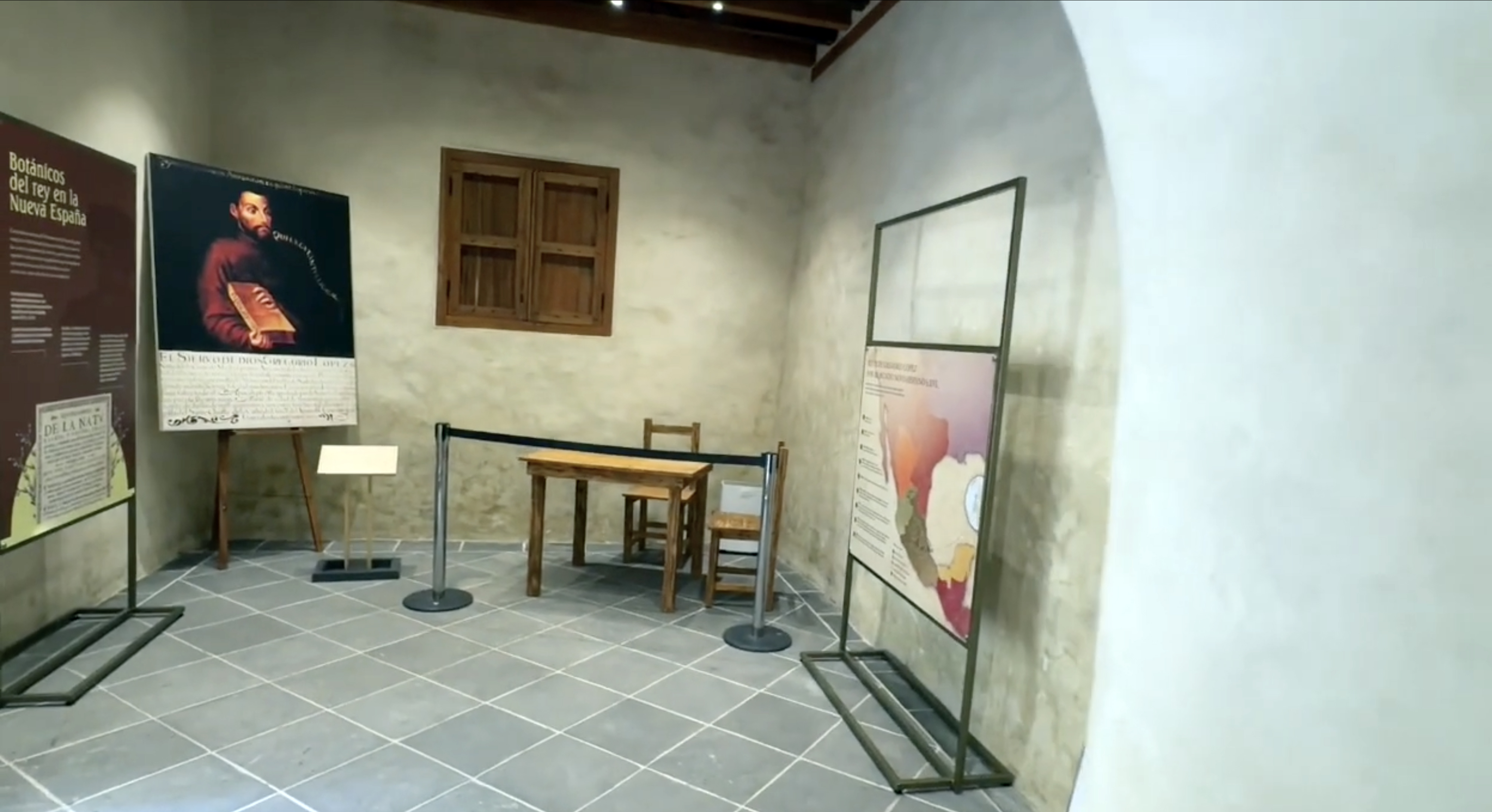
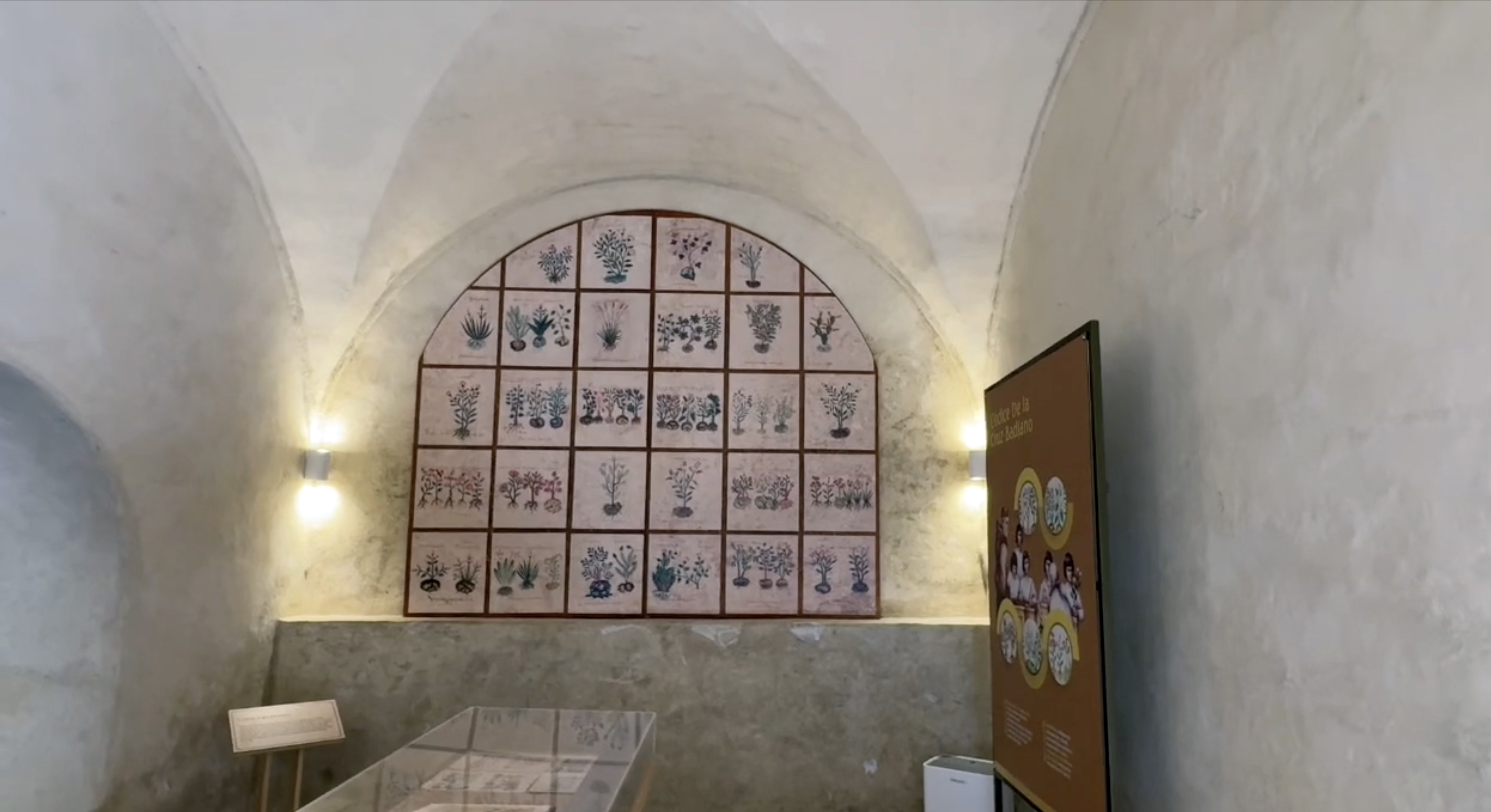
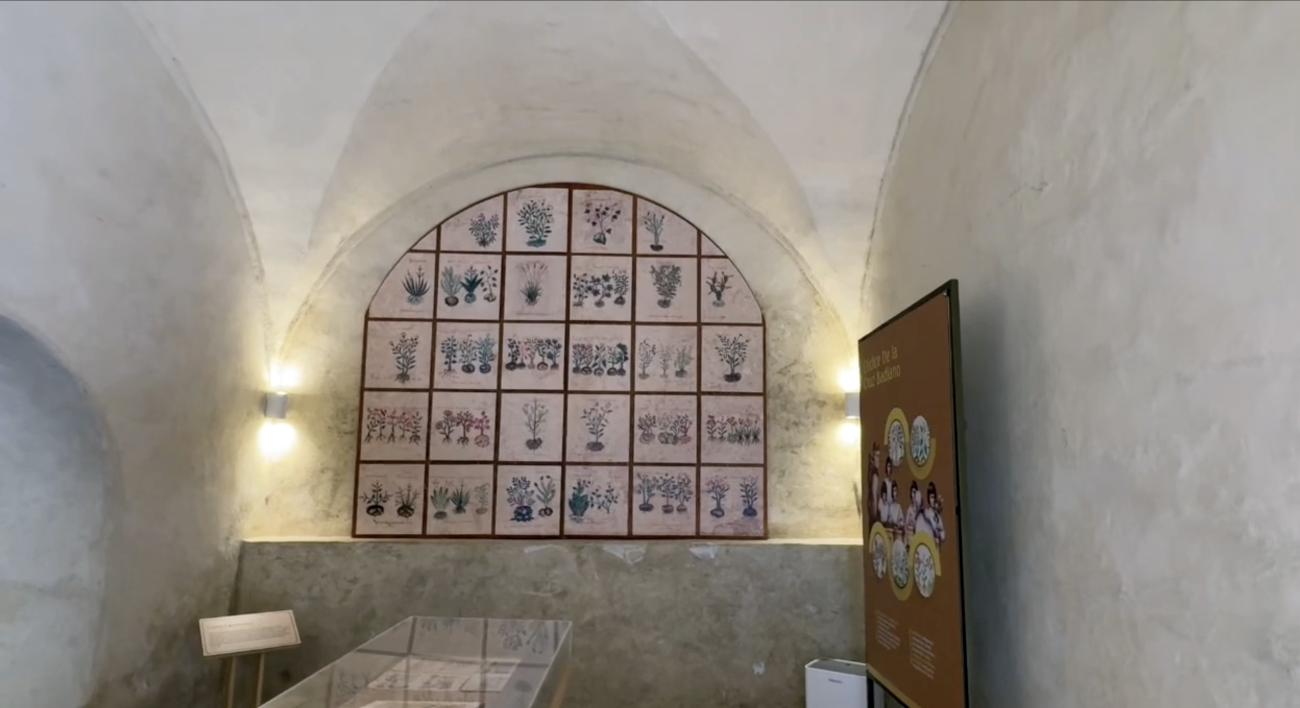
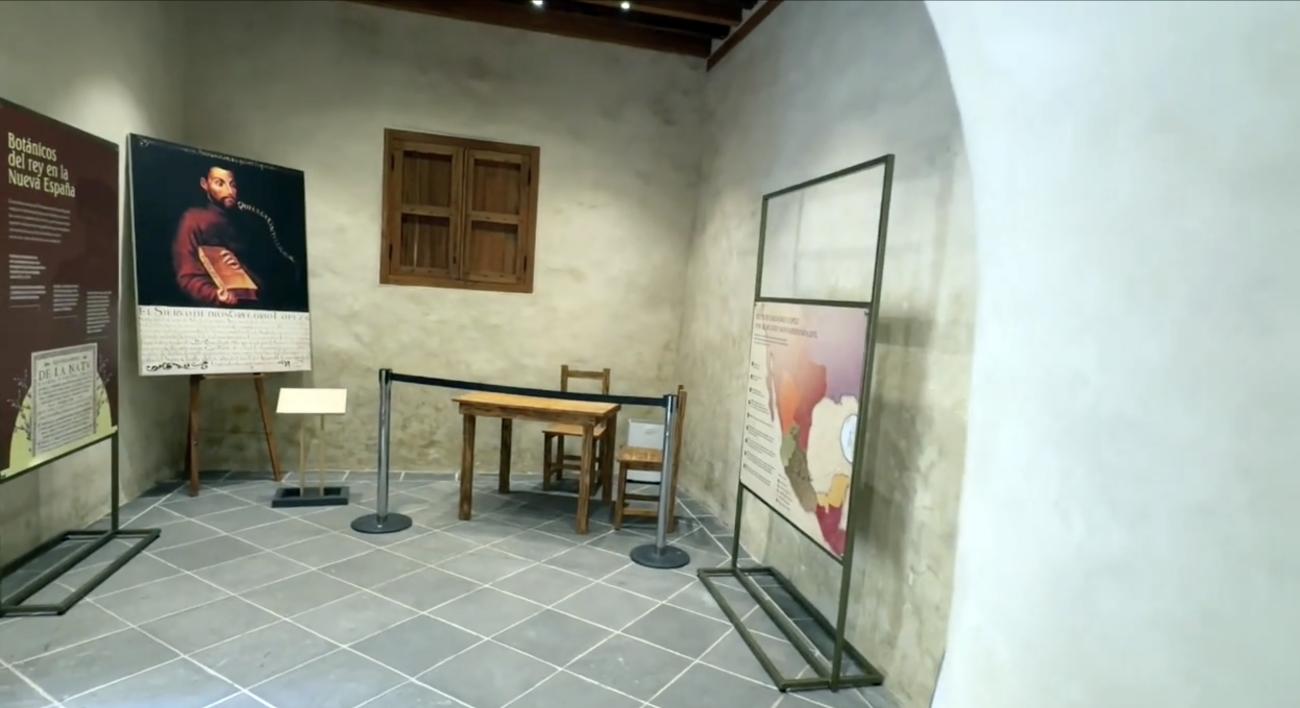
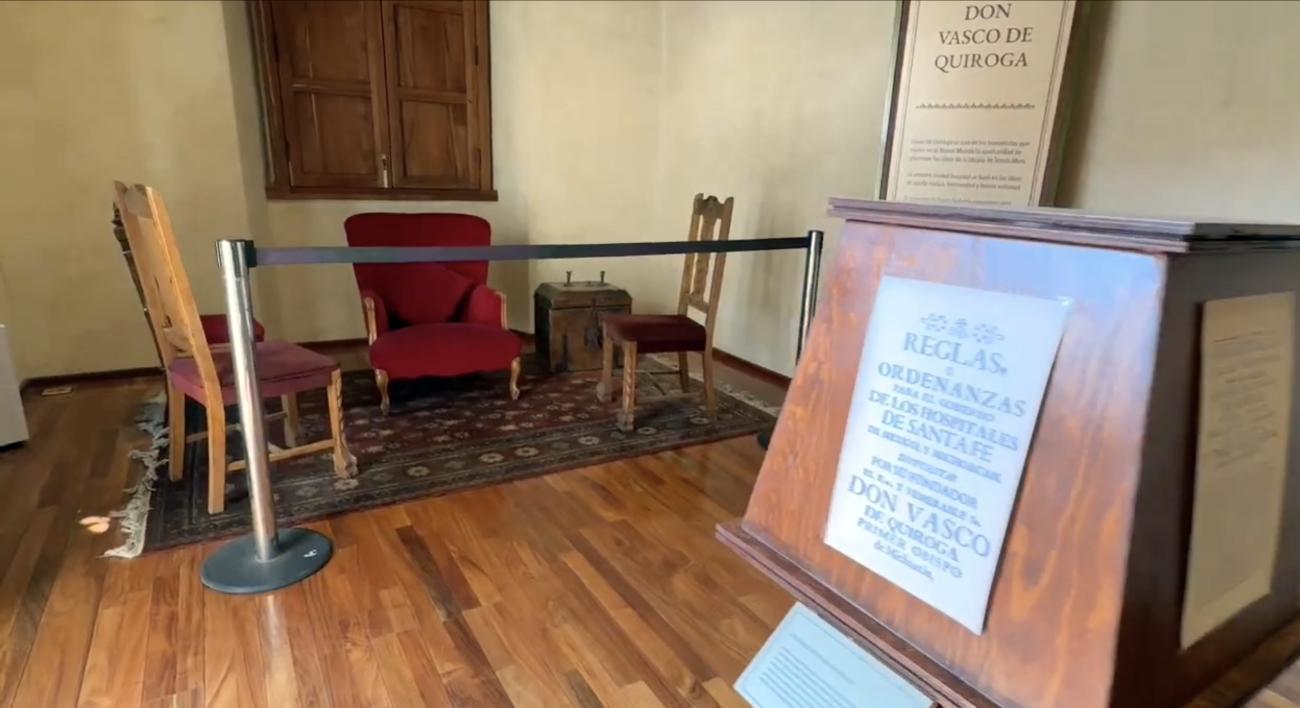
It is closely linked to Vasco de Quiroga, a key figure in New Spain who founded the town-hospital of Santa Fe with an innovative social approach to support indigenous communities. The chapel is also associated with Gregorio López, a hermit who lived there and practiced herbal medicine, leaving a significant influence on traditional medicinal practices during the colonial period.
Over time, the hermitage evolved from an isolated religious space into a site of historical, cultural, and symbolic value. Although the current structure dates primarily to the 17th century, the site retains its symbolic value as one of the oldest sites of colonial occupation in the area. It remained abandoned for long periods, but has recently been restored and integrated into cultural and conservation initiatives within Chapultepec Forest.
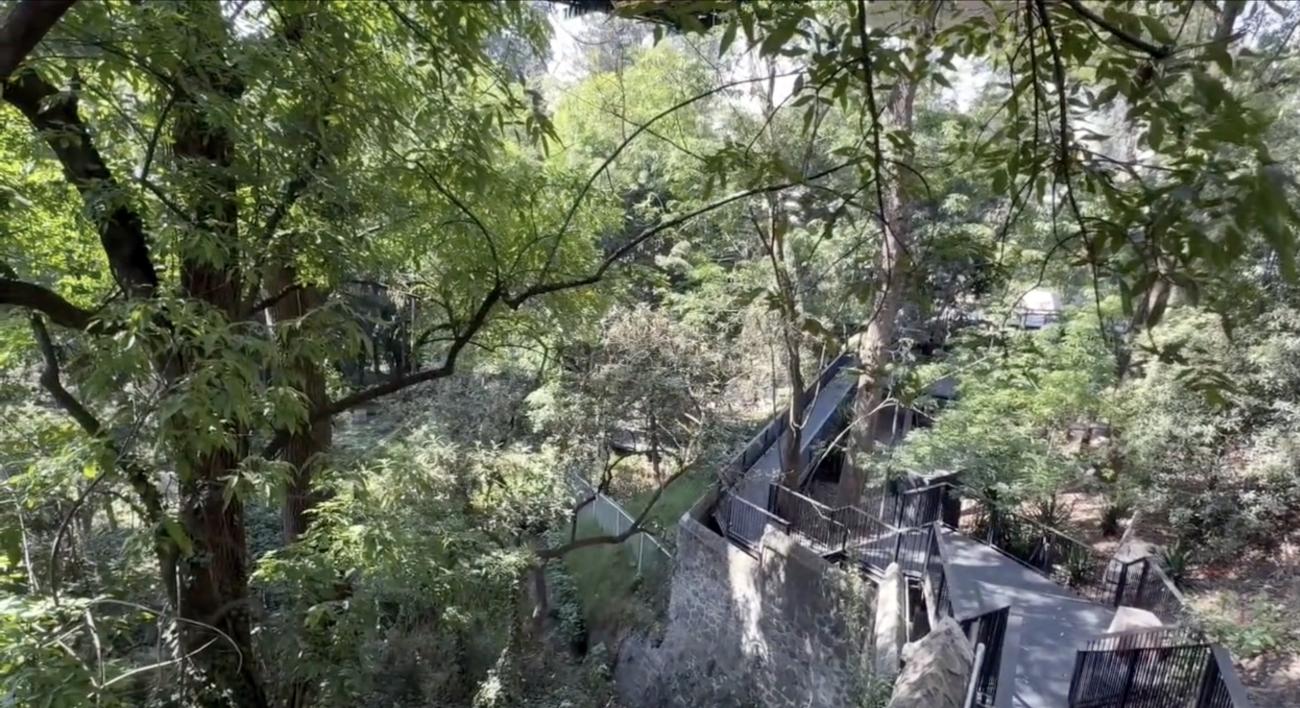
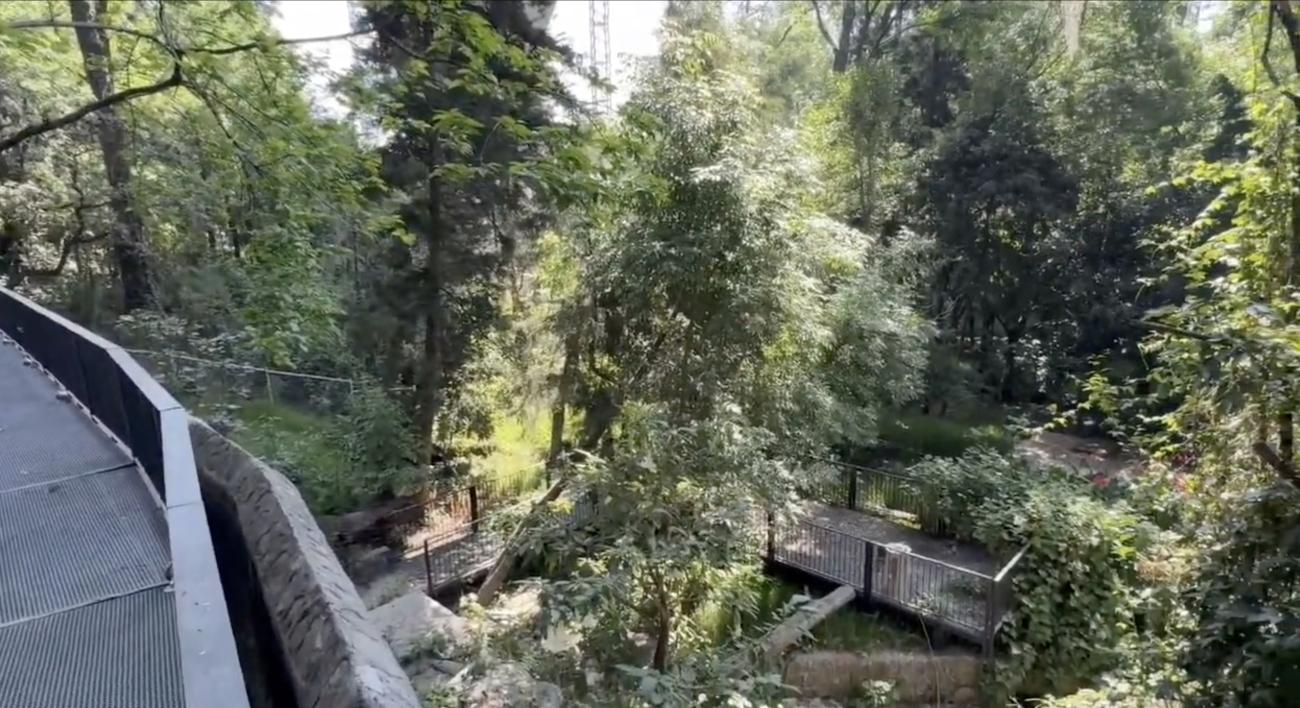
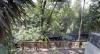
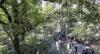
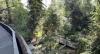
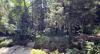
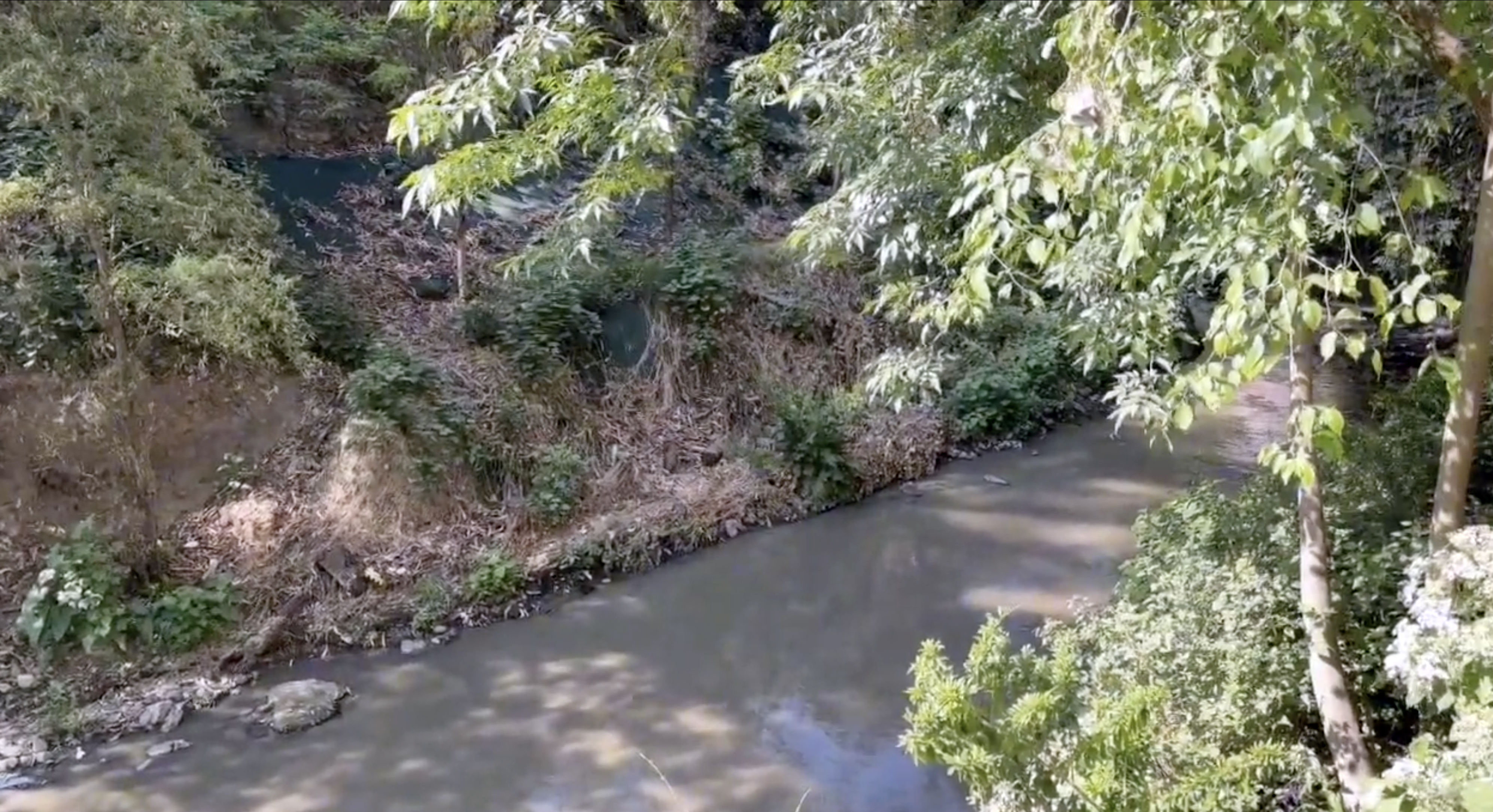
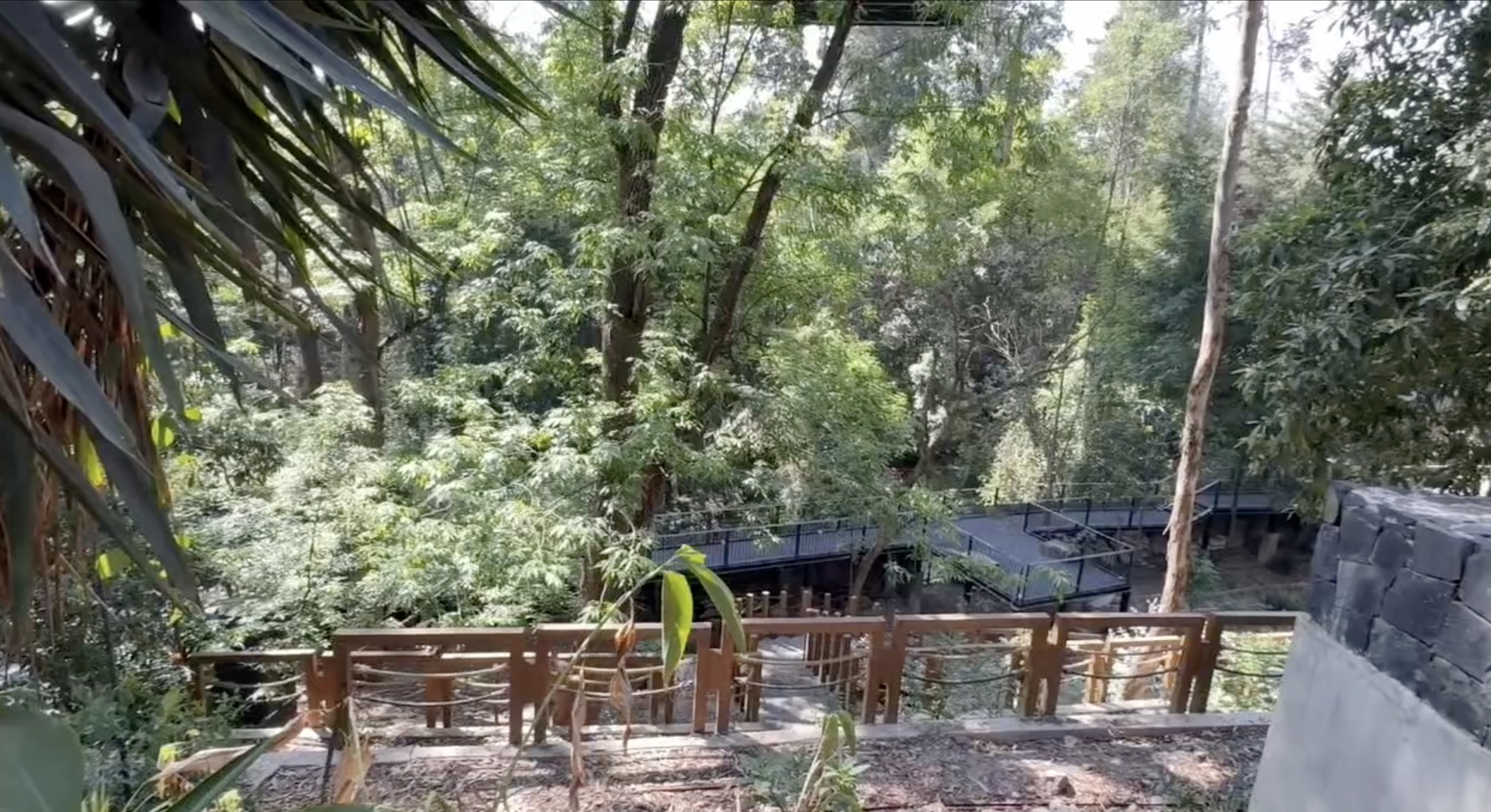
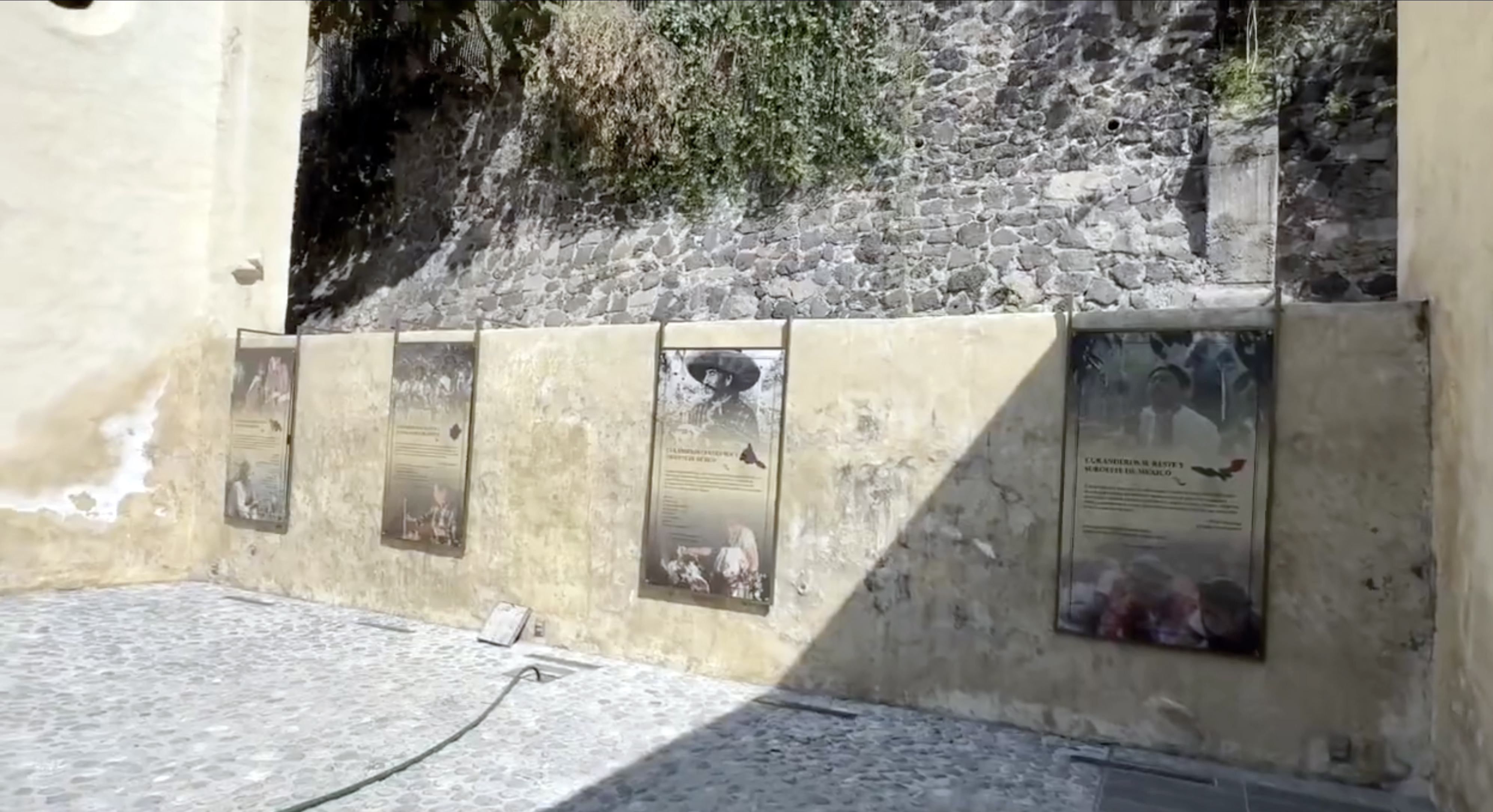
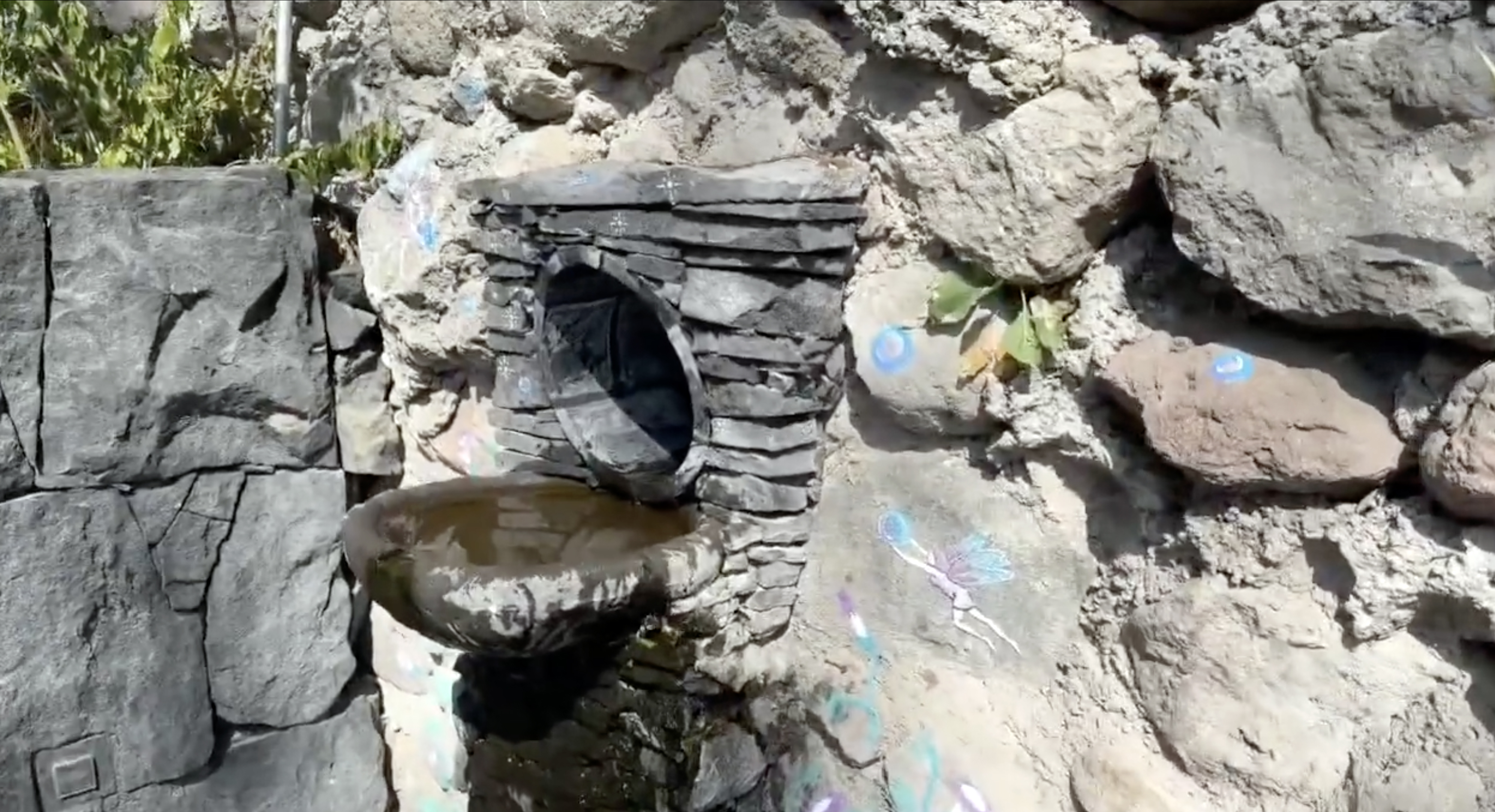
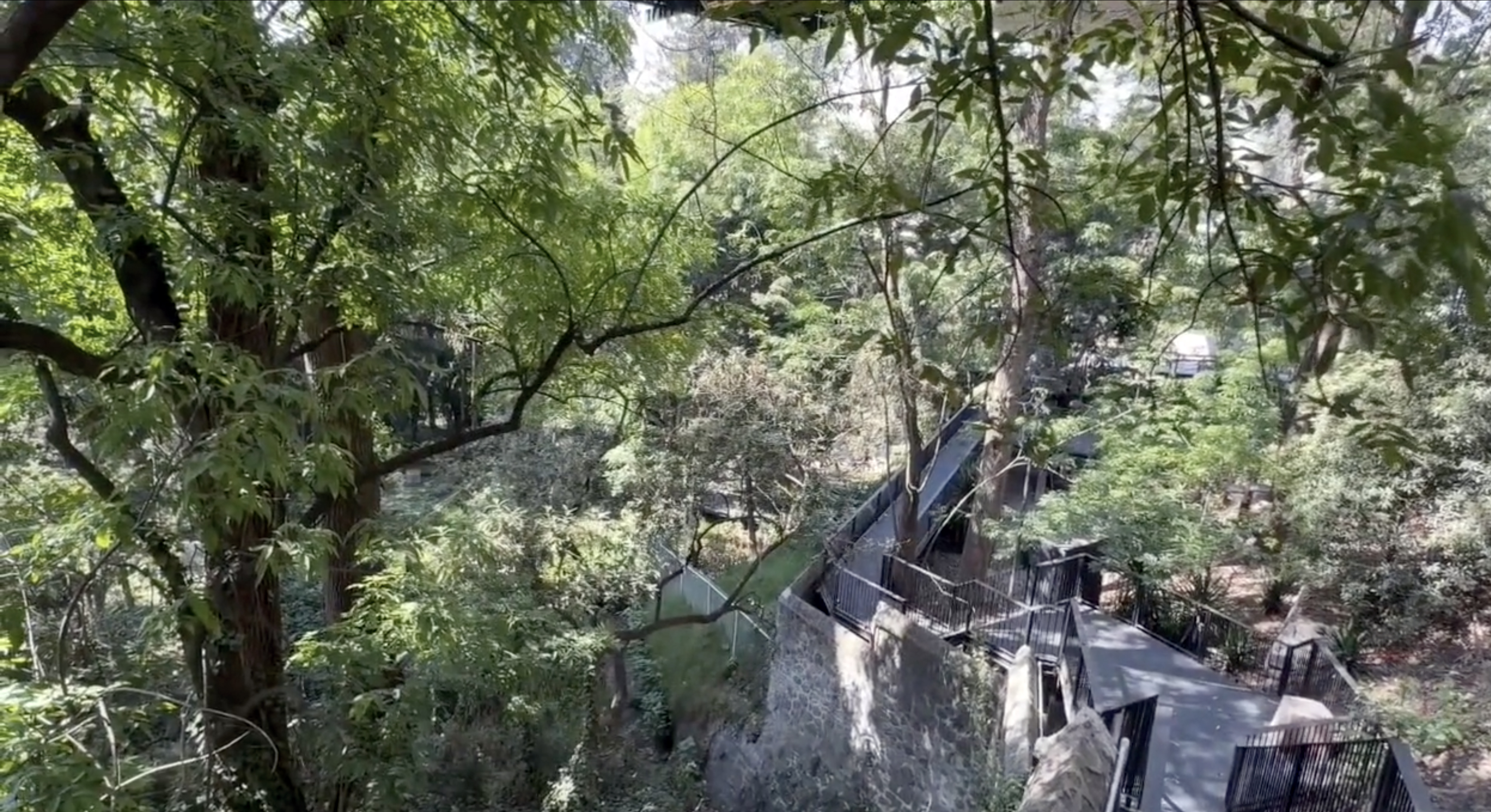
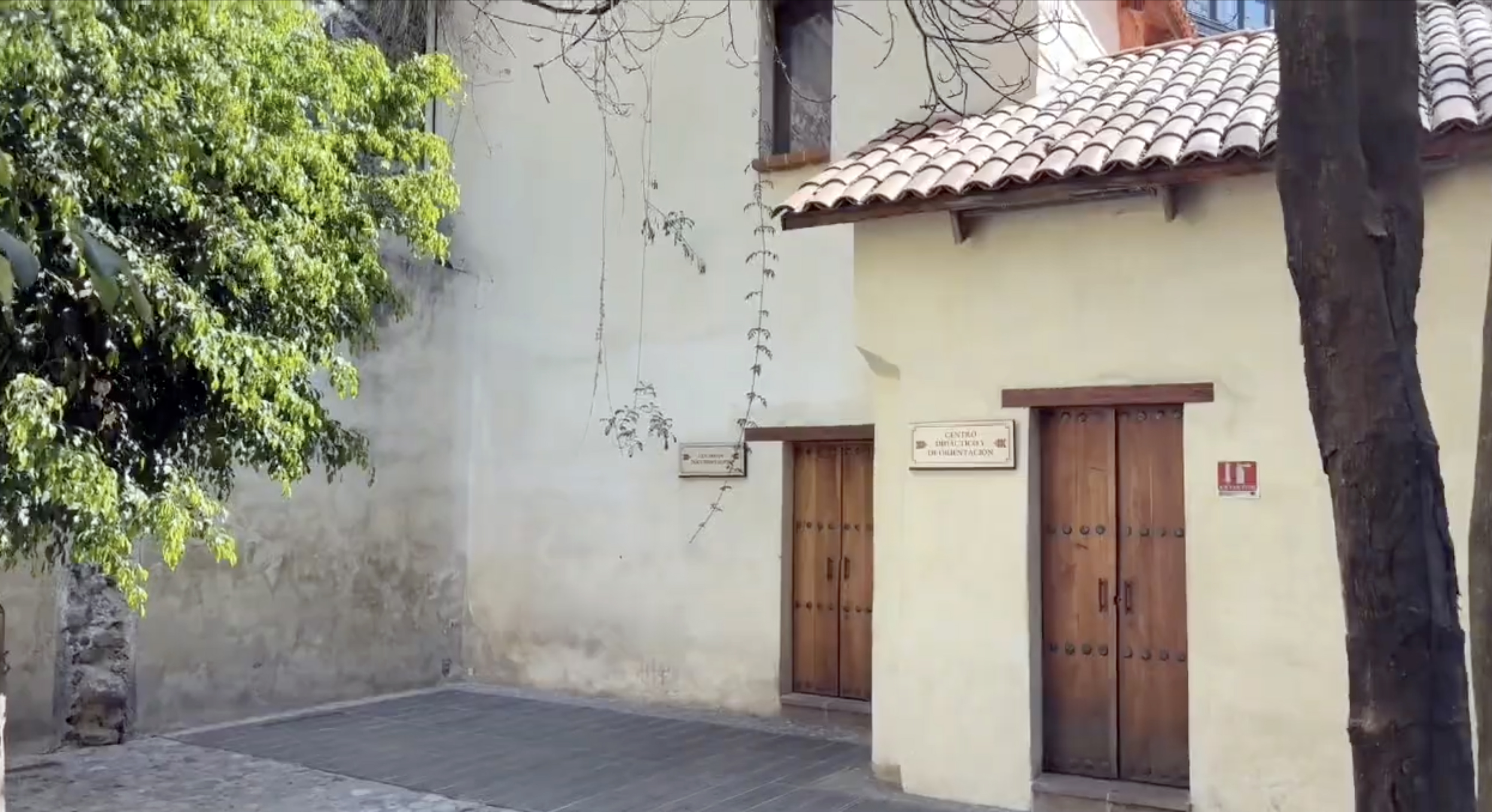
Today, the chapel serves as a community cultural center that hosts educational activities, workshops, exhibitions, and events focused on history, art, and traditional medicine. Its natural surroundings, characterized by green spaces and ancient springs, reinforce its value as a meeting place where nature, history, and community converge.
The Old Vasco de Quiroga Chapel serves as a point of connection between Mexico’s colonial past, indigenous traditions, and contemporary cultural life, standing out both for its historical significance and its current role as a revitalized public space.
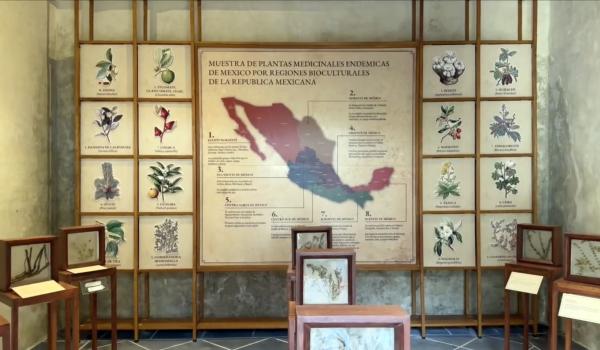
Oratorio del Siglo XVI
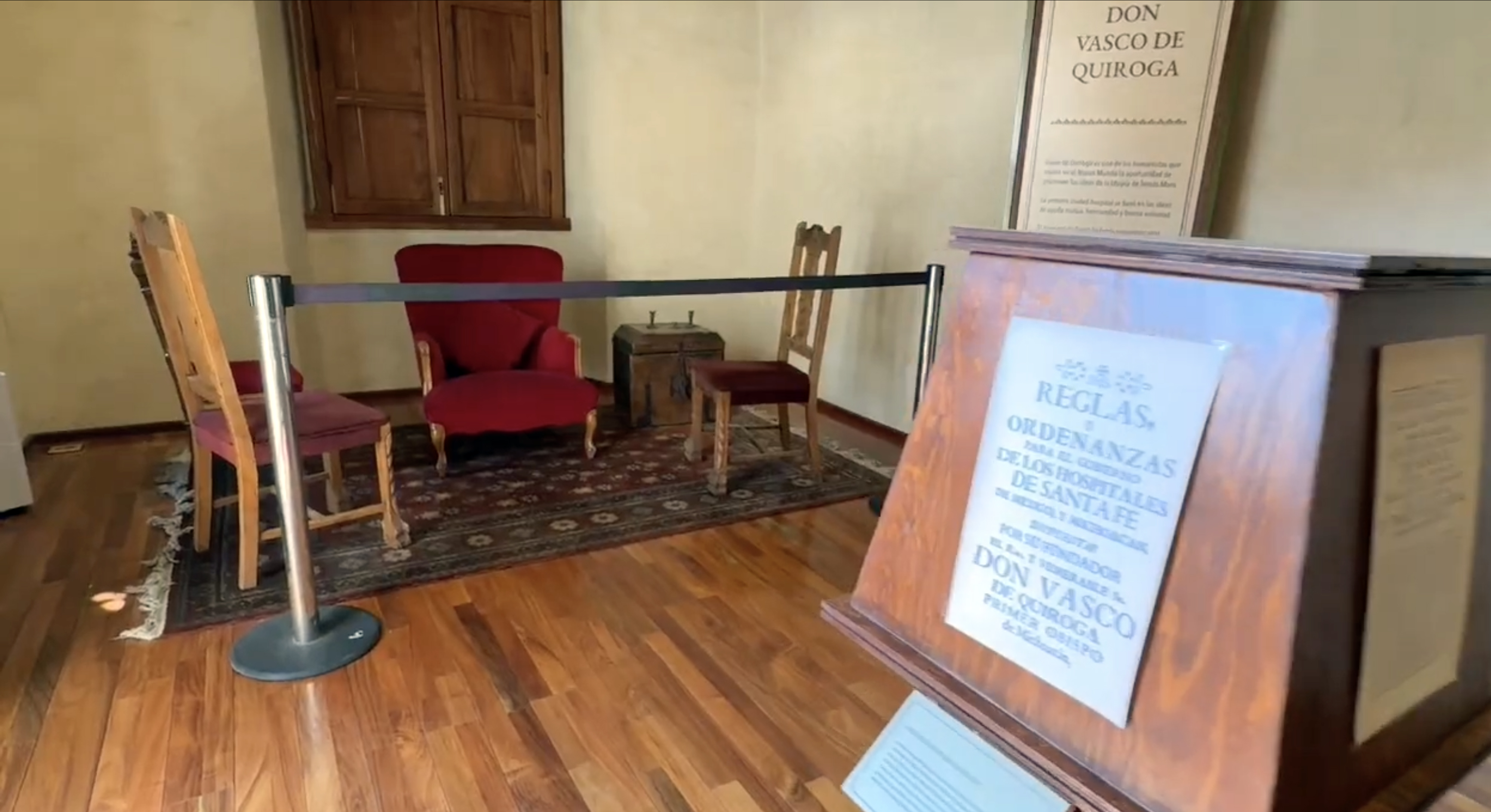
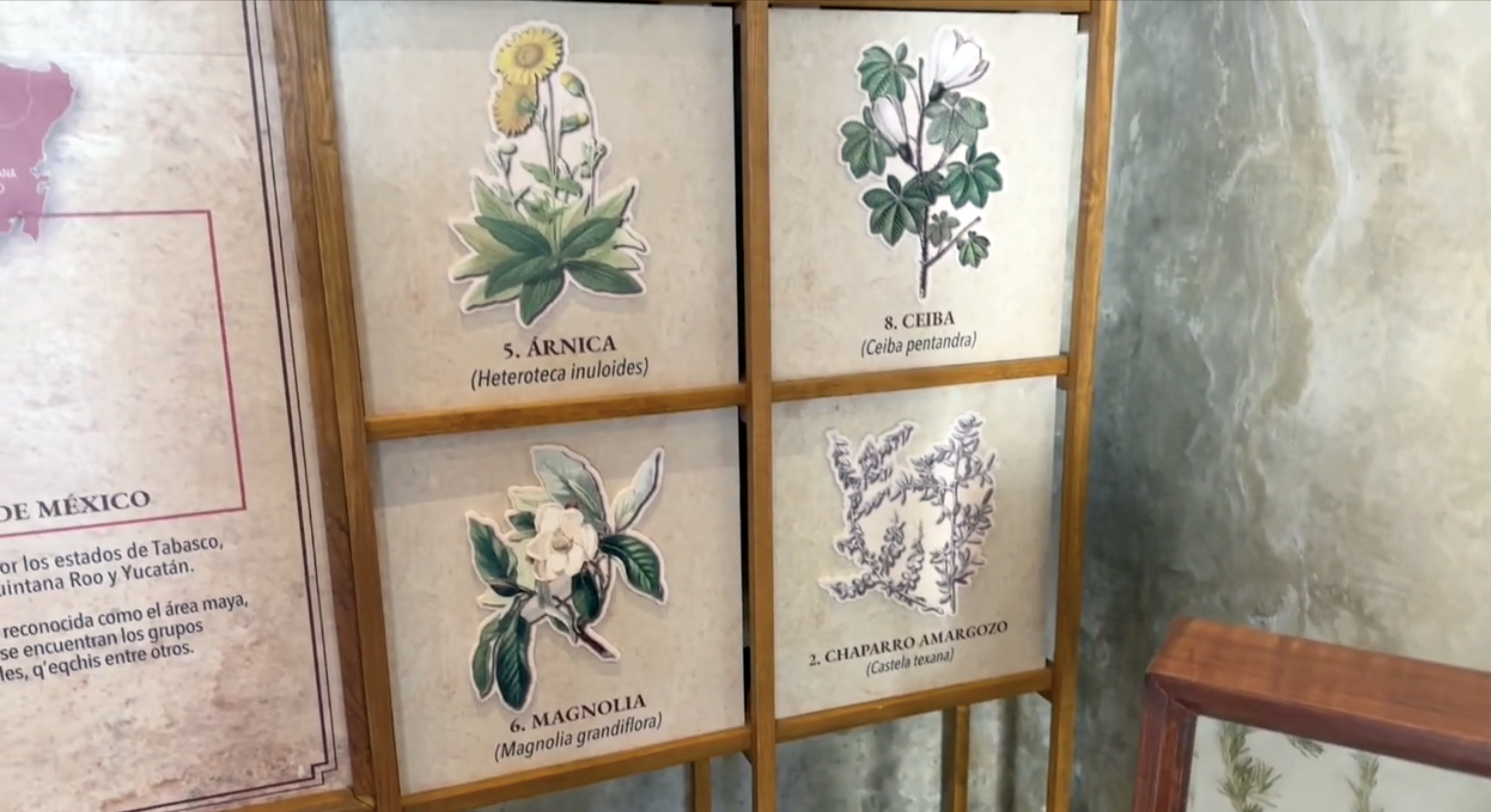
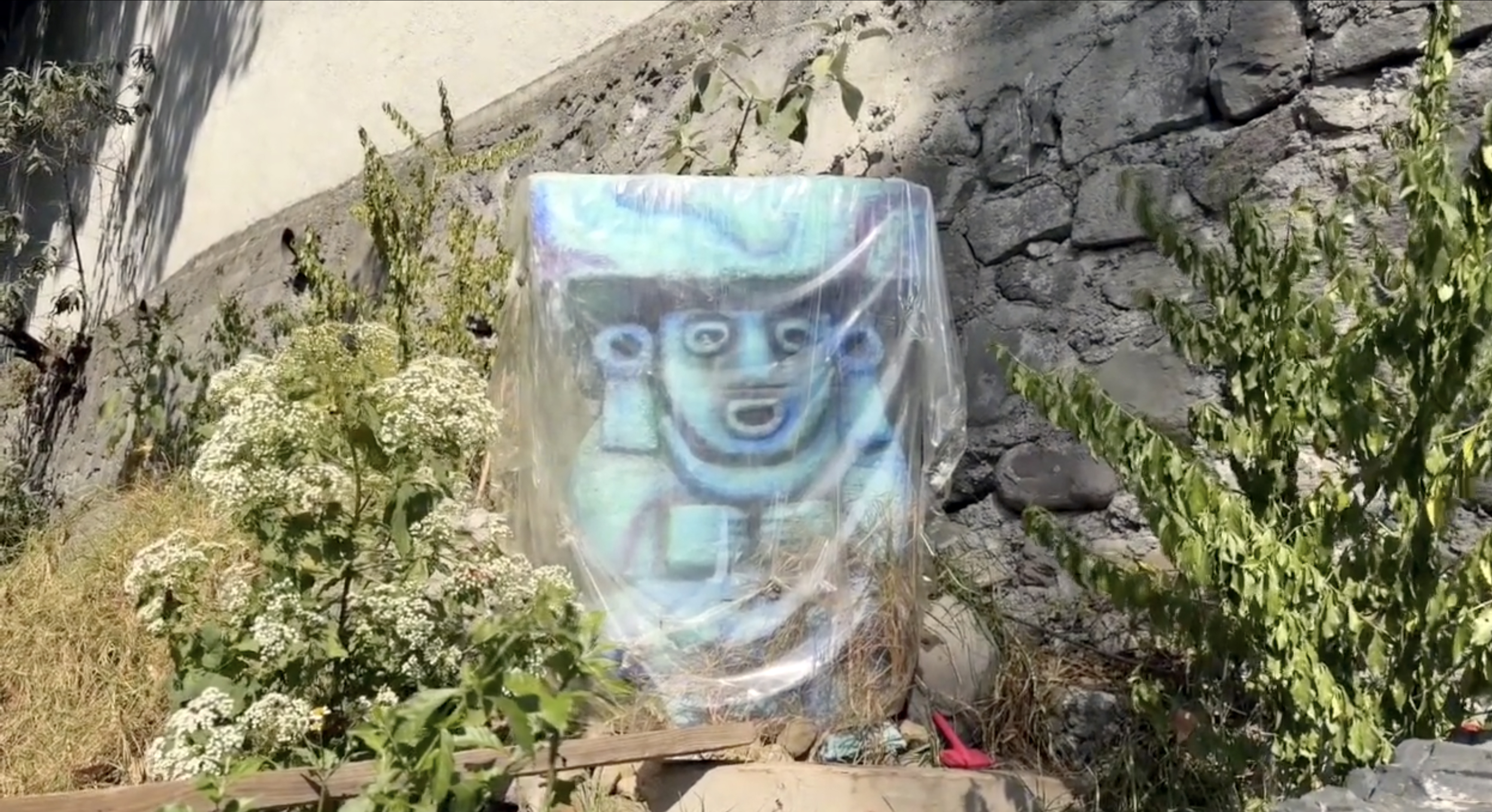
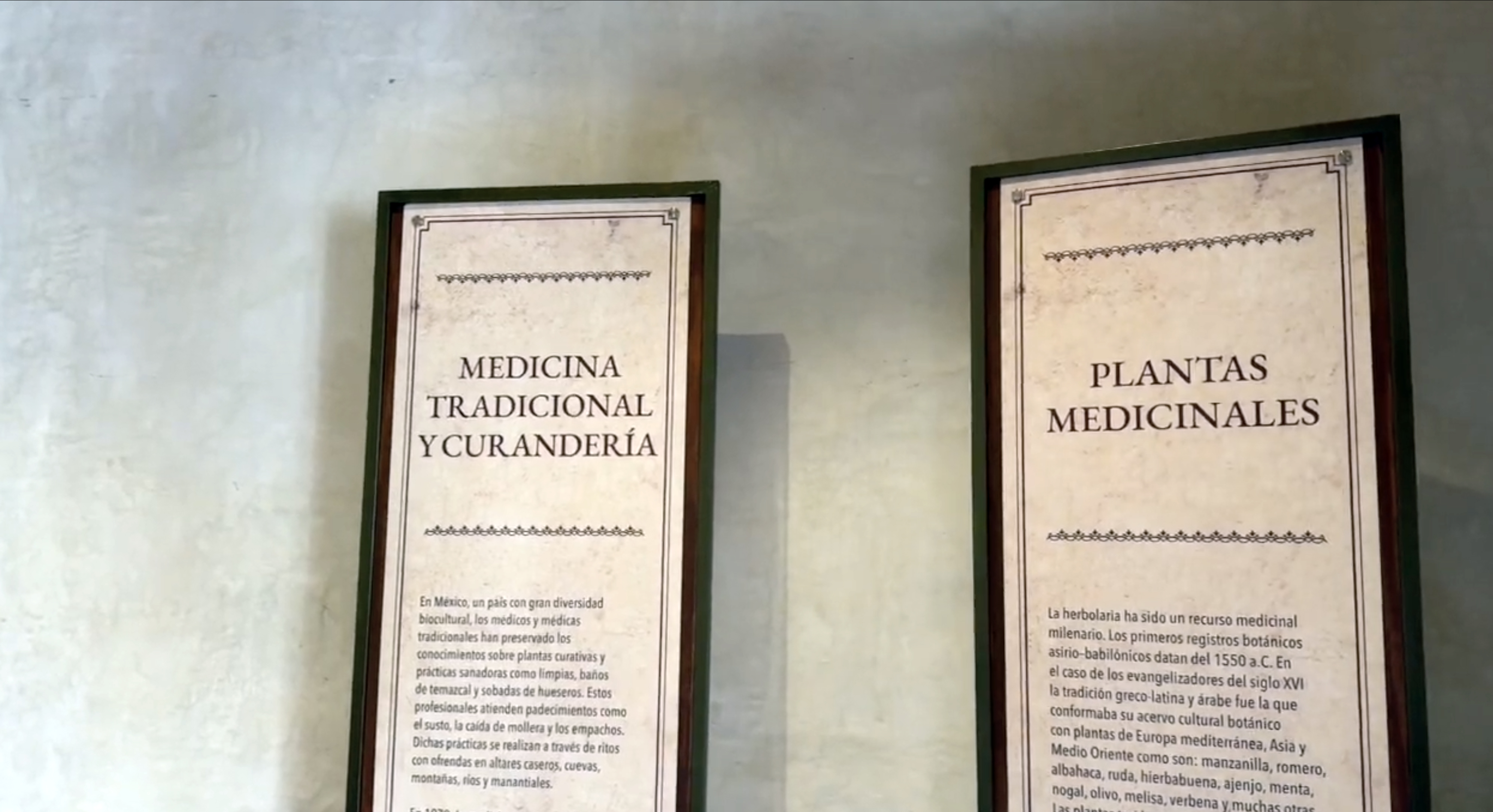
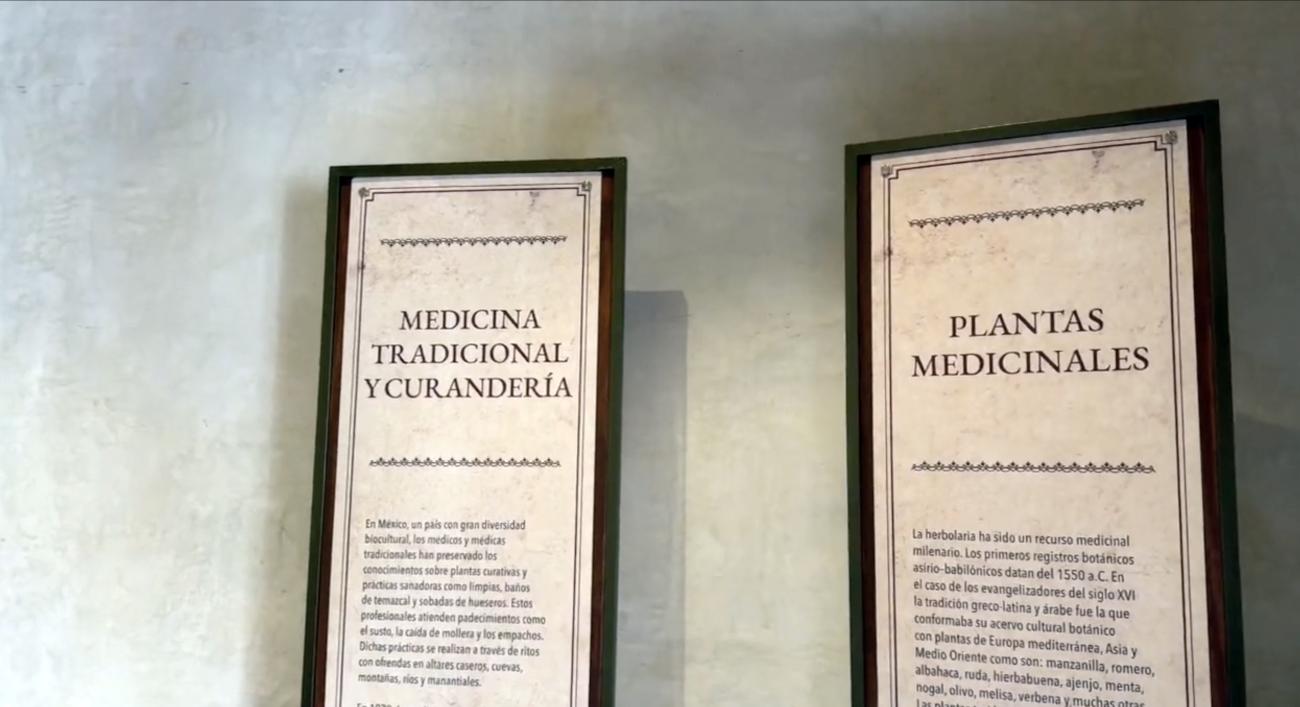
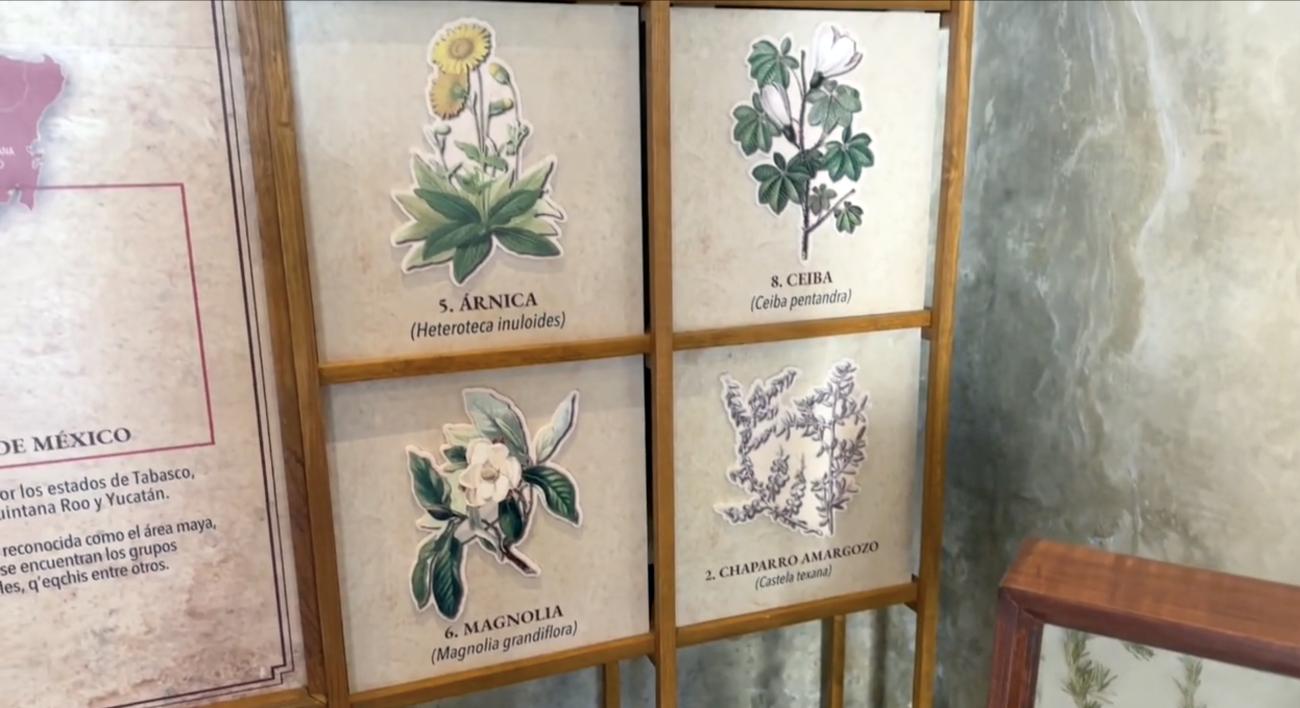
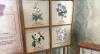
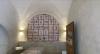
The main building is a small chapel where Vasco de Quiroga used to retreat to meditate. It currently houses a permanent exhibition on traditional medicine and herbalism associated with Gregorio López, as well as the history of the town of Santa Fe, known as “Tata” Vasco.
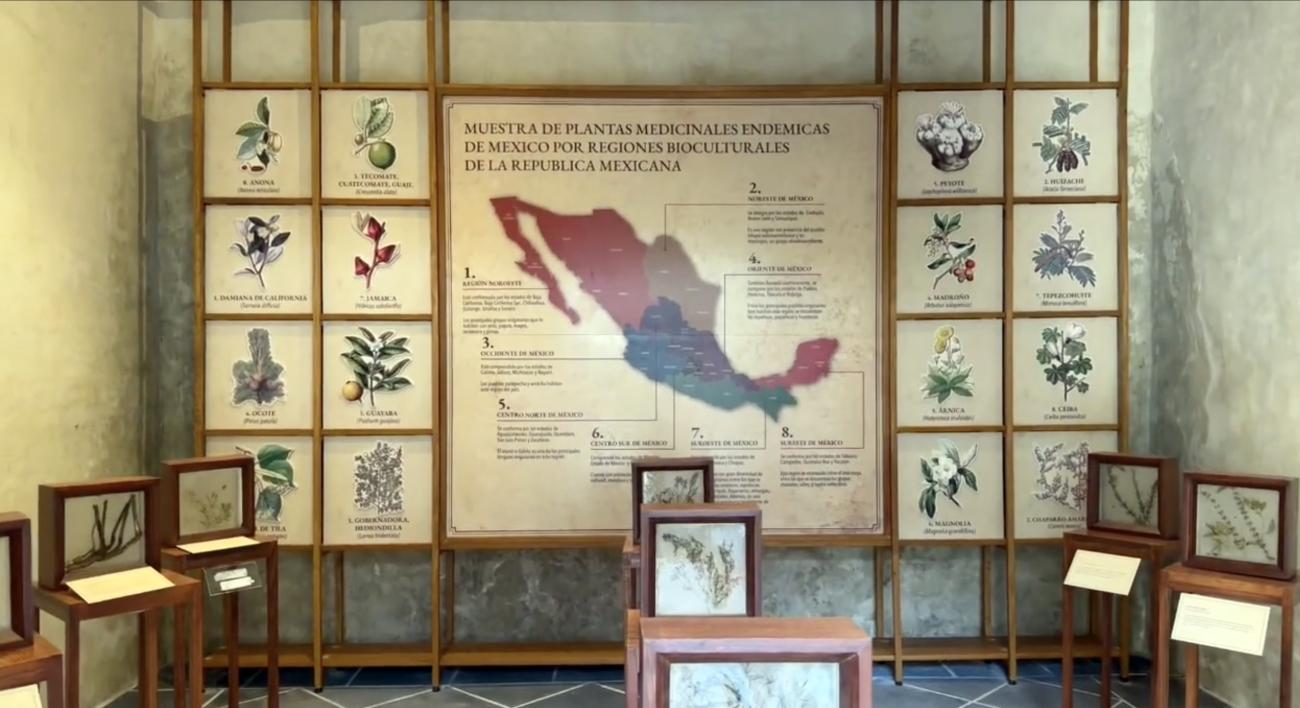


Sala de usos múltiples
A key venue for community and educational activities, designed to host art workshops, job training sessions, seminars, lectures, and video conferences.
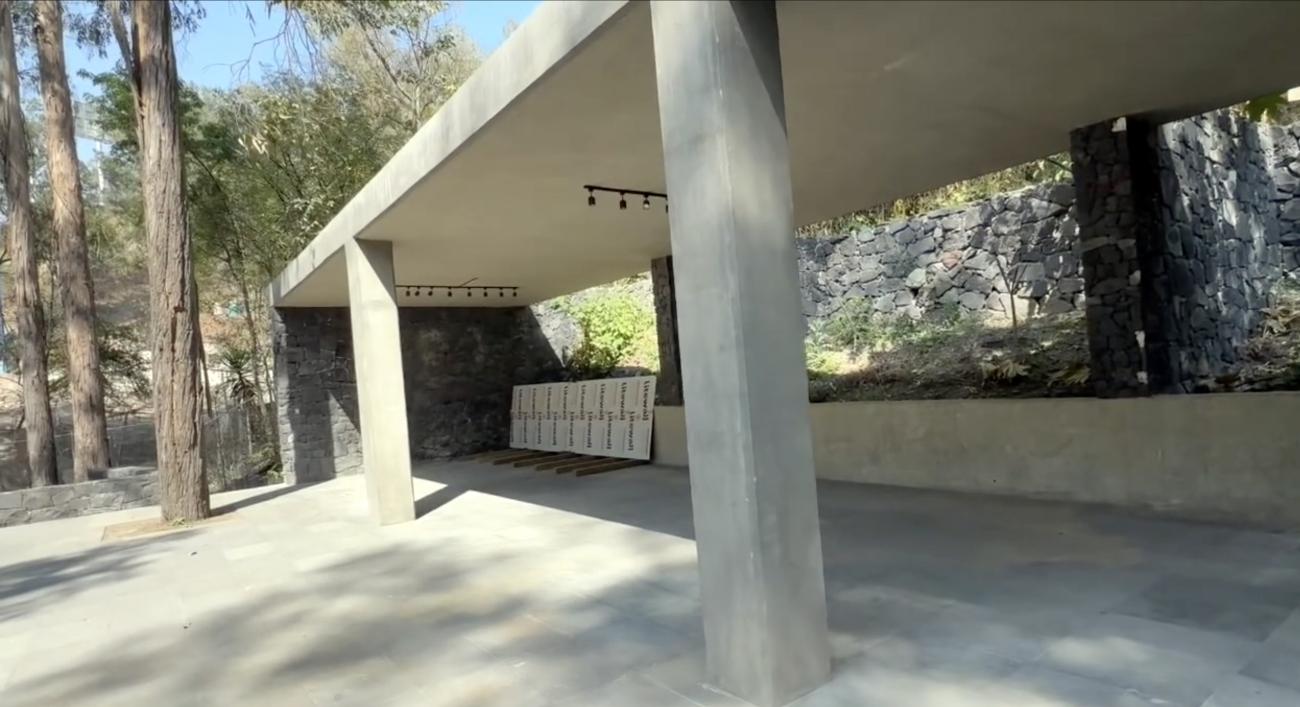
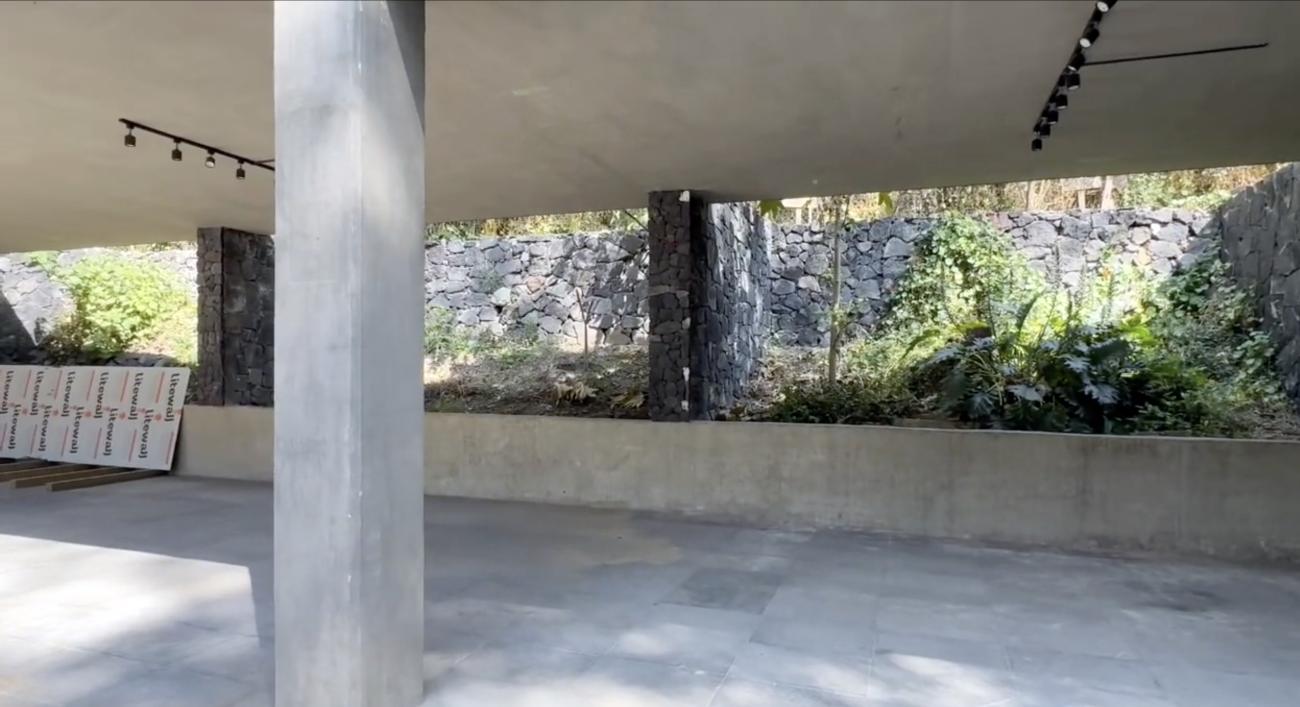
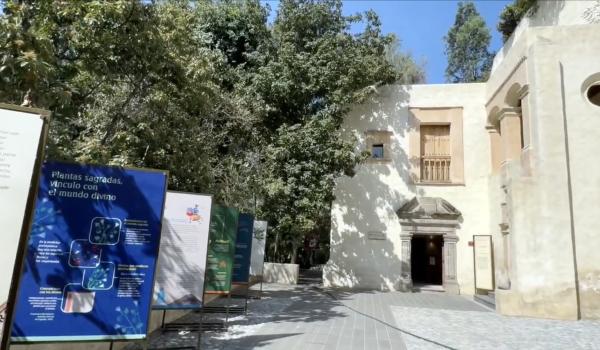
Terraza
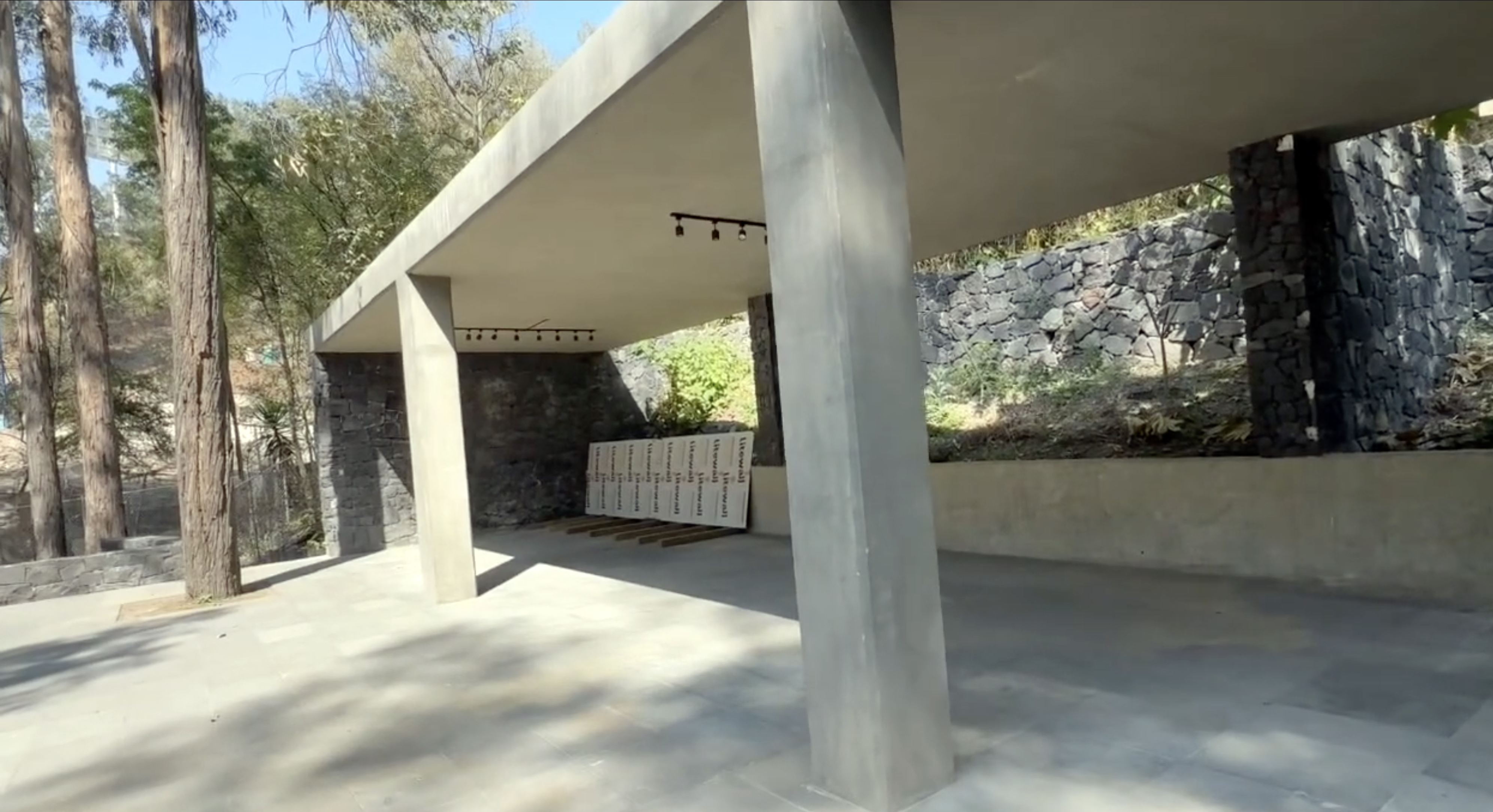
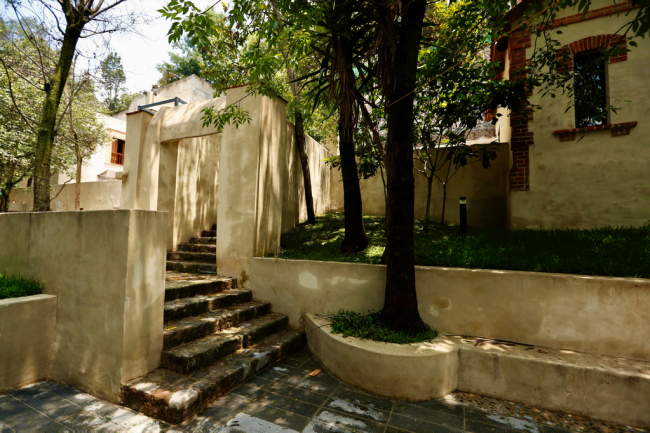
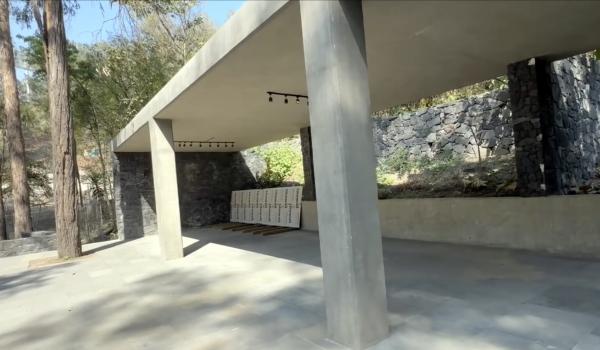
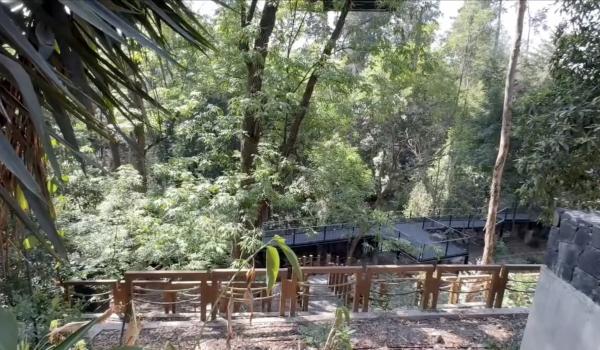
An open space used for academic, cultural, and community activities, meetings, group activities, or small events.
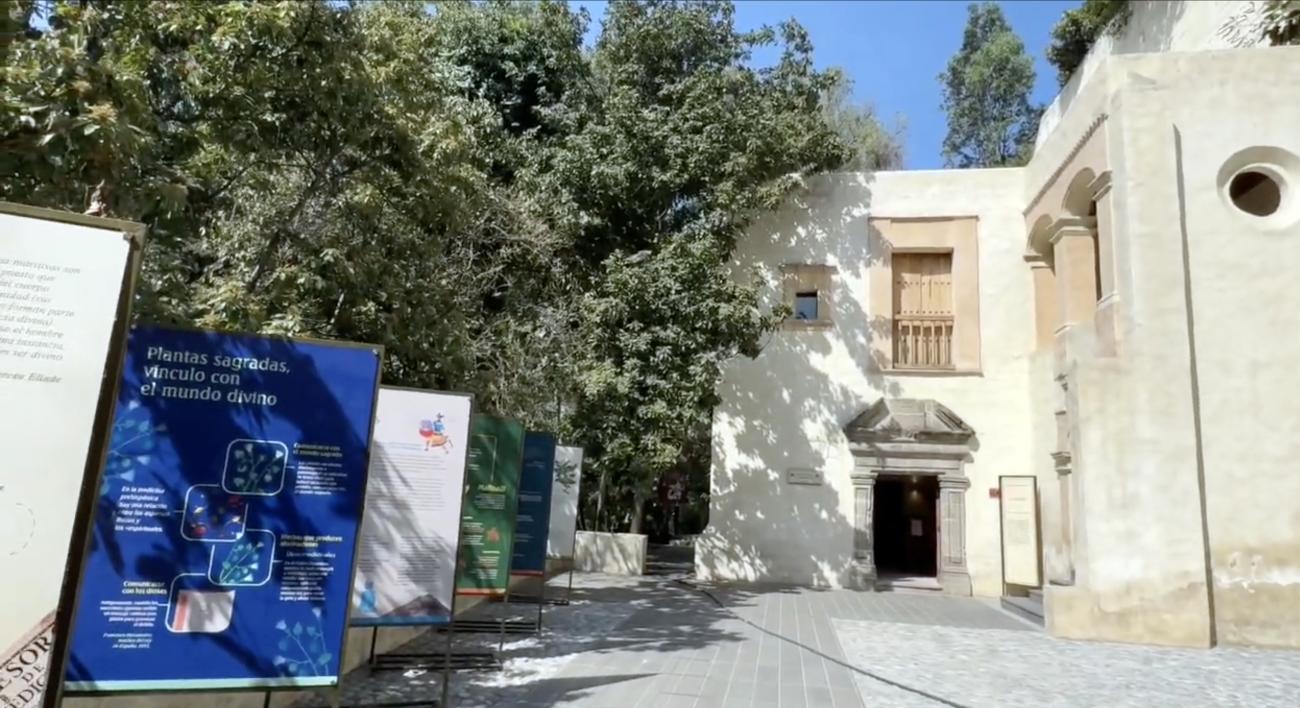
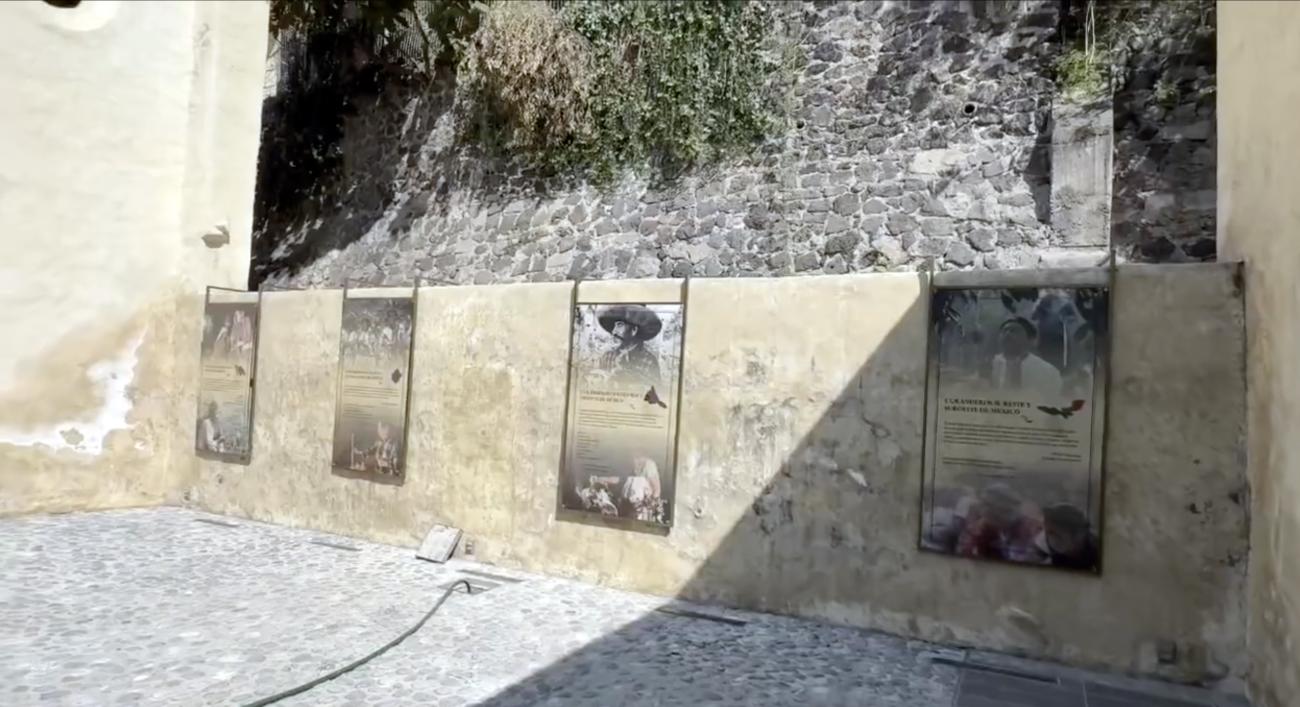
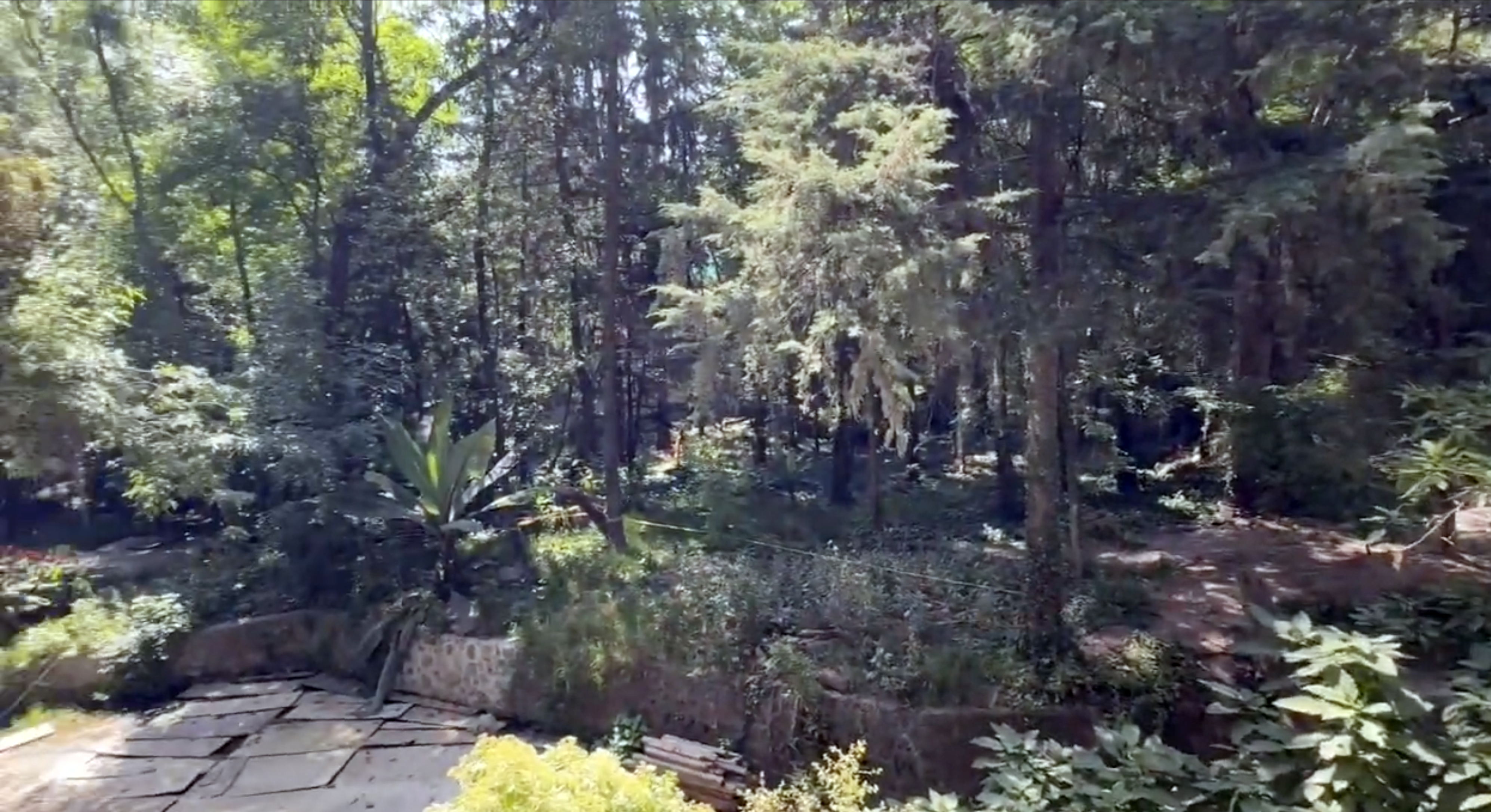
Jardín Etnobotánico
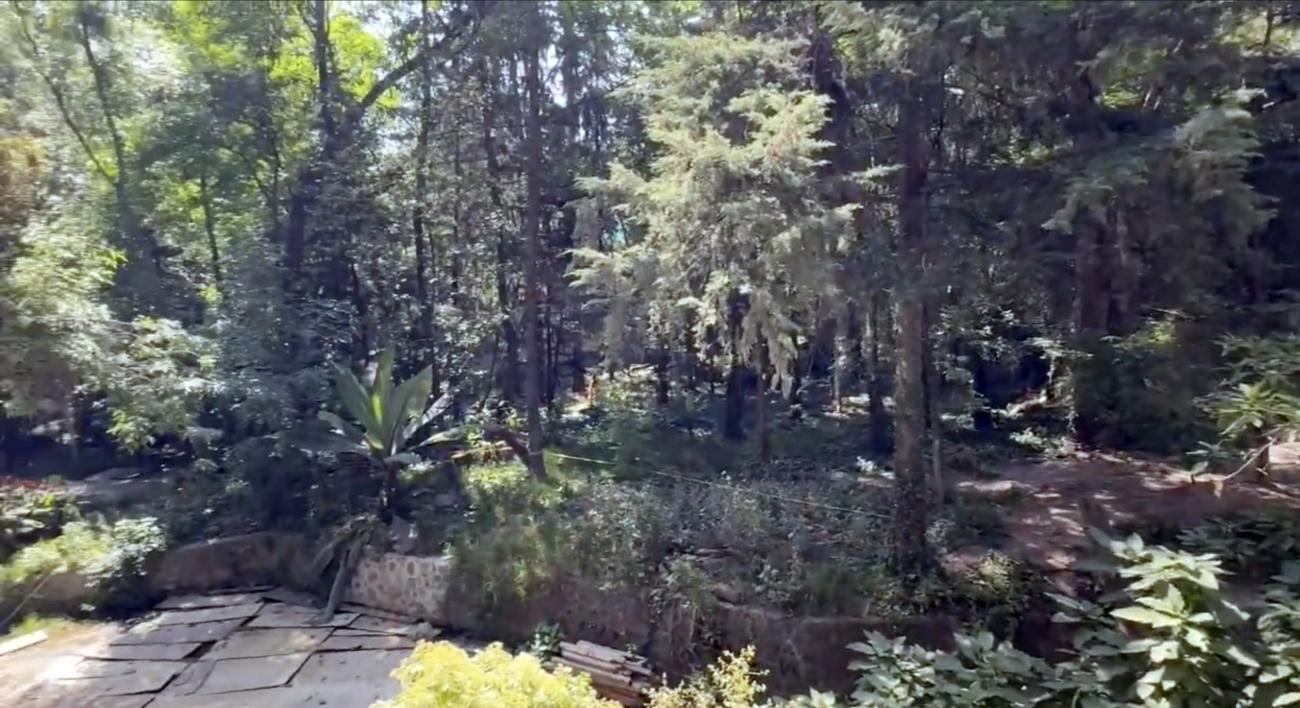
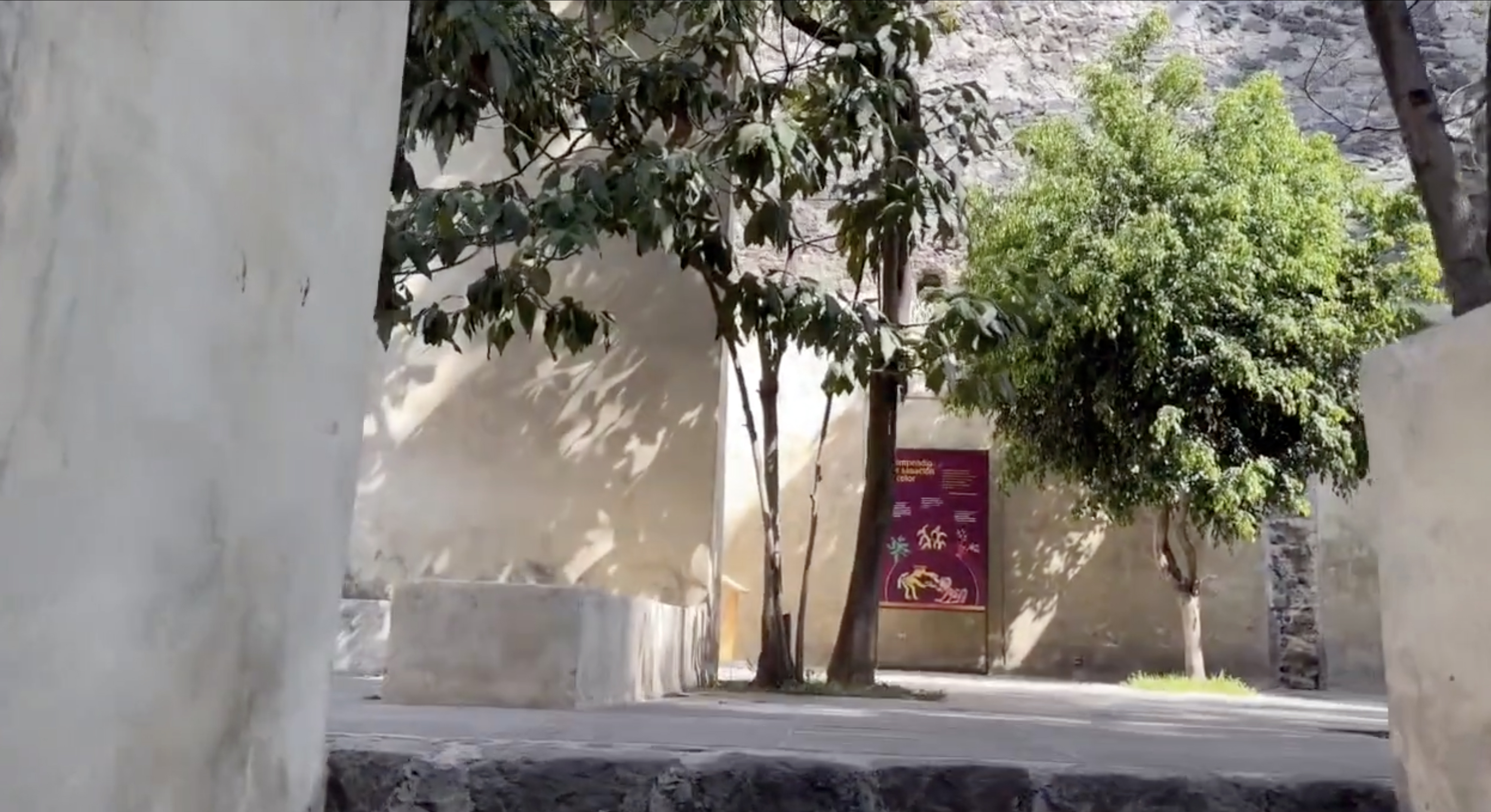
An area dedicated to the conservation and display of local flora and medicinal plants, linked to Gregorio López’s legacy in herbalism.