


Mostrando 97 - 108 de 167
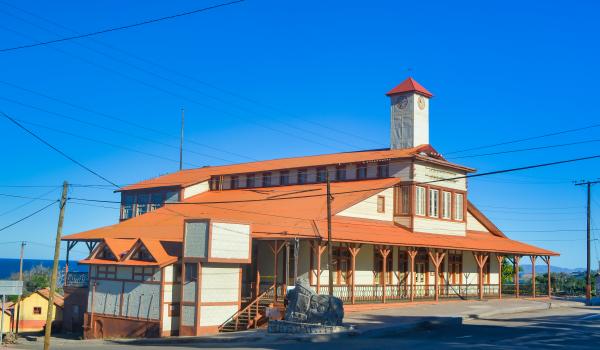
Museo El Boleo

The El Boleo Museum (officially the Santa Rosalía Mining History Museum) is a cultural center located in Santa Rosalía, Baja California Sur, which preserves the legacy of the French mining company “El Boleo” that operated between 1885 and 1954. The museum is not only an exhibition space, but also a living testimony to Mexico's industrial past. Through its collections and historic building, it provides an understanding of how mining transformed a desert region into a prosperous community with a strong European influence.

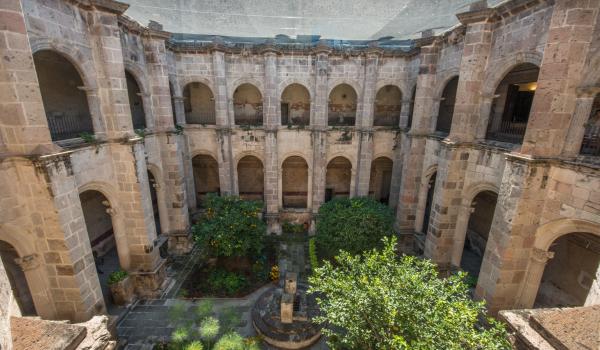
Museo Ex Convento Agustino de San Pablo, Yuriria
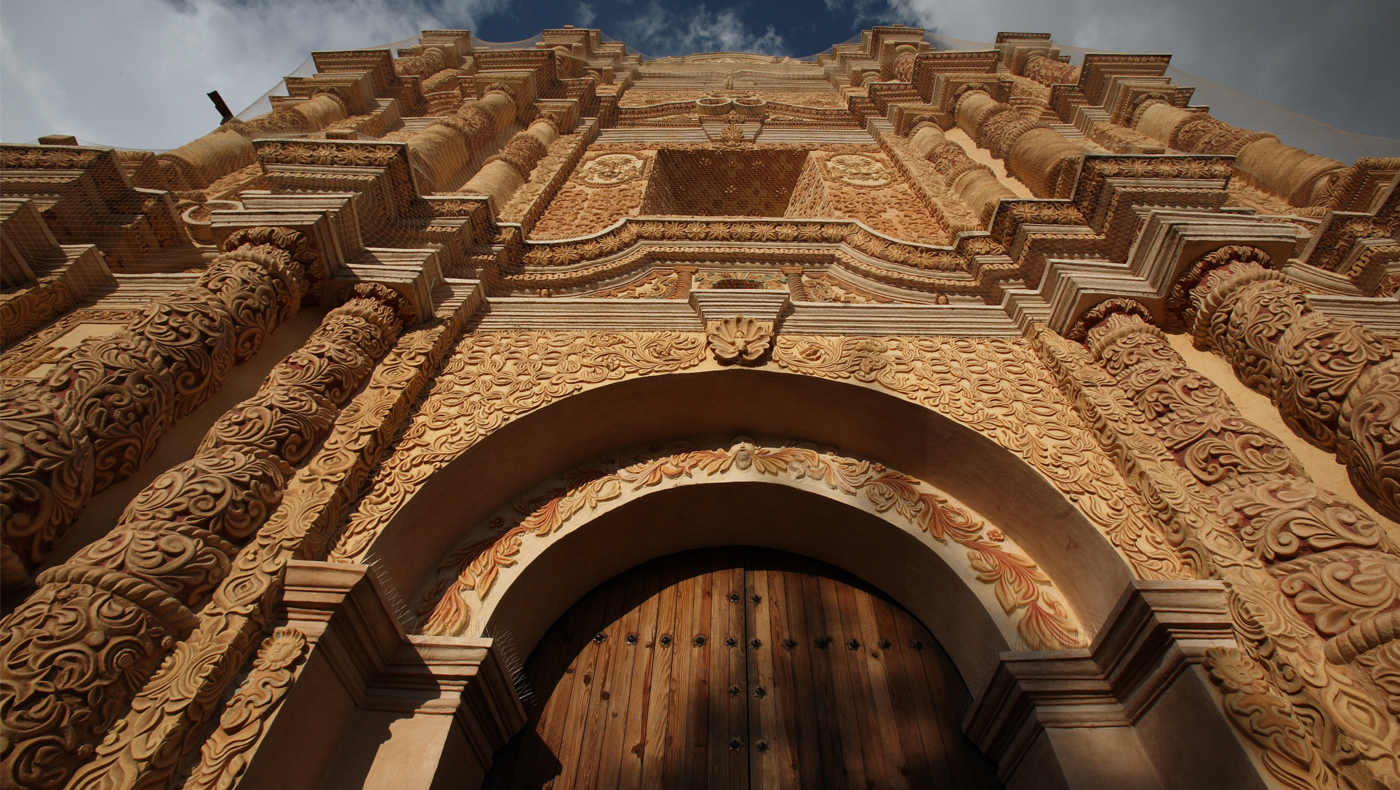
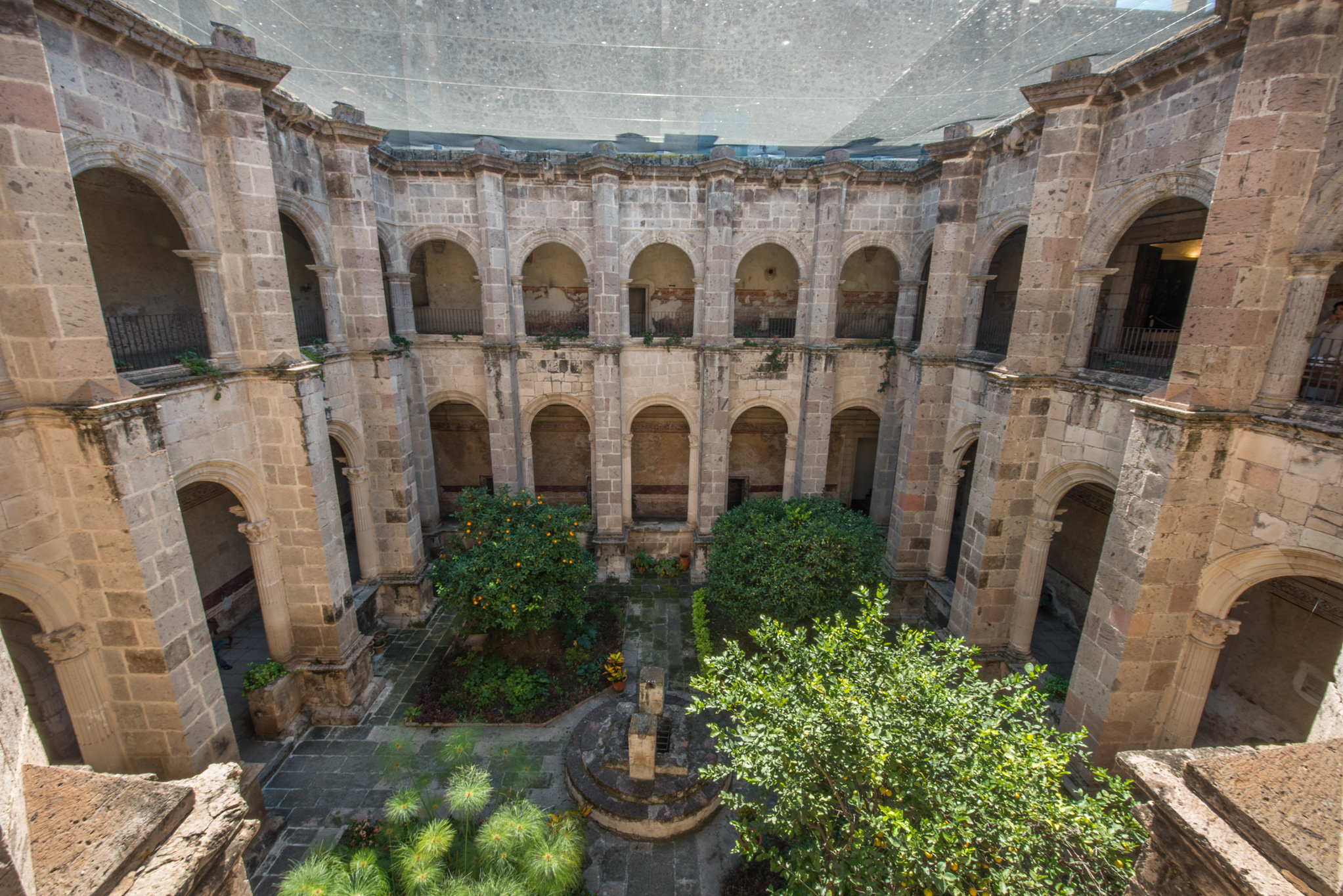
The history of this building and its architectural qualities intrinsically illustrate the role played by monasteries during the spiritual conquest of the Gran Chichimeca area, and the acculturation processes of the Yuriria region. Visiting its different spaces provides inspiration and insights into life in a sixteenth-century monastery.
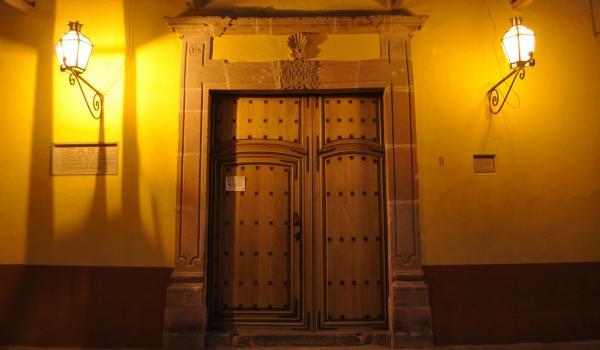
Museo Ex Curato de Dolores
Don Miguel Hidalgo’s last home, which he left in order to lead the first phase of the War of Independence. It contains the national hero’s personal objects, arms and documents of the time, reproductions of portraits, lithographs and books that belonged to him, in a carefully recreated atmosphere of the period.
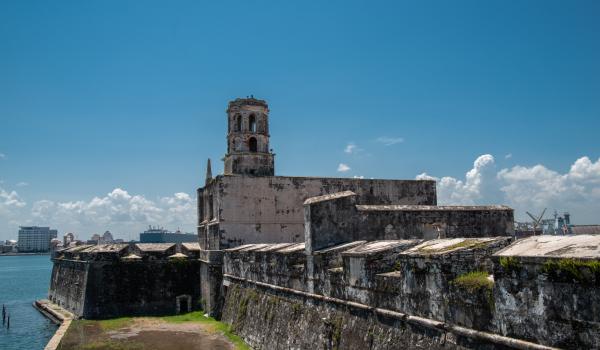
Museo Fuerte de San Juan de Ulúa
Restored in 2012, this site museum has exhibits of Olmec, Totonac and Huastec artefacts made from obsidian, stone and ceramic, as well as a collection of sixteenth-century European weapons, while also providing a military history of the mighty fort of San Juan de Ulúa.
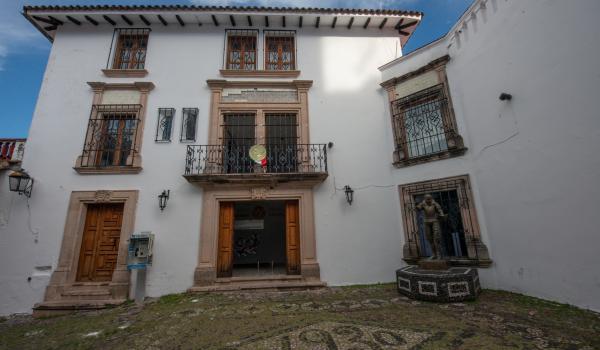
Museo Guillermo Spratling
Spratling was a New York architect who settled in Taxco in 1929. He decided to make pre-Hispanic designs in the silver of the region and trained local artisans in his methods. He collected many beautiful pieces of pre-Hispanic art as well as copies, founding a great museum to house them.
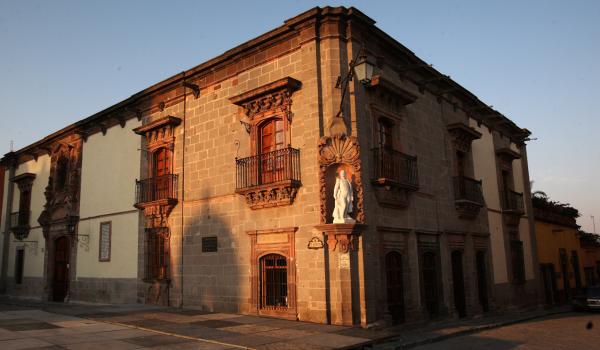
Museo Histórico Casa de Allende
This museum occupies the former residence of Don Ignacio Allende and his parents: a prosperous family at the end of the viceregal period. With its collection of original items, loans from major museums from around Mexico, and a modern design, this space offers a comprehensive overview of this important figure and the history of the War of Independence.
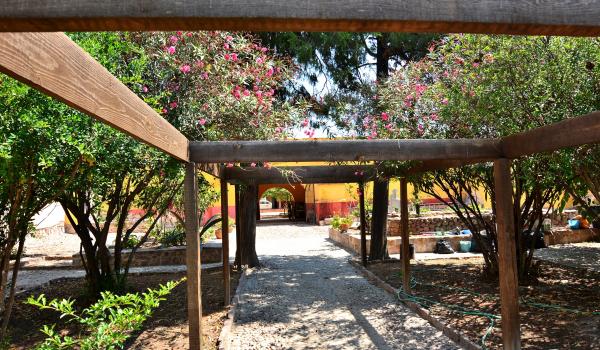
Museo Histórico Casa de Hidalgo, La Francia Chiquita
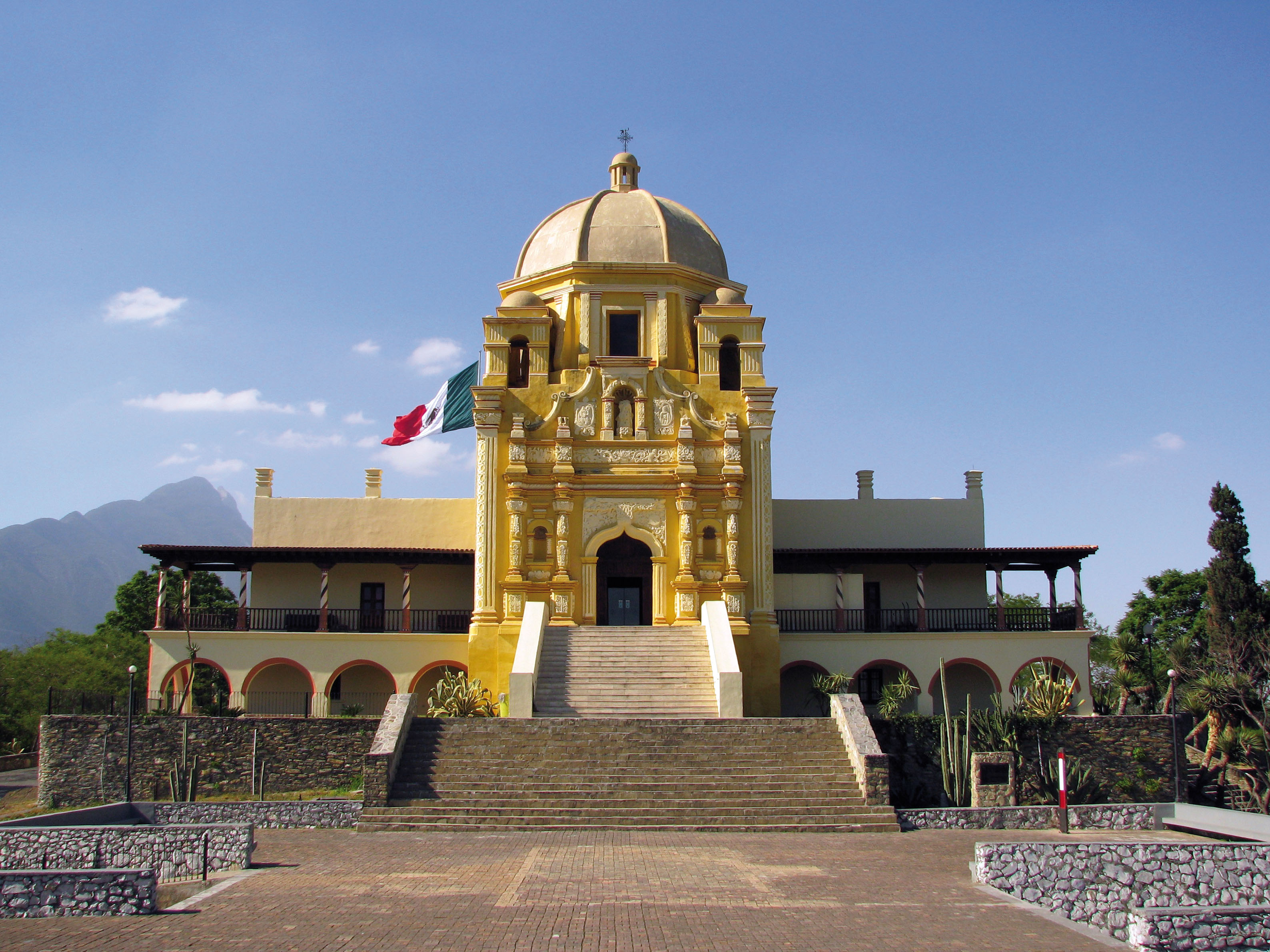
Don Miguel Hidalgo’s house in San Felipe Torres Mochas, built between 1793 and 1803, where he was parish priest both for the Indians and the Spaniards. The museum reviews the life of the national hero, where he entertained friends and neighbors with works by Molière, and freely discussed the issues of the day: the French Revolution, the ideas of the Enlightenment, Napoleon.
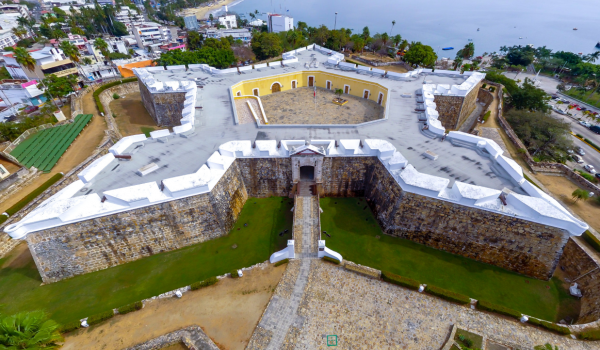
Museo Histórico de Acapulco Fuerte de San Diego
One of the best restored and preserved ancient fortresses in Mexico holds the history of the port of Acapulco: its original population, the age of sail, the Manila Galleons, the first trade with China, the missionary expeditions, attacks by pirates, and the siege in the War of Independence.

Museo Histórico de la Ciudad de Felipe Carrillo Puerto
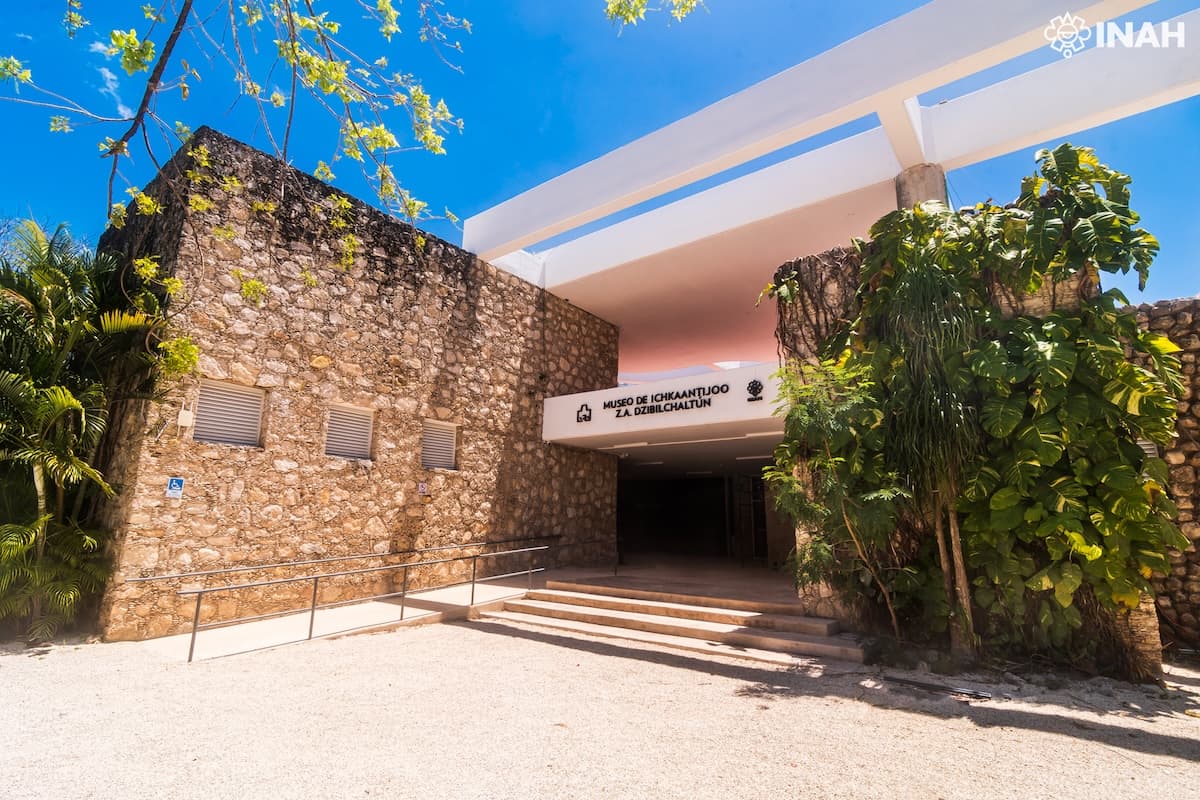
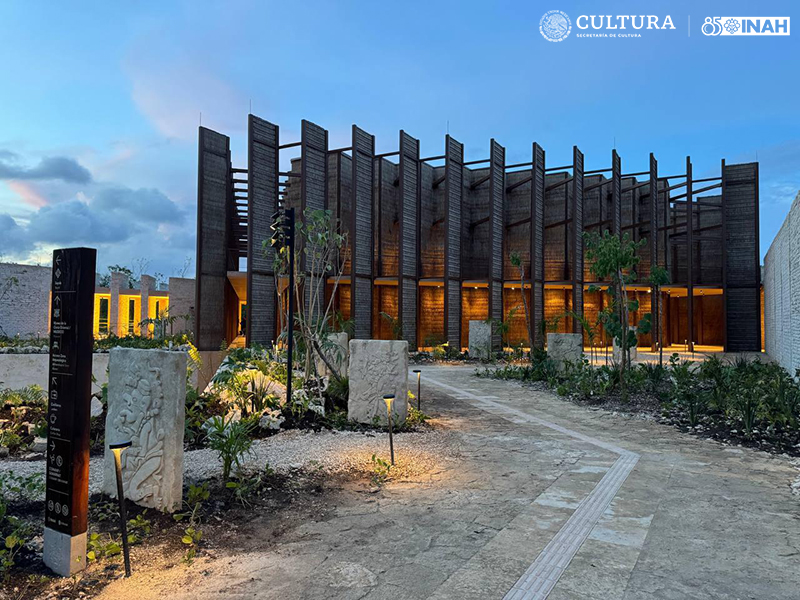
Opened on September 7, 2024, the Felipe Carrillo Puerto City Historical Museum offers insight into the history and culture of the Maya people of Quintana Roo. Its exhibits explain the Caste War and the founding of Santa Cruz, the importance of chewing gum to the regional economy, the changes brought about by education, agricultural practices, and meliponiculture, as well as artistic and religious expressions. The museum demonstrates that Mayan culture is not solely a thing of the past but remains present in local communities and is an integral part of Felipe Carrillo Puerto’s identity.
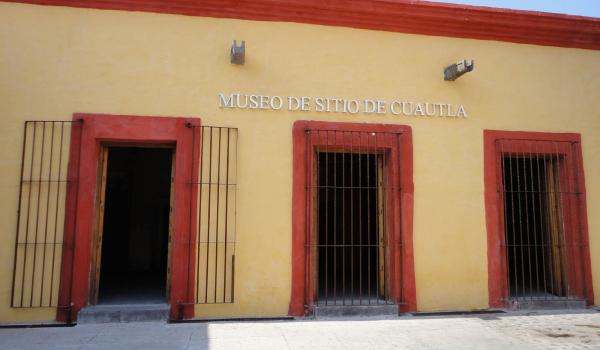
Museo Histórico del Oriente de Morelos, Casa de Morelos
An eighteenth-century country house where Don José María Morelos lived during the siege of Cuautla in 1812. It contains objects and explanations of local and regional history since pre-Hispanic times up to the Zapatista uprising, with an emphasis on Morelos and Emiliano Zapata.

Museo Histórico Regional de Ensenada
The 1886 Ensenada military barracks (later to become a jail and then a training hospital) houses the regional history museum showing: Baja Californian life, landscapes and culture from their remote origins until the military revolt of 1885. The collection includes early remains as well as memorable photographs from the nineteenth and twentieth centuries.
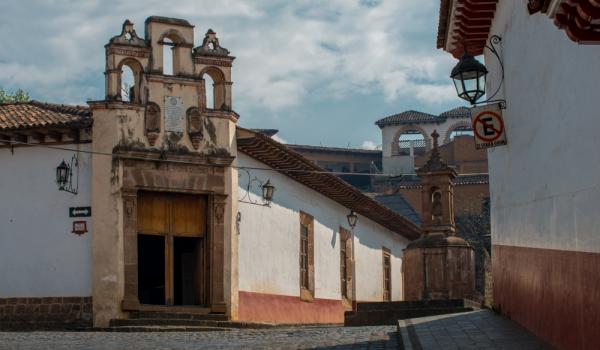
Museo Local de Artes e Industrias Populares de Pátzcuaro
The San Nicolás Obispo College, built for Vasco de Quiroga and opened in 1540, displays the wonderful handcrafts of Michoacan which include: pottery, copper, stone and wooden crafts, lacquerware from Uruapan and Quiroga, Patzcuaro-style guilding, backstrap weaving, treadle loom weaving and embroidery.
