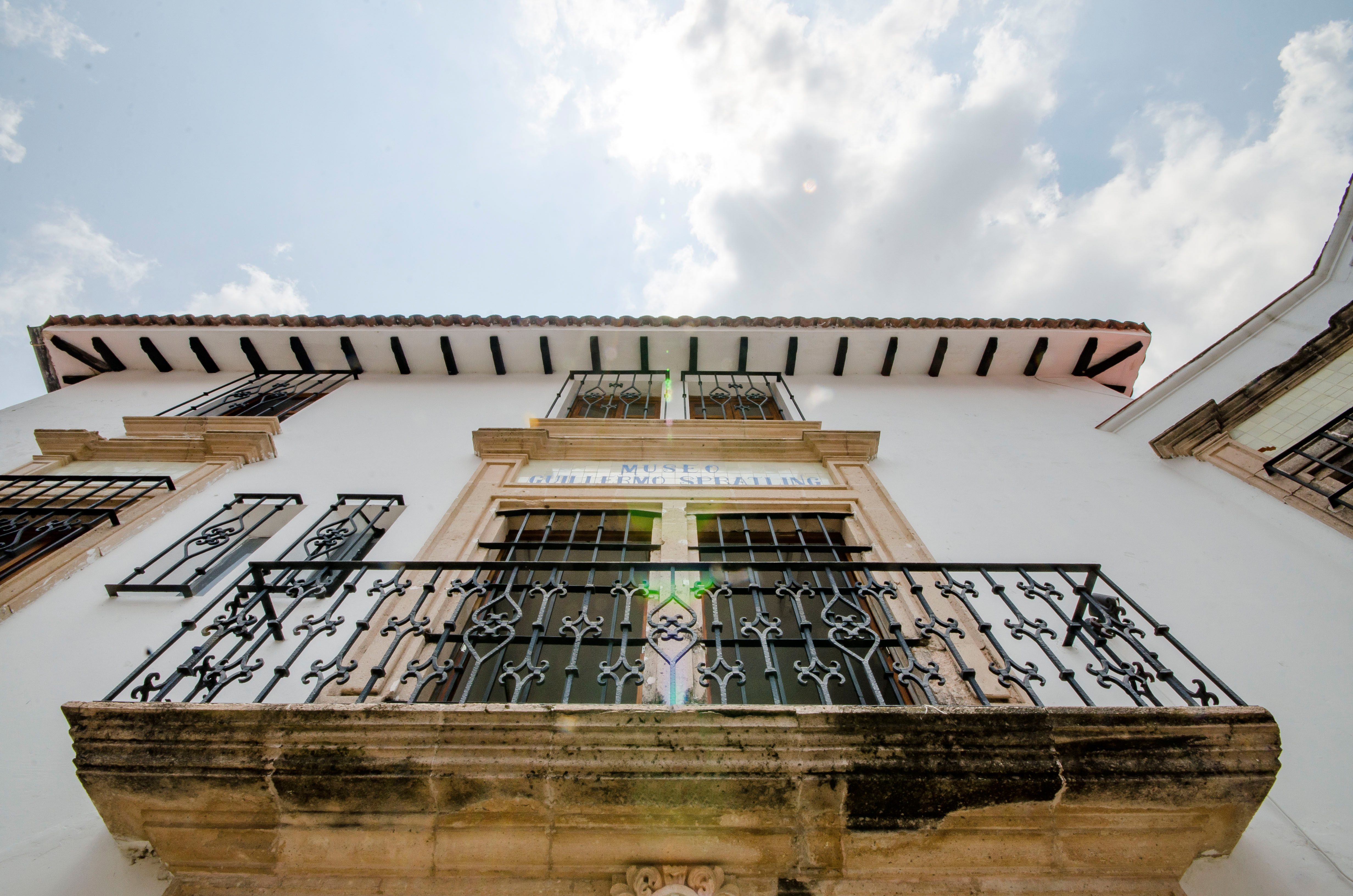
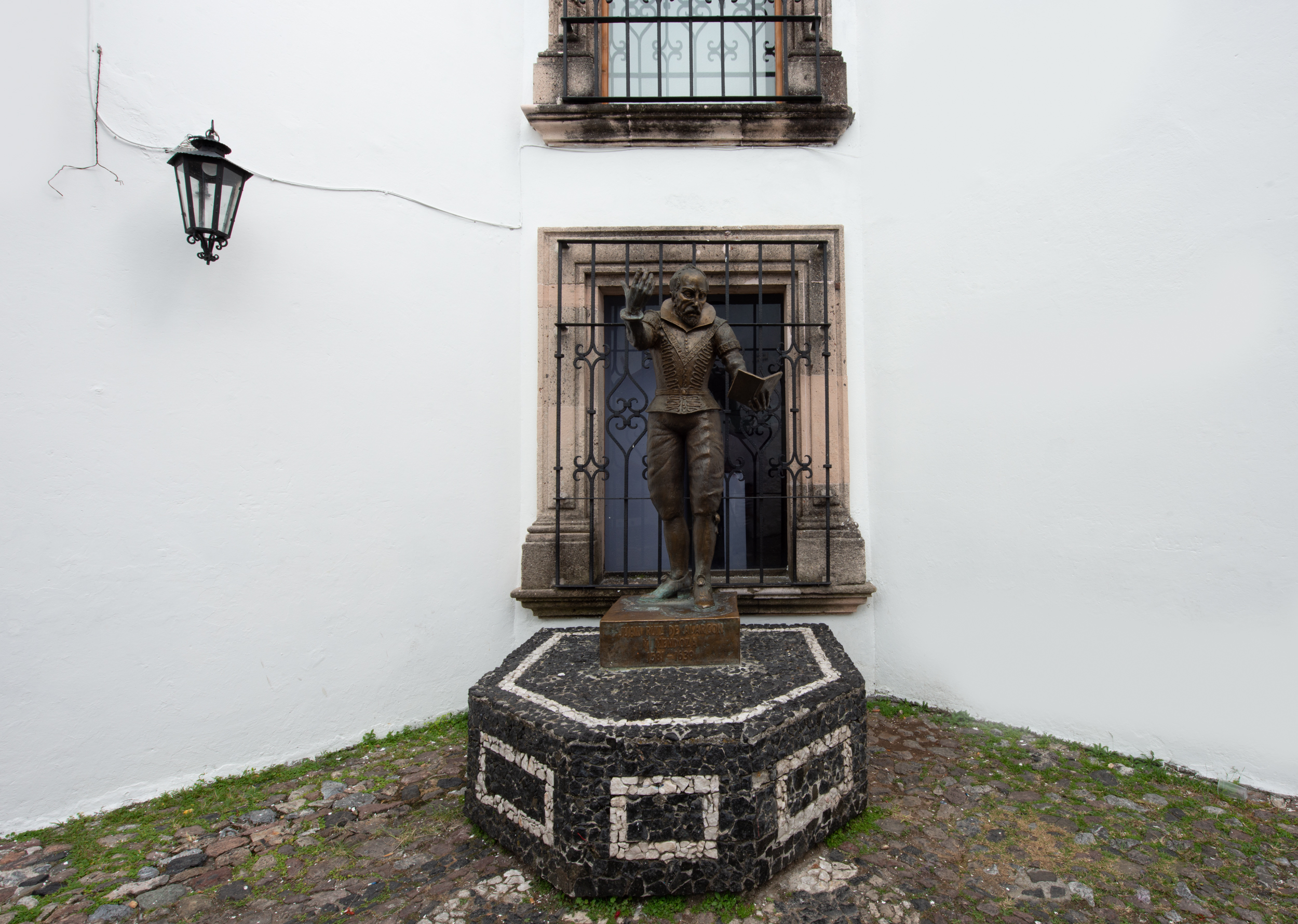
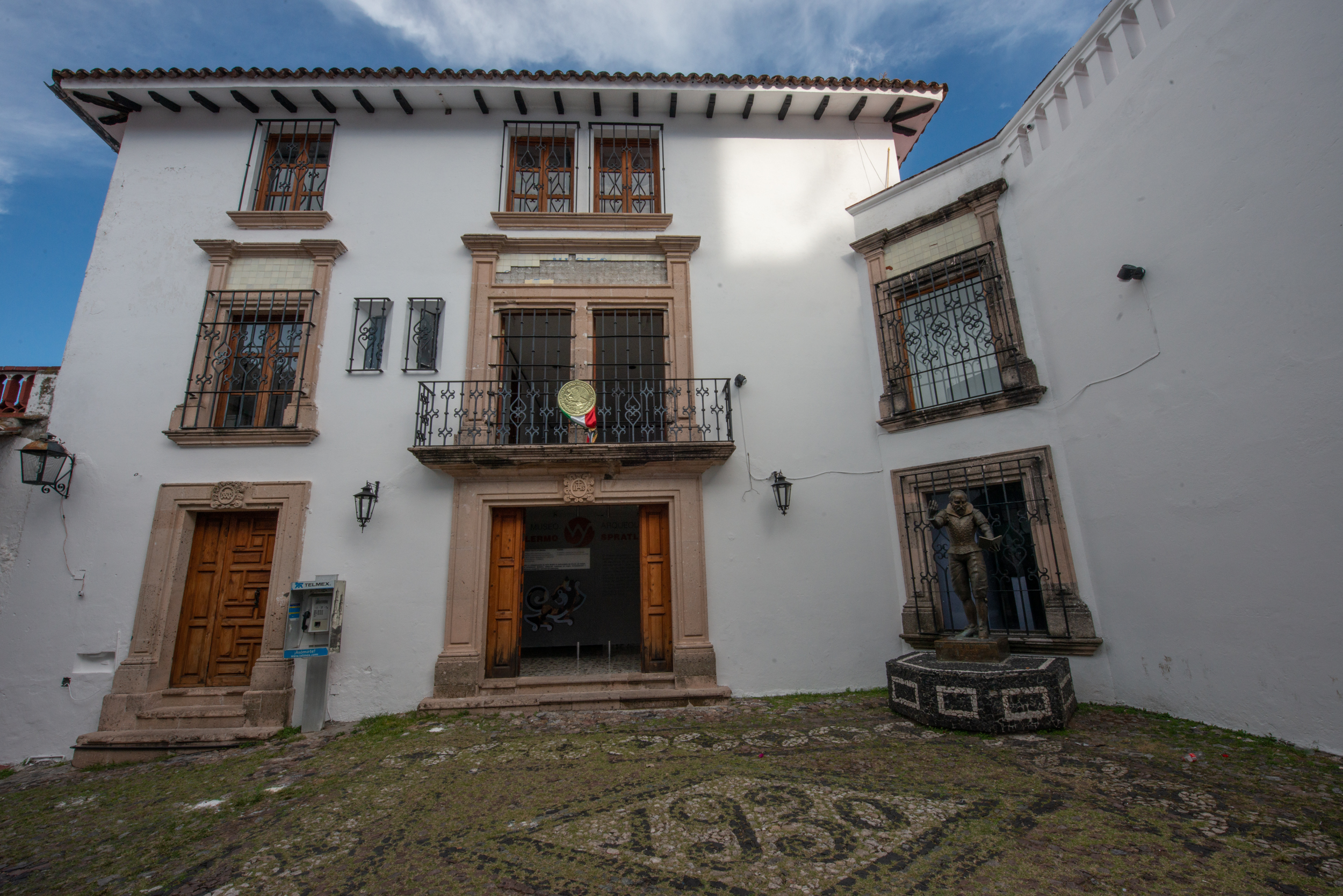





Museo Guillermo Spratling

Spratling was a New York architect who settled in Taxco in 1929. He decided to make pre-Hispanic designs in the silver of the region and trained local artisans in his methods. He collected many beautiful pieces of pre-Hispanic art as well as copies, founding a great museum to house them.
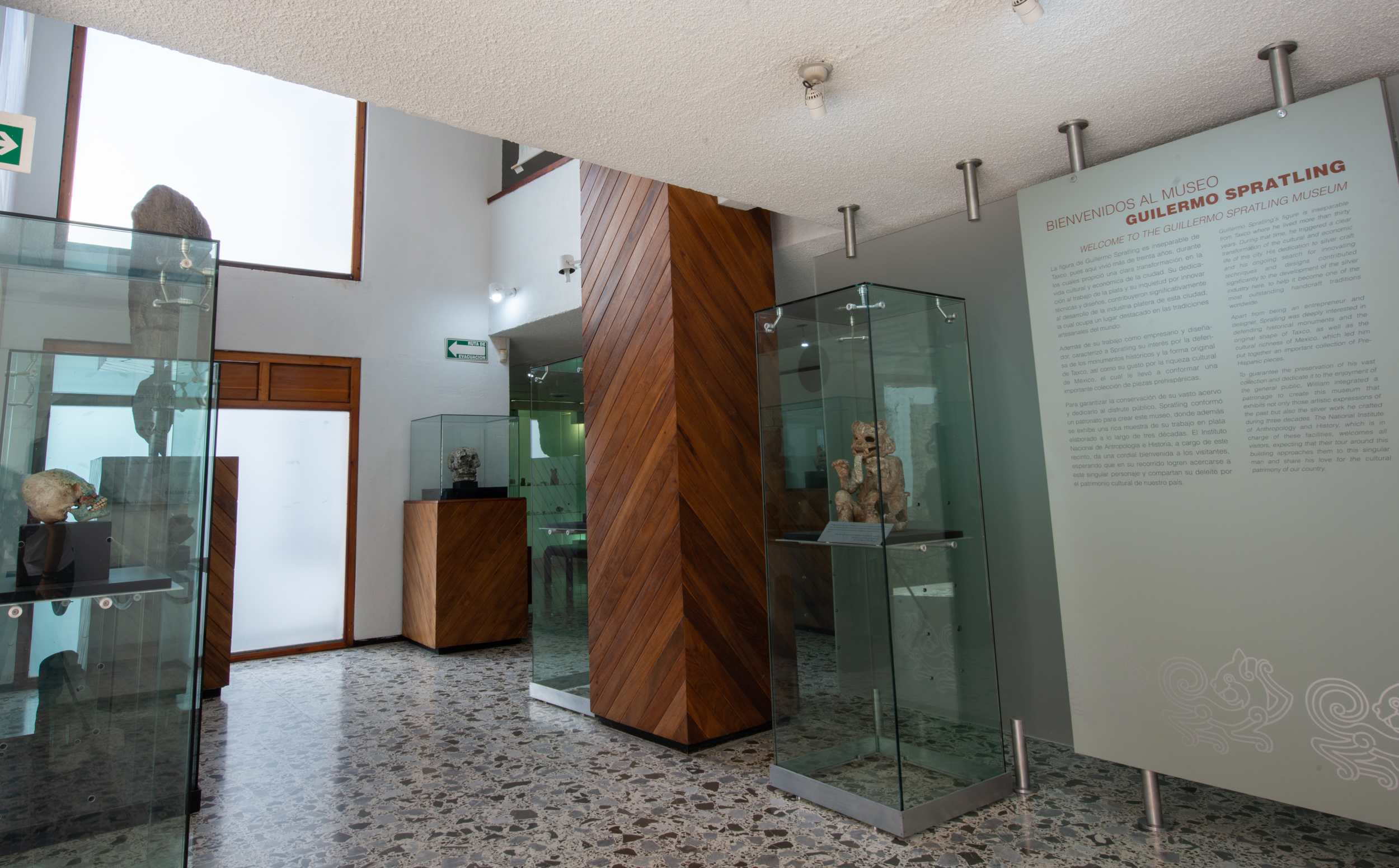
The museum is named after William Spratling who revitalized Taxco by creating a silversmithing and plating industry. Spratling lived in the city from 1929, when he began his work with a group of silversmiths from Iguala, with whom he established his first workshop in 1931. He was a cartoonist, aviator, writer and gardener. In 1953 he was distinguished as a favorite son of the city of Taxco and a road was even named after him. Spratling dedicated himself to collecting pre-Hispanic works. He was initiated into this activity by Diego Rivera and it became his life’s passion. He eventually amassed a magnificent collection of archeological and historical objects, as well as reproductions. In 1960 he donated part of his collection to the UNAM and published the book More Human than Divine. When the National Anthropology Museum was launched three years later he donated his Mezcala-style objects to it. He died in 1967 and the rest of his collection of more than 2,000 objects passed to the city of Taxco, in accordance with his will. This is how the Guillermo Spratling Museum came to be founded in July 1975. The displays include original archeological objects and reproductions representing the five cultural regions of Mesoamerica. The most notable objects are from the Olmec culture in Guerrero, as well as a sample of the Mezcala-style gold, silver and stone work, mainly from Nayarit, Colima, Guerrero and the Huastec region of San Luis Potosi. A tour of the museum provides a historical outline of the city from its foundation up to the Revolution. Finally there is a space dedicated to silversmithing and to local religious festivals. The renovation of the permanent gallery began in 2005 with an emphasis on the life of William Spratling and his influence on silversmithing in Taxco, and in 2006 the Silver Gallery was launched.
Archaeology
Located on the ground floor near the museum entrance, the Archaeology Gallery showcases a variety of pre-Hispanic artworks focused on themes such as flora and fauna, as well as human life, the environment, and food. These are represented through ceramic, stone, and shell artifacts.
Archaeology
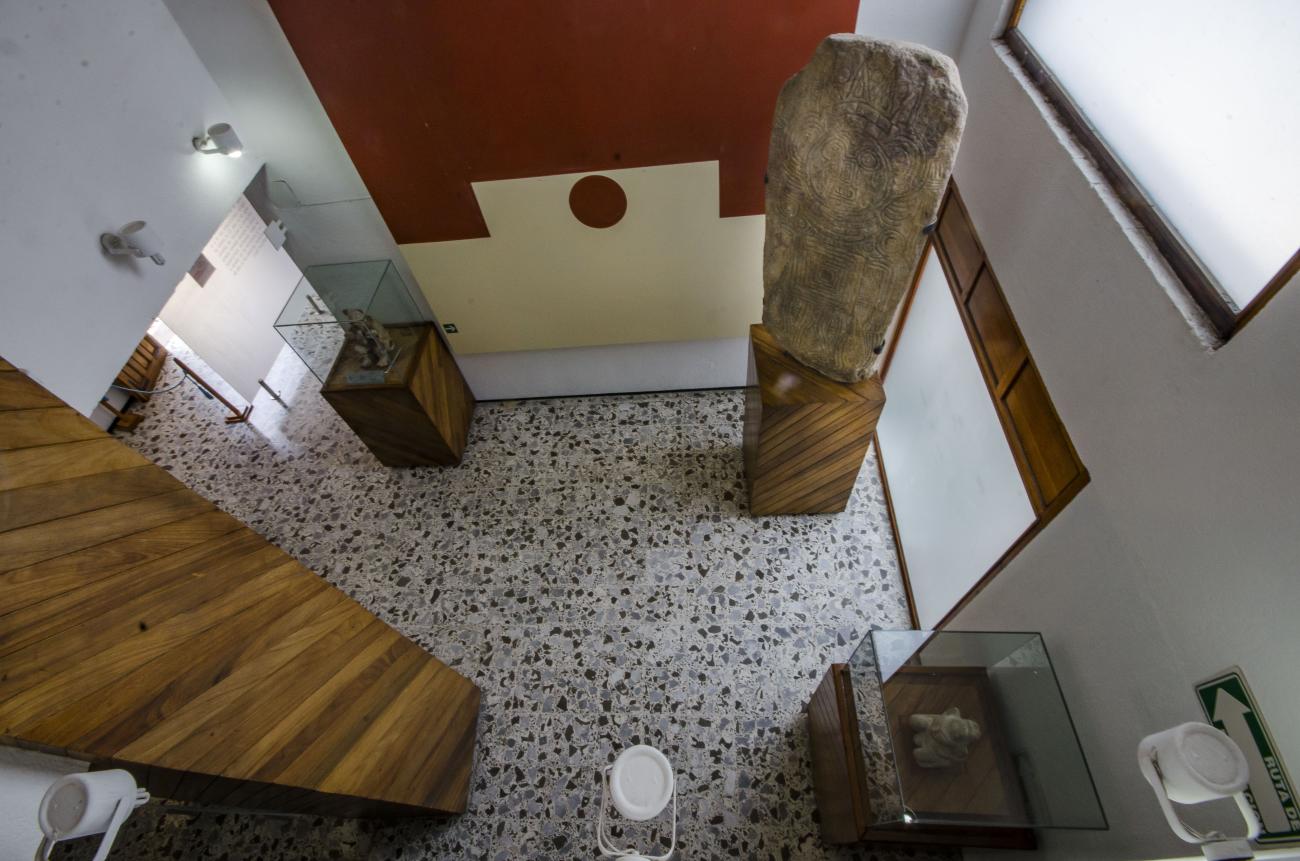
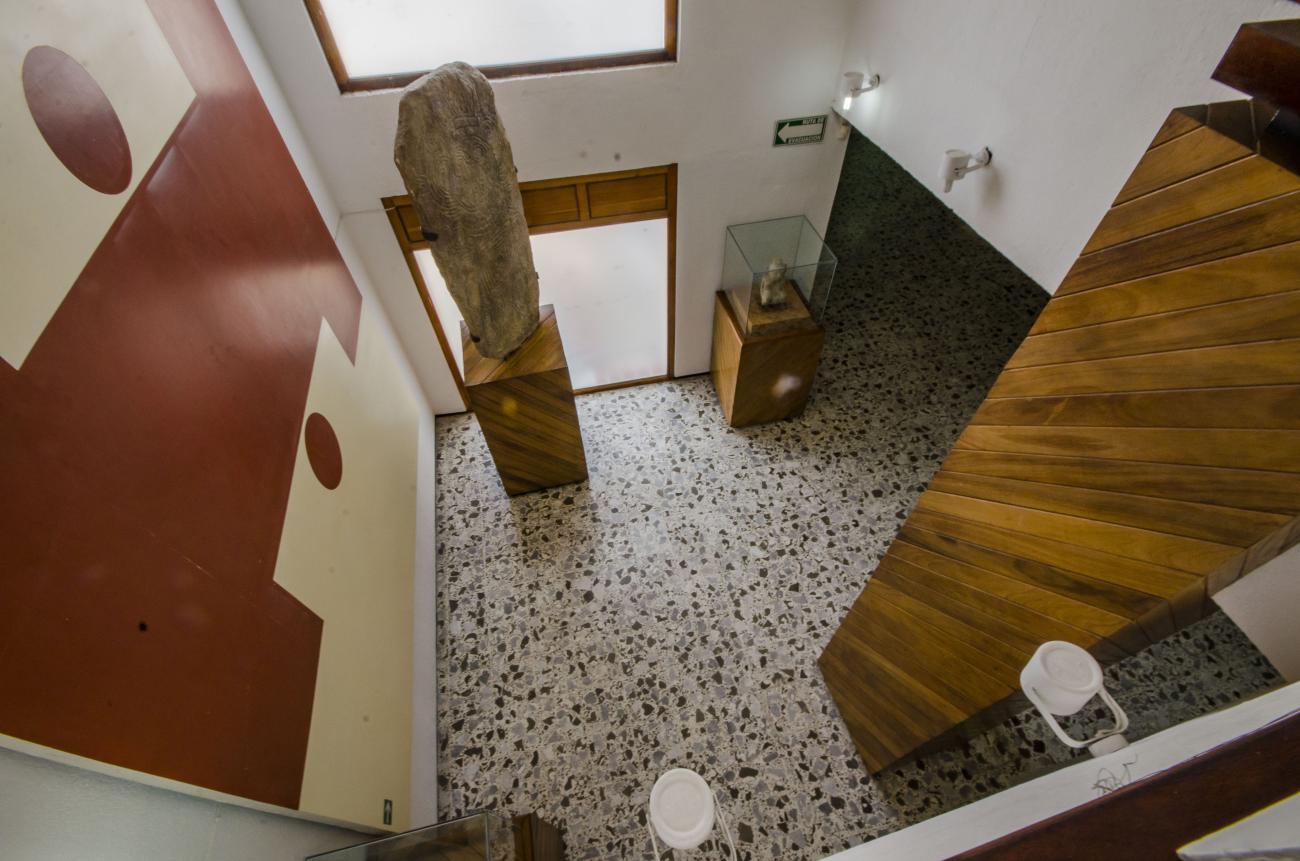
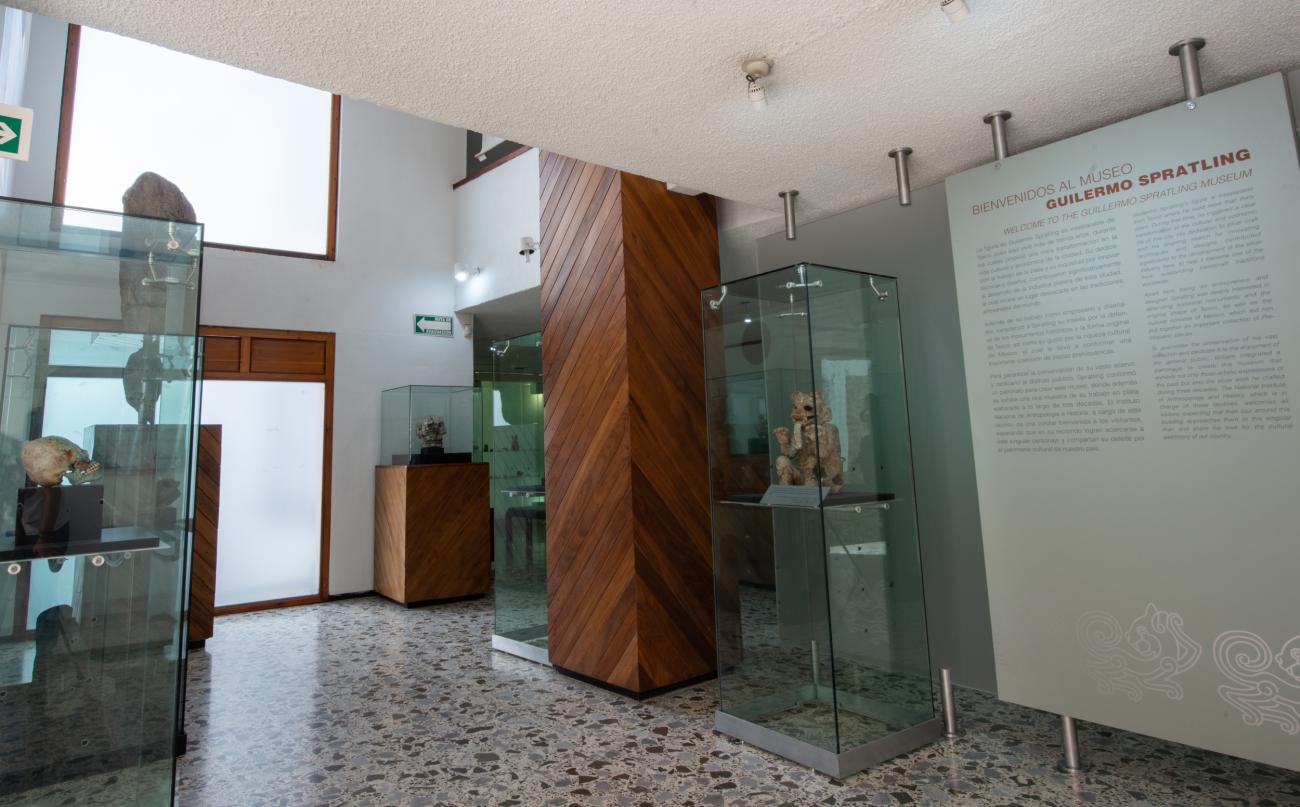

Located on the ground floor near the museum entrance, the Archaeology Gallery showcases a variety of pre-Hispanic artworks focused on themes such as flora and fauna, as well as human life, the environment, and food. These are represented through ceramic, stone, and shell artifacts. The gallery also highlights pre-Hispanic clothing and adornment with exceptional examples of metalwork, including pectorals and headdresses made of copper, silver, and gold, as well as shell bracelets.
Pre-Hispanic architecture is explored through scale models of Mezcala-style temples from the northern and central regions of the state of Guerrero. Visitors will also find ceramics from Western Mexico, especially from Colima and Nayarit, along with Olmec-style figurines from the northwest of the state. The exhibit concludes with stone sculptures that exemplify the richness of pre-Hispanic stone art.
Guillermo Spratling Silver Collection
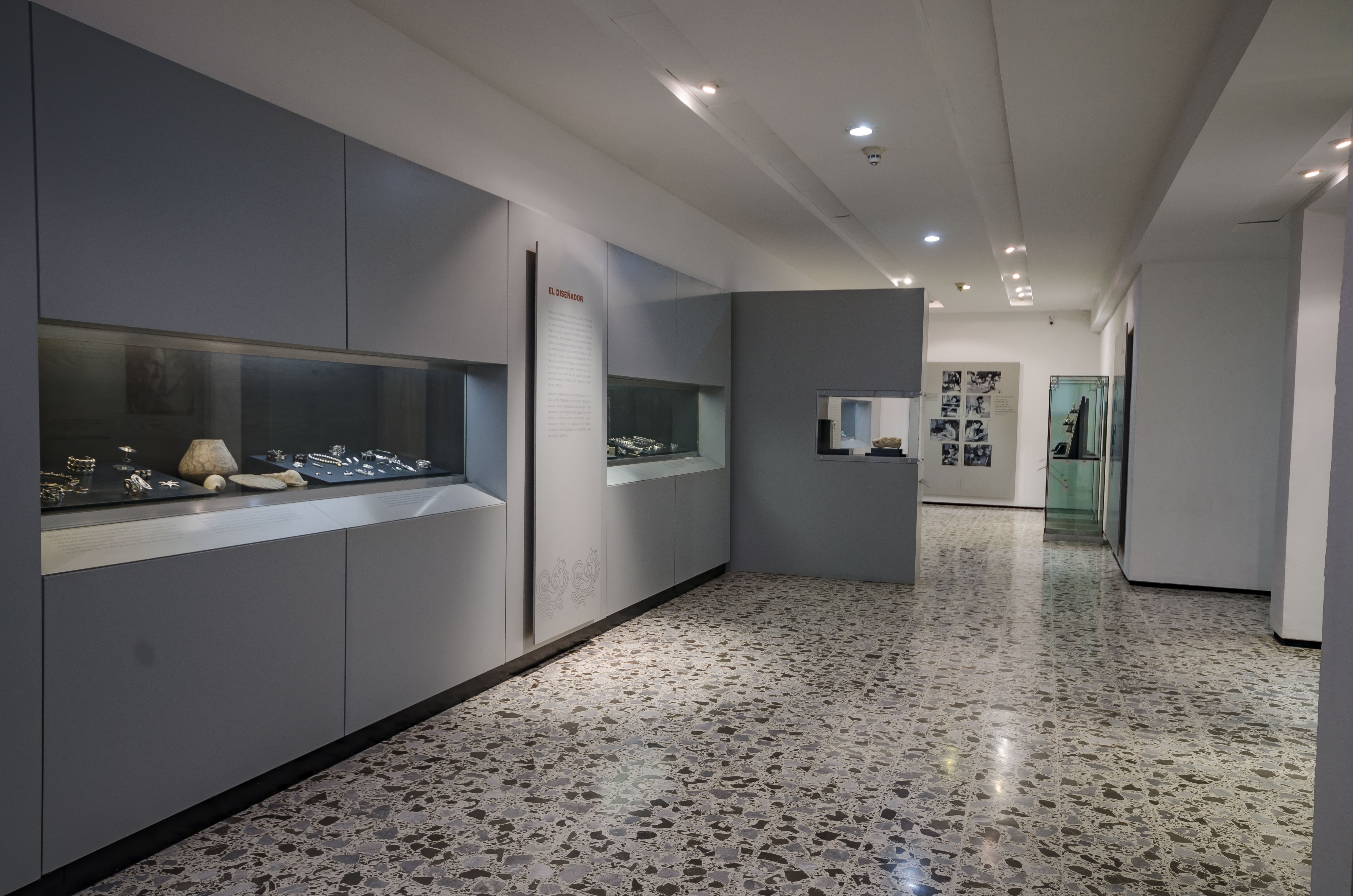
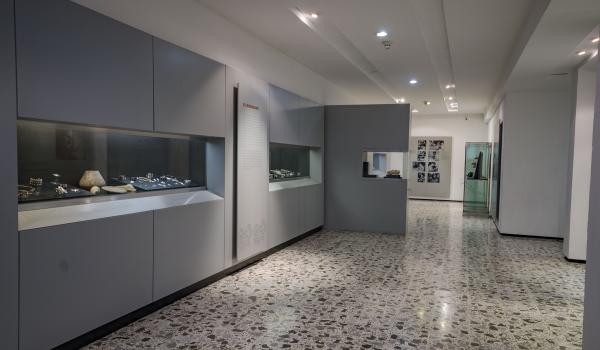
Located in the museum’s basement, the Guillermo Spratling Silver Gallery offers a glimpse into the life and legacy of this influential figure, highlighting his time in Mexico and, most notably, his extraordinary silver collection.
Guillermo Spratling Silver Collection
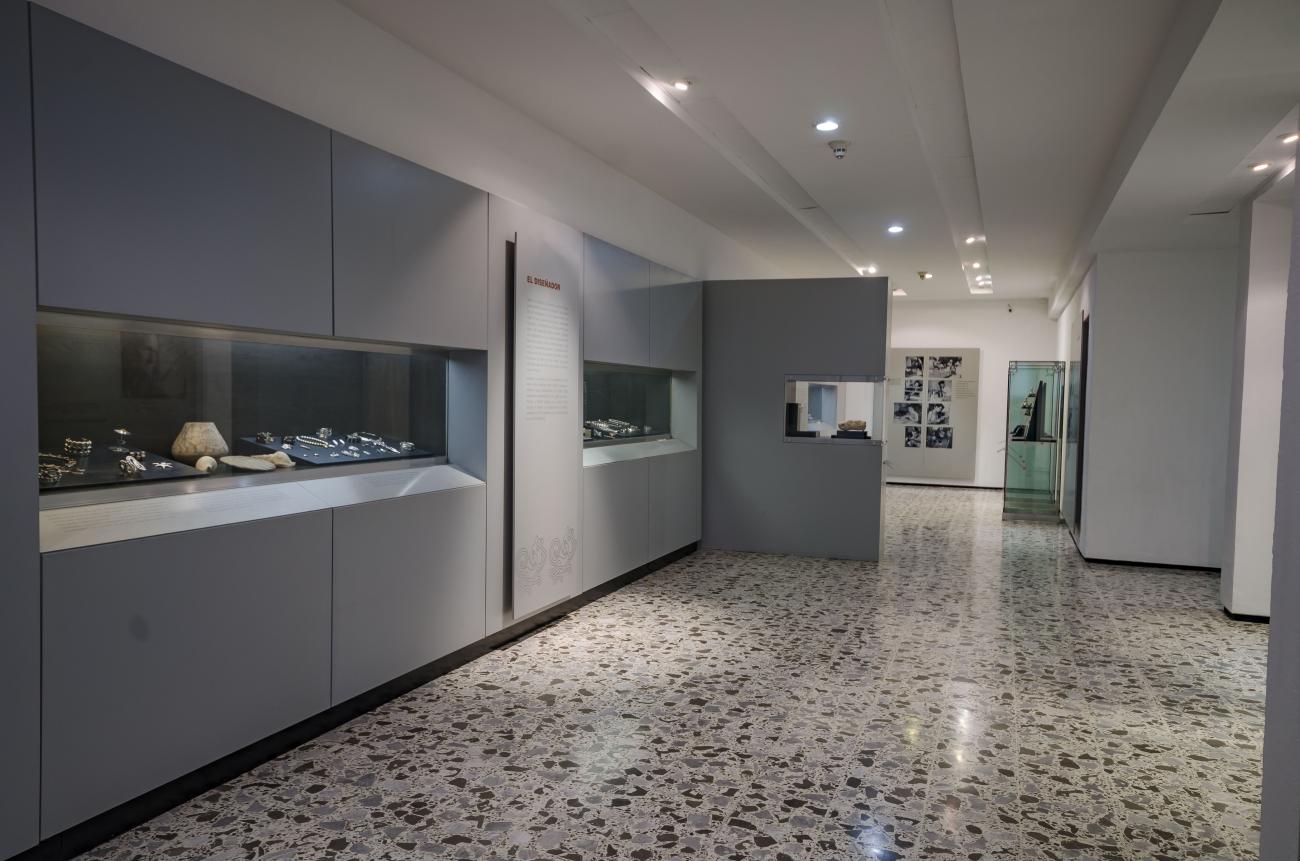

Located in the museum’s basement, the Guillermo Spratling Silver Gallery offers a glimpse into the life and legacy of this influential figure, highlighting his time in Mexico and, most notably, his extraordinary silver collection. The pieces reflect the evolution of his early designs, which were shaped by both Art Deco and pre-Hispanic influences.
The collection also showcases his use of diverse materials and precious stones such as obsidian, turquoise, and amethyst, as well as rosewood, demonstrating the refined techniques involved in traditional silversmithing. This gallery is a remarkable space dedicated to the life and work of a great benefactor of Taxco.
Document
- DirecciónWendy Verónica Morales Quaaswendy_morales@inah.gob.mx+52 (762) 622 16 60


Chuee Taxua
2016