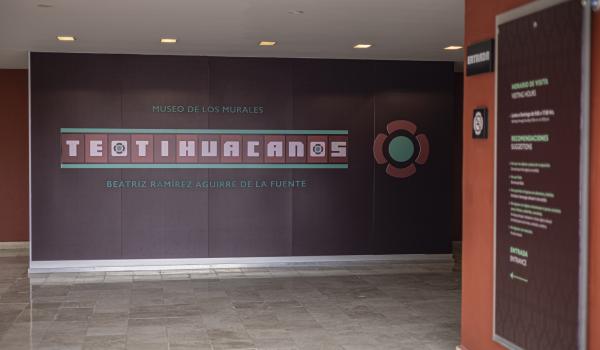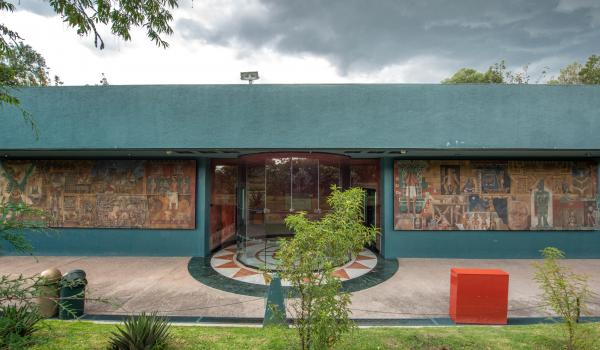
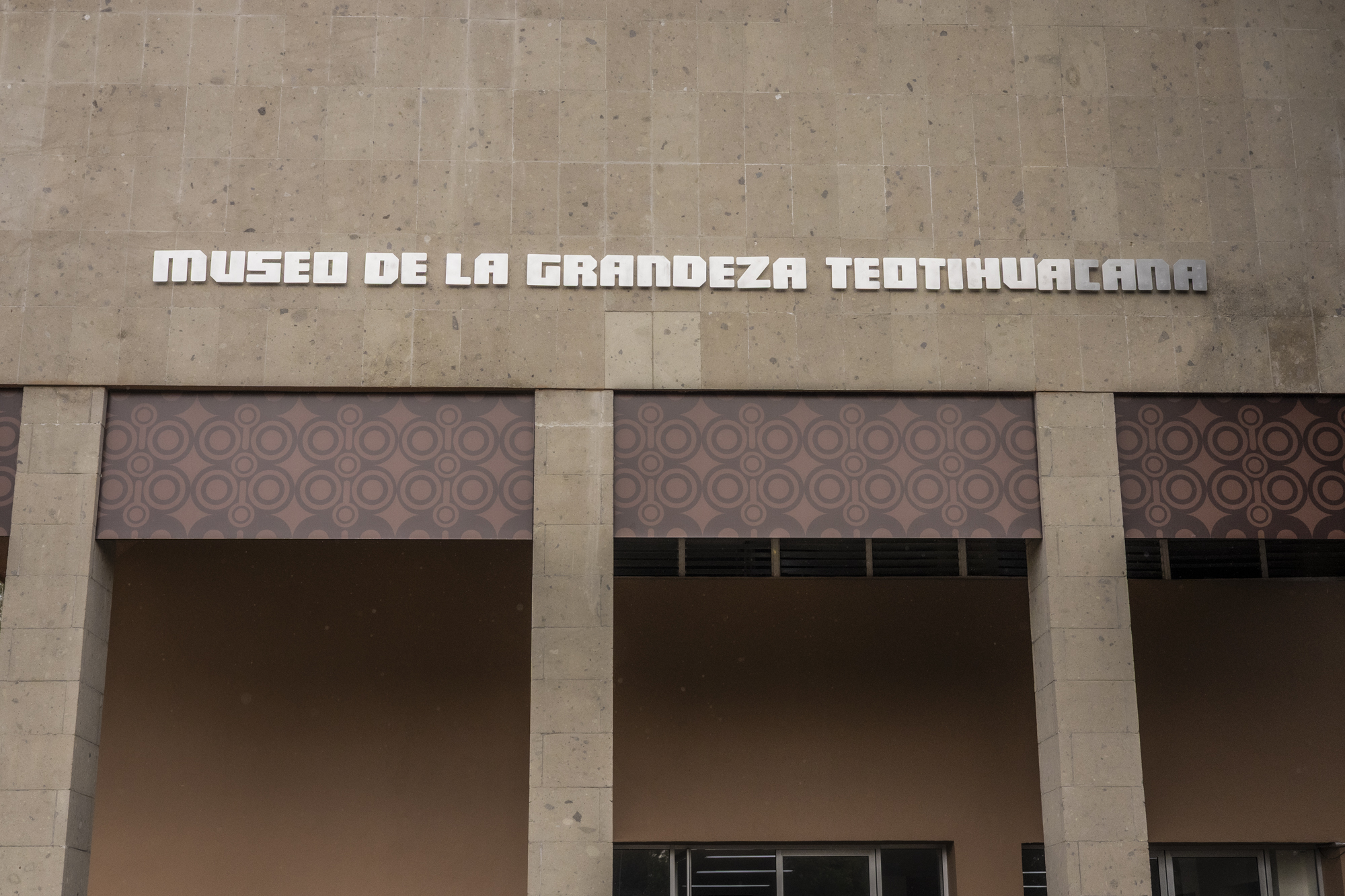







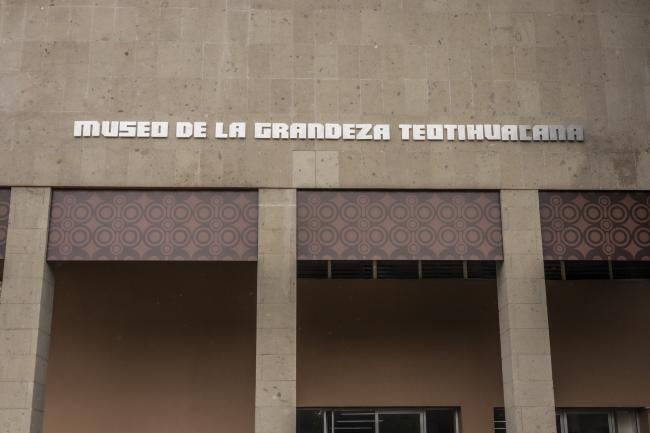

Museo de la Grandeza Teotihuacana
Its collection brings together archaeological artifacts that reflect the social organization, religious practices, artistic development, and daily life of this important Mesoamerican civilization. Through a revamped museum design, the museum promotes knowledge and appreciation of historical heritage, deepening understanding of Teotihuacán’s significance as one of the major cultural centers of pre-Hispanic Mexico.
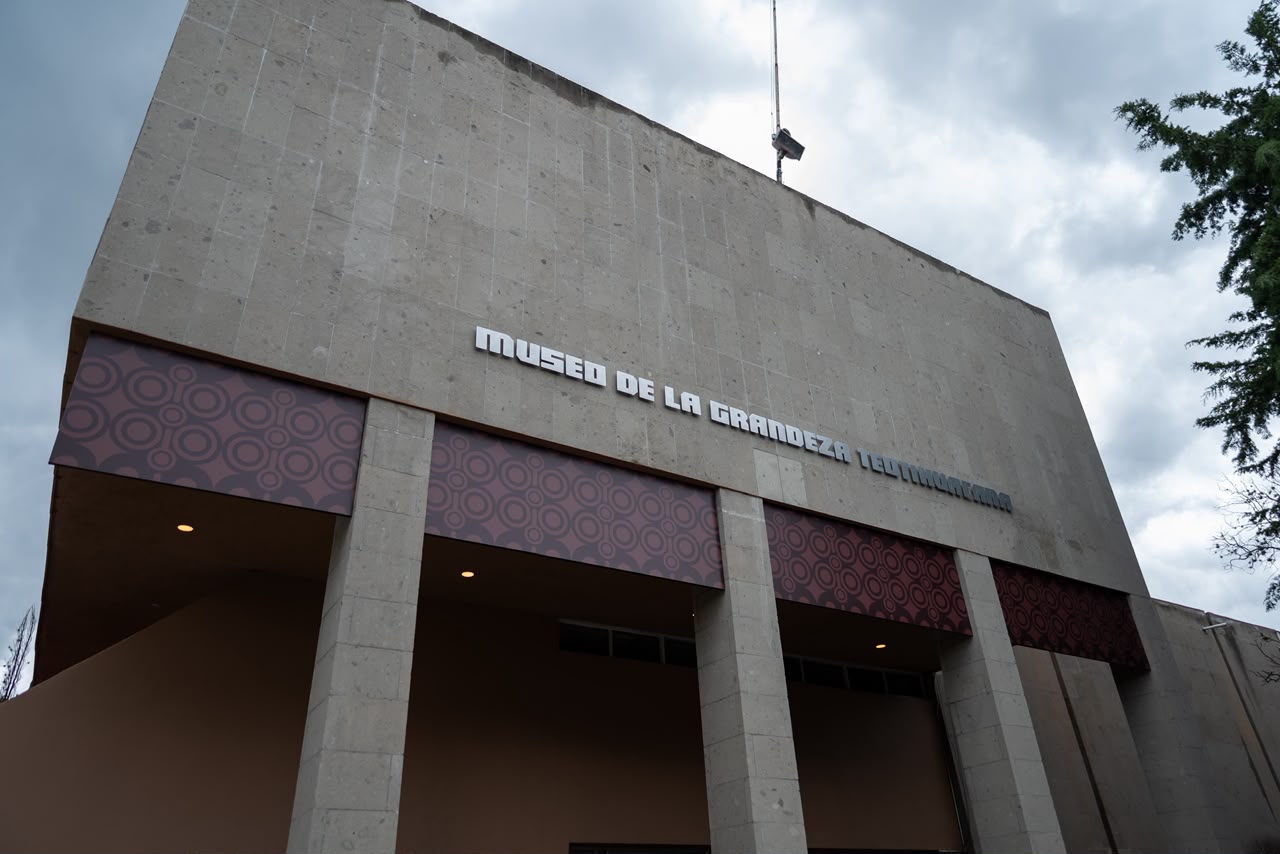
Located within the Teotihuacán Archaeological Zone in the State of Mexico, this museum aims to introduce the public to the splendor of a city that, between the 1st and 7th centuries AD, became one of the largest urban centers in the world, with an estimated population of more than 100,000 and extensive political, economic, religious, and cultural influence over much of Mesoamerica.
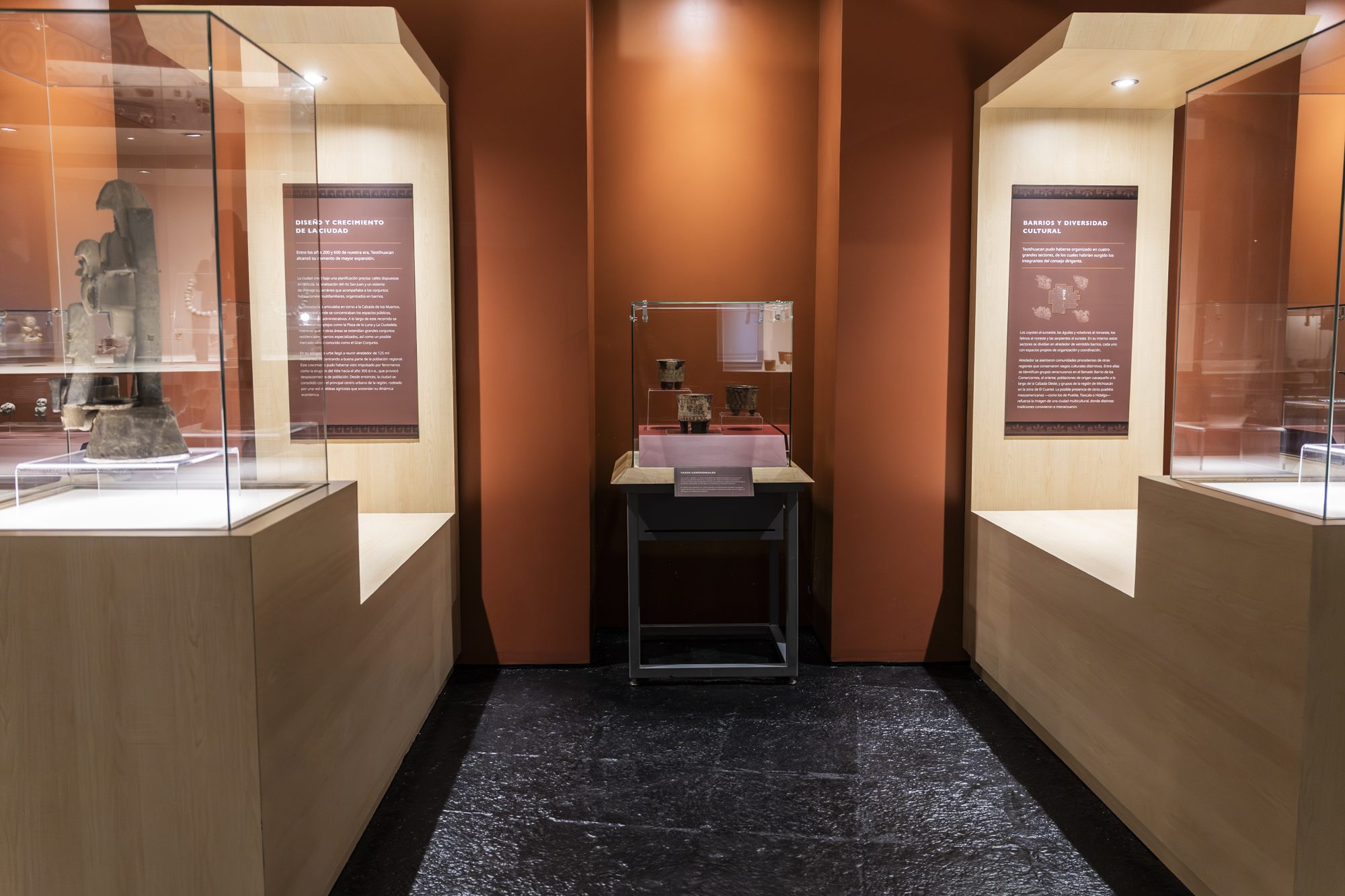
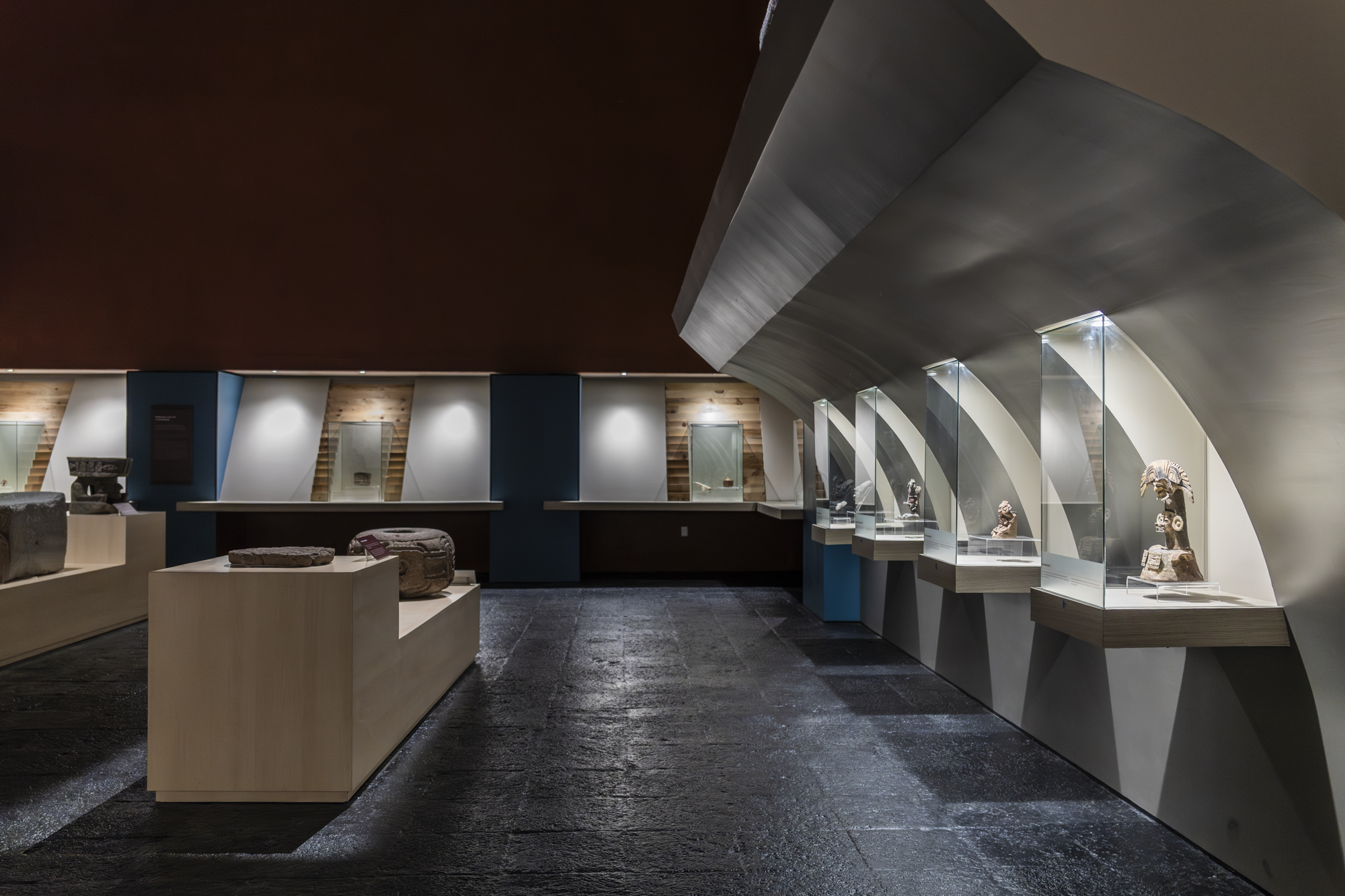
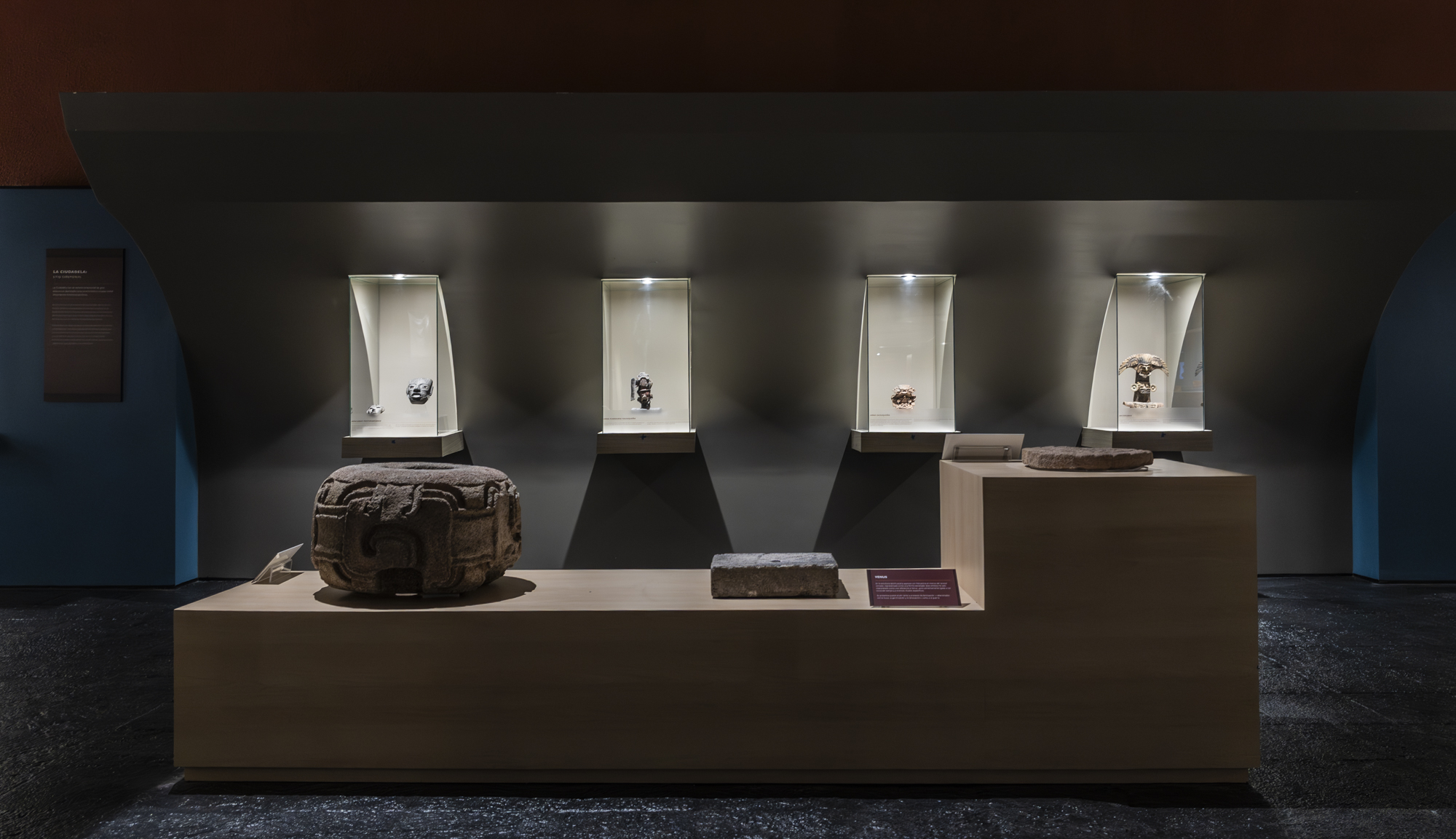
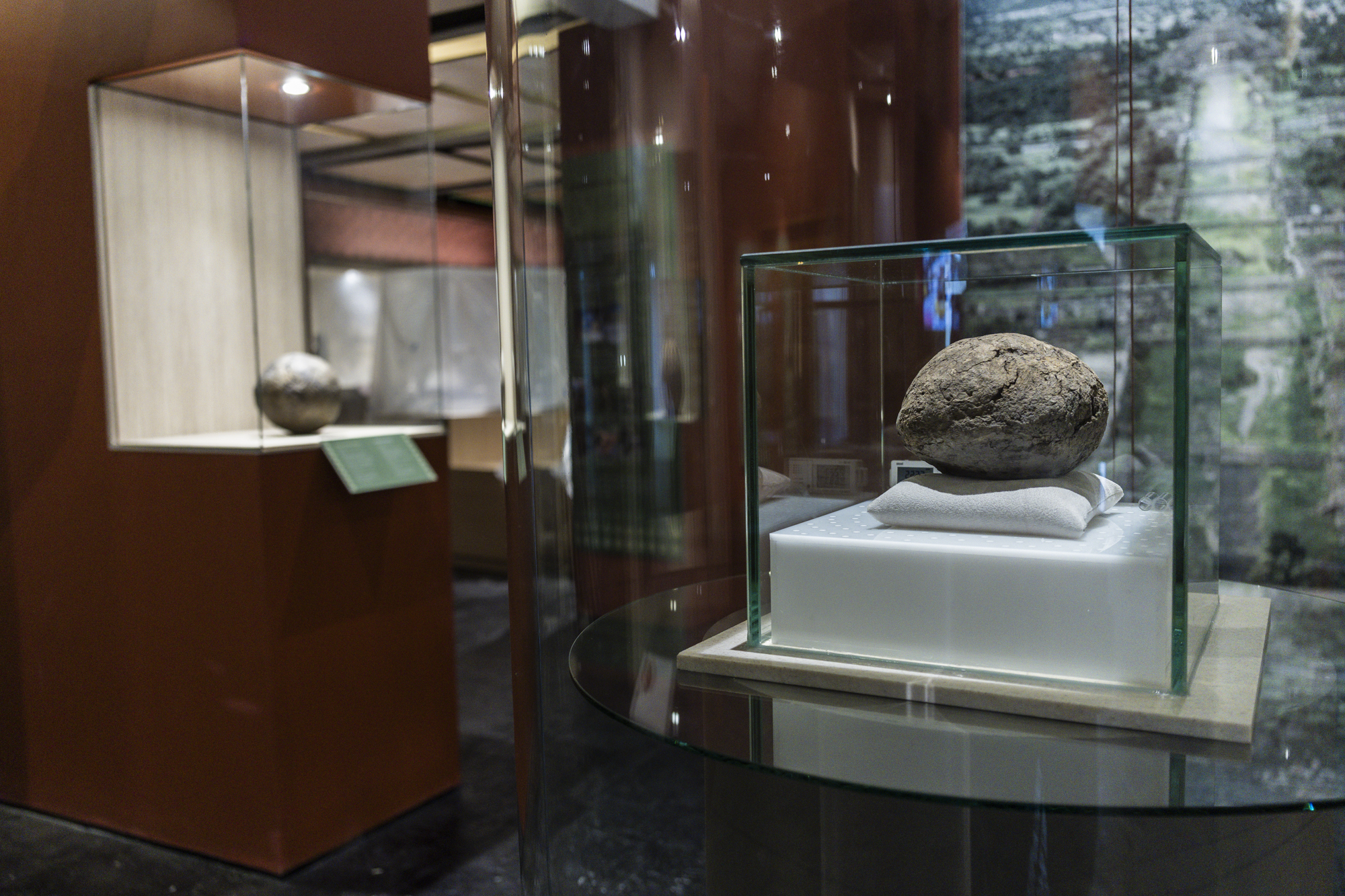
The museum was designed to display highly significant archaeological artifacts that shed light on the complexity of Teotihuacan society. After being closed for several years due to restoration and modernization work, it reopened its doors with a revamped museum experience that incorporates technology, new interpretive resources, and improved conservation conditions for the collections. The renovation sought not only to protect the archaeological heritage but also to offer a more enriching experience for both domestic and international visitors.
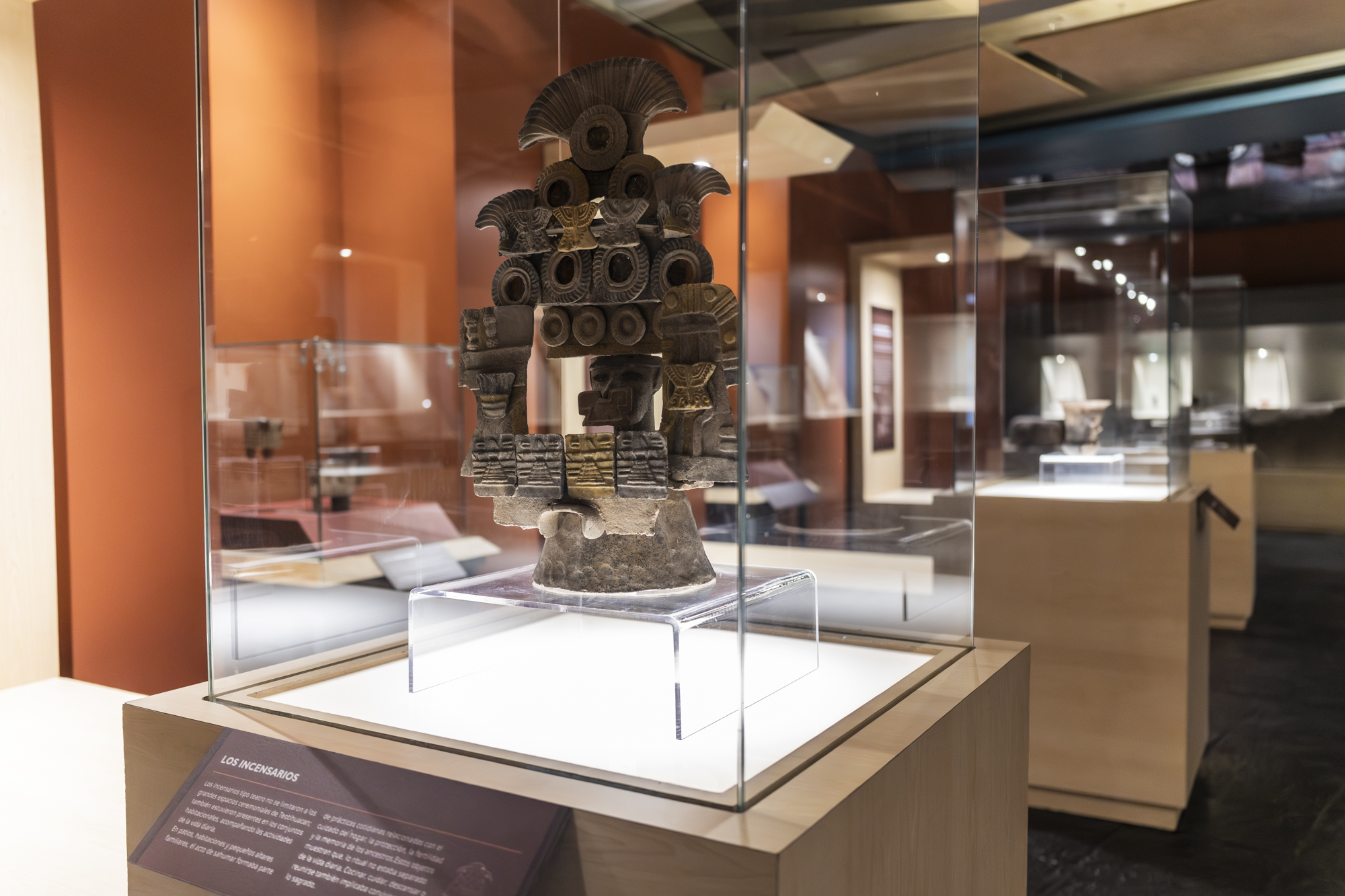
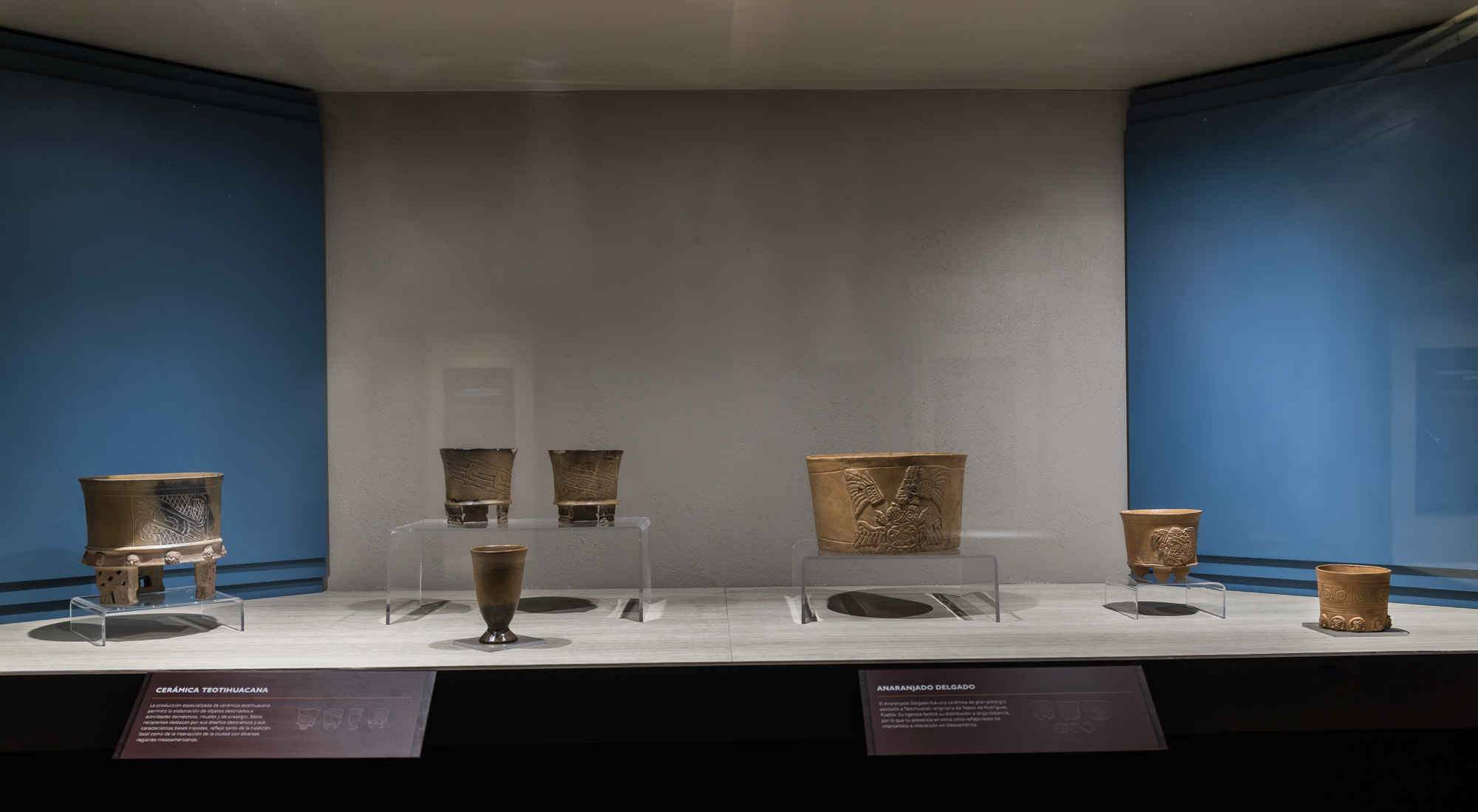
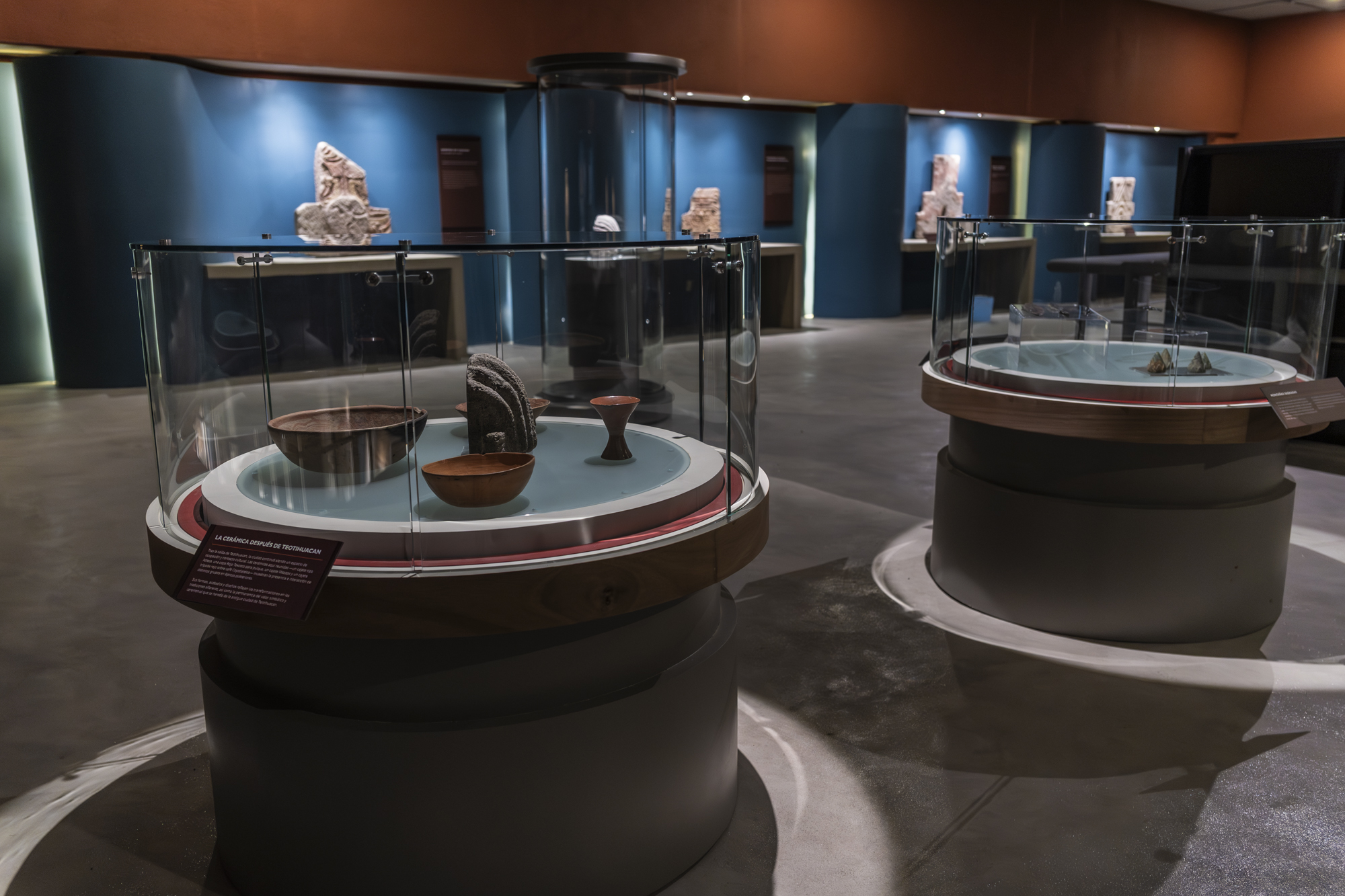
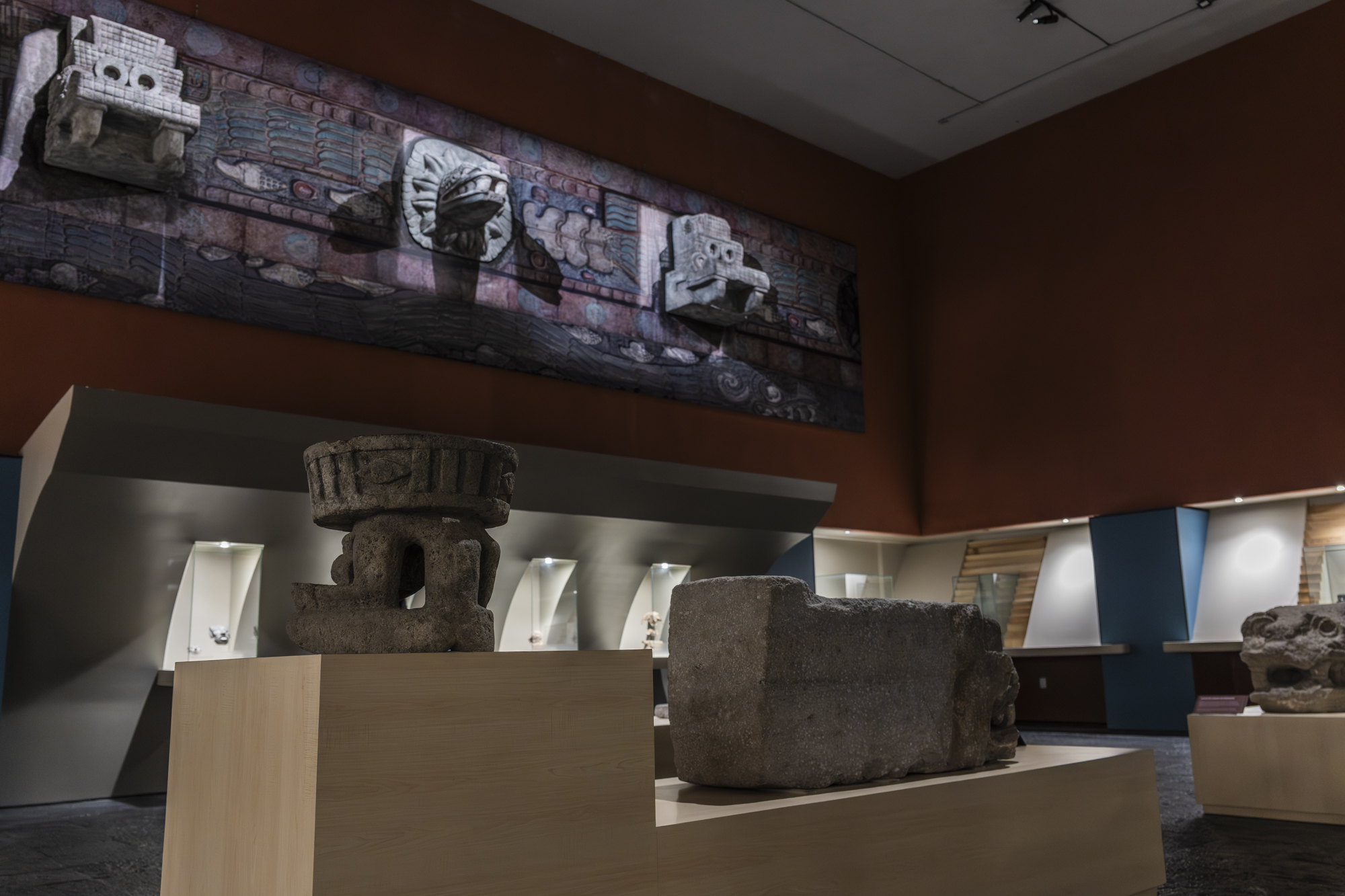
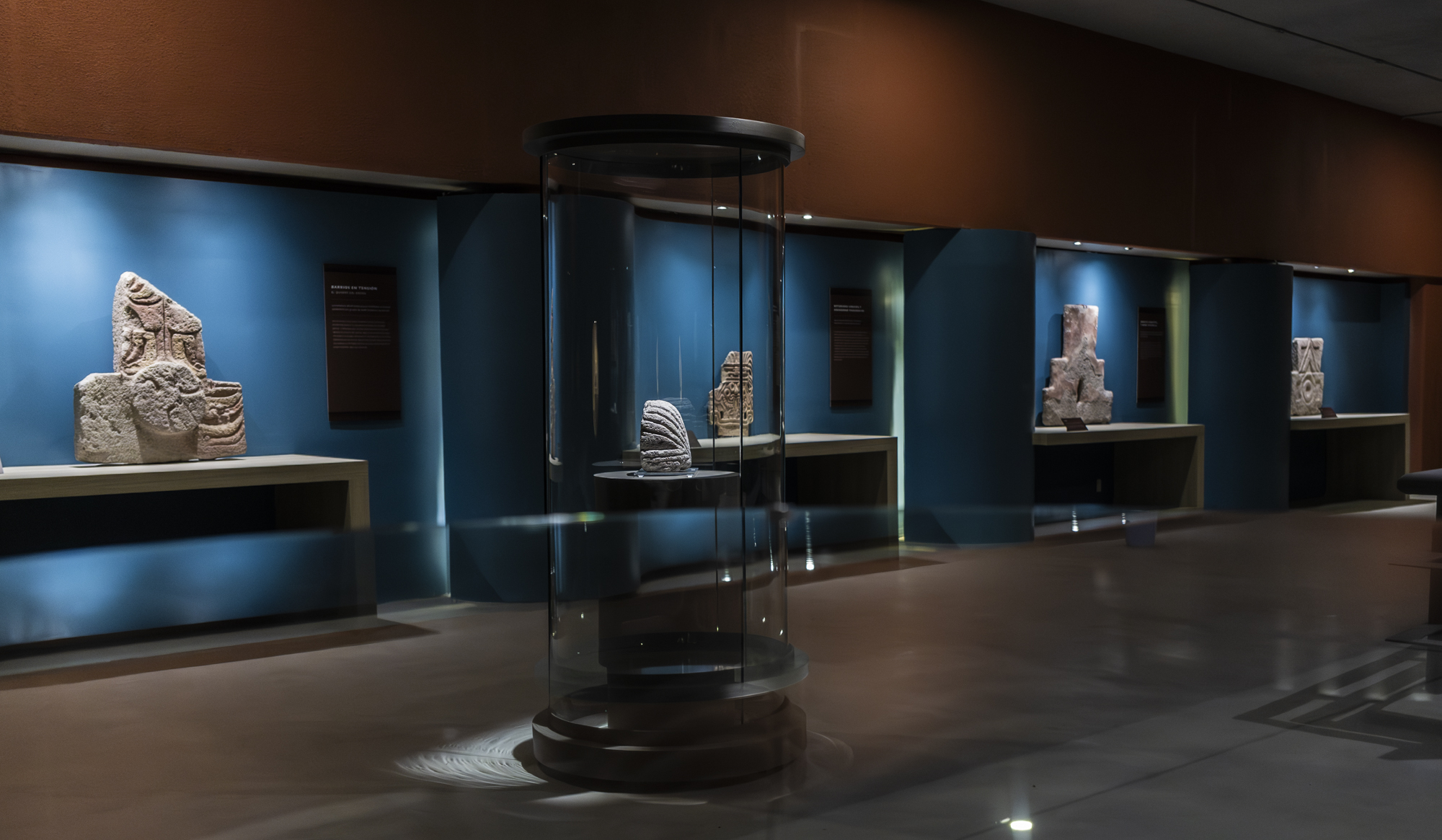
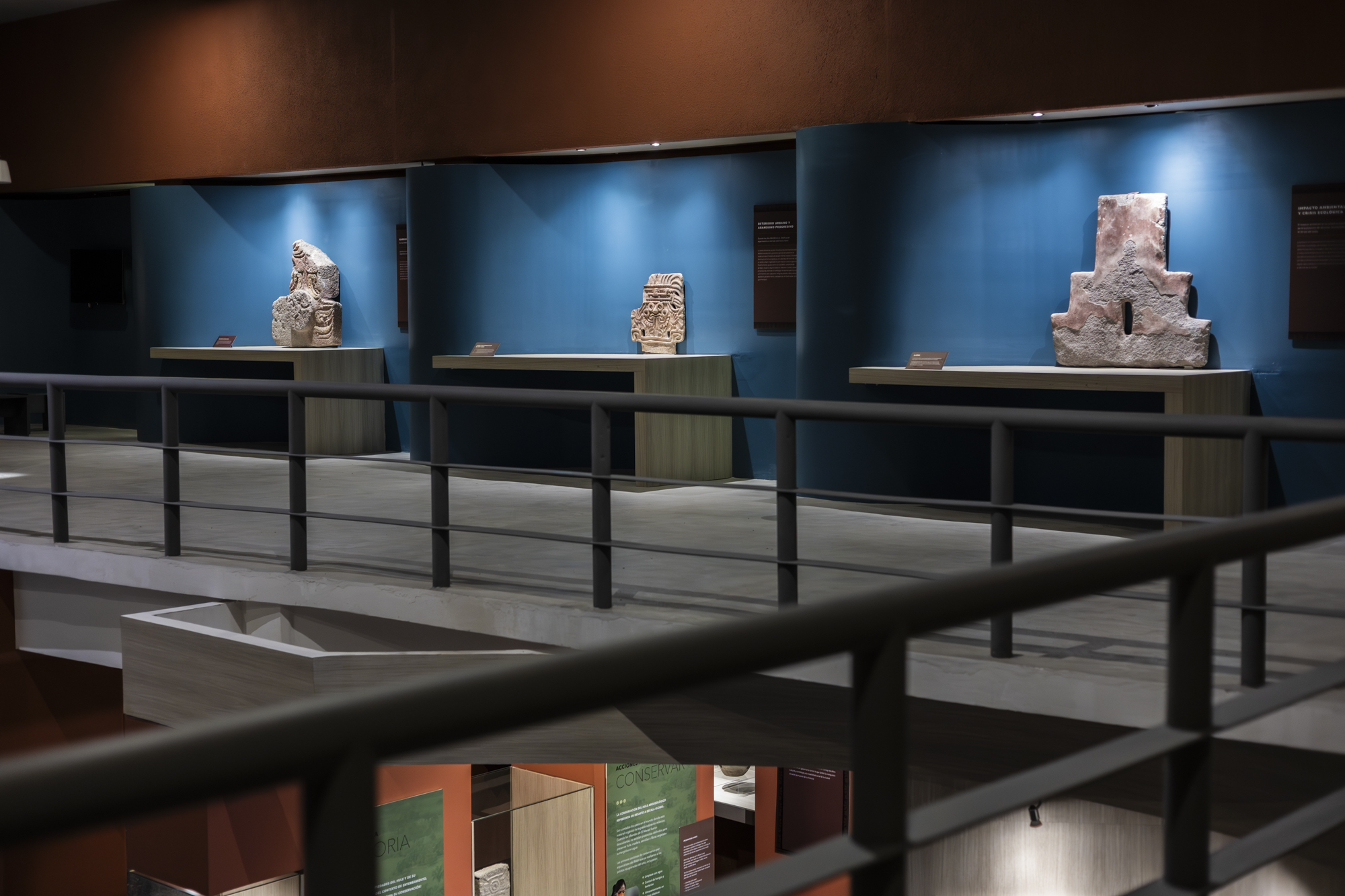
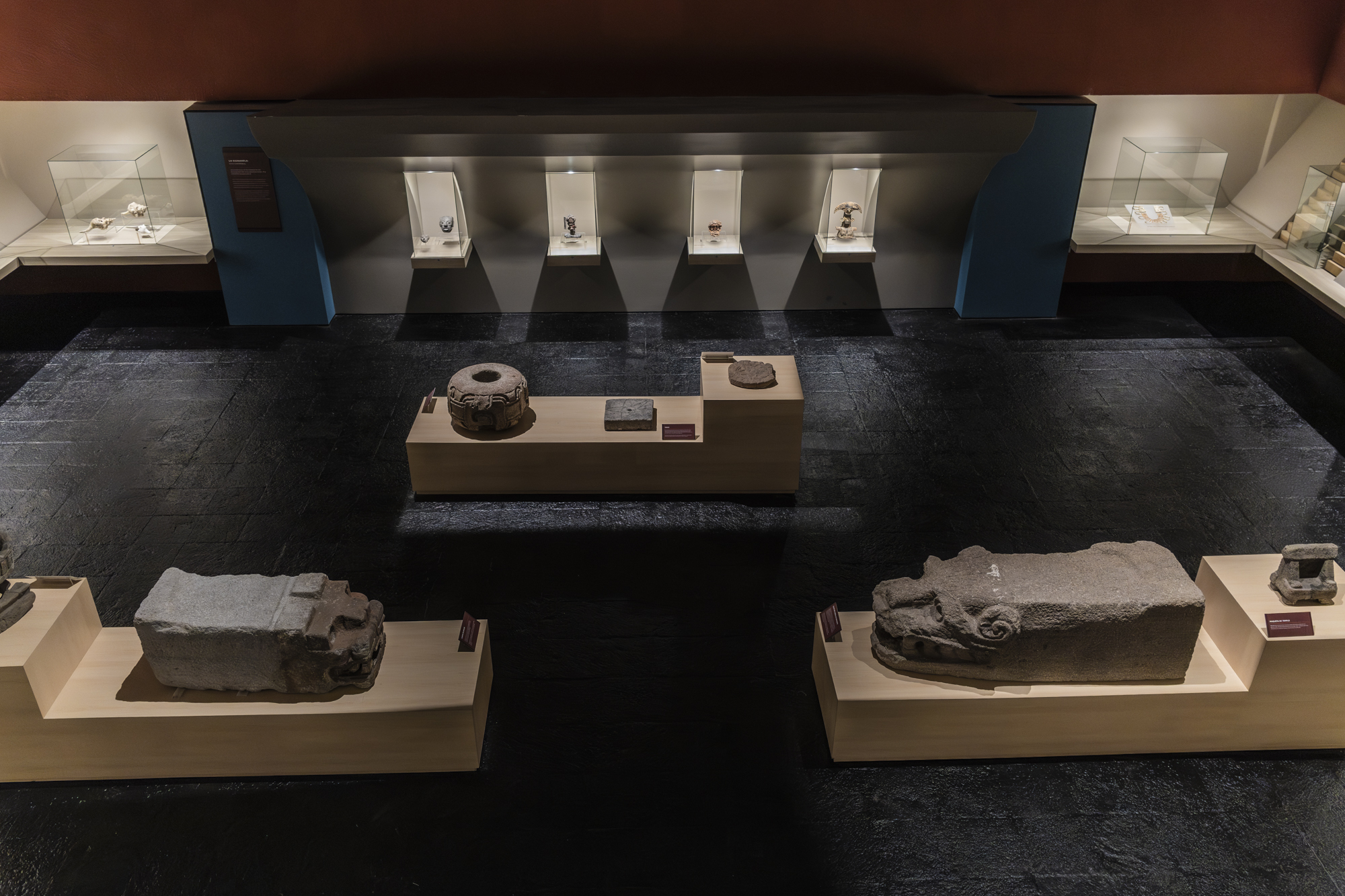
The permanent exhibition features approximately 174 archaeological artifacts, many of which have never before been displayed to the public. Among the objects on display are monumental stone sculptures, masks crafted from serpentine and other volcanic rocks, anthropomorphic and zoomorphic figures, ceremonial vessels, incense burners, obsidian tools, ornaments, ritual objects, and architectural fragments that once belonged to temples, plazas, and residential complexes in the ancient city. These artifacts demonstrate the high level of artistic and technological development achieved by the inhabitants of Teotihuacán, who mastered advanced techniques in stone carving, ceramic modeling, and the production of pigments for murals.
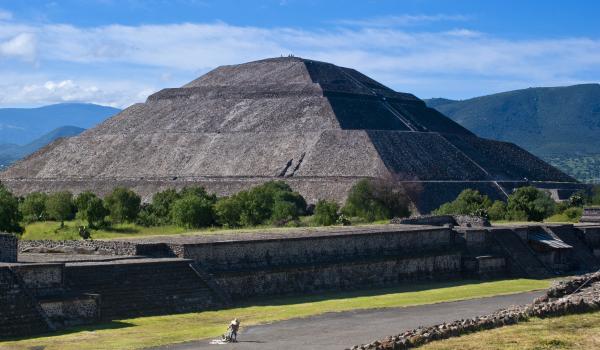
One of the museum’s main objectives is to explain the historical importance of Teotihuacán as a planned metropolis. The exhibition halls present aspects related to urban organization, monumental architecture, an economy based on trade and artisanal production, as well as the religious practices that gave this culture its identity. Notable landmarks include the Pyramid of the Sun, the Pyramid of the Moon, the Avenue of the Dead, and the Citadel with the Temple of the Feathered Serpent—sites that reflect the extraordinary architectural and astronomical knowledge of their builders.
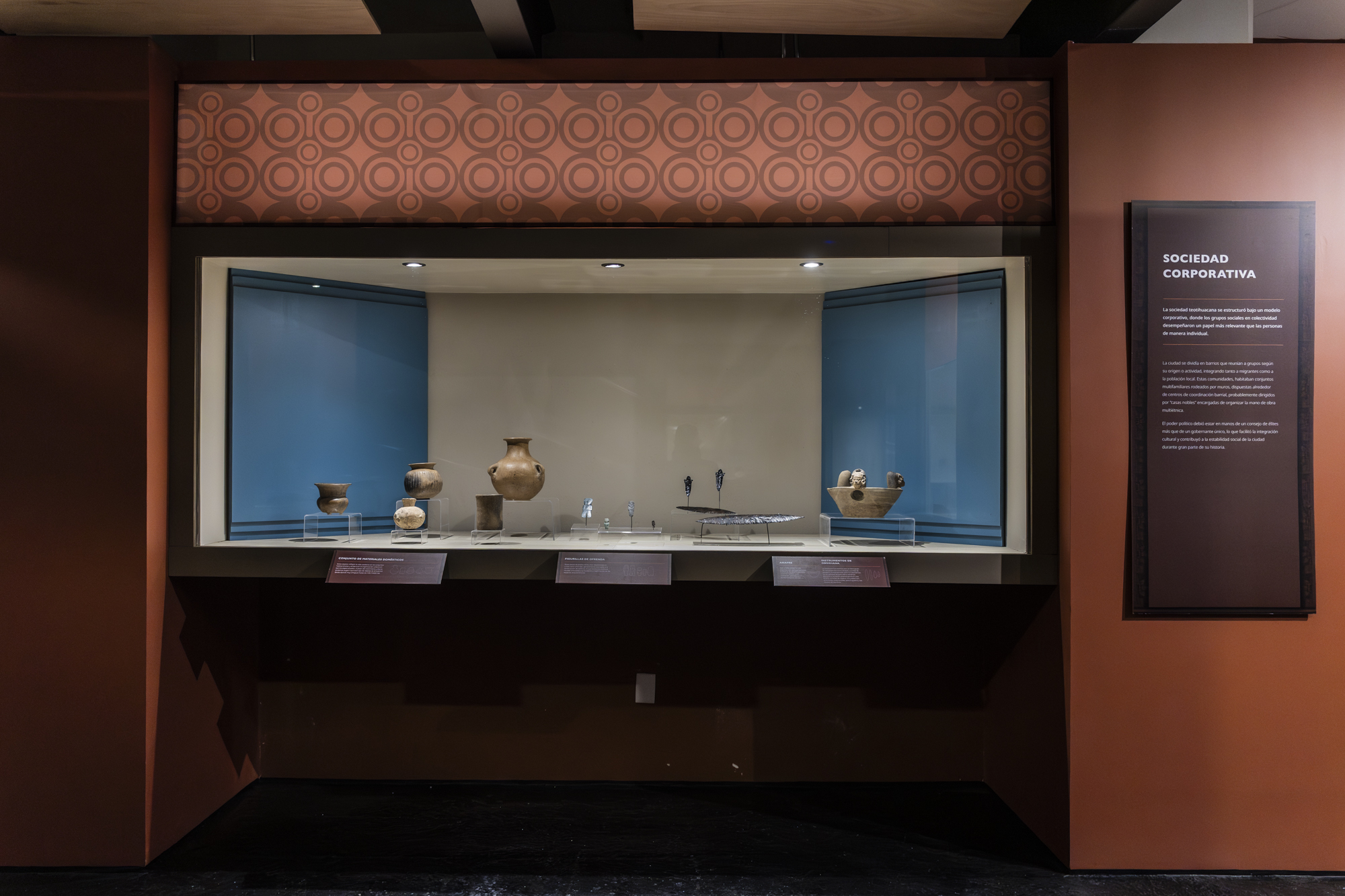
The tour also offers insight into the daily life of the ancient Teotihuacans. Through household objects, kitchen utensils, agricultural tools, and remains of artisan workshops, visitors can understand how families lived, how specialized neighborhoods were organized, and how economic activities such as agriculture, pottery production, obsidian working, and trade with other regions of Mesoamerica took place. It also presents evidence of the ethnic diversity that characterized the city, where groups from different cultures and regions lived together.
Another key aspect of the museum is its exploration of religious symbolism. The sculptures, masks, incense burners, and offerings provide insight into beliefs related to the forces of nature, fertility, water, maize, and astronomical cycles. Also on display are objects associated with deities depicted in the famous Teotihuacan murals, whose colors and designs reflect a complex worldview that linked the human world with the universe and natural phenomena.
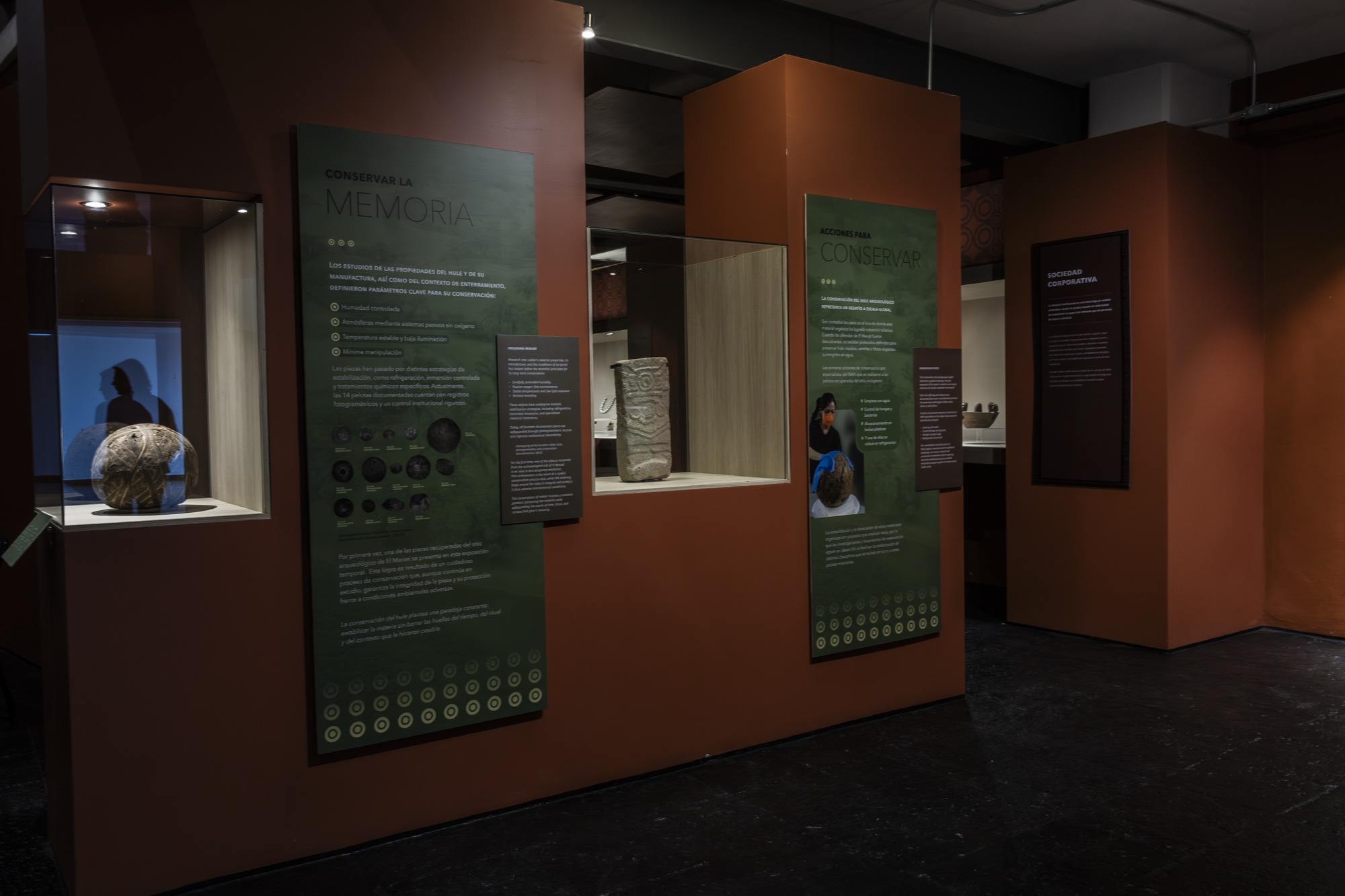
The new museum design incorporates audiovisual resources, specialized lighting, informational panels, and interactive elements that help visitors understand the historical context of each object. These tools allow visitors not only to observe the archaeological artifacts but also to learn about the excavation, restoration, and research processes carried out by specialists from the National Institute of Anthropology and History (INAH). In this way, the museum becomes an educational space that explains how archaeology contributes to the understanding and preservation of cultural heritage.
The Museum of Teotihuacan’s Grandeur is part of the cultural complex of the Teotihuacan Archaeological Zone, designated a UNESCO World Heritage Site in 1987. A visit to the museum complements a tour of the pyramids and other monumental structures, as it offers detailed information about the artifacts discovered during decades of archaeological research and helps visitors understand the importance of this city as one of the major political, economic, religious, and cultural centers of pre-Hispanic Mexico.
Today, the museum represents an effort to preserve and promote Teotihuacán’s historical heritage for future generations. Its collections, research, and educational activities deepen our understanding of a civilization that left a profound mark on the history of Mesoamerica. Thanks to the quality of its exhibitions and the exceptional value of the artifacts it houses, the Museum of Teotihuacan’s Grandeur has established itself as an indispensable venue for understanding the development of one of the most impressive cities of antiquity and for appreciating the cultural richness that forms part of Mexico’s historical identity.
- Dirección del Centro INAHNahúm de Jesús Noguera Riconahum_noguera@inah.gob.mx+52 (722) 167 1325Dirección de la Zona Arqueológica y Museo de SitioLuis Rogelio Rivero Chongrogelio_rivero@inah.gob.com+52 (594) 956 0276