


Mostrando 133 - 144 de 167
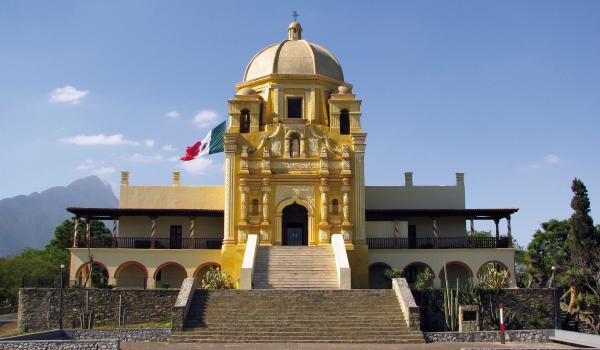
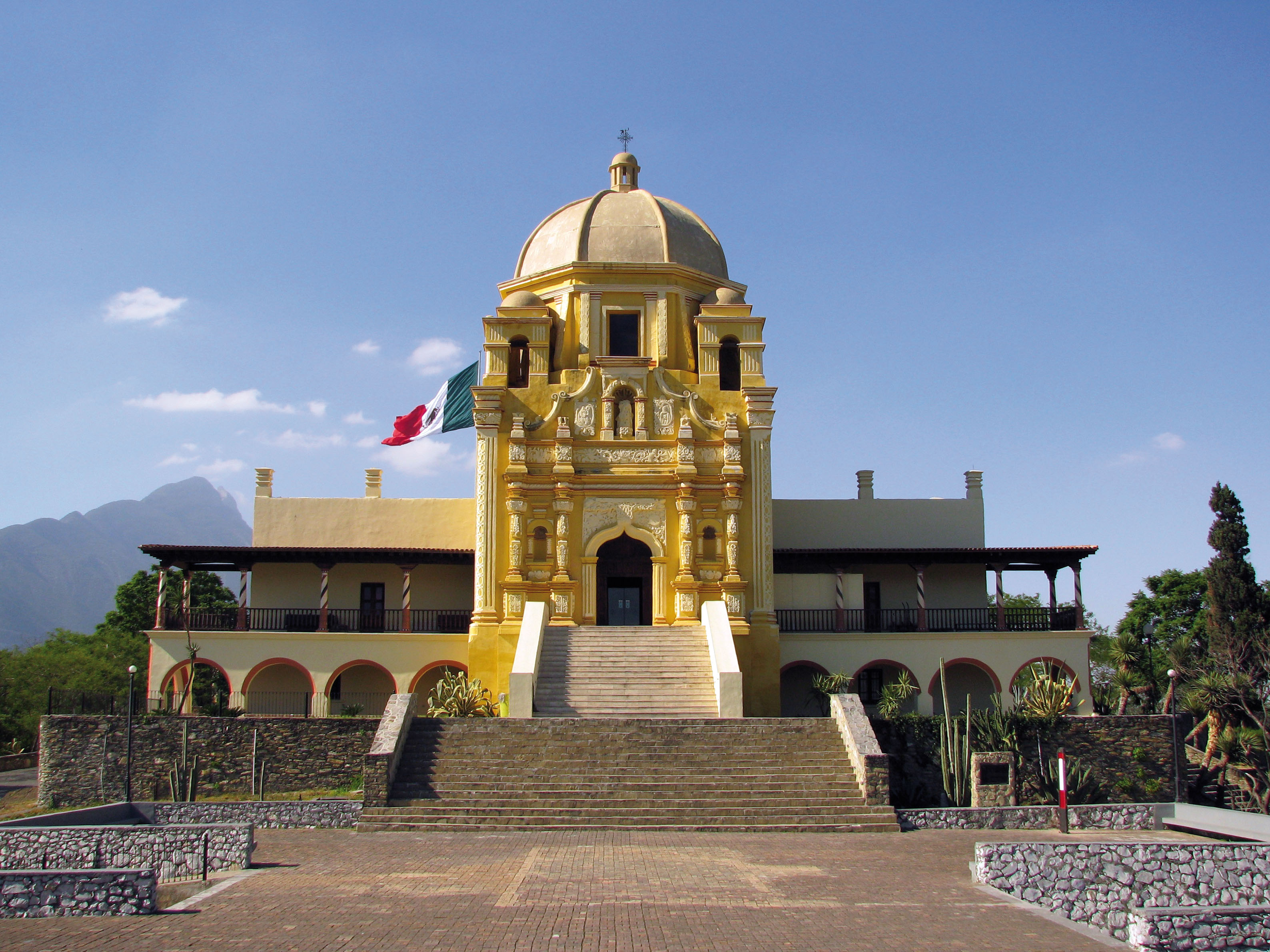
Museo Regional de Nuevo León, El Obispado

The oldest building in Monterrey, the baroque episcopal palace of 1787, houses the most complete museum of the history of the state and region, from the earliest times up to industrialization. It covers the people, the artists, the national heroes, invaders, eminent citizens and entrepreneurs.


Museo Regional de Palmillas
The history of the Valley of Córdoba from the fifth century BC to the viceregal period. Highlights include an important statue of Tonatiuh and an interesting musical instrument collection. It also tells the story of the slave trade and the rebellion led by Gaspar Yanga, the undefeated leader who succeeded in founding the continent’s first settlement free from slavery in 1570.
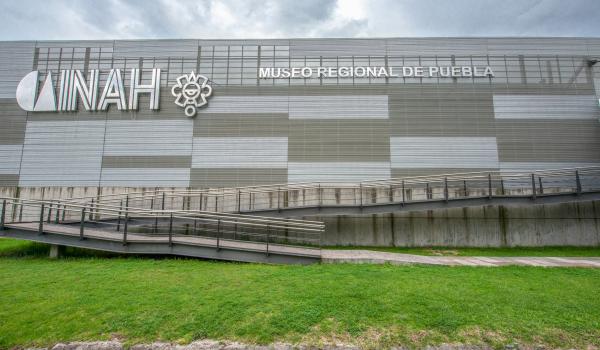
Museo Regional de Puebla
A modern building houses a vast collection about the life and culture of the state. Archeology, history (in the nineteenth century Puebla was laid siege ten times), academic culture, popular culture, customs, dances and a great variety of arts and crafts.
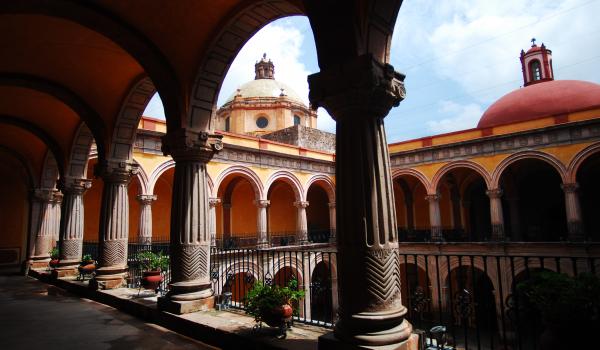
Museo Regional de Querétaro
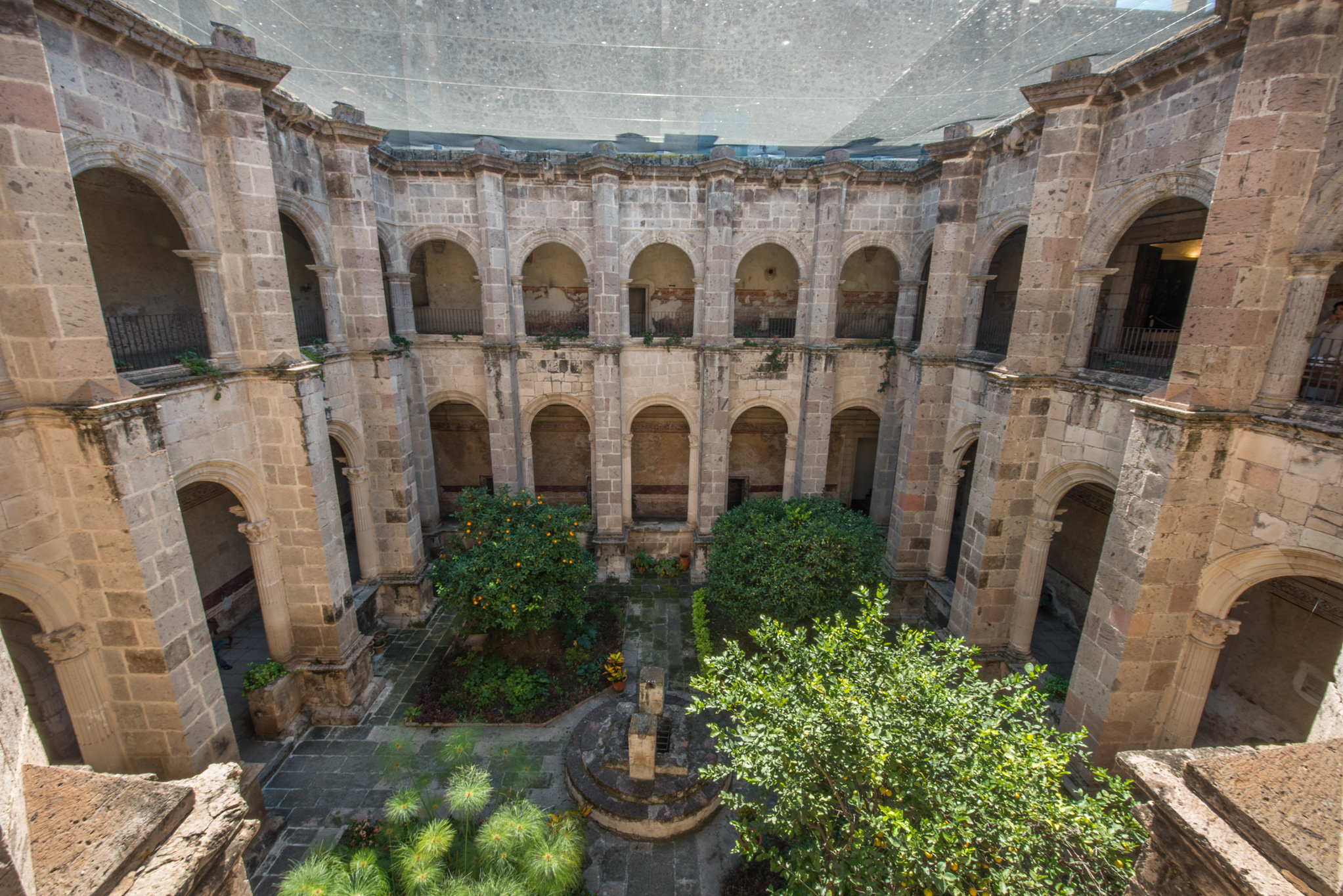
A colonial building, the Former Monastery of San Francisco is home to Querétaro’s collection of archeology, history, culture and ethnology. It focuses on the Otomi and Chichimeca ethnic groups, the multi-coloured society of the viceregal period, and the restless society of the early independence period.
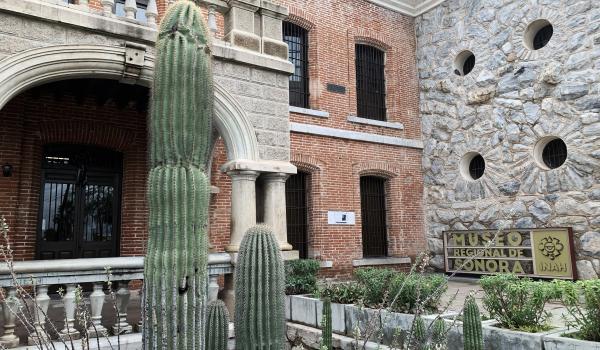
Museo Regional de Sonora
The INAH Regional Museum for the state is in an old prison building of the Porfiriato in Hermosillo, dating to 1908. Its purpose is to display the archeology, history and culture of the region in its 18 permanent and five temporary exhibition galleries.
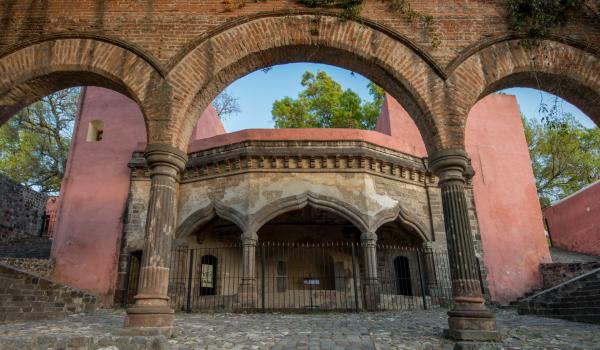
Museo Regional de Tlaxcala
An impressive construction notable for the church’s remarkable Mudejar-style coffered ceiling made with gilded wood. The museum preserves the pre-Hispanic and viceregal history of Tlaxcala—a vital ally for the Conquistadors—along with displays of nineteenth and twentieth-century luxury objects and tools.
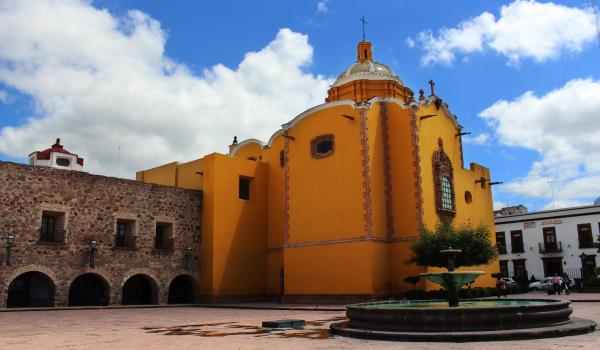
Museo Regional Potosino
The history and culture of the San Luis Potosí region and its predecessors: the Mesoamerican and Huasteca cultures, the city of Tamtoc, the Viceroyalty, Independence, the wars of the nineteenth century, the period of Porfirio Díaz and the Revolution: these are all exhibited in a splendid building dating from 1591 which incorporates the beautiful Aranzazu chapel.
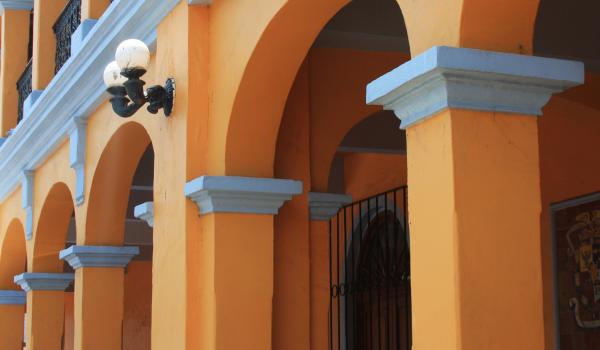
Museo Tuxteco
In the former town hall of Santiago Tuxtla, the place Hernán Cortés chose to establish his marquisate, where he set up the continent’s first wine press. The museum has rich archeological displays of Olmec, Totonac and Mexica cultures, as well as revealing pieces from the viceregal period.1975
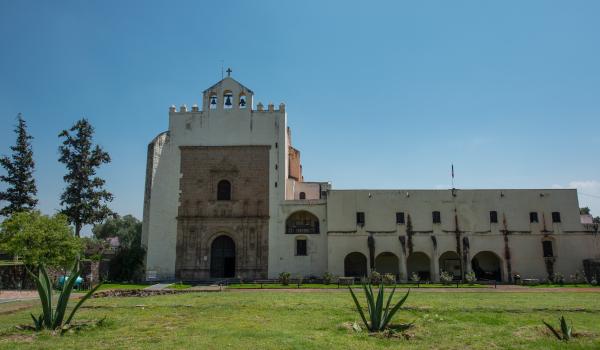
Museo Virreinal, Ex Convento de Acolman
This museum—housed in a large Augustinian construction built near Teotihuacan in a Plateresque and Gothic style, dating back to 1539—has an invaluable set of very early murals and impressive cloisters. The collection includes pre-Hispanic objects, as well as religious paintings and sculptures from the viceregal period.
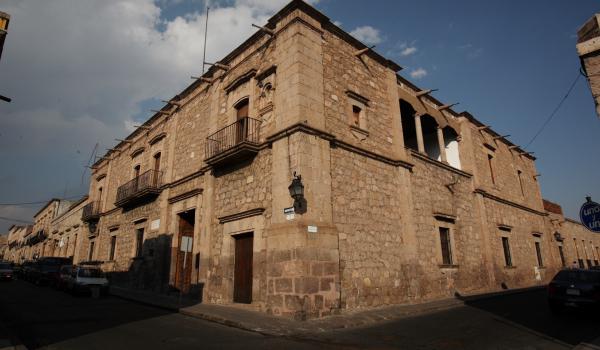
Museo y Archivo Histórico Casa de Morelos
The house that José María Morelos bought in 1801, in Valladolid (Morelia), for his sister to live in, houses a magnificent museum about his life and his role in the War of Independence, as well as the archives of two million documents from the Bishopric and Government of Michoacan.
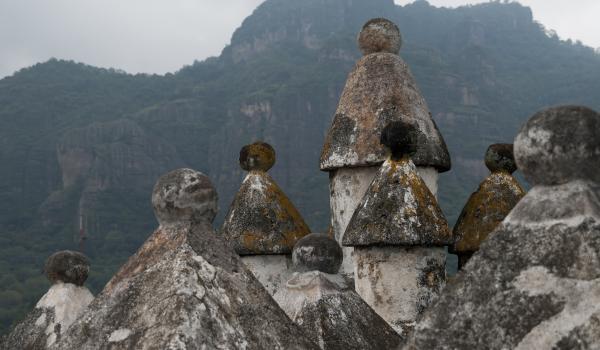
Museo y Centro de Documentación, Ex Convento de la Natividad en Tepoztlán
This monumental former monastery was founded by the Dominican Order and built by indigenous Tepoztecans. Valuable mural paintings are preserved inside. It has been a UNESCO World Heritage Site since 1994, as one of the earliest sixteenth-century monasteries on the slopes of Popocatepetl.

Museo y Sitio Misional de Nuestra Señora de Guadalupe del Norte
The site is home to a museum of local history displaying objects belonging to the five different periods of occupation recovered in the course of archeological explorations and presented with careful interpretation. The site was an indigenous ranch and home to the Dominican Mission of Our Lady of Guadalupe of the North, a residence for Russian families and a military barracks. The excavations uncovered foundations and the remains of a small construction beside what are believed to be the original walls.
