


Mostrando 85 - 96 de 167
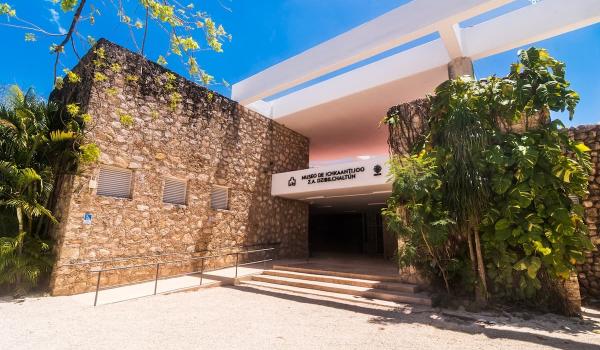
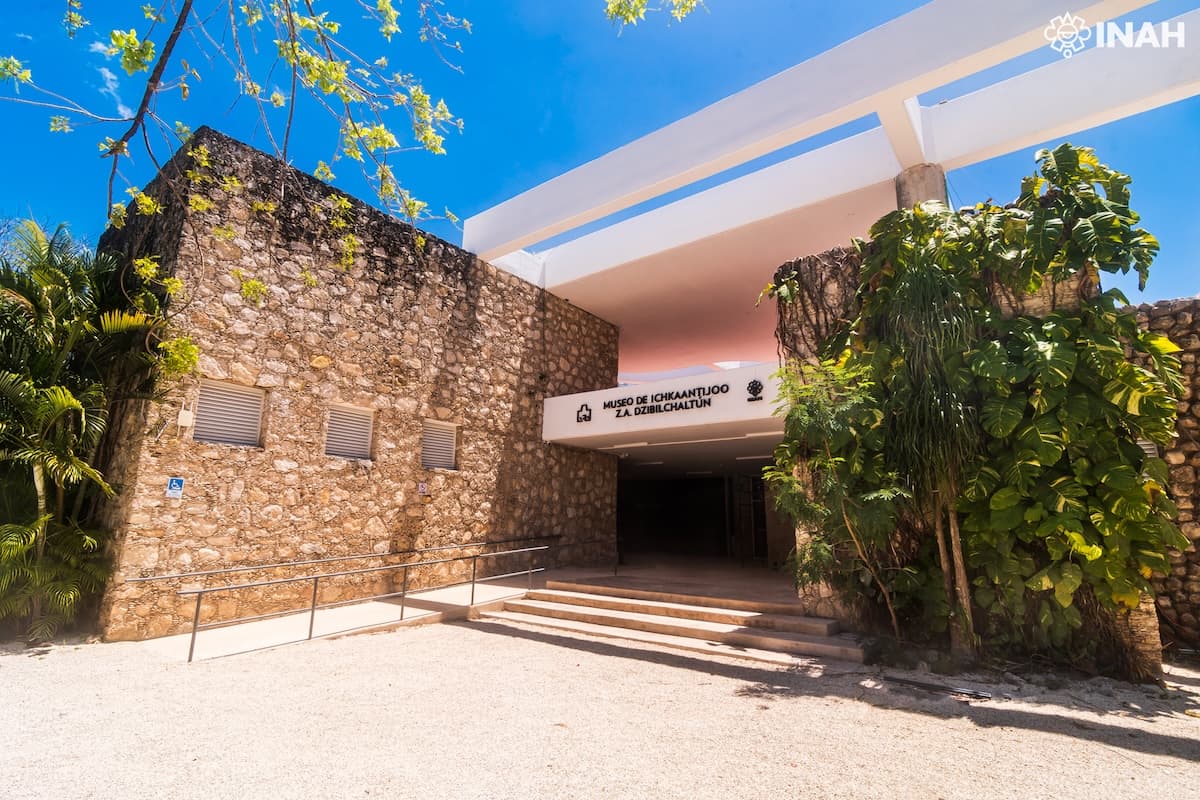
Museo de Sitio Ichkaantijoo

A space dedicated to preserving and showcasing the archaeological heritage of the ancient Mayan city of Ichkaantijoo, now known as Dzibilchaltún, in Yucatán. Its collection includes more than 300 archaeological artifacts, including ceramics, stone objects, and items related to writing, religion, and daily life. These artifacts provide insight into the culture, social organization, and knowledge of the ancient inhabitants.

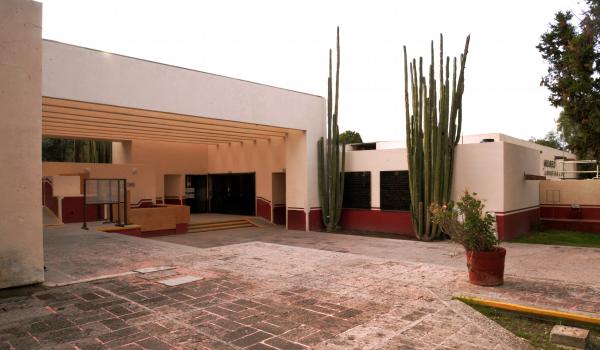
Museo de Sitio Jorge R. Acosta
The archeologist Jorge A. Acosta (1904-1975), discovered the great Atlantes of Tula and other finds. The museum recreates the ancient Tollan Xicocotitlan: with sculpture, ceramics, stelae, offerings and gods (Quetzañcoatl, Tecatlipoca) and the vast population, inheritors of Teotihuacan.
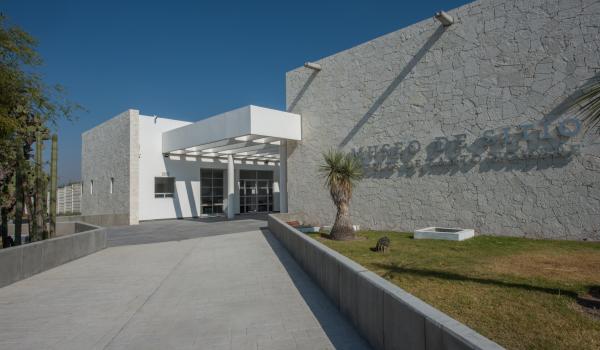
Museo de Sitio Teteles de Santo Nombre
Teteles de Santo Nombre is the largest Pre-Hispanic city of the Tehuacan-Zucatlan region. The site museum displays part of the history of one of the most important urban settlements in the central region of Mexico from the Classic period.
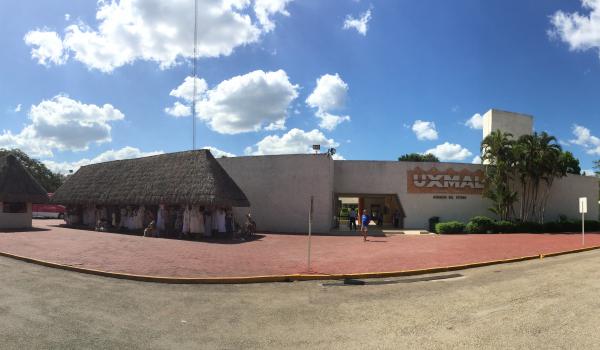
Museo de Sitio Uxmal
Shows the ancient technique for collecting and storing rainwater: cysterns, tanks, ducts and drains. It also houses some fine Puuc style sculptures: religious and stately pieces, examples of writing and the village. It shows how the ancient Maya lived in close harmony with nature.
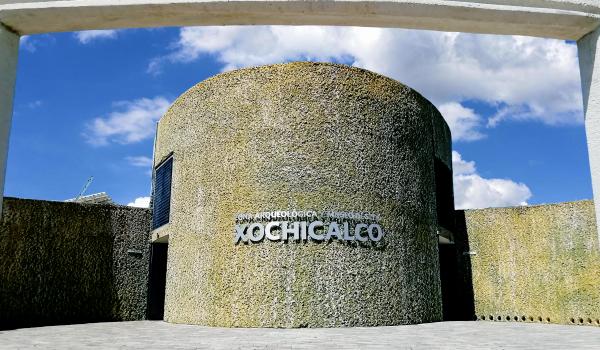
Museo de Sitio Xochicalco
An ecological museum, a pioneer in Mexico, which through its rooms narrates the history, environment, worldview, technology, contributions and development of the indigenous city of Xochicalco.
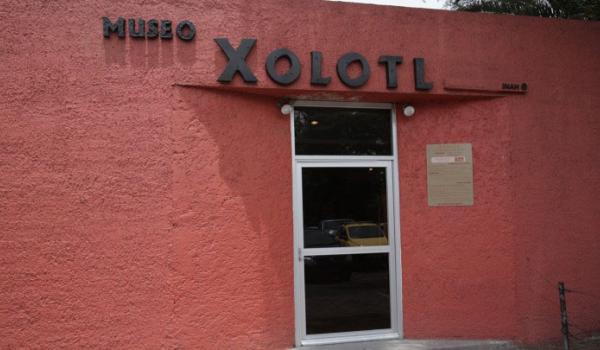
Museo de Sitio Xólotl
The first Chichimec city in the Valley of Mexico, before they settled in Texcoco. An impressive pyramid has two temples on the top dedicated to Tlaloc and Huitzilopochtli, inspired by the great Teocalli of Tenochtitlan. The museum reconstructs the city and narrates its history from the twelfth century A.D.

Museo de Sitio Zona Paleontológica Rincón Colorado
The museum in General Cepeda, Coahuila, displays fossils, replicas, and information about the dinosaurs that inhabited the region approximately 72 million years ago. It also offers a tour of the paleontological site, where visitors can explore excavation areas and learn about the significance of this important fossil site in Mexico.
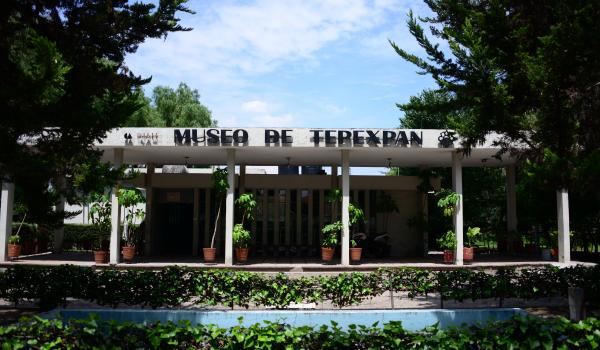
Museo de Tepexpan
In 1947 the bones of the Man of Tepexpan were discovered, at that time the most ancient in Middle America (7,000 years old). The site has numerous remains of the period: prehistoric animal bones and stone tools on exhibition in the museum, together with a collection of ancient skulls.
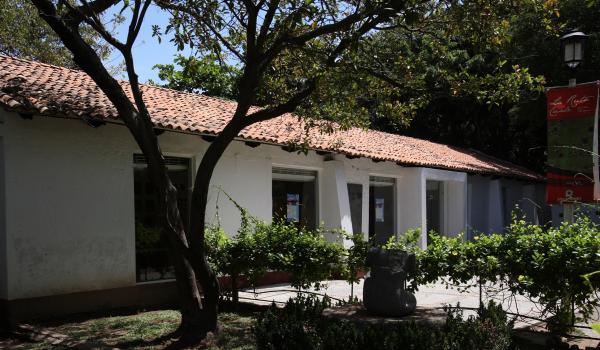
Museo del Cuale, Puerto Vallarta
Located in the craft market on the island of Cuale. The museum displays a varied collection of loan items from the regional museums of Guadalajara, Colima and Michoacán, showing the traditions of the ethnic groups inhabiting the west of Mexico: the Chupicuaro, Tarascans and other cultures prior to the Spanish conquest.
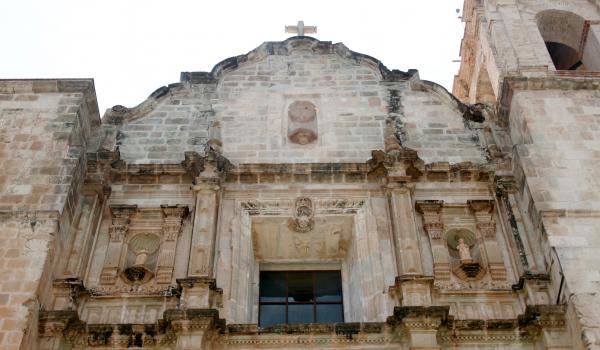
Museo del Ex Convento de Yanhuitlán
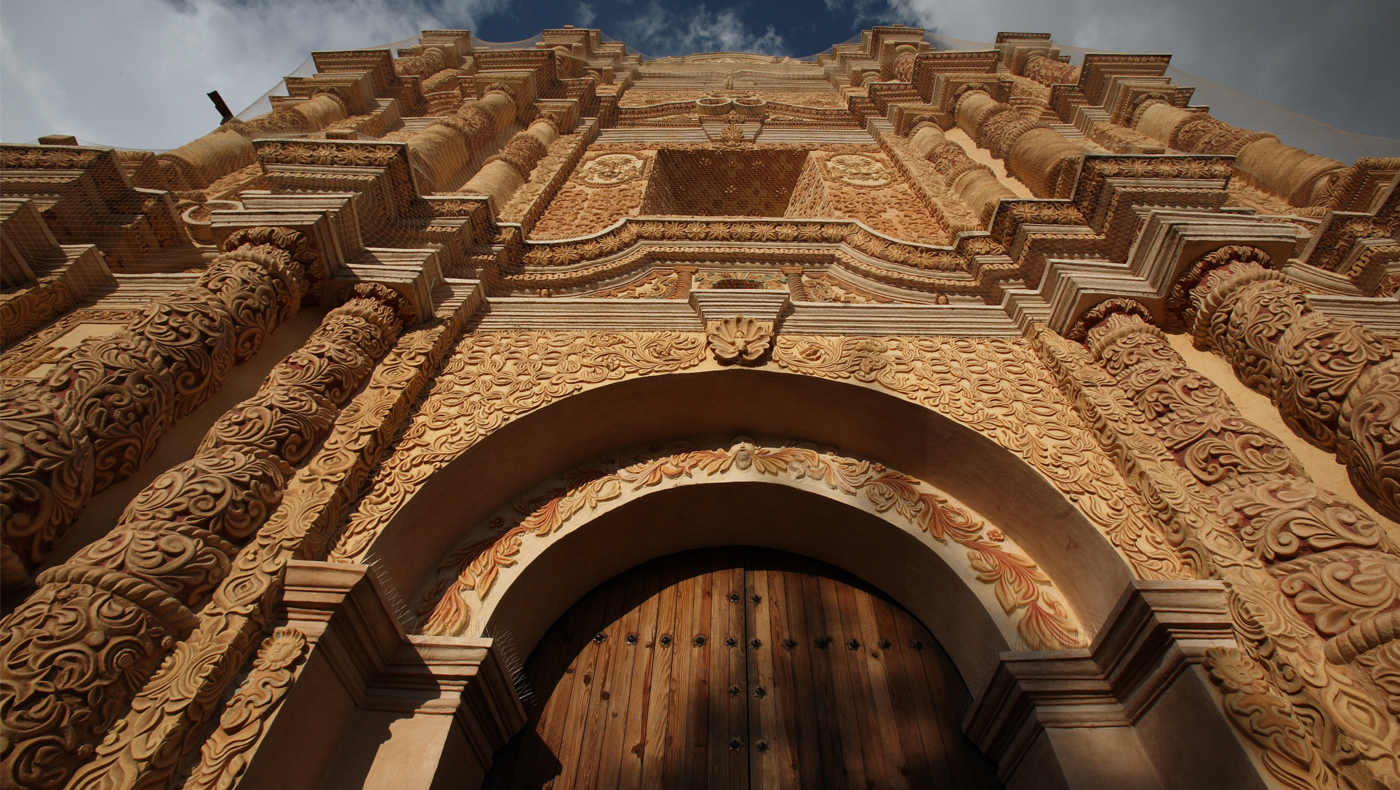
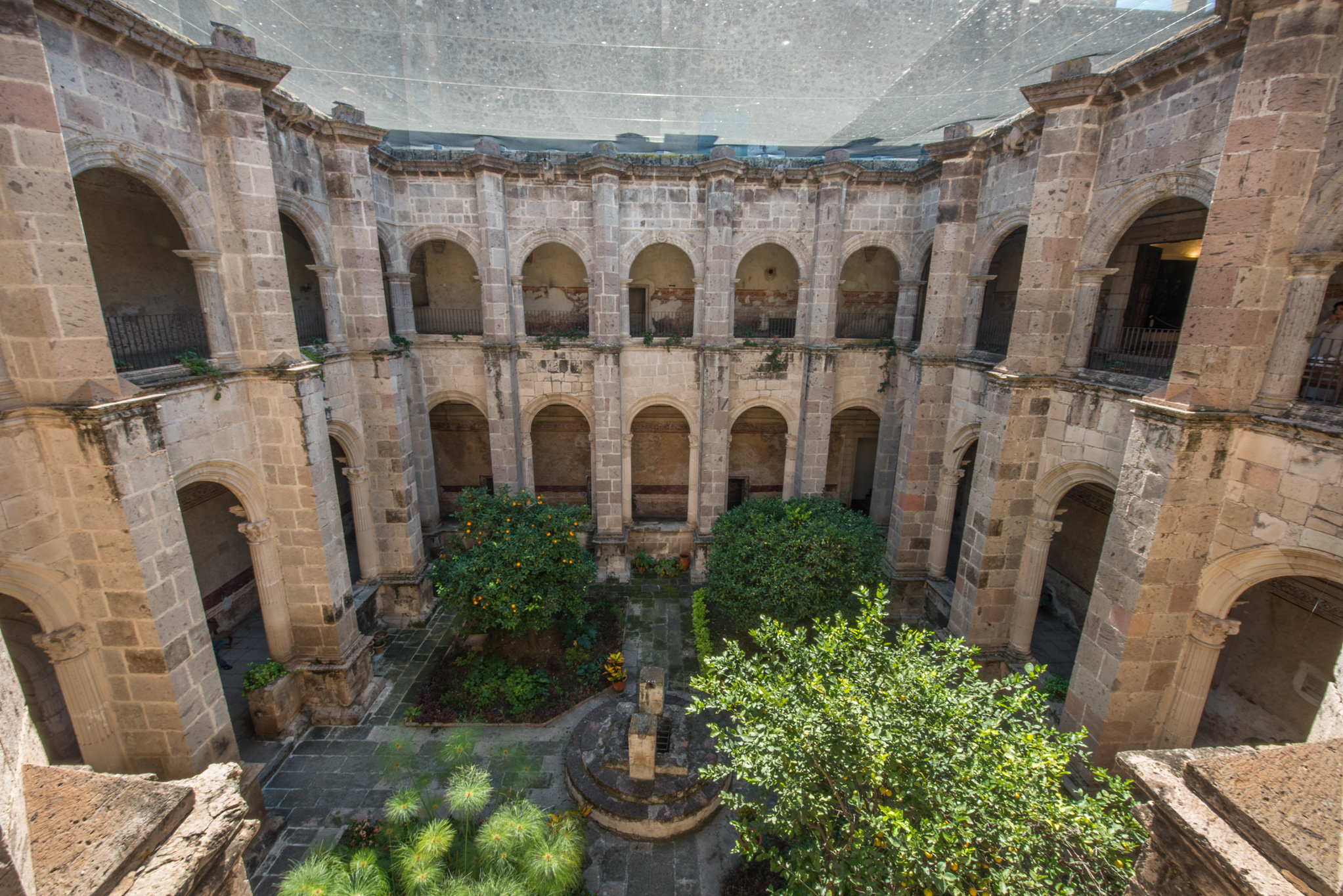
This was an important trading center both before and after the Conquest. With the construction of the Dominican convent (finished in 1575) it maintained this character as well as being an important center for evangelization. A notable collection of both religious and civic objects from the colonial period.
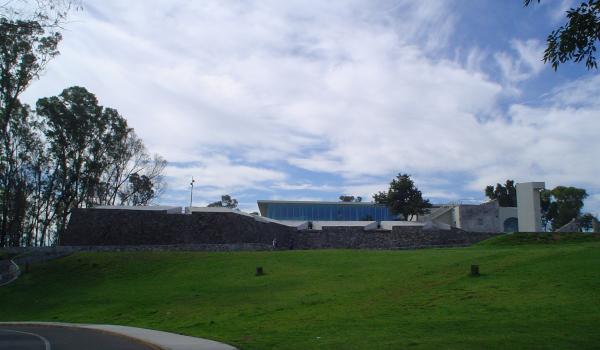
Museo del Fuerte de Guadalupe
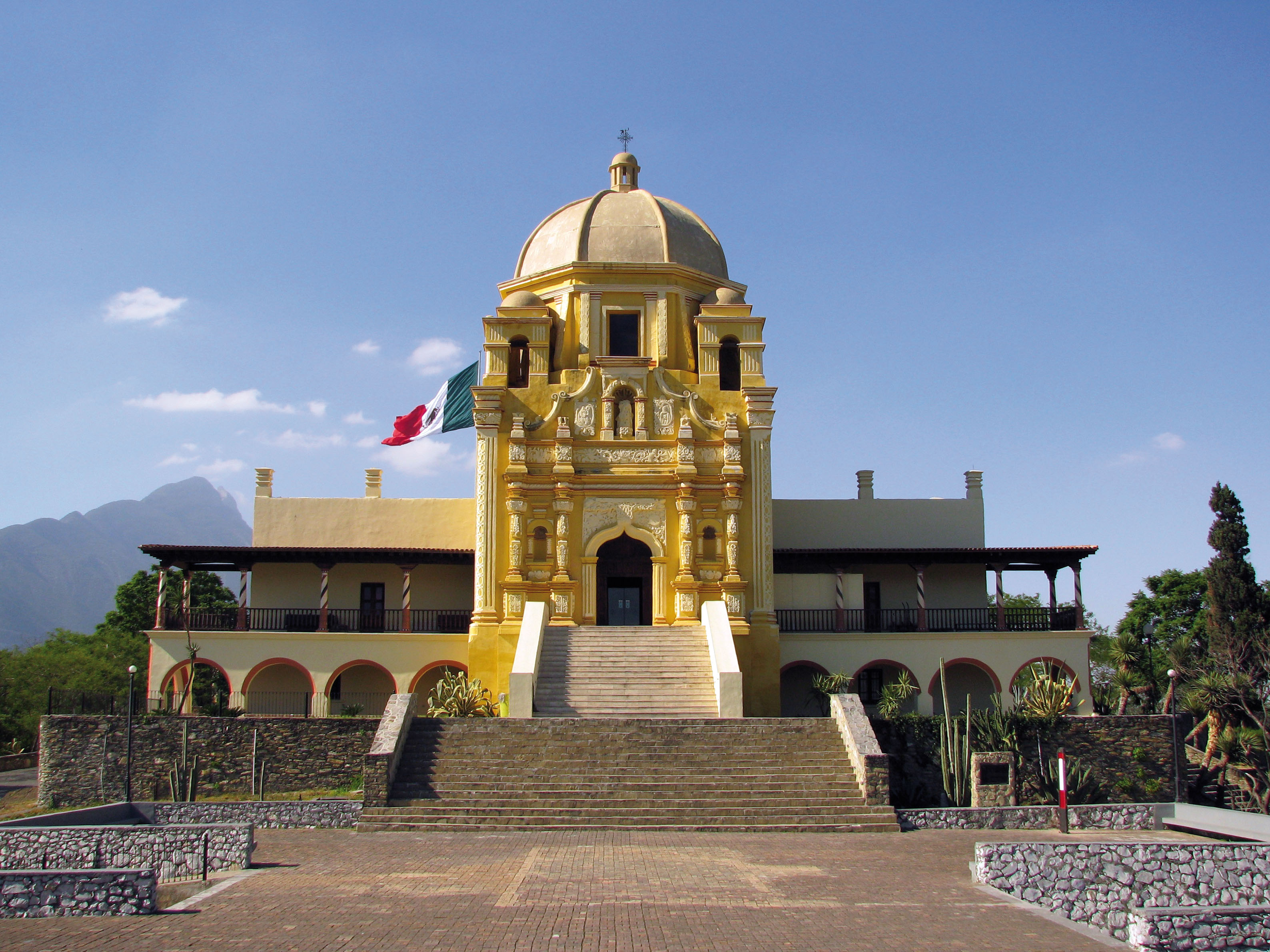
“The nation’s arms are covered in glory” wrote general Zaragoza in his war report. He commanded the infantry and the forts of Loreto and Guadalupe. The fort of Guadalupe’s exhibitions tells its own story, victory at the Battle of Puebla and the triumph of the Republic.
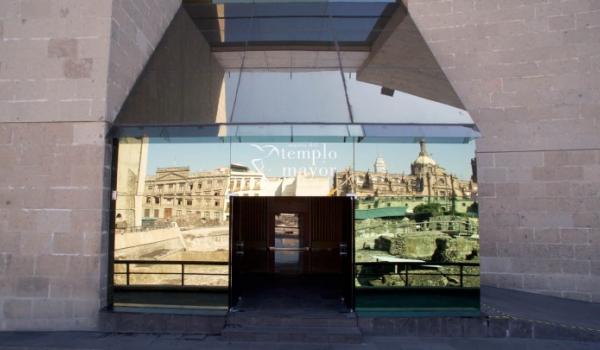
Museo del Templo Mayor
The Great Teocalli (temple) that amazed the Conquistadors remains a testament to the magnificence of the Tlatoani chiefs and the religiosity of their people; it was also the cosmic center of Mexica rule. A unique museum showing the remains of the original construction and its valuable monuments.
