


Mostrando 73 - 84 de 167
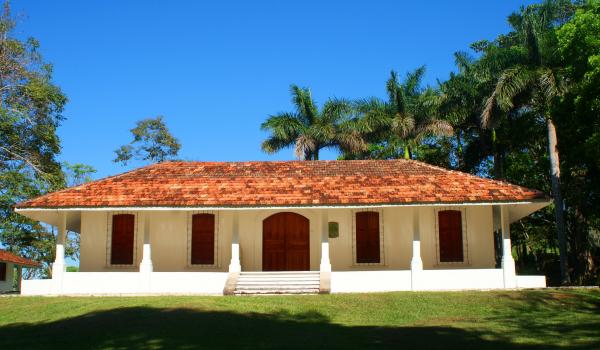
Museo de Sitio de Pomoná

Important Maya trading city on a tributary of the river Usumacinta 14 centuries ago. Allied to Palenque, it was defeated by its neighbours. A spread-out city, with airy temples built on adjacent hilltops. This rich museum exhibits the treasures found in the digs.

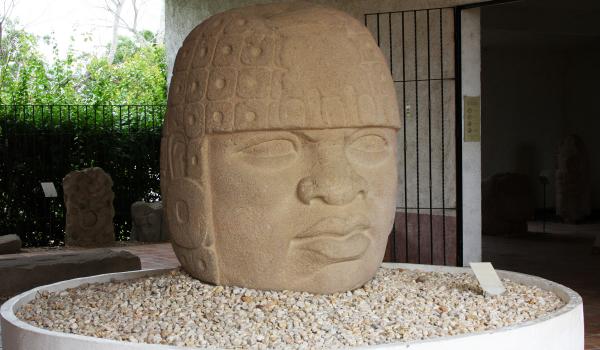
Museo de Sitio de San Lorenzo Tenochtitlan
A small museum with three galleries features a sample of the 3,200-year-old sculptural masterpieces from San Lorenzo Tenochtitlan on the banks of the Coatzacoalcos River: the cultural legacy of the great Olmec city.
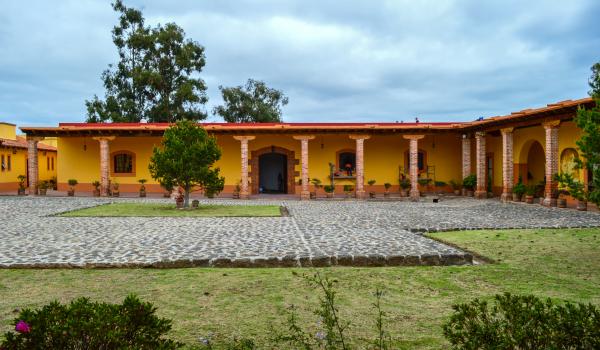
Museo de Sitio de Tecoaque
An Acolhua city neighboring the state of Tlaxcala with a conflict-riven border, but also an important trading point during the hegemony of Teotihuacan and Texcoco. Part of the force of Pánfilo de Narváez, who fought against Hernán Cortés, was captured here, a critical event which left numerous remains.
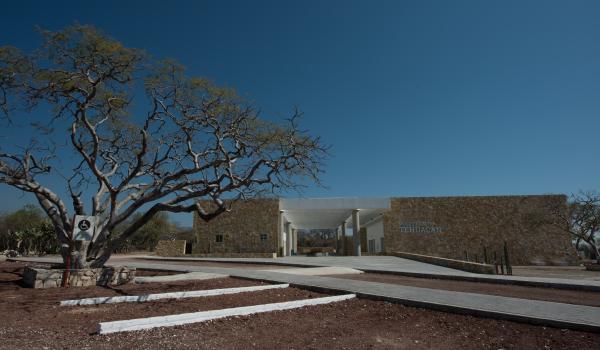
Museo de sitio de Tehuacán el Viejo
Offering a unique view of the Valley of Tehuacan, the site museum of Tehuacan el Viejo has a rich collection of archeological material and audiovisual clips on Ndachjian, better known as Tehuacan, the most important city today in the east of the state of Puebla.
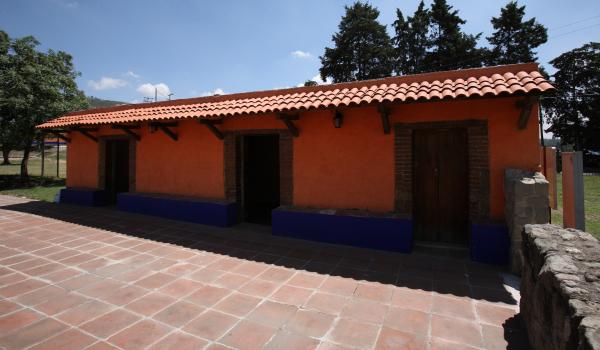
Museo de Sitio de Tizatlán
On the site of the former archeologists’ shelter, the museum was built in 1930 and was recently renovated. Tizatlan was one of the four fiefdoms of the Republic of Tlaxcala alongside Tepeticpac, Ocotelulco and Quiahuixtlan and it has structural remains from the late pre-Hispanic era, together with a very early Christian chapel.
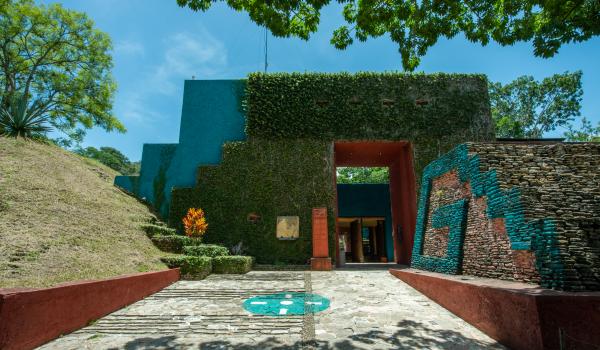
Museo de Sitio de Toniná
Extraordinary Maya city which grew to be the most populated and important city in Mesoamerica 1,500 years ago. Its magnificent pyramids (among the highest) with relief work, sculpture and pottery, as well as the museum's rich collection, amaze visitors to the archeological zone.
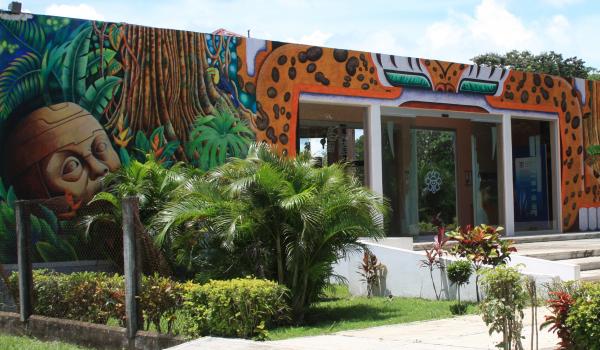
Museo de Sitio de Tres Zapotes
The Olmec region has the longest record of continual occupation. The museum houses: the oldest stela in Mesoamerica, an extraordinary stone with the “long count” for the whole calendar, the first colossal head to be discovered and other artefactual evidence of these remarkable sculptors and workers in precious metals of the earliest civilization.

Museo de Sitio de Trincheras
Through an exhibition of archaeological artifacts and interpretive materials, the museum provides information about the Trincheras tradition, its way of life, activities, and environment.
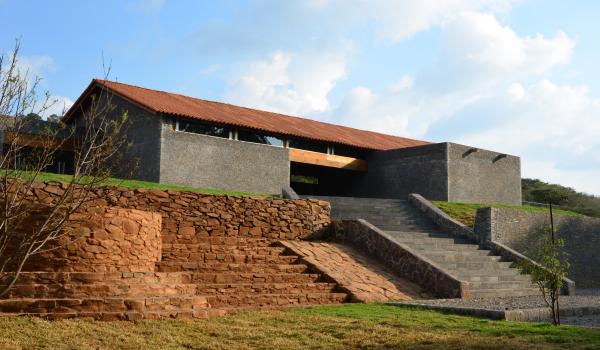
Museo de Sitio de Tzintzuntzan
Shows the development of the Tarascan capital and its inhabitants who were notable silver and goldsmiths, potters, unvanquished warriors and builders of yacatas (round based temples). A glimpse of the religion, wars and working lives of these town dwellers.

Museo de Sitio de Xochitécatl
Since the eighth century BC the ancient Tlaxcalan culture ascribed women preeminent roles as givers of life, wise women and governors. This was exceptional in Mesoamerica. The museum has a multitude of artifacts testifying to the fact: ceramics, ornaments, offerings and utensils.
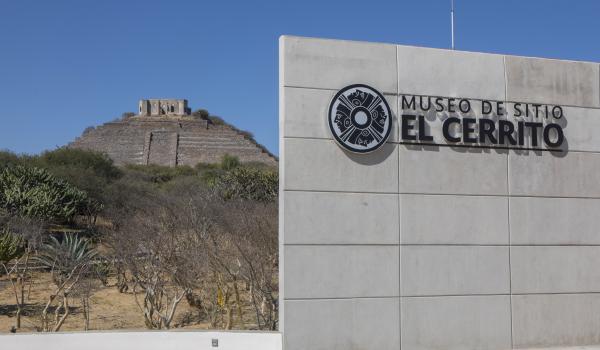
Museo de Sitio El Cerrito
The museum presents the history of the archeological zone, taking the Toltec worldview as its starting point. The El Cerrito site is the northernmost ceremonial center in Mesoamerica and the site museum exhibits items recovered during the excavation. It is the museum for the most important archeological zone in the state of Querétaro, covering 350 square meters.
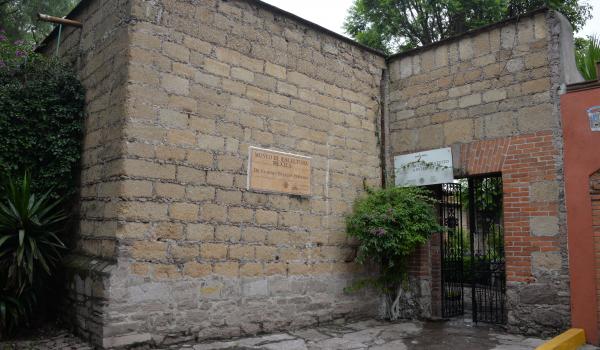
Museo de Sitio Eusebio Dávalos Hurtado
This late-eighteenth-century retreat for the pulque magnates of Tlalnepantla now displays Mexica stone sculptures and pottery depicting nature, men and the gods, all within the setting of a stately residence.
