








Museo de Sitio de Tecoaque
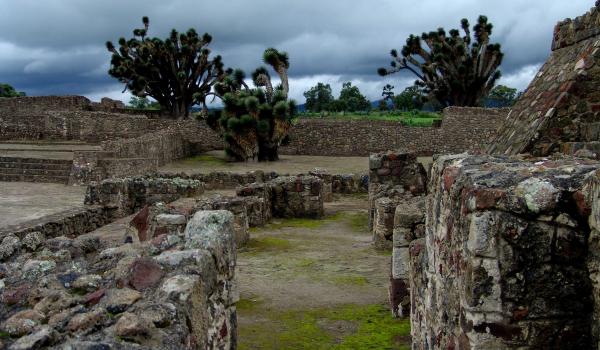
An Acolhua city neighboring the state of Tlaxcala with a conflict-riven border, but also an important trading point during the hegemony of Teotihuacan and Texcoco. Part of the force of Pánfilo de Narváez, who fought against Hernán Cortés, was captured here, a critical event which left numerous remains.
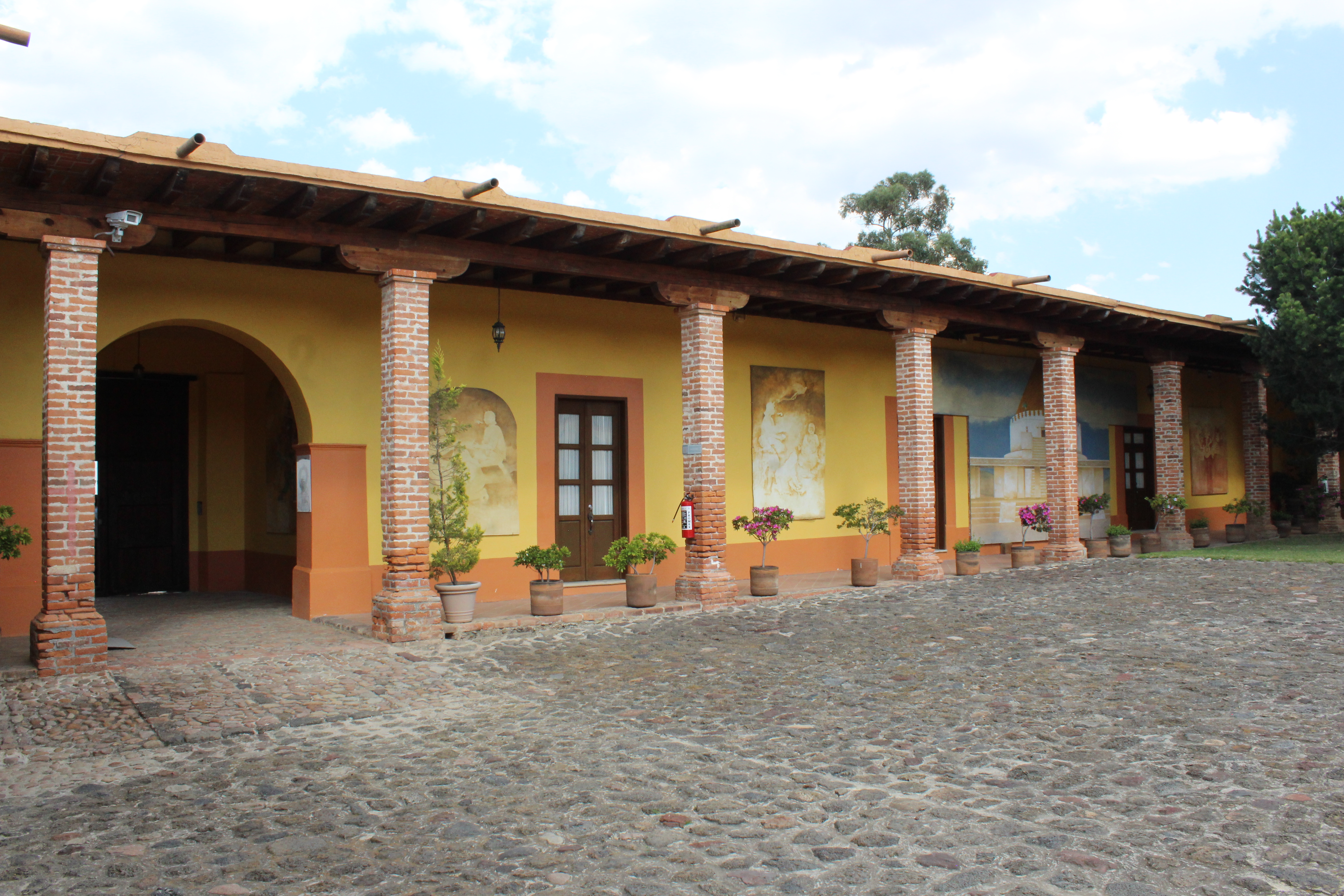
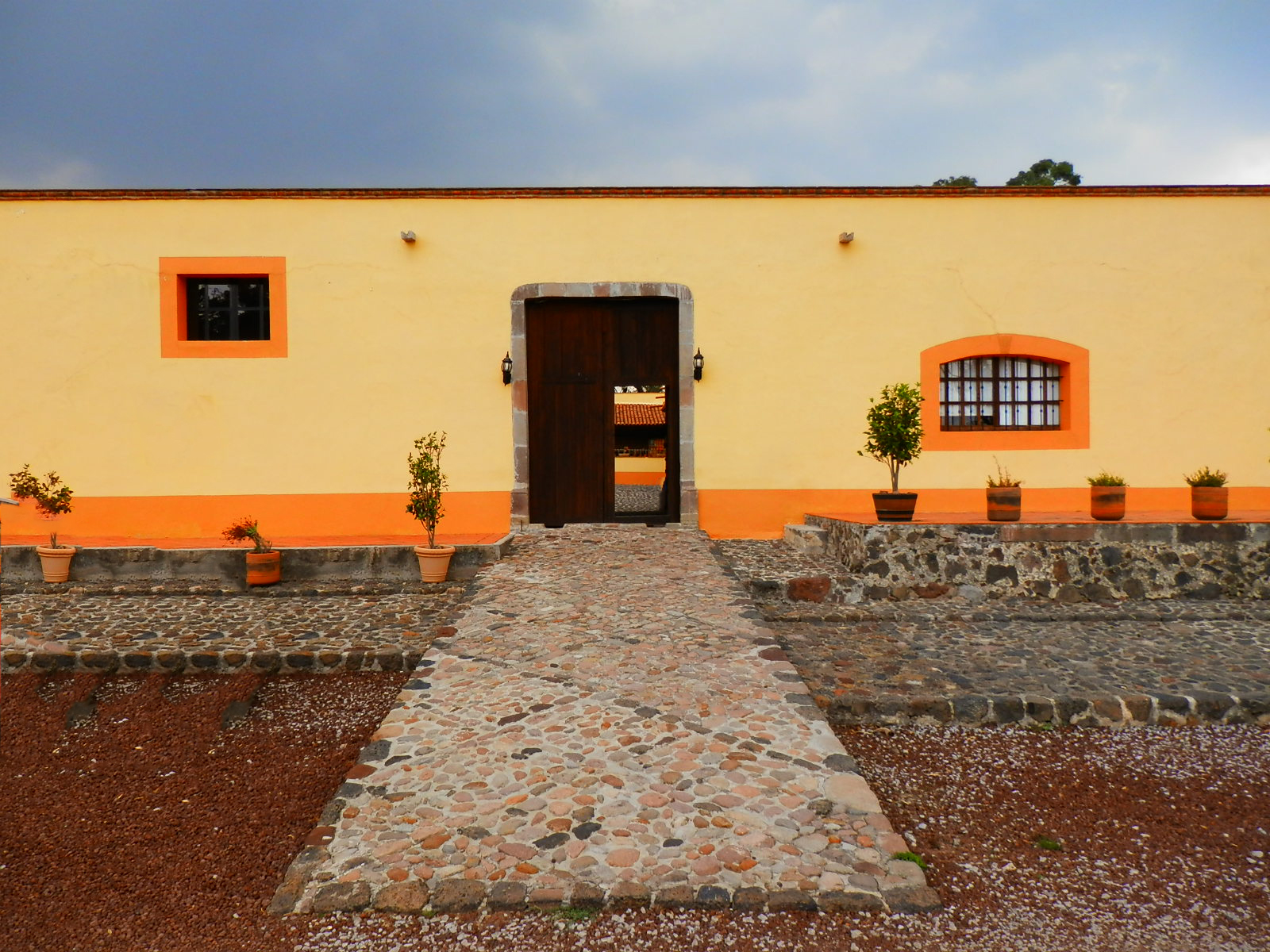
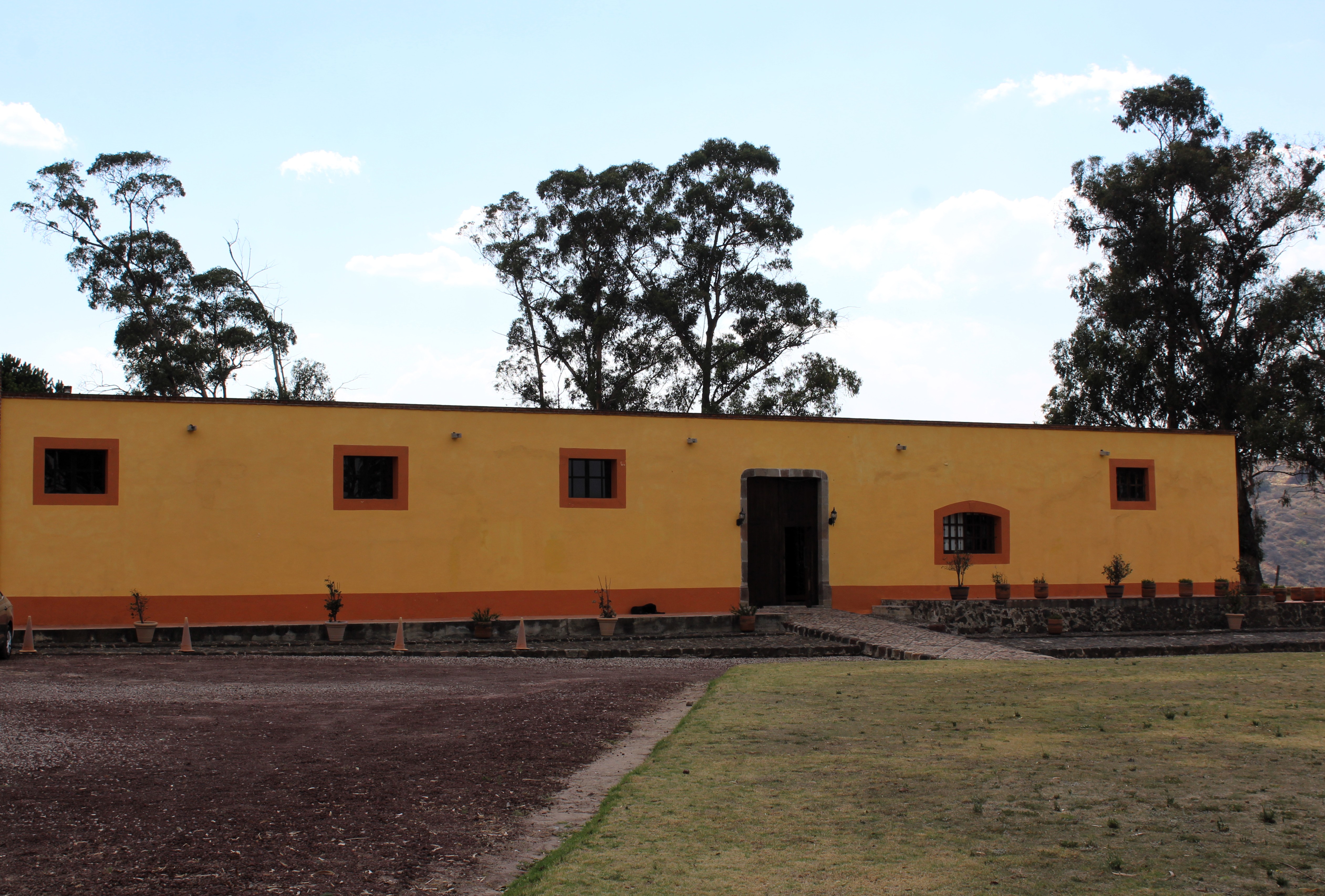
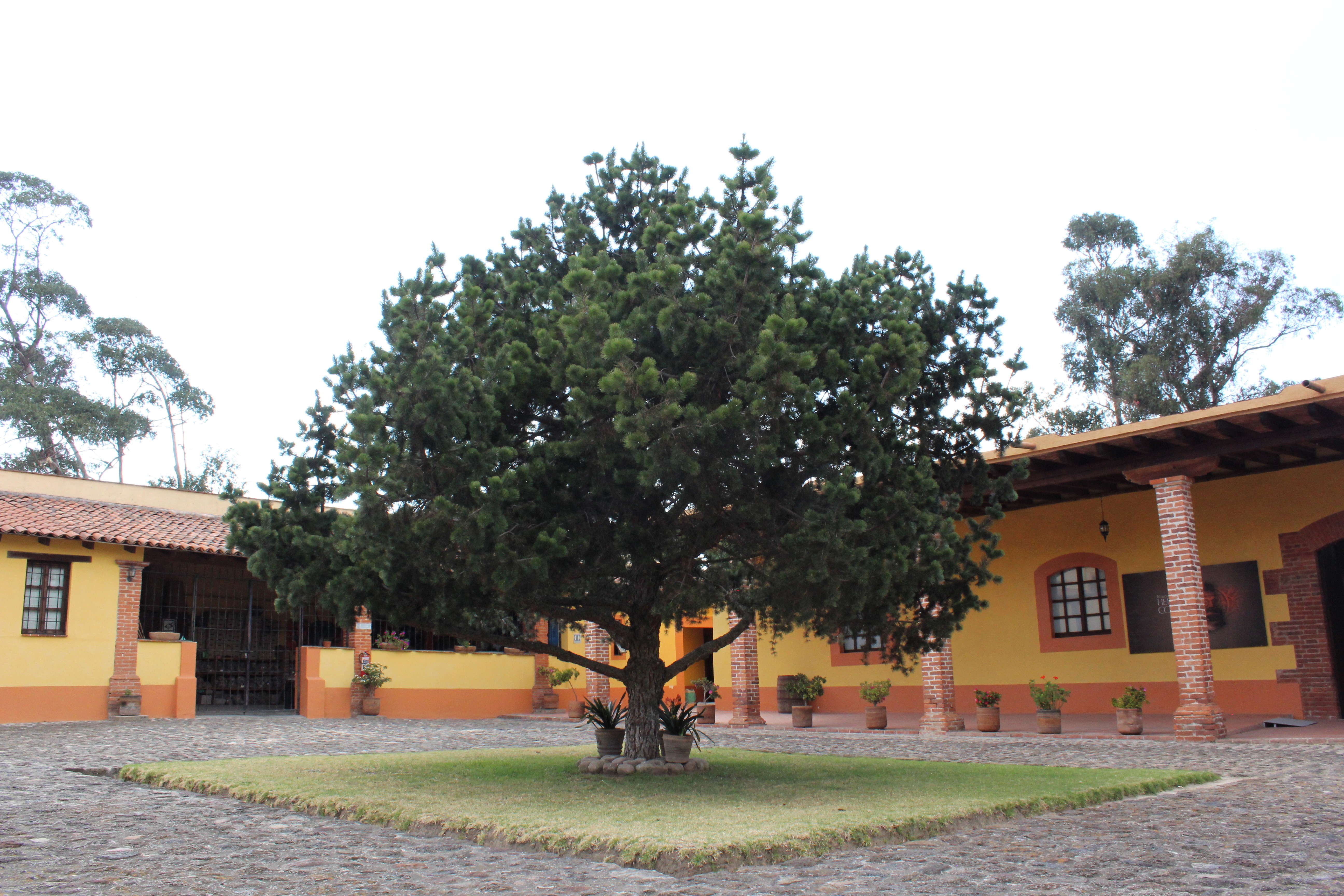
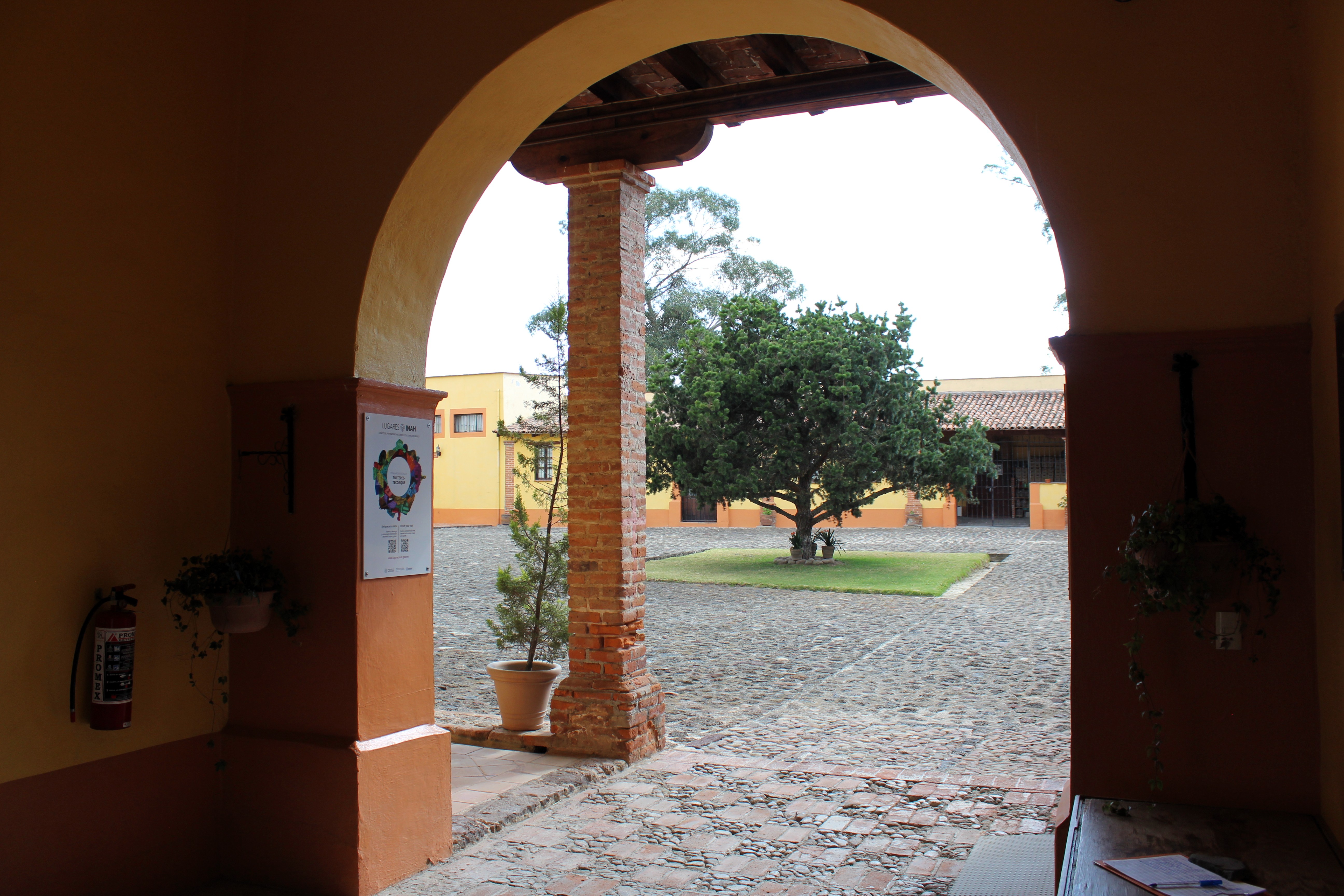
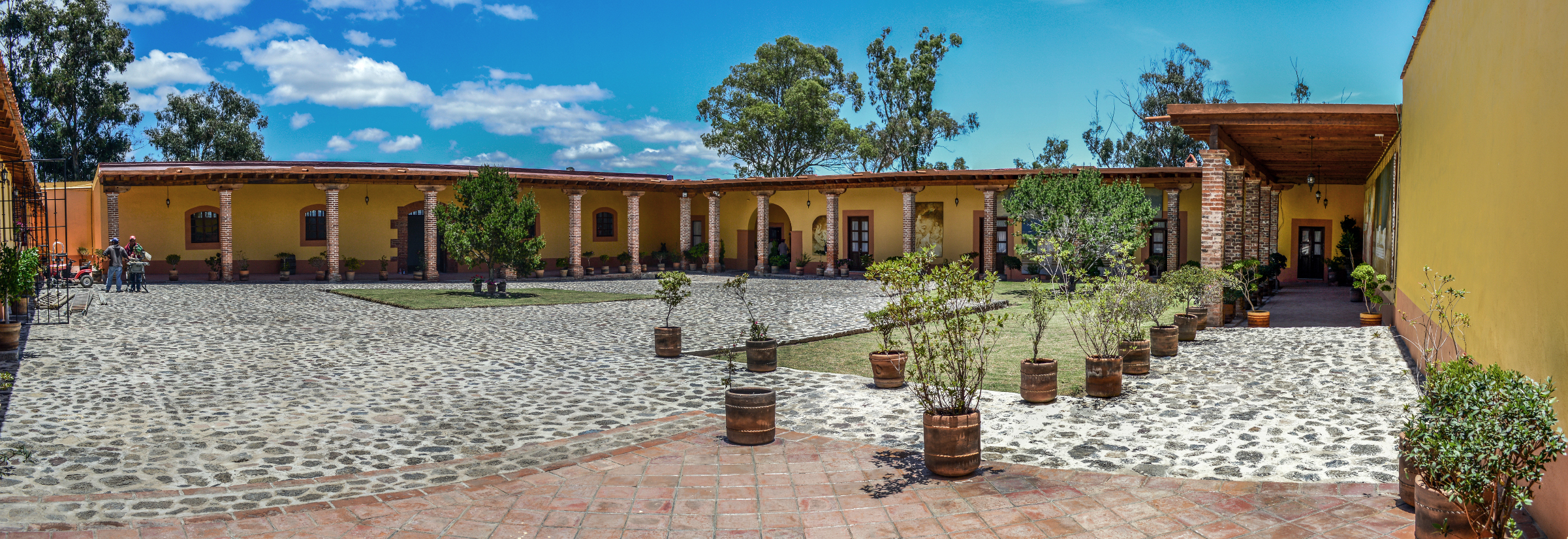
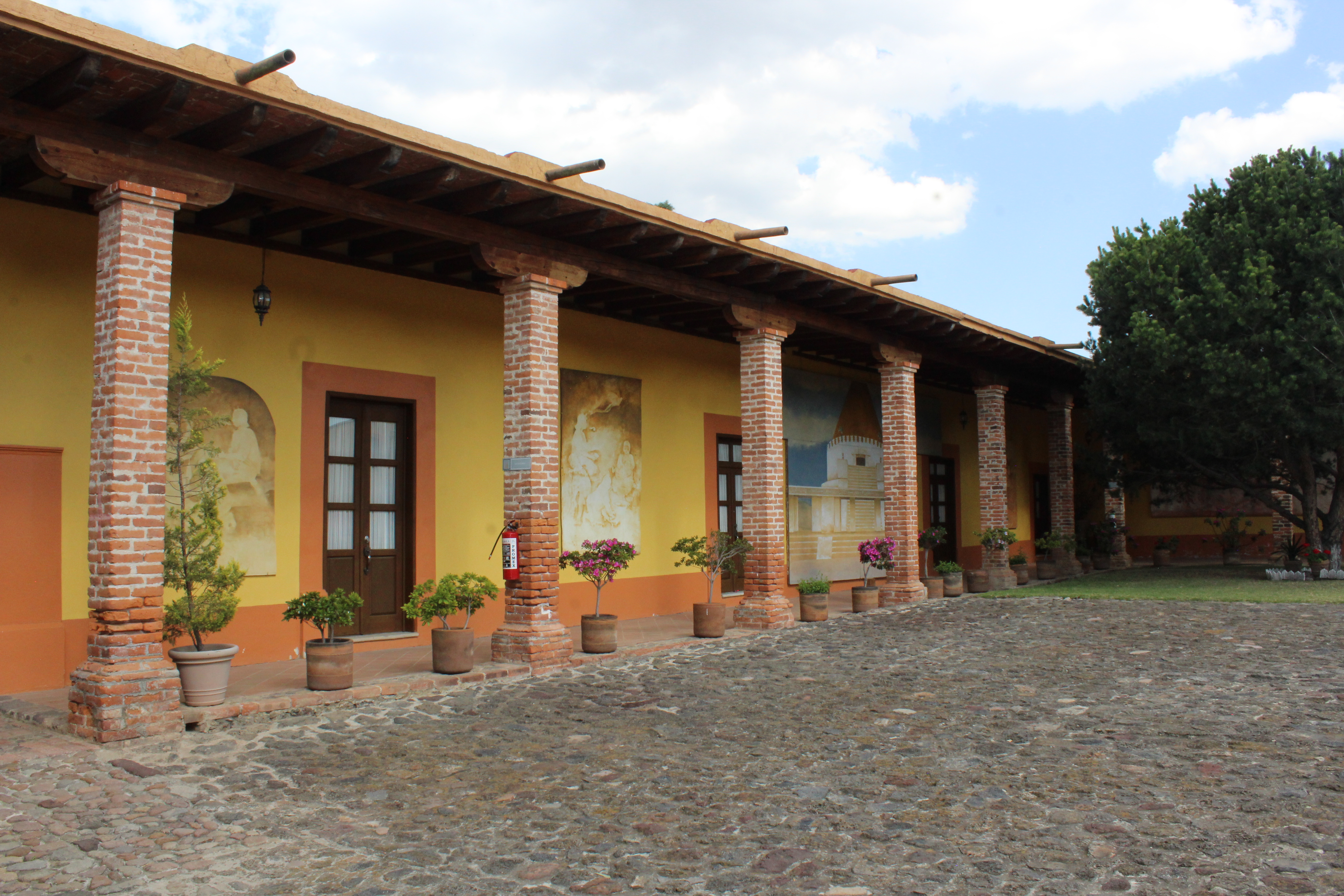
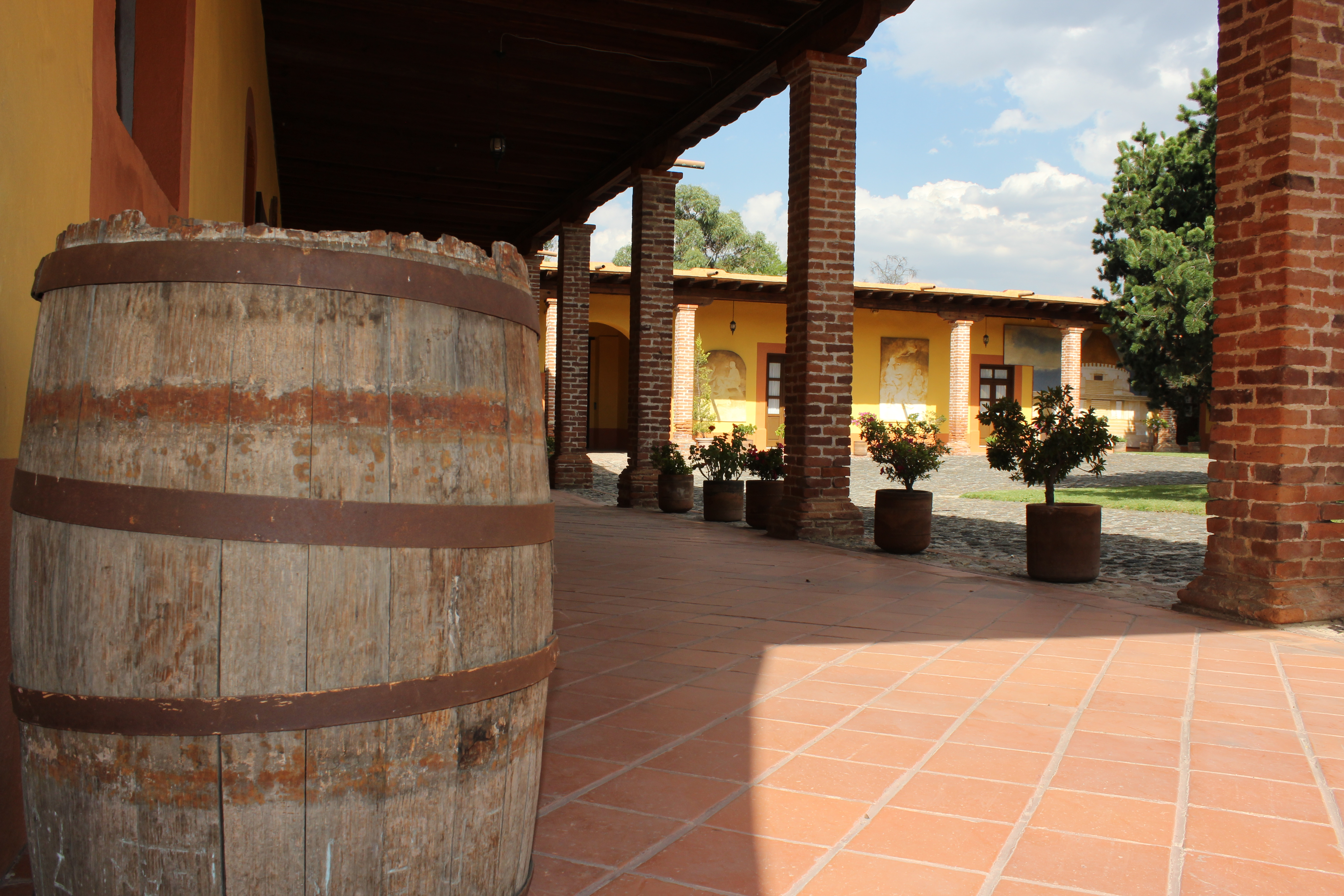
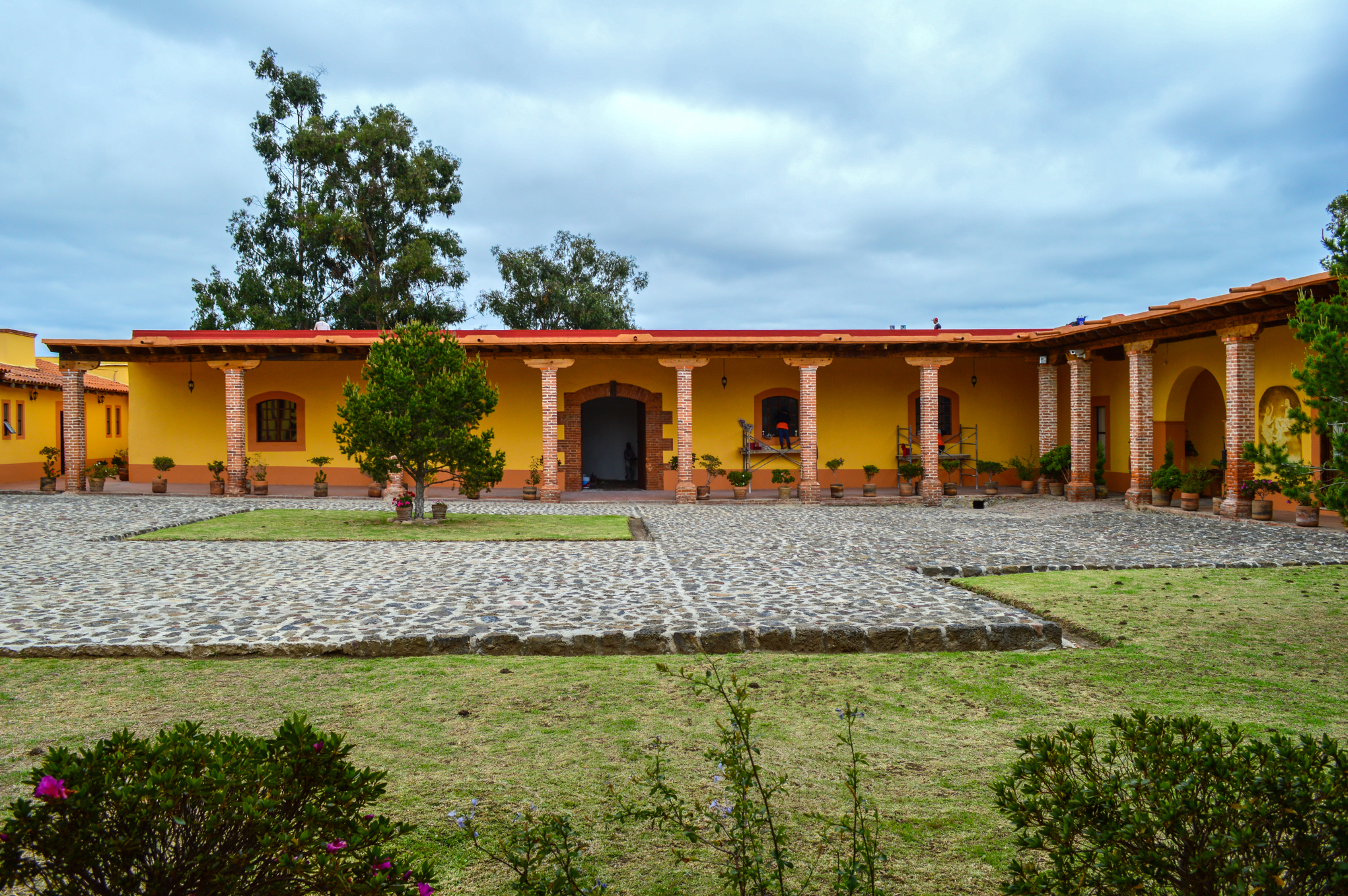
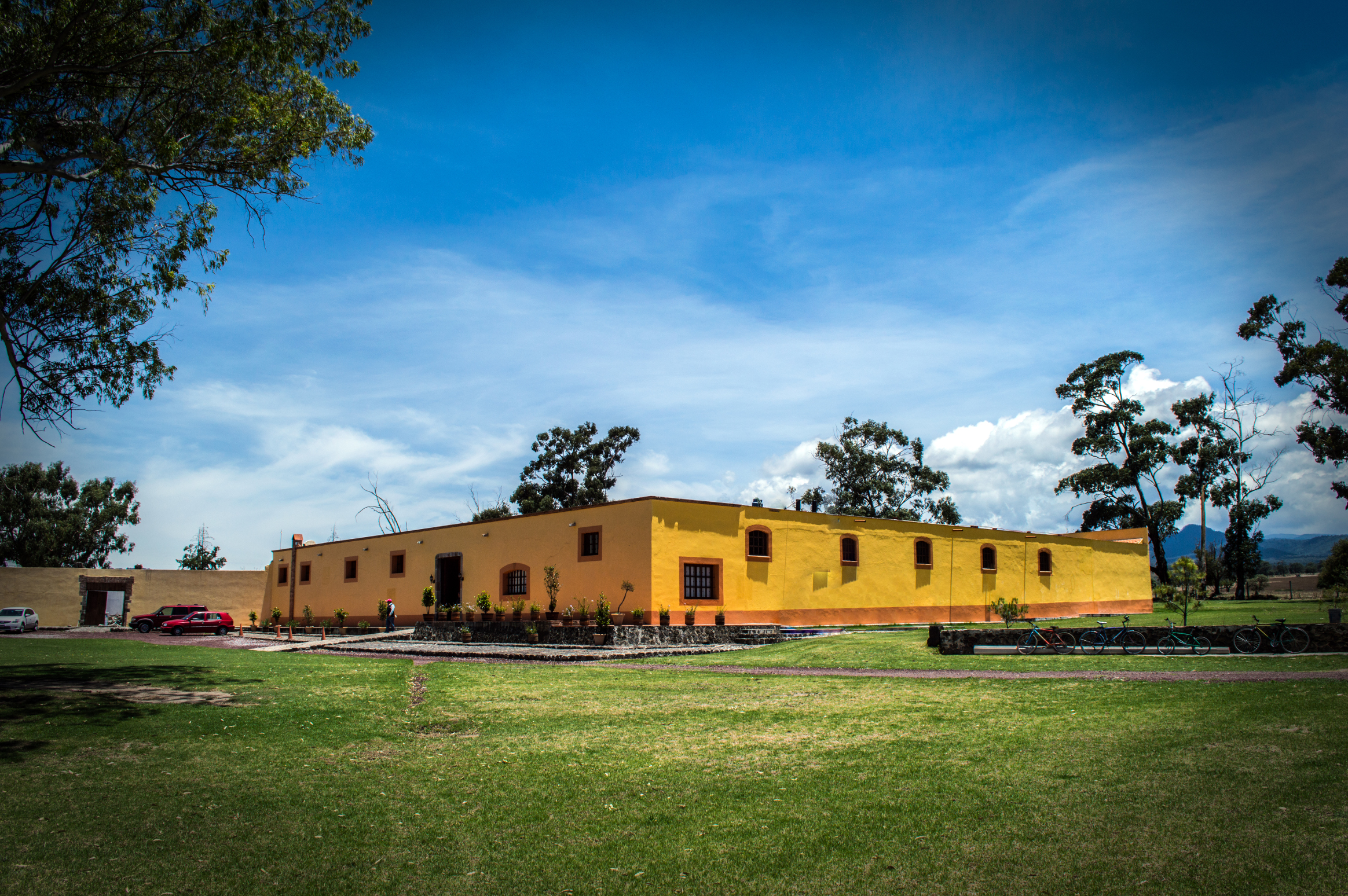
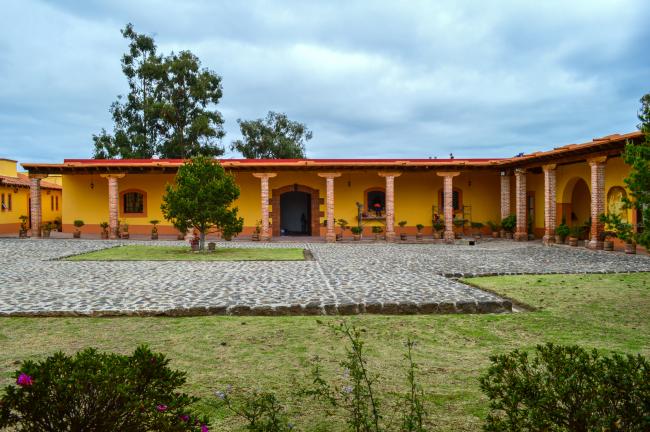
The archeological site of Zultepec-Tecoaque is in the Municipality of Calpulalpan in Tlaxcala. The former Santo Domingo de Tequixtla Ranch, within the bounds of the archeological site, was fitted out as the site museum, opening to the public on November 28, 2012.
Its objective is to share with visitors the reconstruction of a page in the history of the conquest of Mexico, the result of interdisciplinary research bringing together anthrophysical studies and a detailed review of historical sources.
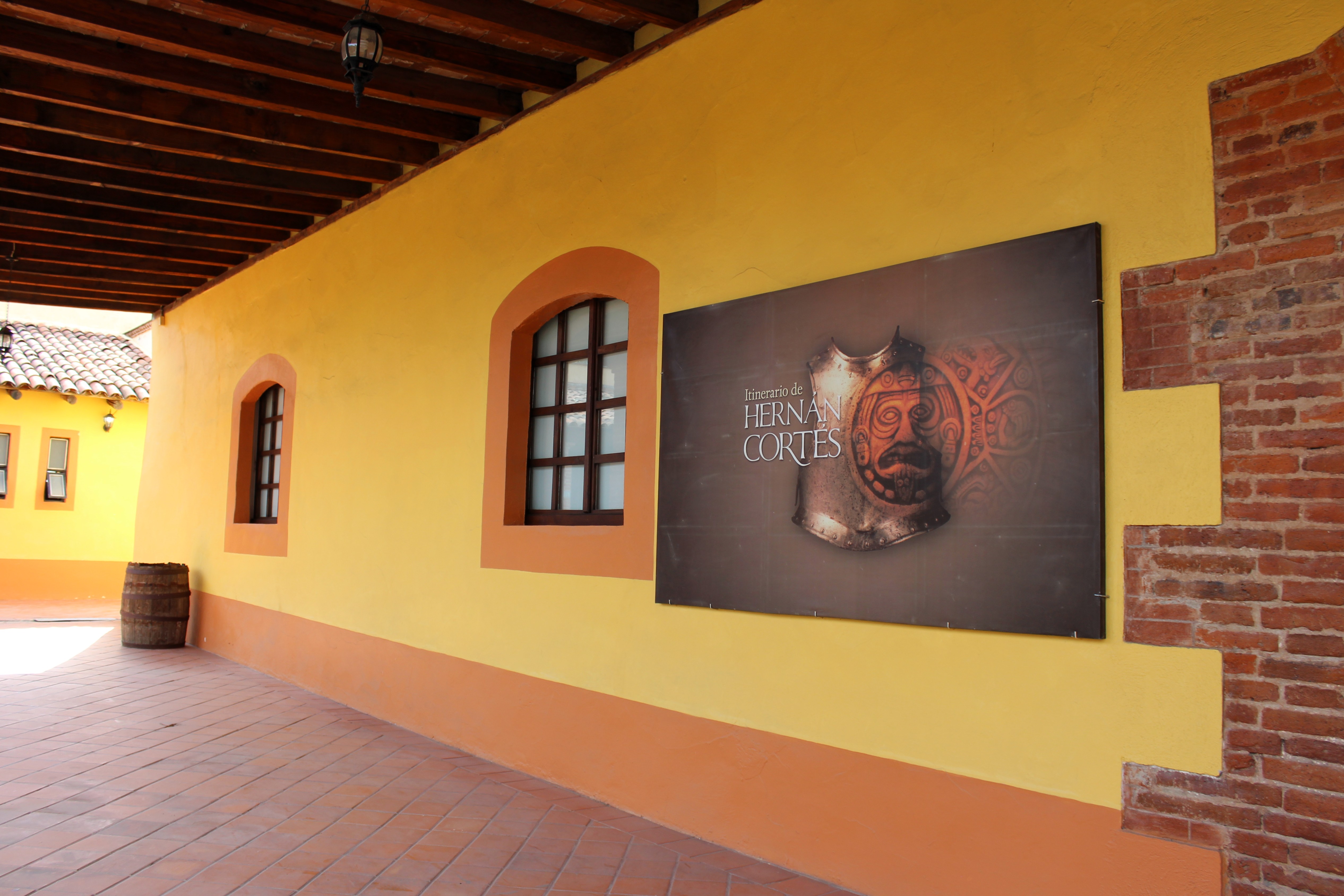
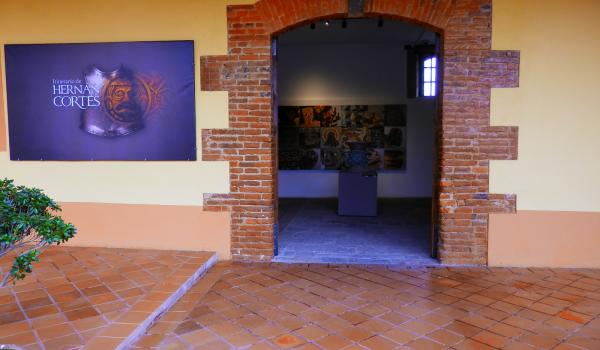
A tour of the museum begins with visitor orientation. A text in the museum entrance introduces the ancient settlement, its regional history and its relationship to the conquest of Mexico, as well as the events which took place on this site.
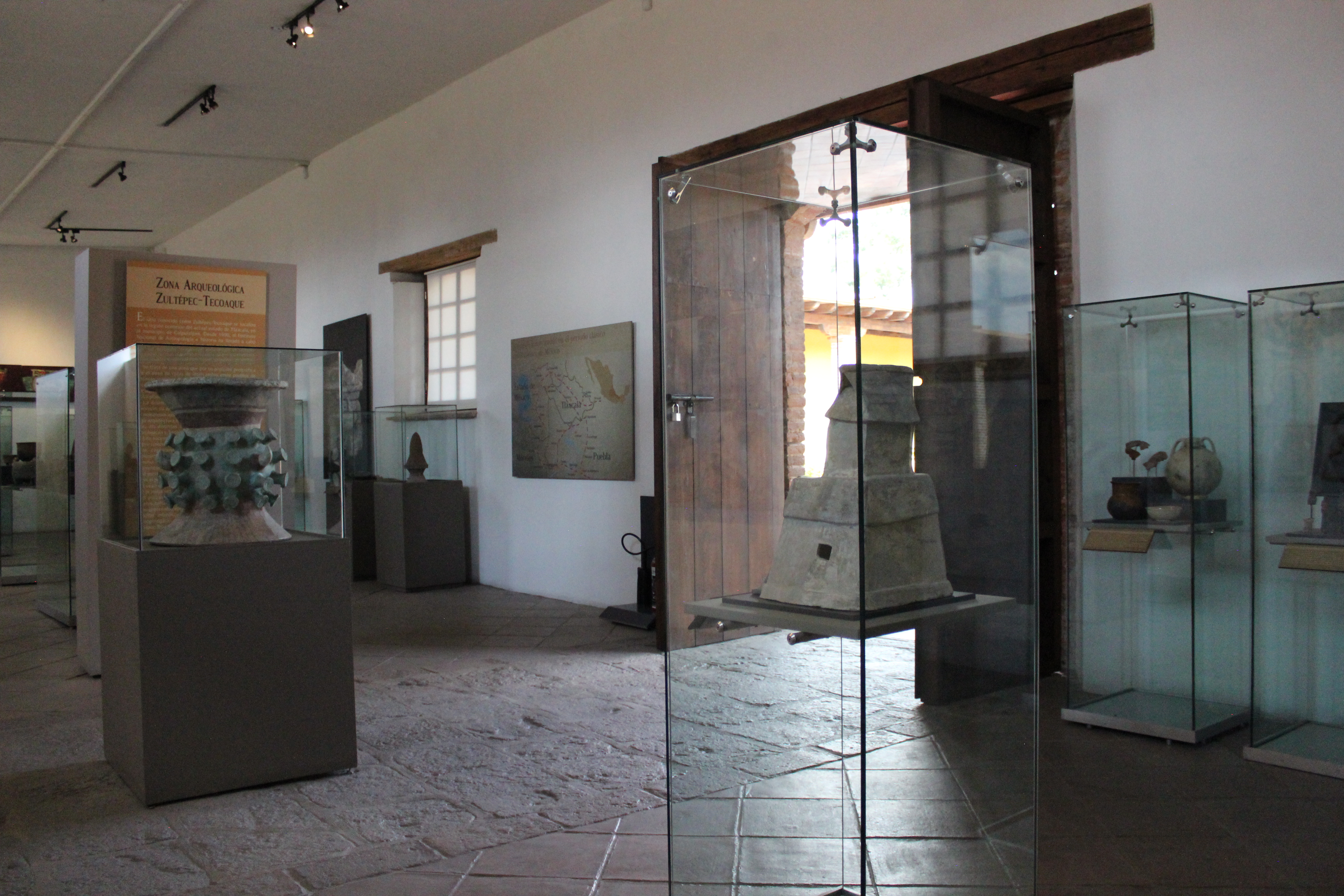
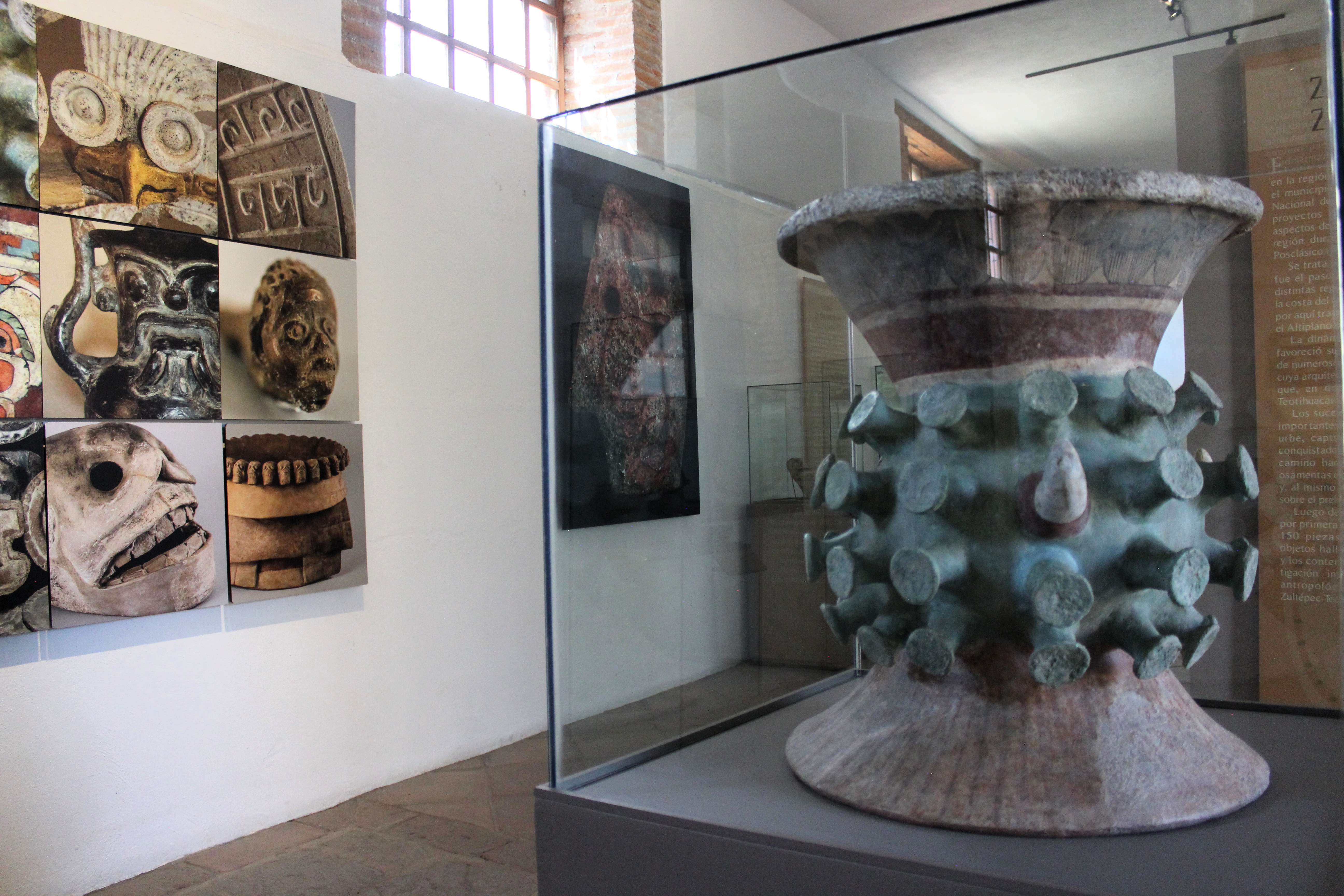
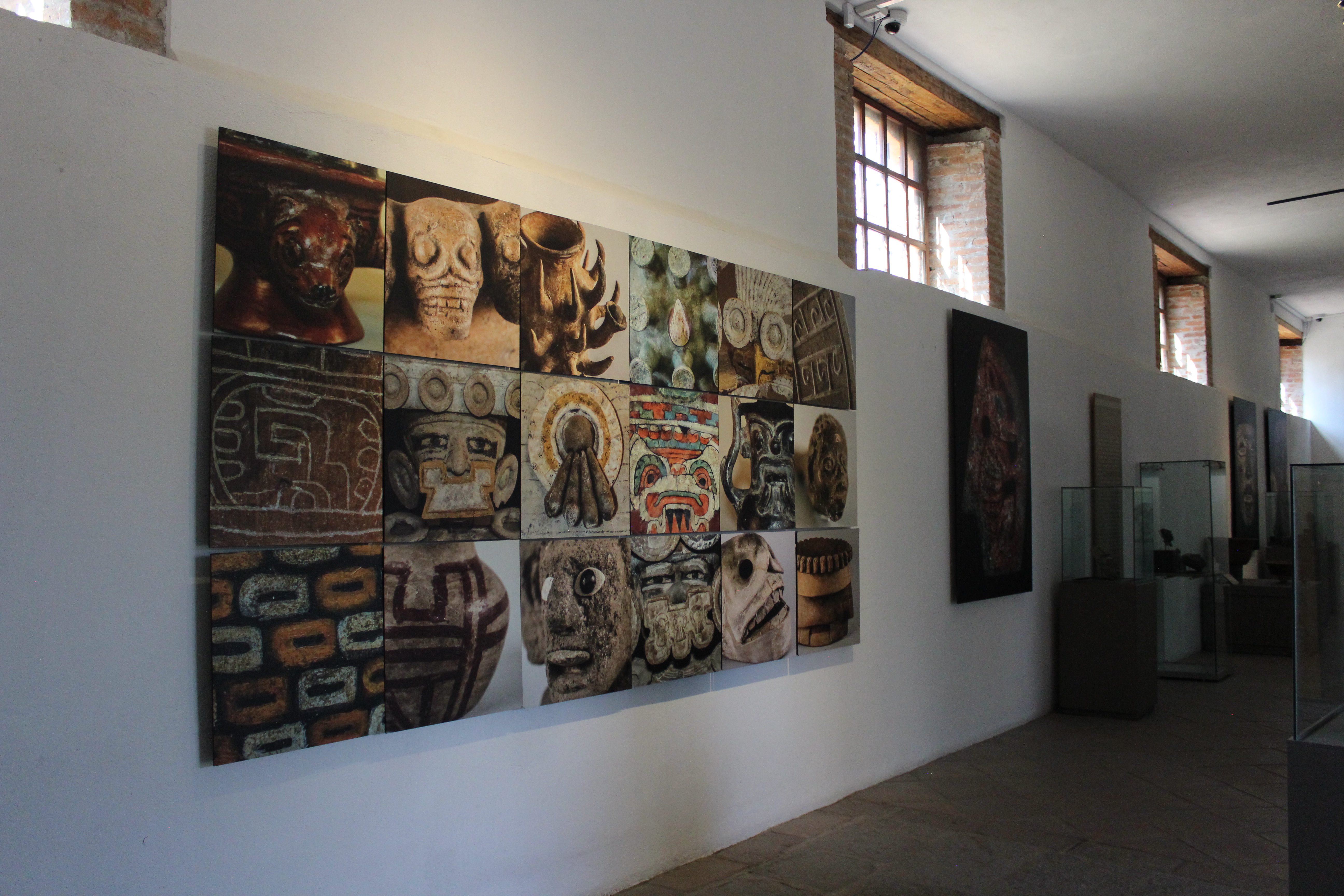
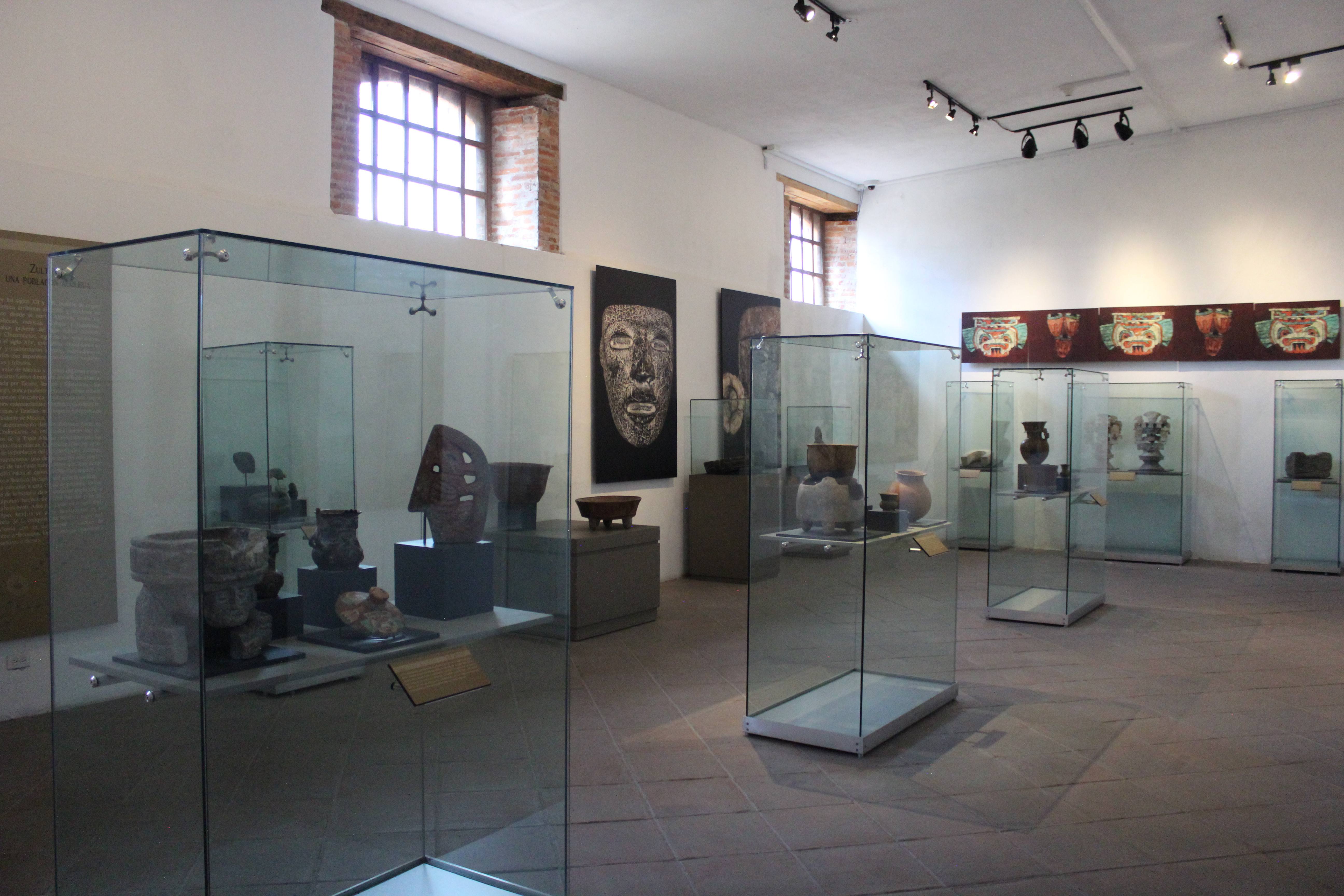
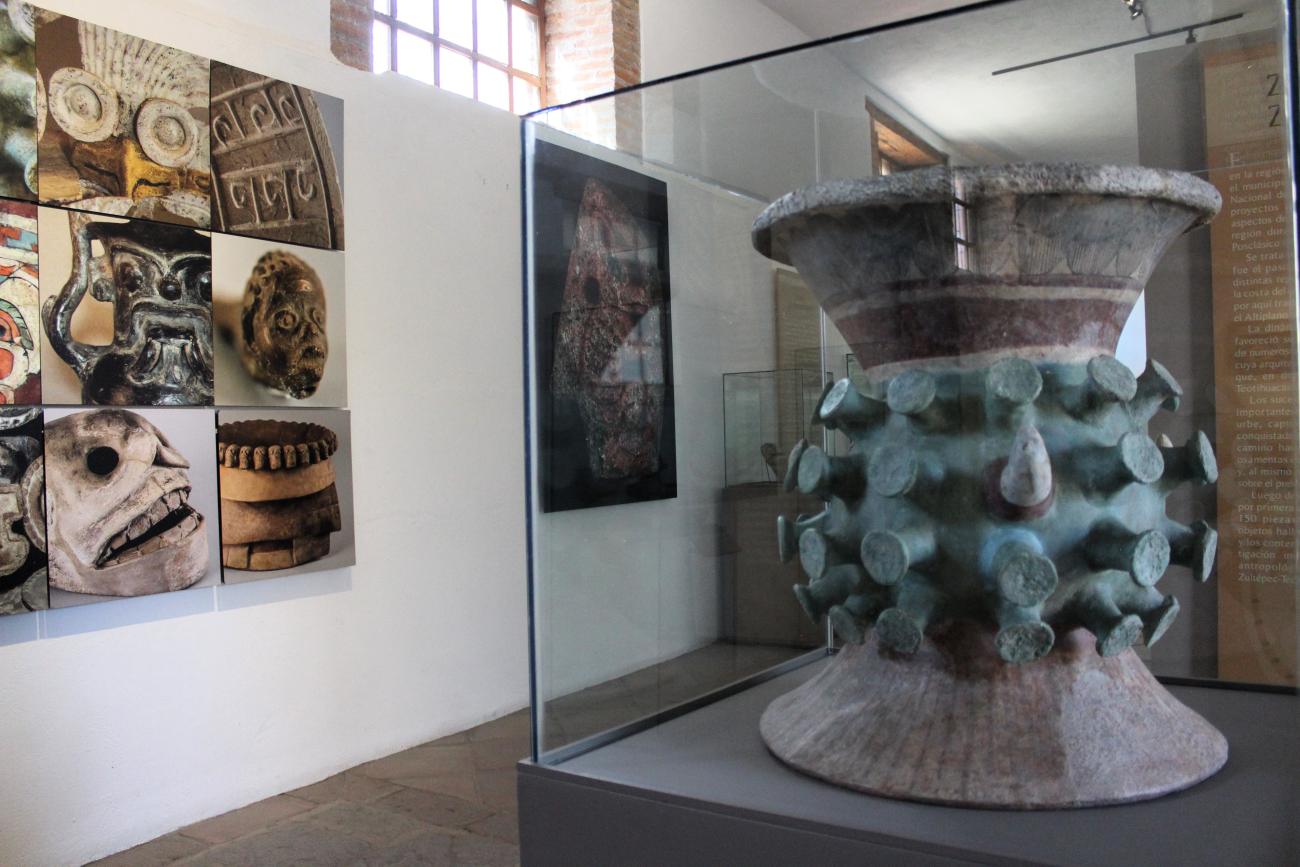
The display features approximately 150 archeological finds from two periods of pre-Hispanic history, the Classic (250-650), and the Postclassic (1300-1521), as well as from the moment at which contact took place between the region’s Mesoamerican inhabitants and the Europeans with their indigenous allies (1520-1521). From the Classic period we can see archeological pieces which represent domestic and religious activities. From the Postclassic there is a unique polychrome piece known as an octecomatl (pulque pot), which is accompanied by an explanation of the pulque trade and pulque consumption.
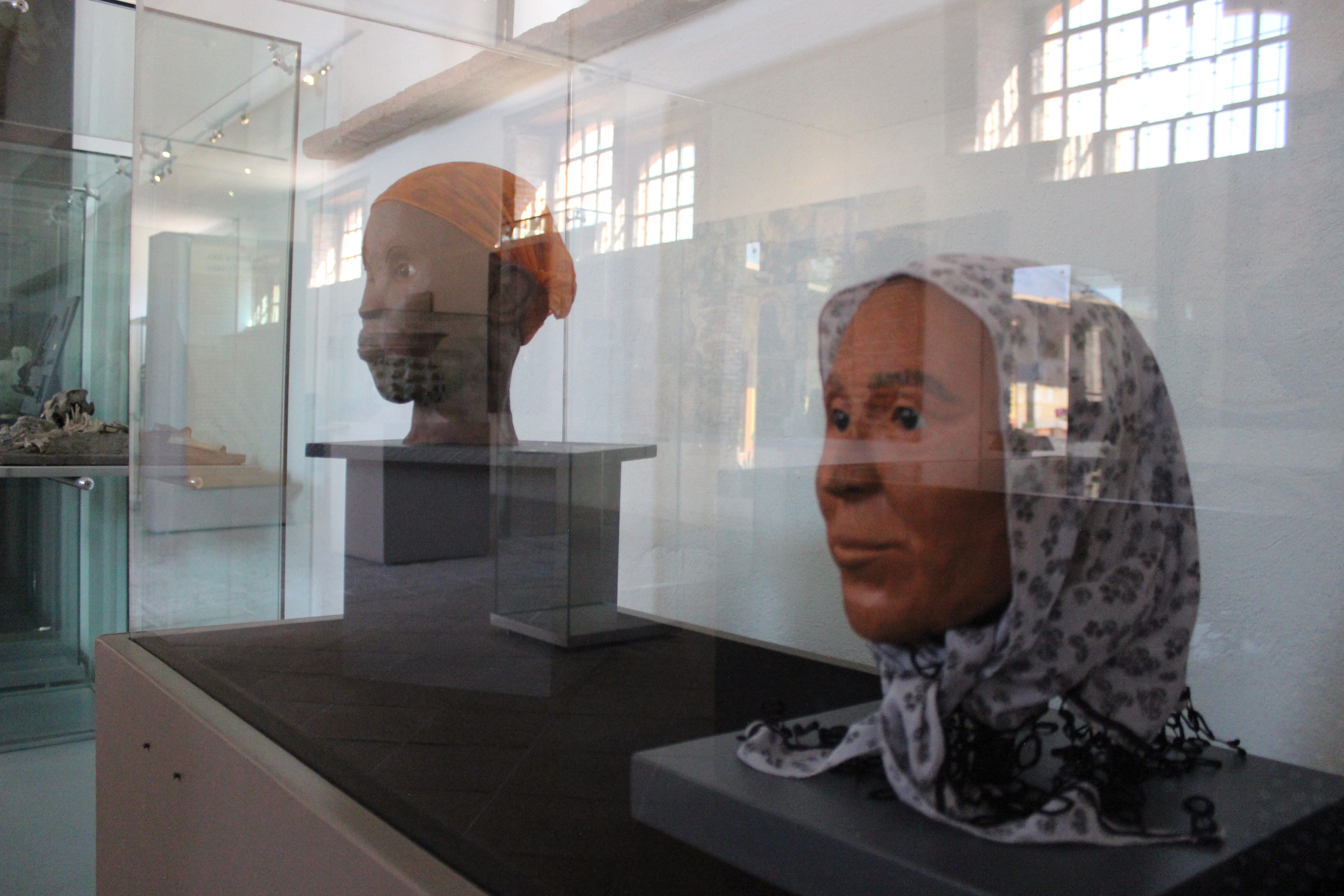
From the period of the conquest there is a display of the mass burial of captives from the Villa Rica de la Vera Cruz caravan who were sacrificed in ceremonies during calendar festivities.
Permanent Exhibition
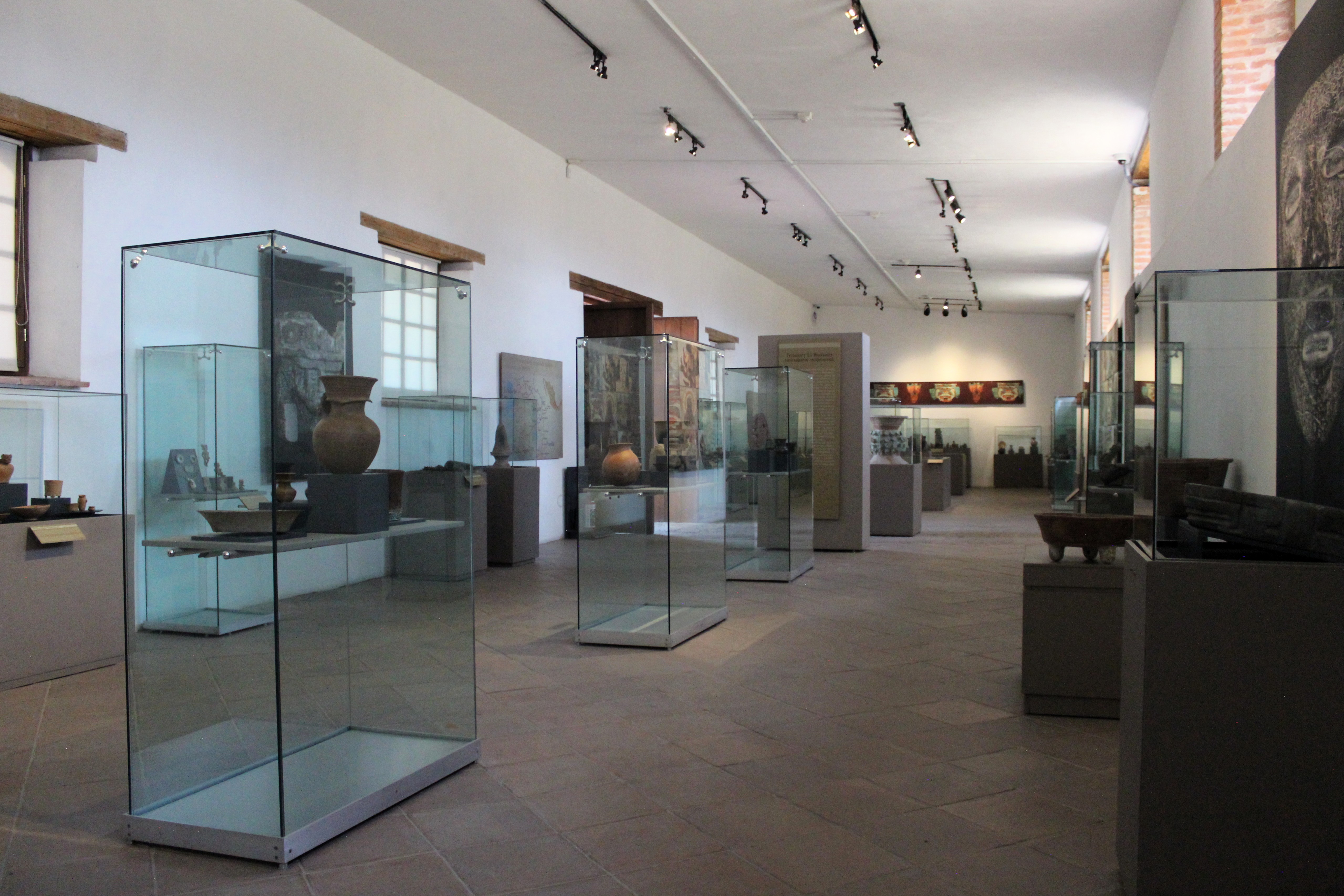
With a collection of approximately 150 pieces, the exhibition is housed in a single gallery divided into three sections, corresponding to the Classic period (250–650 CE), the Postclassic period (1300–1521), and the time of the conquest (1520–1521).The Classic period is richly represented in the…
Permanent Exhibition
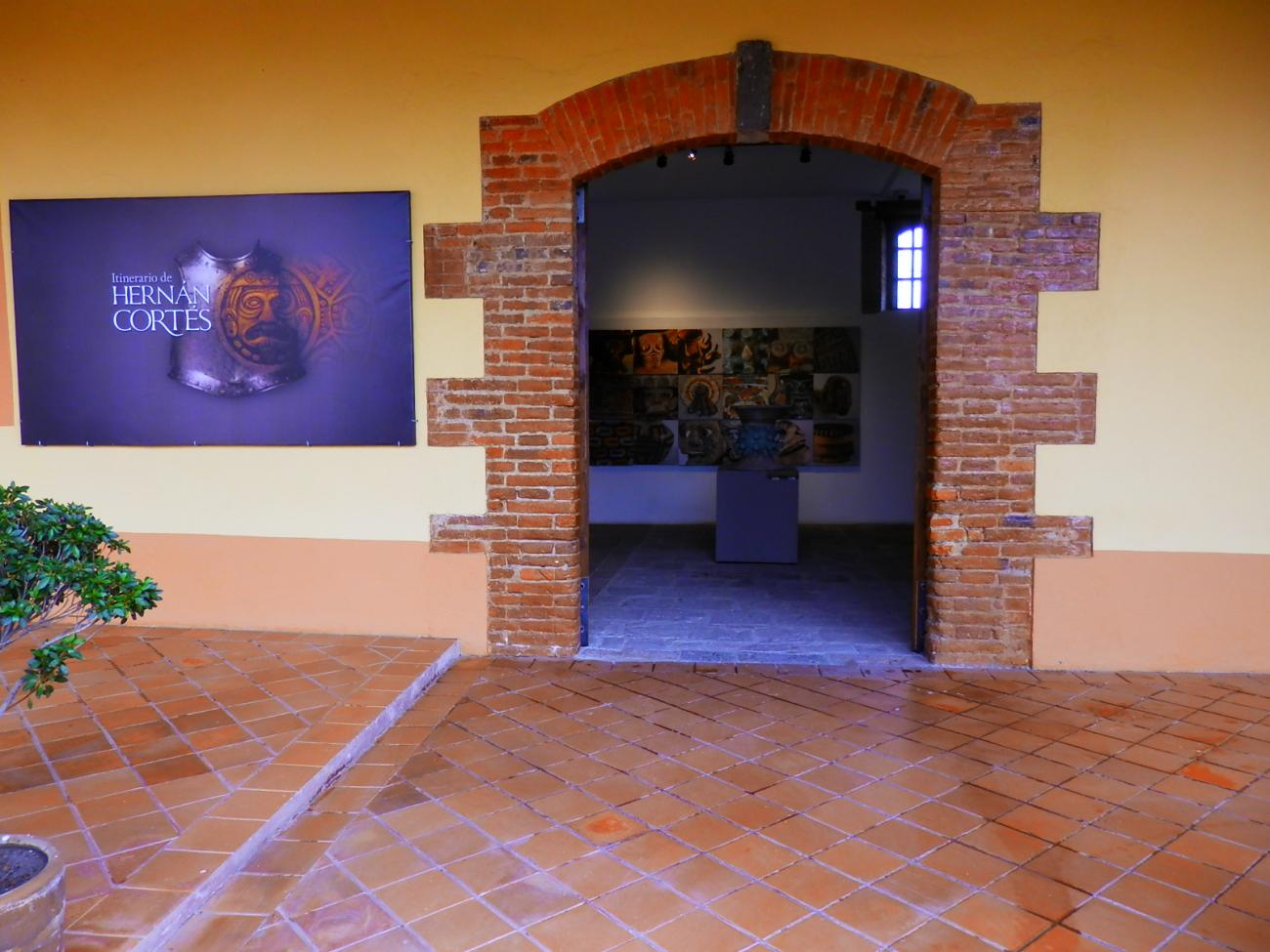
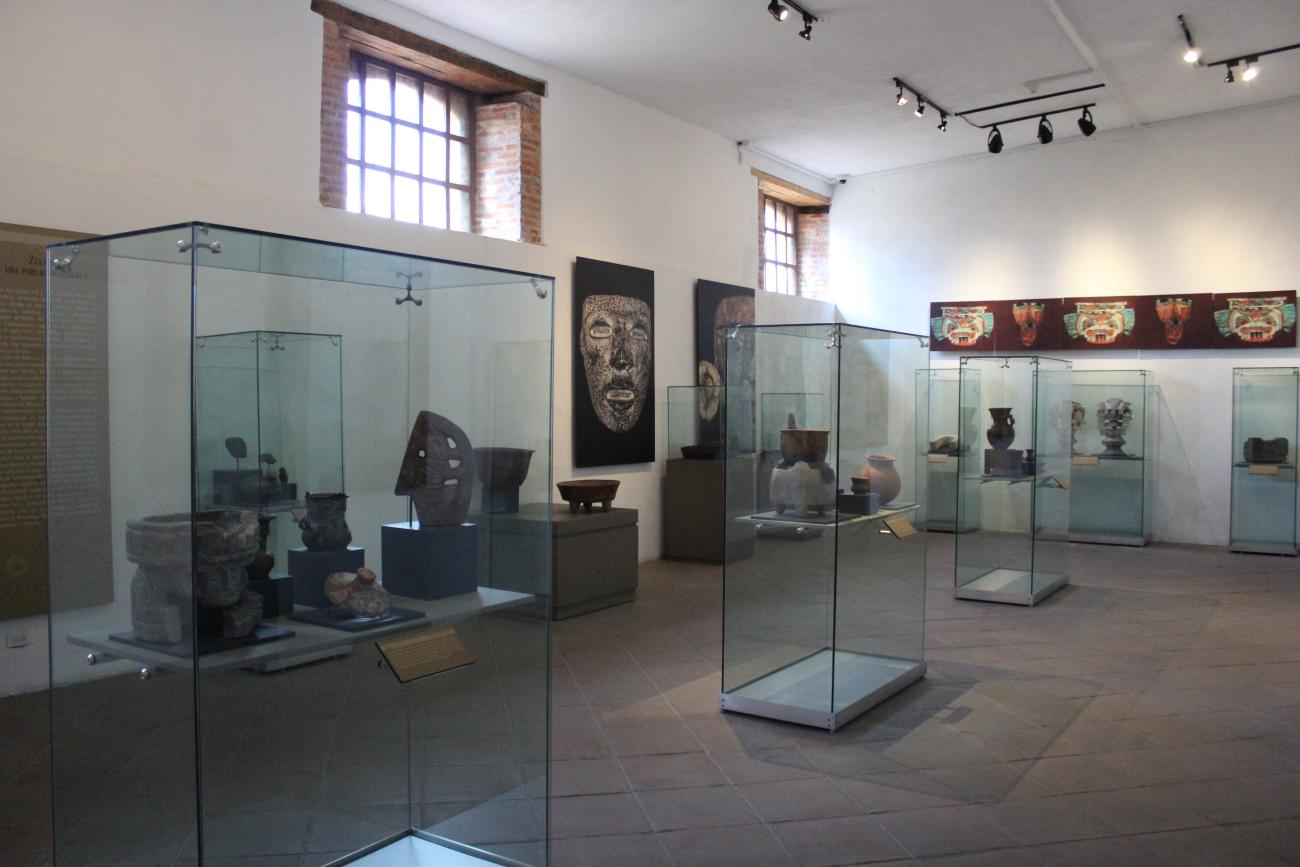
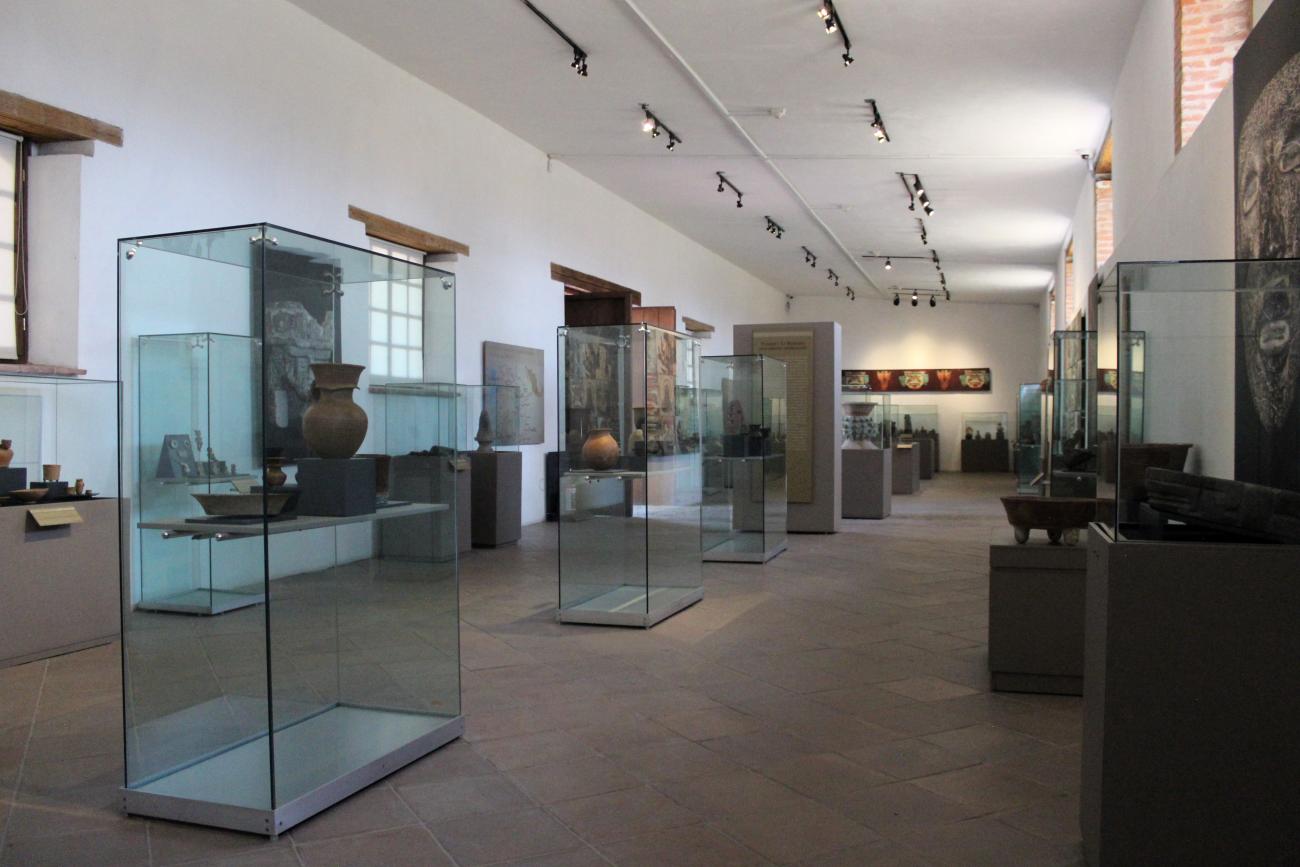
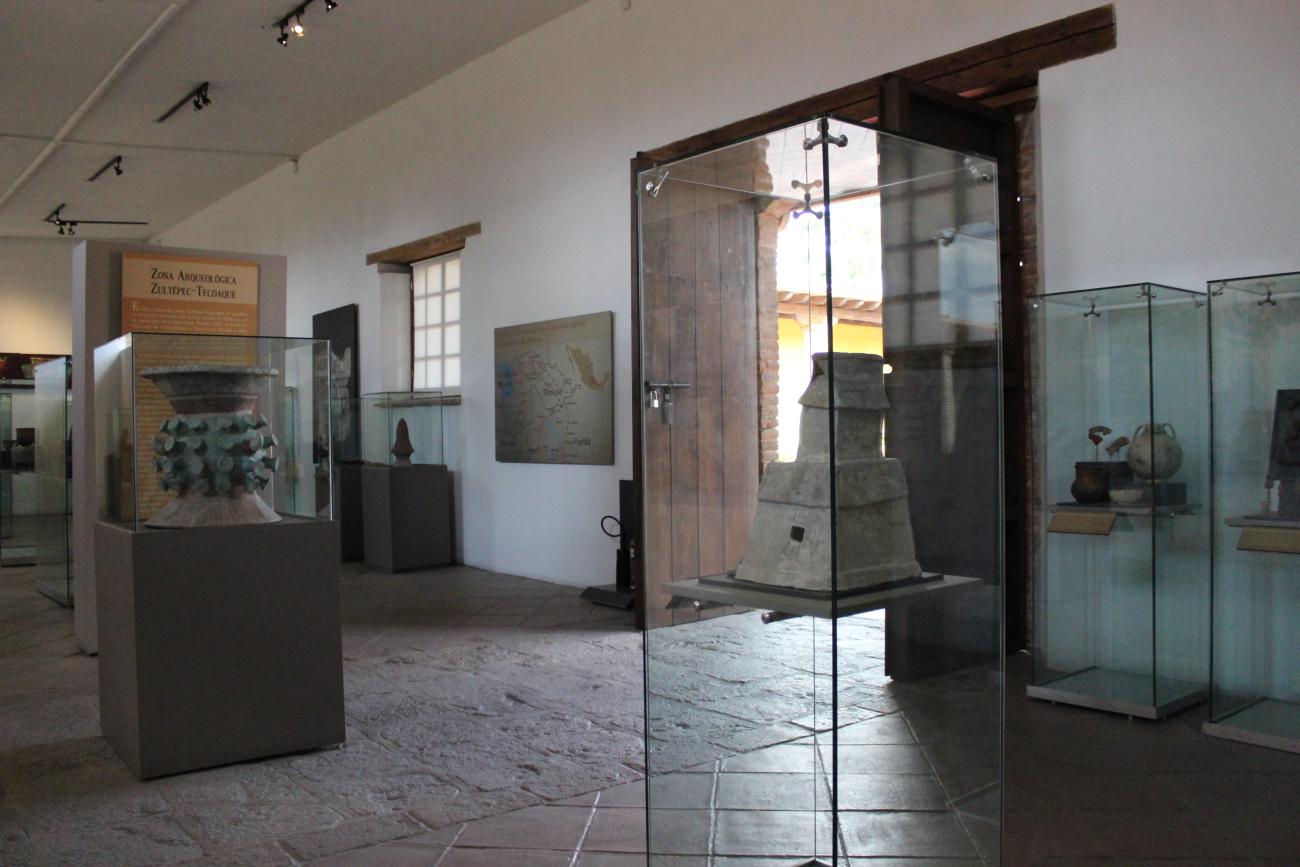
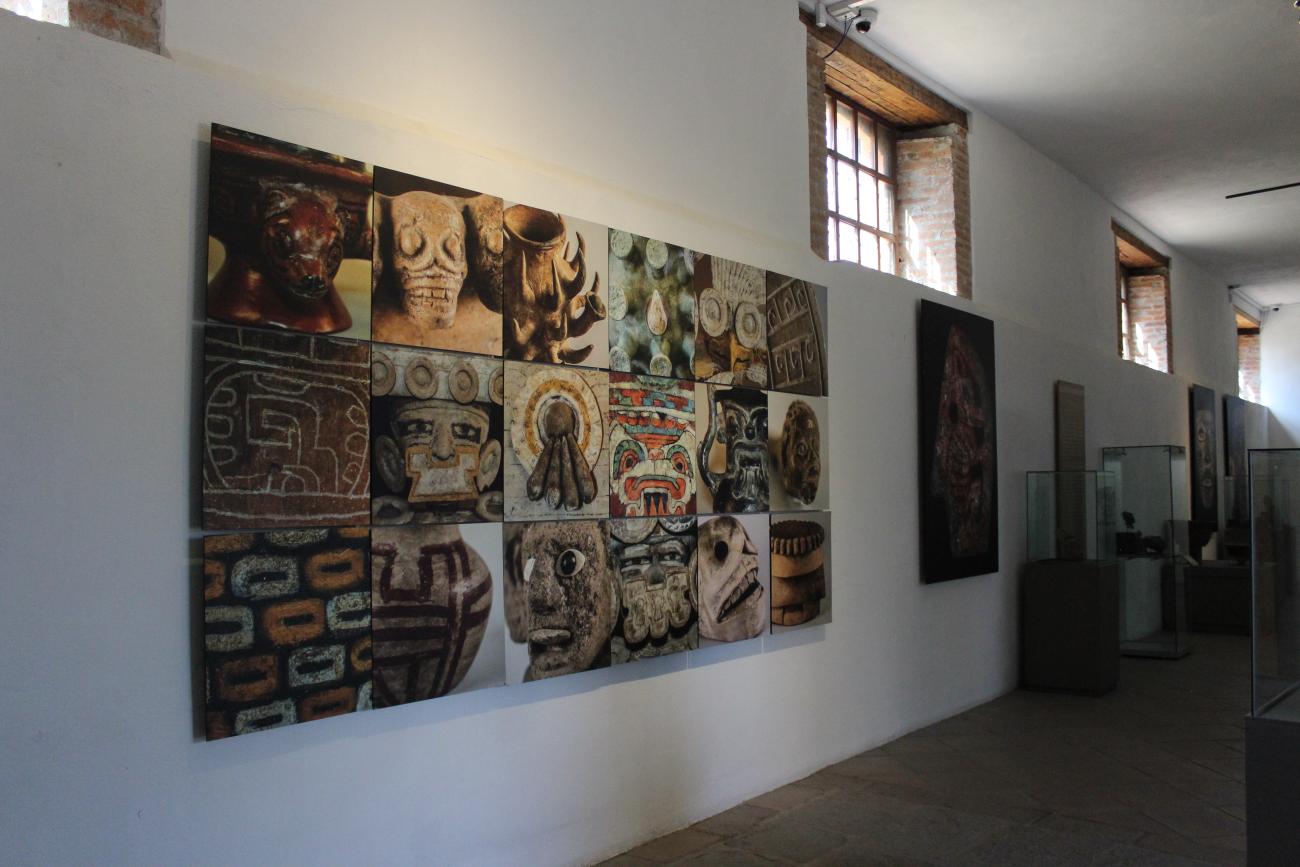
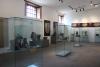
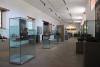
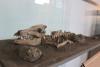
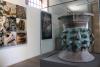
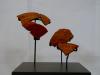
With a collection of approximately 150 pieces, the exhibition is housed in a single gallery divided into three sections, corresponding to the Classic period (250–650 CE), the Postclassic period (1300–1521), and the time of the conquest (1520–1521).
The Classic period is richly represented in the museum with four display cases showcasing archaeological artifacts that illustrate domestic life, social stratification, priestly adornments through figurines, religious practices, cosmogonic and cosmological beliefs, the pantheon of deities, aspects of political and economic organization, and products involved in trade and exchange—including the routes through which they circulated.
The Postclassic section begins with a stunning, unique polychrome piece known as the "Octecomatl". This area also presents a detailed account of the cultivation, production, consumption, and distribution of "pulque", the most important ritual beverage among Mesoamerican peoples.
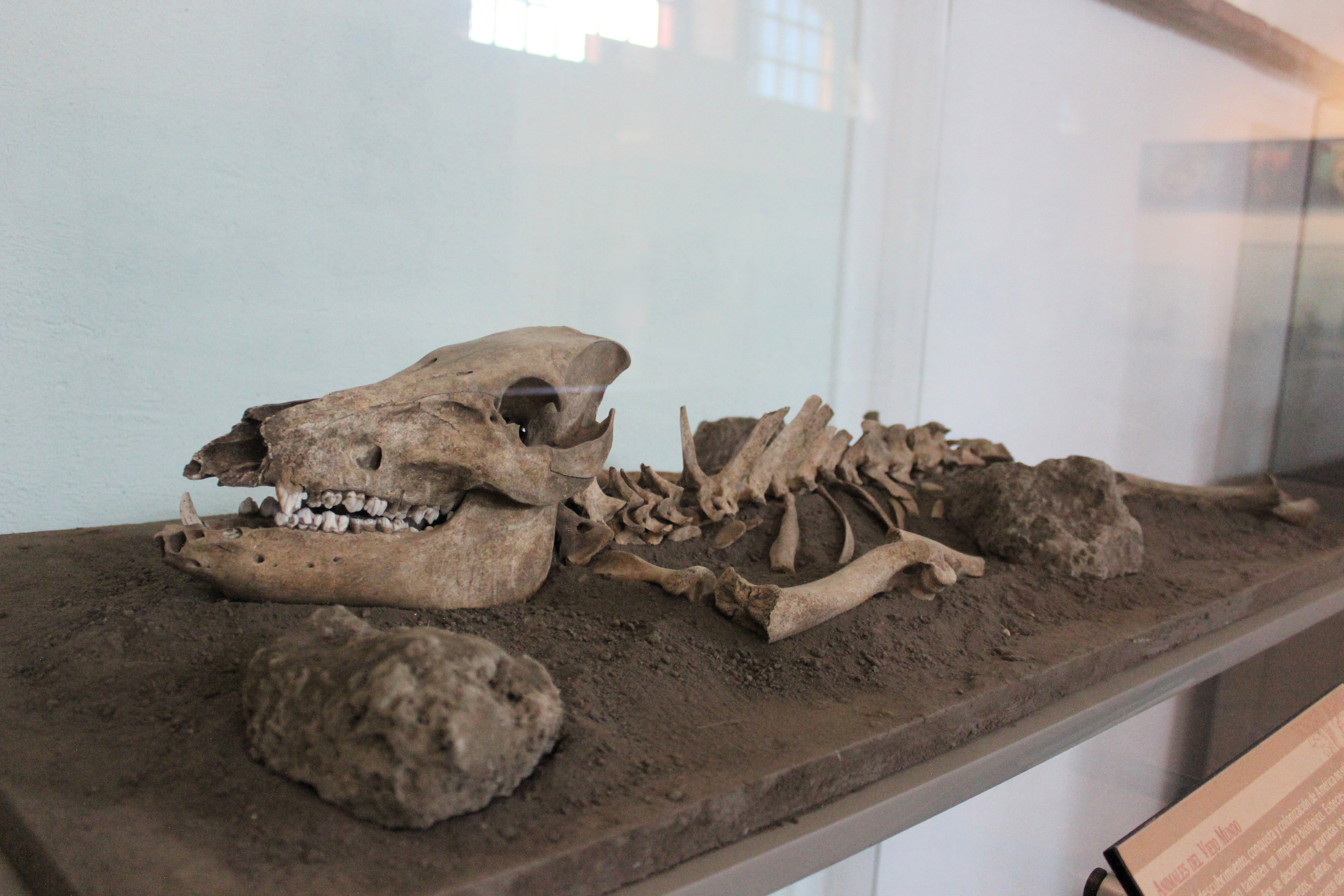
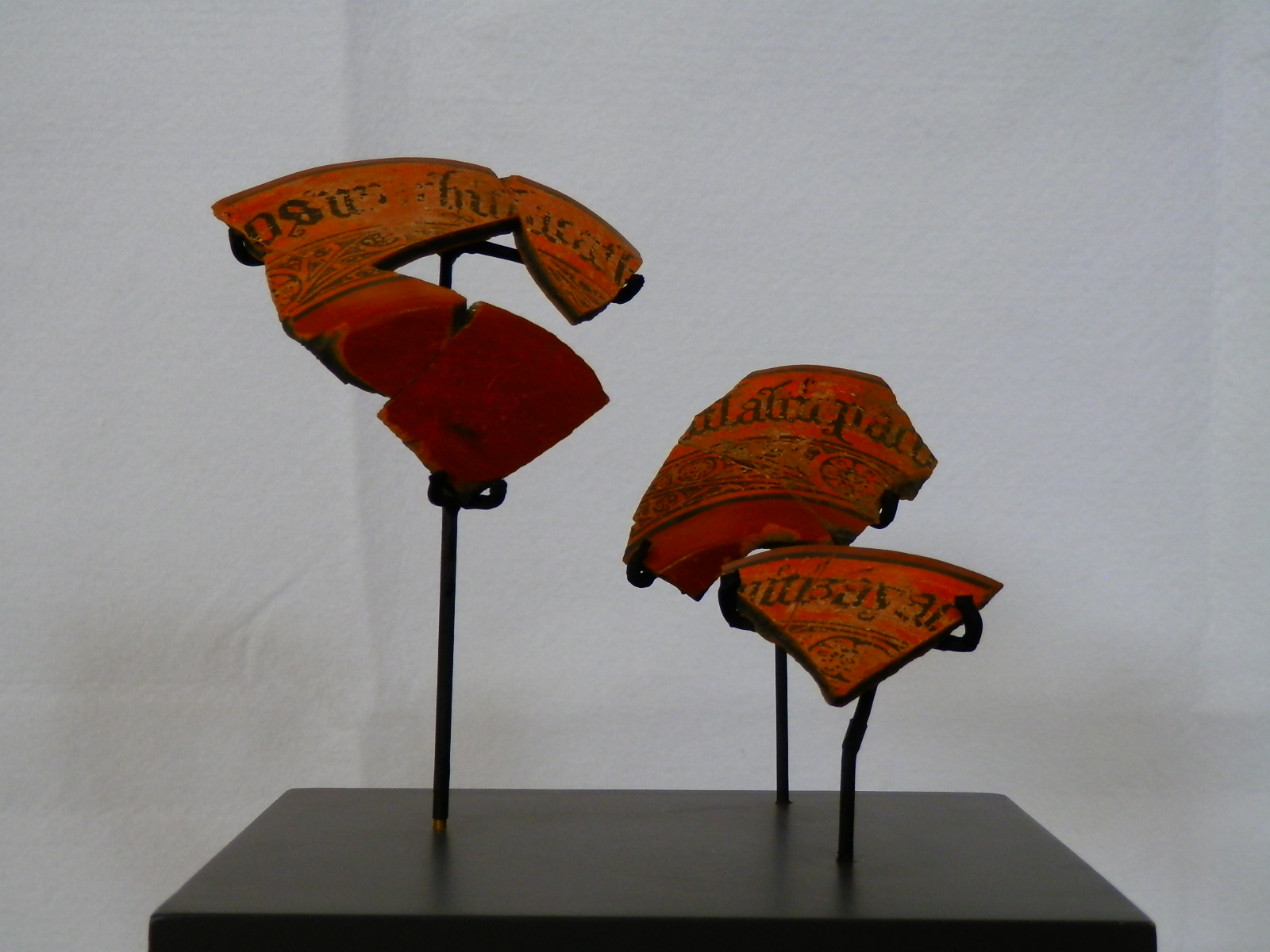
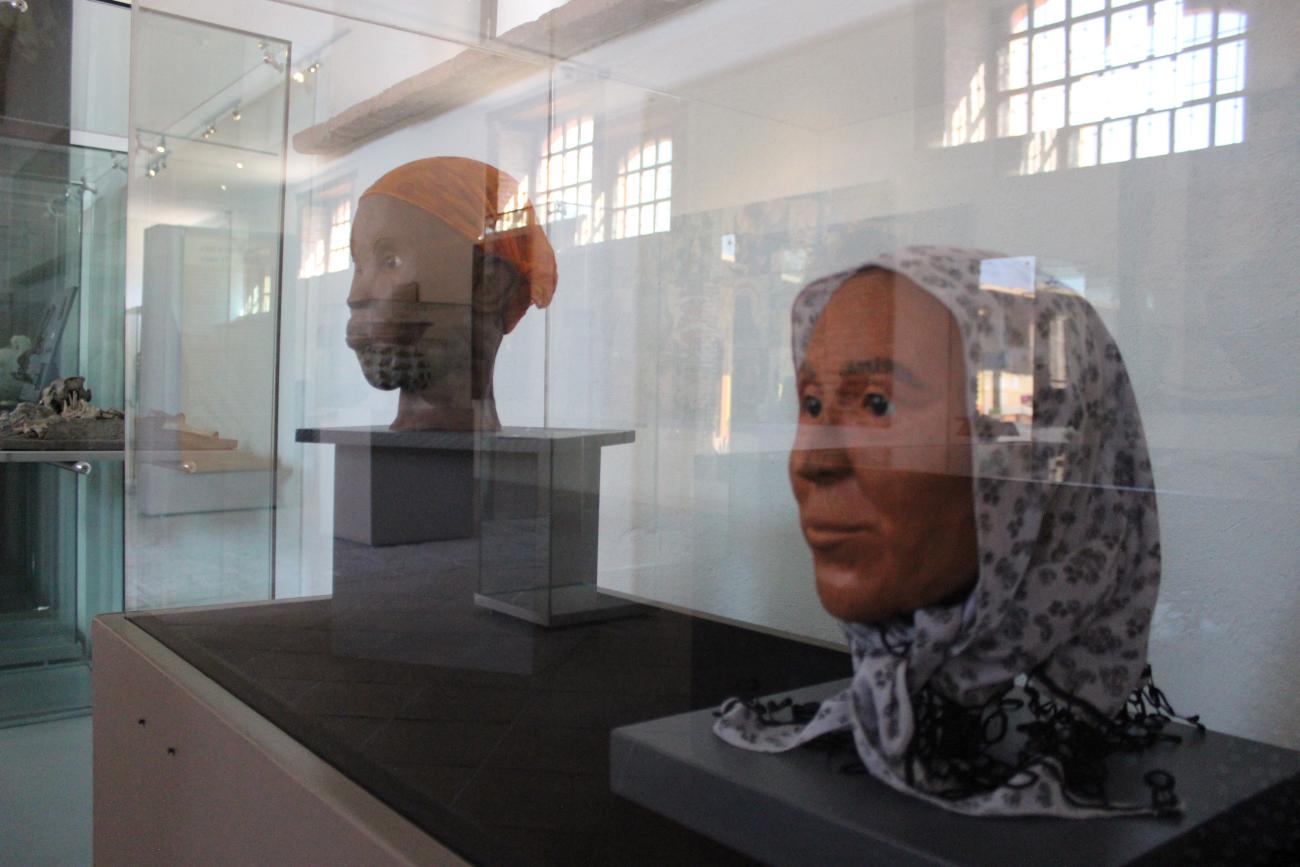
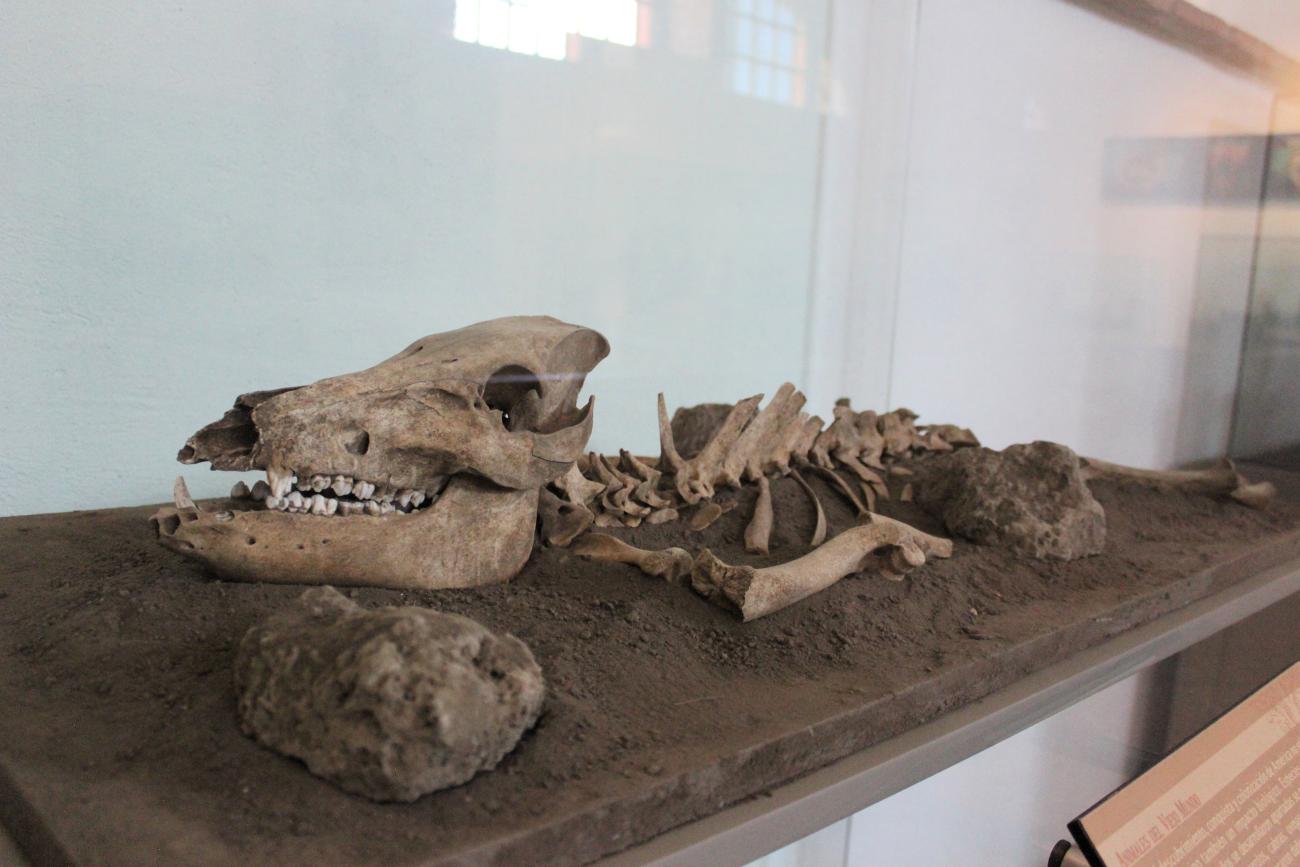
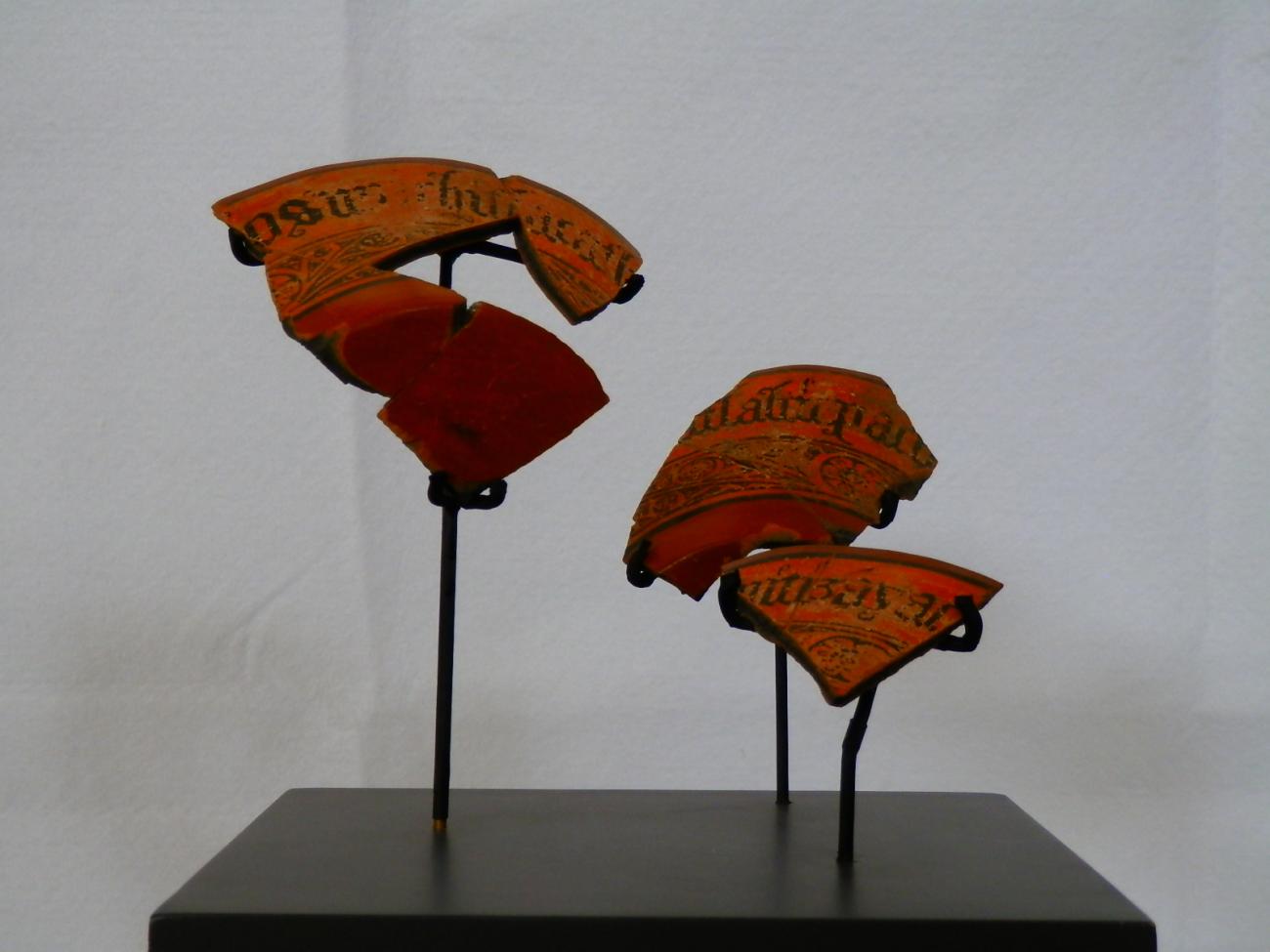
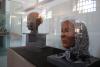
In the third section, corresponding to the period of the conquest, the exhibit focuses on the sacrifice of captives from a caravan traveling from Villa Rica de la Vera Cruz, which was transporting sick individuals and property belonging to Hernán Cortés and other Spaniards. Human remains of individuals from different ethnic groups were discovered in the area, showing evidence of post-mortem cultural manipulation. Also on display are metallic and ceramic objects brought by Europeans, along with figurines with non-Mesoamerican features that reflect how Indigenous peoples perceived the newcomers.
- DirecciónEnrique Martínez Vargasenrique_martinezv@inah.gob.mx