


Mostrando 61 - 72 de 167
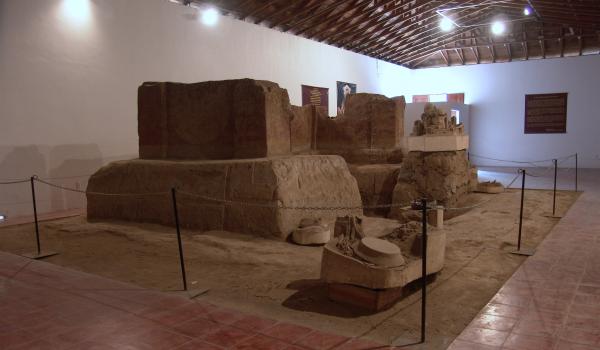
Museo de Sitio de El Zapotal

Mictlantecuhtli, the great lord of death (the other life), was the patron of this ancient Totonac city. The museum’s prized item is the sole unfired clay sculpture with stucco and the remains of paint in Mesoamerica. To this are added funerary offerings and ceramic figures of the very highest quality.

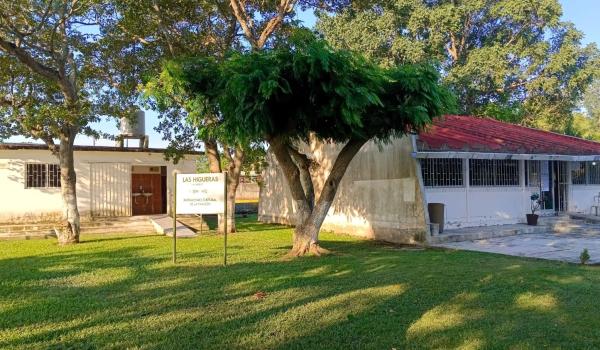
Museo de Sitio de Higueras
Women played a dominant role in the ceremonies of this important Totonac city, as can be seen from its numerous murals. The mural fragments are the museum’s most valued objects, as they show varied scenes from the life of this ancient settlement.

Museo de Sitio de Ixcateopan
The Ixcateopan Site Museum preserves and displays archaeological artifacts found in the area, such as pottery and stone tools. Its goal is to share the history of the ancient pre-Hispanic settlement and promote the preservation of cultural heritage.
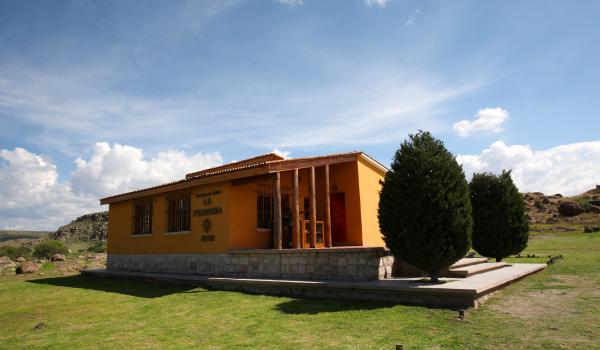
Museo de Sitio de La Ferrería
This most important and influential site of the Valley of Guadiana is related to the Chichimeca and coastal peoples of Mesoamerica. This museum reveals its rich, 1400-year history with displays on the Chalchihuite’s environment, religion and daily life.
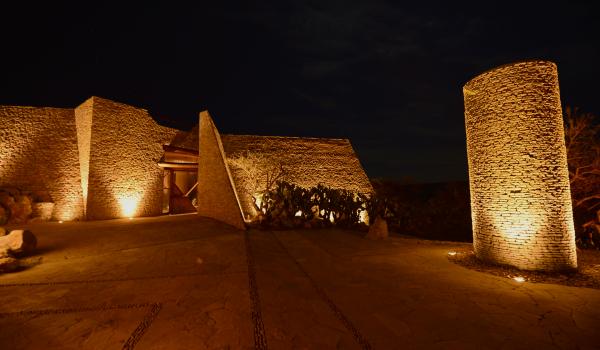
Museo de Sitio de La Quemada
This museum is a fundamental space for understanding this pre-Hispanic urban center and the cultures that developed in the Malpaso Valley.
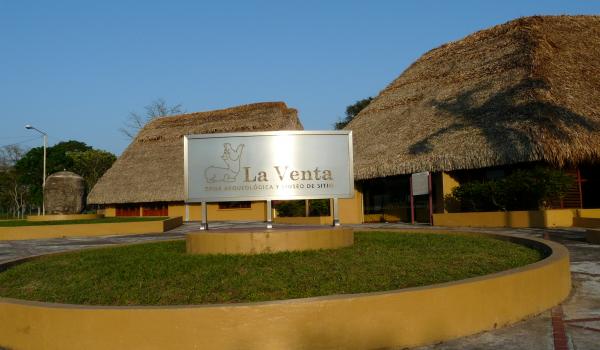
Museo de Sitio de La Venta
The most important city of the most ancient culture. Its monumental sculptures are unique, as are the little instruments and delicate jewelry that its inhabitants knew how to make. The museum also exhibits very fine pottery and a mockup of an Olmec dwelling.

Museo de Sitio de la Zona Arqueológica de Arroyo Seco
This site museum features lithographs that reproduce rock paintings estimated to be around three thousand years old.
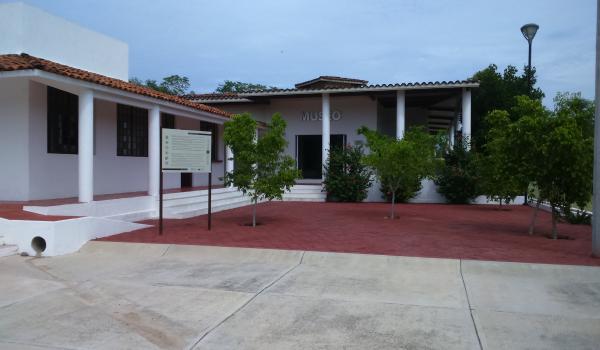
Museo de Sitio de la Zona Arqueológica de Soledad de Maciel-Xihuacan
Owners of turquoise, proprietors of the calendar and lords of time. This is how the inhabitants of this ancient city were known. They ruled over the Costa Grande in the modern state of Guerrero and were influenced by Olmec and Teotihuacan cultures, as can be seen in their fine pottery and hydraulic works.

Museo de Sitio de la Zona Arqueológica de Tingambato
This space preserves and explains the findings from the ancient settlement of Tingambato. Through artifacts such as pottery, figurines, and funerary objects, it offers insight into the daily life, beliefs, and social organization of its inhabitants.
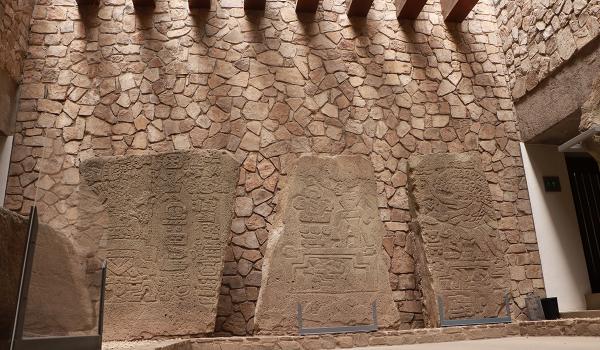
Museo de Sitio de Monte Albán
The incomparable city of the Olmec, Zapotec and Mixtec peoples, inhabited over a period of 1500 years. Monte Albán occupied a mountain top, and is where the treasure of Tomb 7 was found. The site museum presents its evolution and the extent of its rich culture. A UNESCO World Heritage Site.
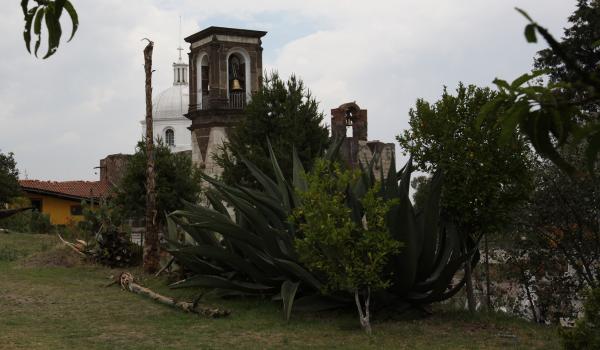
Museo de Sitio de Ocotelulco
The principal Tlaxcalan fiefdom in 1519, with the remains of a temple built a century before, whose mural paintings show Tezcatlipoca on fire and other symbols of religious sacrifice, such as Xiuhcatl, or the fire serpent descending like a stream of blood.
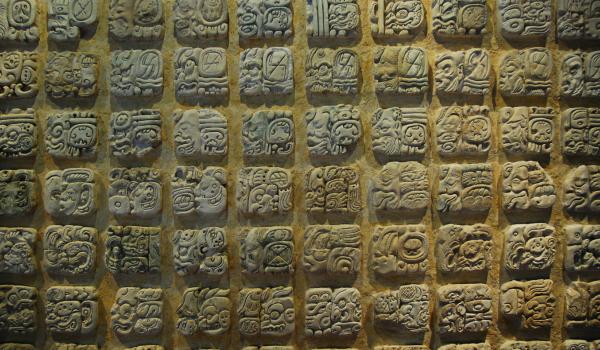
Museo de Sitio de Palenque, Alberto Ruz Lhuillier
The city of King Pakal, whose sumptuous tomb was discovered by archeologist Alberto Ruz Lhuillier in 1952. The museum houses his rich collection and shows the great skills of the ancient Maya as sculptors and metal workers, their funeral customs, the life of the elite and of the populace.
