









Museo de Sitio de La Quemada
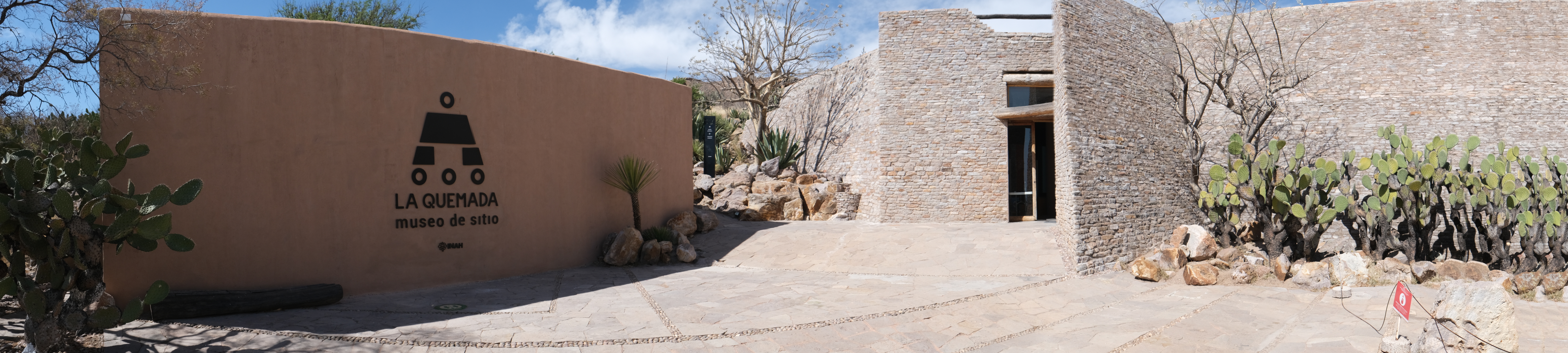
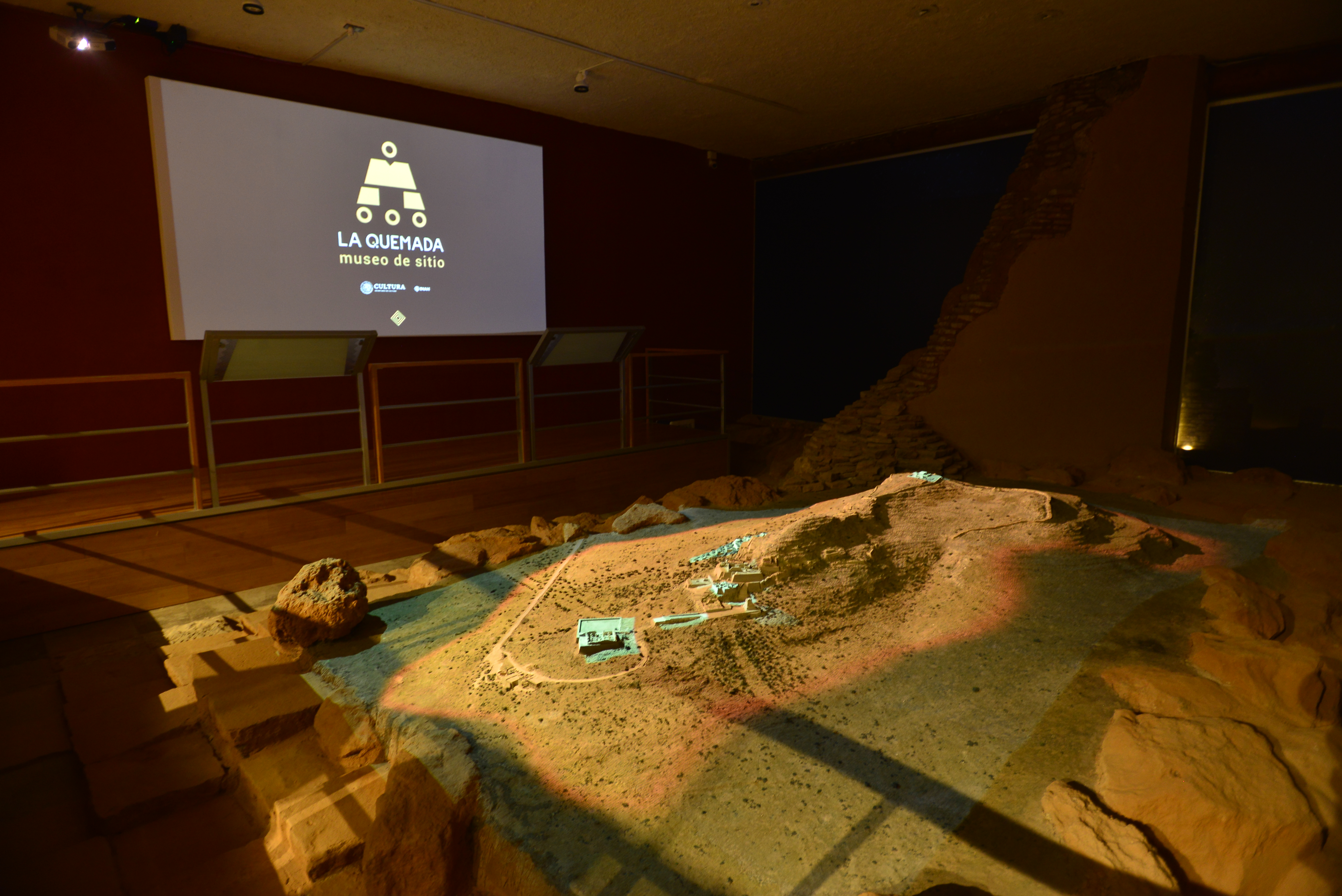
This museum is a fundamental space for understanding this pre-Hispanic urban center and the cultures that developed in the Malpaso Valley.
Following the intensive stabilization and conservation work carried out on the pre-Hispanic monuments of La Quemada during the 1980s and 1990s, a vision emerged to create a space that would provide information and services for visitors. As a result of this initiative, on June 23, 1996, a facility dedicated to the regional archaeology of Zacatecas and northern Mexico opened its doors.
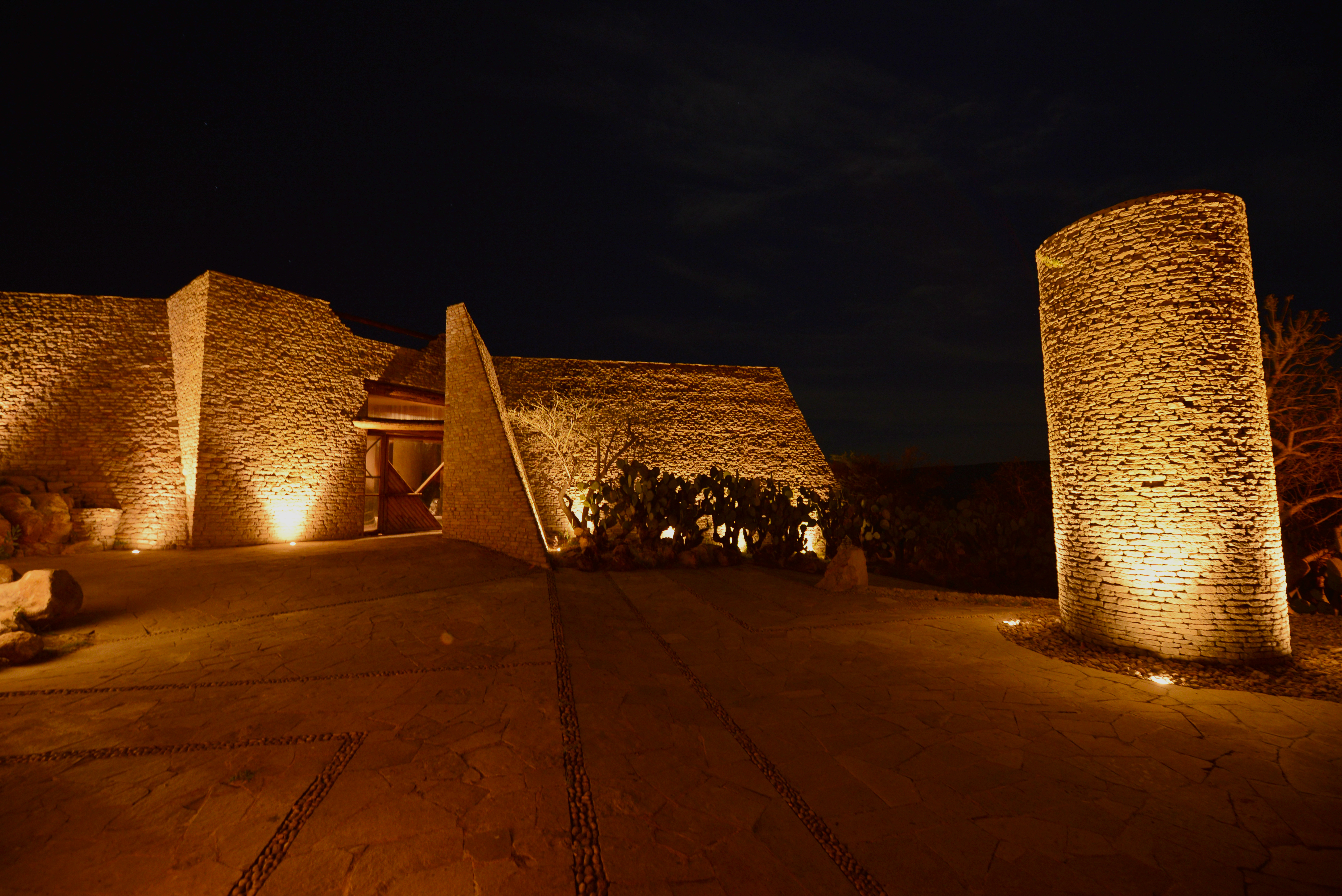
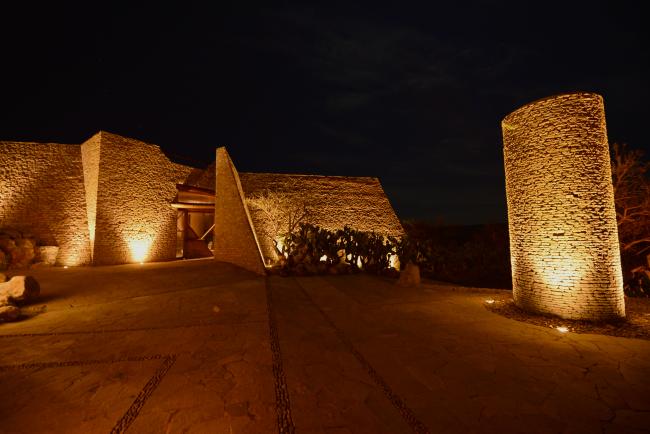
Its architectural design—innovative yet respectful—was conceived in full harmony with the natural environment and the material remains, seeking a visual and aesthetic dialogue with the ancient settlement without disrupting the visual context of the archaeological site. Each structural element was carefully planned to honor the original layout and composition, creating a bridge between the grandeur of the past and contemporary contemplation.
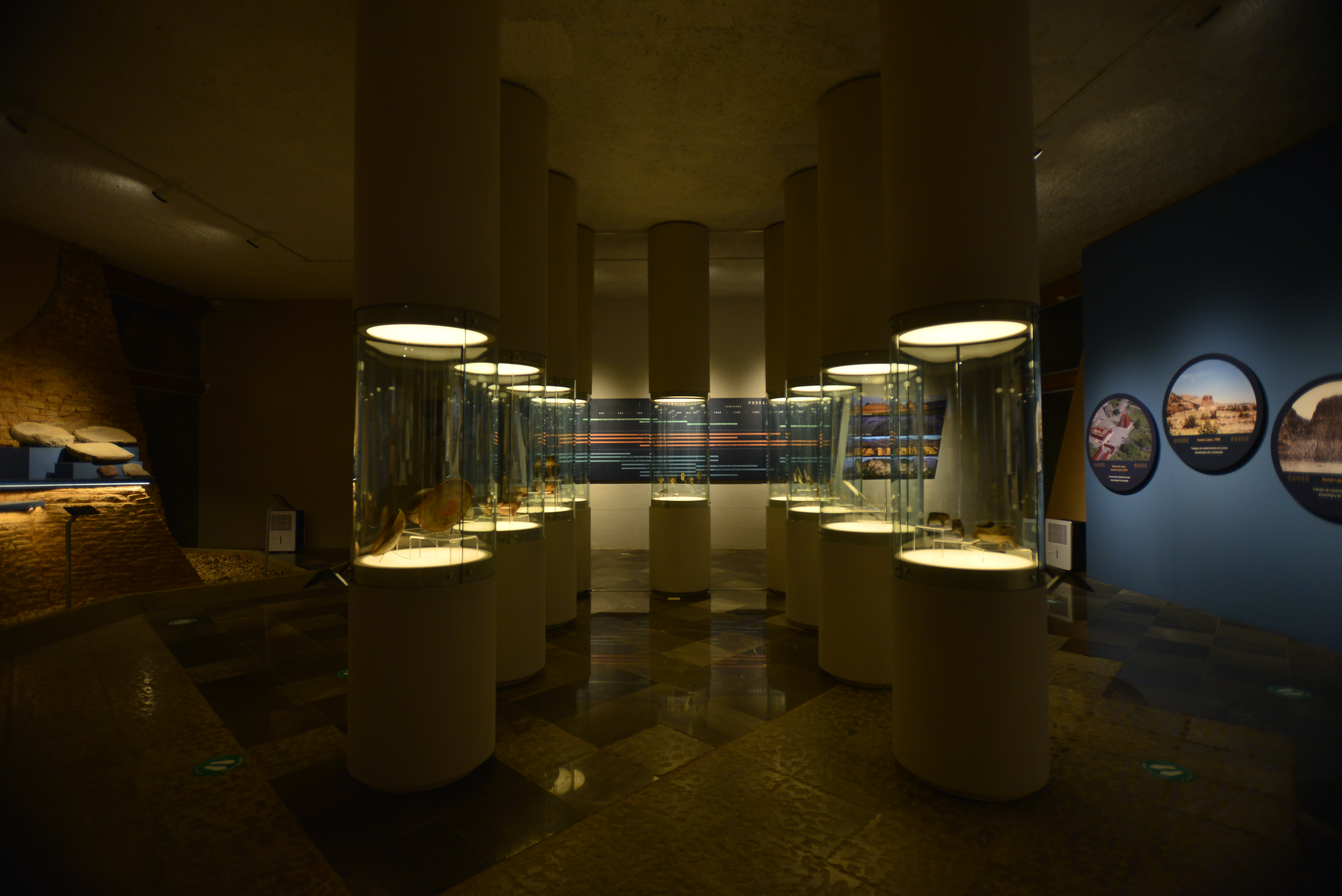
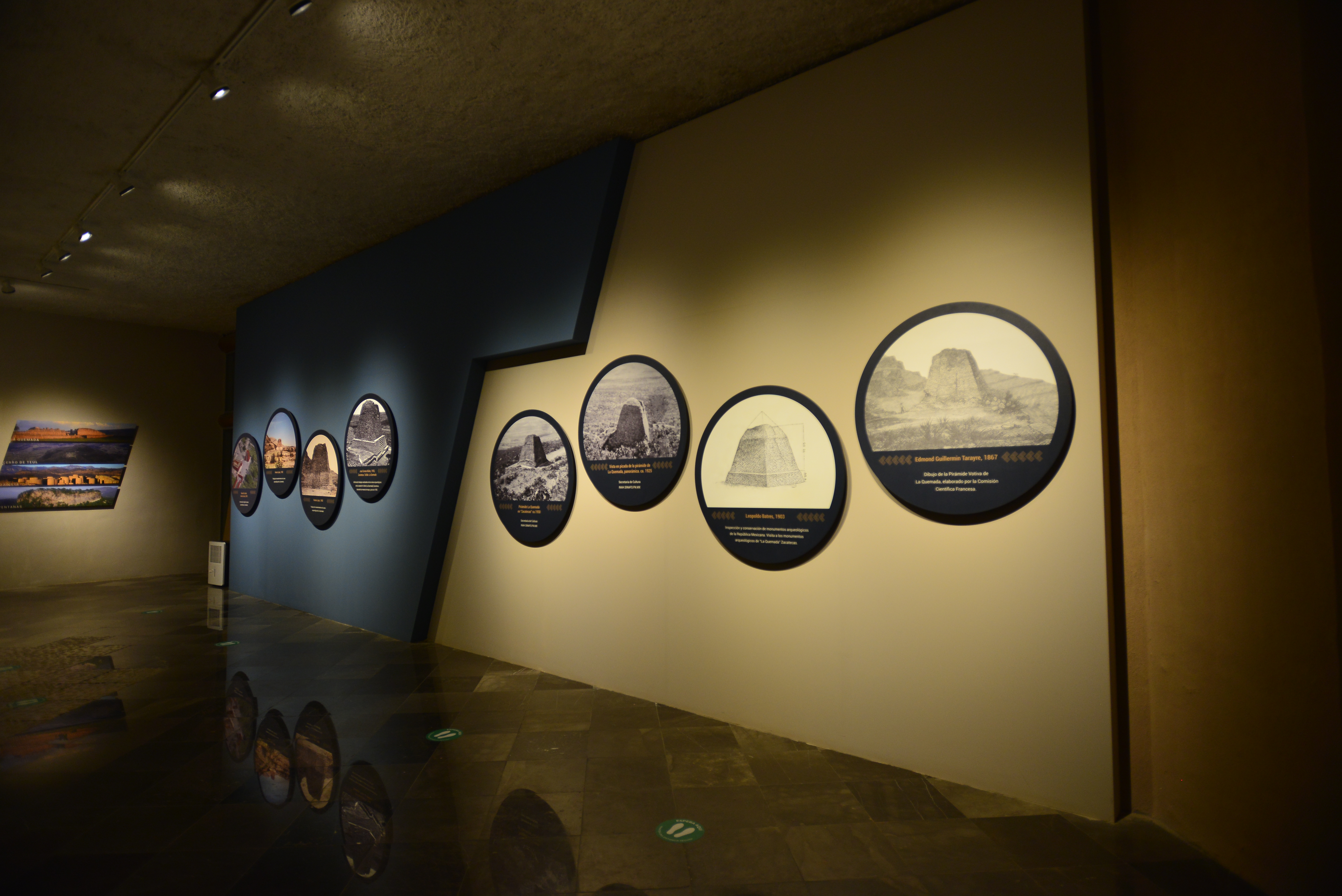
The museographic tour is organized into five thematic modules that guide visitors chronologically, from the origins and development of La Quemada to its interaction with other Mesoamerican cultures, its decline, and its cultural legacy.
The archaeological collection has been enriched through research and donations from neighboring communities, which have expanded our understanding of the daily life of the ancient inhabitants of the three most representative cultural development centers of the state of Zacatecas and its surrounding region, known as the Loma San Gabriel culture, the Chalchihuites culture, and the Malpaso Valley culture of La Quemada.
The museum closed in 2014 due to structural issues, but it reopened on March 15, 2025, thanks to the agreements reached between the National Institute of Anthropology and History, through the INAH Zacatecas Center, and the Ministry of Public Works.
Document
- Dirección del Centro INAHRaúl Pacheco Pérezraul_pacheco@inah.gob.mx+52 (492) 922 0403


