


Mostrando 49 - 60 de 167
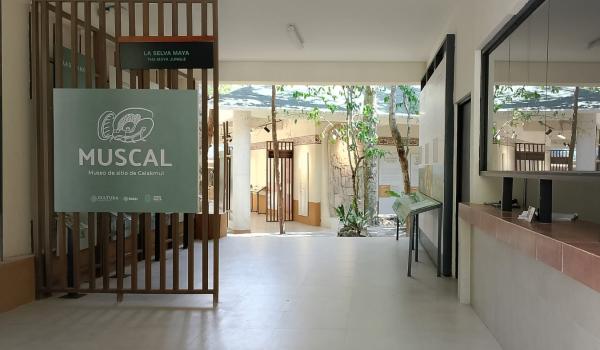
Museo de Sitio de Calakmul

The Calakmul Site Museum is a cultural venue that showcases the history, archaeological discoveries, and significance of this ancient Mayan city. Through its artifacts and exhibits, it offers insight into the Mayans’ way of life, beliefs, and achievements, as well as their relationship with the Campeche jungle.

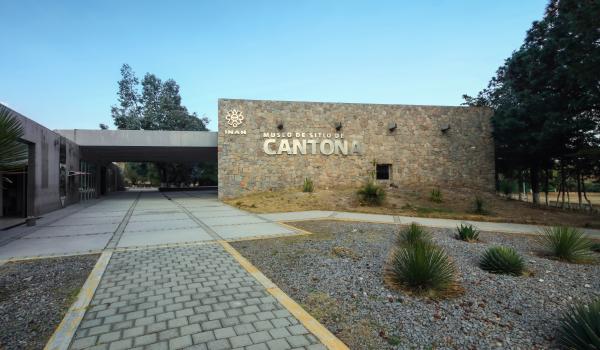
Museo de Sitio de Cantona
A new museum showcases one of the oldest urban settlements: one of the largest and most populated in Mesoamerica and a major exporter of obsidian. It features numerous streets, plazas, and intricate walls, many ball courts, and a religion that exalts self-sacrifice.
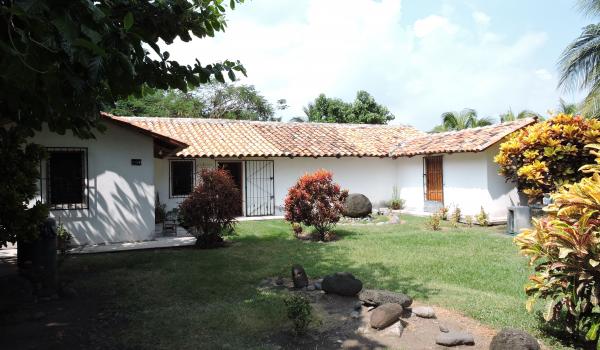
Museo de Sitio de Cempoala
The city of the "Fat Cacique" was allied with the Spaniards against the Mexica. This small museum, surrounded by abundant coastal flora and fauna, displays the Totonac culture, including the remains of defensive walls, the gods of the underworld, mural painting, everyday utensils and figurines and statues of men and animals.
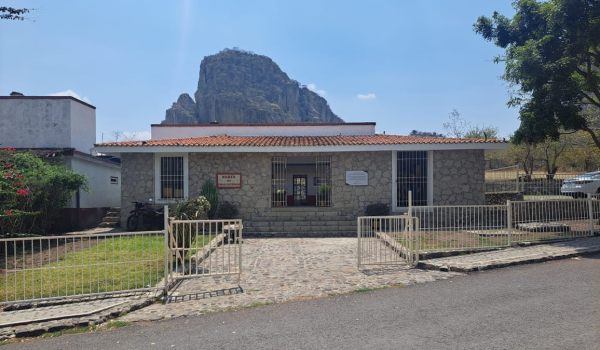
Museo de Sitio de Chalcatzingo
It houses archaeological artifacts that provide insight into the culture of the ancient societies that inhabited the region. Of particular note are the Olmec-influenced sculptures and reliefs, as well as ceramic objects used in daily life. One of its most important artifacts is the “Gateway to the Underworld,” which reflects the religious beliefs of the time.
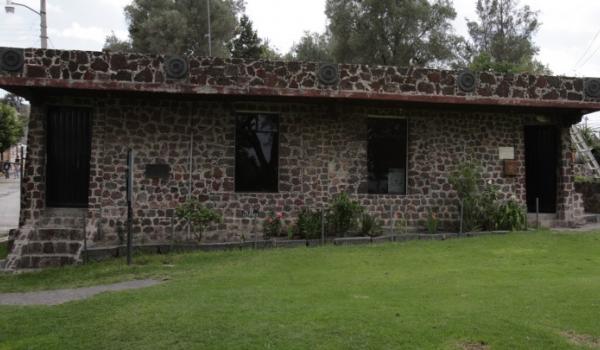
Museo de Sitio de Chimalhuacán
Display on the development of the region, beginning with the discovery of 10,000-year-old Chimalhuacan Man and up until its subordination to Texcoco, of the Triple Alliance, together with Tlacopan and Tenochtitlan.
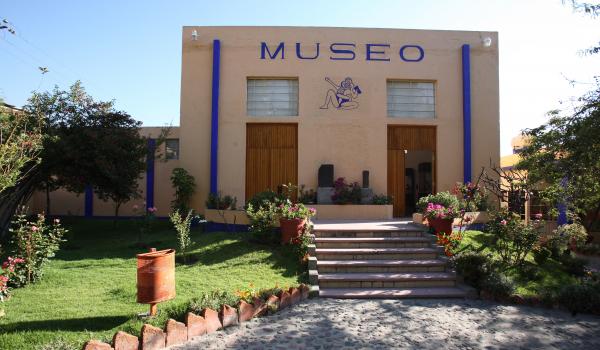
Museo de Sitio de Cholula
At first the inhabitants of this site fought the Spanish conquistadors, then after a great slaughter Cholula allied itself to conquer Tenochtitlan. The museum tells the story of its inhabitants from the ninth century, with themes covering excavations, pottery, funerary customs and mural painting.
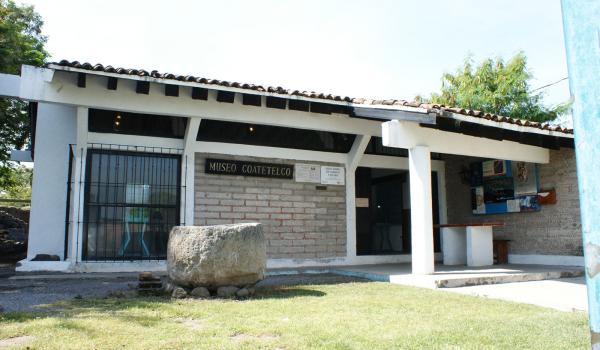
Museo de Sitio de Coatetelco
The central Tlahuica site, subordinate to the Mexica, who came with them from legendary Aztlan. The ceramics were very varied from the earliest times. At one stage they were influenced by Teotihuacan and latterly by Tenochtitlan. The most interesting exhibits are a sculpture of Xipe Totec, the flayed god and a temalacatl or sacrificial stone.
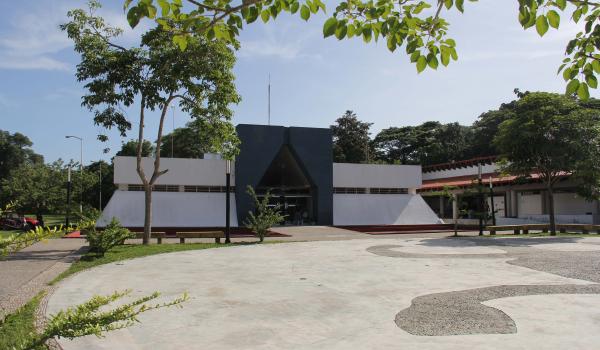
Museo de Sitio de Comalcalco
This is where the Fire God, Aj Pakal Than, reigned in the 18th century AD, whose funeral offerings are exhibited, together with a collection of jewellery and other pieces made of shells, bone and stone from this great Maya city, built of clay bricks bearing extraordinary reliefs.

Museo de Sitio de Cuetlajuchitlán
A small museum that complements a visit to the Cuetlajuchitlán Archaeological Site, displaying artifacts such as pottery, tools, and figurines found at the site. Its main purpose is to explain how the ancient societies that inhabited the area between 800 B.C. and 300 A.D. lived, highlighting their urban organization, cultural development, and advanced water management systems.
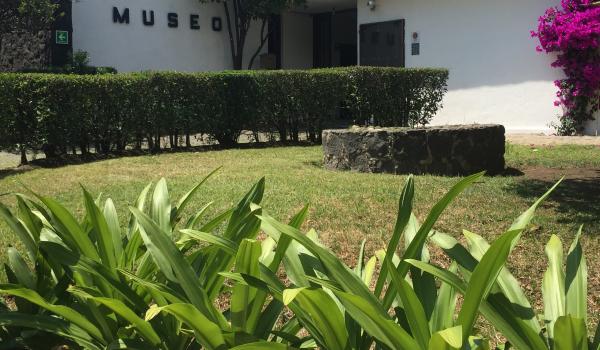
Museo de Sitio de Cuicuilco
One of the most ancient and prosperous cities in the Valley of Mexico, Cuicuilco was lost after the eruption of the Xitle volcano in the third century AD. The remains bear witness to the remarkable development of the area, with objects including works of sculpture, pottery, offerings, daily utensils, garments and religious artefacts.
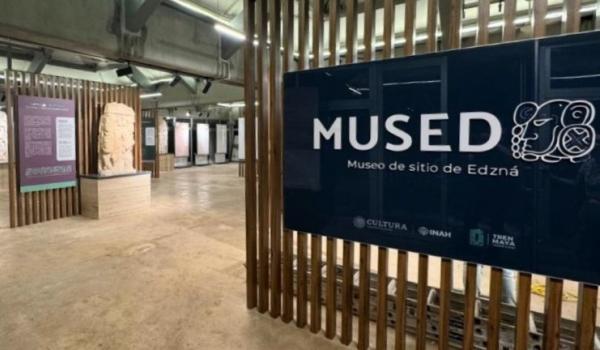
Museo de Sitio de Edzná
The Edzná Site Museum houses archaeological artifacts that shed light on the history and development of the ancient Mayan city of Edzná. Through stelae, pottery, sculptures, and various other objects, the museum illustrates the daily life, beliefs, political organization, and technological advances of this civilization.
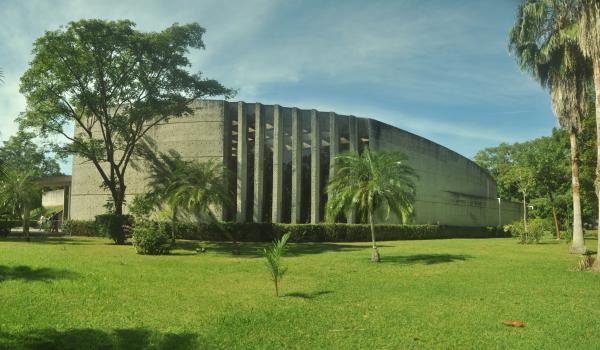
Museo de Sitio de El Tajín
The peak of the Totonaca culture, with the most beautiful architecture of the Gulf Coast, a UNESCO World Heritage site. The museum, built by architect Teodoro Gonzaléz de León, shows vestiges of the city since the excavations of 1920, it also reconstructs the everyday life of this sophisticated culture.
