









Museo de Sitio de Edzná
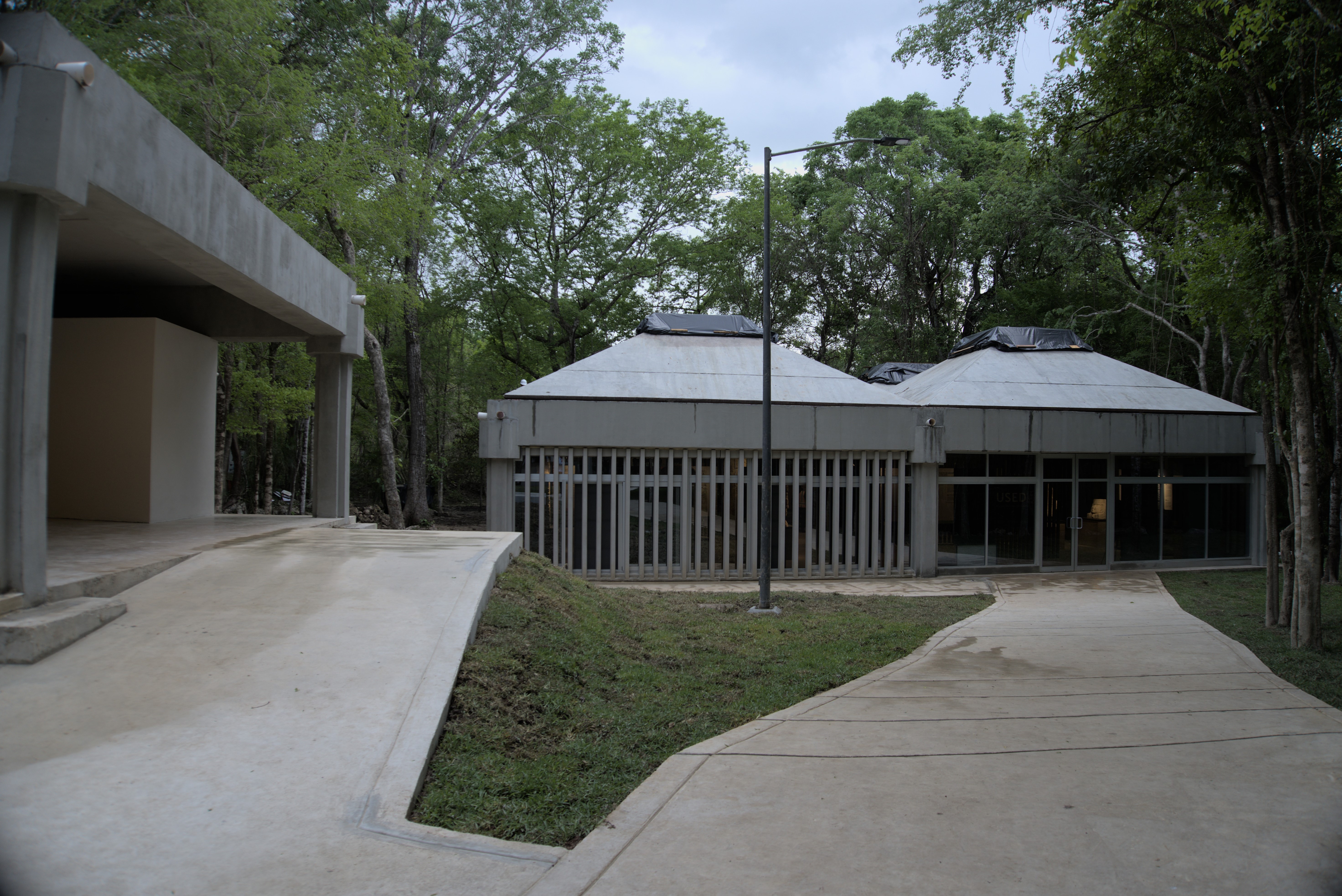
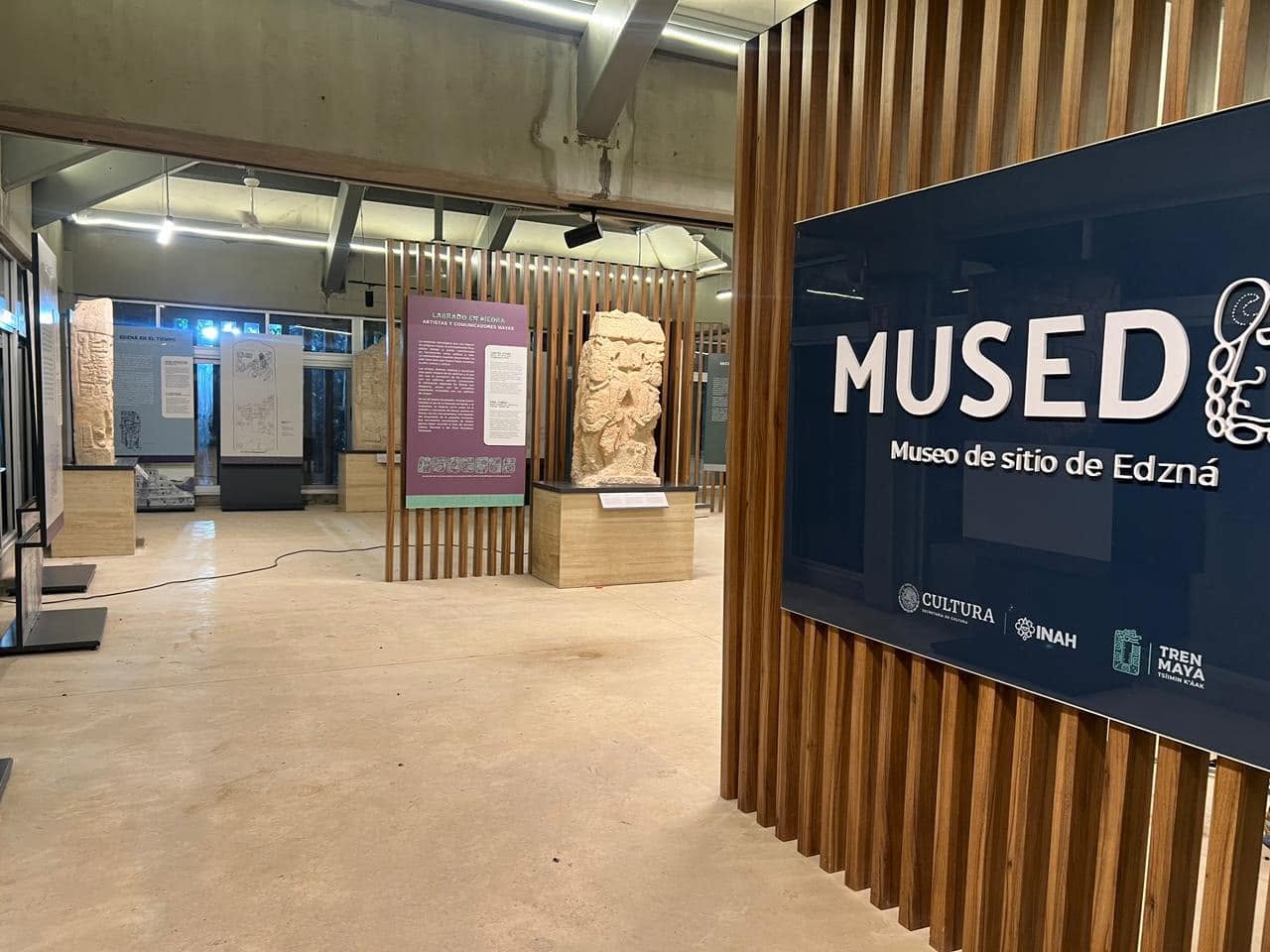
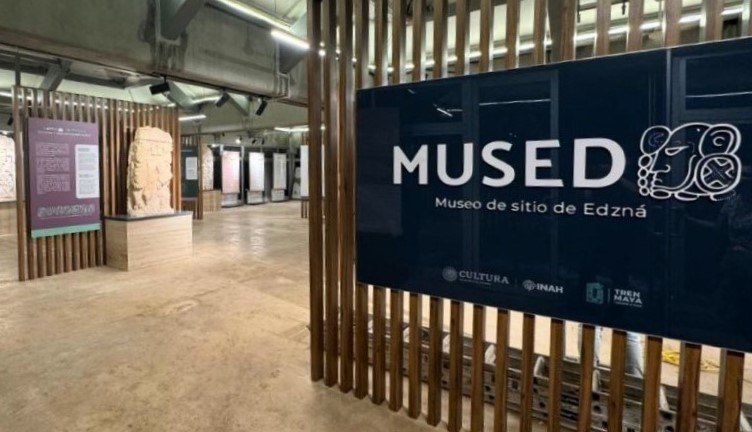
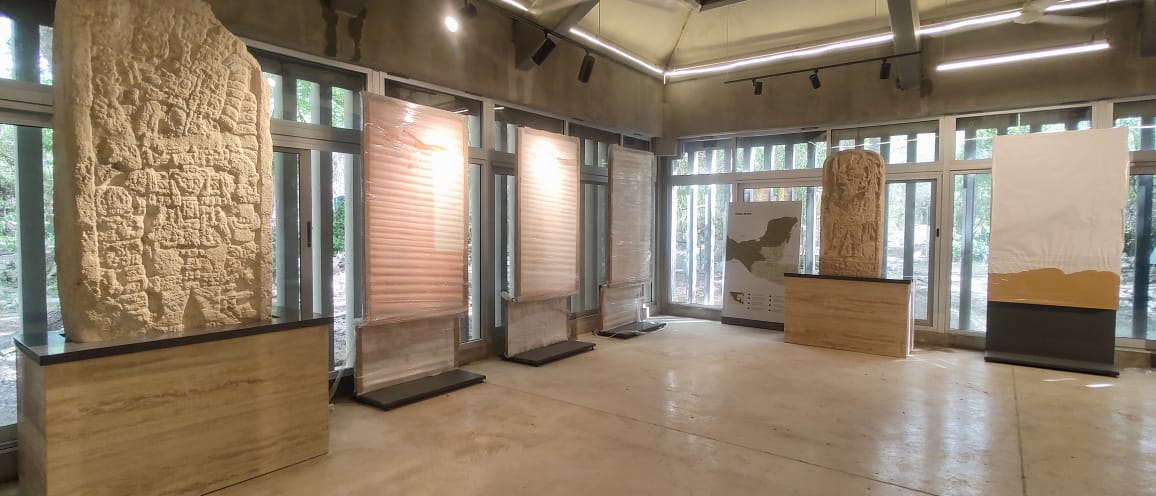
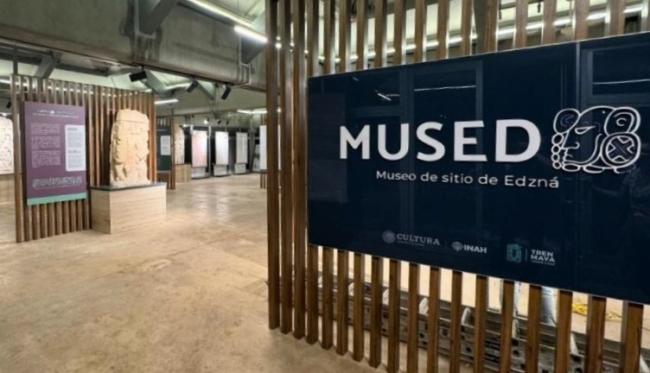
The Edzná Site Museum houses archaeological artifacts that shed light on the history and development of the ancient Mayan city of Edzná. Through stelae, pottery, sculptures, and various other objects, the museum illustrates the daily life, beliefs, political organization, and technological advances of this civilization.
The museum offers visitors the opportunity to understand the historical context of the monuments and buildings that make up the archaeological site, through the display of original artifacts and museum exhibits that explain the city’s evolution over several centuries.
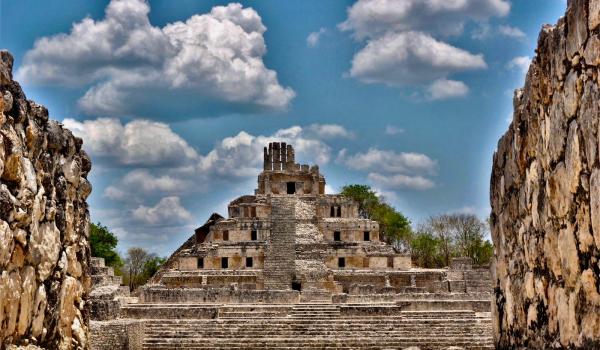
Edzná was one of the most prominent Maya cities in southeastern Mesoamerica. It was first occupied around 600 B.C. and reached its peak between 600 and 900 A.D., during the Classic Period. Thanks to its privileged location and a sophisticated system of canals, dams, and water reservoirs, the city was able to develop highly productive agriculture, which fostered population growth and consolidated its regional power. In addition to being an important political and administrative center, Edzná was a prominent ceremonial hub where religious, ritual, and astronomical activities took place.
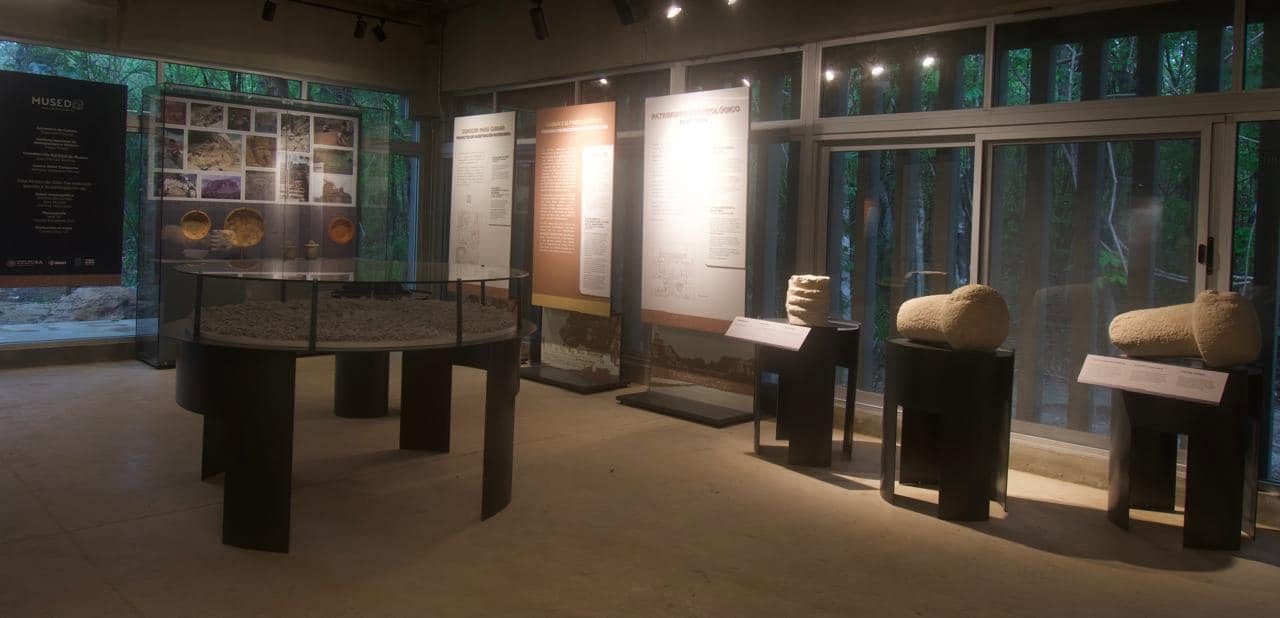
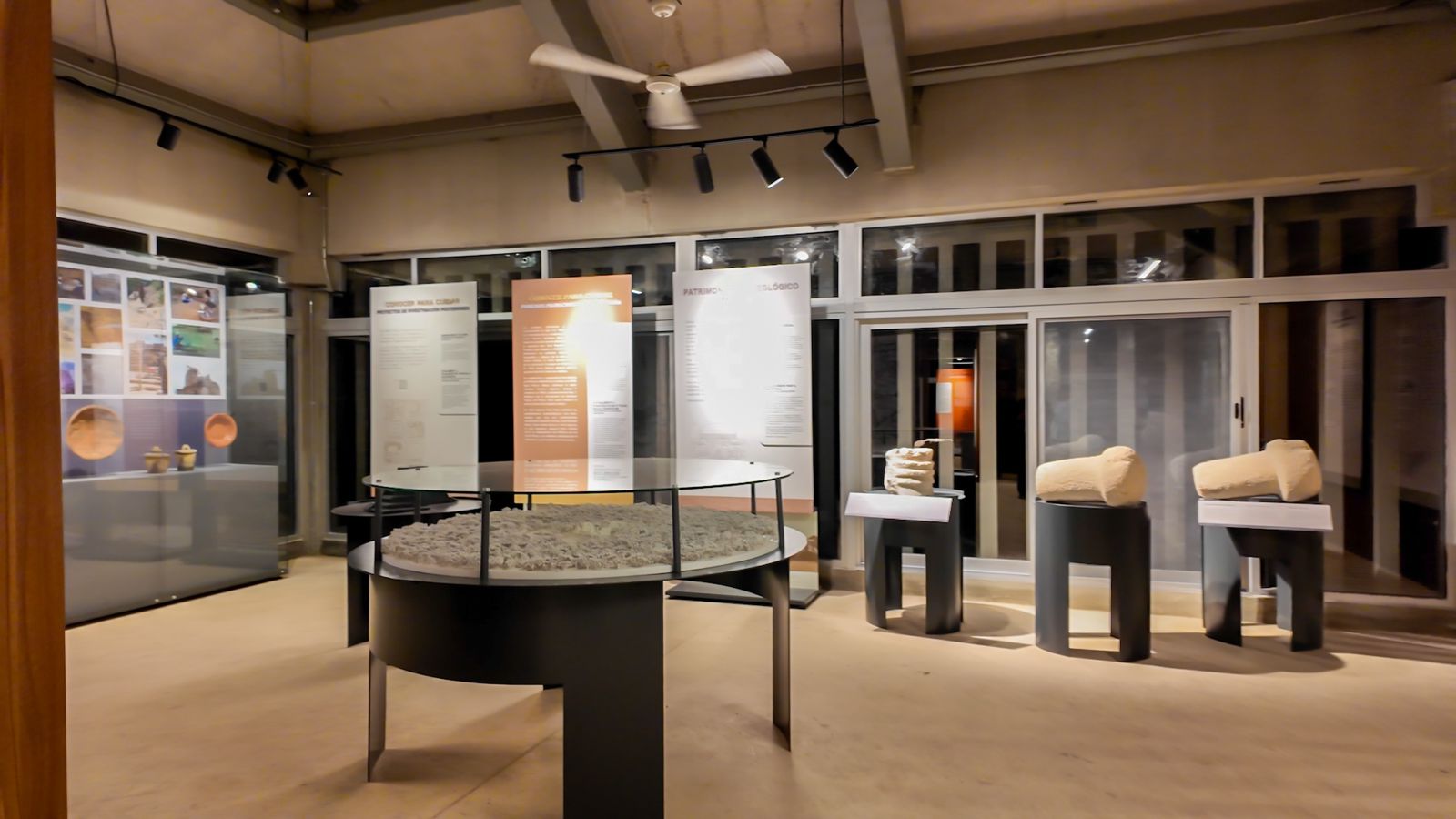
The Site Museum was designed to complement a visit to the archaeological site, allowing the public to view the artifacts recovered during decades of research and excavations conducted by specialists. Its collection includes more than 1,600 archaeological artifacts, including stone sculptures, stelae with hieroglyphic inscriptions, ceramic vessels, figurines, stone tools, shell and jade objects, personal ornaments, and various architectural elements that were once part of temples, plazas, and public buildings.
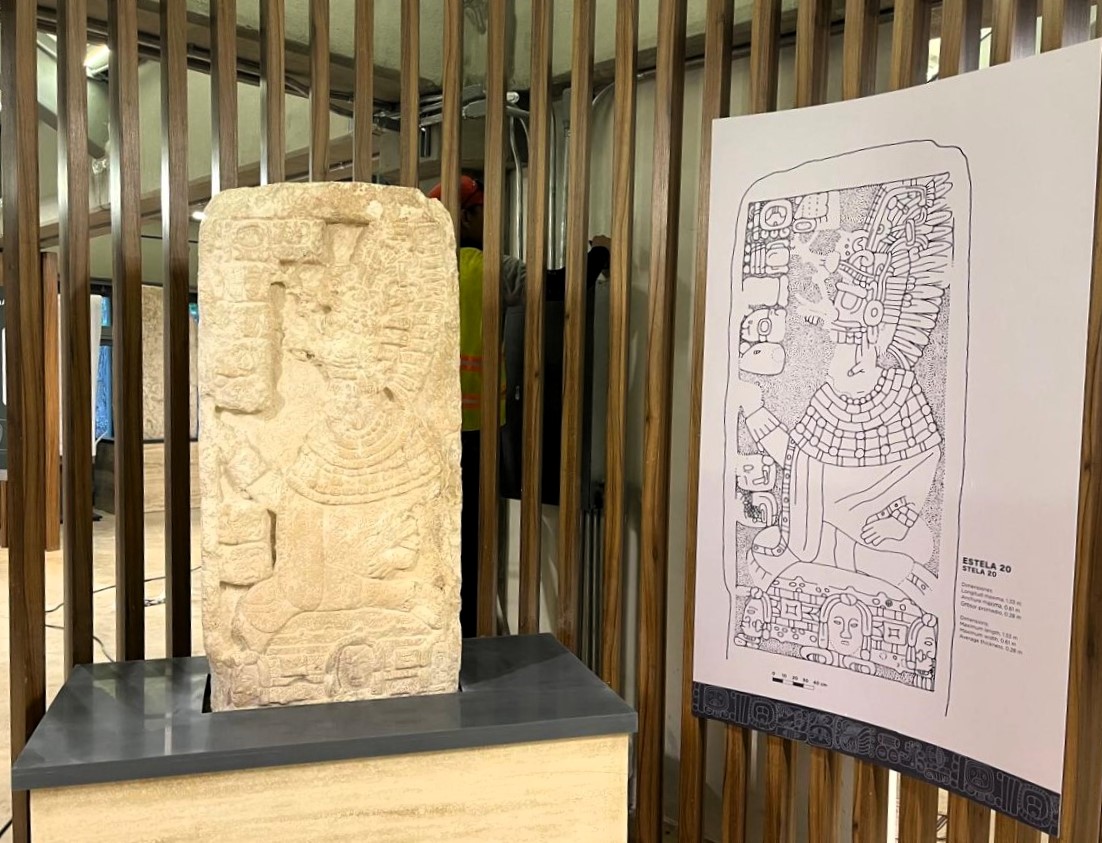
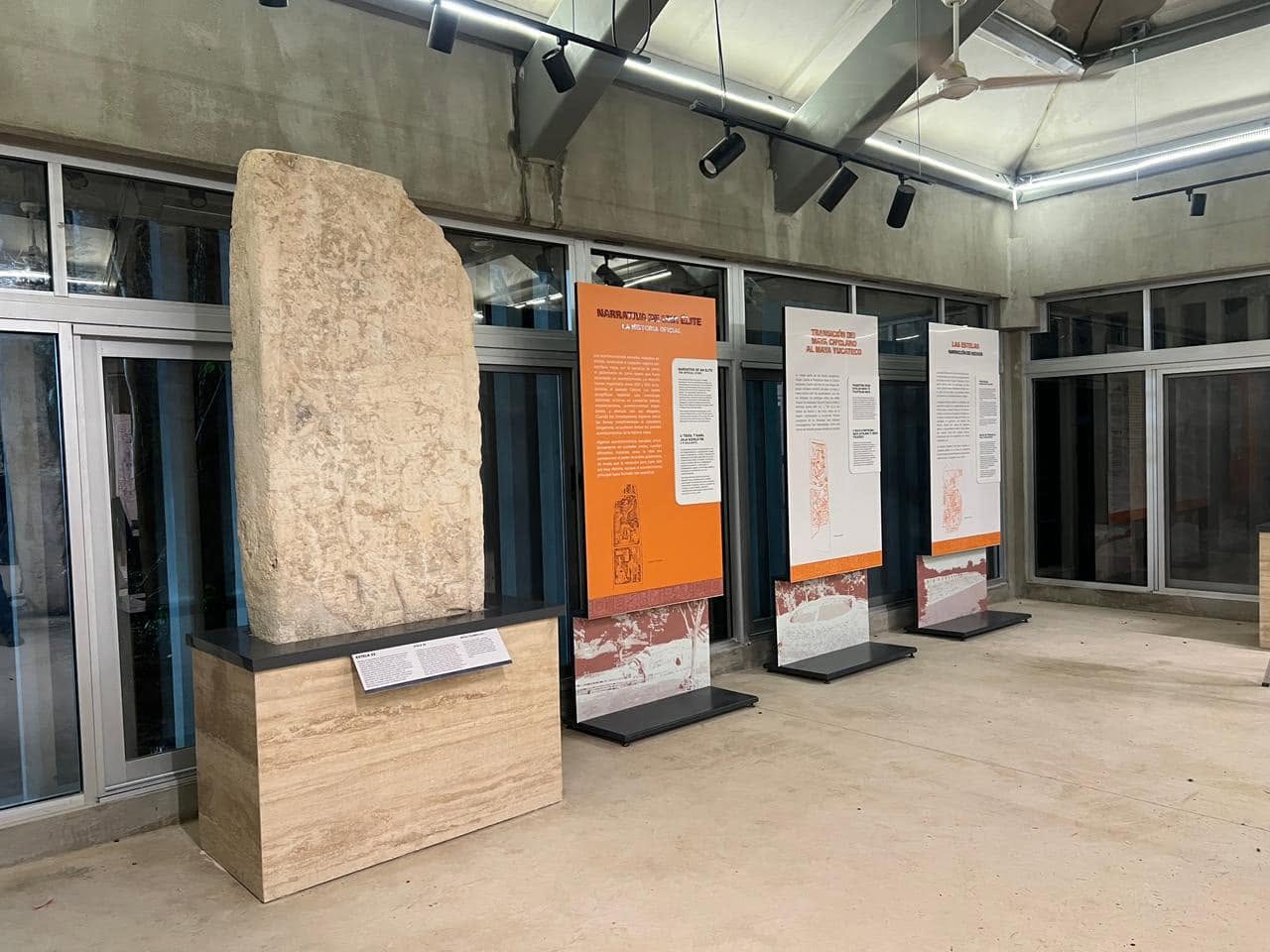
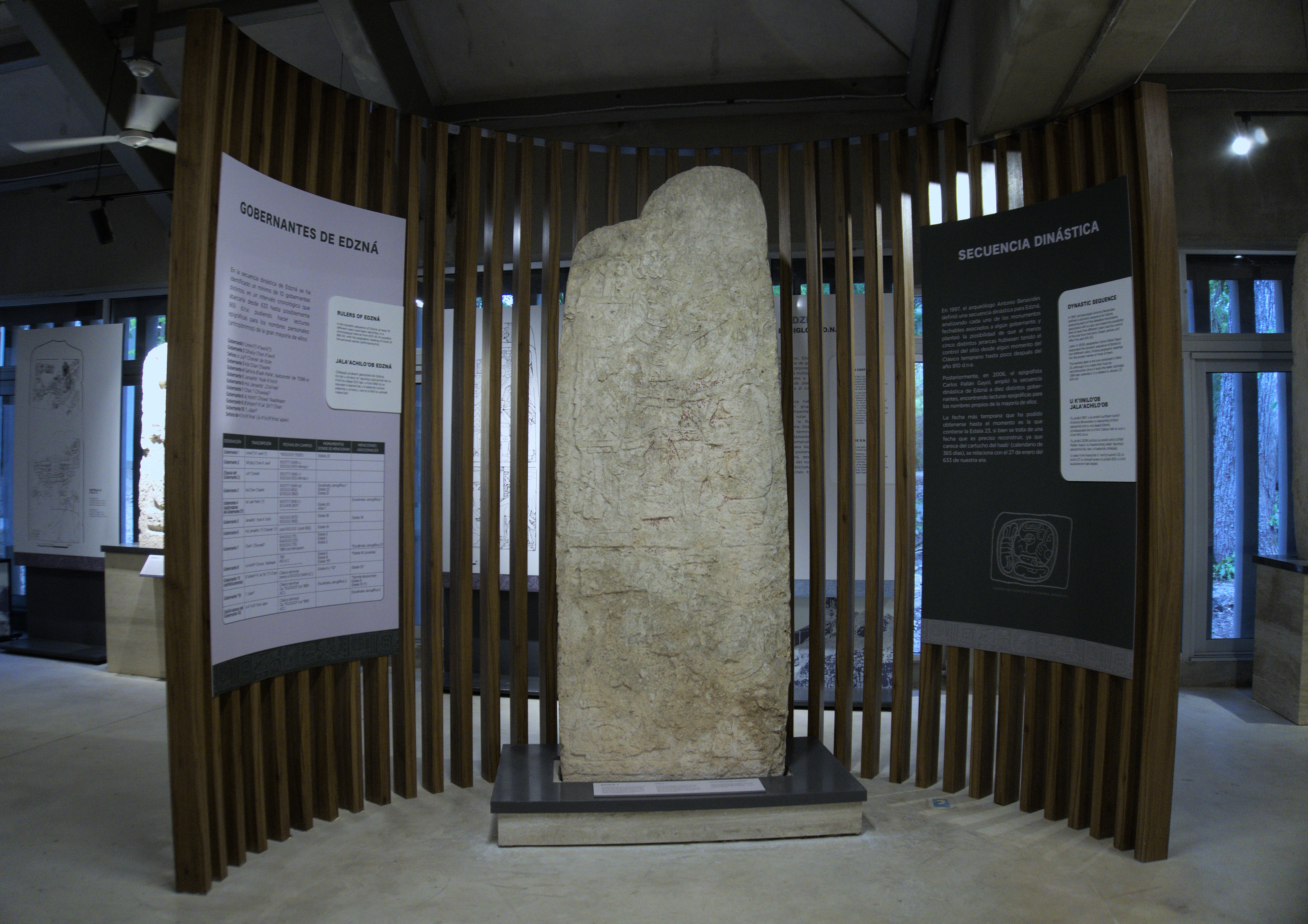
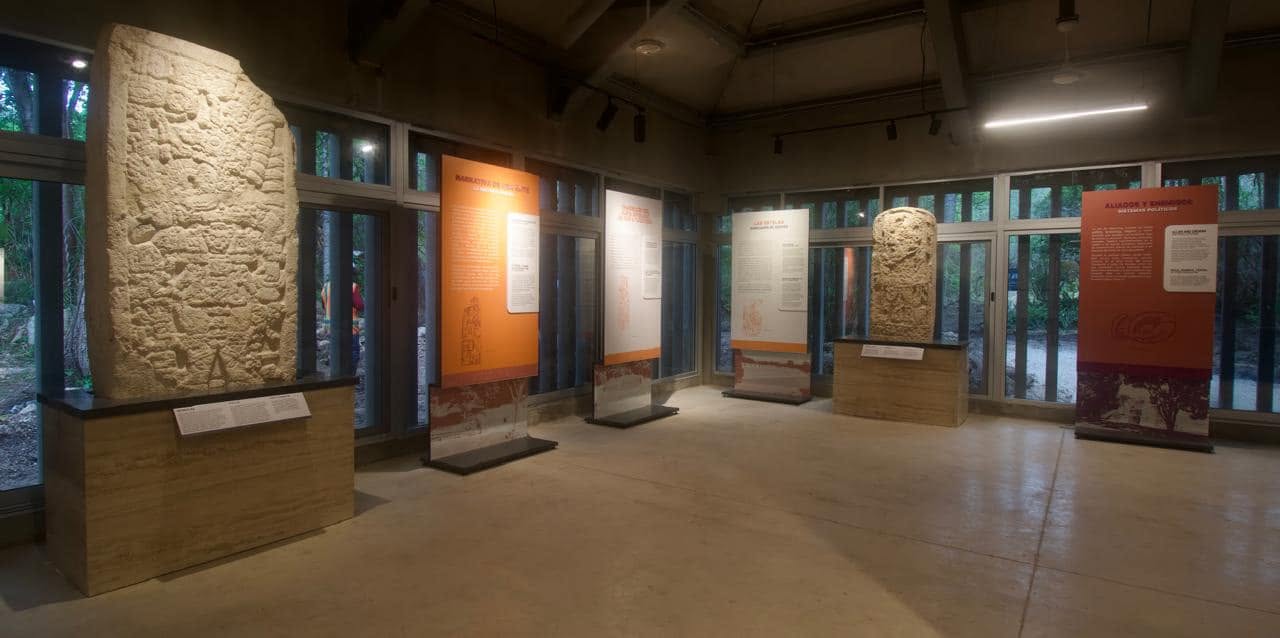
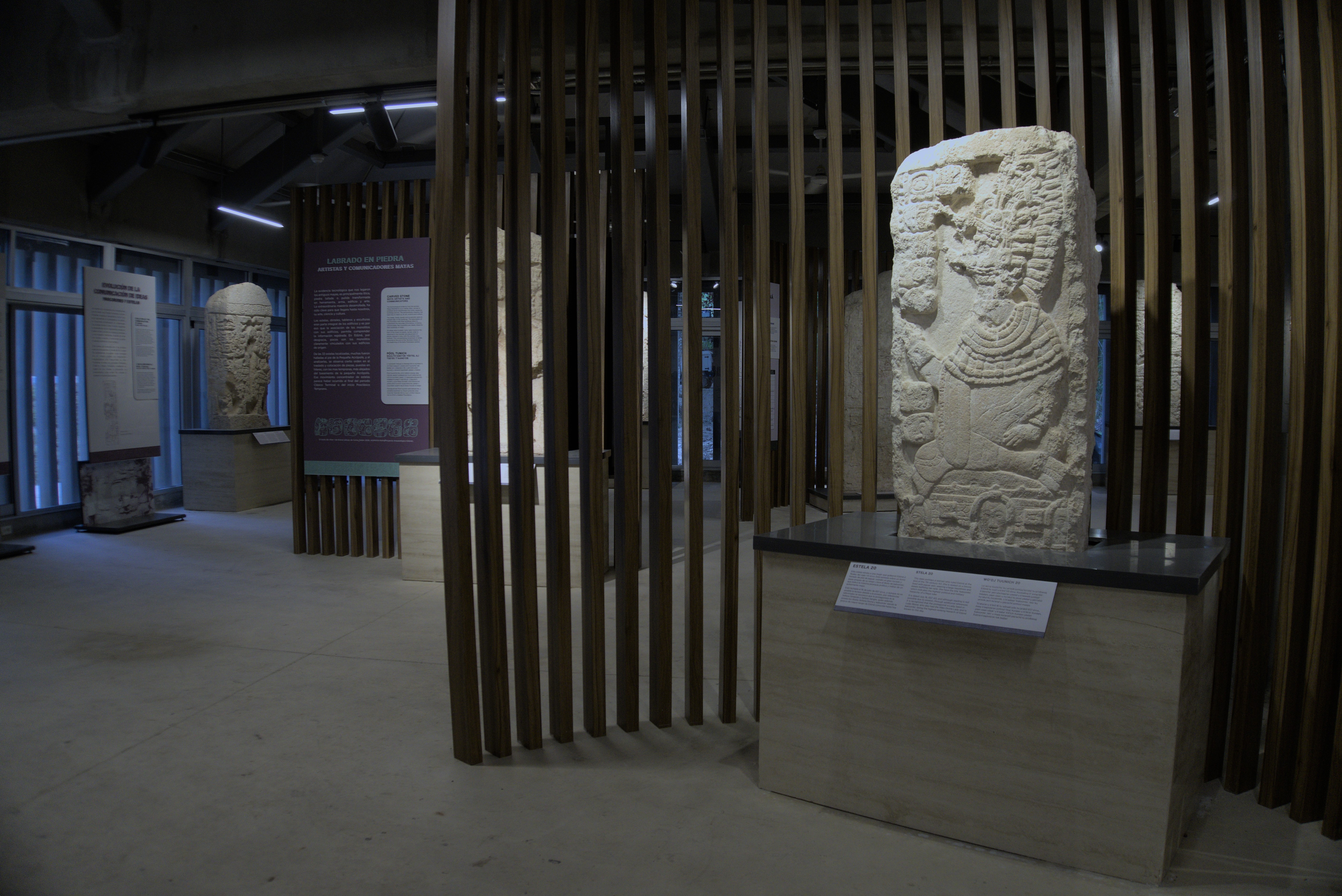
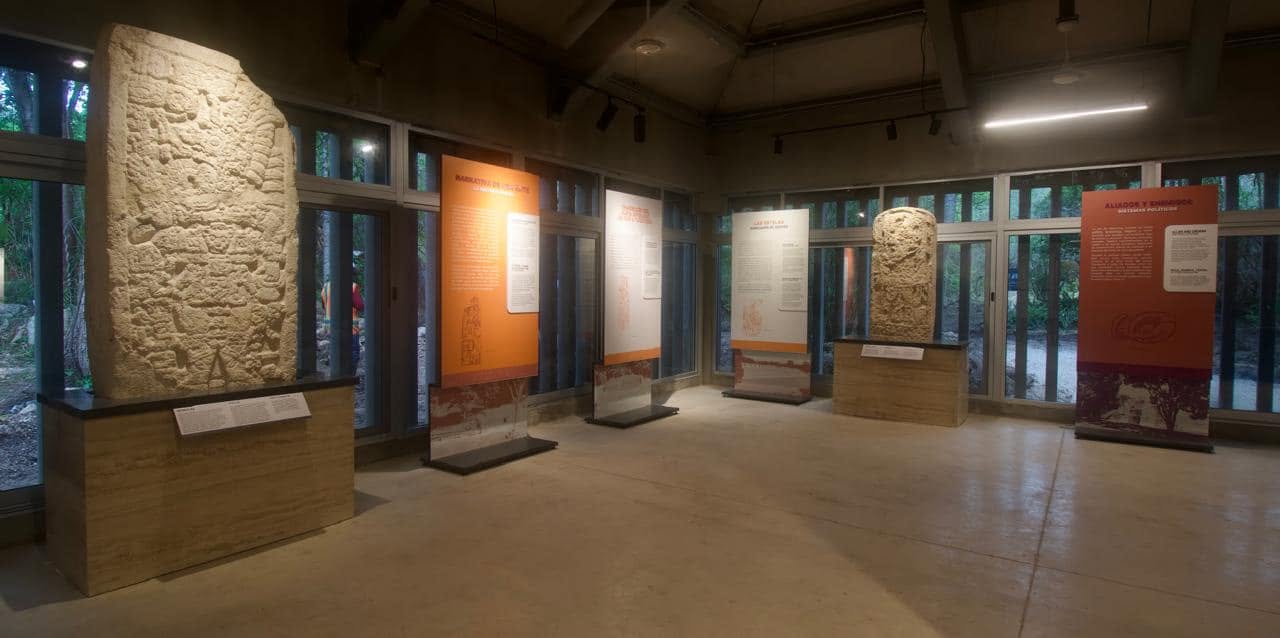
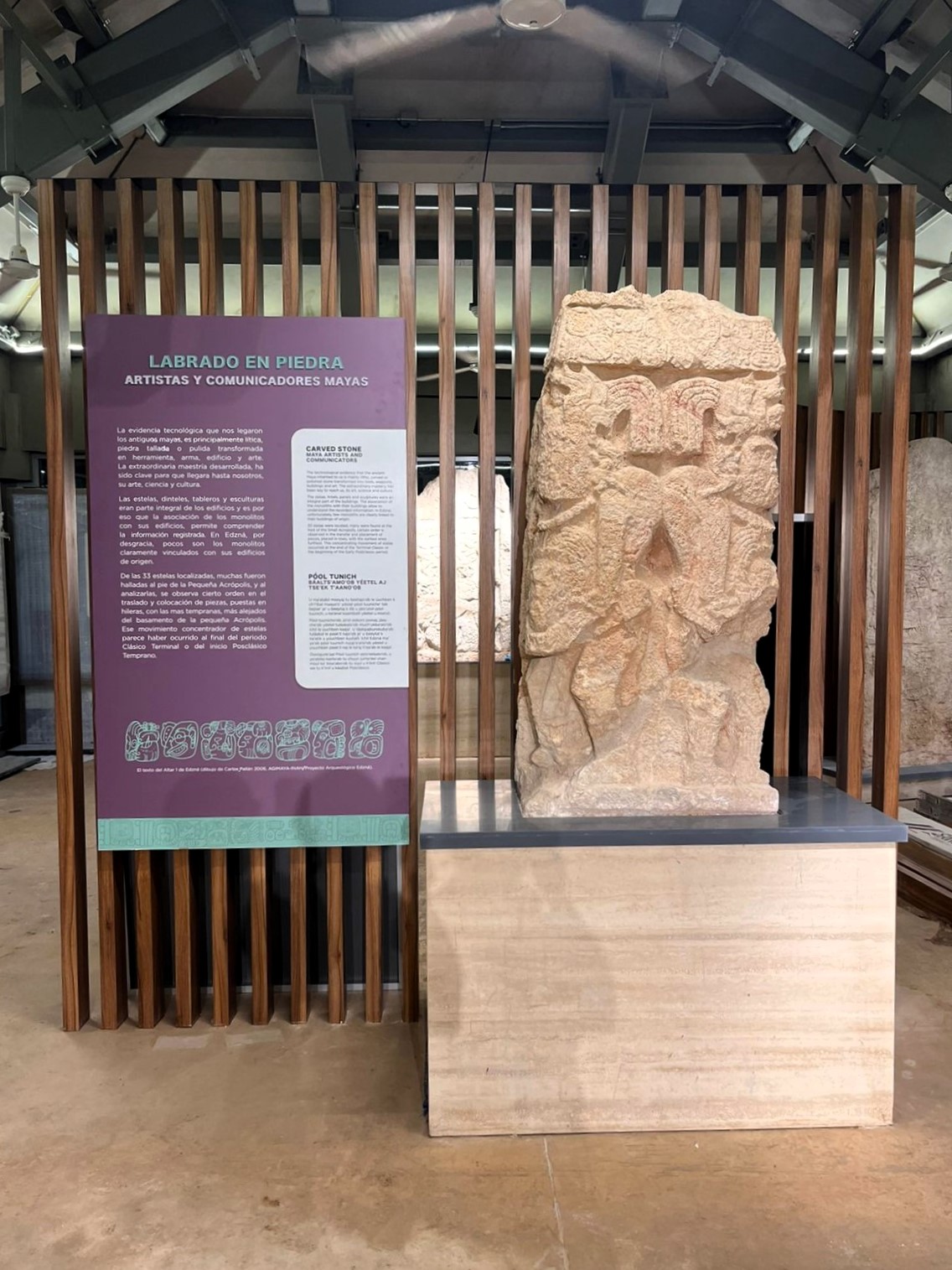
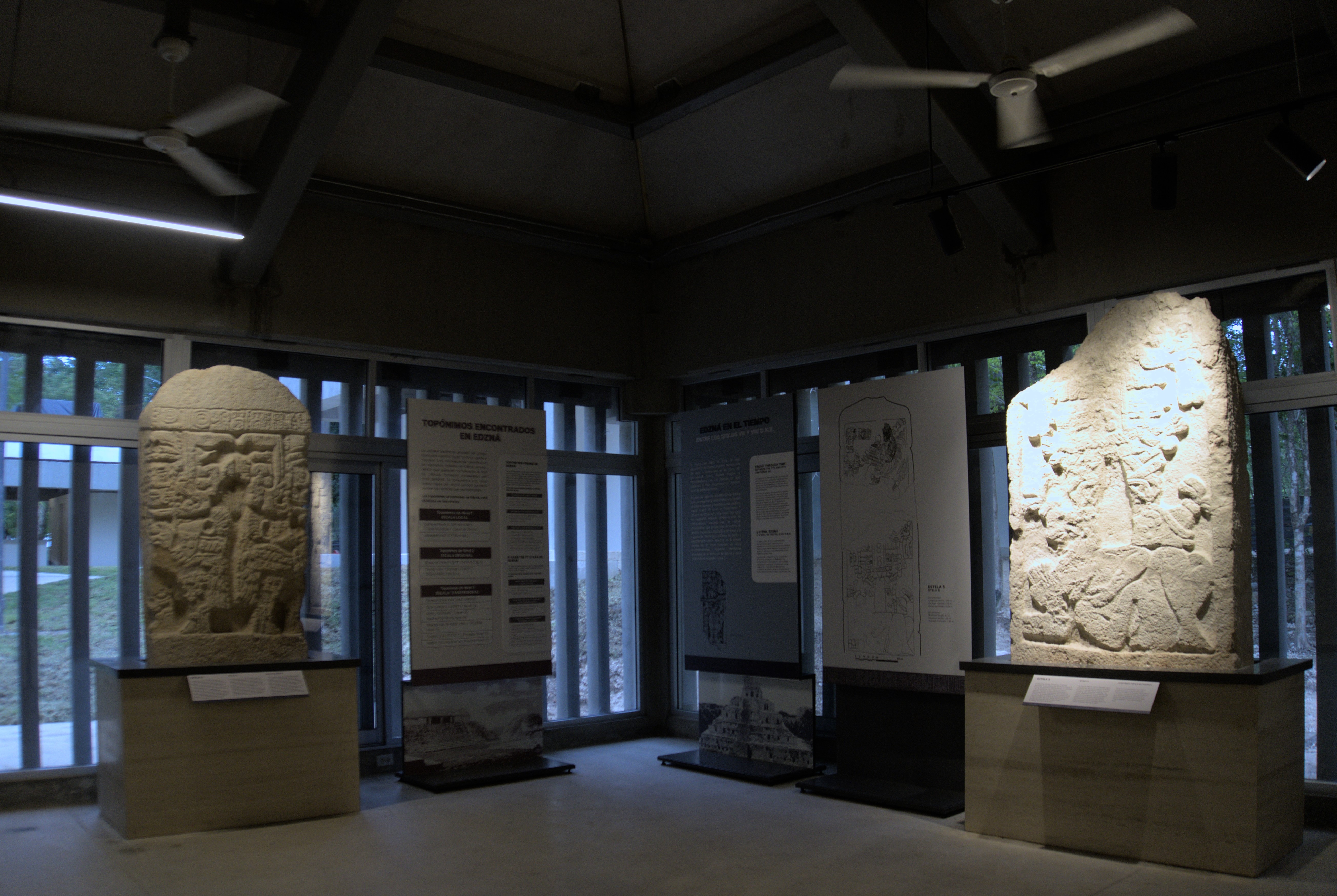
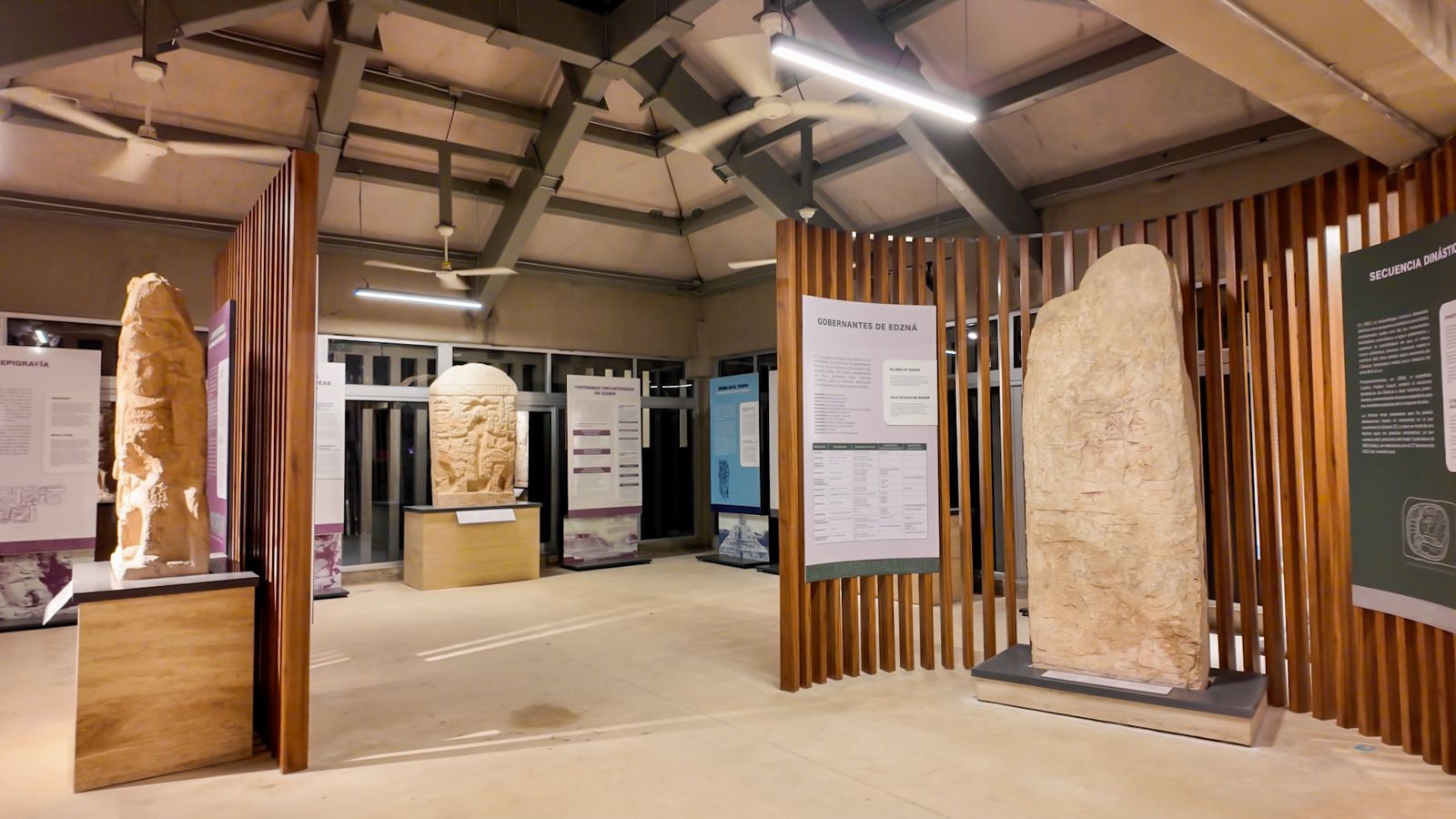
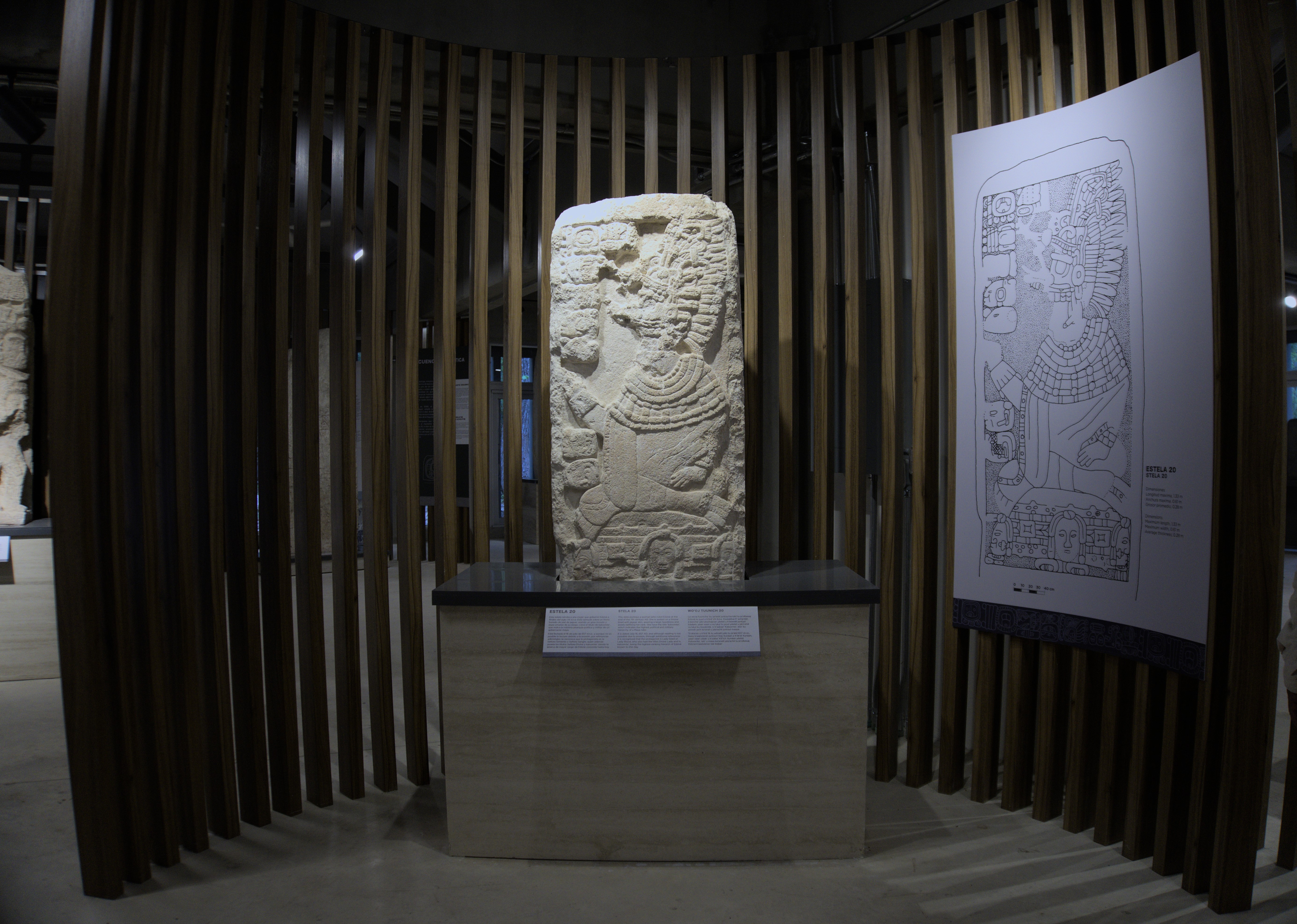
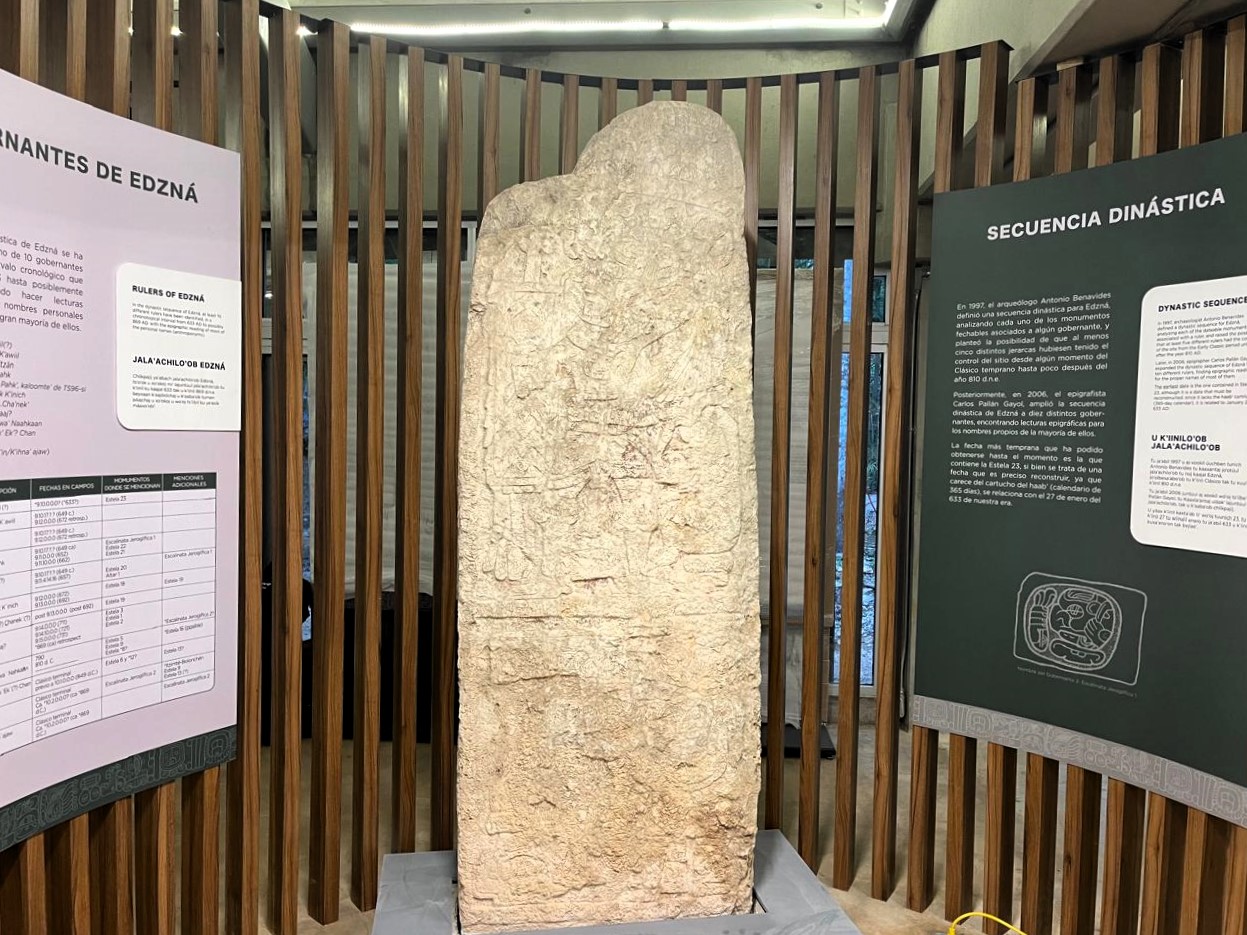
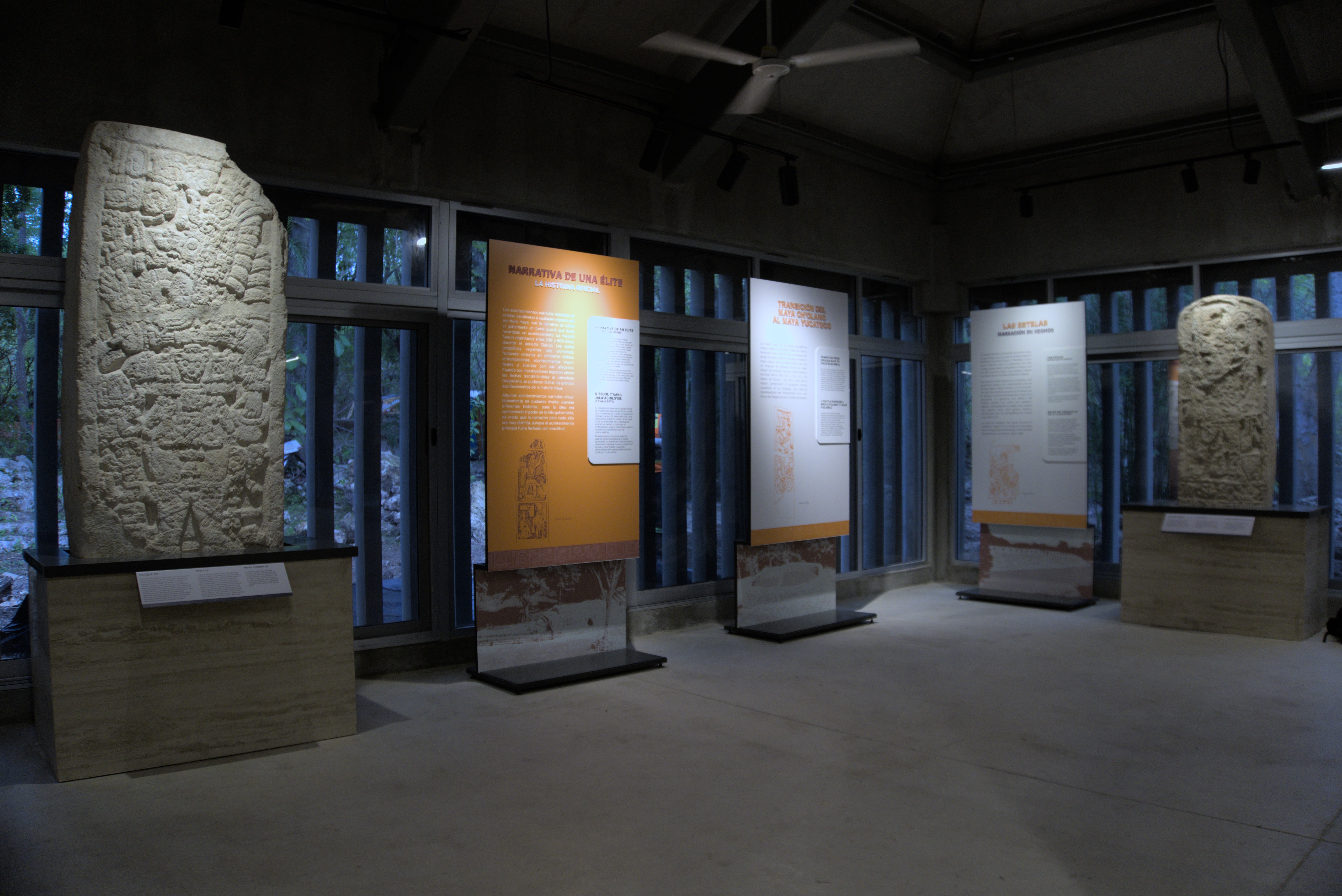
One of the museum’s main attractions is the exhibition of original Maya stelae. These monumental carved stones feature hieroglyphic inscriptions and depictions of rulers, priests, and high-ranking figures, as well as records of important events such as religious ceremonies, wars, political alliances, and dynastic successions. Thanks to advances in deciphering Mayan writing, these inscriptions have made it possible to reconstruct part of Edzná’s political history and understand the role it played within the network of Mayan cities.
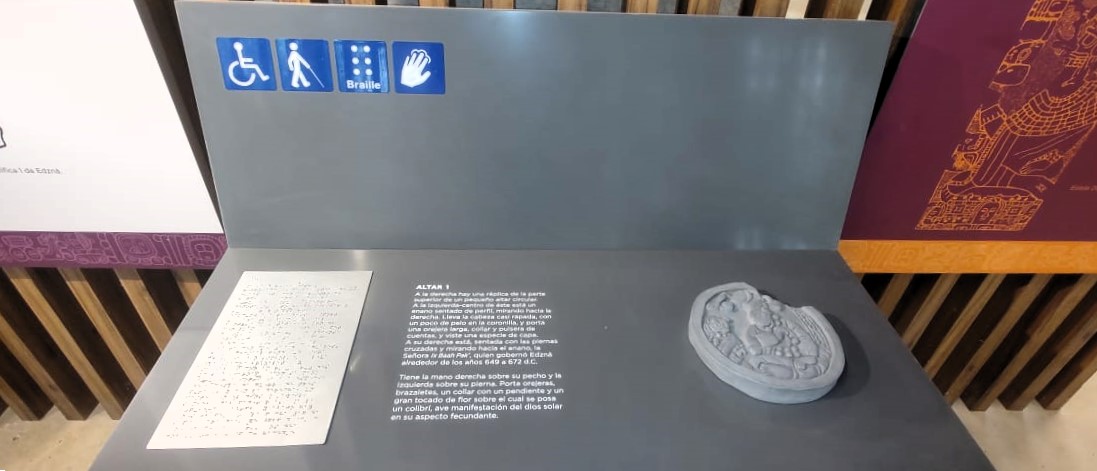
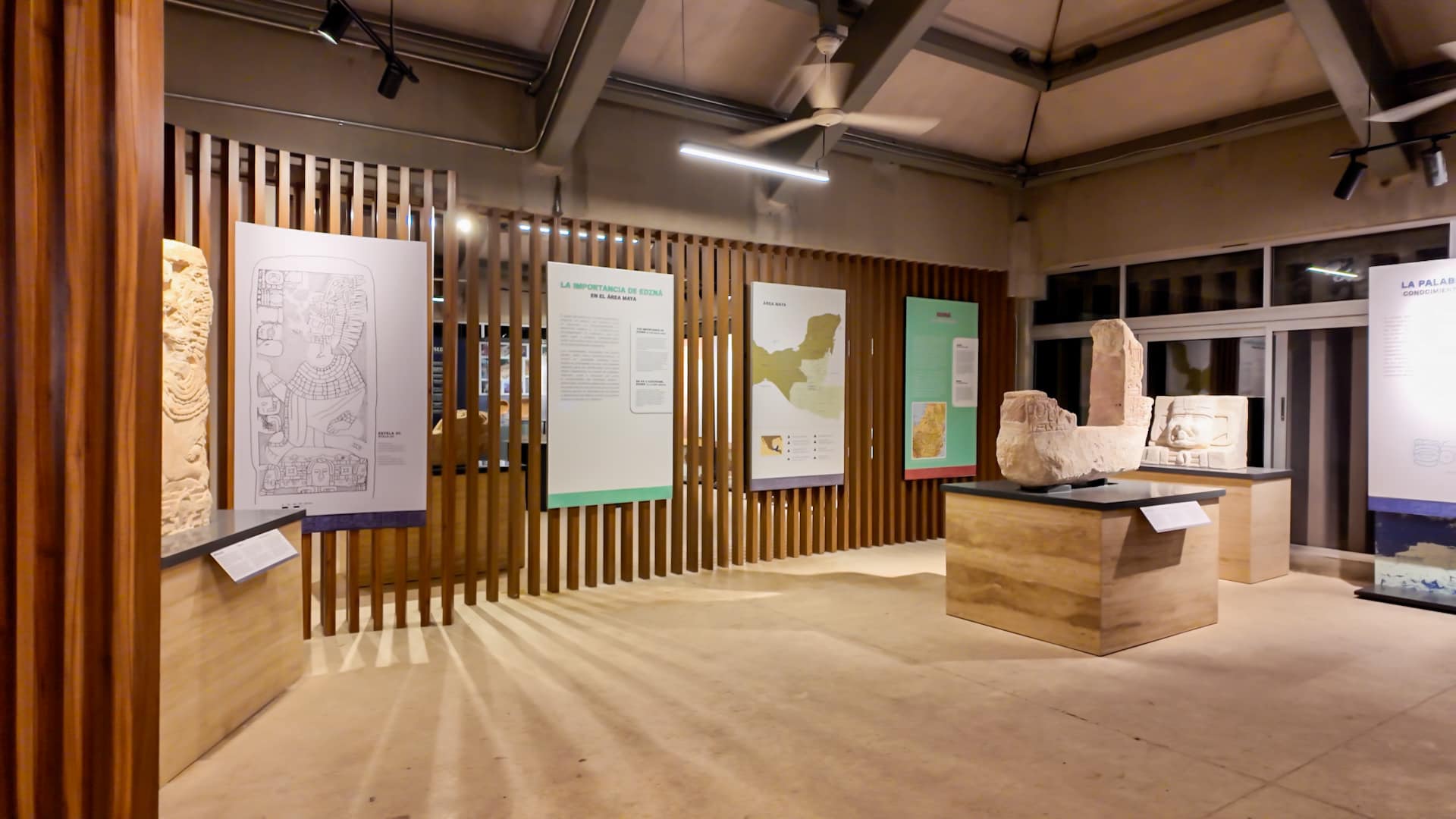
The exhibition halls are organized chronologically and thematically to facilitate an understanding of the city’s historical development. They explain the origins of Edzná, its urban growth, the social organization of its inhabitants, their economic activities, agricultural practices, trade with other regions, and the religious beliefs that guided daily life. The exhibition also features reconstructions, maps, illustrations, audiovisual resources, and three-dimensional models that help visitors interpret the architecture and function of the archaeological site’s main buildings.
A significant portion of the exhibition is dedicated to the extraordinary hydraulic system developed by the ancient Maya of Edzná. Through a complex network of canals, reservoirs, water barriers, and engineering structures, the inhabitants were able to collect, store, and distribute rainwater throughout the year. This system provided water for the population, irrigated the farmlands, and controlled flooding, representing one of the greatest technological achievements of the Maya civilization.
The museum also displays evidence of the population’s daily activities. Among the items on display are household utensils, agricultural tools, tools for crafting objects, containers for storing food, and burial offerings. These artifacts provide insight into the diet, artisanal production, trade, and customs of the ancient inhabitants, offering a glimpse into aspects of daily life that complement the information gleaned from the major monuments.
Furthermore, the tour explains the archaeological research conducted at Edzná from the early 20th century to the present. It presents the excavation, restoration, and conservation methods employed by specialists, as well as the importance of protecting cultural heritage for future generations. In this way, the museum not only displays ancient artifacts but also promotes the scientific work that makes it possible to recover and interpret the history of this important Maya city.
- Dirección del Centro INAHAdriana Velázquez Morletadriana_velazquezm@inah.gob.mx+52 (981) 816 8179