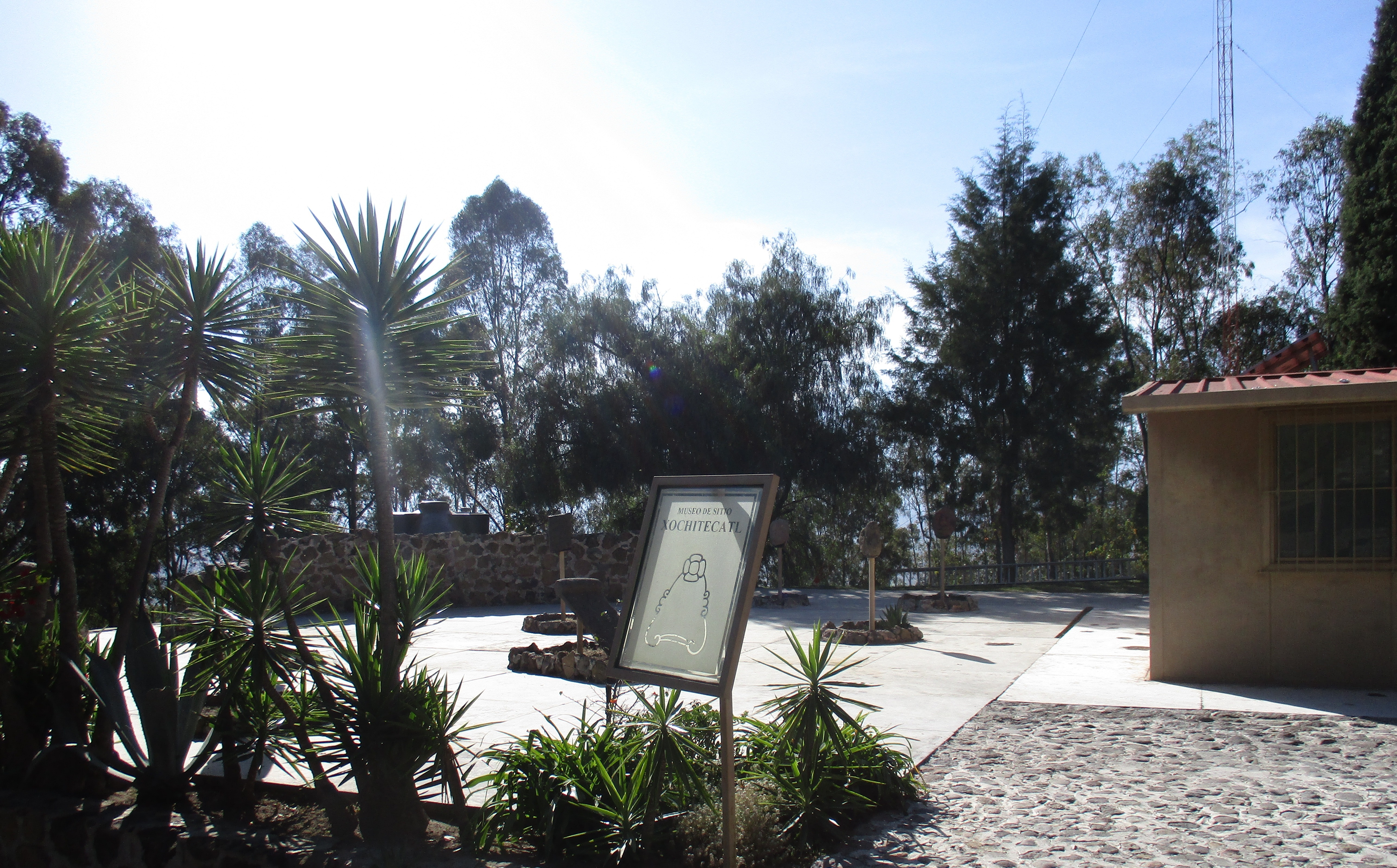











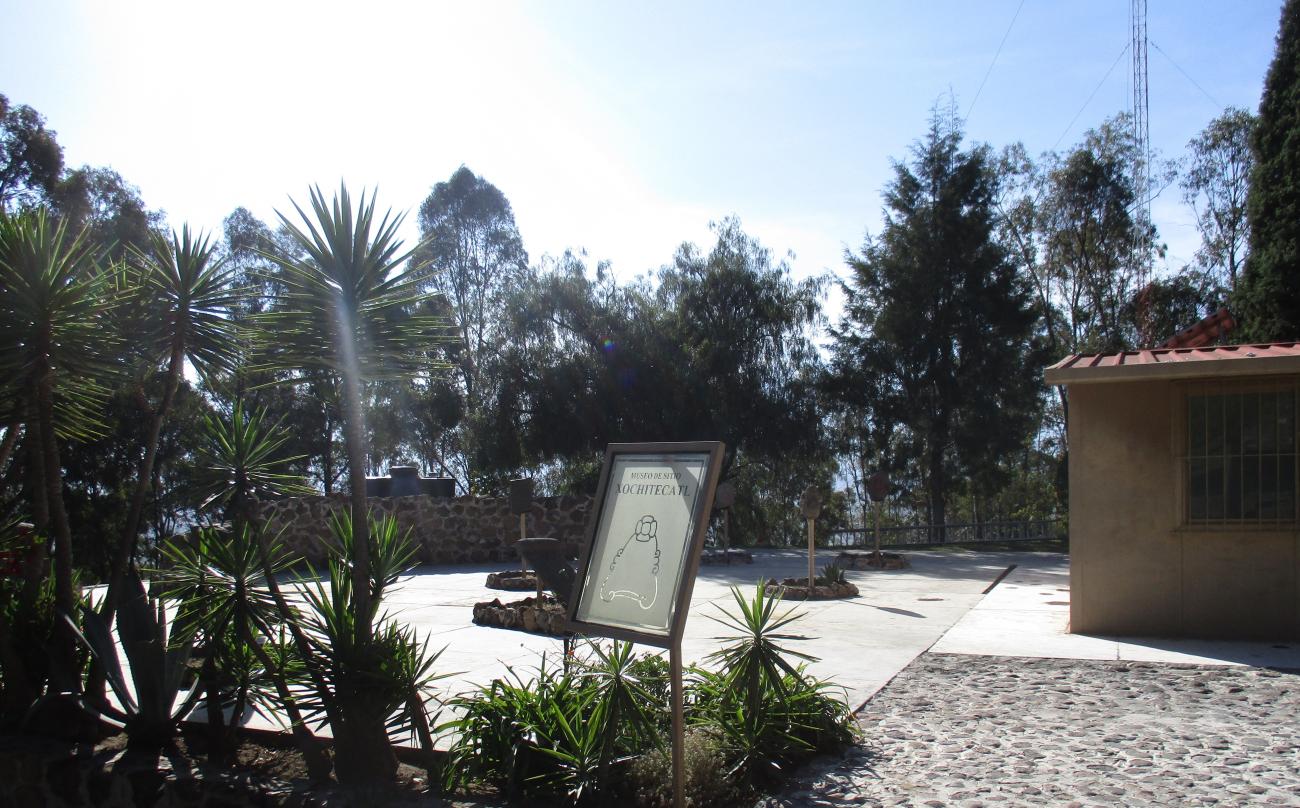
Museo de Sitio de Xochitécatl
Since the eighth century BC the ancient Tlaxcalan culture ascribed women preeminent roles as givers of life, wise women and governors. This was exceptional in Mesoamerica. The museum has a multitude of artifacts testifying to the fact: ceramics, ornaments, offerings and utensils.
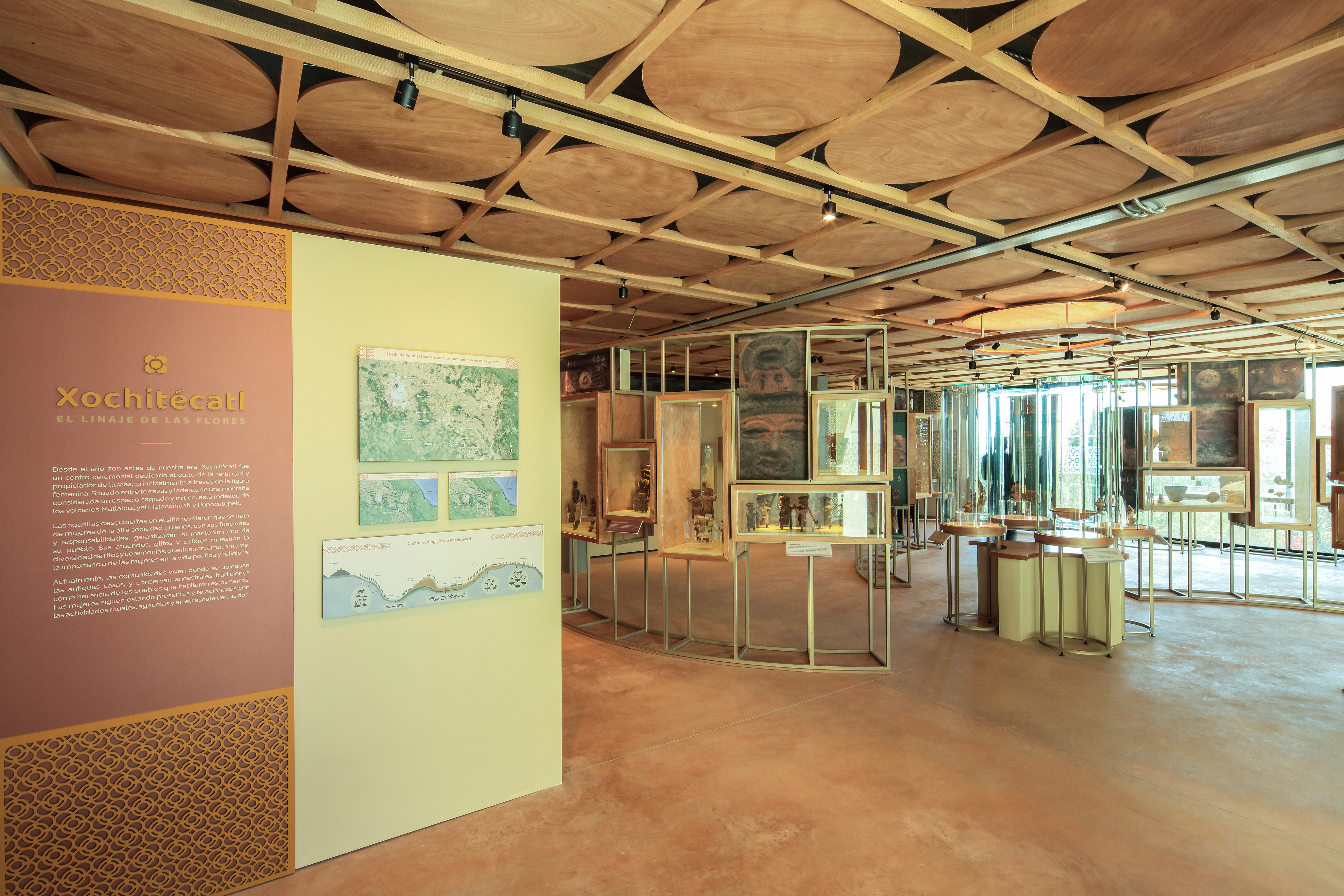
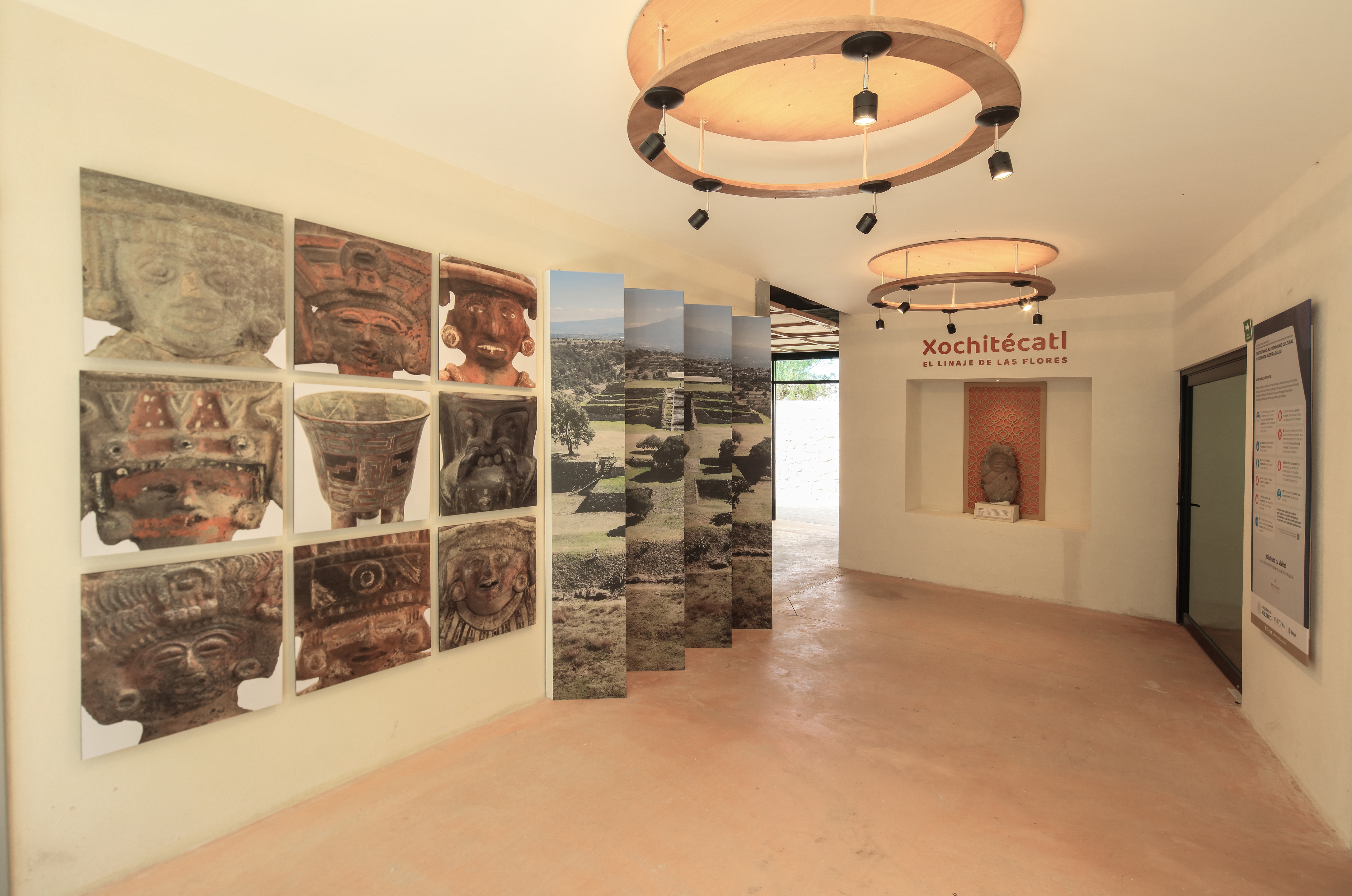
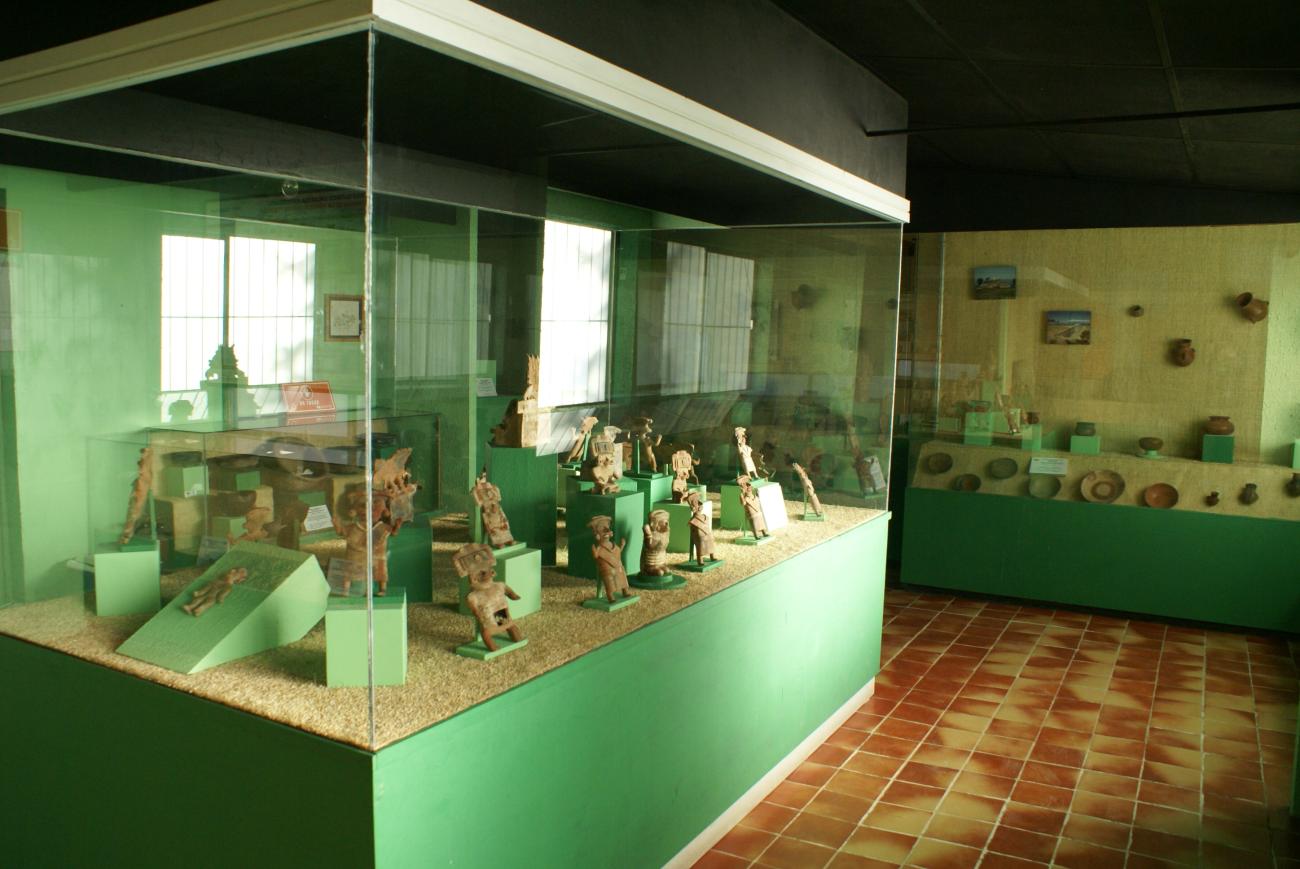
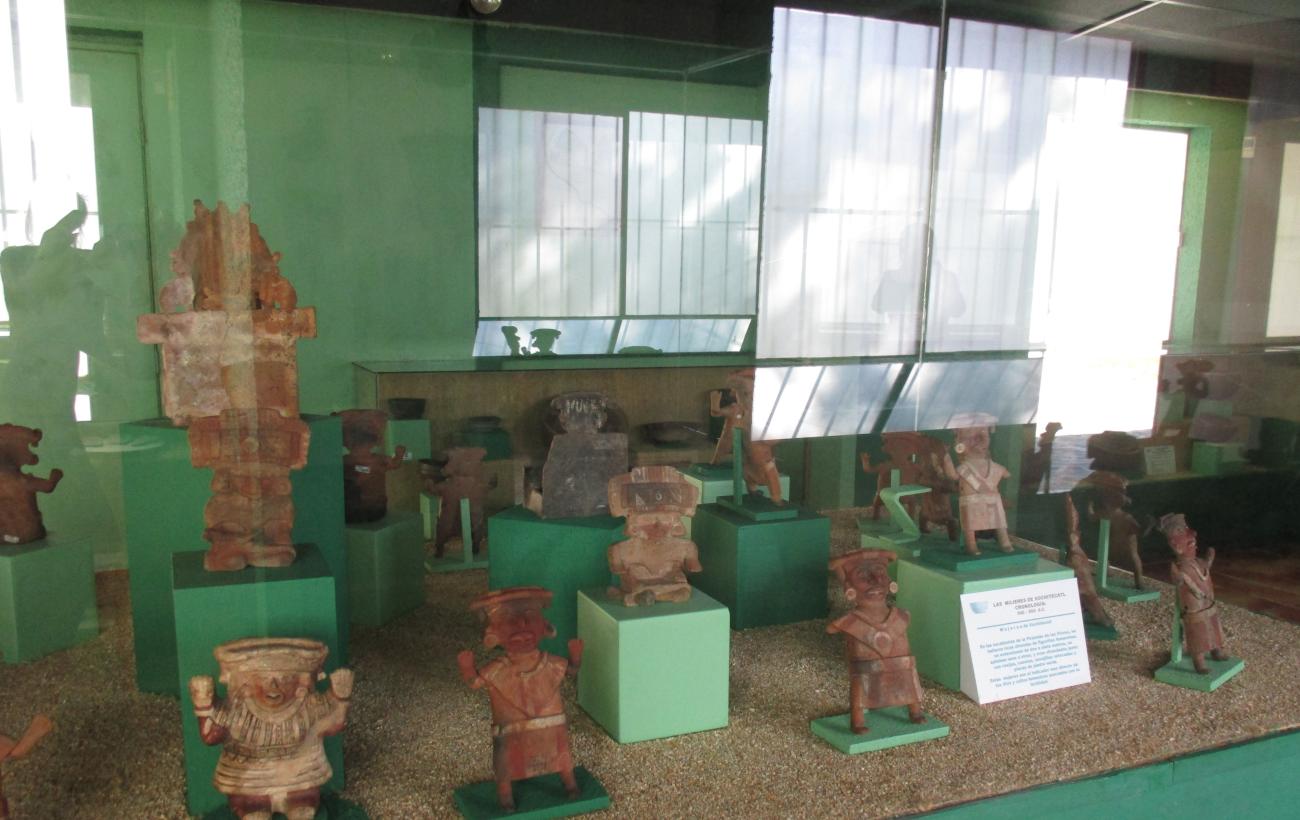
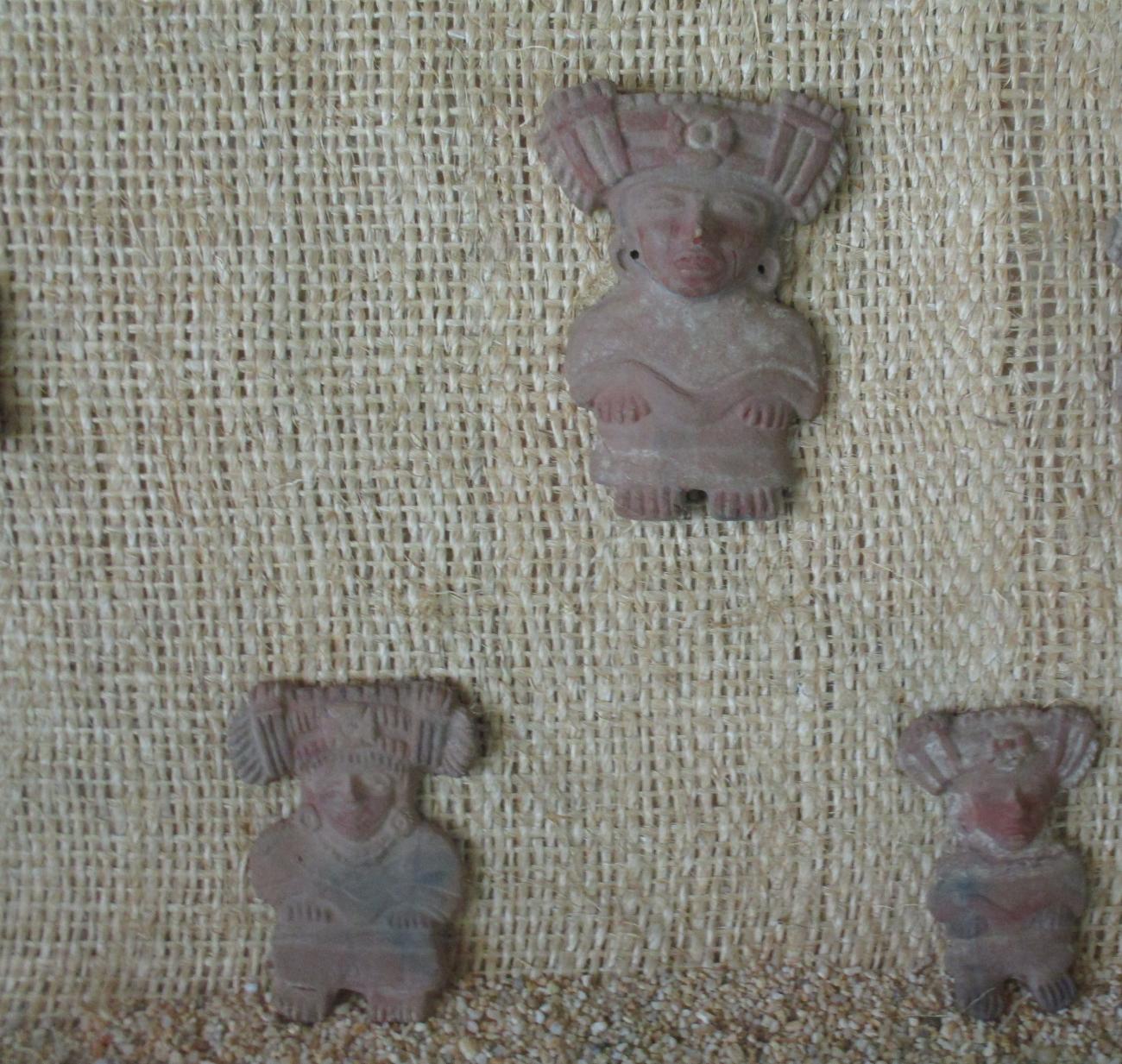
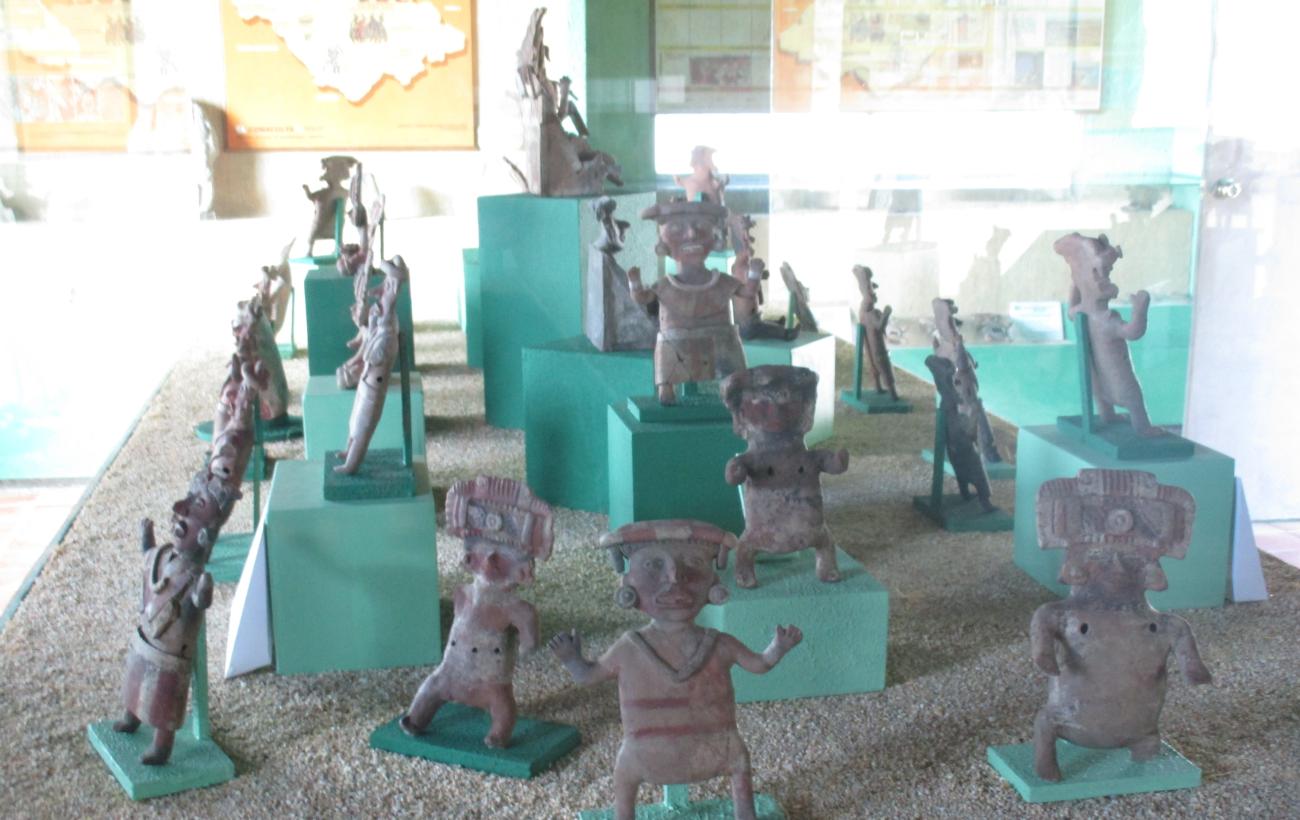
Opened in 1995, the museum’s aim is to conserve and disseminate the archeological discoveries from the 1969-70 excavation season directed by the German archeologist Bodo Spranz, and from the Xochitecatl Project from 1993-94. It displays 343 pieces of which roughly 80% demonstrate and symbolize the importance of women in pre-Columbian Tlaxcalan culture. Xochitecatl itself means “person of the flowers,” someone whose business was with the flowers, who belonged to the flowery lineage. The offering figurines found at Xochitecatl principally represent the female cycle from maternity, birth, child rearing, old age and death, while portraying women holding the important social status of governors or queens of the region, which was not common among pre-Hispanic civilizations of Mesoamerica. It displays pre-Hispanic relics of one the most ancient civilizations which began around 750 BC and lasted up to 950 AD.
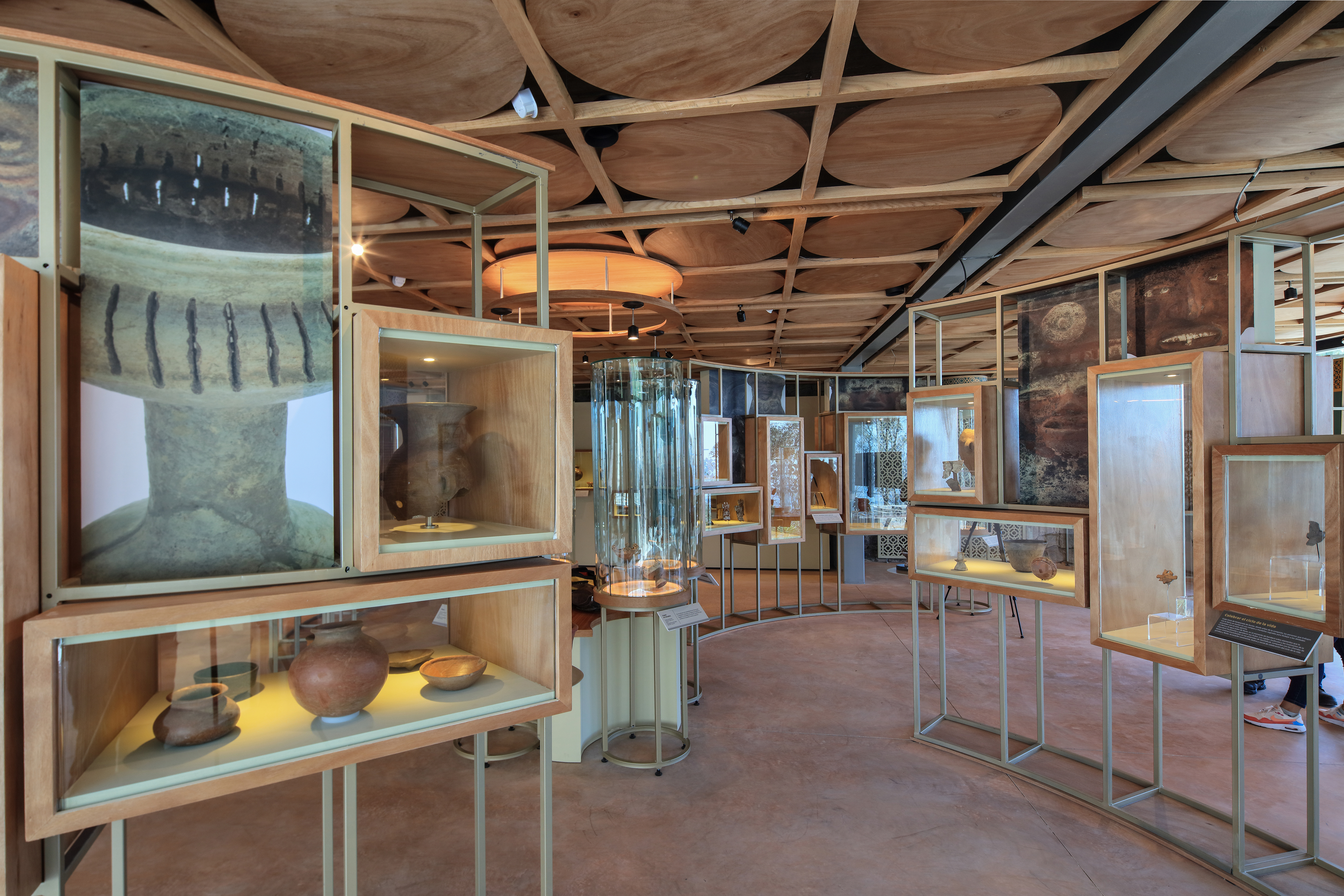
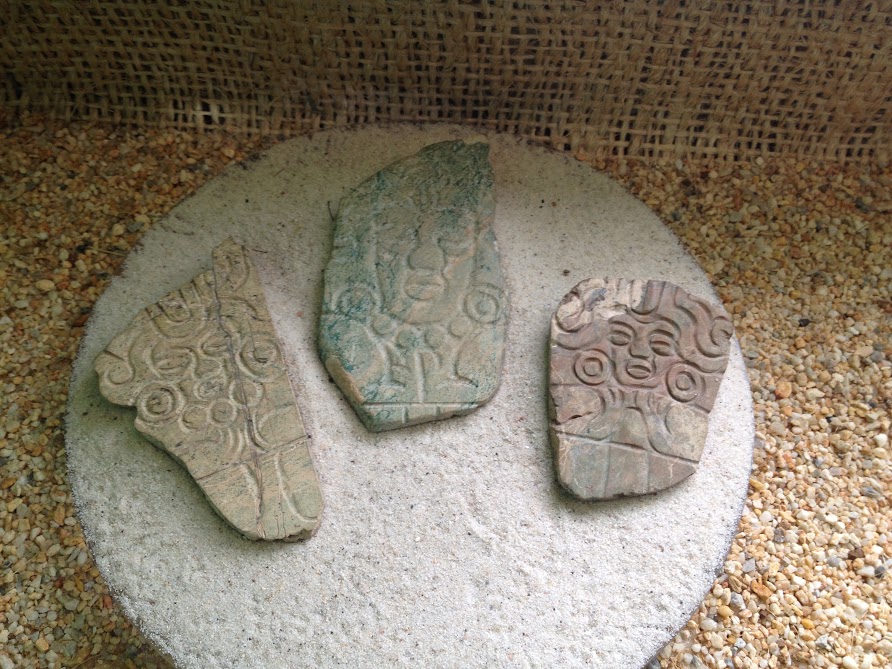
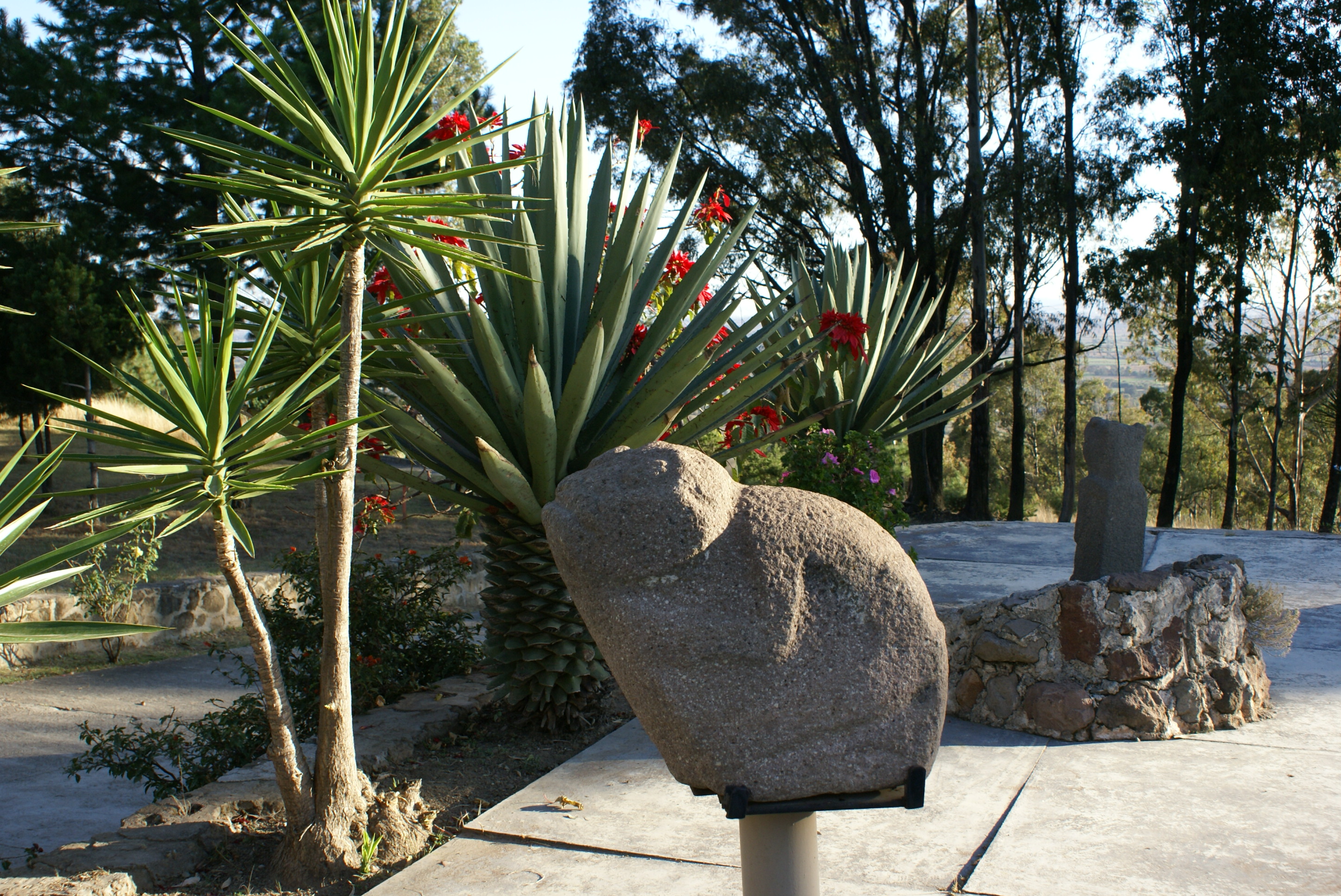
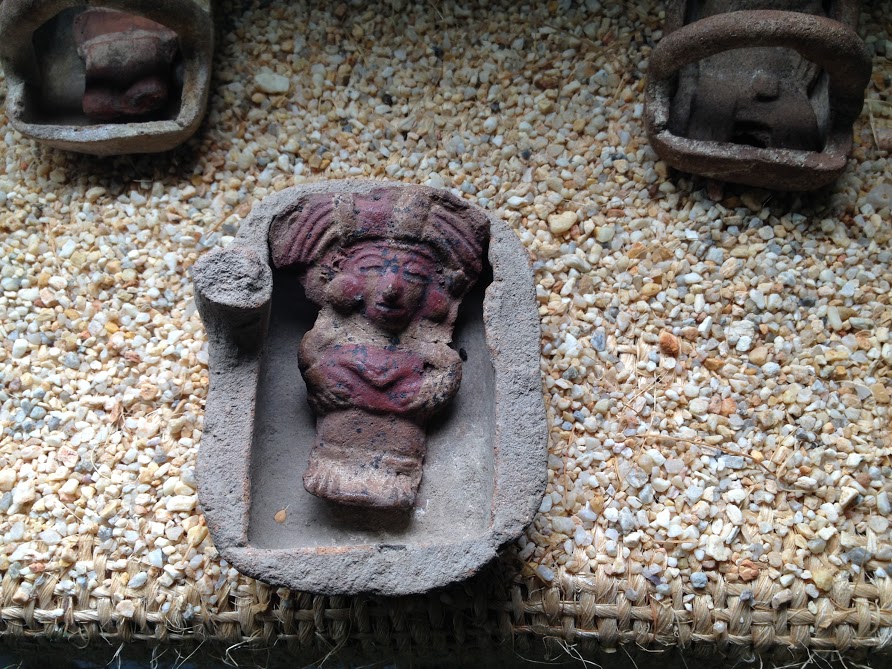
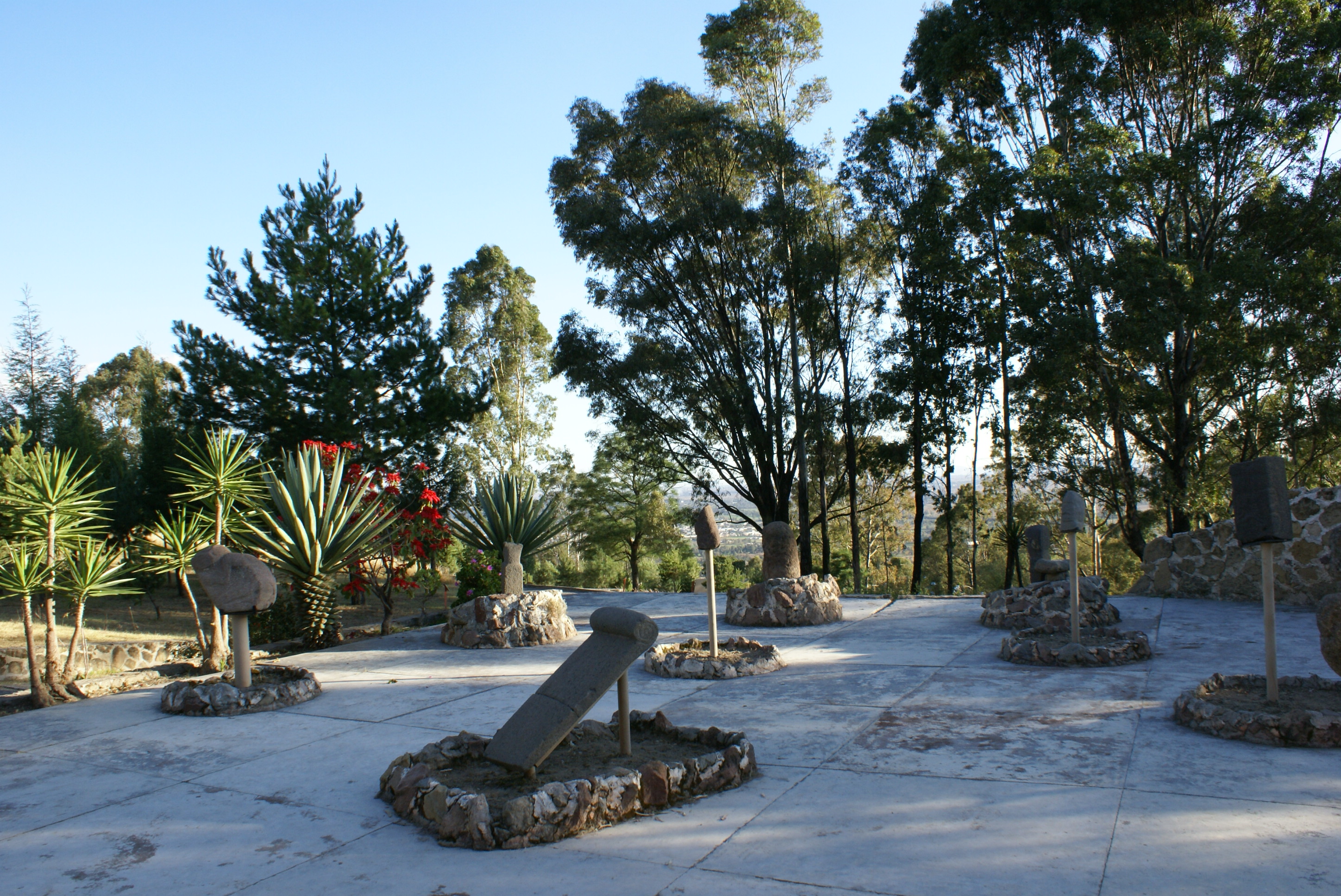
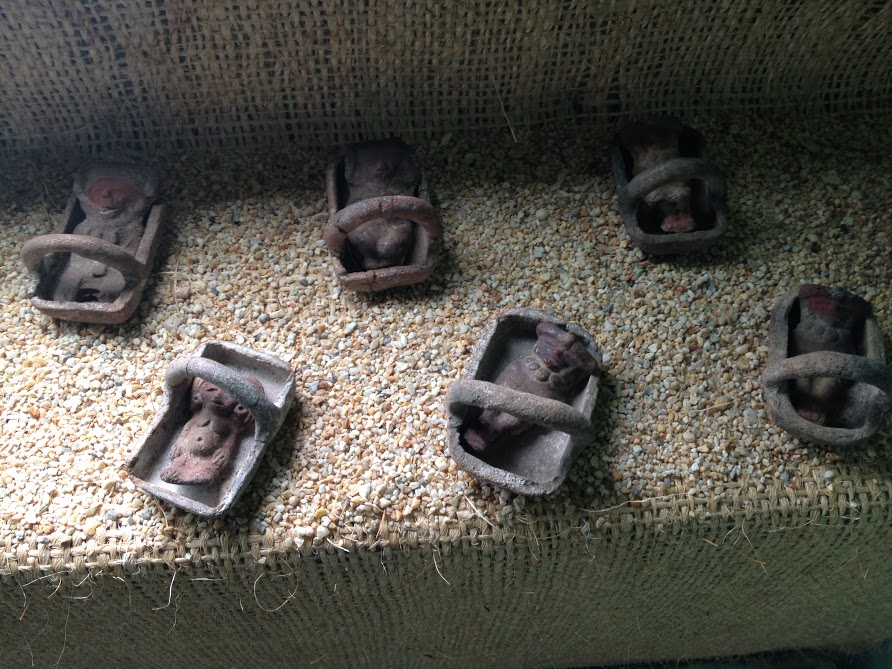
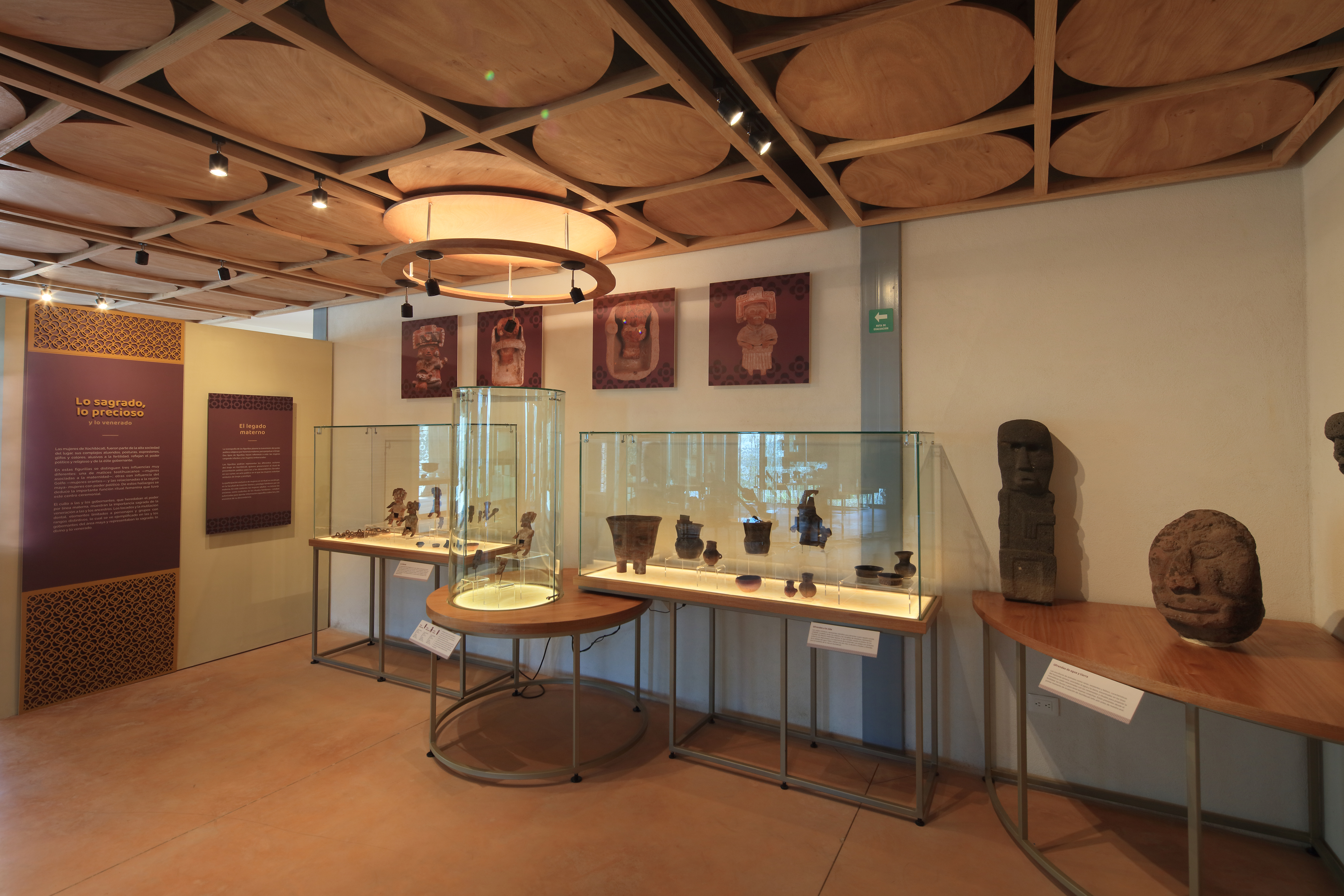
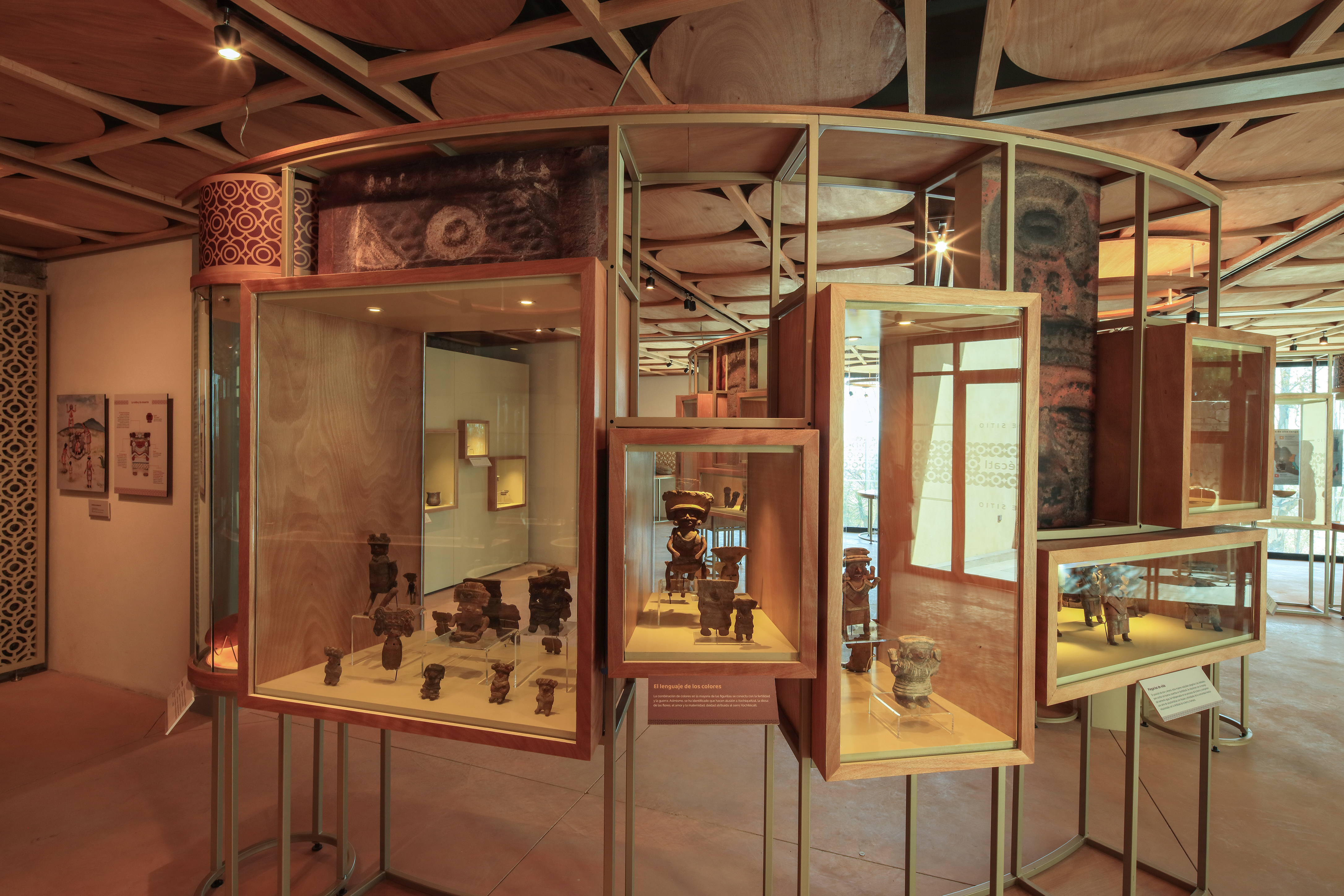
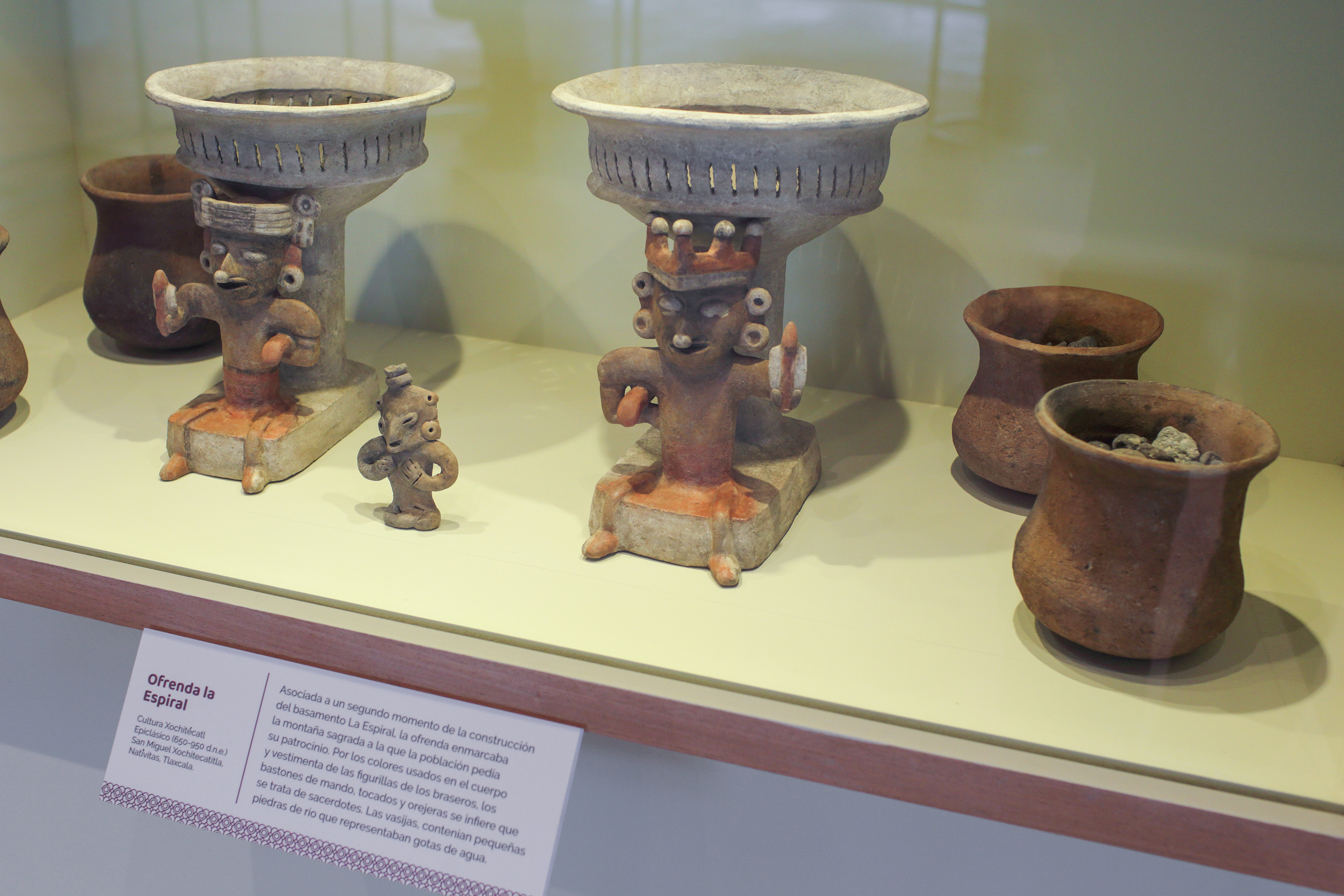
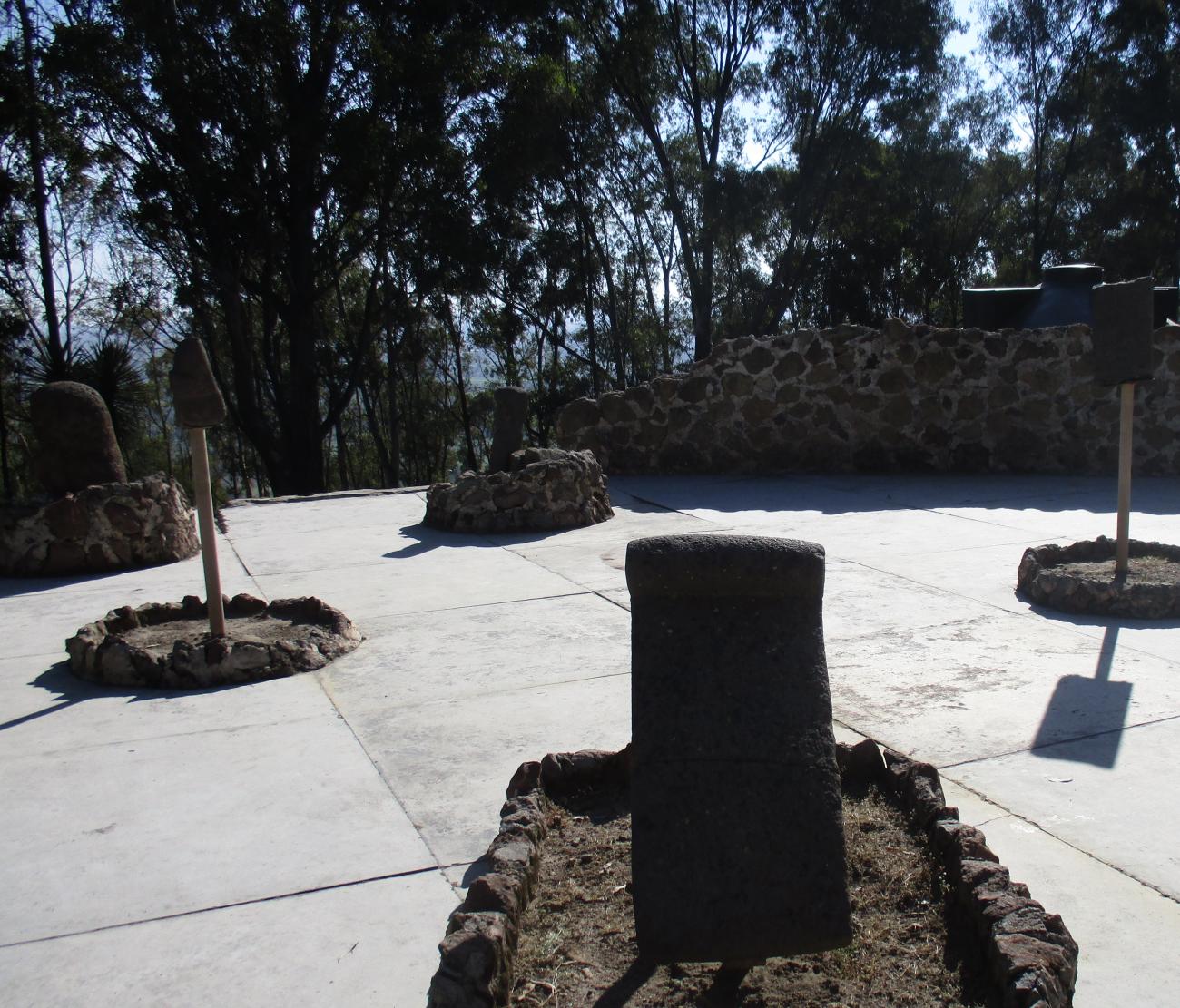
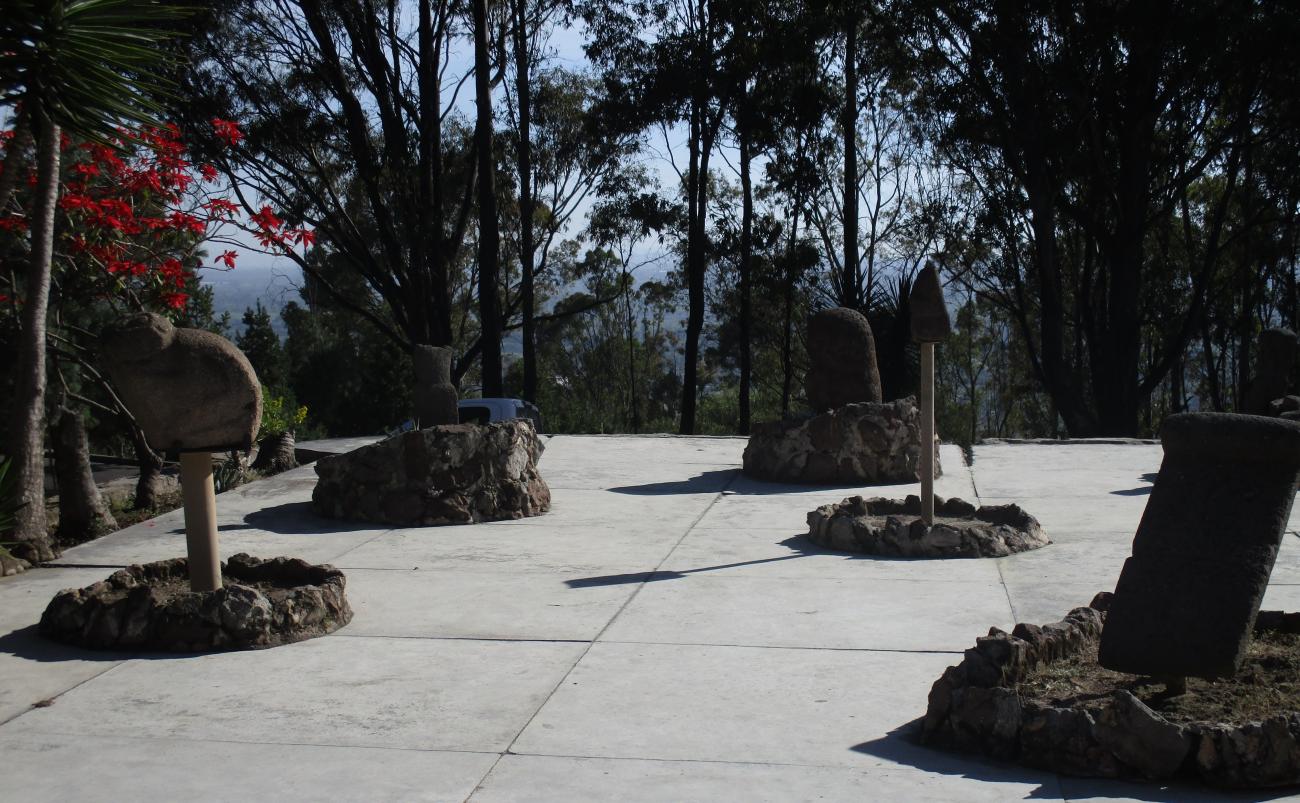
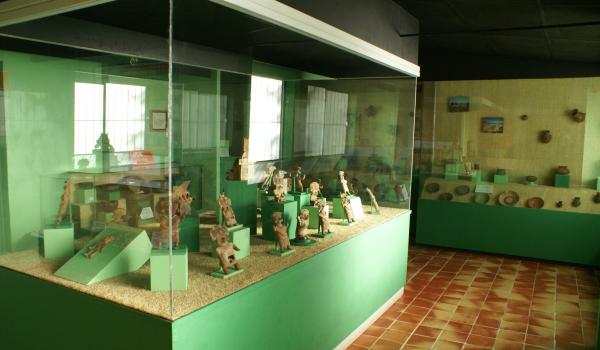
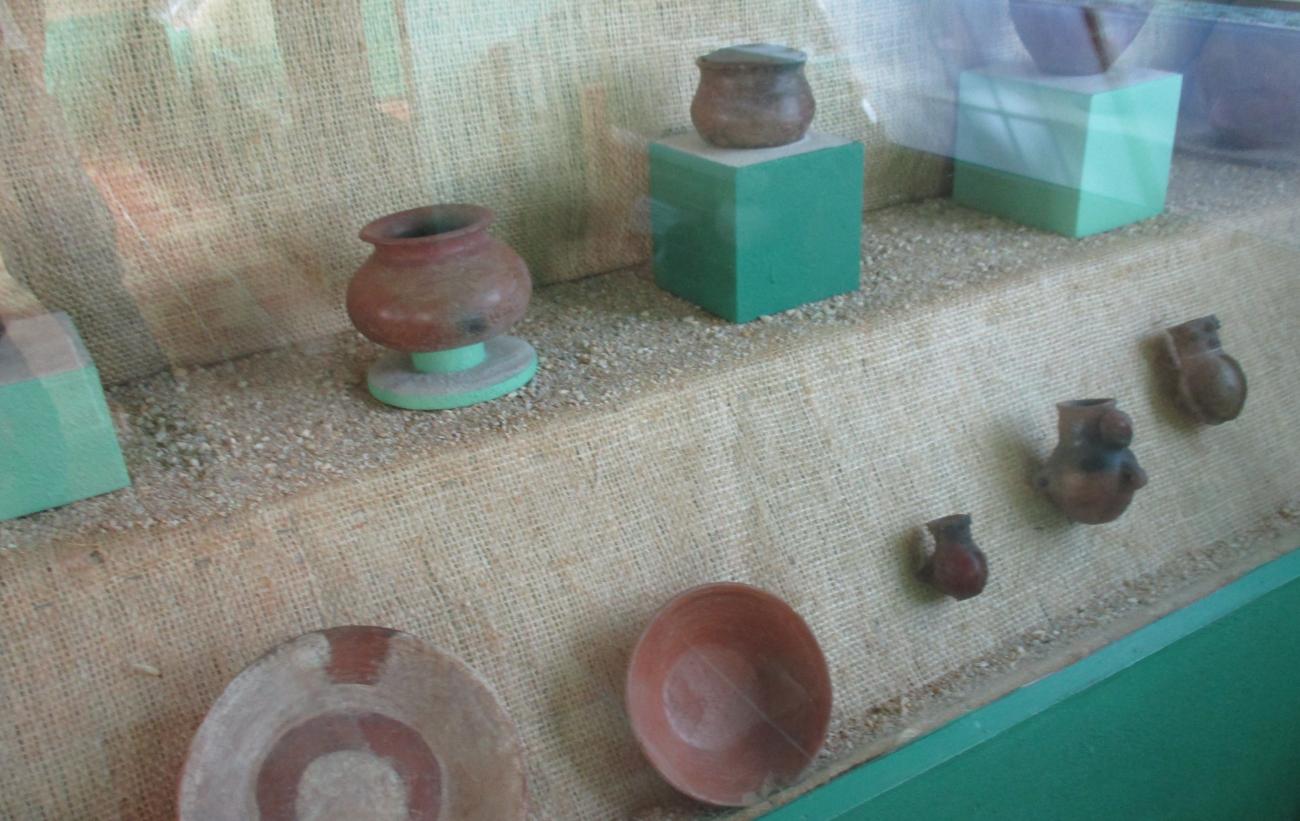
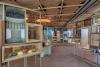
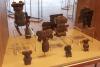
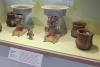
The museum is in a single-story building with around 750 square feet divided into two sections. One is in a covered space. It displays everyday vessels, pre-Hispanic incense burners, a variety of utensils, figurines of women, babies in cradles and pregnant women, ornamental objects and components of offerings such as necklaces, knives, green stone plaques and ear flares from the Epiclassic to the Late Preclassic (650-1000). The outdoor section displays pieces of anthropomorphic and zoomorphic carved stone and a few variants of these.
Open Sky
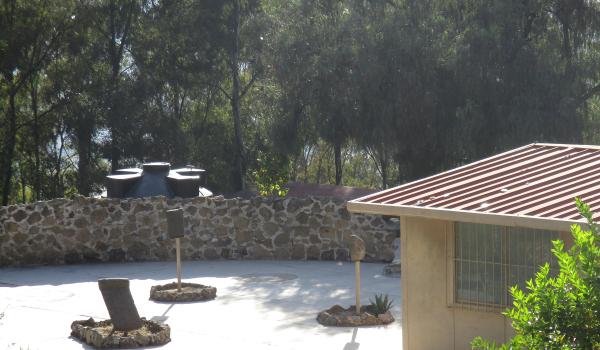
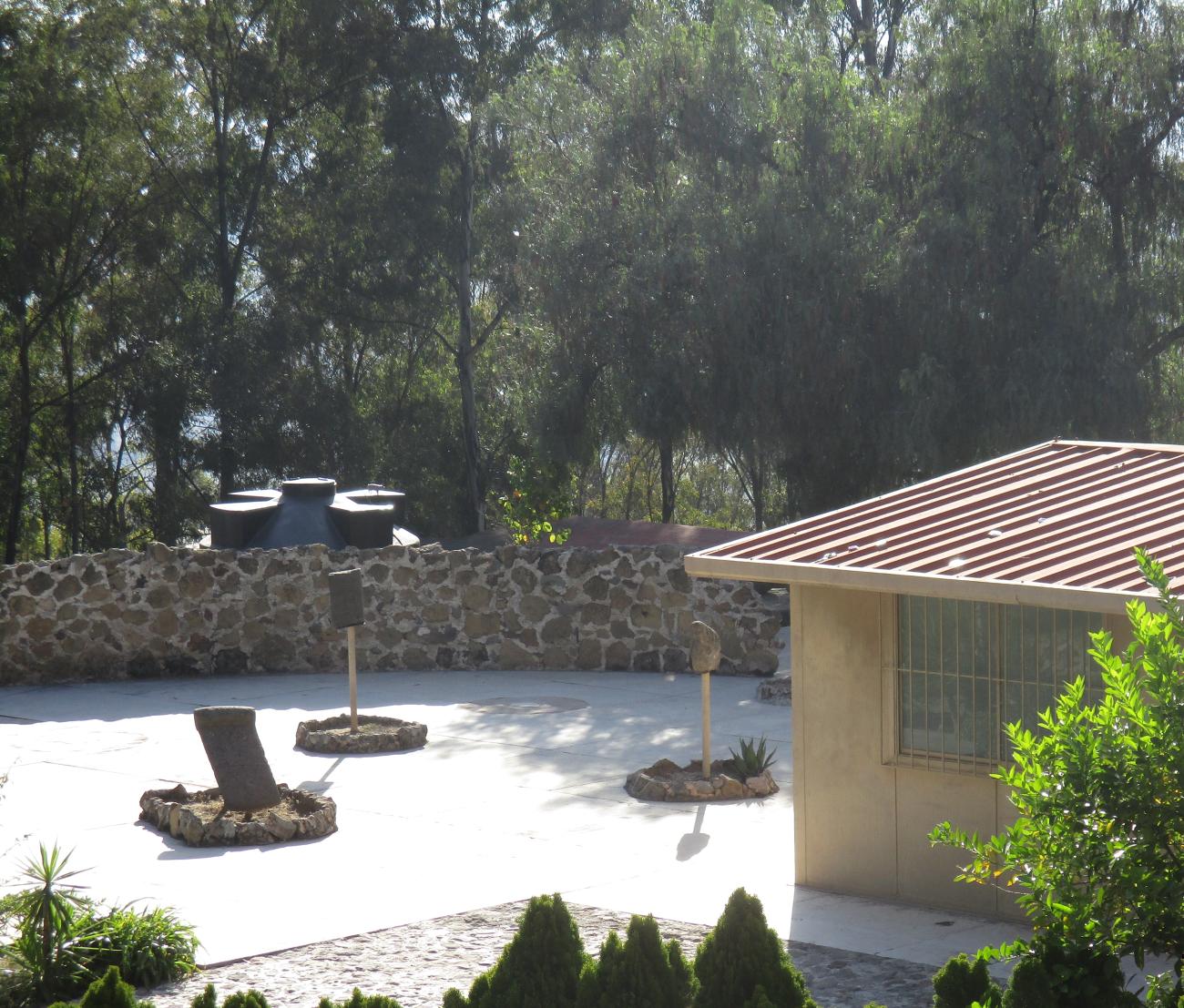
This space exhibits sculptures with indistinct characteristics. They were found during excavations at the archaeological site, inside monolithic tubs, and represent the cult to water.




Cacaxtla-Xochitécatl
The museum features a unique hall displaying various objects from an Epiclassic offering. Among the most prominent pieces are children in cradles and pregnant women. A total of 342 pieces are exhibited, with a focus on the theme of the role of women in pre-Columbian Tlaxcalteca culture.
Cacaxtla-Xochitécatl












- EncargadoYajaira Mariana Gómez Garcíayajaira_gomez@inah.gob.mx+52 (246) 416 00 00