


Mostrando 145 - 156 de 167

Sala de Exposición de San Francisco Tepeyanco

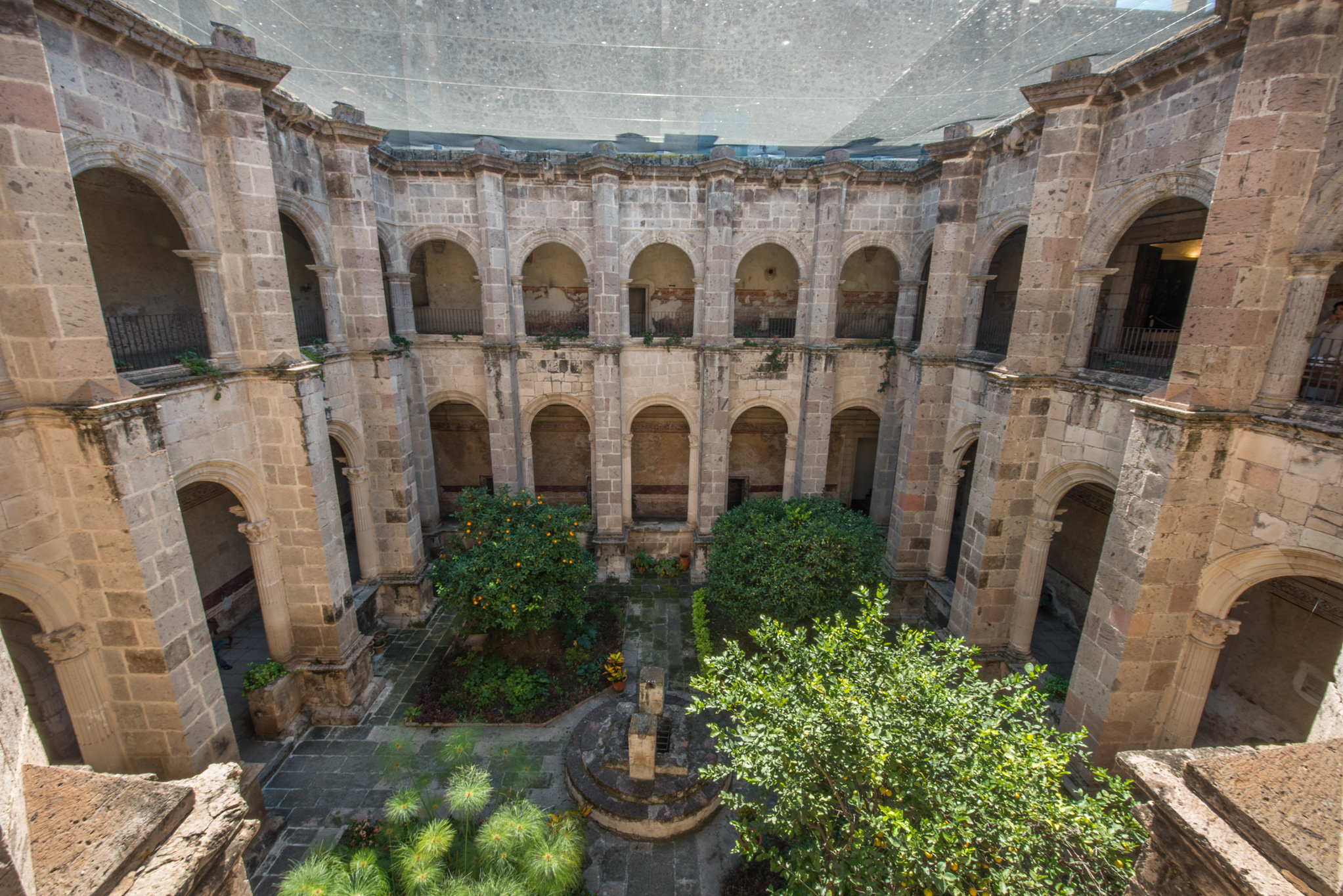
A cultural center located in the former Convent of San Francisco, in the municipality of Tepeyanco, Tlaxcala. The purpose of this space is to introduce the public to the region’s historical and artistic heritage through temporary exhibitions and cultural activities. In addition to preserving and promoting local history, it offers visitors the opportunity to explore an important 16th-century monument, renowned for its architectural significance and its murals.


Sala de Exposiciones del Centro INAH Hidalgo
The venue hosts exhibitions related to the building’s history and the region’s artistic heritage. Its galleries feature paintings, sculptures, religious objects, liturgical items, gold and silverwork, and historical documents from the 17th, 18th, and 19th centuries, as well as materials illustrating the various stages of construction and transformation of the former convent.
Sala de Exposiciones del Centro INAH Michoacán
Dedicated to promoting Mexico’s historical, archaeological, and anthropological heritage. Through its exhibitions, it showcases research on the human history, evolution, and cultural diversity of Michoacán, promoting learning and the preservation of historical memory.
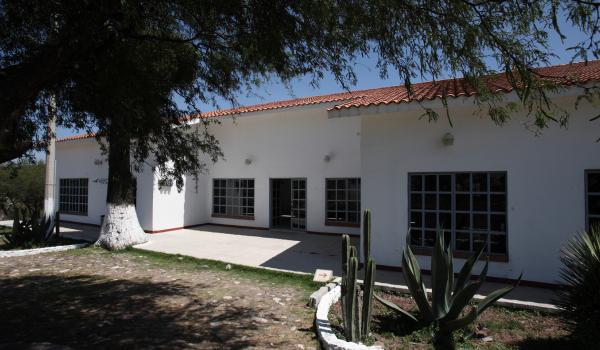
Sala de interpretación "Guadalupe Mastache"
This Interpretation Gallery, dedicated to a well-known Mexican archeologist and restorer, is a great place to visit before seeing the Tula Giants. There are some exceptional pieces: a fragment of a pilaster with images of Tlaloc, the kind god and Tezcaltipoca, the fateful one; a unique jaguar in a single piece and the mysterious chacmools.
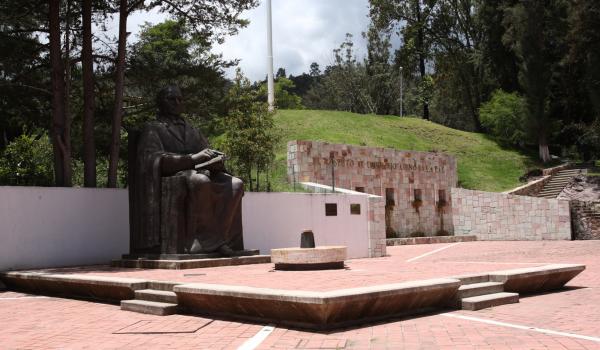
Sala Homenaje a Juárez
The gallery in Guelatao, the Zapotec village where President Juárez was born, tells the story of his life with a selection of personal possessions, biographical and historical materials relating to the difficult period of Mexican history in which he lived.
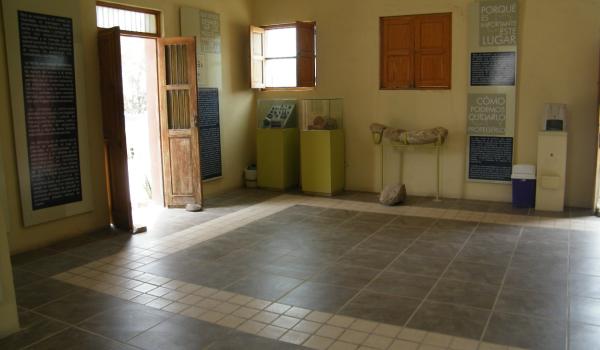
Sala Introductoria a la Zona Arqueológica de Boca de Potrerillos
The Introductory Hall offers visitors an overview of the site’s historical and cultural significance. It features exhibits on the region’s ancient inhabitants, their customs, archaeological research, and the importance of the petroglyphs. This space provides a better understanding of the context of the archaeological site and promotes the preservation of one of the most important heritage sites in northeastern Mexico.
Sala Introductoria a la Zona Arqueológica de Huandacareo
Through informational materials and visual resources, it presents key aspects of Purépecha culture, the function of the structures, and the findings of archaeological research, fostering a better understanding and appreciation of the region’s historical heritage.
Sala Introductoria a la Zona Arqueológica de Ixtlán del Río
Through the display of archaeological artifacts and informational materials, it explains the history, social organization, architecture, and traditions of the area’s ancient inhabitants, helping visitors better understand the historical and cultural significance of a tour of the archaeological site.
Sala Introductoria a la Zona Arqueológica de La Organera Xochipala
It is a museum space dedicated to interpreting the site’s archaeological context and studying the Mezcala culture. Through the display of material evidence, visual elements, and specialized content, it explains the historical processes, architectural characteristics, and sociocultural dynamics that defined this pre-Hispanic settlement.
Sala Introductoria a la Zona Arqueológica de Lagartero
It provides an overview of the historical and cultural development of this ancient Mayan settlement. Through interpretive elements, it offers insight into its architecture, social organization, and relationship with the landscape, thereby promoting appreciation and conservation of the archaeological heritage.
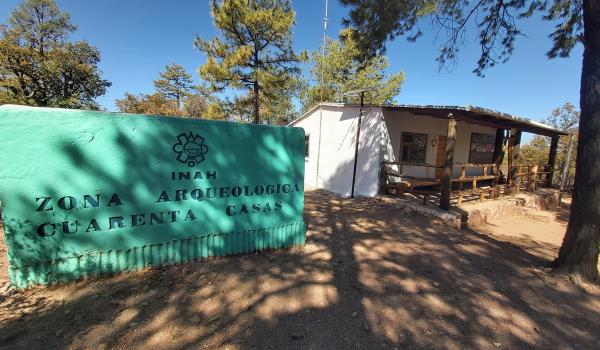
Sala Introductoria a la Zona Arqueológica de las Cuarenta Casas
This interpretive space uses maps, photographs, illustrations, and informational materials to explain the way of life of the ancient inhabitants of the Sierra Madre Occidental, their construction techniques, their relationship with the Paquimé culture, and the heritage value of this pre-Hispanic settlement. It also promotes the conservation of archaeological heritage and helps visitors understand the historical and natural context of the Cuarenta Casas.
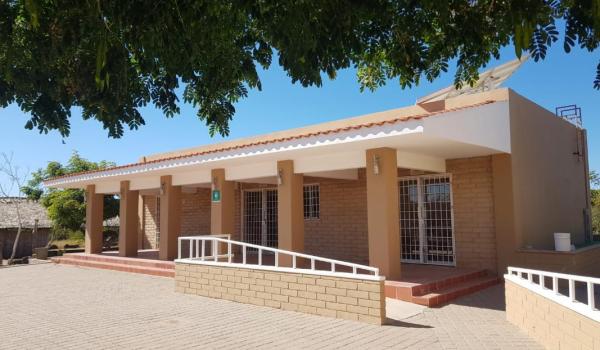
Sala Introductoria a la Zona Arqueológica de Las Labradas
It is an interpretive space designed to provide context for the historical, archaeological, cultural, and environmental significance of one of the most important rock art sites in northwestern Mexico. Through museum exhibits, it provides context for the rock art, the pre-Hispanic cultures that created it, and the importance of its preservation.
