







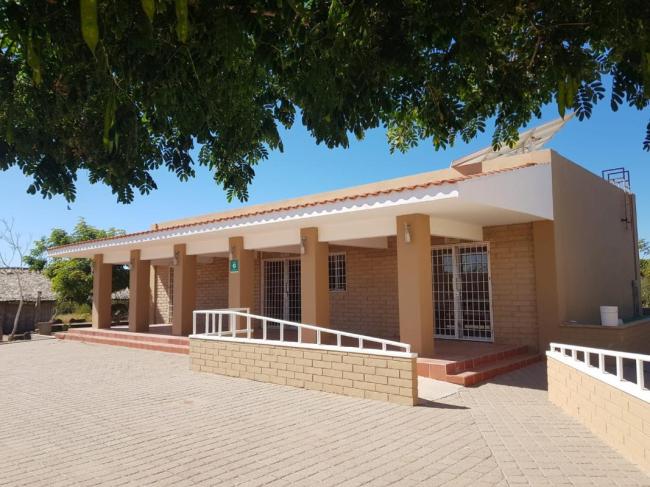

Sala Introductoria a la Zona Arqueológica de Las Labradas
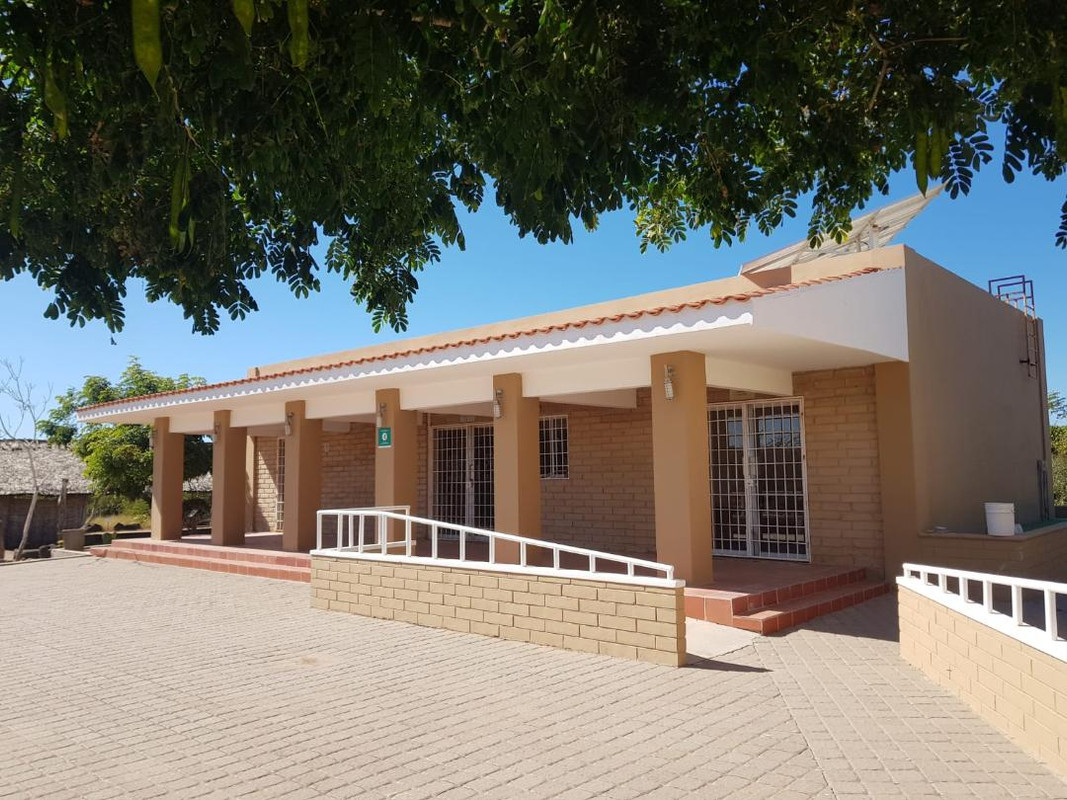
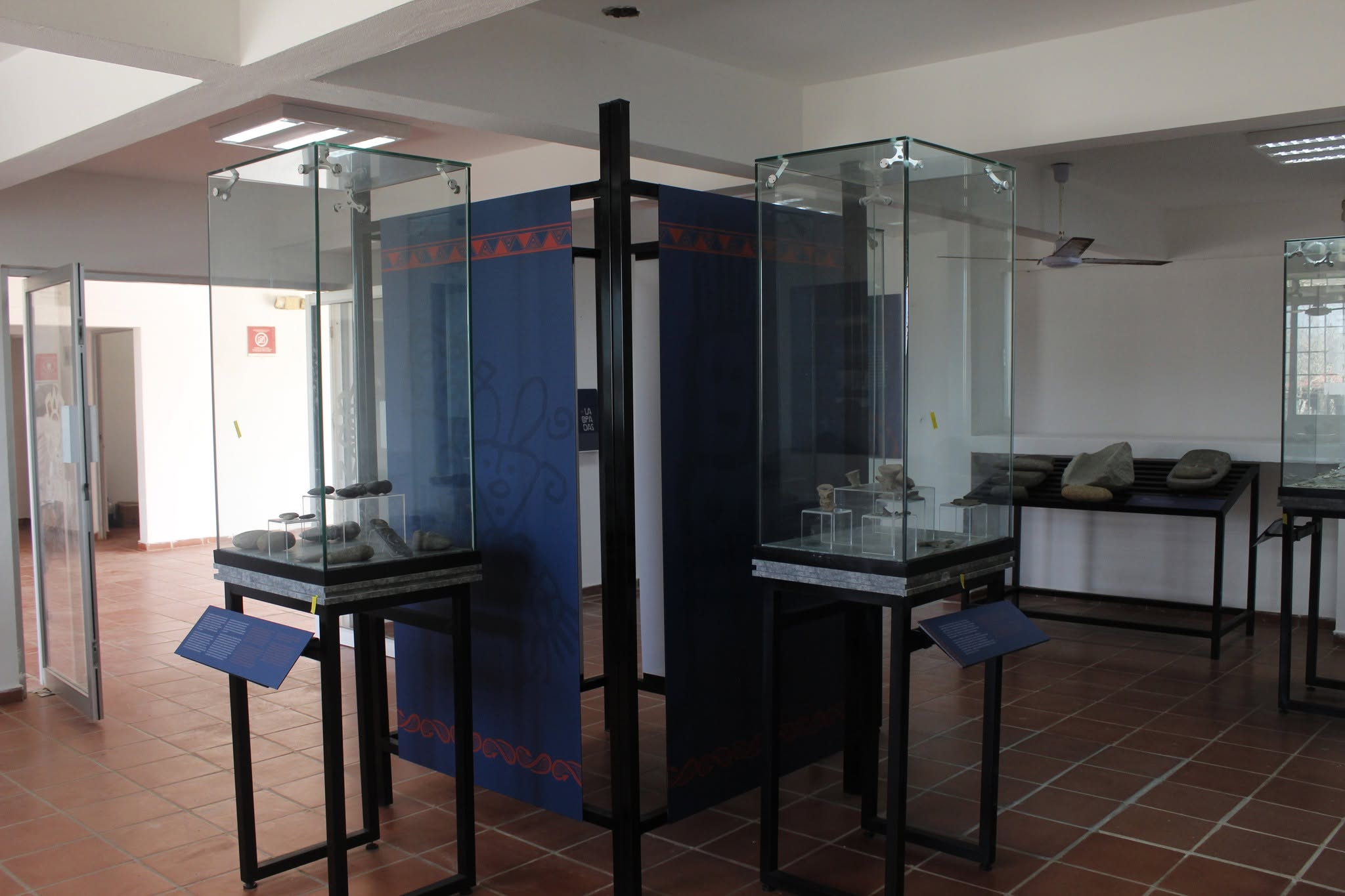
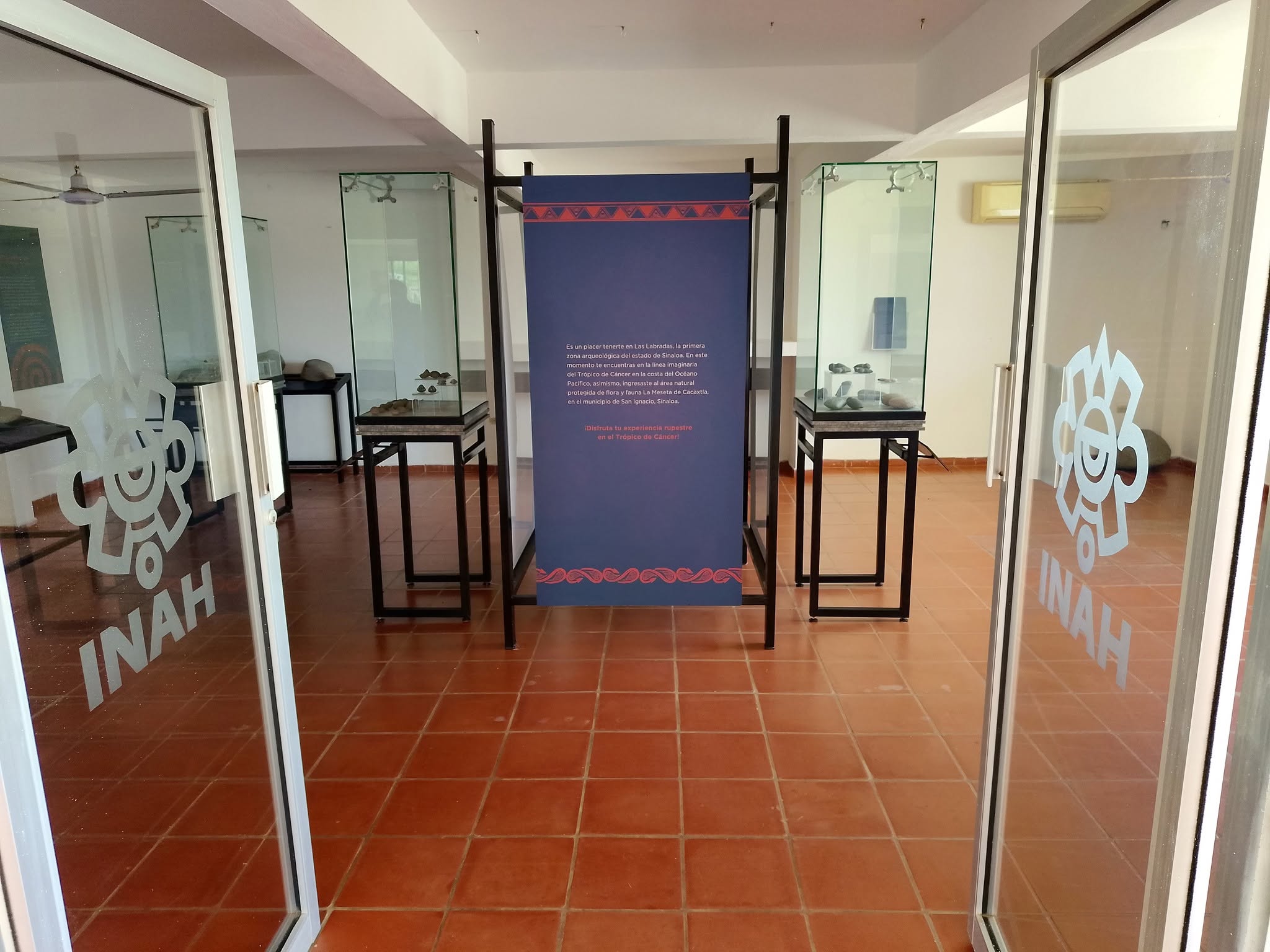
It is an interpretive space designed to provide context for the historical, archaeological, cultural, and environmental significance of one of the most important rock art sites in northwestern Mexico. Through museum exhibits, it provides context for the rock art, the pre-Hispanic cultures that created it, and the importance of its preservation.
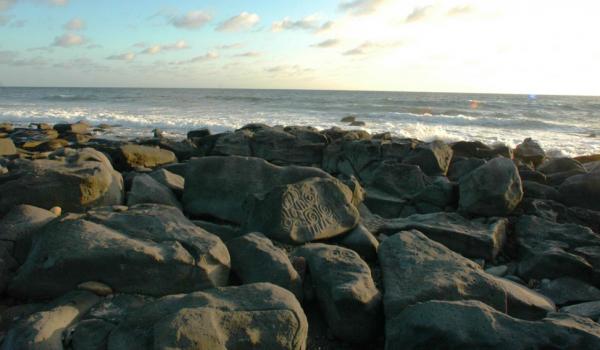
It introduces the setting in which the archaeological site is located: a coastal strip along the Pacific coast characterized by sandy beaches, volcanic rock outcrops, and an ecosystem where marine and terrestrial species native to the region converge. This landscape not only serves as the physical setting for Las Labradas but also explains many of the reasons why ancient human groups chose this site to carry out ritual and symbolic activities and to harness natural resources.
One of the exhibition hall’s most important themes is the explanation of the origin of the petroglyphs. Through informational panels, illustrations, maps, photographs, and audiovisual resources, the exhibition describes the process by which ancient inhabitants carved hundreds of figures into large blocks of basalt rock using stone tools. These depictions include human figures, animals, geometric shapes, spirals, concentric circles, and various abstract designs whose interpretation remains the subject of ongoing archaeological research. Although there is no definitive explanation for the meaning of each engraving, experts believe that many may have been related to religious ceremonies, astronomical observations, territorial markers, water-related rituals, or expressions of the worldview of the pre-Hispanic societies that inhabited the region.
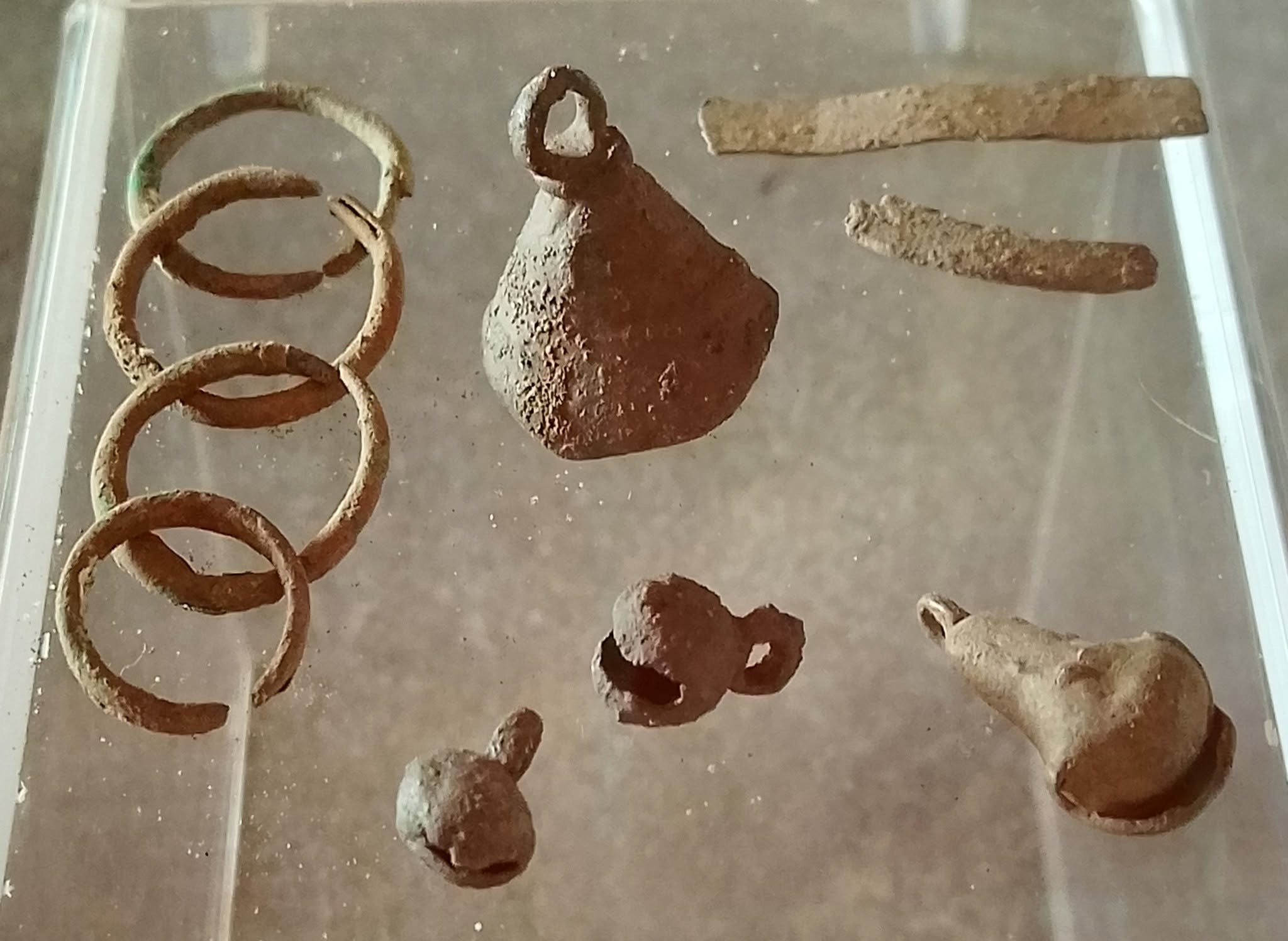
The gallery also presents information about the cultures that inhabited the Sinaloa coast during the pre-Hispanic period. It explains that Las Labradas was inhabited by groups of the Aztatlán tradition and by earlier communities that developed ways of life based on fishing, gathering, hunting, and early agriculture. Through archaeological artifacts, reproductions, and graphic materials, visitors can learn about aspects related to the social organization, economic activities, religious beliefs, and artistic expressions of these populations. In this way, the petroglyphs are no longer viewed as isolated images but are understood as part of a complex cultural system that developed over many centuries.
Another important aspect addressed by the exhibition is the geological formation of the landscape. The large rocks on which the engravings were made consist of ancient solidified lava flows that, over time, were exposed by the action of the sea and natural erosion processes. This characteristic makes Las Labradas an exceptional site, as the interaction between archaeological and natural heritage creates a setting that is unique in Mexico. The geological explanation helps us understand why the petroglyphs are preserved precisely on these rocky surfaces and how environmental conditions have influenced both their preservation and their deterioration.
Heritage conservation is another central theme of the Introductory Gallery. Visitors learn about the risks facing the petroglyphs due to marine erosion, climate change, and—especially—human activities such as vandalism, improper foot traffic on the rocks, and the illegal removal of materials. The exhibition emphasizes the importance of protecting this legacy through responsible tourism practices, promoting respect for visitor guidelines and an appreciation of the archaeological heritage as a collective asset belonging to present and future generations.
The exhibition tour also highlights the environmental richness of the protected area where the archaeological site is located. Its proximity to the Pacific Ocean supports a diverse array of bird, reptile, fish, and invertebrate species, as well as vegetation adapted to coastal conditions. The ancient inhabitants had a close relationship with this natural environment, as marine resources provided food, raw materials, and even symbolic elements used in ceremonies and daily activities.
- Dirección del Centro INAHServando Rojo Quinteroservando_rojo@inah.gob.mx+52 (667) 752 1541ResponsableLeonardo Palazuelos Osoriosleonardo_palazuelos@inah.gob.mx+52 (667) 752 1541