









Museo de la Costa Oriental
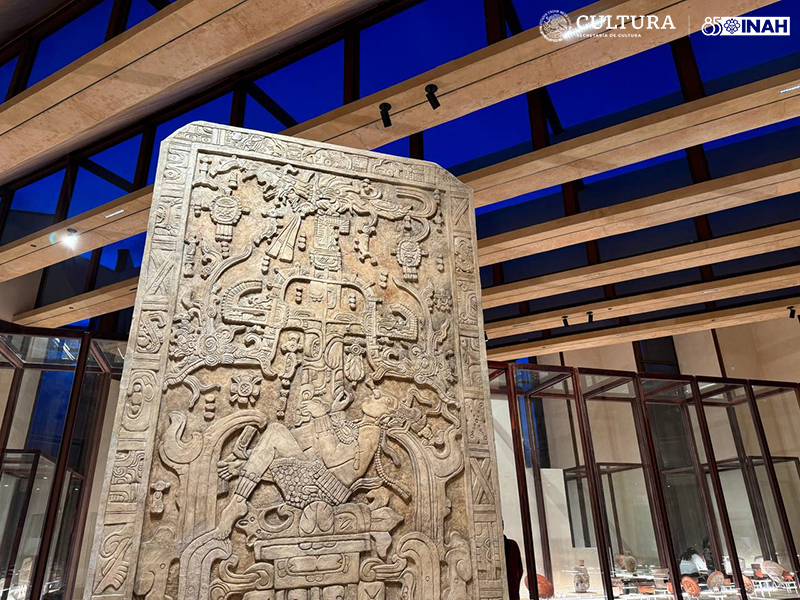
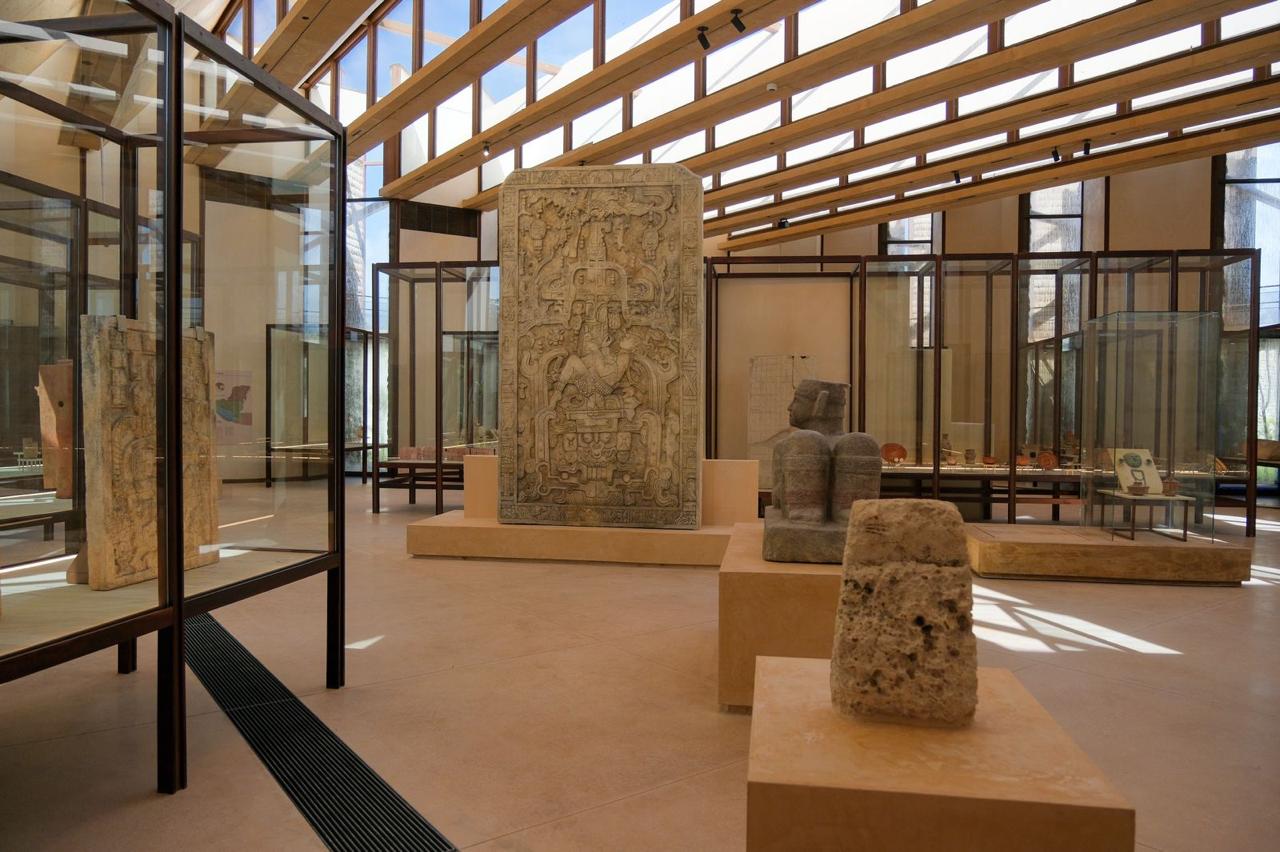
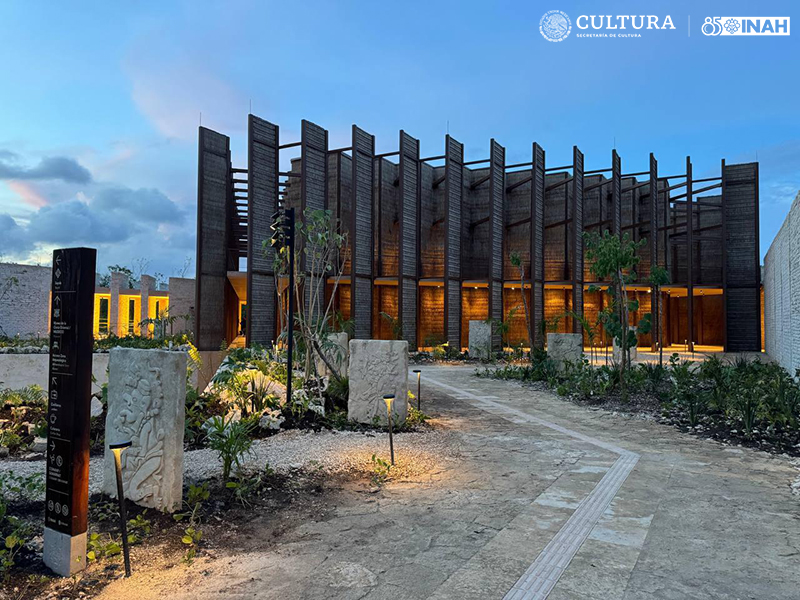
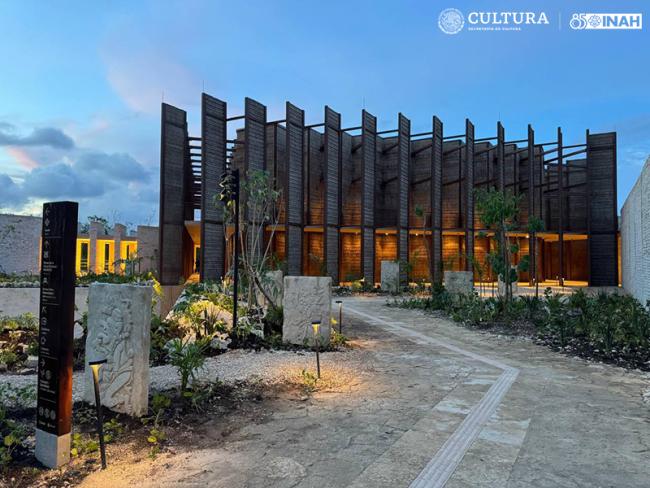
This modern museum in Tulum explores the history and culture of the Mexican Caribbean, with a particular focus on the Maya civilization. Its chronological exhibition spans from the earliest settlers to today’s Maya communities, highlighting maritime trade and the significance of the Tulum Archaeological Zone. With over 300 artifacts and interactive exhibits, it offers an educational experience that complements a visit to the ruins.
It is a modern cultural center located in Tulum, within Jaguar Park, very close to the Tulum Archaeological Zone. Its main objective is to offer a comprehensive overview of the history and culture of the Mexican Caribbean region, particularly the development of Mayan civilization along the eastern coast of the Yucatán Peninsula.
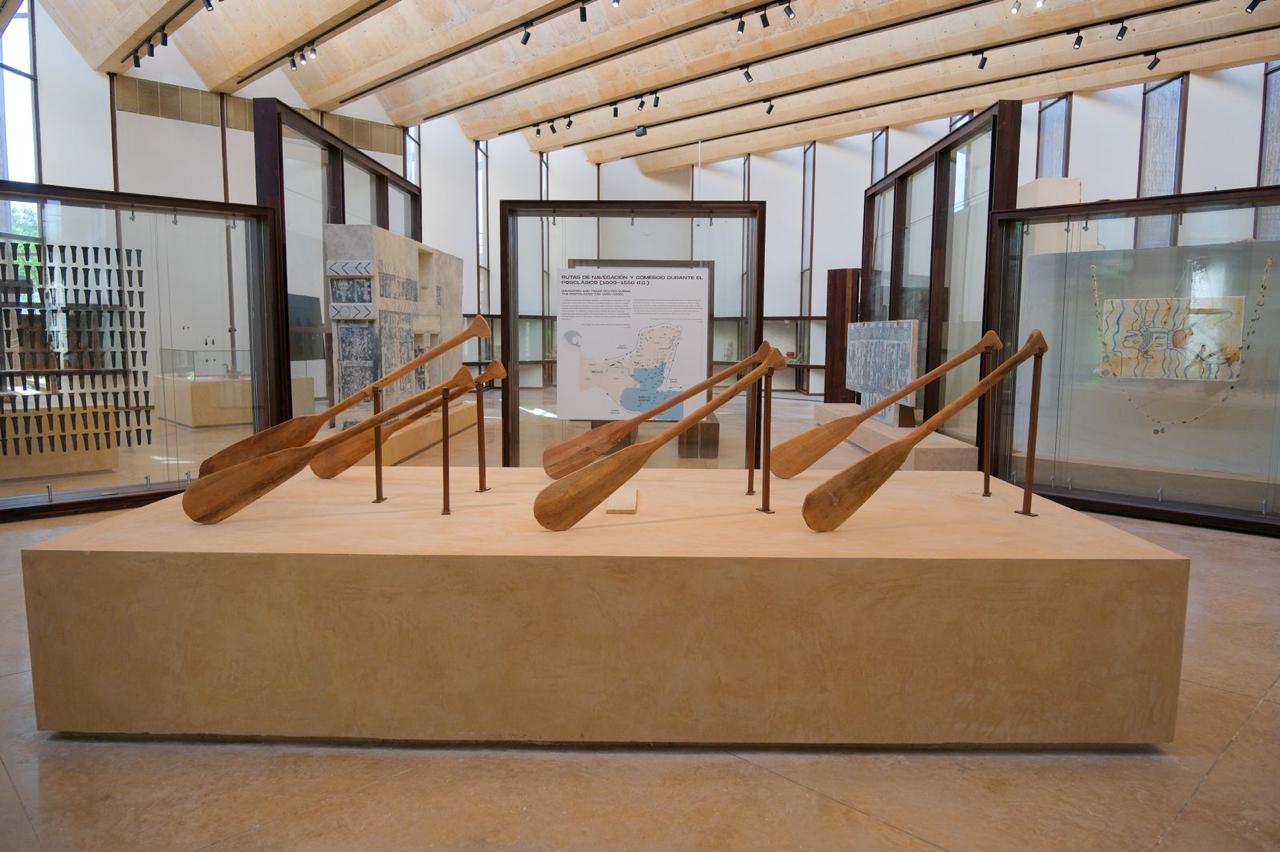
The museum tour is organized chronologically, beginning with the region’s earliest inhabitants during the prehistoric period, when groups of hunter-gatherers lived in an environment very different from today’s. From there, the exhibition moves on to the emergence and consolidation of Mayan culture, highlighting aspects such as its social organization, religious beliefs, astronomical knowledge, and architecture. Special emphasis is placed on the importance of maritime trade, as coastal cities like Tulum served as key points in trade networks connecting different regions of Mesoamerica.
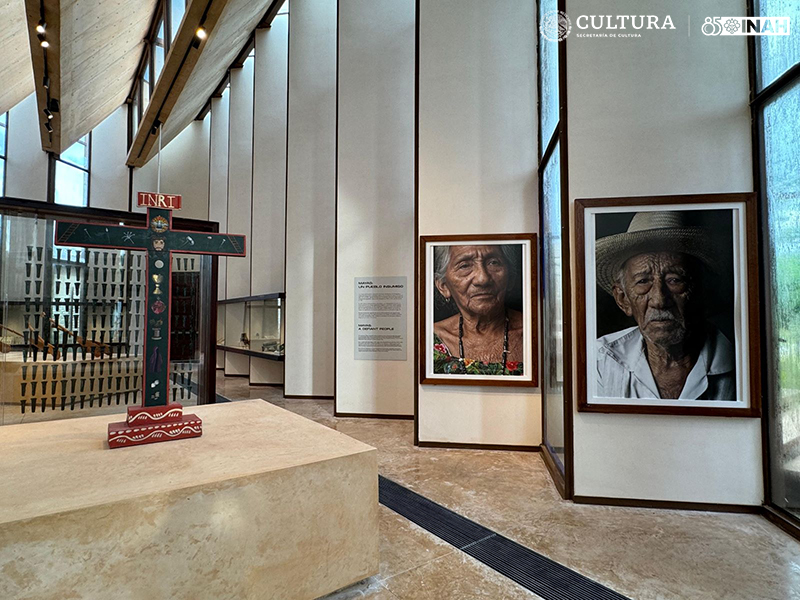
The museum also explores the period of contact with Europeans and the profound changes brought about by colonization, including social, economic, and cultural transformations. Finally, it devotes a significant section to contemporary Maya culture, demonstrating that Maya communities remain vibrant and continue to uphold traditions, languages, and ways of life that have endured over time.
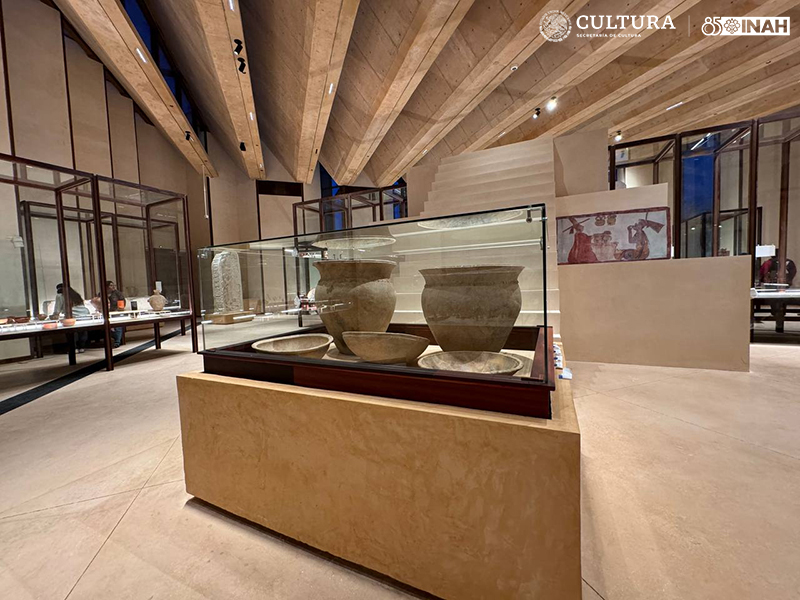
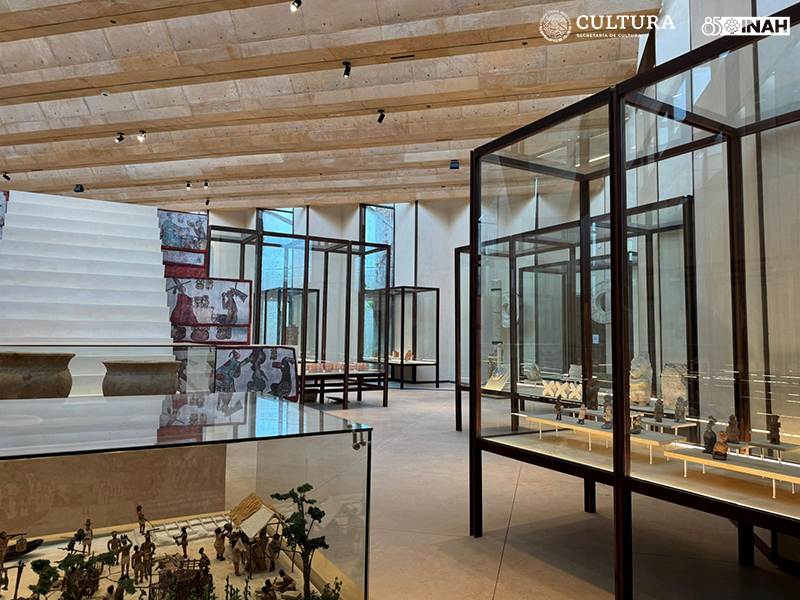
In terms of its content, the museum features more than 300 archaeological and ethnographic artifacts, as well as interactive resources and an immersive room that uses audiovisual technology to enrich the visitor experience. All of this makes it an accessible and educational space, ideal both for first-time visitors to the region and for those who wish to delve deeper into the history of the Mayan world.
The museum not only complements a visit to the nearby ruins but also helps visitors understand the historical and cultural context of one of the most important regions of pre-Hispanic Mexico.
Las cuevas: memorias subterráneas
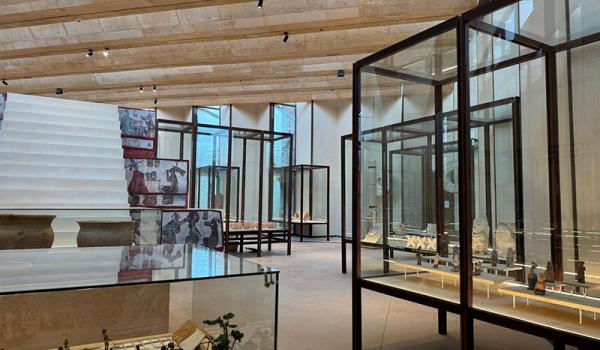
It is dedicated to the karst systems of the Yucatán Peninsula; it explores the significance these areas held for pre-Hispanic peoples as places of refuge, for astronomical observation, the performance of rituals, and, in the collective imagination, as the dwelling place of deities associated with…
Las cuevas: memorias subterráneas
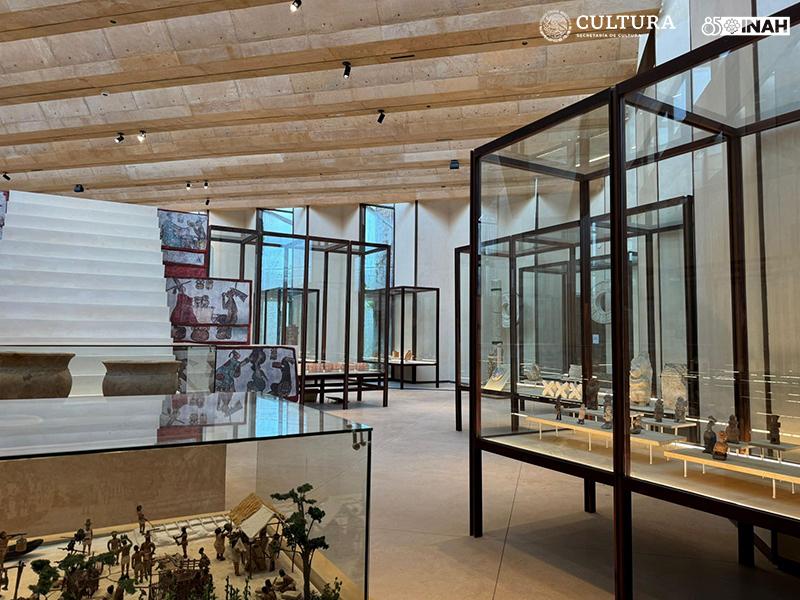
It is dedicated to the karst systems of the Yucatán Peninsula; it explores the significance these areas held for pre-Hispanic peoples as places of refuge, for astronomical observation, the performance of rituals, and, in the collective imagination, as the dwelling place of deities associated with water and death.
Within this space is the Immersion Room, which offers a dynamic virtual experience where visitors are transported to various landscapes where they can observe the terrestrial and aquatic flora and fauna of Quintana Roo, as well as the region’s archaeological sites.
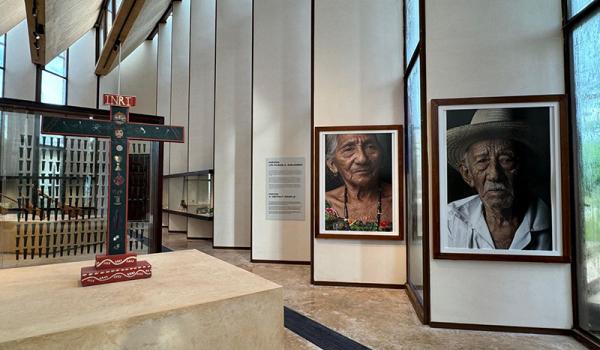
Mayas, una cultura milenaria
The study explores the worldview, social aspects, and scientific knowledge developed by this population across different regions and time periods.
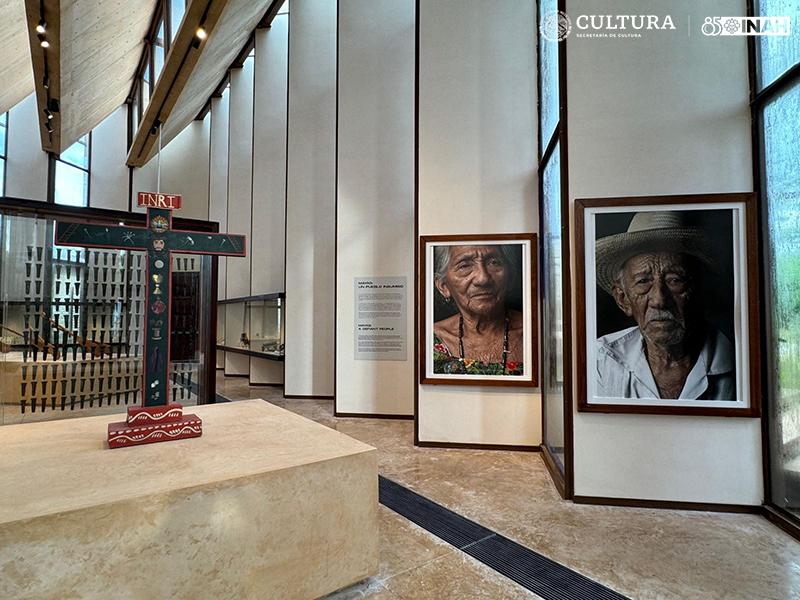
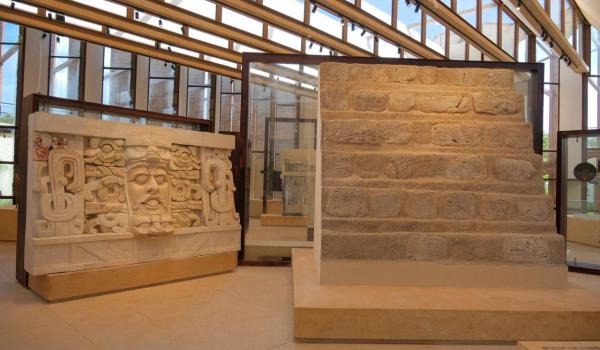
Mayas del oriente peninsular
It showcases the architectural style of the Eastern Coast, which developed during the Postclassic period (1000–1550 AD). Tulum is the prime example of this style, characterized by its horizontal design, featuring small platforms or large bases with lintels, moldings, and friezes decorated with…
Mayas del oriente peninsular
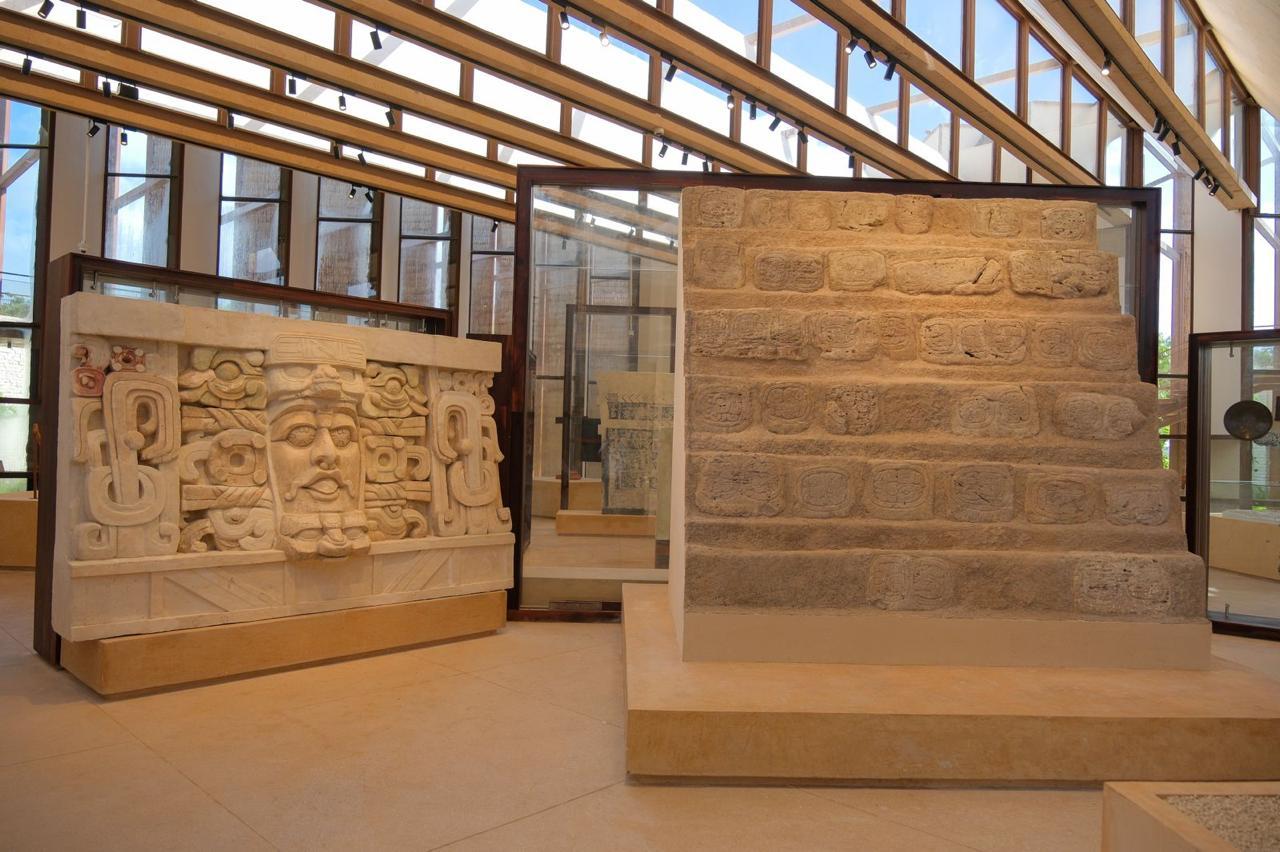
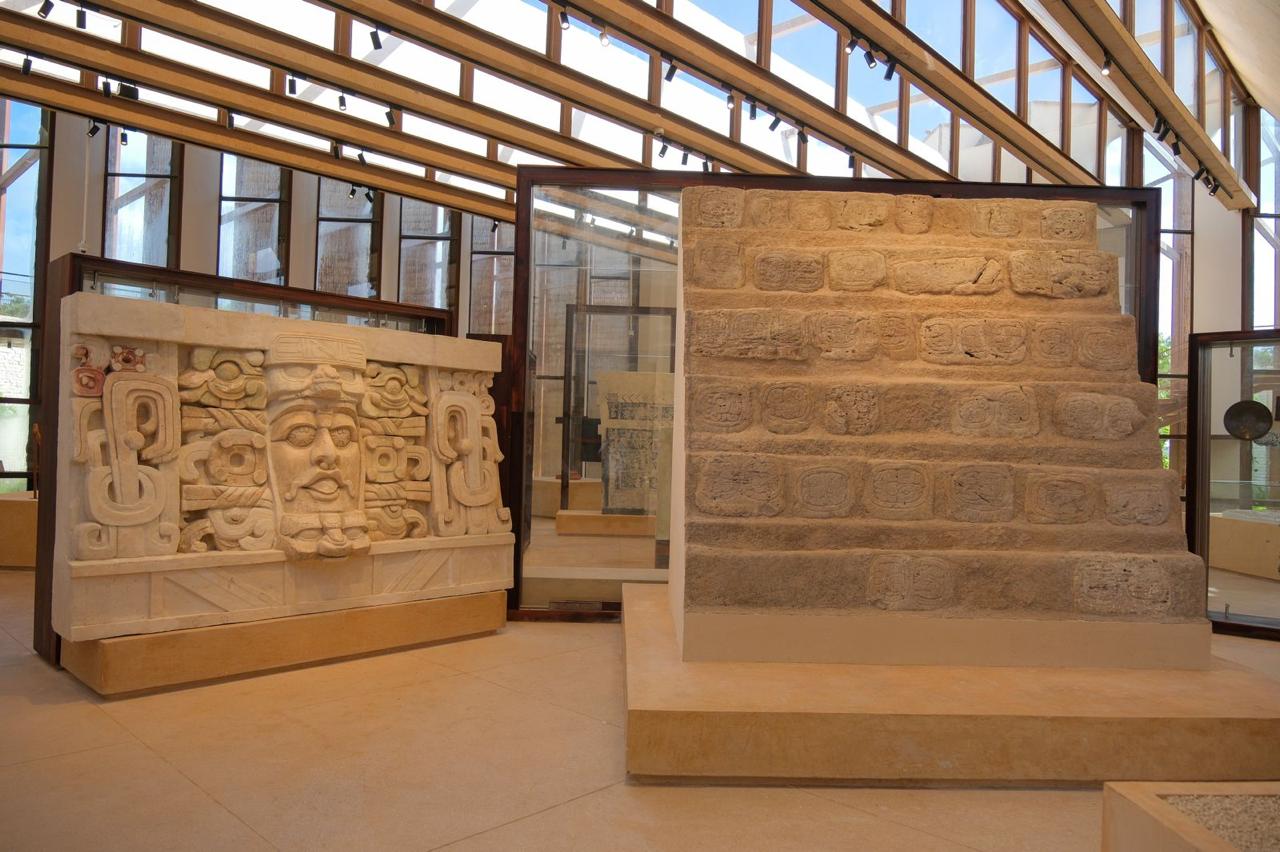
It showcases the architectural style of the Eastern Coast, which developed during the Postclassic period (1000–1550 AD). Tulum is the prime example of this style, characterized by its horizontal design, featuring small platforms or large bases with lintels, moldings, and friezes decorated with geometric figures. The use of columns and mural paintings was also common.
This section also focuses on the Maya of today, heirs to millennia-old traditions, which they keep alive through their language, customs, and ways of understanding the world.
- Dirección del Centro INAHMargarito Molina Rendónmargarito_molina@inah.gob.mx+52 (983) 837 0796


