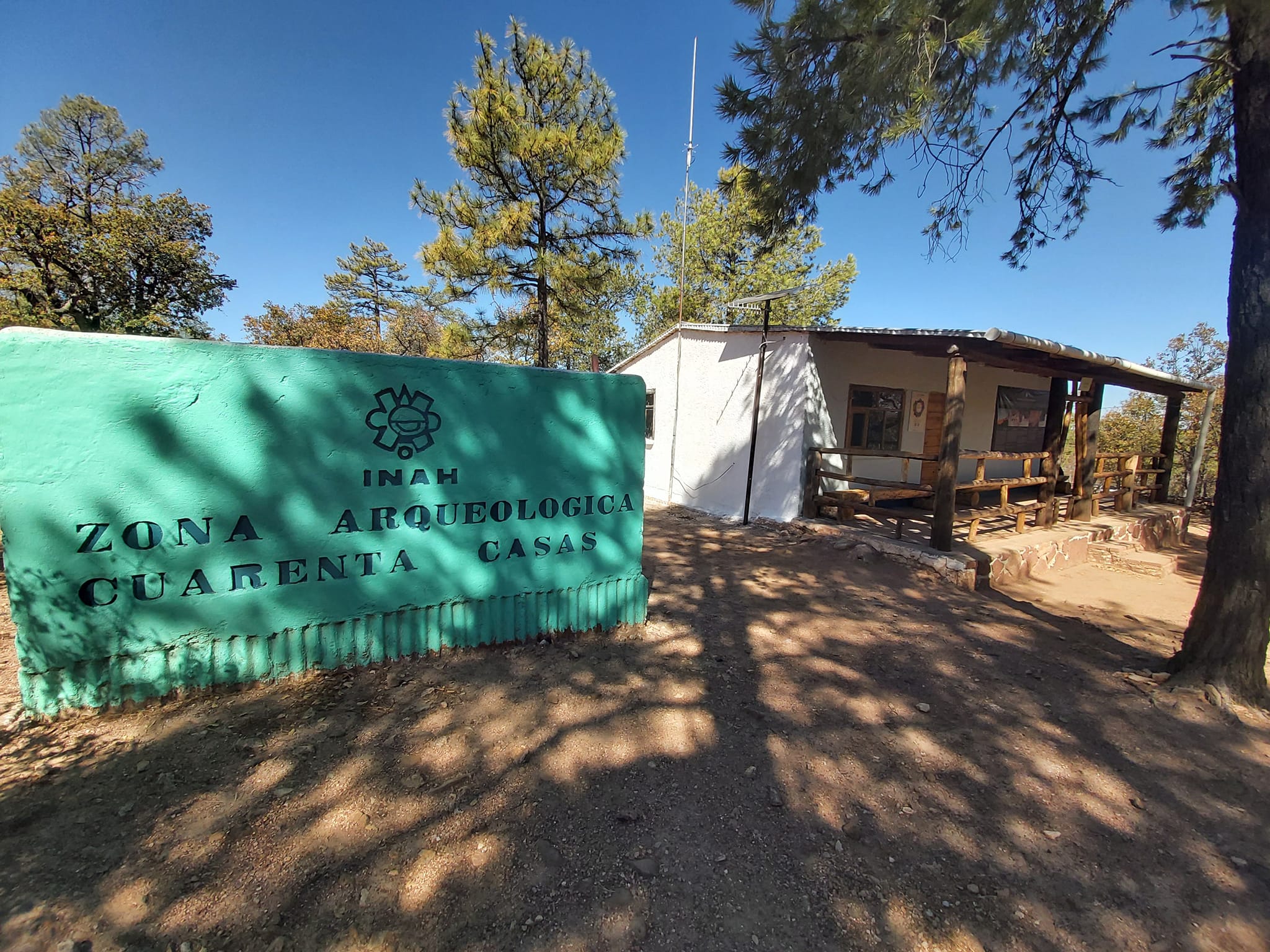








Sala Introductoria a la Zona Arqueológica de las Cuarenta Casas
This interpretive space uses maps, photographs, illustrations, and informational materials to explain the way of life of the ancient inhabitants of the Sierra Madre Occidental, their construction techniques, their relationship with the Paquimé culture, and the heritage value of this pre-Hispanic settlement. It also promotes the conservation of archaeological heritage and helps visitors understand the historical and natural context of the Cuarenta Casas.
One of the gallery’s main objectives is to explain the historical context of the region and the importance of the cultures that inhabited northwestern Mexico before the arrival of Europeans. For centuries, mountain communities developed ways of life adapted to a mountainous environment, making use of natural resources through the cultivation of corn, beans, and squash, supplemented by hunting, fishing, and gathering wild fruits. These populations established complex trade networks that connected northern Mexico with what is now the southwestern United States and with regions in western and central Mesoamerica.
The introductory exhibition explains that the Cuarenta Casas were part of an extensive network of settlements linked to Paquimé, one of the most important urban centers in pre-Hispanic northern Mexico. From this major center, economic, commercial, and possibly political activities were organized, facilitating the circulation of goods such as turquoise, seashells from the Gulf of California, copper, feathers from exotic birds, pottery, and other prestige goods. Thanks to these connections, the mountain communities actively participated in trade networks that spanned thousands of kilometers.
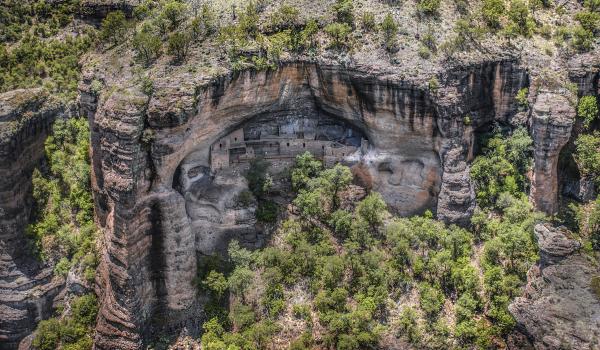
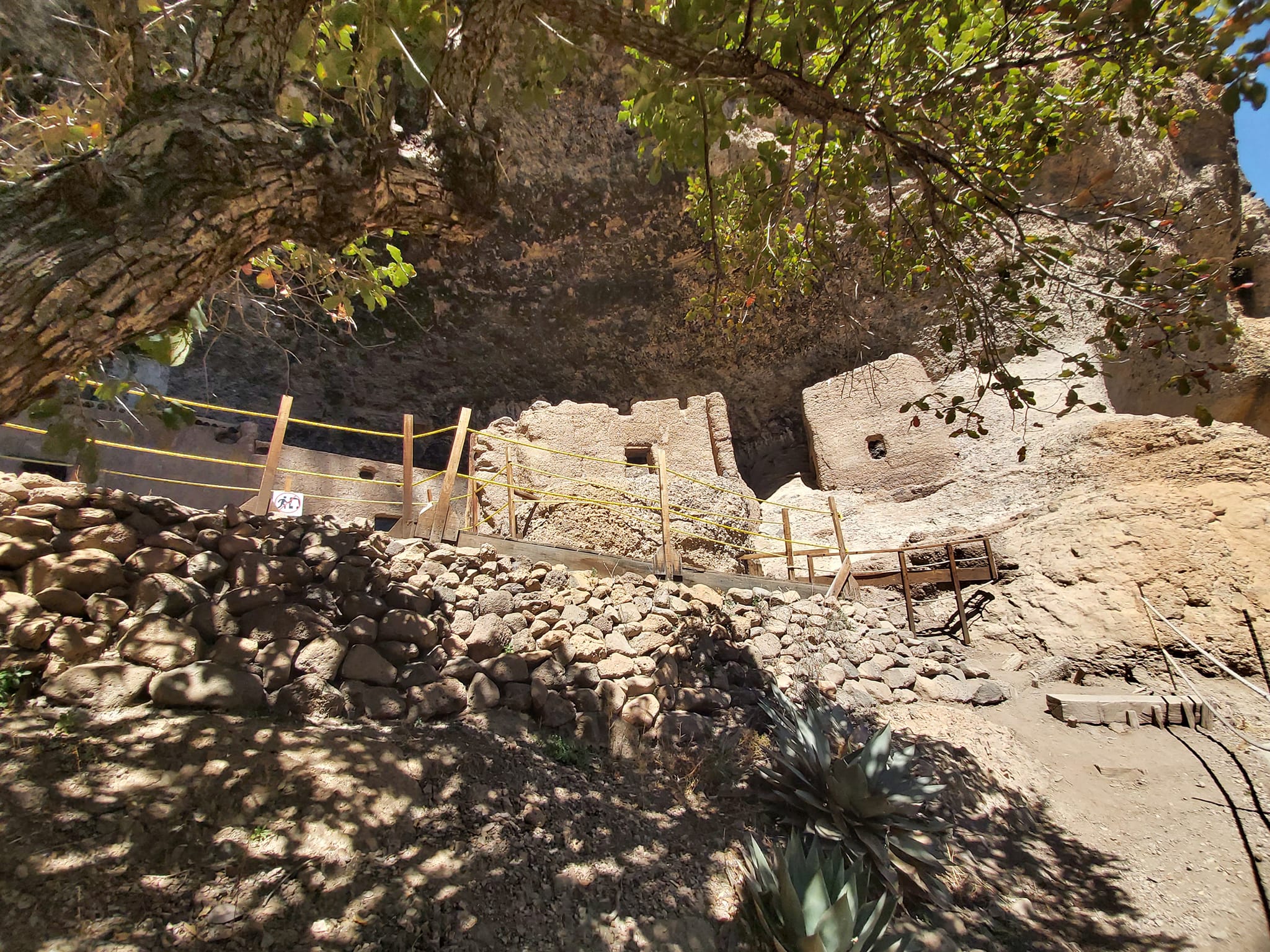
The exhibition hall devotes significant space to the site’s architecture. The dwellings were built using a combination of wood, stone, and earth, primarily through adobe and rammed-earth techniques. The ancient inhabitants made use of natural caves to protect their structures from wind, rain, and extreme temperature fluctuations. In many cases, they built multi-level rooms connected by wooden staircases, with plastered floors, roofs supported by beams, and small entrances that facilitated the defense of the settlement. This type of architecture reflects a deep understanding of the environment and a remarkable ability to adapt to the geographical conditions of the Sierra Madre Occidental.
Another key aspect of the exhibition is the explanation of the archaeological research conducted from the late 19th century through the 20th century. Various explorers, researchers, and specialists documented the structures and recovered materials that provided insight into the daily lives of their ancient inhabitants. Among the objects found are fragments of decorated pottery, stone tools, bone instruments, textiles, remains of carved wood, charred seeds, and other organic materials exceptionally well-preserved thanks to the dry environment of the caves.
The exhibit also explores the social organization of the site’s inhabitants. It is believed that the communities maintained a structure based on family groups that shared agricultural, ceremonial, and productive activities. The layout of the rooms, common spaces, and storage areas suggests an organized society with specialized knowledge in construction, pottery production, and natural resource management.
One of the most significant themes is the relationship between the environment and human settlement. The Sierra Madre Occidental provided abundant forest resources, water from springs and streams, as well as diverse wildlife that supplemented the inhabitants’ diet. The strategic location of the dwellings in elevated caves not only provided protection from the elements but also offered a wide view of the surrounding valleys, facilitating the monitoring of roads and trade routes.
The exhibition also explains the reasons behind the site’s abandonment around the 15th century. Although there is no definitive answer, research suggests that various factors may have influenced this process, including climate change, a decline in natural resources, shifts in trade networks, and regional conflicts. After the site was abandoned, the structures remained protected for centuries by the natural conditions of the mountain range, which allowed for the remarkable preservation of numerous architectural elements.
As an educational space, the Introductory Gallery plays an essential role in transforming the visit into a learning experience. Its content helps visitors understand that the Cuarenta Casas are not an isolated complex, but rather part of a broader historical process related to the development of the cultures of the desert and the Sierra Madre Occidental. Thanks to the information presented, visitors gain a more comprehensive understanding of the social, economic, and technological complexity of the ancient inhabitants of northern Mexico.
- Dirección del Centro INAHJorge Carrera Roblesjorge_carrerarobles@inah.gob.mx+52 (614) 410 8733ResponsableFrancisco Zuñiga Lópezfrancisco_zuniga@inah.gob.mx+52 (614) 410 3948, ext. 17804