








Museo y Sitio Misional de Nuestra Señora de Guadalupe del Norte
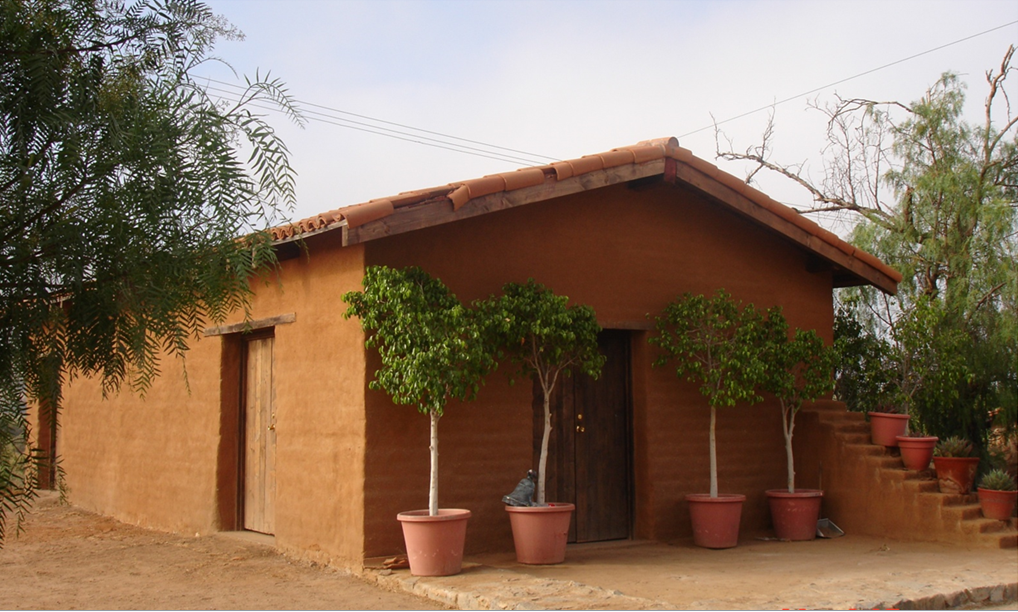
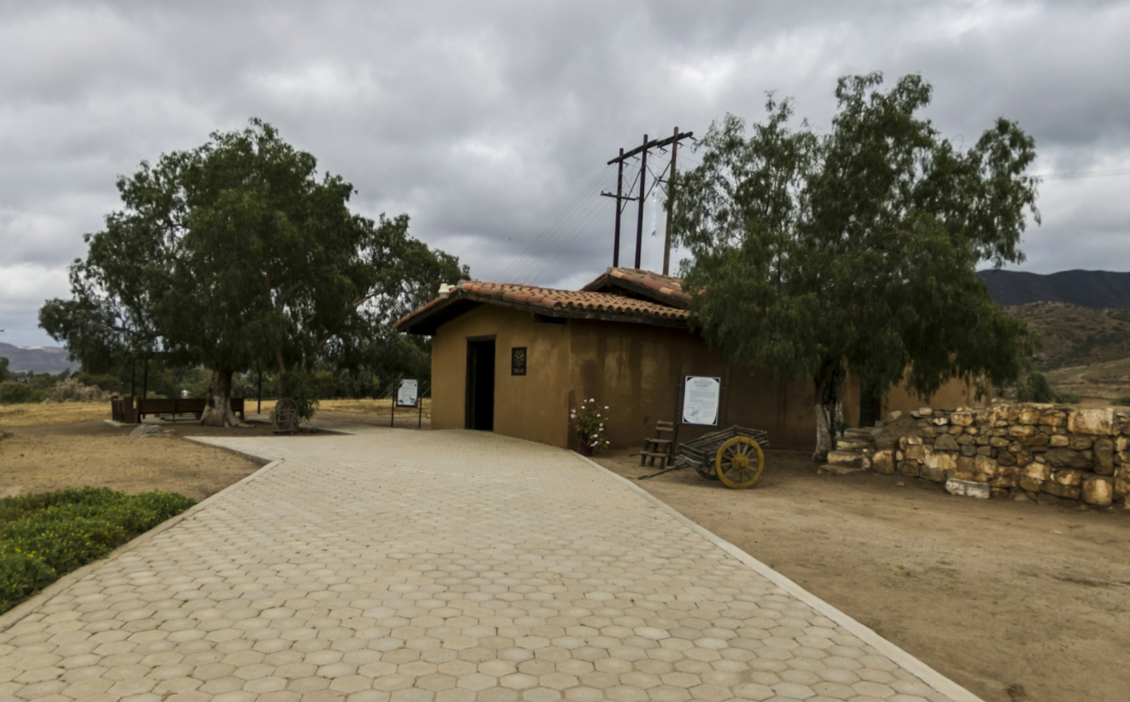
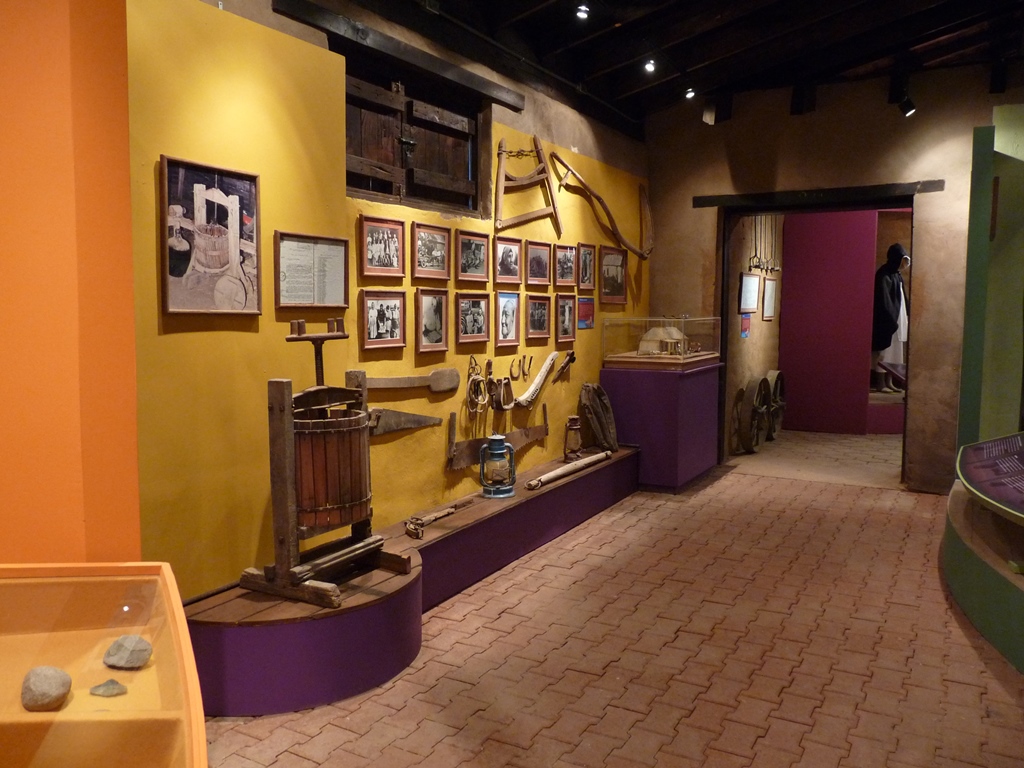
The site is home to a museum of local history displaying objects belonging to the five different periods of occupation recovered in the course of archeological explorations and presented with careful interpretation. The site was an indigenous ranch and home to the Dominican Mission of Our Lady of Guadalupe of the North, a residence for Russian families and a military barracks. The excavations uncovered foundations and the remains of a small construction beside what are believed to be the original walls.
One of the most important historical and cultural sites in the state of Baja California is located in the community of Francisco Zarco, in the municipality of Ensenada, within the renowned Guadalupe Valley. This site preserves the remains of the last mission founded in the Californias during the colonial period and serves as a valuable testament to the historical, cultural, and social processes that gave rise to the region’s development.
The Mission of Our Lady of Guadalupe del Norte was founded on October 1, 1834, by friars of the Order of Preachers (Dominicans), under the leadership of Friar Félix Caballero. It was established to continue the evangelization of the indigenous peoples of the area—particularly the Kumiai—as well as to consolidate Mexico’s presence in the region following the country’s independence. Unlike other missions in Baja California, this one was established at a time when the missionary system was already in decline; as a result, its operation was relatively brief and it faced numerous difficulties related to a scarcity of resources, a sparse population, and the challenging conditions of the territory.
Despite its short existence, the mission played a significant role in the organization of the territory and in the establishment of agricultural and livestock activities. The missionaries promoted the cultivation of grains, vegetables, and fruit trees, as well as livestock raising, taking advantage of the valley’s natural conditions. These early productive activities helped lay the foundation for agricultural development in the Guadalupe Valley, a region now recognized as Mexico’s leading wine-growing area.
Over time, the site underwent various transformations that reflect the history of Baja California. After the mission was abandoned, the site was occupied by various groups of people. In the late 19th and early 20th centuries, the area welcomed communities of Russian Molokan immigrants, who introduced new agricultural practices and contributed to the valley’s economic development. Furthermore, at various times, the property was used as a military barracks and as a space for various administrative activities, leaving new physical traces that today form part of the site’s historical heritage.
Archaeological research conducted at the site has yielded a large number of artifacts that help reconstruct the history of its inhabitants. Among the items found are fragments of indigenous and European pottery, stone and metal tools, household utensils, religious objects, architectural remains, coins, nails, glass, and various items related to the daily lives of those who inhabited the site during different periods. These findings provide valuable information about the relationships between the indigenous peoples, the missionaries, and the settlers who later occupied the region.
The museum aims to preserve, research, and promote the historical and archaeological heritage of the former mission complex. Its exhibition halls present a chronological journey through the different stages of the site’s occupation, from the earliest settlements of the Kumiai indigenous peoples to the present day. Through informational panels, photographs, maps, models, and archaeological artifacts, visitors can gain an understanding of the site’s historical evolution and the significance it has had in the development of the Guadalupe Valley.
One of the museum’s most significant aspects is its interpretation of the cultural landscape surrounding the former mission. The Guadalupe Valley not only possesses immense natural wealth but also profound historical value stemming from the interaction between its inhabitants and the environment over the centuries. The indigenous presence, the establishment of the Dominican mission, the arrival of foreign settlers, and the growth of the wine industry are all part of a single history that has shaped the region’s identity.
Today, the mission site is a major tourist and educational attraction. Each year, it welcomes visitors interested in learning about the history of Baja California, as well as students, researchers, and specialists in archaeology, history, and cultural heritage. Visits allow guests to explore the ruins of the old mission, observe the original architectural remains, and learn about the research that has been conducted to preserve this historical legacy.
In addition to its role as a museum, the site participates in conservation, research, and cultural outreach activities. It offers educational programs, guided tours, workshops, lectures, and events aimed at strengthening the public’s knowledge and appreciation of historical heritage. These initiatives help promote the protection of cultural assets and raise awareness about the importance of preserving the region’s historical memory.
The Museum and Mission Site of Our Lady of Guadalupe del Norte represents much more than a collection of archaeological ruins. It is a space where the history of indigenous peoples, the work of the Dominican missionaries, the arrival of new settlers, and the economic development of the Guadalupe Valley all converge. Thanks to the research, restoration, and conservation efforts carried out by the INAH, this site continues to offer an opportunity to understand the complex history of Baja California and to appreciate the cultural diversity that has characterized this region from pre-Hispanic times to the present day.
- Dirección del Centro INAHJaime Vélez Storeyjaime_velez@inah.gob.mx+52 (646) 178 2531
