









Museo Regional de Antropología de Yucatán, Palacio Cantón

The Yucatán Regional Museum of Anthropology, Palacio Cantón, preserves and promotes cultural heritage through exhibitions, research, conservation, and programs that foster dialogue, reflection, and community engagement.
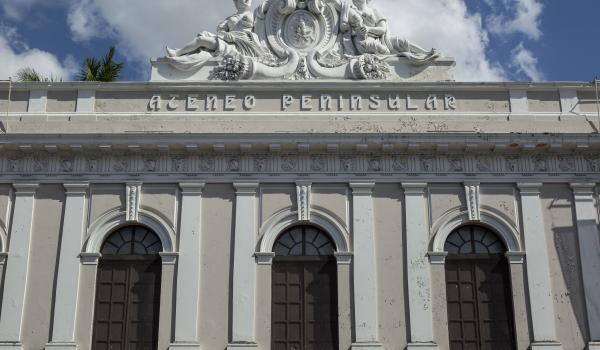
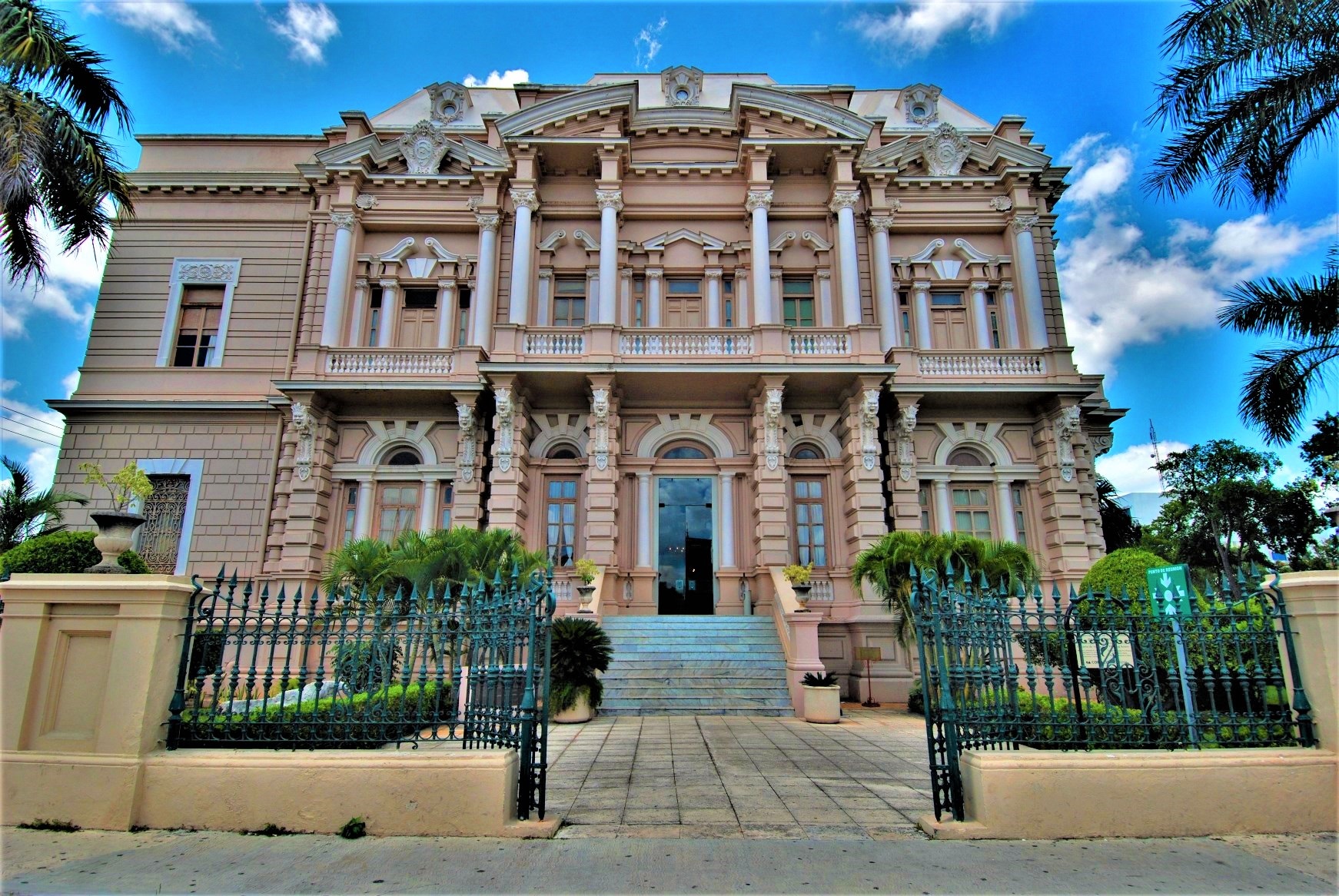
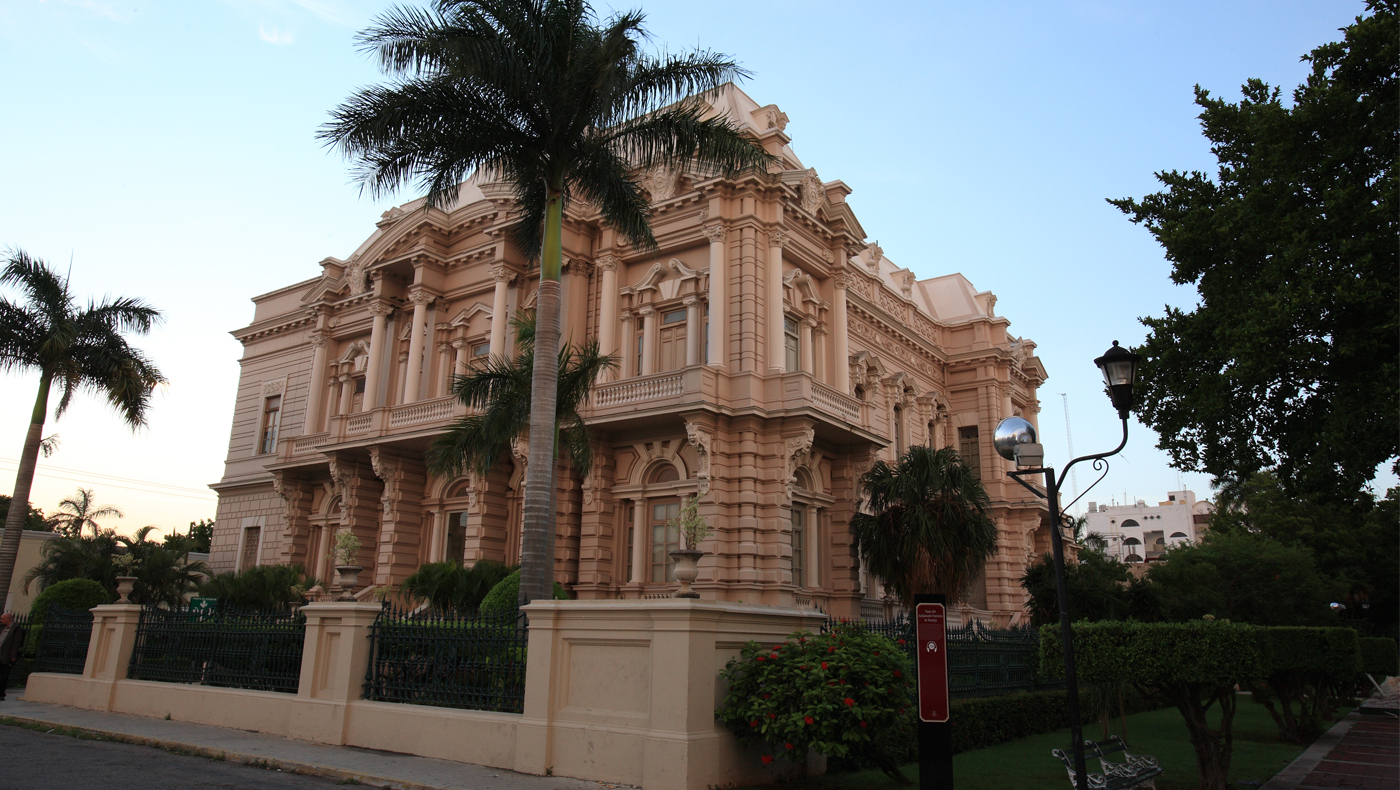
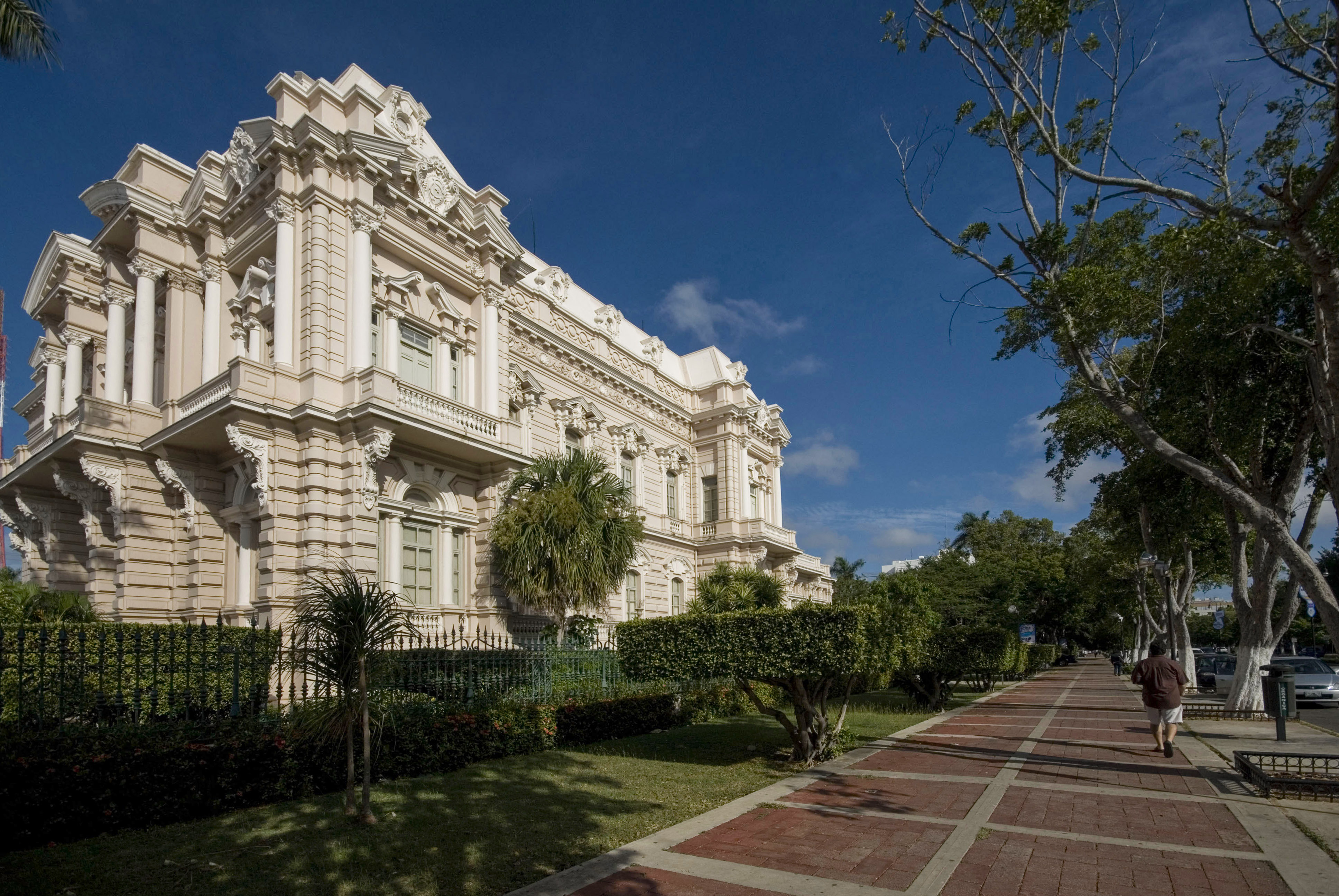
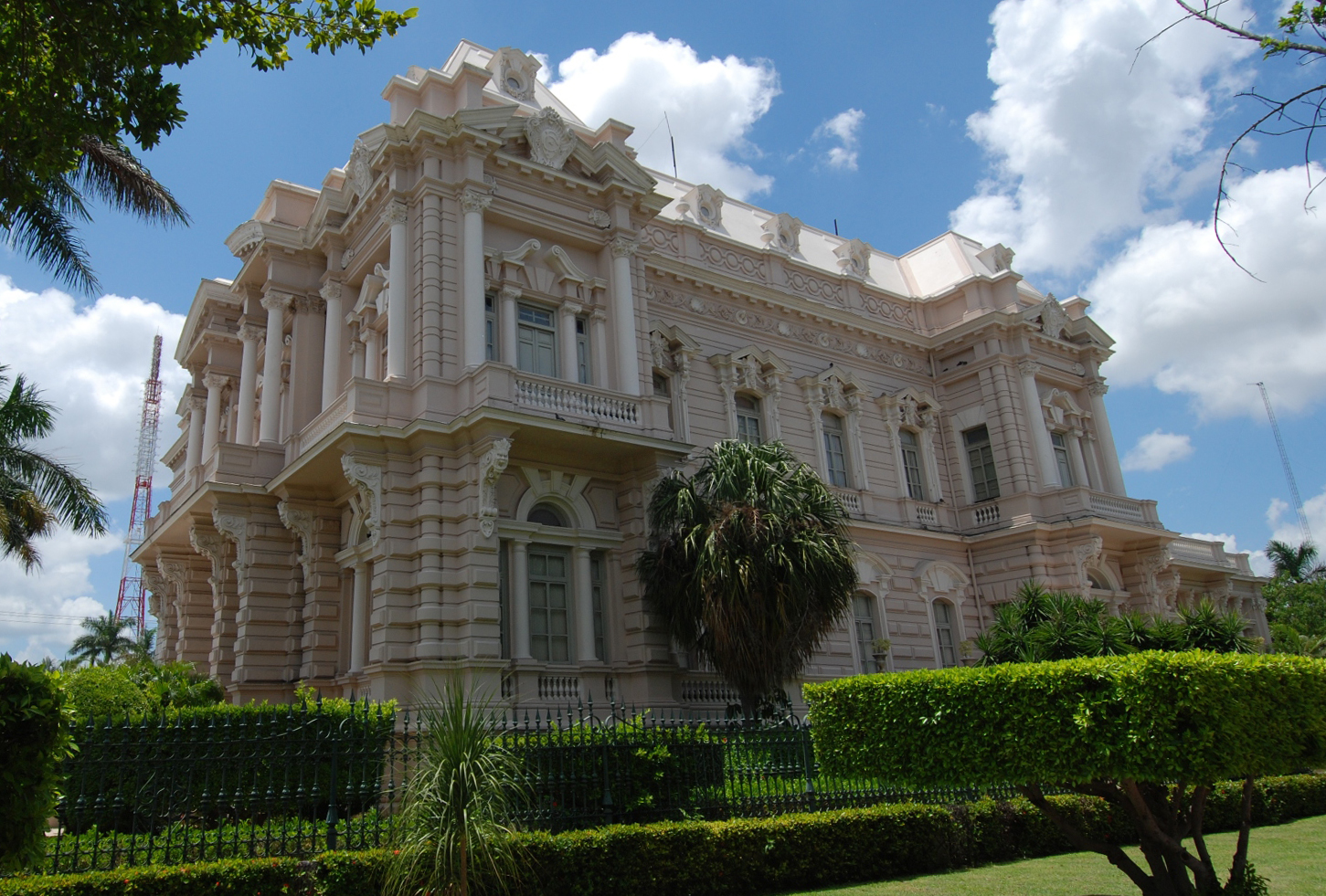
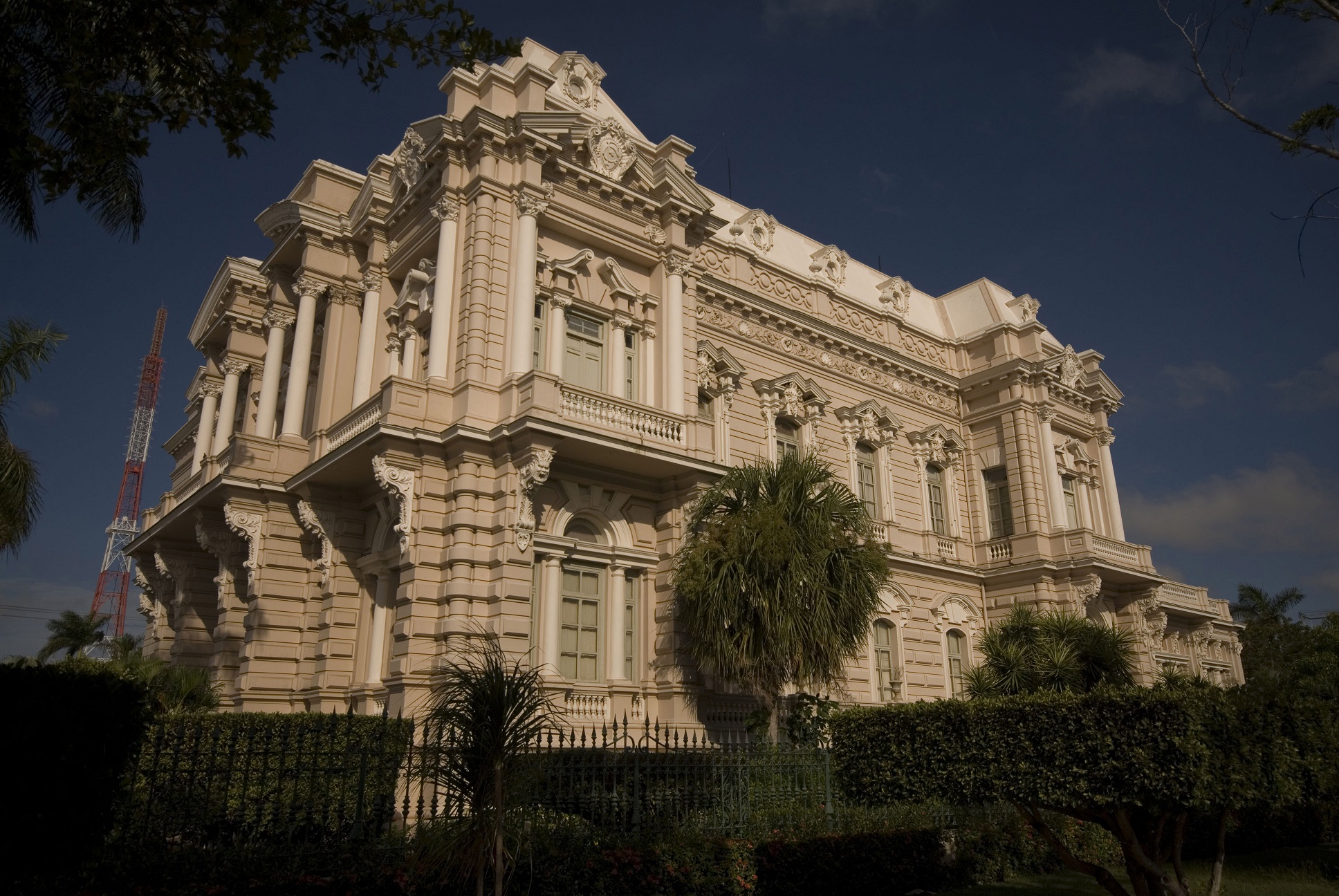
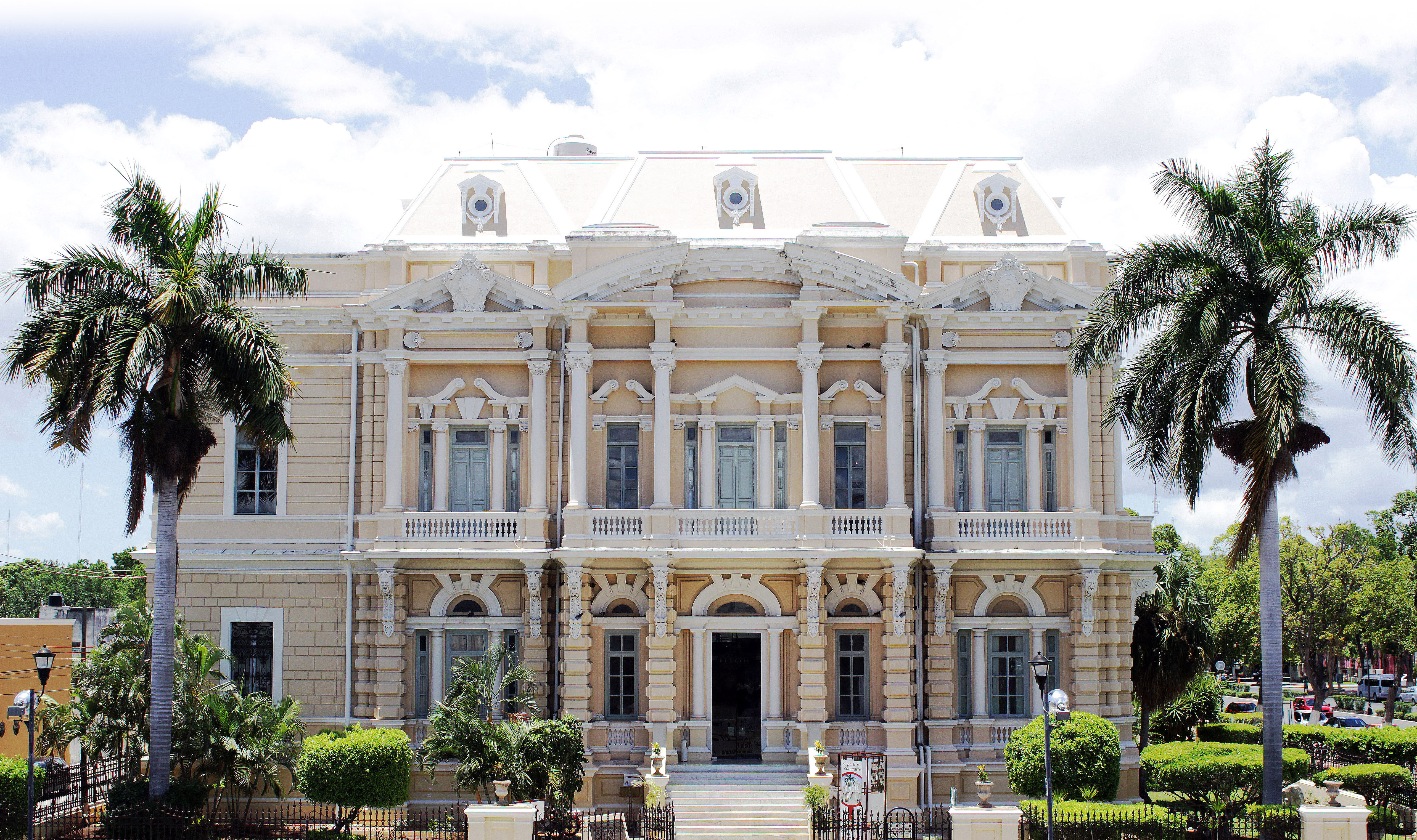
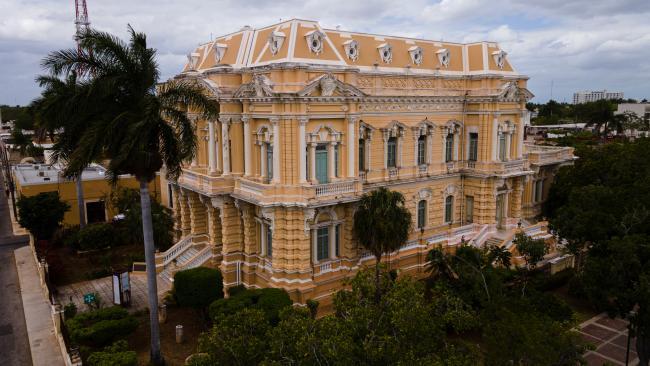
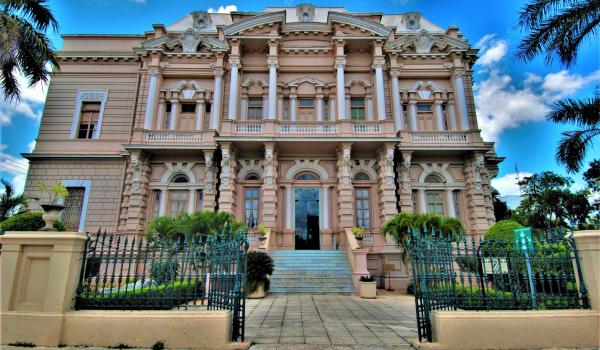
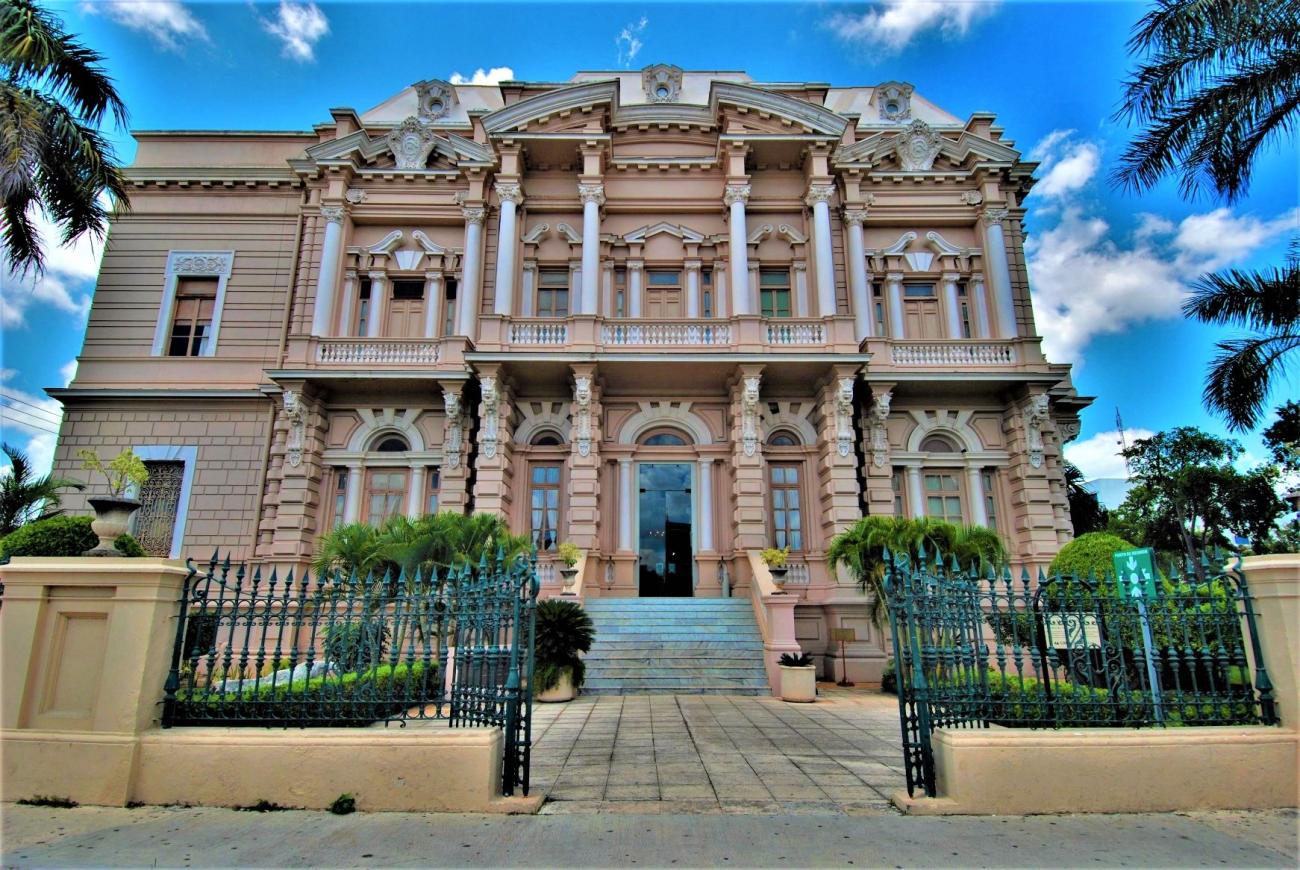
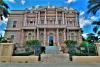
The Yucatán Regional Museum of Anthropology, Palacio Cantón, is housed in one of the most iconic buildings in the city of Mérida. Built in 1911, this historic building is part of Yucatán’s architectural heritage and has served the public since 1932.
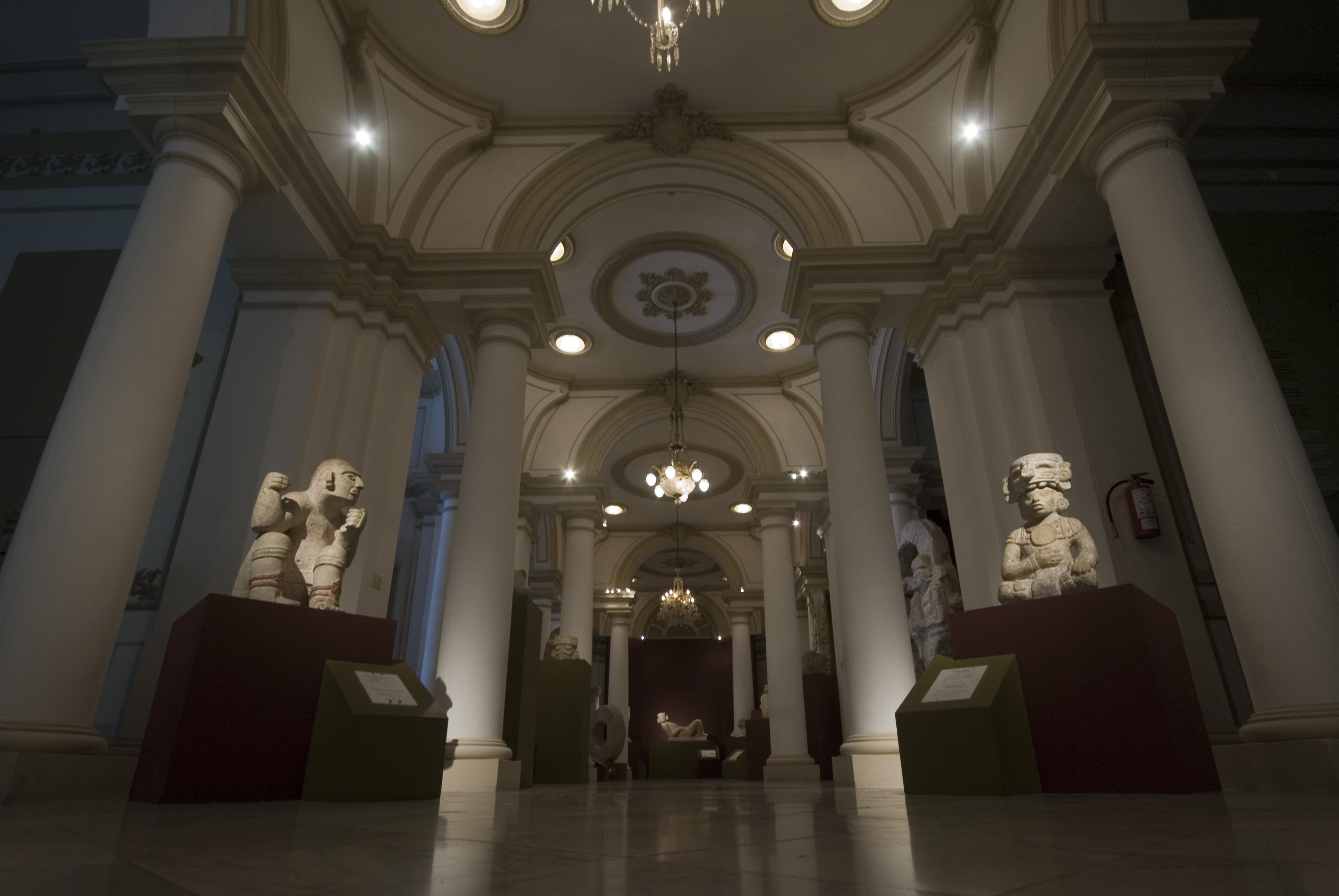
The museum’s history at this location began in 1959, and it has since established itself as one of the most important cultural venues in southeastern Mexico and as a member of the Museum Network of the National Institute of Anthropology and History (INAH). Over the course of more than six decades, the museum has played a fundamental role in the research, conservation, restoration, and dissemination of the cultural heritage of Yucatán and Mexico. Its collection preserves artifacts of great value for understanding the cultural diversity and historical processes that have shaped the region. These collections have served as the basis for major national and international exhibitions and have contributed to the strengthening of various museums across the peninsula.
Today, the Palacio Cantón Museum is an organization in constant evolution. In addition to presenting temporary exhibitions and high-quality curatorial projects, it organizes academic and educational activities and engages with diverse audiences, promoting access to knowledge and the recognition of cultural heritage as a common good. The museum views heritage as a tool for fostering dialogue, reflection, and participation. To that end, it develops programs that strengthen relationships with communities, encourage the exchange of knowledge, and foster new perspectives on history, memory, identity, and cultural diversity.
Visiting Palacio Cantón means exploring a space where every exhibition, activity, and project seeks to spark curiosity, encourage critical thinking, and offer meaningful experiences for people of all ages.
The Yucatán Regional Museum of Anthropology is a gathering place for those who wish to learn about, understand, and appreciate our country’s cultural richness. Its doors remain open to welcome local, national, and international visitors, inviting them to discover the many stories that make up our heritage and to recognize that this legacy comes to life when it is shared, explored, preserved, and experienced collectively.
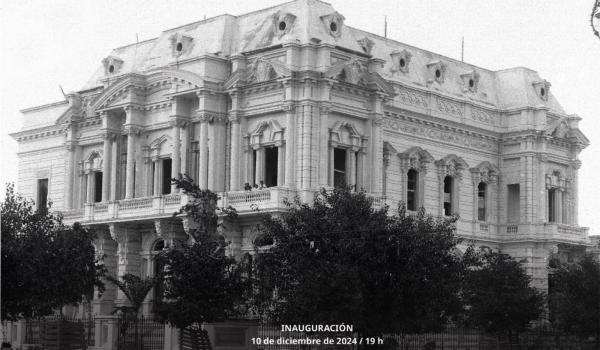
The Cantón Palace: A Witness to History
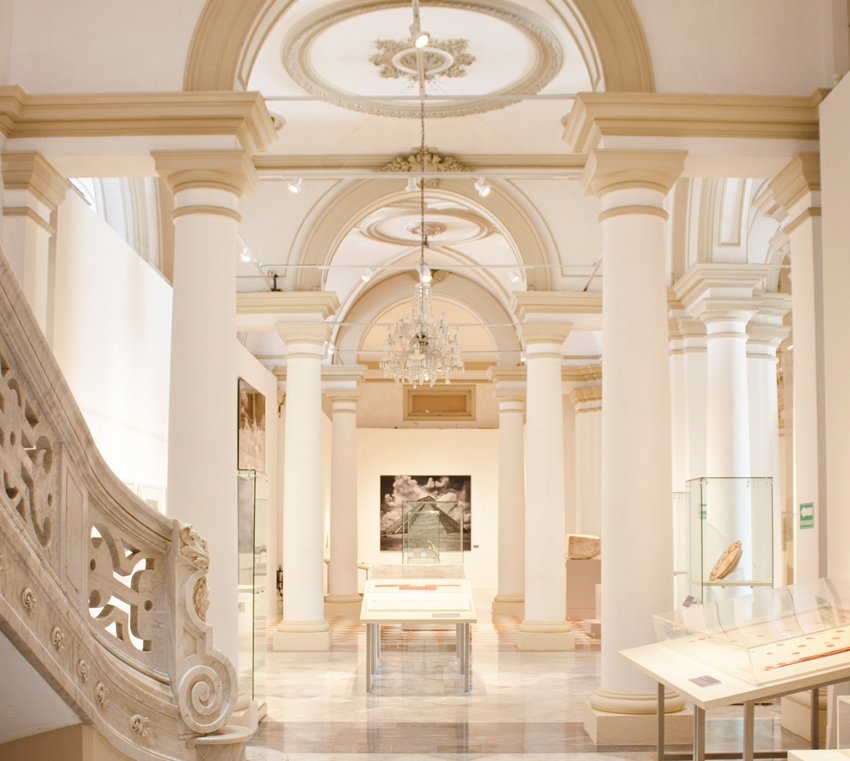
This gallery celebrates the legacy of this iconic building, whose basement became home to Yucatán’s first archaeological museum in 1959. Featuring 92 pieces, the exhibit explores the origins of the palace, beginning as the private residence of General Francisco Cantón Rosado (1833–1917), and its…
The Cantón Palace: A Witness to History
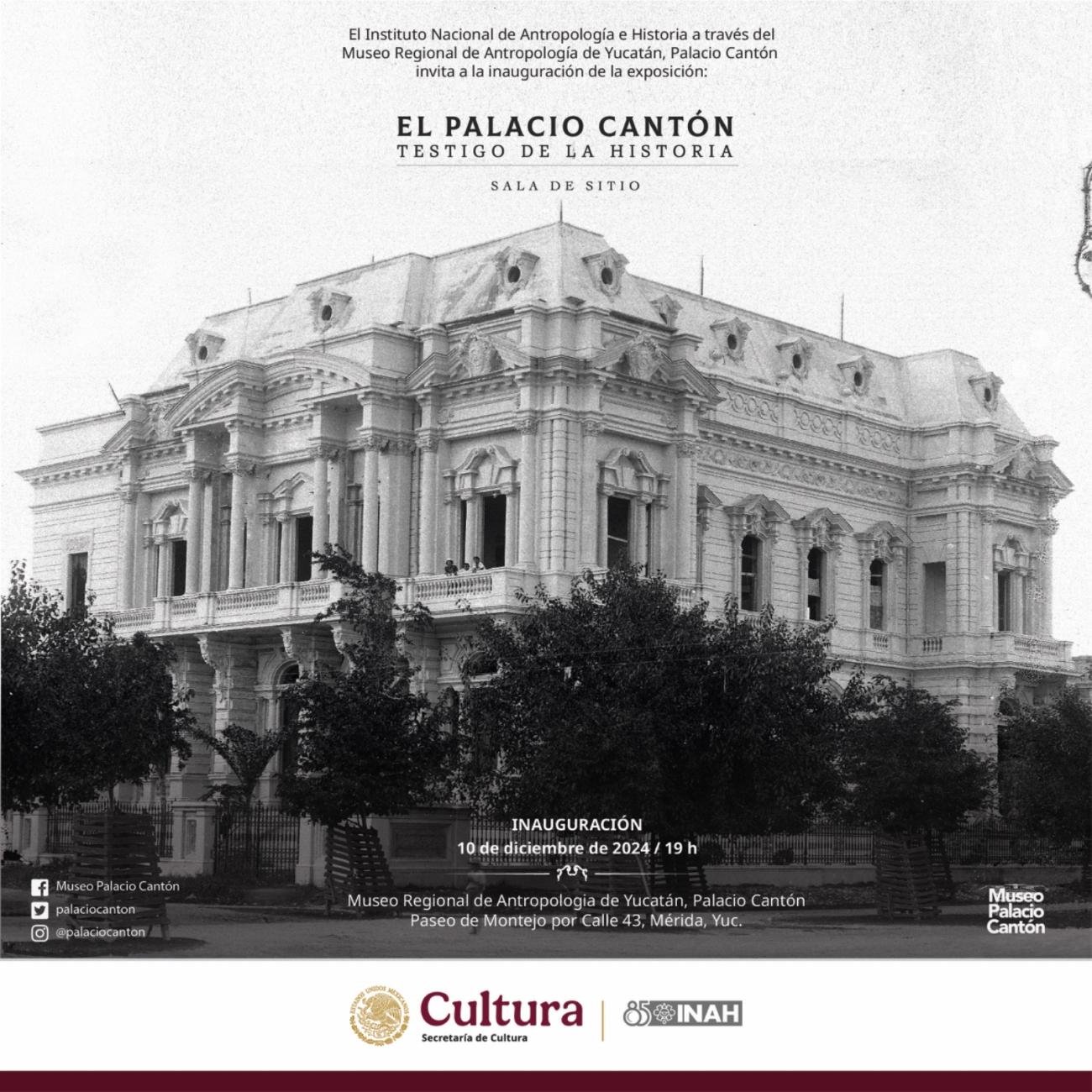
This gallery celebrates the legacy of this iconic building, whose basement became home to Yucatán’s first archaeological museum in 1959. Featuring 92 pieces, the exhibit explores the origins of the palace, beginning as the private residence of General Francisco Cantón Rosado (1833–1917), and its transformation into one of the region’s most important cultural landmarks.
The exhibition is organized into three thematic sections:
- Section I: The life and legacy of General Cantón, the construction of the Palace, and its role as both a public and private space.
- Section II: The arrival of the museum at the Cantón Palace, featuring foundational collections from the Yucatecan Museum and the Archaeological and Historical Museum of Yucatán.
- Section III: The consolidation of the Regional Museum of Anthropology of Yucatán, including key collections donated by Alvar and Carmen T. de Carrillo Gil, and discoveries from archaeological projects at sites such as Mayapán, Xkipché, and Uxmal.
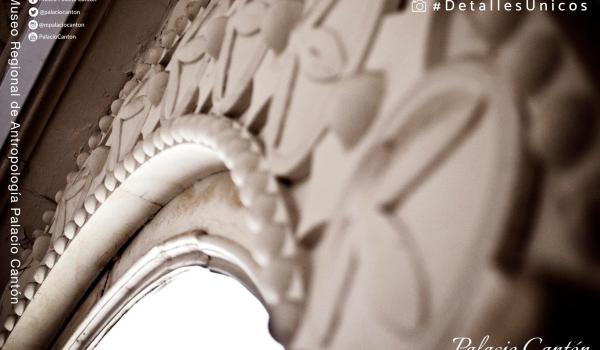
Family Chapel
In the original floor plans, the family chapel occupied a prominent space in the home. You can still see the change in flooring, the small ceiling domes, and especially the wooden ornamentation on the windows designed to resemble an altar. The chapel has its own entrance, independent from the main…
Family Chapel
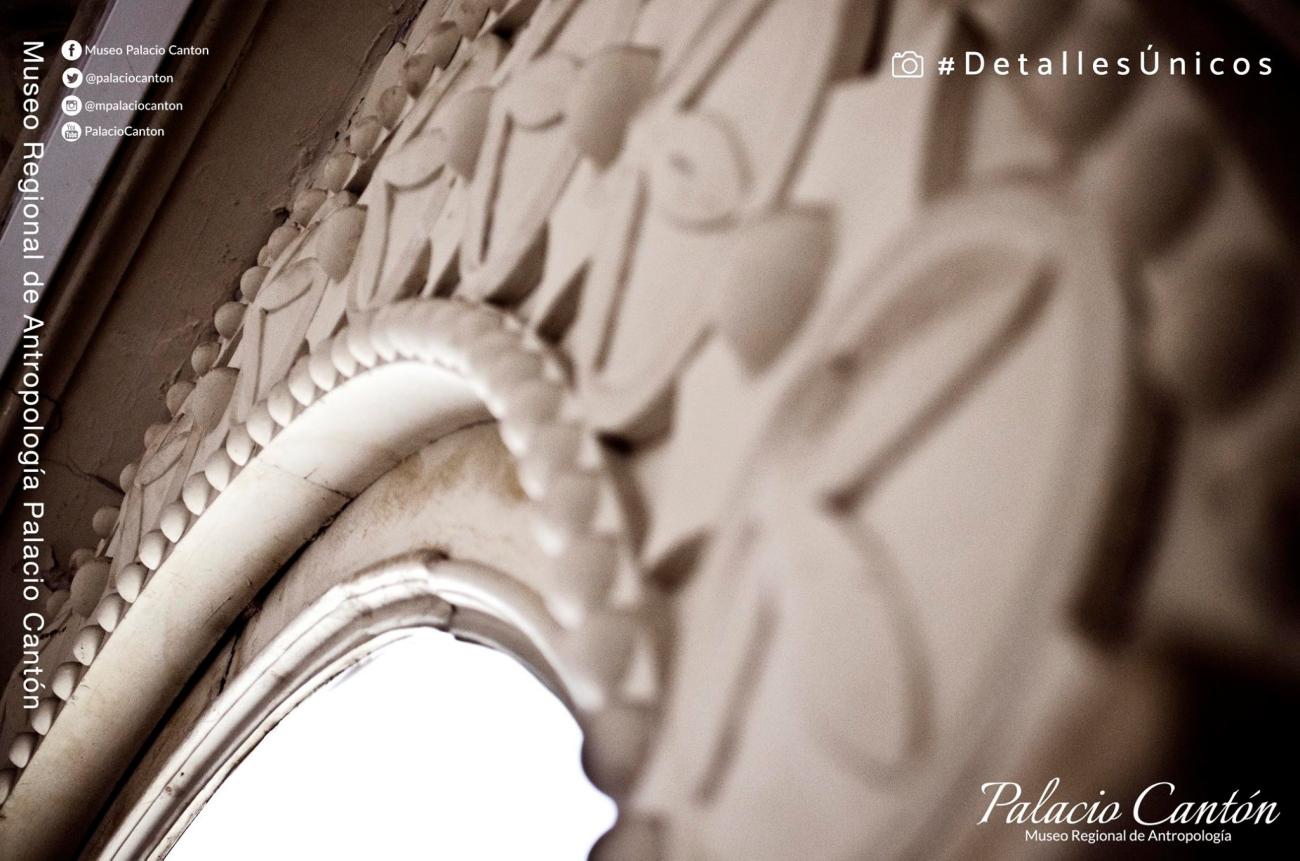
In the original floor plans, the family chapel occupied a prominent space in the home. You can still see the change in flooring, the small ceiling domes, and especially the wooden ornamentation on the windows designed to resemble an altar. The chapel has its own entrance, independent from the main house, and today serves as a venue for the Cantón Palace’s academic and cultural programming.
Elevator
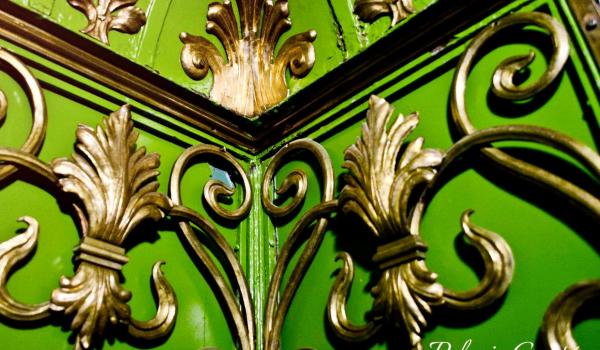
This was the first residential elevator installed in the Yucatán Peninsula. It was manufactured in Germany, shipped by boat to the port of Progreso, and installed at the end of the construction period. Today, it is used to move large or heavy objects, but for safety reasons, it is not open to the…
Elevator
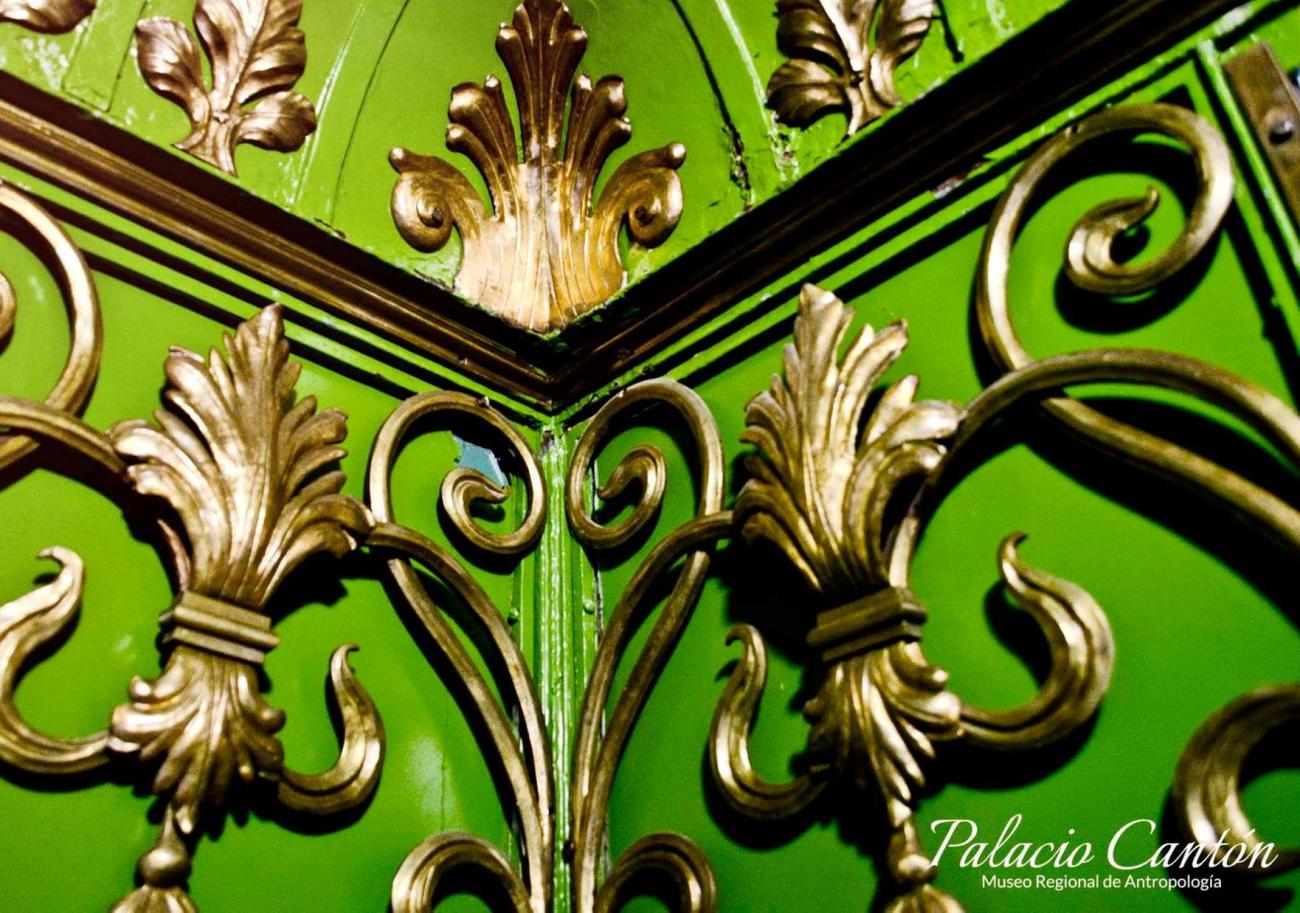

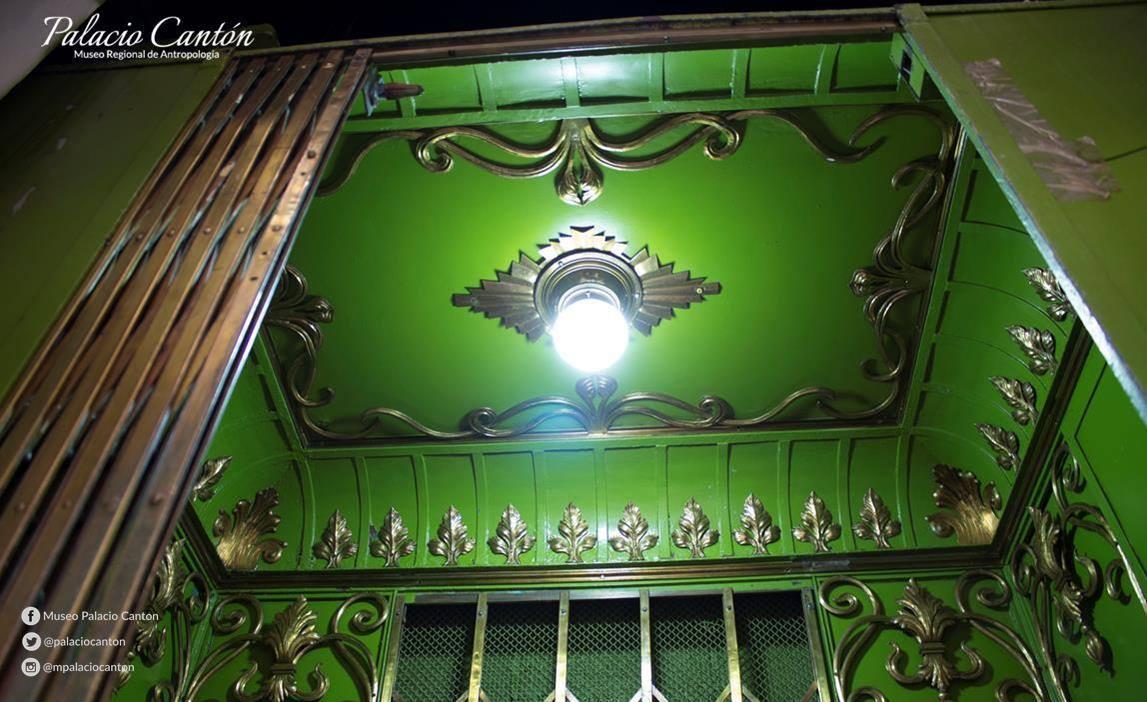

This was the first residential elevator installed in the Yucatán Peninsula. It was manufactured in Germany, shipped by boat to the port of Progreso, and installed at the end of the construction period. Today, it is used to move large or heavy objects, but for safety reasons, it is not open to the public. However, if you get close, you can admire its unique craftsmanship.
Marble Staircase
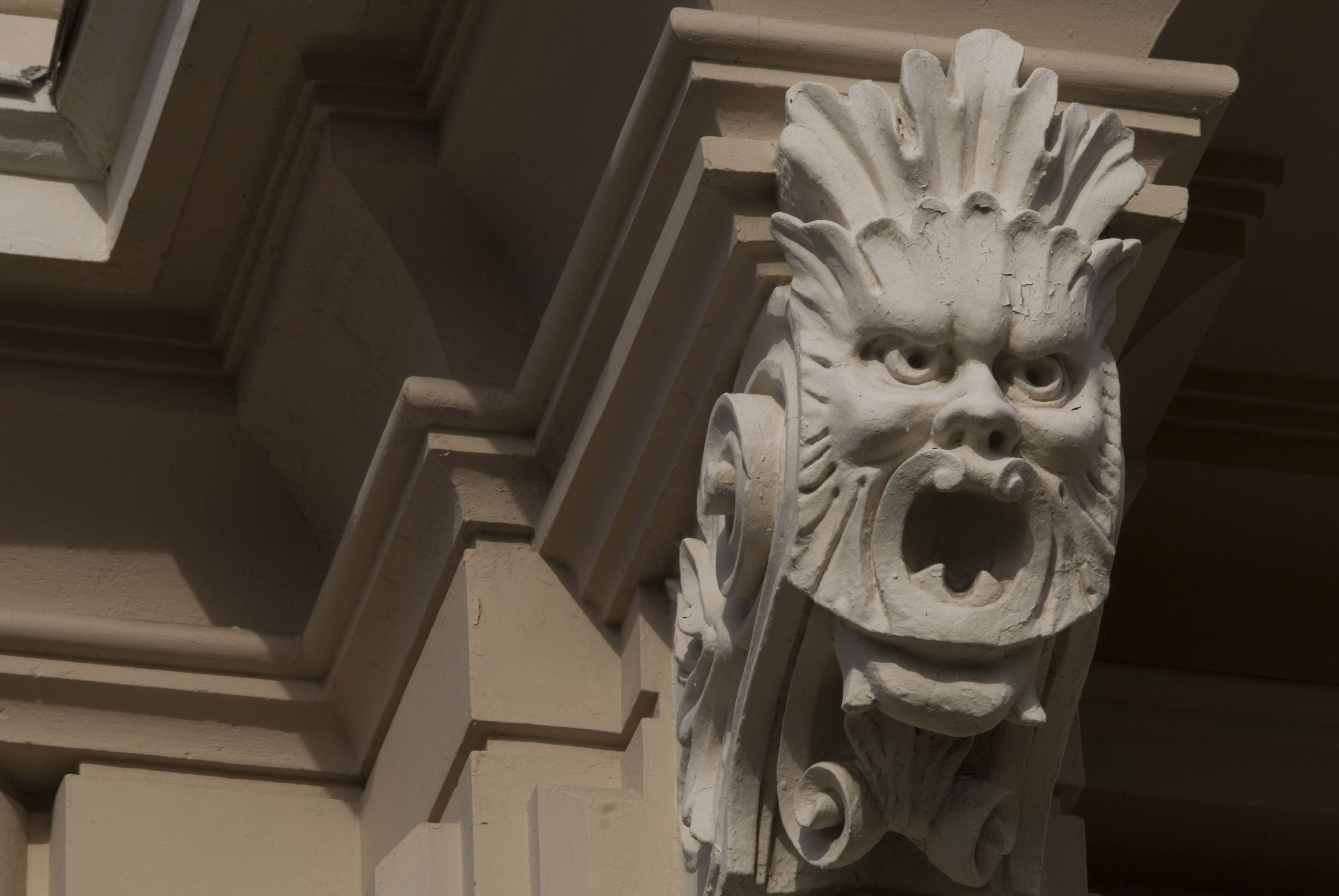
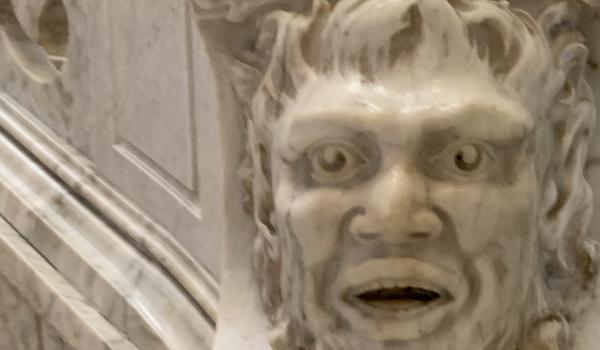
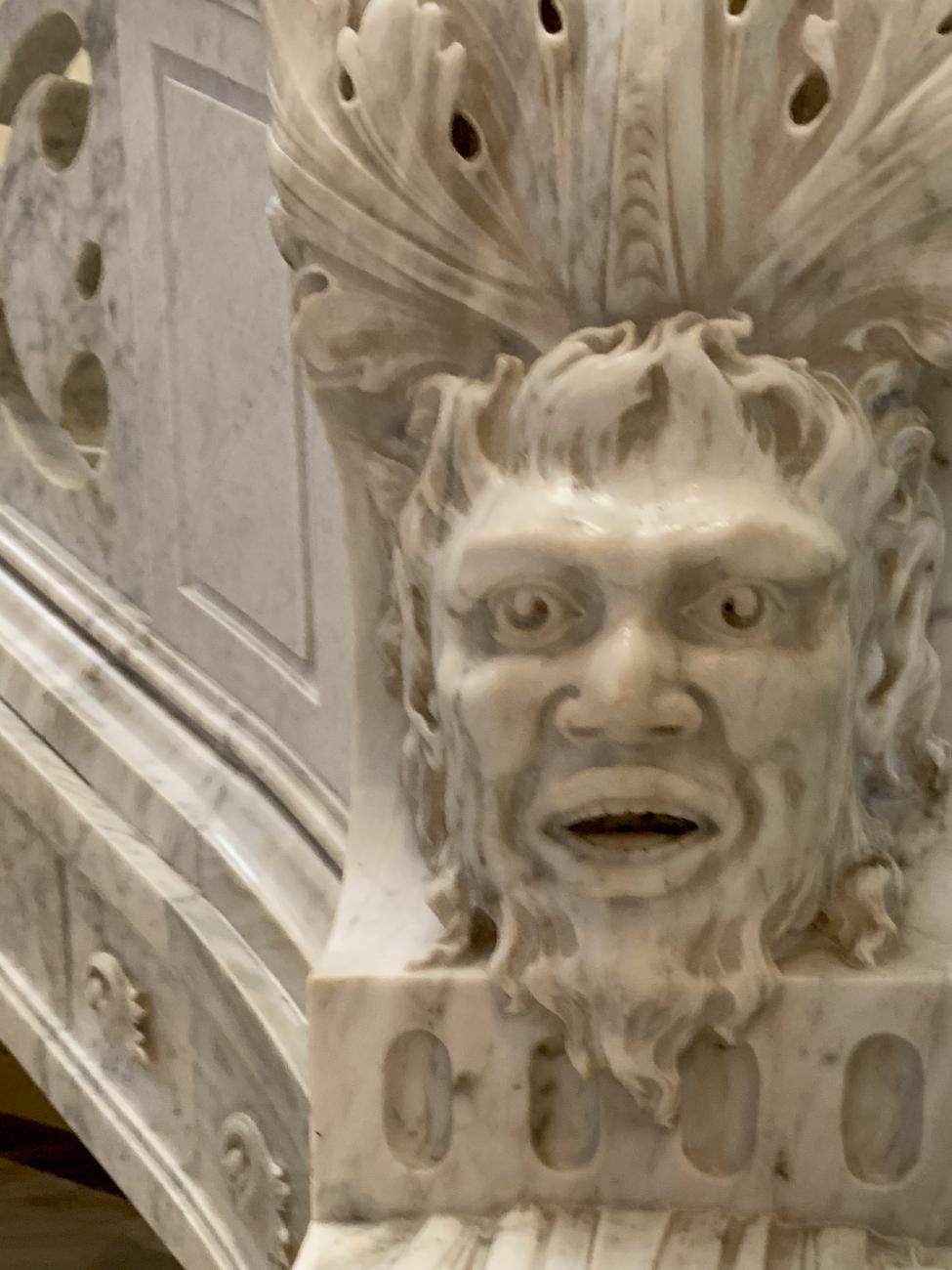
The marble staircase is one of the most iconic features of the Cantón Palace Museum. It connects the two main floors of the house and includes a sculpted mascaron made from the same material. Built using a vaulted architectural technique, it was considered highly modern for its time.
Marble Staircase
Document
Document
- DirecciónBernardo Sarvide Primobernardo_sarvide@inah.gob.mx+52 (999) 928 6719Conservación y RestauraciónDiana Ugalde Romodiana_ugalde@inah.gob.mx+52 (999) 928 6719MuseografíaMichael Covián Benitesmichael_covian@inah.gob.mx+52 (999) 928 6719Comunicación y VinculaciónLiliana Hernández Santibañezlilianajudith_hernandez@inah.gob.mx+52 (999) 928 6719AdministraciónJosé Manuel Chanché Manzaneromanuel_canche@inah.gob.mx+52 (999) 928 6719


Ek'Balam. Polifónico
2023


Pleroma. Vera Mercer
2022