








Museo Histórico de la Ciudad de Felipe Carrillo Puerto
Opened on September 7, 2024, the Felipe Carrillo Puerto City Historical Museum offers insight into the history and culture of the Maya people of Quintana Roo. Its exhibits explain the Caste War and the founding of Santa Cruz, the importance of chewing gum to the regional economy, the changes brought about by education, agricultural practices, and meliponiculture, as well as artistic and religious expressions. The museum demonstrates that Mayan culture is not solely a thing of the past but remains present in local communities and is an integral part of Felipe Carrillo Puerto’s identity.
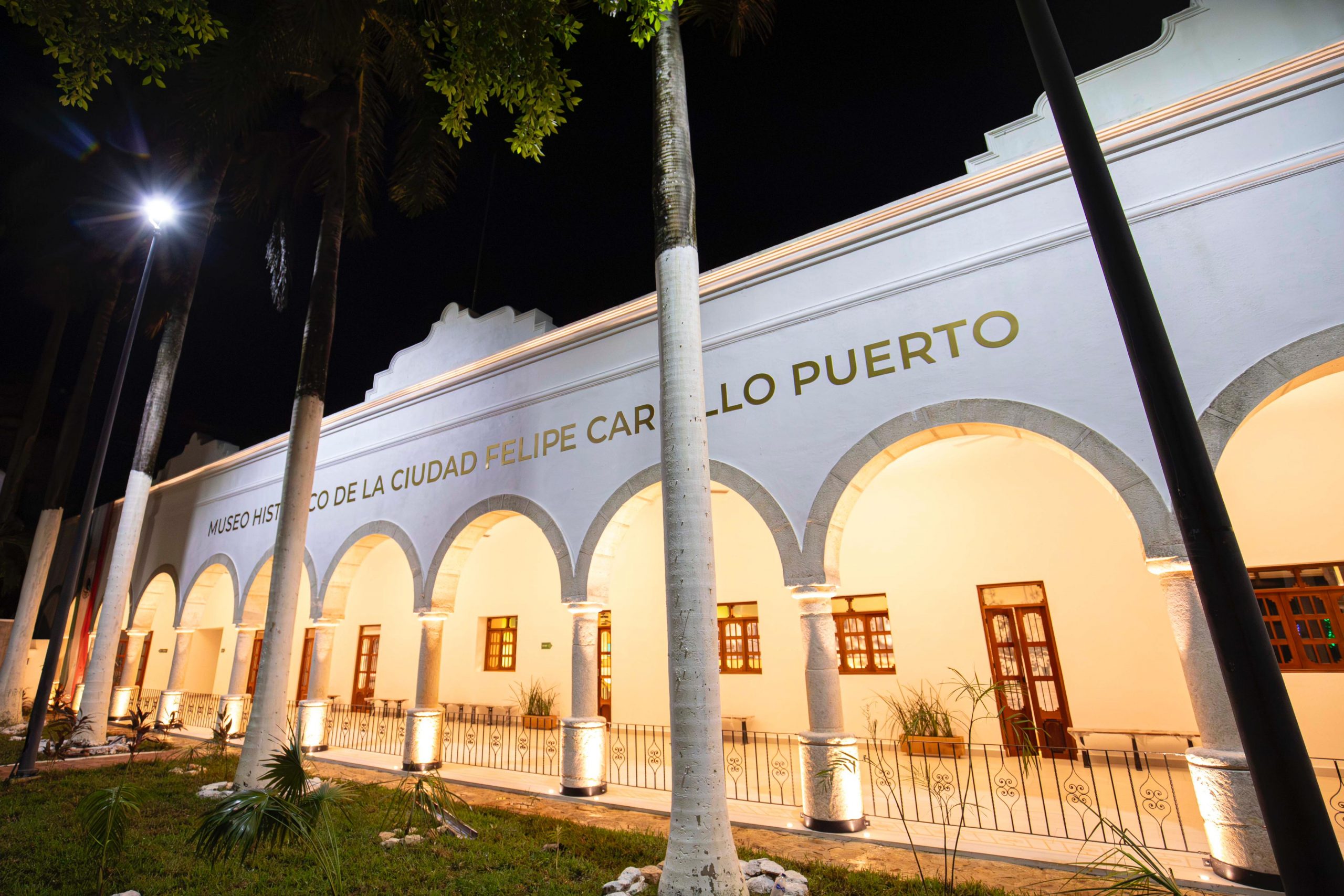
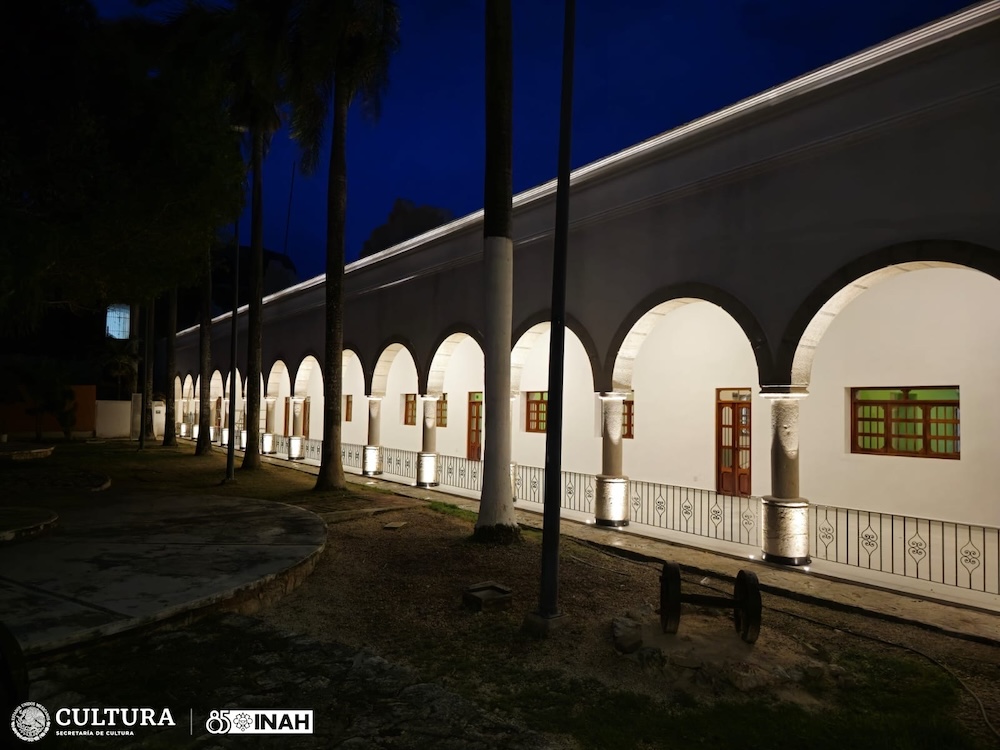
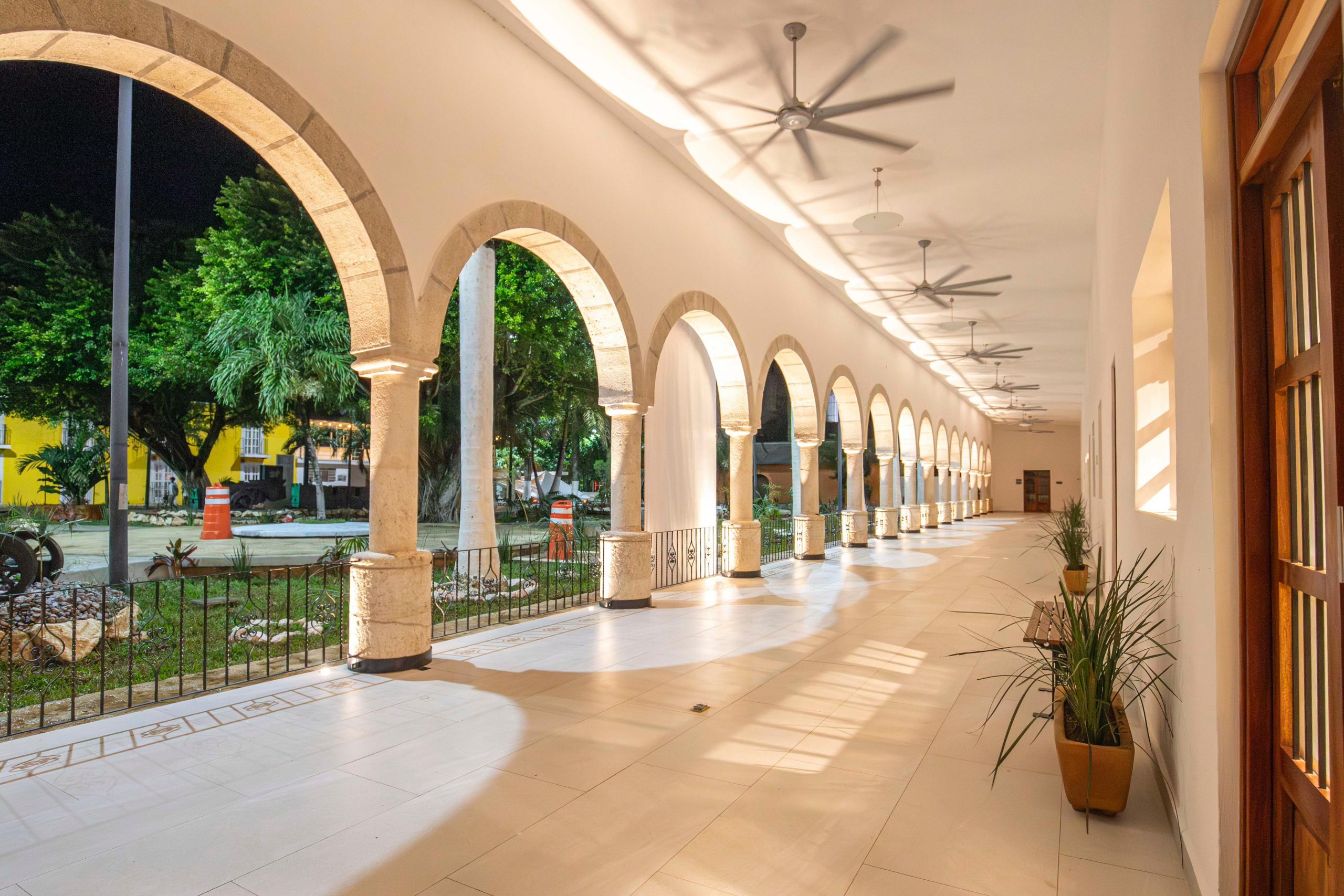
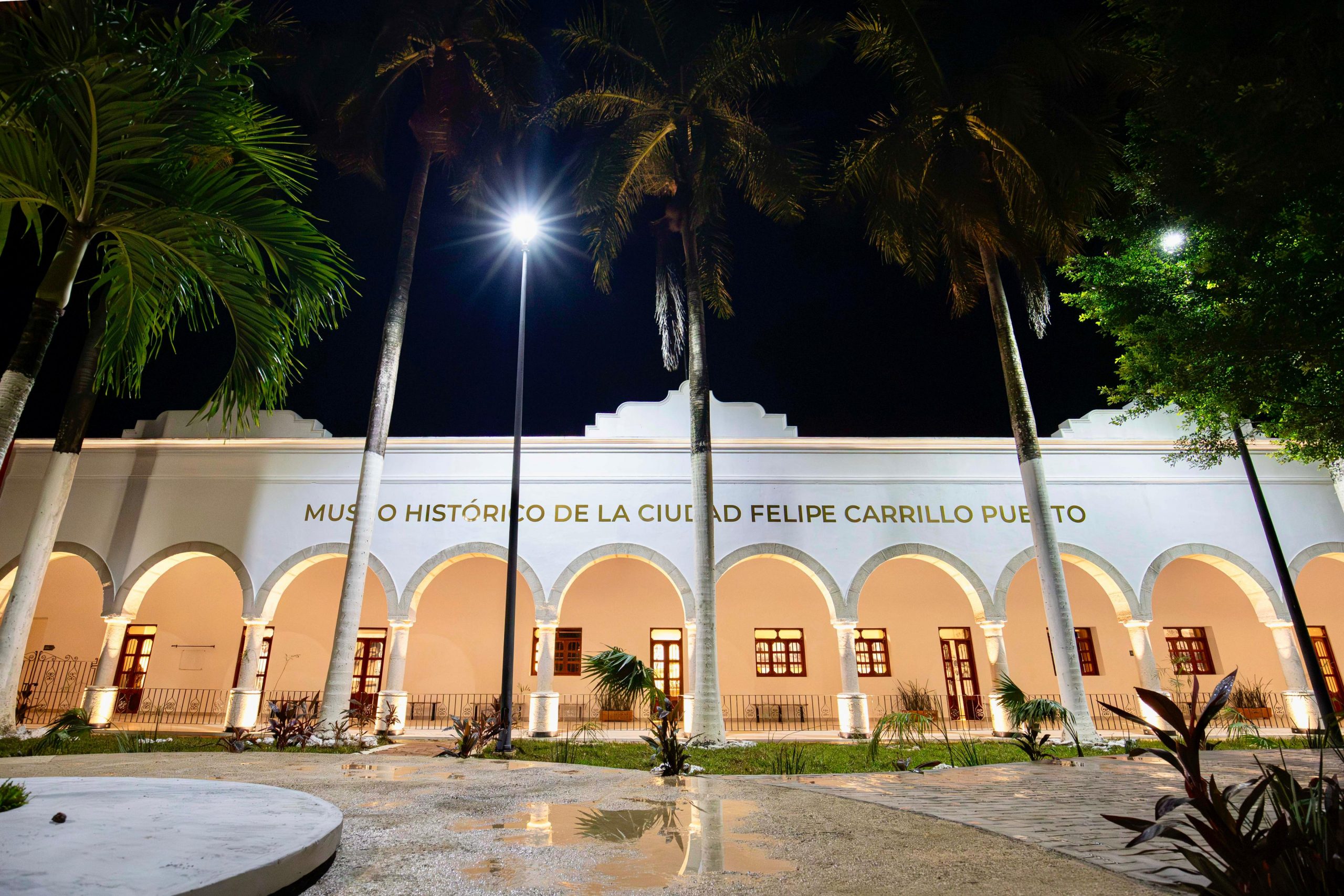
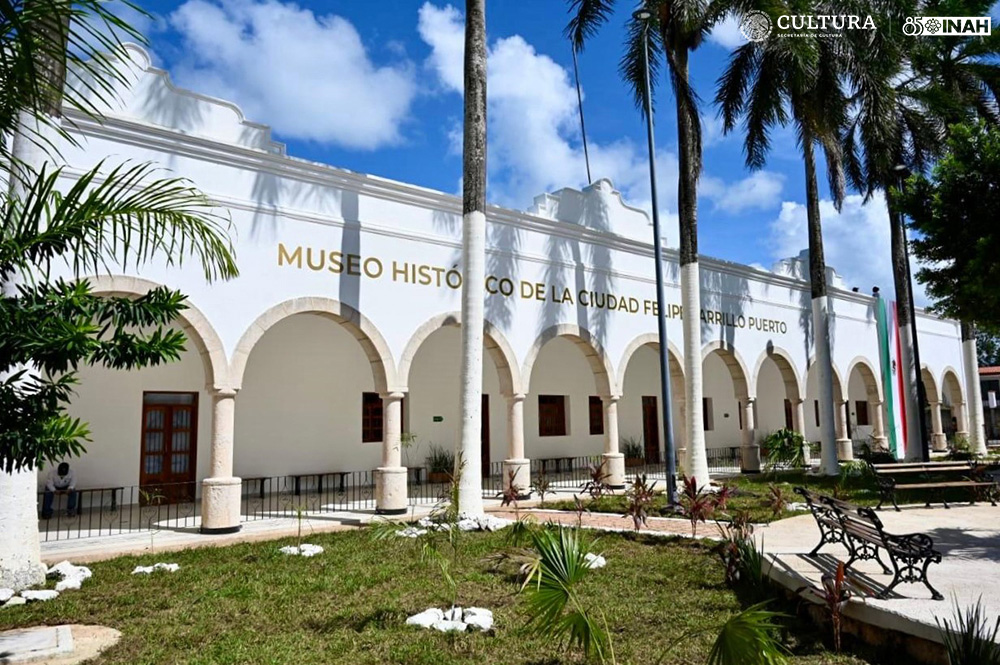
The museum is housed in a historic building that originally served as an indigenous boarding school during the presidency of Lázaro Cárdenas del Río. The building itself is part of the heritage that the museum seeks to preserve, so the experience of visiting the museum begins with the building that houses it. The building allows visitors to draw a connection between the historic architecture and the exhibits presented within its spaces.
The museum’s exhibition focuses primarily on the history of the city and the region. Its content spans different historical periods and offers insight into the transformation of Felipe Carrillo Puerto over time. The museum’s curatorial approach seeks to present history from a perspective in which Maya communities occupy a central role as protagonists of historical processes.
One of the museum’s key focuses is the preservation of the history associated with Santa Cruz Báalam Naj, the city’s former name and a historic center of great importance to the region. Building on this background, the museum presents information on the city’s development and the events that shaped its history.
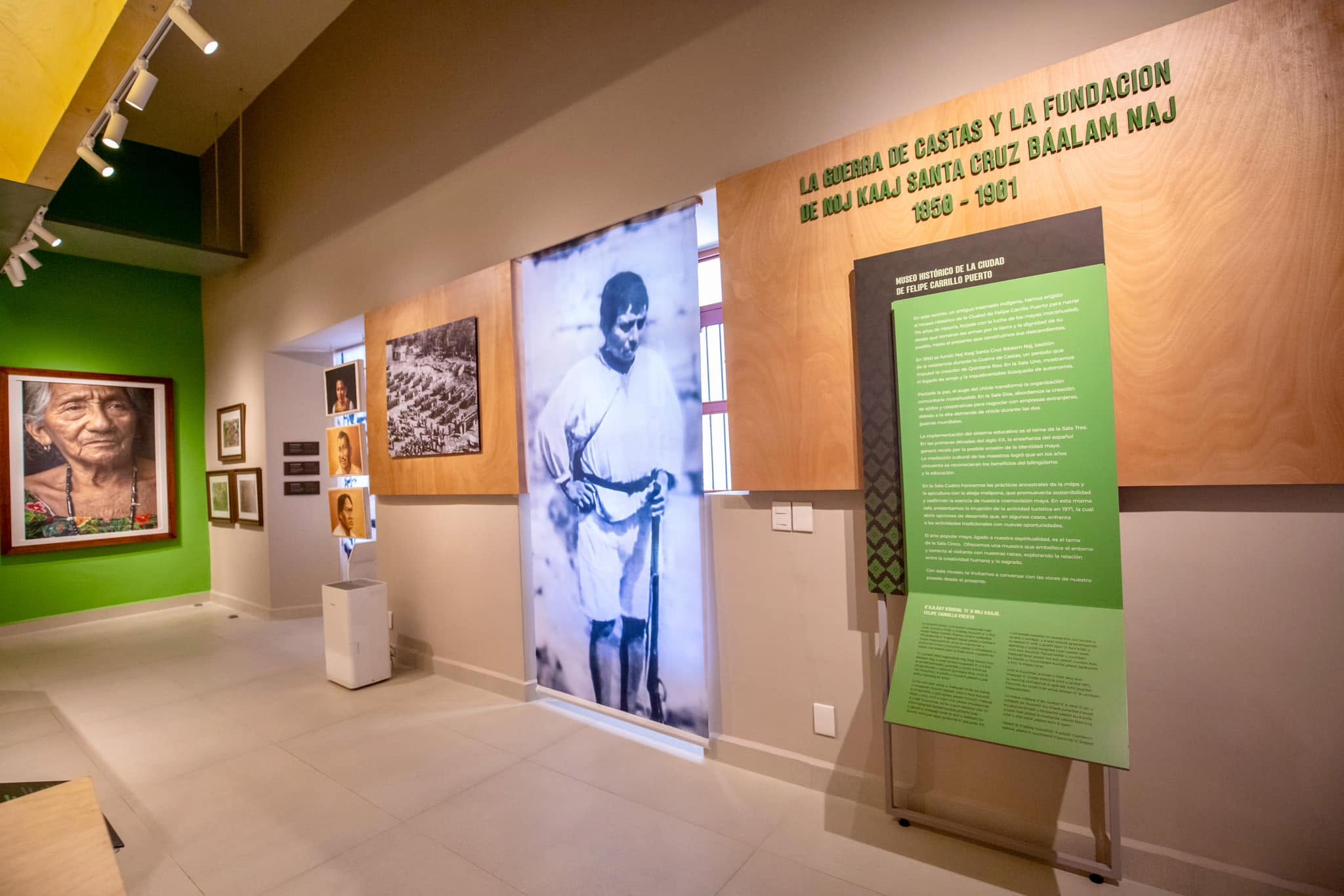
Prominent among its exhibits is the history of the Caste War, a conflict that profoundly influenced the region’s historical development. The museum offers insight into this period through a perspective centered on the Maya people and the social, cultural, and political circumstances that defined that era.
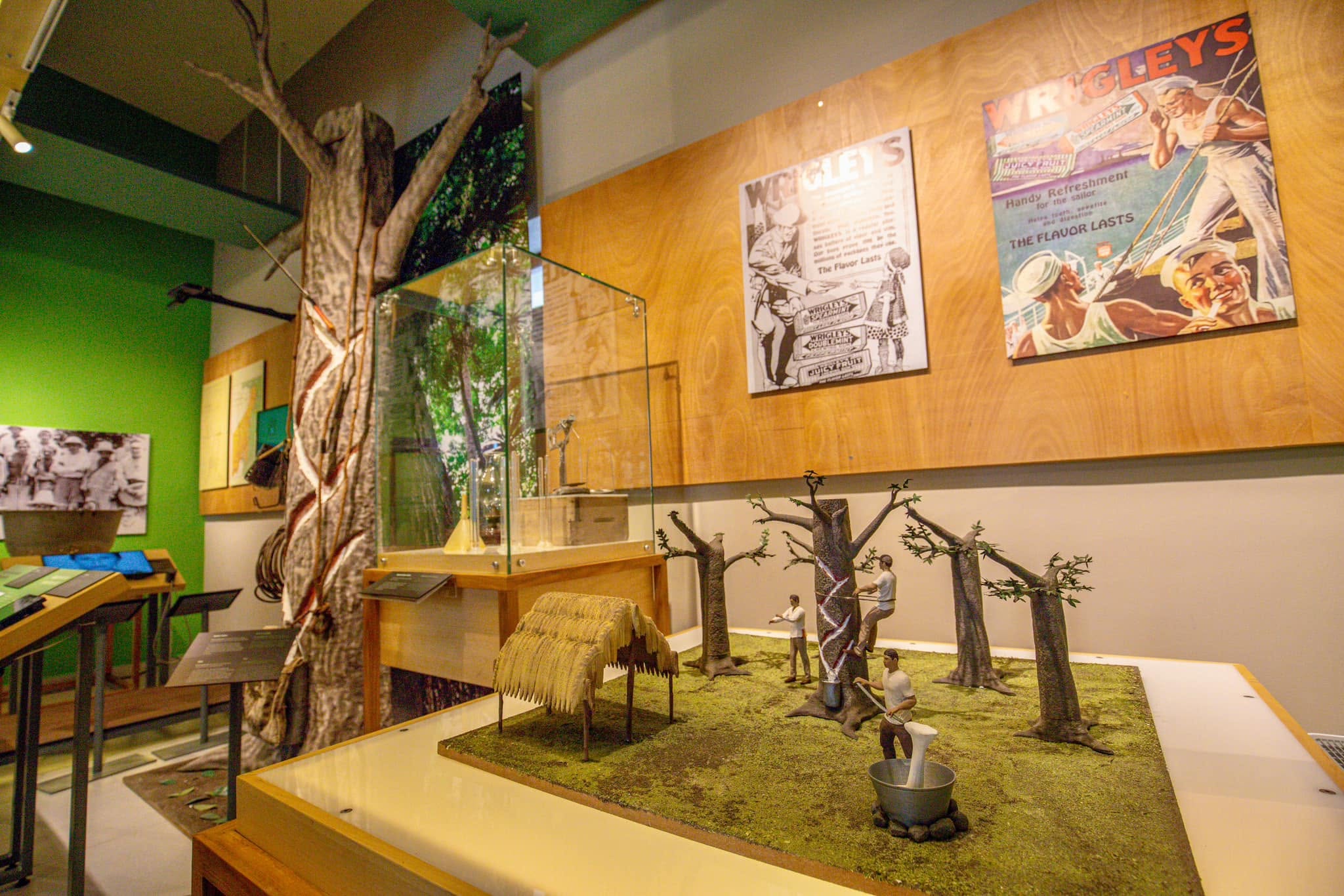
It also highlights aspects of the region’s economic and social life, including the importance of chewing gum production. This topic is part of the historical legacy of Felipe Carrillo Puerto and helps visitors understand some of the activities that, for decades, were intertwined with the lives of the region’s inhabitants and the use of the jungle’s resources.
Another important aspect of the museum’s mission is the preservation of Mayan cultural memory. The museum recognizes the importance of the traditions, knowledge, and cultural expressions that continue to be part of community life. In this way, the museum does not present Mayan culture solely as a thing of the past, but as a living culture that remains present today.
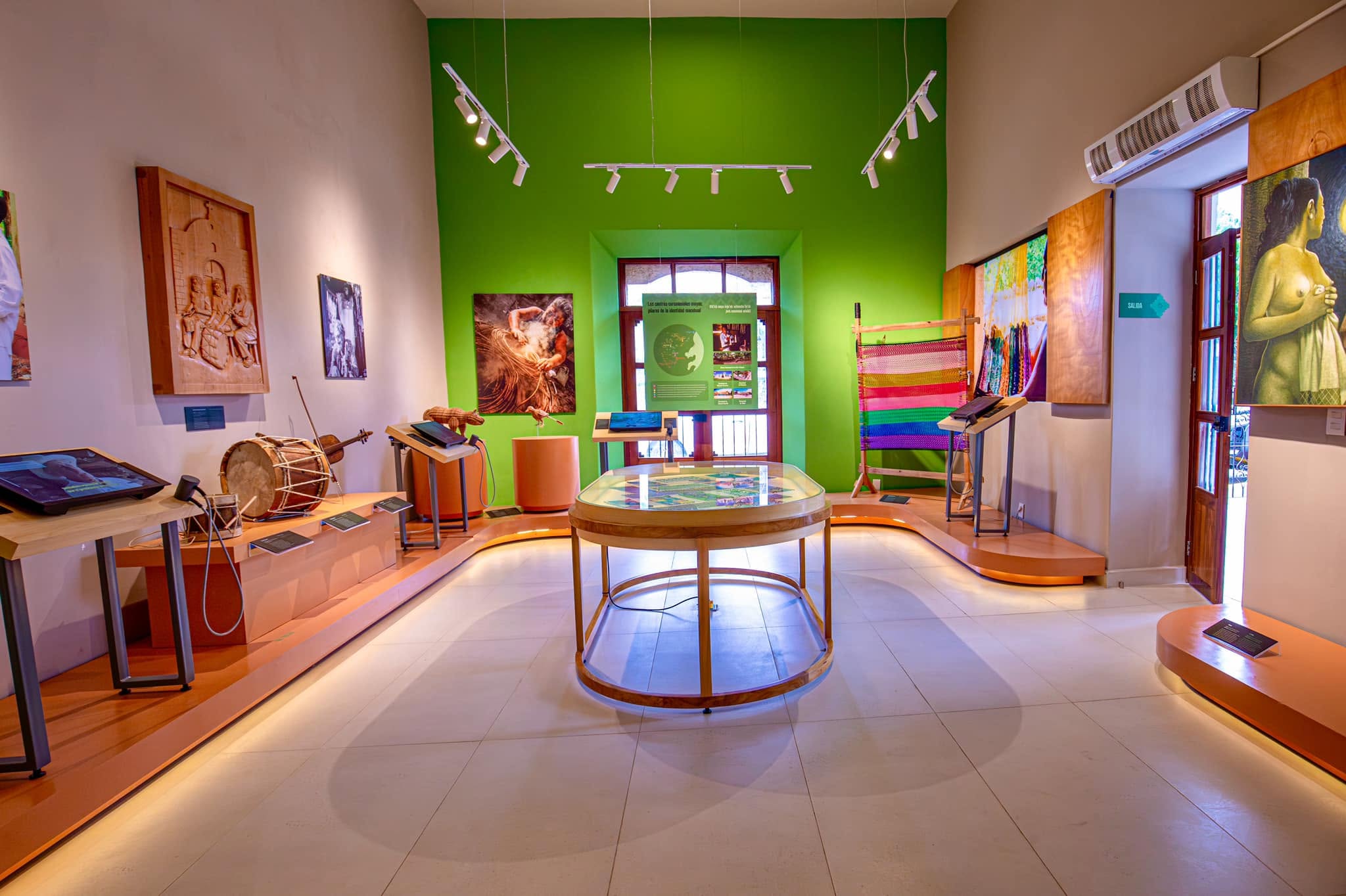
The exhibition design aims to bring this content to the public in an accessible way. The objects, documents, images, and other resources used in the exhibition help build a comprehensive overview of the city’s history. Visitors can explore the space by following different moments and aspects of local history, establishing connections between the past and the present.
The museum also helps strengthen local identity. By showcasing events and cultural expressions directly related to the community, it offers residents a space to recognize part of their own history. For visitors from outside the area, it provides an opportunity to better understand the city’s historical and cultural significance.
The value of the Felipe Carrillo Puerto City Historical Museum does not depend solely on the artifacts it houses. It also lies in the historic building itself, in the memory it represents, and in the role it plays as a cultural institution. The museum brings together tangible and intangible heritage and offers a space to reflect on the history of the city and its inhabitants.
Its location within a historic building reinforces the institution’s character. The building, in addition to serving as the museum’s home, is part of the history the museum seeks to convey. This allows visitors to engage with both the architecture and the historical content found within.
Taken as a whole, the museum represents a space where the past of Felipe Carrillo Puerto can be explored, interpreted, and appreciated. Its existence helps strengthen the community’s cultural identity and keep alive the historical memory of a region whose Maya heritage is one of its fundamental elements.
La Guerra de Castas y Santa Cruz
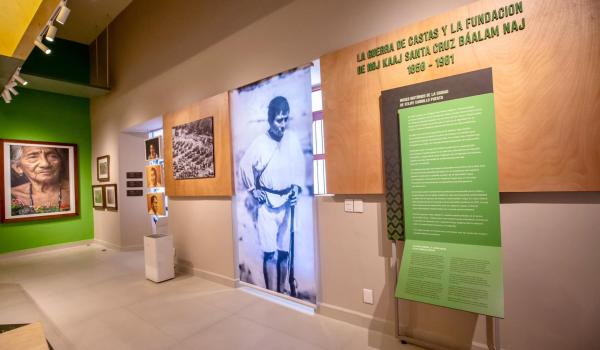
It explains one of the most important events in the region’s history: the Yucatán Caste War, which began in 1847.The exhibition presents the context in which the Maya peoples confronted the government and the elites of the peninsula. The Maya sought to defend their lands, their autonomy, their…
La Guerra de Castas y Santa Cruz
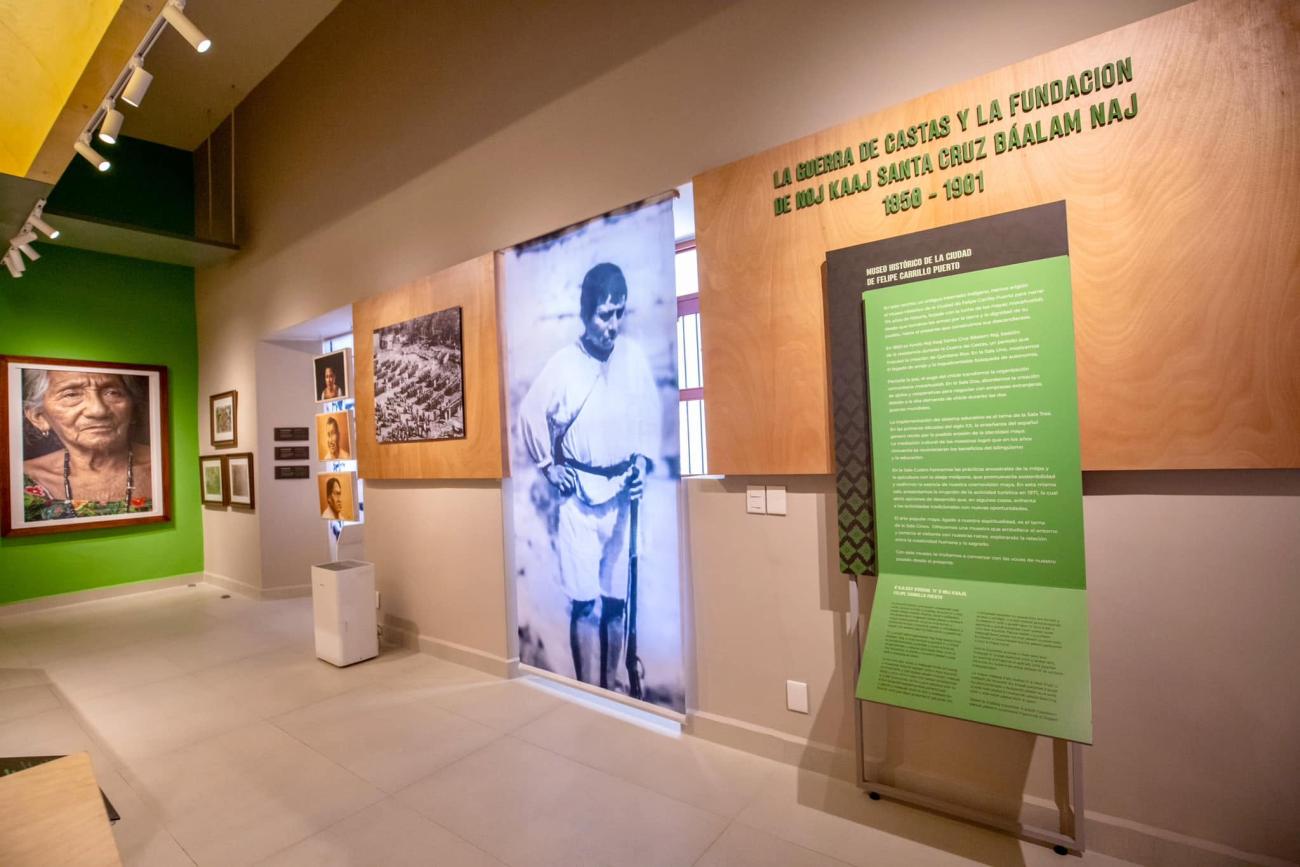
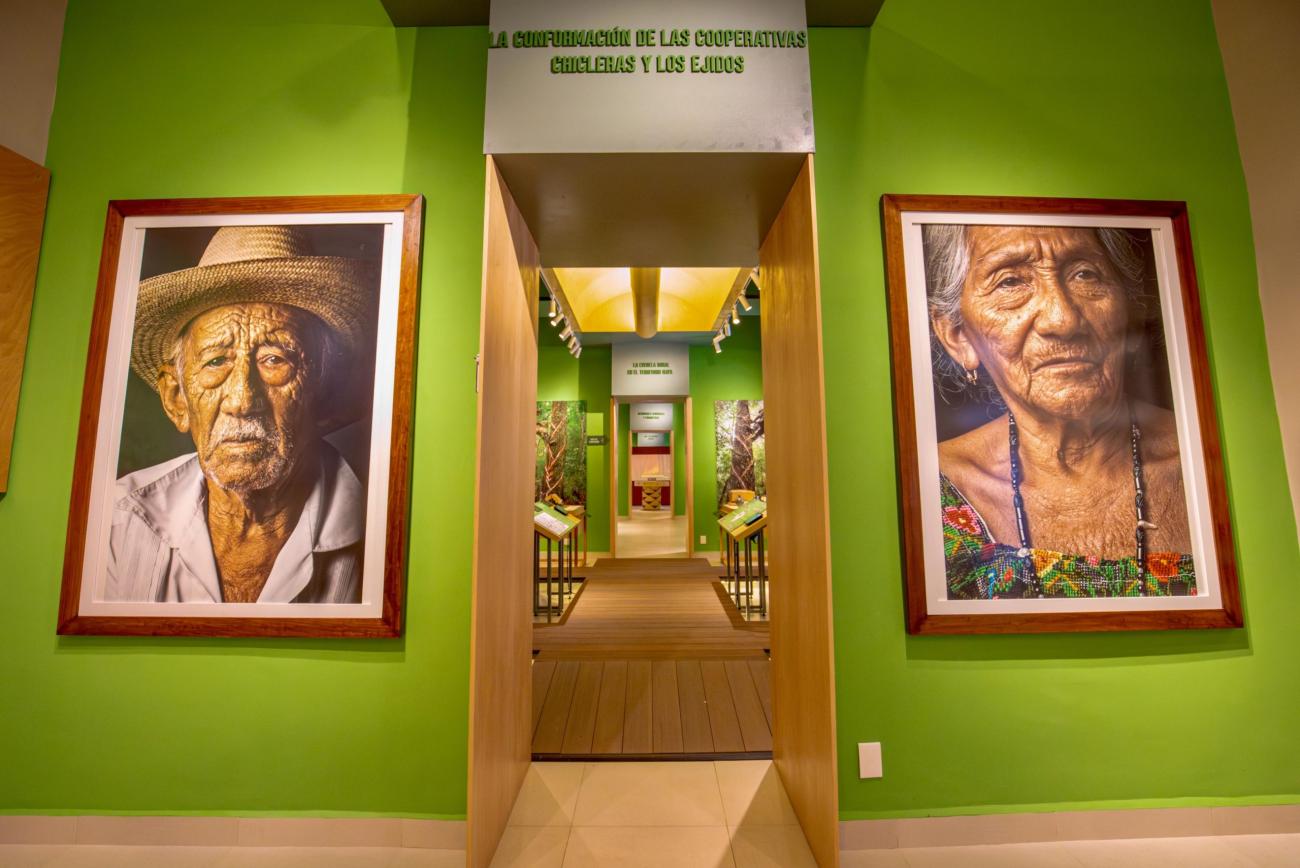



It explains one of the most important events in the region’s history: the Yucatán Caste War, which began in 1847.
The exhibition presents the context in which the Maya peoples confronted the government and the elites of the peninsula. The Maya sought to defend their lands, their autonomy, their forms of organization, and their way of life in the face of the abuses and dispossession they suffered.
A central event was the appearance of the Talking Cross, which took on enormous religious and political significance for the rebellious Maya. A major resistance movement was organized around this cross.
In 1850, Santa Cruz—known in the Mayan language as Noj Kaaj Santa Cruz Báalam Naj—was founded and became the main political and religious center of the Mayan rebels. Much of the resistance was organized from there.
The exhibit also introduces visitors to various figures who participated in this historical process, including Mayan leaders and individuals who played an important role in organizing the communities.
Another important aspect is the end of this phase of resistance. In 1901, Mexican government forces occupied Santa Cruz. However, the military occupation did not mean the disappearance of Mayan culture or identity.
El chicle y la economía regional
It shows how the jungle’s natural resources were essential to the economy of Felipe Carrillo Puerto and the Mayan communities.One of the main products was chewing gum, obtained from the chicozapote tree. Workers had to venture deep into the jungle and climb the trees to extract the sap, which was…
El chicle y la economía regional
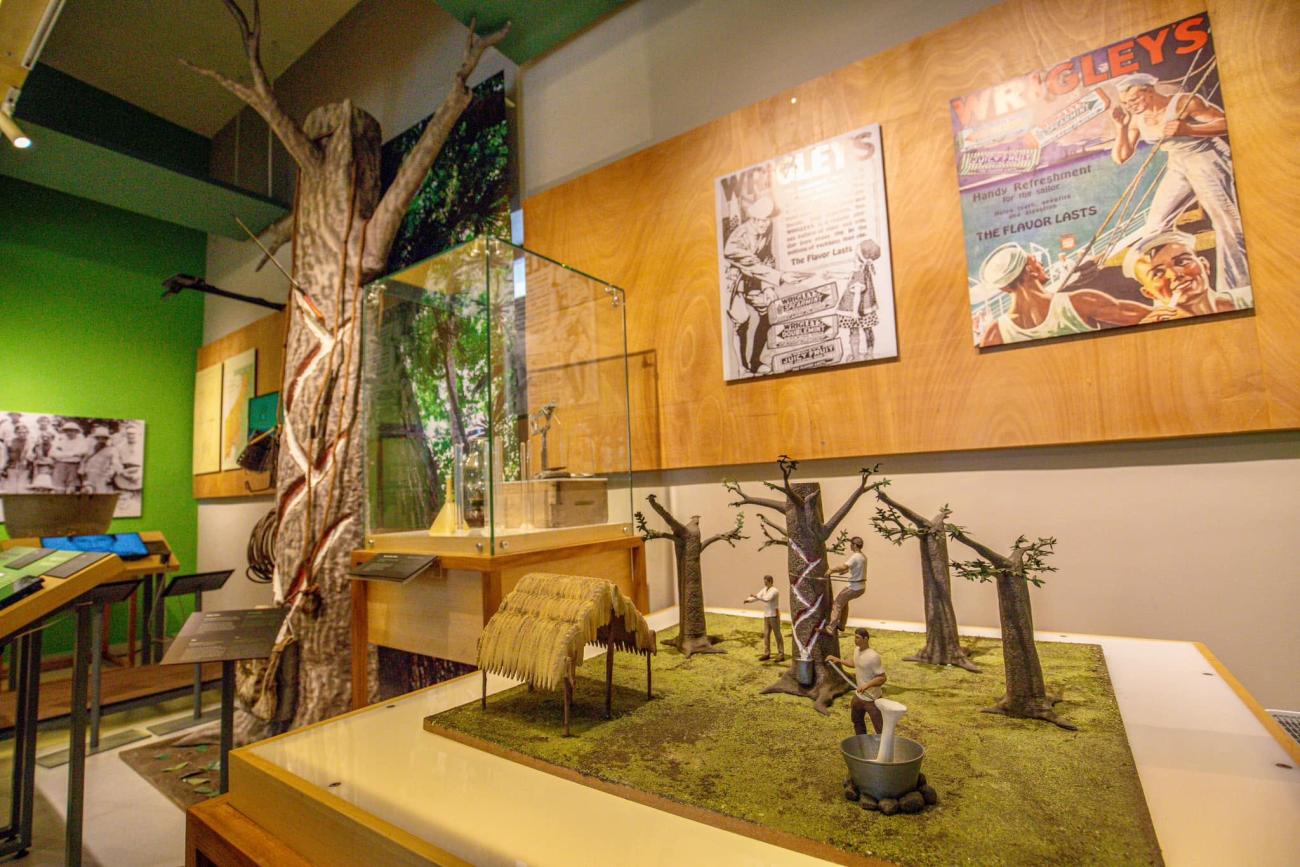

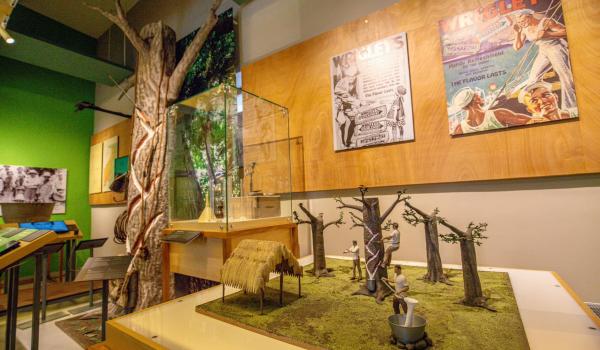
It shows how the jungle’s natural resources were essential to the economy of Felipe Carrillo Puerto and the Mayan communities.
One of the main products was chewing gum, obtained from the chicozapote tree. Workers had to venture deep into the jungle and climb the trees to extract the sap, which was then processed to produce chewing gum.
The chewing gum industry was of enormous economic importance, especially during the early decades of the 20th century. The region saw intense activity related to forestry.
The exhibit also illustrates the working conditions of the chiclero workers: they had to spend long periods in the jungle, facing humidity, animals, insects, and transportation challenges.
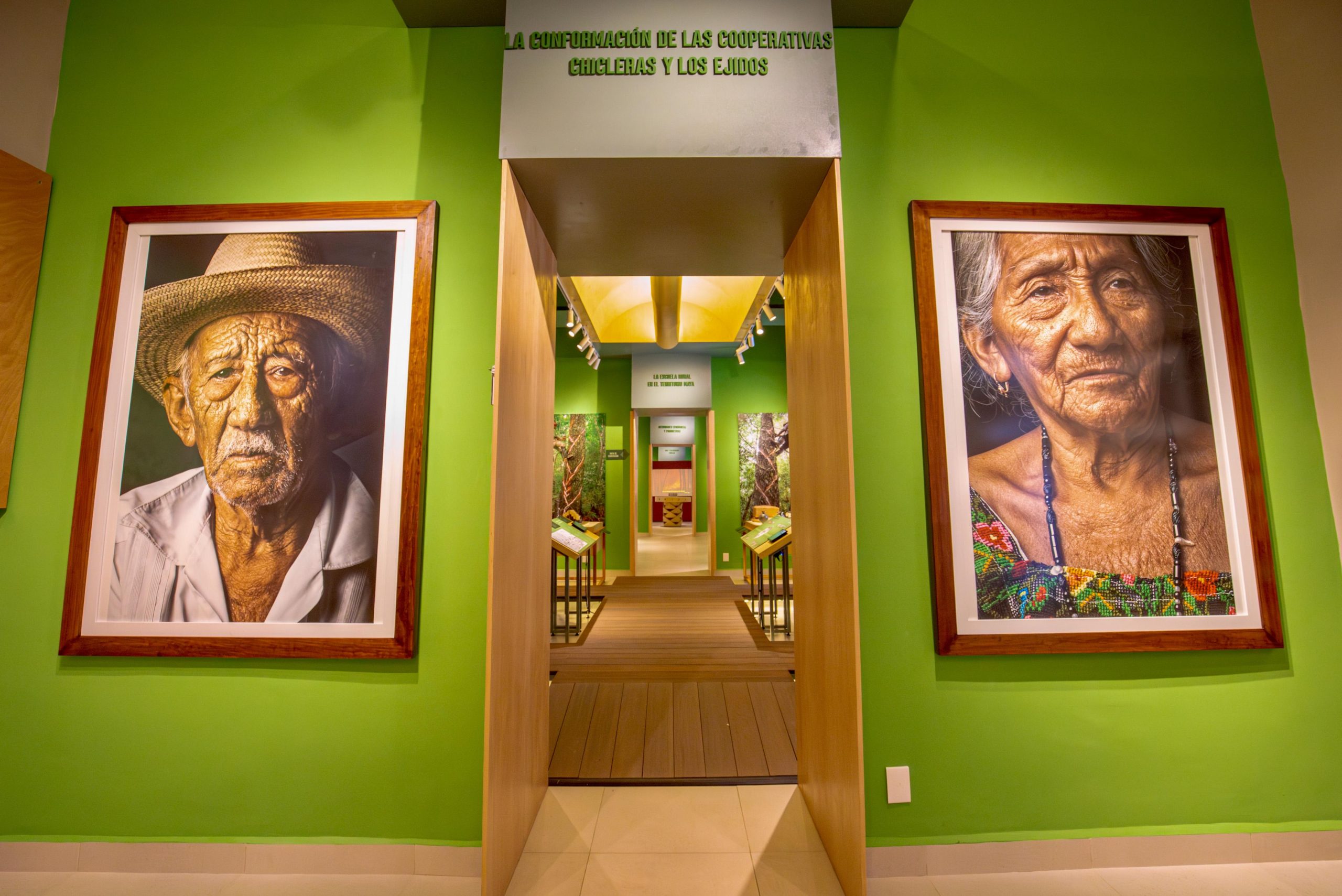
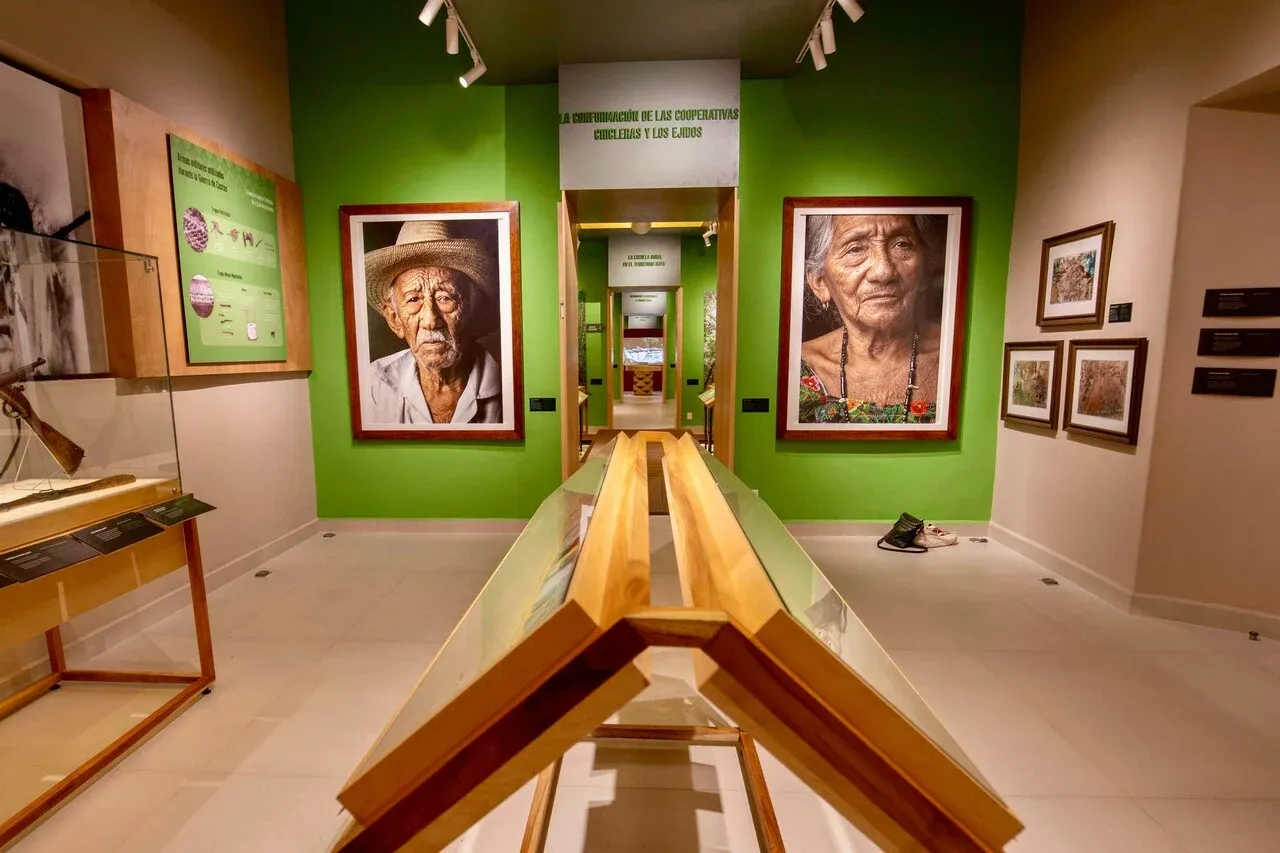
Later, community organization took on greater importance. The exhibit explains the development of ejidos and cooperatives, through which communities sought to organize production and derive greater benefits from their resources.
The chicleros’ work also left its mark on the region’s culture and daily life. Many families depended economically on this activity for generations.
Educación y transformación de la comunidad
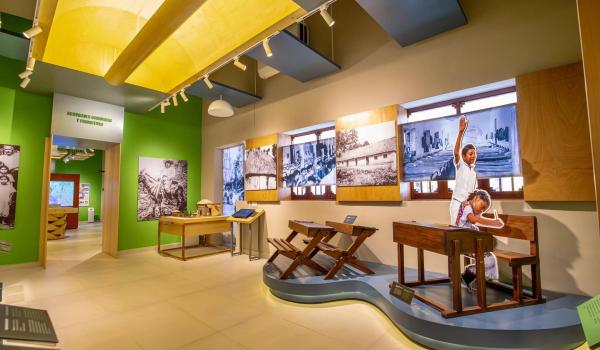
It addresses the changes the town underwent during the 20th century, particularly following the establishment of educational institutions.A significant milestone was the town’s name change. In 1932, Santa Cruz de Bravo was renamed Felipe Carrillo Puerto, in honor of the Yucatecan politician who…
Educación y transformación de la comunidad
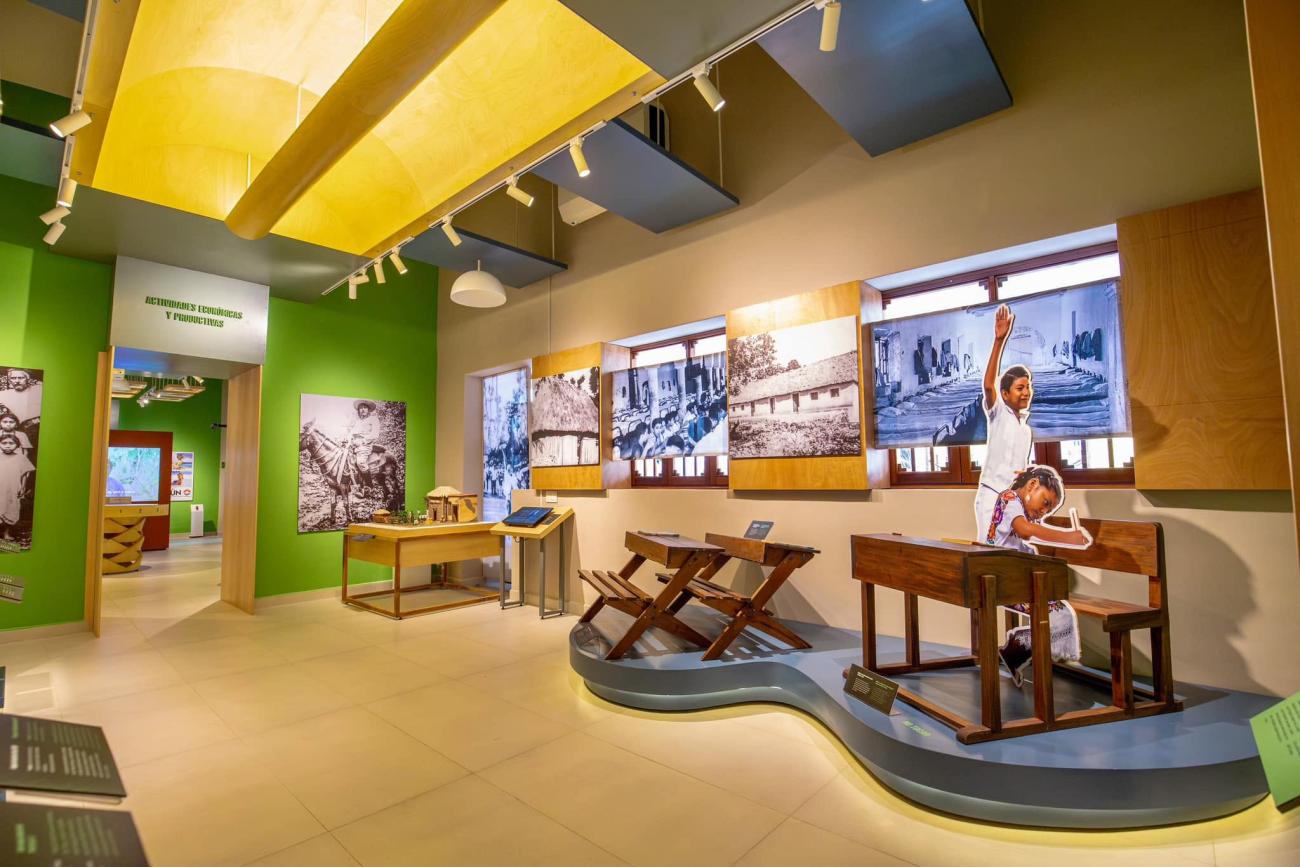
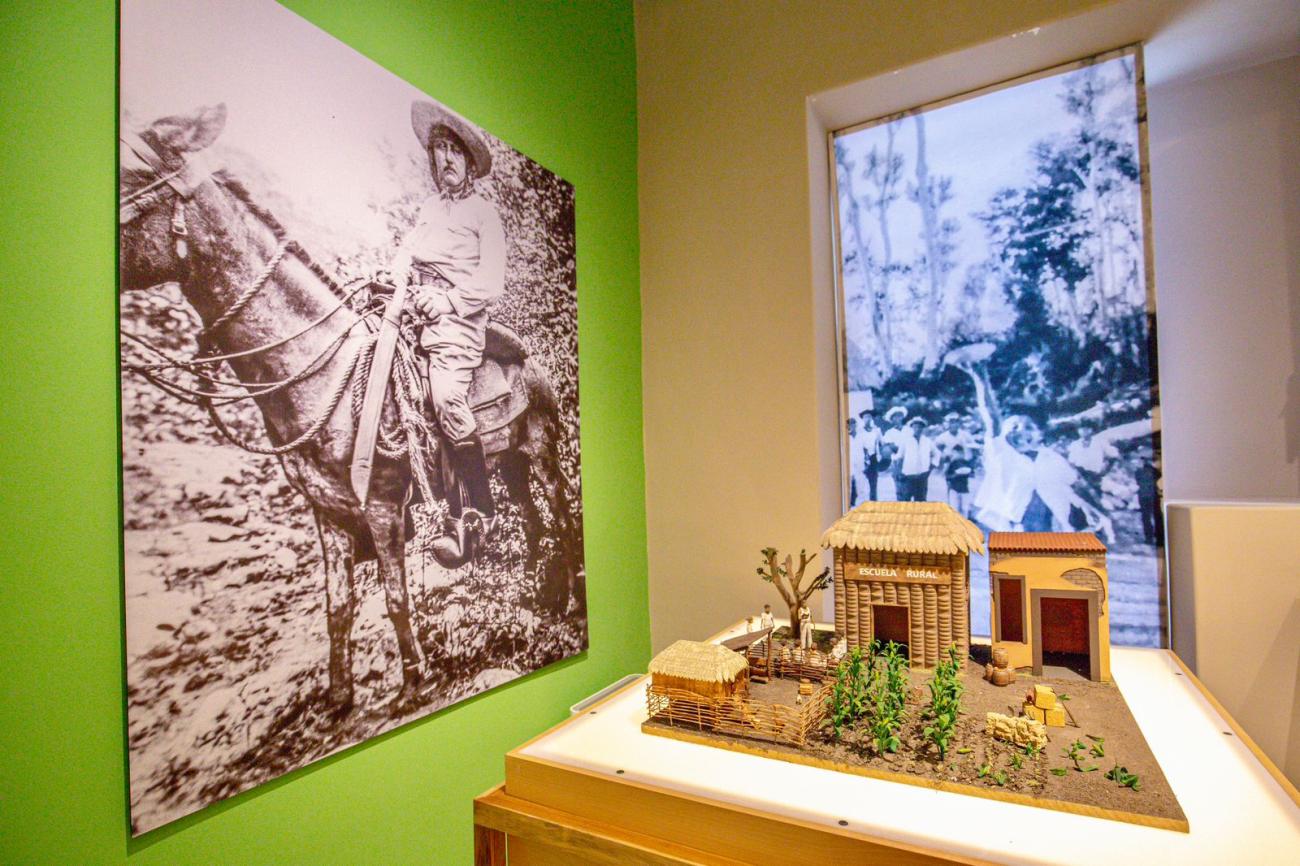

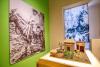
It addresses the changes the town underwent during the 20th century, particularly following the establishment of educational institutions.
A significant milestone was the town’s name change. In 1932, Santa Cruz de Bravo was renamed Felipe Carrillo Puerto, in honor of the Yucatecan politician who championed various social causes and maintained close ties with Mayan communities.
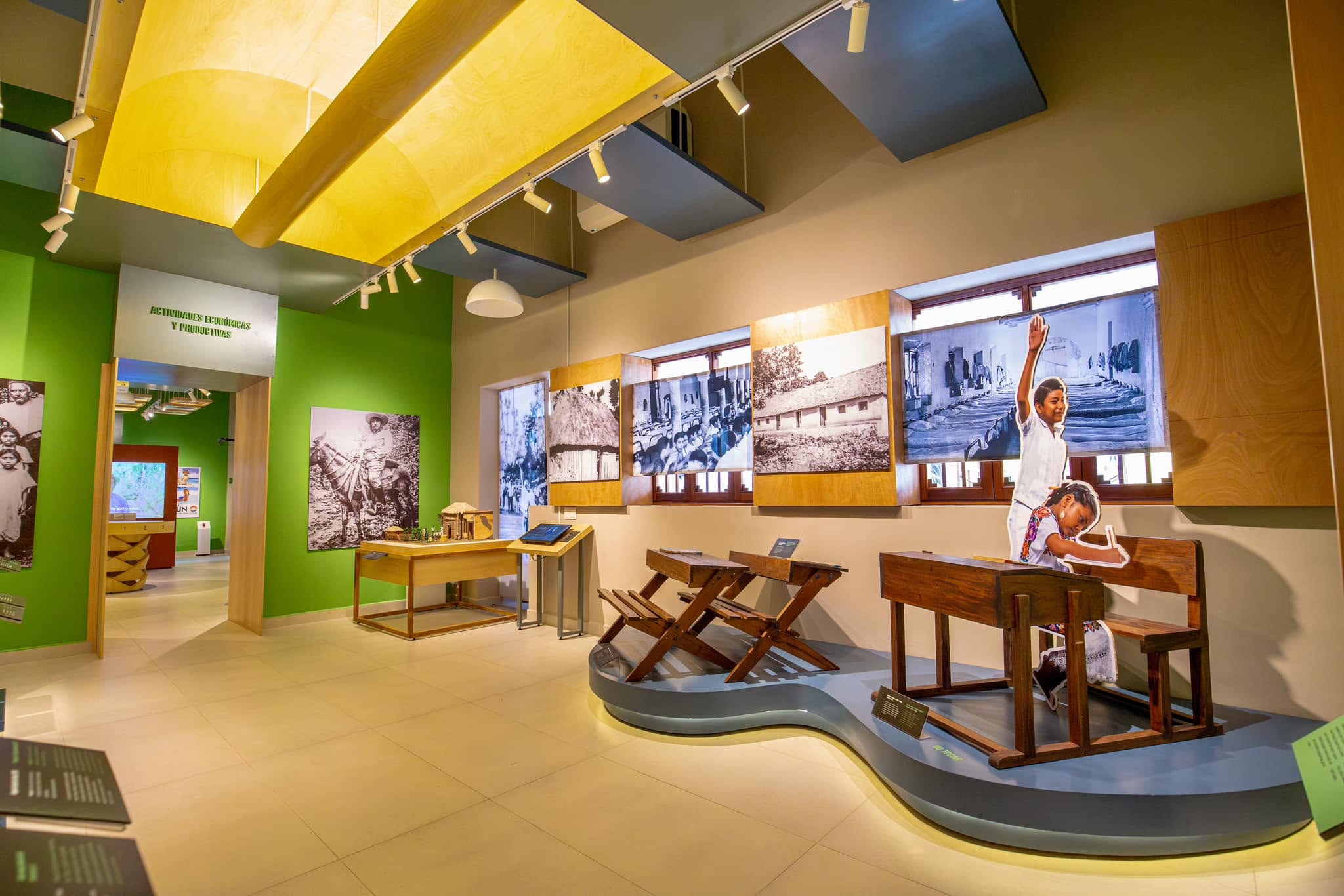
The arrival of federal rural schools brought about significant changes. Education allowed many children and young people to gain access to knowledge and opportunities that had previously been difficult to obtain.
However, education also gave rise to a complex relationship with Maya culture. At many points in history, the education system prioritized Spanish, while the Maya language was sidelined.
For this reason, this room invites visitors to reflect on topics such as:
- Rural education.
- The teaching of Spanish.
- The Maya language.
- Bilingualism.
- The transformation of communities.
- The preservation of traditions.
- The relationship between education and cultural identity.
La milpa, la abeja melipona y el turismo
One of the central elements is the Maya milpa, a traditional agricultural system based primarily on the cultivation of corn. Beans, squash, chili peppers, and other crops can also be grown in the milpa.The milpa is not merely a way of producing food. It is also linked to knowledge passed down from…
La milpa, la abeja melipona y el turismo



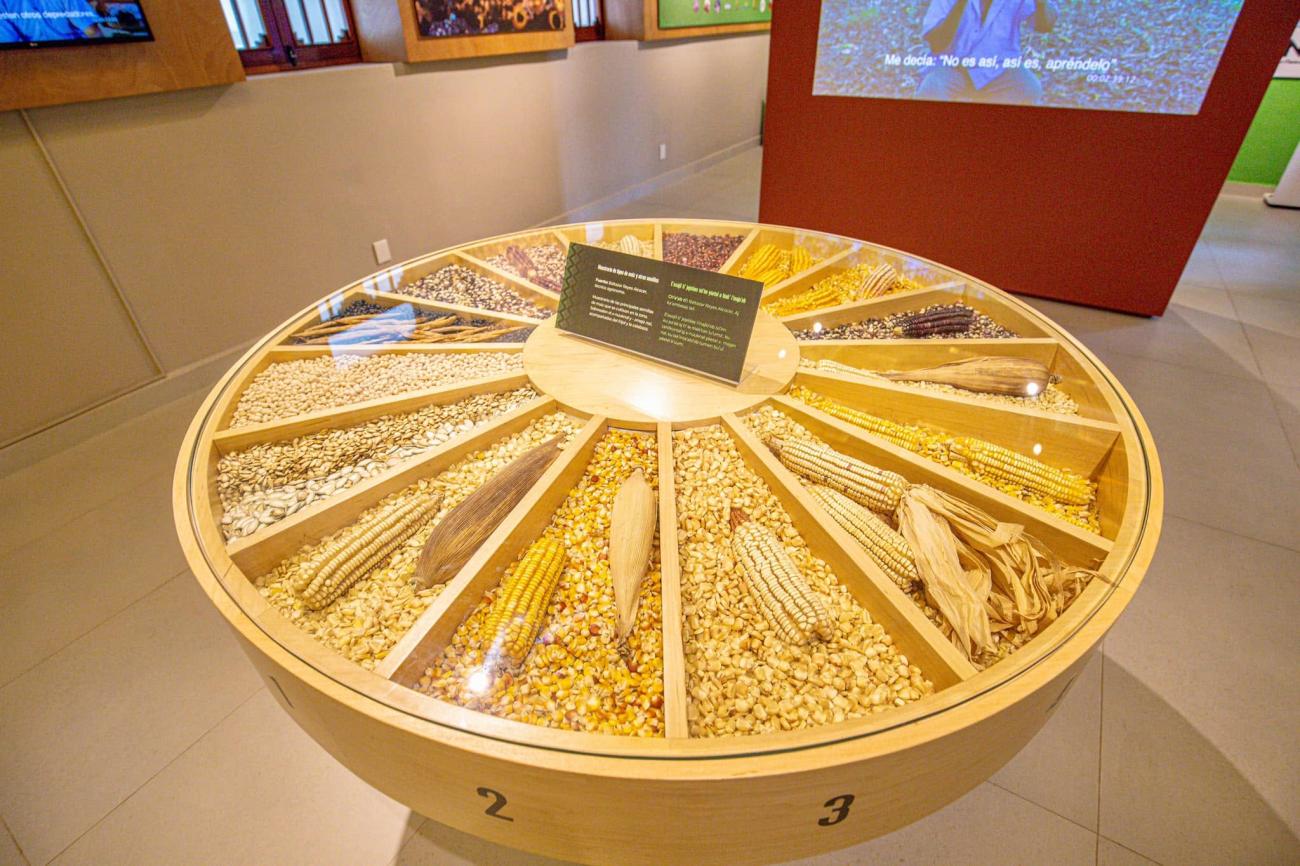
One of the central elements is the Maya milpa, a traditional agricultural system based primarily on the cultivation of corn. Beans, squash, chili peppers, and other crops can also be grown in the milpa.
The milpa is not merely a way of producing food. It is also linked to knowledge passed down from generation to generation: understanding rainfall cycles, preparing the soil, selecting seeds, and making use of different plant species.
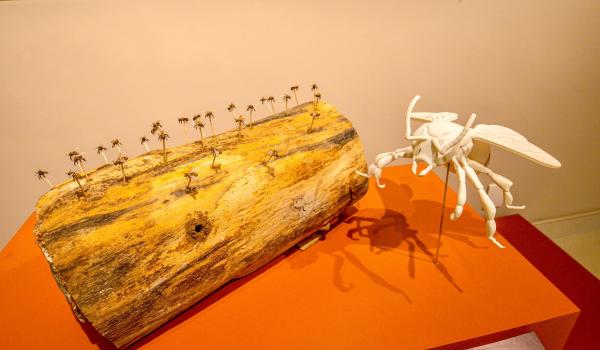
Another important element is the melipona bee, a native bee of the region that has no stinger. The Maya have traditionally raised these bees and harvested their honey.
Melipona honey is important both economically and culturally and has been used in traditional practices.
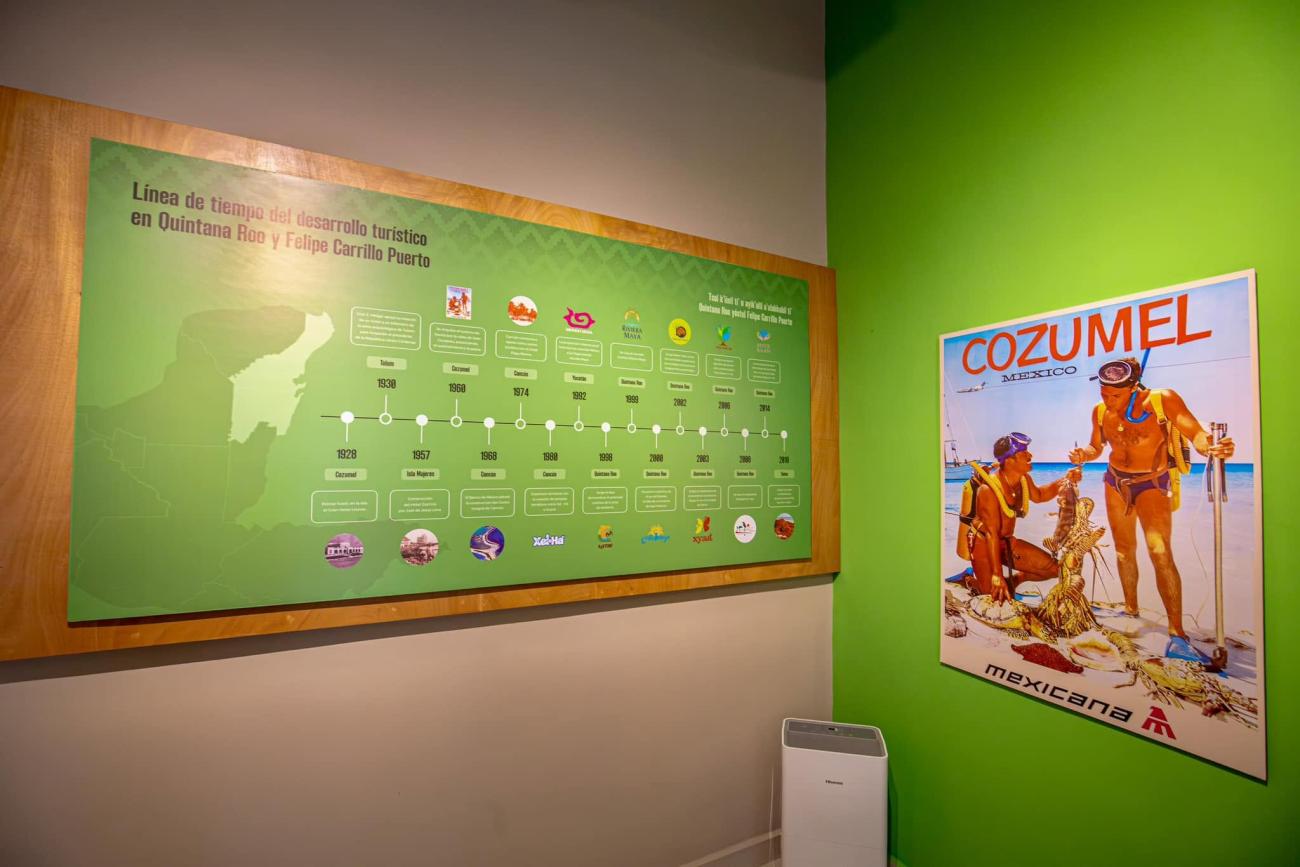
The exhibit also explores the growth of tourism in Quintana Roo, particularly since the second half of the 20th century. Tourism development profoundly transformed the regional economy and created new employment opportunities, but it also brought about changes in traditional ways of life and activities.
Arte y religiosidad maya
Examples can be found in clothing, crafts, music, dance, and objects used in daily life.Among the items featured are:Huipiles and other traditional garments.Hammocks.Basketry.Wooden artifacts and carvings.Musical instruments.Traditional music and dance.Objects related to ceremonies and community…
Arte y religiosidad maya

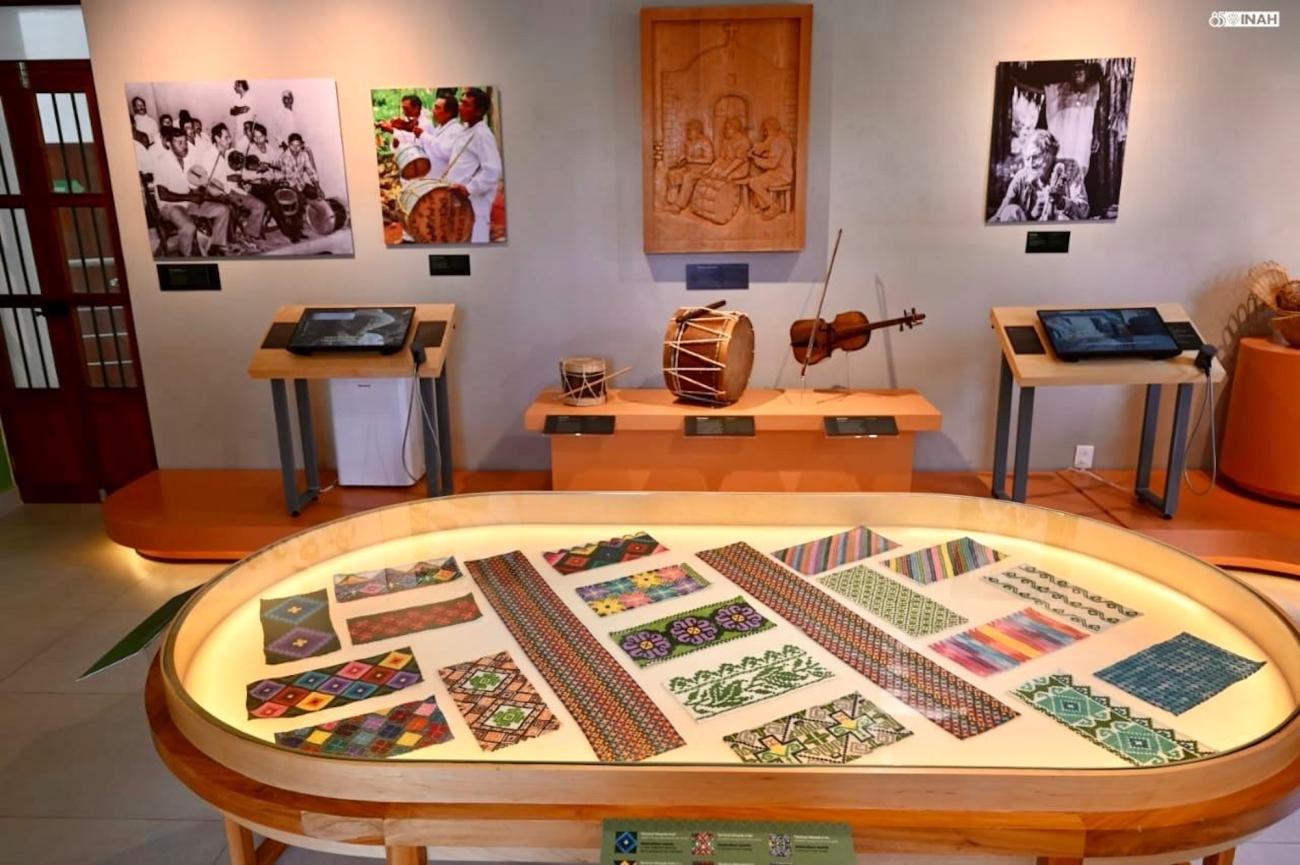



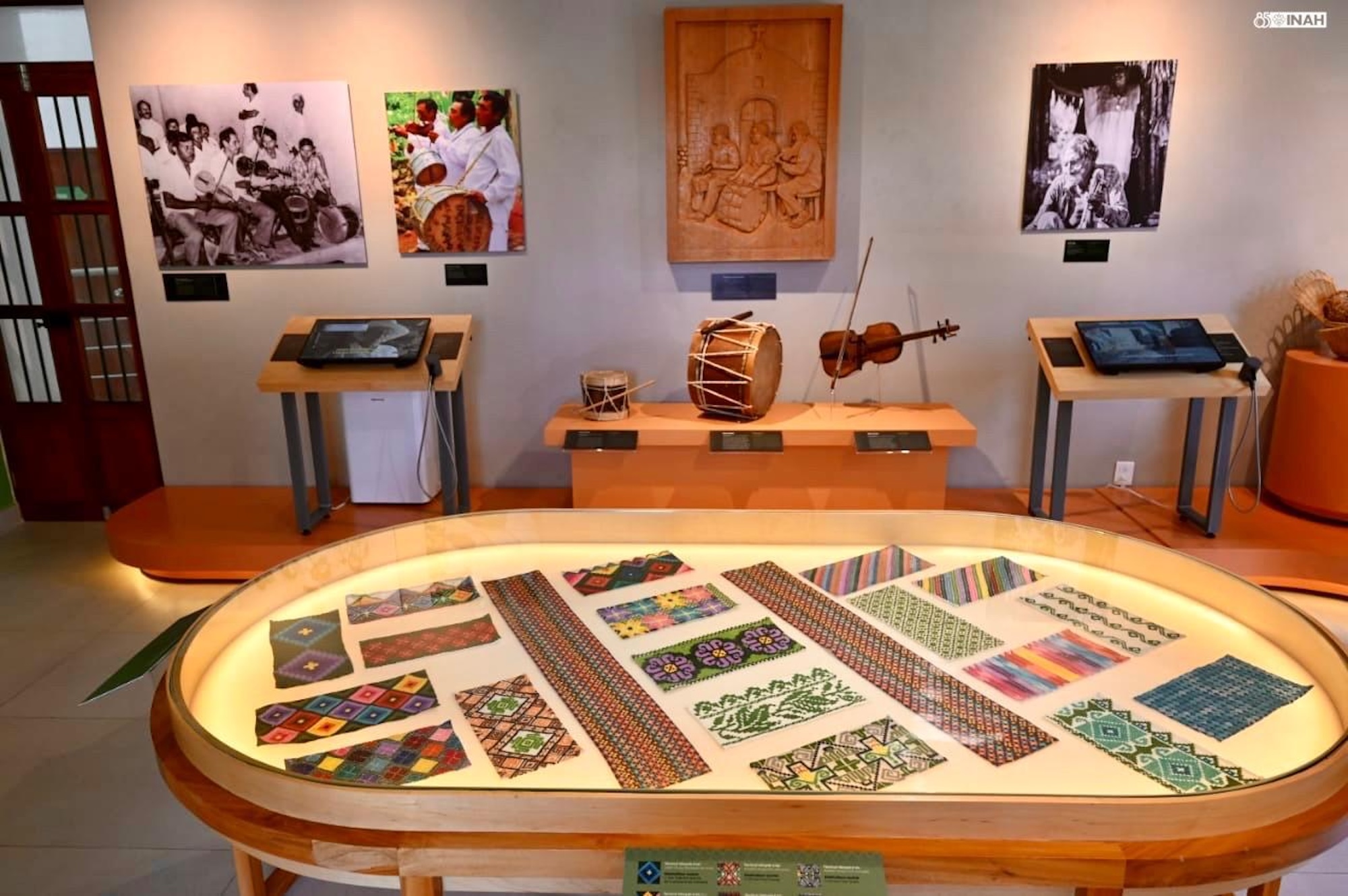
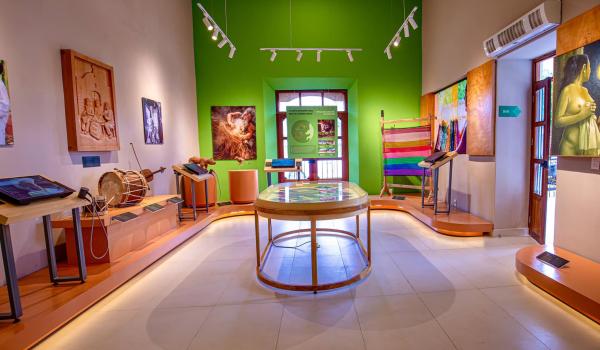
Examples can be found in clothing, crafts, music, dance, and objects used in daily life.
Among the items featured are:
- Huipiles and other traditional garments.
- Hammocks.
- Basketry.
- Wooden artifacts and carvings.
- Musical instruments.
- Traditional music and dance.
- Objects related to ceremonies and community activities.
The significance of this gallery lies in the fact that the artifacts are not presented solely as decorative objects. Many of them are linked to knowledge, techniques, and ways of life passed down through generations.
Religion also plays an important role. The region’s Mayan tradition combines indigenous elements with elements of Christianity, giving rise to unique religious practices.
The museum’s audiovisual and interactive resources help bring these expressions to life for visitors.
La Santa Cruz y la religión maya tradicional
The Talking Cross played a pivotal role during the Caste War. For the Mayan rebels, it was not merely a religious symbol; rather, it represented a source of spiritual authority and a force that helped unite and organize the communities.The tradition associated with the Holy Cross continues to be…
La Santa Cruz y la religión maya tradicional

The Talking Cross played a pivotal role during the Caste War. For the Mayan rebels, it was not merely a religious symbol; rather, it represented a source of spiritual authority and a force that helped unite and organize the communities.
The tradition associated with the Holy Cross continues to be significant today.
The exhibit explains the existence of various sanctuaries and ceremonial centers, including those at Xcacal Guardia, Chancah Veracruz, Tulum, Chumpón, and Felipe Carrillo Puerto.
Practices related to agriculture and nature are also featured. The ceremonies seek to maintain a relationship of respect and reciprocity with the environment and with spiritual forces.
An important theme is that of agricultural rituals. The cultivation of corn, for example, is not understood solely as an economic activity: it is linked to a worldview in which nature, human beings, and the spiritual realm are interconnected.
The system of guards is also explained, which historically has served to protect sacred sites and uphold religious traditions.
- Dirección del Centro INAHMargarito Molina Rendónmargarito_molina@inah.gob.mx+52 (983) 837 0796
