


Tren Maya
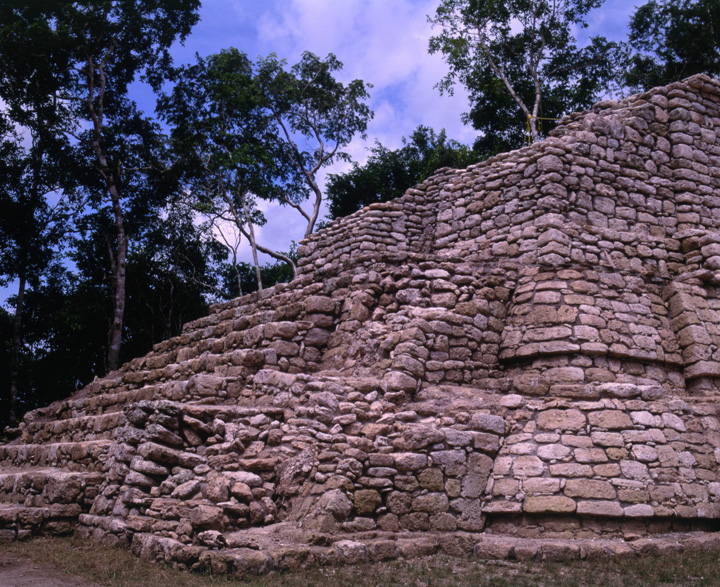
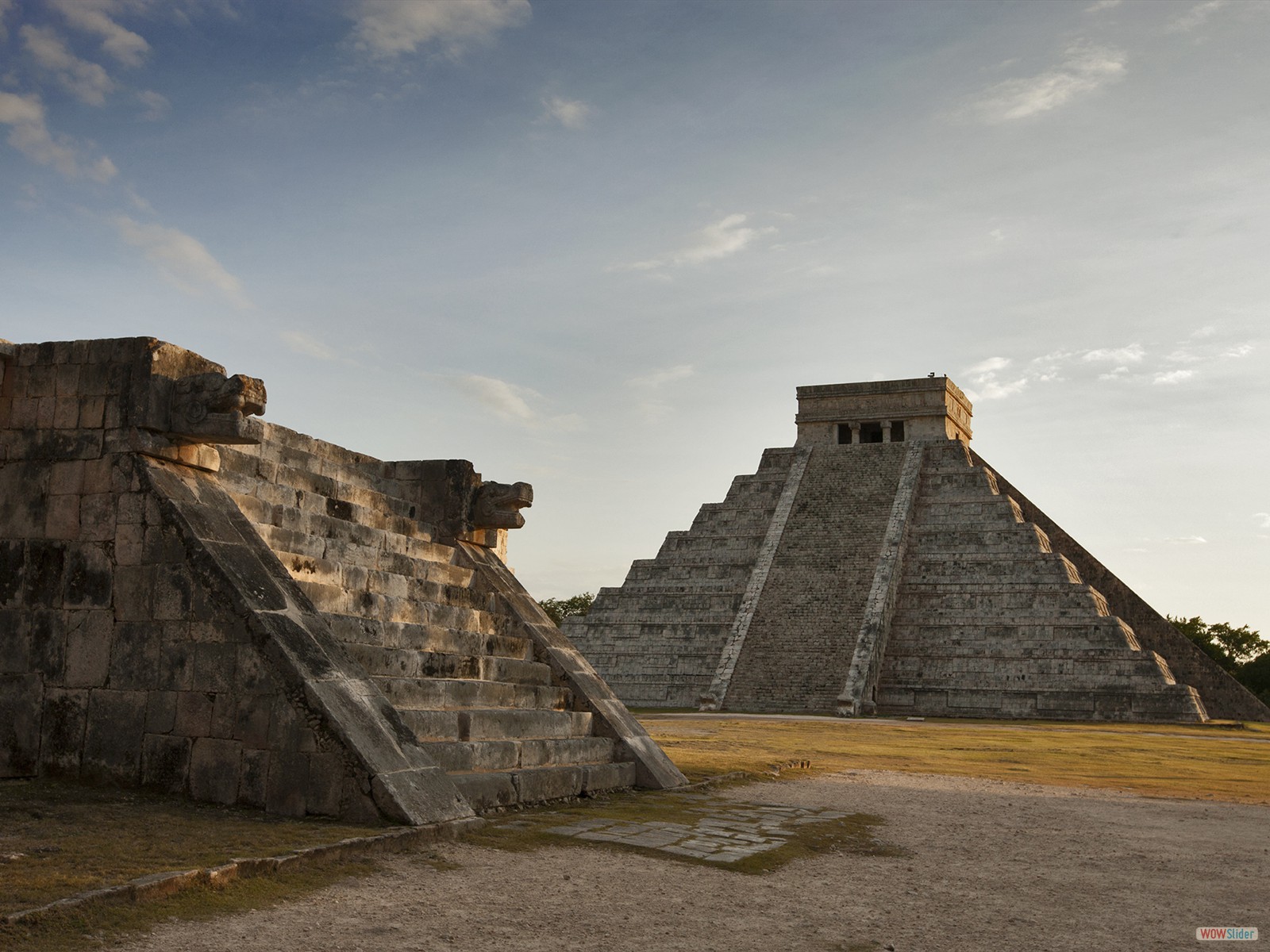
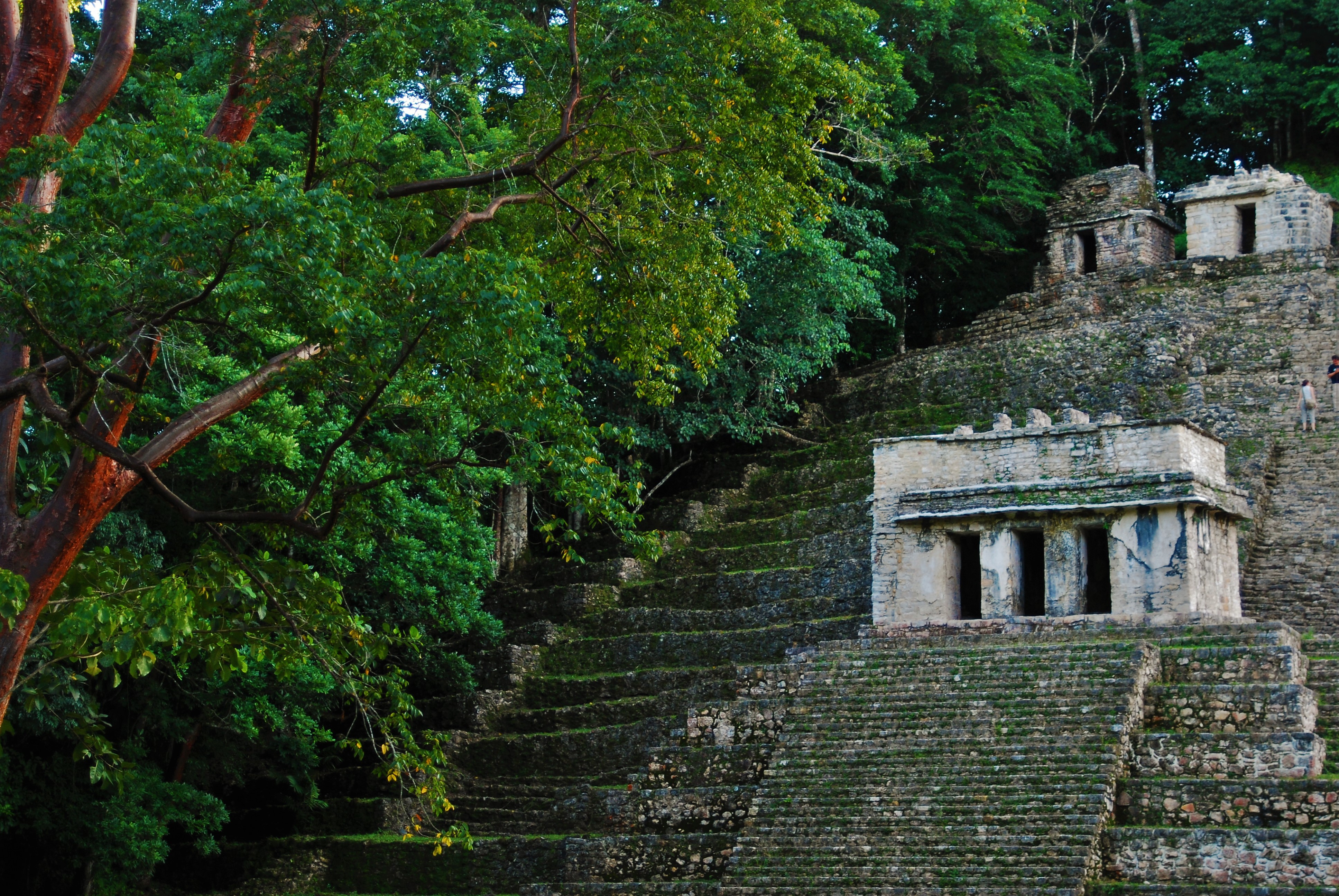
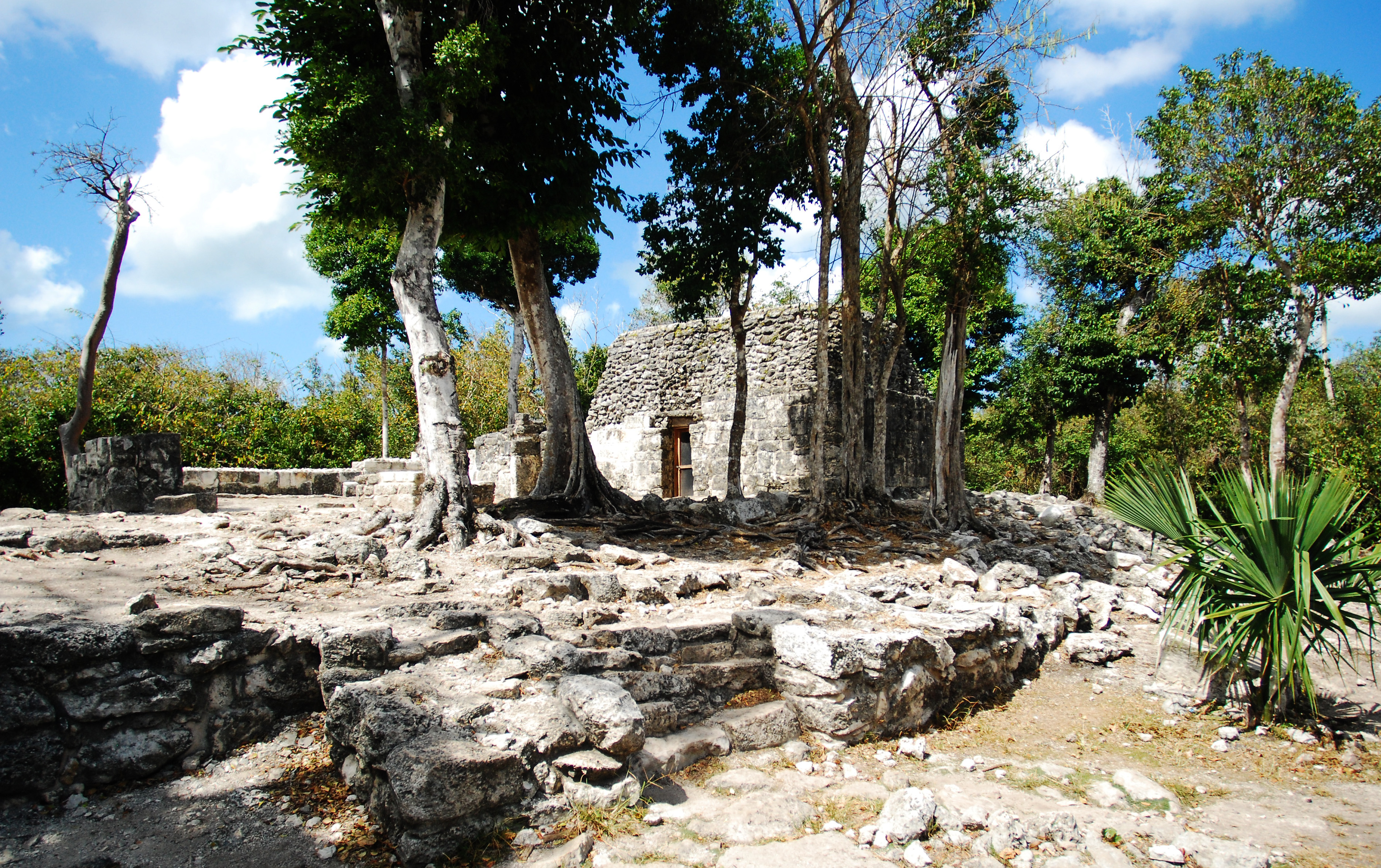
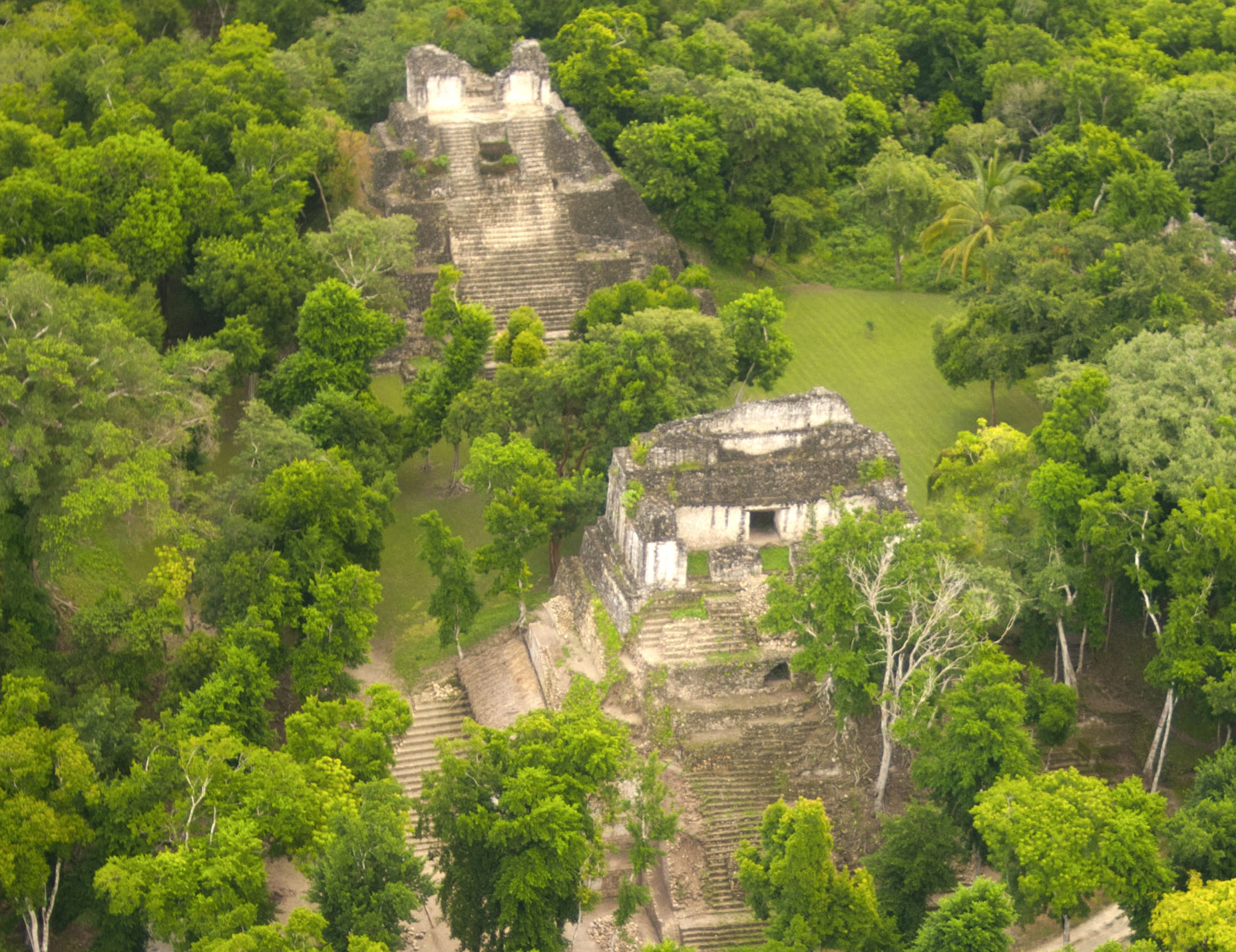
The Maya Train is one of the most important infrastructure and mobility projects in Mexico's contemporary history, designed to connect the cultural, archaeological, and natural riches of the Yucatan Peninsula and the southeast of the country.
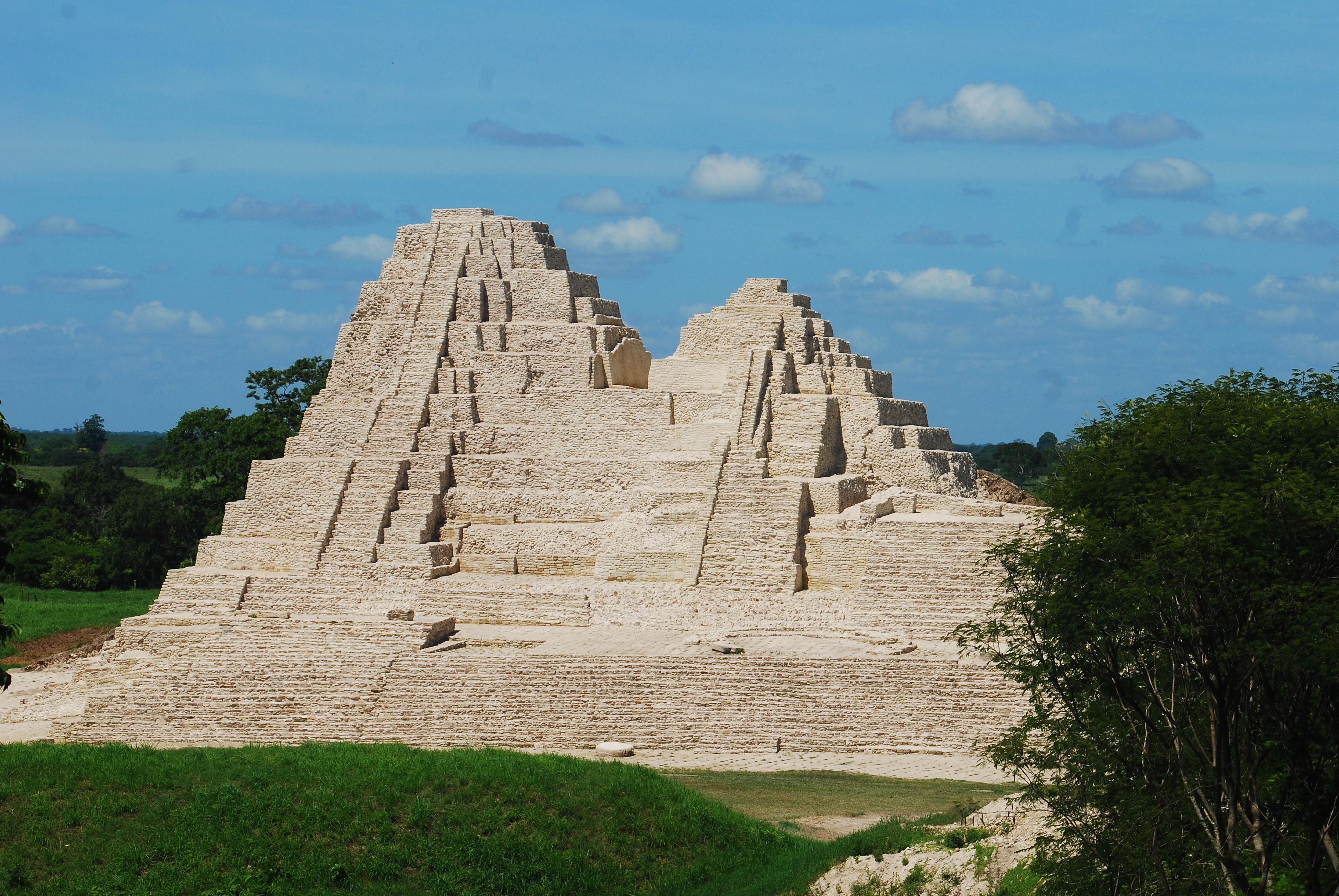
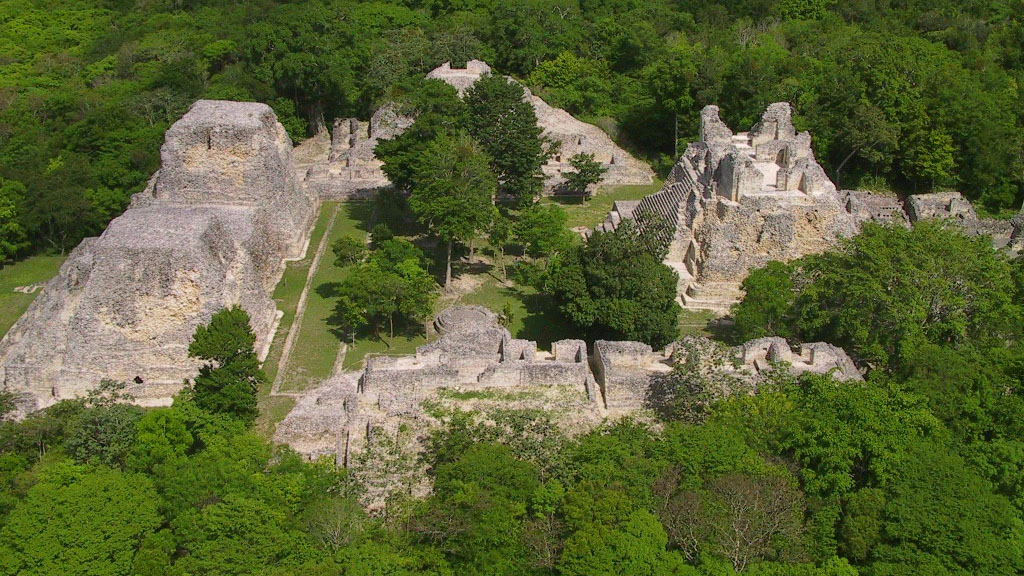
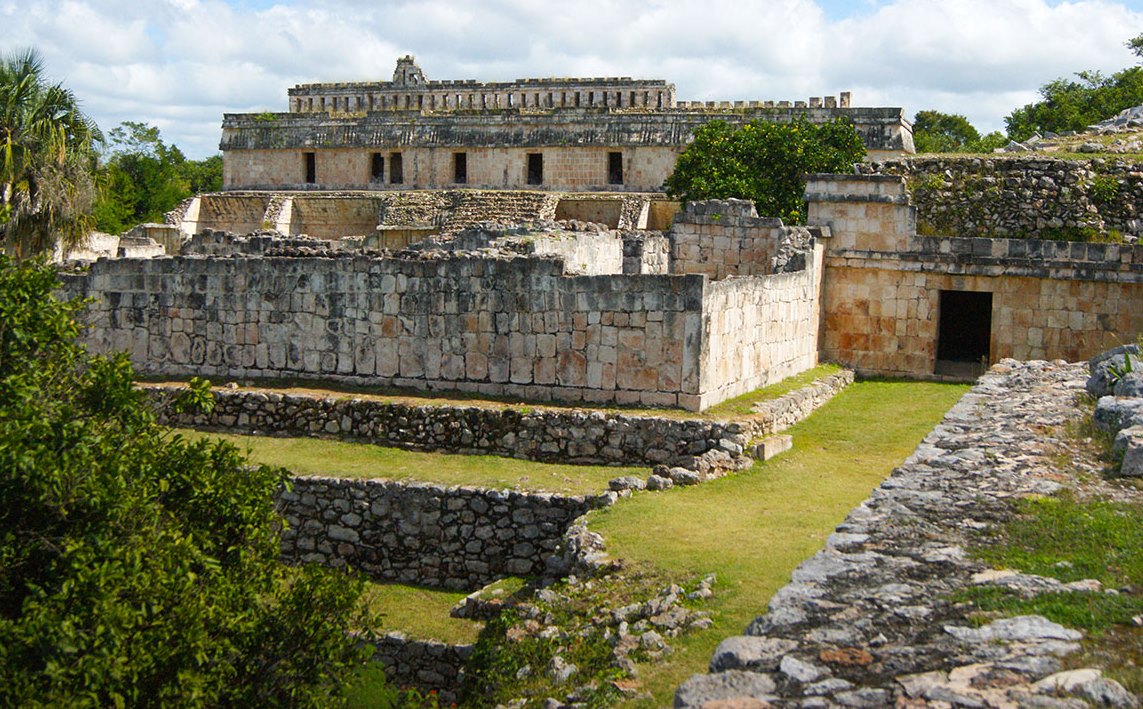
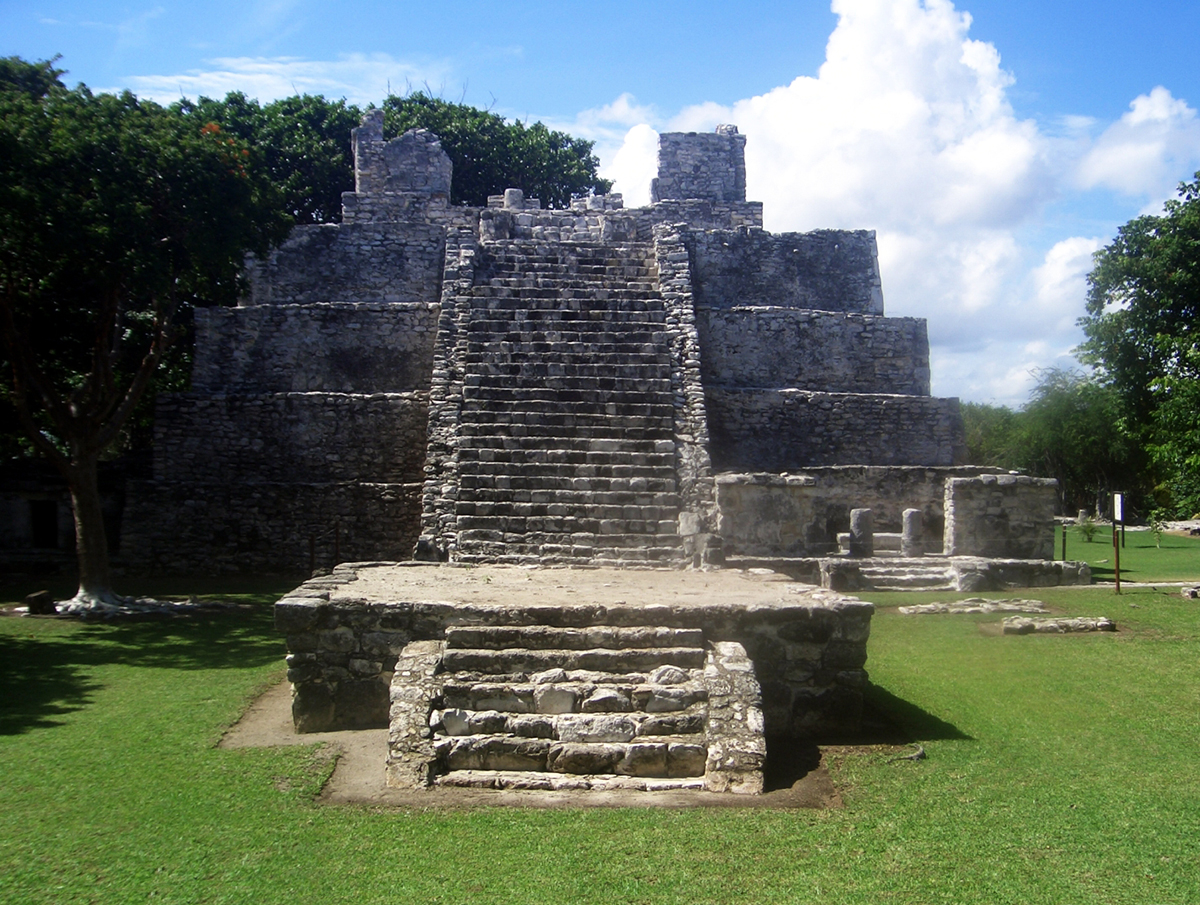
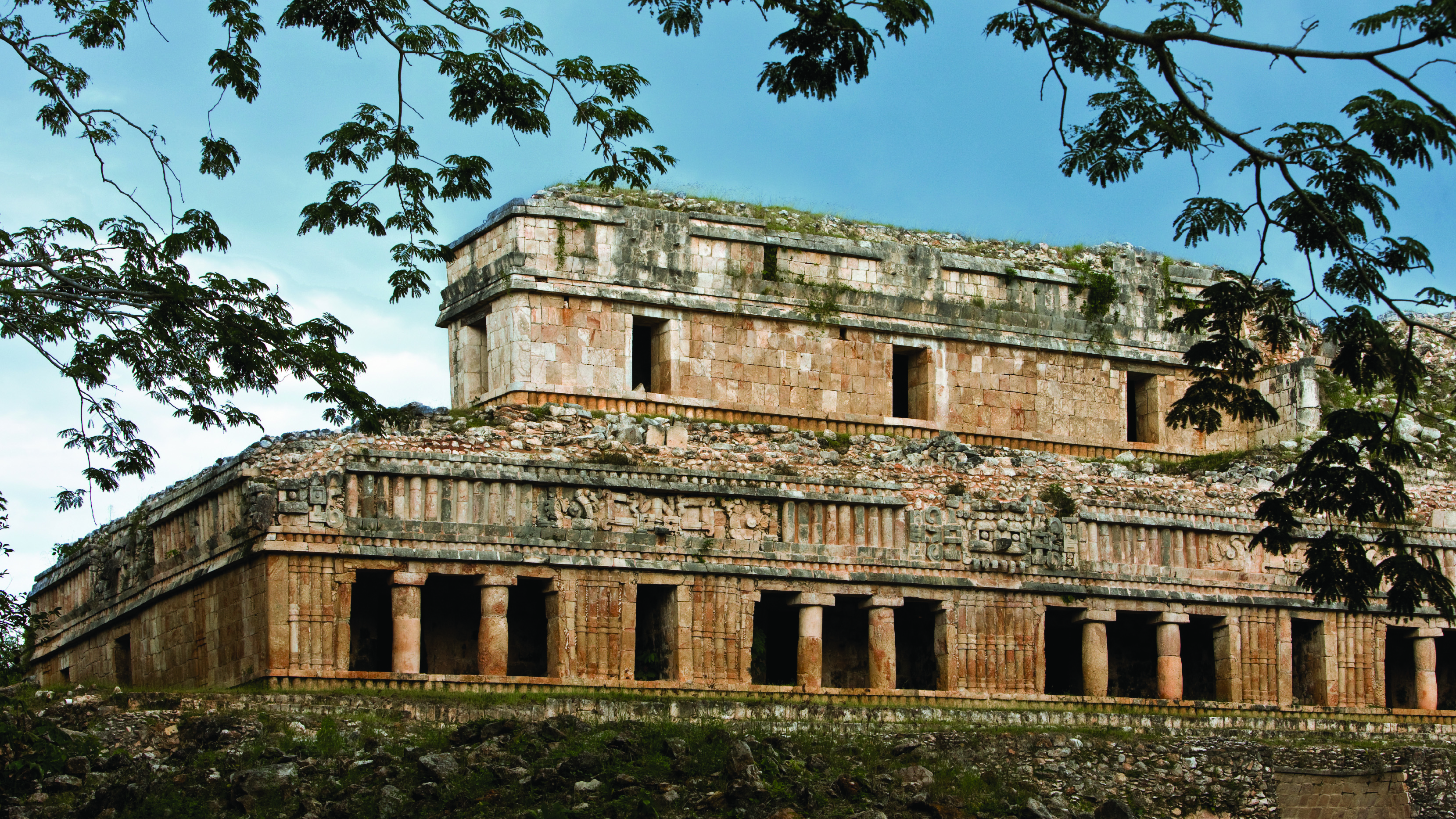
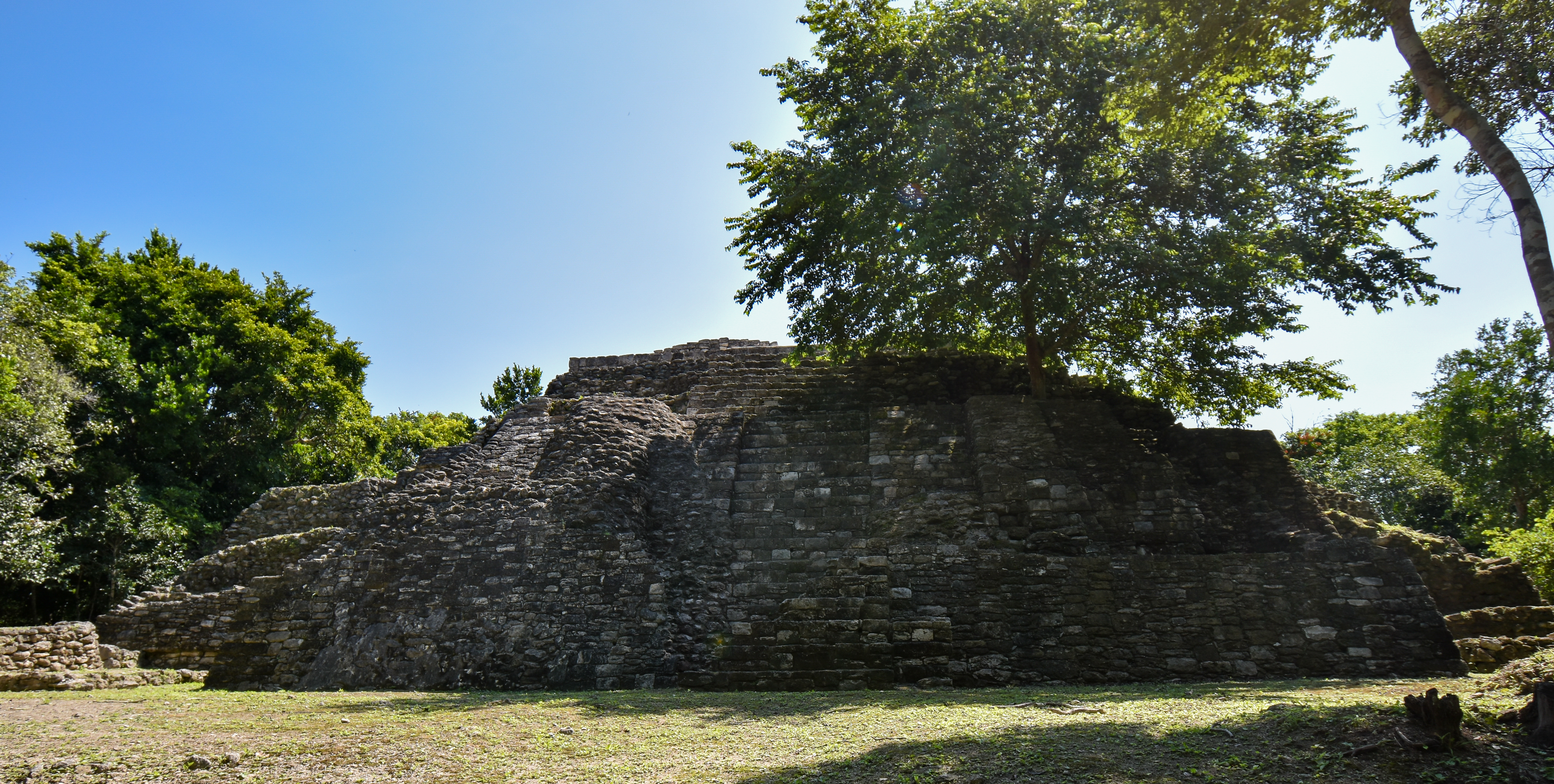
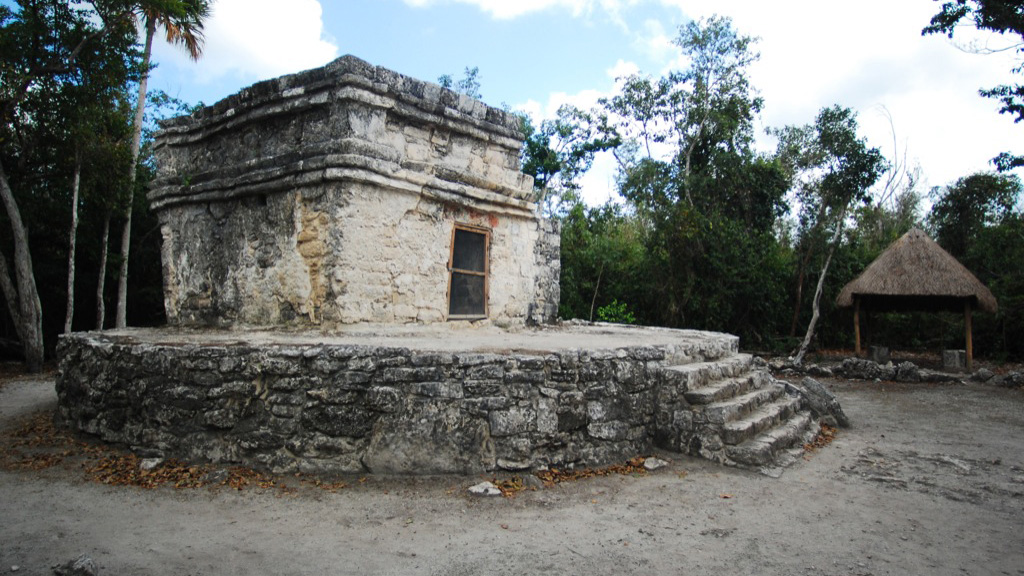
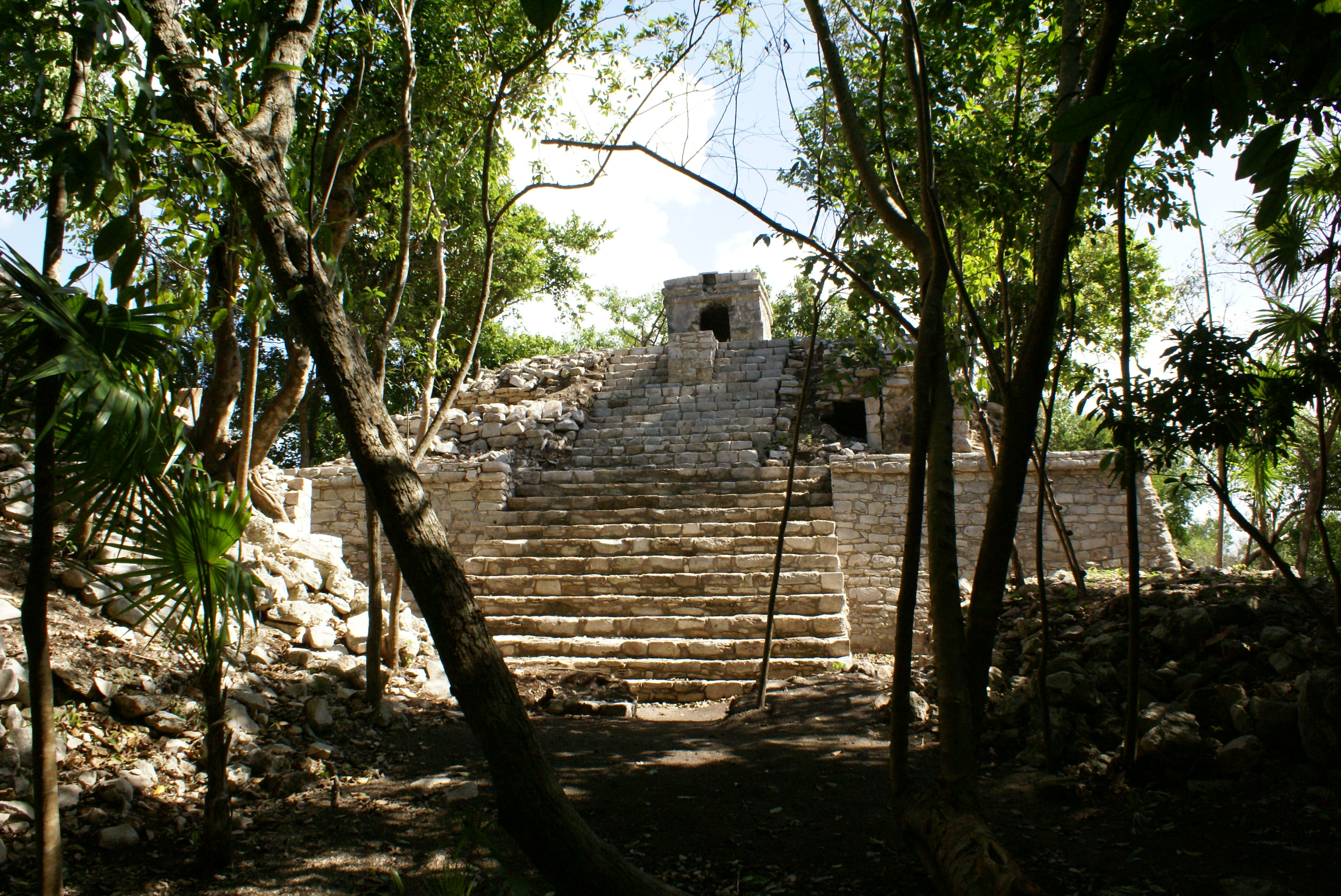
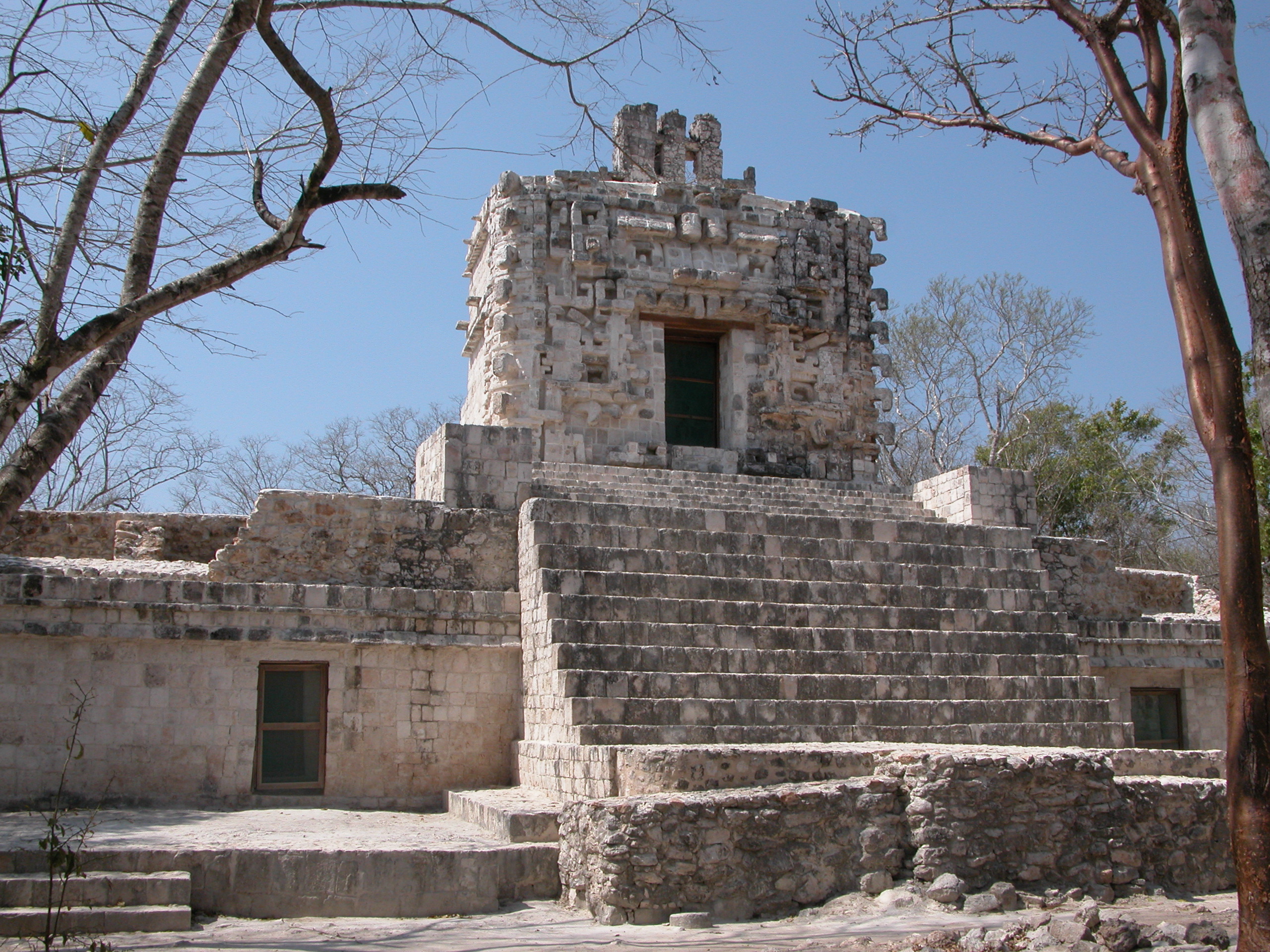
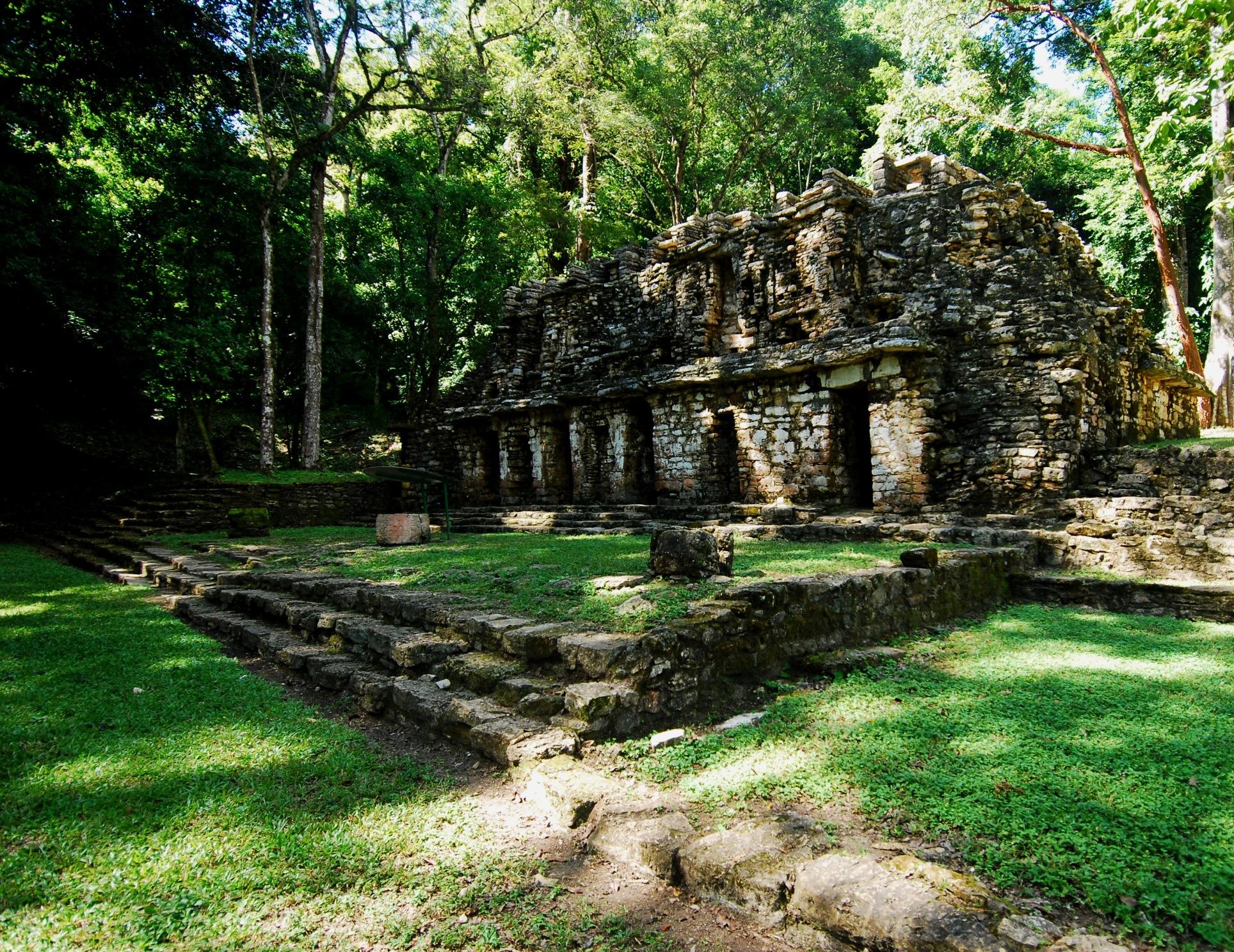
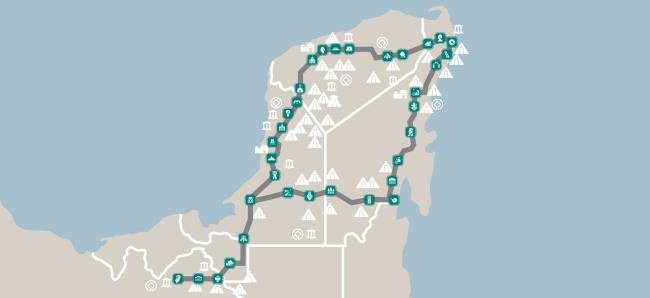
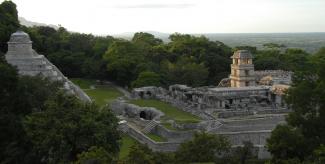
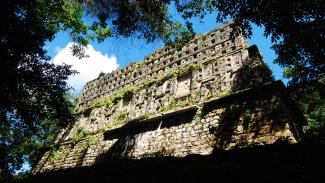
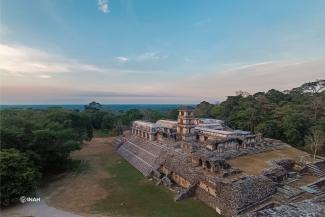
Covering 1,554 kilometers and 34 stations, it connects the states of Chiapas, Campeche, Tabasco, Yucatán, and Quintana Roo, facilitating access to a large number of archaeological sites, historic cities, magical towns, nature reserves, and ecological parks with cenotes, rivers, and waterfalls.
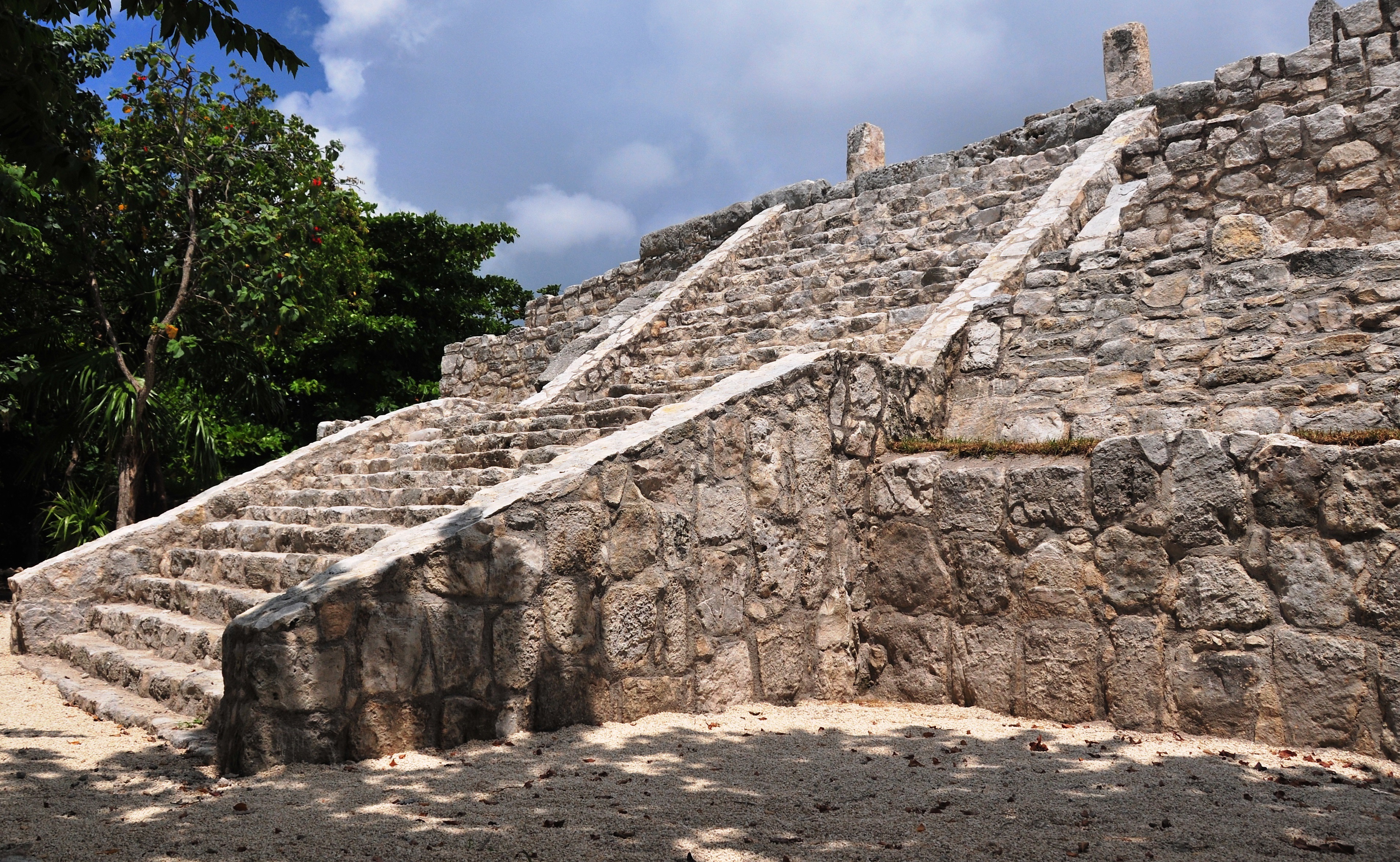
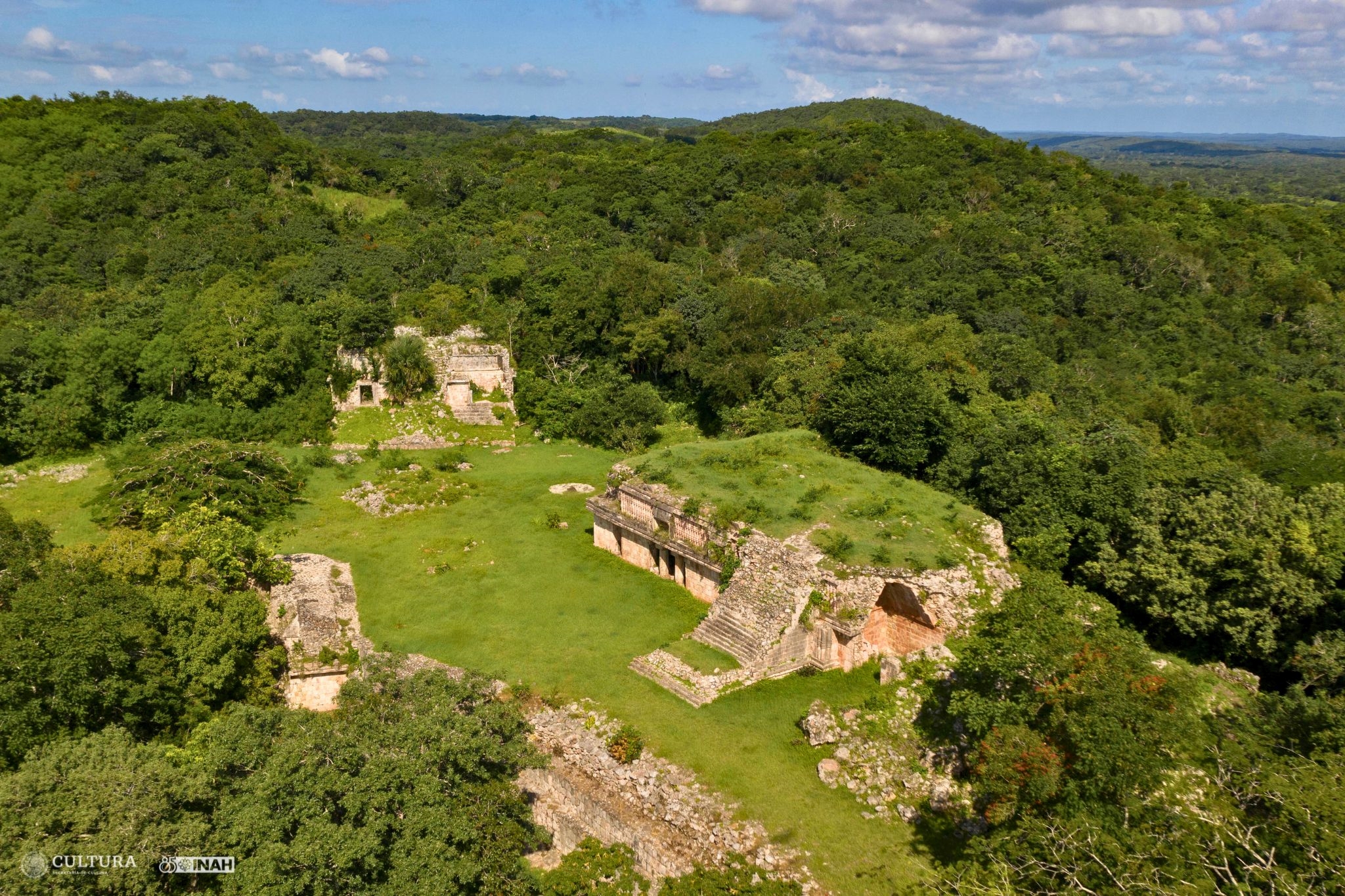
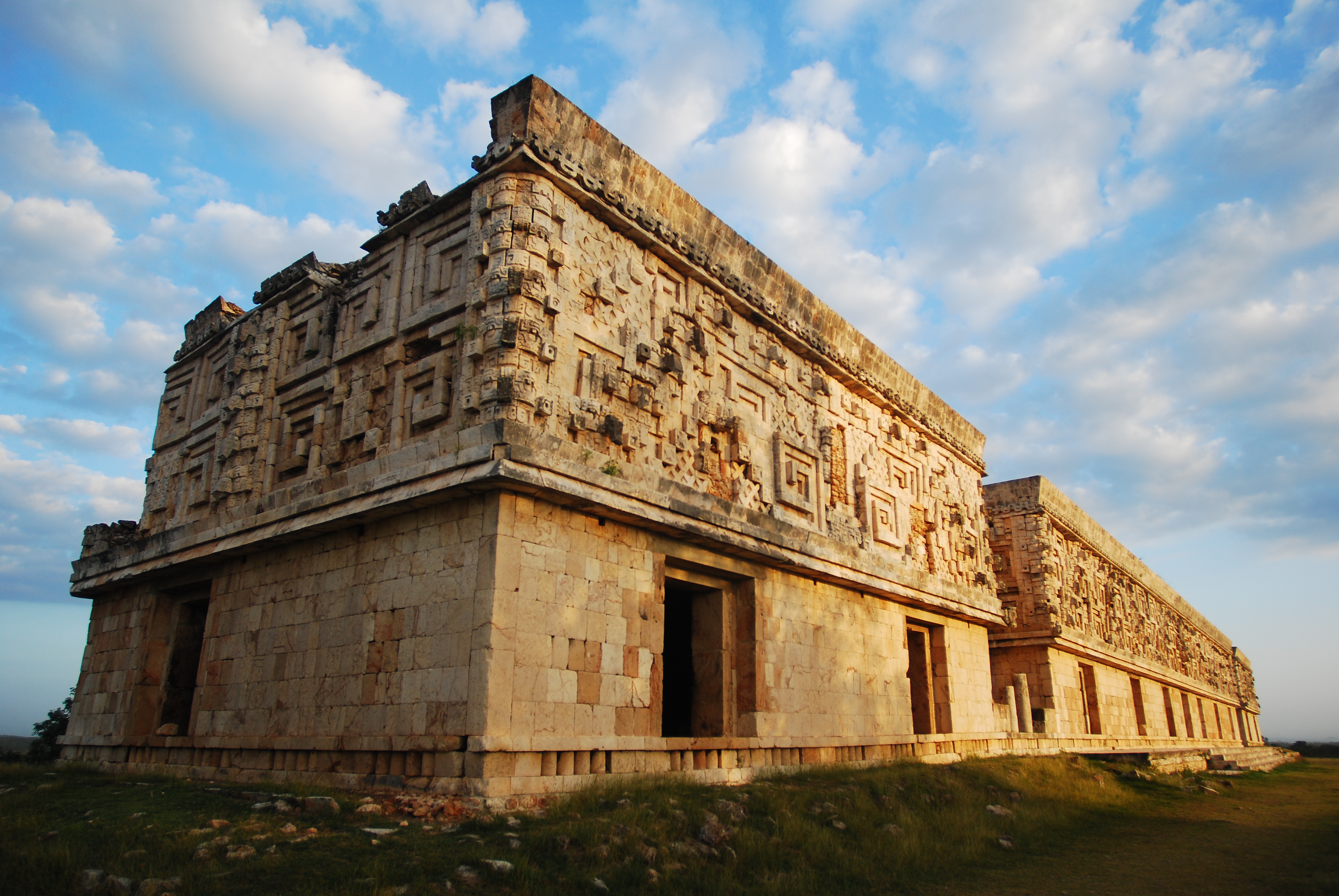
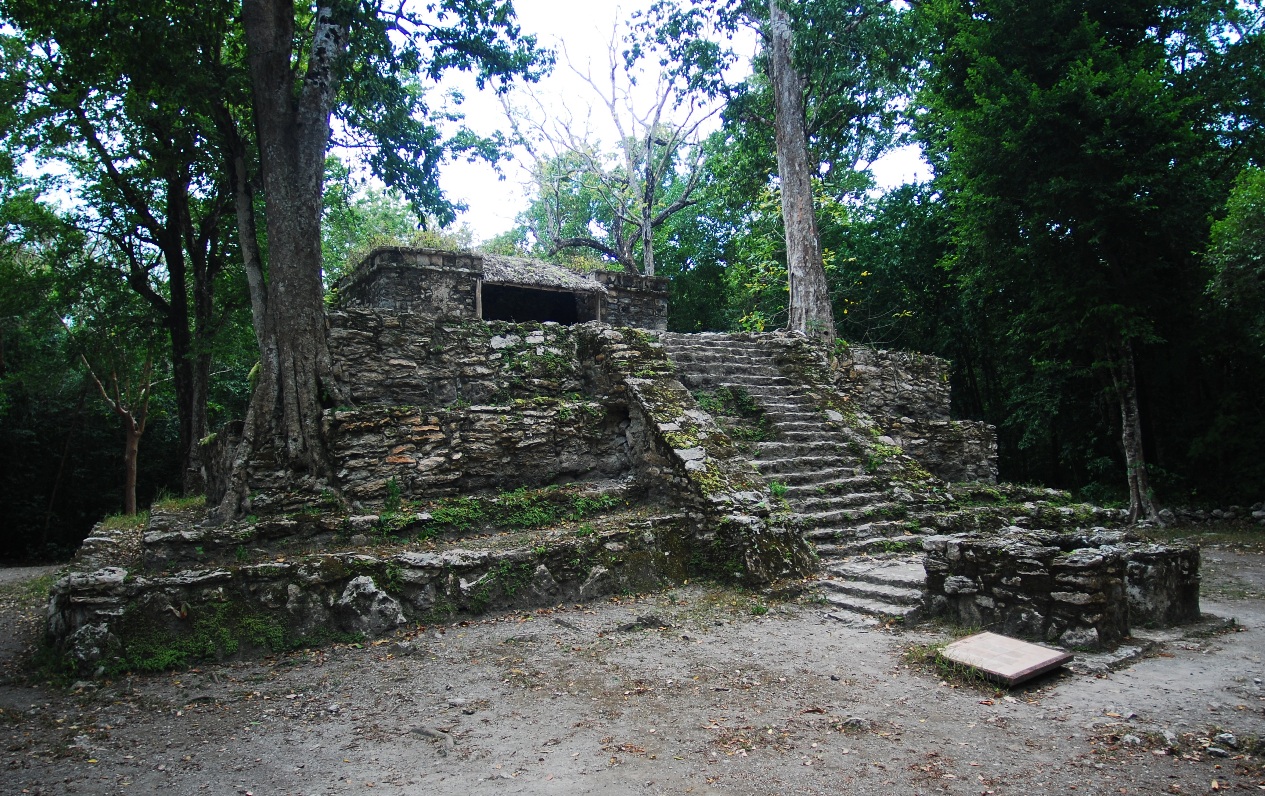
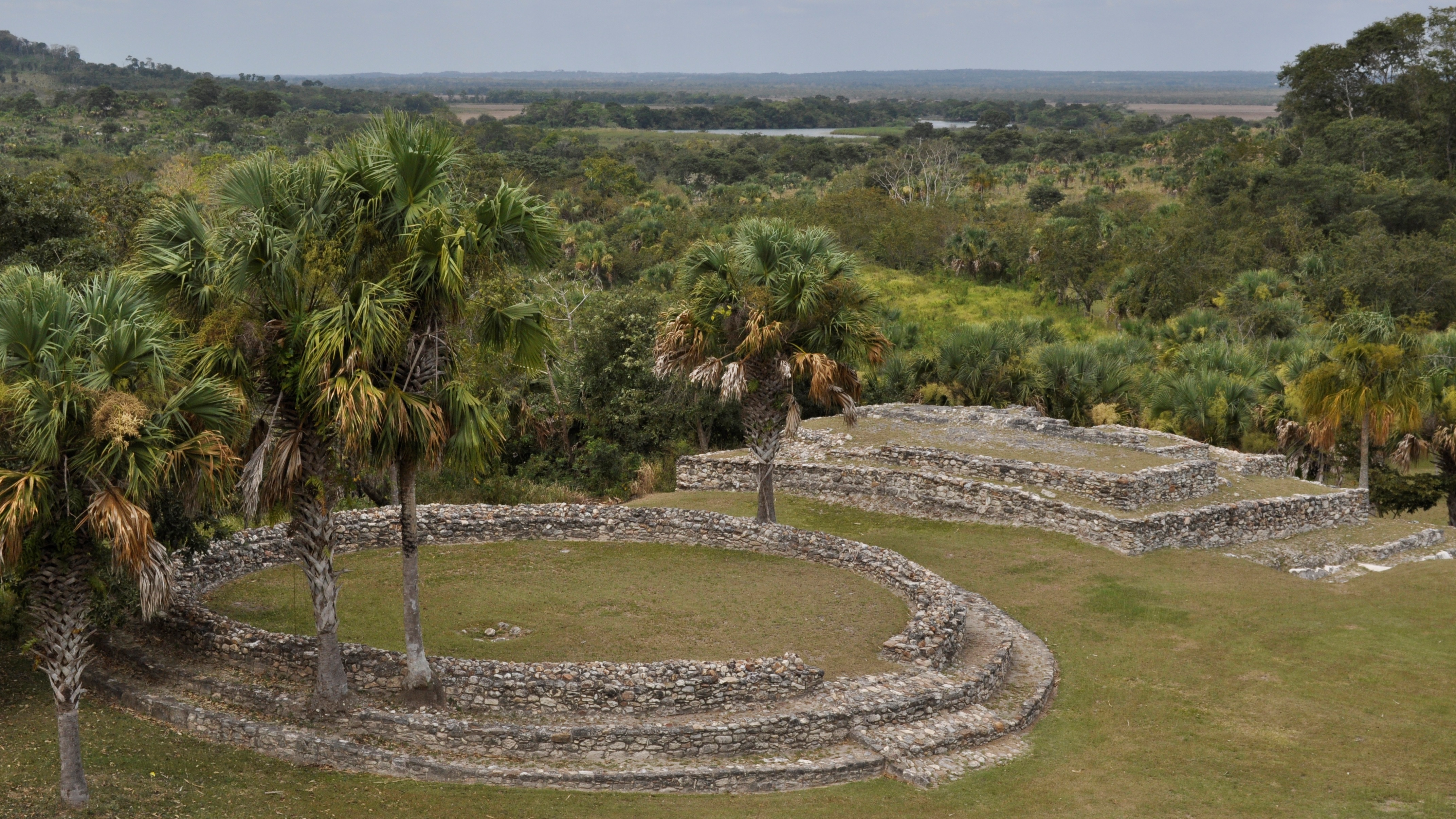
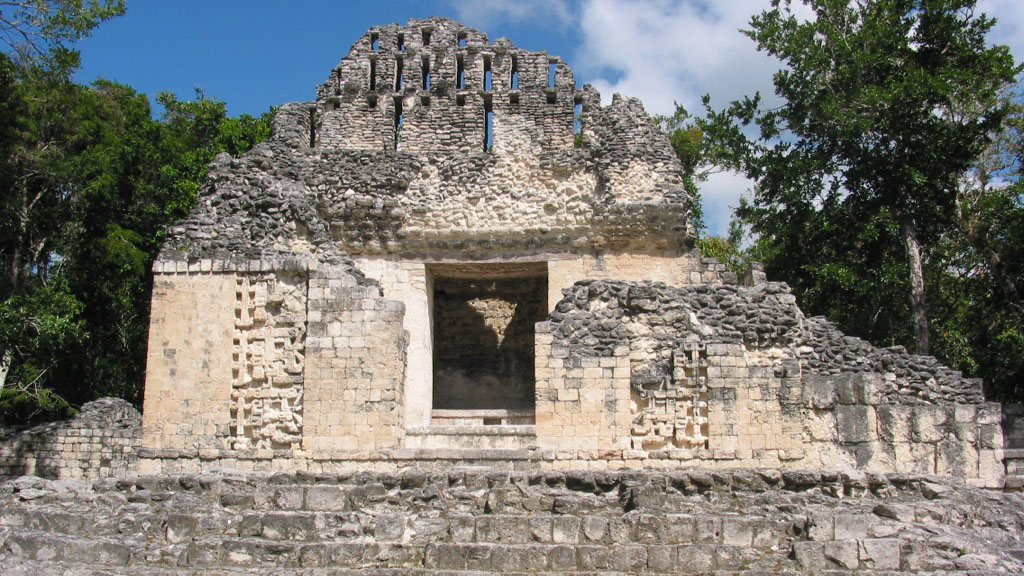
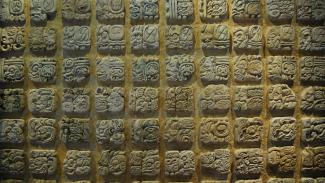
Driven by a vision of sustainable development and responsible tourism, the Maya Train seeks to strengthen the conservation of archaeological heritage and promote awareness of the cultural wealth of the Maya civilizations. Through a coordinated effort with the National Institute of Anthropology and History (INAH), research, rescue, and restoration work has been carried out in archaeological sites along its route, allowing for the discovery of new structures, remains, and findings that enrich our understanding of the Mayan world.
The Maya Train is a gateway to the past and present of the living cultures of southeastern Mexico. Its route offers a unique experience where history, tradition, and nature intertwine, inviting travelers from around the world to discover the grandeur of one of the most fascinating regions of Mesoamerica.
Estaciones



Estación Boca del Cerro
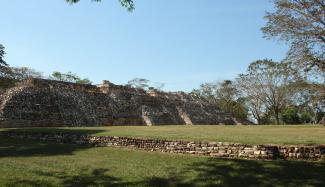


Estación Tenosique
Estación El Triunfo

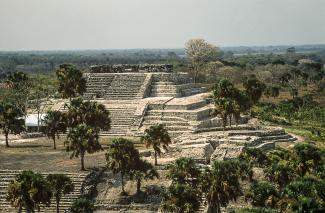
Estación Escárcega
Estación Carrillo Puerto-Champotón
Estación Edzná
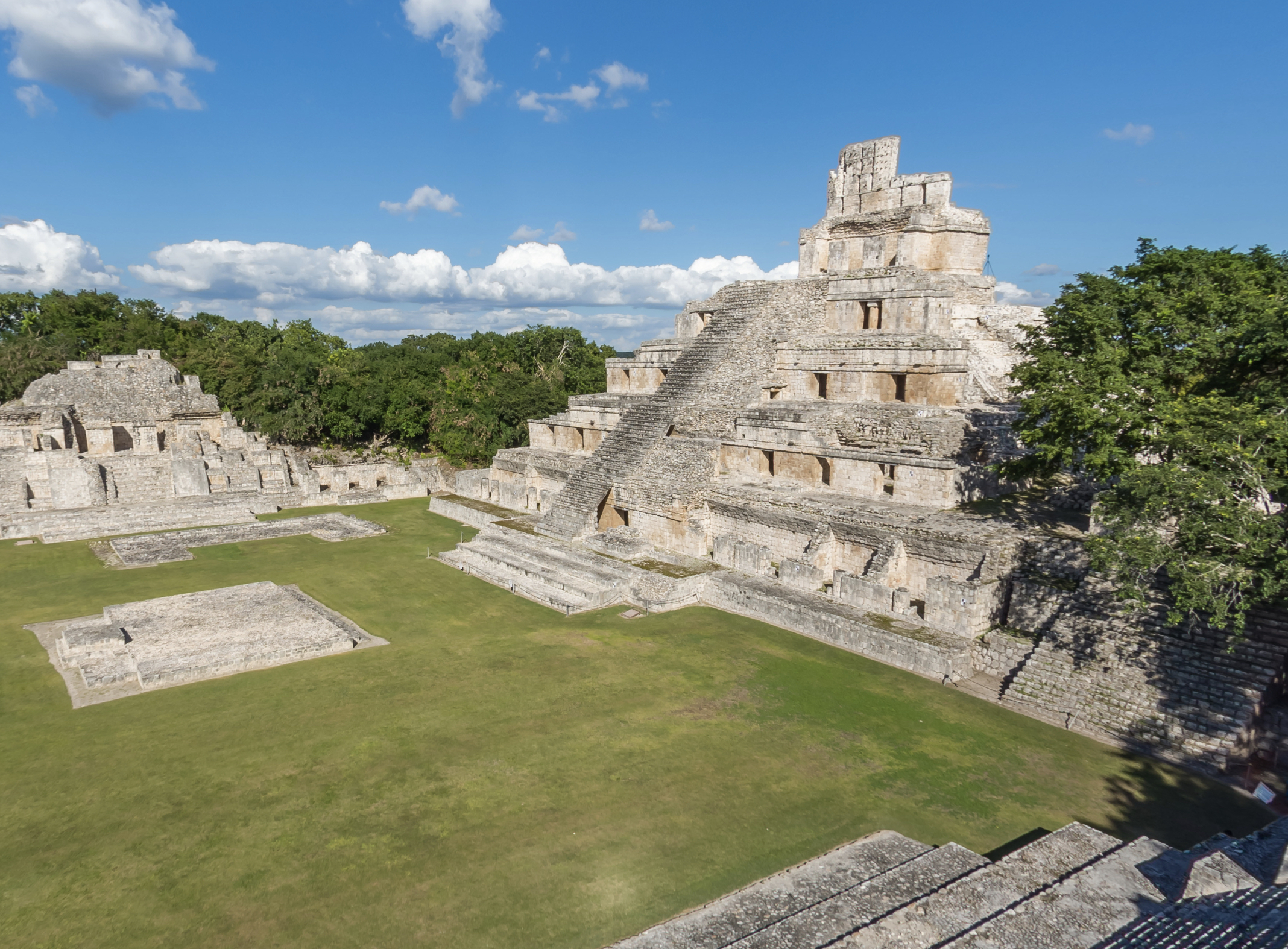
Edzná
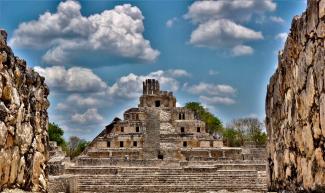
Archeological site
Museo de Sitio de Edzná

Museum
Tohcok
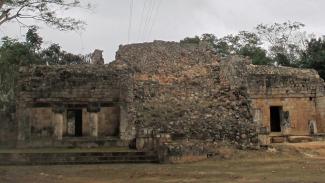
Archeological site
Xtampak

Archeological site
Tabasqueño
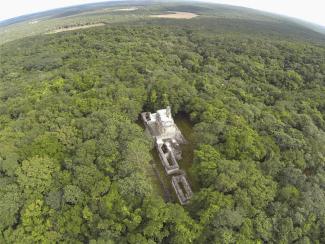
Archeological site
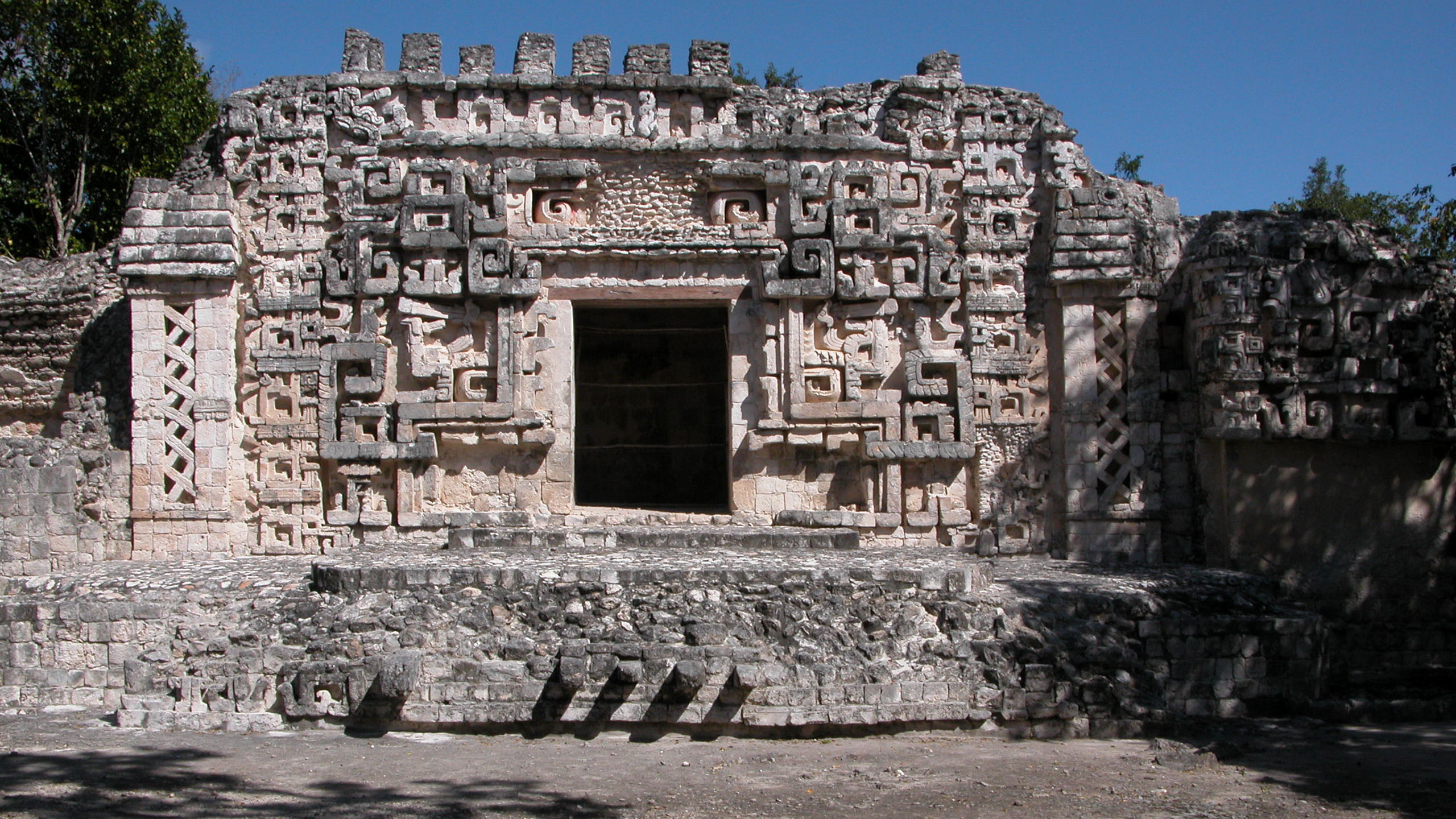
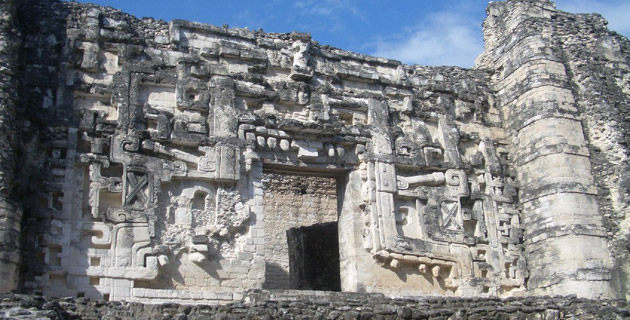
Hochob

Archeological site
Dzibilnocac
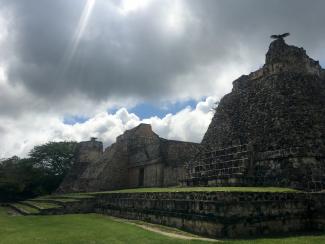
Archeological site

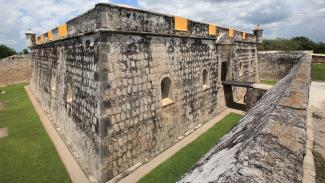





Estación Calkiní