









Hochob
Archeological site
Hochob
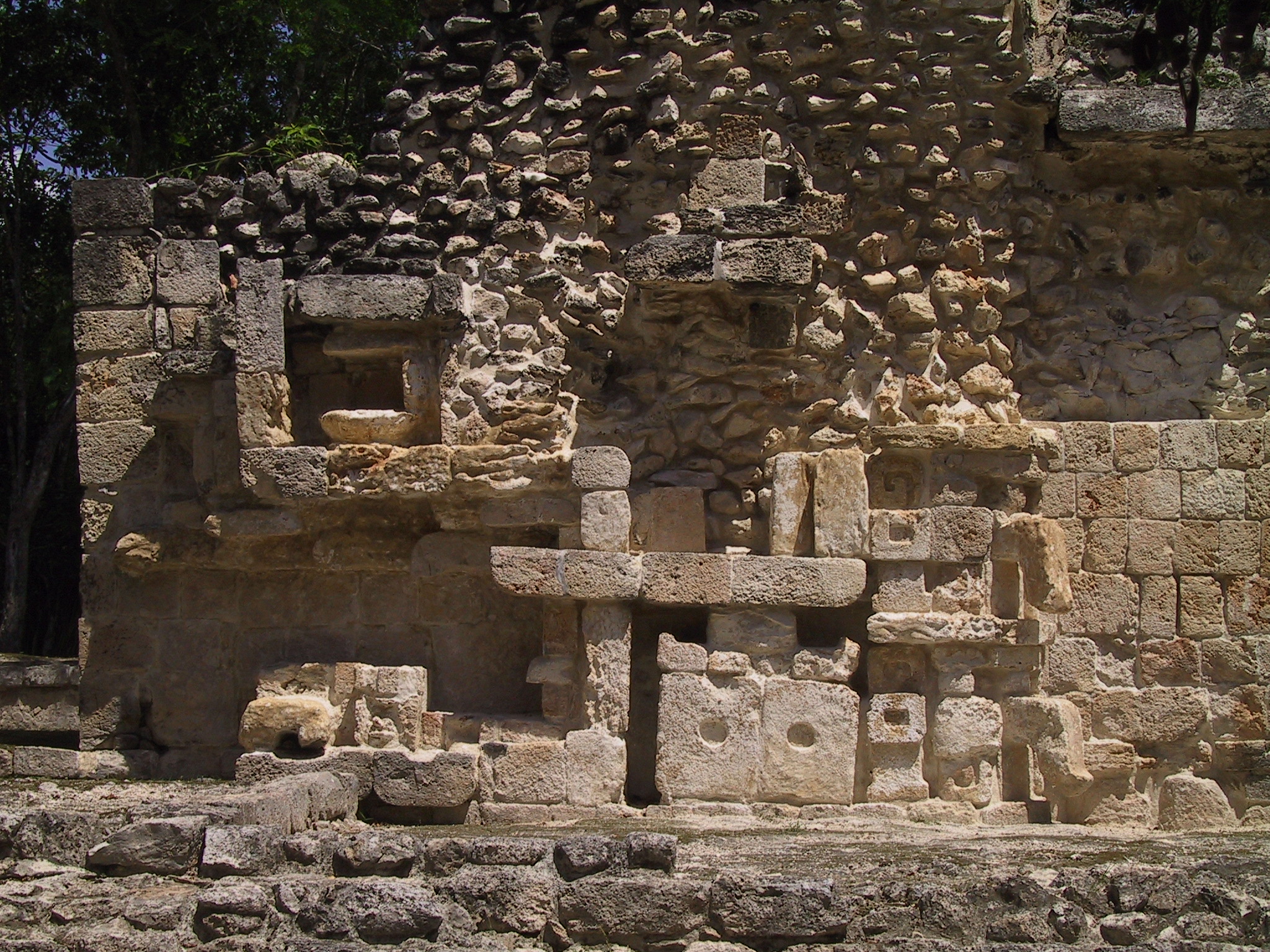
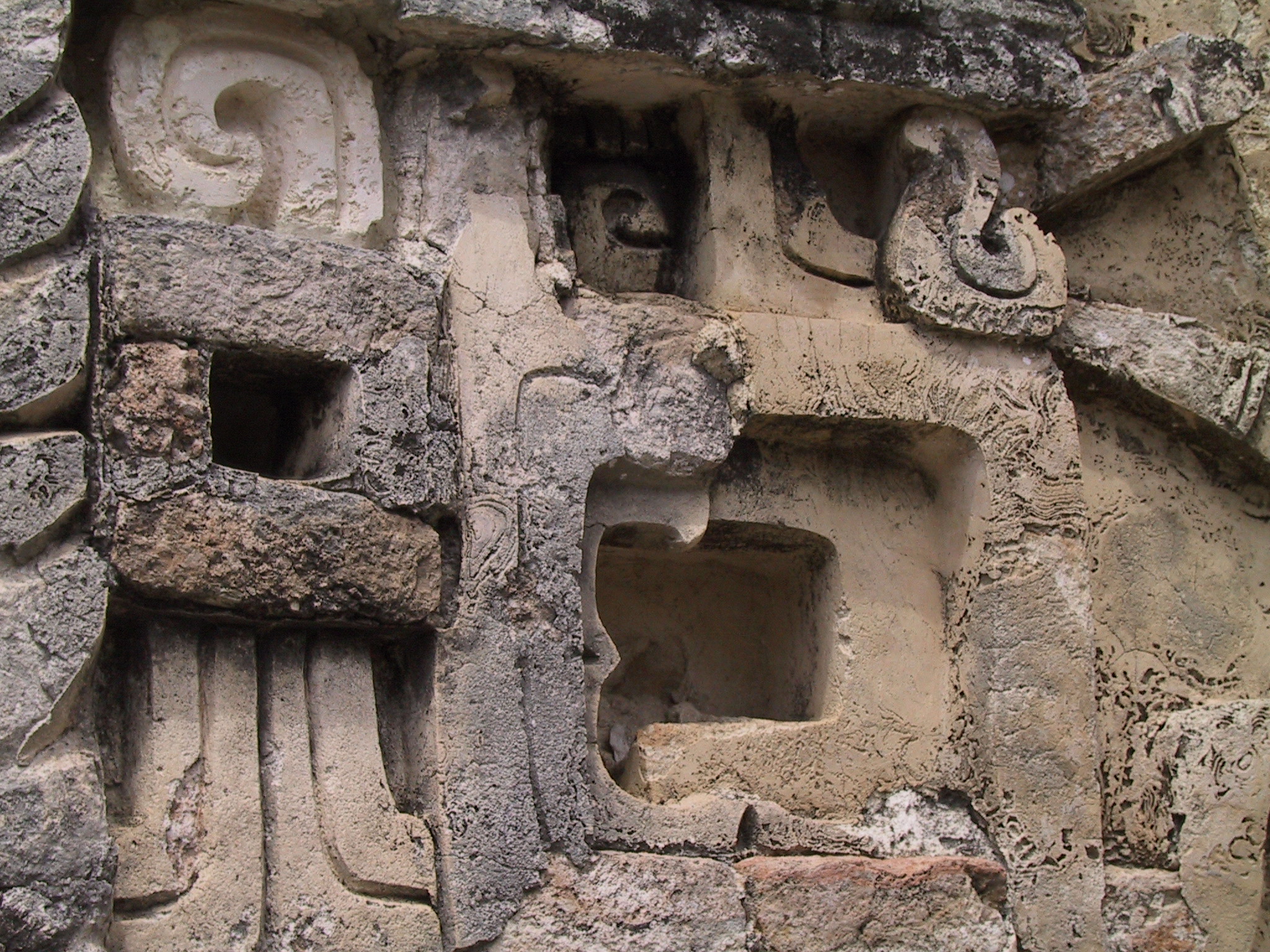
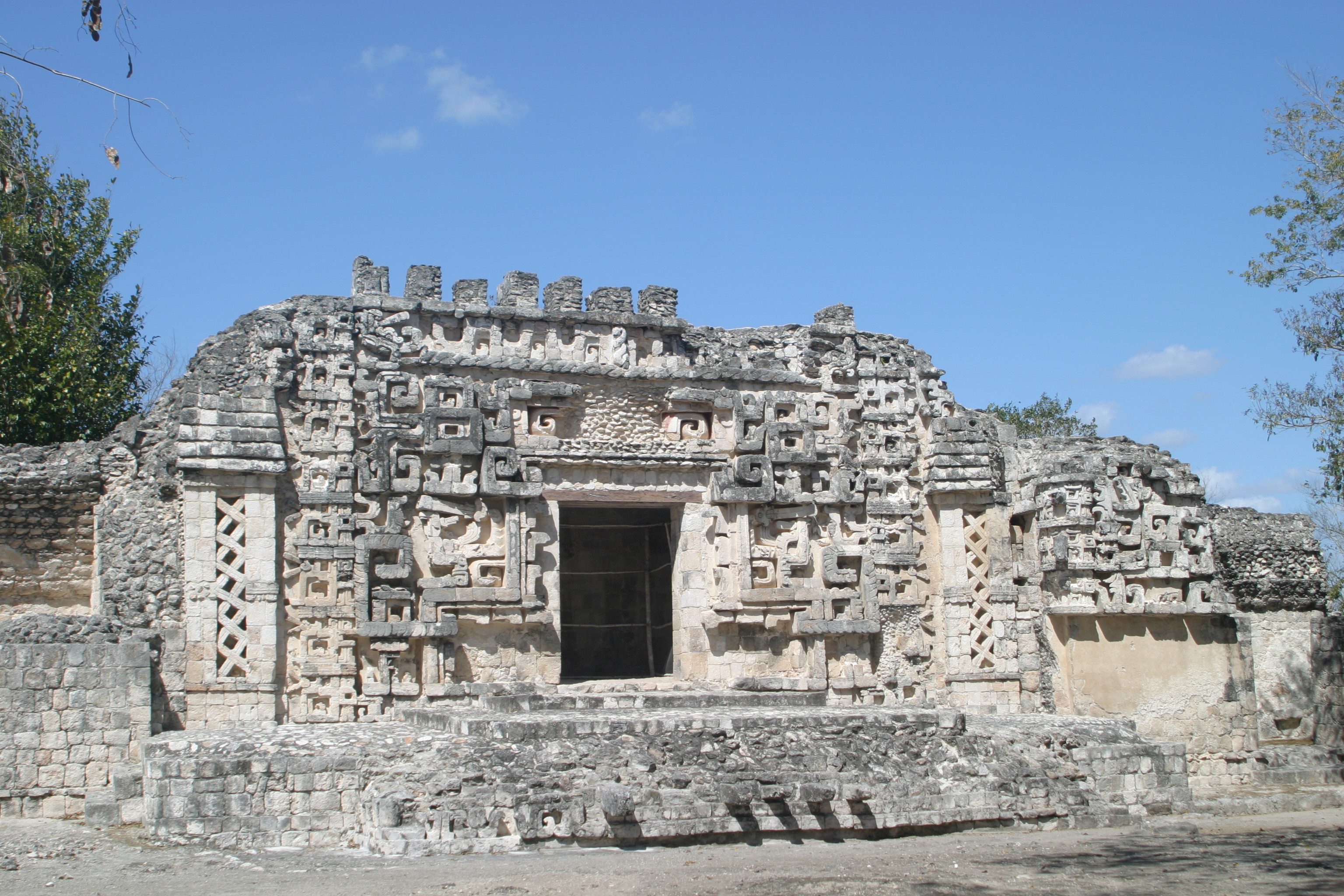
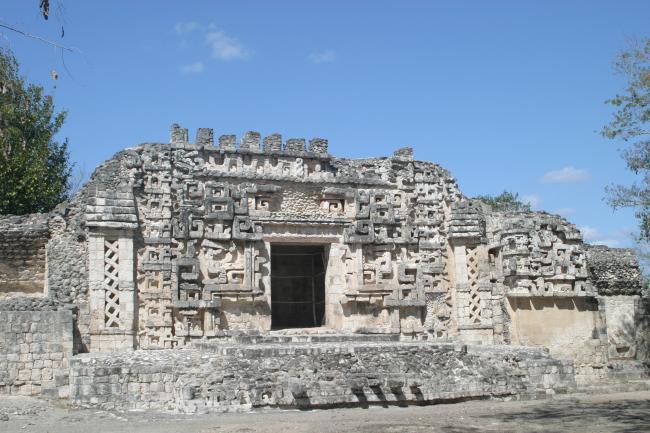
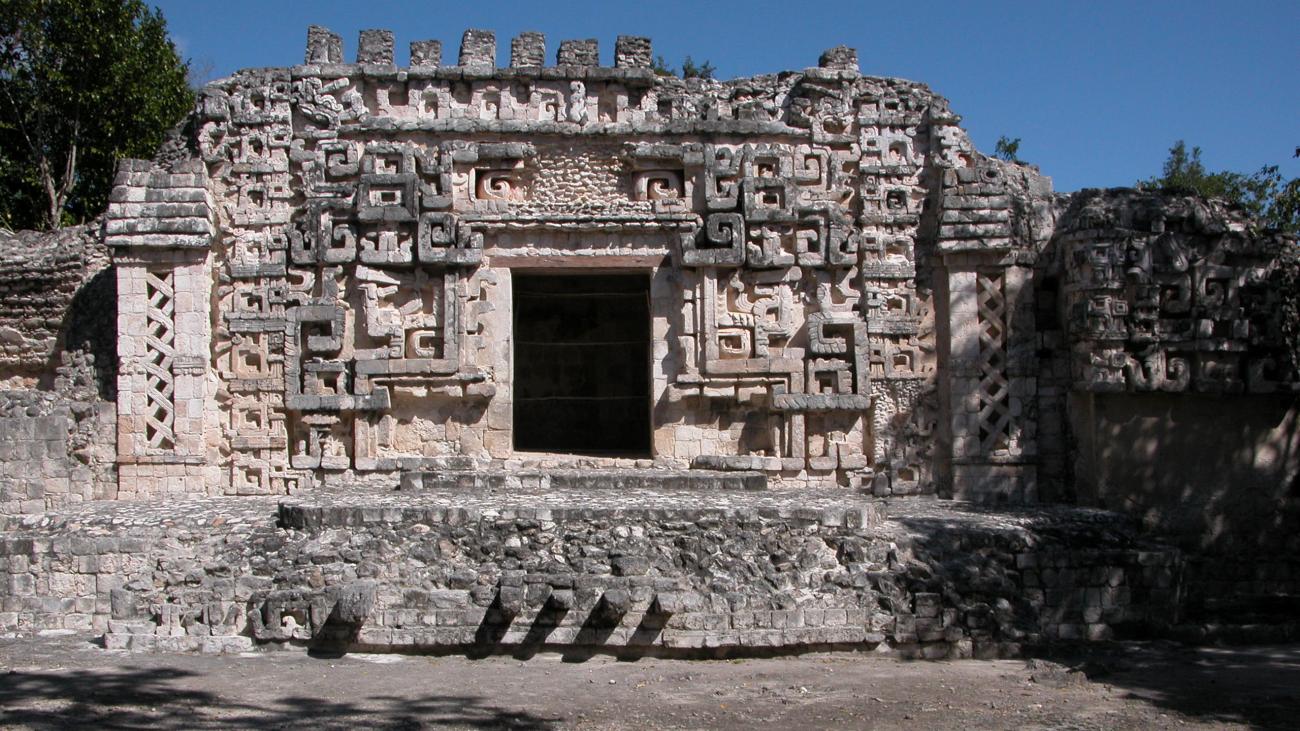
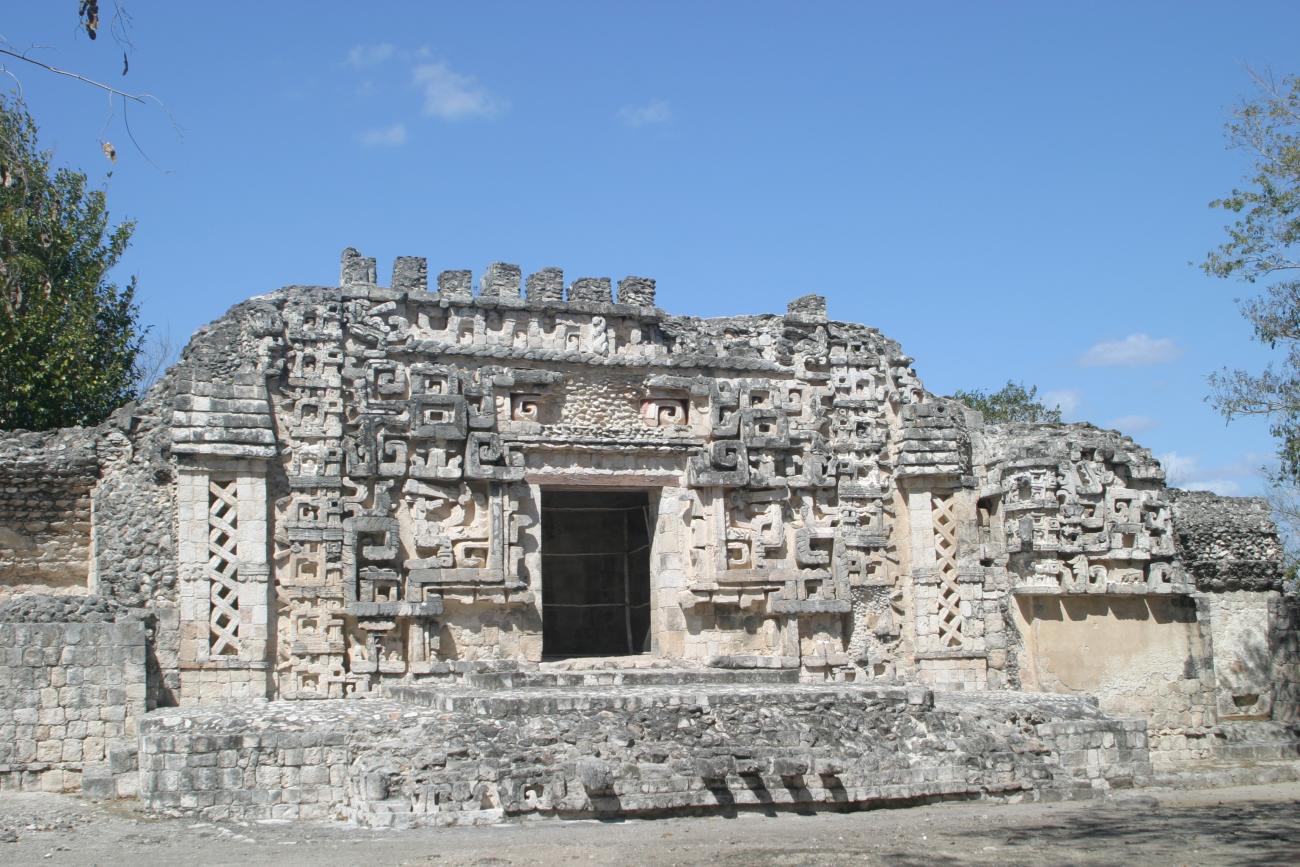
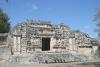
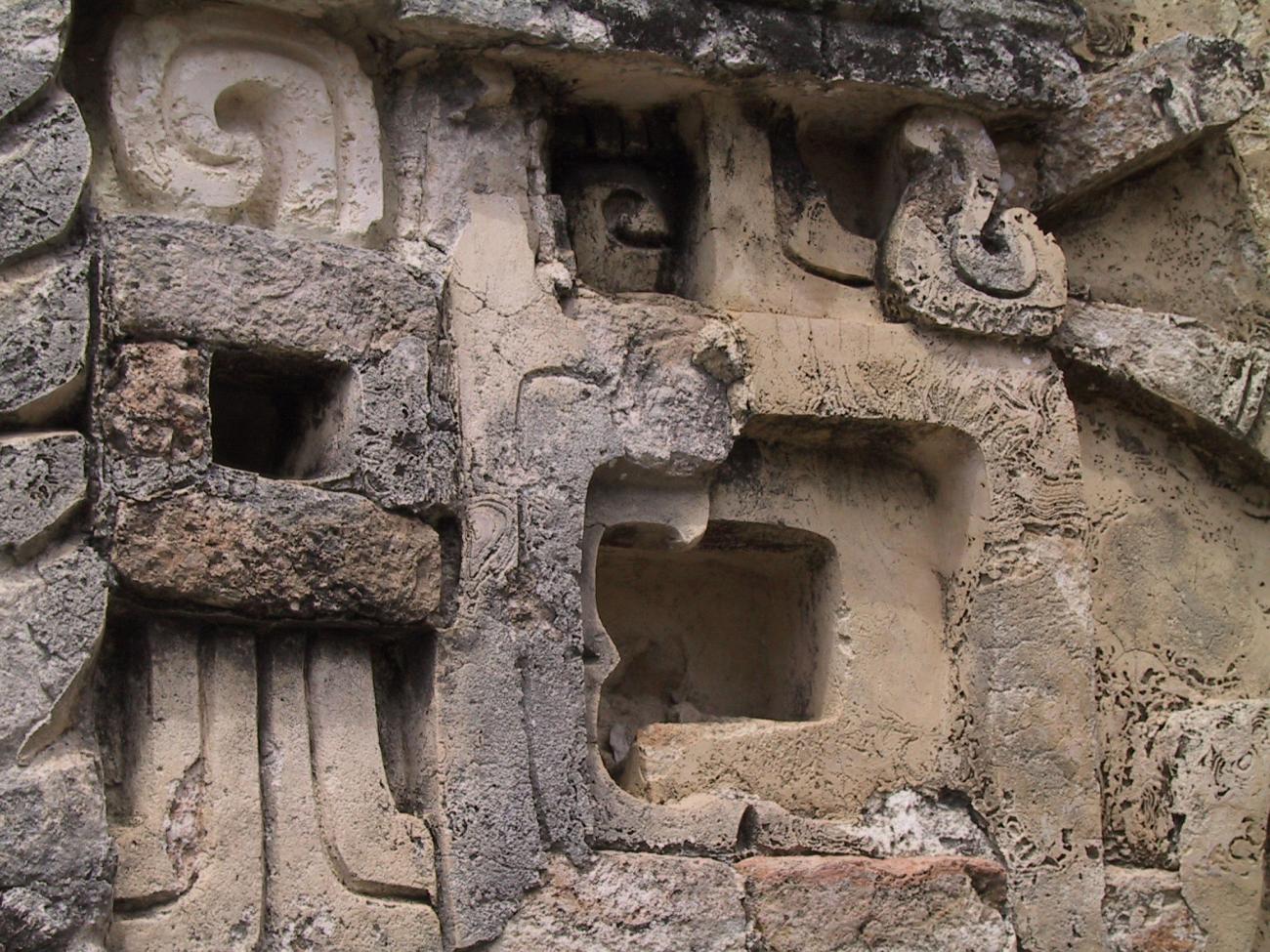
The elaborate Maya decoration causes a sense of wonder with features such as the facade of the Main Palace, where the entrance is an enormous mask of open jaws and fangs at either side, in the shape of a monstrous mouth.
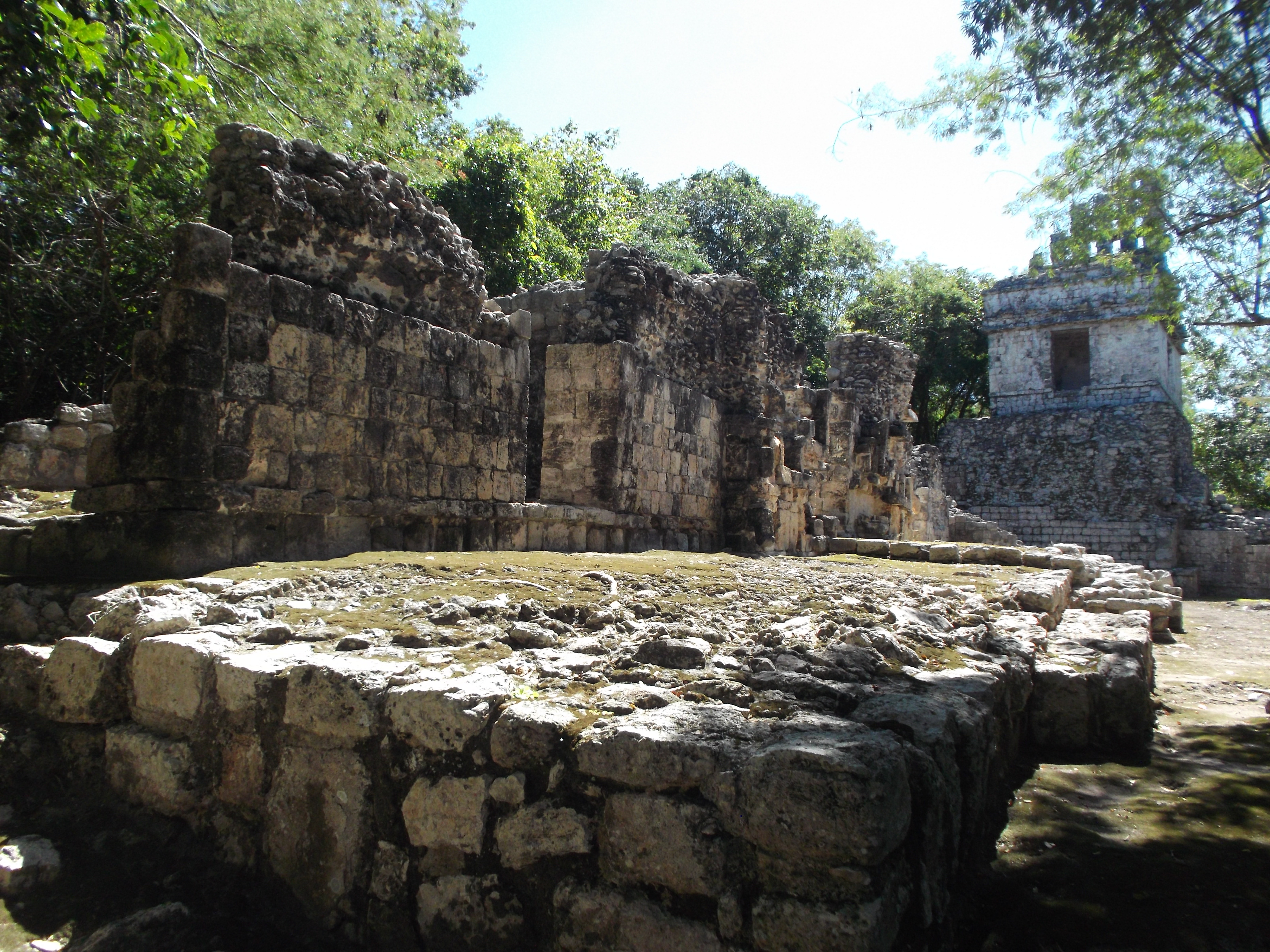
This was one of the most important Mayan settlements in the Chenes region. In around 300 AD its earliest inhabitants established a presence on a hill upon which some important public and religious structures had previously stood. The hillsides were terraced and platforms created in order to provide a base for houses, built of non-durable materials. They also constructed chultuns or water cisterns to collect, store and distribute rainwater.
Hochob was probably subordinate to Dzibilnocac or Santa Rosa Xtampac, sites whose importance had grown by the Classic period; the buildings here date from between 600 and 900 AD, and reached their maximum splendor between 850 and 1000 AD.
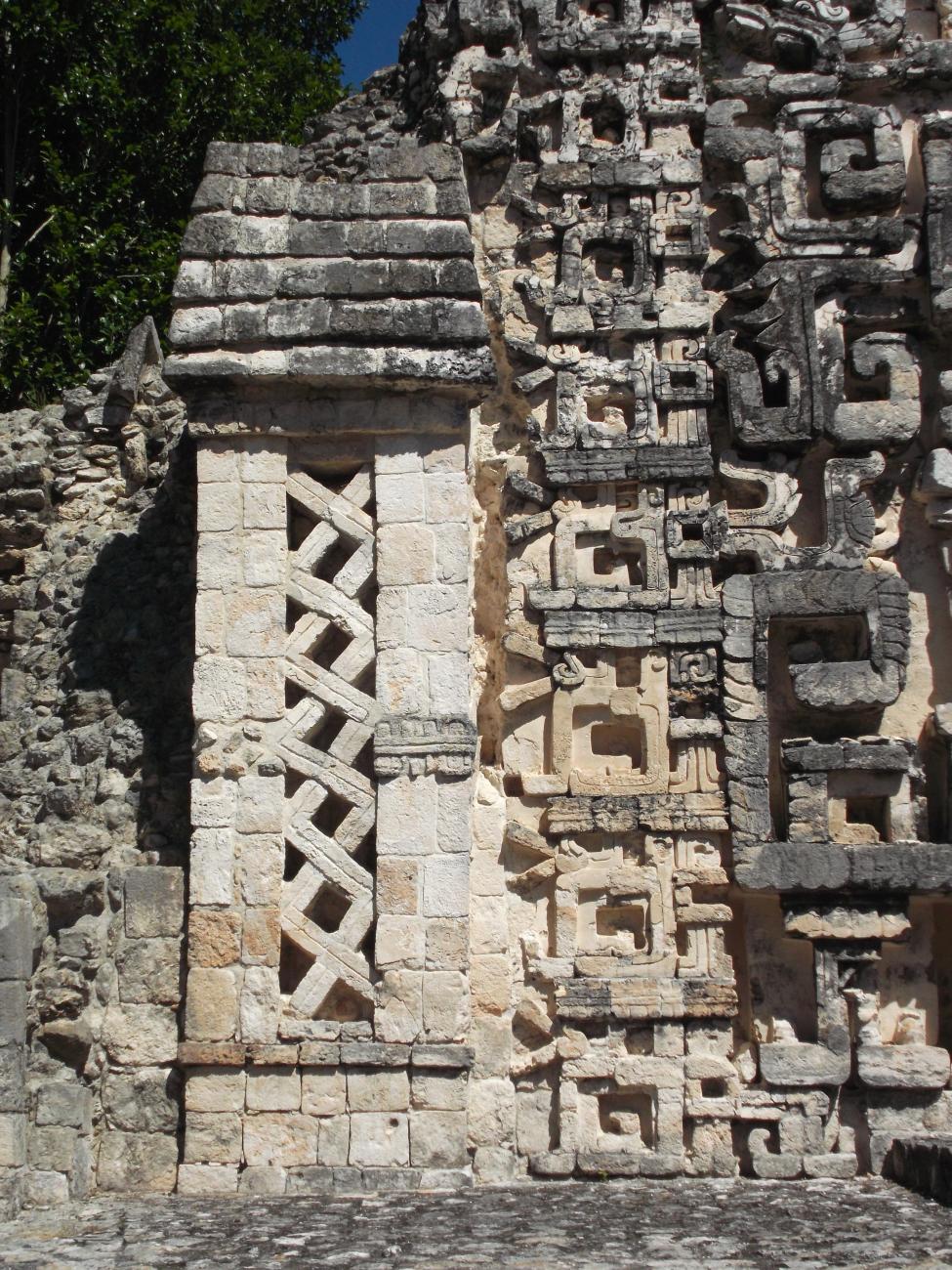
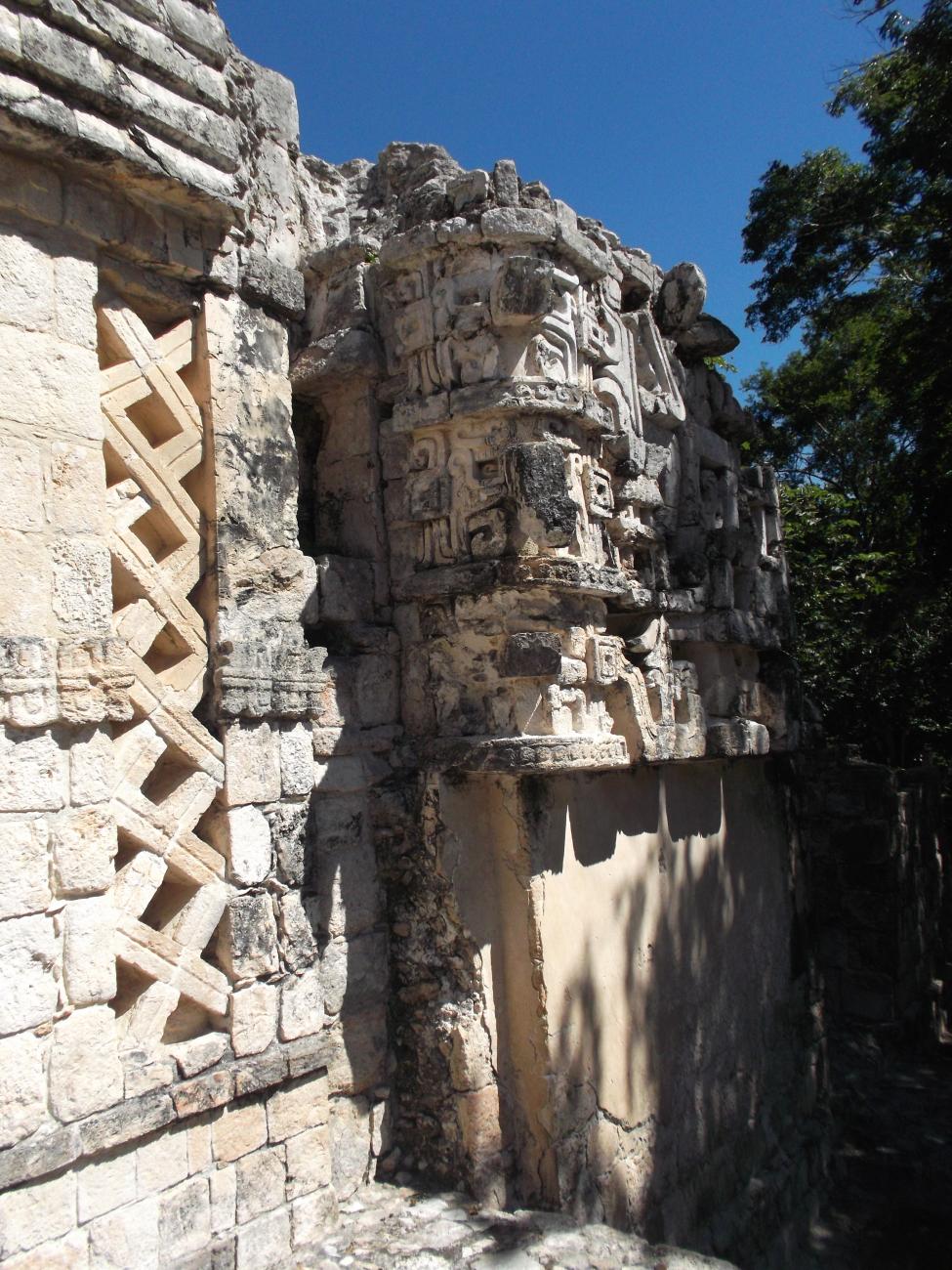
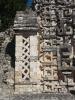
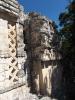
One of the most outstanding features of the buildings are the enormous stucco facade masks of the god Itzamná, with its maw agape and the lower jaw consisting of a platform with fangs by way of an entrance. This can be seen in the main rooms of Buildings 1 and 2. In addition to these decorations are overlaying masks of Chaac, a god connected to rain. Other features include the towers crowned by two-chambered temples.
The site’s period of prosperity was interrupted by the collapse of Mayan society, a fate that befell various cities in the Yucatan peninsula, and weakened Hochob’s ruling class. As a result, the population settled elsewhere; the city was not completely abandoned though, and continued to be inhabited until after the Spanish Conquest.
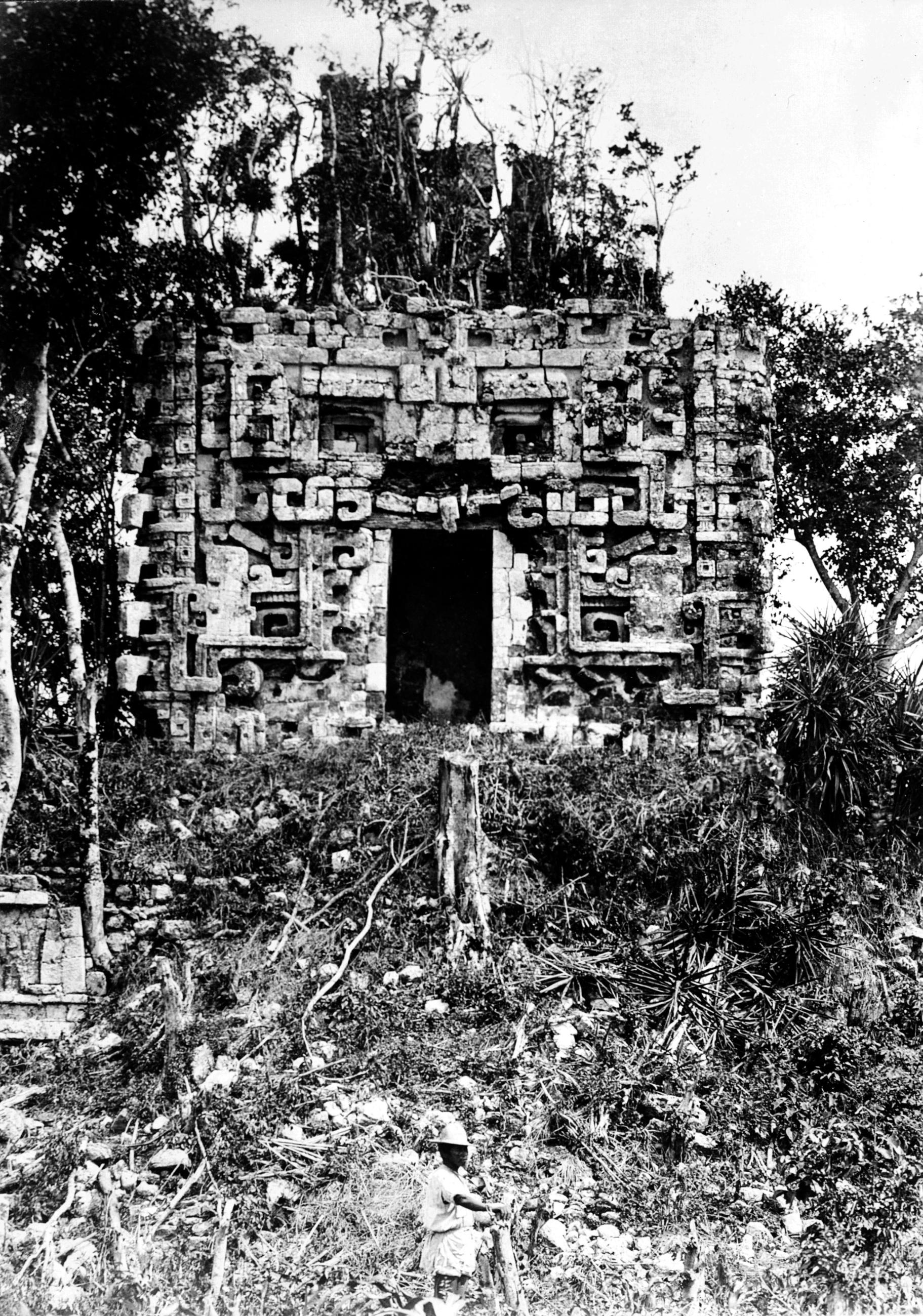
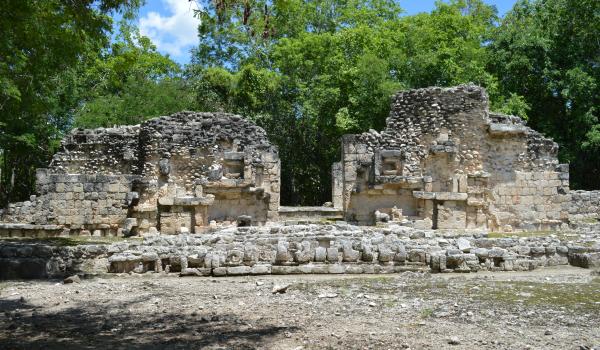
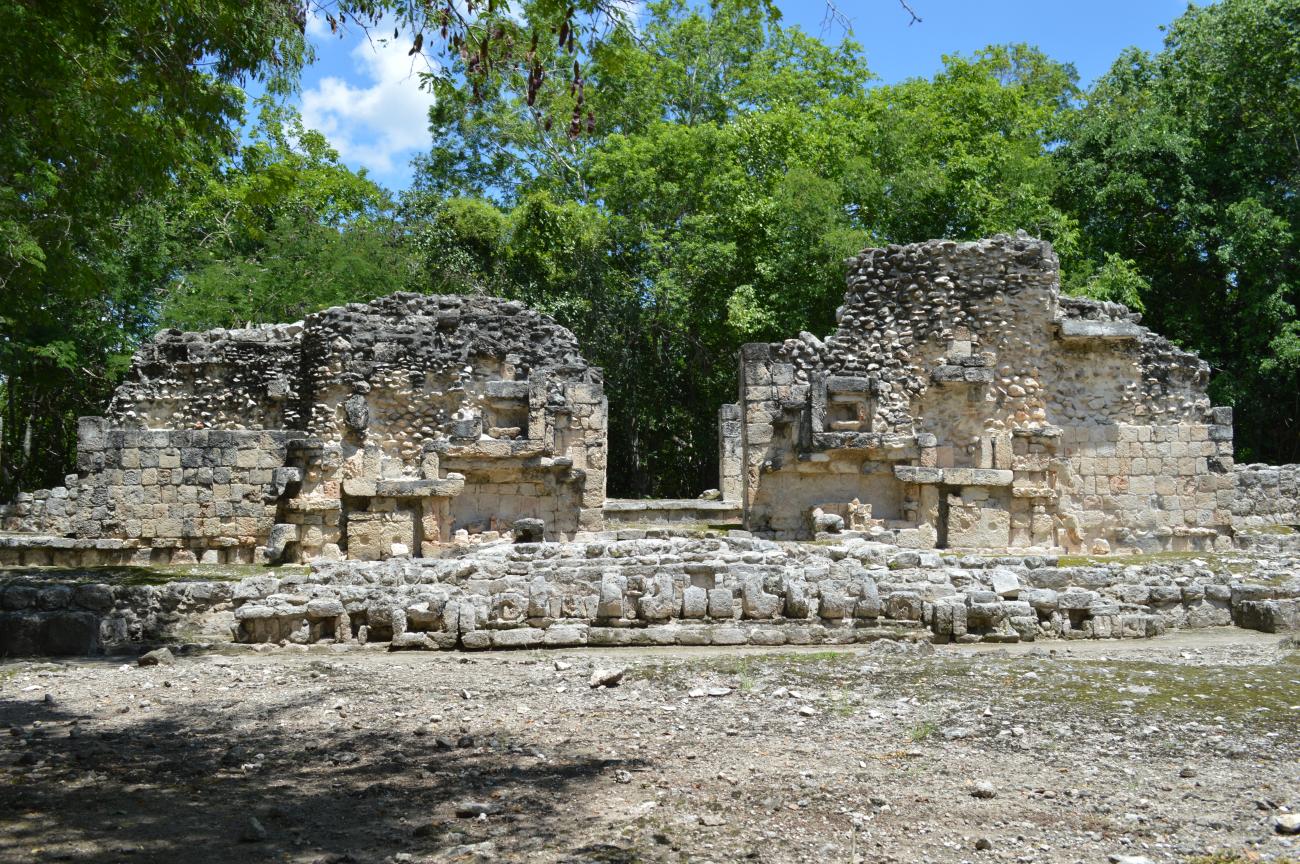
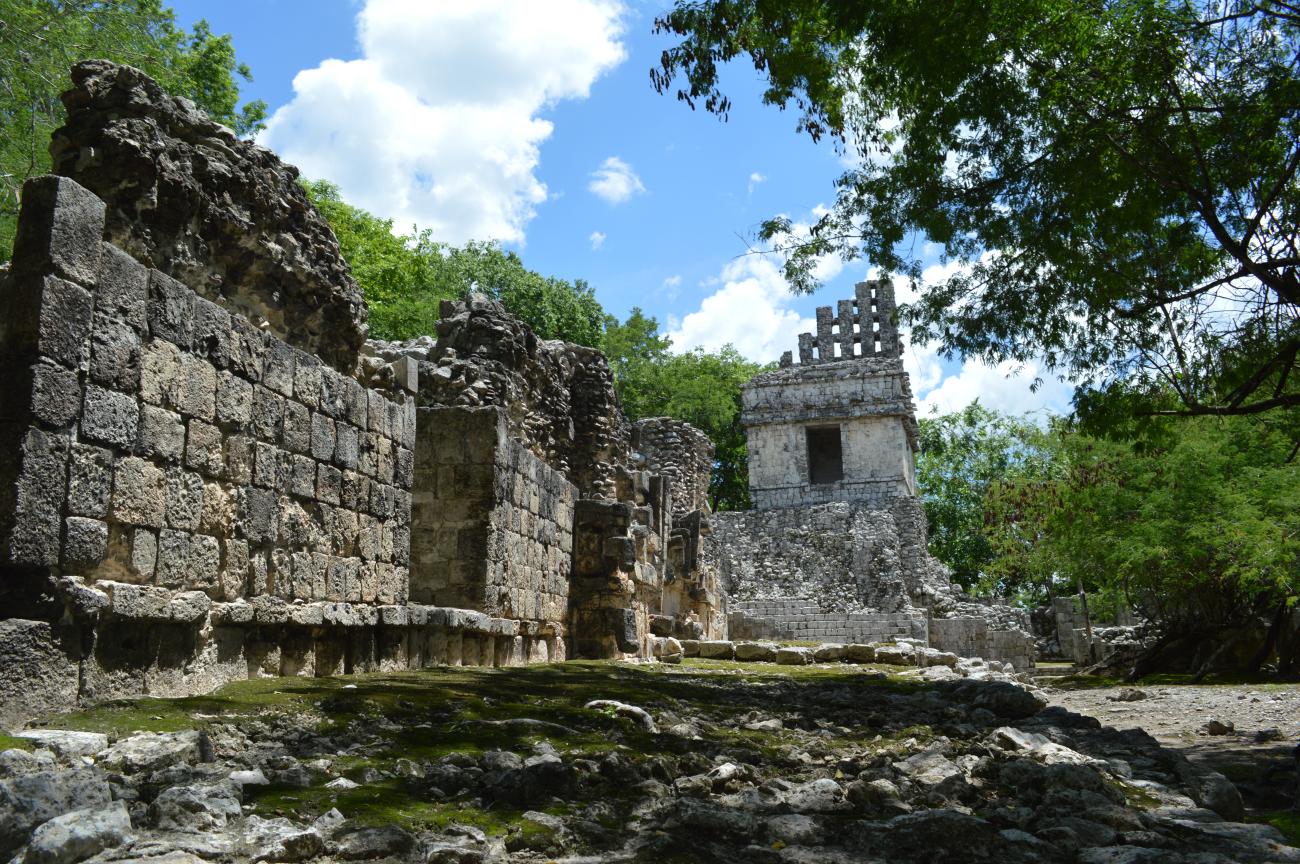
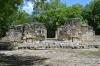
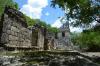
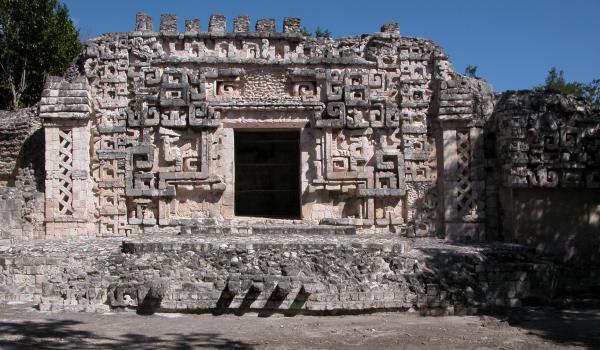
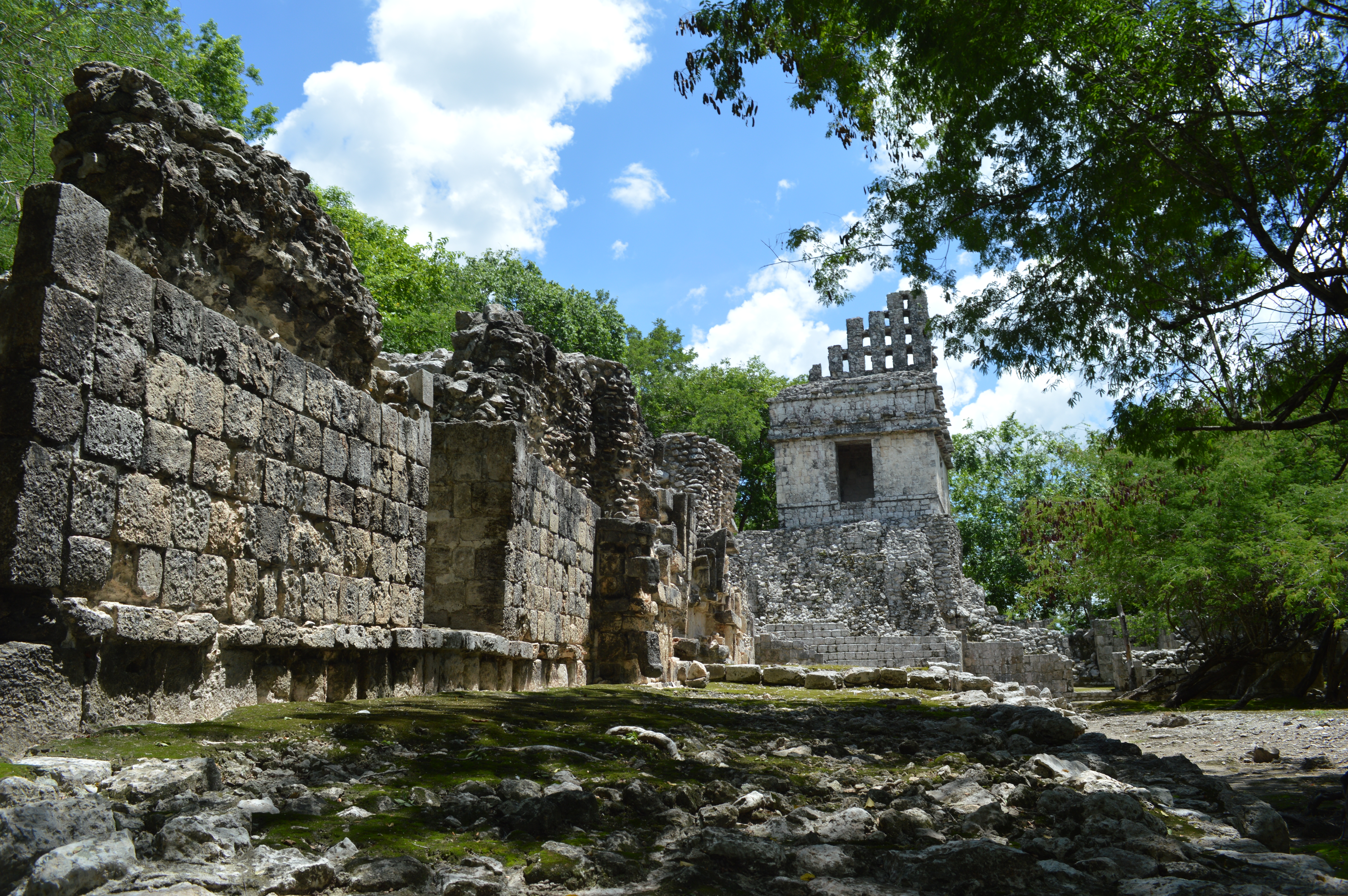
Palacio Principal (Estructura II)
Its central façade consists of an enormous zoomorphic mask of the god Itzamná, the greatest creator of the ancient Maya. At the back are located chultunes that served to capture, store and distribute rainwater.
Templo-pirámide (Estructura V)
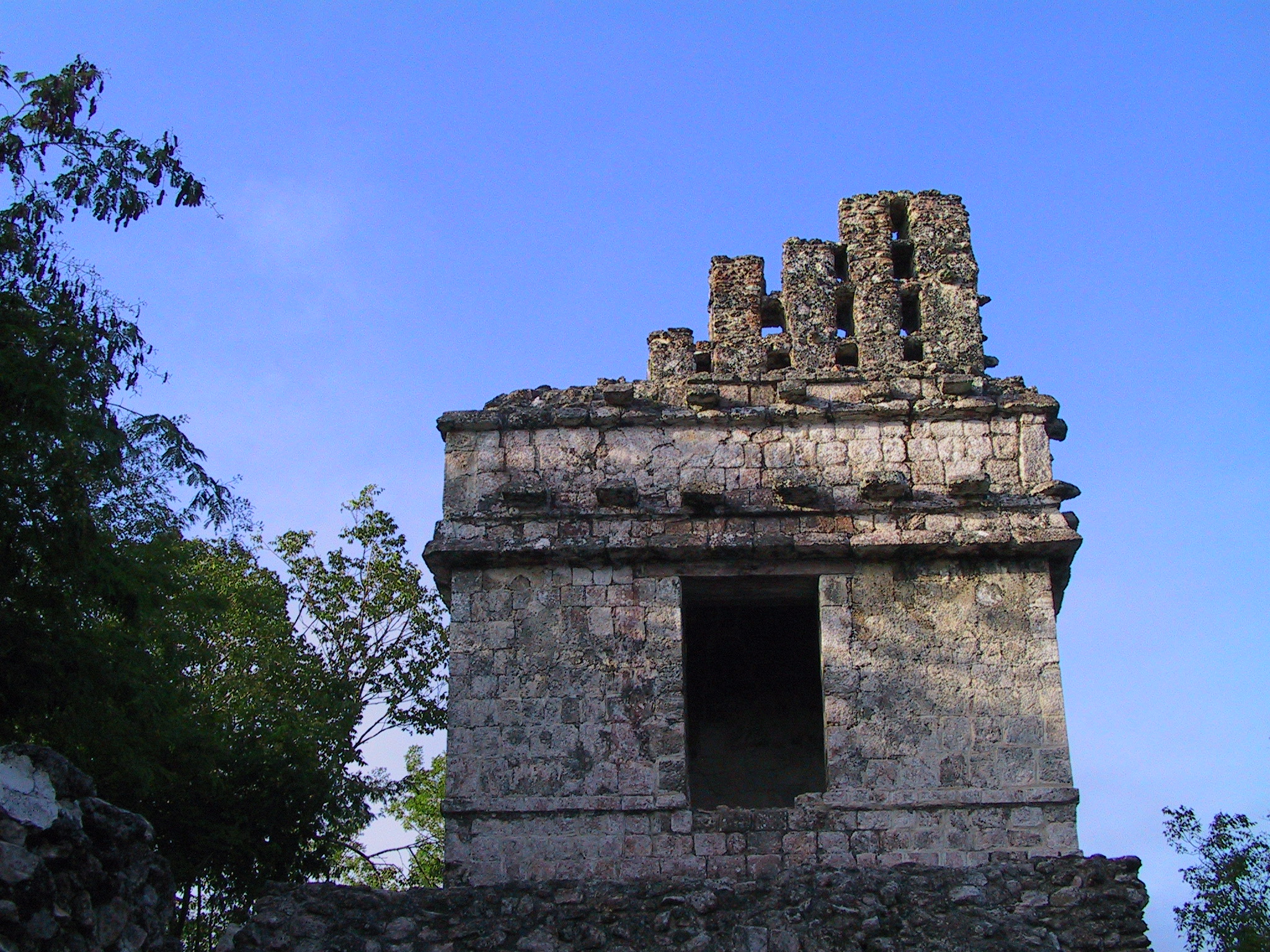
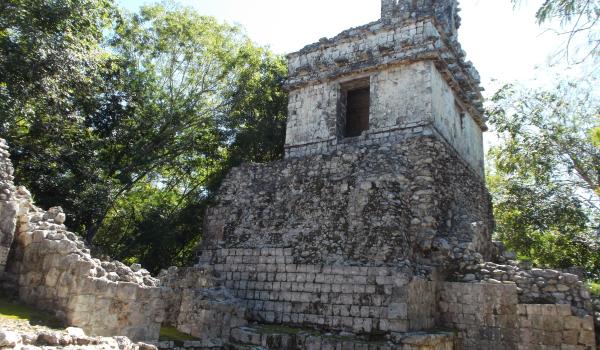
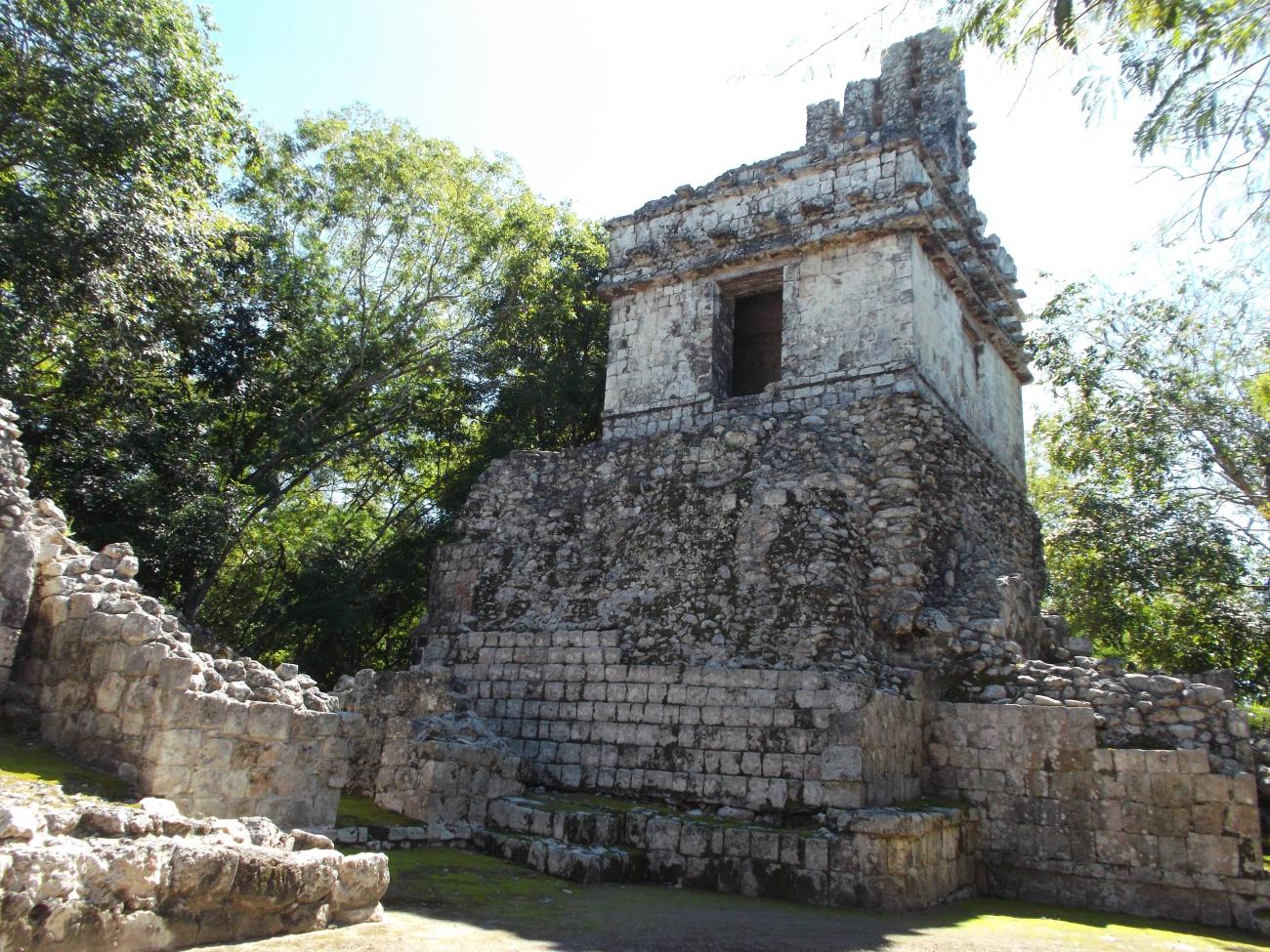
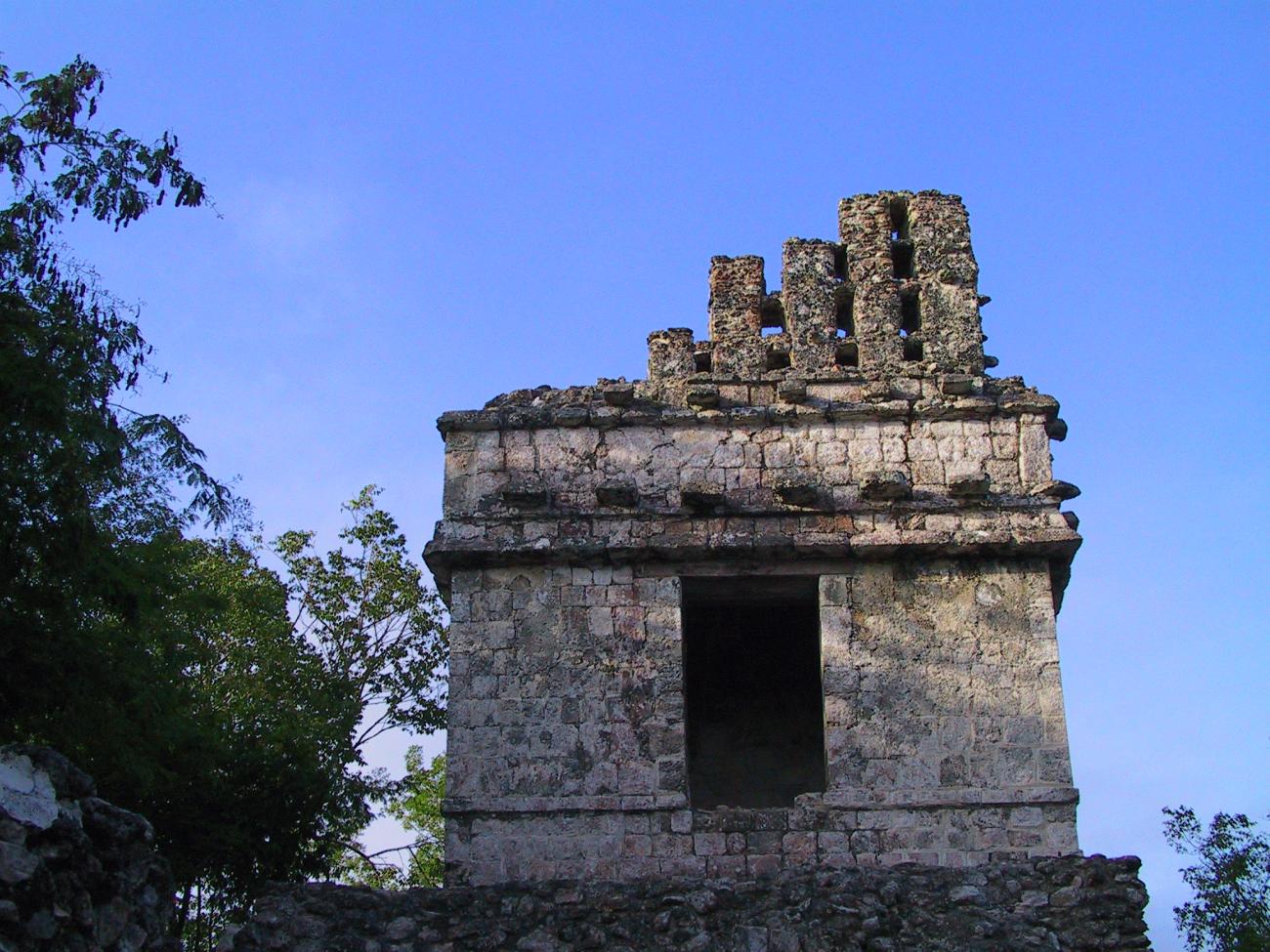
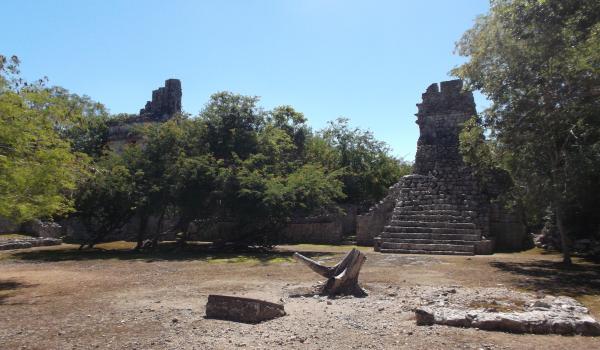
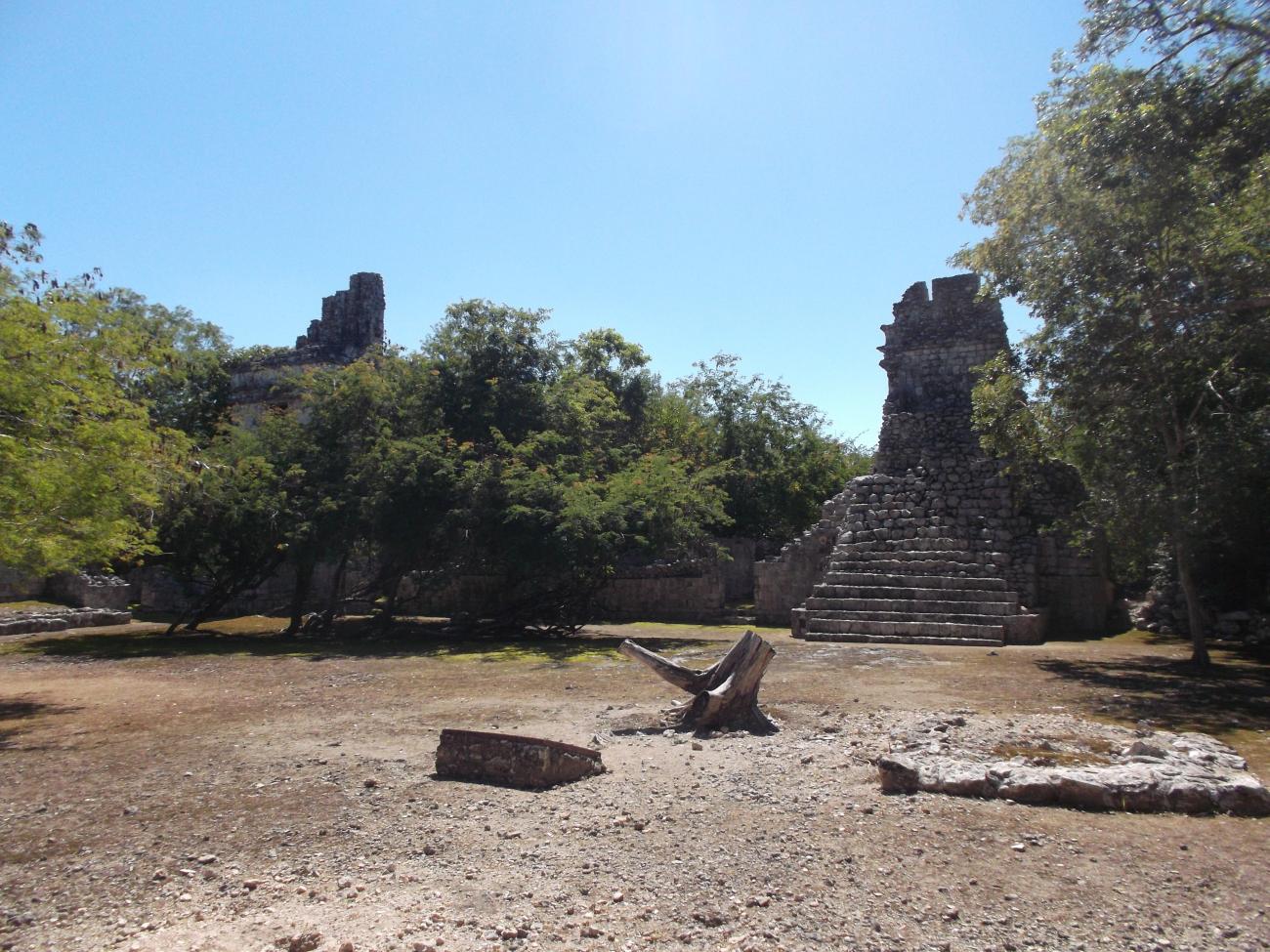
The tower supports a temple with chambers and on the middle wall of its roof it conserves part of an openwork cresting.

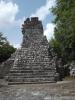
Torre (Estructura VI)
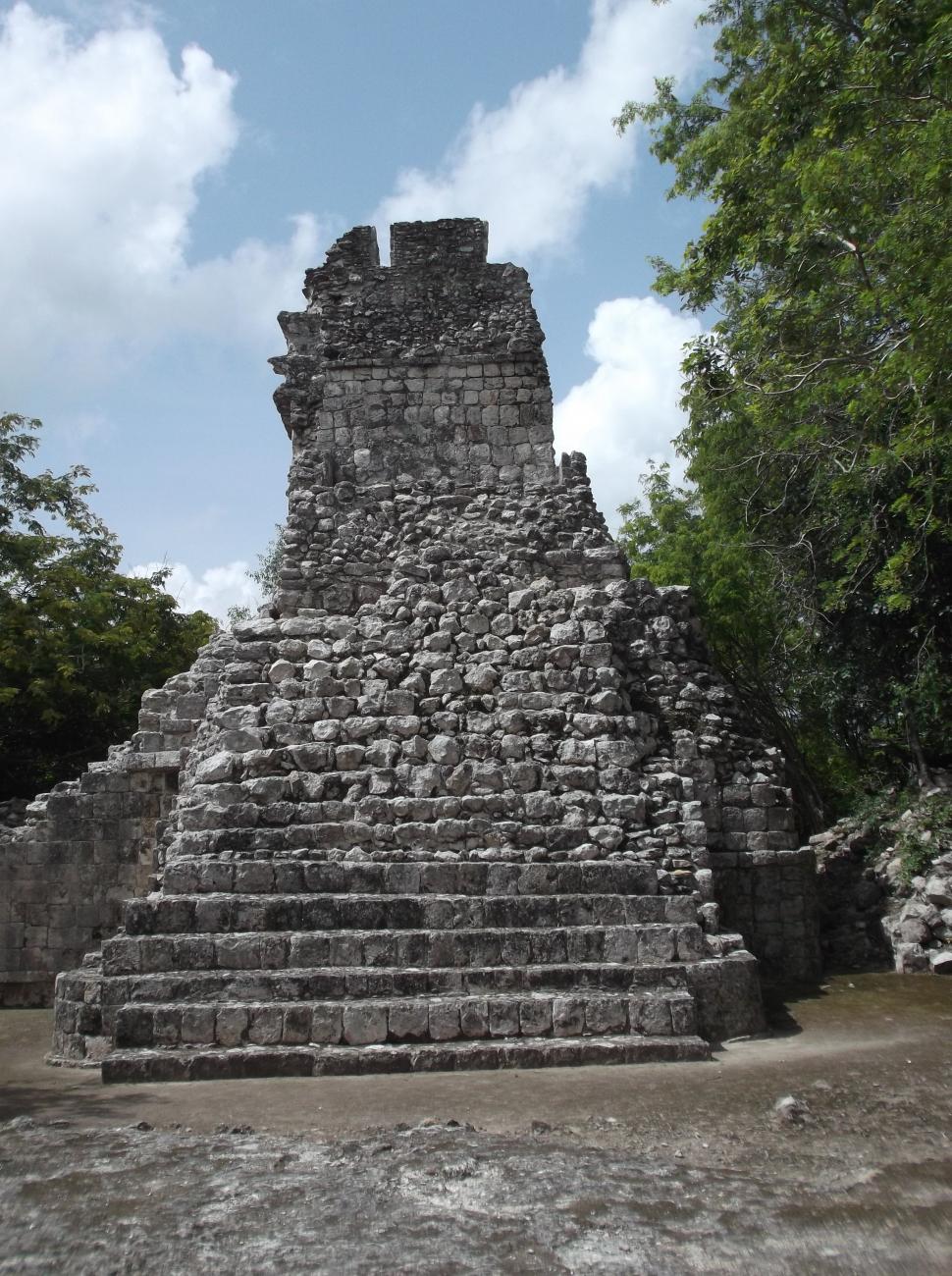
It has a staircase that leads to the remains of an upper building with two rooms; it still preserves remnants of its cresting, whose decoration has long since been lost.



Contact
- Dirección del Centro INAHAdriana Velázquez Morletadriana_velazquezm@inah.gob.mx+52 (981) 816 9111Operación de Zonas Arqueológicas del Centro INAHCandelaria del Carmen Duarte Patzarqueologicas.camp@inah.gob.mx+52 (981) 816 9111, ext.138016
