

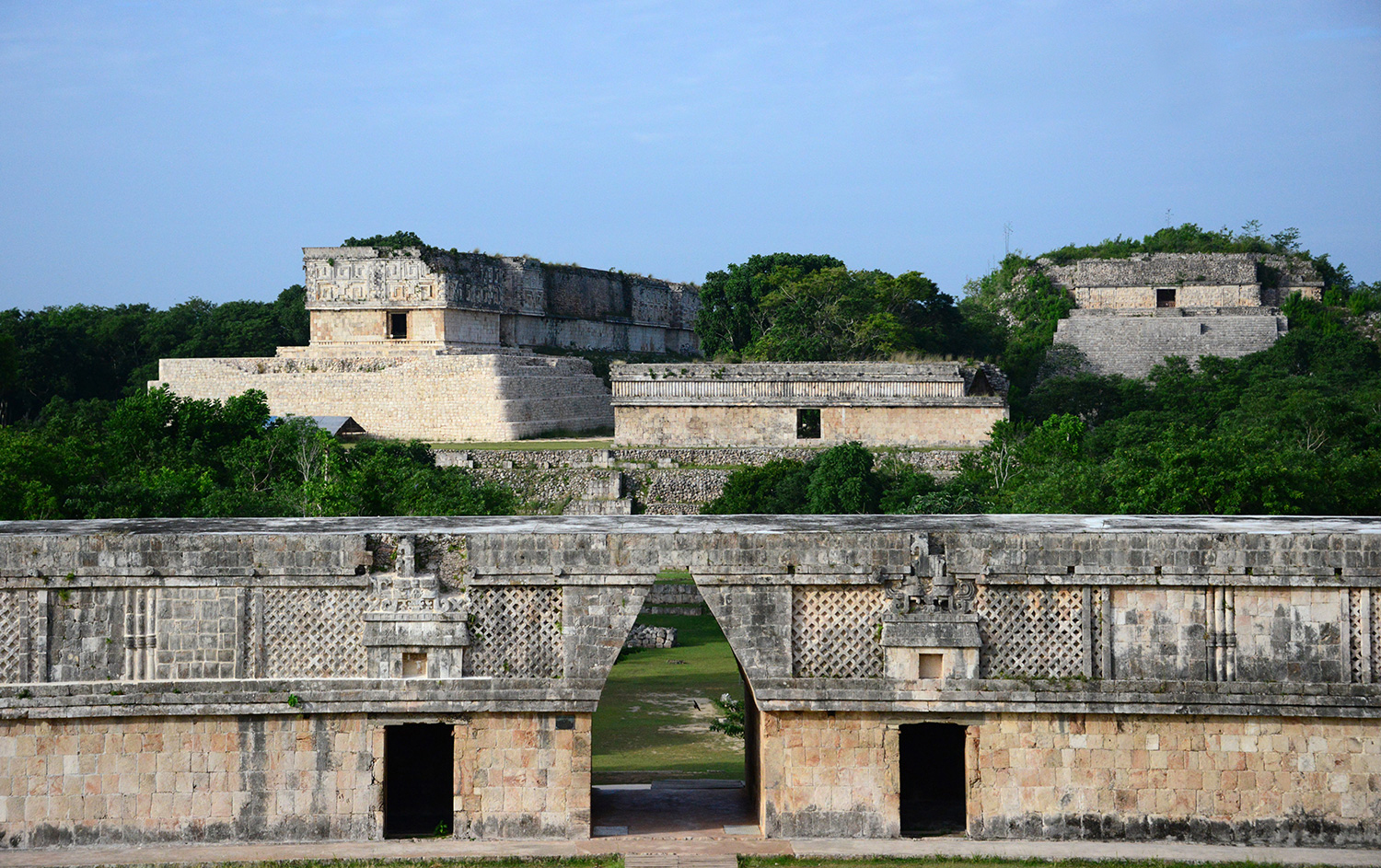

Lugares inscritos en la lista de Patrimonio Mundial de la UNESCO
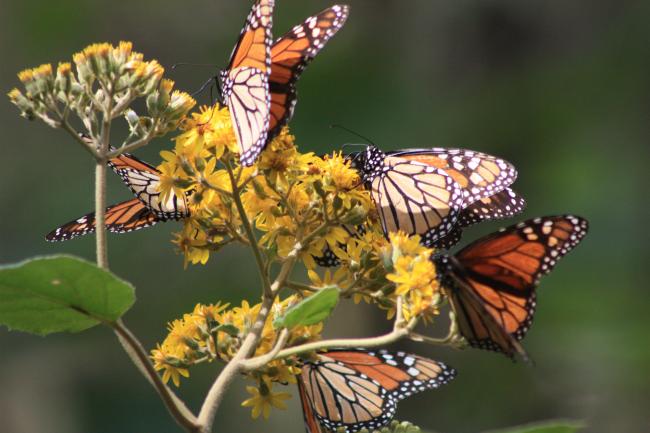
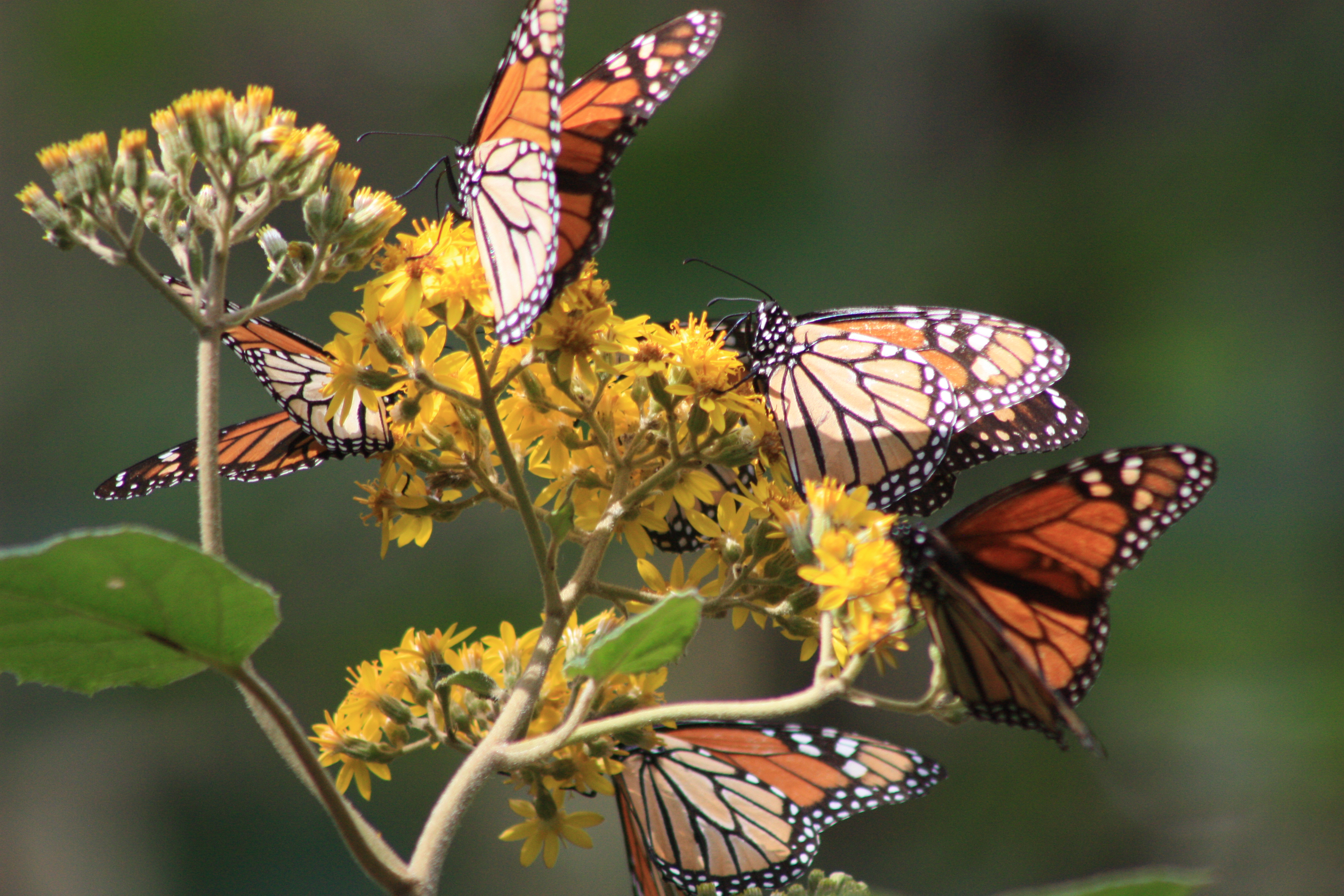
Reserva de biósfera de la Mariposa Monarca

World Heritage
Natural / Natural property
The 56,259 ha biosphere lies within rugged forested mountains about 100 km northwest of Mexico City.


Reserva de biosfera El Pinacate y Gran Desierto de Altar
World Heritage
Natural / Natural property
The 714,566 hectare site comprises two distinct parts: the dormant volcanic Pinacate Shield of black and red lava flows and desert pavements to the east, and, in the west, the Gran Altar Desert with its ever changing and varied sand dunes that can reach a height of 200 metres.
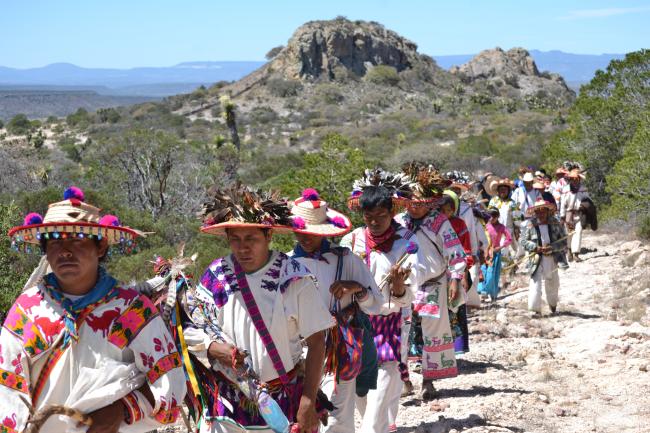
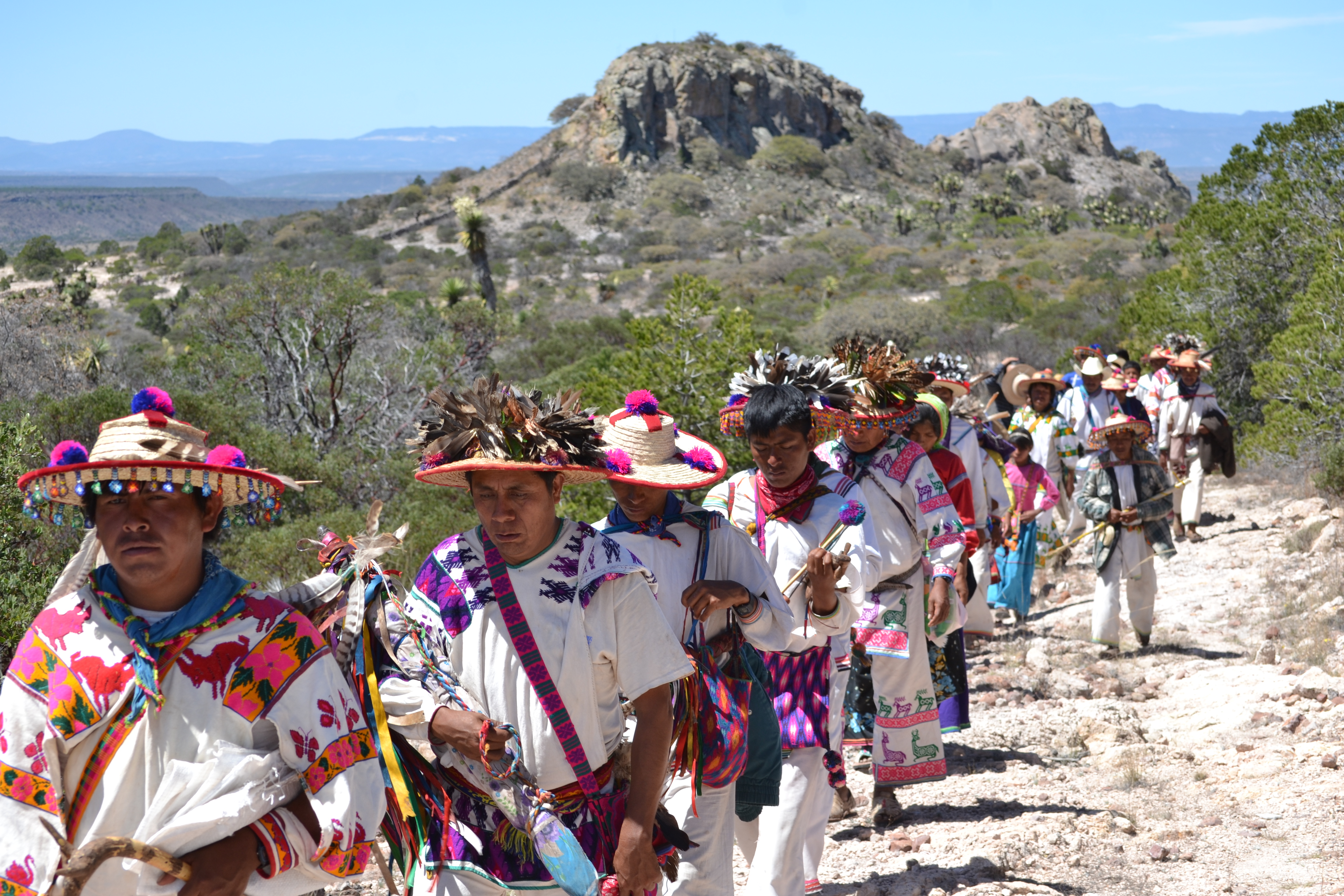
Ruta Wixárika por los sitios sagrados hasta Wirikuta (Tatehuarí Huajuyé)
World Heritage
Cultural / Serial property
Since ancient times, the Wixárika (Huichol) people have followed a ceremonial route that crosses five states in western Mexico.
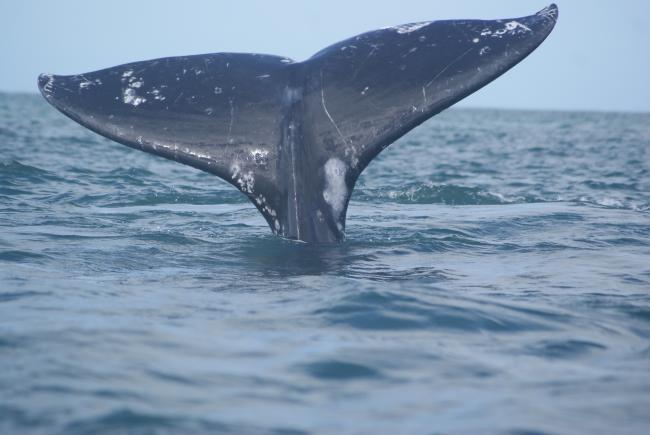
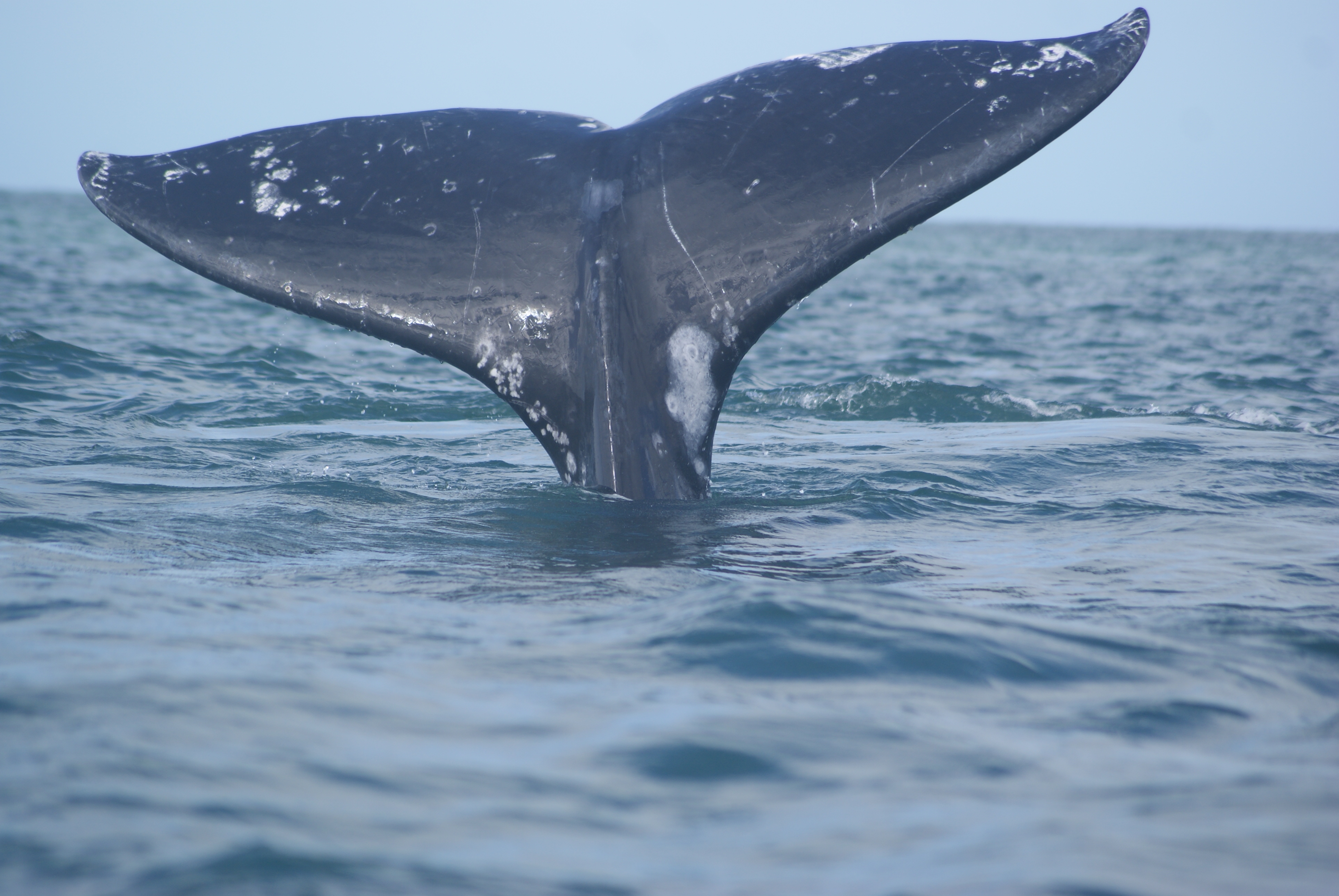
Santuario de ballenas de El Vizcaíno
World Heritage
Natural / Natural property
Located in the central part of the peninsula of Baja California, the sanctuary contains some exceptionally interesting ecosystems.
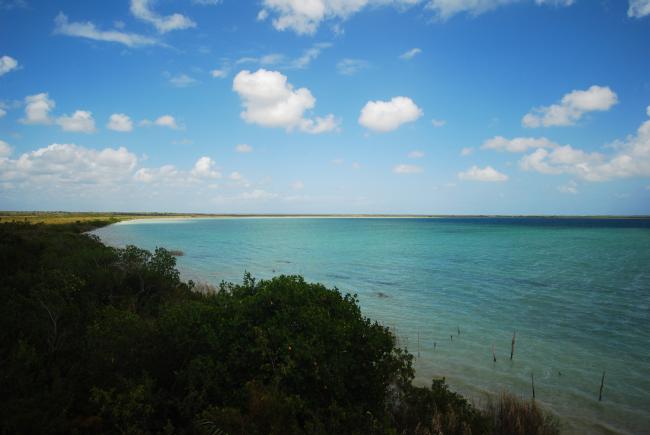
Sian Ka'an
World Heritage
Natural / Natural property
In the language of the Mayan peoples who once inhabited this region, Sian Ka'an means 'Origin of the Sky'. Located on the east coast of the Yucatán peninsula, this biosphere reserve contains tropical forests, mangroves and marshes, as well as a large marine section intersected by a barrier reef…
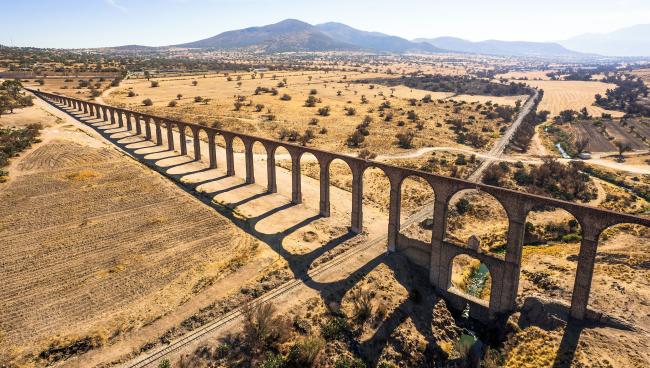
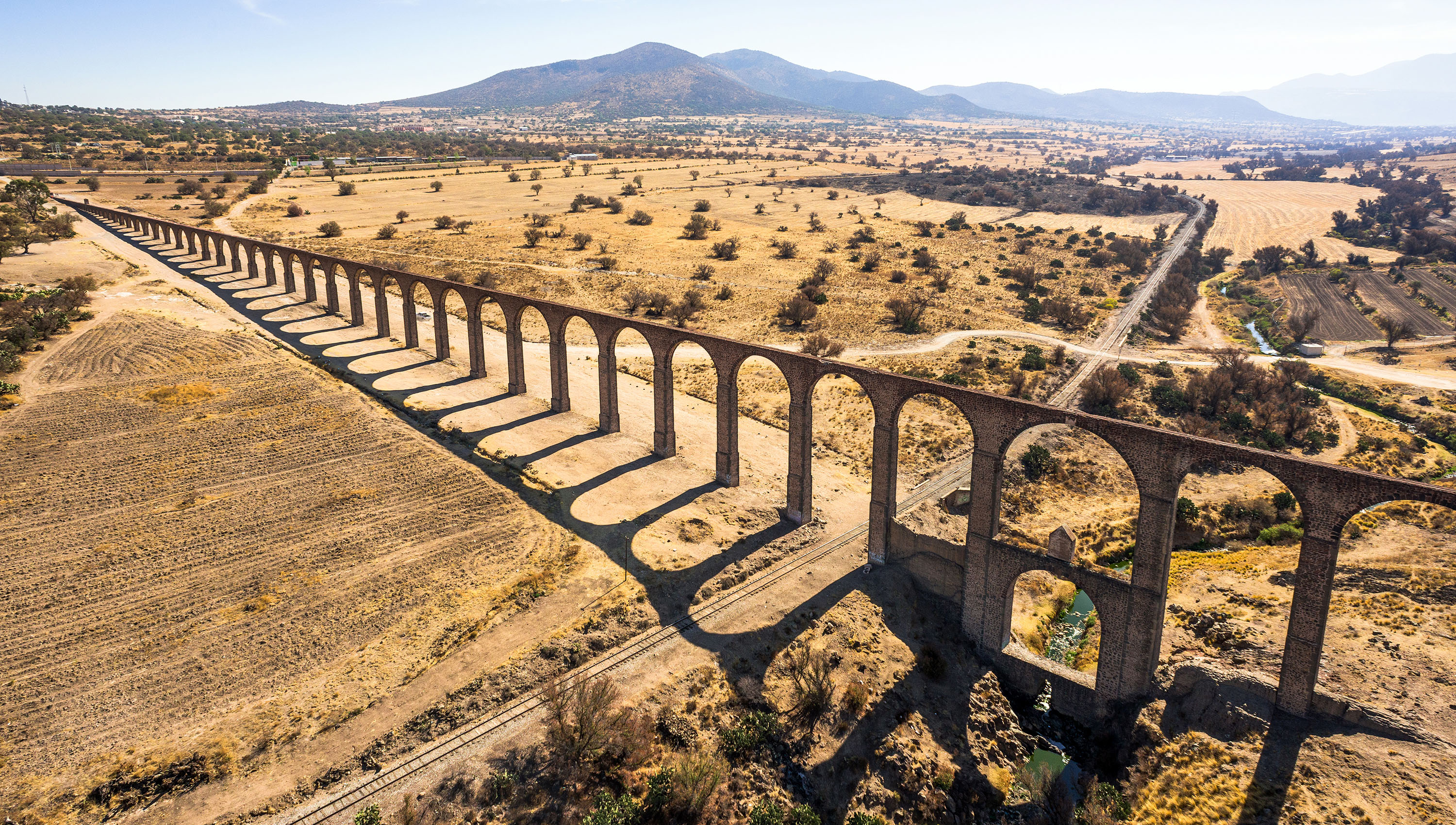
Sistema hidráulico del acueducto del Padre Tembleque
World Heritage
Cultural / Heritage canal
Initiated by the Franciscan friar, Tembleque, and built with the local indigenous communities, this hydraulic system is an example of the exchange of influences between the European tradition of Roman hydraulics and traditional Mesoamerican construction techniques, including the use of adobe.
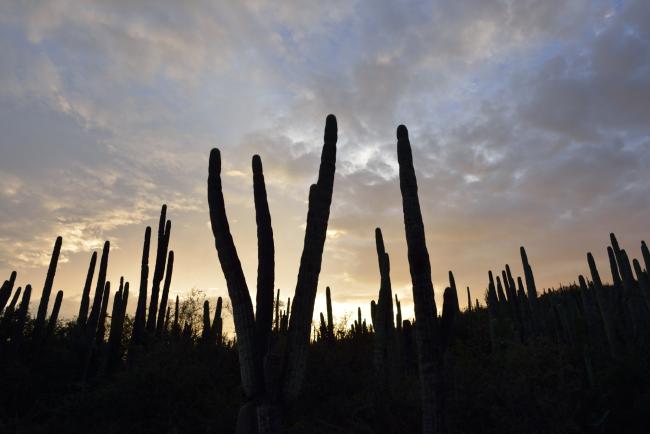
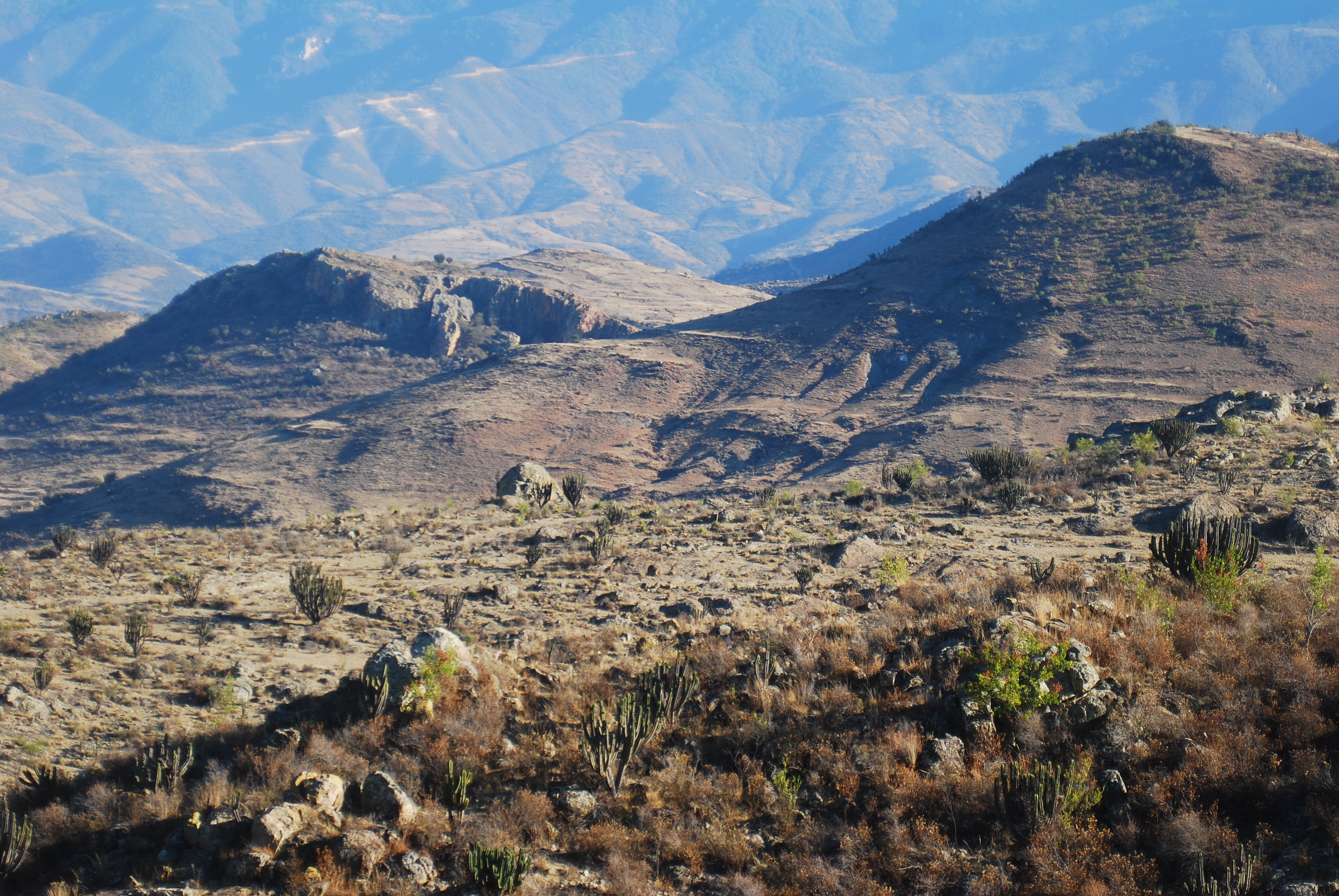
Valle de Tehuacán-Cuicatlán: hábitat originario de Mesoamérica
World Heritage
Mixed / Mixed property
This Valley, with the richest biodiversity in North America, consisting of Zapotitlán-Cuicatlán, San Juan Raya and Purrón, it is one of the main centres of diversification for the cacti family, which is critically endangered worldwide.
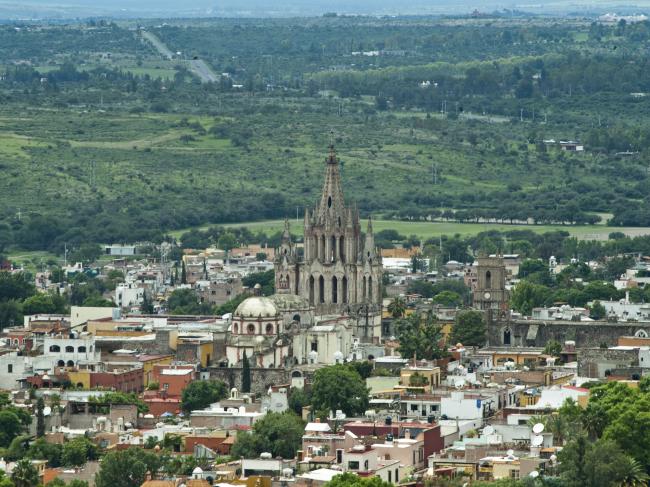
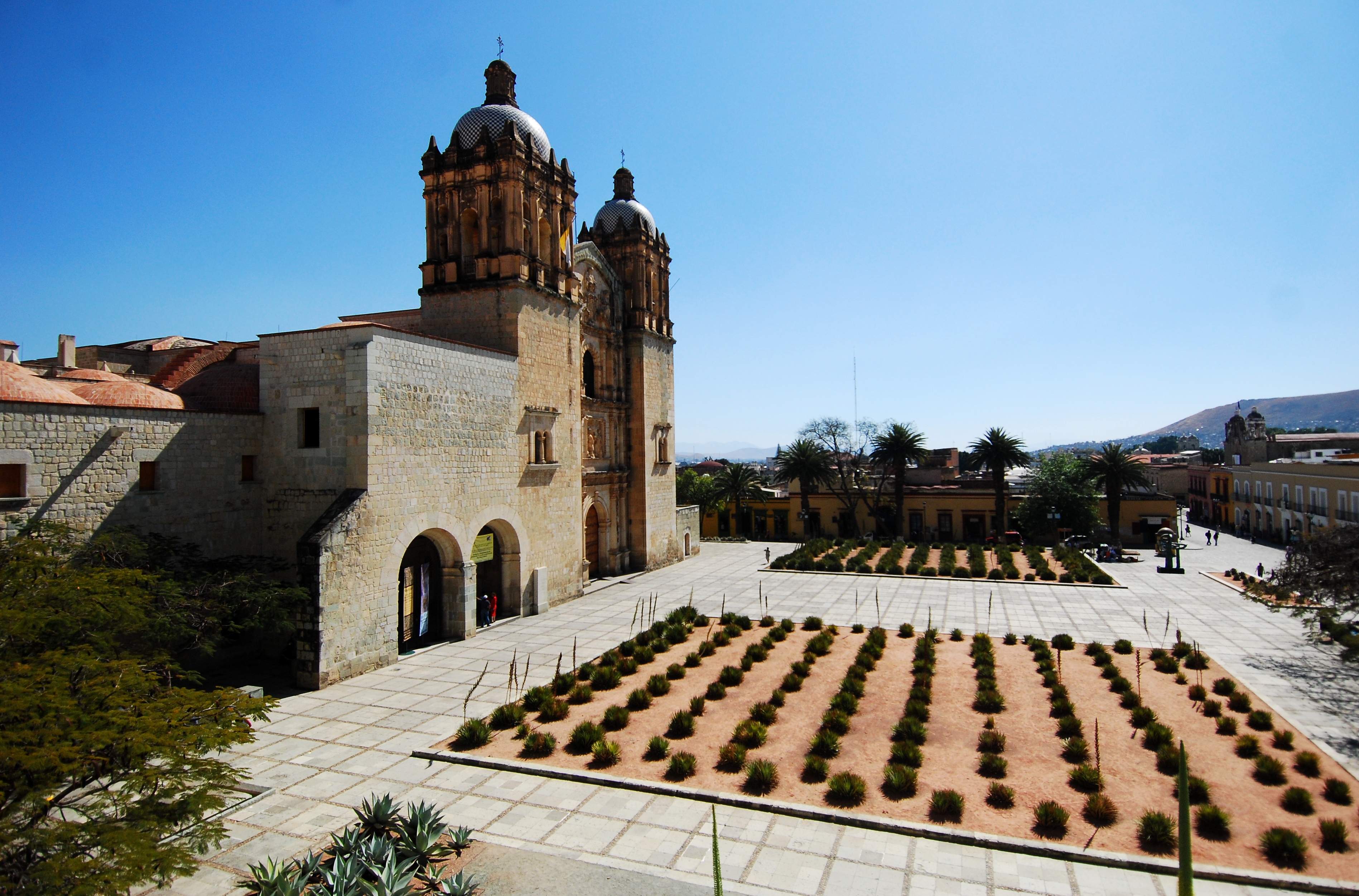
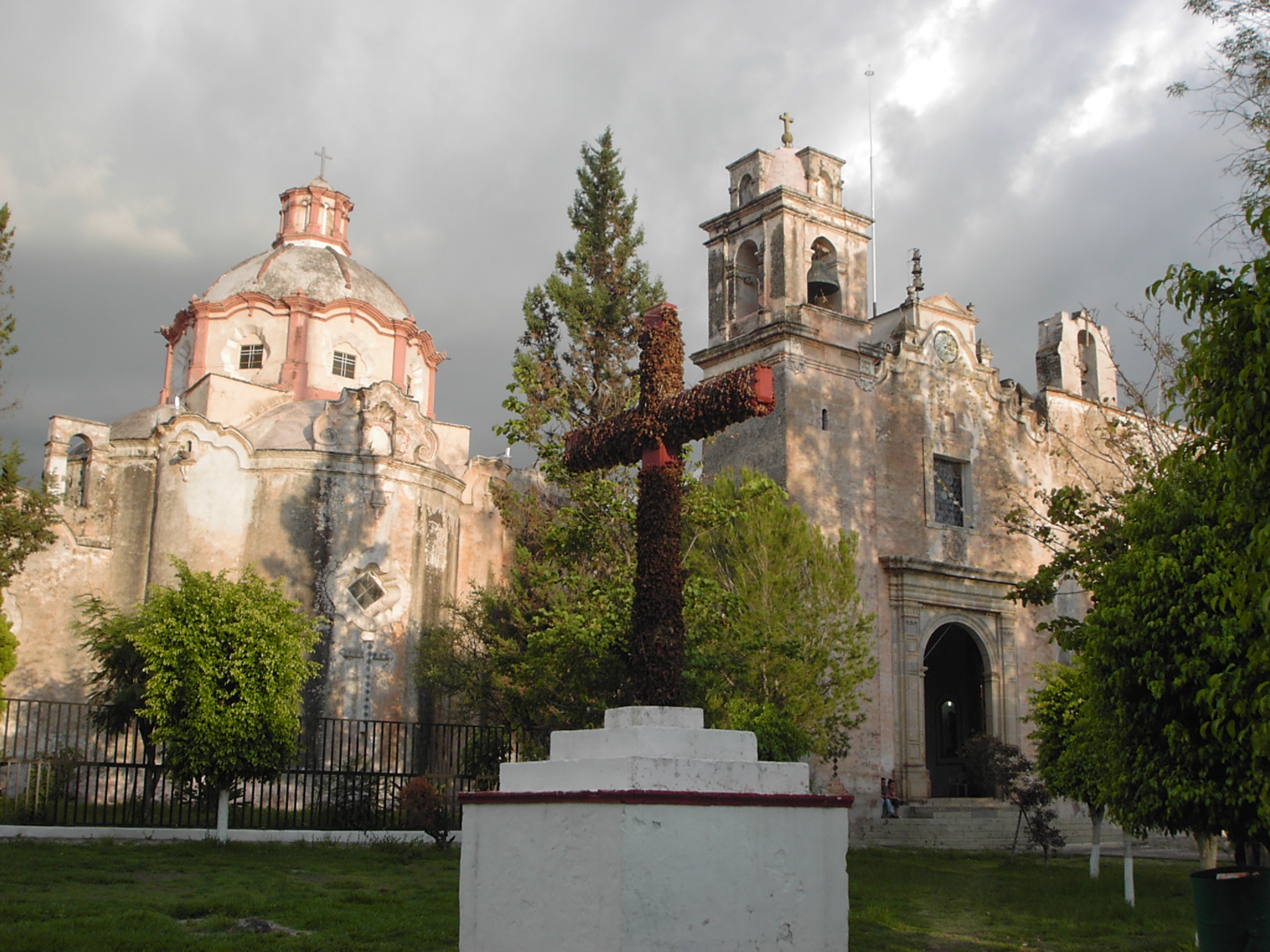
Villa Protectora de San Miguel el Grande y Santuario de Jesús Nazareno de Atotonilco
World Heritage
Cultural / Historic city
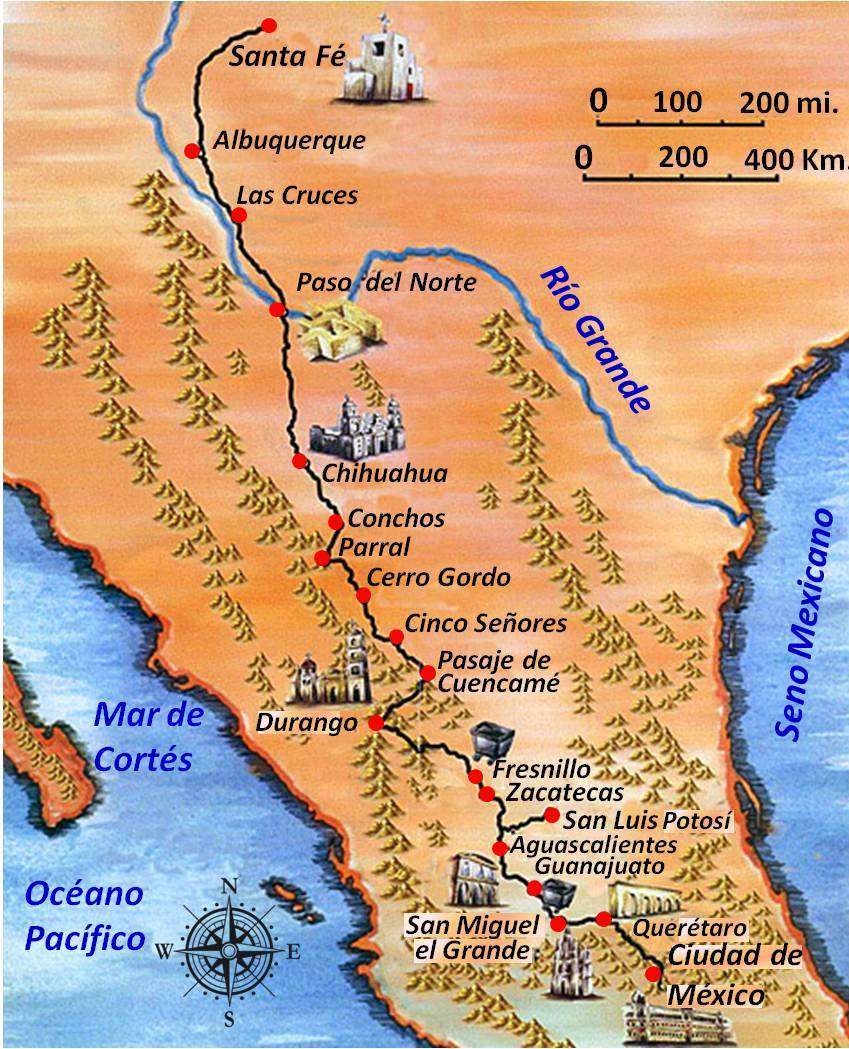
The fortified town, first established in the 16th century to protect the Royal Route inland, reached its apogee in the 18th century when many of its outstanding religious and civic buildings were built in the style of the Mexican Baroque.
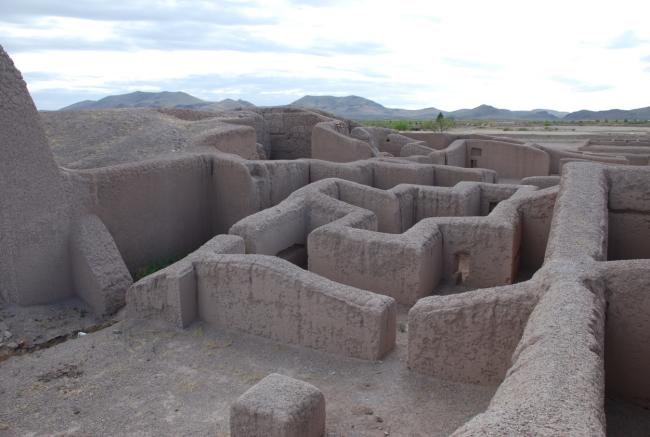
Zona arqueológica de Paquimé (Casas Grandes)
World Heritage
Cultural / Archaeological site
Paquimé, Casas Grandes, played a key role in trade and cultural contacts between the Pueblo culture of the south-western United States and northern Mexico and the more advanced civilizations of Mesoamerica.
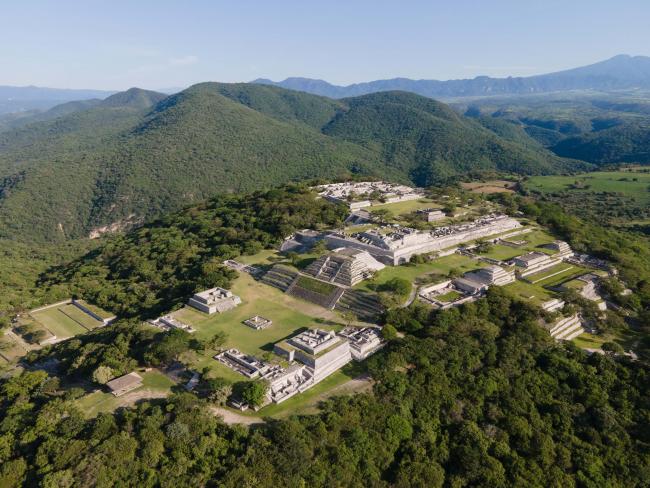
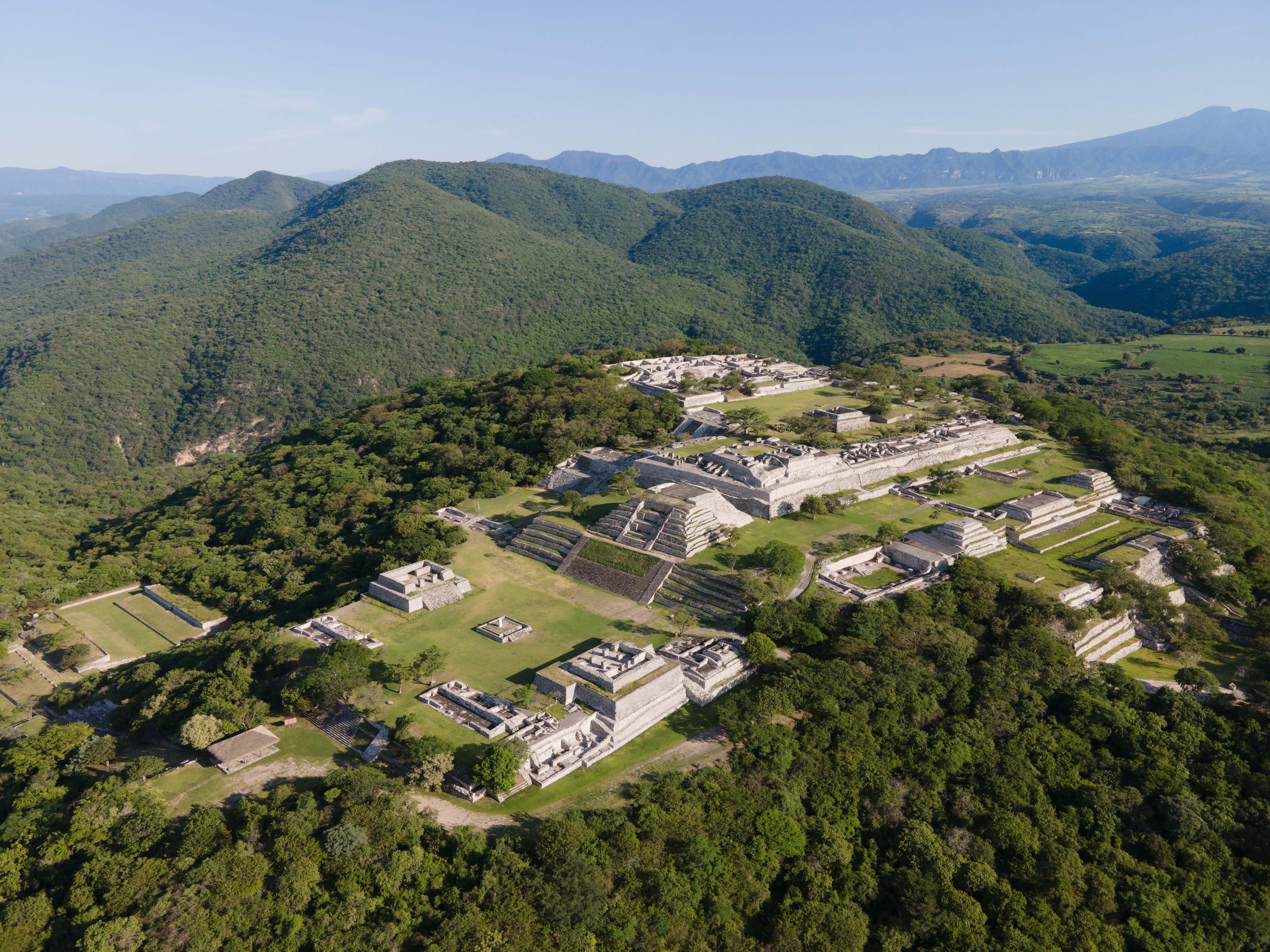
Zona de monumentos arqueológicos de Xochicalco
World Heritage
Cultural / Archaeological site
Xochicalco is an exceptionally well-preserved example of a fortified political, religious and commercial centre from the troubled period of 650–900 that followed the break-up of the great Mesoamerican states such as Teotihuacan, Monte Albán, Palenque and Tikal.
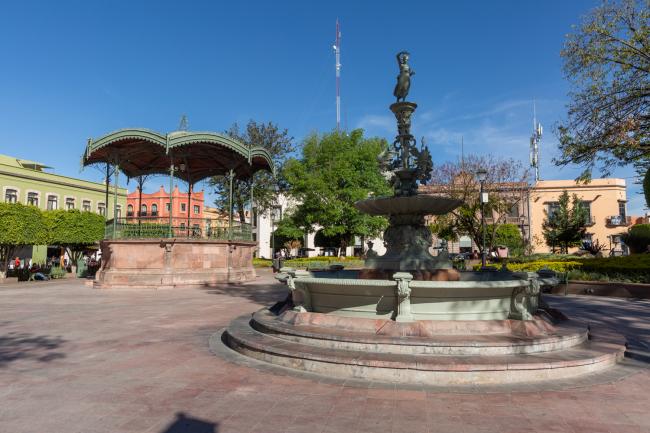
Zona de monumentos históricos de Querétaro
World Heritage
Cultural / Historic city
The old colonial town of Querétaro is unusual in having retained the geometric street plan of the Spanish conquerors side by side with the twisting alleys of the Indian quarters.
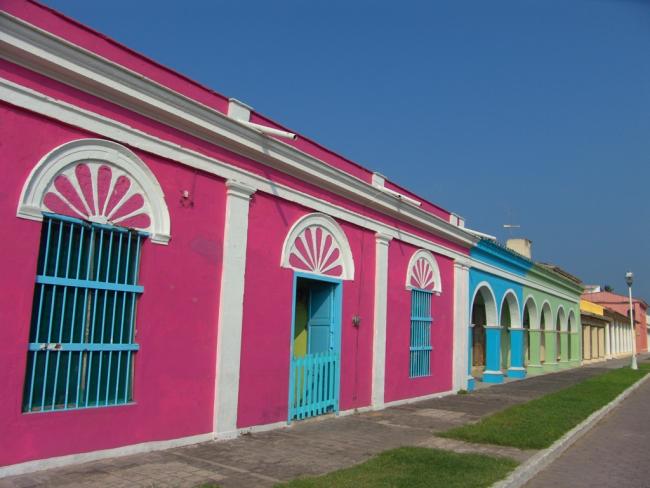
Zona de monumentos históricos de Tlacotalpan
World Heritage
Cultural / Historic city
Tlacotalpan, a Spanish colonial river port on the Gulf coast of Mexico, was founded in the mid-16th century.
Dirección de Patrimonio Mundial INAH
La Dirección de Patrimonio Mundial del Instituto Nacional de Antropología e Historia tiene el compromiso de difundir la Convención de Patrimonio Mundial de la UNESCO, así como capacitar e implementar herramientas que apoyen el dinamismo de los sitios patrimonio cultural de México, a través de diplomados, simposios, conferencias y cursos a nivel nacional y regional.
