


Lugares inscritos en la lista de Patrimonio Mundial de la UNESCO
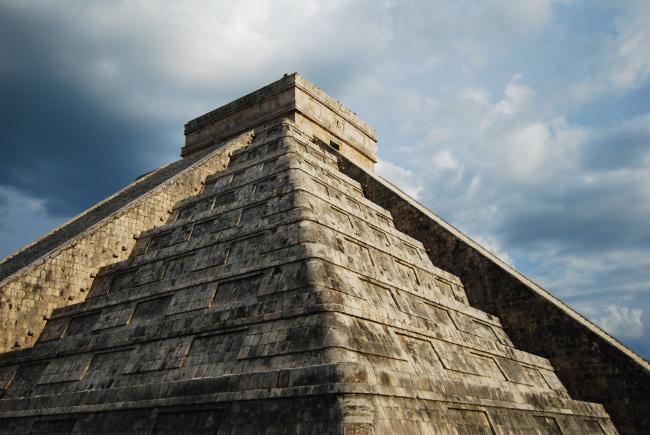
Ciudad prehispánica de Chichén-Itzá

World Heritage
Cultural / Archaeological site
This sacred site was one of the greatest Mayan centres of the Yucatán peninsula. The Maya and Toltec vision of the world and the universe is revealed in their stone monuments and artistic works.


Ciudad prehispánica de El Tajín
World Heritage
Cultural / Archaeological site
El Tajín's architecture, which is unique in Mesoamerica, is characterized by elaborate carved reliefs on the columns and frieze. The 'Pyramid of the Niches', a masterpiece of ancient Mexican and American architecture, reveals the astronomical and symbolic significance of the buildings.
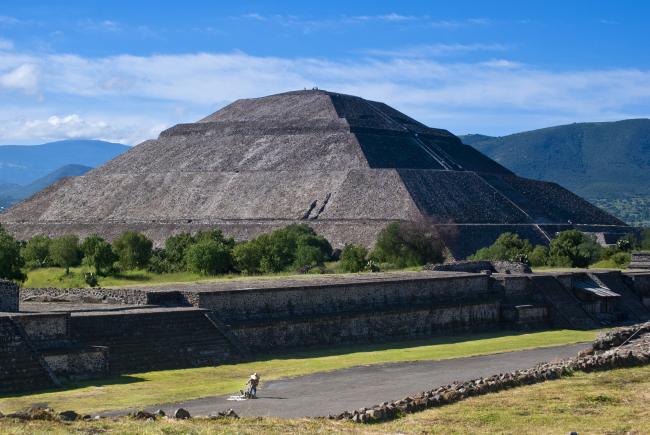
Ciudad prehispánica de Teotihuacan
World Heritage
Cultural / Archaeological site
The holy city of Teotihuacan (the place where the gods were created) it is characterized by the size of its monuments –in particular, the Temple of Quetzalcoatl and the Pyramids of the Sun and the Moon, laid out on geometric and symbolic principles.
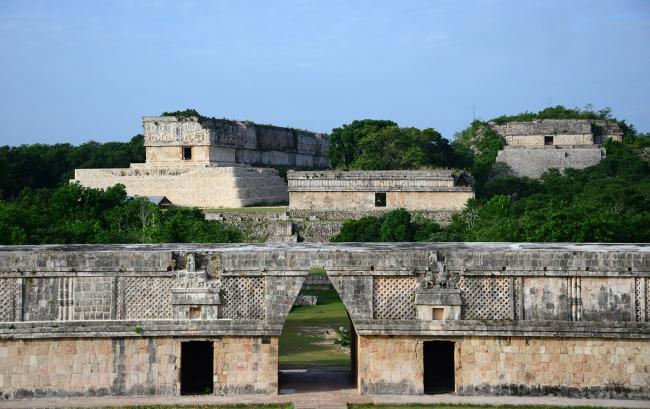
Ciudad prehispánica de Uxmal
World Heritage
Cultural / Archaeological site
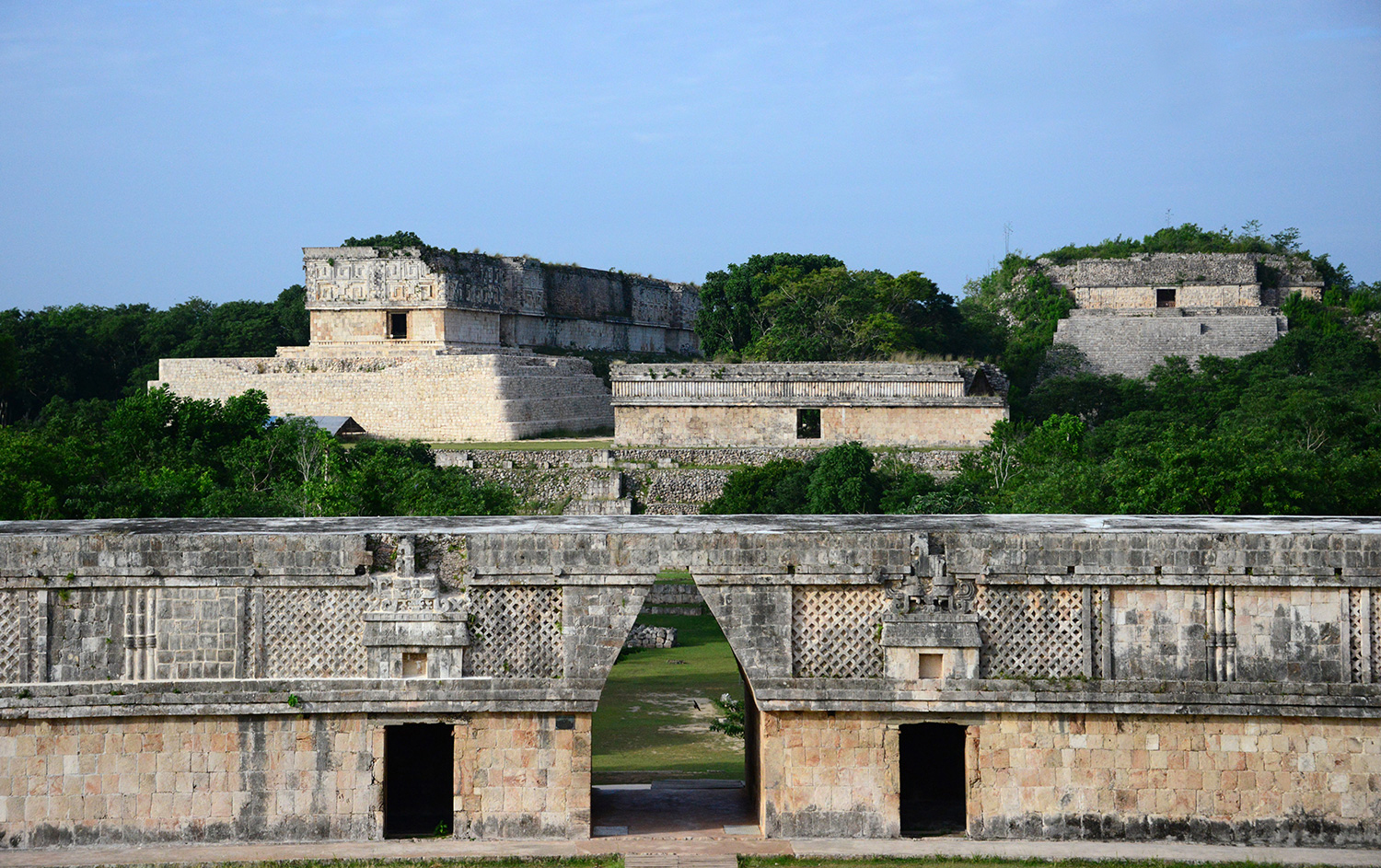
The Mayan town of Uxmal, in Yucatán, was founded c. A.D. 700 and had some 25,000 inhabitants. The layout of the buildings, which date from between 700 and 1000, reveals a knowledge of astronomy.
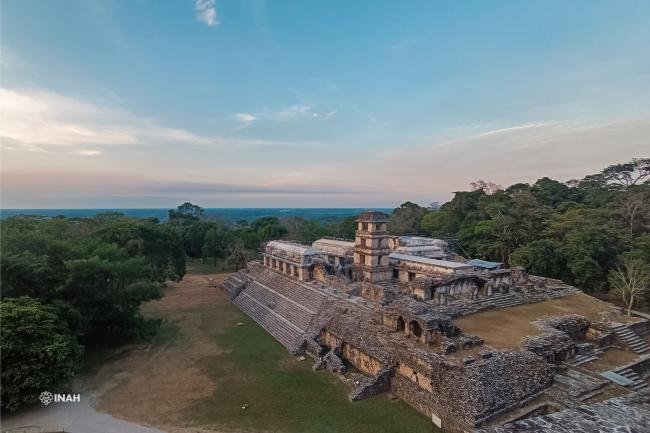
Ciudad prehispánica y parque nacional de Palenque
World Heritage
Cultural / Archaeological site
A prime example of a Mayan sanctuary of the classical period, Palenque was at its height between AD 500 and 700, when its influence extended throughout the basin of the Usumacinta River.
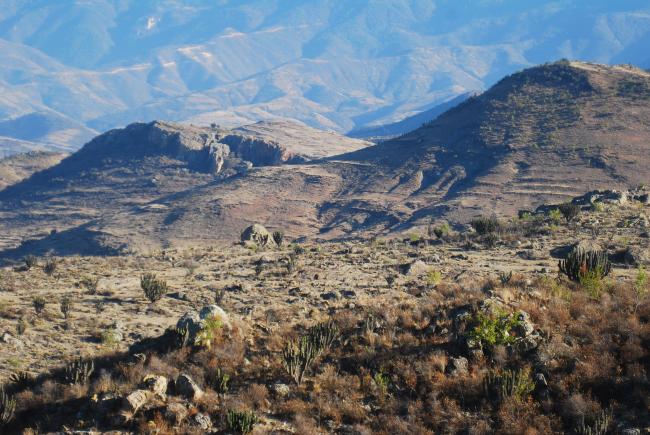
Cuevas prehistóricas de Yagul y Mitla en los Valles Centrales de Oaxaca
World Heritage
Cultural / Cultural landscape
The cultural landscape of the Prehistoric Caves of Yagul and Mitla demonstrates the link between man and nature that gave origin to the domestication of plants in North America, thus allowing the rise of Mesoamerican civilizations.
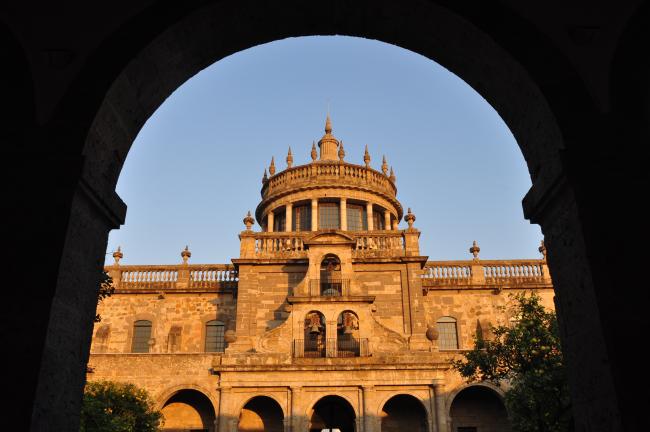
Hospicio Cabañas de Guadalajara
World Heritage
Cultural / Modern heritage
The Hospicio Cabañas was built at the beginning of the 19th century to provide care and shelter for the disadvantaged – orphans, old people, the handicapped and chronic invalids.
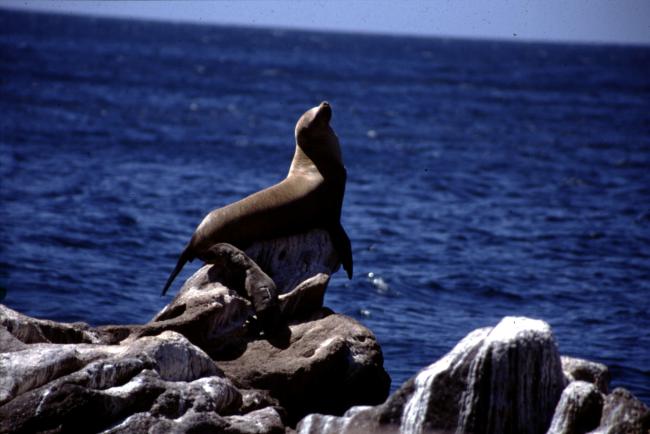
Islas y áreas protegidas del Golfo de California
World Heritage
Natural / Natural property
The site comprises 244 islands, islets and coastal areas that are located in the Gulf of California in north-eastern Mexico.
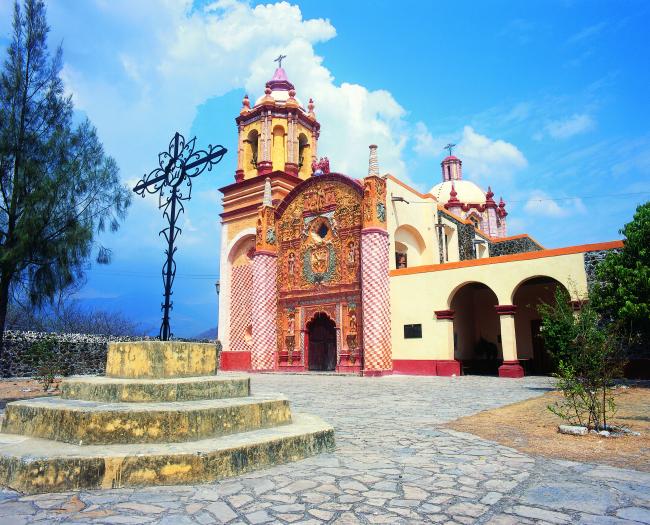
Misiones franciscanas de la Sierra Gorda de Querétaro
World Heritage
Cultural / Group of buildings
The five Franciscan missions of Sierra Gorda were built during the last phase of the conversion to Christianity of the interior of Mexico in the mid-18th century and became an important reference for the continuation of the evangelization of California, Arizona and Texas.
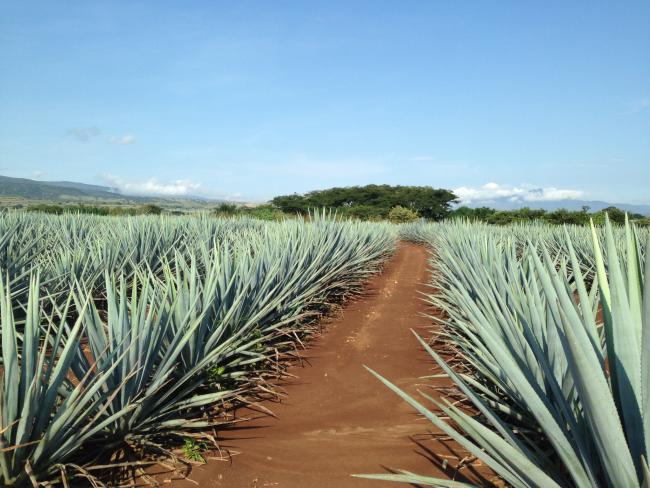
Paisaje de agaves y antiguas instalaciones industriales de Tequila
World Heritage
Cultural / Cultural landscape
The 34,658 ha site, between the foothills of the Tequila Volcano and the deep valley of the Rio Grande River, is part of an expansive landscape of blue agave, shaped by the culture of the plant used since the 16th century to produce tequila spirit and for at least 2,000 years to make fermented…
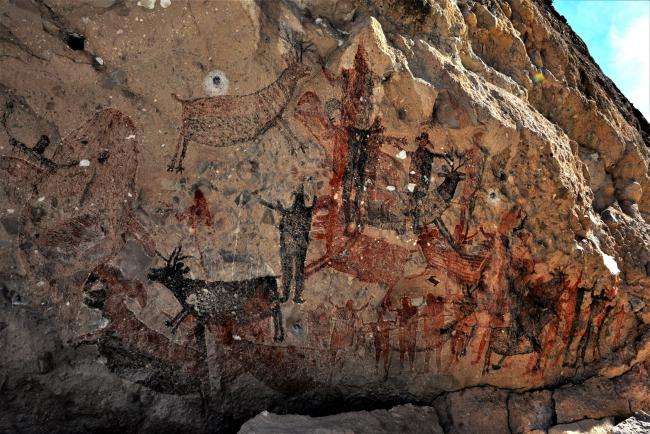
Pinturas rupestres de la Sierra de San Francisco
World Heritage
Cultural / Rock art site
From c. 100 B.C. to A.D. 1300, the Sierra de San Francisco was home to a people who have now disappeared but who left one of the most outstanding collections of rock paintings in the world. They are remarkably well-preserved because of the dry climate and the inaccessibility of the site.
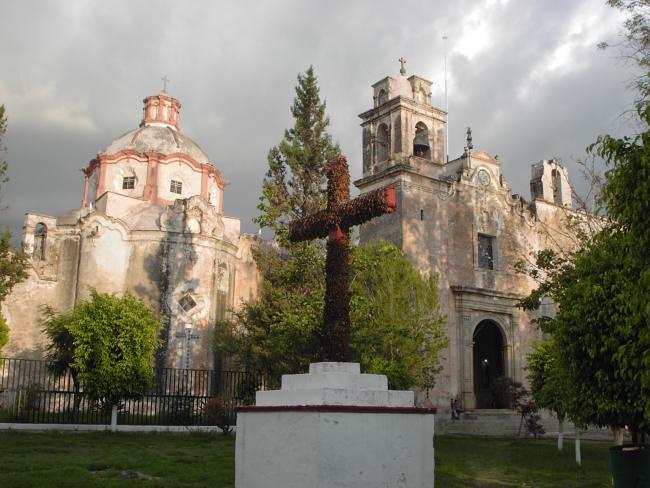
Primeros monasterios del siglo XVI en las laderas del Popocatépetl
World Heritage
Cultural / Serial property
The Earliest 16th-Century Monasteries on the Slopes of Popocatepetl is a serial property with 15 component parts located in the states of Morelos, Puebla and Tlaxcala in Mexico, built as part of the evangelisation and colonisation of the northern territories of Mexico.
Dirección de Patrimonio Mundial INAH
La Dirección de Patrimonio Mundial del Instituto Nacional de Antropología e Historia tiene el compromiso de difundir la Convención de Patrimonio Mundial de la UNESCO, así como capacitar e implementar herramientas que apoyen el dinamismo de los sitios patrimonio cultural de México, a través de diplomados, simposios, conferencias y cursos a nivel nacional y regional.
