


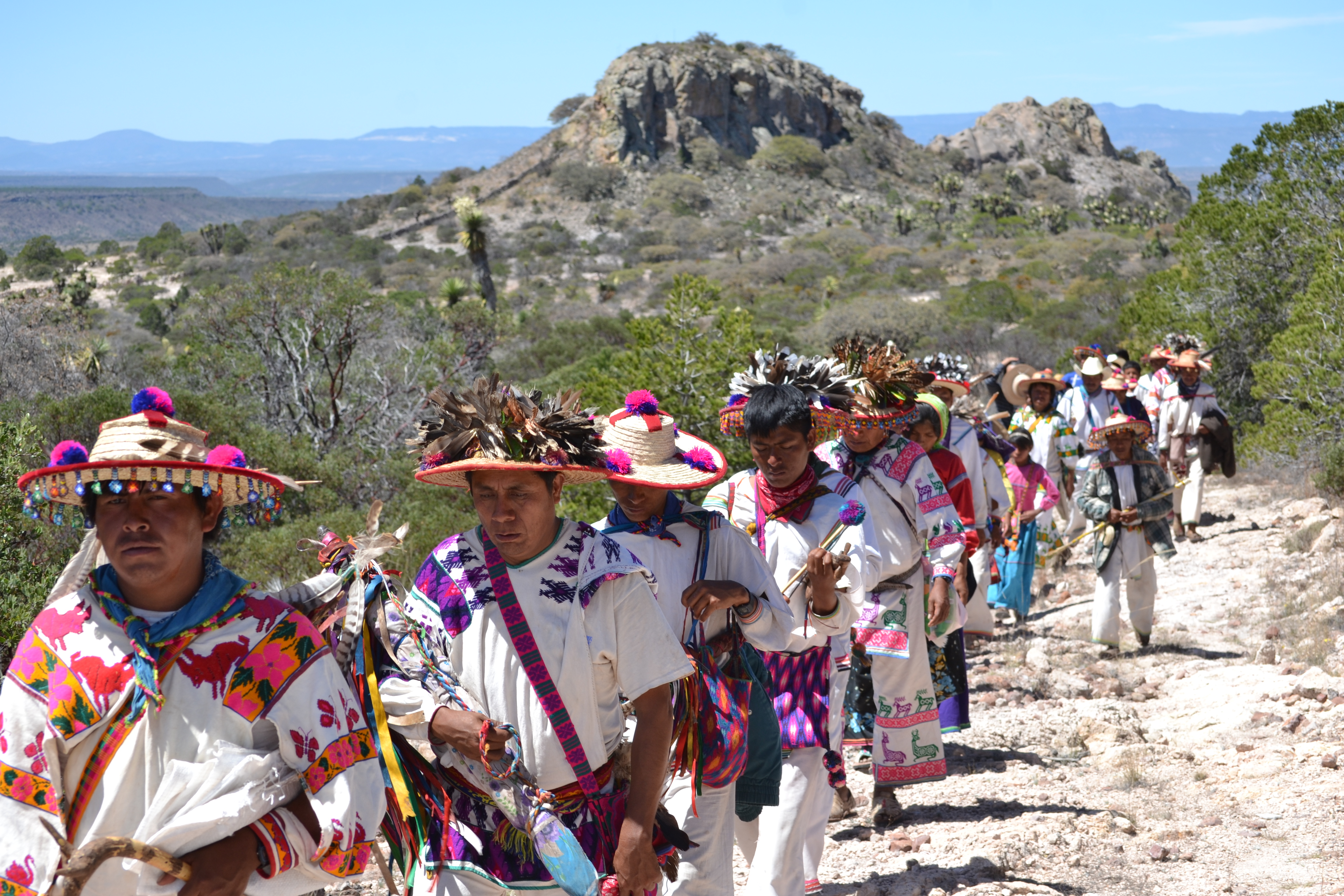

Lugares inscritos en la lista de Patrimonio Mundial de la UNESCO
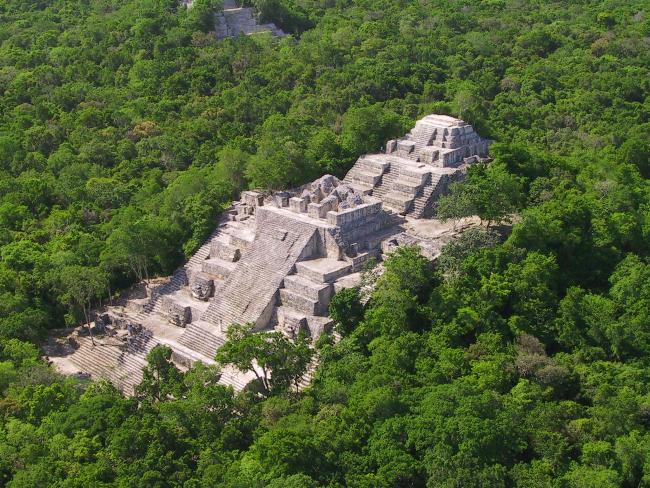
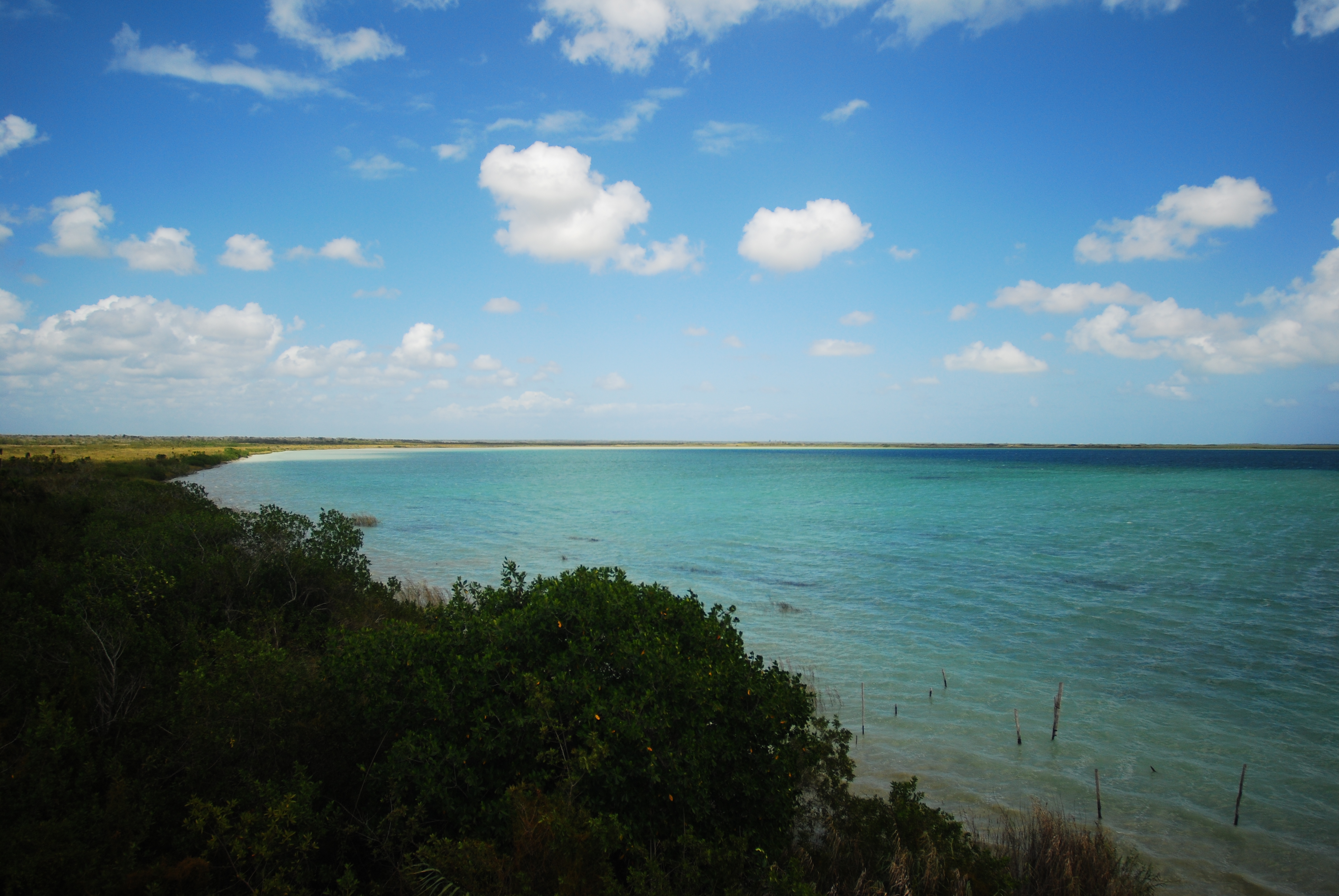
Antigua Ciudad Maya y bosques tropicales protegidos de Calakmul, Campeche

World Heritage
Mixed / Archaeological site
The site is located in the central/southern portion of the Yucatán Peninsula, in southern Mexico and includes the remains of the important Maya city Calakmul, set deep in the tropical forest of the Tierras Bajas.The property also falls within the Mesoamerica biodiversity hotspot, the third…


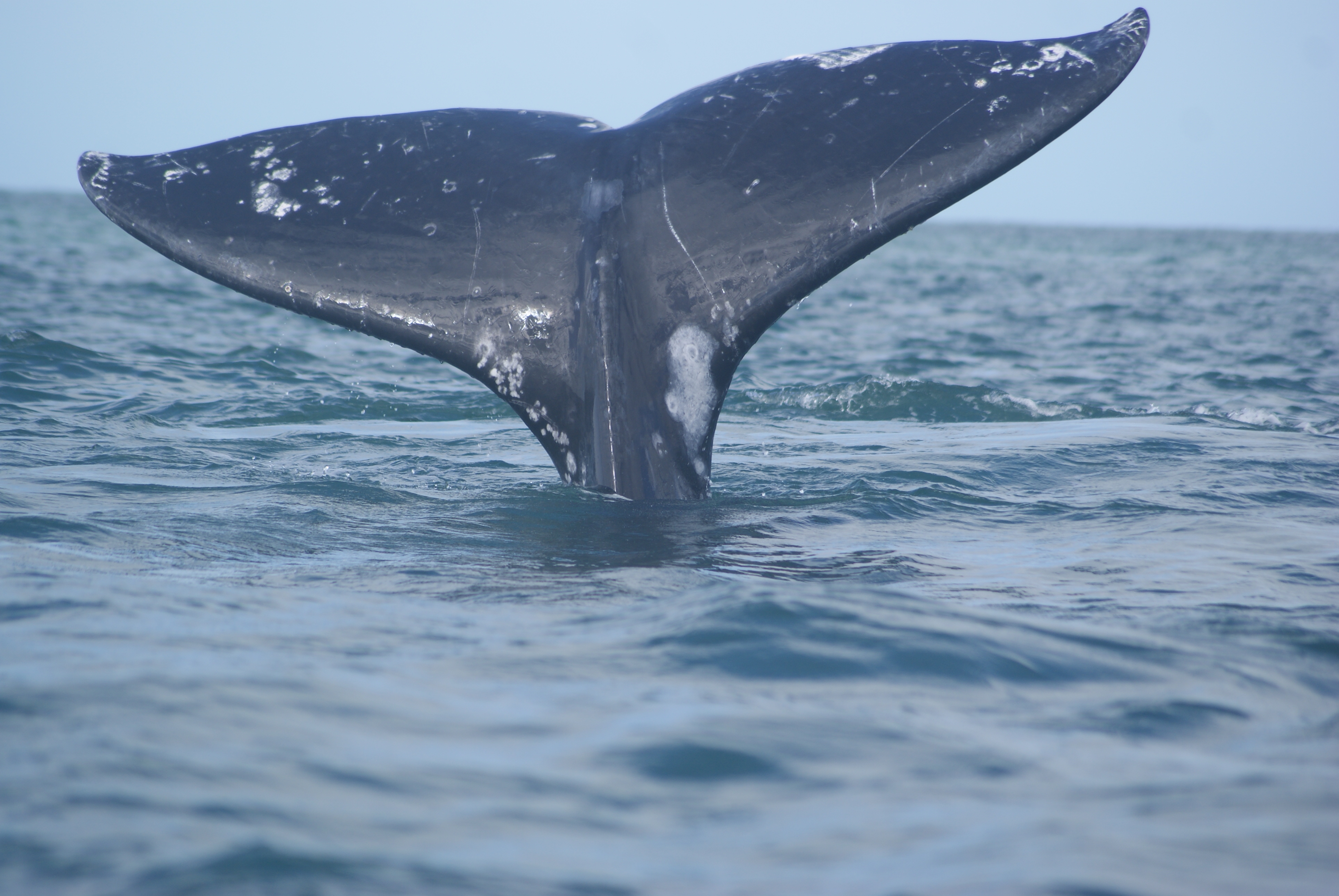
Archipiélago de Revillagigedo
World Heritage
Natural / Natural property
This archipelago is part of a submerged mountain range, with the four islands representing the peaks of volcanoes emerging above sea level. The islands provide critical habitat for a range of wildlife and are of particular importance for seabirds.
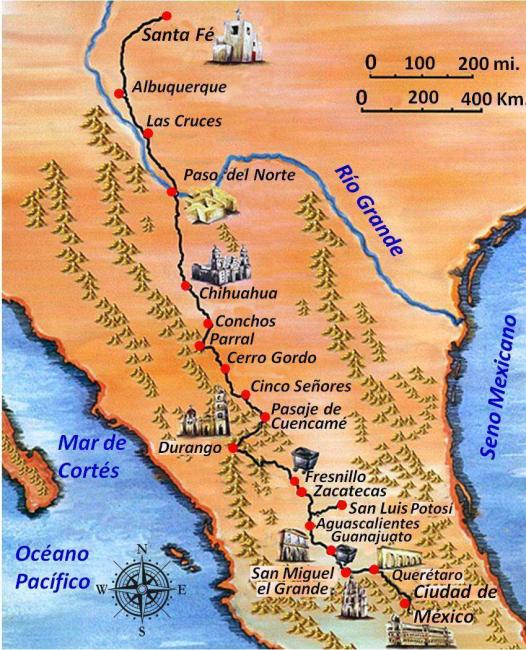
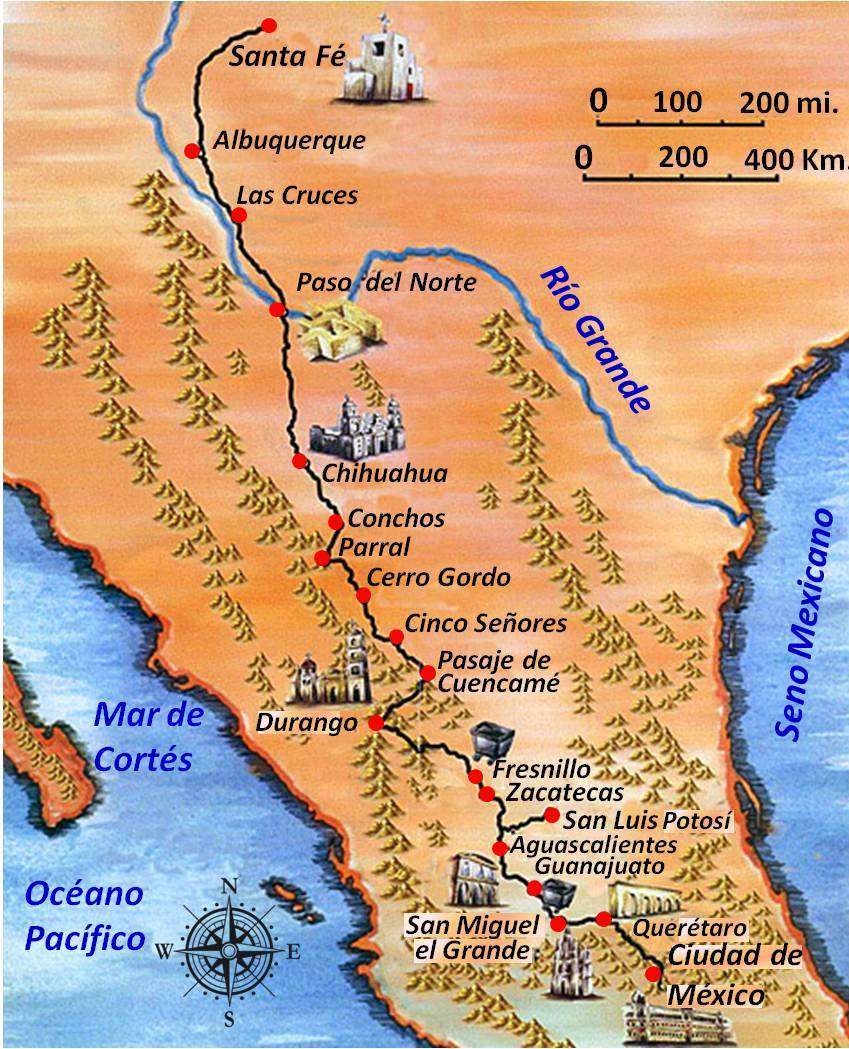
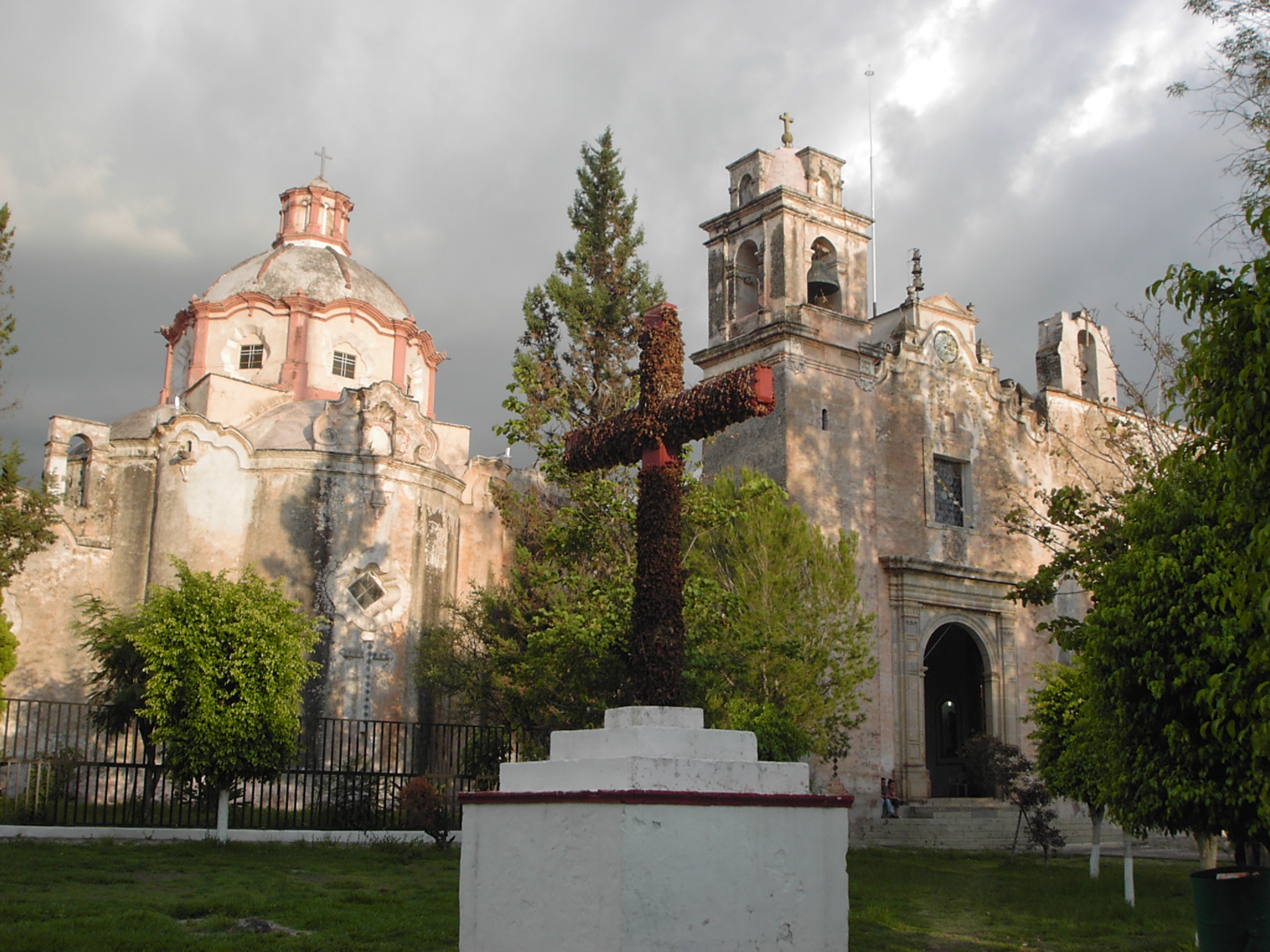
Camino Real de Tierra Adentro
World Heritage
Cultural / Cultural route
Used between the 16th and 19th centuries, this road was used to transport silver extracted from the mines of Zacatecas, Guanajuato and San Luis Potosí, as well as mercury imported from Europe.
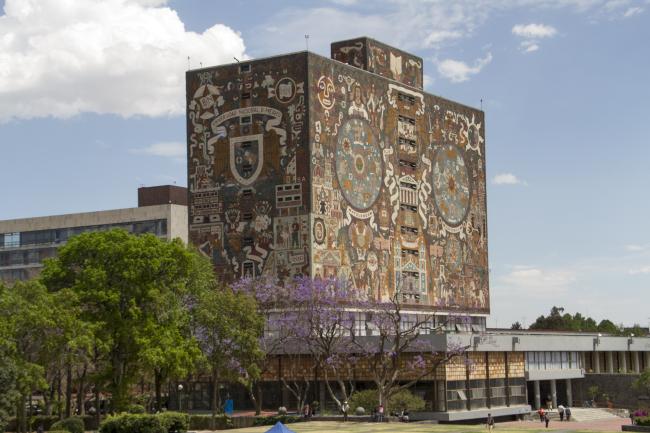
Campus central de la Ciudad Universitaria de la Universidad Nacional Autónoma de México
World Heritage
Cultural / Modern heritage
The ensemble of buildings, sports facilities and open spaces of the Central University City Campus of the Universidad Nacional Autónoma de México (UNAM) are an unique example of 20th-century modernism integrating urbanism, architecture, engineering, landscape design and fine arts with references…
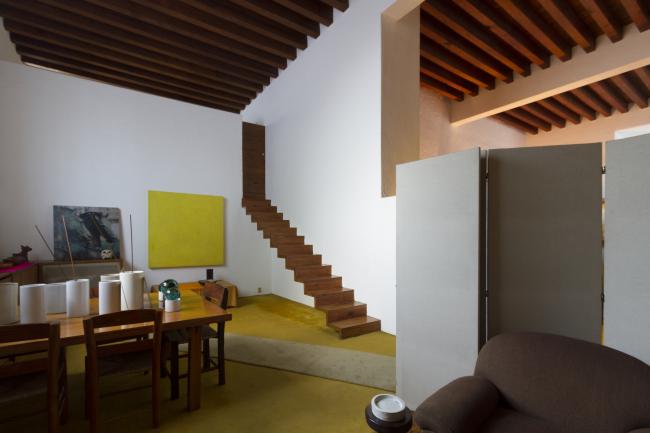
Casa-estudio de Luis Barragán
World Heritage
Cultural / Modern heritage
The House and Studio of architect Luis Barragán represents an outstanding example of the architect’s creative work in the post-Second World War period.
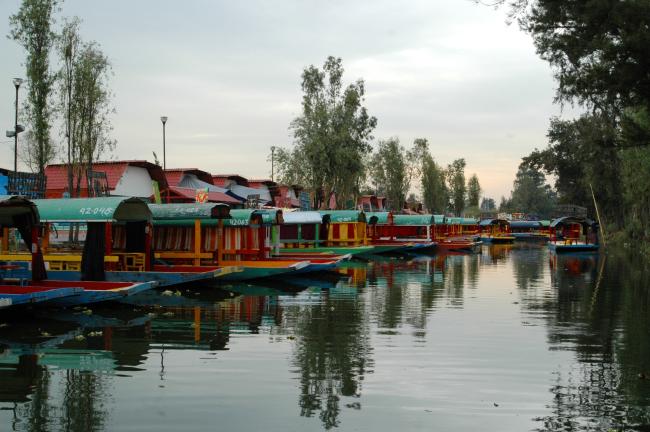
Centro histórico de México y Xochimilco
World Heritage
Cultural / Historic city
Built in the 16th century by the Spanish on the ruins of Tenochtitlan, the old Aztec capital, Mexico City is now one of the world's largest and most densely populated cities. Xochimilco lies 28 km south of Mexico City.
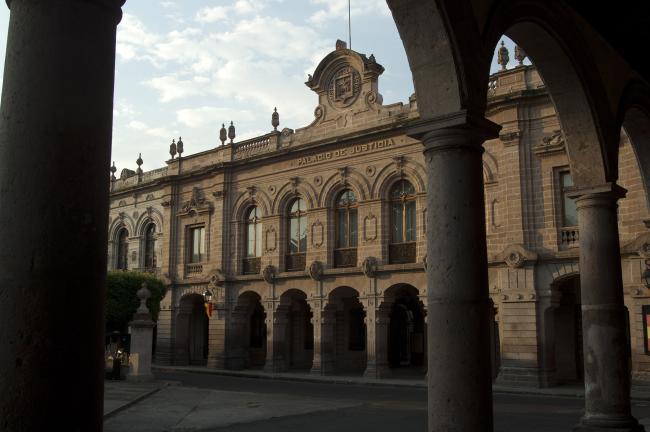
Centro histórico de Morelia
World Heritage
Cultural / Historic city
Morelia is an example of urban planning which combines the ideas of the Spanish Renaissance with the Mesoamerican experience.
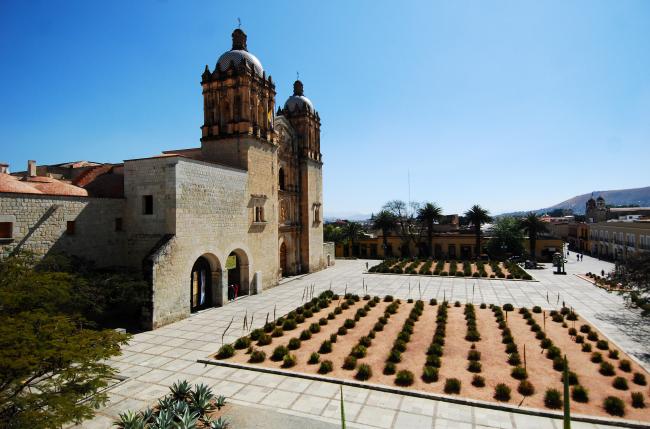
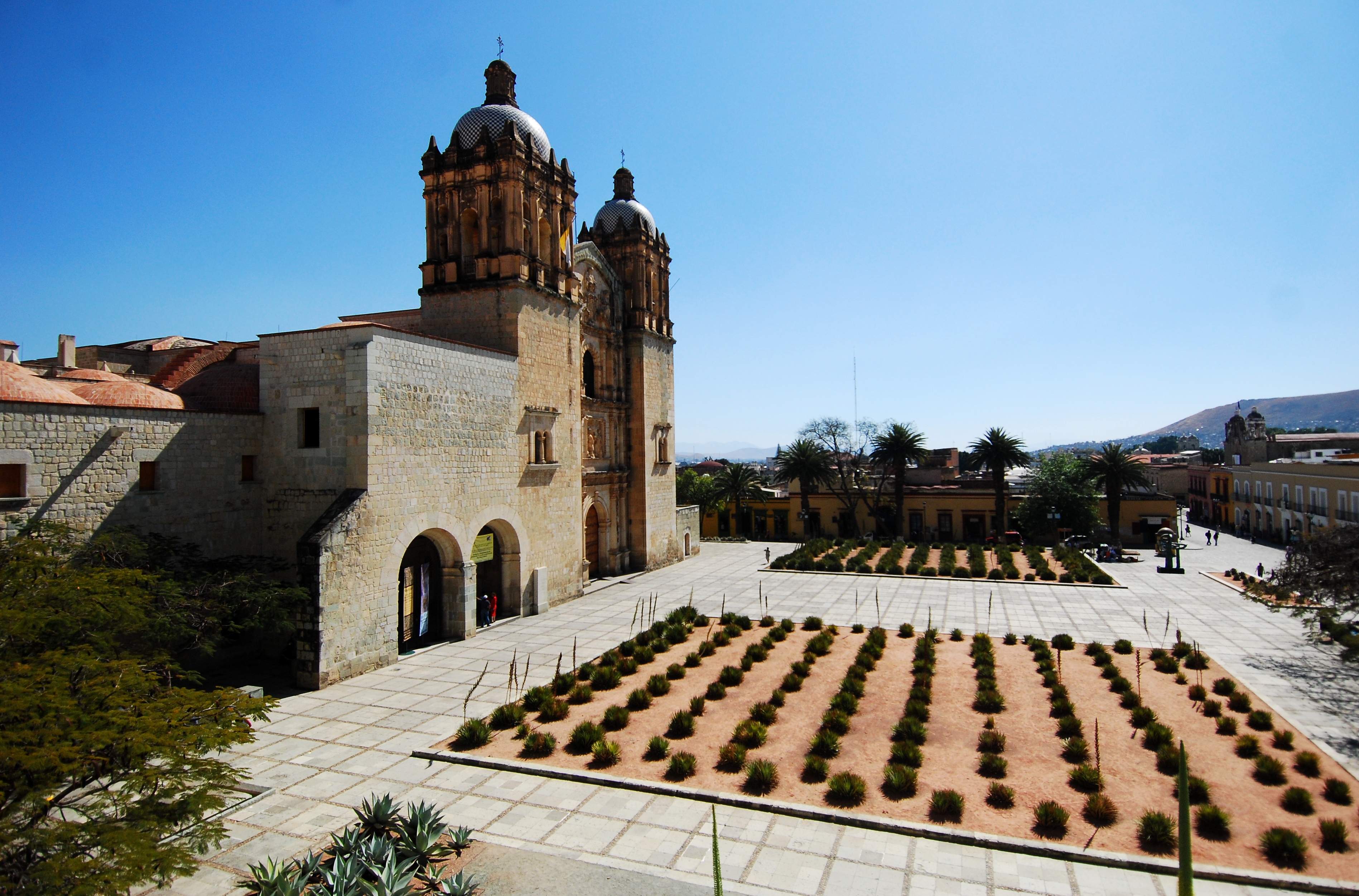
Centro histórico de Oaxaca y Zona Arqueológica de Monte Albán
World Heritage
Cultural / Historic city
The terraces, dams, canals, pyramids and artificial mounds of Monte Albán were carved out of the mountain and are the symbols of a sacred topography. The city of Oaxaca is a good example of Spanish colonial town planning.
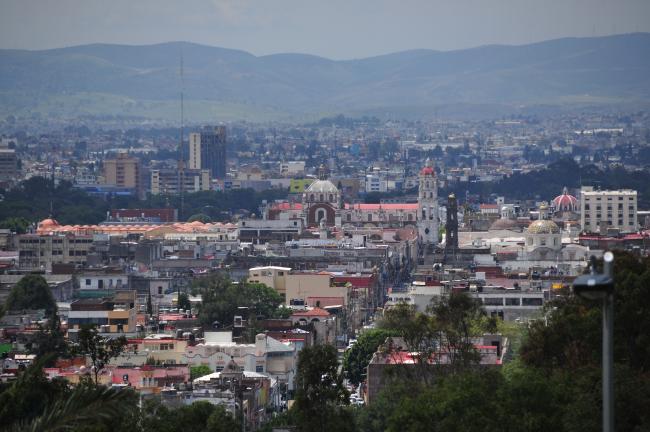
Centro histórico de Puebla
World Heritage
Cultural / Historic city
Puebla, which was founded ex nihilo in 1531 has preserved its great religious structures such as the 16th–17th-century cathedral and fine buildings like the old archbishop's palace, as well as a host of houses with walls covered in tiles (azulejos).
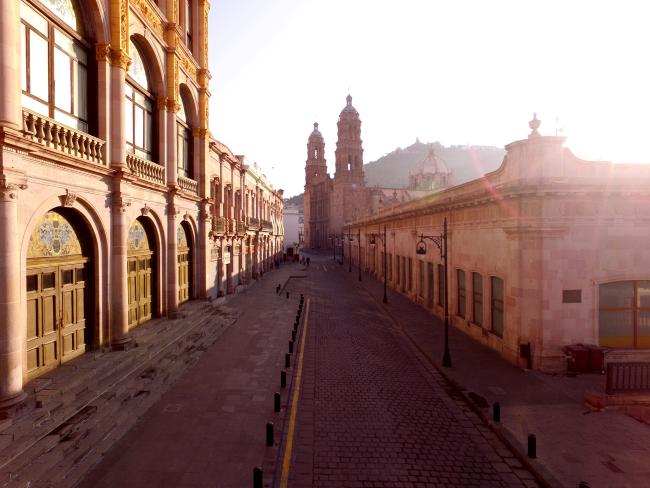
Centro histórico de Zacatecas
World Heritage
Cultural / Historic city
Founded in 1546 after the discovery of a rich silver lode. Built on the steep slopes of a narrow valley, the town has breathtaking views and there are many old buildings. The cathedral, built between 1730 and 1760, dominates the centre of the town.
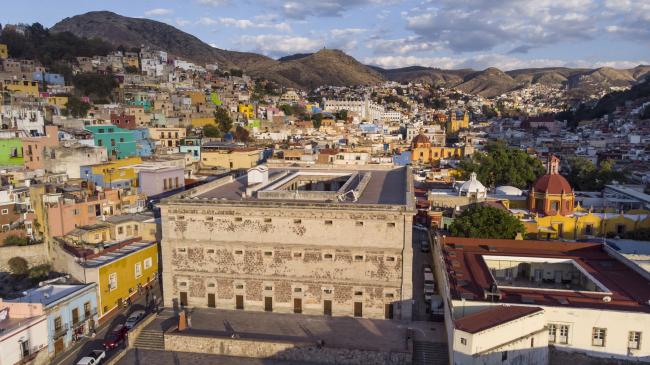
Ciudad histórica de Guanajuato y minas adyacentes
World Heritage
Cultural / Historic city
Founded by the Spanish in the early 16th century, Guanajuato became the world's leading silver-extraction centre in the 18th century.
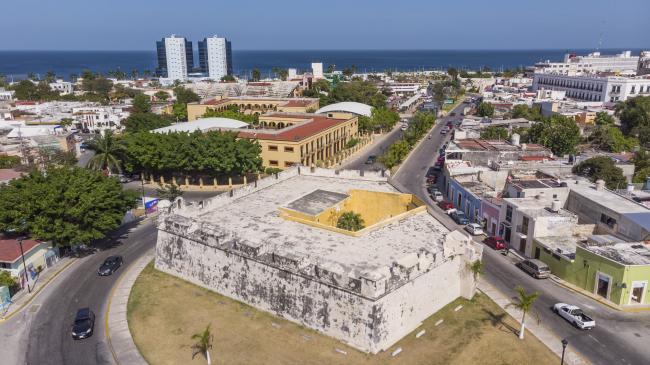
Ciudad histórica fortificada de Campeche
World Heritage
Cultural / Historic city
Campeche is a typical example of a harbour town from the Spanish colonial period in the New World. The historic centre has kept its outer walls and system of fortifications, designed to defend this Caribbean port against attacks from the sea.
Dirección de Patrimonio Mundial INAH
La Dirección de Patrimonio Mundial del Instituto Nacional de Antropología e Historia tiene el compromiso de difundir la Convención de Patrimonio Mundial de la UNESCO, así como capacitar e implementar herramientas que apoyen el dinamismo de los sitios patrimonio cultural de México, a través de diplomados, simposios, conferencias y cursos a nivel nacional y regional.
