





Centro histórico de la Ciudad de México
Historical Monuments Zone
Abstract
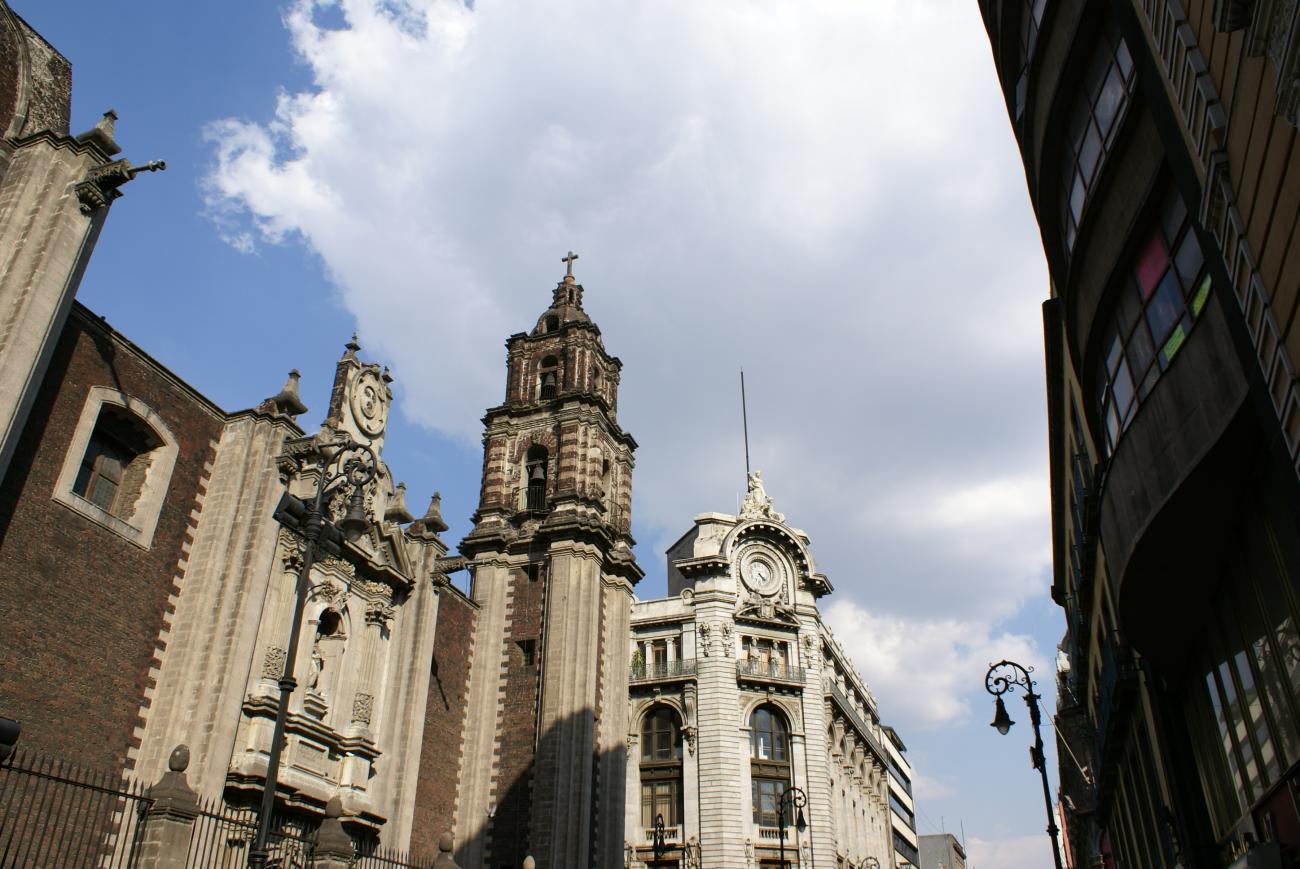
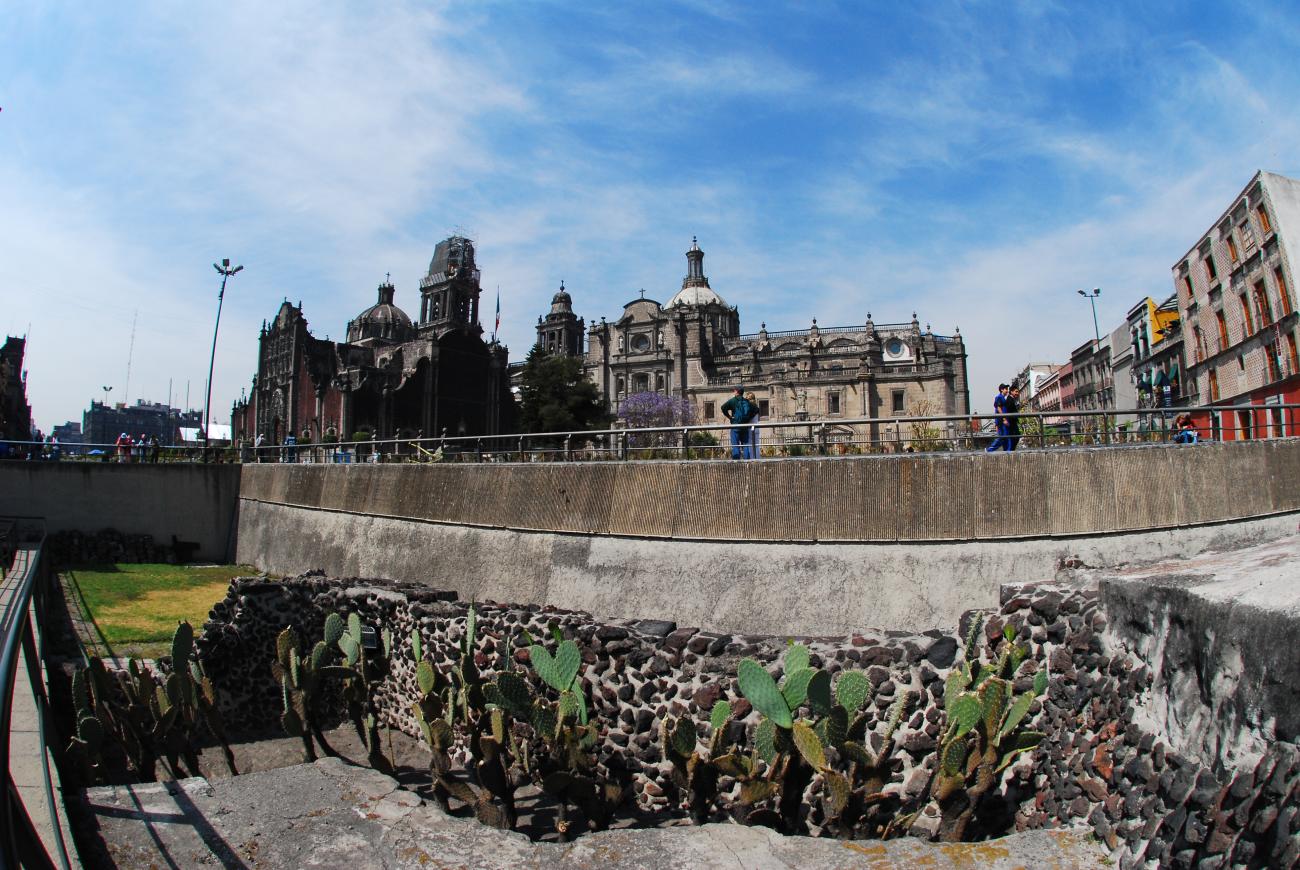
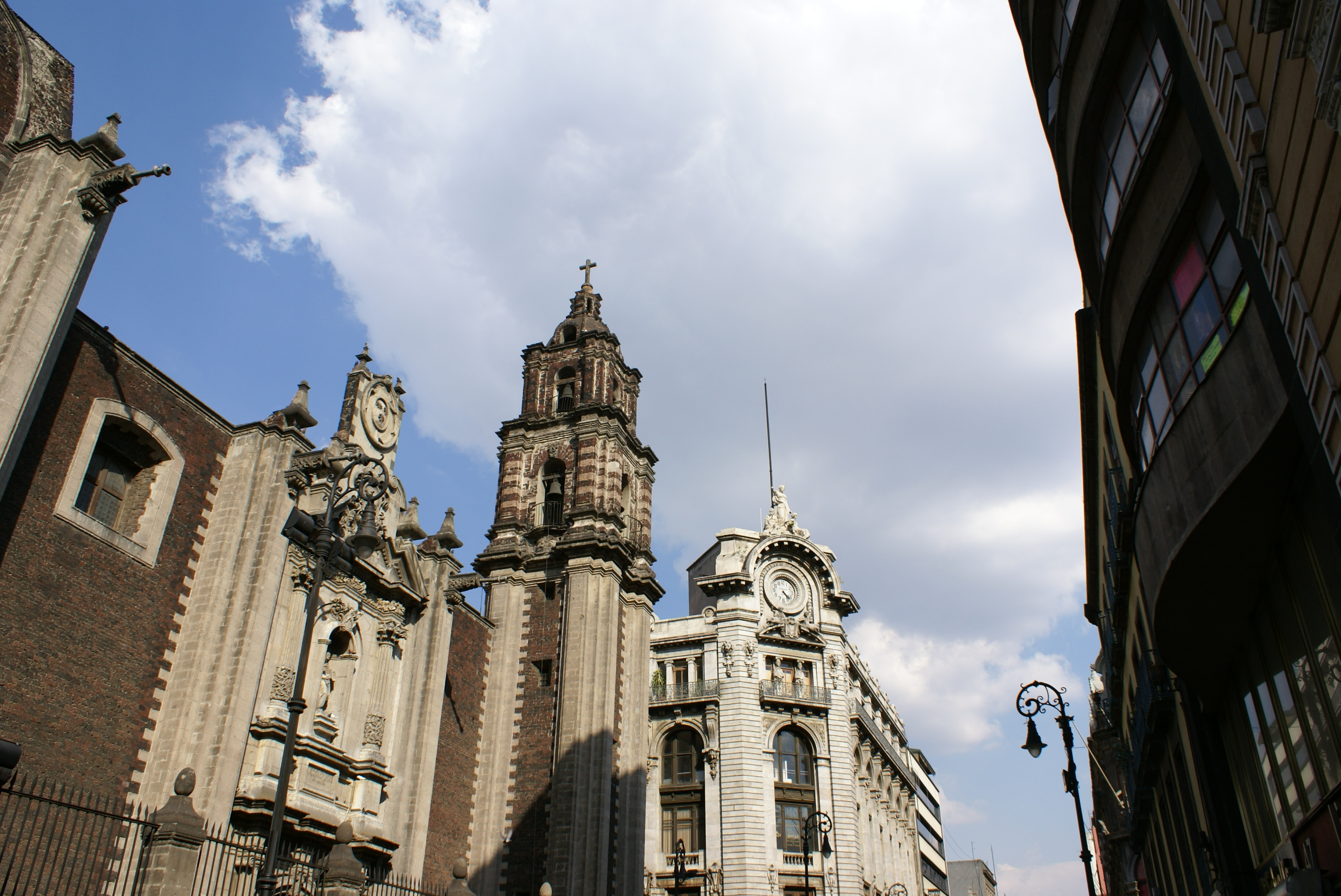
Capital of the Mexica people and viceregal capital, also known as the “City of Palaces.” Its architectural and cultural development has been linked to the different governments it has had throughout its history. Today, pre-Hispanic remains, Baroque churches, Neoclassical and Art Deco buildings, as well as modern skyscrapers converge in the heart of the country’s dizzying capital.
44_EN_649_CiudadDeMexico_CentroHistorico.wav
The Mexica, who came from the mythical place known as Aztlán, arrived on an islet in the middle of Lake Texcoco in the year 1325. There they founded the city of Mexico-Tenochtitlan, a ceremonial center in which they erected twin temples dedicated to Huitzilopochtli and Tlaloc. Upon the arrival of the Spanish, Tenochtitlan, Texcoco and Tlacopan had formed the Triple Alliance, a political entity that dominated Mesoamerica, exercising military and economic control over an extensive territory that extended over the present-day territories of Mexico City, State of Mexico, Morelos, Oaxaca, Puebla, Veracruz and Tabasco. The Mexica waged war on these peoples and, having defeating them, imposed tributary obligations on them, and sometimes established military garrisons in their territories.
In 1521 the troops of Hernán Cortés, made up of Spanish and indigenous soldiers, defeated the Mexica and took Tenochtitlan. After the victory, Cortés established himself temporarily in Coyoacán while debris and corpses were removed from the city.
Mexico City was built on the ruins of the old Mexica foundations following the European ideals of urban planning of the time: a plaza surrounded by straight streets arranged in the form of a checkerboard. However, the construction materials of the Mexican buildings were reused and the structure of the pre-Hispanic city was taken as a basis, especially its roads and its division into 4 quadrants, which gave rise to the four indigenous neighborhoods. The city was divided into the Republic of Spaniards, which was built within the islet, and the Republic of Indians, made up of four neighborhoods located on the outskirts of the city, which had an irregular layout. These neighborhoods were: San Juan Moyotlan, San Pablo Teopan, San Sebastián Atzacualco and Santa María Cuepopan.
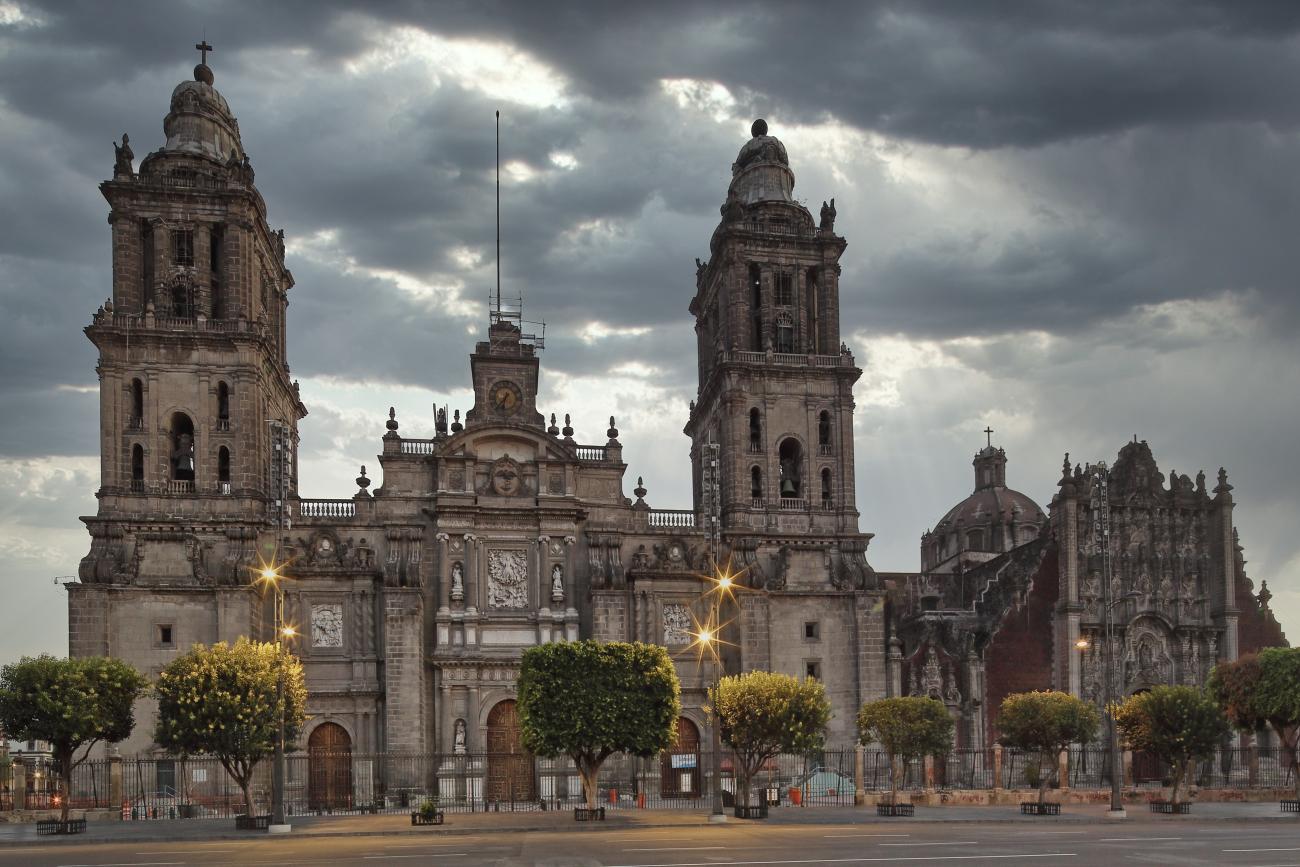
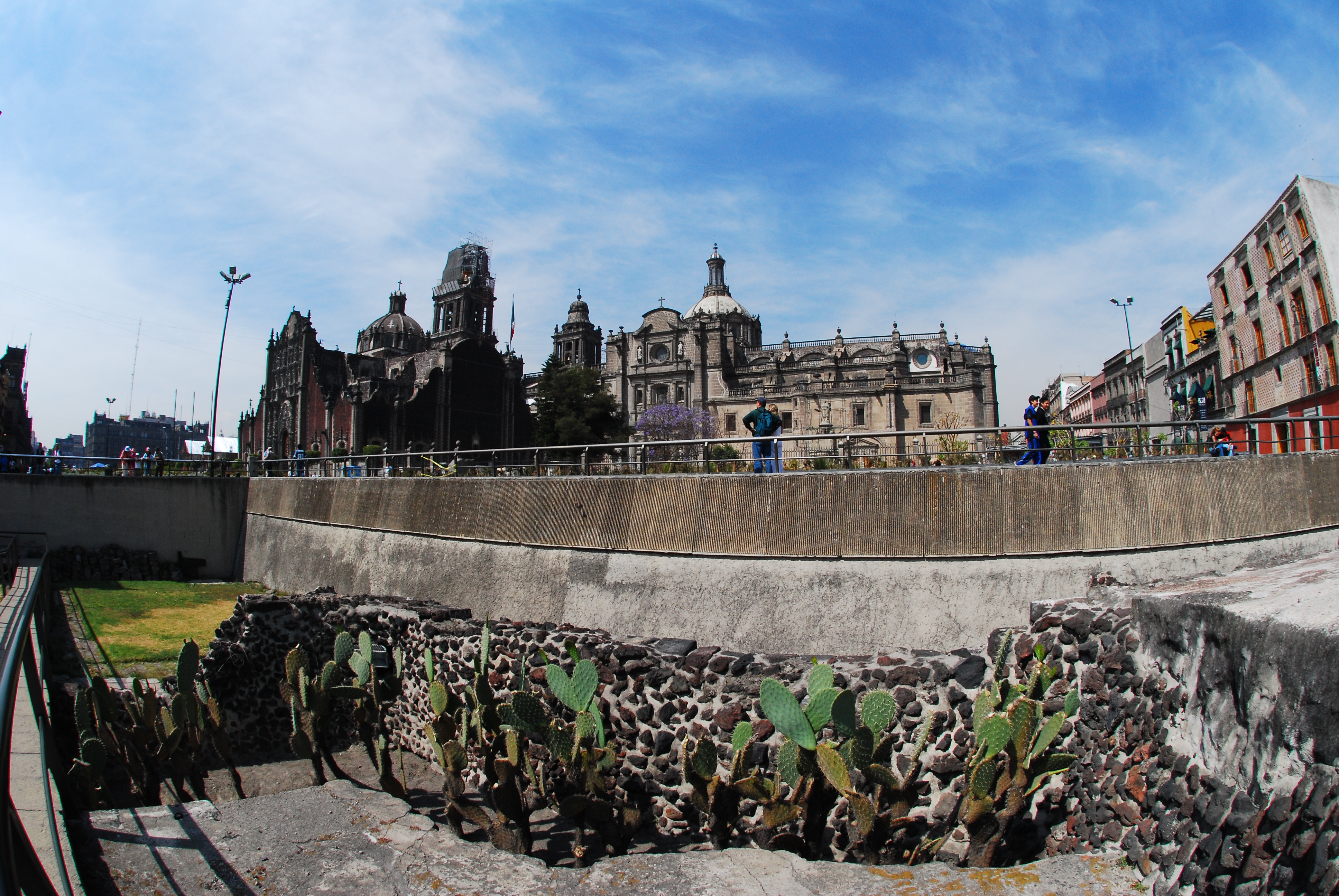
The layout of the city center has undergone several transformations over time. The first plan was that of Hernán Cortés, who established the seat of political power in the Axayácatl Palace, where the Monte de Piedad is currently located. In 1525 the construction of the first Cathedral began, with an altar oriented towards the east, with the result that the space around which the buildings representing the political and religious power were gathered was located to the west of the current cathedral.
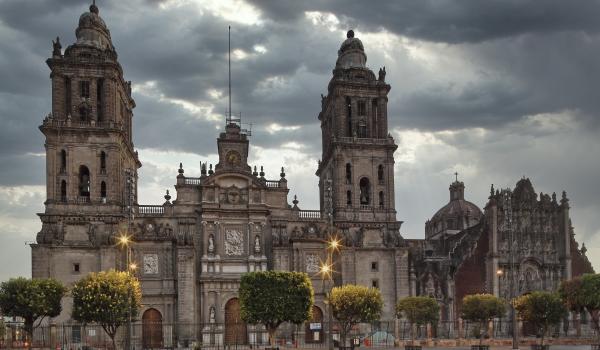
However, Cortés’s project was never completed. With the arrival of the first viceroy, in 1535, the public spaces and seats of power changed location, as they were concentrated around the old “market square,” now known as the Zócalo. Likewise, the new building of the cathedral was in the north, so that its door faced towards the south, towards the main square.
In the 16th century, monasteries, schools and hospitals began to be built in order to meet the religious, moral, educational and health needs of the population of New Spain. The first monasteries to be founded were those of San Francisco, Santo Domingo and San Agustín. The evangelization of the indigenous people of the city was carried out there, and schools such as that of San José de los Naturales were created, where the children of the indigenous chiefs were taught. Later, the Jesuits arrived in New Spain, and devoted themselves largely to the education of both criollos and Spaniards, as well as mestizos and indigenous people, founding various schools in the city.
Likewise, a number of convents were founded, places of seclusion for widows, prostitutes and orphans, as well as schools for the education of girls. The city also had numerous parish churches, such as El Sagrario, Santa Vera Cruz, San Miguel and Santa Catharina Mártir.
Mexico City was the political and economic center of the viceroyalty, seat of the viceregal court and of the archbishopric of Mexico. Activities such as commerce flourished here, focused on the Parián, a market located in the Zócalo where products from China and the Philippines could be found, brought from the East by the Nao de China ships.
In the 18th century the city began to undergo changes due to the ideas of the Enlightenment. The streets were paved, public lighting was installed by means of lanterns, street names and house numbers were written on tiles, and the layout of the streets and the neighborhoods was ordered. Likewise, at the end of the 18th century the exuberance of Baroque architecture began to be displaced by the sobriety of the Neoclassical style. At this time the buildings known today as the Palacio de Minería and the Academia de San Carlos were built and Neoclassical elements were inserted in the facade of the Casa de Moneda. The sculptor Manuel Tolsá made the equestrian statue of King Carlos IV, known as the “little horse,” which was placed in the middle of the Zócalo.
With the declaration of independence of Mexico in 1821, Mexico City ceased to be the center of the Spanish Empire in New Spain and became the capital city of a new American nation. The fighting of the independence war disrupted the life of the city, which was plunged into chaos. The city underwent several transformations such as the renaming of the squares and streets, and the removal of the “little horse” statue from the main square, which became known as the Plaza de la Constitución. Busts of the Spanish monarchs and the noble coats of arms were removed from the facades of the houses.
In the second half of the 19th century, the city underwent major transformations caused by the enactment of the Reform Laws (1855-1867) that abolished ecclesiastical property. With this, the liberal governments sought the secularization of urban space in order to assert the republican identity of the city. In 1861 dozens of convents and religious buildings were demolished or divided, which led to the opening up of new streets. For example, the Monastery of San Francisco, located on the present-day Madero Street was divided, giving rise to the streets of Gante and 16 de Septiembre. The remains of the monastery were used as a hotel, circus, stables and Protestant church.
During the Porfiriato period the city was again transformed in line with the ideals of modernity and the models of French architecture. Examples of this are the Postal Palace, the Iron Palace and the Palace of Fine Arts, whose construction was interrupted by the Mexican Revolution and only completed in 1934. Mexico City was the scene of several historical events during the Revolution: the triumphal entry to the city of Madero on June 6, 1911 down the street that now bears his name, and the entry of Emiliano Zapata and Francisco Villa in 1914.
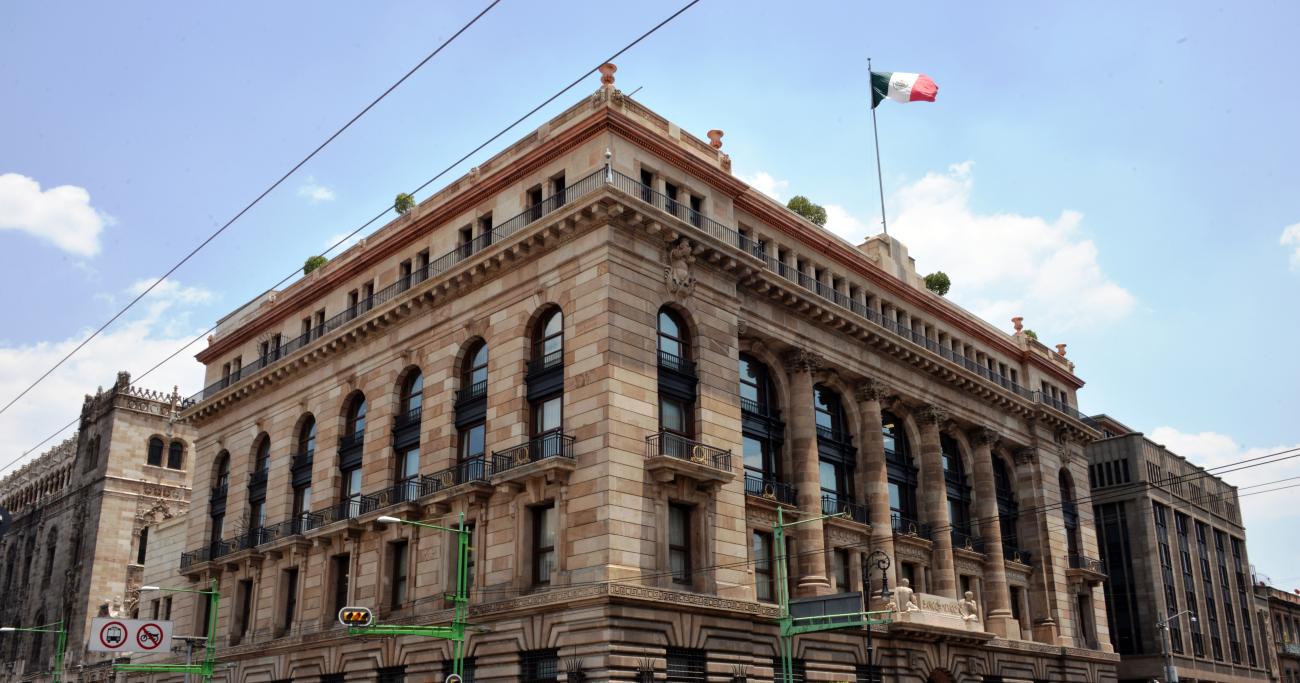
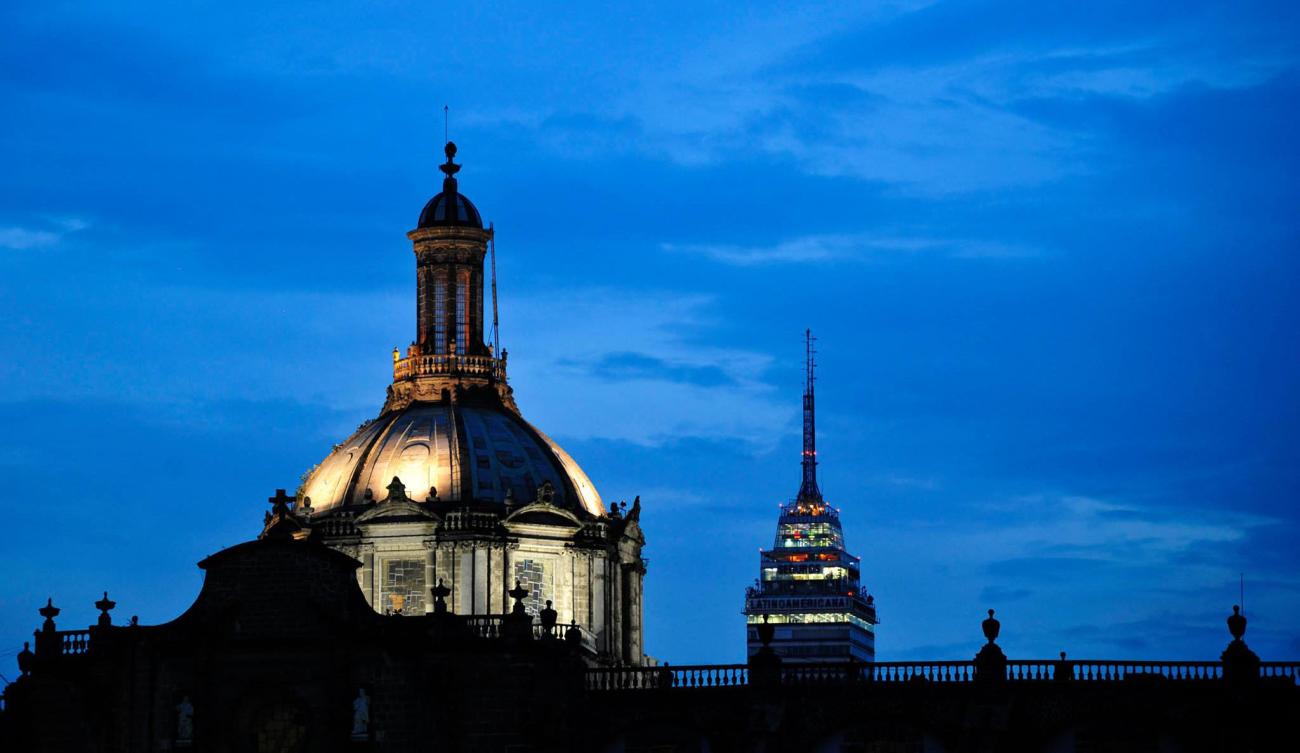
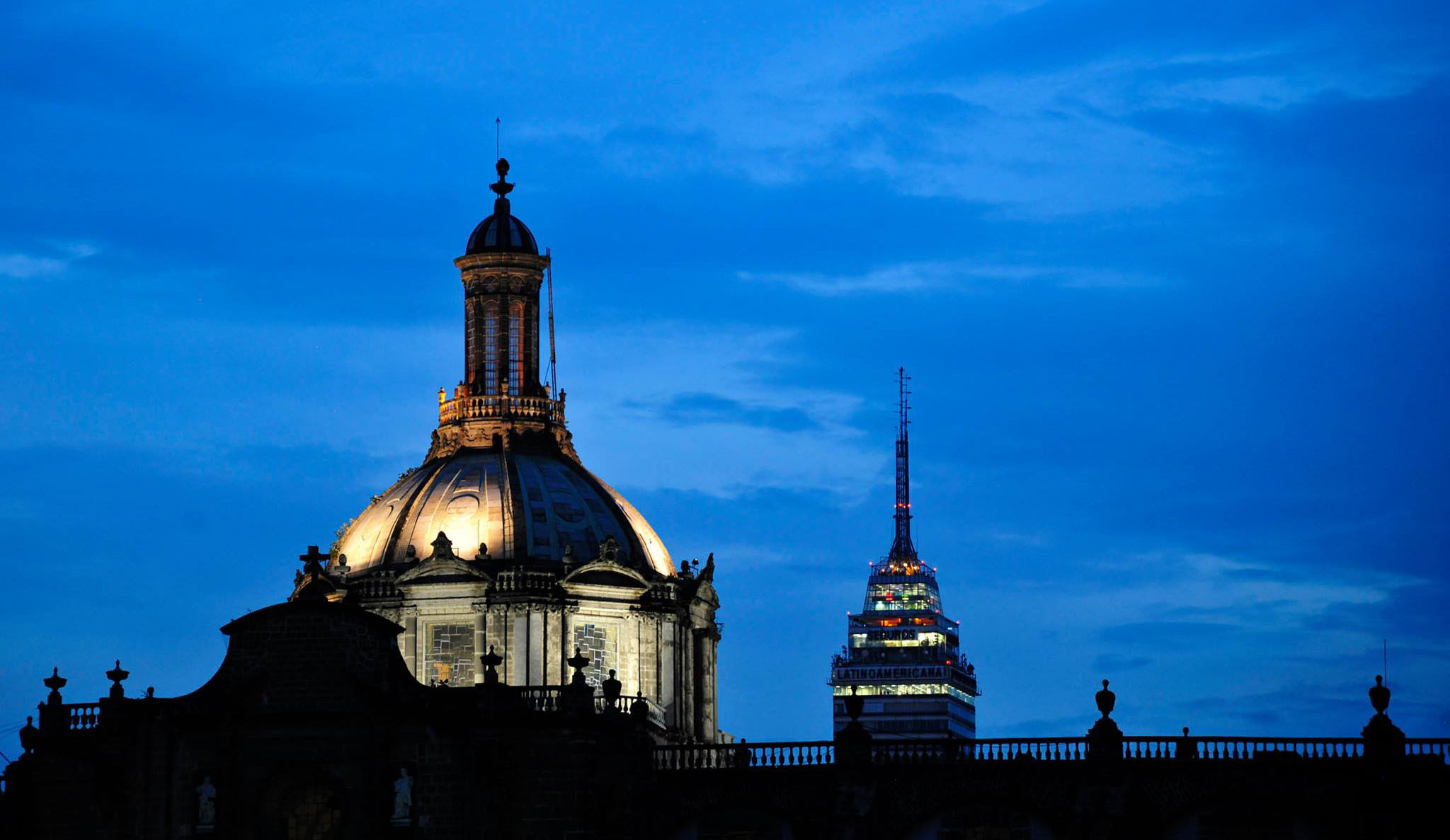
In the post-revolutionary era, the interiors of the downtown buildings were transformed to become canvases for Mexican Muralism; new streets were opened such as avenues 20 de Noviembre and San Juan de Letrán, and new buildings were erected such as the Bank of Mexico, the Department of the Federal District and the Latin American Tower, which broke with the horizontal character of the city center for the first time. Also during this period many buildings disappeared or were transformed into cinemas, warehouses or shops.
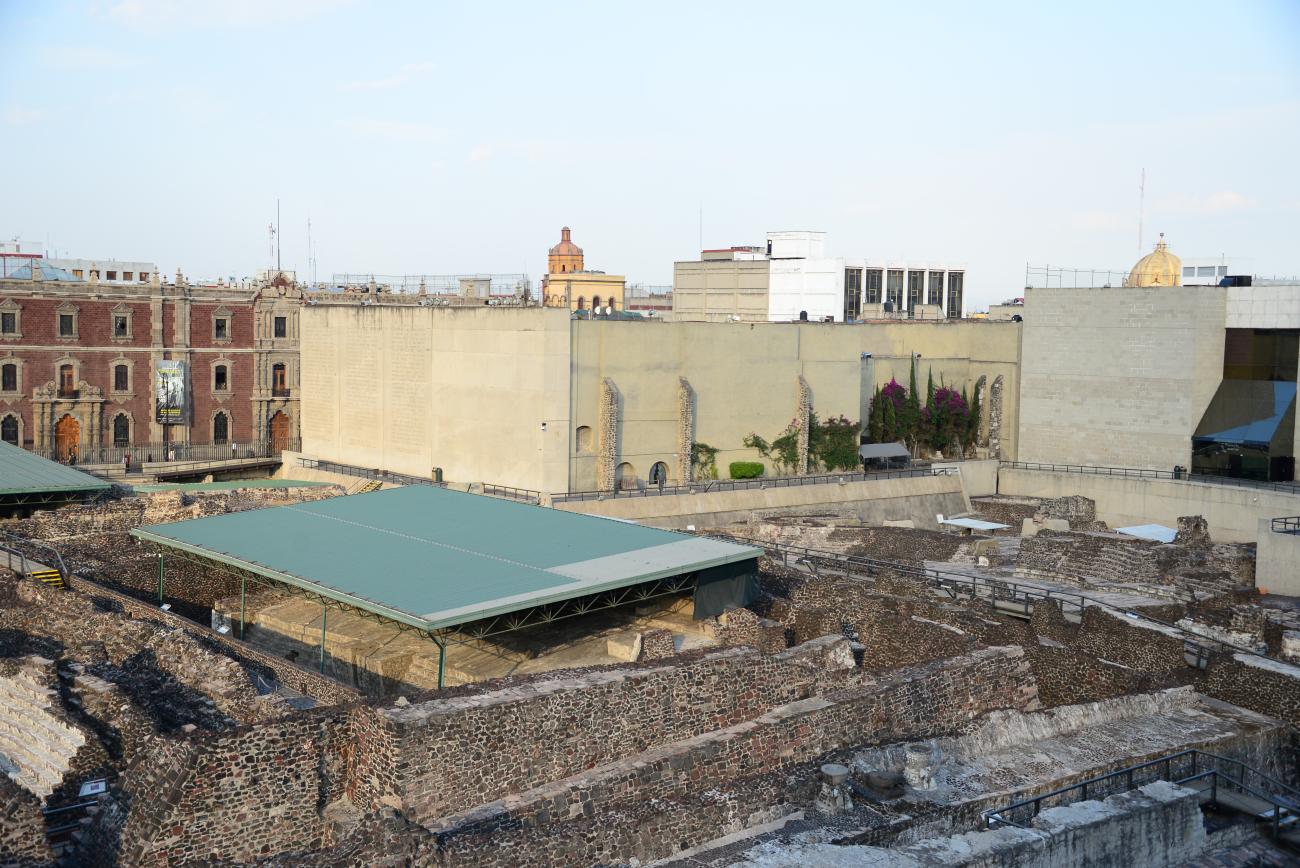
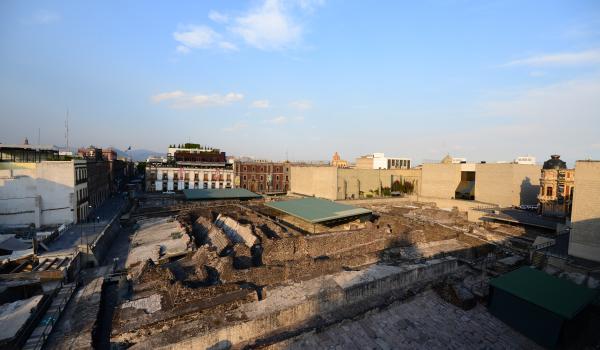
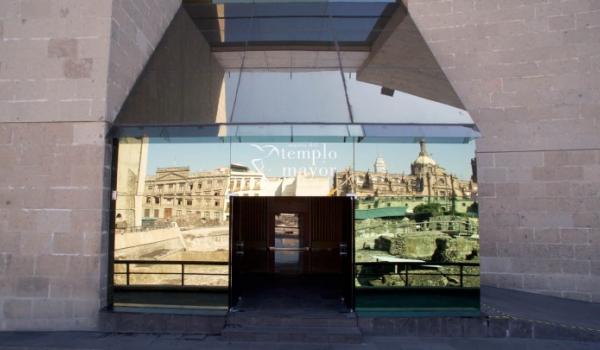
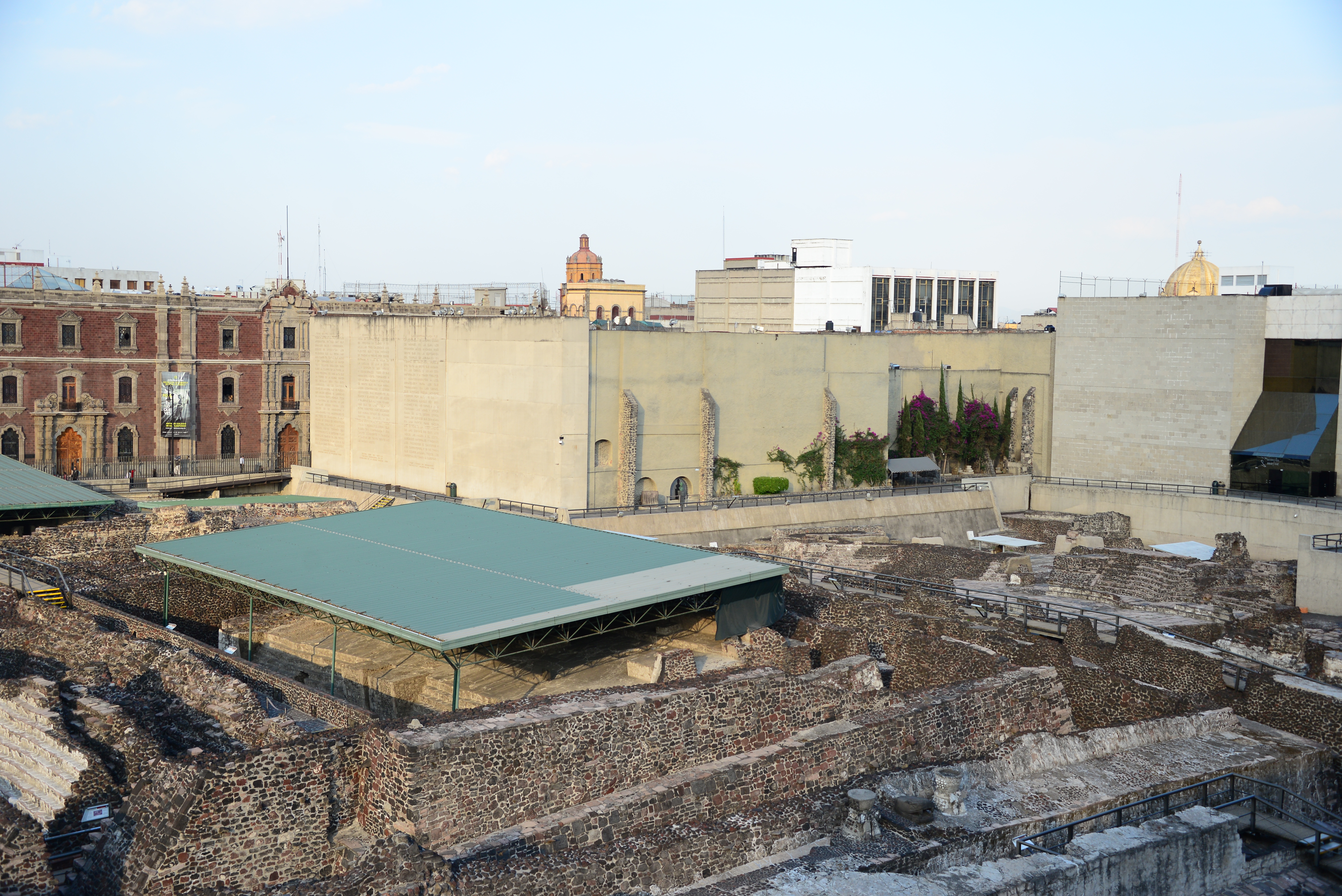
In the 1960s, the construction of the metro system transformed how the inhabitants of the city moved around, and also led to important archaeological finds. In 1978, a large stone relief of the goddess Coyolxauhqui was found, which led to the excavation of the Templo Mayor, the most important ceremonial site of the Mexica.
Today, the historic center of Mexico City is distinguished by its intense cultural activity in its many museums, theaters and concert halls, as well as by its bustling commercial activity and services such as hotels, restaurants and bars.
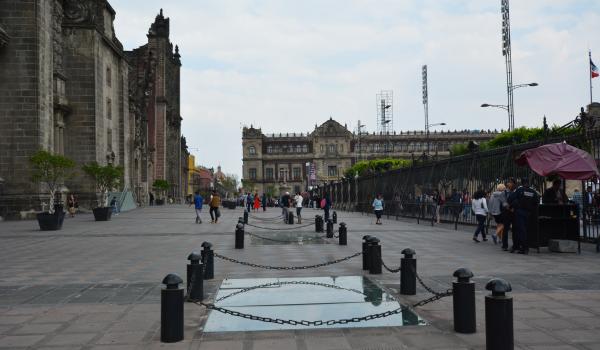
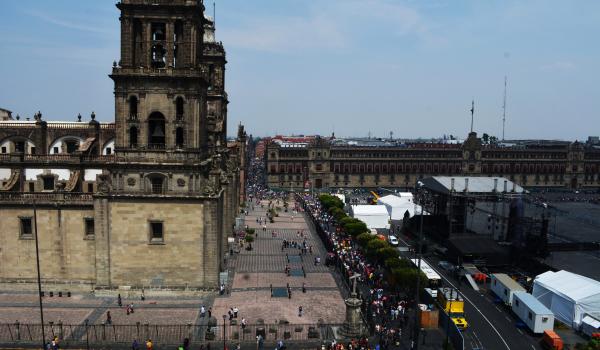
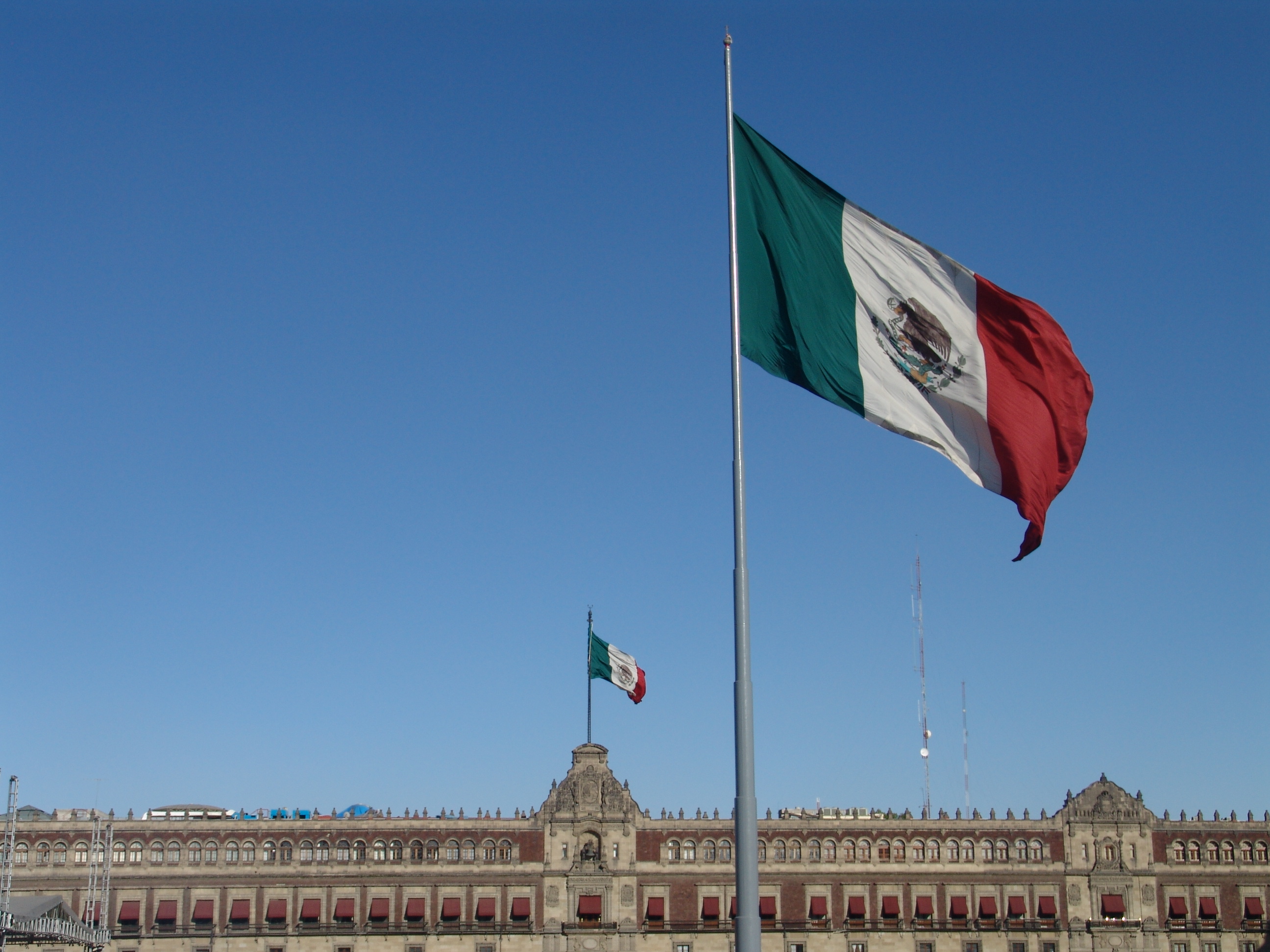
The current perimeter of the Historic Center expands beyond the island on which the pre-Hispanic city of Tenochtitlan was founded. Its heart remains the Plaza de la Constitución, known as the Zócalo, the second largest in the world with an area of 46 800 m2.
The Historic Center of Mexico City was declared a Zone of Historical Monuments in 1980, and it was inscribed on the UNESCO World Heritage List in 1987. The area of historical monuments covers 9.1 km2 and is made up of 668 blocks that bring together numerous buildings of historical and artistic interest. It comprises pre-Hispanic remains and constructions dating from the 16th to the 20th centuries. Some of its most emblematic buildings are: the Metropolitan Cathedral, the National Palace, the Palace of Fine Arts, the Churches and Formeres Monasteries of San Agustín, of Santo Domingo, of la Enseñanza, of San Francisco, the Former College of San Ildefonso, the National Monte de Piedad, the Mining Palace, the National Museum of Art, the Postal Palace, the Iturbide Palace, the National Museum of Cultures, the Former Palace of the Inquisition, the Former Church of San Pedro and San Pablo, among others.
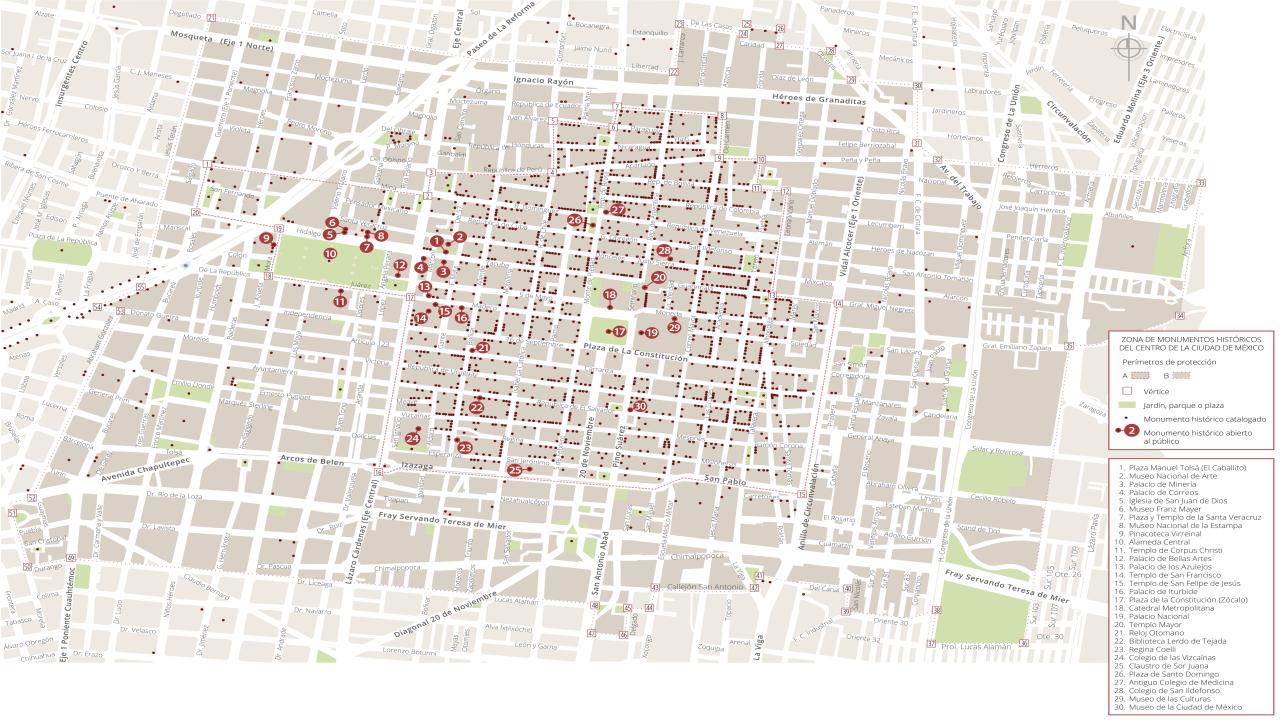

Antiguo Colegio de San Ildefonso
In 1583, this Jesuit college was established through the merger of the San Bernardo, San Miguel, and San Gregorio seminaries. It was named after the Holy Archbishop of Toledo. Thanks to the financial power of the Jesuit order, the building was rebuilt during the first four decades of the 18th…
Antiguo Colegio de San Ildefonso


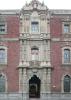
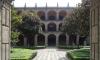
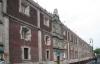
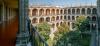
In 1583, this Jesuit college was established through the merger of the San Bernardo, San Miguel, and San Gregorio seminaries. It was named after the Holy Archbishop of Toledo. Thanks to the financial power of the Jesuit order, the building was rebuilt during the first four decades of the 18th century, resulting in the structure we see today, an outstanding example of Baroque architecture in Mexico. In 1867, the National Preparatory School was established in this building, with Gabino Barreda as its first director, a role it held until 1978. In 1992, it was restored to host the exhibition "México, Esplendores del 30 siglos."

Museo UNAM Hoy
An 18th-century building, it was the first to be occupied by the University of Mexico. On this land was a portion of the Tezcatlipoca pyramid. During the 16th century, it changed hands several times; the first building on this site was likely the house of Rodrigo Gómez. On January 25, 1553, the…
Museo UNAM Hoy


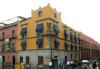


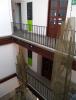
An 18th-century building, it was the first to be occupied by the University of Mexico. On this land was a portion of the Tezcatlipoca pyramid. During the 16th century, it changed hands several times; the first building on this site was likely the house of Rodrigo Gómez. On January 25, 1553, the Royal University of Mexico was founded in the capital of New Spain.
La UNAM hoy
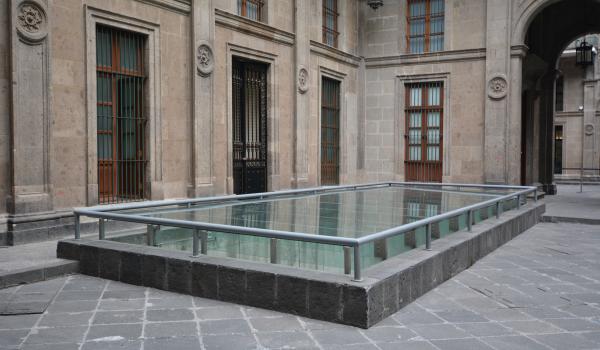
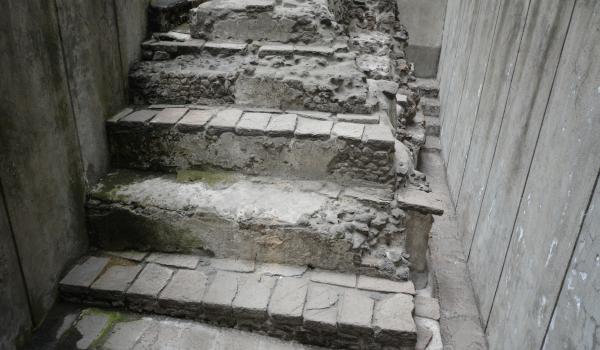
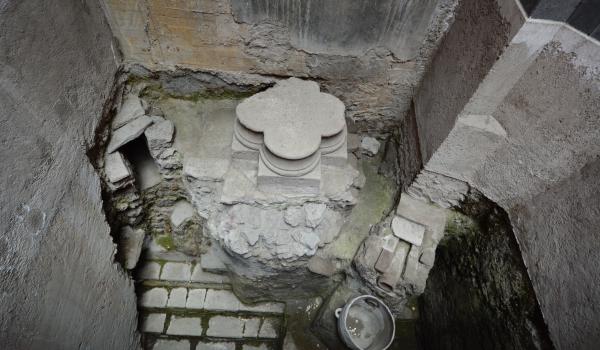
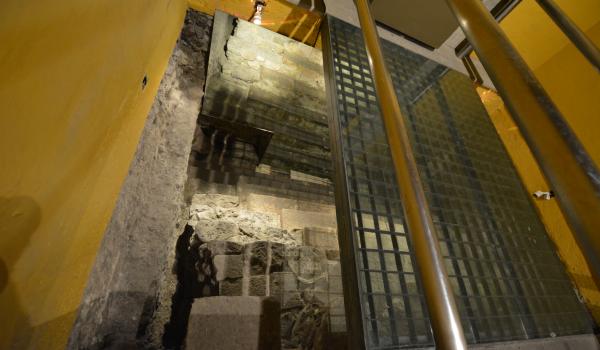
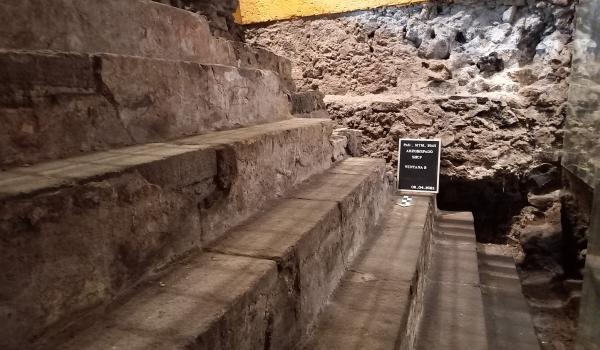
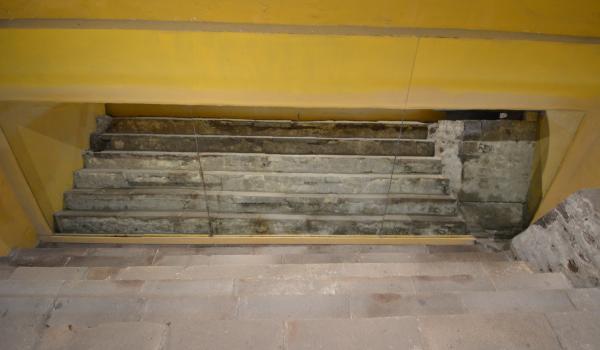
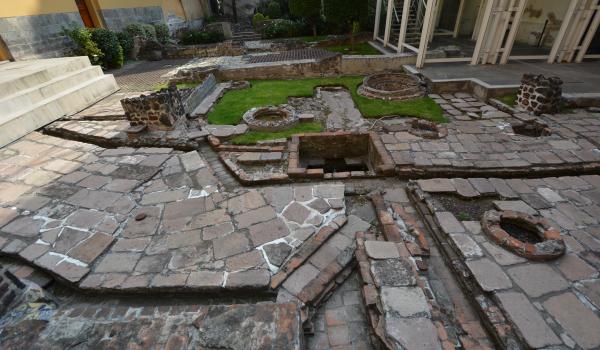
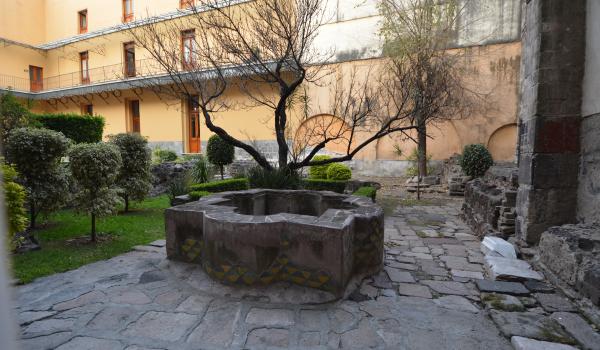
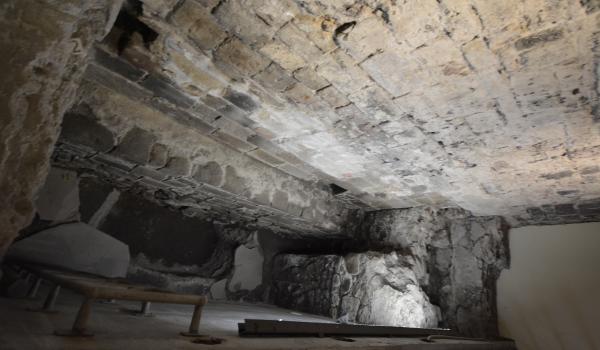
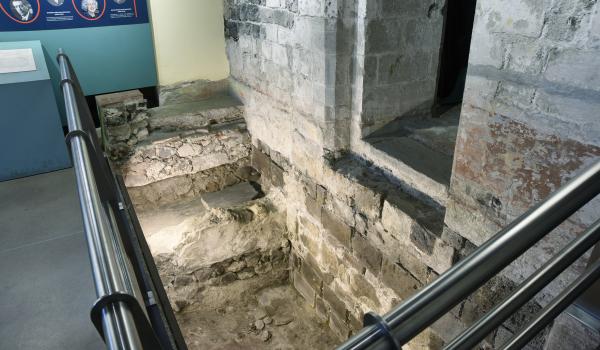
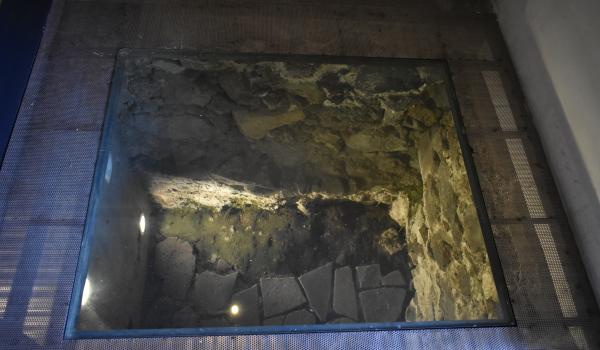
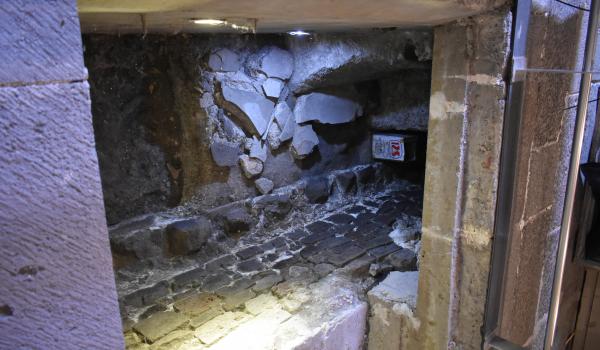
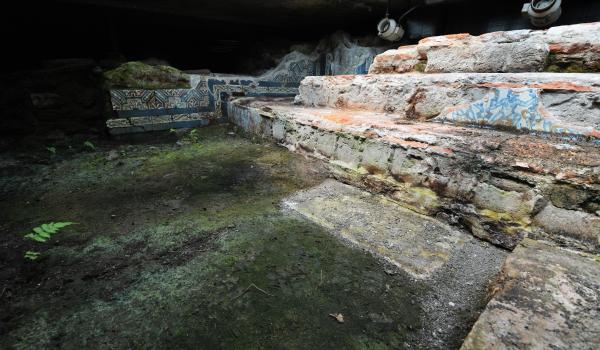
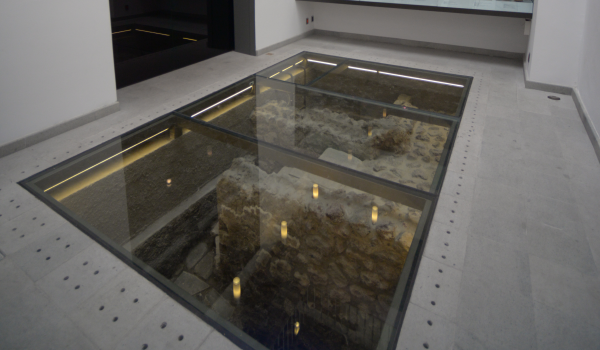
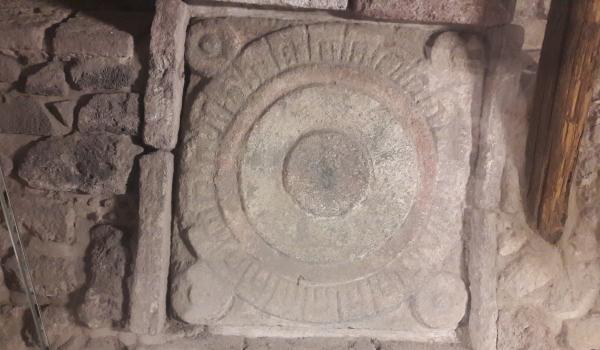
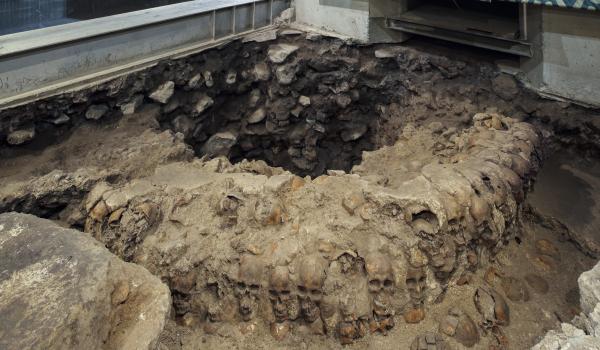
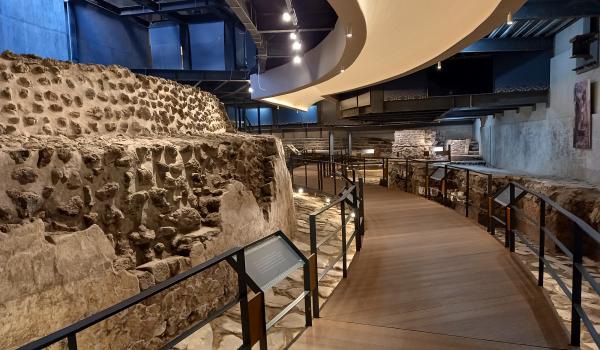
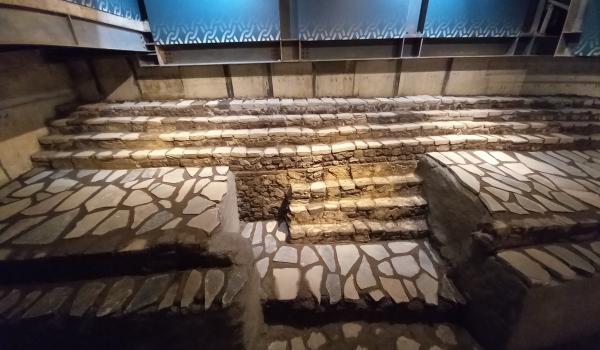
Archaeological window

Antigua Casa de los Marqueses del Apartado
Between 1797 and 1813, José Francisco Fagoaga y Arozqueta, Marqués del Apartado and Viscount of San José, hired architect Manuel Tolsá to construct his palace. After changing ownership several times, it was acquired by the government in 1900 and adapted by Porfirio Díaz (the younger) along with…
Antigua Casa de los Marqueses del Apartado

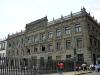
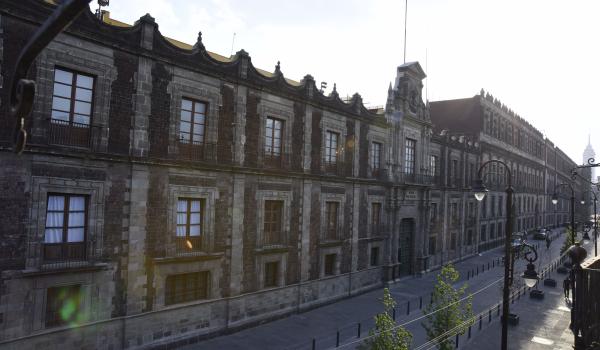
Between 1797 and 1813, José Francisco Fagoaga y Arozqueta, Marqués del Apartado and Viscount of San José, hired architect Manuel Tolsá to construct his palace. After changing ownership several times, it was acquired by the government in 1900 and adapted by Porfirio Díaz (the younger) along with engineer Rafael García to house the Ministry of Justice and Public Instruction. During the renovation, two pre-Hispanic artifacts, three staircases, and two alfardas were discovered, with excavations conducted by archaeologist Leopoldo Batres. It has served as José Vasconcelos’s office, the headquarters of the National Lottery, the Ministry of Industry and Commerce, and offices for Conasupo and the Ministry of Culture.

Centro Cultural España
In 1681, Antonio Moscoso constructed this building. It was later acquired and rebuilt by Tomás Lozano Romero. In 1888, it was purchased by jurist and president of the Supreme Court, Ignacio Luis Vallarta. In the last decades of the 20th century, the government of the then Federal District…
Centro Cultural España


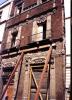
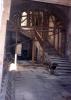
In 1681, Antonio Moscoso constructed this building. It was later acquired and rebuilt by Tomás Lozano Romero. In 1888, it was purchased by jurist and president of the Supreme Court, Ignacio Luis Vallarta. In the last decades of the 20th century, the government of the then Federal District transferred the property to the Spanish Agency for International Cooperation for Development (AECID). The Centro Cultural España was inaugurated in November 2002. Its façade is considered one of the finest examples of popular Mexican Baroque architecture.

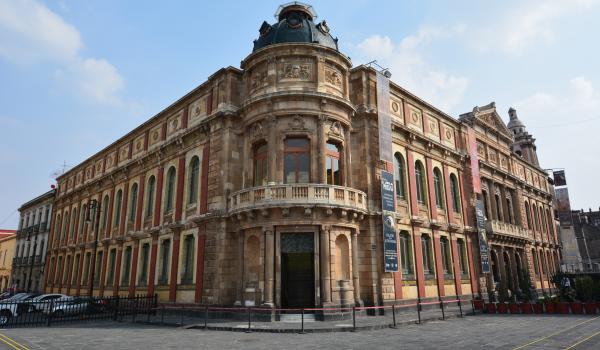
Museo Nacional de las Culturas del Mundo
The old Mint began construction in 1571, on the site where the Viceroyalty Palace once stood. The current building was constructed to meet the requirement of producing circular coins. The work was overseen by architects Pedro de Arrieta, Manuel de Herrera, and the carpenter Lorenzo Rodríguez. The…
Museo Nacional de las Culturas del Mundo


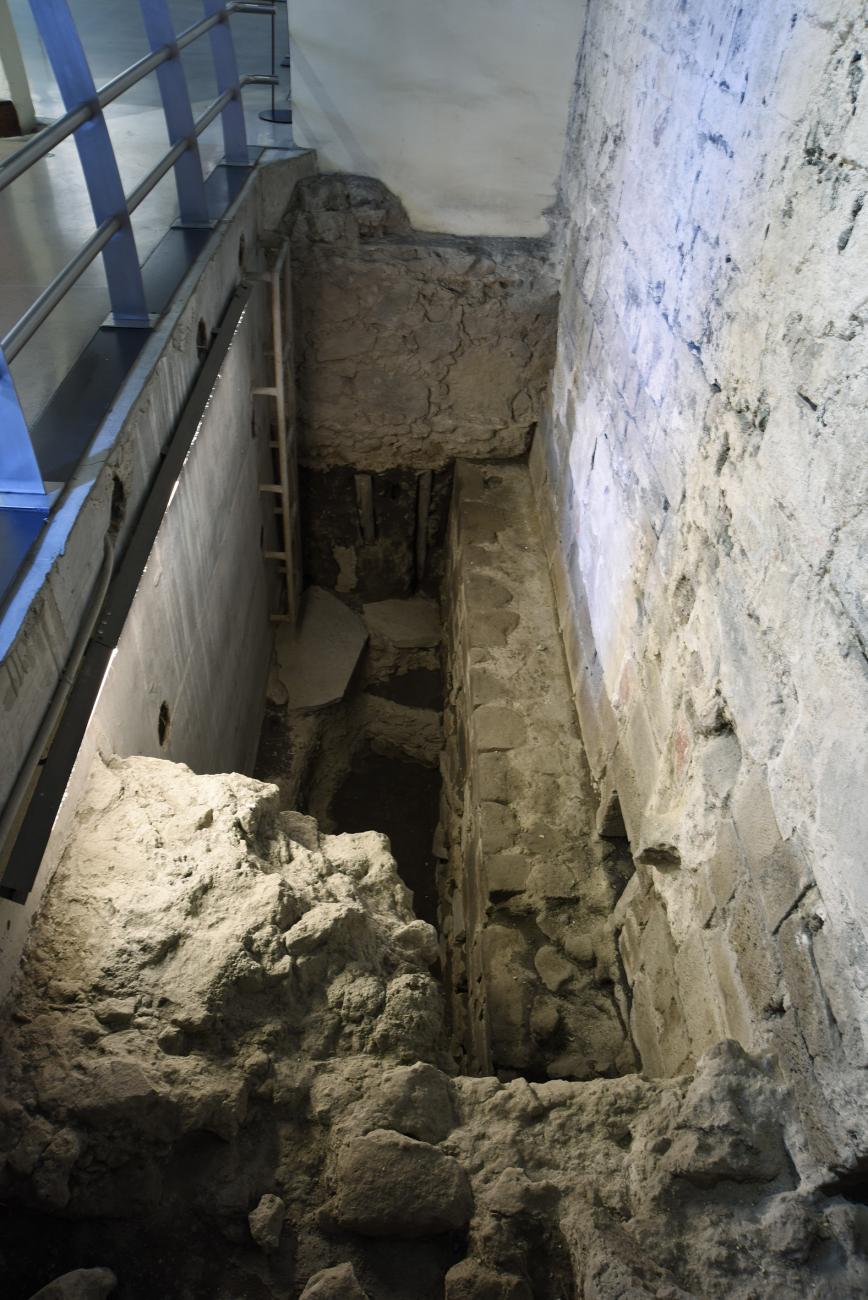
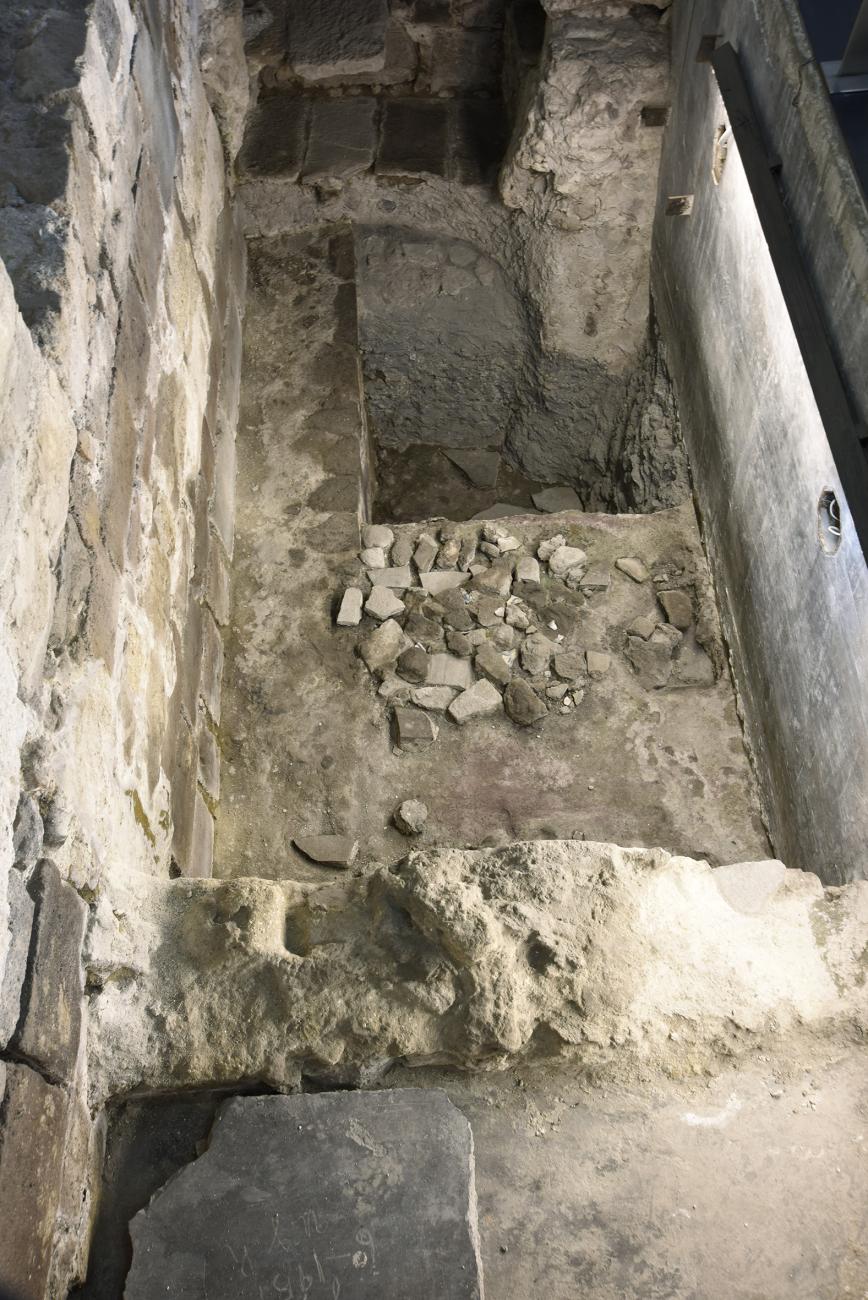
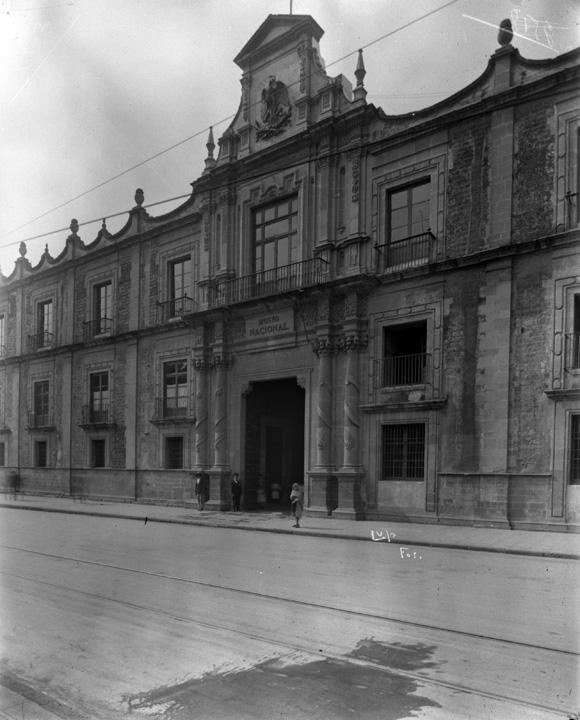

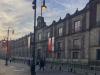
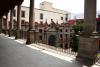
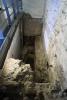
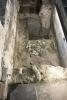
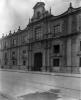
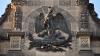
The old Mint began construction in 1571, on the site where the Viceroyalty Palace once stood. The current building was constructed to meet the requirement of producing circular coins. The work was overseen by architects Pedro de Arrieta, Manuel de Herrera, and the carpenter Lorenzo Rodríguez. The façade was designed by military engineer Luis Díaz Navarro and carved by master stonemason Bernardino de Orduña. On July 6, 1866, the Public Museum of Natural History, Archaeology, and History was established. On December 5, 1965, it was inaugurated as the Museum of Cultures.
Museo Nacional de las Culturas del Mundo

Museo Nacional de las Culturas Ventana 1
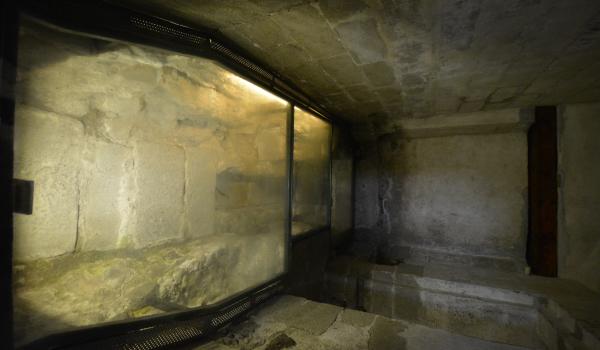
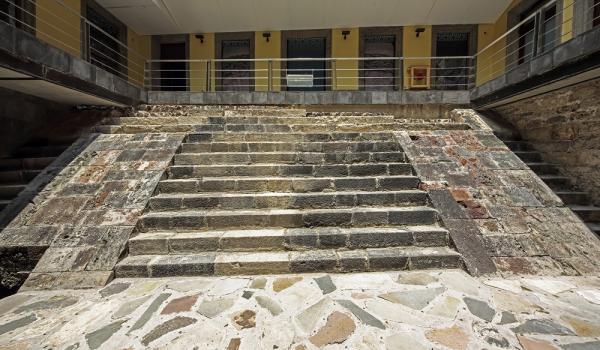
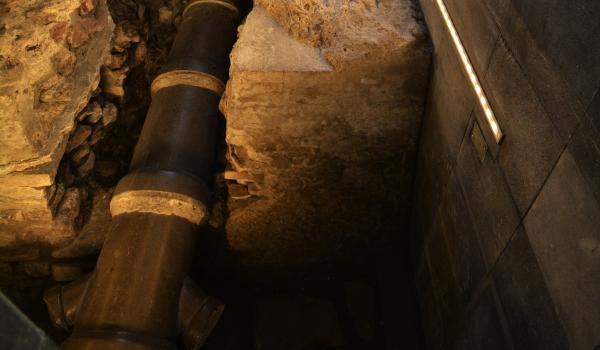
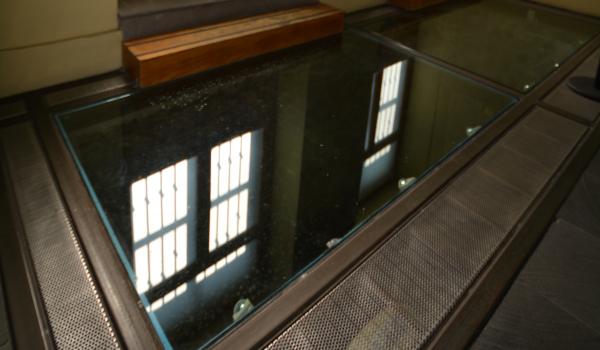
Archaeological window
Museo Nacional de las Culturas Ventana 2
Archaeological window
Museo Nacional de las Culturas Ventana 3
Archaeological window
Museo Nacional de las Culturas Ventana 4
Archaeological window
Museo Nacional de las Culturas Ventana 5
Archaeological window
Museo Nacional de las Culturas Ventana 6
Archaeological window
Museo Nacional de las Culturas Ventana 7
Archaeological window

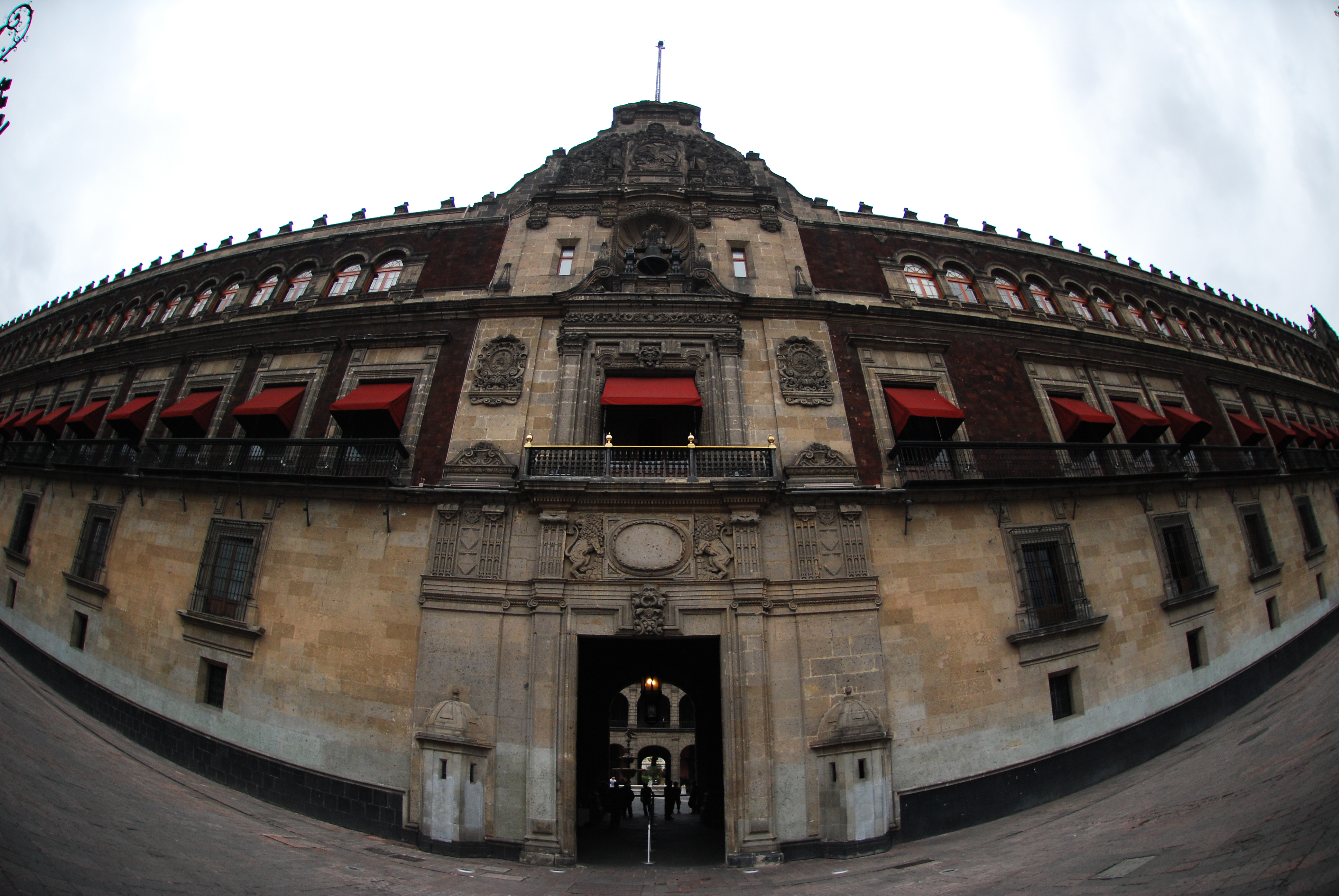
Palacio Nacional
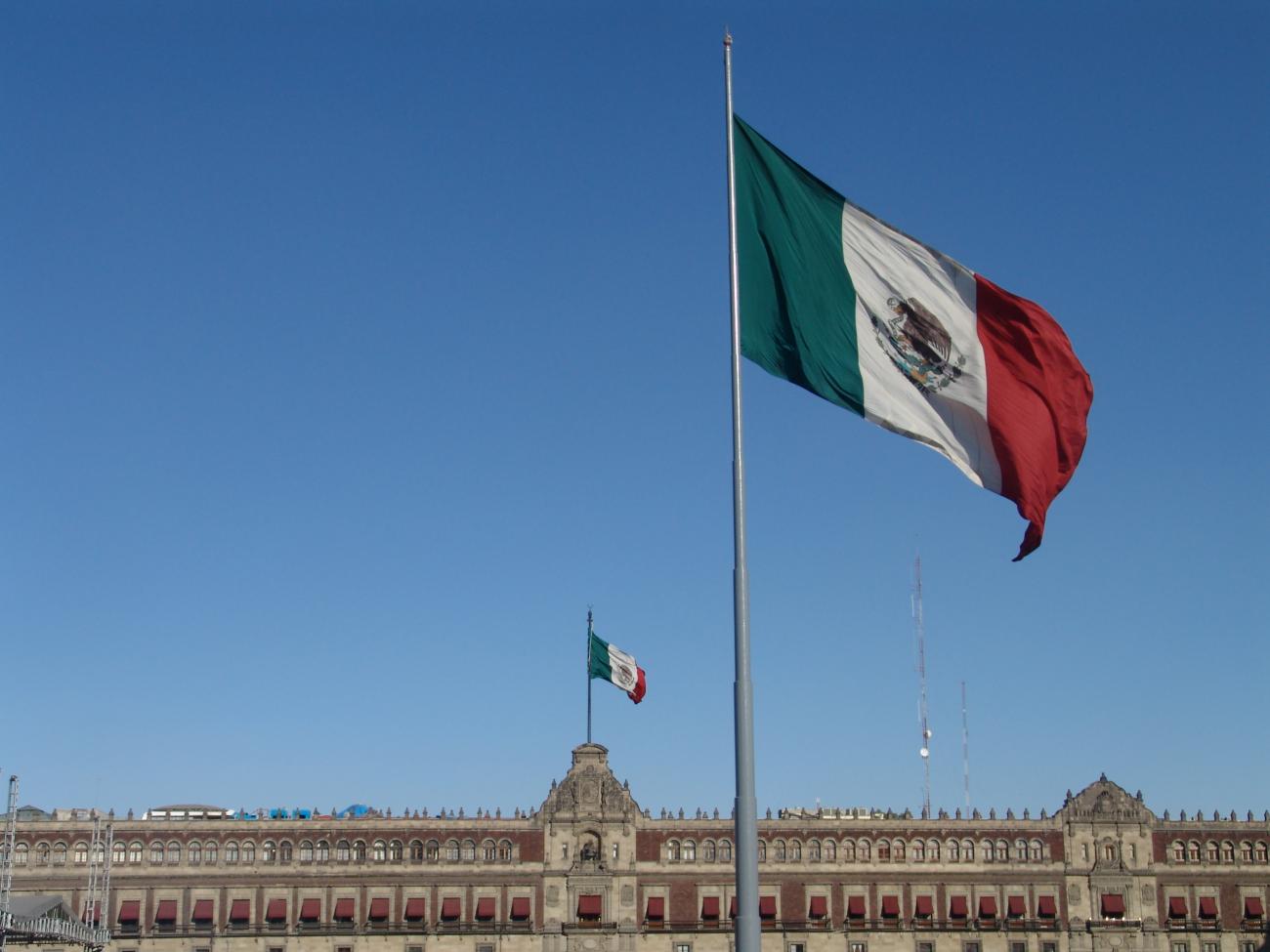
This building has its origins dating back to the time of Hernán Cortés, who in 1523 ordered its construction on the ruins of Moctezuma Xocoyotzin's palace. It was known as the "Casas Nuevas de Moctezuma." Between 1560 and 1561, a request was made to the King for a Royal House to serve as the seat…
Palacio Nacional

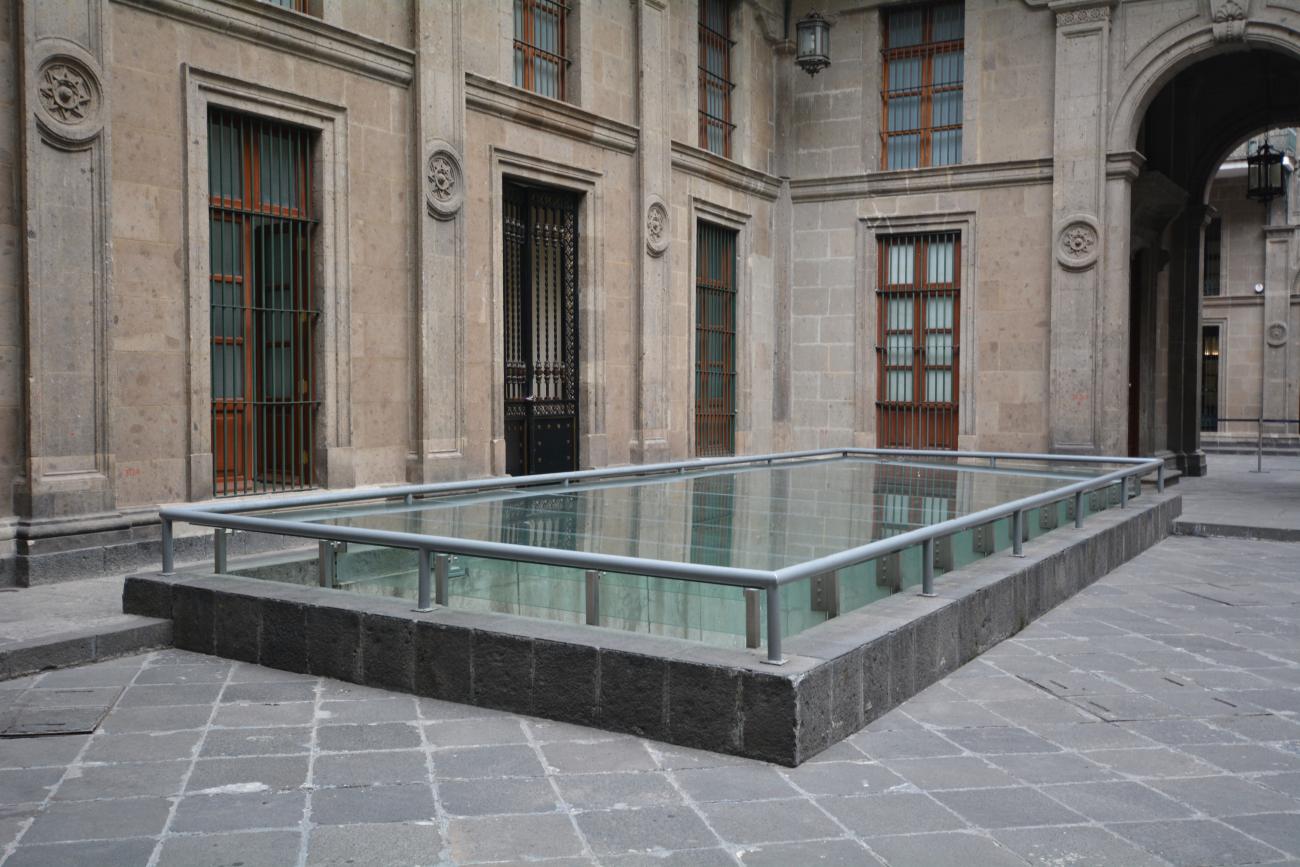
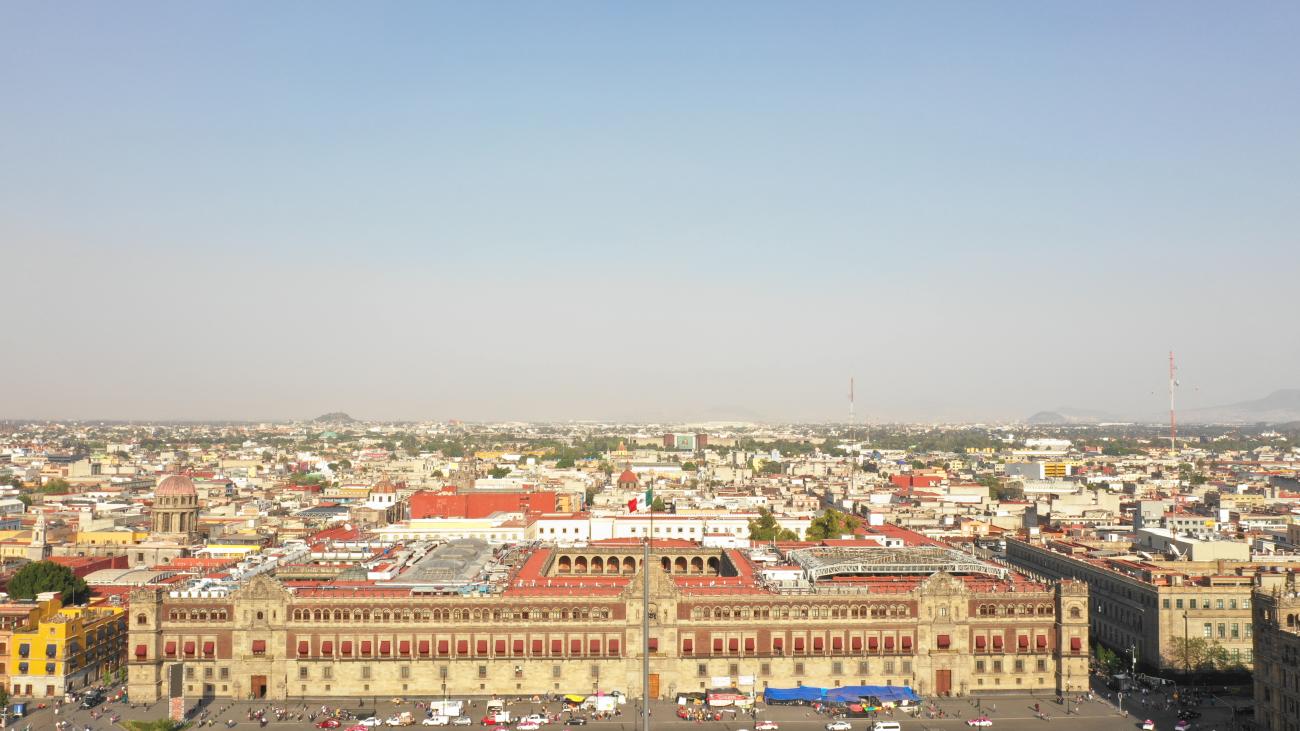
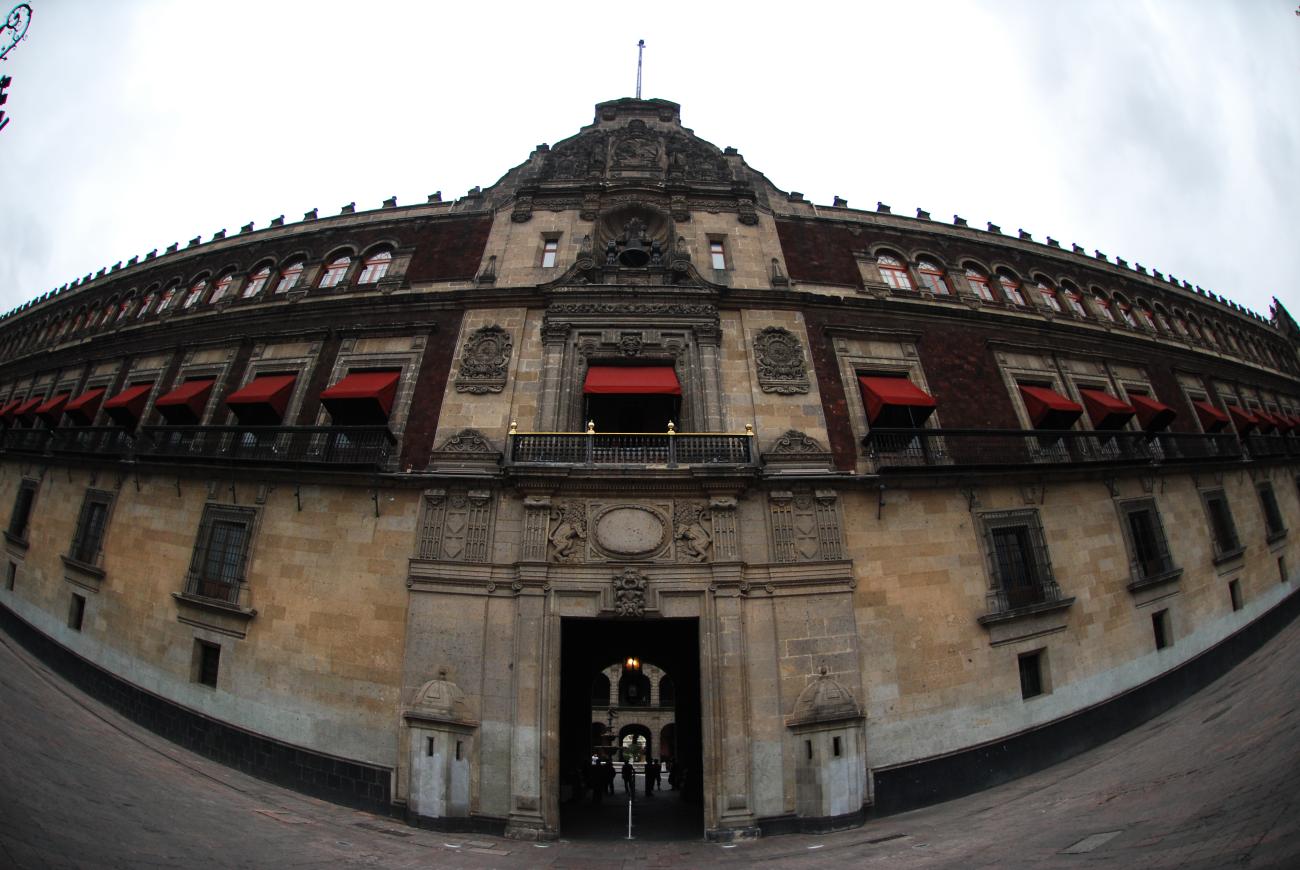

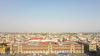
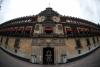
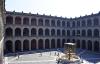
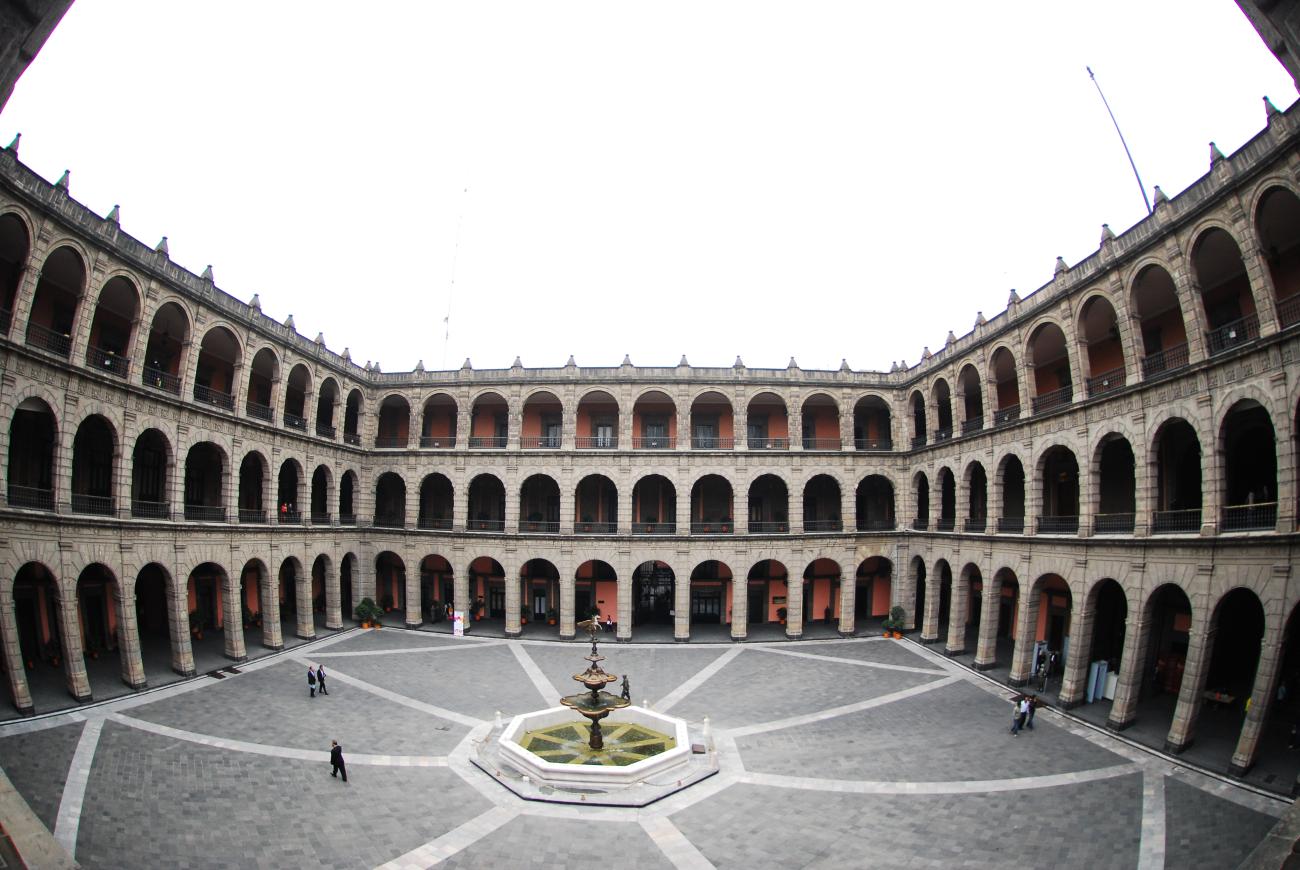
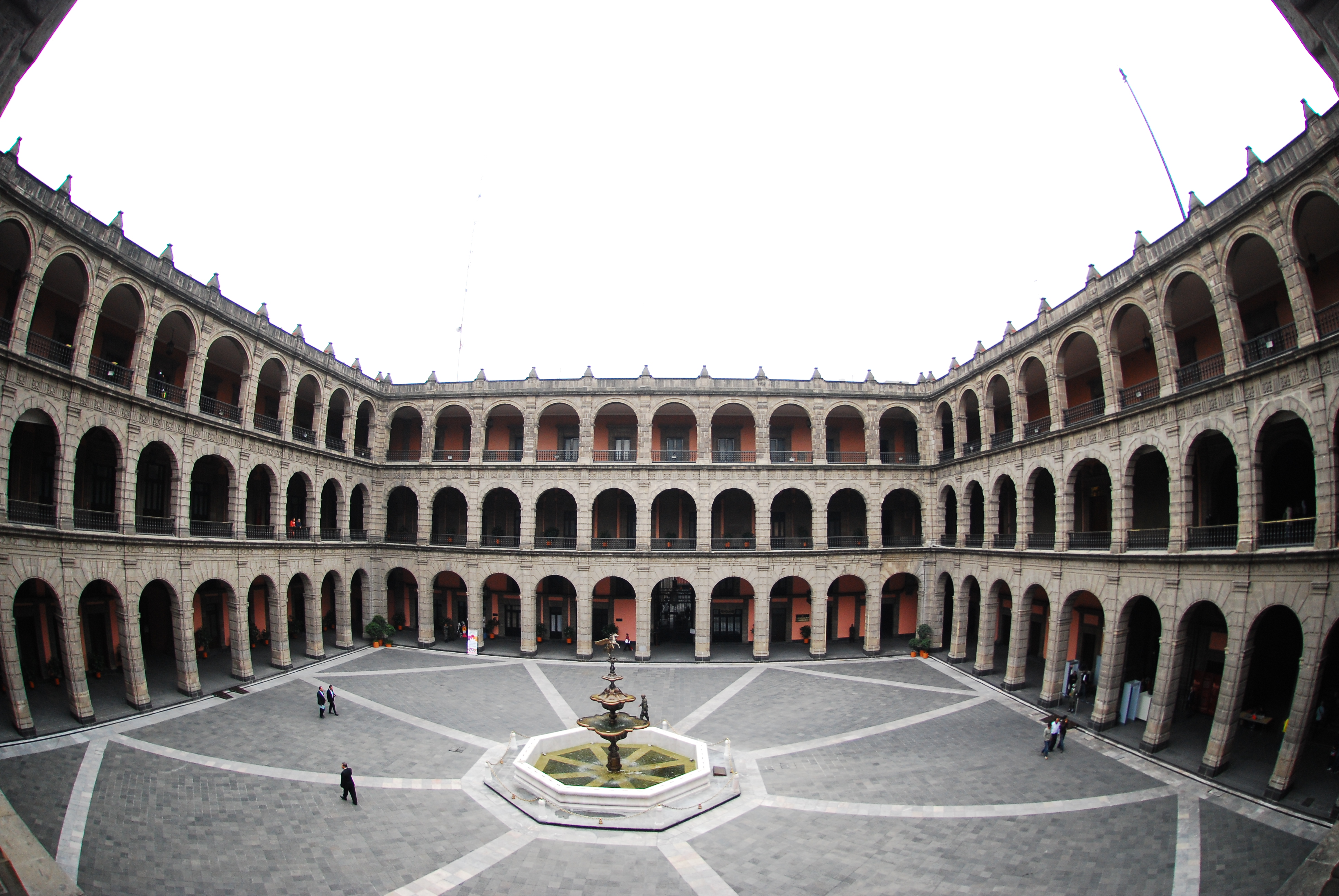
This building has its origins dating back to the time of Hernán Cortés, who in 1523 ordered its construction on the ruins of Moctezuma Xocoyotzin's palace. It was known as the "Casas Nuevas de Moctezuma." Between 1560 and 1561, a request was made to the King for a Royal House to serve as the seat of the viceroyalty government. The first to occupy this building was the second viceroy, Luis de Velasco, with adaptations by architect Claudio de Arciniega. After Mexican Independence, the building was named the National Palace, becoming the seat of the executive, legislative, and judicial branches of government. It has undergone various remodels and repairs due to damage over time.
Palacio Nacional Ventana 1
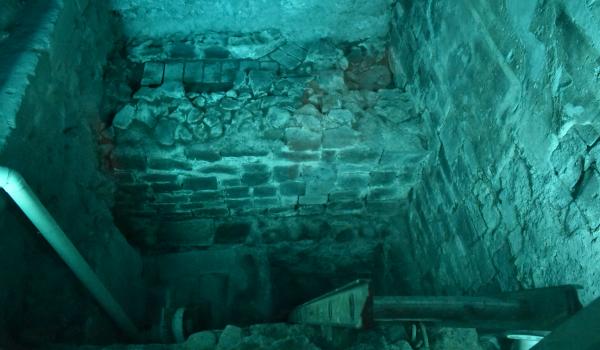
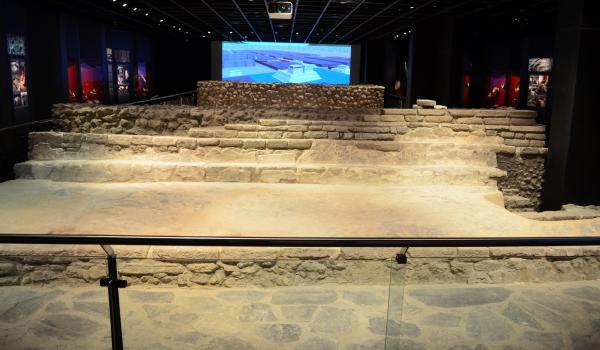
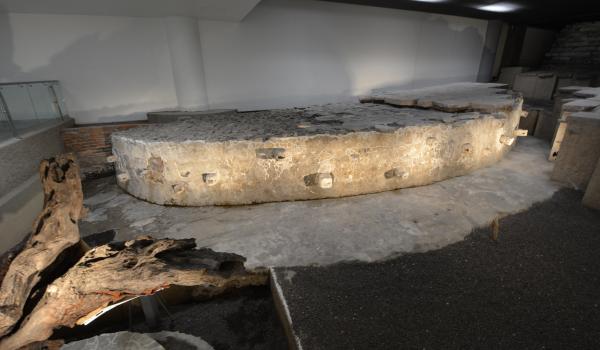
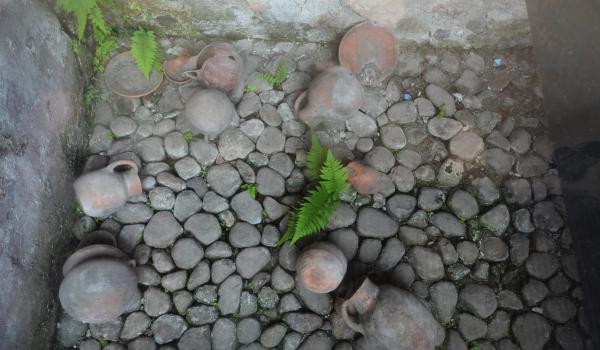
Archaeological window
Palacio Nacional Ventana 2
Archaeological window
Palacio Nacional Ventana 3
Archaeological window
Palacio Nacional Ventana 4 y 5
Archaeological window
Palacio Nacional Ventana 6 y 7
Archaeological window

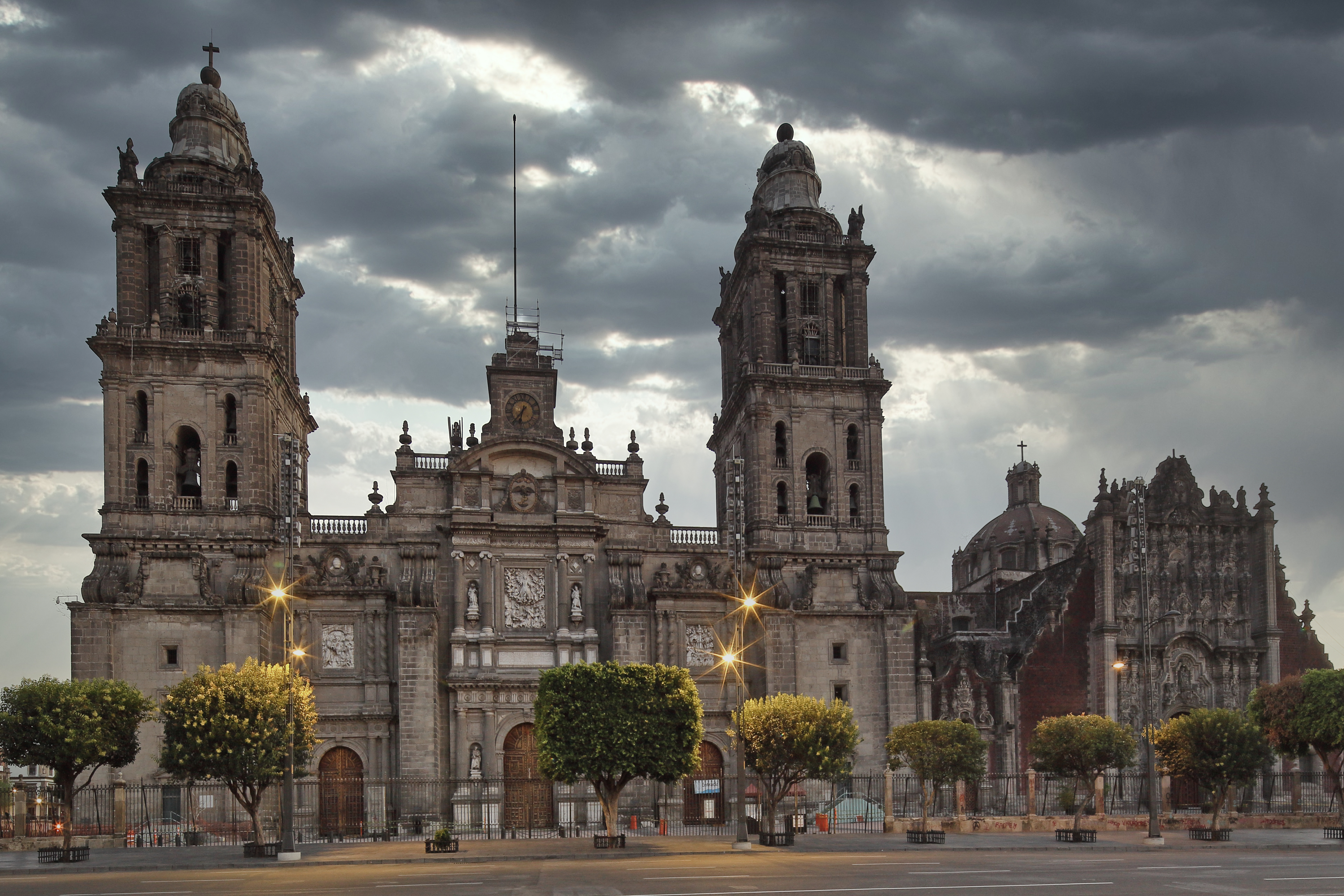
Sagrario Metropolitano
In the mid-18th century, the construction of a special temple for the sacrarium was proposed. The architect Lorenzo Rodríguez was responsible for this project and began the work on February 14, 1749. Archbishop Lorenzana consecrated the main altar in 1767, and the temple was completed and dedicated…
Sagrario Metropolitano


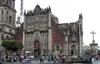
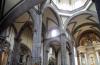
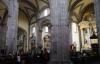
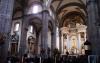
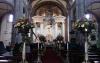
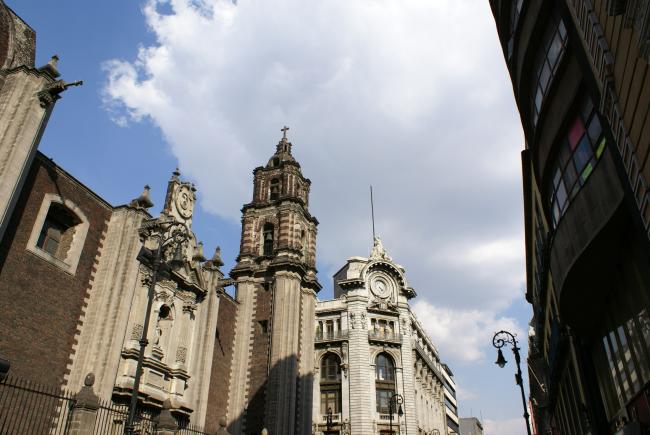
In the mid-18th century, the construction of a special temple for the sacrarium was proposed. The architect Lorenzo Rodríguez was responsible for this project and began the work on February 14, 1749. Archbishop Lorenzana consecrated the main altar in 1767, and the temple was completed and dedicated the following year. Its floor plan is in the shape of a Greek cross, and its façade is Baroque.

Teatro de la Ciudad Esperanza Iris
On May 15, 1917, construction began on this building, owned by Esperanza Iris, known as the "empress of operetta." The project was overseen by architects Federico Mariscal and Ignacio Capetillo Servín. In 1934, it was converted into a cinema and became a venue for wrestling, revue theater, and was…
Teatro de la Ciudad Esperanza Iris



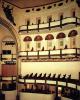
On May 15, 1917, construction began on this building, owned by Esperanza Iris, known as the "empress of operetta." The project was overseen by architects Federico Mariscal and Ignacio Capetillo Servín. In 1934, it was converted into a cinema and became a venue for wrestling, revue theater, and was a favorite spot for metropolitan burlesque in the 1970s. It was acquired by the Department of the Federal District and re-inaugurated as the Teatro de la Ciudad on November 29, 1976. Between 2001 and 2002, extensive remodeling and reinforcement work was carried out, including restoration of the decor and upgrading of audio and lighting equipment.

Academia Mexicana de la Lengua
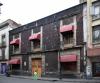
This first headquarters of the Mexican Academy was inaugurated on February 15, 1957.

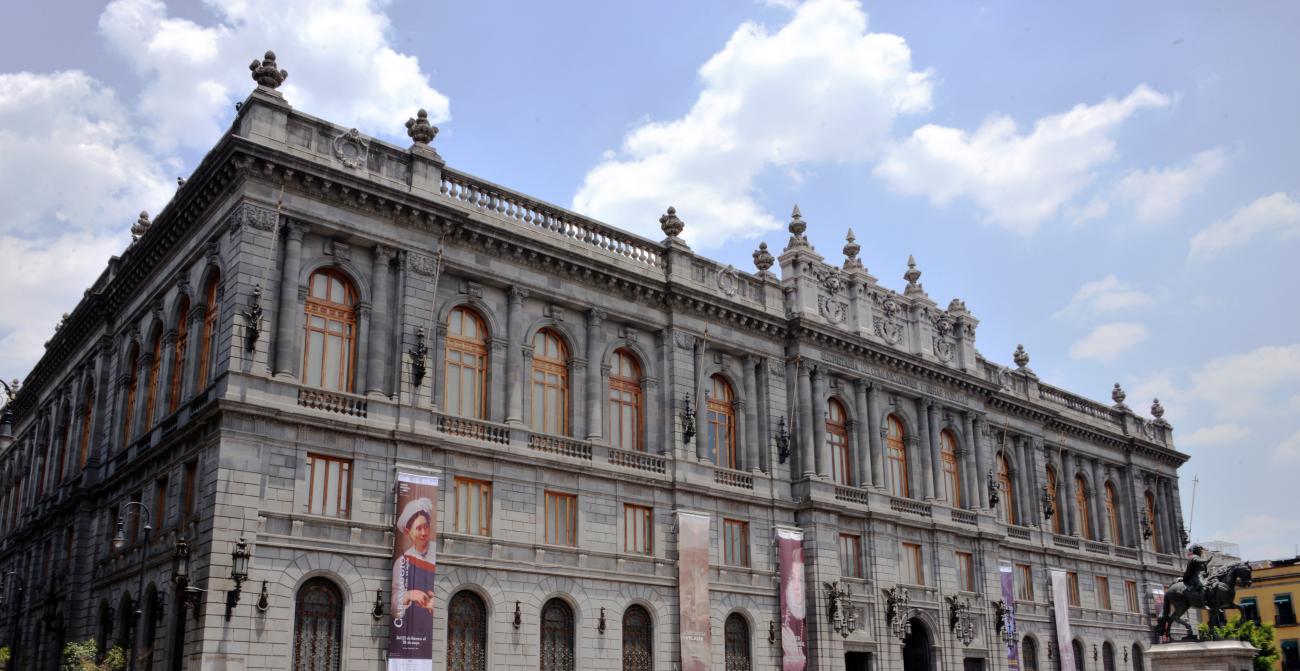
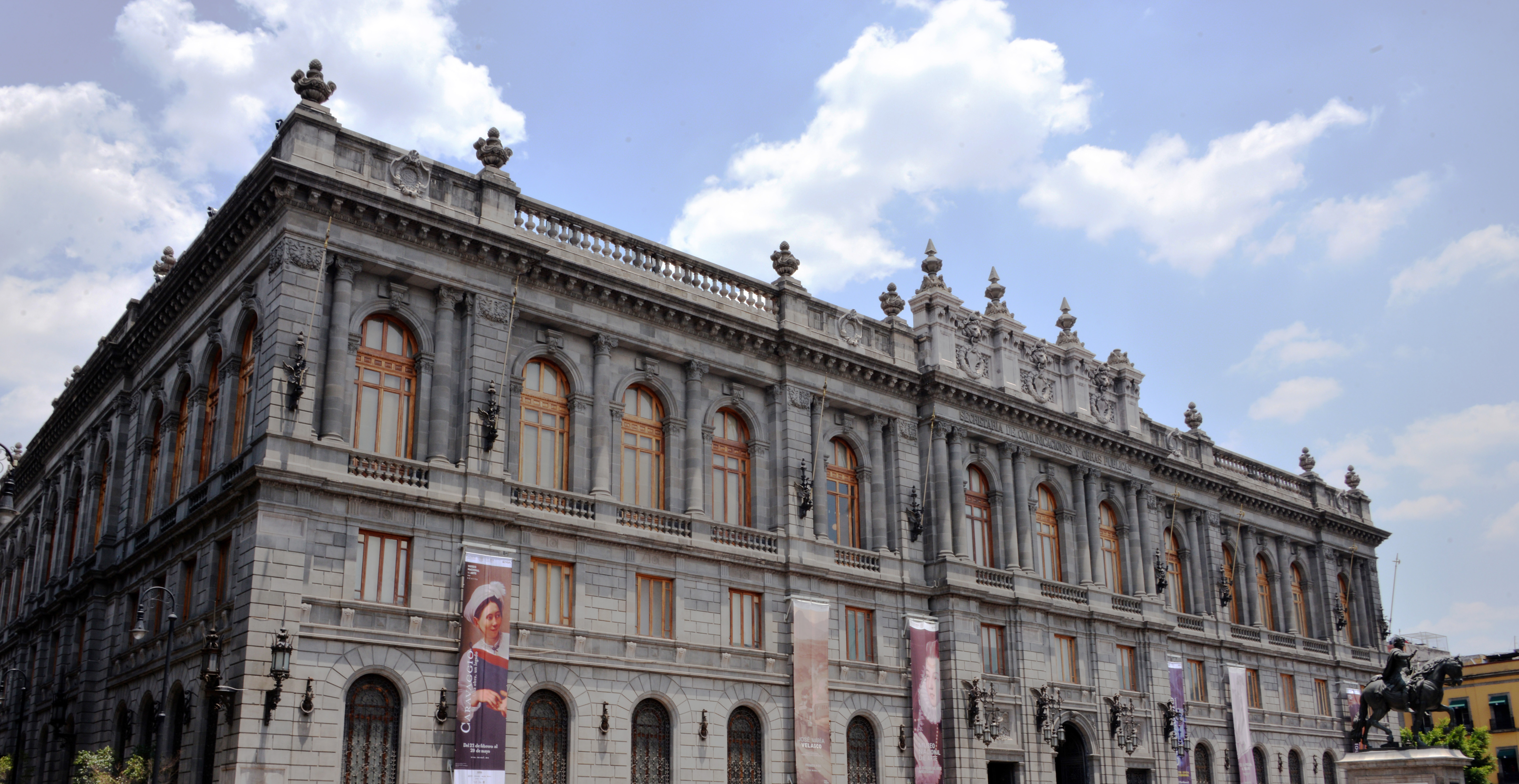
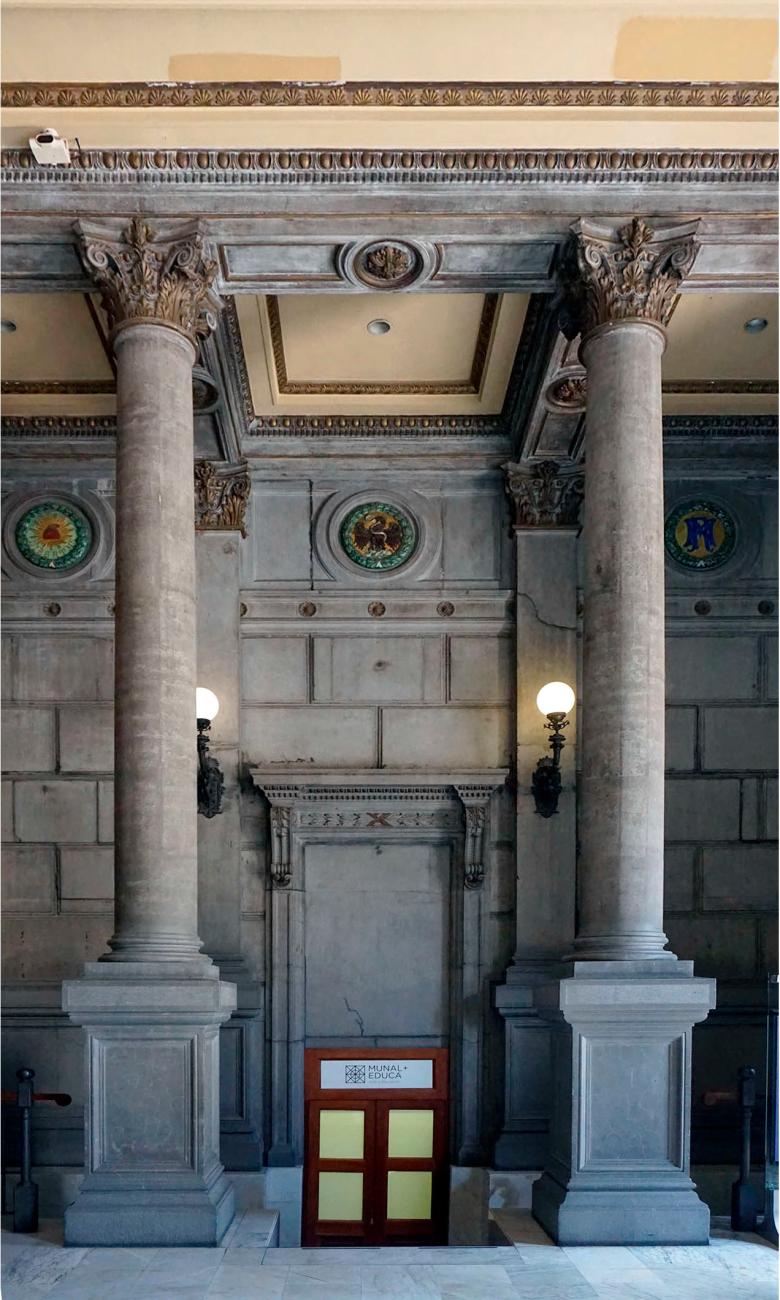
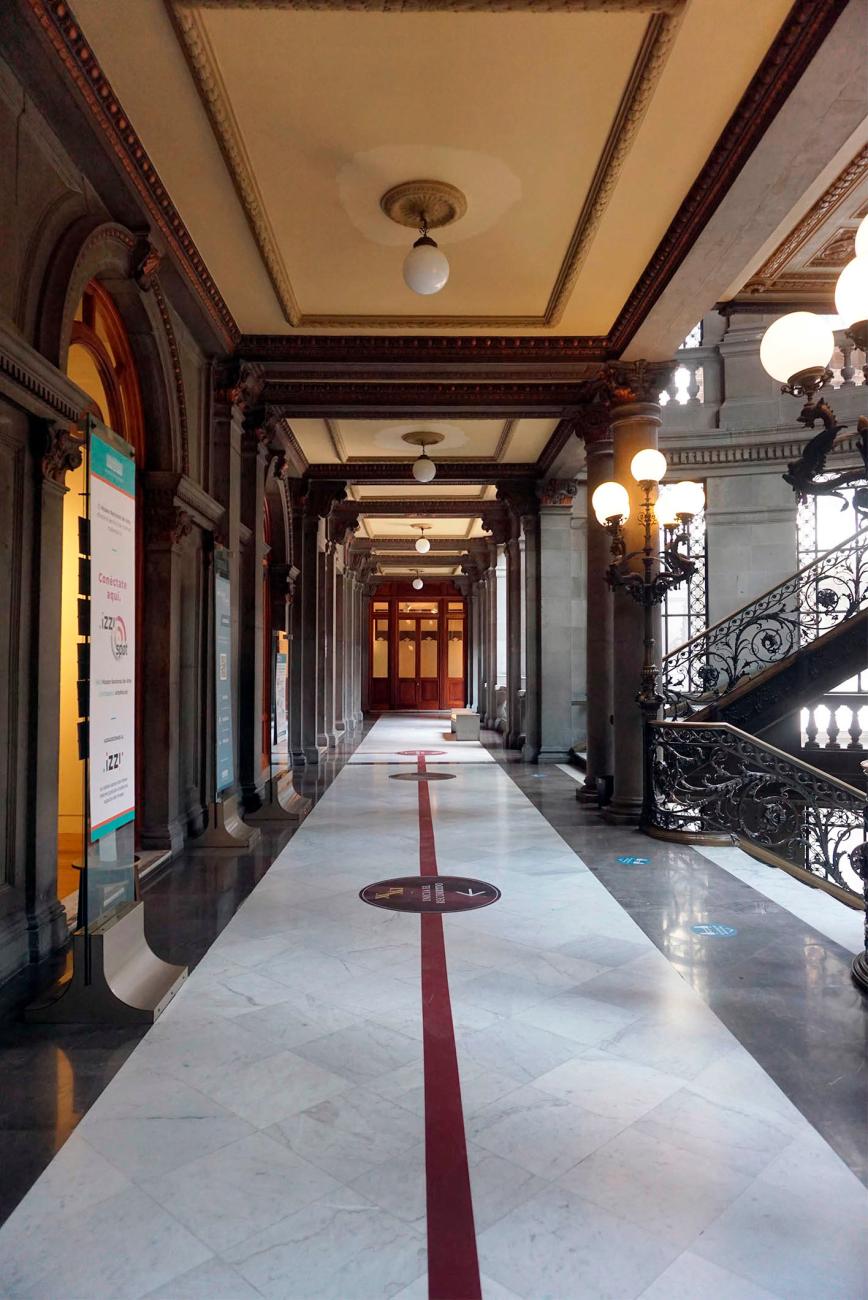
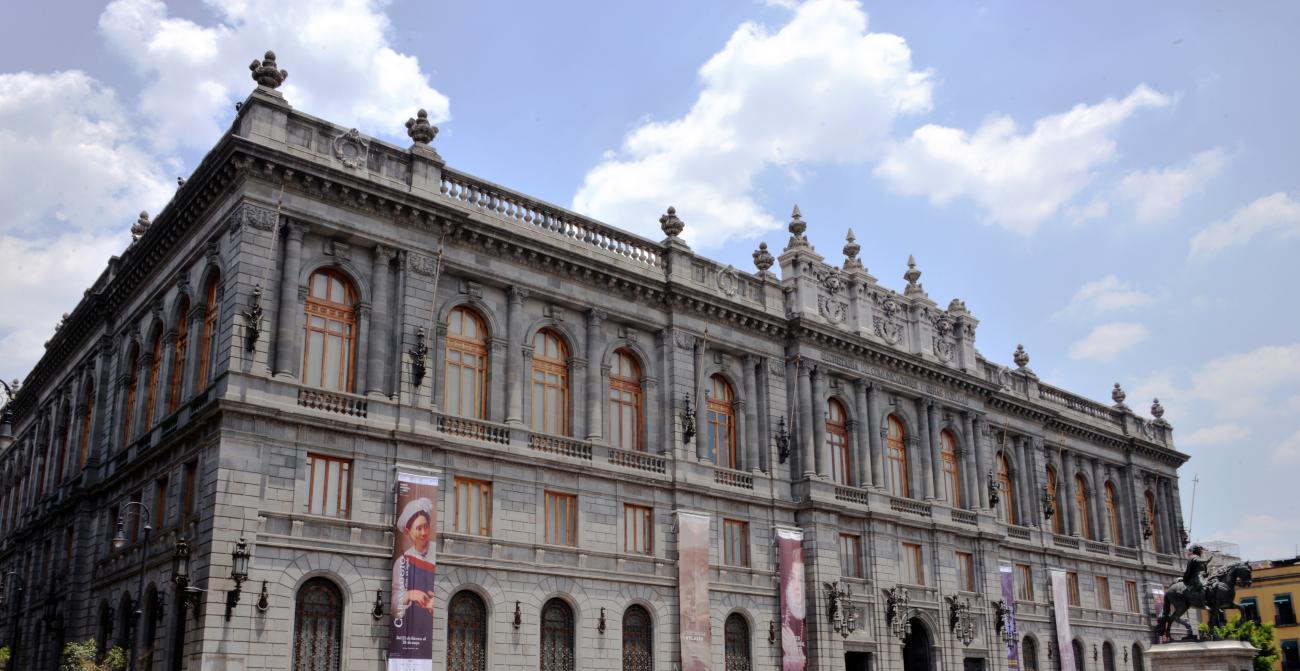
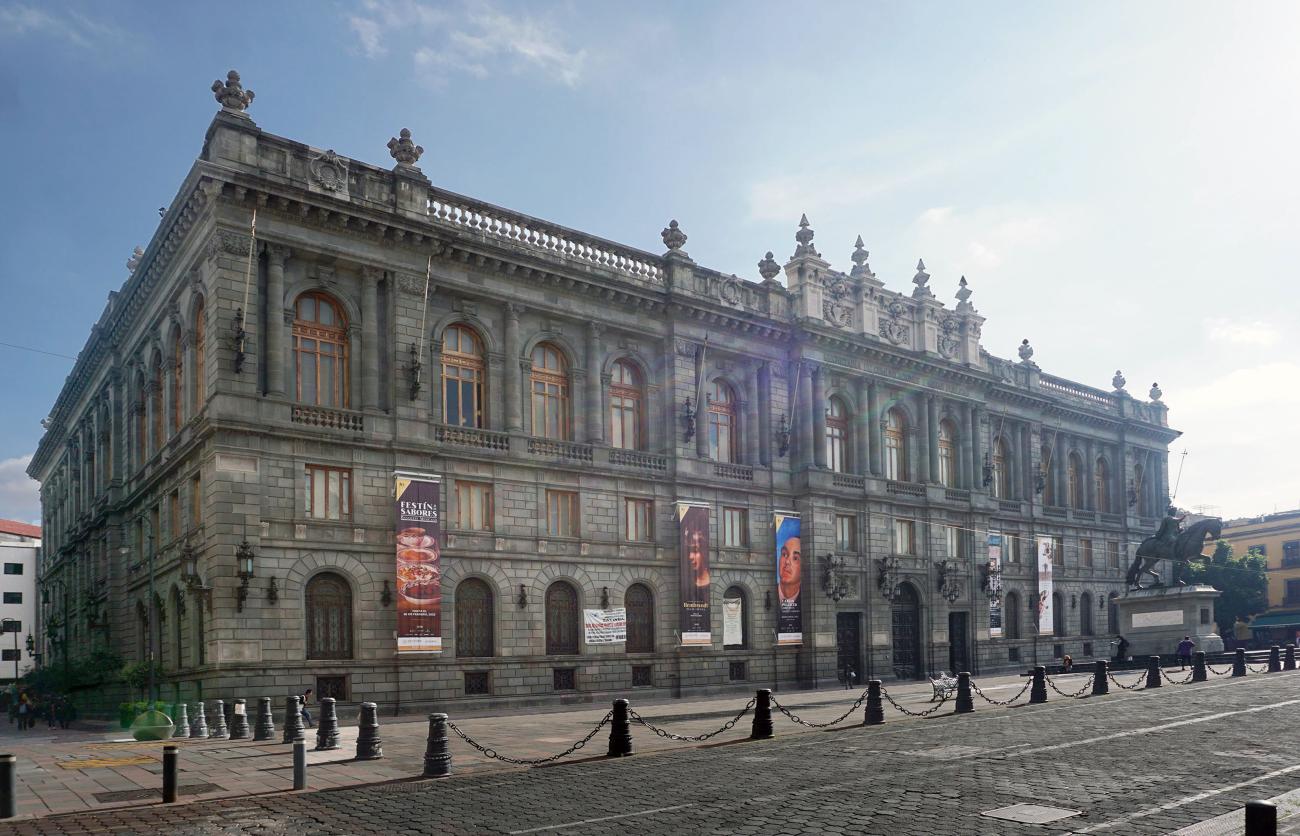
Museo Nacional de Arte
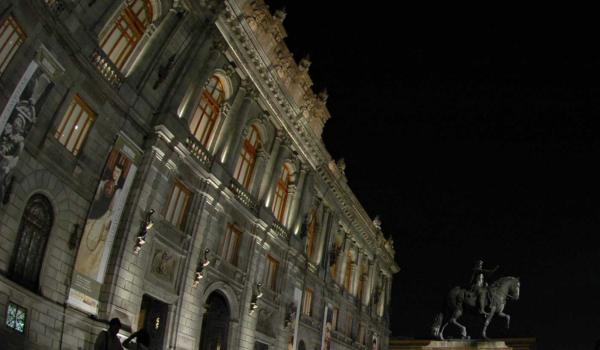
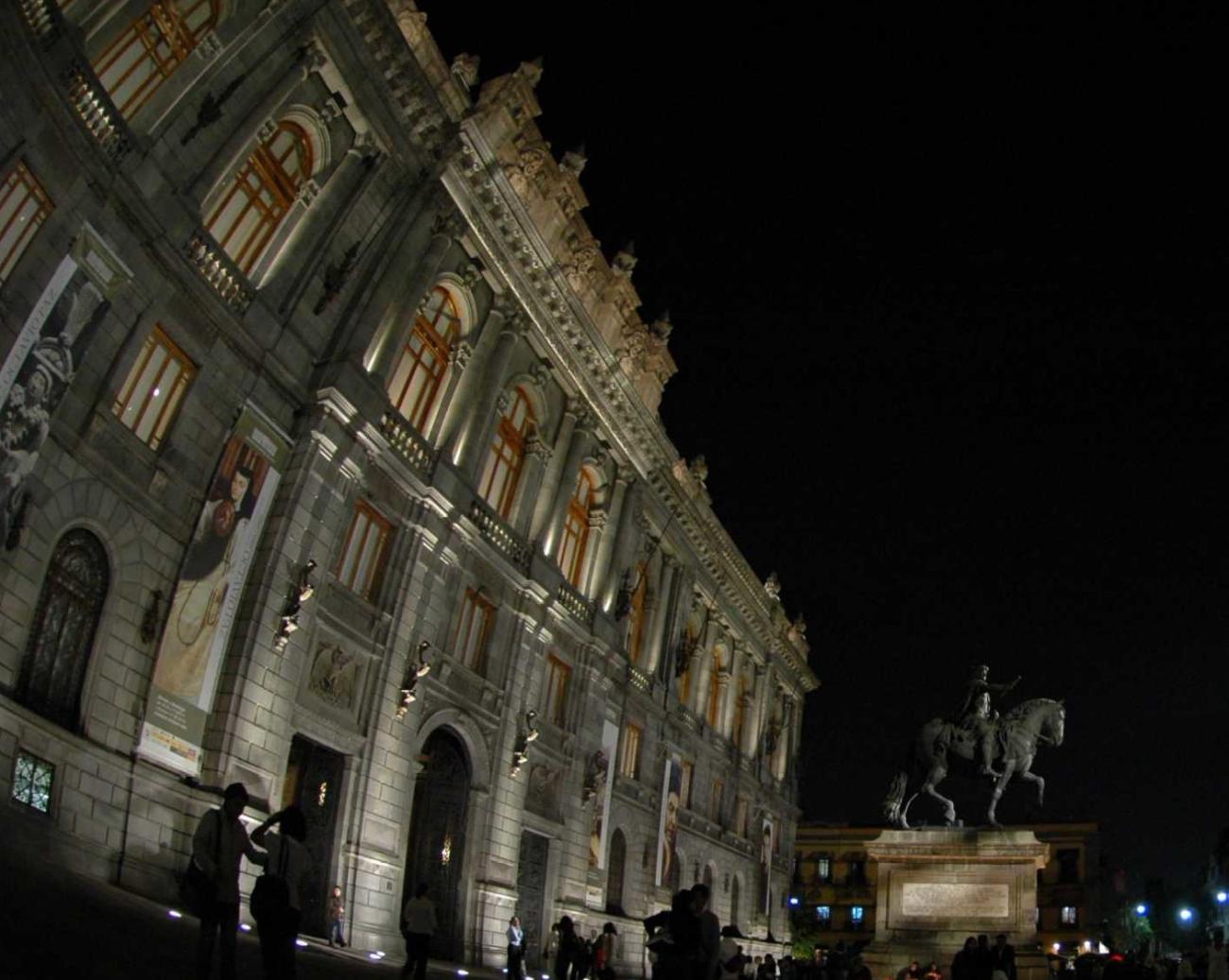
The first use of this building was during the 16th century when María de Aguilar and Melchor de Cuéllar supported the foundation of a College-Seminary for the Society of Jesus. The construction of this college was completed by Andrés de Carvajal y Tapia in 1695.
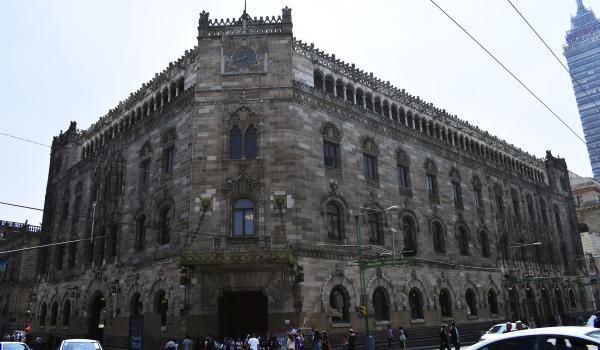
Palacio Postal
During the 18th century, this site served as the Royal Thirds Hospital, which was demolished to construct the Post Office building under the direction of military engineer Gonzalo Garita, with a design by the Italian architect Adamo Boari Dandini; the first stone was laid in 1902.
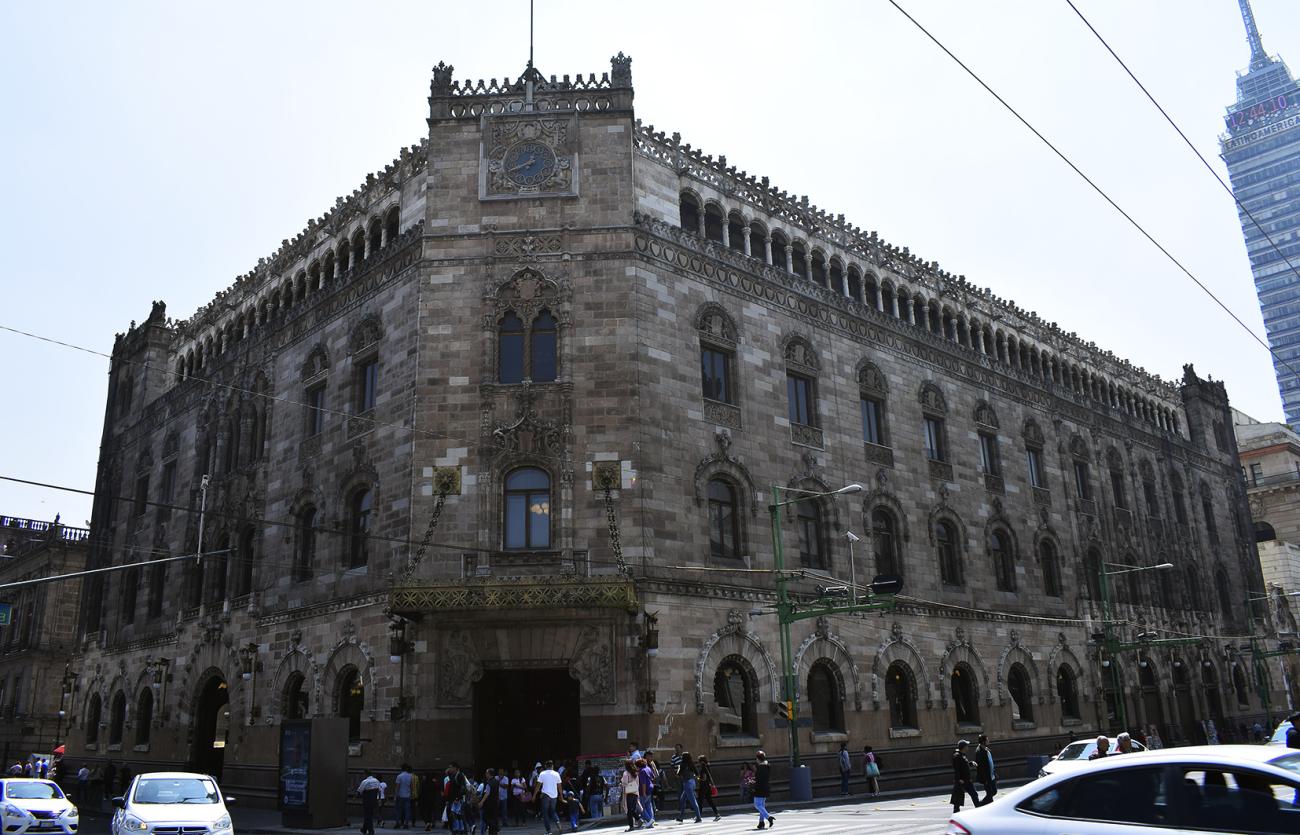
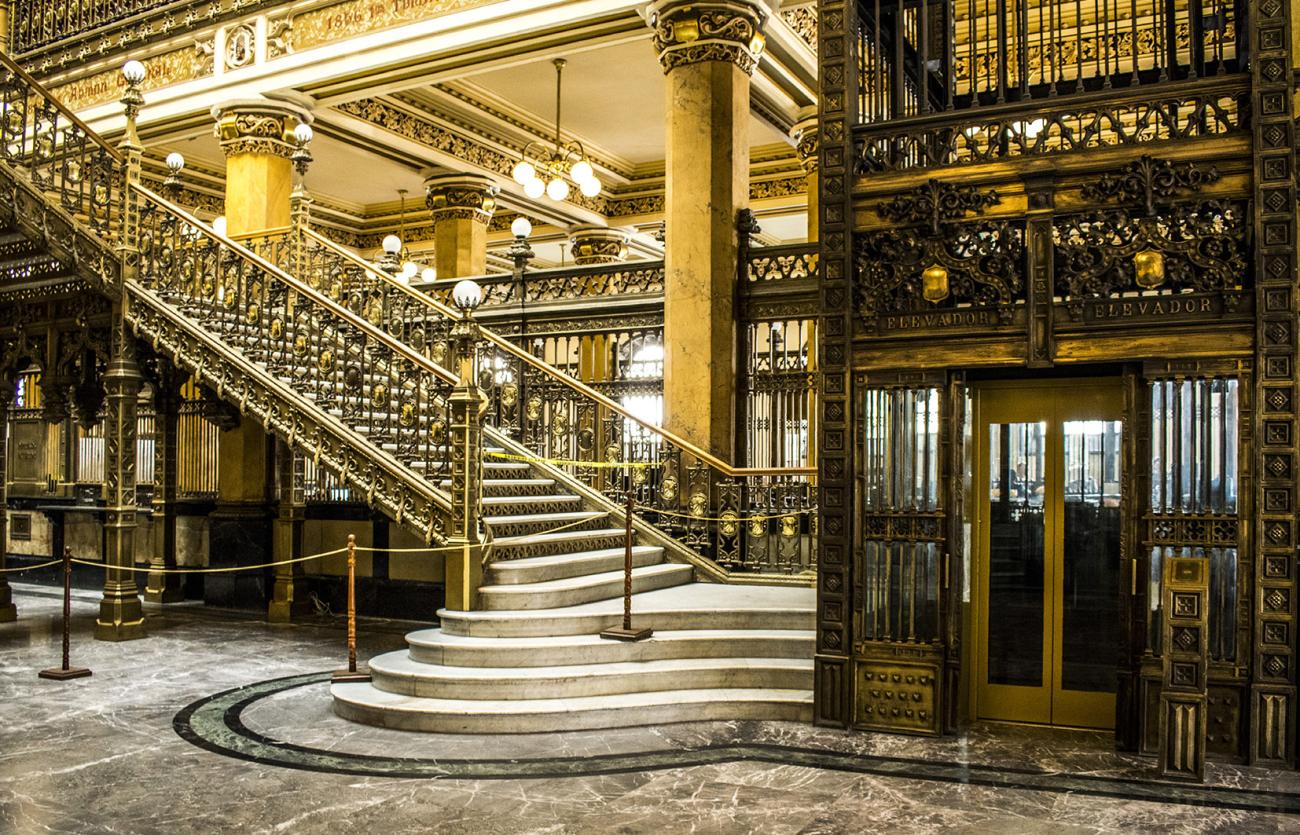
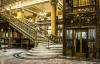
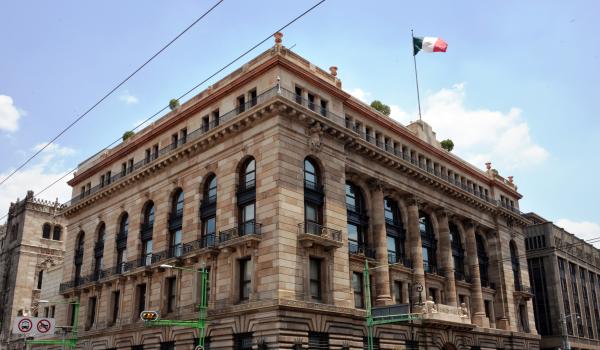
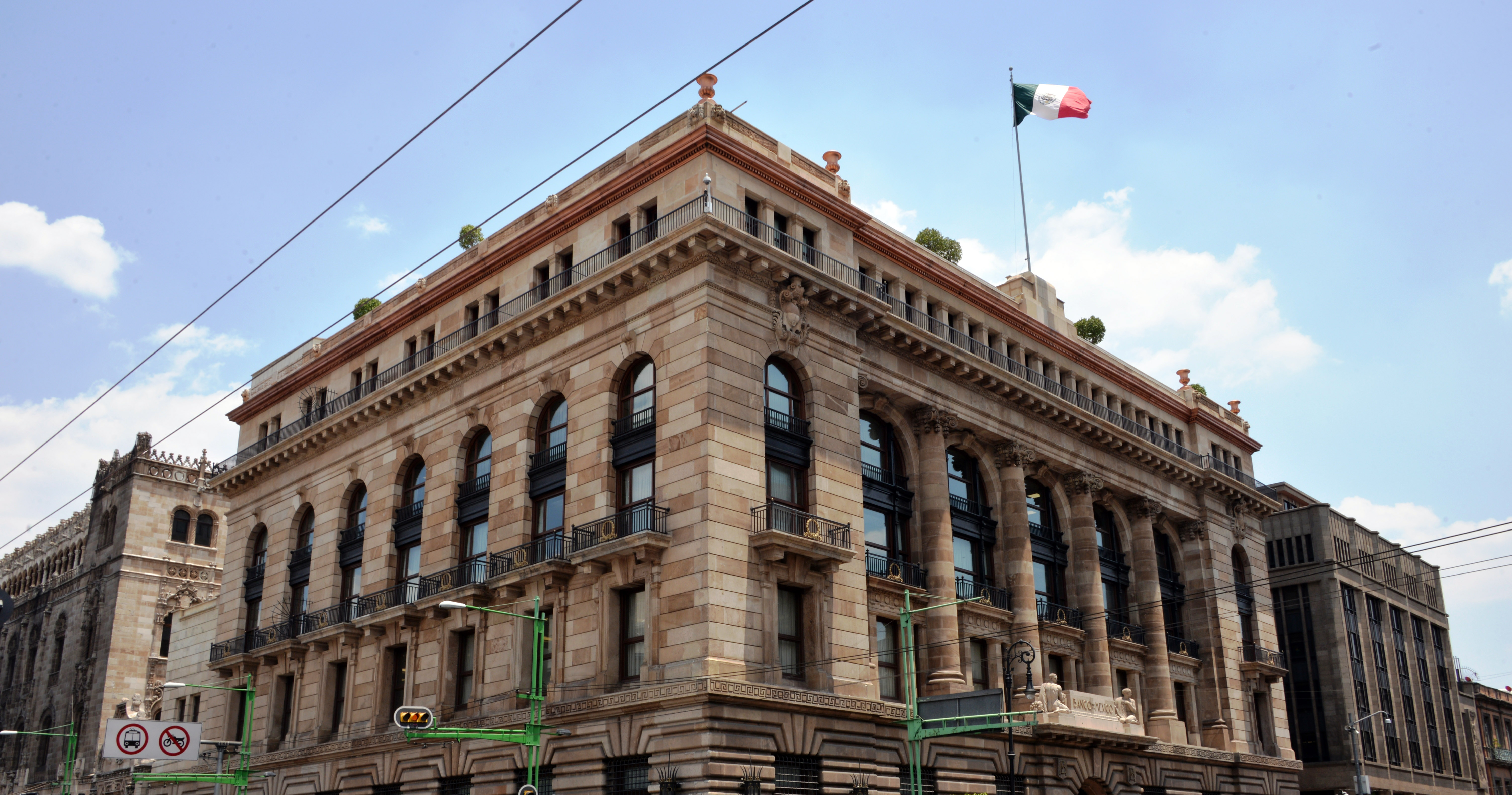
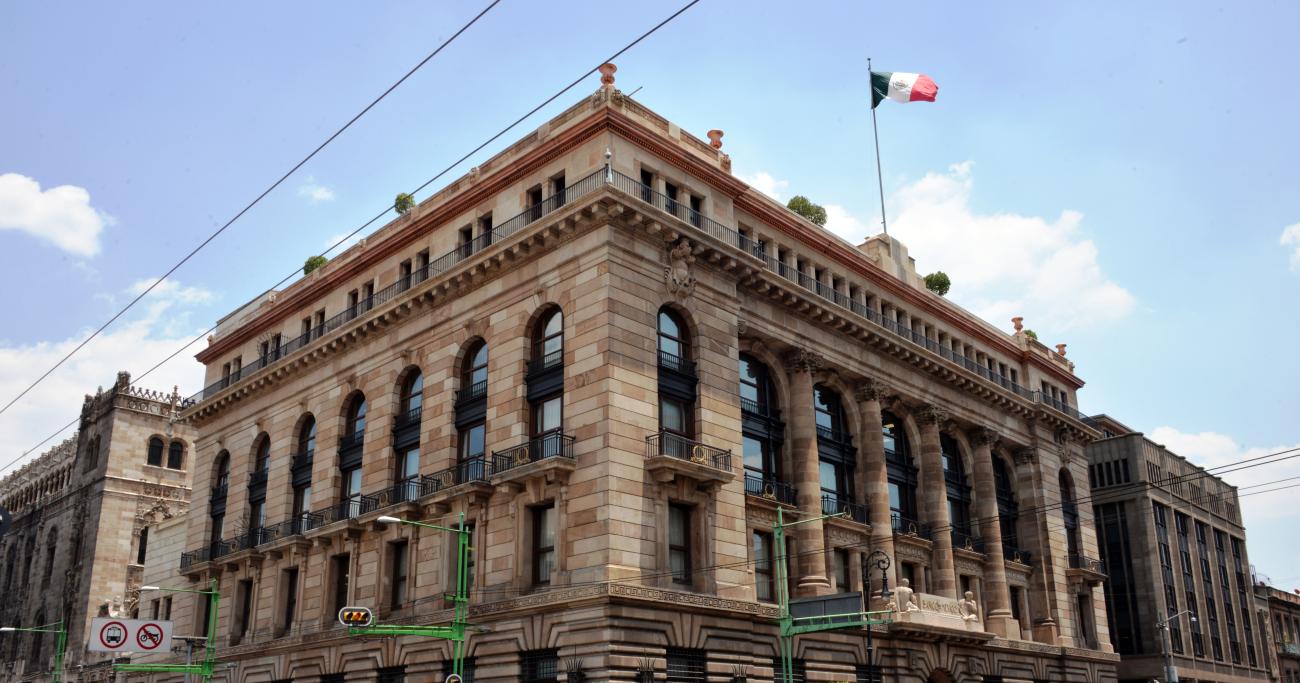
Banco de México
It was built between 1903 and 1905 using the "Chicago" technique, which consisted of an iron grid encased in concrete.
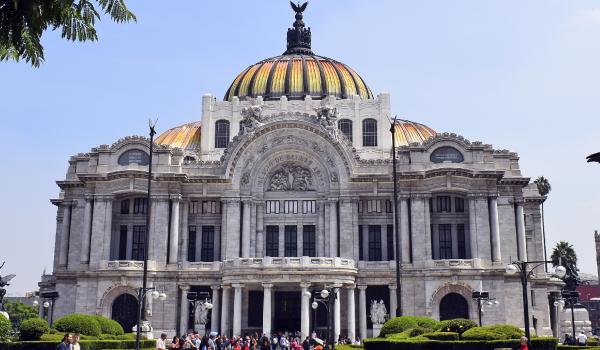
Palacio de Bellas Artes
In the context of the centennial celebration of Independence, there was a need for a theater space. The project was led by Italian architect Adamo Boari, incorporating a blend of Art Nouveau elements and Mexican architecture. In November 1904, President Porfirio Díaz laid the cornerstone of the…
n>
Palacio de Bellas Artes
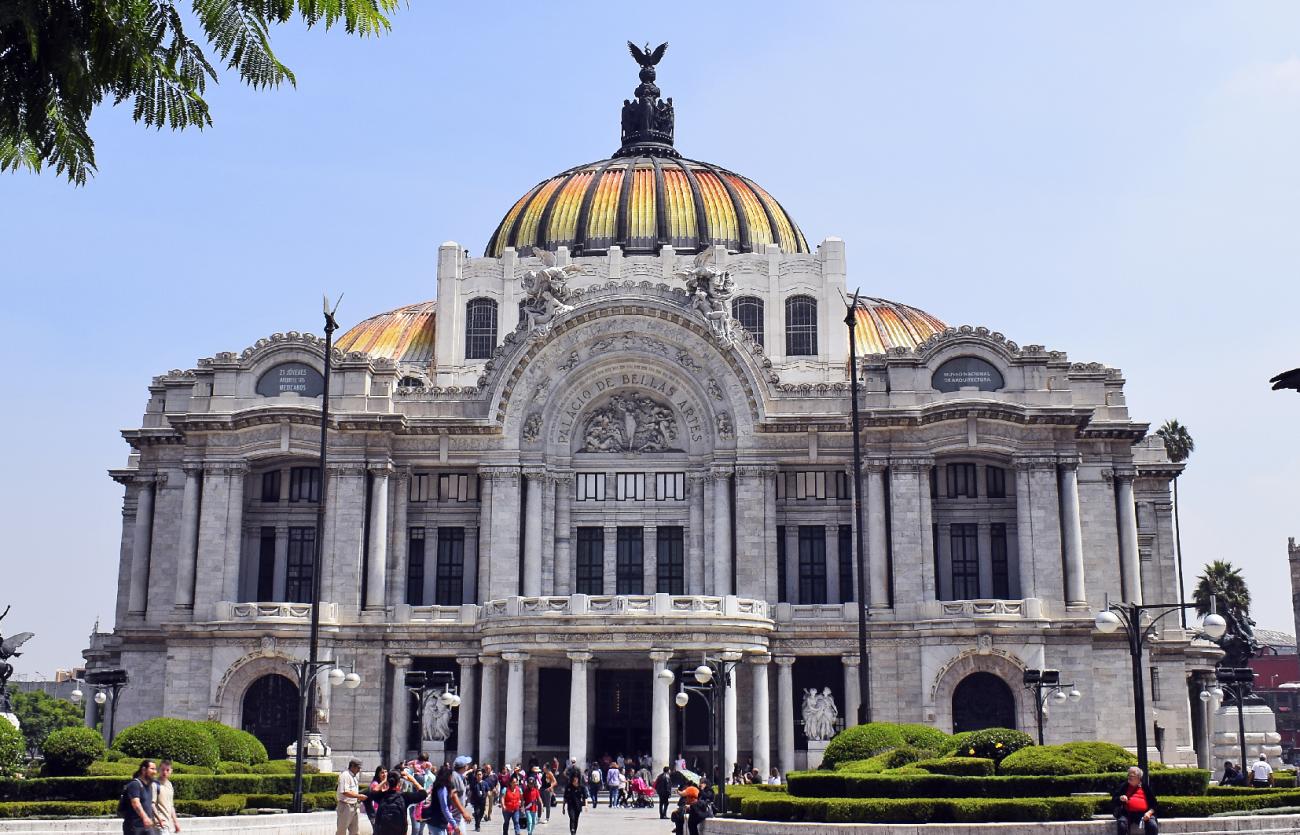
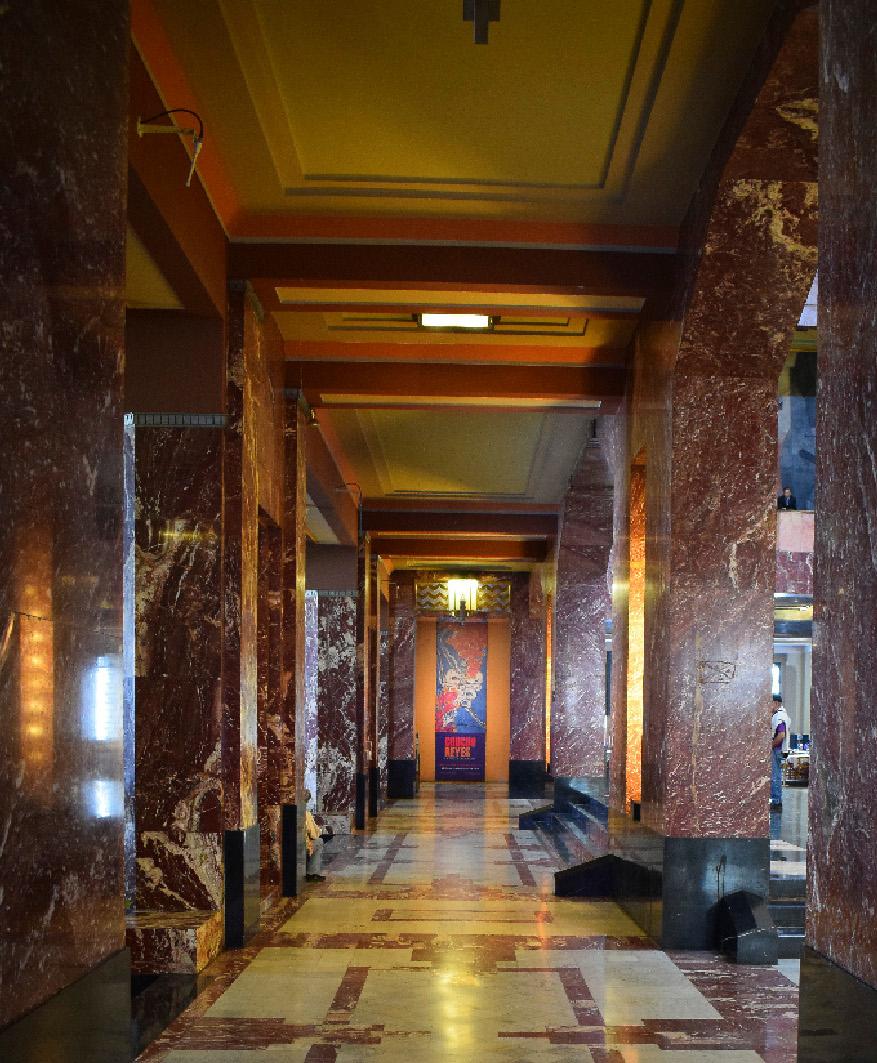
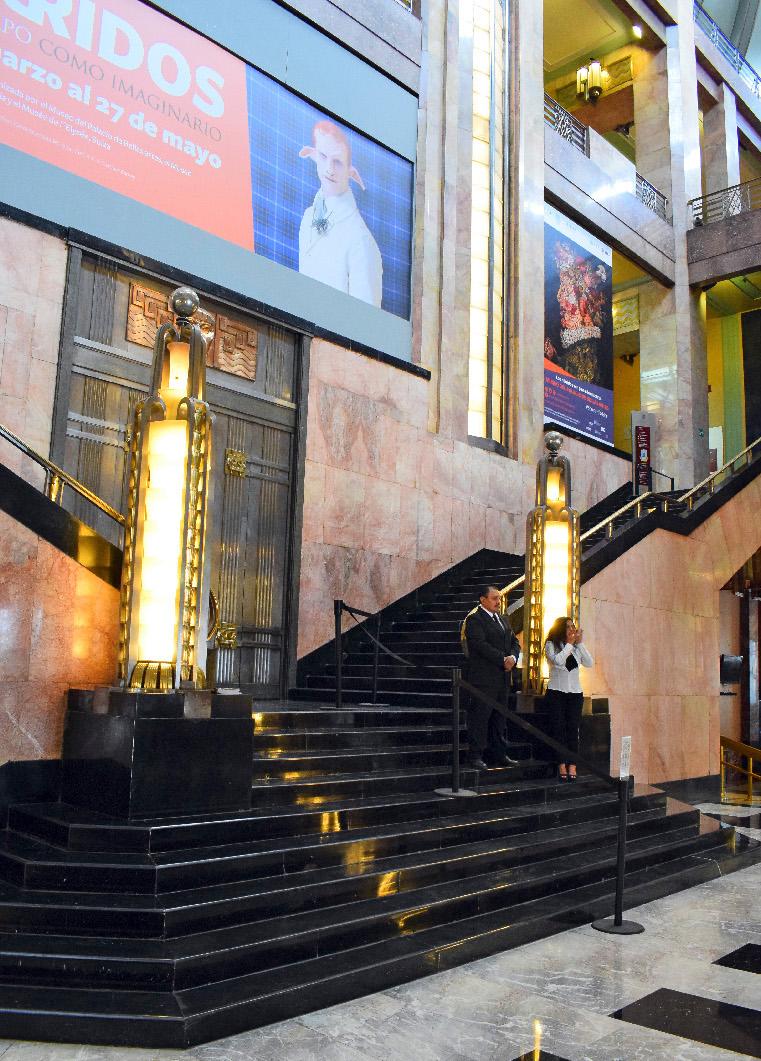
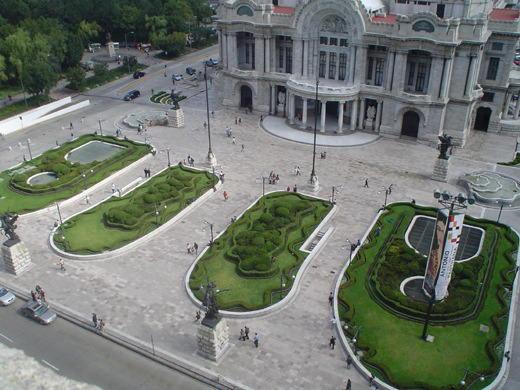

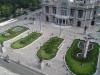
In the context of the centennial celebration of Independence, there was a need for a theater space. The project was led by Italian architect Adamo Boari, incorporating a blend of Art Nouveau elements and Mexican architecture. In November 1904, President Porfirio Díaz laid the cornerstone of the building, which was inaugurated on September 29, 1934.