



Templo de Ehécatl Quetzalcóatl
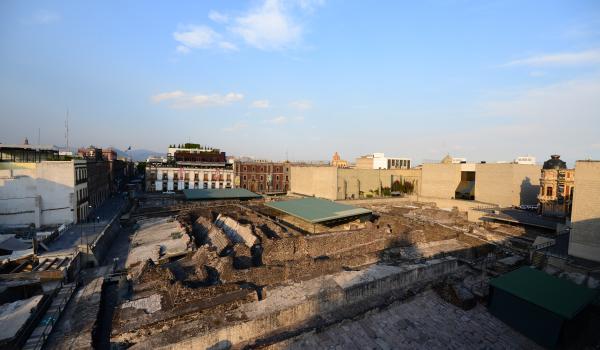
A section of the temple of Ehécatl Quetzalcóatl was discovered by the PAU between 2009 and 2010.
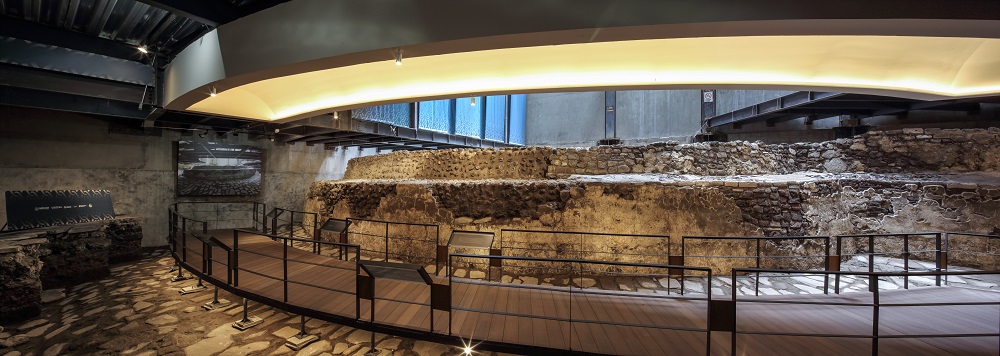
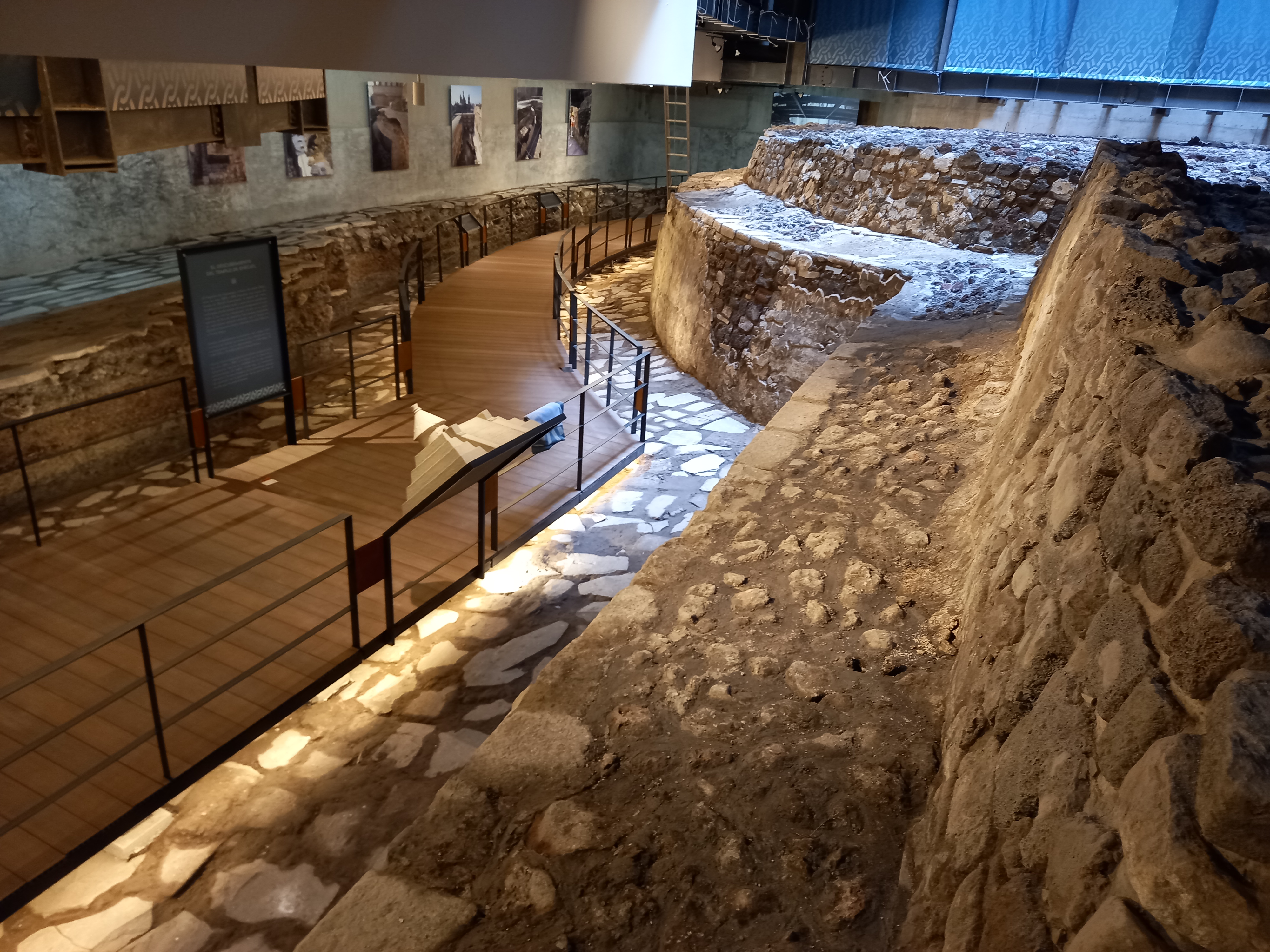
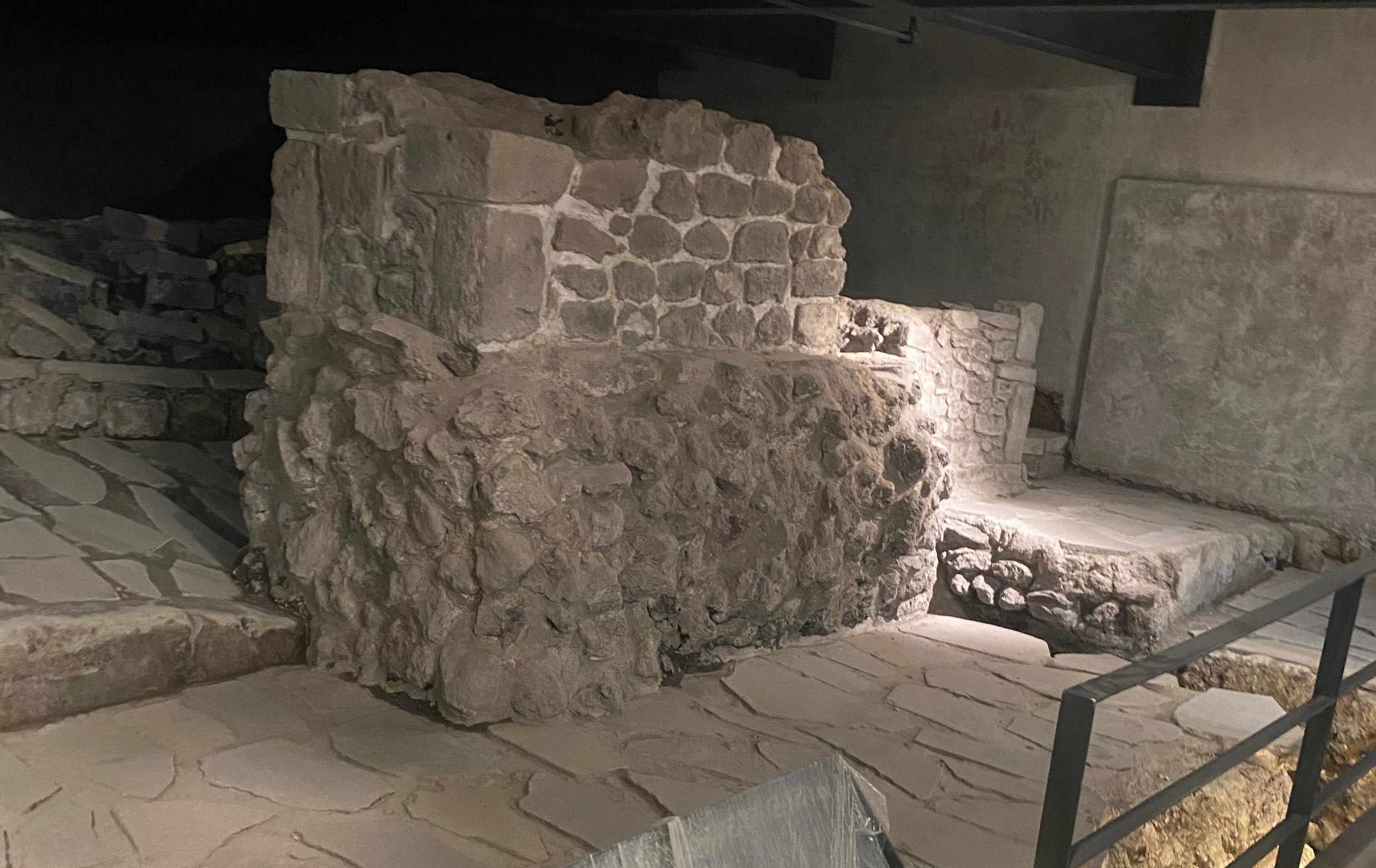
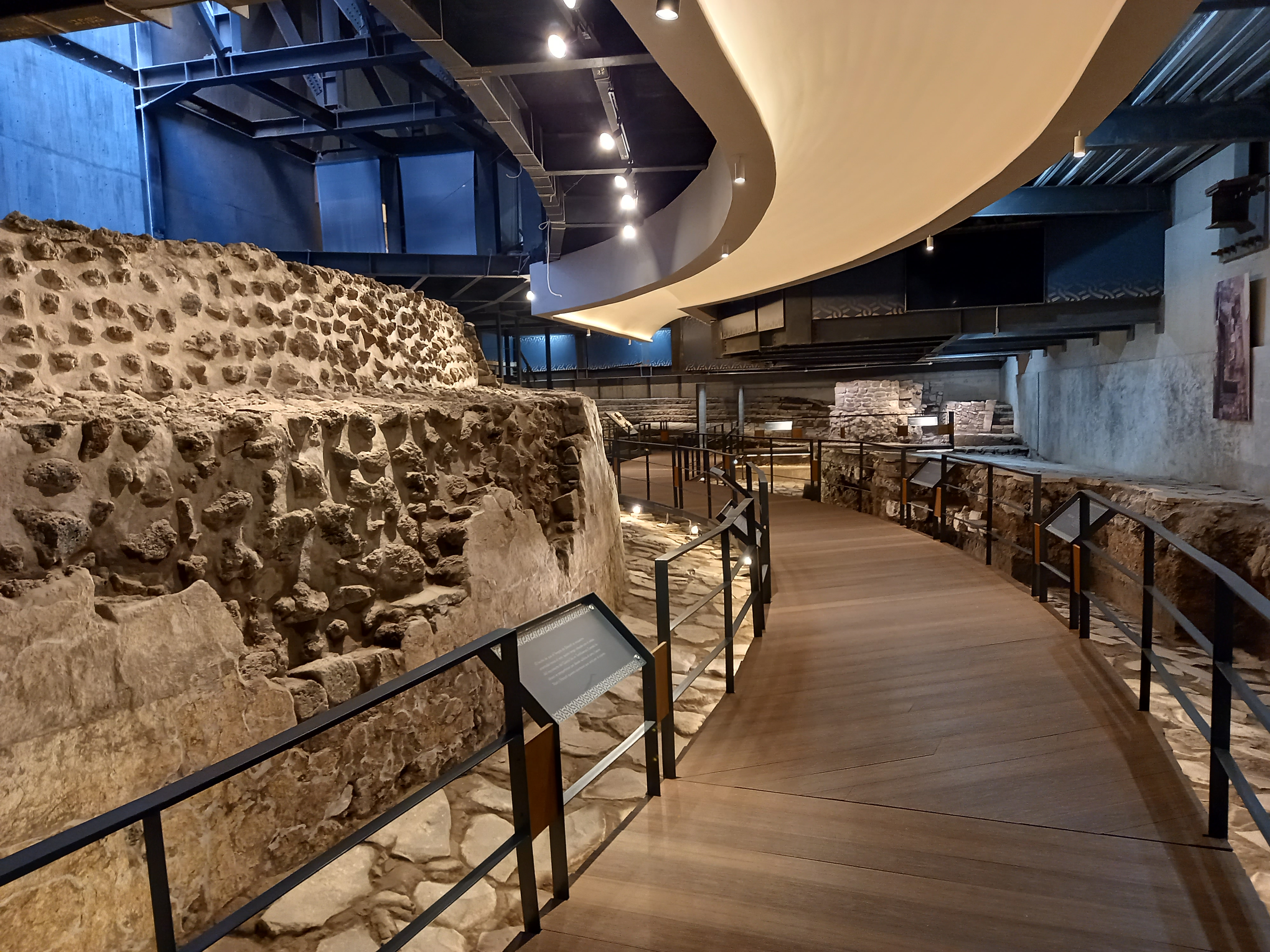
At number 16 República de Guatemala Street, the INAH Urban Archaeology Program, led by archaeologist Iván Urdapilleta Caamal, discovered a section of the temple of Ehécatl Quetzalcóatl (God of Wind).
This temple has a mixed layout, consisting of a rectangular platform with two sections measuring approximately 34 m from north to south, with a circular extension 18 m in diameter. Its west-east dimensions are unknown. The temple is located opposite the Tláloc chapel in the Templo Mayor, with its main façade facing east.
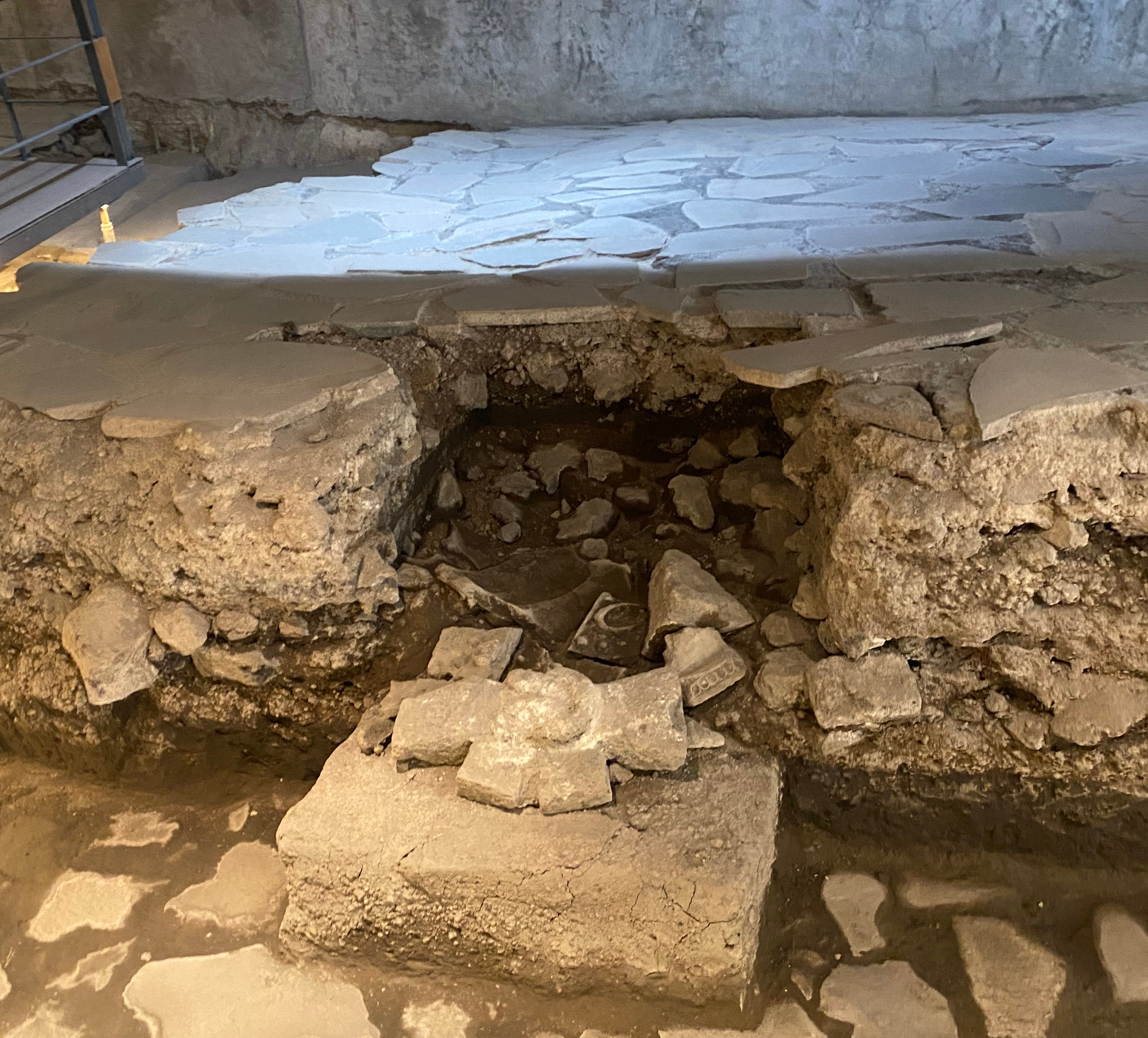
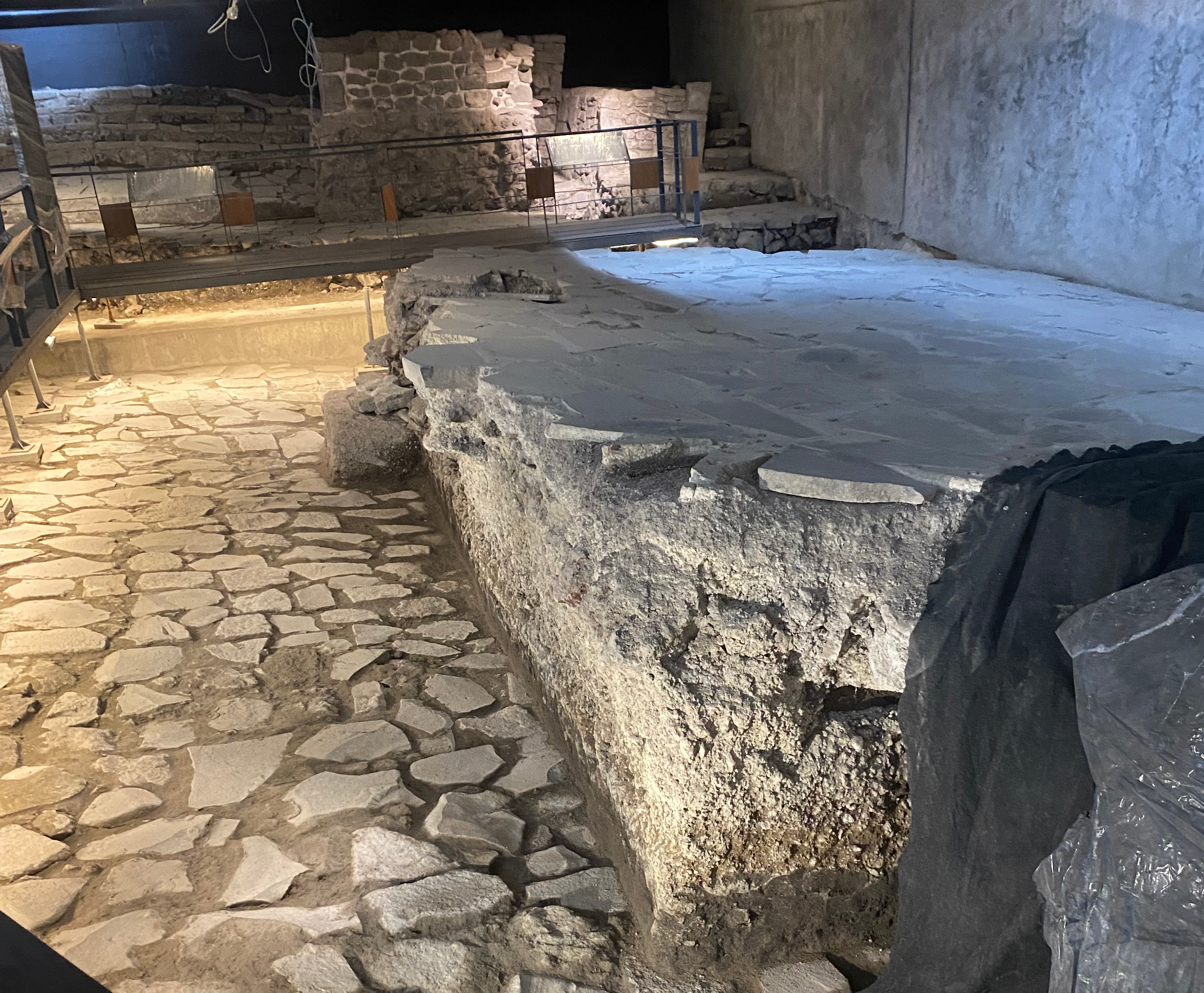
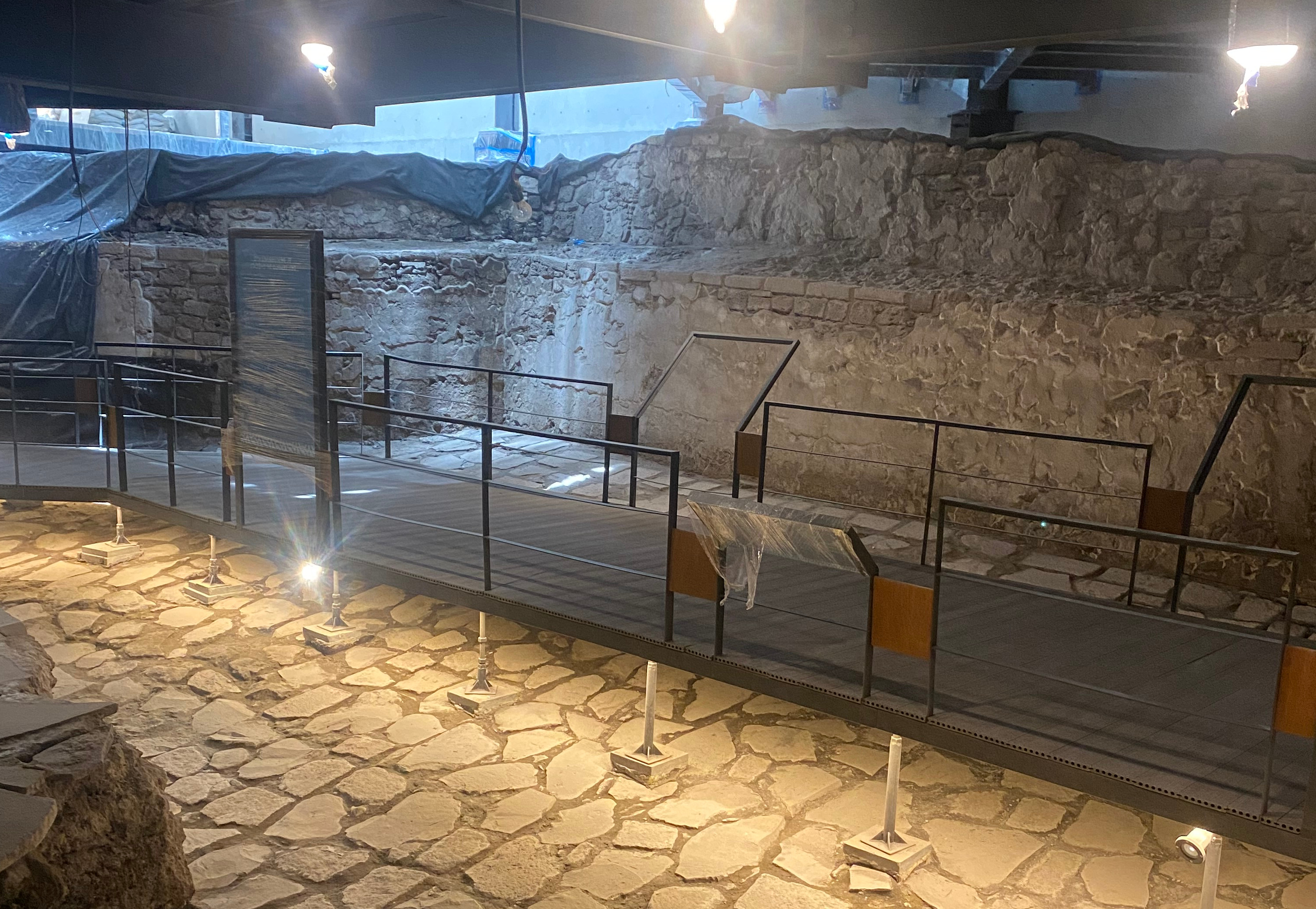
The three construction stages that have been identified are contemporary with those known as V (1481-1486 AD), VI (1486-1502 AD), and VII (1502-1521 AD) of the Templo Mayor. The latter corresponds to three levels of superimposed basalt floors. Fragments of sculptures associated with fillings from the viceregal period were also found, such as a representation of Miquiztli (a deity associated with death), a biznaga-shaped battlement, and a foot with a sandal.
Between 2016 and 2017, archaeologists José María García Guerrero and Ingrid Trejo Rosas led the excavation and restoration of the two semicircular architectural structures, and continued with the excavation of a basalt slab floor surrounding the temple of Ehécatl.
Its eastward orientation could be related to the story of the birth of the Fifth Sun in Teotihuacan, which recounts that both Xipe and Ehécatl correctly predicted the direction from which the sun would rise. Eduardo Matos Moctezuma has suggested that the circular shape of the temple and its serpent-mouth-shaped entrance may be due to the fact that they represent the coiled serpent with its head at the top of the base, since Quetzalcoatl is the Feathered Serpent.
Source: Raúl Barrera Rodríguez, director of the Urban Archaeology Program