




Sagrario de la Catedral Metropolitana
Sagrario de la Catedral Metropolitana
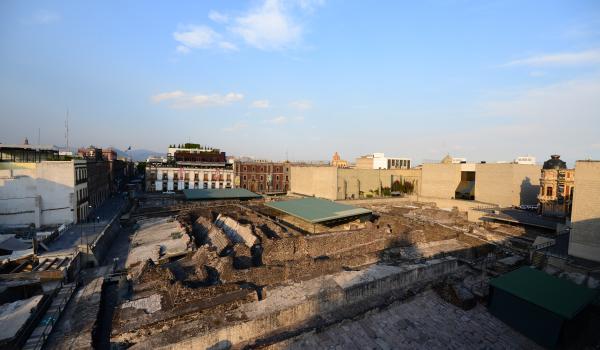
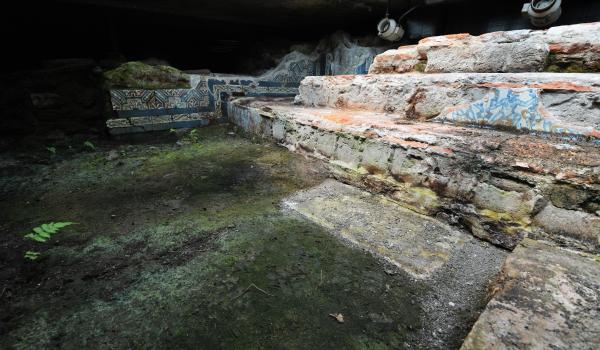
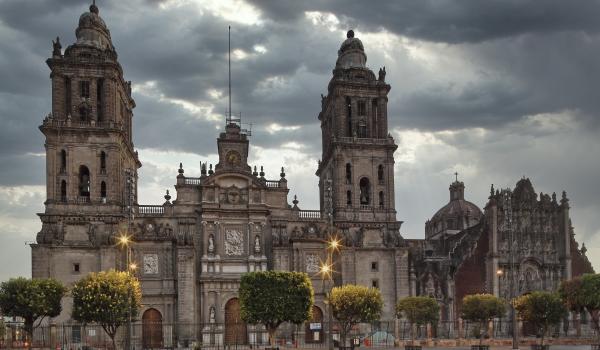
Beneath the tabernacle of the Metropolitan Cathedral, down a metal staircase located on the north side of the building, there are two windows that reveal three sections of architectural remains corresponding to the north side of the Temple of the Sun or Tonatihu.
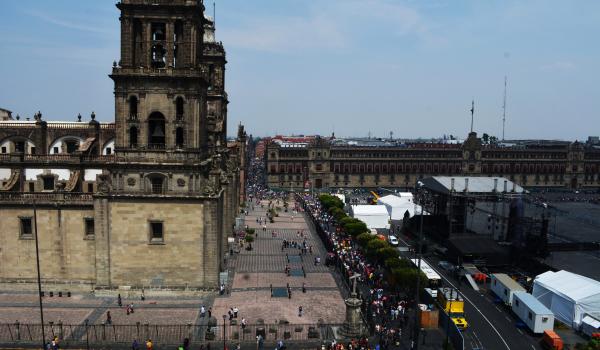
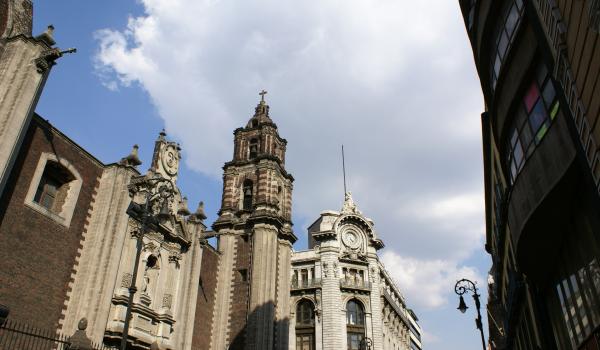
The Sagrario Chapel, a building attached to the right side of the Metropolitan Cathedral, is one of the masterpieces of Mexican Baroque altarpiece-façade architecture. It was built between 1749 and 1768 based on a design by Andalusian architect Lorenzo Rodríguez. Between 1975 and 1976, excavations were carried out as part of the foundation work by archaeologist Constanza Vega Sosa from the National Heritage Secretariat. As a result of these excavations, archaeologist Rubén Cabrera Castro identified three sections of architectural remains belonging to the north side of the Temple of the Sun or Tonatihu.
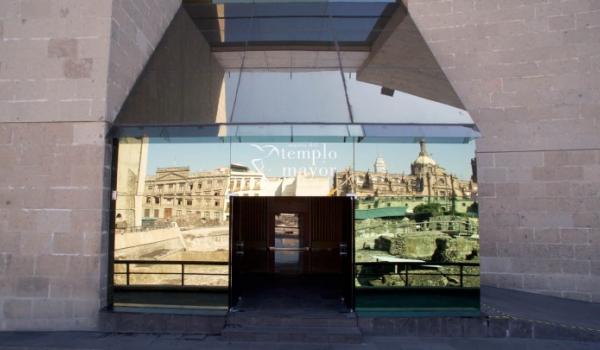
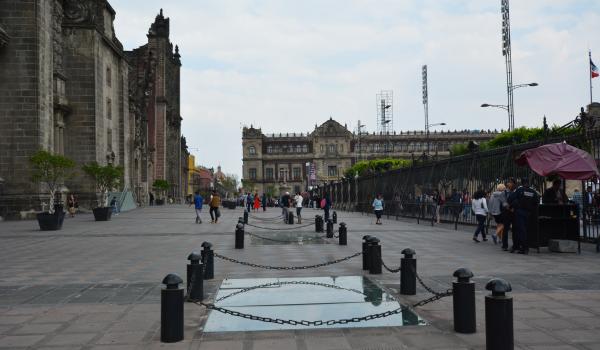
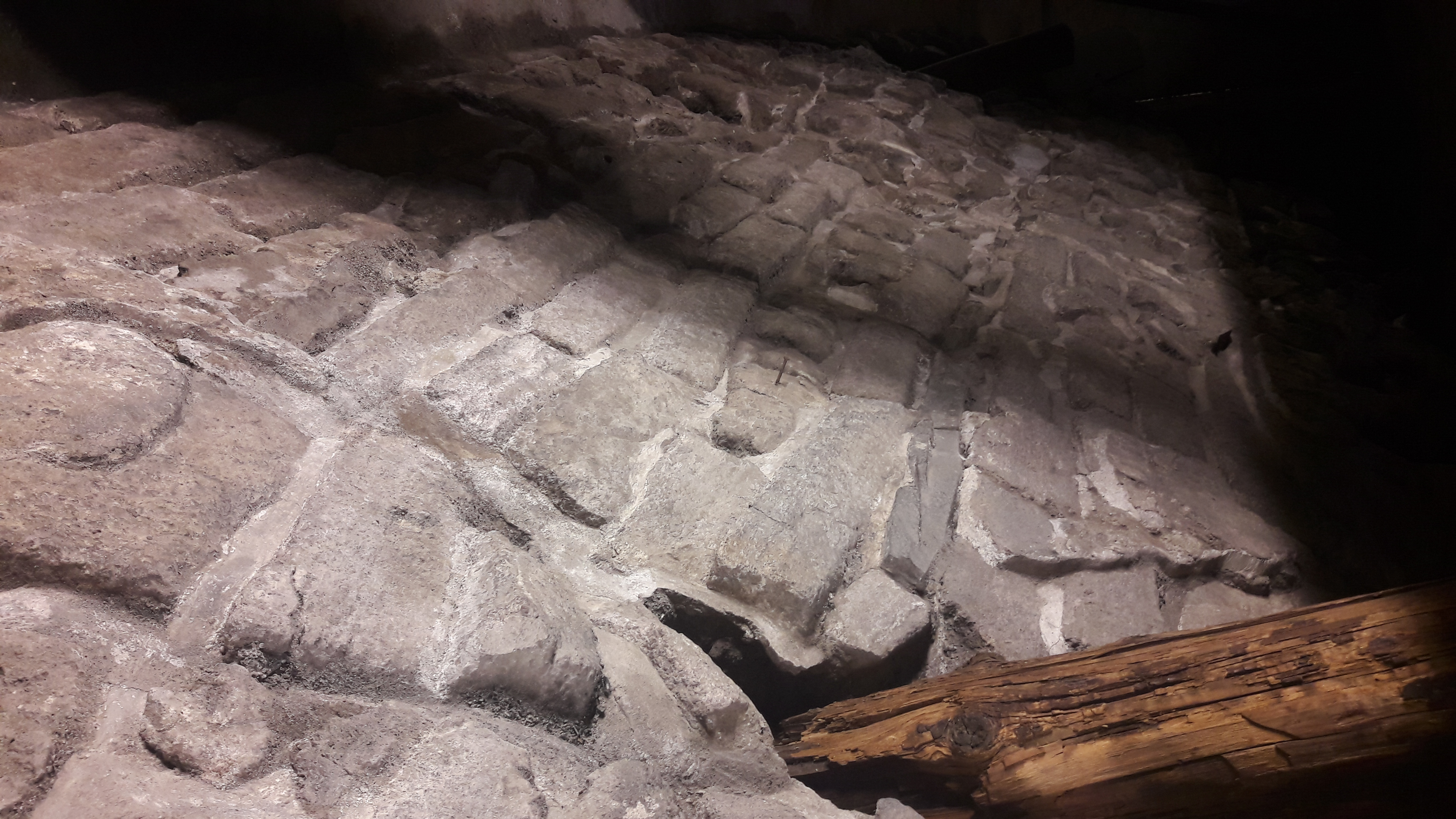
Two windows were installed so that the public could see these remains. The first window reveals the remains of a section of the sloping wall corresponding to the first section of the north side of the Temple of the Sun, with two construction stages and reinforcement at the external base of the building. The materials used in the construction of this building were irregular tezontle stones and andesite blocks joined with mud and a stucco coating made of lime, sand, and ground tezontle.
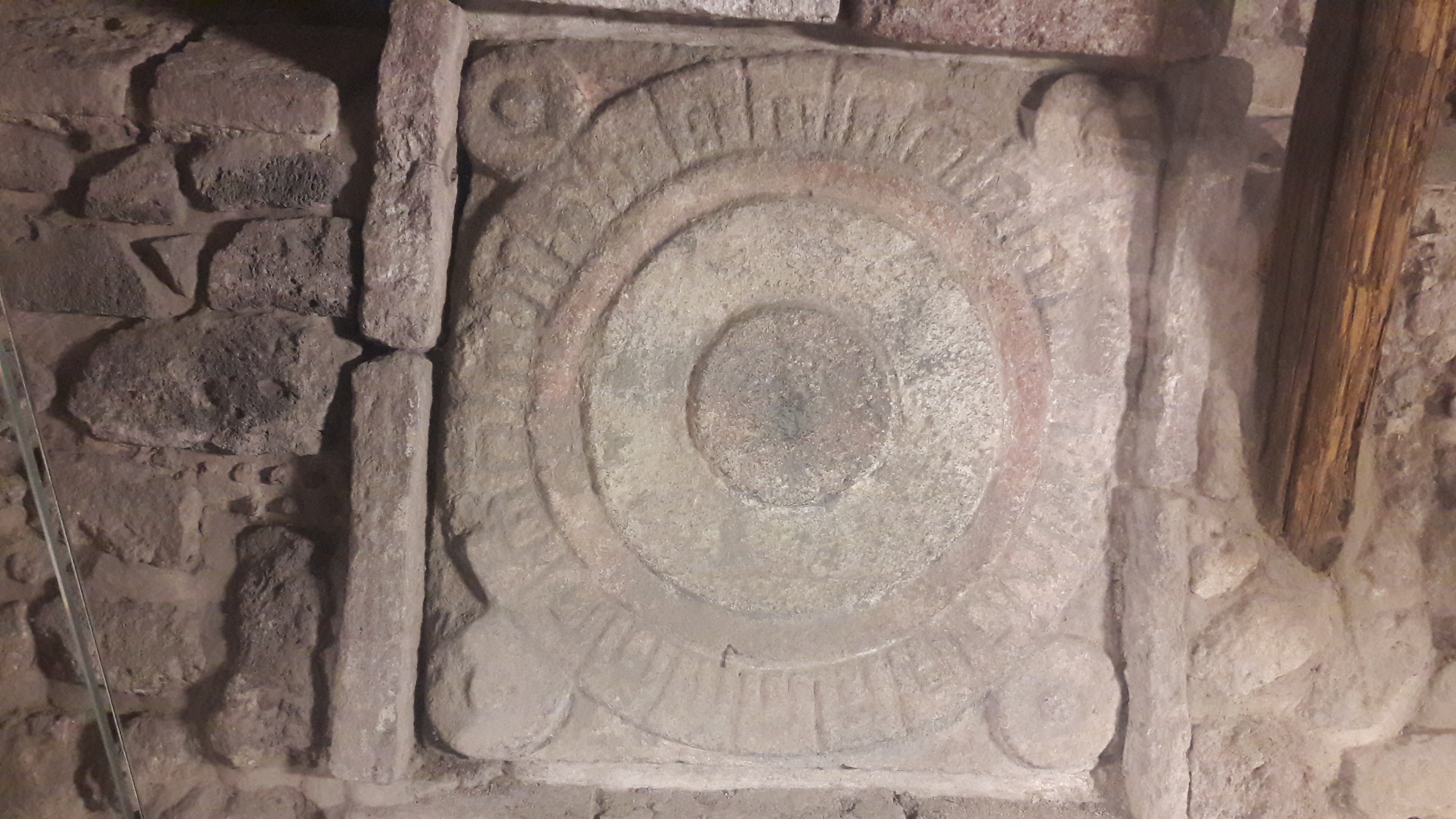
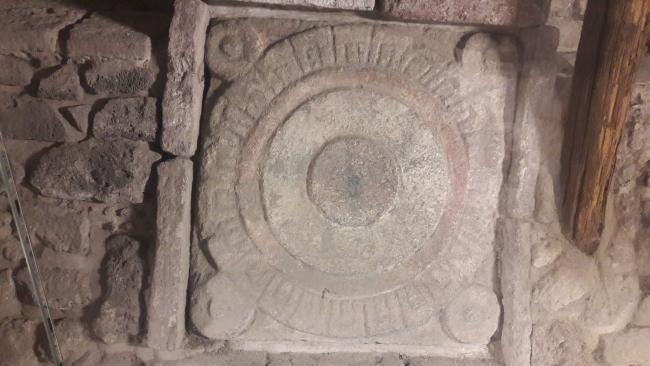
The second window, which is actually a space within the lower basement of the Metropolitan Tabernacle, shows two sections of the sloping wall that borders the Temple of the Sun on the north side. In the first section, the wall has a pink andesite tombstone embedded in it; its iconographic features include a solar disc formed by a central circle with traces of red pigment, surrounded by a green ring, followed by another red ring, and finally by a representation of eagle feathers in white and red, outlined in black, simulating the sun's rays; In each of the four corners of the stone are chalchihuites (jades or precious stones) which together symbolize the quinqunce or directions of the universe. Two other stones were also found and are now on display in one of the corridors of the sacristy of the Metropolitan Cathedral. The second section corresponds to the northwest corner of the Temple of the Sun. Interestingly, in this space, you can clearly see the wooden piles used for the foundation of the walls of the Metropolitan Tabernacle, built around 1749.
Thanks to the work of Constanza Vega Sosa and Rubén Cabrera Castro, we know that the Temple of the Sun is 49 meters long from east to west and that its main façade faces east.
Source: Raúl Barrera Rodríguez, director of the Urban Archaeology Program