




Atrio de la Catedral de México, Ventana 3
Atrio de la Catedral de México, Ventana 3
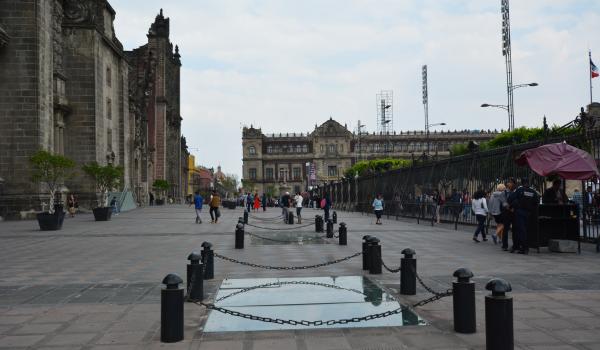
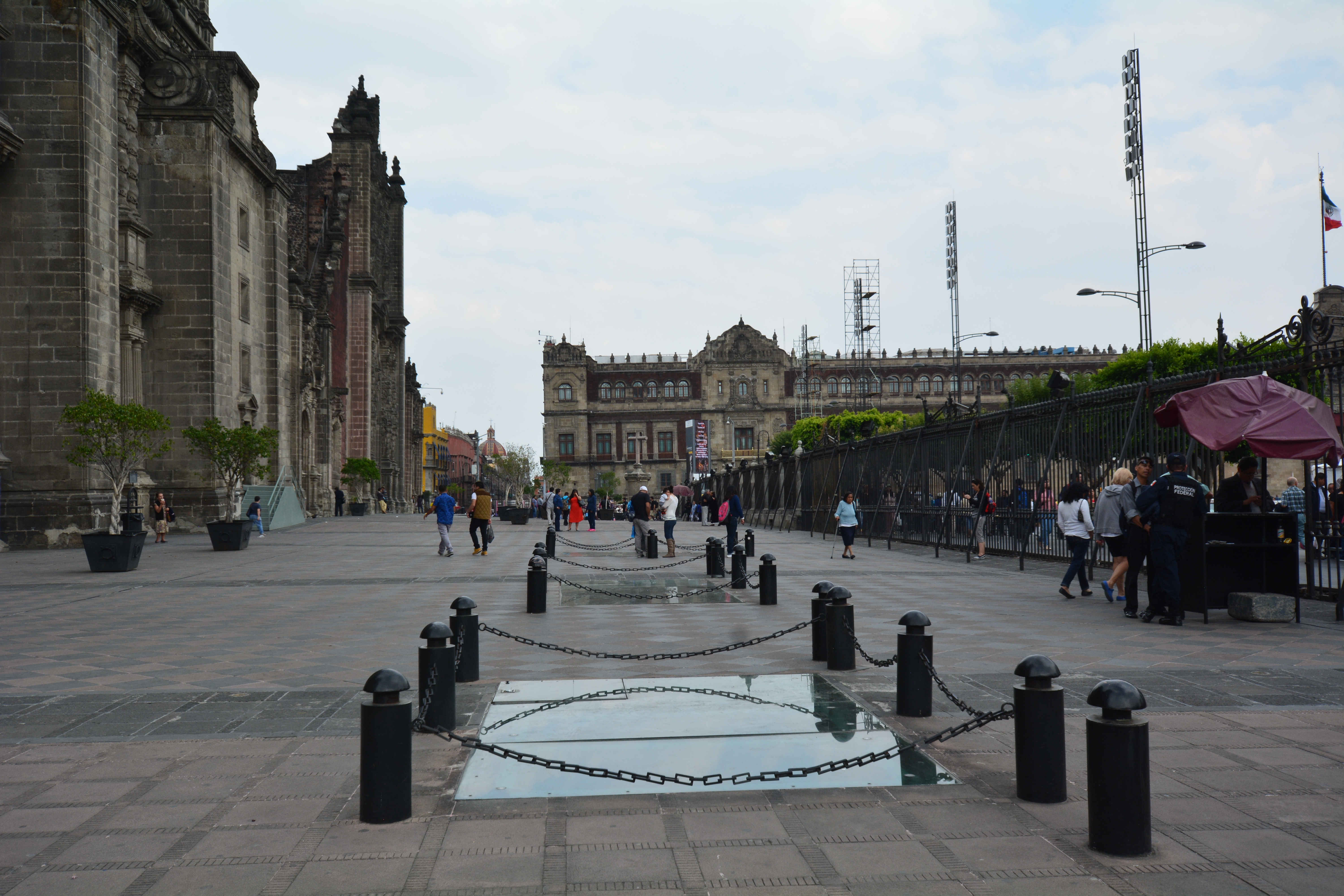
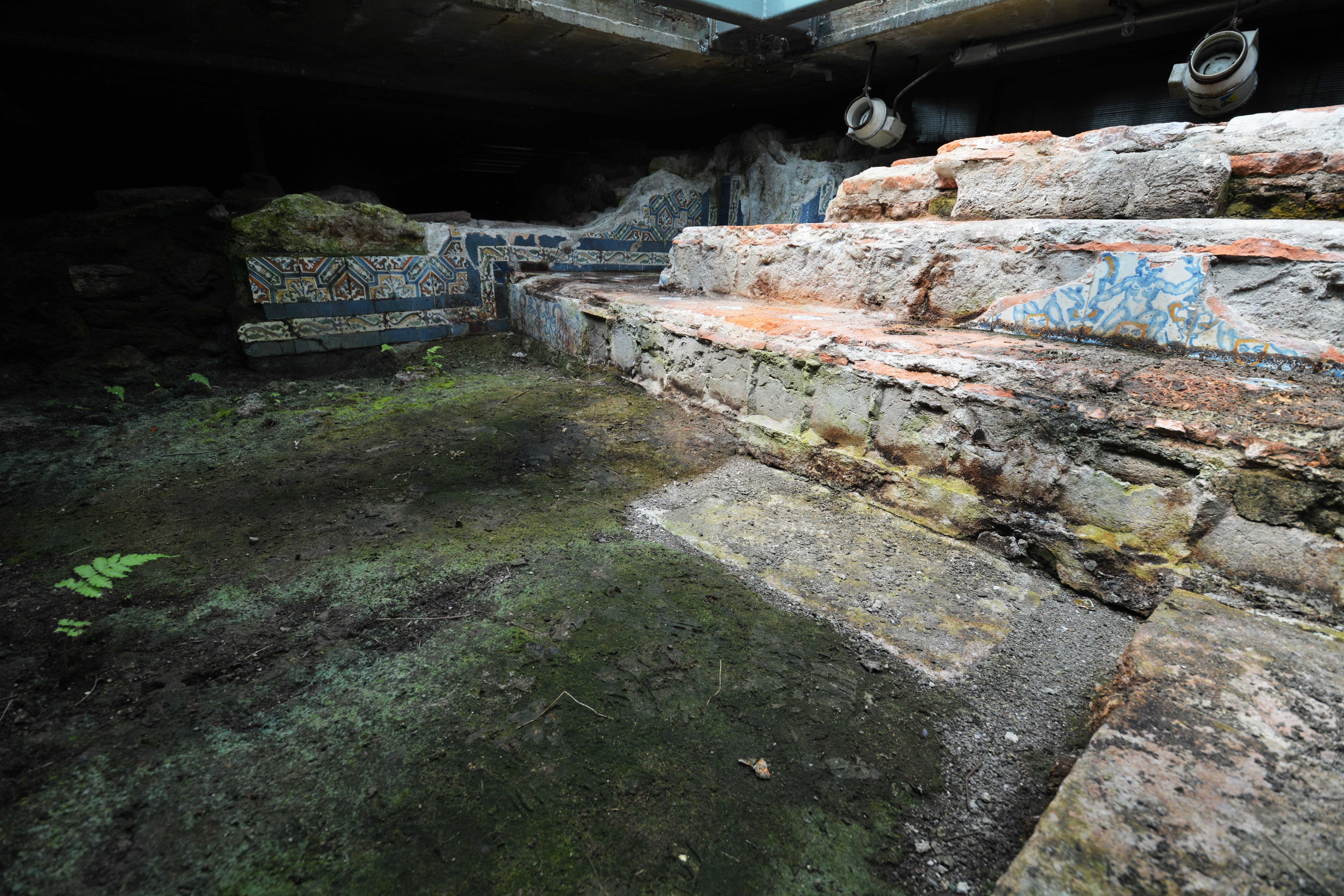
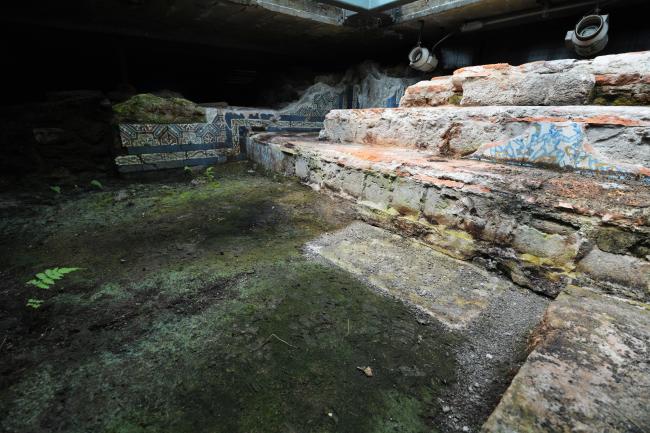
The archaeological remains found in the third window, opposite the main façade of the Metropolitan Cathedral, correspond to a side chapel of the Main Church or First Cathedral.
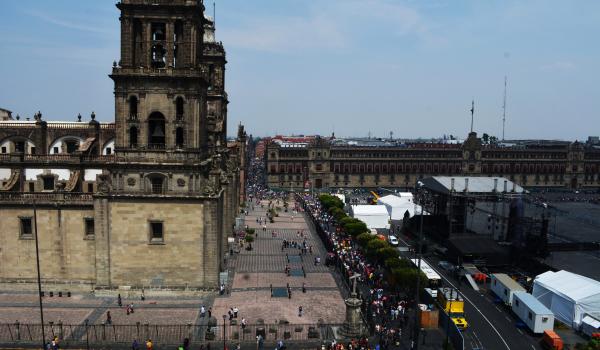
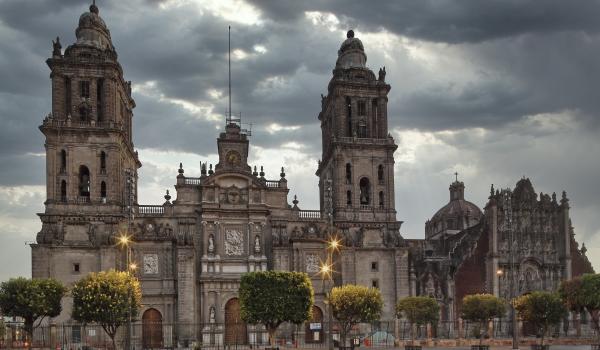
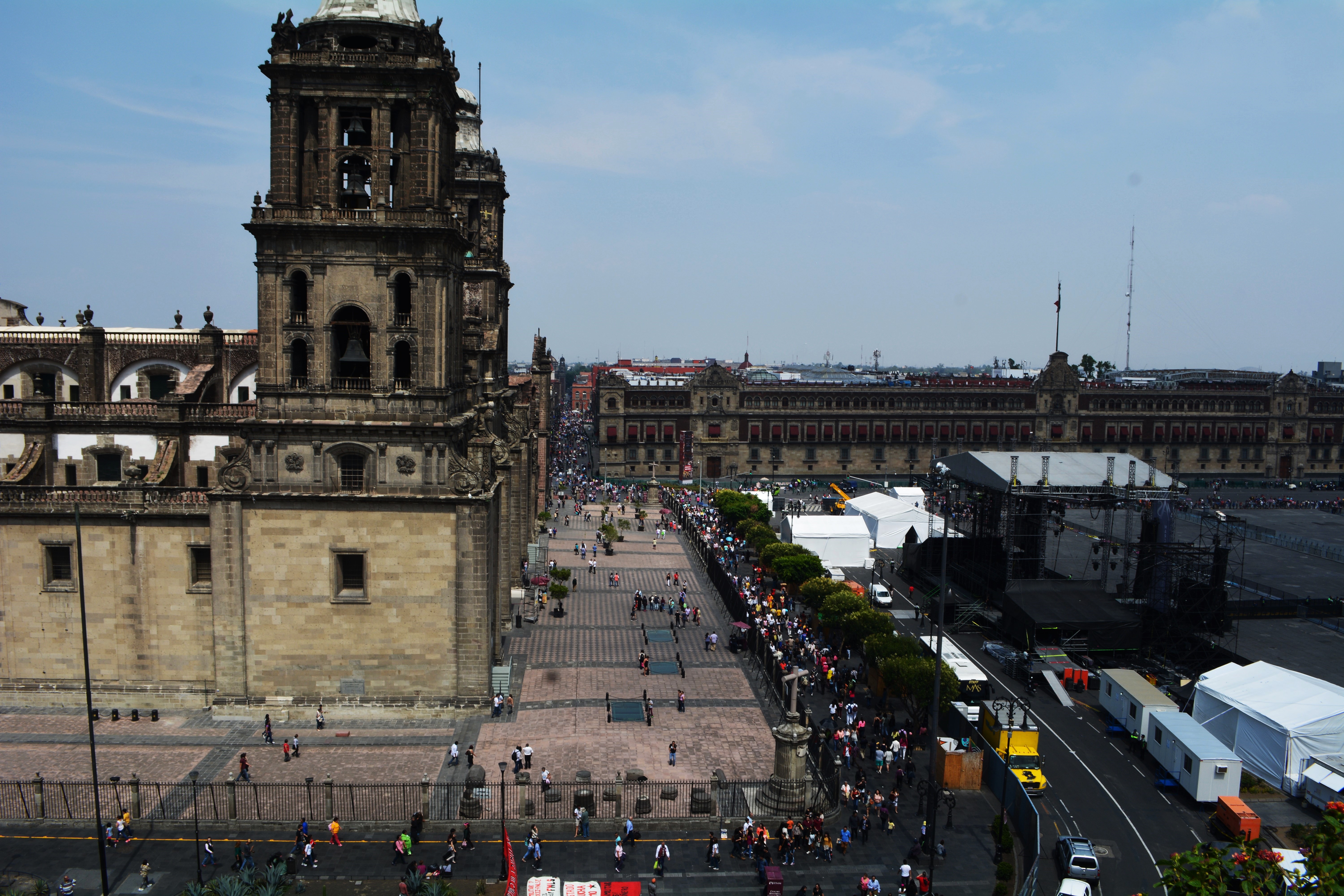
In the atrium of the Metropolitan Cathedral, four archaeological windows display what appear to be the remains of the side chapels and sacristy that were attached to the north side of the Main Church or Old Cathedral of Mexico, built by Hernán Cortés in 1525. This first work, designed and executed by architect Martín de Sepúlveda, was completed in 1532 after several repairs and was finally demolished in 1626.
The third archaeological window covers an area approximately 3.35 m long by 2.25 m wide. Based on the distribution characteristics, it is believed that the architectural remains were part of a side chapel of the Main Church or First Cathedral. First, there are three steps that, from south to north, lead to an altar. On the baseboard, there is an alignment of Moorish-style tiles with representations of angels holding a vase with flowers and small arches; between their legs are faces expressing ugliness. On the wall that delimits the small chapel on the west side, there are remains of a tile covering decorated with geometric motifs and borders, as well as phytomorphic designs made with cobalt blue and yellow ochre pigments on a white background. There are also some tiles with designs of fish, swans, and a very schematic representation of a friar. Based on their stylistic characteristics, these tiles must date from the 17th century.
Source: Raúl Barrera Rodríguez, director of the Urban Archaeology Program

![Colección Felipe Teixidor, Jardín del atrio [de la] Catedral de México, Serie Catedral de México](https://repositorio.inah.gob.mx//sites/default/files/styles/thumbnail_480x480/public/2024-08/456844-Thumbnail%20Image.jpg?itok=koDVdB4N)
![Colección Felipe Teixidor, Jardín del atrio [de la] Catedral de México, Serie Catedral de México](https://repositorio.inah.gob.mx//sites/default/files/styles/thumbnail_480x480/public/2024-08/456704-Thumbnail%20Image.jpg?itok=dHlgNwGV)