










Museo Nacional de las Culturas Ventana 1
Museo Nacional de las Culturas Ventana 1
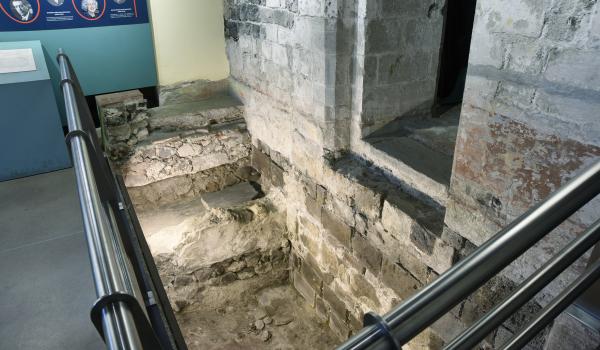
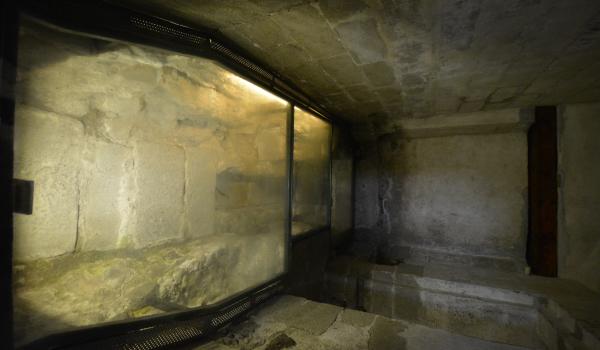
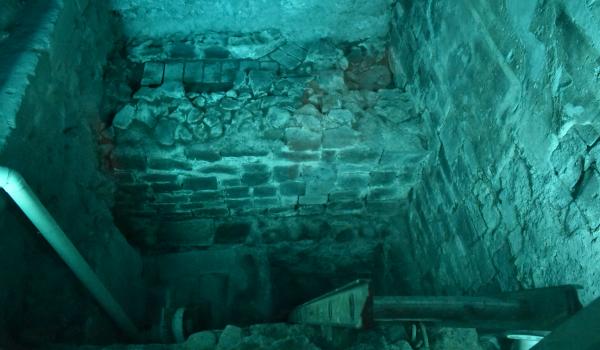
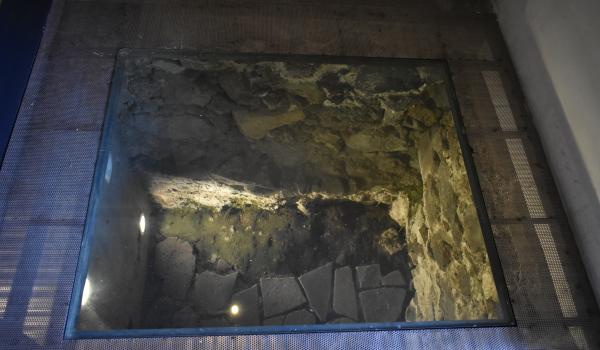
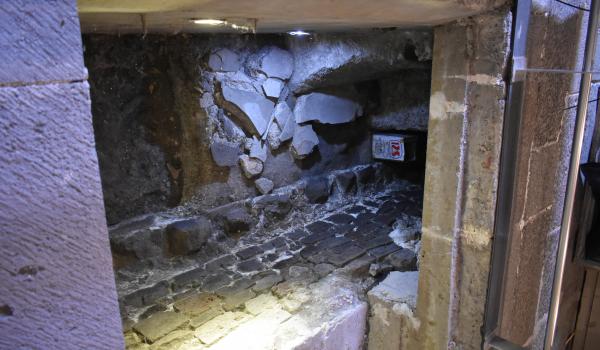
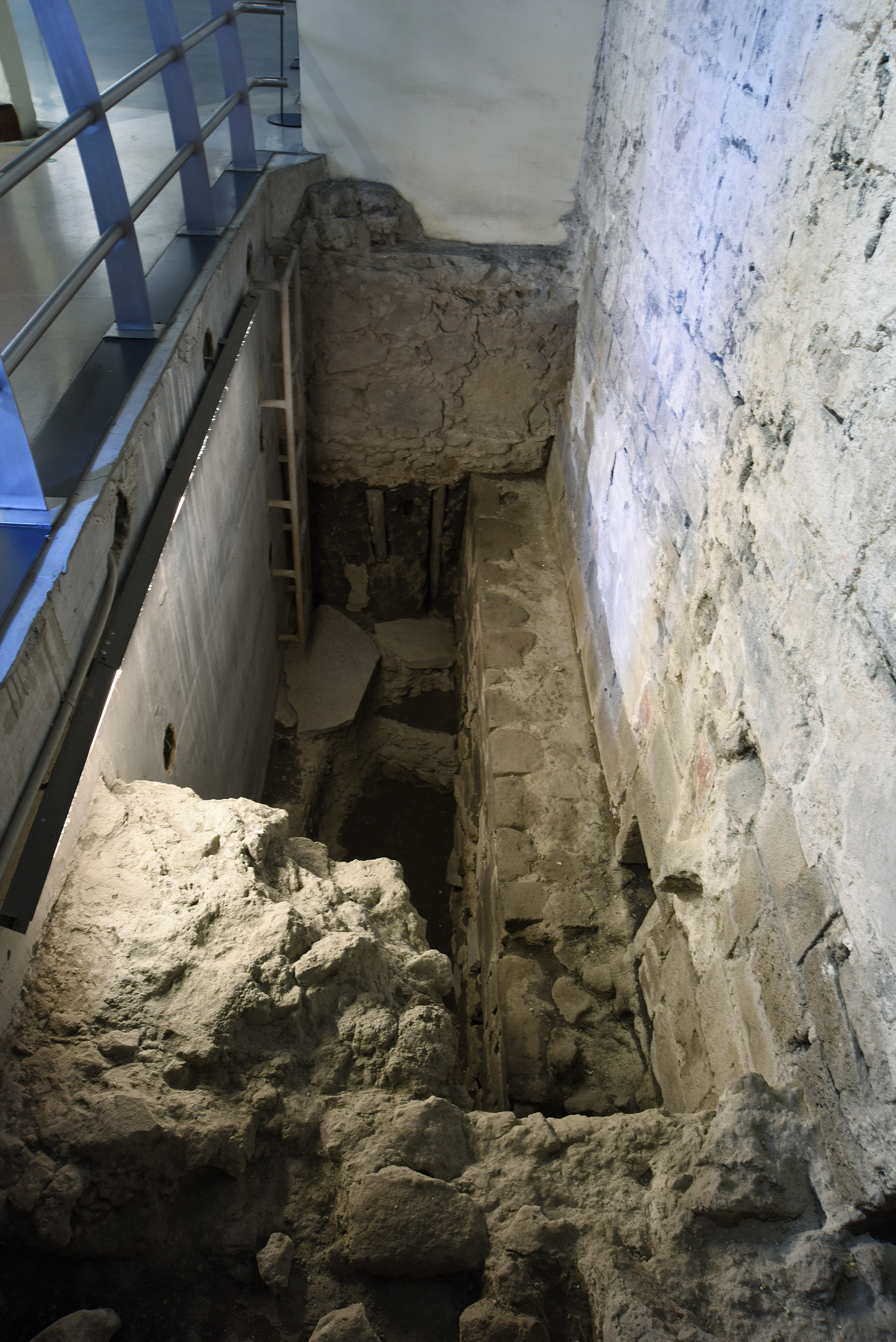
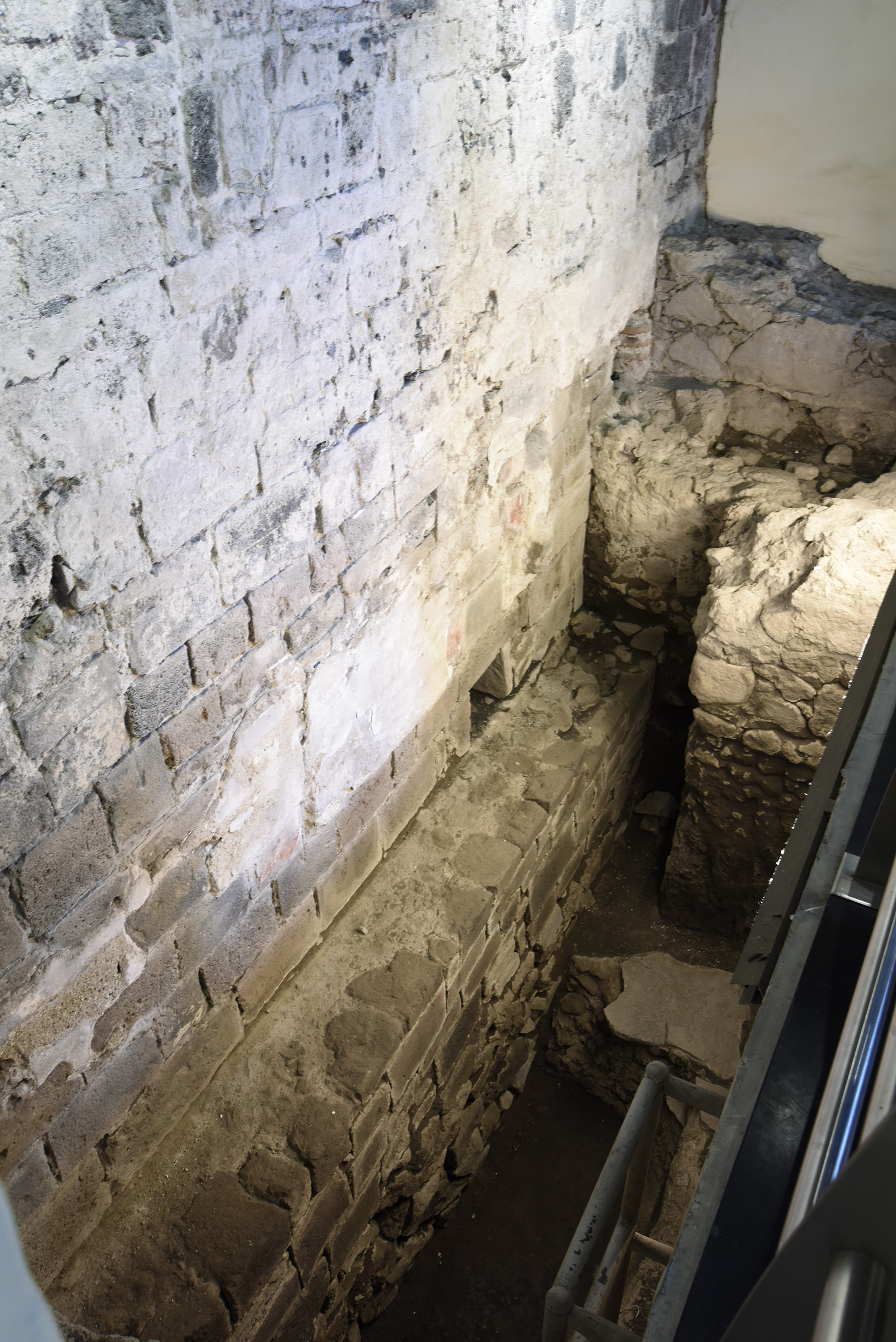
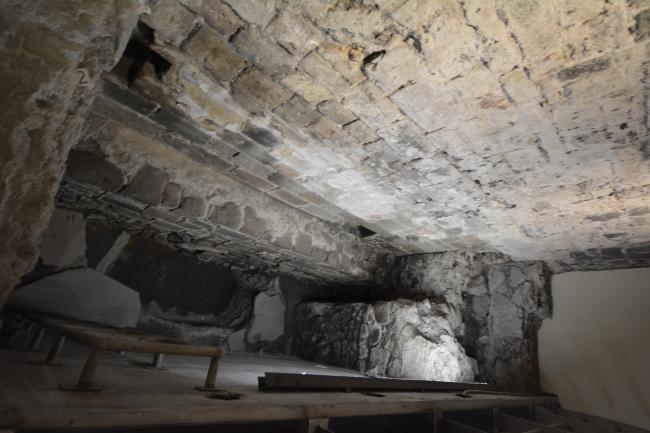
Between floors, walls, foundations, and drains, the first window of the MNCM shows the historical evolution of the building it occupies.
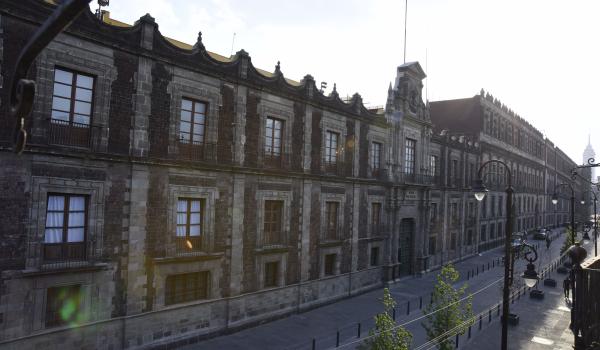
Next to the National Palace is the National Museum of World Cultures. It is believed that the building that houses it was the Tlillancalco, a place that Moctezuma Xocoyotzin used for meditation.
Between 1570 and 1572, Miguel Martínez built the Mint of New Spain; by 1731, the facilities were insufficient, so Nicolás Peinado and architects Pedro Arrieta and Miguel de Herrera drew up a proposal to structurally modify the building, which was approved and carried out in 1734.
From 1850 onwards, the building underwent various uses: headquarters of a guard barracks for the supreme powers of the Ministry of Finance and the Supreme Court of Justice, warehouse for the University Library and Archives, it functioned as a post office and as the headquarters of the Department of Statistics, the Mexican Society of Geography and Statistics, the Ministry of Internal and External Relations, the Mexican Society of Natural History, the photography department of the Ministry of War, a fire station, and the National Printing Works.
It was not until 1866 that Maximilian of Habsburg established the Public Museum of Natural History, Archaeology, and History in this building and ordered the transfer of the historical and natural collection of the National Museum, which was located in the Royal and Pontifical University of Mexico.
In 1909, the National Museum of Archaeology, History, and Ethnography was created, where the Coatlique and the Sun Stone were exhibited. In 1942, it became the National School of Anthropology and, two years later, finally, the National Museum of World Cultures.
Thanks to architectural restoration between 2004 and 2011, Dr. Elsa Hernández Pons carried out an archaeological research project that resulted in the opening of seven archaeological windows.
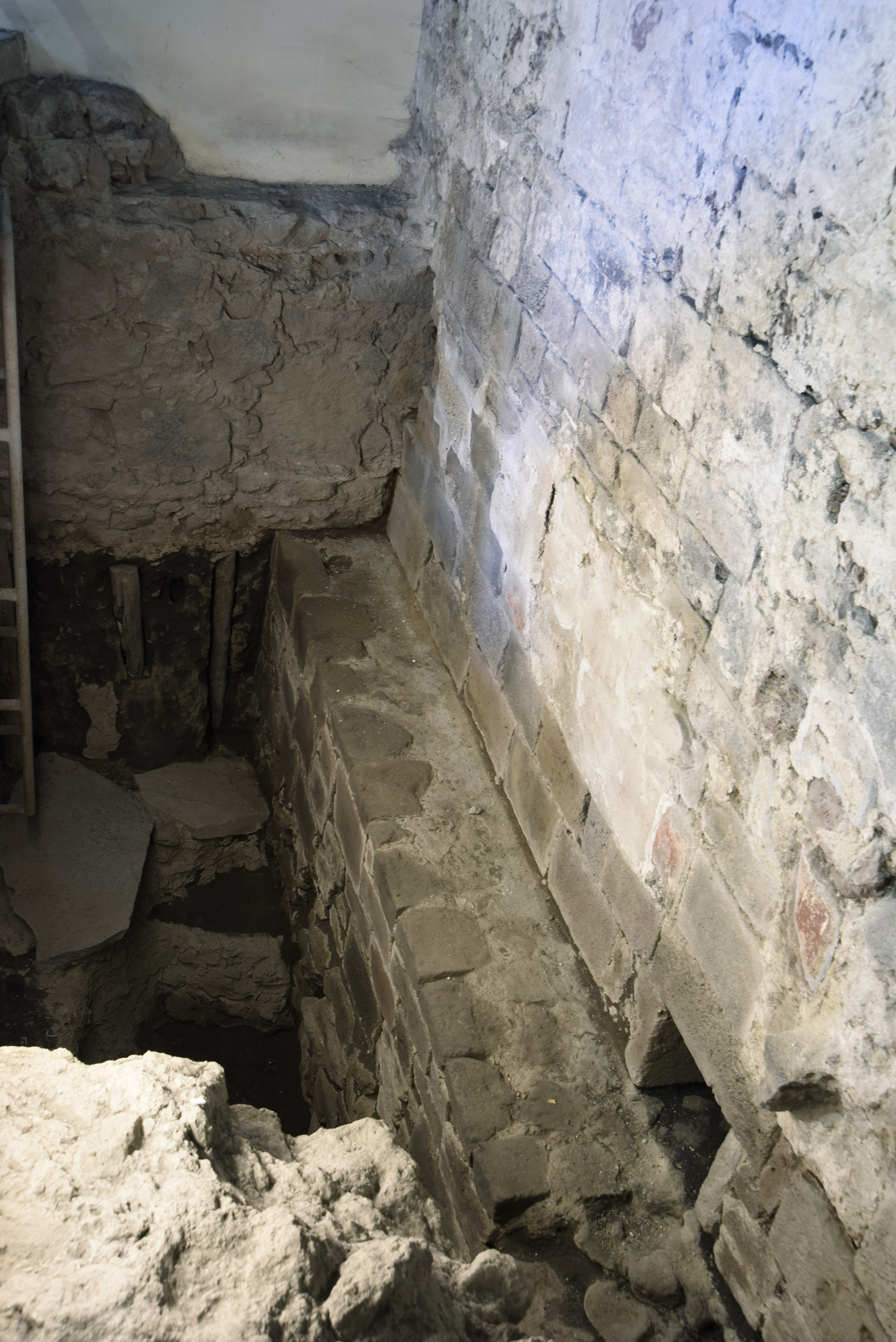
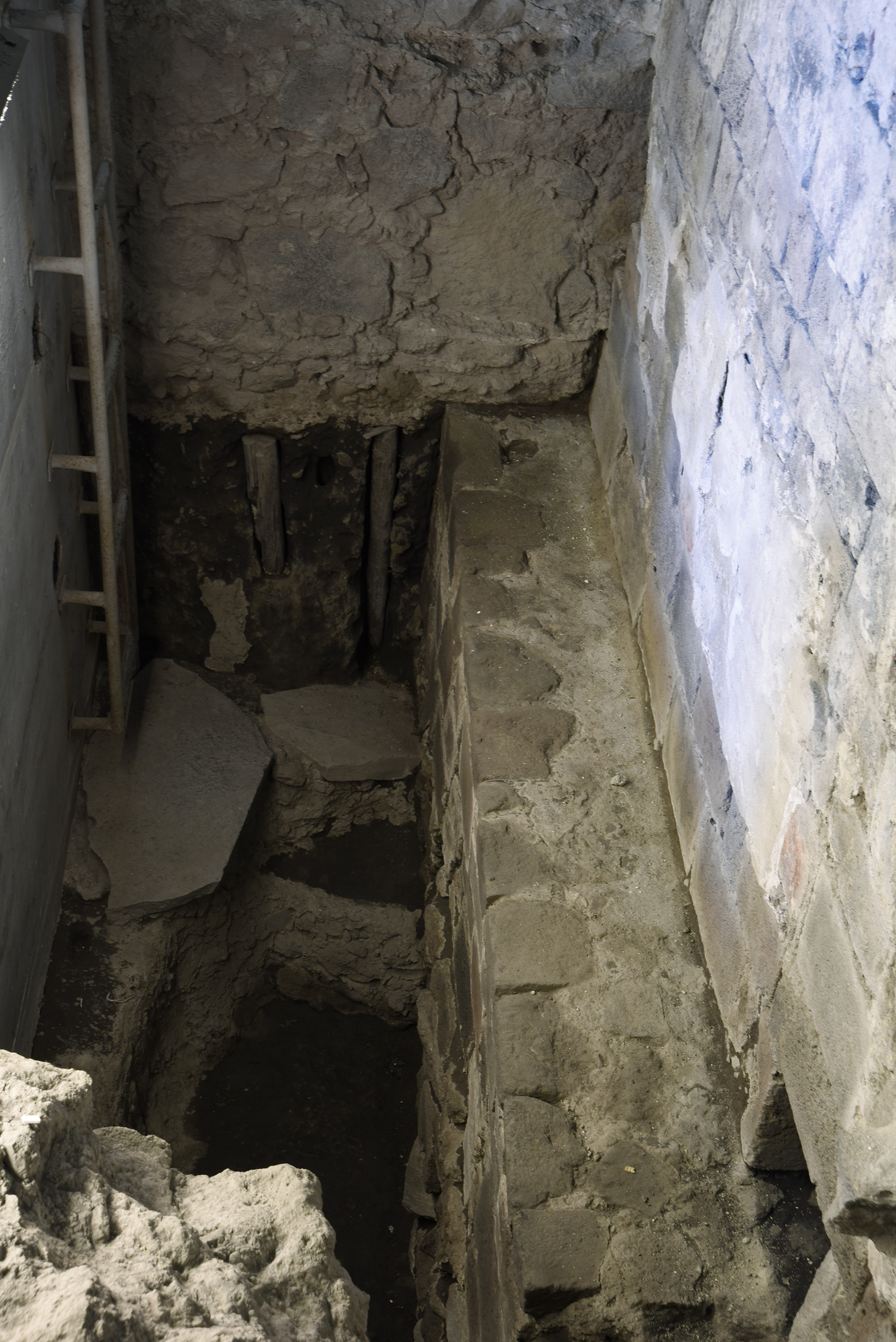
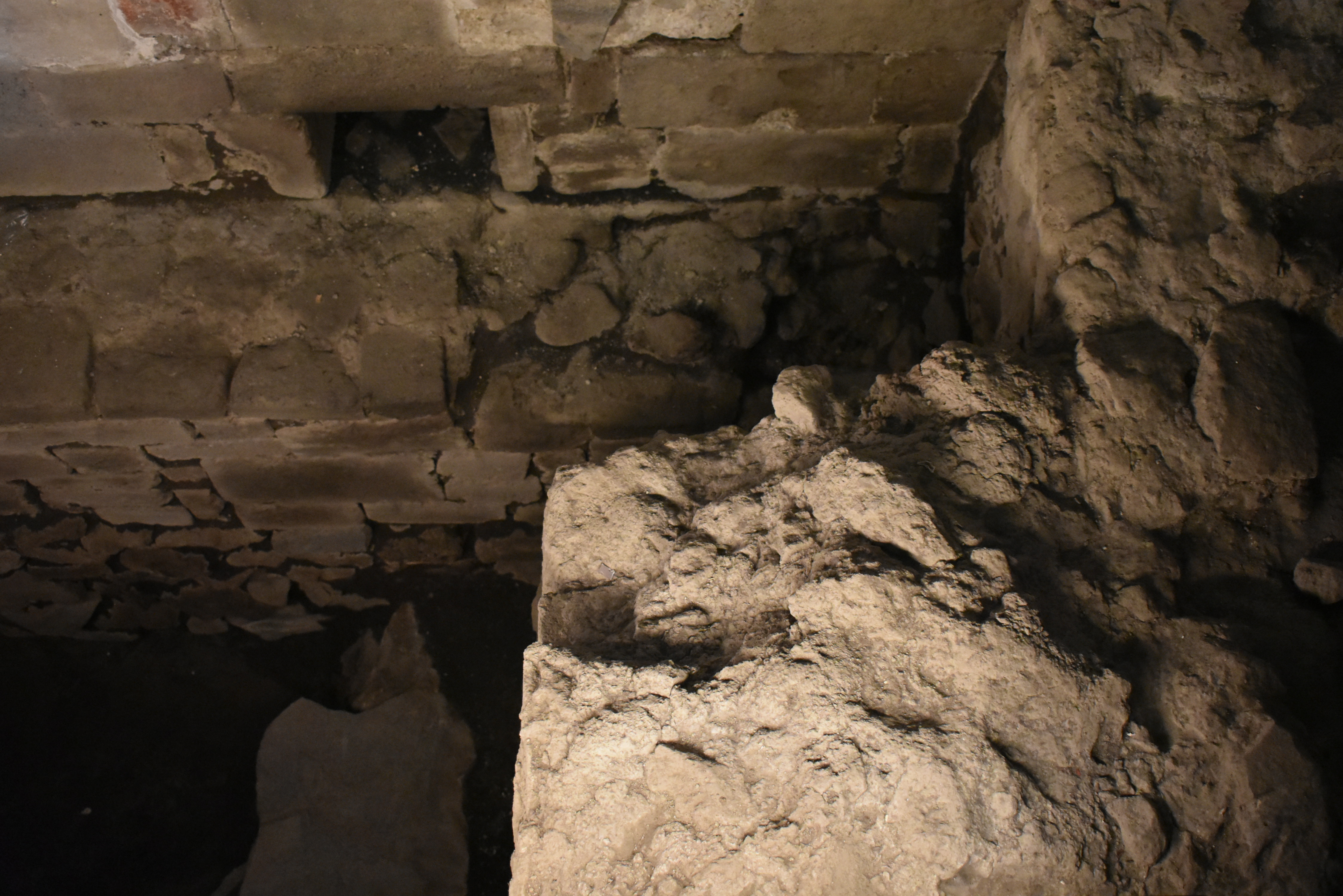
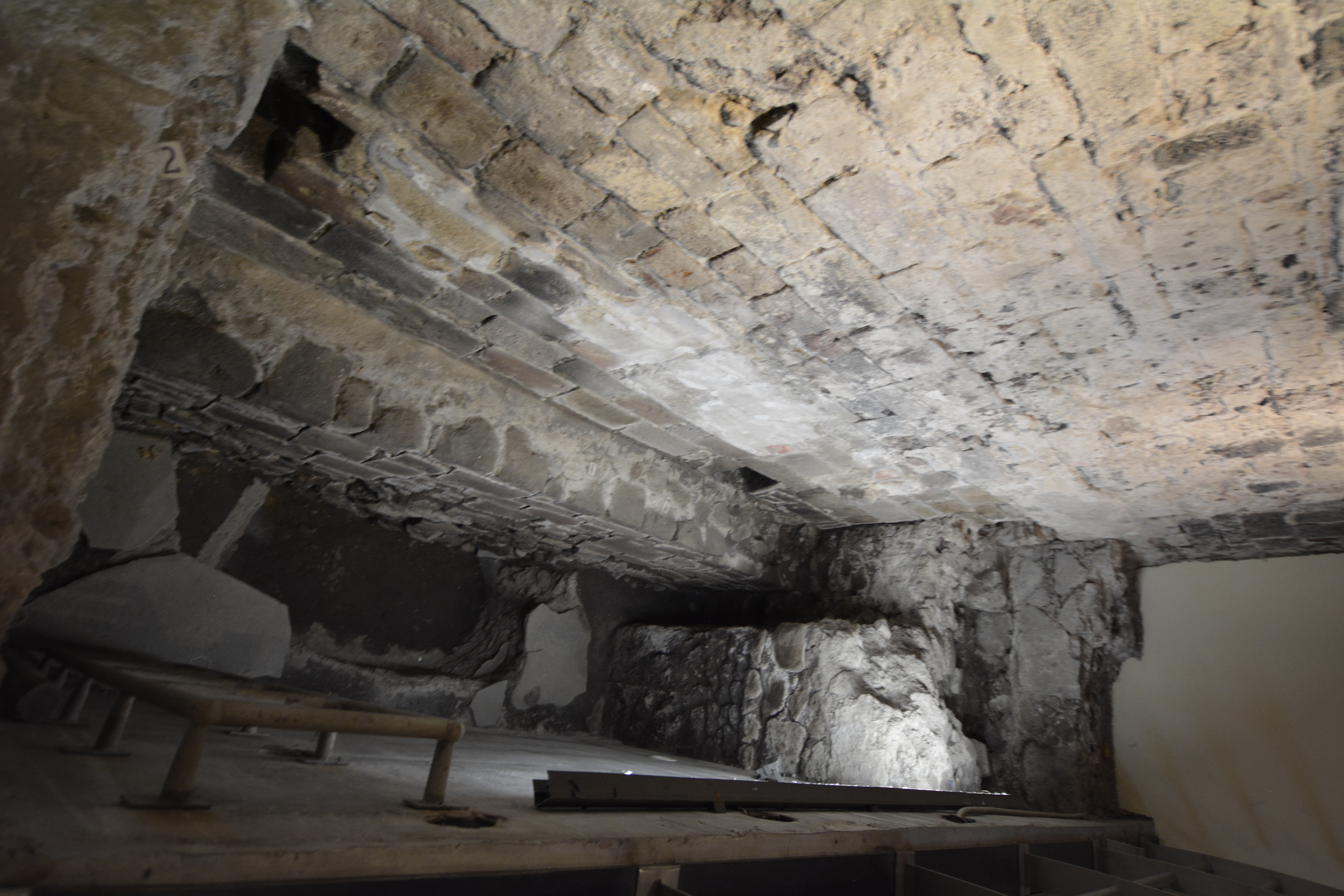
The first four windows are located in the Site Room to the left of the museum entrance. The first occupies a space 4 m long by 1.50 m wide, in which the remains of a basalt stone slab street can be seen that delimited the Palace of Moctezuma Xocoyotzin and the sacred enclosure of Tenochtitlan, as well as some walls that belong to three different construction stages: they apparently belonged to the New Houses of Moctezuma II and formed part of the main façade of the first and second Mint. As for the foundations, a platform from the Palace of Moctezuma Xocoyotzin can be seen, which was reused for the construction of the first Mint. Other remains of the old Mint and its various modifications between 1731 and 1734 can also be seen, such as the drain in a 16th-century wall, which flowed into the street.
Source: Raúl Barrera Rodríguez, director of the Urban Archaeology Program