





Museo de la Autonomía Universitaria Ventana 1
Museo de la Autonomía Universitaria Ventana 1
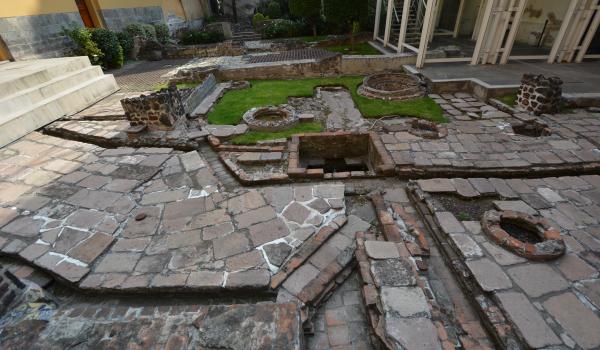
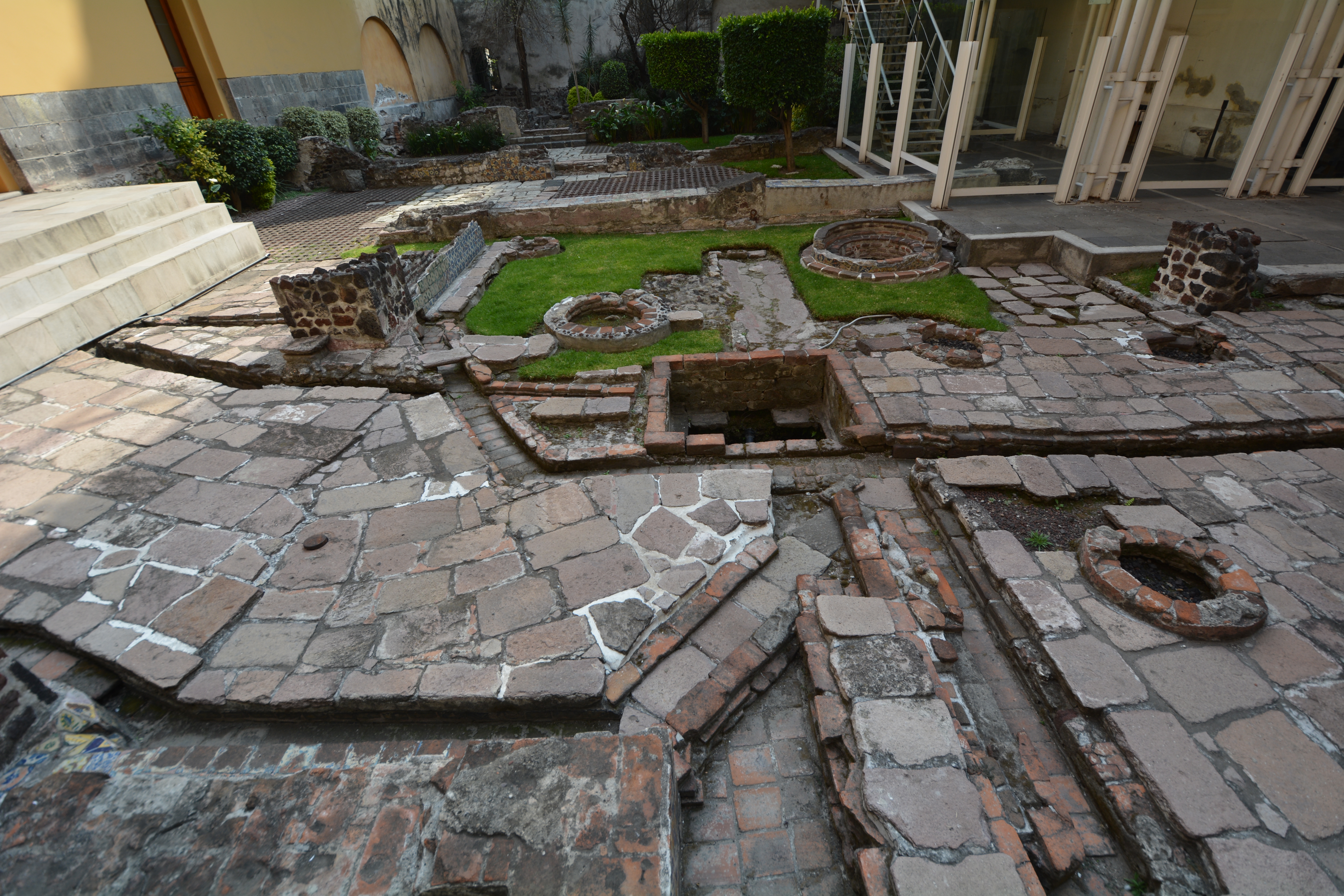
Buried beneath the floor of the courtyard of the Old Dentistry Palace at the National Autonomous University of Mexico (UNAM), archaeological remains of a viceregal house dating from the second half of the 16th century can be seen. This house was the residence of Juan Luis de Rivera.
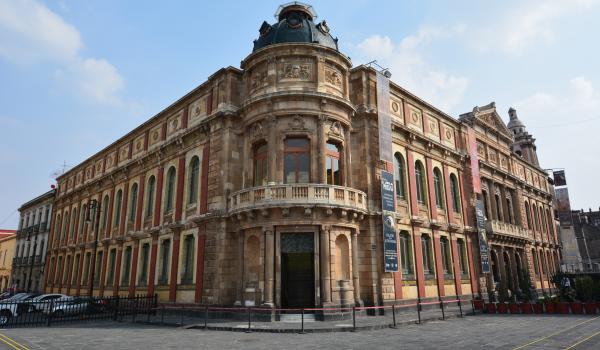
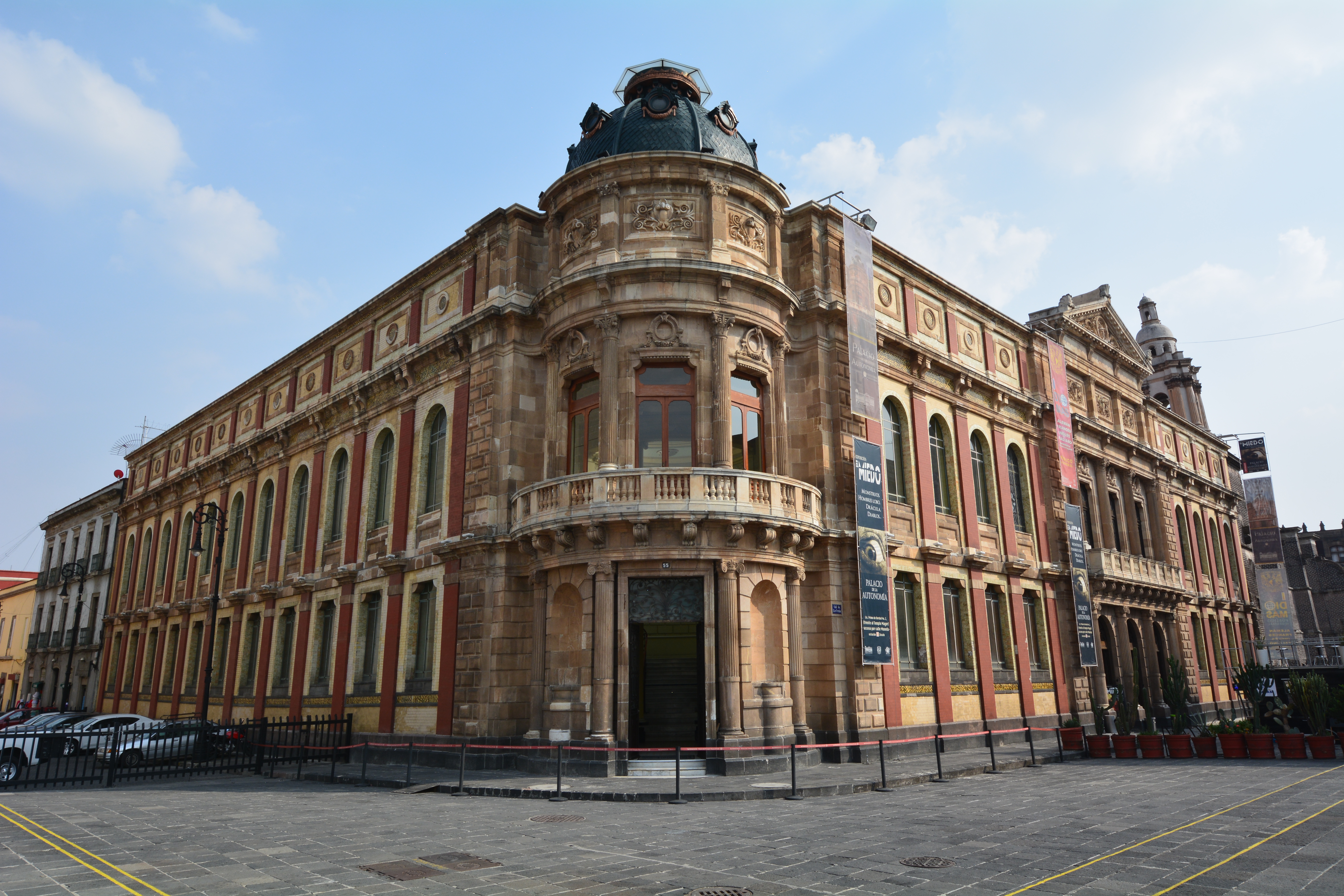
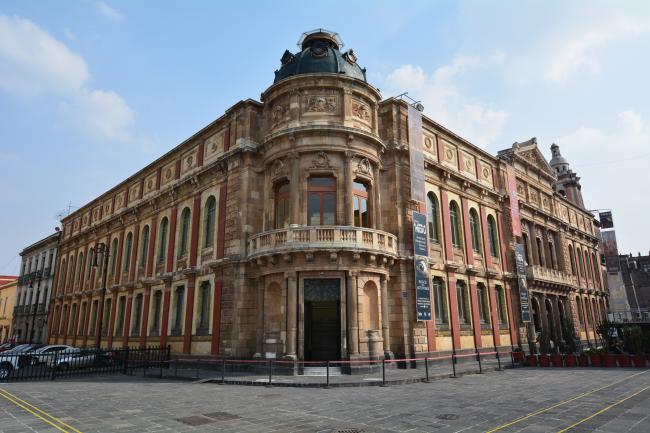
During pre-Hispanic times, part of what is now the Museum of University Autonomy was part of the sacred space of Tenochtitlan. In the early viceregal period, it belonged to Juan Luis de Rivera, the first councilman of the Metropolitan Council and treasurer of the Mint of New Spain, and in 1615, it was established as the former Convent of Santa Teresa la Antigua. After the expropriation of church property, it was purchased by the federal government to establish the Normal School for Primary School Teachers.
After several renovations, the National University was inaugurated in 1910. In 1929, university autonomy was declared on the first floor of this building. Between 1998 and 2000, it was renovated by the Urban Archaeology Program, which left three archaeological windows.
The first window is located in a courtyard at the northeast end of the building. It is rectangular in shape, oriented north-south, 10 m long, 2.40 m wide, and 2.50 m deep. The window's infrastructure consists of a rainwater control grate, tempered glass floor, and metal bases.
The remains of Juan Luis de Rivera's former residence are located on the eastern edge of the platform that marked the boundary of the sacred enclosure of the city of the Tenochca. The architectural remains of the house correspond to a section of a portico that runs from south to north, then turns at a right angle to run from west to east. The façade and boundary of this portico originally communicated with a central courtyard.
Observing these remains from south to north, the front boundary of the portico has three quadrangular bases made of red bricks and fragments of tezontle stone joined with lime and sand, which serve as the base for the remains of three cylindrical columns made of pink andesite, which still show evidence of the (flattened) coating made of sand, ground red tezontle stone, and lime. On this same wall, another remodeling that was carried out at some point is evident. An example of this are the three blocks of greenish chiluca rock that were placed between two of the columns to form a wall like a bench 70 cm high by 40 cm wide. Due to the characteristics of the finish, it is believed that these blocks were made to form the openings of the house's entrances.
Source: Raúl Barrera Rodríguez, director of the Urban Archaeology Program