

Región cultural Norte
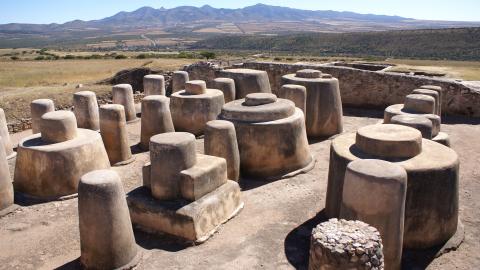
Alta Vista (Chalchihuites)

One of the most important ceremonial centers of northern Mesoamerica. Its orientation allows for the observation of the Sun’s yearly movement and, like Chichen Itza, it attracts visitors at the time of the spring equinox.

Alta Vista (Chalchihuites)
One of the most important ceremonial centers of northern Mesoamerica. Its orientation allows for the observation of the Sun’s yearly movement and, like Chichen Itza, it attracts visitors at the time of the spring equinox.
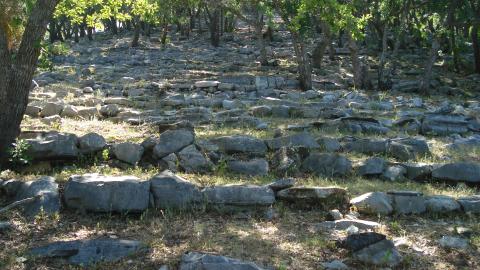
Balcón de Montezuma
Its size is a clue to its important role on the Huastec trading routes. There are around a hundred limestone plinths upon which we can assume houses were built with palm roofs and walls made from branches covered with mud.
Balcón de Montezuma
Its size is a clue to its important role on the Huastec trading routes. There are around a hundred limestone plinths upon which we can assume houses were built with palm roofs and walls made from branches covered with mud.
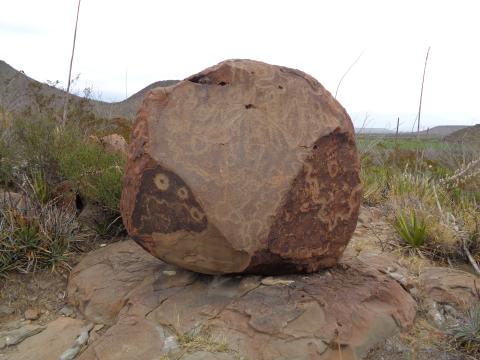
Boca de Potrerillos
Thousands of carved rocks have been found here with prehistoric drawings of groups of hunter-gatherers who used to inhabit the area. The images refer to the worship of nature and meteorological phenomena, among other themes.
Boca de Potrerillos
Thousands of carved rocks have been found here with prehistoric drawings of groups of hunter-gatherers who used to inhabit the area. The images refer to the worship of nature and meteorological phenomena, among other themes.
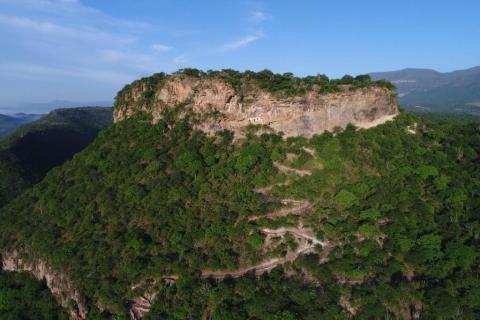
Cerro de Las Ventanas
The majestic Cerro de las Ventanas rises close to the southern end of the Juchipila Canyon. It was named after the pre-Hispanic remains found in a rock shelter under the mountain’s highest crag. The shelter has a stone wall covered in clay with a few holes which look like windows from a distance…
Cerro de Las Ventanas
The majestic Cerro de las Ventanas rises close to the southern end of the Juchipila Canyon. It was named after the pre-Hispanic remains found in a rock shelter under the mountain’s highest crag. The shelter has a stone wall covered in clay with a few holes which look like windows from a distance…
Cerro de Trincheras
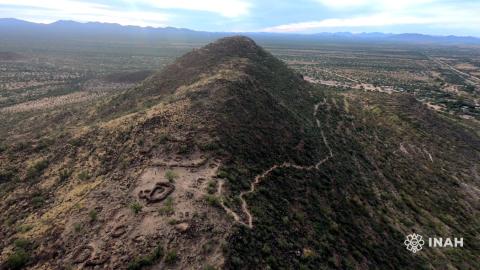
Twelve centuries ago, a mountain enabled a thousand farmers, craftsmen and leaders to establish a city in the Sonora desert. They levelled out more than 900 hillside terraces, raised walls of river stones, built a plaza on the peak and marked out a shell form. Its traces still remain.
Cerro de Trincheras
Twelve centuries ago, a mountain enabled a thousand farmers, craftsmen and leaders to establish a city in the Sonora desert. They levelled out more than 900 hillside terraces, raised walls of river stones, built a plaza on the peak and marked out a shell form. Its traces still remain.
Cuarenta Casas
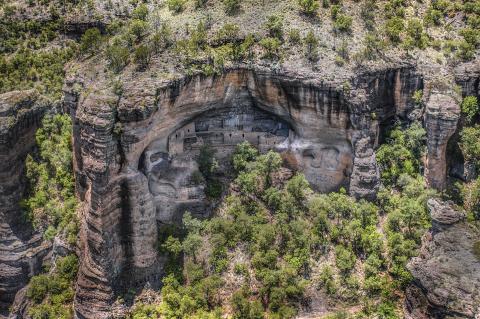
This site in Arid-America, where the original farmers constructed their city in the caves, eight centuries ago. The steps, adobe walls, roofs made of woven palm, stylized figures of animals, pinewood beams, everything is beautifully integrated into the landscape.
Cuarenta Casas
This site in Arid-America, where the original farmers constructed their city in the caves, eight centuries ago. The steps, adobe walls, roofs made of woven palm, stylized figures of animals, pinewood beams, everything is beautifully integrated into the landscape.
