

Zonas Arqueológicas
Acanceh

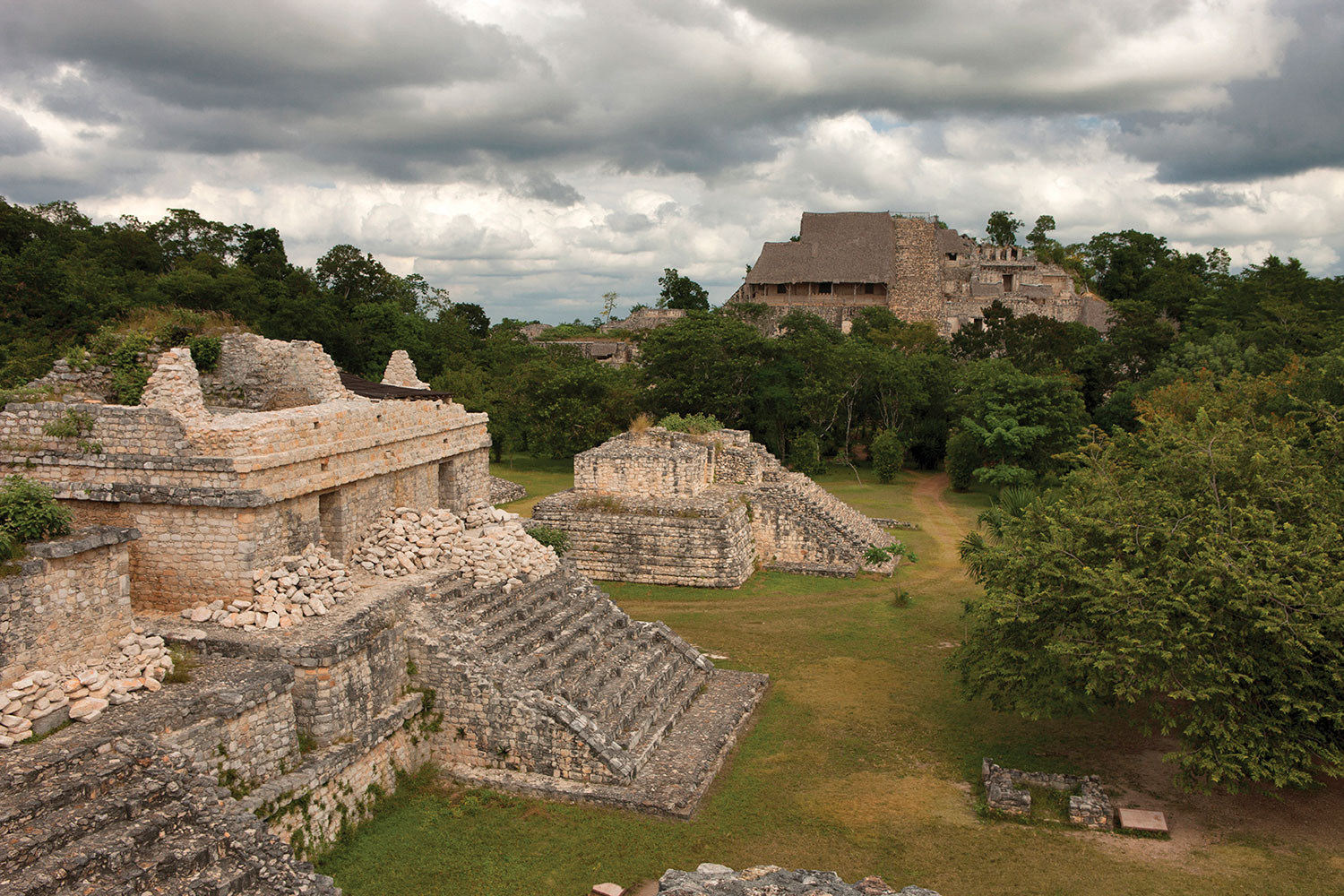
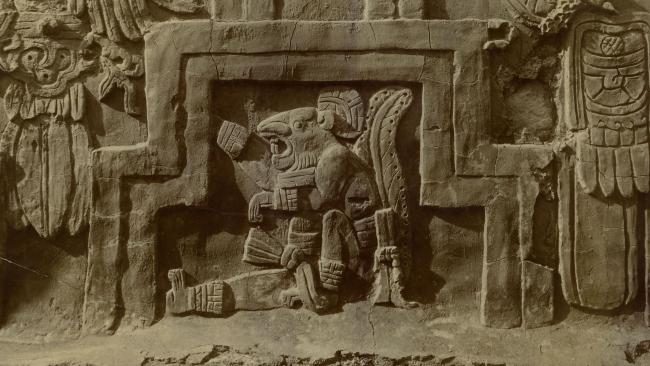
One of the main centers in the northern Yucatan Peninsula. It has two magnificent structures: The Pyramid and the Palace of Stuccos. The latter has a frieze decorated with animals, indicating a possible connection with Teotihuacan.

Aké
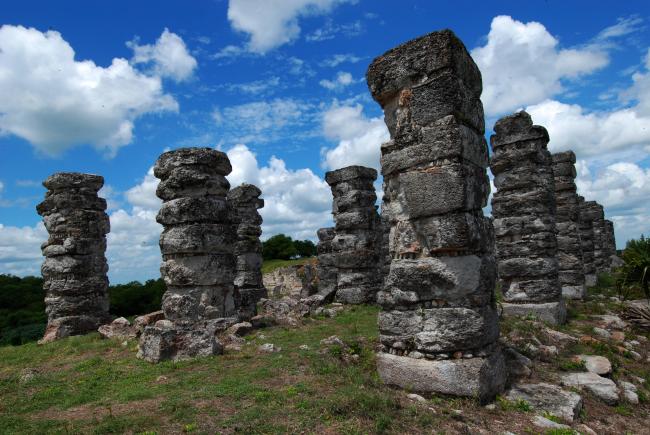
Remarkable for its system of roads called sacbeoob in Maya (plural of sacbe), the site is surrounded by concentric walls, and The Pilasters building is unusual because of the 36 square-based columns on top.
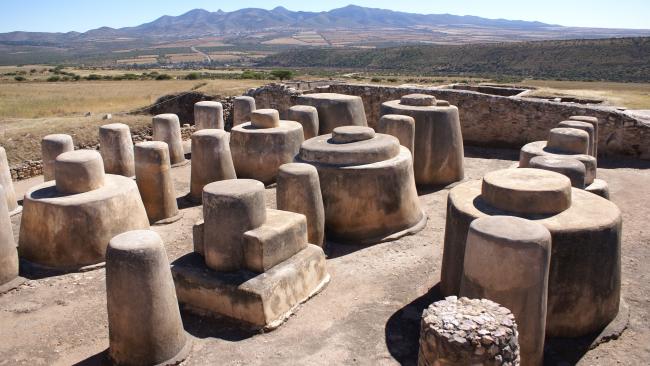
Alta Vista (Chalchihuites)
One of the most important ceremonial centers of northern Mesoamerica. Its orientation allows for the observation of the Sun’s yearly movement and, like Chichen Itza, it attracts visitors at the time of the spring equinox.
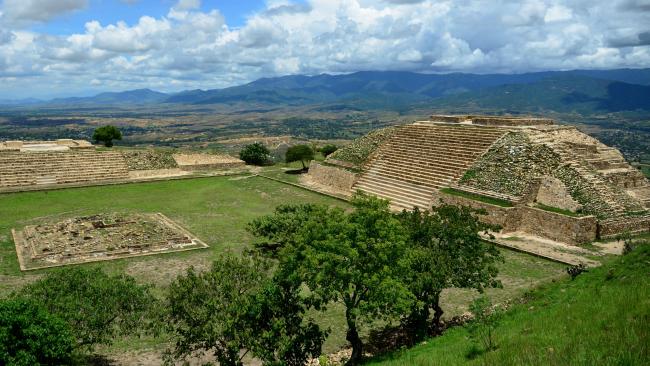
Atzompa
The Atzompa Archaeological Site is an important Zapotec center closely linked to Monte Albán. Its monumental architecture, plazas, palaces, ball courts, tombs, and artistic expressions allow us to reconstruct various aspects of the social, political, economic, and religious organization of its…
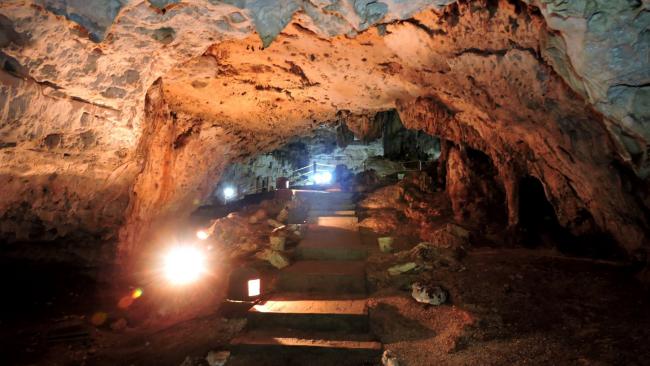
Balamcanché
The ancient Maya inhabitants of the region constructed a ceremonial center within a cavern. Most notable is a giant pillar made by the fusion of a stalactite with a stalagmite known as the Sacred Ceiba (silk-cotton tree).
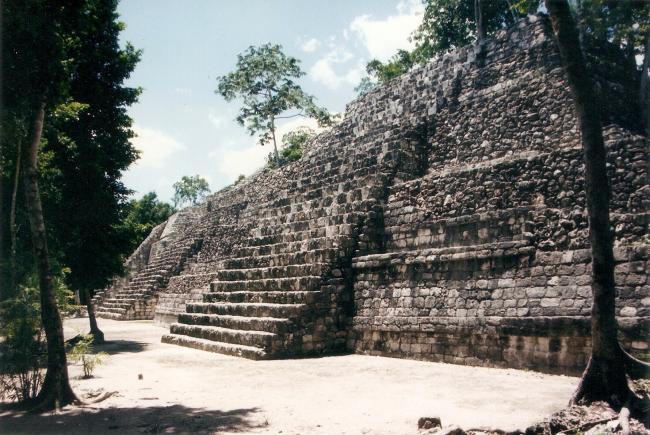
Balamkú
Deep in the Campeche jungle, this site is composed of three building complexes. The polychrome molded stucco frieze of the Central Group, unique in the Mayan area, is proof of the artistic mastery of its ancient inhabitants.
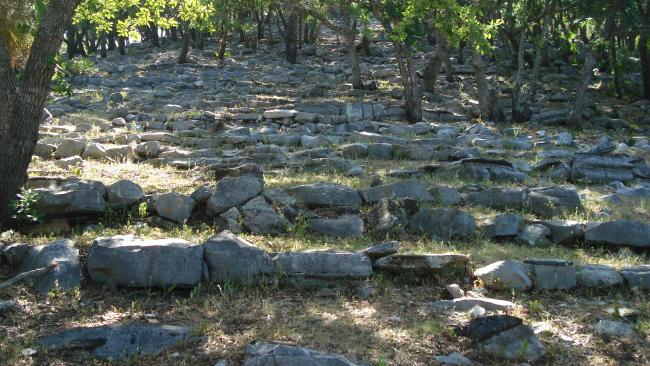
Balcón de Montezuma
Its size is a clue to its important role on the Huastec trading routes. There are around a hundred limestone plinths upon which we can assume houses were built with palm roofs and walls made from branches covered with mud.
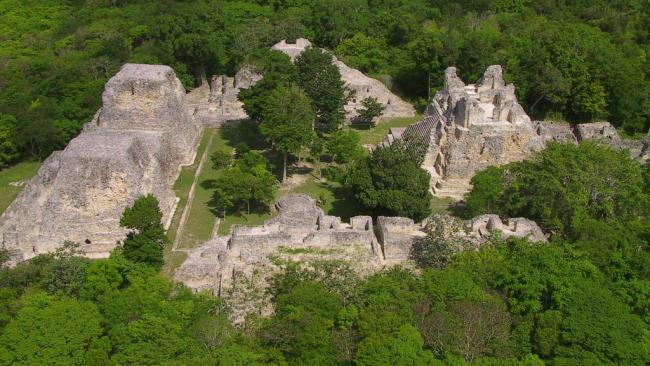
Becán
A powerful regional capital, as evidenced by its monumental constructions, Becán also boasts something found nowhere else in the Maya area: a fosse surrounding the site’s most important buildings, which has seven entrances.
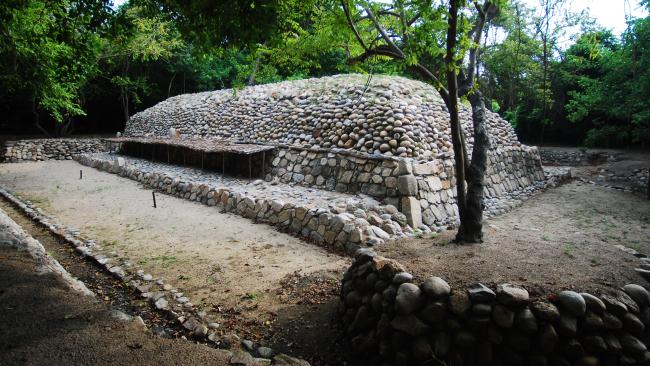
Bocana del Río Copalita
Close to Bahías de Huatulco, this site was a ceremonial center. It is located on the hills near the cliffs of the Oaxaca coast, within the Eco-Archeological Park, a wonderful natural setting.
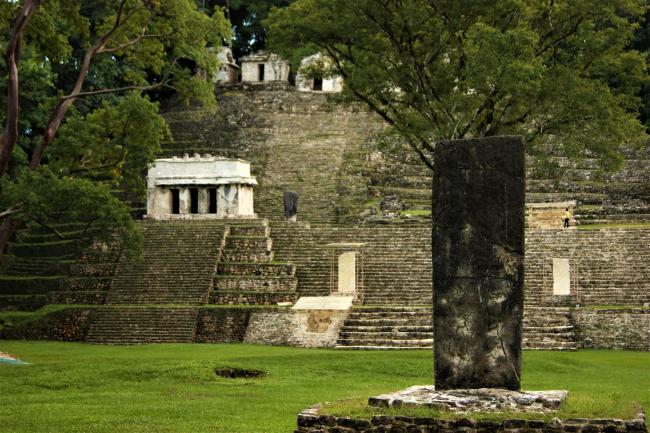
Bonampak
In the heart of the Lacandon jungle, Bonampak is famous for its extraordinary murals, which show scenes of war, paying tribute and the capture of prisoners for sacrifice.
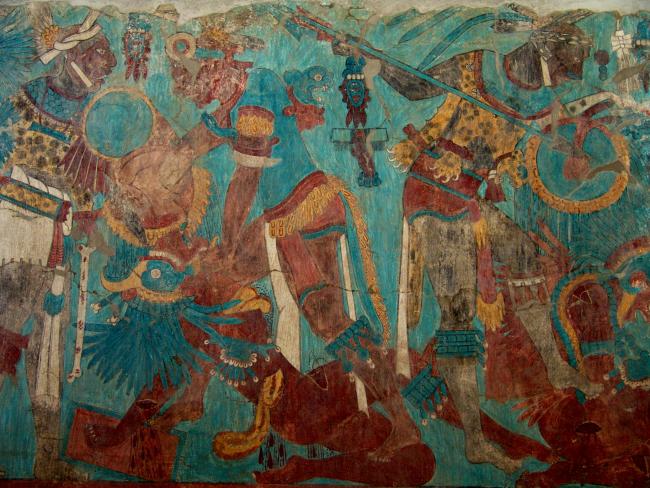
Cacaxtla - Xochitécatl
Cacaxtla was a powerful political, military and commercial center that developed in the present-day states of Puebla and Tlaxcala. This site contains some of Mesoamerica’s most extraordinary and well-preserved murals. Xochitecatl's legacy is the unique Pyramid of the Flowers and a remarkable set…
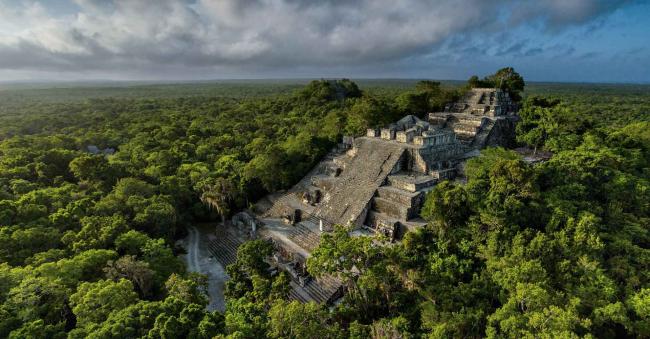
Calakmul
One of the largest cities in the Maya region, Calakmul is dotted by 120 stelae amid the monumental structures and pyramids. It is located in the second-largest natural reserve in the Americas, and was listed as a UNESCO Mixed World Heritage site in 2014.
