

Zonas Arqueológicas
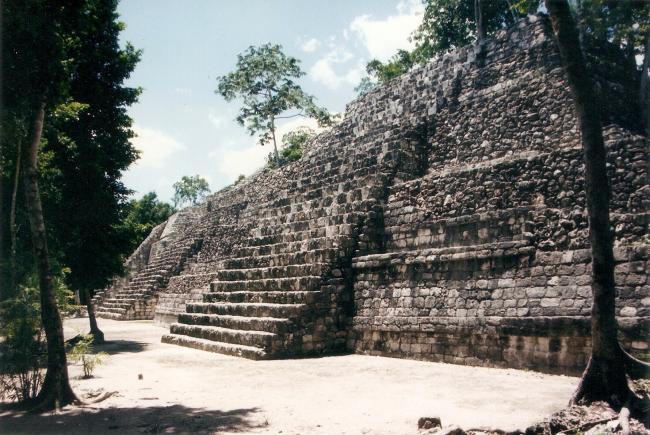
Balamkú

Deep in the Campeche jungle, this site is composed of three building complexes. The polychrome molded stucco frieze of the Central Group, unique in the Mayan area, is proof of the artistic mastery of its ancient inhabitants.

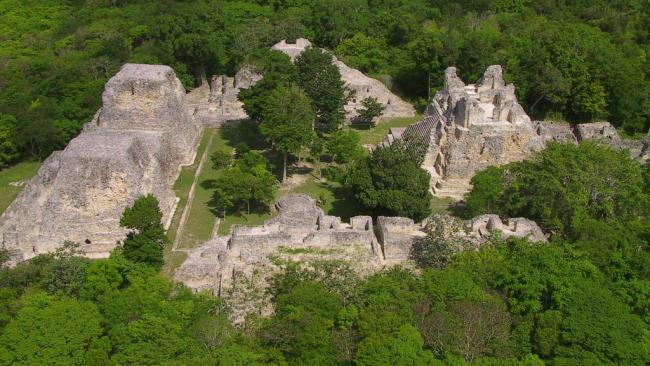
Becán
A powerful regional capital, as evidenced by its monumental constructions, Becán also boasts something found nowhere else in the Maya area: a fosse surrounding the site’s most important buildings, which has seven entrances.
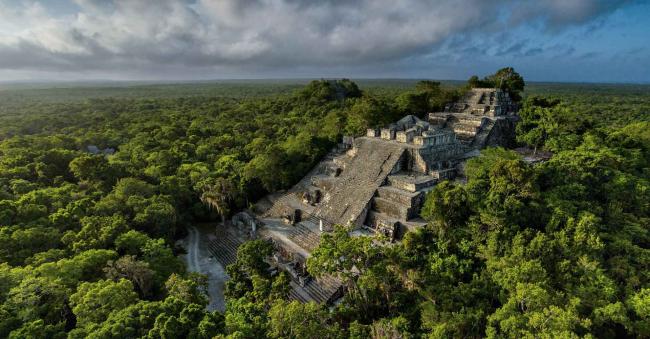
Calakmul
One of the largest cities in the Maya region, Calakmul is dotted by 120 stelae amid the monumental structures and pyramids. It is located in the second-largest natural reserve in the Americas, and was listed as a UNESCO Mixed World Heritage site in 2014.
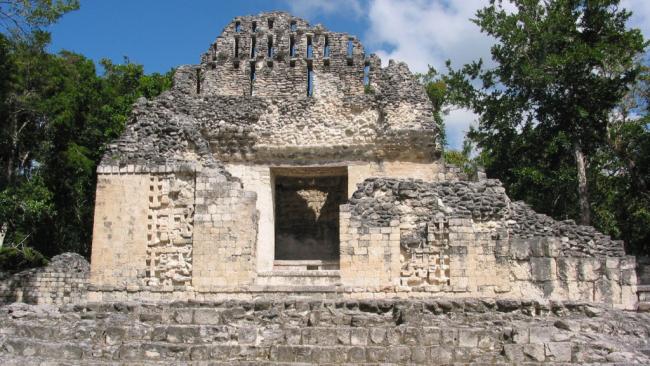
Chicanná
The masks of Itzamná, the god of the sun and wisdom represented by a face with enormous open jaws and bejewelled ears, appear especially grandiose, in this small ancient city where the ruling class once lived, situated on the route between the Gulf of Mexico and the coast of Quintana Roo.
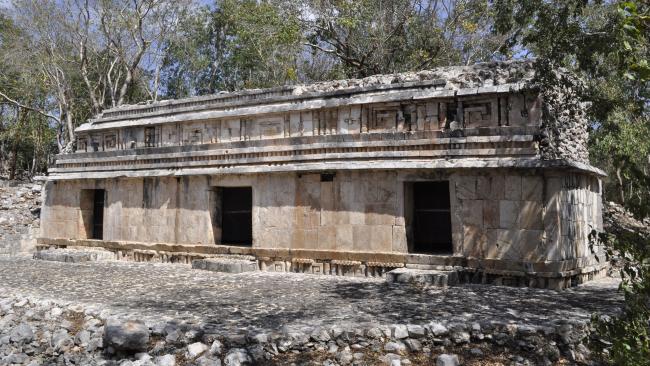
Chunhuhub
Stone carvings like gold filigree adorn the residences of those "who speak to the gods." The elaborate Puuc architectural style makes this ancient city a relic that remains almost entirely intact even after 12 centuries. Its greatest treasure is El Palacio.
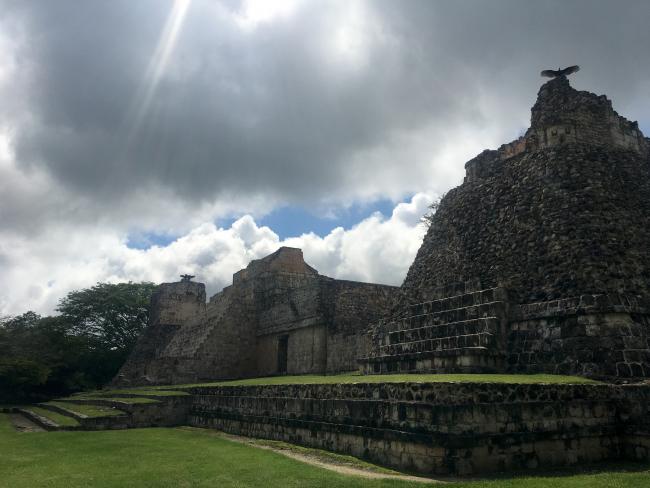
Dzibilnocac
The legacy of the past grandeur of this site is an expansive plaza and splendid buildings, some decorated with carved masks. Remains of paintings have also been found, showing hieroglyphs and gods of the Maya pantheon.
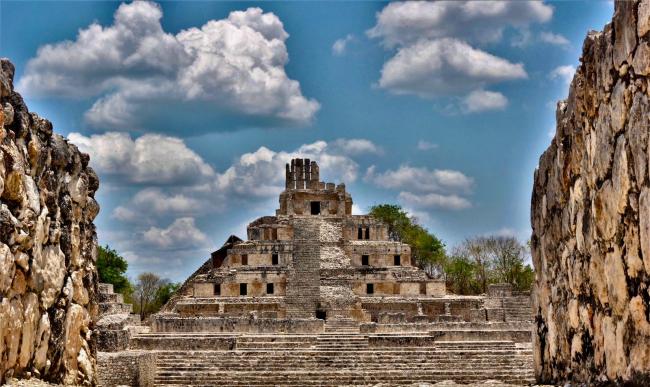
Edzná
A site with magnificent architectural complexes, such as the “Great Acropolis” and impressive constructions, above all the “Building of the Five Floors." Edzná’s inhabitants developed a complex water management system to secure a year-round supply, and their city became a powerful regional…
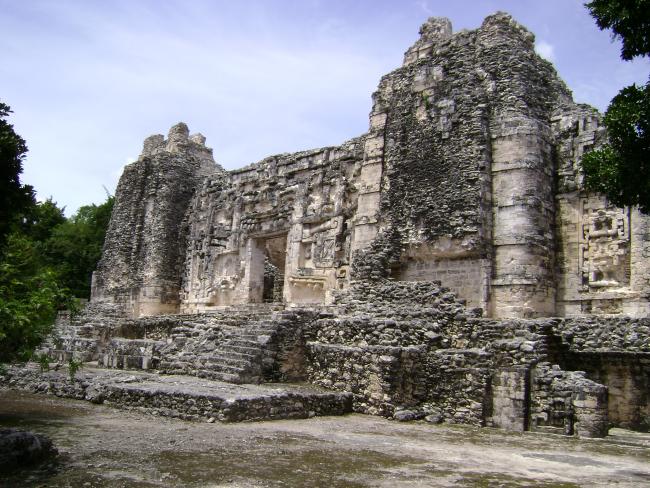
El Hormiguero
Similar to Hochob, it has a building whose facade has a great mask with a monstrous open mouth with enormous fangs, which has been interpreted as an entrance to the underworld. Also worthy of note is the zoomorphic facade and the masks of the god Chaac which decorate another of the structures.…
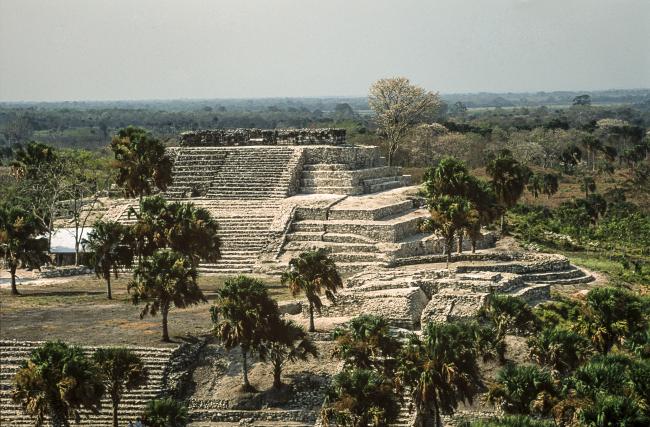
El Tigre
Capital of the province of Acalán, also known as Itzamkanac, El Tigre is situated on the banks of the river Candelaria and was renowned for its trading activity. Notable is the ceremonial center with the large stucco masks. It is believed that Hernán Cortés executed Cuauhtémoc here.
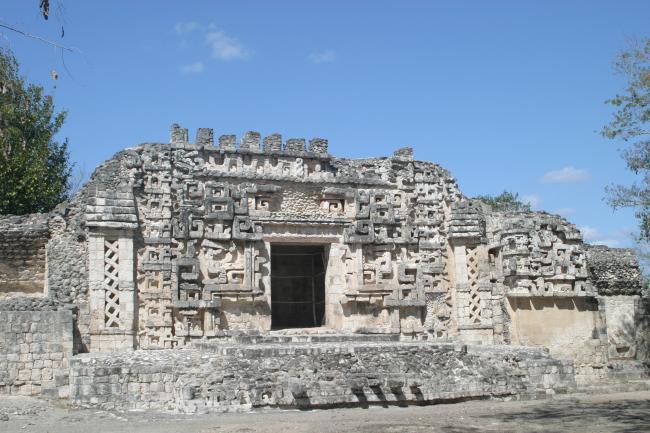
Hochob
The elaborate Maya decoration causes a sense of wonder with features such as the facade of the Main Palace, where the entrance is an enormous mask of open jaws and fangs at either side, in the shape of a monstrous mouth.
Kankí
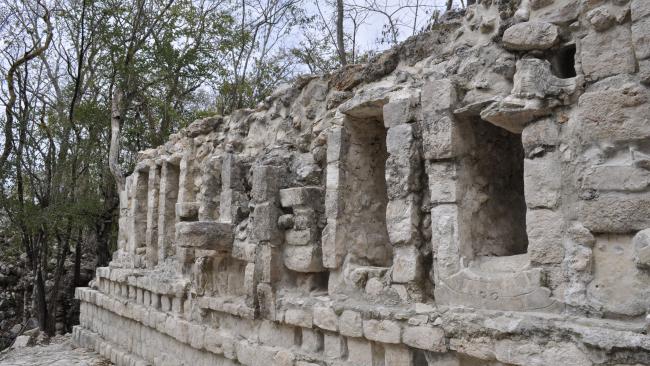
The remains of the architecture, rising up magnificently amid the surrounding jungle, are early examples of Maya art developed in the region. The site conserves structures that create interlinking courtyards, and a palace shows traces of its previous decoration.
Nadzca'an
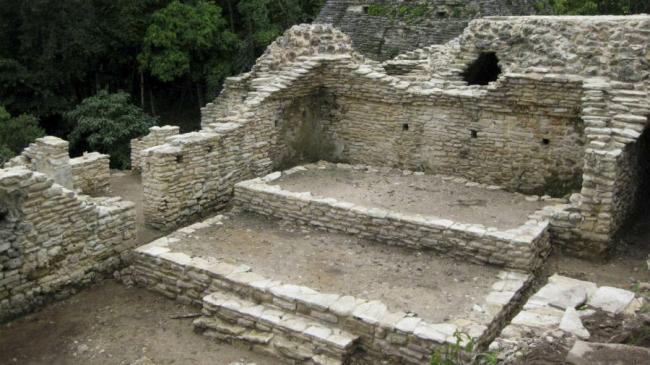
Surrounded by thick jungle, this city was discovered in 1993 and little is known about it. The great number of buildings, as well as their size, are proof of the importance it attained. It is remarkable that a great many stelae were found inside the structures.
