

Mostrando 25 - 36 de 38
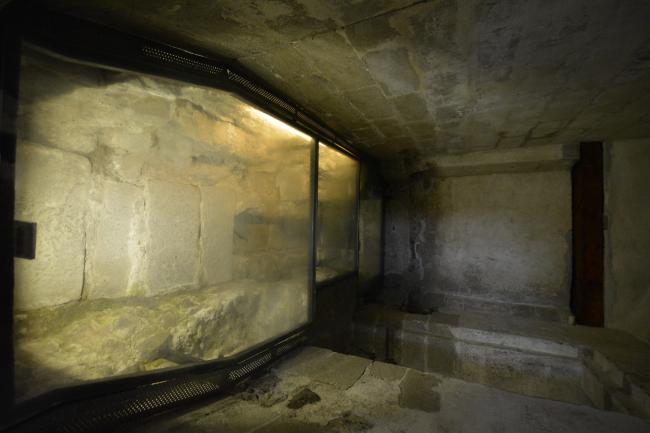
Museo Nacional de las Culturas Ventana 3

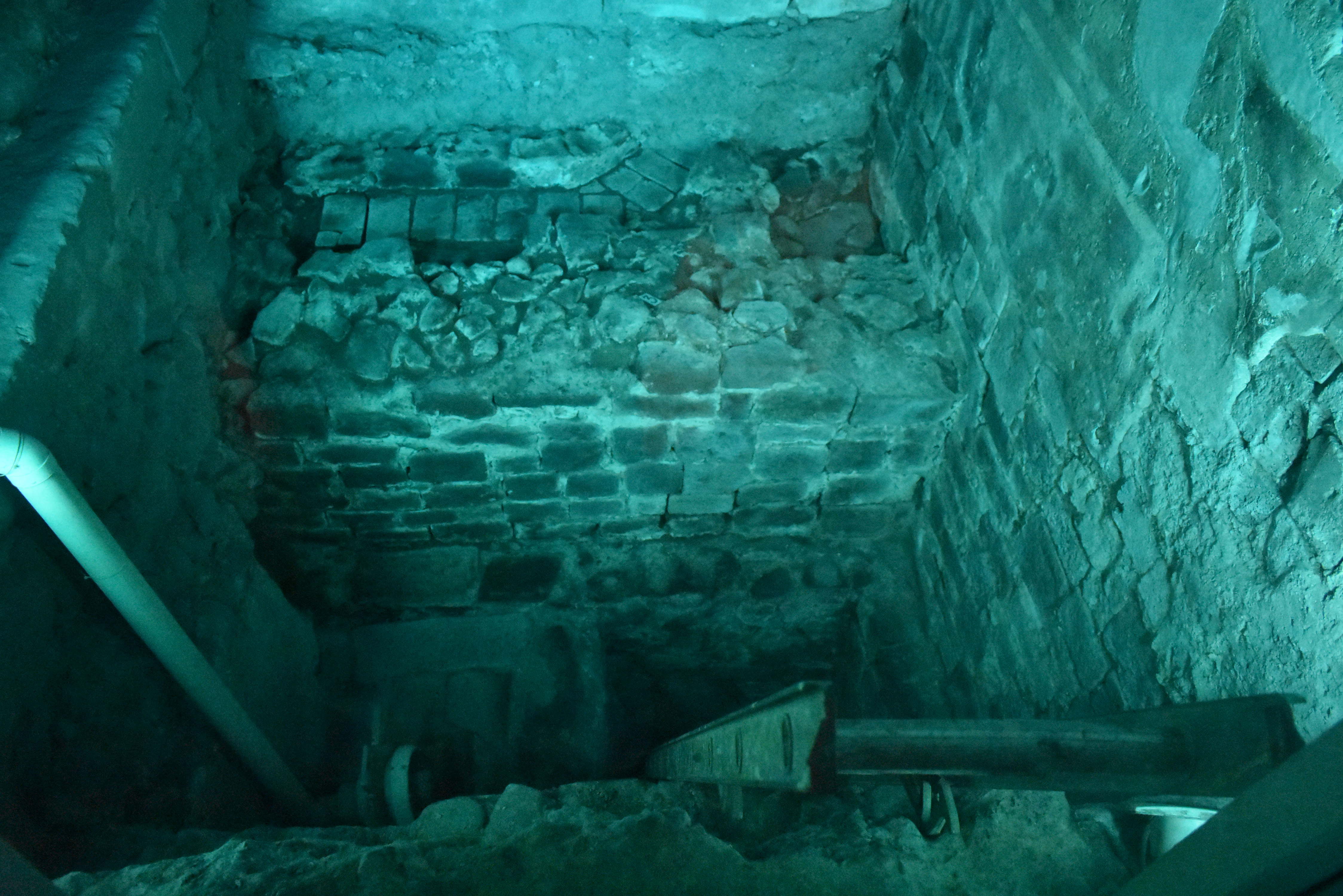
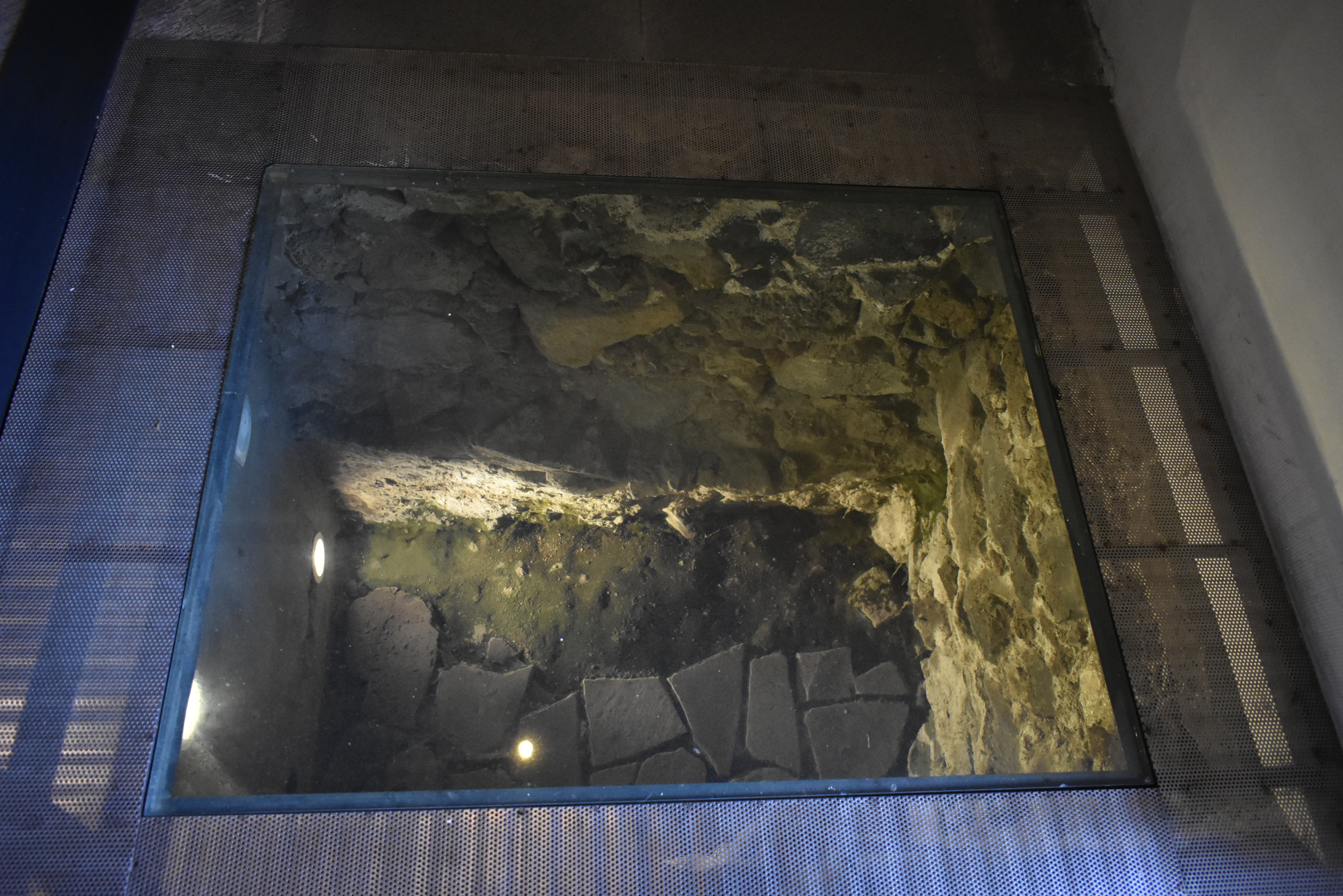
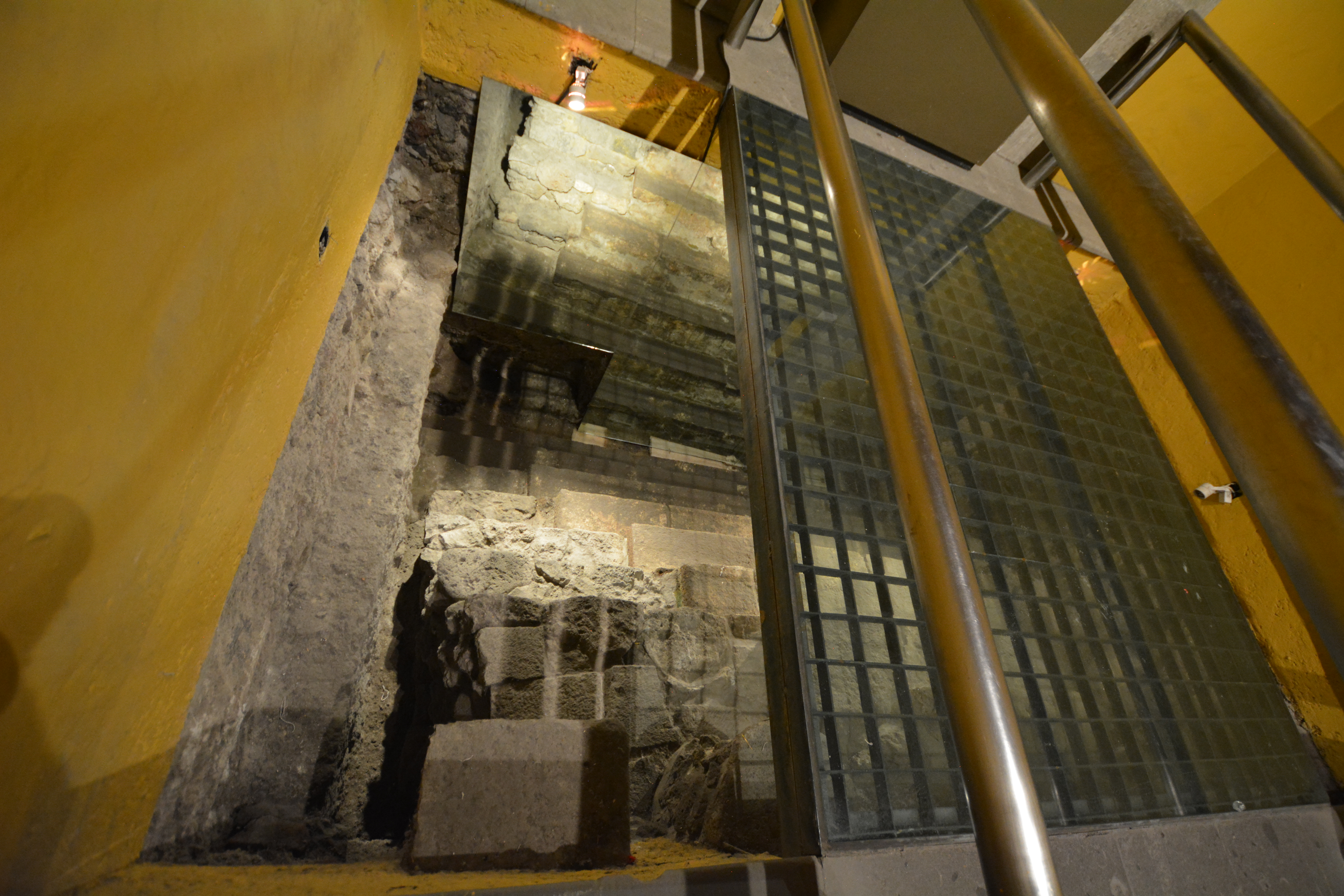
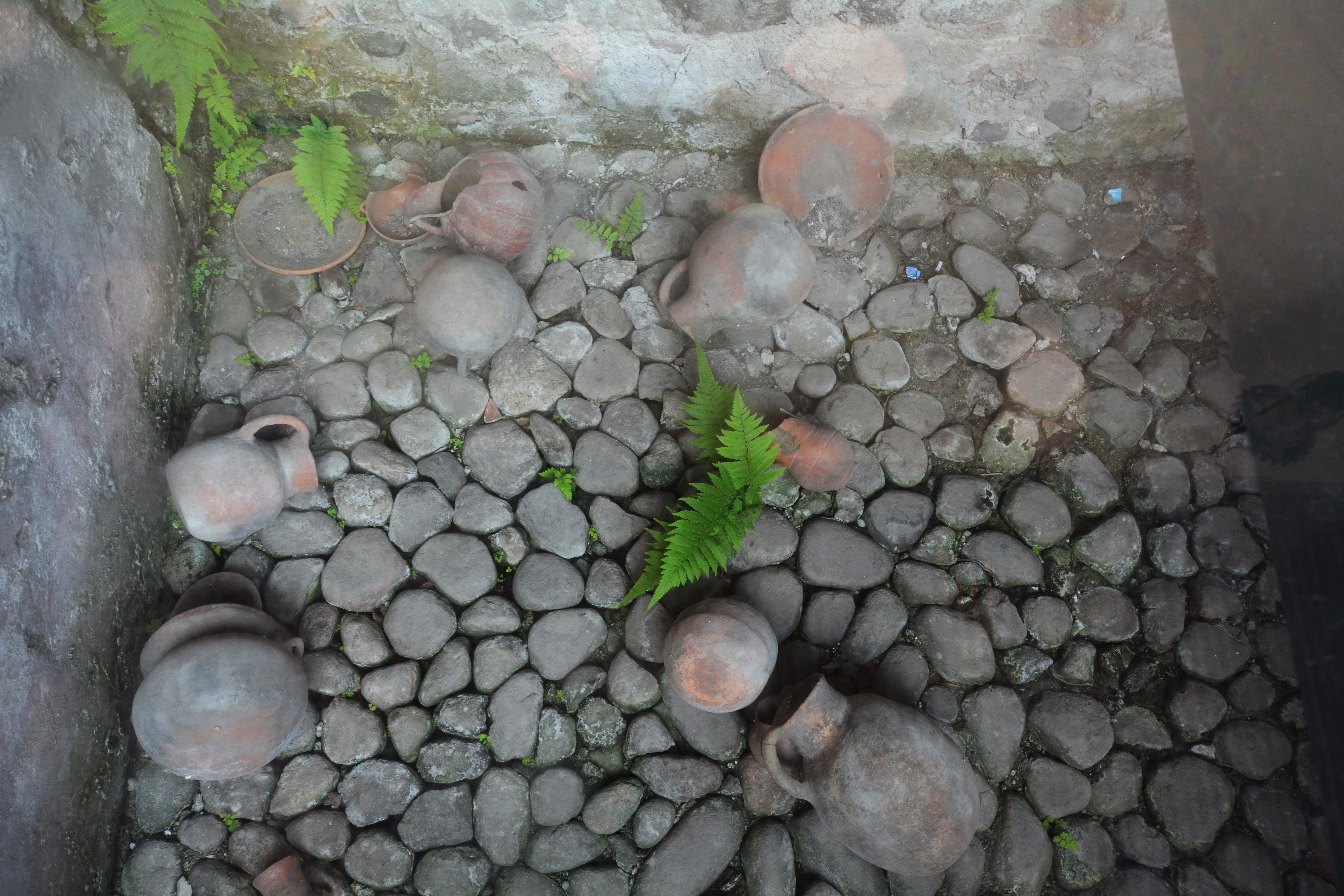
The rooms in this building have served different purposes over time, as evidenced by the remains visible in the archaeological windows. This one shows a drainage system and colonial walls.
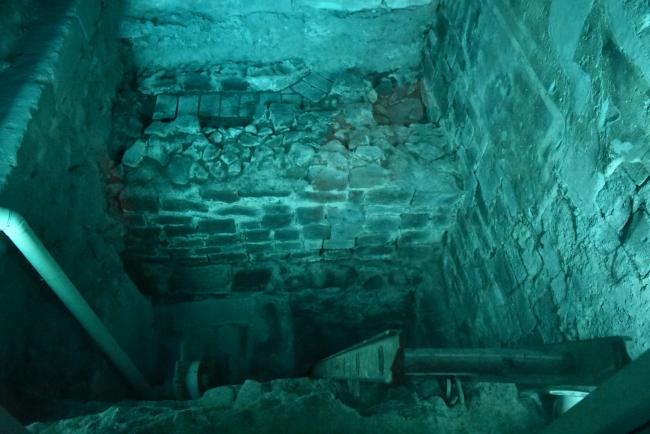
Museo Nacional de las Culturas Ventana 4
The fourth window also displays the remains of a wall that belonged to Moctezuma's New Houses and evidence of a colonial drainage system.
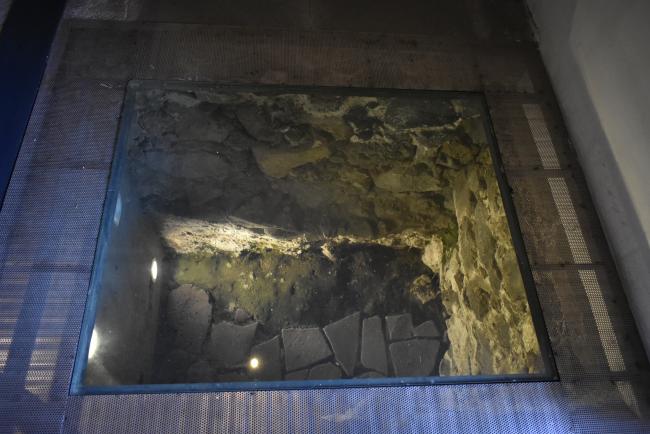
Museo Nacional de las Culturas Ventana 5
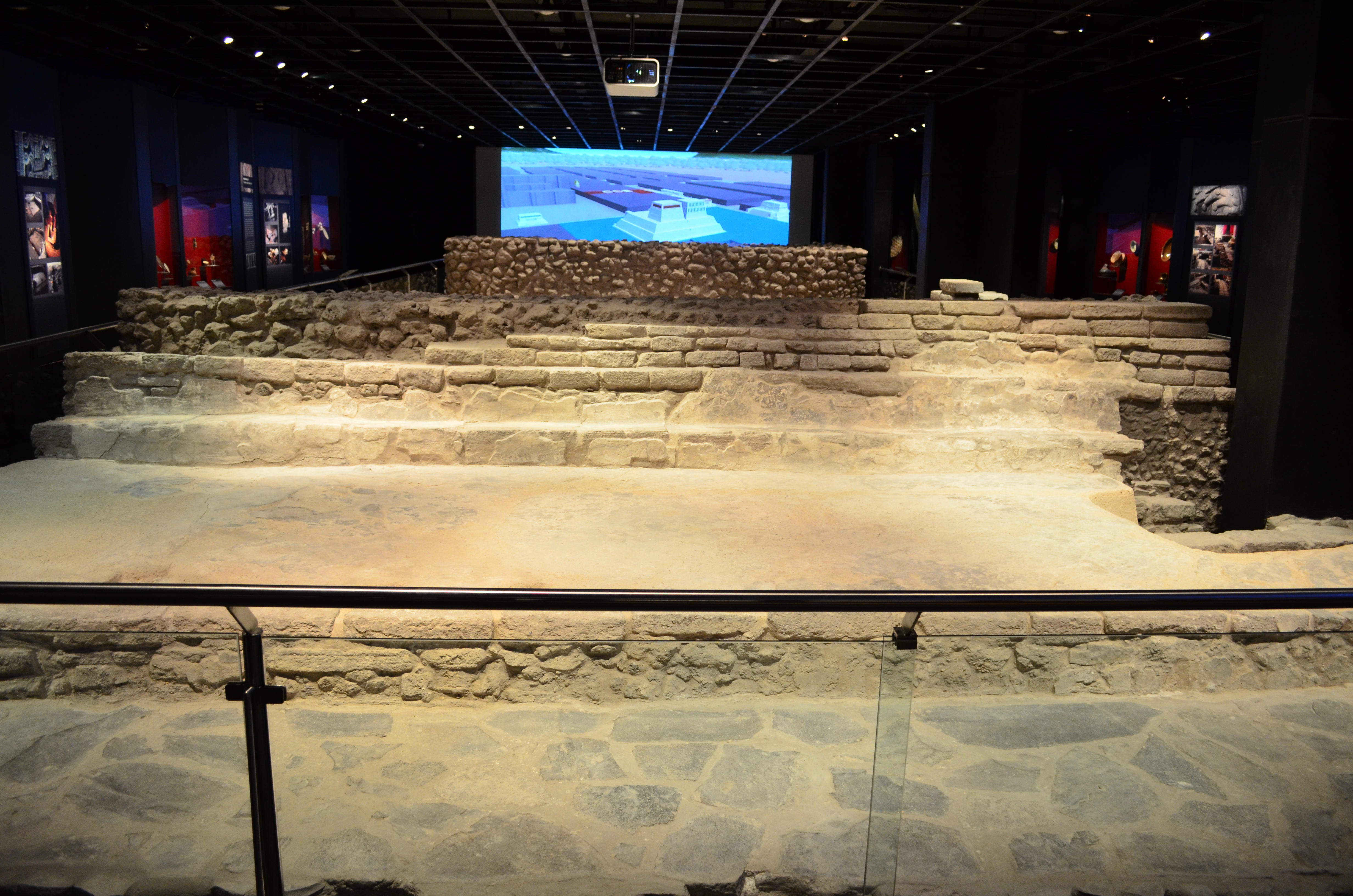
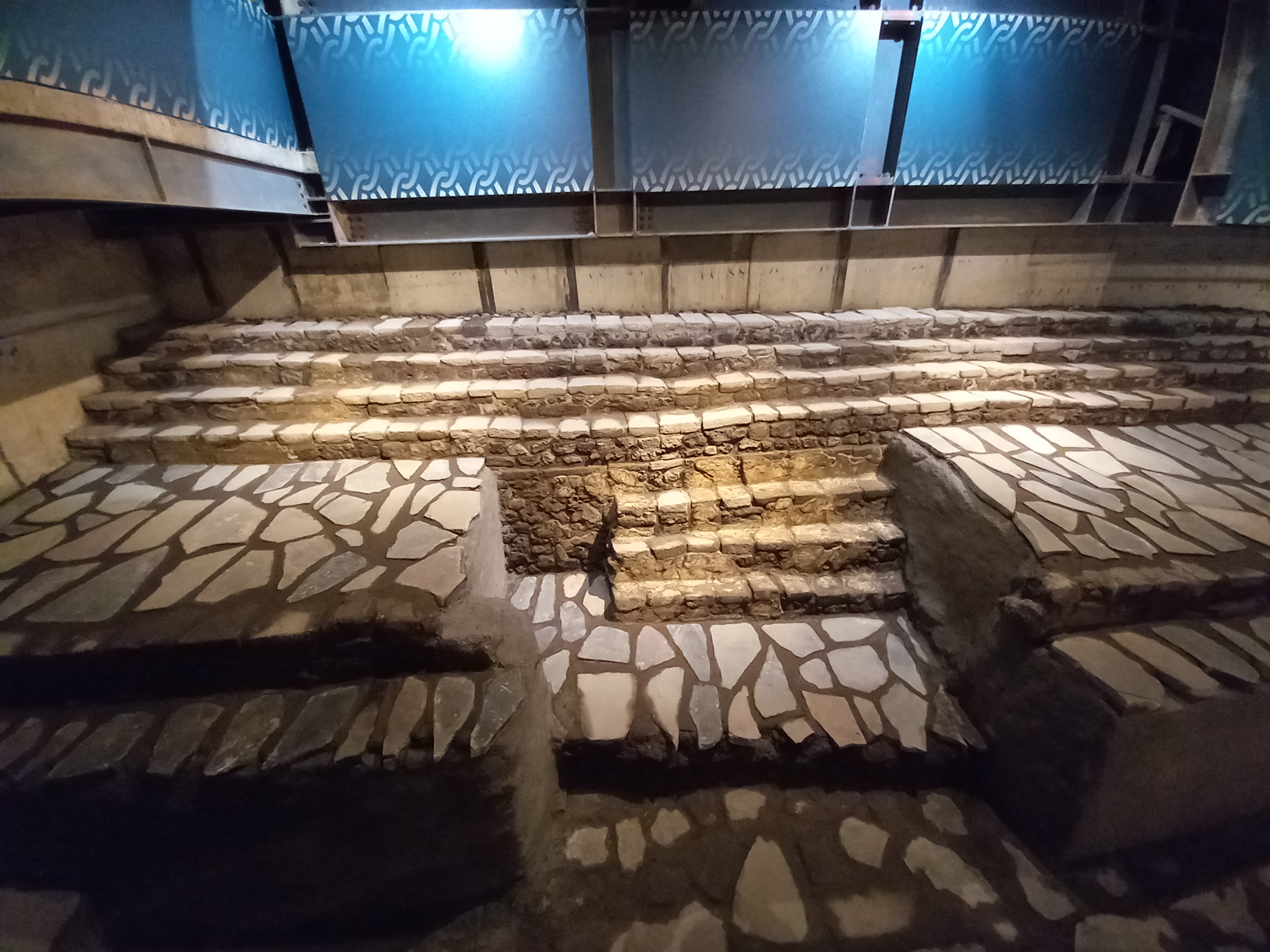
The fifth window shows remains of a pre-Hispanic courtyard and masonry foundations, vestiges of the first and second Mint.
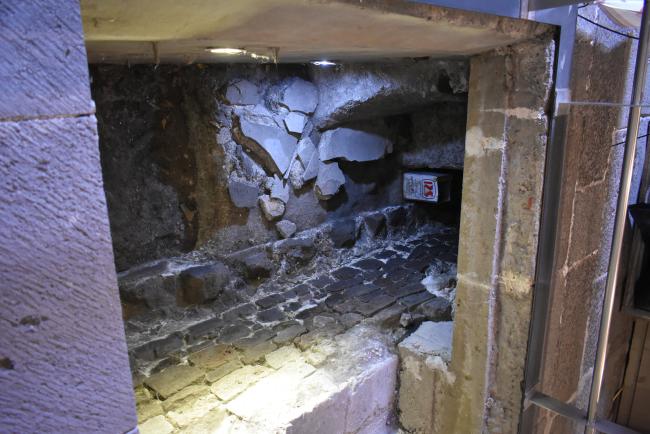
Museo Nacional de las Culturas Ventana 6
Moctezuma had a Dark House, a space he used to meditate and reflect on the decisions of his reign and the predictions of his soothsayers. Remains of this house can be seen from the sixth window of the MNCM.
Museo Nacional de las Culturas Ventana 7
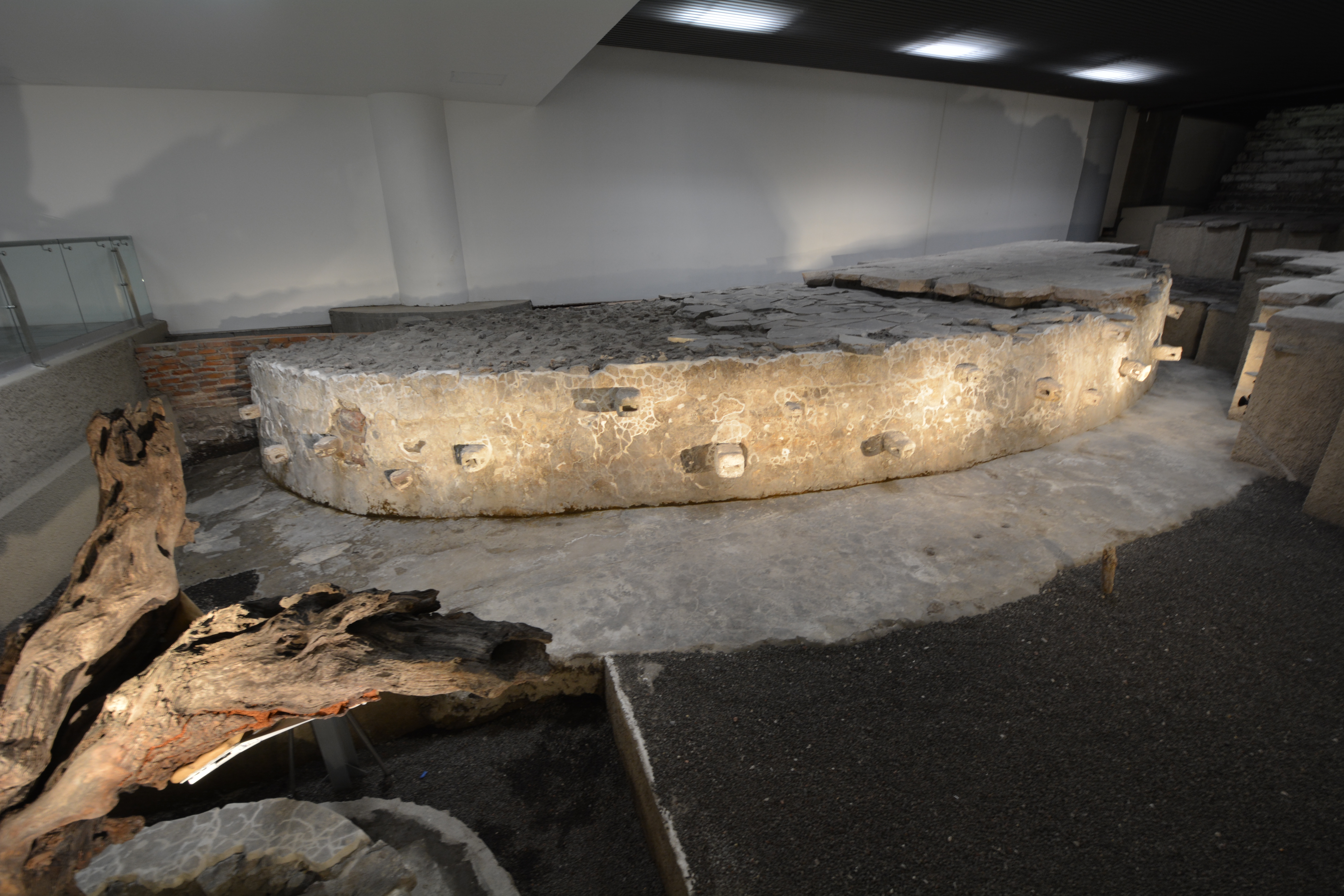
This window displays remnants of the artificial cement floor laid in 1887, where large sculptures from Ancient Mexico were exhibited. It contains information on the use of a “flywheel press” and the excavation carried out in the corner of the former Flywheel Room of the Mint.
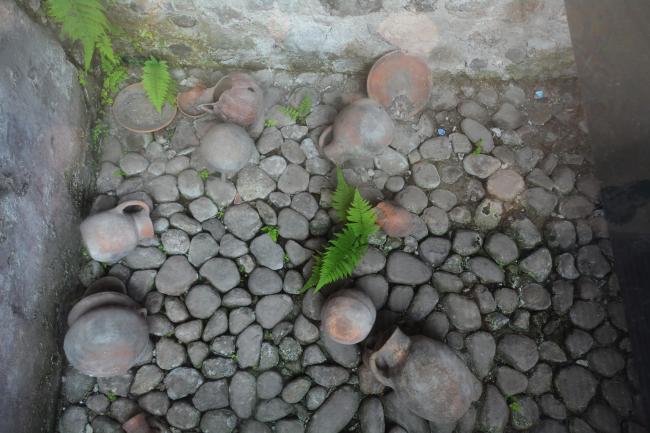
Palacio de la Escuela de Medicina
Beneath the current Museum of Medicine and former Palace of the Inquisition are vestiges of the colonial era consisting of walls, floors, and ceramic pieces.

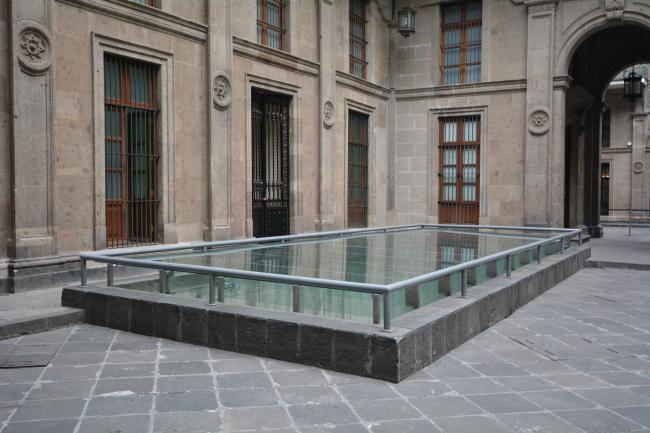
Palacio Nacional Ventana 1
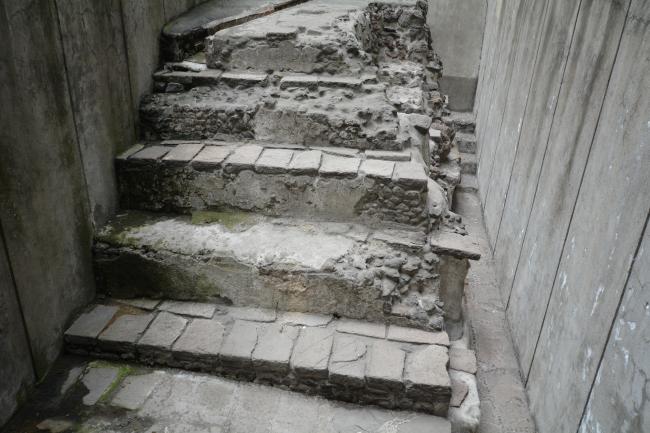
This window, located in an open garden, shows traces of a staircase belonging to the house of the tlatoani Moctezuma Xocoyotzin.
Palacio Nacional Ventana 2
Next to the Marian courtyard, the second window is located within the Francisco I. Madero Historical Fund. In it, you can see a staircase with a landing that connected a plaza to a Mexica temple.
Palacio Nacional Ventana 3
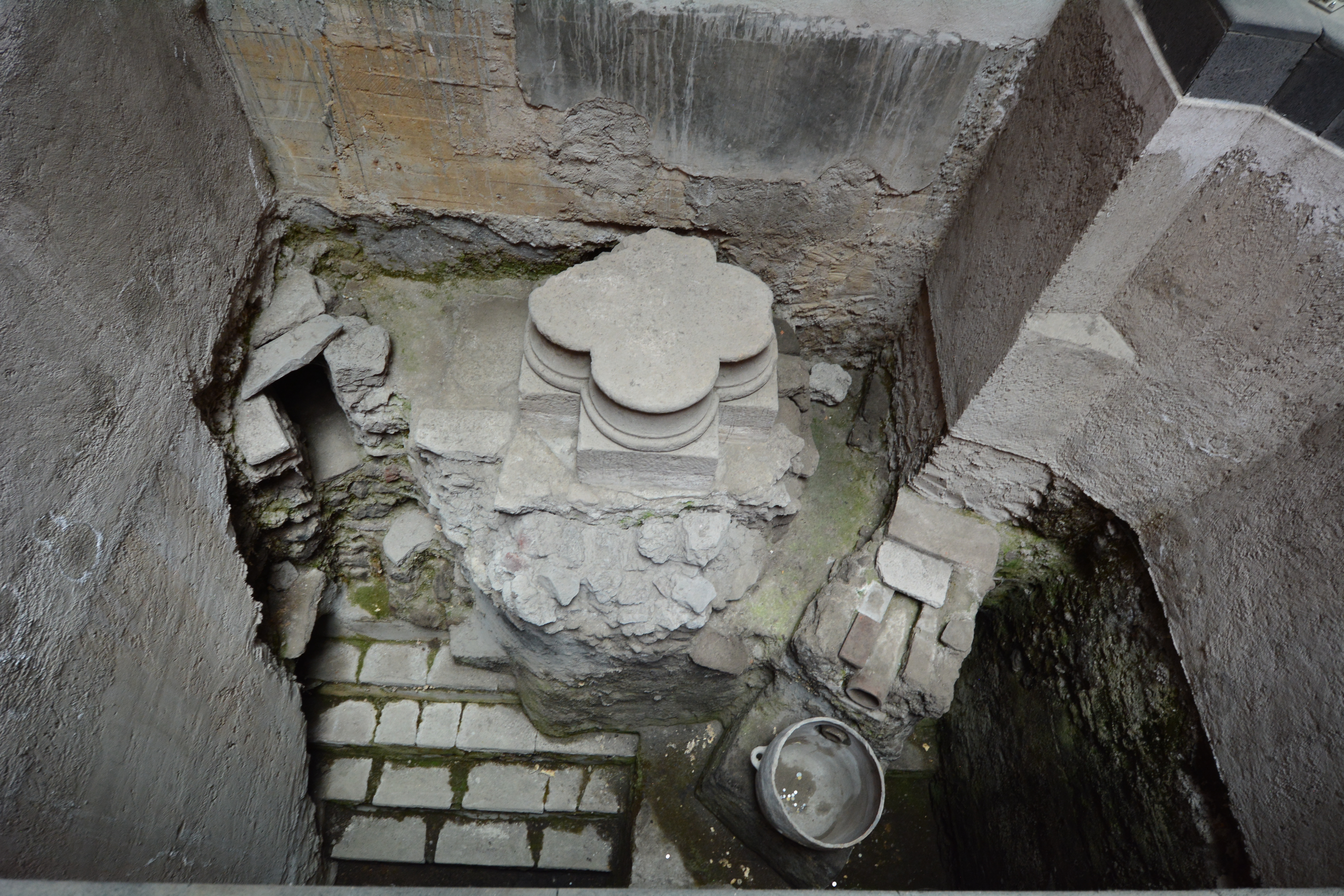
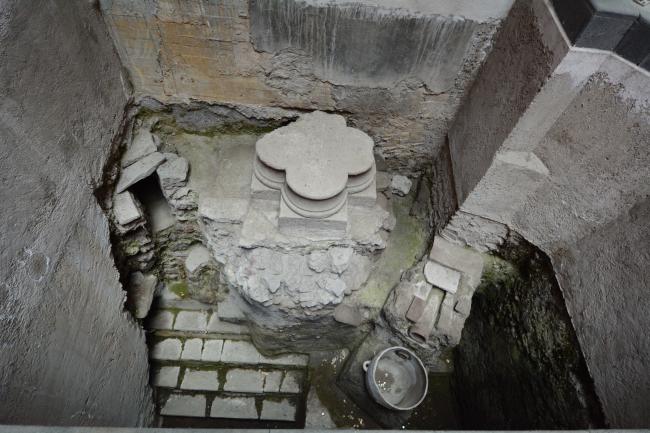
In the courtyard of the National Palace, you can see a cruciform base, the start of a staircase, stucco flooring, and drains that probably belonged to the palace of Moctezuma II.
Palacio Nacional Ventana 4 y 5
The results of the investigations suggest that these archaeological windows show traces of Hernán Cortés' house.
Palacio Nacional Ventana 6 y 7
Remains of Hernán Cortés' house, which was later used as the Viceroys' Palace, are displayed in the last two archaeological windows of the National Palace.
Sagrario de la Catedral Metropolitana
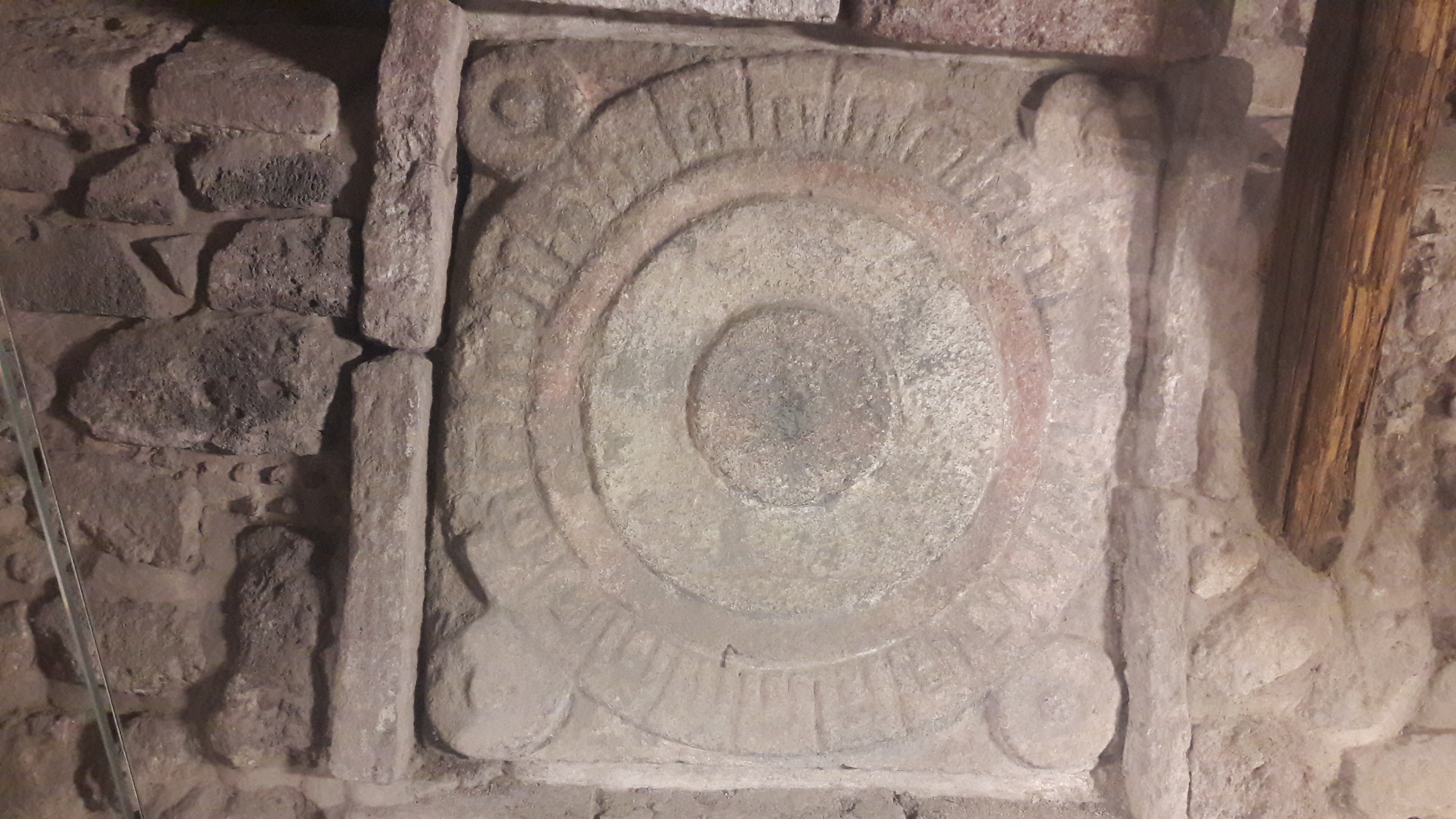
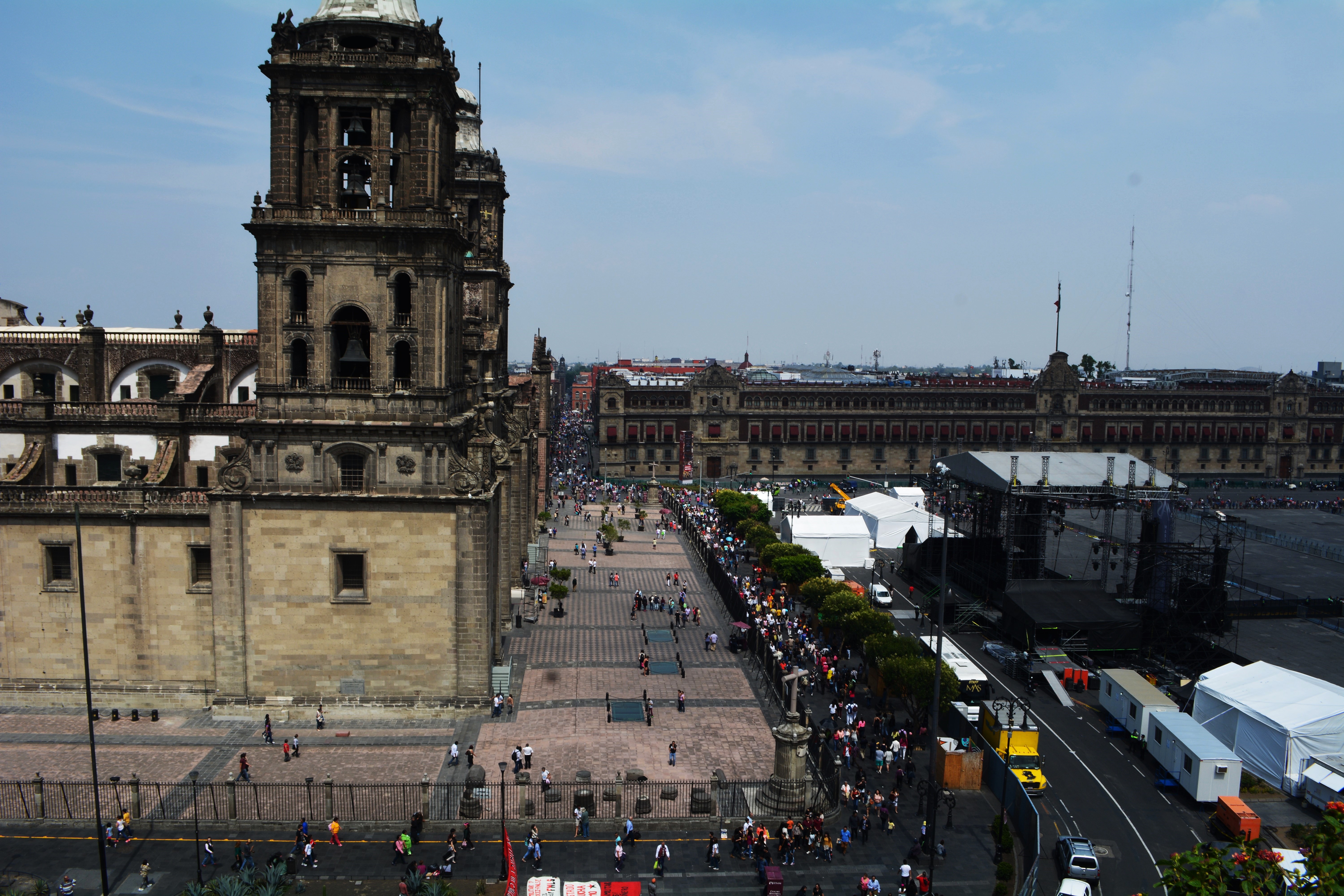
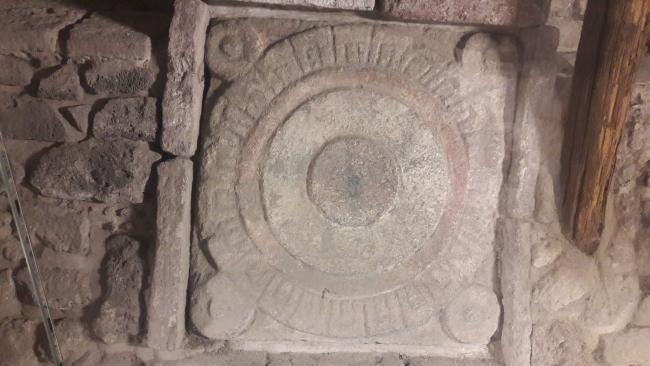
Beneath the tabernacle of the Metropolitan Cathedral, down a metal staircase located on the north side of the building, there are two windows that reveal three sections of architectural remains corresponding to the north side of the Temple of the Sun or Tonatihu.
