

Región cultural Maya
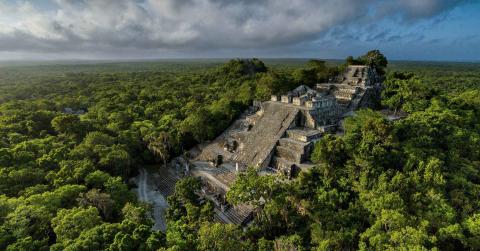
Calakmul

One of the largest cities in the Maya region, Calakmul is dotted by 120 stelae amid the monumental structures and pyramids. It is located in the second-largest natural reserve in the Americas, and was listed as a UNESCO Mixed World Heritage site in 2014.

Calakmul
One of the largest cities in the Maya region, Calakmul is dotted by 120 stelae amid the monumental structures and pyramids. It is located in the second-largest natural reserve in the Americas, and was listed as a UNESCO Mixed World Heritage site in 2014.
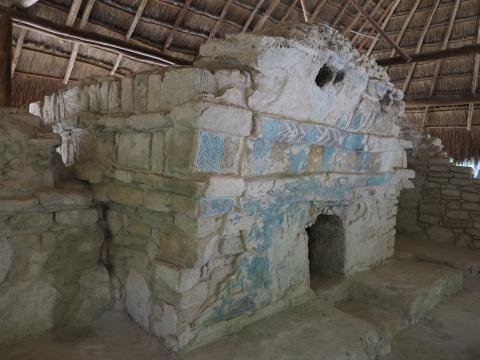
Calica
The land, owned by the modern industrial quarry, is the site of various discoveries of settlements dating back to 300 BC, notably Casa Azul (Blue House), with a fantastic mural of the Mayan cosmos, the “P” group of Xcaret and the Temple of the Columns.
Calica
The land, owned by the modern industrial quarry, is the site of various discoveries of settlements dating back to 300 BC, notably Casa Azul (Blue House), with a fantastic mural of the Mayan cosmos, the “P” group of Xcaret and the Temple of the Columns.
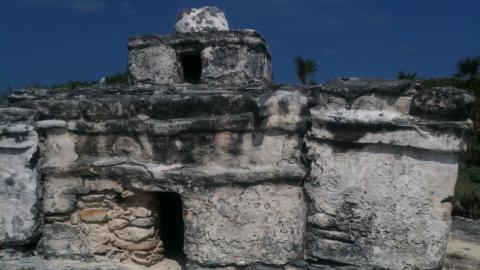
Caracol - Punta Sur
In the main ecological reserve of the island of Cozumel, off the Caribbean coast of Mexico, there is a temple whose roof ends in the shape of a shell, decorated with four rows of shells stuck into the stucco. This unique decoration makes it worth a visit.
Caracol - Punta Sur
In the main ecological reserve of the island of Cozumel, off the Caribbean coast of Mexico, there is a temple whose roof ends in the shape of a shell, decorated with four rows of shells stuck into the stucco. This unique decoration makes it worth a visit.
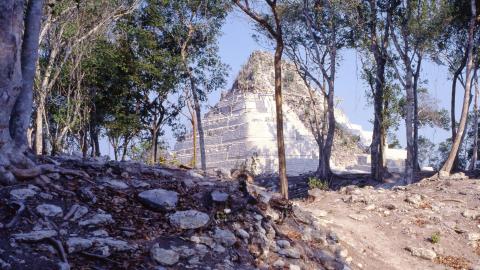
Chacchoben
The most notable Maya city in the lake zone of present-day Quintana Roo. The early settlements of 300 AD gave way to imposing constructions visible to this day, indicating a second occupation, in the 17th century. A great number of ‘portrait’ incense burners were salvaged from the peak.
Chacchoben
The most notable Maya city in the lake zone of present-day Quintana Roo. The early settlements of 300 AD gave way to imposing constructions visible to this day, indicating a second occupation, in the 17th century. A great number of ‘portrait’ incense burners were salvaged from the peak.
Chacmultún
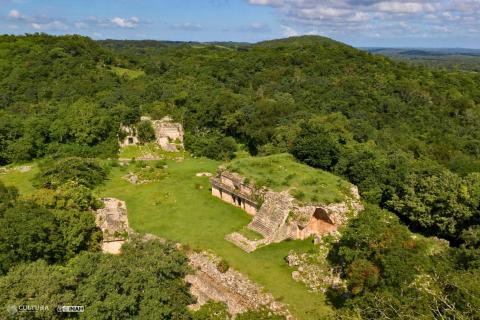
In Chacmultún, the stone slabs contain microorganisms, which when exposed to air and water acquire a reddish hue. This colors the Mayan temples, built in the exquisite Puuc style and carved like filigree. The site flourished between 800 and 1000 AD and was a crucial link between neighboring…
Chacmultún
In Chacmultún, the stone slabs contain microorganisms, which when exposed to air and water acquire a reddish hue. This colors the Mayan temples, built in the exquisite Puuc style and carved like filigree. The site flourished between 800 and 1000 AD and was a crucial link between neighboring…
Chakanbakán
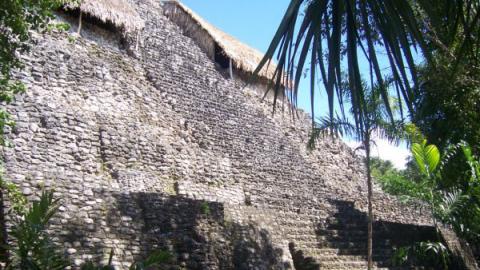
A large and prosperous Maya city inhabited from 300 BC, with imposing plazas and monuments, one of which displays stucco facade masks of a god in the shape of a jaguar, plus some surprising sculptures reminiscent of the Olmecs.
Chakanbakán
A large and prosperous Maya city inhabited from 300 BC, with imposing plazas and monuments, one of which displays stucco facade masks of a god in the shape of a jaguar, plus some surprising sculptures reminiscent of the Olmecs.
