
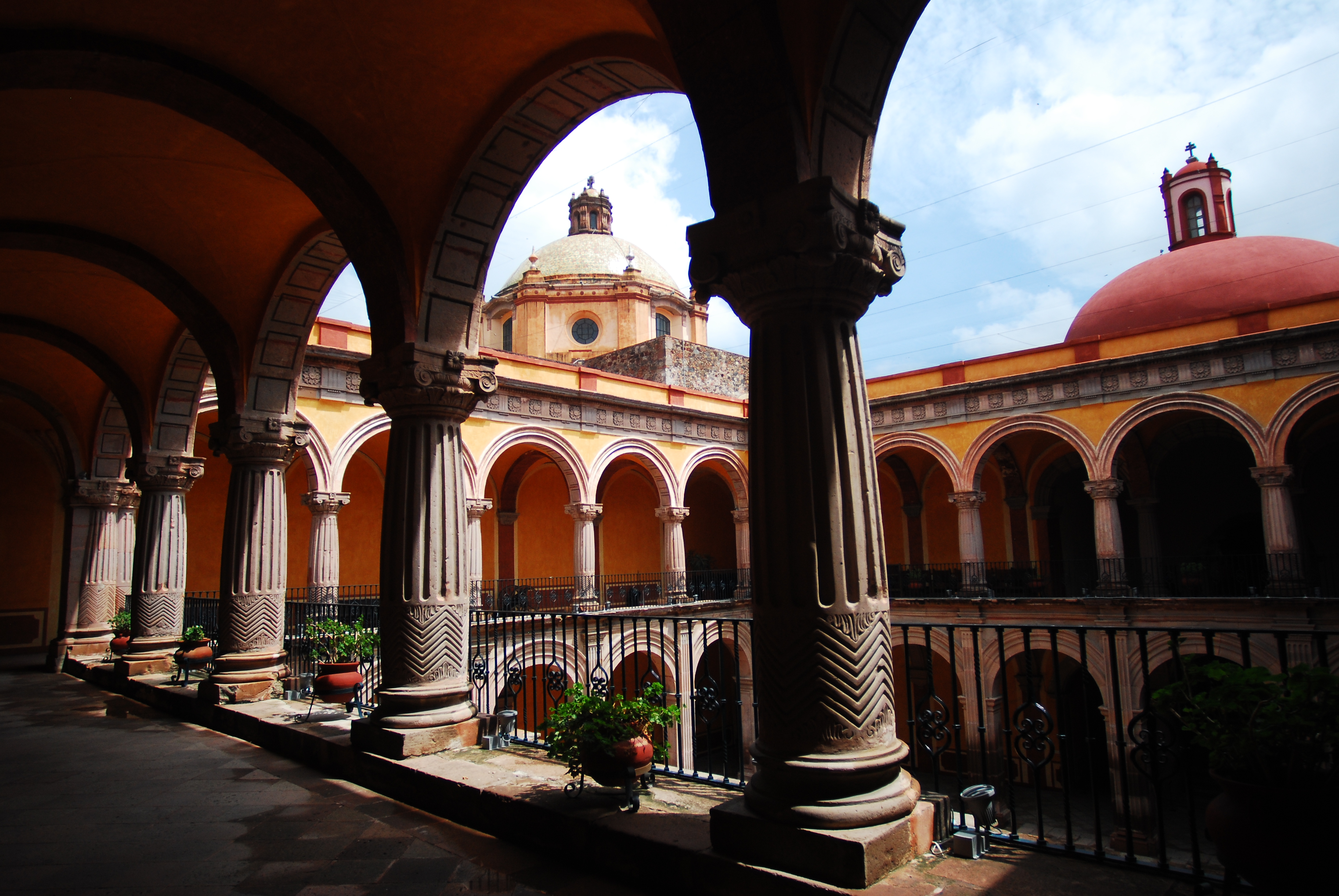
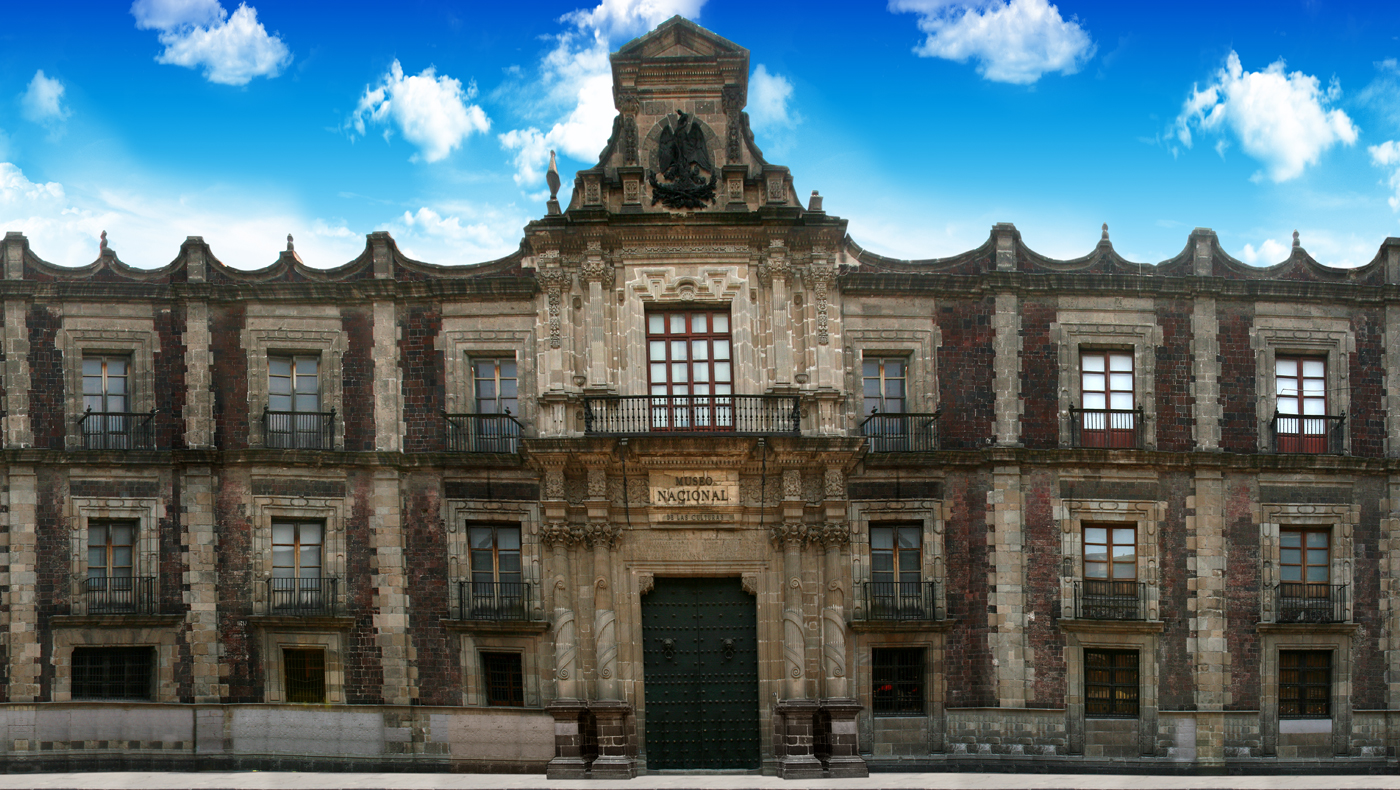
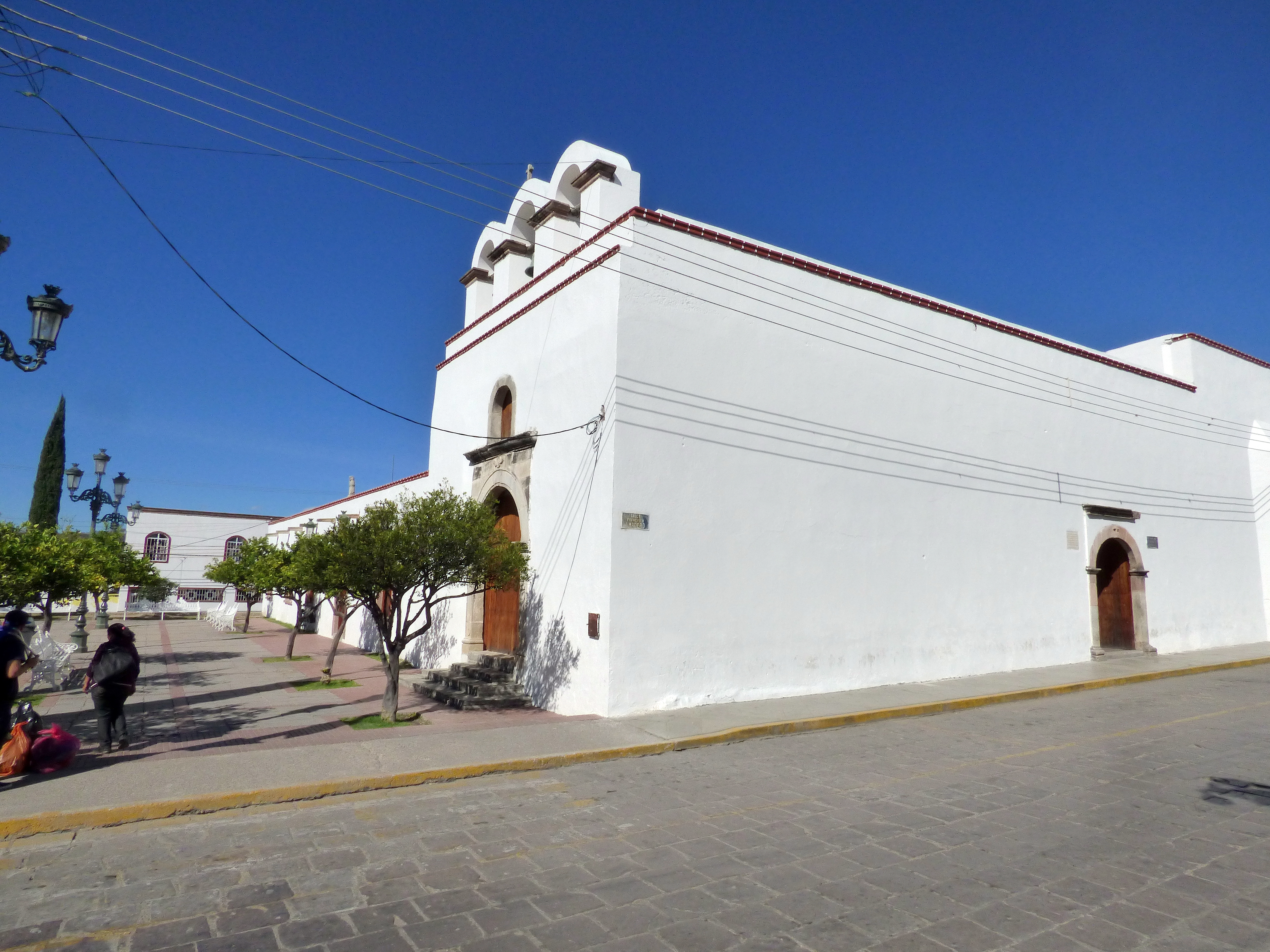
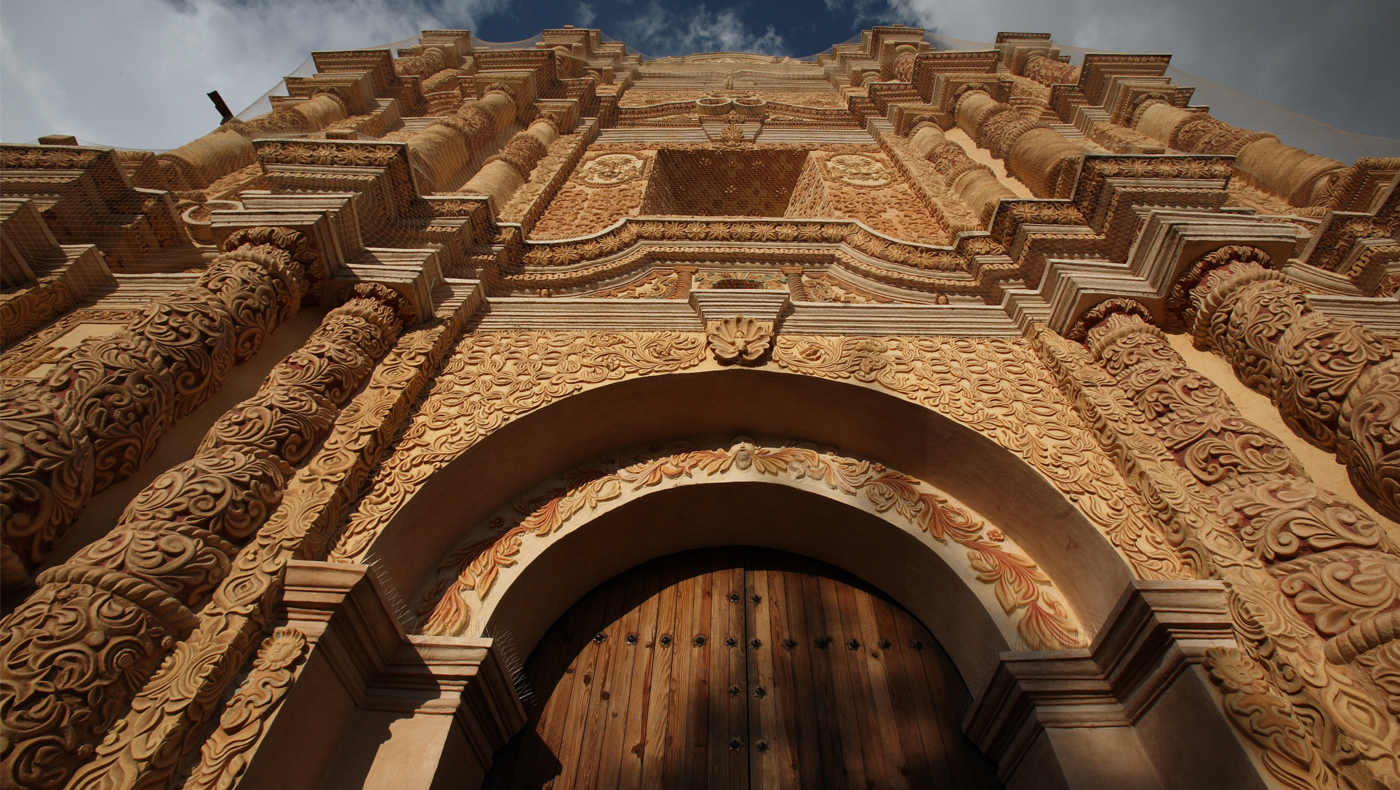
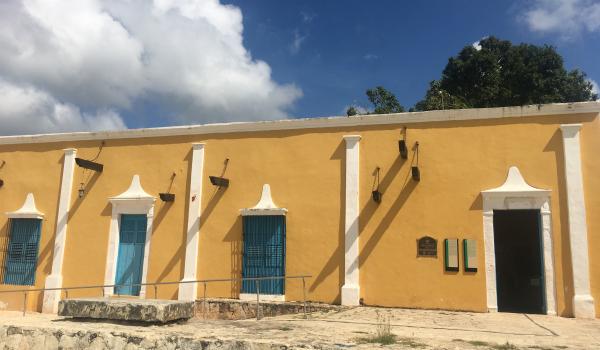
Museo de Arqueología Maya del Camino Real de Hecelchakán

Opened to the public in 1965, in an eighteenth-century colonial house, the museum exhibits Maya architectural elements from various sites, as well a fine collection of Jaina figures, vessels and carved stone objects.

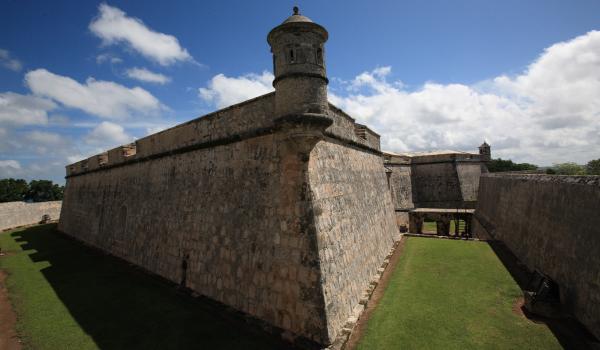
Museo de Arqueología Maya, Fuerte de San Miguel
In one of the mightiest forts of the vice-royal period, dating from the late eighteenth century, this museum is now home to two unique collections: the funerary jade masks of Calakmul, and the funerary ceramic figures of Jaina. In addition, there are some remarkable Mayan stone sculptures. The architecture and splendid collections of the Fuerte de San Miguel were among the main reasons why the city of Campeche was listed by the UNESCO as a World Heritage Site in 1999.
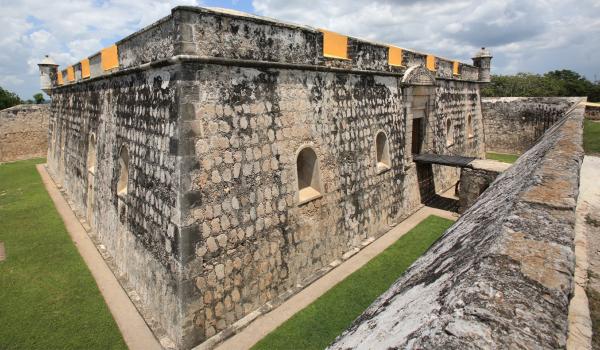
Museo de Arqueología Subacuática Fuerte de San José
The fort of San José el Alto in Campeche, built for defence against the English, which also resisted sieges by the Yucatecans and the French, today contains an important collection of archaeological objects submerged in marine waters of the Gulf of Mexico and the Mexican Caribbean. In addition, the museum exhibits a collection of antique historical arms from the 16th to the 19th centuries, a rare cannon salvaged from the sea and scale models of famous ships.

Museo de Arquitectura Maya, Baluarte de la Soledad
This magnificent coastal fort, completed in 1692, is one of the oldest in New Spain. It houses an outstanding collection of Mayan architecture and sculpture from the Petén, Rio Bec, Chenes and Puuc regions of Campeche State. It formed part of the city of Campeche’s nomination as a UNESCO World Heritage Site in 1999.
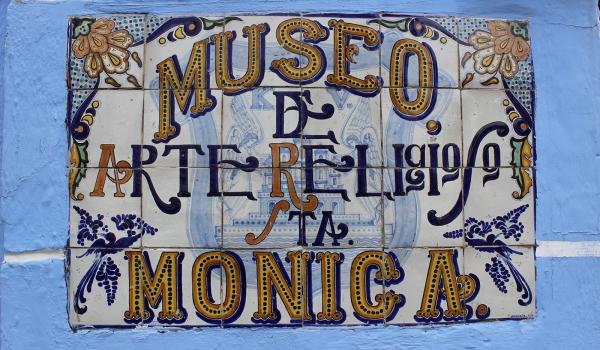
Museo de Arte Religioso Ex Convento de Santa Mónica
The first museum dedicated to female monastic life during the seventeenth to twentieth centuries. The objects in the collection reflect a variety of customs and roles. There is a fine collection of paintings by renowned artists.
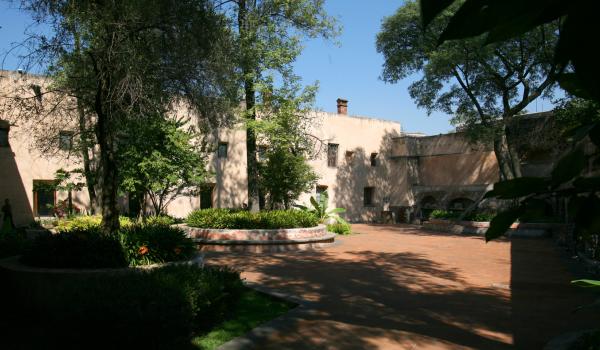
Museo de El Carmen
College of San Ángel and temple of the Order of Discalced Carmelites from the 17th century is the work of a notable architect of the viceroyalty. It has a collection of New Spanish painting and sculpture, 12 mummified bodies, as well as a collection of wax dances, the work of the cultural manager and sculptor of the 20th century, Carmen Carrillo Martínez.
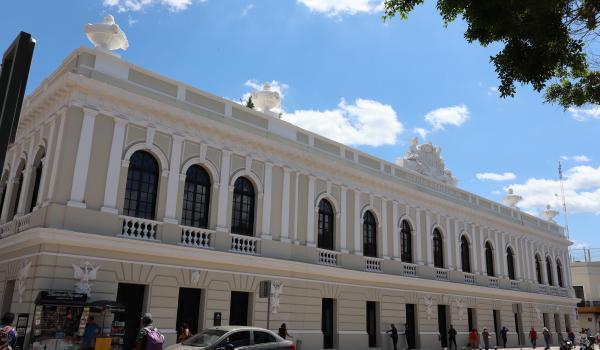
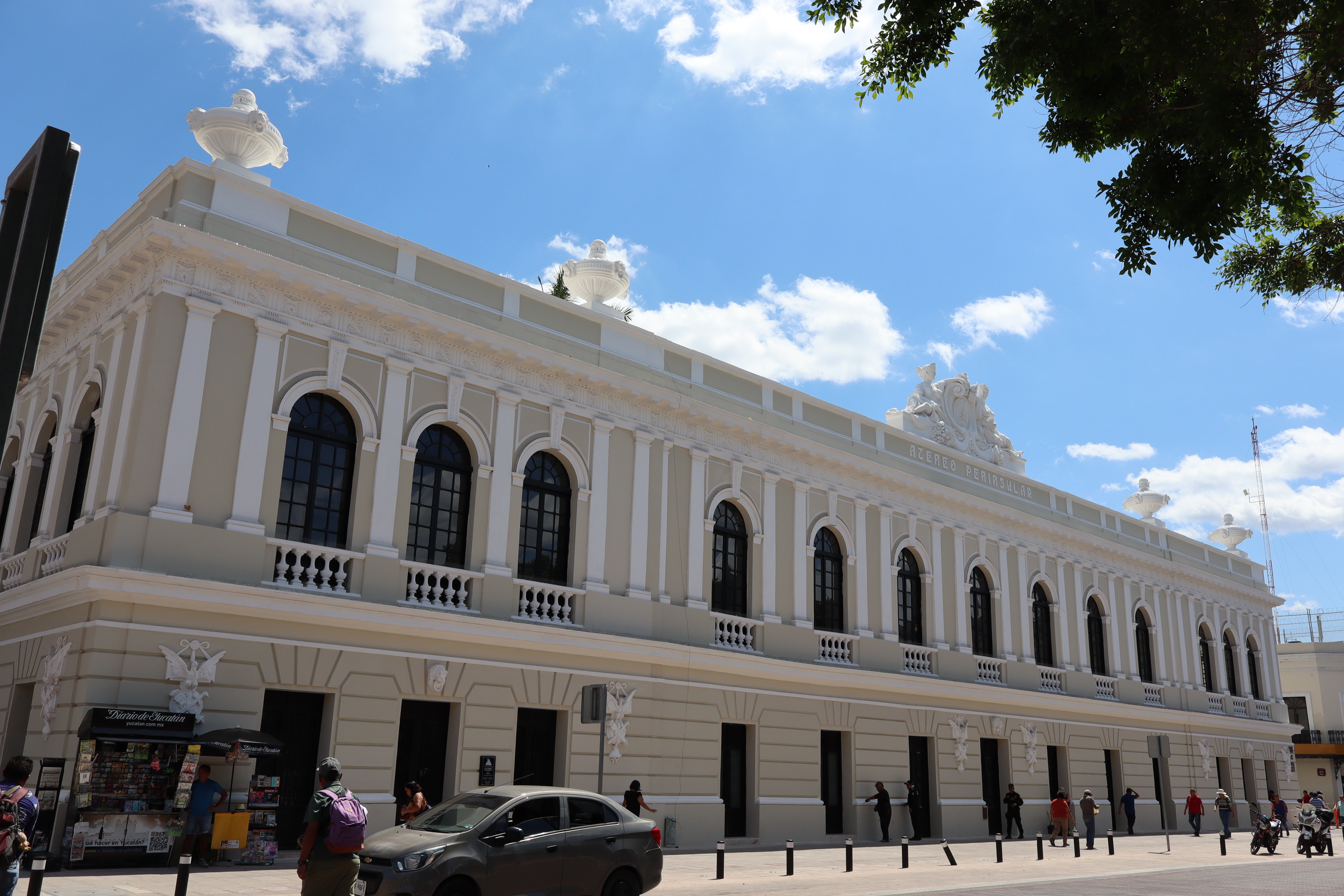
Museo de Historia Ateneo Peninsular
Under the title “Along the Paths of Rescue, Trail of Time,” the Maya Train Museum presents the archaeological discoveries made during the explorations that accompanied this major infrastructure project.
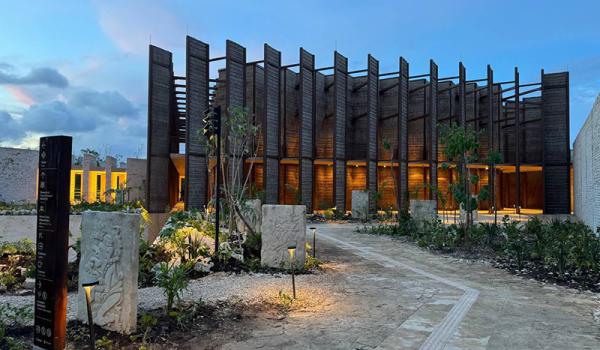
Museo de la Costa Oriental
This modern museum in Tulum explores the history and culture of the Mexican Caribbean, with a particular focus on the Maya civilization. Its chronological exhibition spans from the earliest settlers to today’s Maya communities, highlighting maritime trade and the significance of the Tulum Archaeological Zone. With over 300 artifacts and interactive exhibits, it offers an educational experience that complements a visit to the ruins.
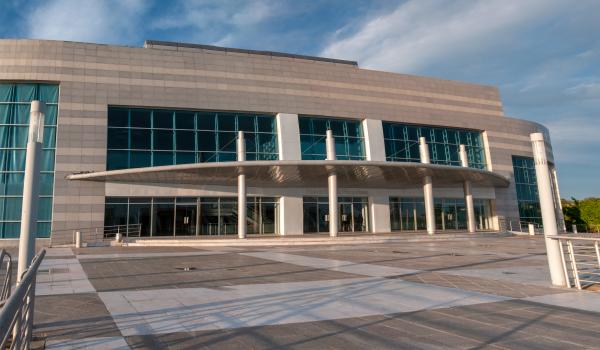
Museo de la Cultura Huasteca
Situated in the modern Metropolitan Cultural Space of Tampico, the Huastec Culture Museum displays the development of the Tenek, Nahua, Pame, Otomi and Tepehua peoples from the earliest times to the present. Nearly 2,000 pieces from six Mexican states tell the story in spectacular fashion.
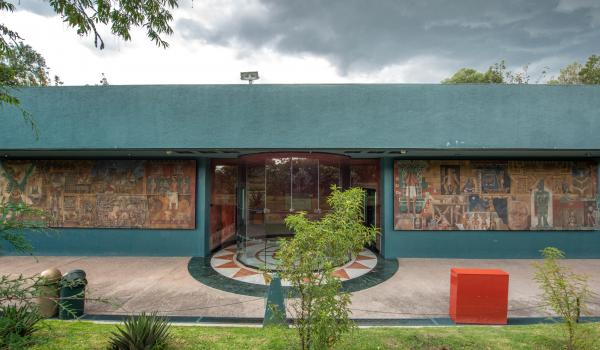
Museo de la Cultura Teotihuacana
Located at one of Mexico’s most important archeological sites, this museum displays more than 600 objects made from stone, wood, bone, shell, and obsidian from over the ten centuries the city lasted. The final “exhibit” is none other than the Pyramid of the Sun itself, framed in a great picture window.
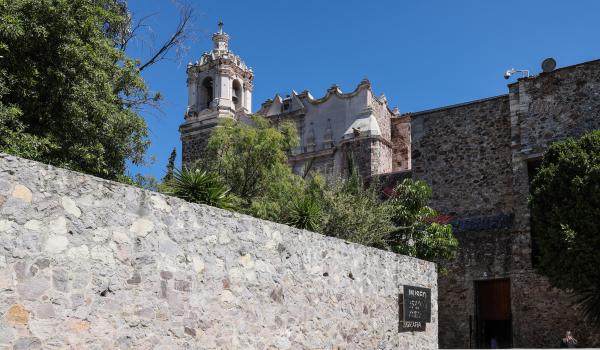
Museo de la Fotografía del Sistema Nacional de Fototecas
The venerable seventeenth-century former monastery of San Francisco in Pachuca houses an extremely rich collection of images from the nineteenth century onwards, featuring historical events, daily life, landscapes and visual essays. There are important collections of Tina Modotti, Nacho López, Guillermo Kahlo, and not least the collection amassed by Agustín Víctor Casasola.
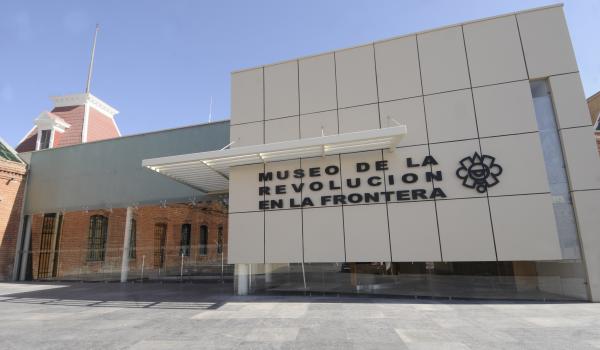
Museo de la Revolución en la Frontera
A famous building because, in 1909, the meeting of Porfirio Díaz and William Taft, President of the USA, was held here. It also served as headquarters for General Madero in 1911, for Francisco Villa in 1913 and Venustiano Carranza in 1914. It has a collection of photographs of the Maderista uprising taken by reporters from El Paso.
