


Museos
Museos de sitio y salas de interpretación
Mostrando 1 - 11 de 11
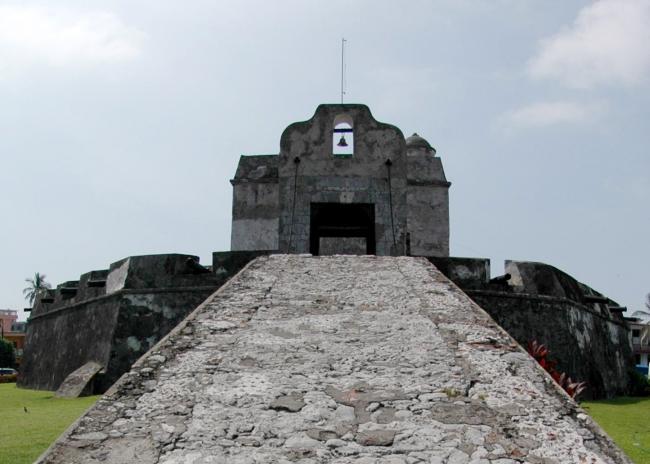
Museo Baluarte de Santiago

Part of the old wall defending the port of Veracruz against pirate attacks. The bastion of Santiago is the only surviving bastion. It houses and displays the “fisherman’s jewels,” a notable collection of pre-Hispanic gold and silver pieces found by a Veracruz fisherman.

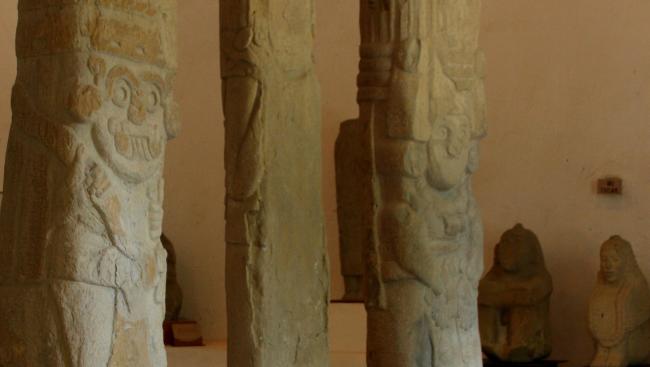
Museo de Sitio Castillo de Teayo
A rare pyramid which still has a complete great staircase and a temple on top. The museum tells the story of an important Huastec city which was influenced by the Toltecs and Mexica. It has an attractive collection of sculptures of the rain god Tlaloc and the corn god Xipe Totec.
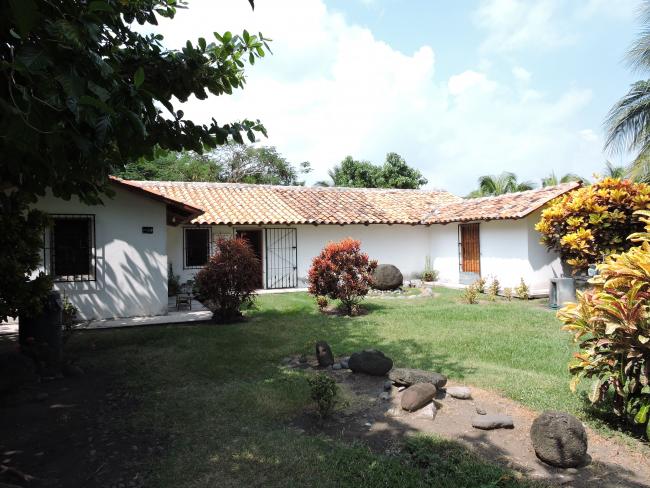
Museo de Sitio de Cempoala
The city of the "Fat Cacique" was allied with the Spaniards against the Mexica. This small museum, surrounded by abundant coastal flora and fauna, displays the Totonac culture, including the remains of defensive walls, the gods of the underworld, mural painting, everyday utensils and figurines…
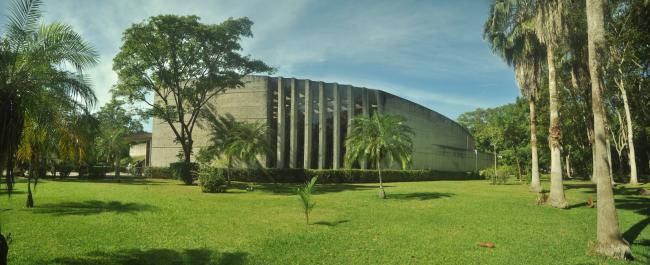
Museo de Sitio de El Tajín
The peak of the Totonaca culture, with the most beautiful architecture of the Gulf Coast, a UNESCO World Heritage site. The museum, built by architect Teodoro Gonzaléz de León, shows vestiges of the city since the excavations of 1920, it also reconstructs the everyday life of this sophisticated…
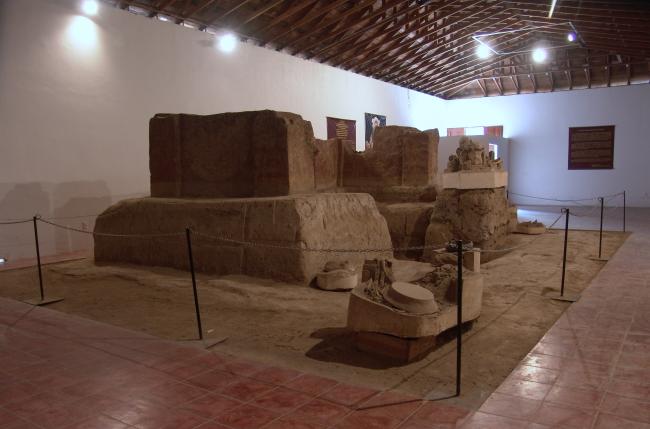
Museo de Sitio de El Zapotal
Mictlantecuhtli, the great lord of death (the other life), was the patron of this ancient Totonac city. The museum’s prized item is the sole unfired clay sculpture with stucco and the remains of paint in Mesoamerica. To this are added funerary offerings and ceramic figures of the very highest…
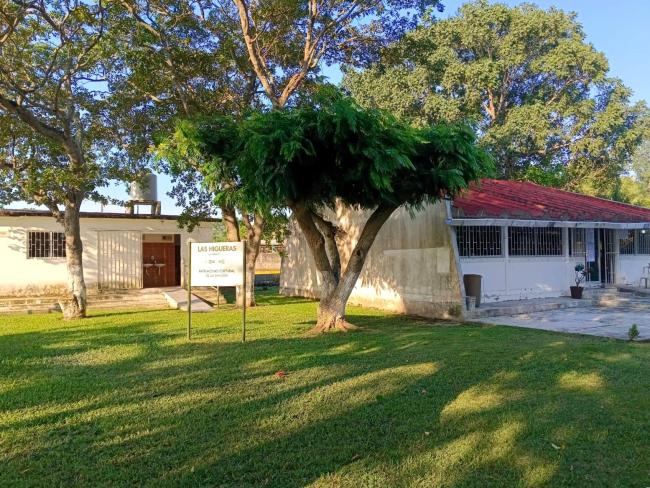
Museo de Sitio de Higueras
Women played a dominant role in the ceremonies of this important Totonac city, as can be seen from its numerous murals. The mural fragments are the museum’s most valued objects, as they show varied scenes from the life of this ancient settlement.
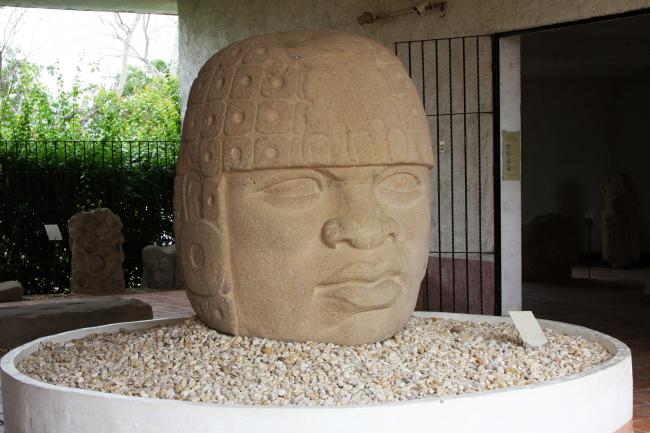
Museo de Sitio de San Lorenzo Tenochtitlan
A small museum with three galleries features a sample of the 3,200-year-old sculptural masterpieces from San Lorenzo Tenochtitlan on the banks of the Coatzacoalcos River: the cultural legacy of the great Olmec city.
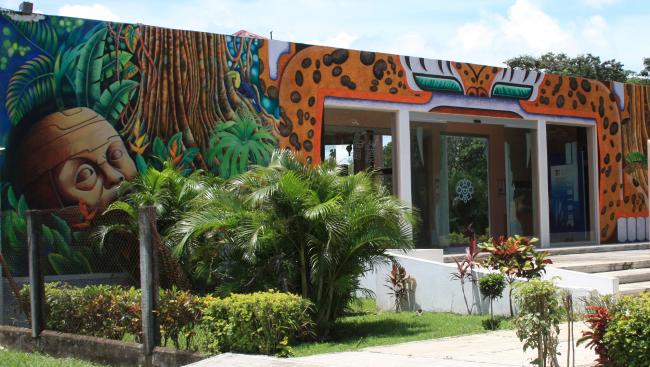
Museo de Sitio de Tres Zapotes
The Olmec region has the longest record of continual occupation. The museum houses: the oldest stela in Mesoamerica, an extraordinary stone with the “long count” for the whole calendar, the first colossal head to be discovered and other artefactual evidence of these remarkable sculptors and…
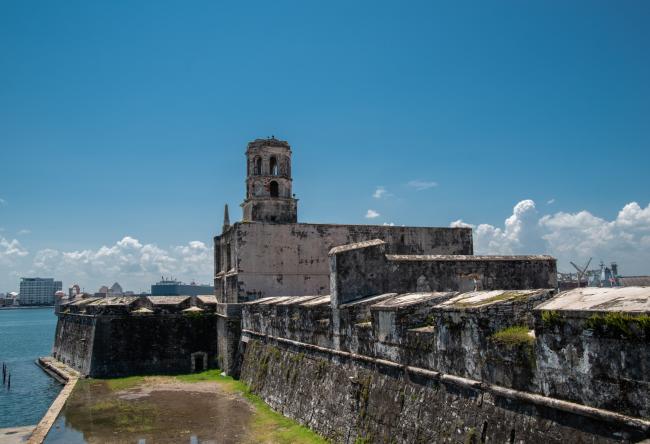
Museo Fuerte de San Juan de Ulúa
Restored in 2012, this site museum has exhibits of Olmec, Totonac and Huastec artefacts made from obsidian, stone and ceramic, as well as a collection of sixteenth-century European weapons, while also providing a military history of the mighty fort of San Juan de Ulúa.
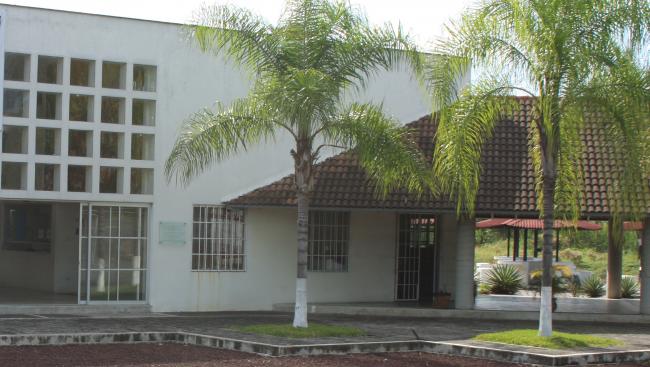
Museo Regional de Palmillas
The history of the Valley of Córdoba from the fifth century BC to the viceregal period. Highlights include an important statue of Tonatiuh and an interesting musical instrument collection. It also tells the story of the slave trade and the rebellion led by Gaspar Yanga, the undefeated leader who…
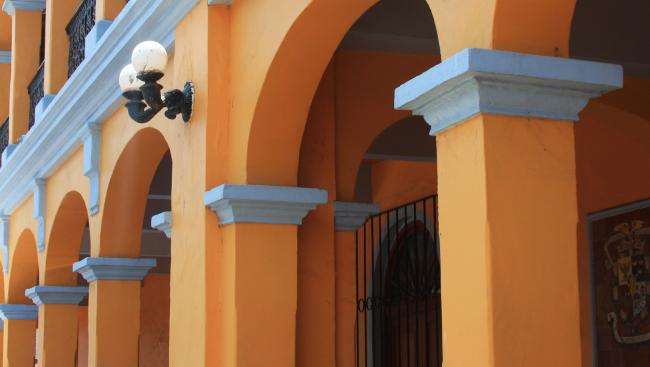
Museo Tuxteco
In the former town hall of Santiago Tuxtla, the place Hernán Cortés chose to establish his marquisate, where he set up the continent’s first wine press. The museum has rich archeological displays of Olmec, Totonac and Mexica cultures, as well as revealing pieces from the viceregal period.1975
