


Museos
Museos de sitio y salas de interpretación
Mostrando 1 - 11 de 11
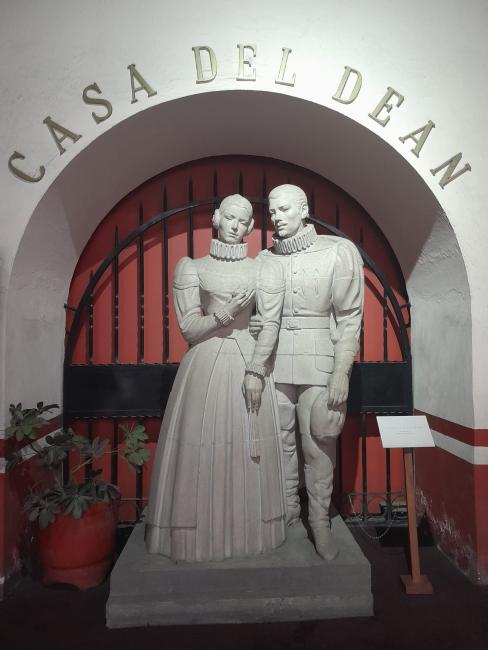
Casa del Dean

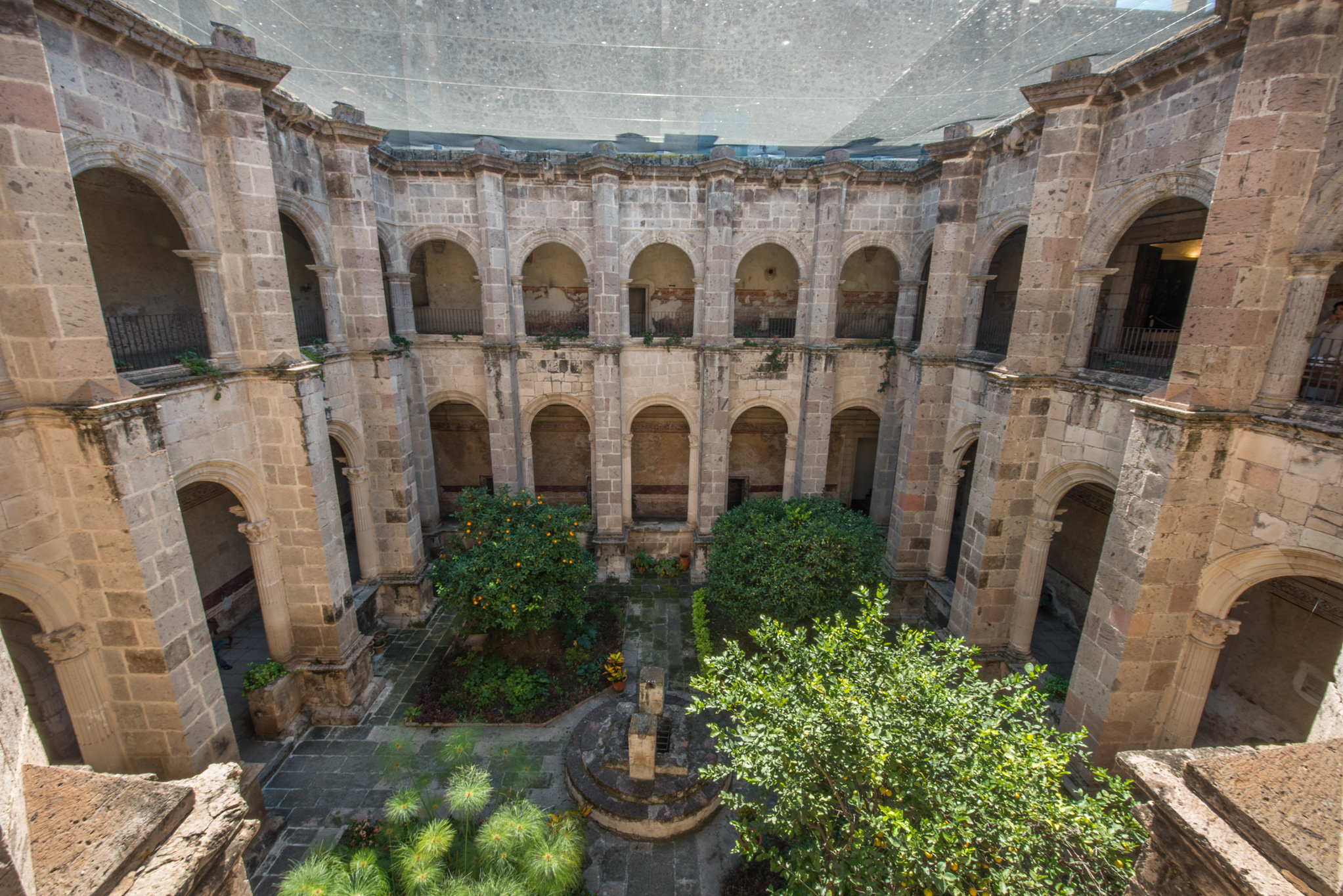
The "Casa del Deán" is one of the most iconic buildings in the city of Puebla. It is considered the oldest standing civil structure in the noble city of "Puebla de los Ángeles" and served as an architectural precedent for the construction of the city's cathedral. Built between 1564 and 1580, the…

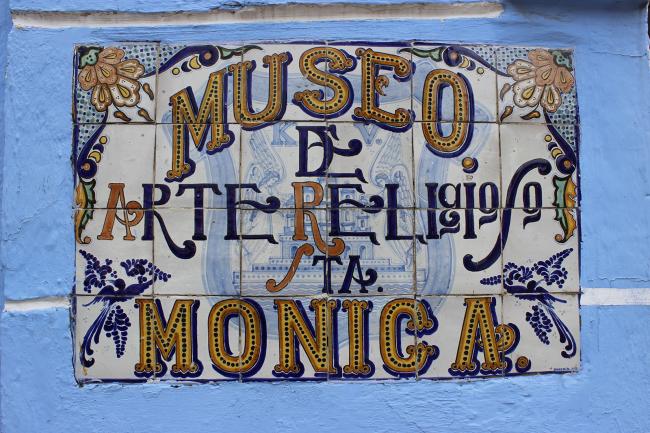
Museo de Arte Religioso Ex Convento de Santa Mónica
The first museum dedicated to female monastic life during the seventeenth to twentieth centuries. The objects in the collection reflect a variety of customs and roles. There is a fine collection of paintings by renowned artists.
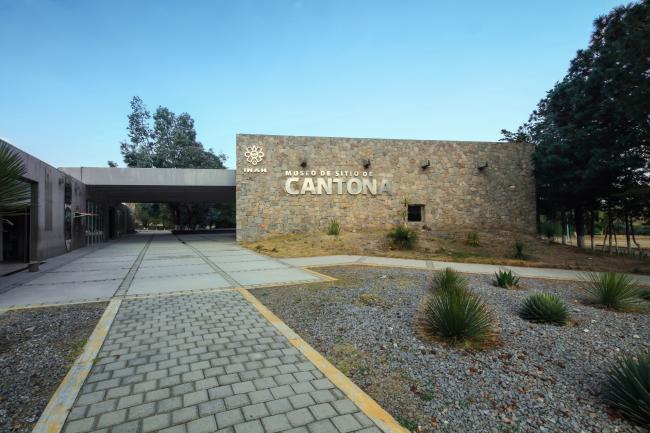
Museo de Sitio de Cantona
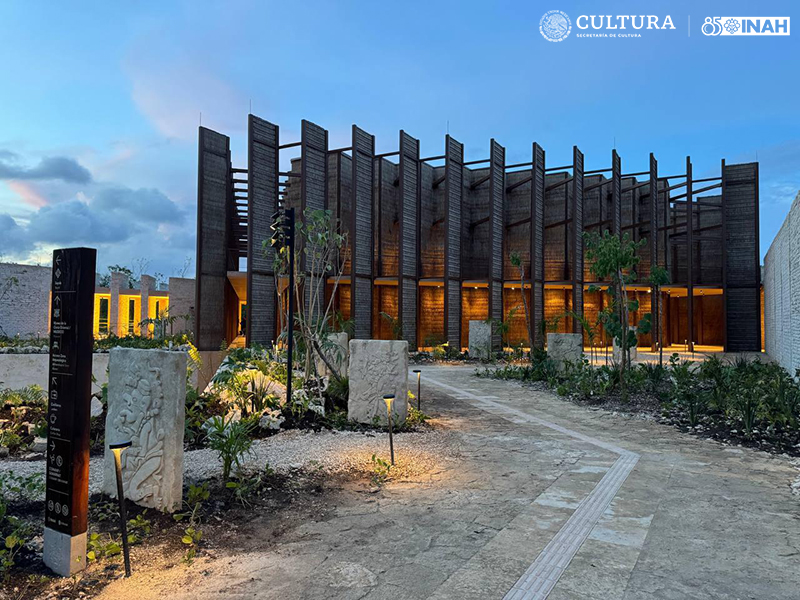
A new museum showcases one of the oldest urban settlements: one of the largest and most populated in Mesoamerica and a major exporter of obsidian. It features numerous streets, plazas, and intricate walls, many ball courts, and a religion that exalts self-sacrifice.
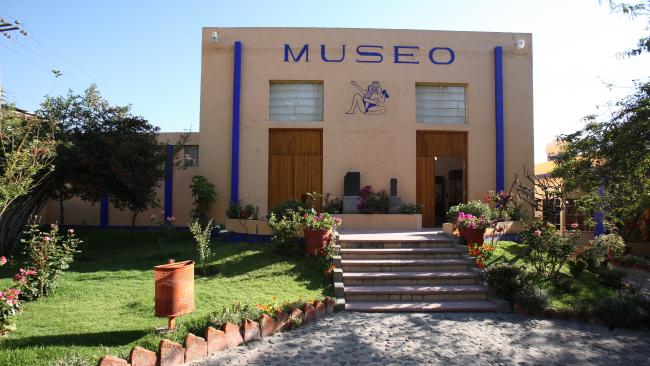
Museo de Sitio de Cholula
At first the inhabitants of this site fought the Spanish conquistadors, then after a great slaughter Cholula allied itself to conquer Tenochtitlan. The museum tells the story of its inhabitants from the ninth century, with themes covering excavations, pottery, funerary customs and mural painting…
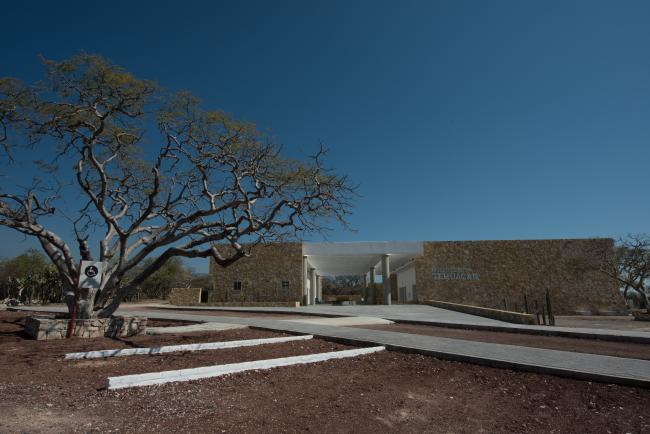
Museo de sitio de Tehuacán el Viejo
Offering a unique view of the Valley of Tehuacan, the site museum of Tehuacan el Viejo has a rich collection of archeological material and audiovisual clips on Ndachjian, better known as Tehuacan, the most important city today in the east of the state of Puebla.
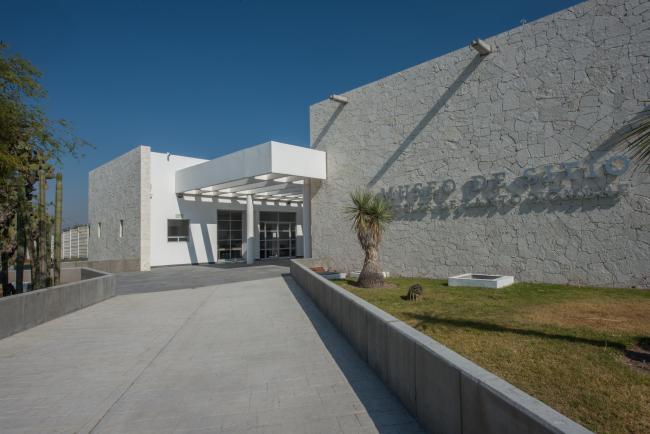
Museo de Sitio Teteles de Santo Nombre
Teteles de Santo Nombre is the largest Pre-Hispanic city of the Tehuacan-Zucatlan region. The site museum displays part of the history of one of the most important urban settlements in the central region of Mexico from the Classic period.
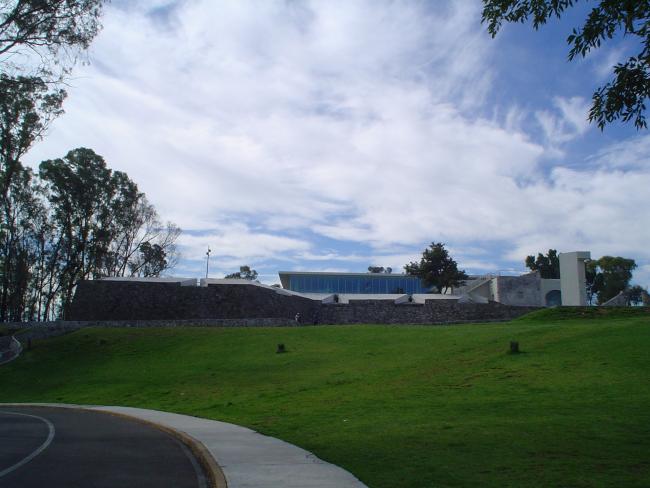
Museo del Fuerte de Guadalupe
“The nation’s arms are covered in glory” wrote general Zaragoza in his war report. He commanded the infantry and the forts of Loreto and Guadalupe. The fort of Guadalupe’s exhibitions tells its own story, victory at the Battle of Puebla and the triumph of the Republic.
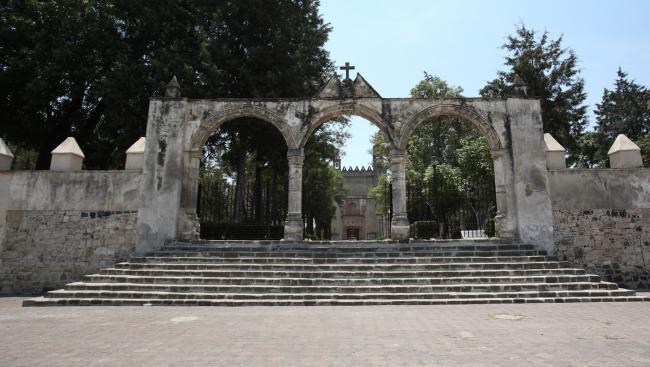
Museo Local de la Evangelización-Ex Convento de Huejotzingo
Franciscan monastery built between 1544 and 1570 in the Plateresque and Mudéjar styles with one of the few Simon Pereyns altarpieces in Mexico. It illustrates missionary work in central Mexico during the colonial period through a wide range of objects.
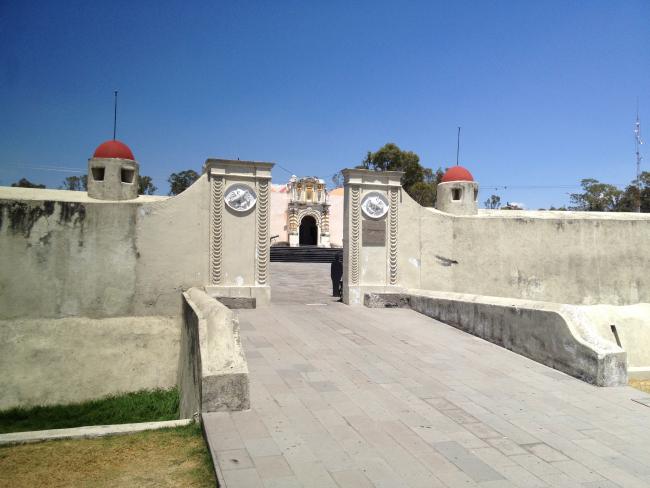
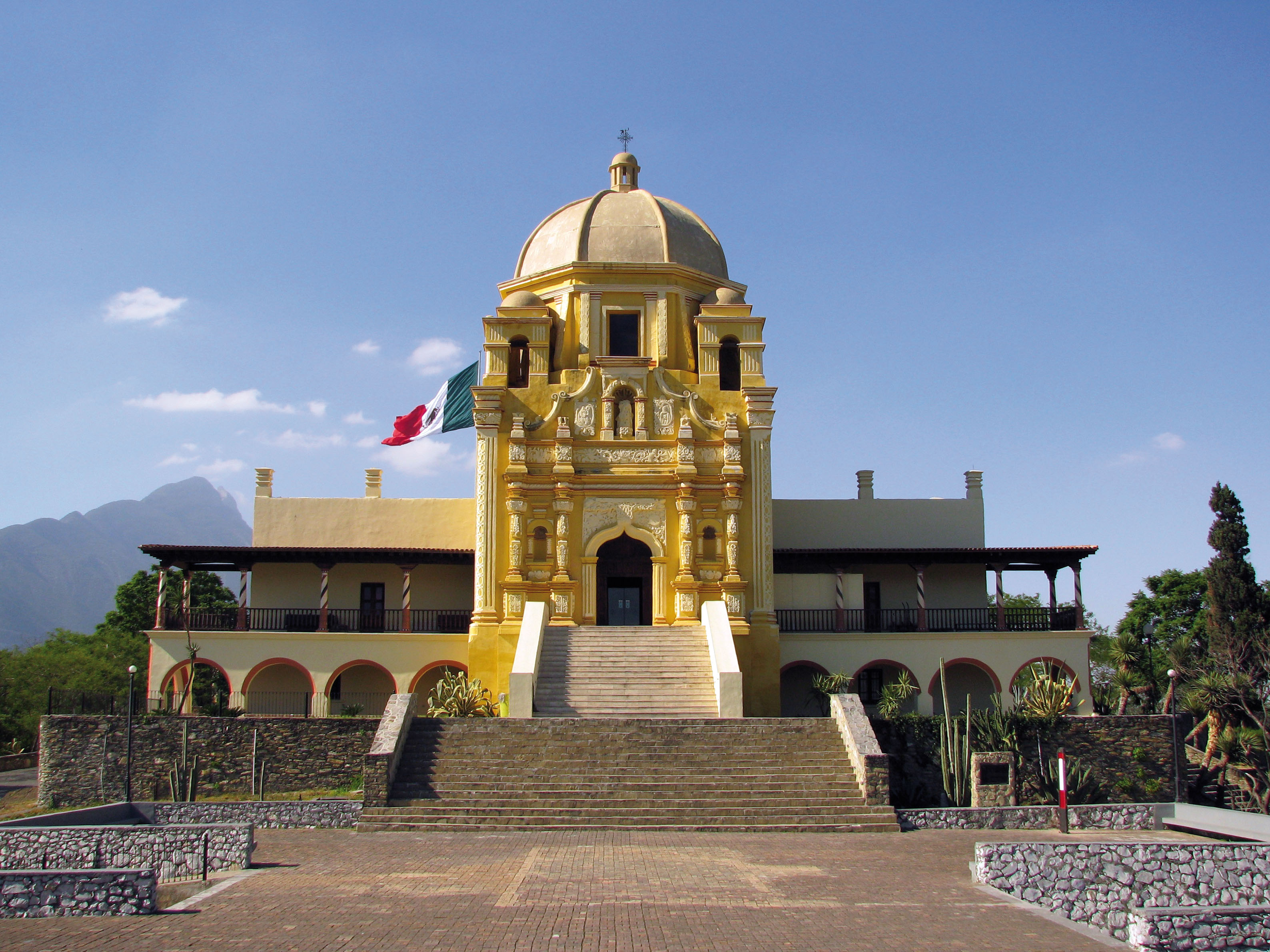
Museo local de la No Intervención-Fuerte de Loreto
The beautiful chapel of the Virgin Mary, the chaplain’s house, a military barracks and four bastions make up this strange, airy building on a lofty site whose seven galleries tell the story of the fort in the wars of Independence, Reform, Intervention and the Revolution.
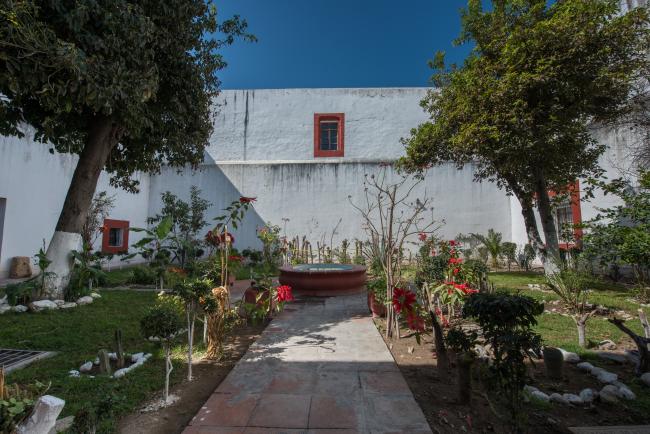
Museo Local Valle de Tehuacán
According to Justo Sierra, the ancient Mexicans were people of corn. This plant of humble origins was domesticated and greatly improved over the course of a long and astonishing social and biological history, as set out in this museum, together with the ancient figures of pre-Hispanic gods.
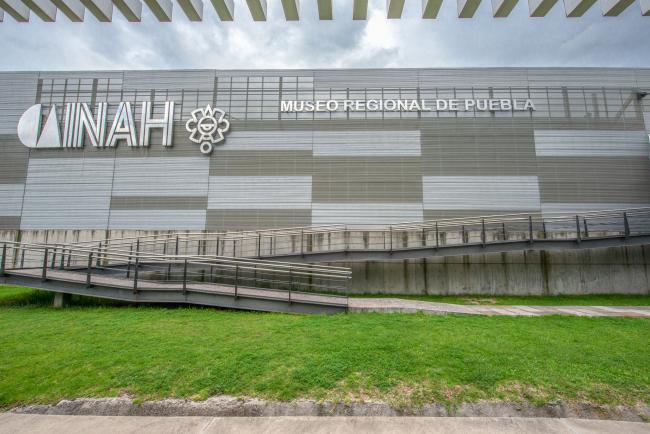
Museo Regional de Puebla
A modern building houses a vast collection about the life and culture of the state. Archeology, history (in the nineteenth century Puebla was laid siege ten times), academic culture, popular culture, customs, dances and a great variety of arts and crafts.
