

Zonas Arqueológicas
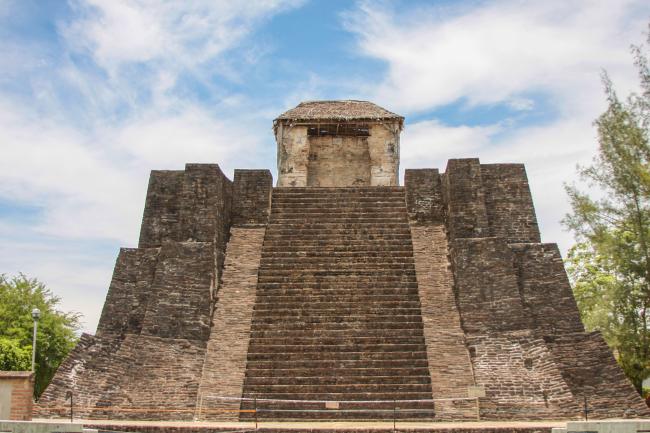
Castillo de Teayo

An ancient Huastec town, one of the most important sites on the Gulf of Mexico, its material remains show the influence of Maya, Toltec and Mexica cultures, at different stages of its history. It has a magnificent pyramid topped by a temple.

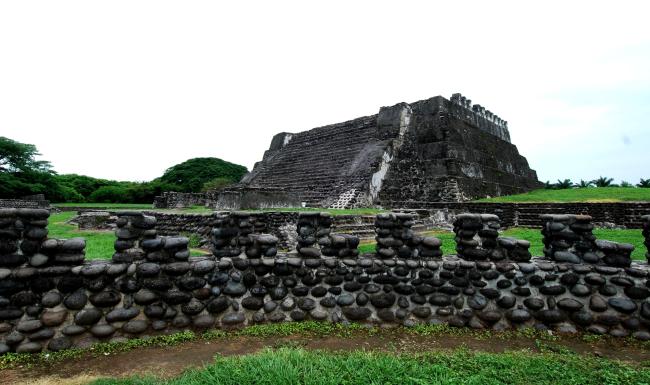
Cempoala
This powerful Totonac capital once dominated a large area of present day Veracruz and the north of the state of Puebla. Temples, palaces, plazas and fortifications testify to its importance as a political and religious center. Subjugated by the Mexica empire, it allied itself with Hernán Cortés…
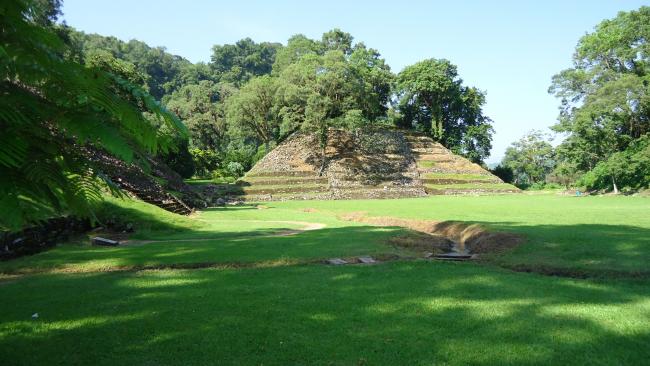
Cuajilote
A Totonac city with a 3,000 year history in a very damp location, where the buildings are very tall and the plazas and ballcourts are wide. The are indications of a cult to Tezcatlipoca, the smoky black mirror. It was a great exporter of colorful bird feathers.
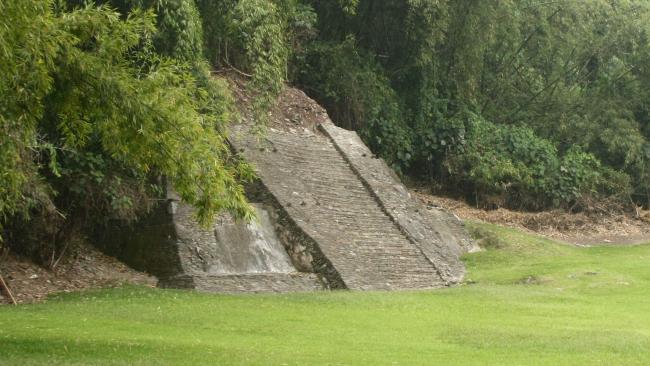
Cuyuxquihui
A Totonac city founded 800 years ago, its emergence coincides with the fall of El Tajín. Giving the impression of a fortified site, it was important in the region until it was conquered by Moctezuma Ilhuicamina around 1465. Its pyramid beside a cliff and its great ballcourt are models of…
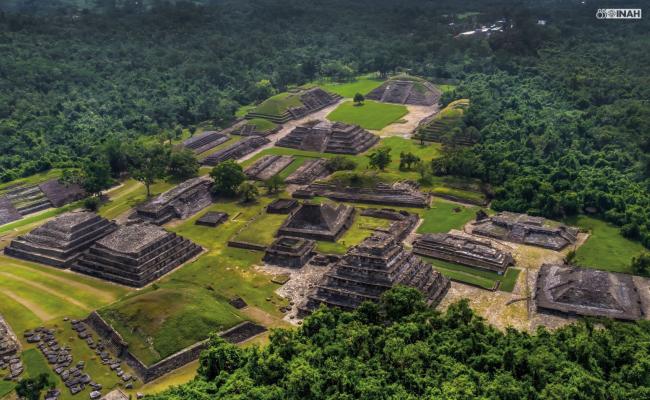
El Tajín
A majestic site with wide open spaces, numerous ballcourts and bas-reliefs, and particularly impressive for the Pyramid of the Niches, with its 365 niches, El Tajín has long been a source of fascination to specialists in Mesoamerican calendar systems and world view.
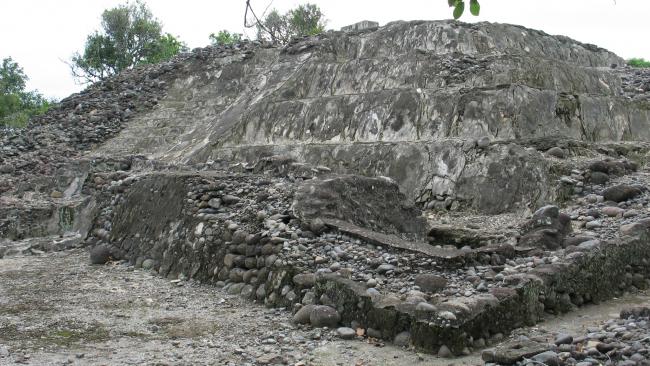
Las Higueras
The greatest legacy of Totonac art. This site flourished between 600 and 900, and offers a unique insight into the development of the area's people through the astonishing murals of ritual scenes, temples, people, animals and symbols painted on the walls of its structures.
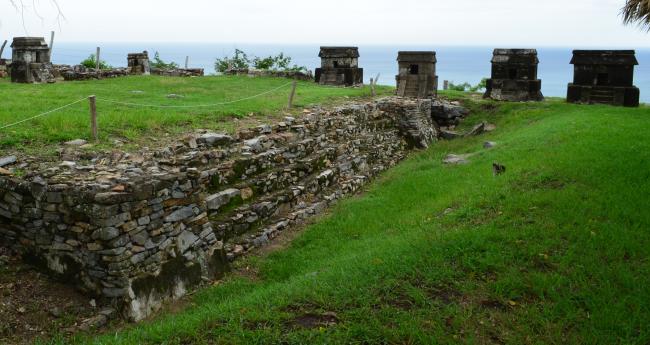
Quiahuiztlán
A Totonac settlement (900-1521 AD), with a marvelous view of the coastal plain. It came under the control of the Toltecs first and later the Mexica. In turn a city, a cemetery (78 tombs were found) and a fortress. This was where Hernán Cortés formed an alliance in order to conquer the Tenochca…
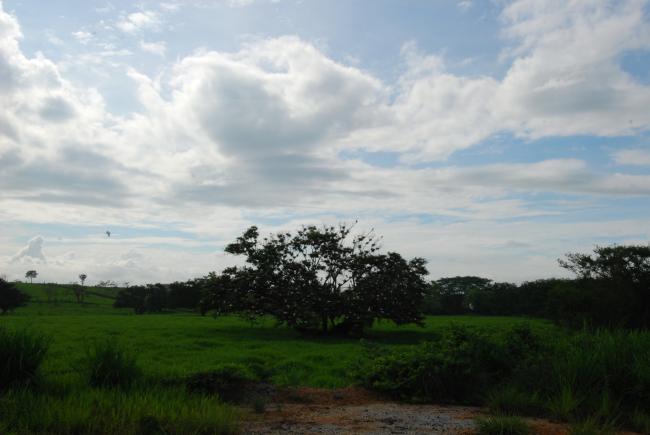
San Lorenzo Tenochtitlan
A very ancient and populous Olmec city. Strategically located along land and river transport routes. Enormous stone boulders were brought from the Sierra de los Tuxtlas, a volcanic mountain range, to make sculptures of colossal heads and thrones. The site began to be abandoned 29 centuries ago…
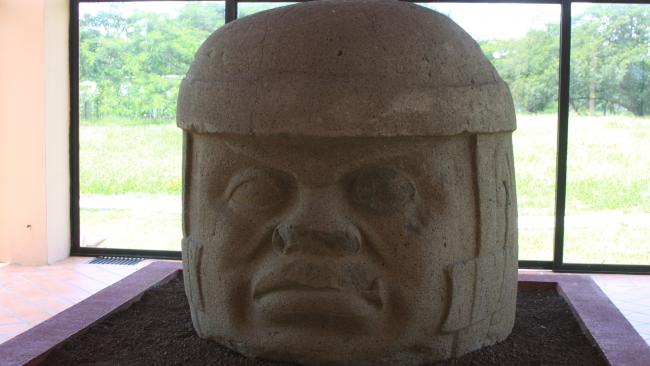
Tres Zapotes
Ancient Olmec city, contemporary with La Venta, which reached its height 3,700 years ago and ended 2,400 years ago. This culture produced some impressive colossal stone heads, and a famous stela with the second earliest date recorded in Mesoamerica, correlating to: September 3, 32 BC…
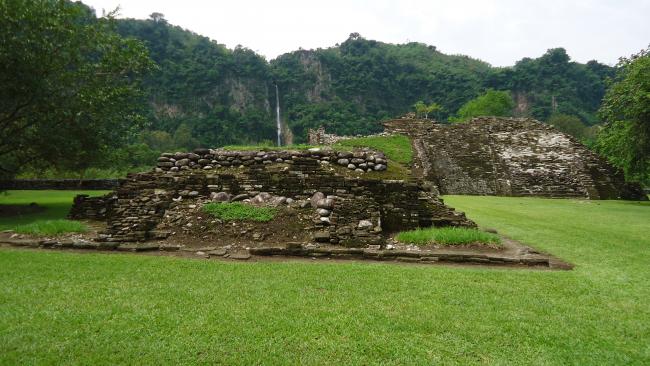
Vega de la Peña
On the banks of a river, convenient for trade, remarkable urban planning and the Fretwork Temple, whose facade decorations depict the serpent of fire. The Mexica held sway over the site, who took advantage of the communications network to exact their tribute.
