
















El Tajín
Archeological site
El Tajín
Patrimonio mundial
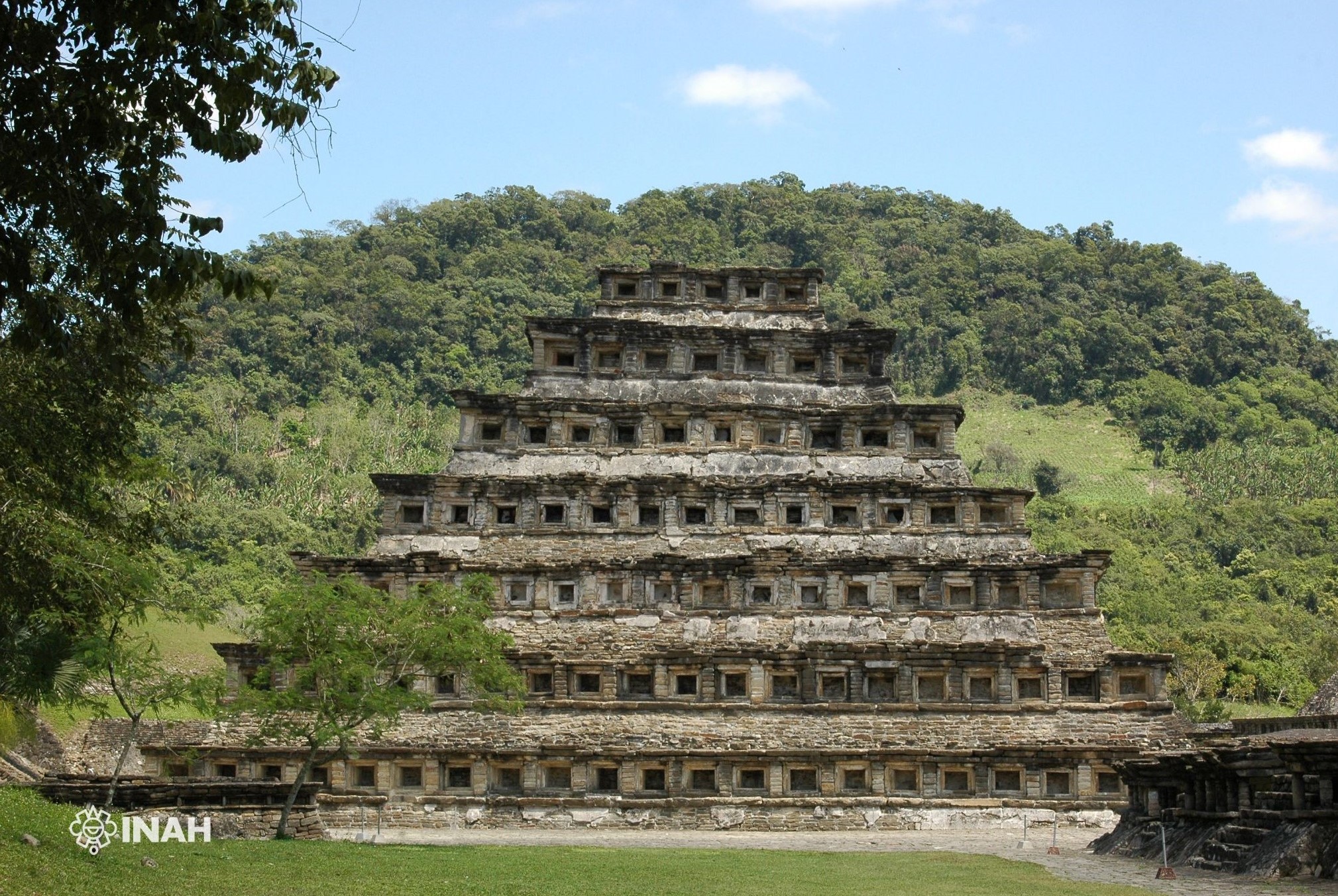
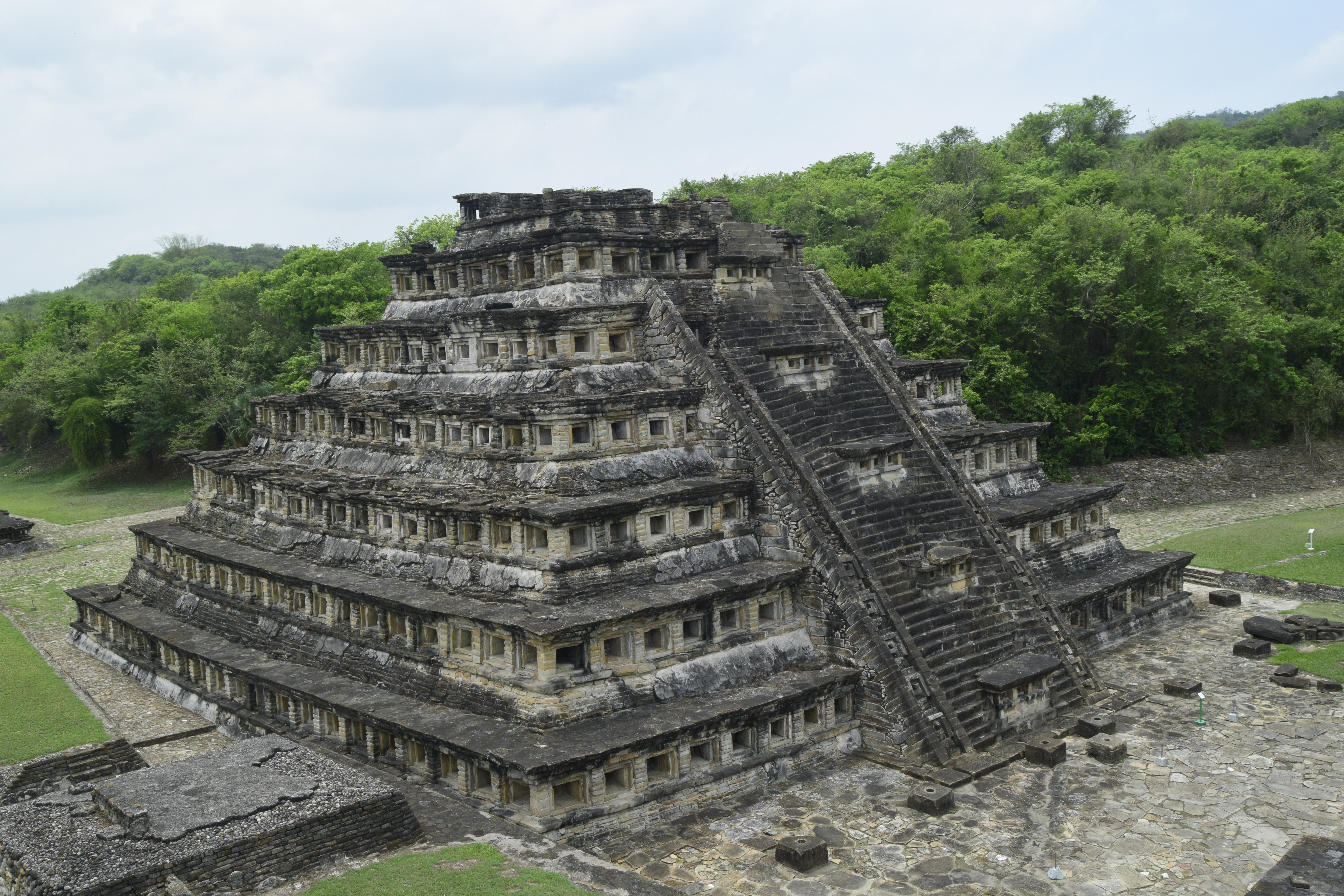
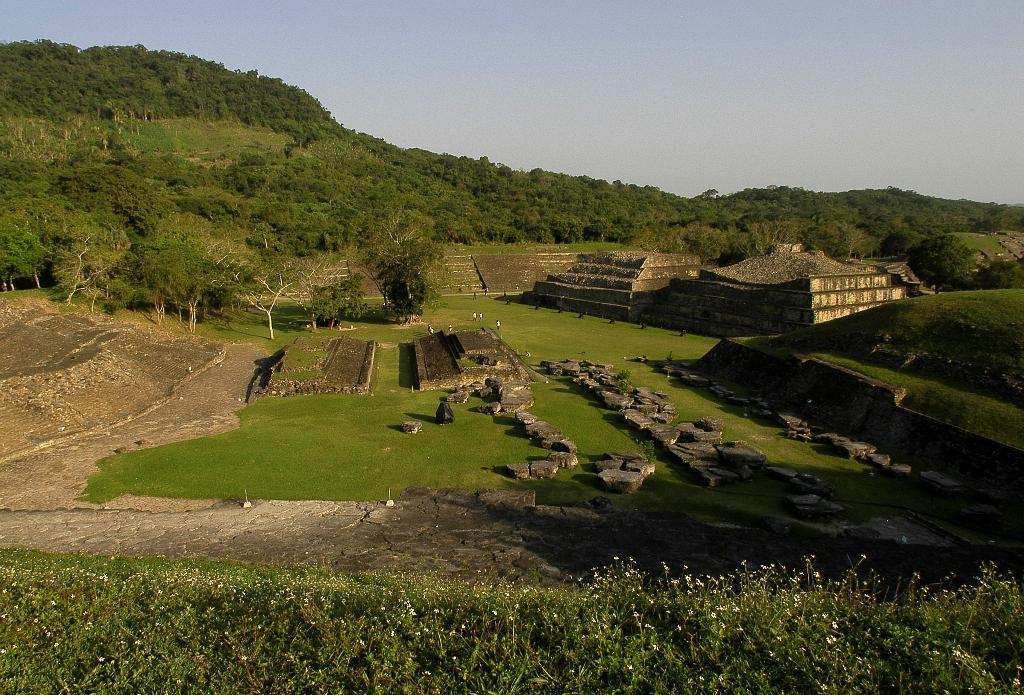
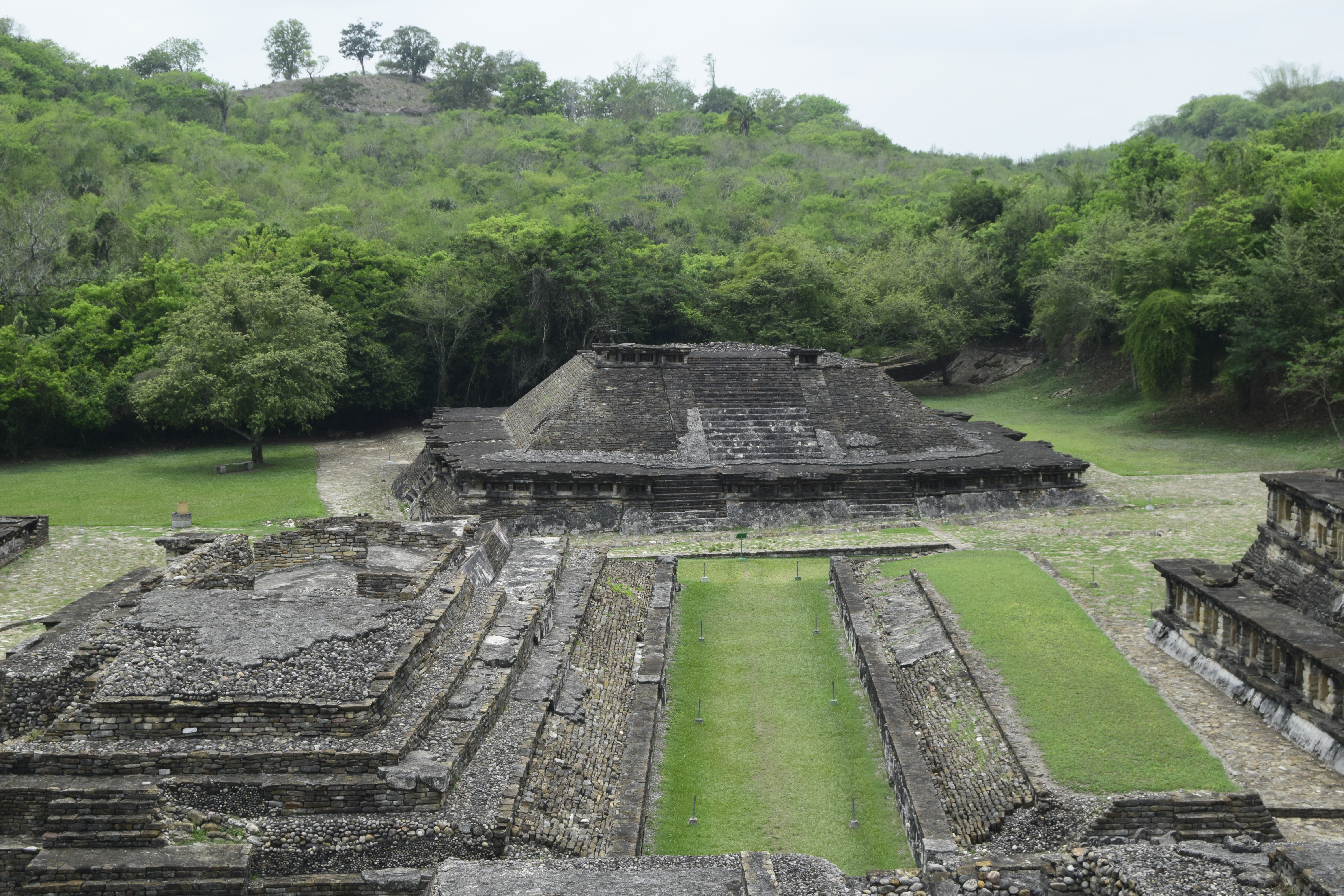
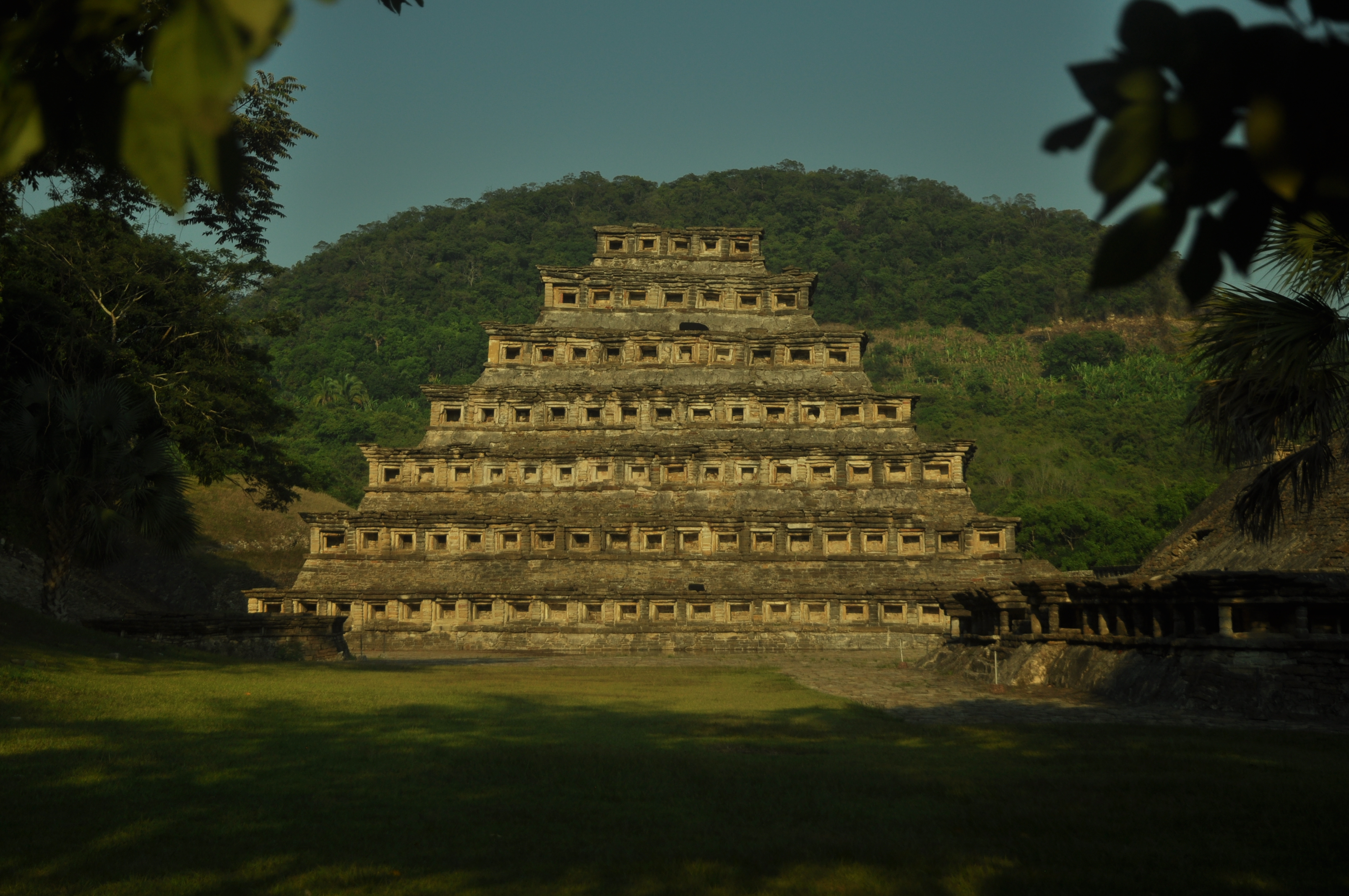
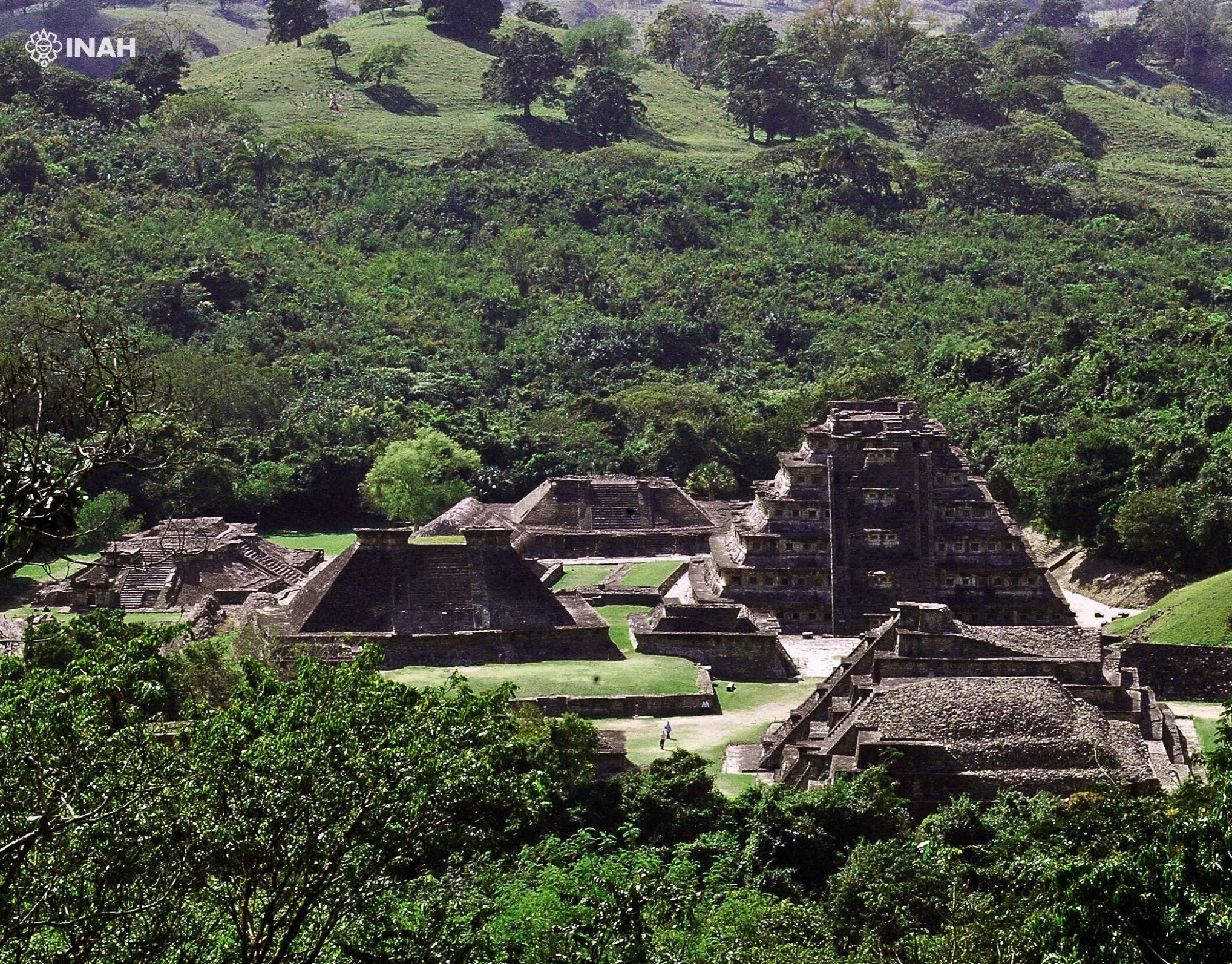
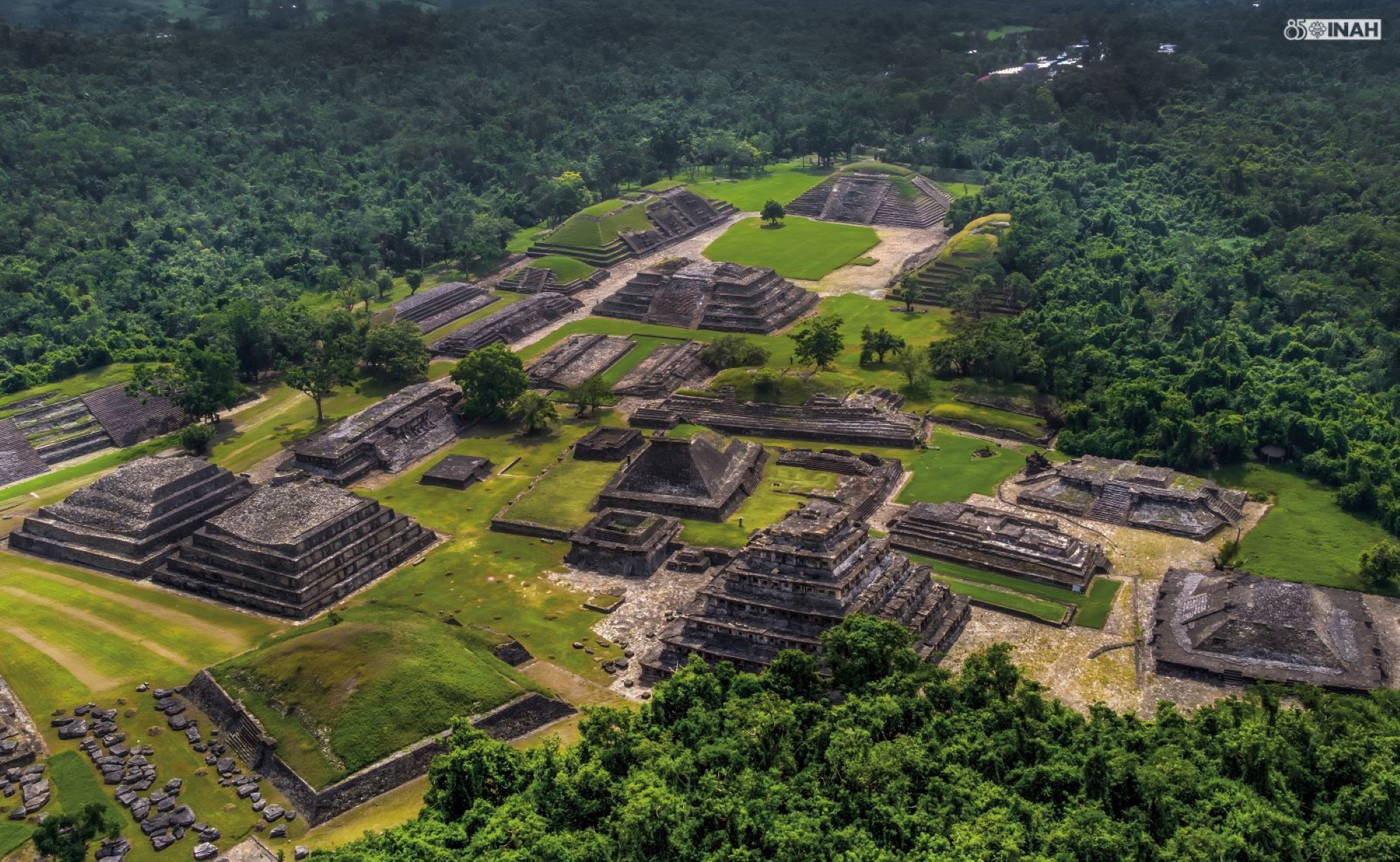
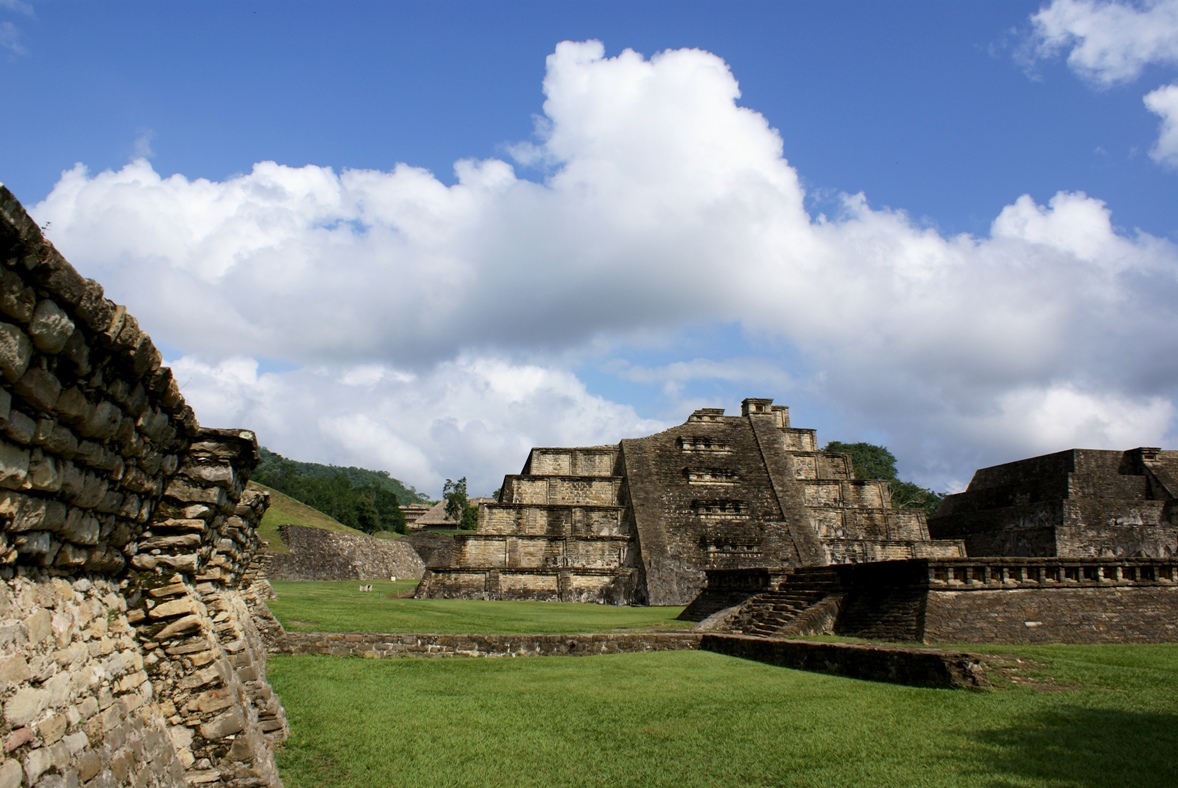
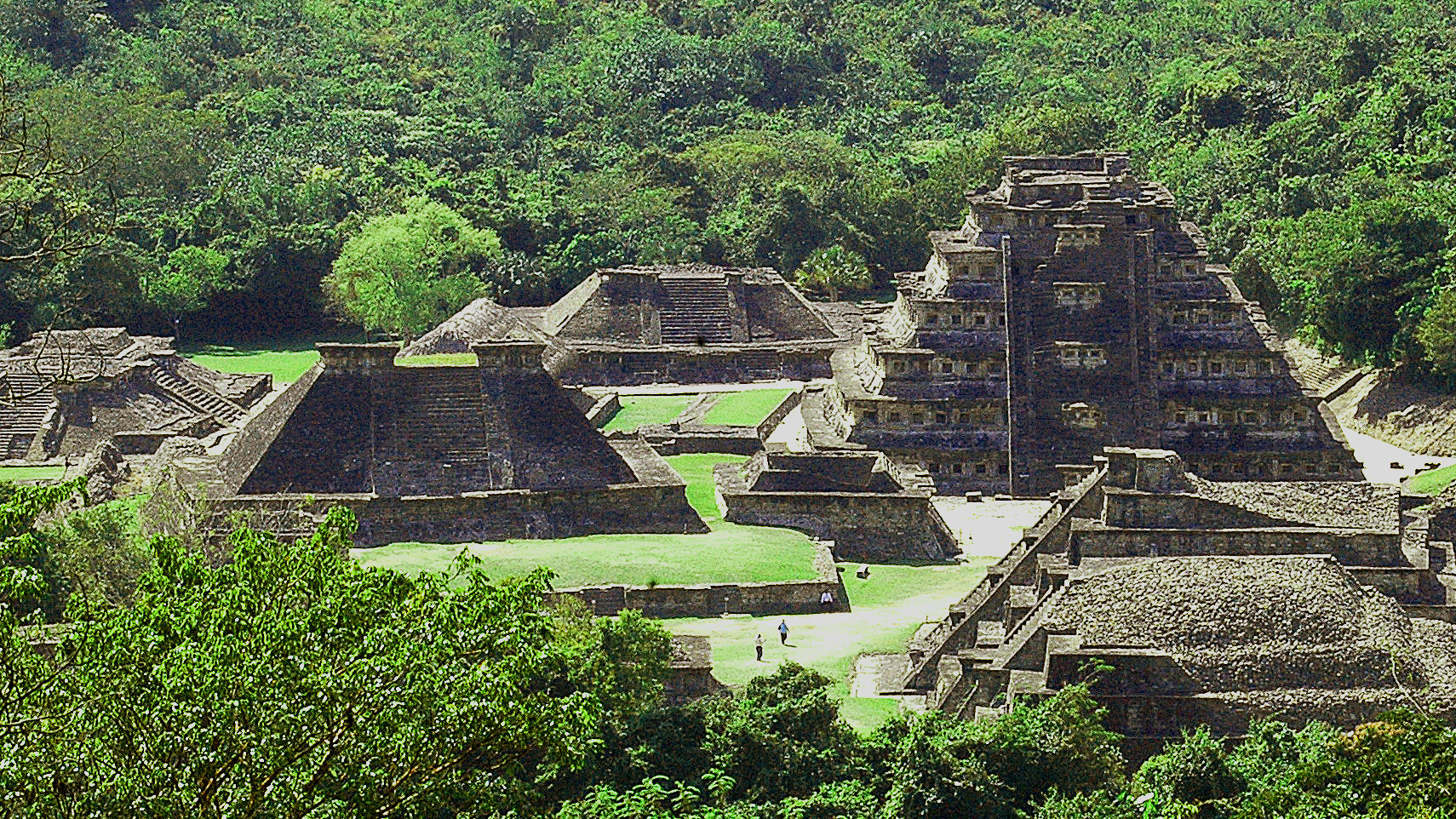
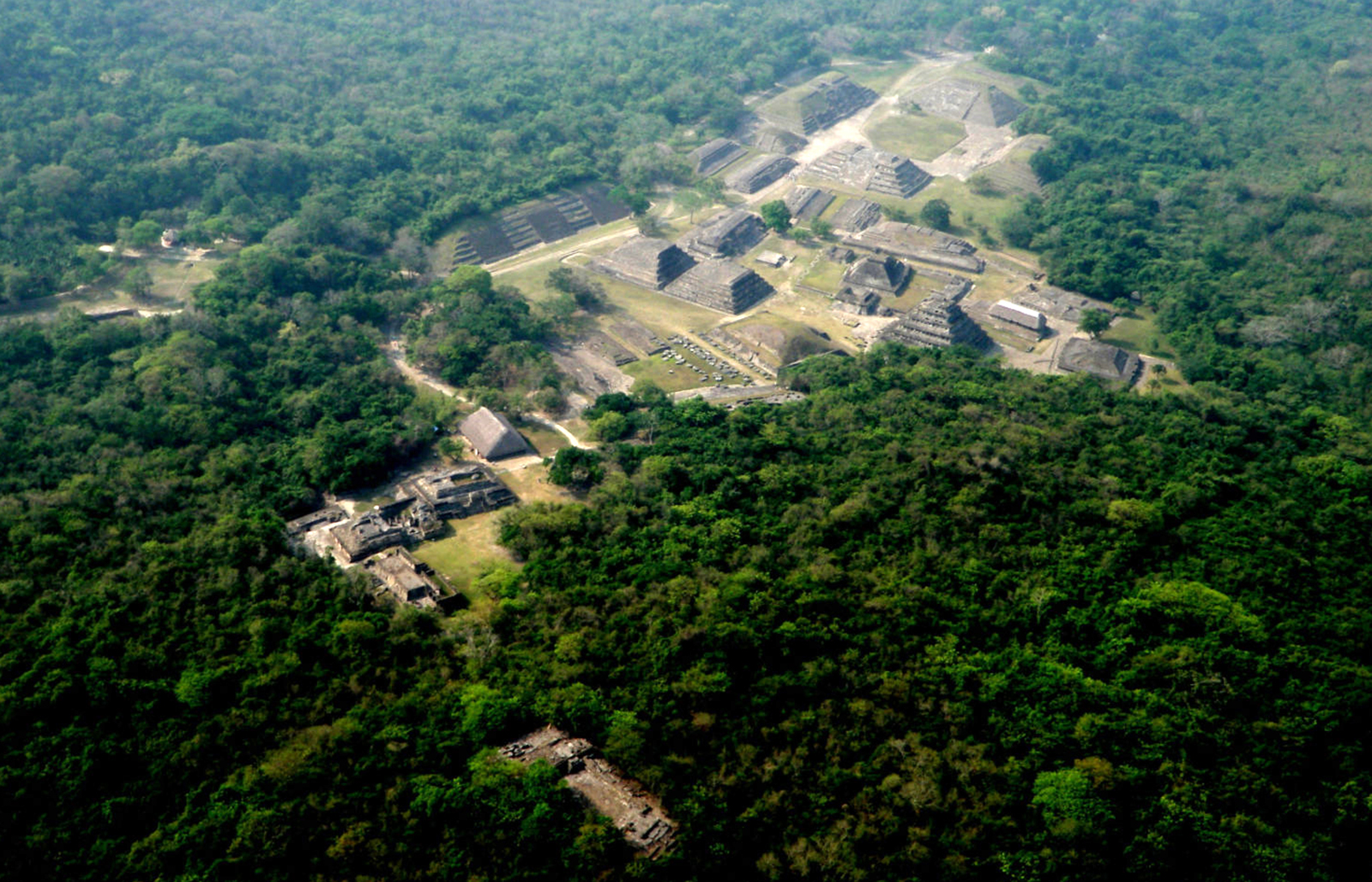
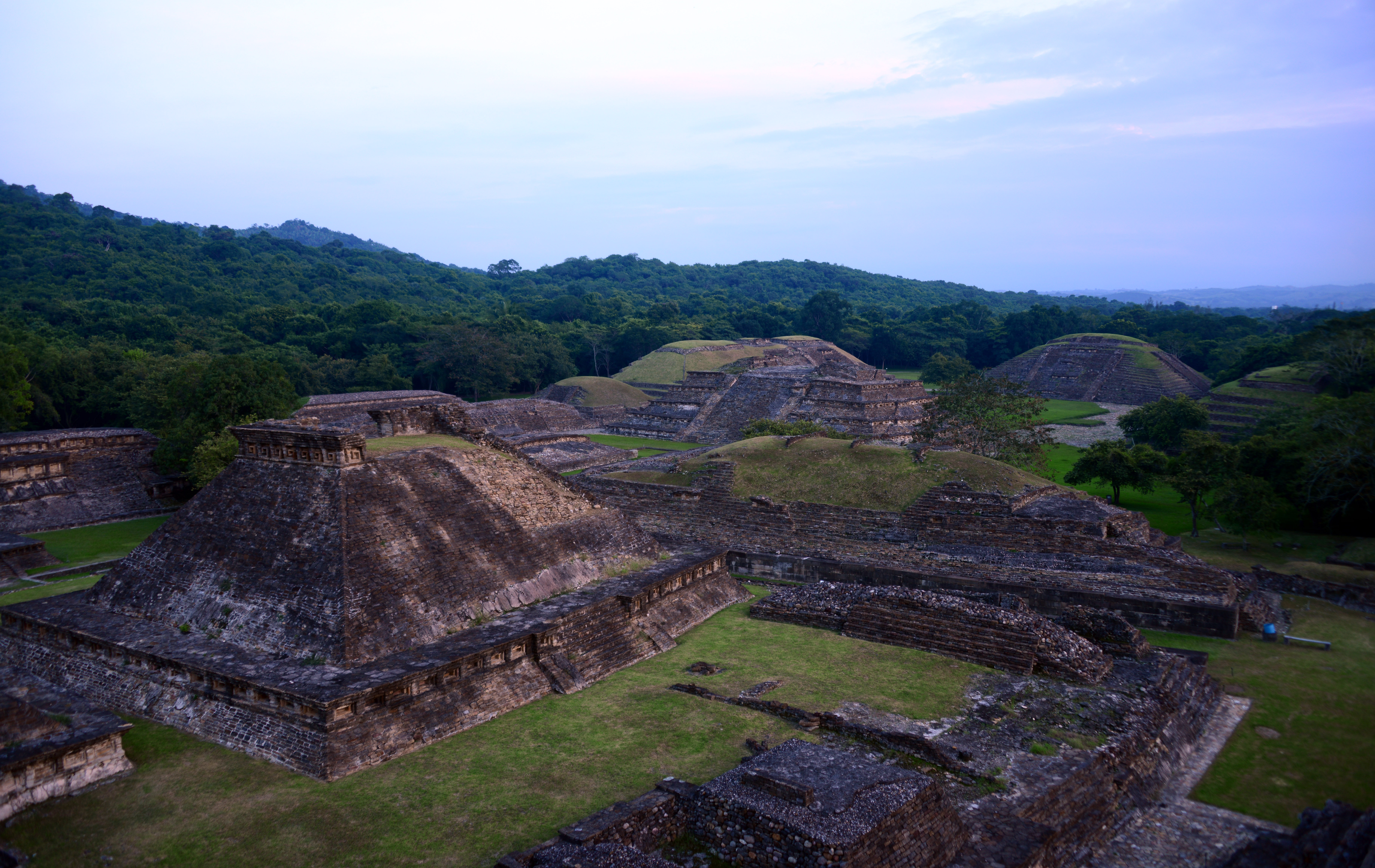
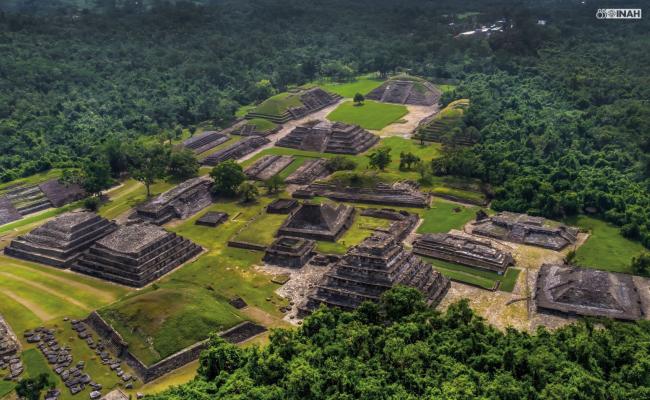
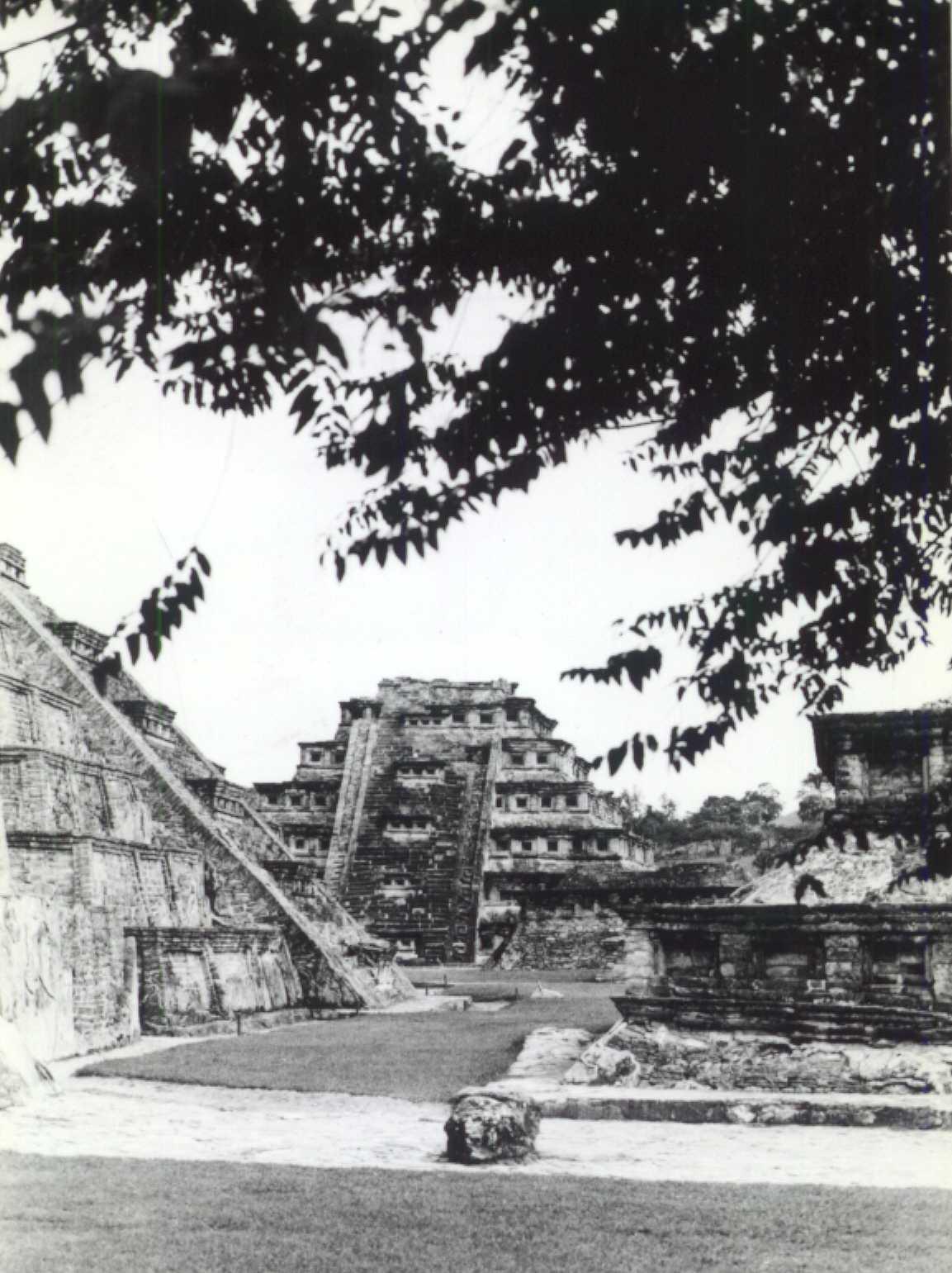
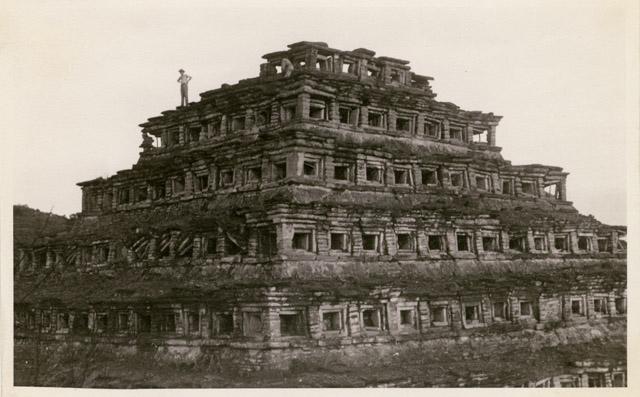
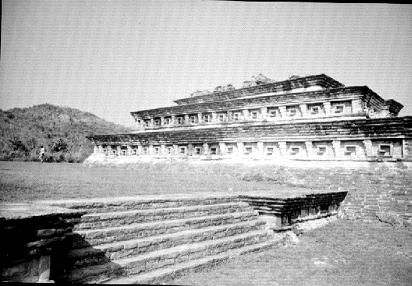
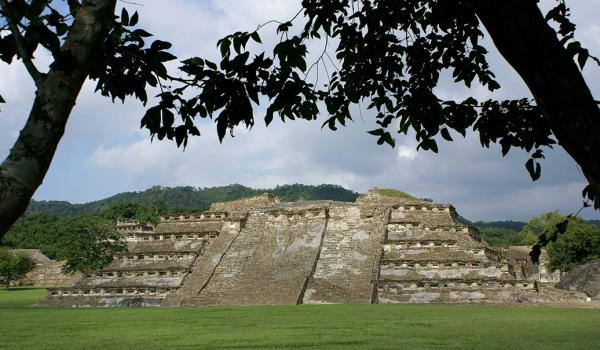
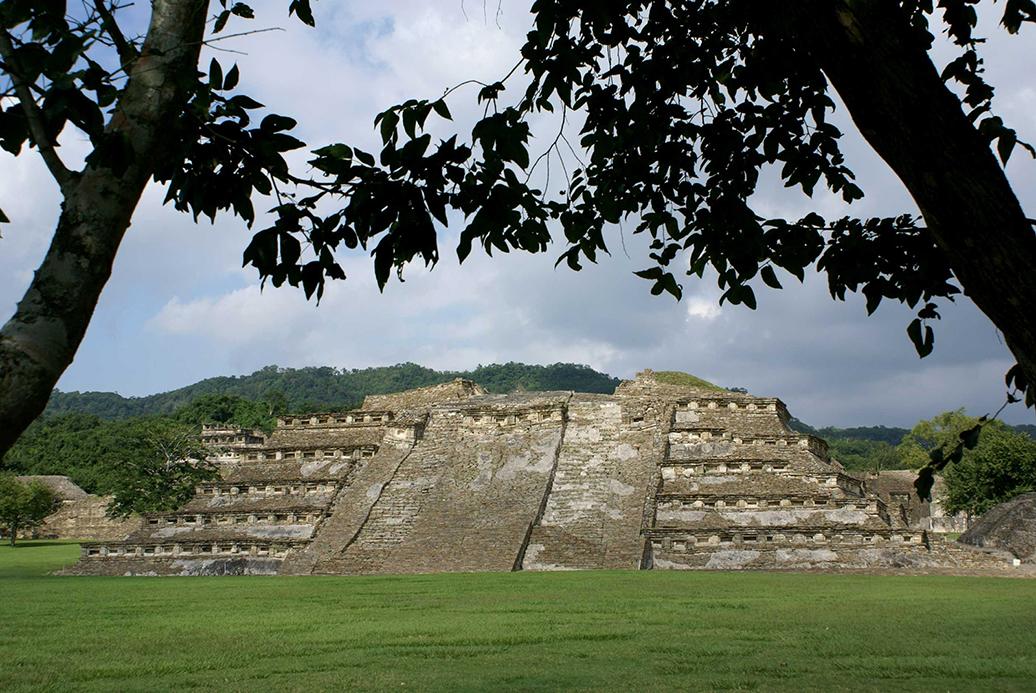
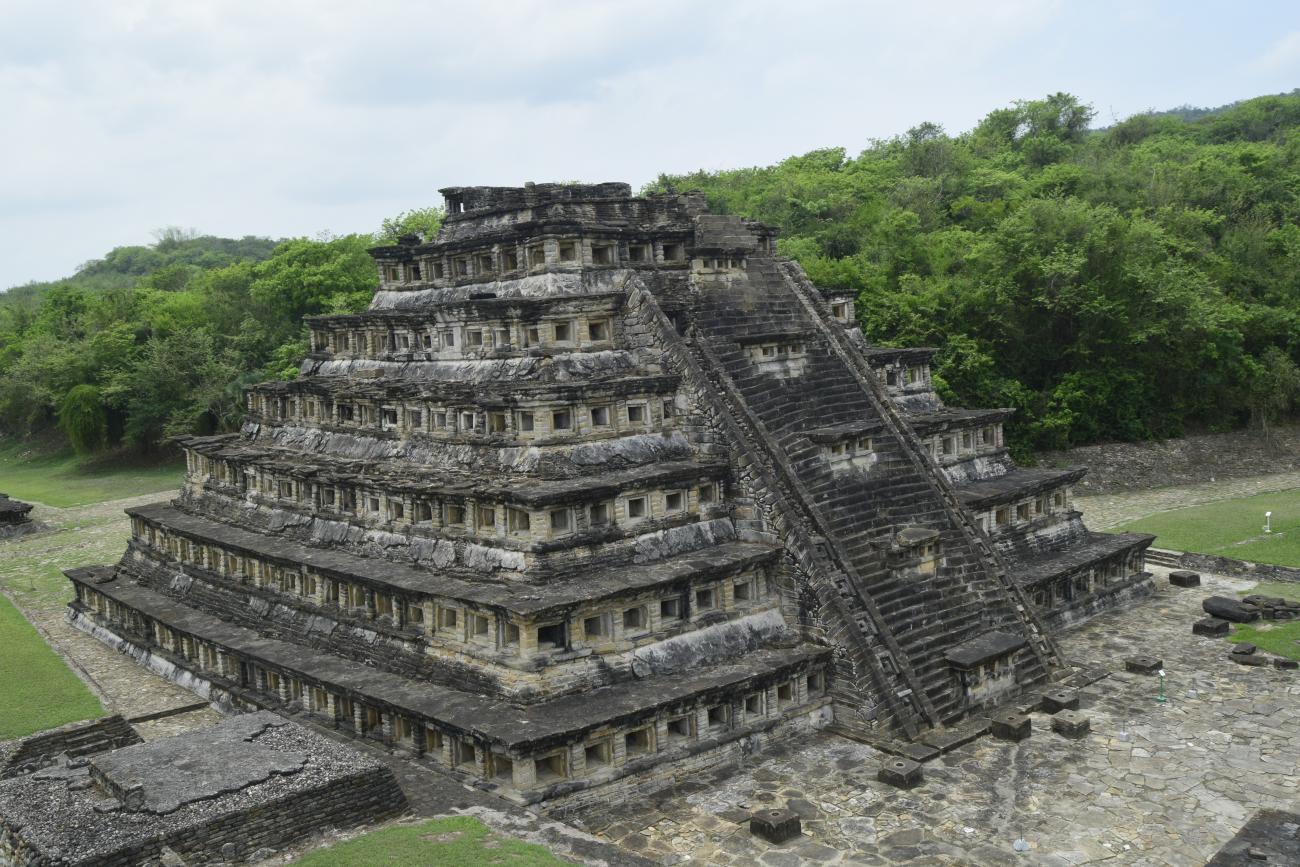
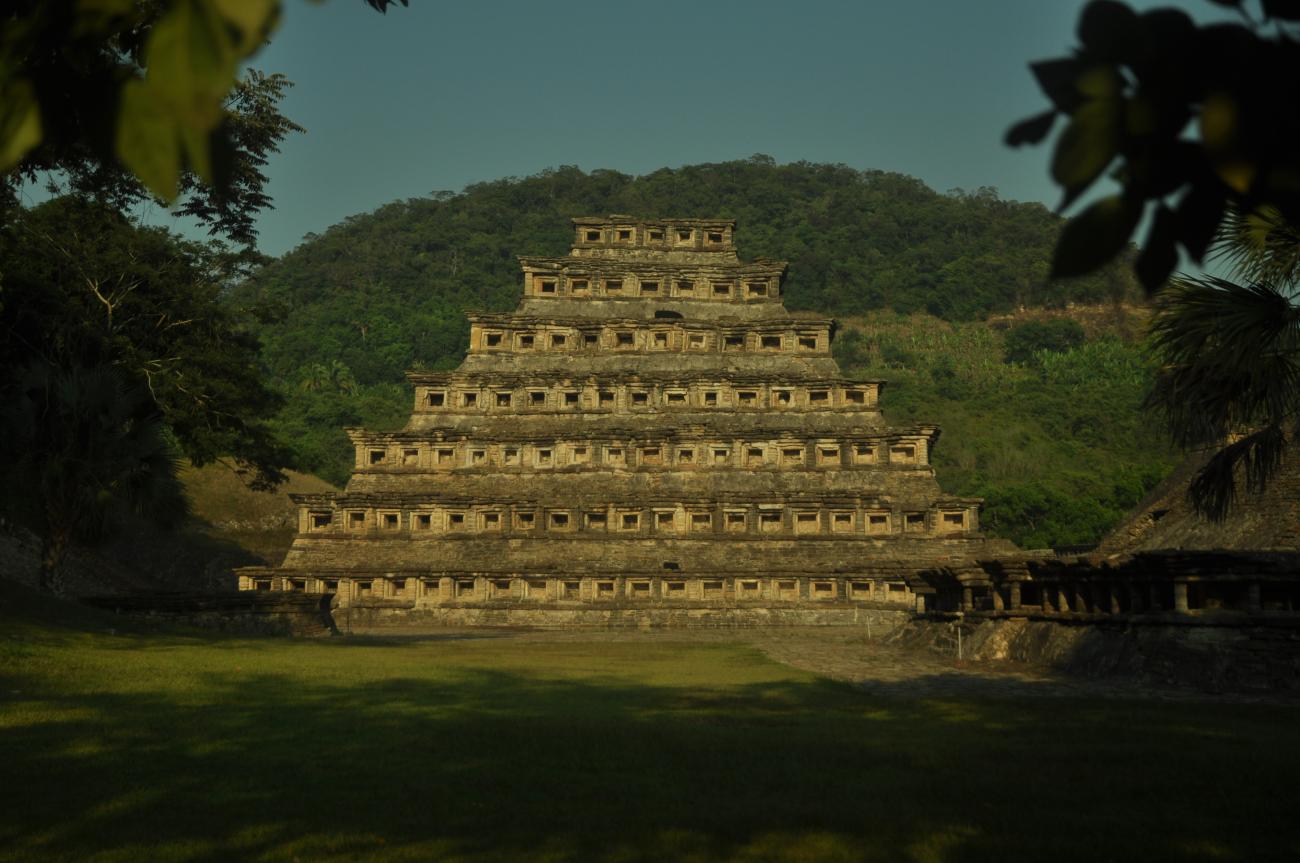
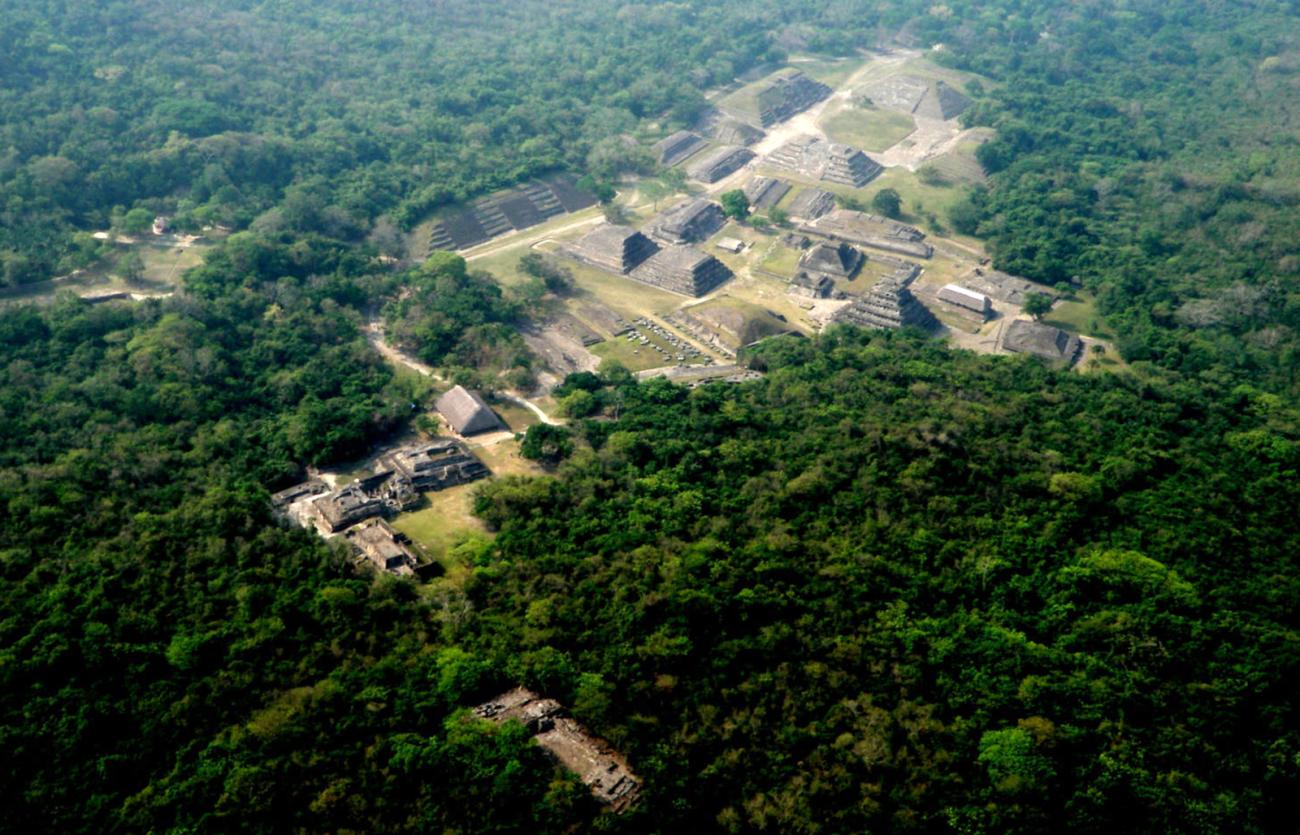
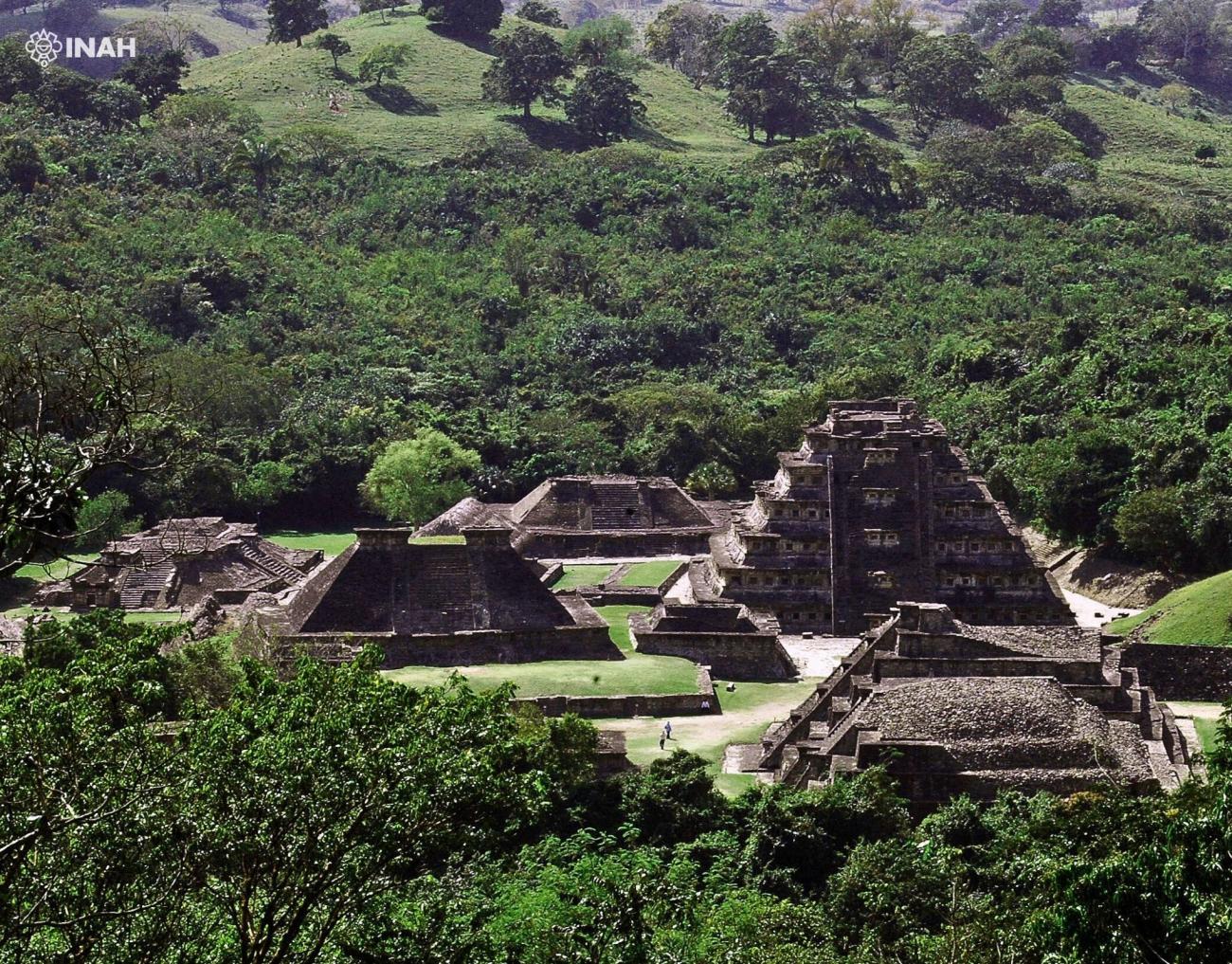
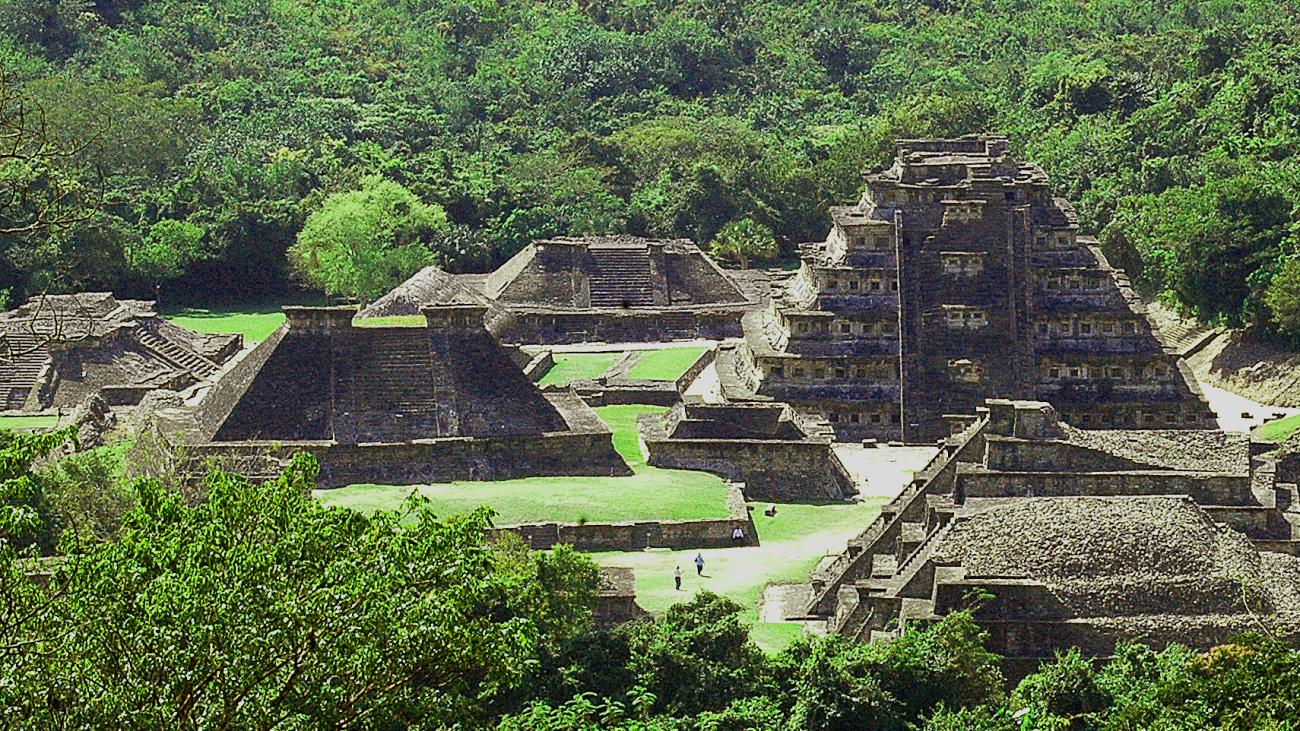
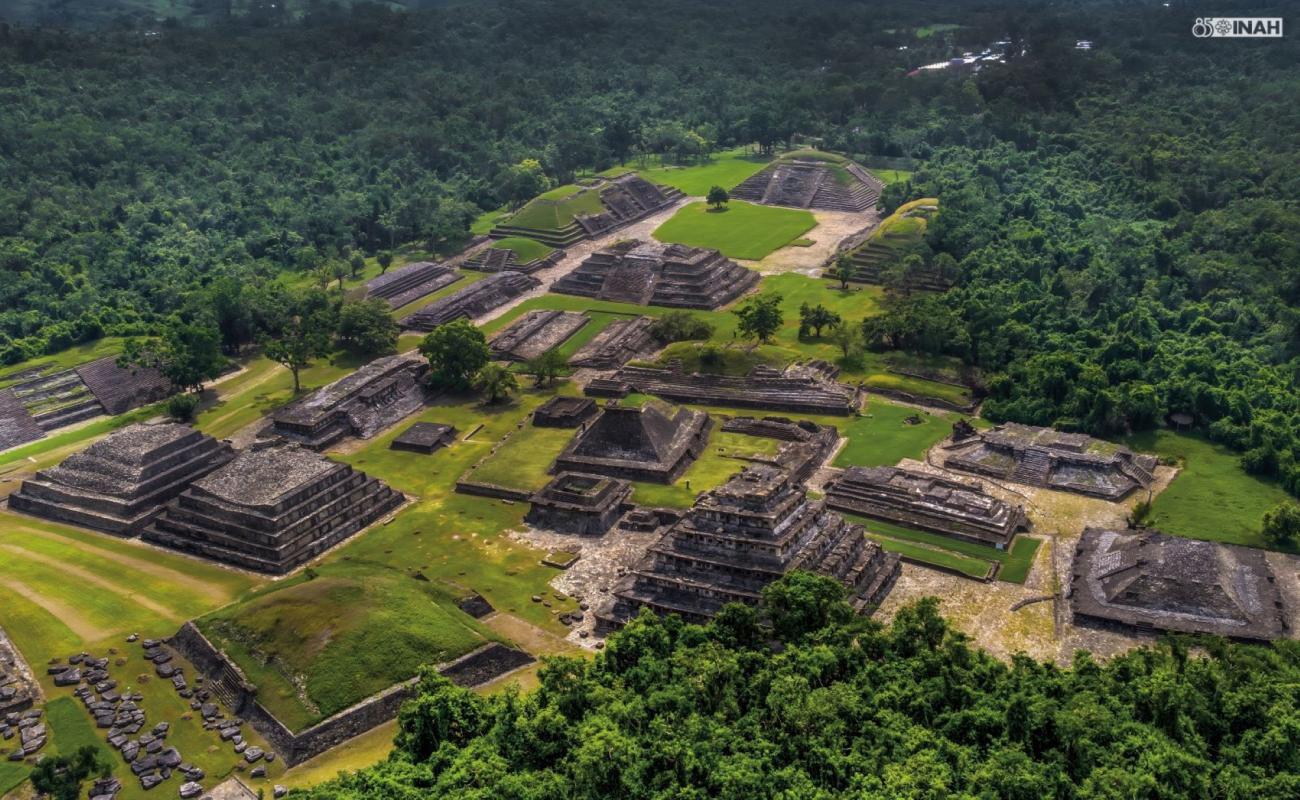
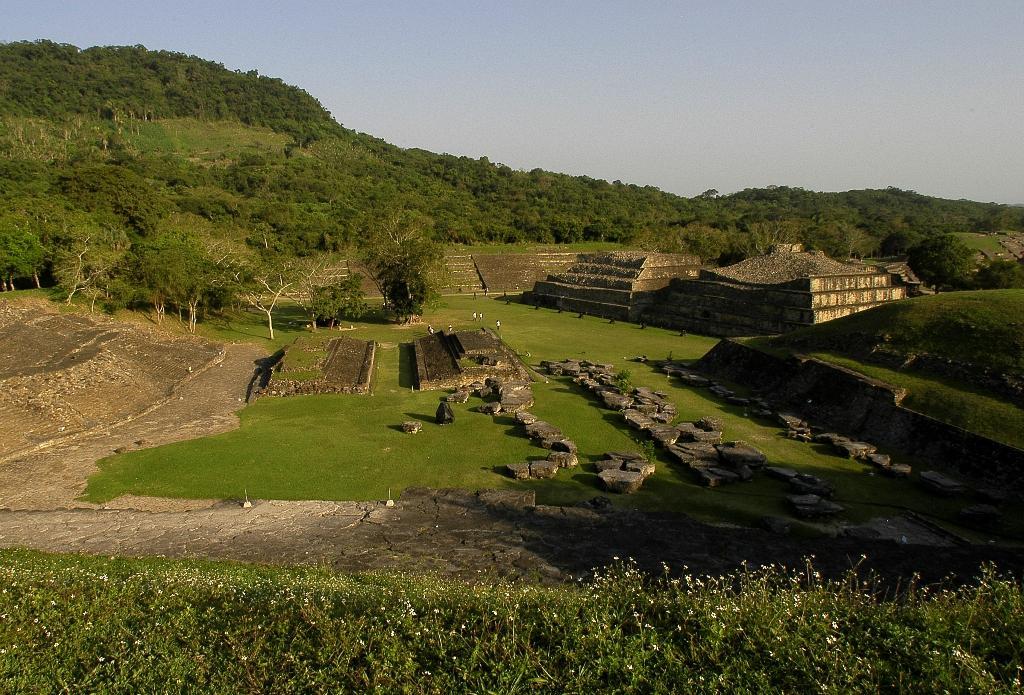
A majestic site with wide open spaces, numerous ballcourts and bas-reliefs, and particularly impressive for the Pyramid of the Niches, with its 365 niches, El Tajín has long been a source of fascination to specialists in Mesoamerican calendar systems and world view.
Listed as a UNESCO World Heritage Site in 1992, El Tajín was under the tutelage of the god Tajín, meaning “thunder” or “powerful smoke” in the Totonac language. This figure’s links to severe meteorological phenomena led him to being identified with the “Hurricane God” and the location became known as the city of the Hurricane God.
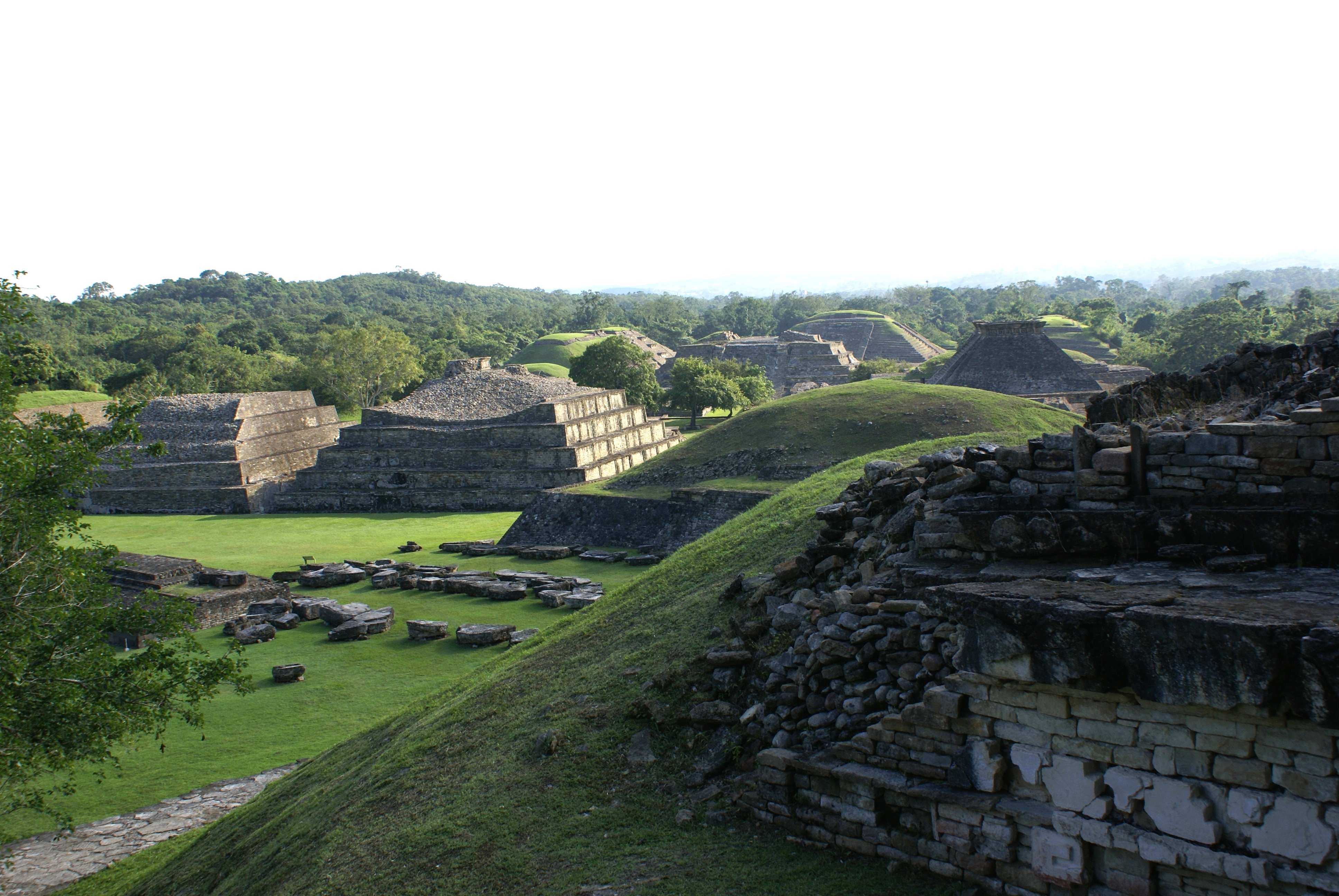
This sacred center on the Gulf Coast reached its peak during the Postclassic (800-1100 AD), when more than five iconic buildings were erected, each one in harmony with its immediate backdrop, the Cerro del Oriente hill. One of the most important of these structures is the Pirámide de los Nichos ("Pyramid of the Niches"), where a solar event takes place from March 17 to 25 as part of the “quarter-year” cycle (which occurs in March, June, September and December). At that moment the sun’s rays can be observed descending the building, illuminating everything, while the rest of the site remains shrouded in darkness.
In around the year 1150 AD, during a time of climate change known as the Medieval Warm Period, a flood caused the city to be abandoned.
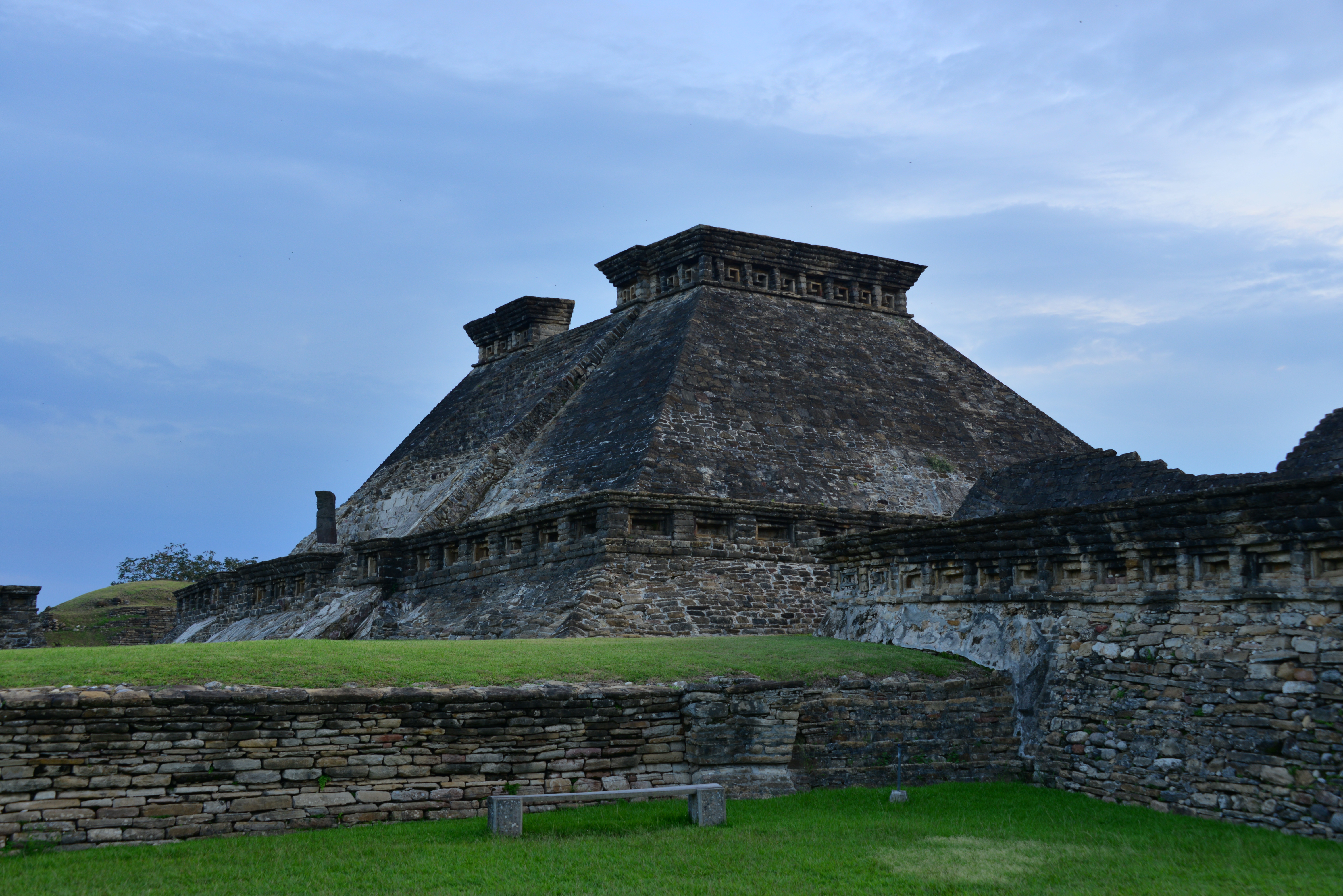
El Tajín’s architecture, in common with almost all of its sculptural forms, represents duality. One example is the “talud-tablero” (slope-panel) construction style, with a central niche and a cornice. The result is an image that will look the same whether seen front on or upside down, with the niche or the shell motif in the center. This is also a symbol of (balanced) movement. It would seem that the ancient inhabitants of El Tajín wished to leave a message within these mirror images: movement representing harmony and balance, mainly between man and nature.
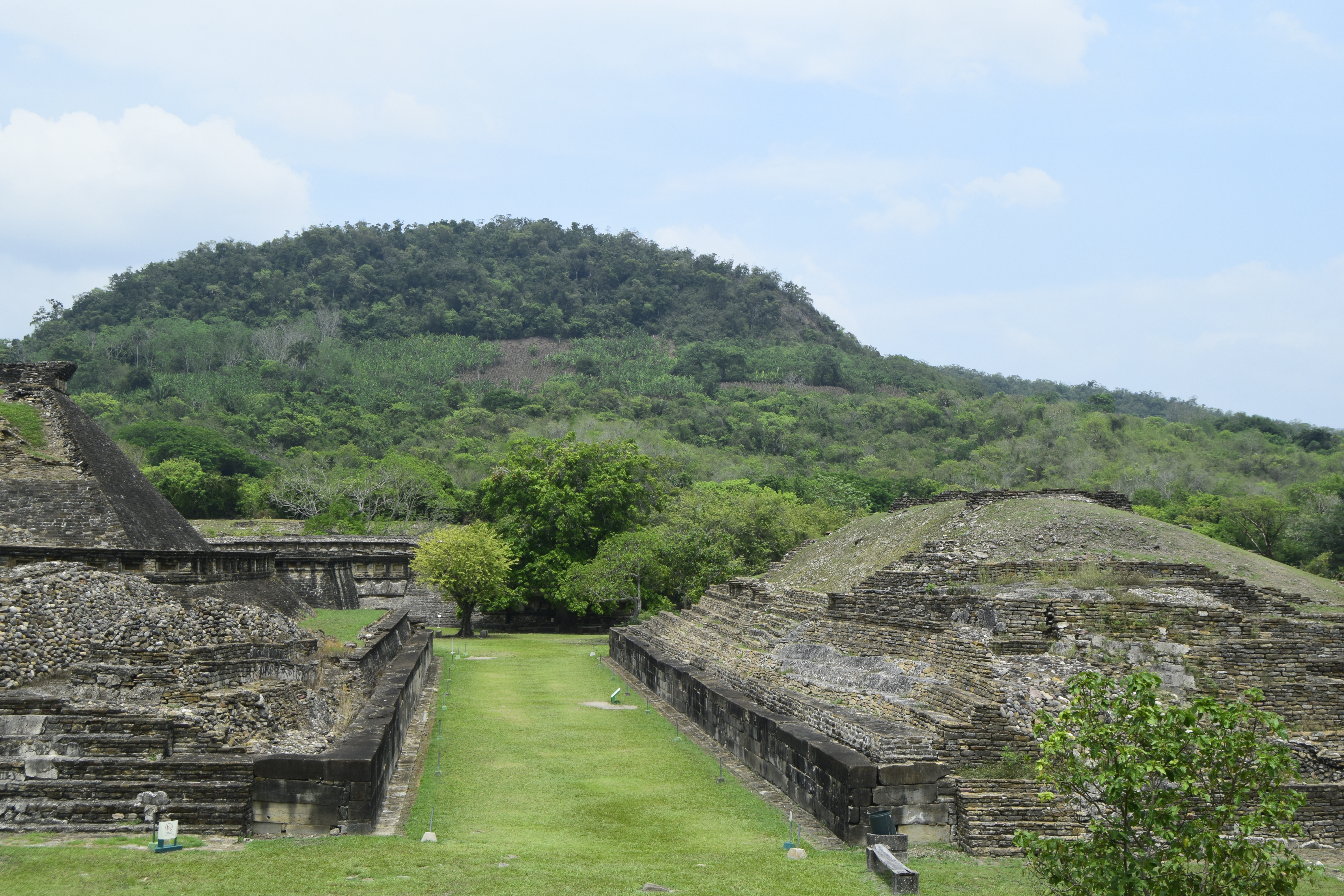
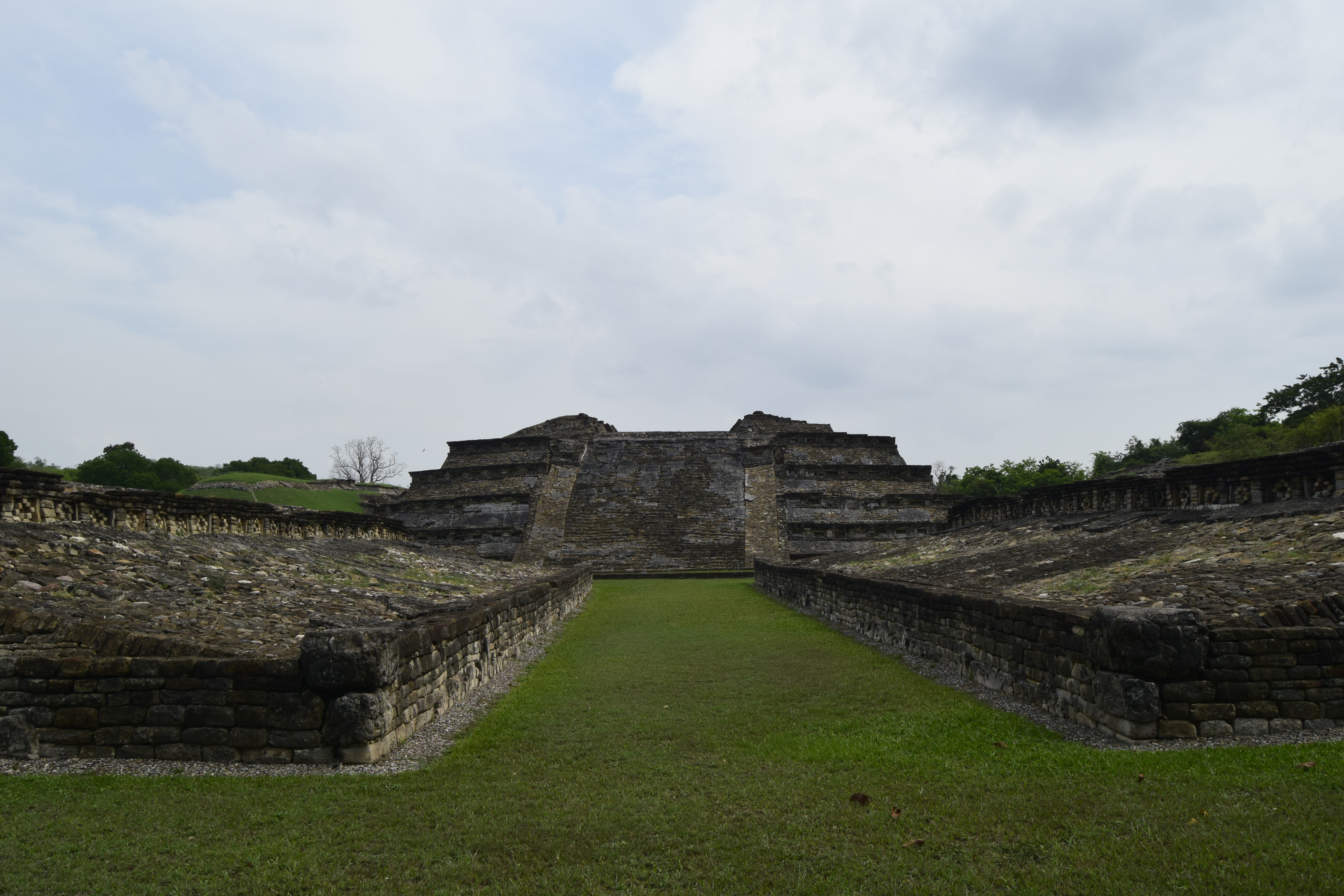
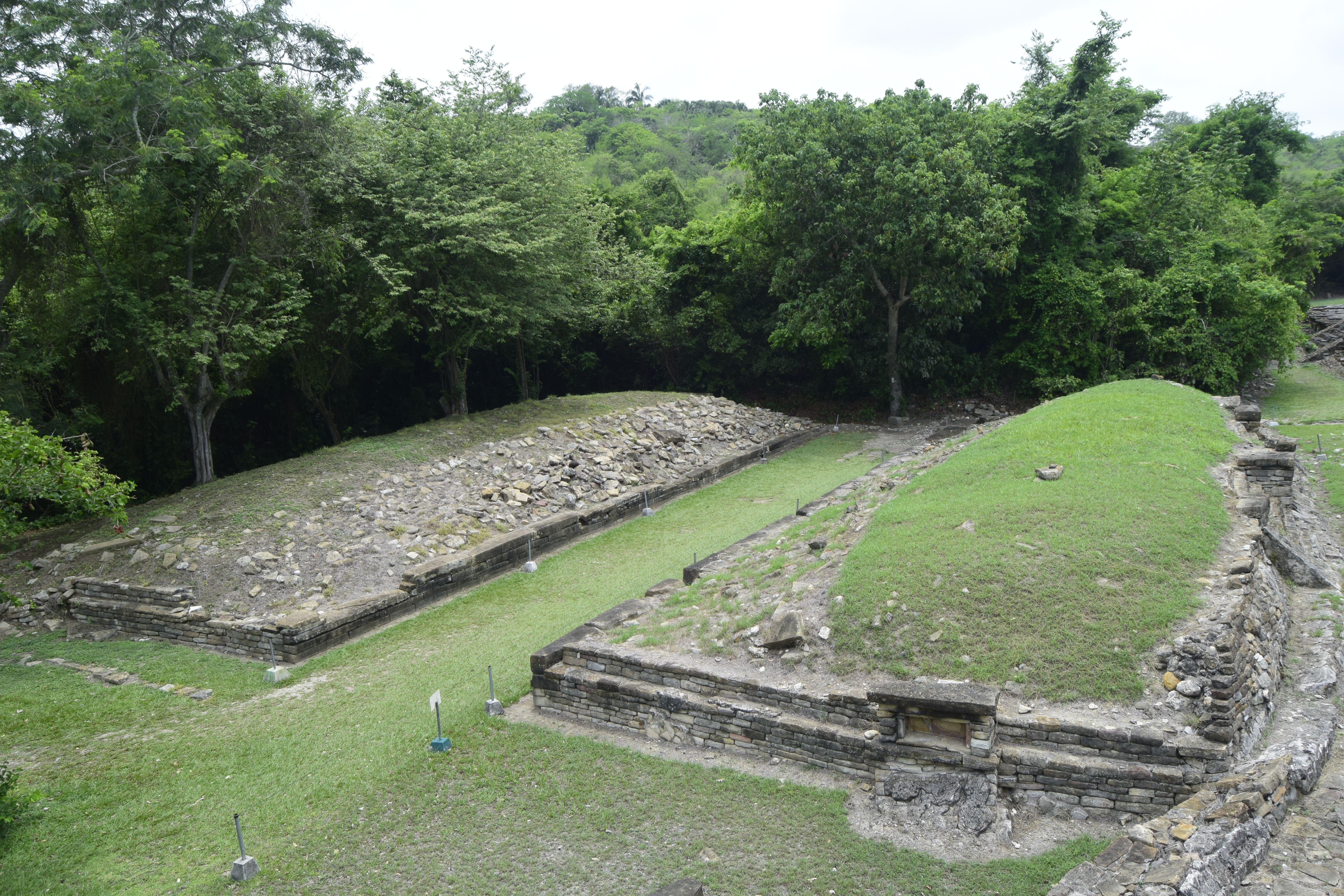
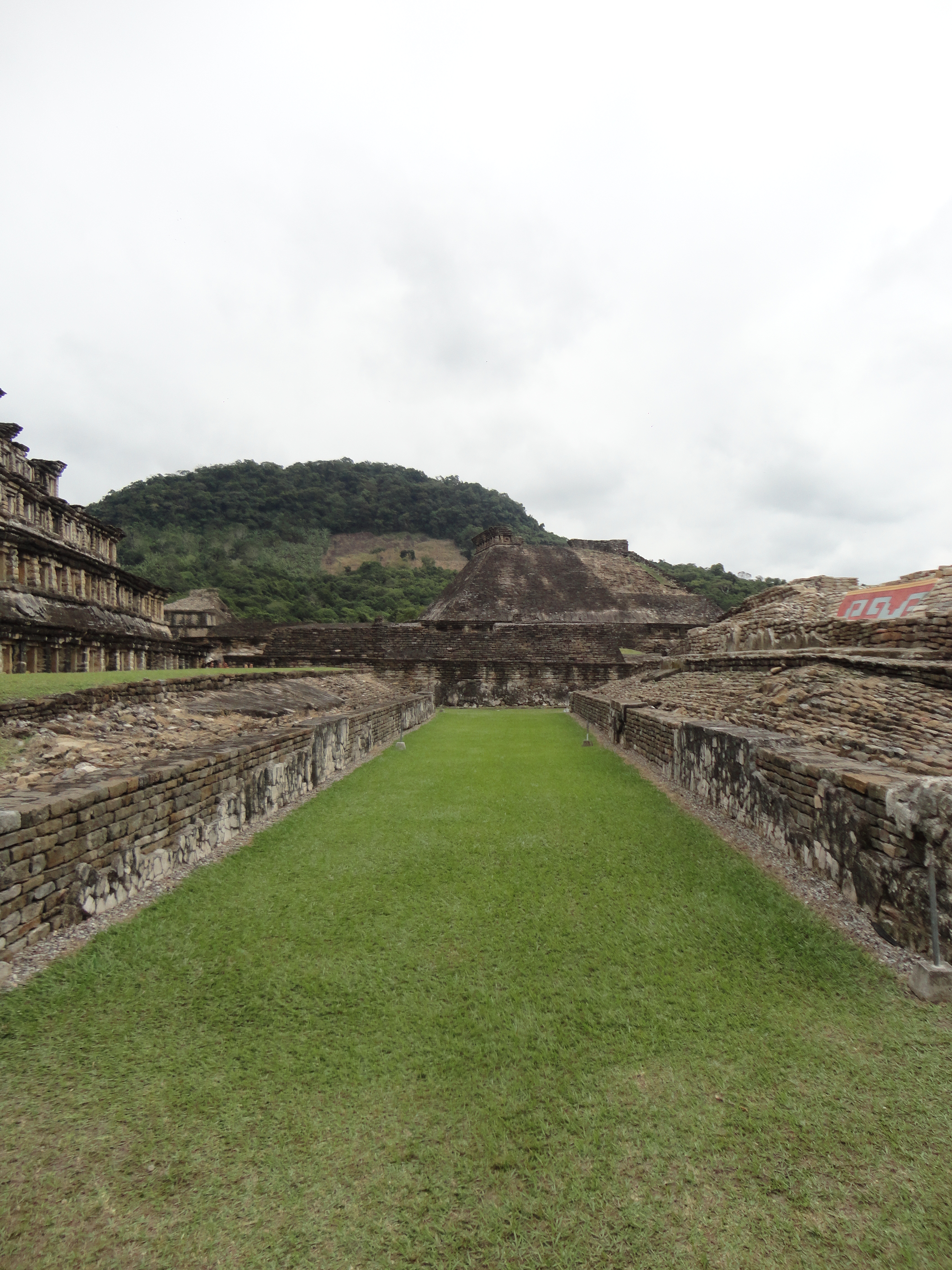
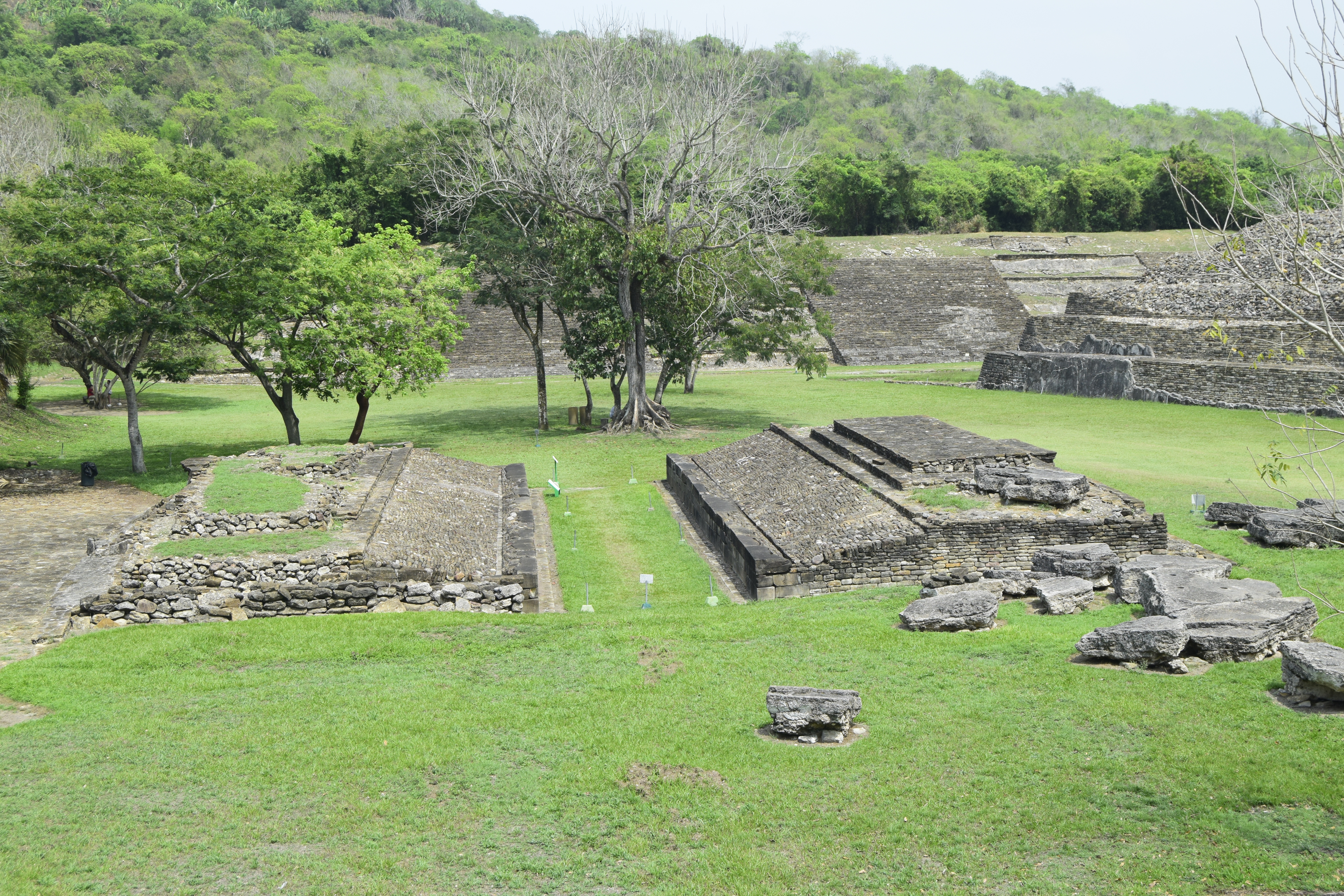
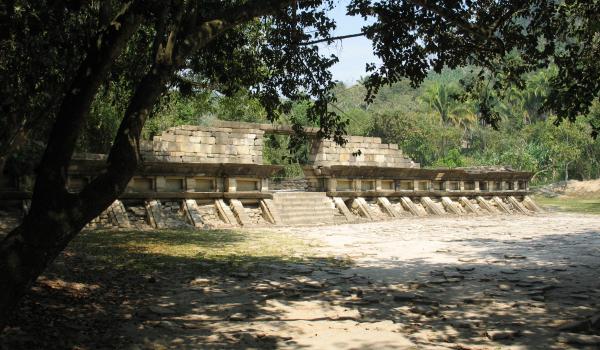
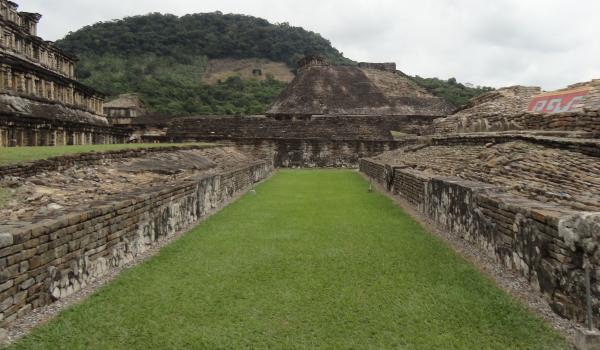
Twenty-one ballgame courts have so far been found at El Tajín. We can distinguish two types of court, based on the scenes depicted on their walls: the competitive game, and the ritualistic version played as part of a divine invocation for balance and continued sustenance for humankind. The complete ritual is portrayed on the South Ballcourt, depicting the petition to the gods and also the offering made to them; this ceremony consisted of giving blood—man’s most treasured possession—to the four winds. This act of respect for nature took place on very special dates or at changes of era.
Two principal gods watched over the ancient city, and these also represent duality: Quetzalcoatl, the sun god; and Tlaloc, the god of rain. This again shows the balance between the universe and life on earth, including all living beings (plants, animals, hills and springs) in the surroundings; everything had a soul, and the people would ask permission to use things, based on their belief in order and respectfulness: animals should not be hunted unless for consumption, trees only cut down to be used.
La Gran Xicalcoliuqui
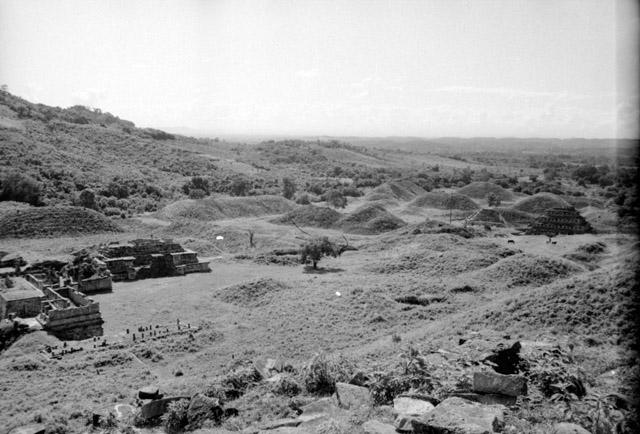
It is a long wall whose angles draw a silhouette that resembles an enormous fretwork. In the interior space, which covers approximately one hectare, several buildings and even a couple of ball courts were built. The perimeter of the greca is composed of a complex of board-niche slope, formed with…
La Gran Xicalcoliuqui
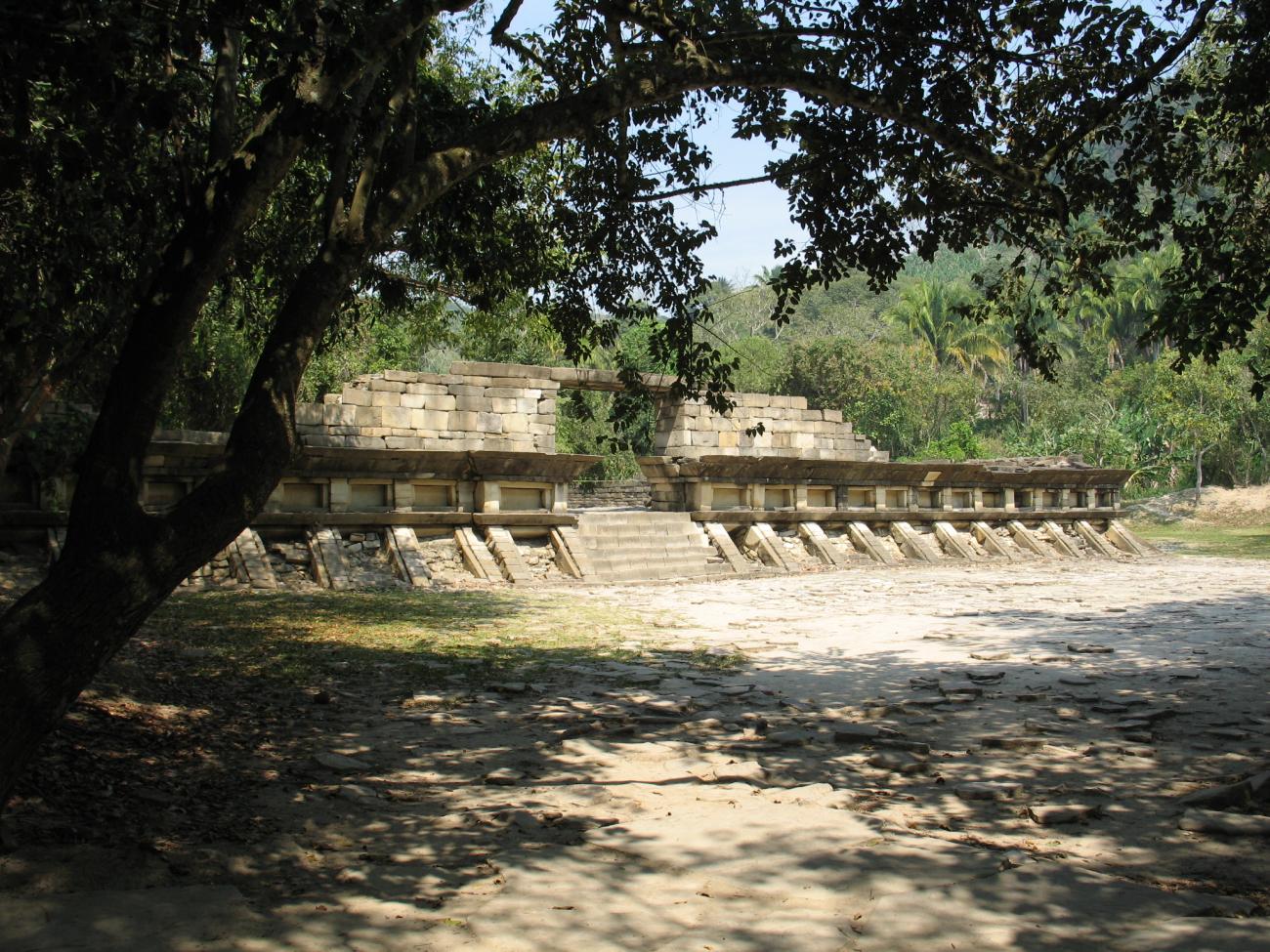
It is a long wall whose angles draw a silhouette that resembles an enormous fretwork. In the interior space, which covers approximately one hectare, several buildings and even a couple of ball courts were built. The perimeter of the greca is composed of a complex of board-niche slope, formed with cut stone ashlars and placed without mortar or cement one on top of the other, to create the contour of a stepped greca or the profile of a cut snail.
Edificio C
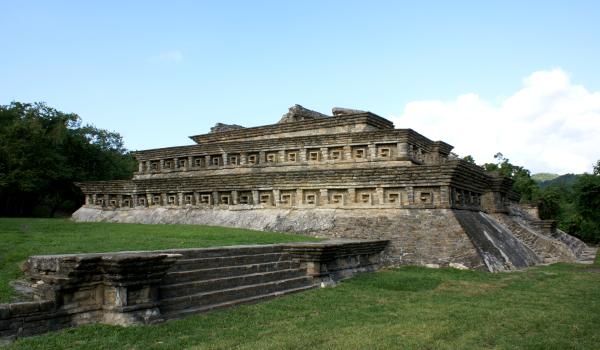
Building C of Tajín Chico is decorated with the stepped fretwork typical of El Tajín. It is thought that these symbols, which resemble sectioned snails, were linked to the cult of Venus and the Feathered Serpent.

Complejo del Arroyo
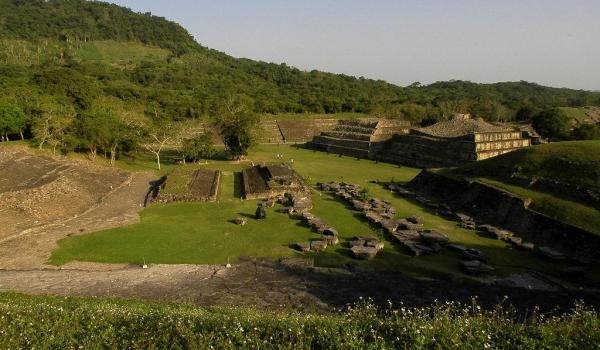
It is the oldest part of the settlement, since it is located in the south and the city grew in the opposite direction. This complex owes its name to the two streams that border it and that converge in the lower part until they flow into the Tlahuanapa stream. Its construction dates back to the year…
Complejo del Arroyo

It is the oldest part of the settlement, since it is located in the south and the city grew in the opposite direction. This complex owes its name to the two streams that border it and that converge in the lower part until they flow into the Tlahuanapa stream. Its construction dates back to the year 600 A.D., with the four directions well traced by its four main buildings and a large central plaza; in each of them stands a central shrine. Public ceremonial activities were held in this plaza, since it can hold around 300 to 400 people. In the spring equinox an effect or luminous phenomenon is observed that announces the arrival of the sowing season. A curious fact is that the floor, partially exposed, has not been altered and in it you can see lines of stones that correspond to the work tasks in its construction; this floor was covered by mortar and polished, which allowed an excellent transit to the interior of the square.
Juego de Pelota Sur
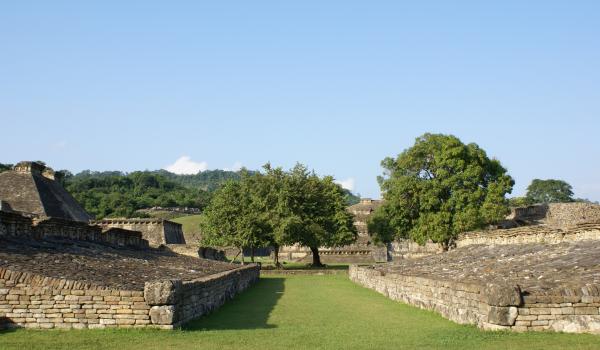
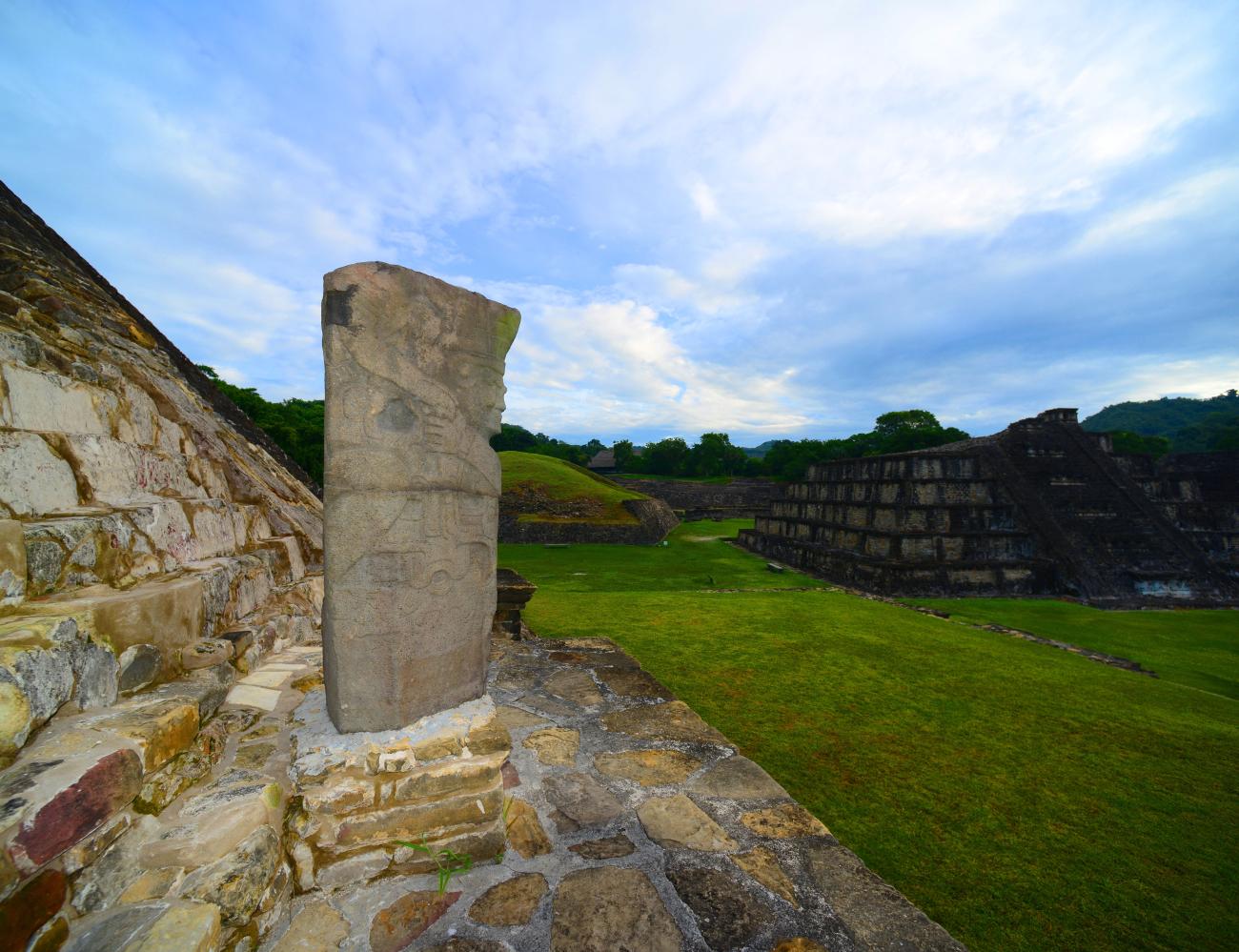
El Tajin is the archaeological site that has more ball games in Mesoamerica, with about 20 of them, such as the one located south of the Pyramid of the Niches and next to Building 5, where you can see the “God Tajin” (stone sculpture stele type, found at the foot of Building 5 facing east, where…
Juego de Pelota Sur


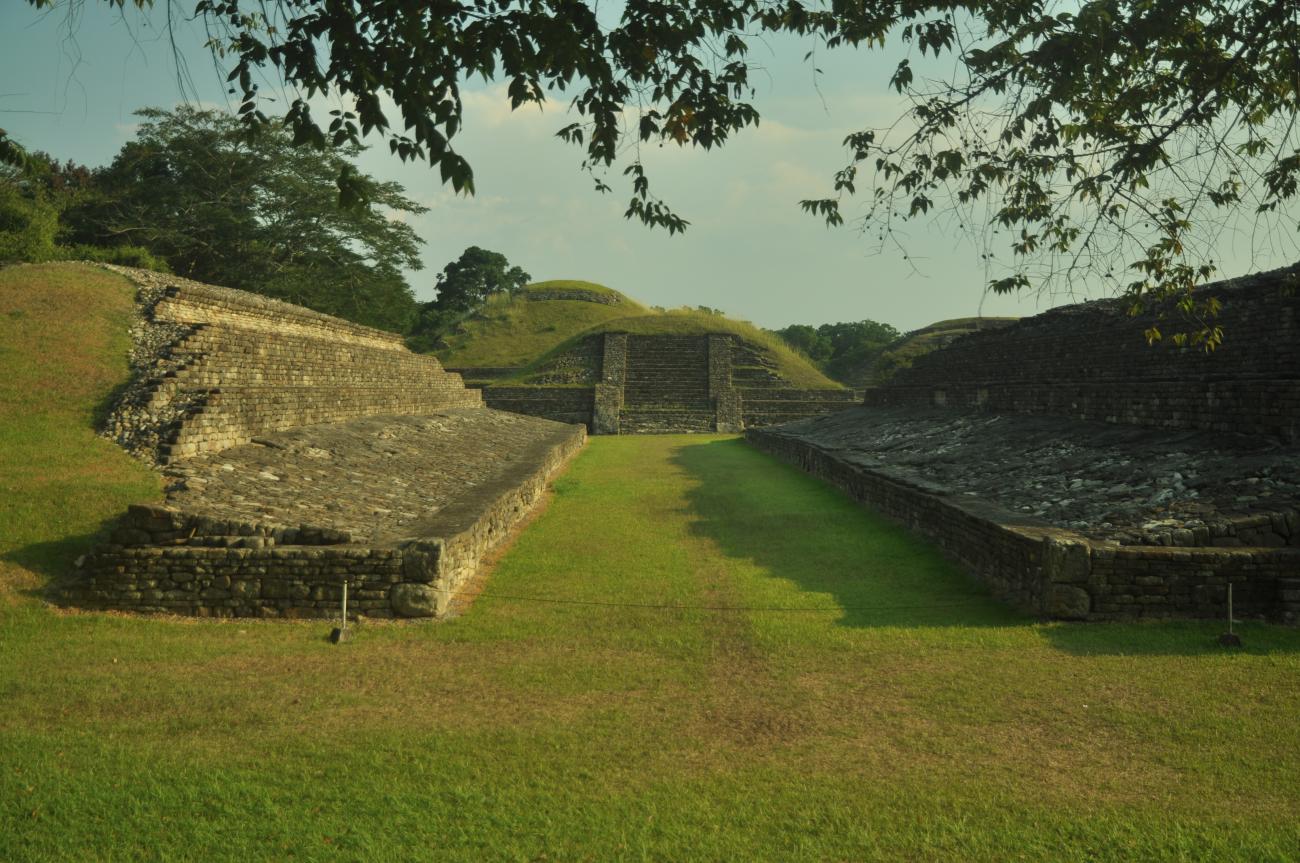
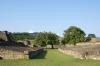
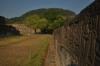
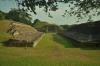
El Tajin is the archaeological site that has more ball games in Mesoamerica, with about 20 of them, such as the one located south of the Pyramid of the Niches and next to Building 5, where you can see the “God Tajin” (stone sculpture stele type, found at the foot of Building 5 facing east, where the sun rises at the spring equinox). This ball game has beautiful reliefs sculpted in stone in the corners that conform it where the game itself and the sacrifices that were carried out in that symbolic and religious space are related.
Pirámide de los Nichos o Edificio 1
It is the best known building on the site. Since its discovery in the last decades of the eighteenth century, it has attracted attention for the quality and aesthetics of its architecture. It has 365 niches, which gives it a symbolic value associated with the solar calendar. It was built during the…
Pirámide de los Nichos o Edificio 1


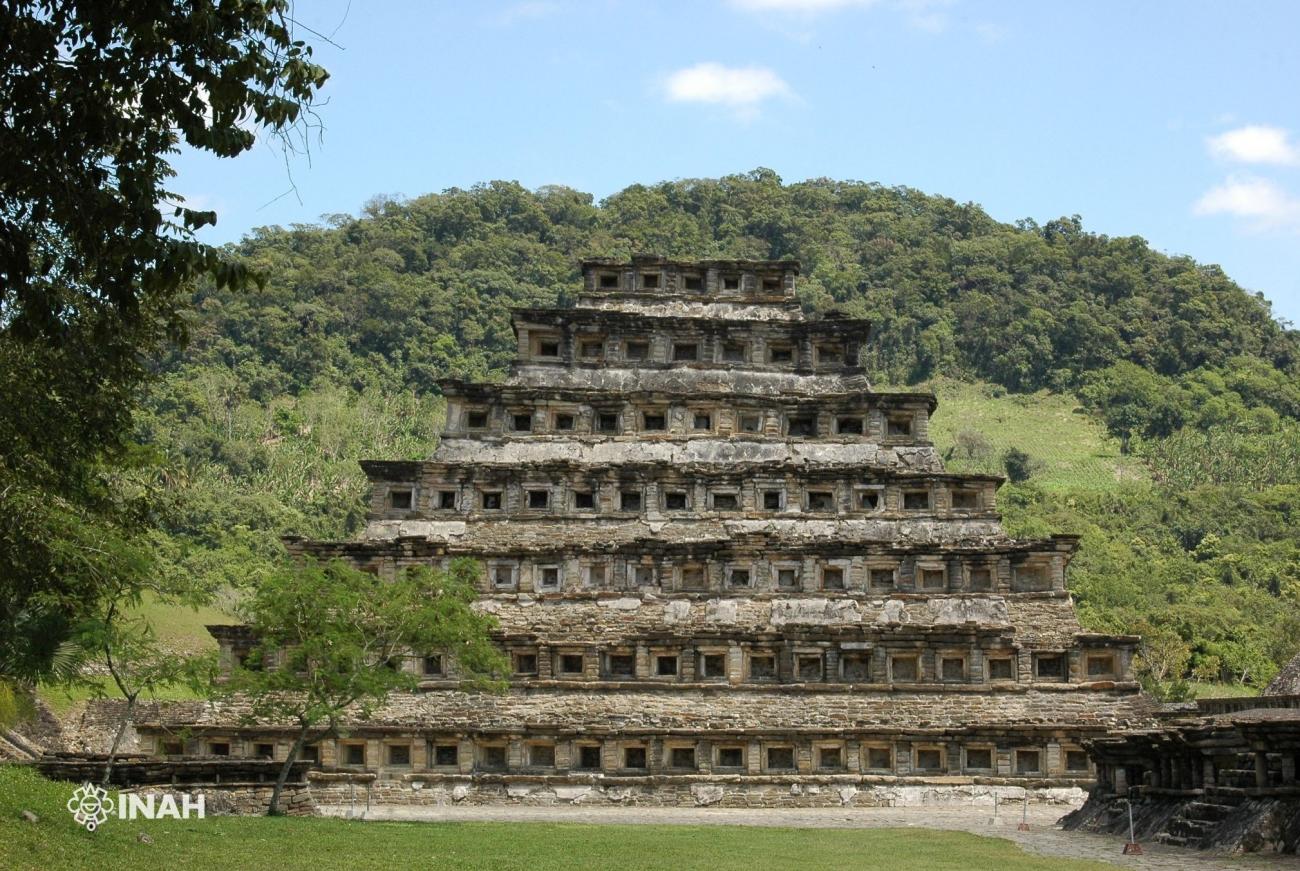

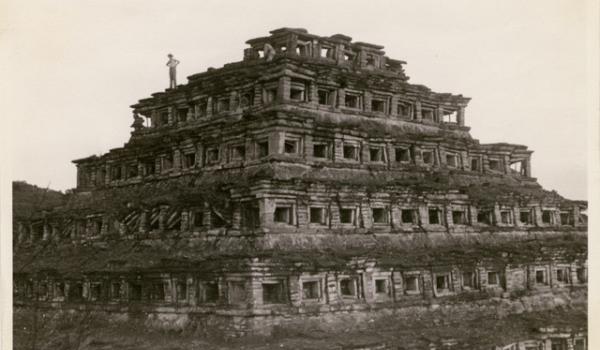
It is the best known building on the site. Since its discovery in the last decades of the eighteenth century, it has attracted attention for the quality and aesthetics of its architecture. It has 365 niches, which gives it a symbolic value associated with the solar calendar. It was built during the last phase of development of the settlement. This structure is remarkable for the differential finishes of its decoration in several construction periods. During one of them, high quality stucco moldings were included, representing small columns crowned by elements in the form of segments, as well as inverted pyramids. In other periods, magnificent mural paintings illustrating mythological characters were painted with very fine strokes of mineral pigments.
Edificio A
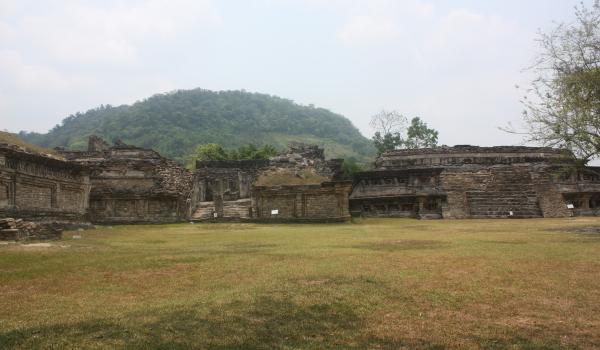
Its façade has a false staircase with alfardas, which resembles the staircase of the main façade of the Pyramid of the Niches.

Juego de Pelota del Edificio XI
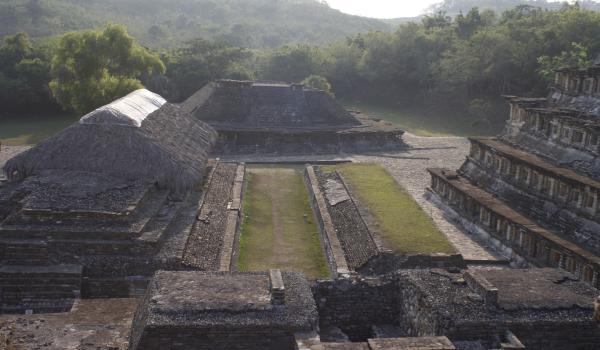
The particularity of this court is that one of the buildings that delimit it is decorated with mural paintings. The frescoes illustrate staggered fretwork in whose interior the design of opposing scrolls was represented, which has been identified as an eye, a characteristic motif of the main deity…
Juego de Pelota del Edificio XI

The particularity of this court is that one of the buildings that delimit it is decorated with mural paintings. The frescoes illustrate staggered fretwork in whose interior the design of opposing scrolls was represented, which has been identified as an eye, a characteristic motif of the main deity of El Tajin.
Complejo de los Nichos
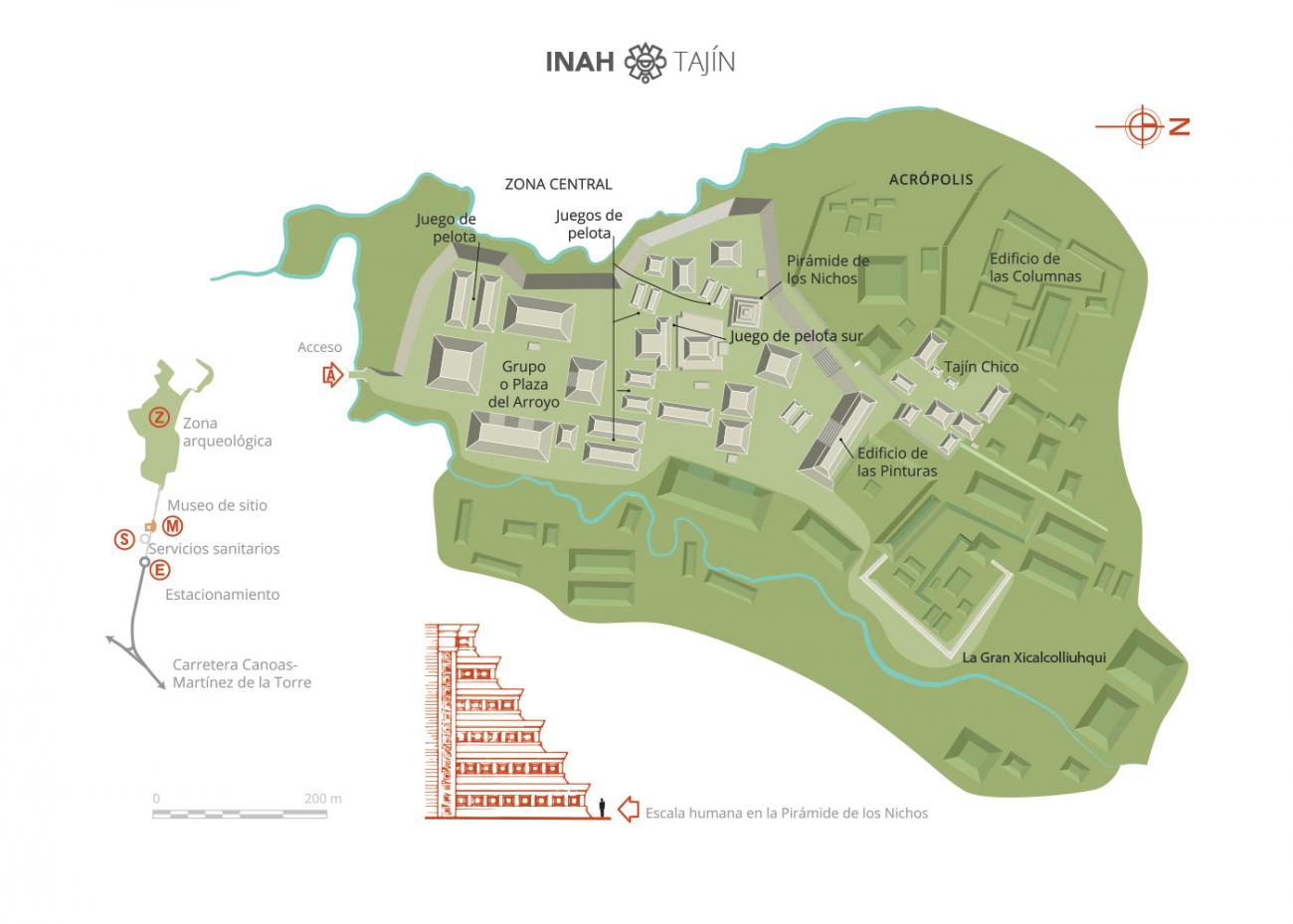
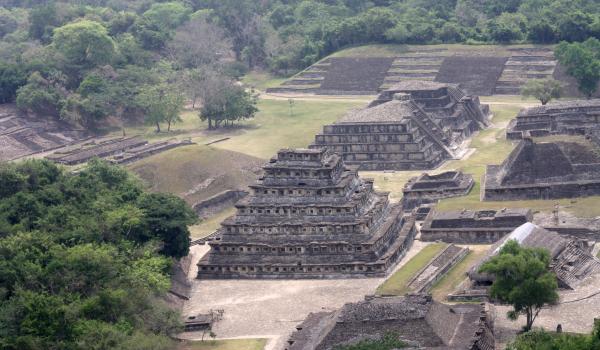
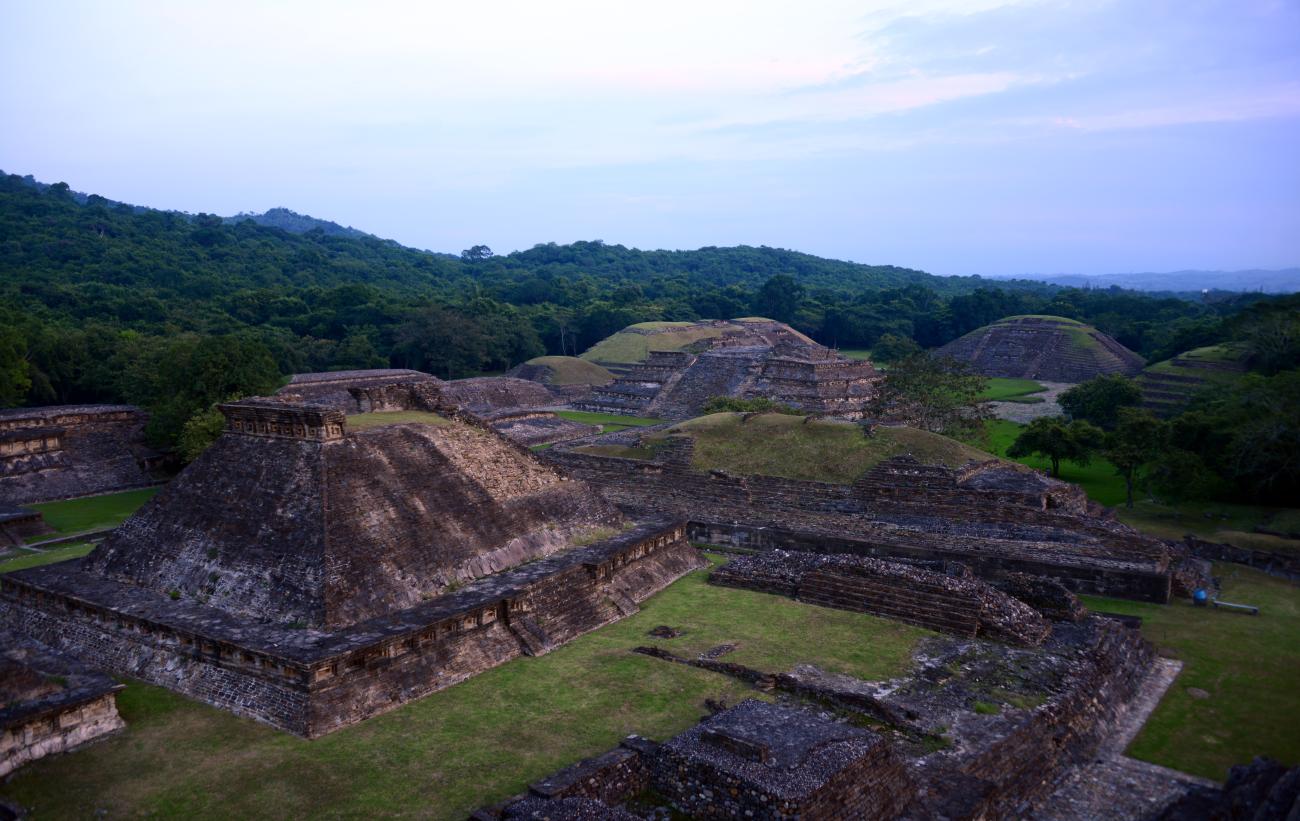
This complex marks the symbolic and religious importance that establishes it as the center of the ancient city, with the Building of the Niches. Its area is formed by 14 monumental structures, five of which are ball games and nine monumental buildings. It also has two emblematic structures that,…
Complejo de los Nichos

This complex marks the symbolic and religious importance that establishes it as the center of the ancient city, with the Building of the Niches. Its area is formed by 14 monumental structures, five of which are ball games and nine monumental buildings. It also has two emblematic structures that, due to their location, reflect the cosmovision of the inhabitants of this site.
This structure has worldview markers that correspond to the exploits of gods, mythical ancestors or recent ancestors; landmarks that enable mediation and communication with the sacred; indicators of ethnic or social identity and, finally, markers that establish and reaffirm their idea of a “sacred geography”.
In this area some of the buildings still have remains of original blue and red paint. It is worth mentioning that one of the new conservation works was carried out in Building 11, which is part of a ball game adjacent to the Nichos building. During its occupation, the structure underwent four remodeling works that covered and protected the mural painting from the passage of time, until its discovery in 1989. However, due to climatic and environmental conditions, the mural painting suffered severe problems. Therefore, in 2012, INAH specialists elaborated a project that aims to preserve the mural painting in the long term through its reburial. For the time being, in order to disseminate the only testimony of the mural painting that covered the ceremonial area of El Tajin, a replica of the mural was made in situ, which is what can be seen today.
Juegos de Pelota
El Tajín is one of the cities of ancient Mexico that has 20 ball courts of different dimensions and characteristics: open to the public or restricted, and of the ceremonial or competition type. It is very possible that this indicates that all variants of this activity were played: with a stick,…
Juegos de Pelota

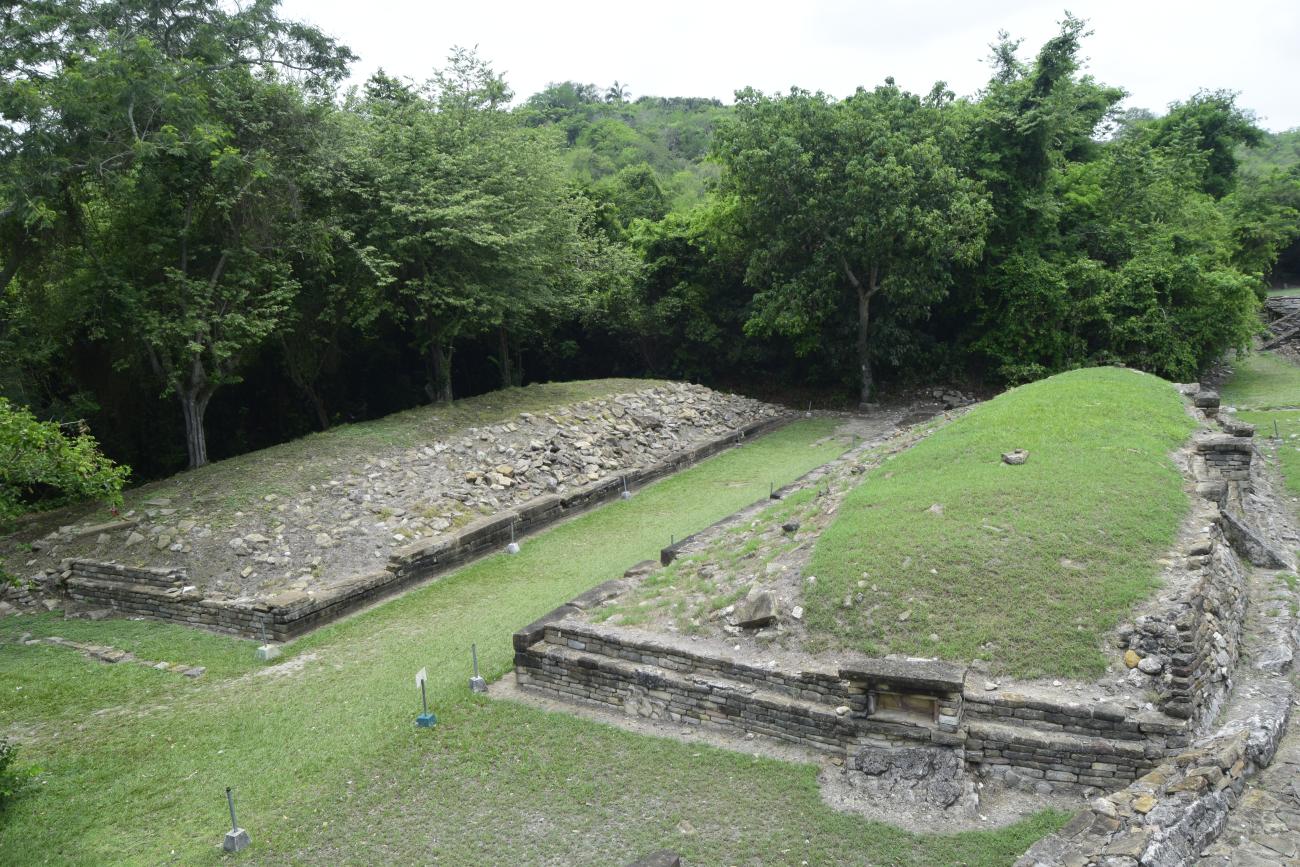
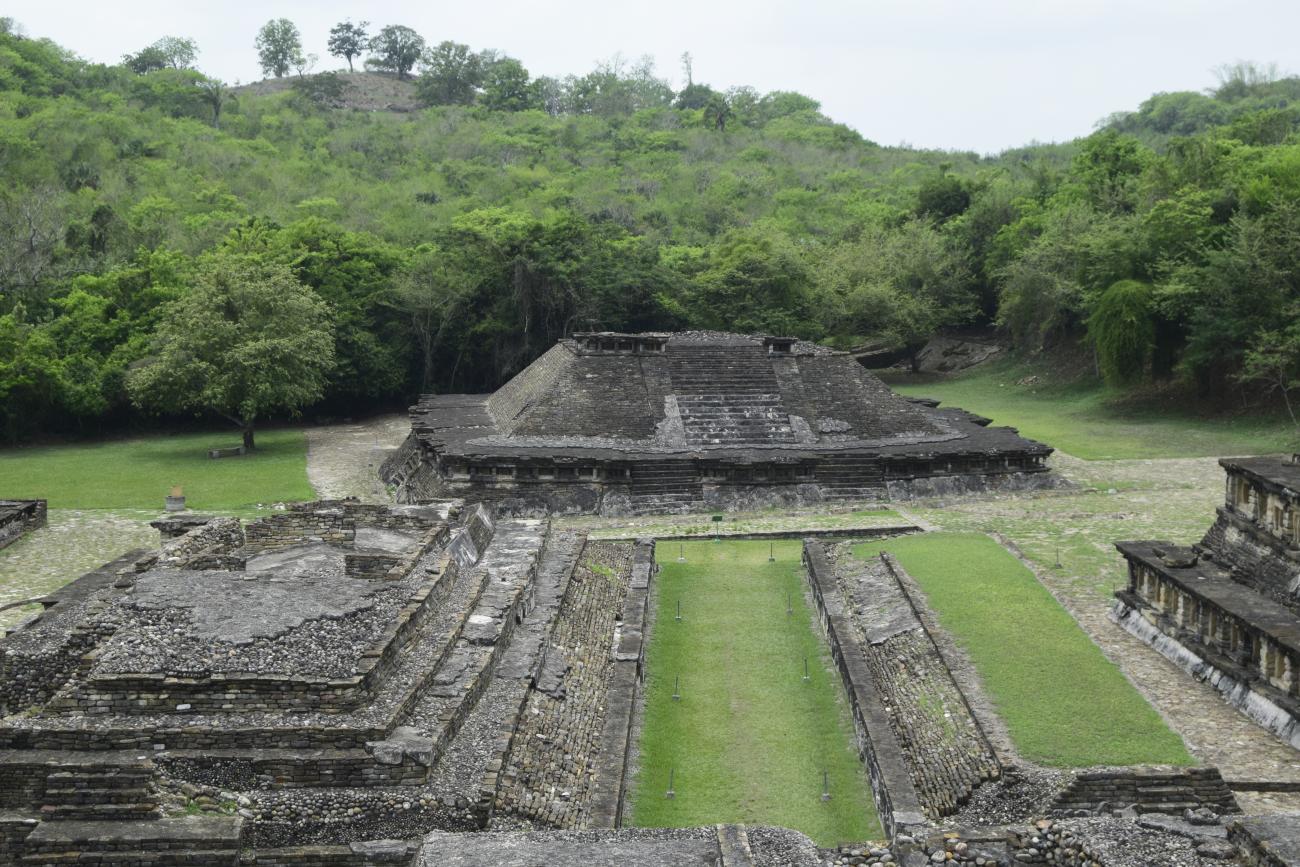
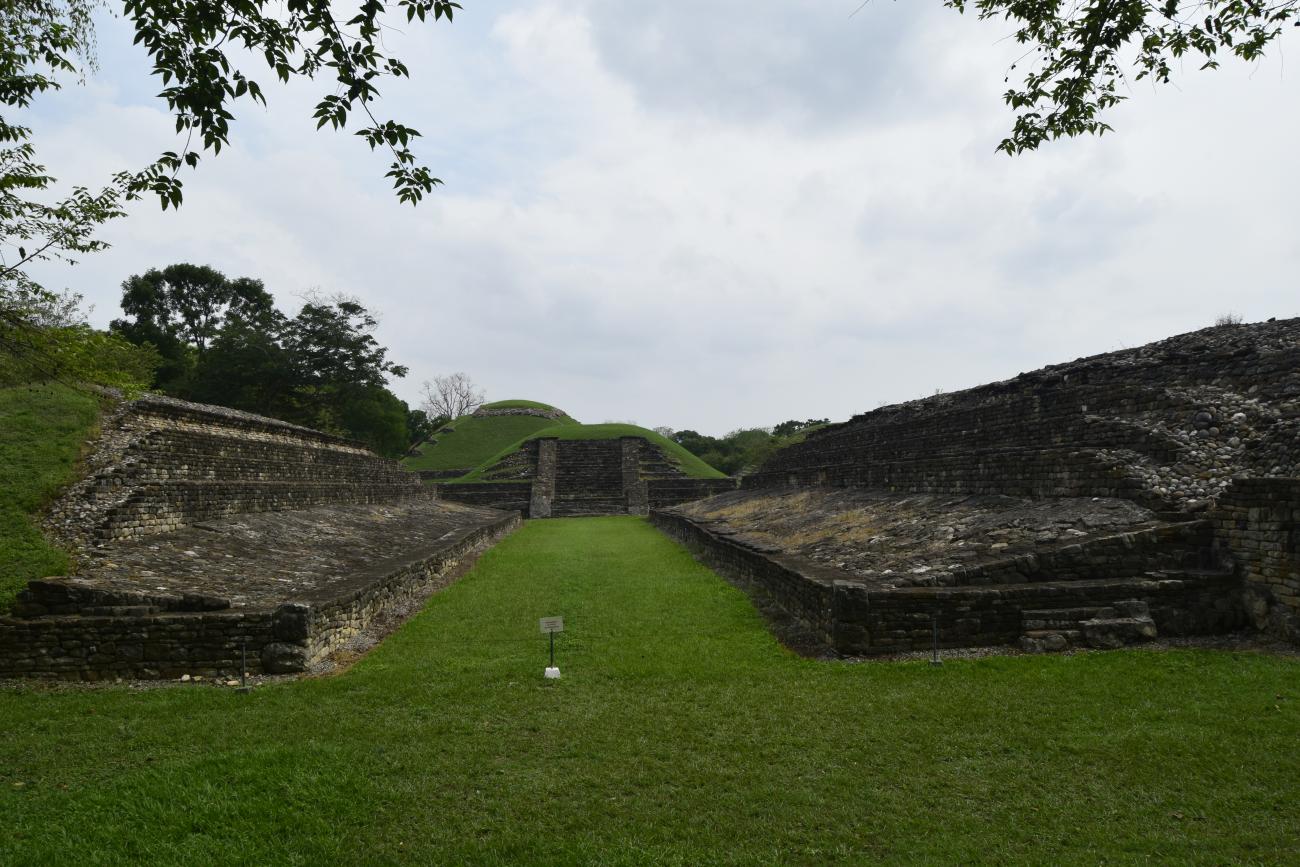
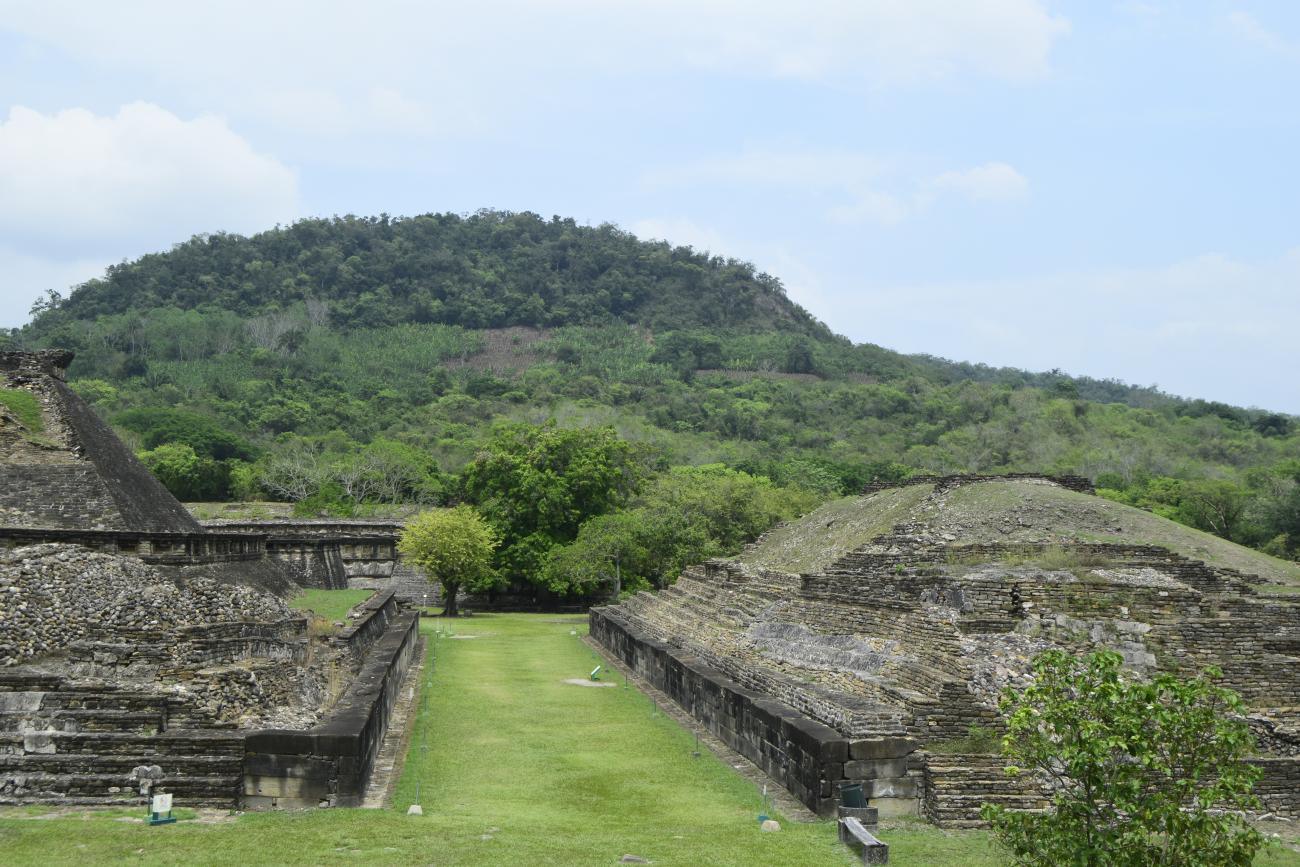
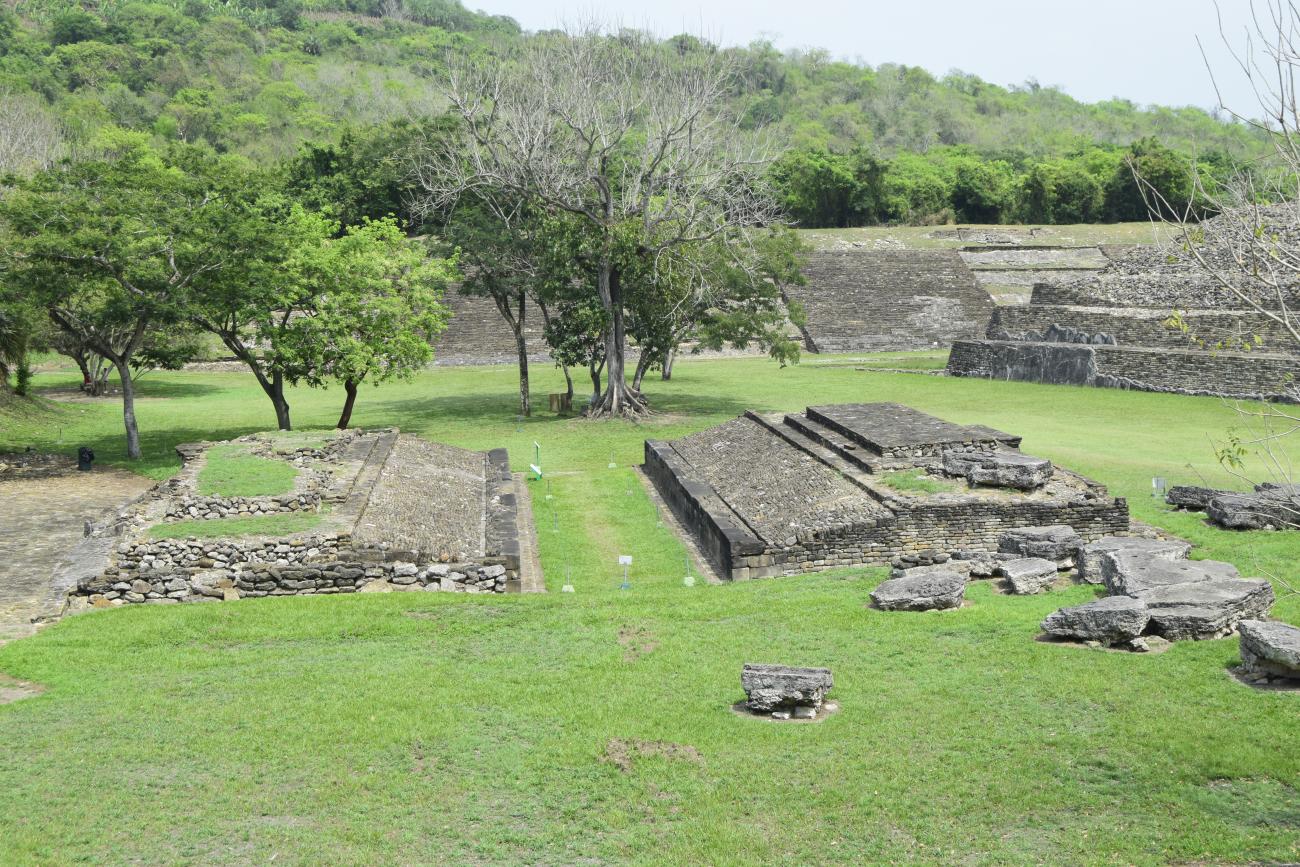
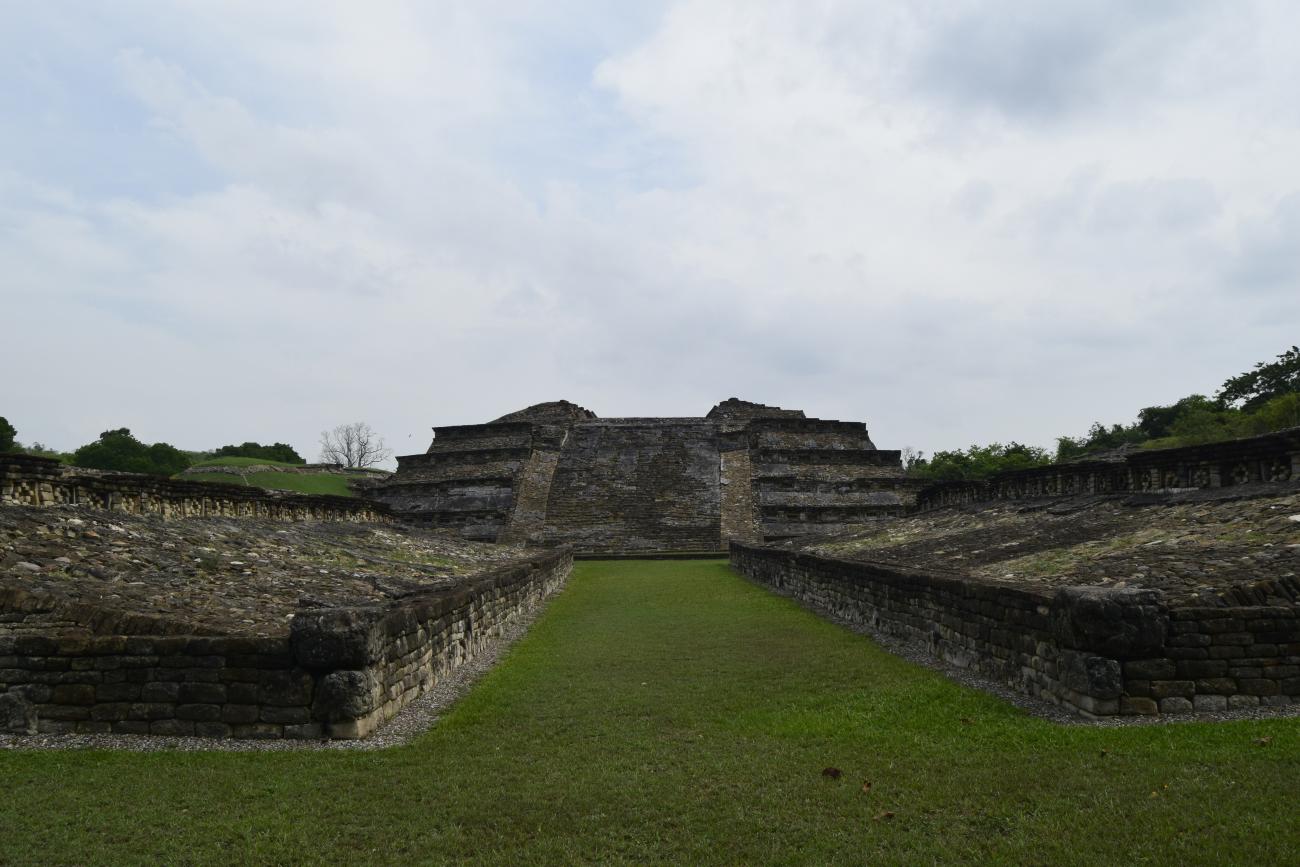
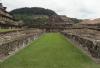
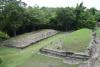
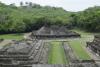
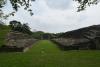
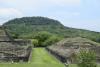
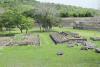
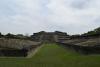
El Tajín is one of the cities of ancient Mexico that has 20 ball courts of different dimensions and characteristics: open to the public or restricted, and of the ceremonial or competition type. It is very possible that this indicates that all variants of this activity were played: with a stick, with a paddle or without any instrument. A notable example is the South Ball Game for its representations of the ritual: from the petition to the gods, the permission to carry out the game and the preparation of the players, to the sacrifice of winners or victors by decapitation. Their blood was offered to the four cardinal points to honor the divinities with the most precious thing man has: his own life.
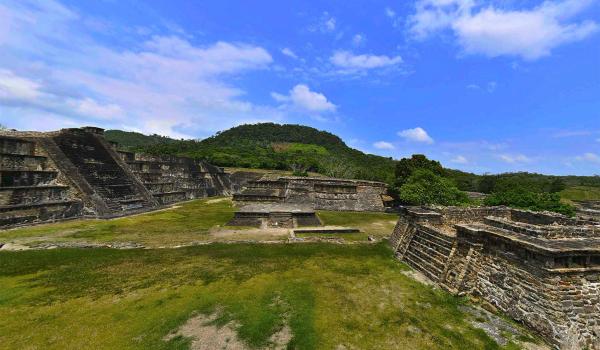
Complejo de Tajín Chico
This architectural complex is to the north of the Pyramid of the Niches, and is made up of an elevated terrace where several administrative and residential buildings are deployed, where meetings were held, perhaps of the ruling elite. In this place is the Building I that conserves mural painting in…
Complejo de Tajín Chico
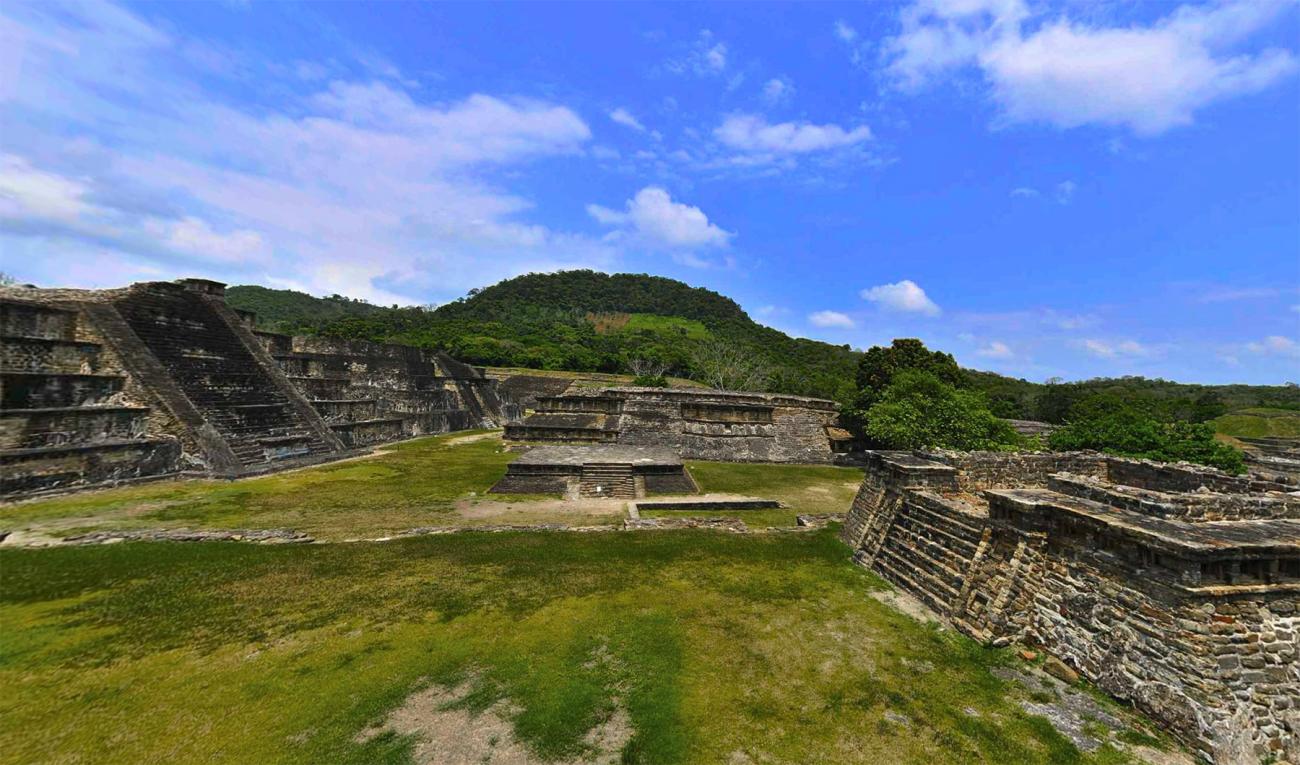
This architectural complex is to the north of the Pyramid of the Niches, and is made up of an elevated terrace where several administrative and residential buildings are deployed, where meetings were held, perhaps of the ruling elite. In this place is the Building I that conserves mural painting in all its walls and sidewalks. The painting represents fretwork and scenes with anthropomorphic characters in a seated position, as if they were the representation of a ruler or priest, each framed by a series of fretwork and scrolls in obvious allusion to the elements of nature, such as water and wind. The colors blue, red and yellow stand out in the painting. This particular building is an indication that the city was painted in its entirety.
Edificio de las Columnas
The Complex of the Columns has 3 emblematic buildings that form great symbols, as is the case of the Great North Ball Court, the Great Greca or Xicalcoliuhqui and the Set of Columns. This monumentality can be observed from a distance as it establishes symbols with representations or icons that…
Edificio de las Columnas
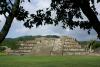
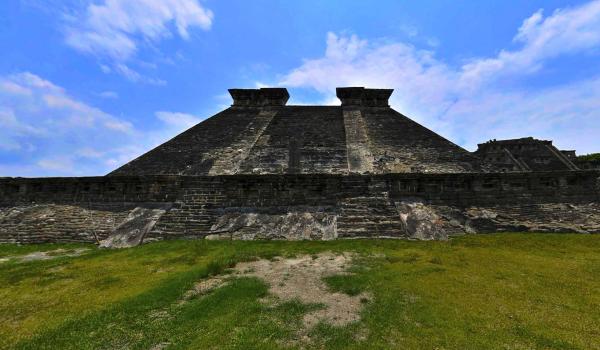
The Complex of the Columns has 3 emblematic buildings that form great symbols, as is the case of the Great North Ball Court, the Great Greca or Xicalcoliuhqui and the Set of Columns. This monumentality can be observed from a distance as it establishes symbols with representations or icons that identify the ancient city as a site of great importance for the cult of Quetzalcoatl. Its last ruler was called Thirteen Rabbit and lived in the palace or residence that is located in Building 41. This is possible to register by the columns that have engraved all the feats and his ascension to power. At present, the Complex of the Columns is not open to the public.
Edificio 5
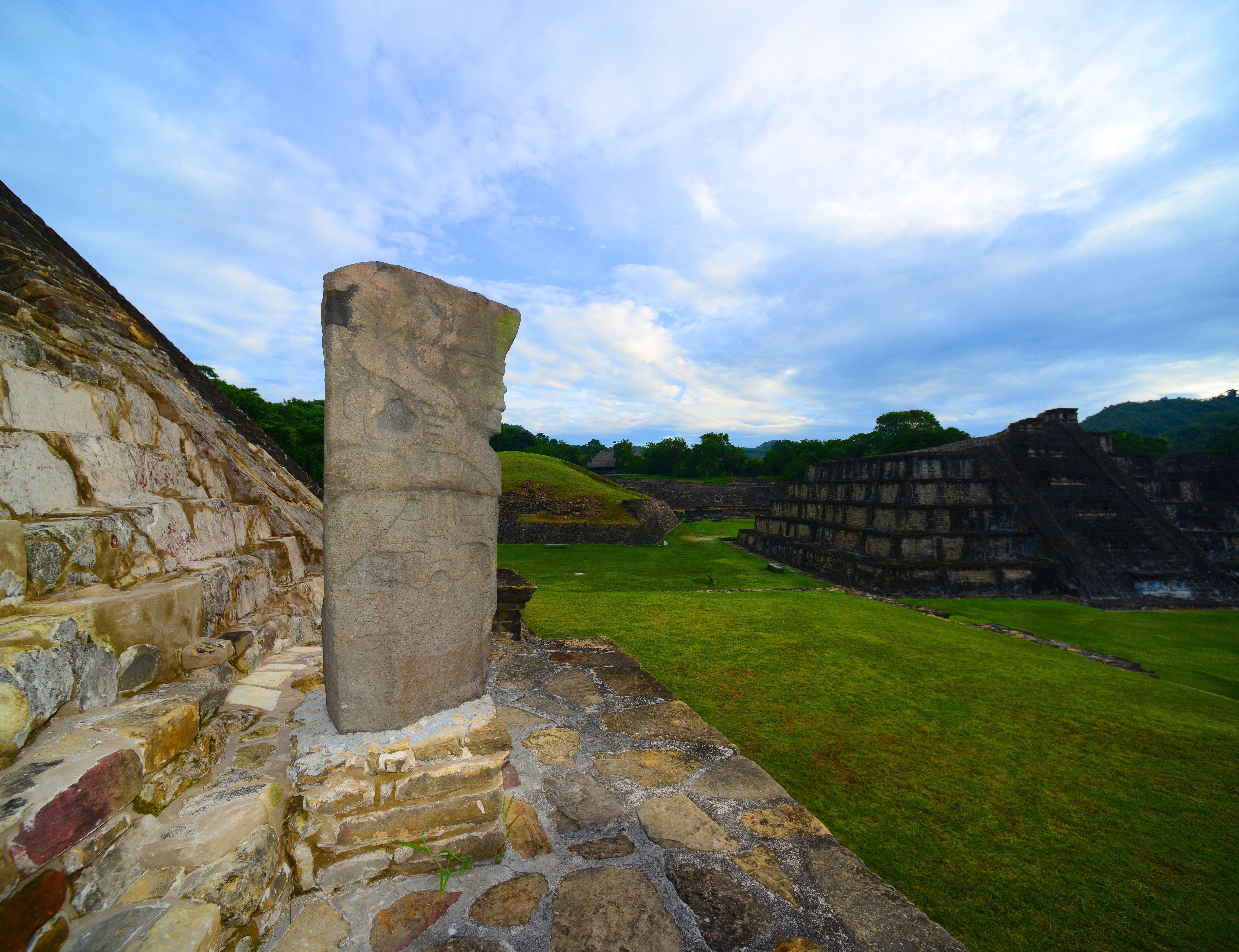
Its main facade is oriented to the west. Two annexes were attached to the original construction (one of which has been called Building 2), to adapt its location to that of the Pyramid of the Niches. In this building a prismatic sculpture was found, which was called Dios Tajin, which represents a…
Edificio 5

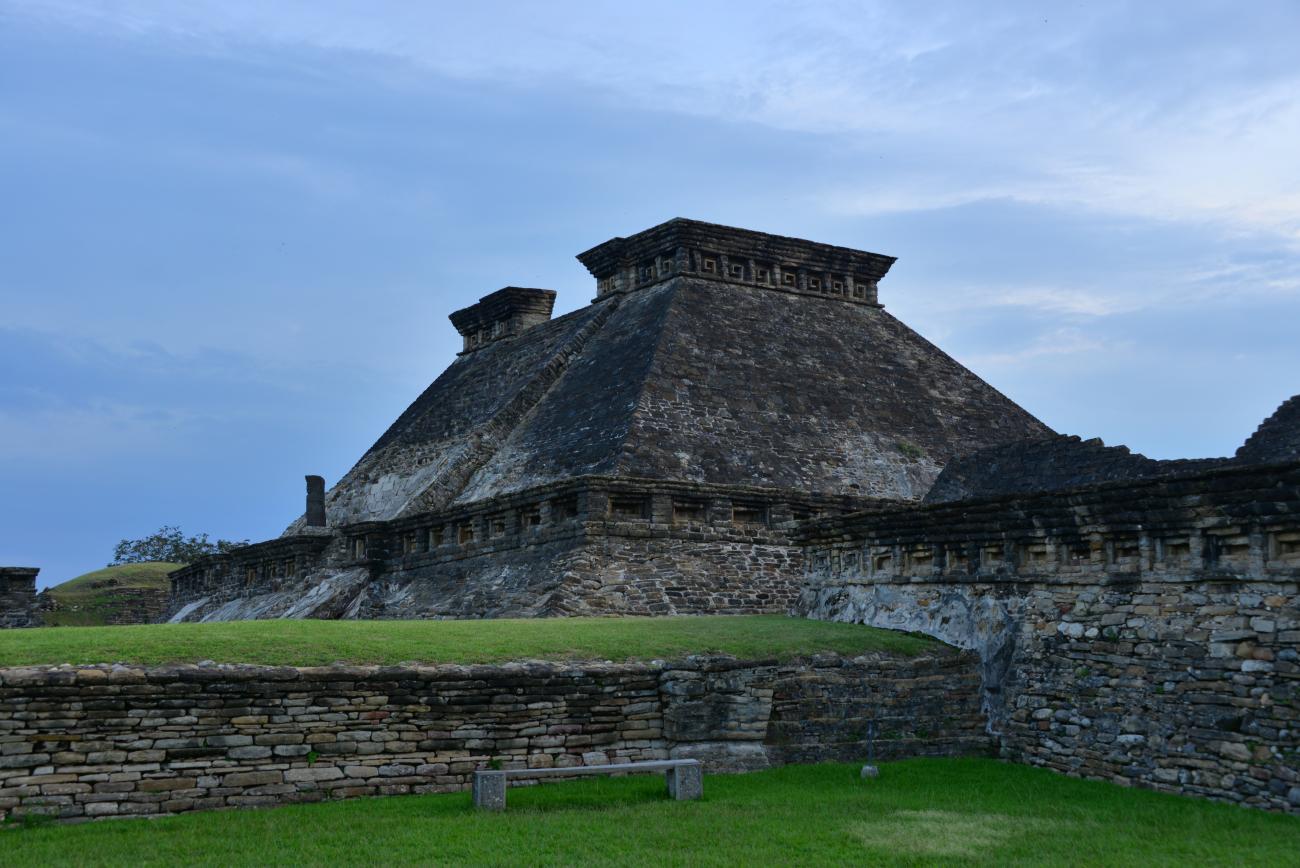
Its main facade is oriented to the west. Two annexes were attached to the original construction (one of which has been called Building 2), to adapt its location to that of the Pyramid of the Niches. In this building a prismatic sculpture was found, which was called Dios Tajin, which represents a fleshless character holding in his hands an element that has been identified as thunder.





Contact
- Director del Centro INAHFernando Molina Herbertfernando_molina@inah.gob.mx+52 (229) 939 1330