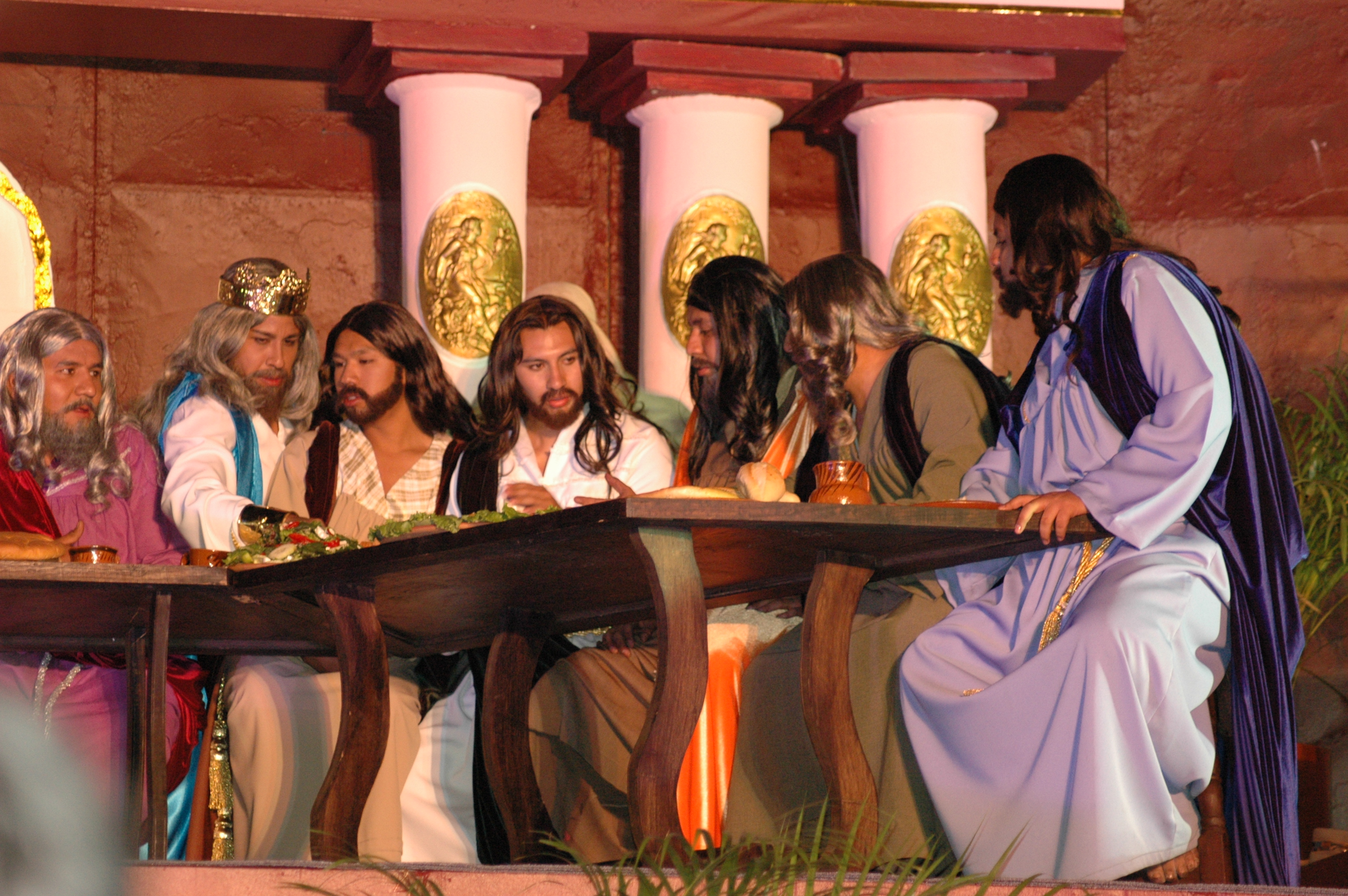
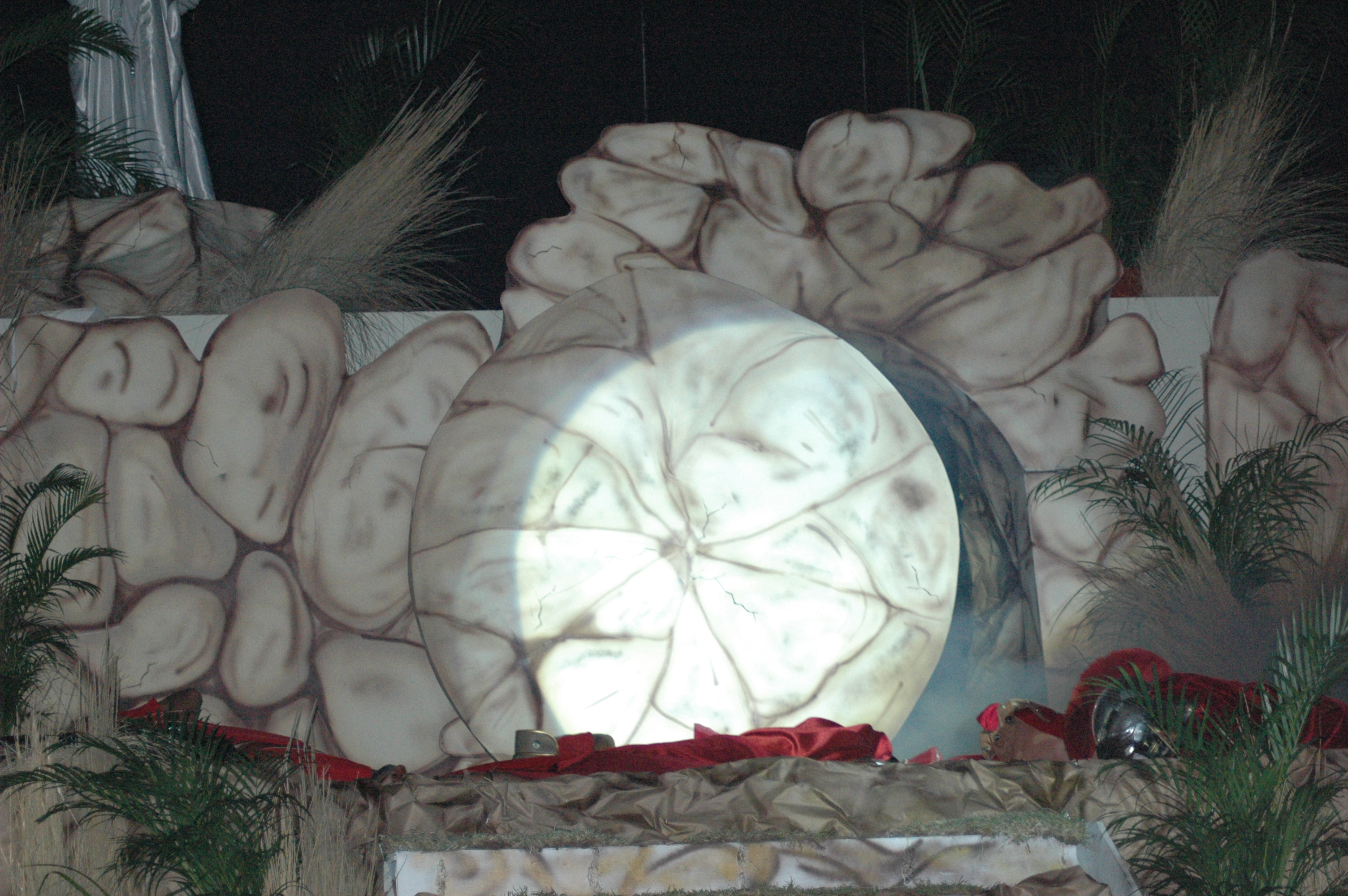
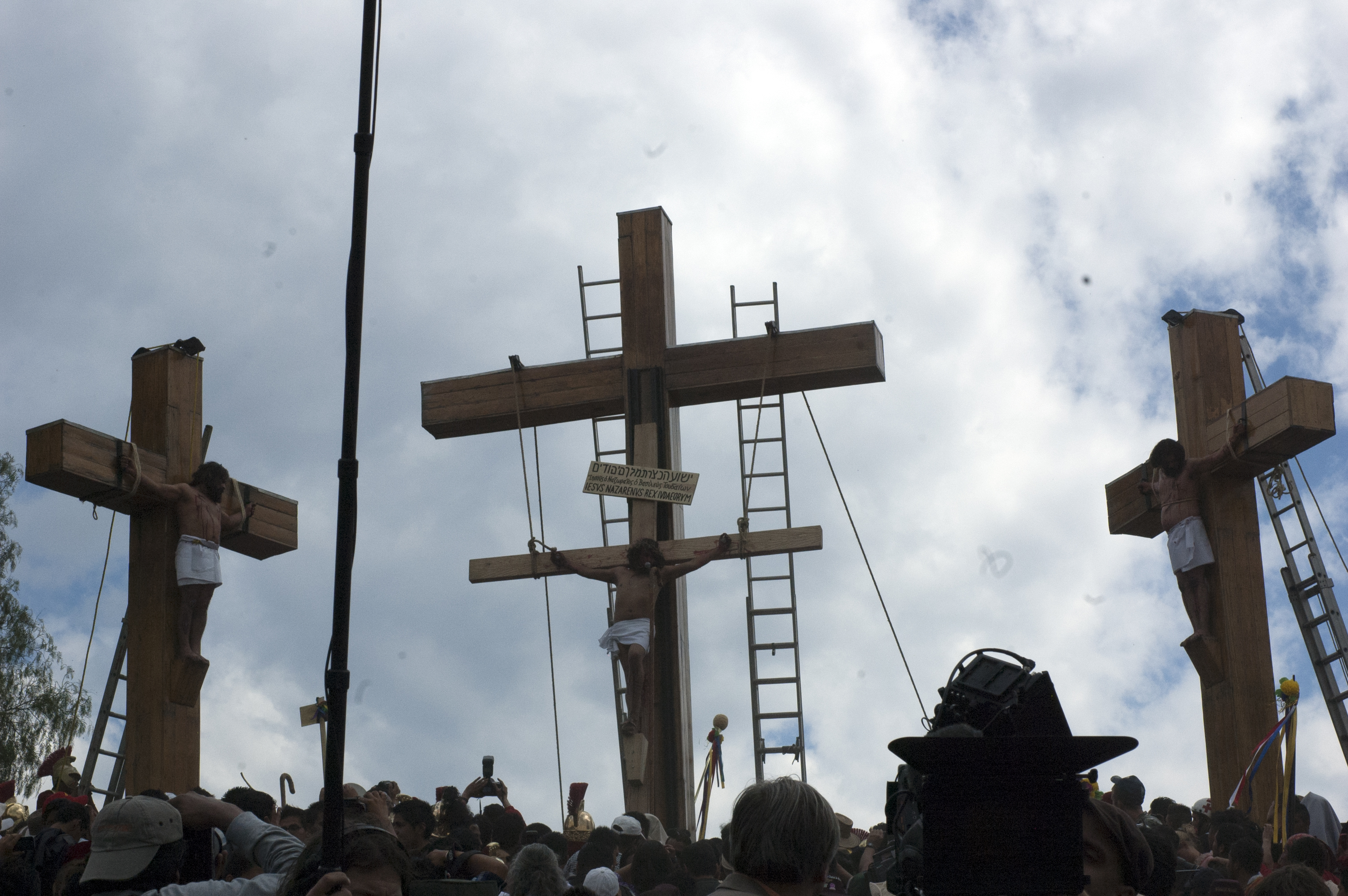
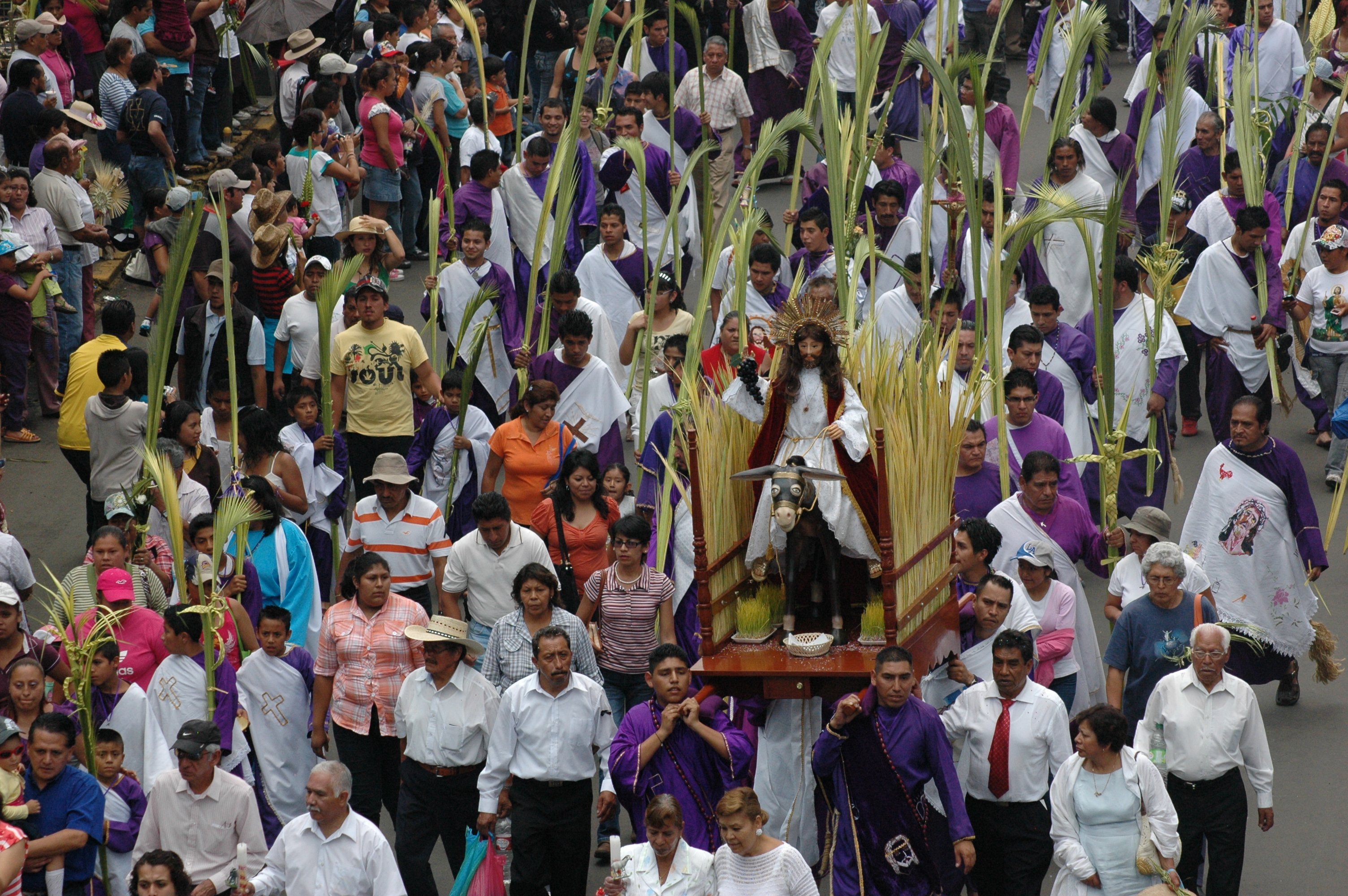
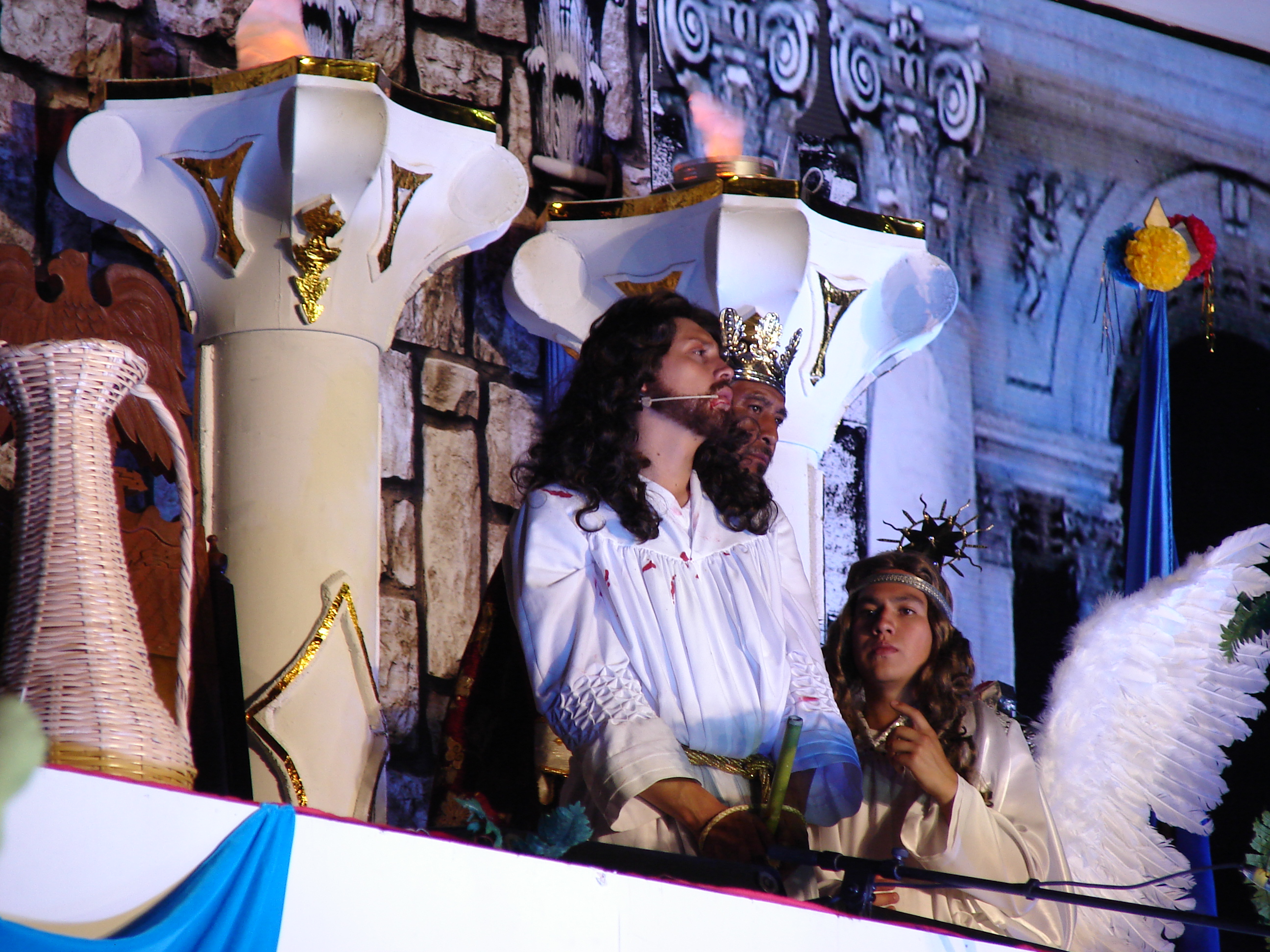
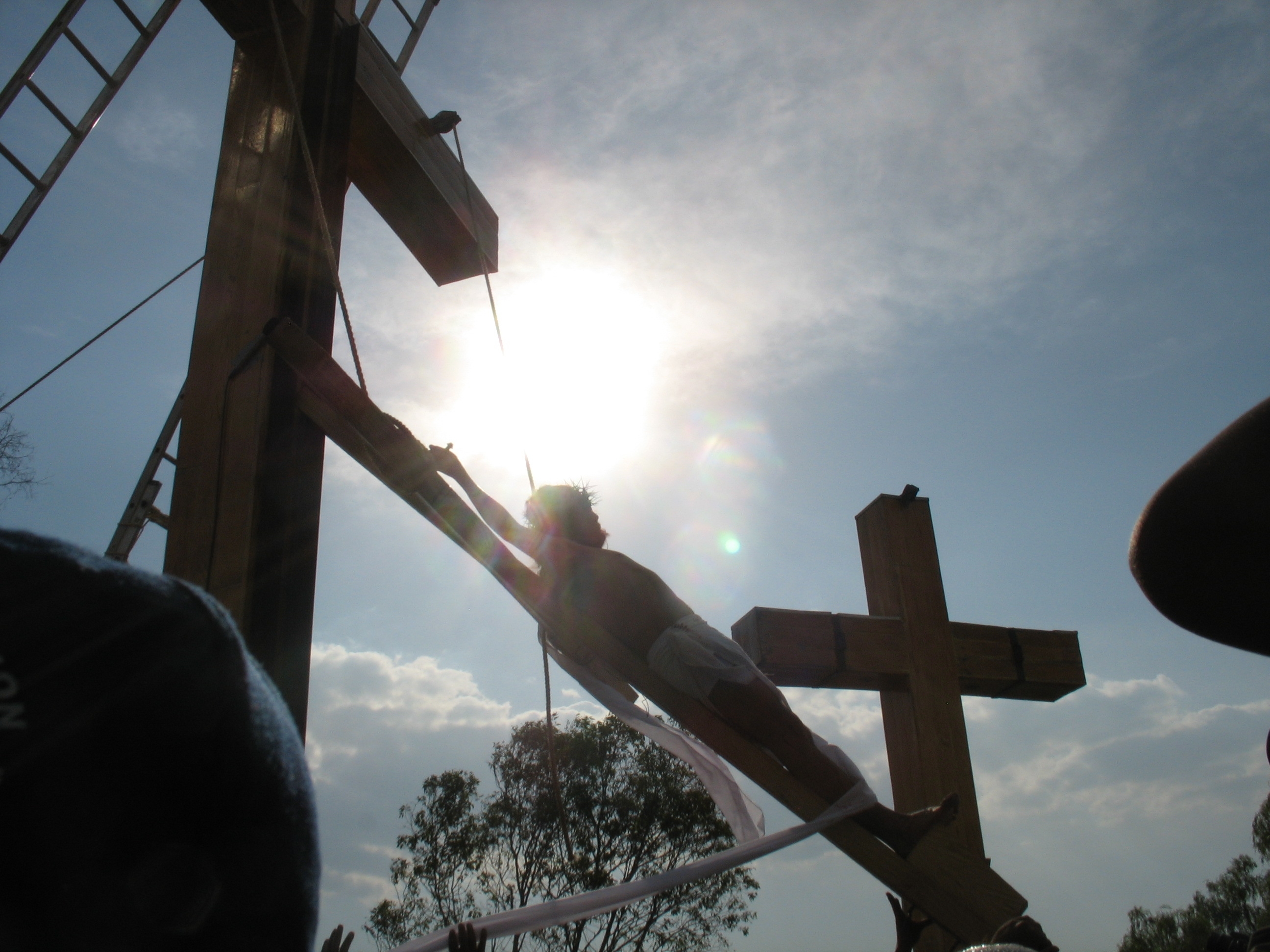
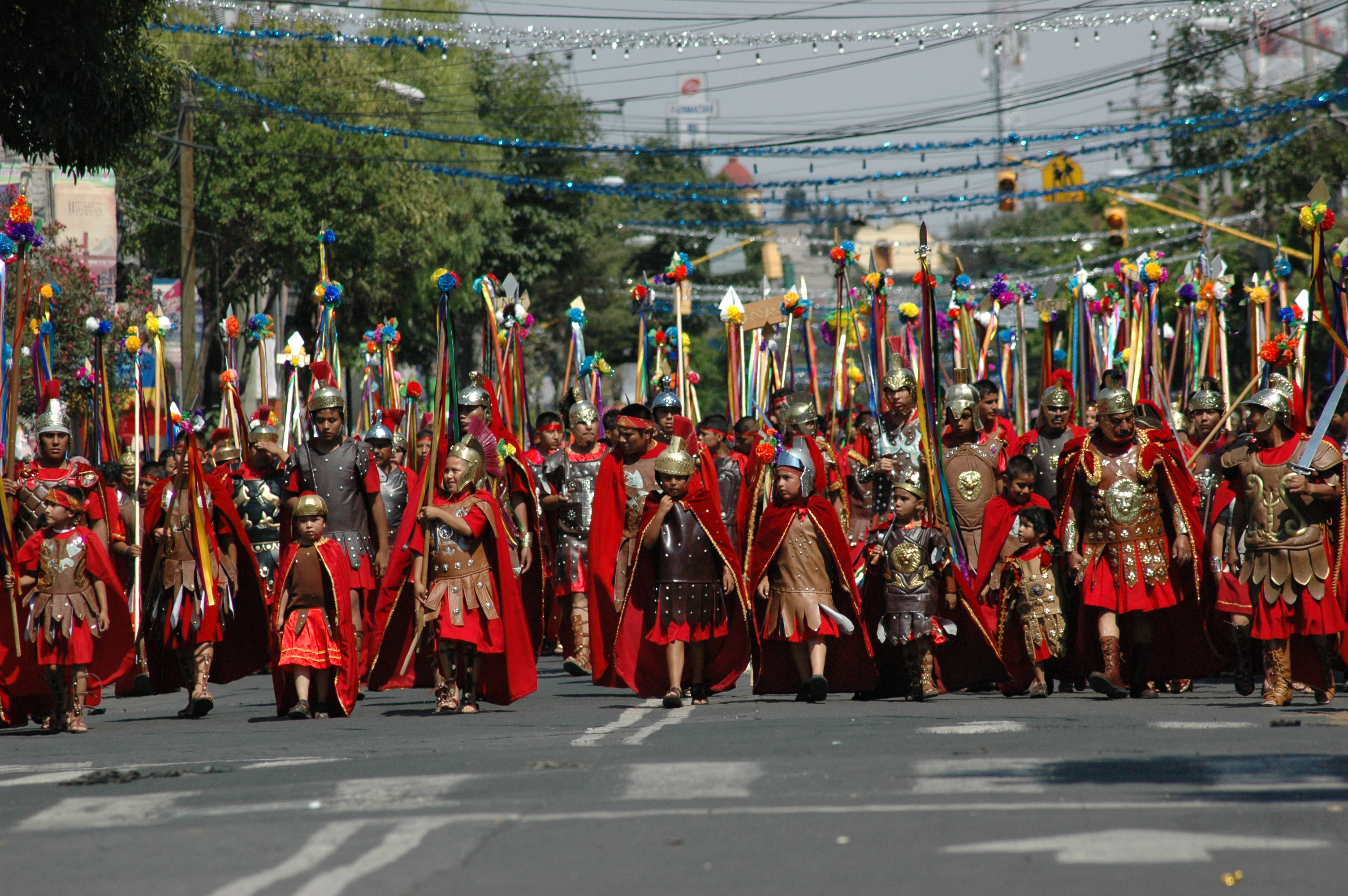
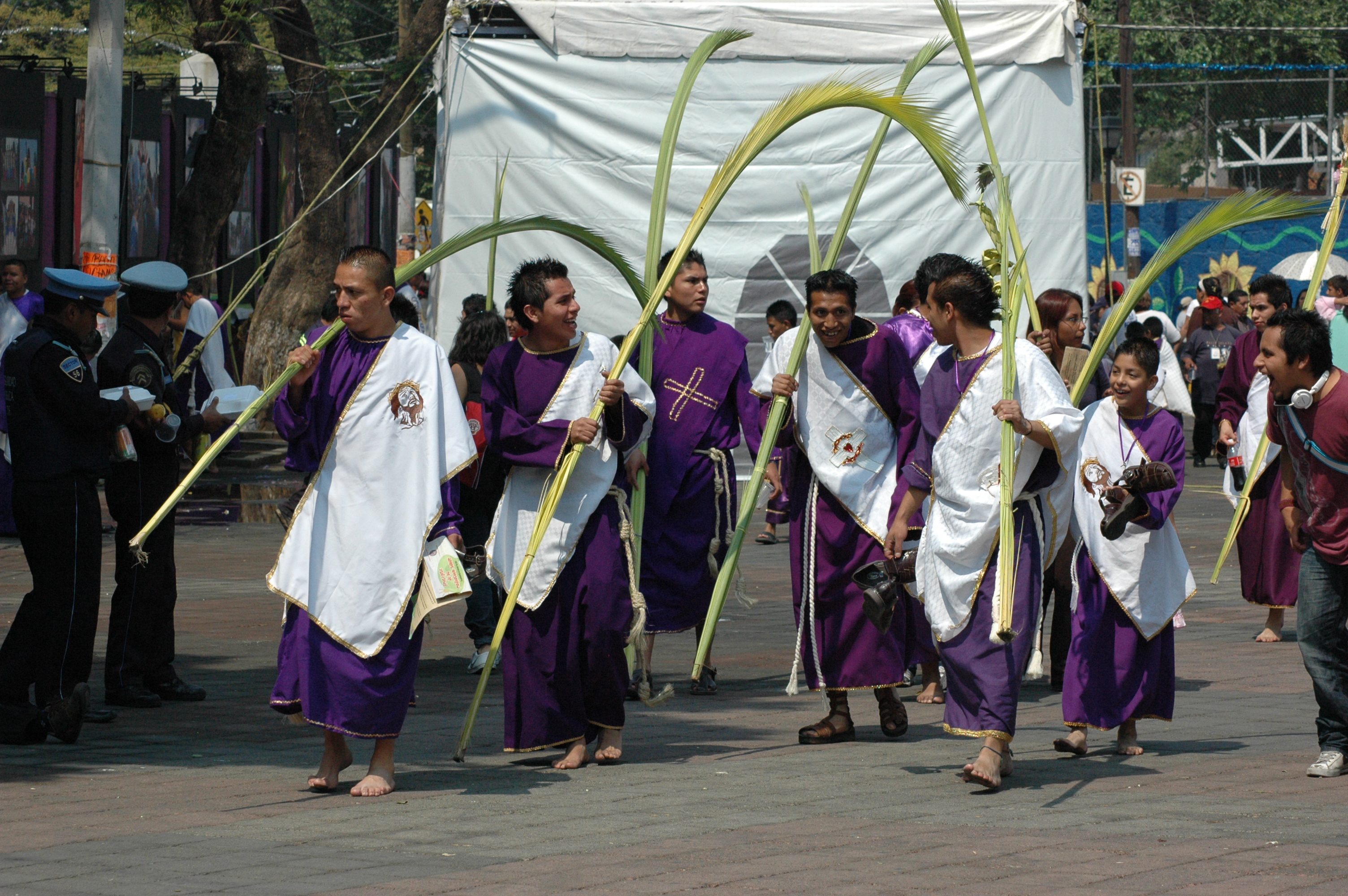


• Jueves Santo

    La representación de la Pasión, Muerte y Resurrección de Cristo en Iztapalapa

    Jueves Santo
    Karla Jaqueline Peniche Romero / Cortesía Karla Jaqueline Peniche Romero-Mediateca
  • Domingo de Ramos

    La representación de la Pasión, Muerte y Resurrección de Cristo en Iztapalapa

    Domingo de Ramos
    Karla Jaqueline Peniche Romero / Cortesía Karla Jaqueline Peniche Romero-Mediateca
  • Viernes Santo

    La representación de la Pasión, Muerte y Resurrección de Cristo en Iztapalapa

    Viernes Santo
    Karla Jaqueline Peniche Romero / Cortesía Karla Jaqueline Peniche Romero-Mediateca
  • Jueves Santo

    La representación de la Pasión, Muerte y Resurrección de Cristo en Iztapalapa

    Jueves Santo
    Karla Jaqueline Peniche Romero / Cortesía Karla Jaqueline Peniche Romero-Mediateca
  • Viernes Santo

    La representación de la Pasión, Muerte y Resurrección de Cristo en Iztapalapa

    Viernes Santo
    Karla Jaqueline Peniche Romero / Cortesía Karla Jaqueline Peniche Romero-Mediateca
  • Domingo de Ramos

    La representación de la Pasión, Muerte y Resurrección de Cristo en Iztapalapa

    Domingo de Ramos
    Karla Jaqueline Peniche Romero / Cortesía Karla Jaqueline Peniche Romero-Mediateca
  • Viernes Santo

    La representación de la Pasión, Muerte y Resurrección de Cristo en Iztapalapa

    Viernes Santo
    Karla Jaqueline Peniche Romero / Cortesía Karla Jaqueline Peniche Romero-Mediateca
  • Jueves Santo

    La representación de la Pasión, Muerte y Resurrección de Cristo en Iztapalapa

    Jueves Santo
    Karla Jaqueline Peniche Romero / Cortesía Karla Jaqueline Peniche Romero-Mediateca
  • Domingo de Ramos

    La representación de la Pasión, Muerte y Resurrección de Cristo en Iztapalapa

    Domingo de Ramos
    Karla Jaqueline Peniche Romero / Cortesía Karla Jaqueline Peniche Romero-Mediateca
  • Viernes Santo

    La representación de la Pasión, Muerte y Resurrección de Cristo en Iztapalapa

    Viernes Santo
    Karla Jaqueline Peniche Romero / Cortesía Karla Jaqueline Peniche Romero-Mediateca
  • Sábado de Gloria

    La representación de la Pasión, Muerte y Resurrección de Cristo en Iztapalapa

    Sábado de Gloria
    Karla Jaqueline Peniche Romero / Cortesía Karla Jaqueline Peniche Romero-Mediateca
  • Jueves Santo

    La representación de la Pasión, Muerte y Resurrección de Cristo en Iztapalapa

    Jueves Santo
    Karla Jaqueline Peniche Romero / Cortesía Karla Jaqueline Peniche Romero-Mediateca
  • Domingo de Ramos

    La representación de la Pasión, Muerte y Resurrección de Cristo en Iztapalapa

    Domingo de Ramos
    Karla Jaqueline Peniche Romero / Cortesía Karla Jaqueline Peniche Romero-Mediateca
  • Viernes Santo

    La representación de la Pasión, Muerte y Resurrección de Cristo en Iztapalapa

    Viernes Santo
    Karla Jaqueline Peniche Romero / Cortesía Karla Jaqueline Peniche Romero-Mediateca
  • Jueves Santo

    La representación de la Pasión, Muerte y Resurrección de Cristo en Iztapalapa

    Jueves Santo
    Karla Jaqueline Peniche Romero / Cortesía Karla Jaqueline Peniche Romero-Mediateca
  • Domingo de Ramos

    La representación de la Pasión, Muerte y Resurrección de Cristo en Iztapalapa

    Domingo de Ramos
    Karla Jaqueline Peniche Romero / Cortesía Karla Jaqueline Peniche Romero-Mediateca
  • Sábado de Gloria

    La representación de la Pasión, Muerte y Resurrección de Cristo en Iztapalapa

    Sábado de Gloria
    Karla Jaqueline Peniche Romero / Cortesía Karla Jaqueline Peniche Romero-Mediateca
  • Jueves Santo

    La representación de la Pasión, Muerte y Resurrección de Cristo en Iztapalapa

    Jueves Santo
    Karla Jaqueline Peniche Romero / Cortesía Karla Jaqueline Peniche Romero-Mediateca
  • Viernes Santo

    La representación de la Pasión, Muerte y Resurrección de Cristo en Iztapalapa

    Viernes Santo
    Karla Jaqueline Peniche Romero / Cortesía Karla Jaqueline Peniche Romero-Mediateca
  • Viernes Santo

    La representación de la Pasión, Muerte y Resurrección de Cristo en Iztapalapa

    Viernes Santo
    Karla Jaqueline Peniche Romero / Cortesía Karla Jaqueline Peniche Romero-Mediateca
  • Domingo de Ramos

    La representación de la Pasión, Muerte y Resurrección de Cristo en Iztapalapa

    Domingo de Ramos
    Karla Jaqueline Peniche Romero / Cortesía Karla Jaqueline Peniche Romero-Mediateca
  • Viernes Santo

    La representación de la Pasión, Muerte y Resurrección de Cristo en Iztapalapa

    Viernes Santo
    Karla Jaqueline Peniche Romero / Cortesía Karla Jaqueline Peniche Romero-Mediateca
  • Jueves Santo

    La representación de la Pasión, Muerte y Resurrección de Cristo en Iztapalapa

    Jueves Santo
    Karla Jaqueline Peniche Romero / Cortesía Karla Jaqueline Peniche Romero-Mediateca
  • Viernes Santo

    La representación de la Pasión, Muerte y Resurrección de Cristo en Iztapalapa

    Viernes Santo
    Karla Jaqueline Peniche Romero / Cortesía Karla Jaqueline Peniche Romero-Mediateca
  • Domingo de Ramos

    La representación de la Pasión, Muerte y Resurrección de Cristo en Iztapalapa

    Domingo de Ramos
    Karla Jaqueline Peniche Romero / Cortesía Karla Jaqueline Peniche Romero-Mediateca
  • Sábado de Gloria

    La representación de la Pasión, Muerte y Resurrección de Cristo en Iztapalapa

    Sábado de Gloria
    Karla Jaqueline Peniche Romero / Cortesía Karla Jaqueline Peniche Romero-Mediateca
  • Jueves Santo

    La representación de la Pasión, Muerte y Resurrección de Cristo en Iztapalapa

    Jueves Santo
    Karla Jaqueline Peniche Romero / Cortesía Karla Jaqueline Peniche Romero-Mediateca
  • Domingo de Ramos

    La representación de la Pasión, Muerte y Resurrección de Cristo en Iztapalapa

    Domingo de Ramos
    Karla Jaqueline Peniche Romero / Cortesía Karla Jaqueline Peniche Romero-Mediateca
  • Viernes Santo

    La representación de la Pasión, Muerte y Resurrección de Cristo en Iztapalapa

    Viernes Santo
    Karla Jaqueline Peniche Romero / Cortesía Karla Jaqueline Peniche Romero-Mediateca
  • Jueves Santo

    La representación de la Pasión, Muerte y Resurrección de Cristo en Iztapalapa

    Jueves Santo
    Karla Jaqueline Peniche Romero / Cortesía Karla Jaqueline Peniche Romero-Mediateca
  • Sábado de Gloria

    La representación de la Pasión, Muerte y Resurrección de Cristo en Iztapalapa

    Sábado de Gloria
    Karla Jaqueline Peniche Romero / Cortesía Karla Jaqueline Peniche Romero-Mediateca
  • Domingo de Ramos

    La representación de la Pasión, Muerte y Resurrección de Cristo en Iztapalapa

    Domingo de Ramos
    Karla Jaqueline Peniche Romero / Cortesía Karla Jaqueline Peniche Romero-Mediateca
  • Viernes Santo

    La representación de la Pasión, Muerte y Resurrección de Cristo en Iztapalapa

    Viernes Santo
    Karla Jaqueline Peniche Romero / Cortesía Karla Jaqueline Peniche Romero-Mediateca

Visit us


La representación de la Pasión, Muerte y Resurrección de Cristo en Iztapalapa

La representación de la Pasión, Muerte y Resurrección de Cristo en Iztapalapa

La representación de la Pasión, Muerte y Resurrección de Cristo en Iztapalapa
UNESCO
World Heritage
Intangible
Tradiciones y expresiones orales

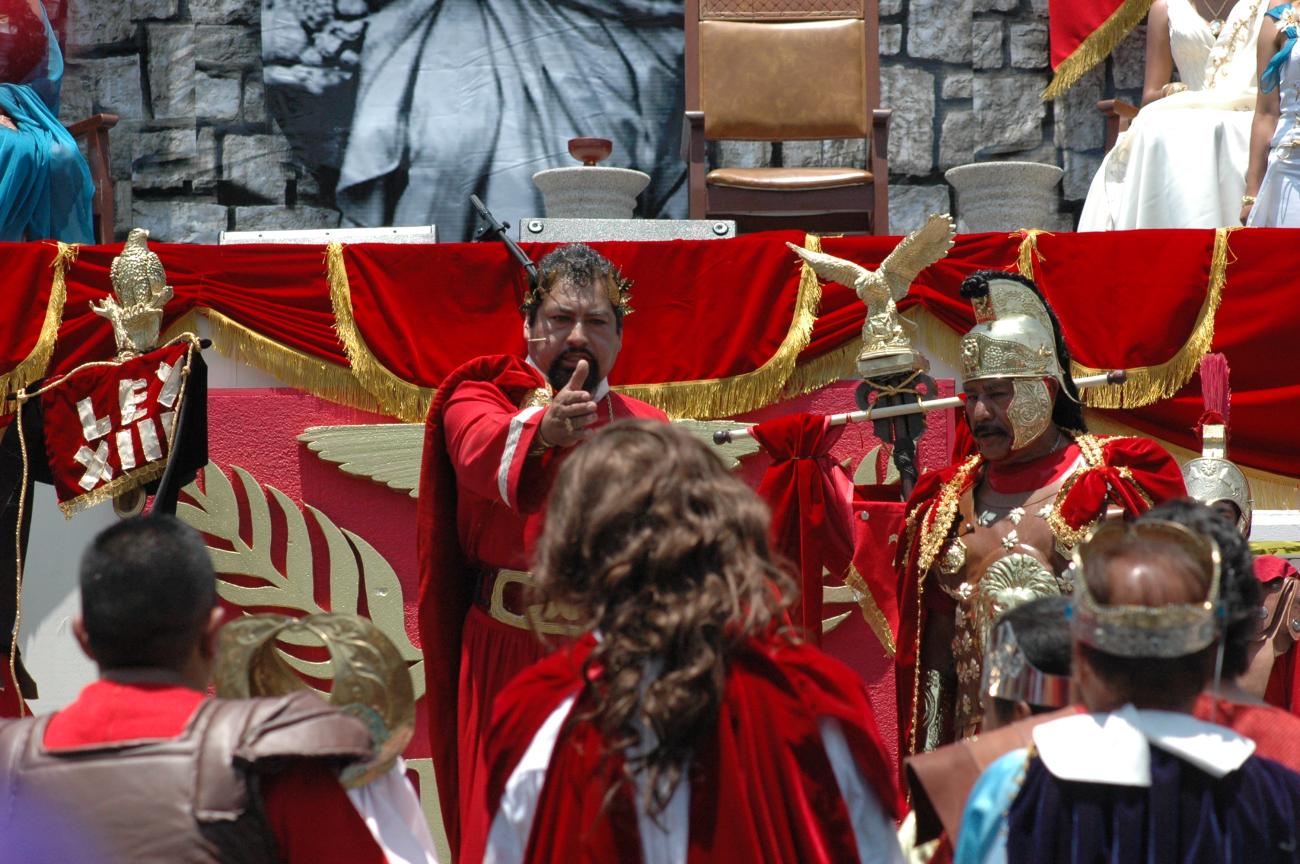
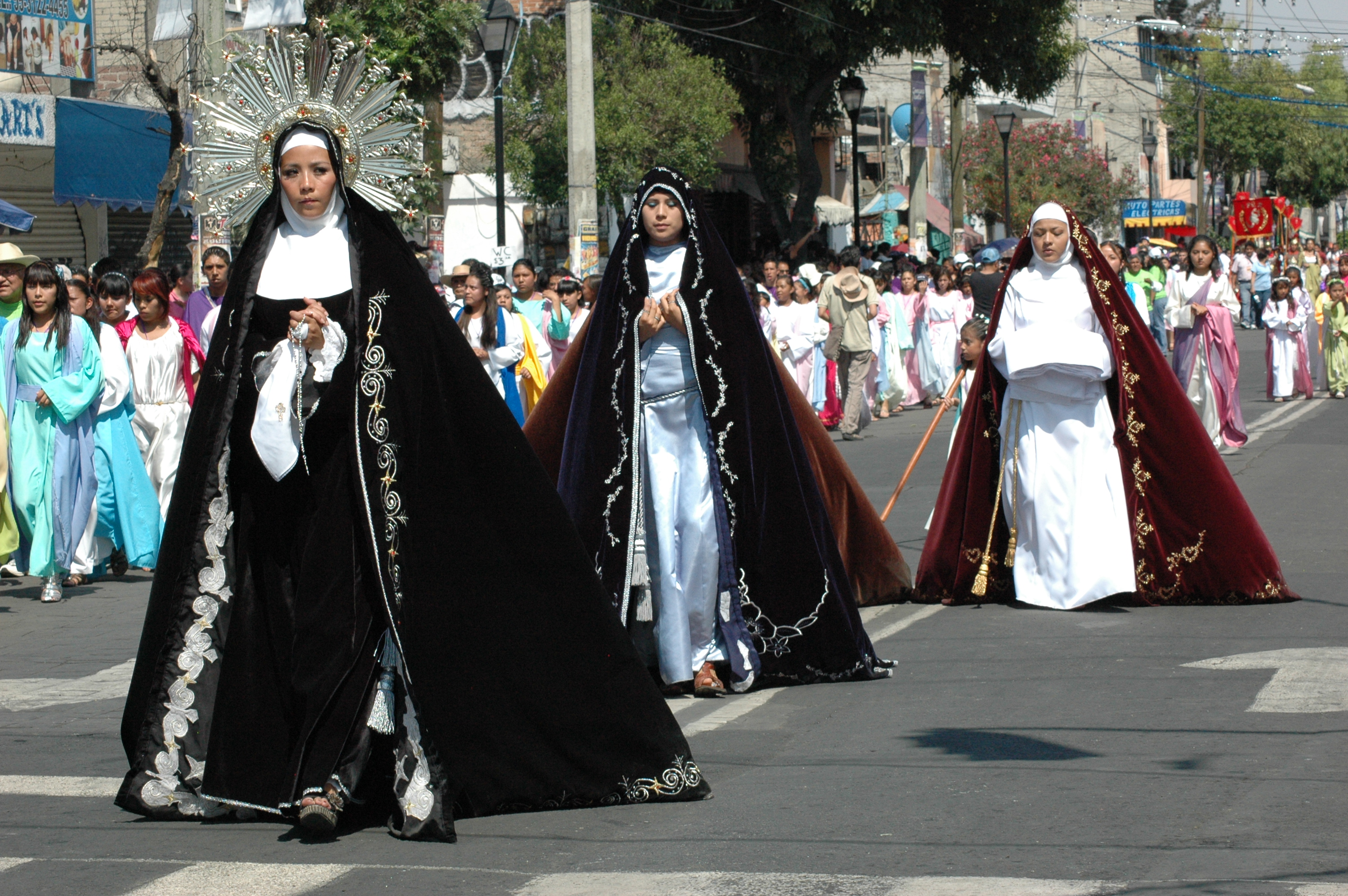
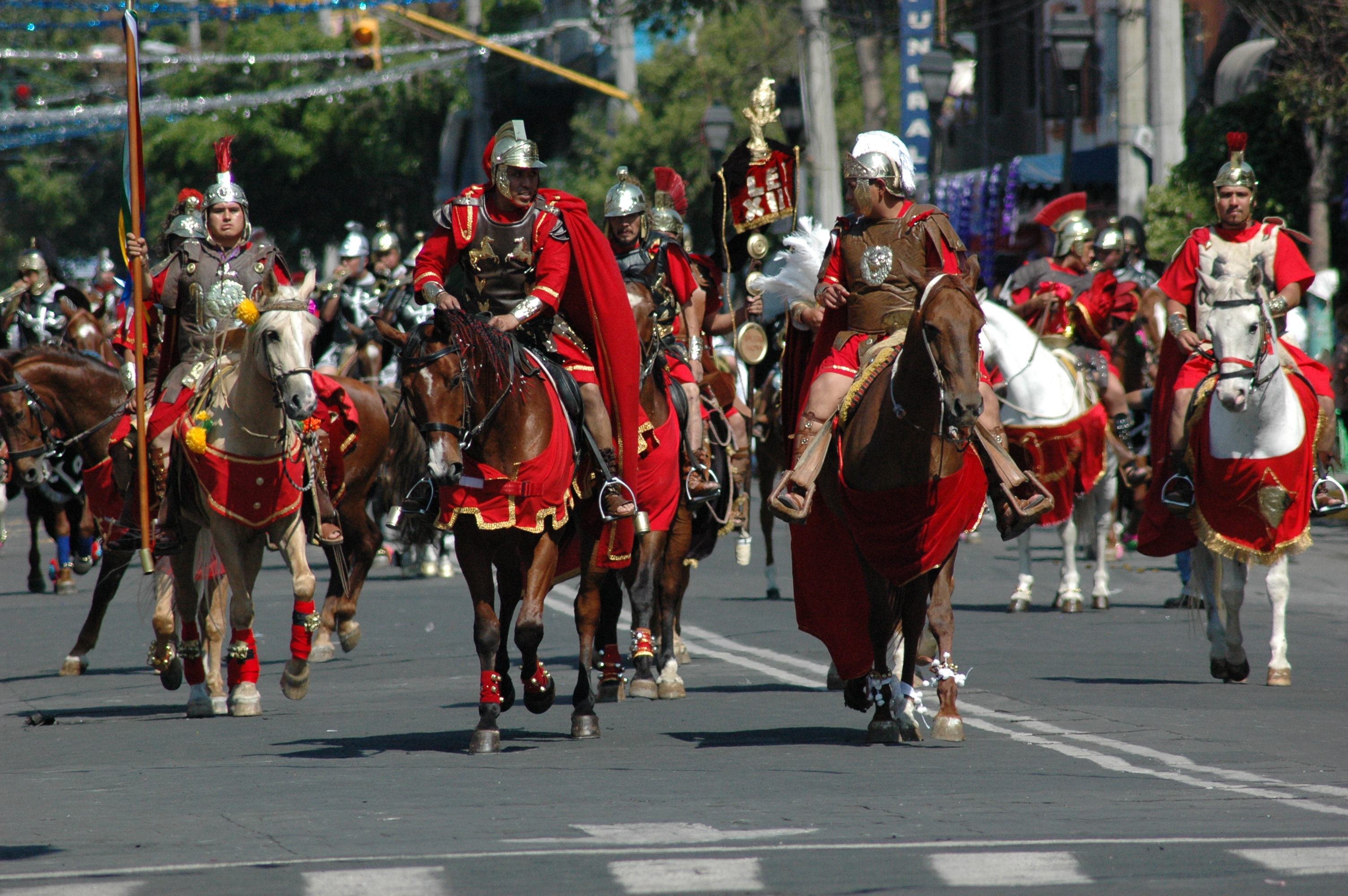
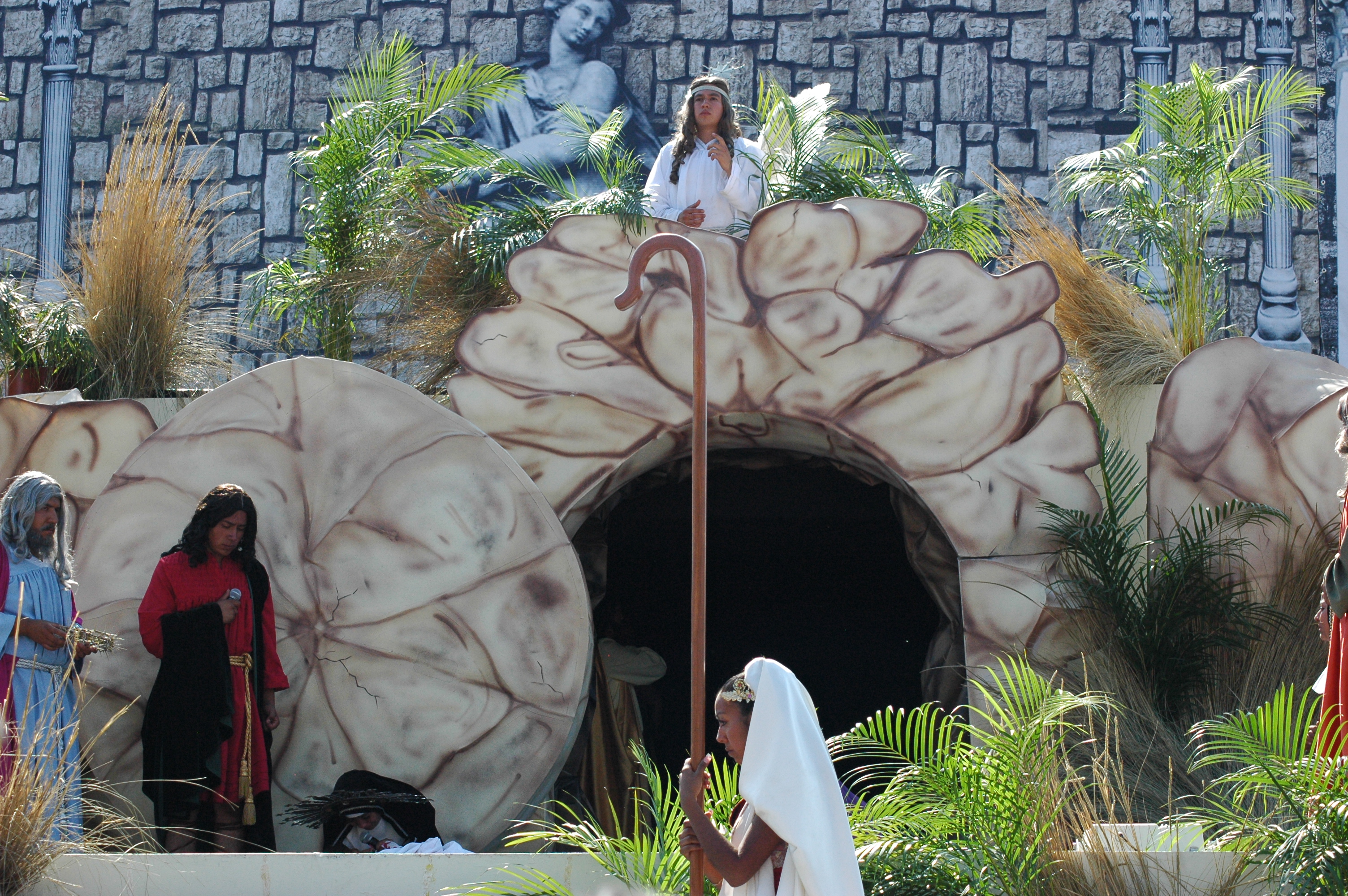
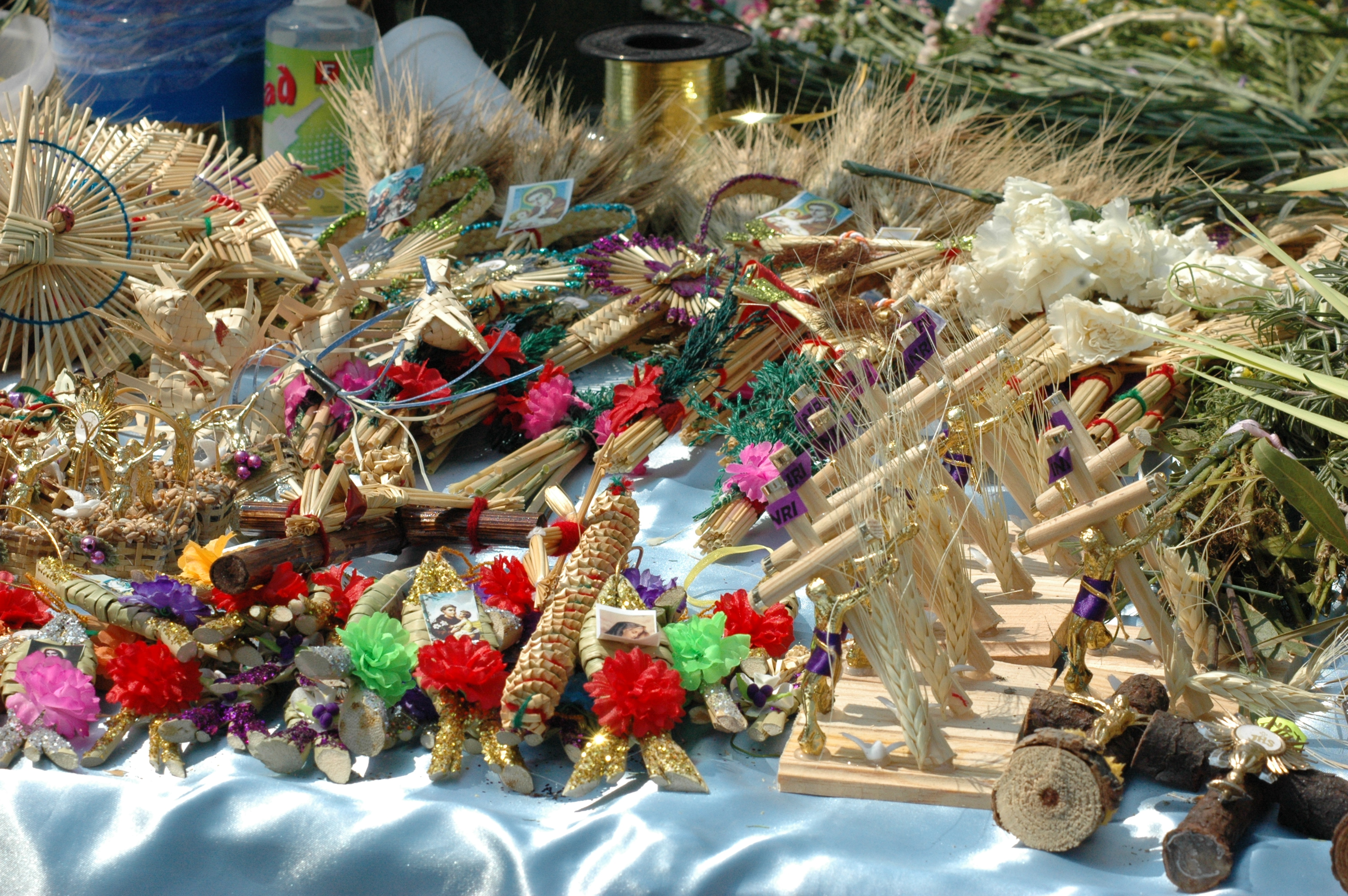
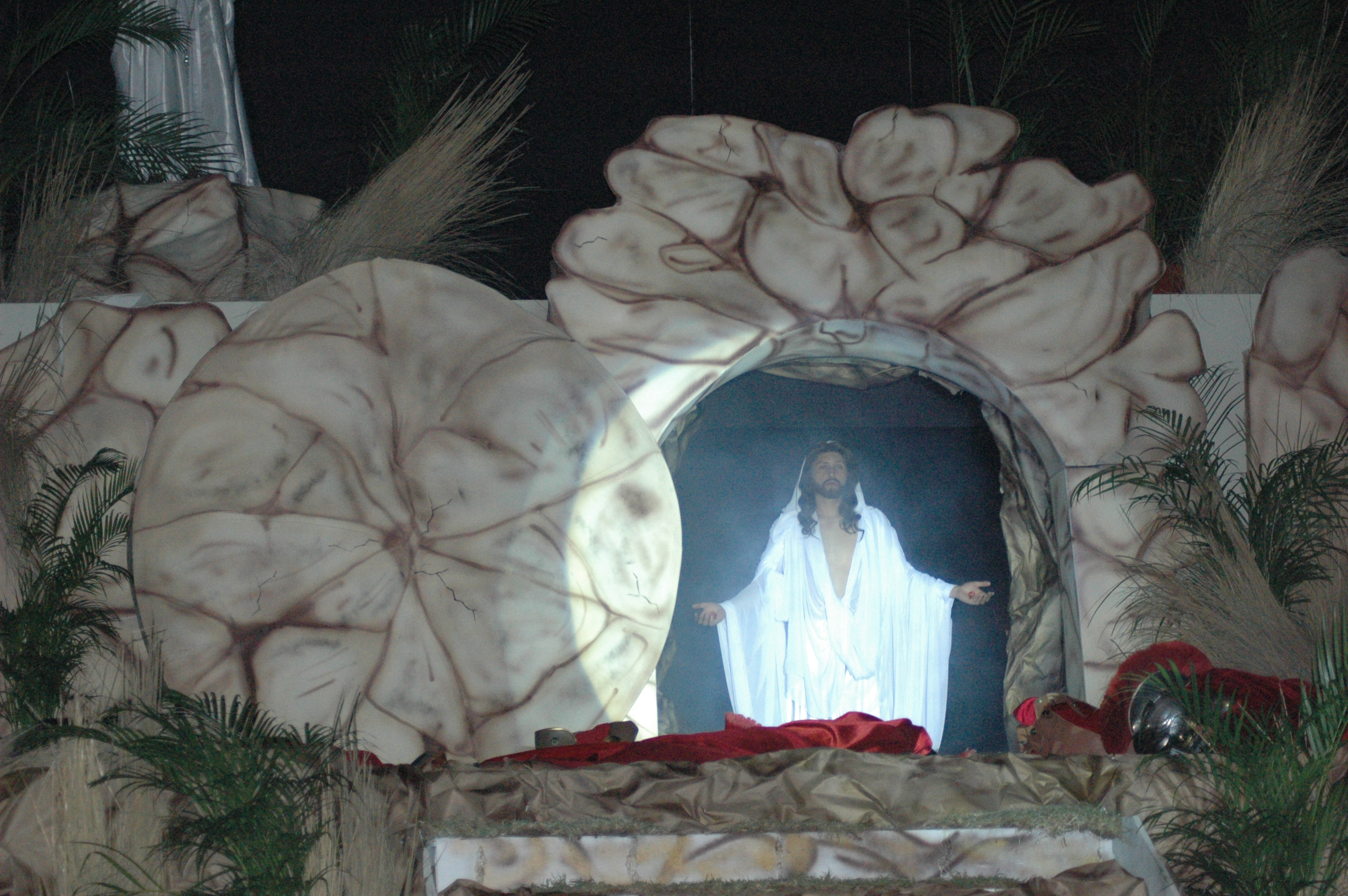
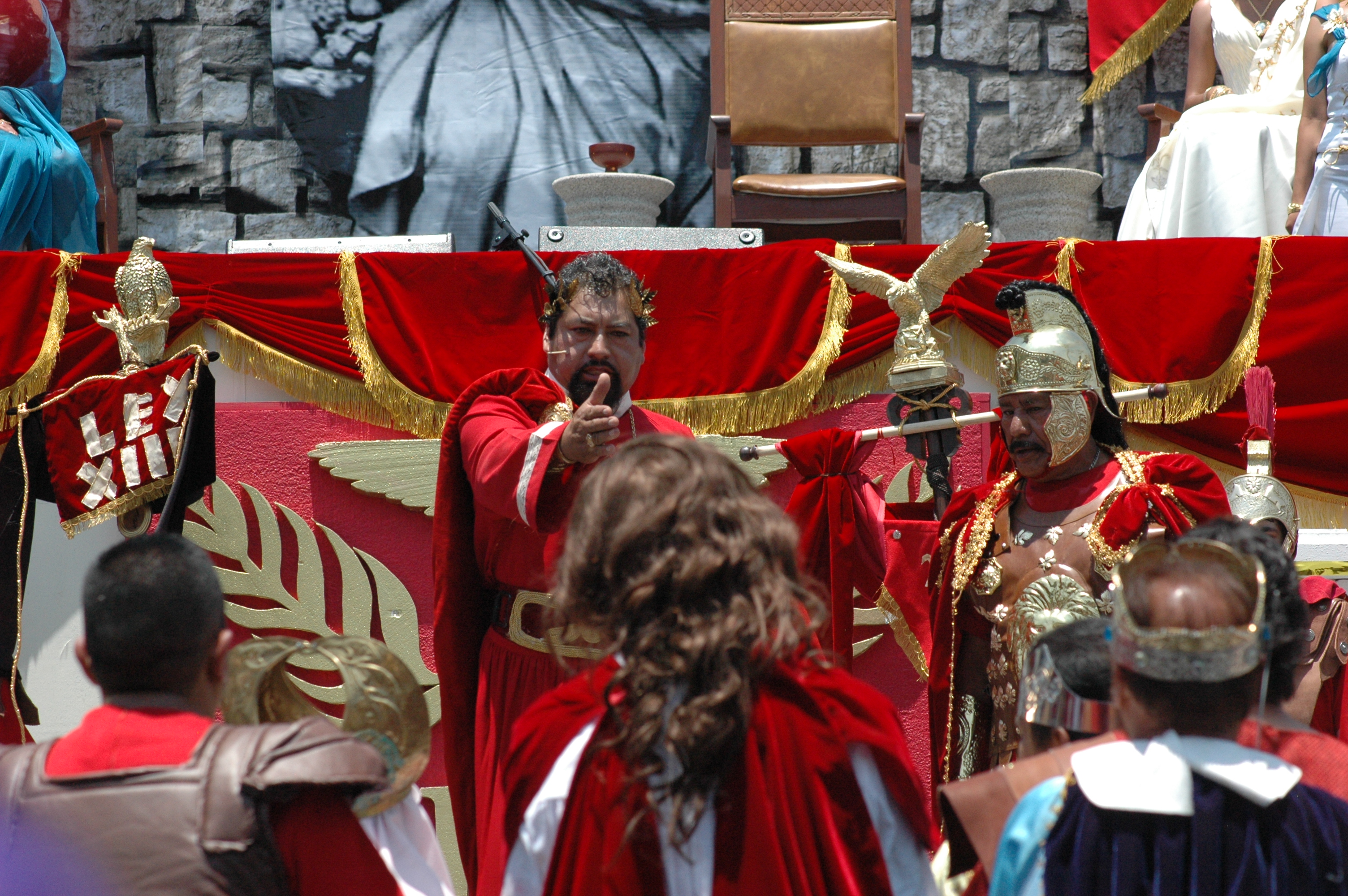
The Representation of the Passion of Christ in Iztapalapa is a ritual tradition with deep historical roots that expresses the collective identity of a community of pre-Hispanic origin, in which indigenous and Christian elements are articulated. Performed continuously since 1843, this practice functions as a ritual of social cohesion and identity reaffirmation, where community participation strengthens territorial belonging, the intergenerational transmission of values, and the symbolic re-signification of urban space by the eight traditional neighborhoods. Over time, the celebration has transcended the local sphere and become a cultural phenomenon of national and international scope, integrating religious, social, economic, and political dimensions. In this sense, Holy Week in Iztapalapa constitutes a total social event that articulates memory, territory, and power, and whose continued relevance demonstrates the community's ability to adapt its traditions to modernity without losing their symbolic meaning.


Iztapalapa is a town of pre-Hispanic origin whose collective identity has been built on the historical continuity of its ritual and cultural practices. The deep-rooted nature of its customs has allowed its inhabitants to keep alive a social memory that combines indigenous and Christian elements, visible both in ancestral ceremonies such as the New Fire and in the Representation of the Passion of Christ, one of the most significant ritual expressions in contemporary Mexico.

From an anthropological perspective, the Representation of the Passion of Christ, performed continuously since 1843, can be understood as a ritual of identity reaffirmation and social cohesion. The active participation of the inhabitants is not only a manifestation of religious faith, but also a community commitment that reinforces their belonging to the territory and their neighborhoods. In this sense, the representation functions as a mechanism for the intergenerational transmission of values, symbols, and social norms.

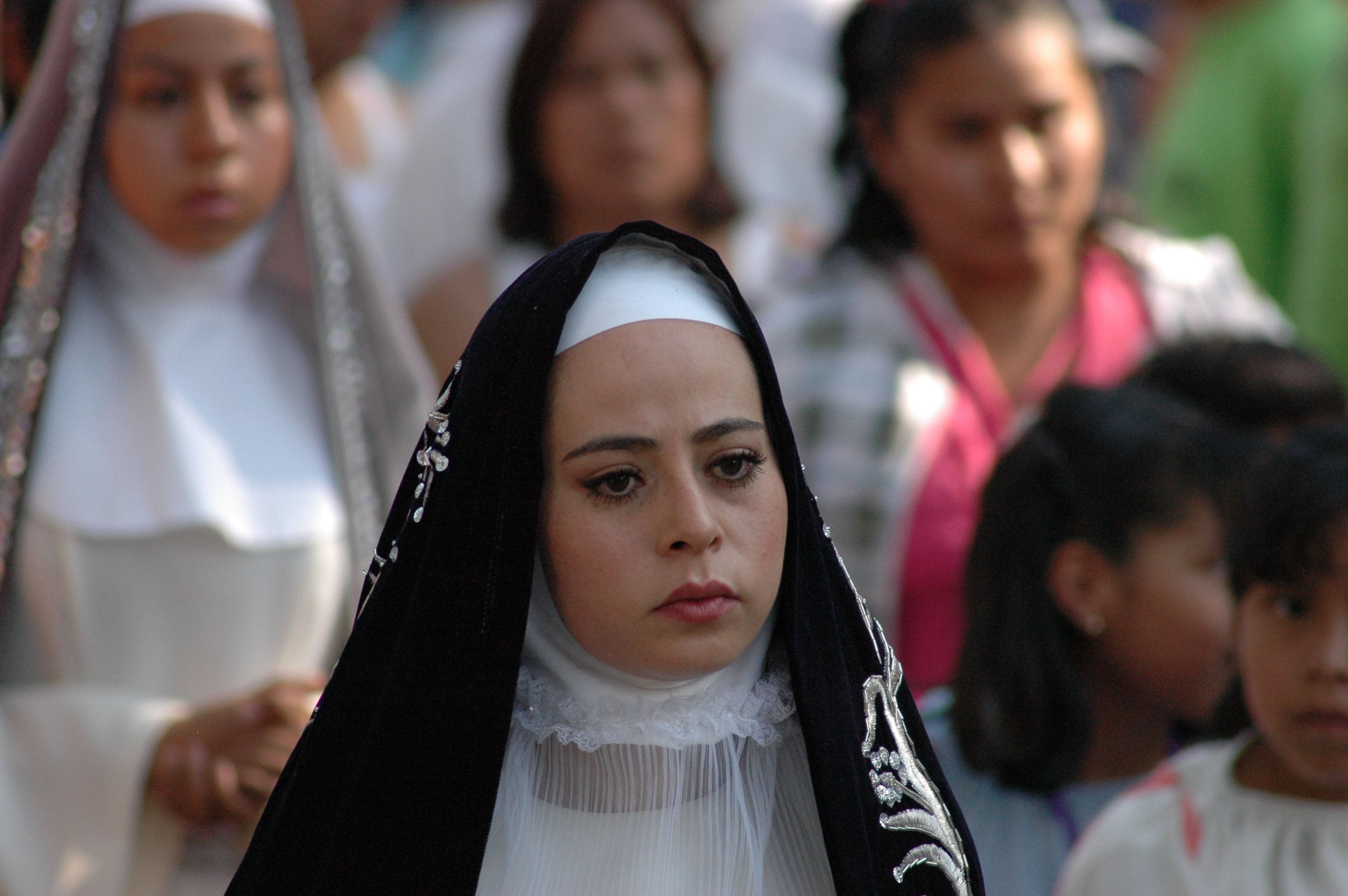
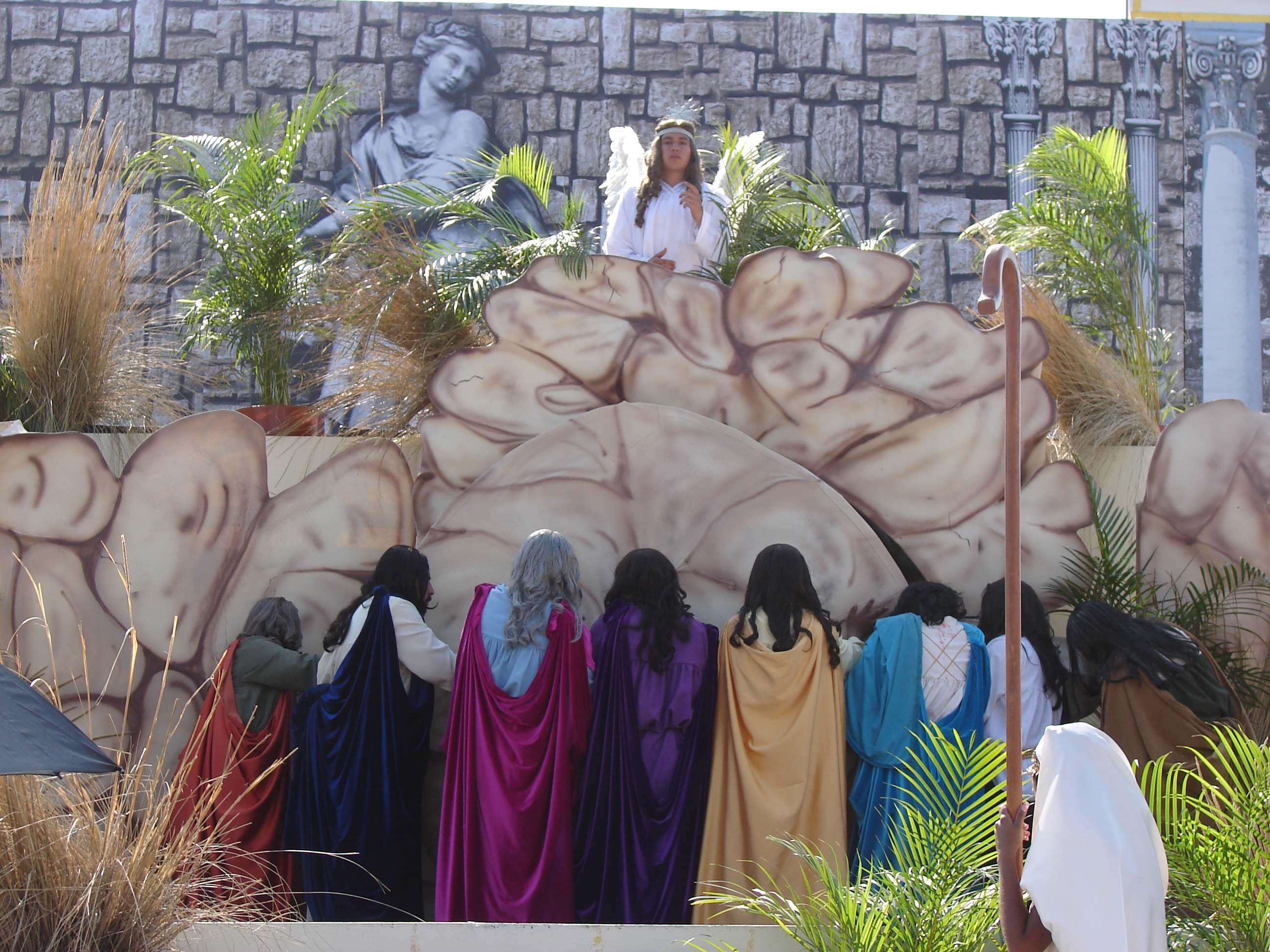
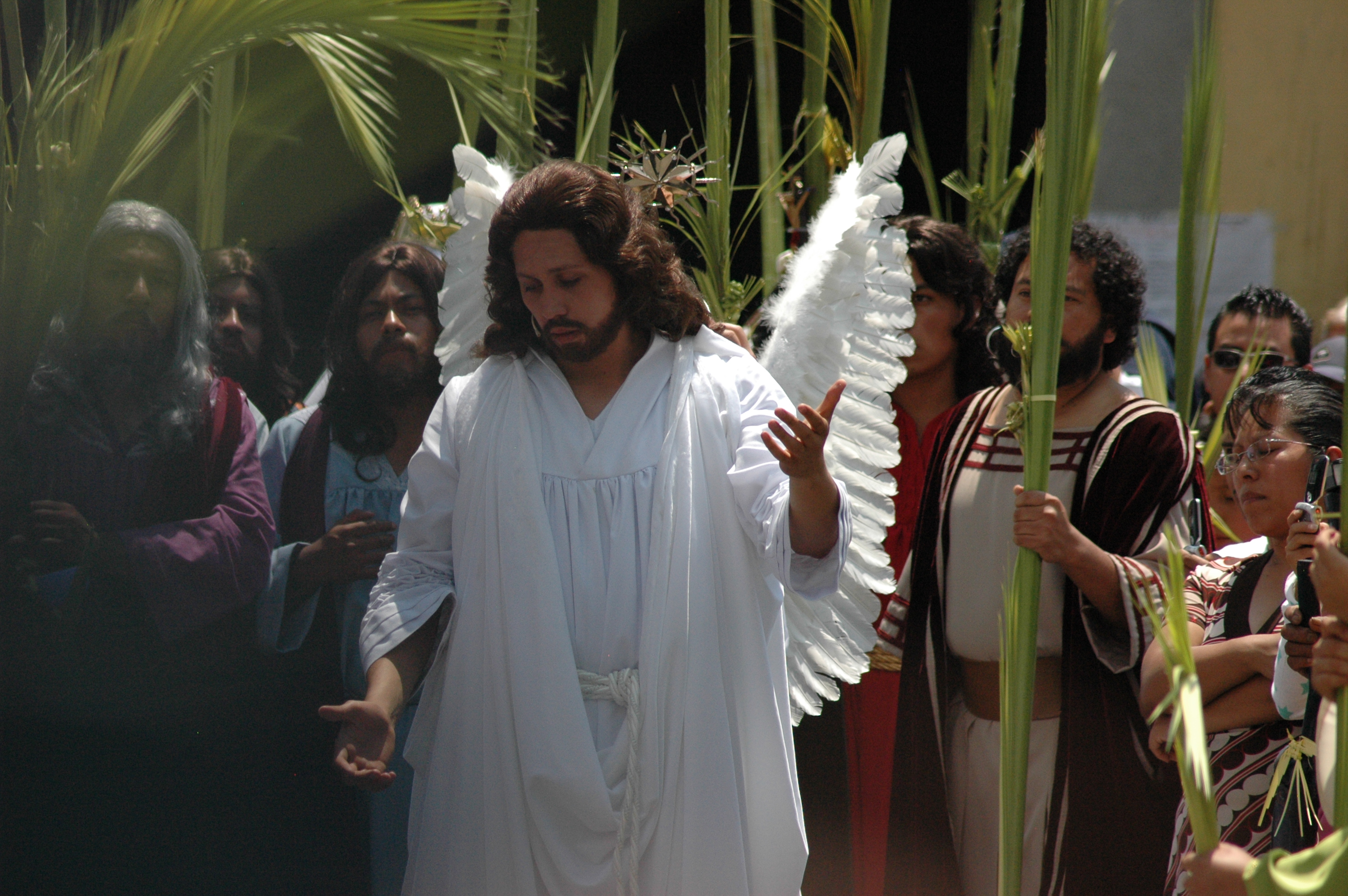
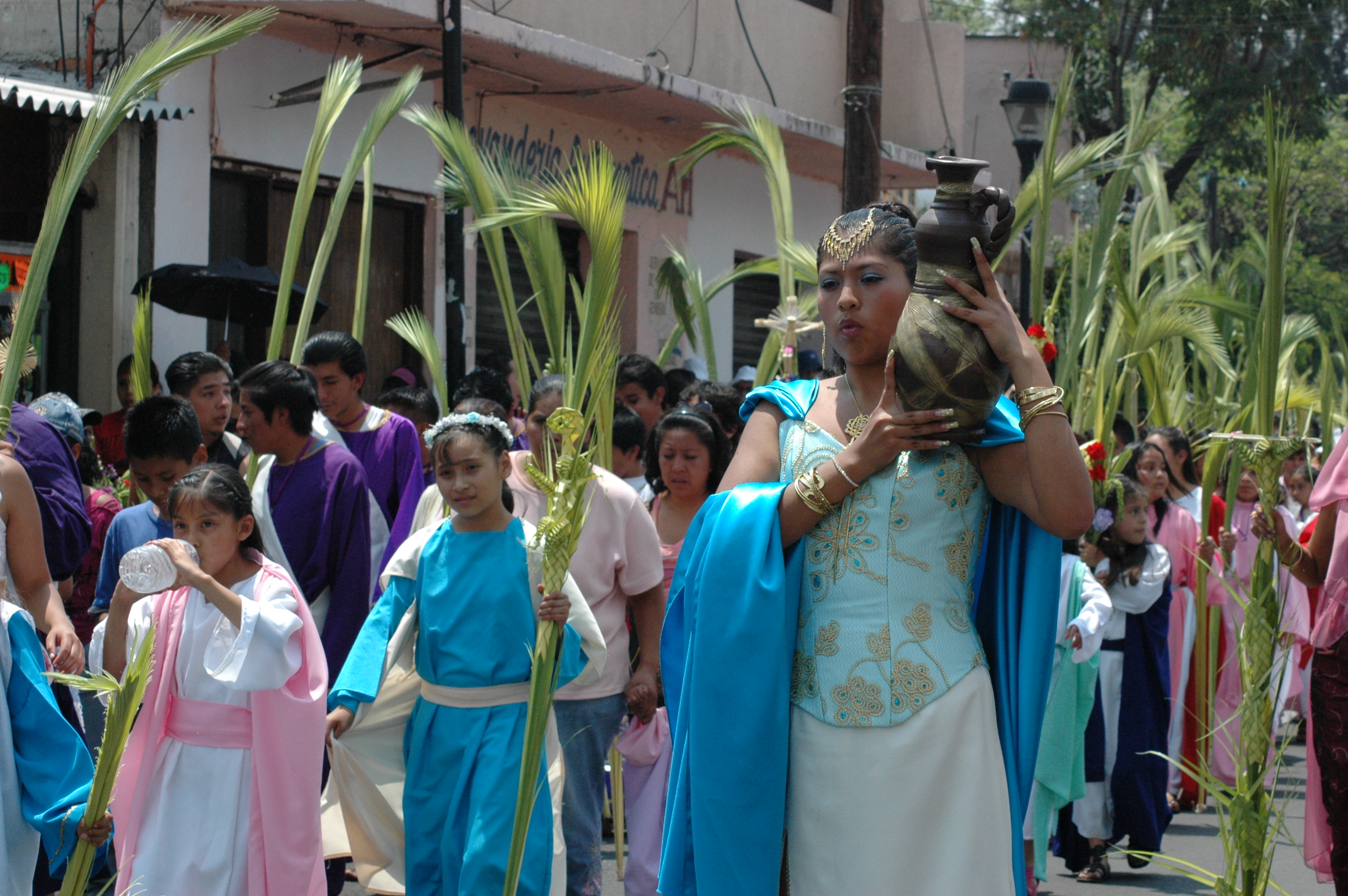
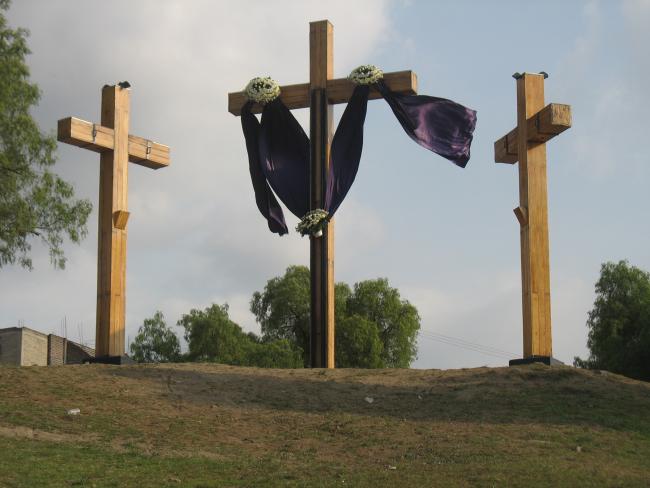
Every year, the inhabitants of the eight traditional neighborhoods—San Lucas, Santa Bárbara, San Ignacio, San Pablo, San José, San Pedro, La Asunción, and San Miguel—take over public spaces and symbolically transform them into ritual stages. Streets, squares, hills, and temples take on new meanings as they become Jerusalem, Golgotha, or Mount Calvary, demonstrating the reinterpretation of urban space as sacred territory. This ritual appropriation of space reinforces neighborhood identity and strengthens community cooperation networks.

Over time, the tradition has undergone a process of adaptation and cultural reinterpretation that has allowed it to transcend the local sphere and acquire national and international prominence. Its recognition as one of the most important performances in the world, comparable to those in Taxco, the Philippines, Spain, and the Vatican, is due both to its spectacular dimension and its symbolic depth. The massive influx of visitors and media transforms the performance into a phenomenon of collective cultural consumption, where the religious, the tourist, the economic, and the political converge.

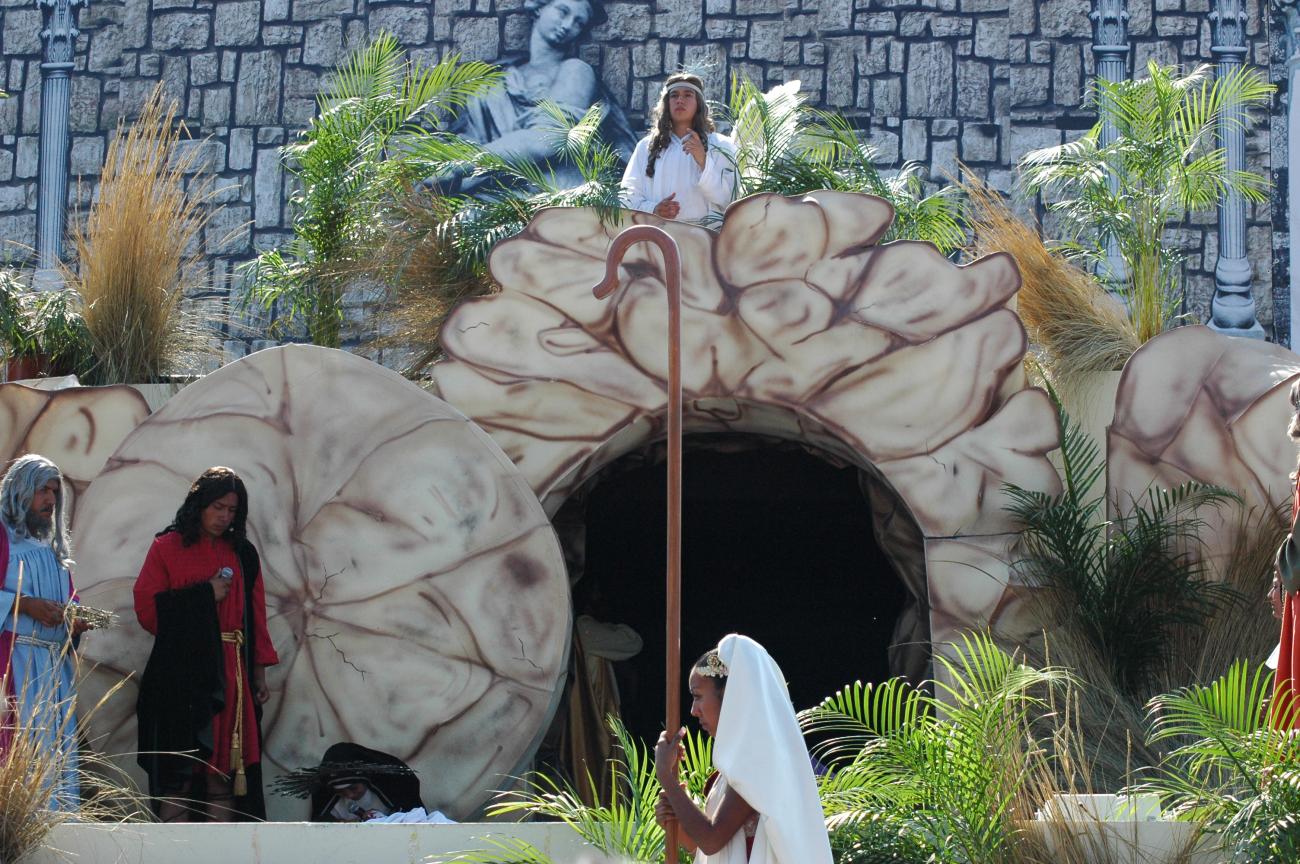
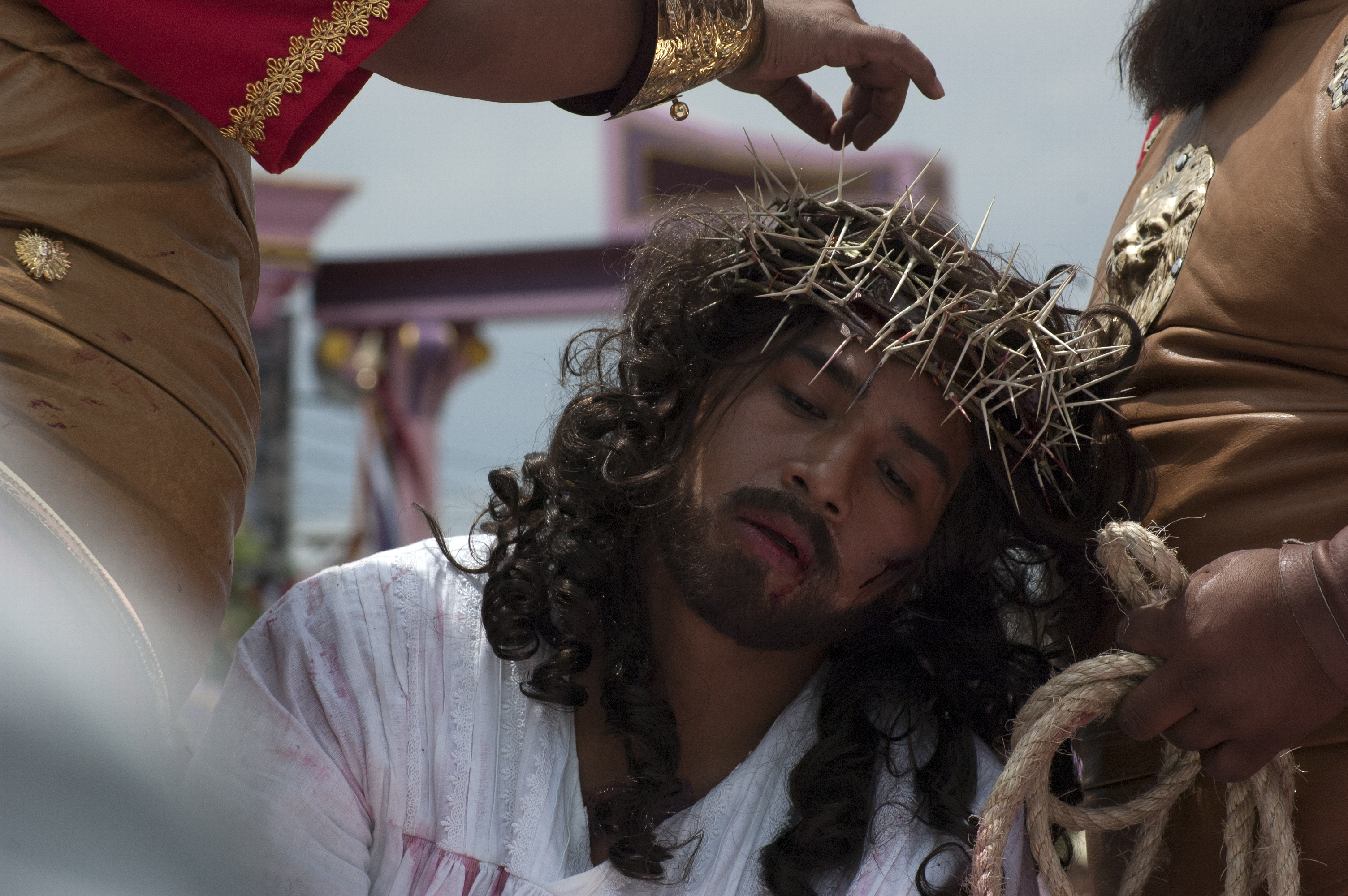
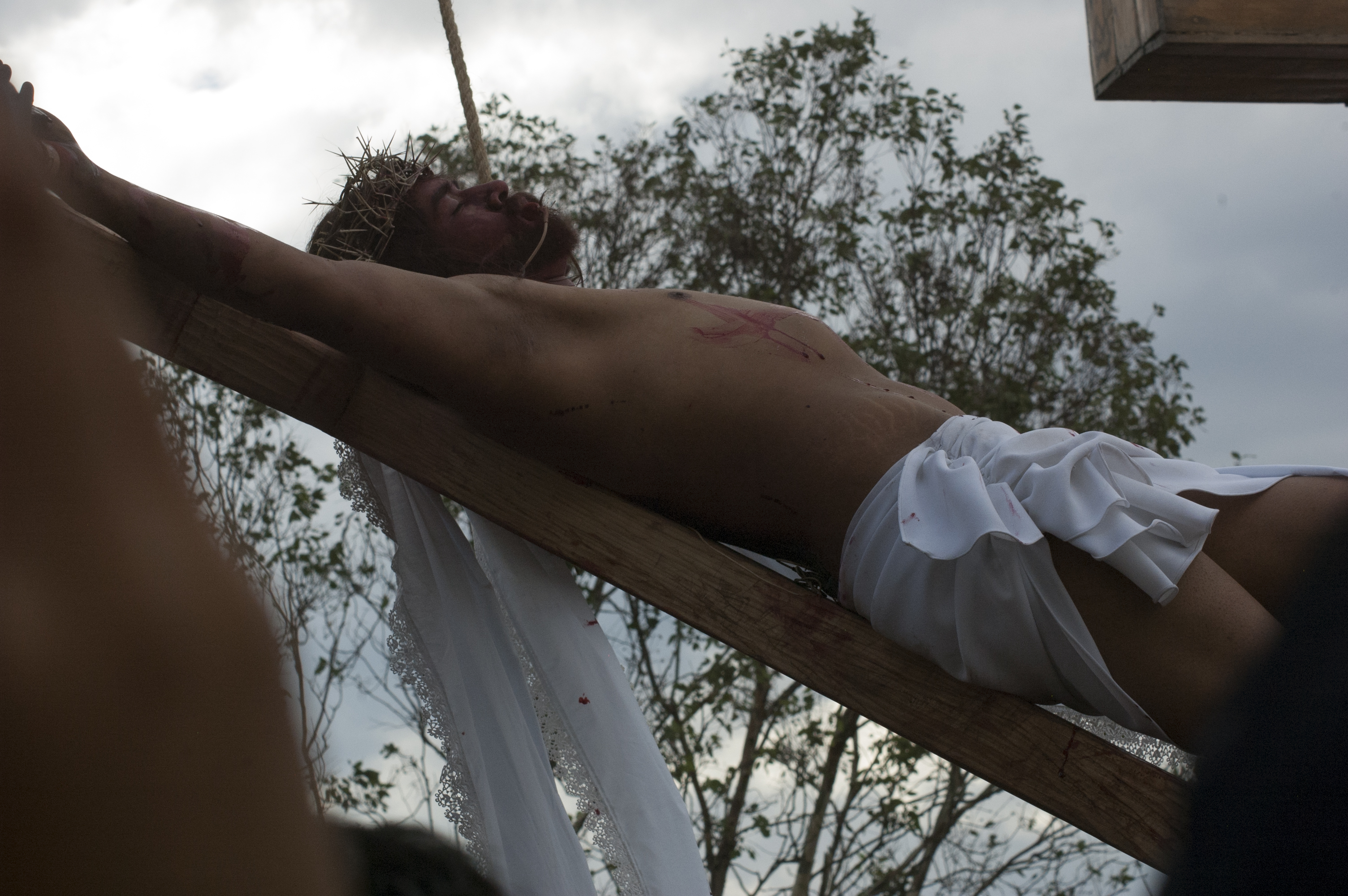
Holy Week in Iztapalapa constitutes a total social event, in the anthropological sense of the term, as it brings together ritual, symbolic, ideological, economic, and power dimensions. The religious ritual, tragic and dramatic in nature, acts as the nucleus that organizes the meaning of the festival. Through the suffering, sacrifice, and death of Jesus, the community establishes a symbolic relationship with the supernatural, expressed particularly in devotion to the Lord of the Cave, as a form of gratitude and a request for collective protection.

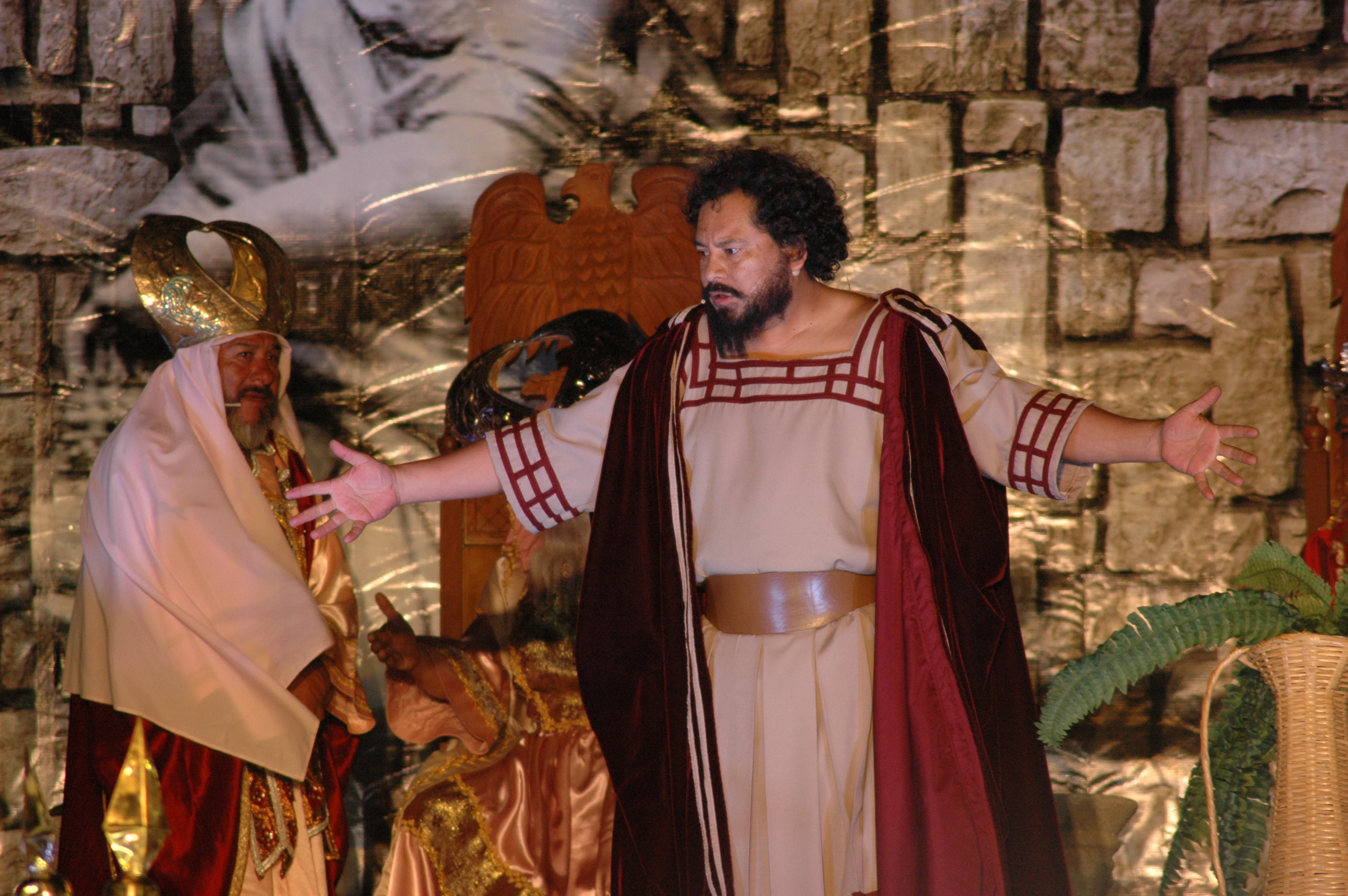
The presence of the state and the media during the celebration influences the social dynamics of the ritual. Participants, especially those who embody the main characters, acquire a high symbolic status and temporarily become public figures within and outside their neighborhoods. This visibility redefines social roles and reinforces the community prestige associated with the performance of the ritual.

Historically, the permanence of this tradition can be explained by key social processes such as evangelization, which used music, dance, song, and theater as pedagogical tools for religious conversion, as well as by the Reform Laws, which allowed ritual communities greater autonomy from the Church. These processes favored the development of subordinate religious practices that, although linked to Catholicism, retain features of community organization and local worldviews.

Likewise, critical events such as the cholera morbus epidemic of the 19th century strengthened the role of religious festivities as strategies for social cohesion and cultural resistance. In contexts of crisis, rituality functioned as a symbolic resource to face uncertainty, preserve regional identity, and guarantee the historical continuity of the people of Iztapalapa.

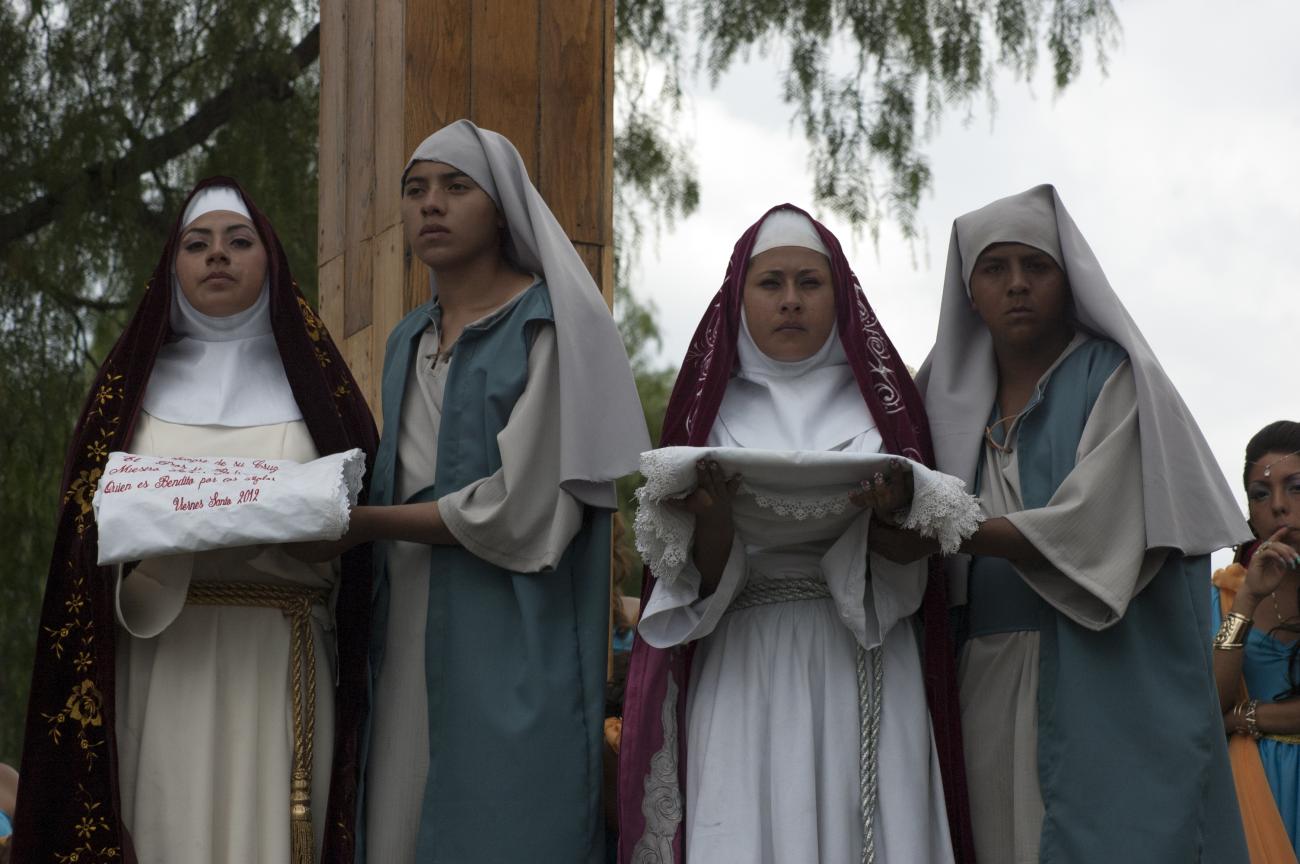
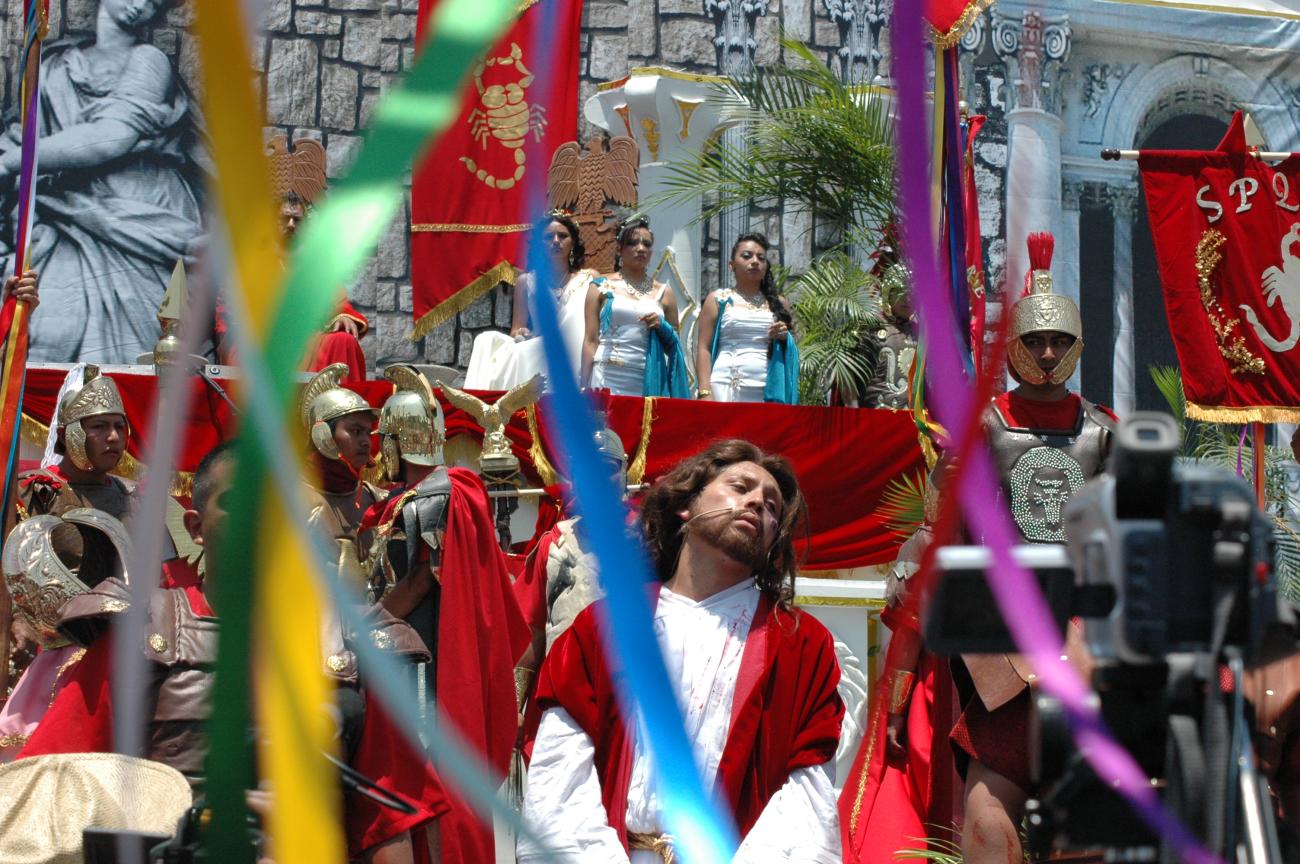
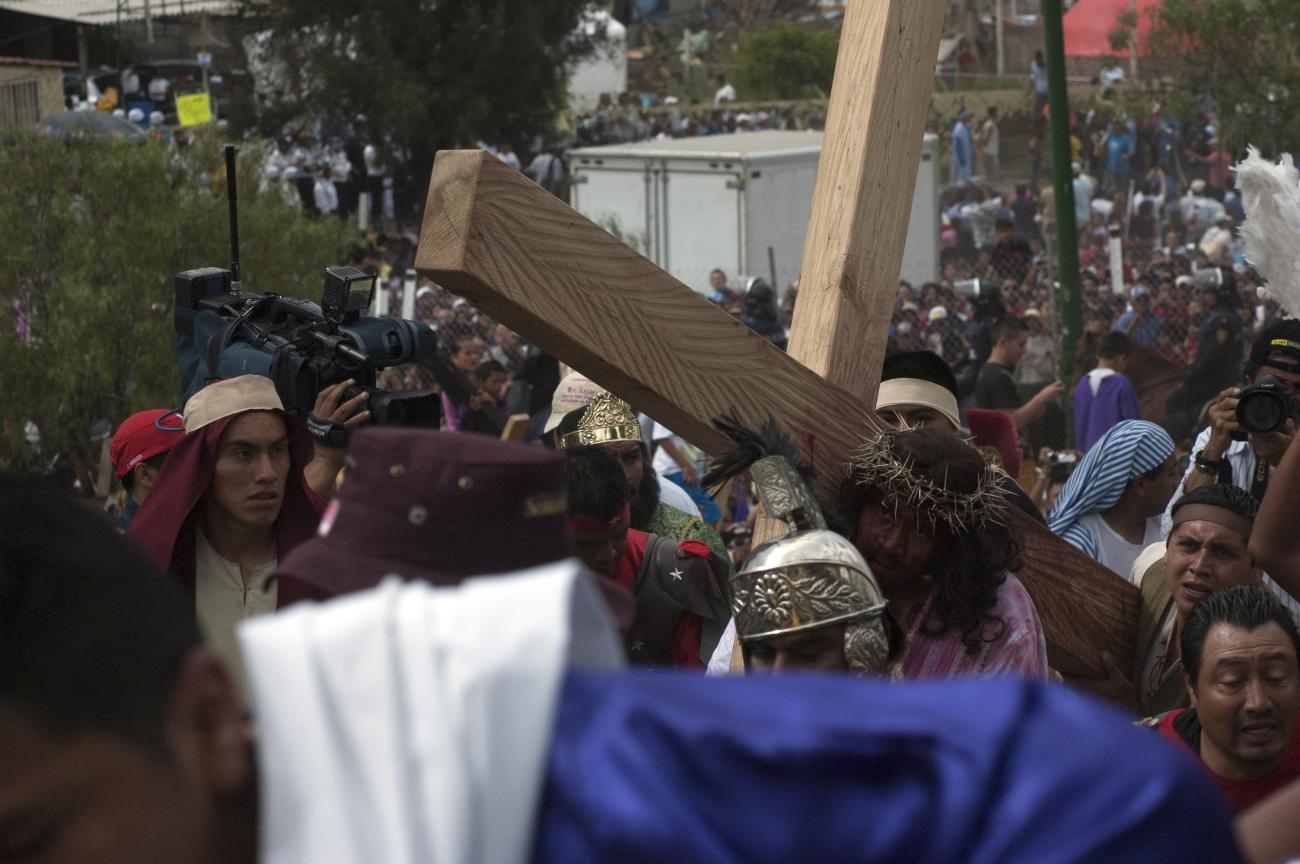
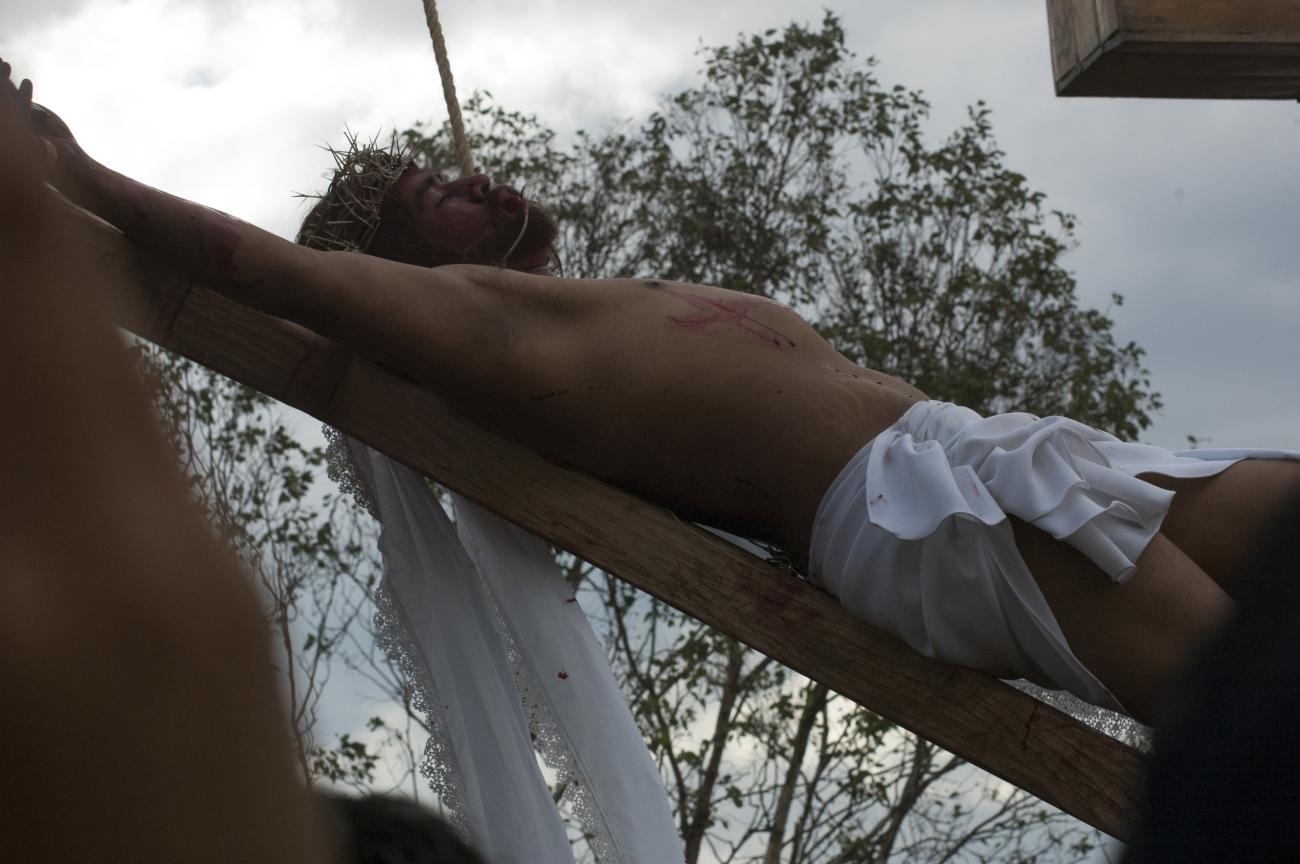
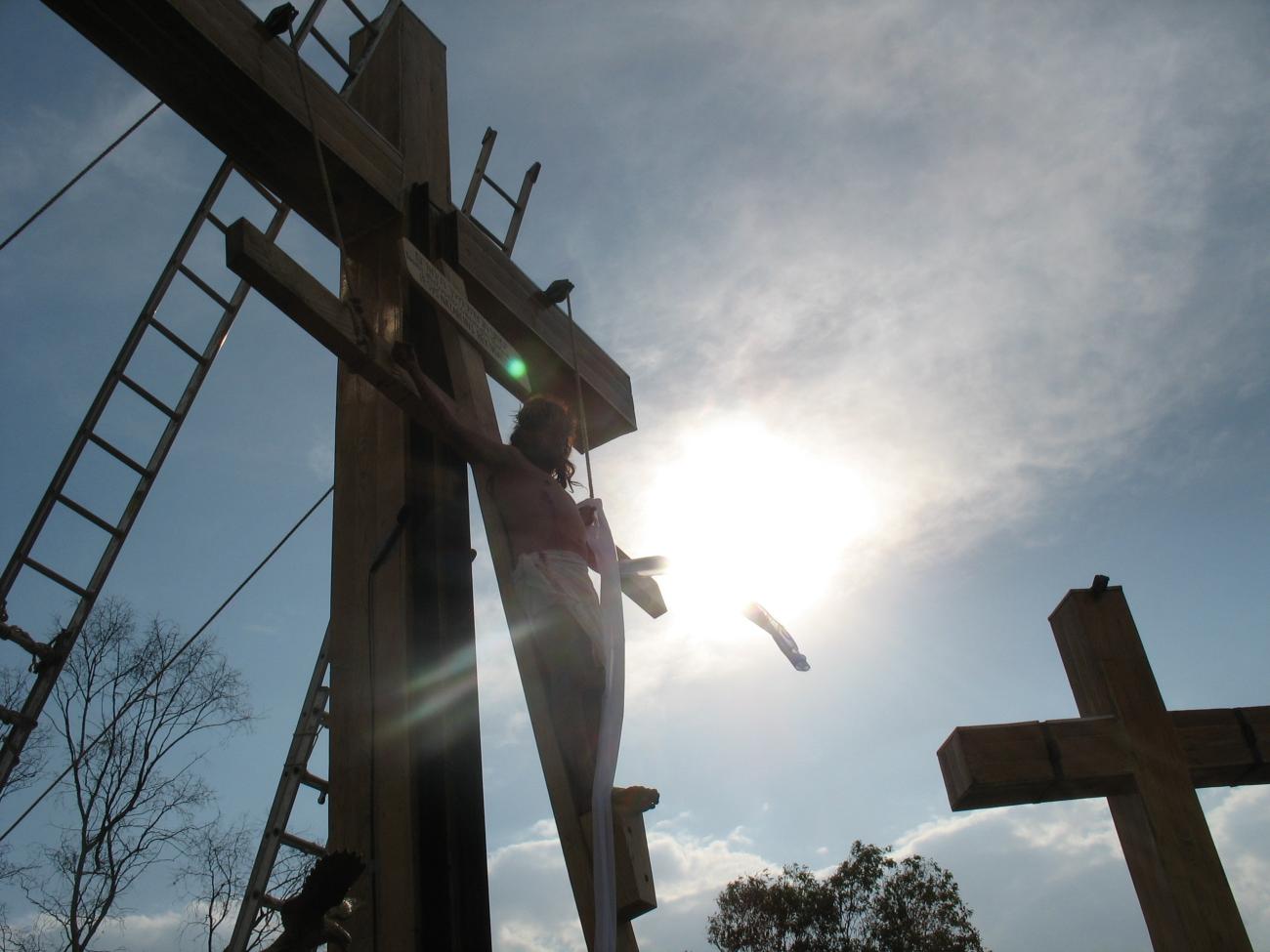
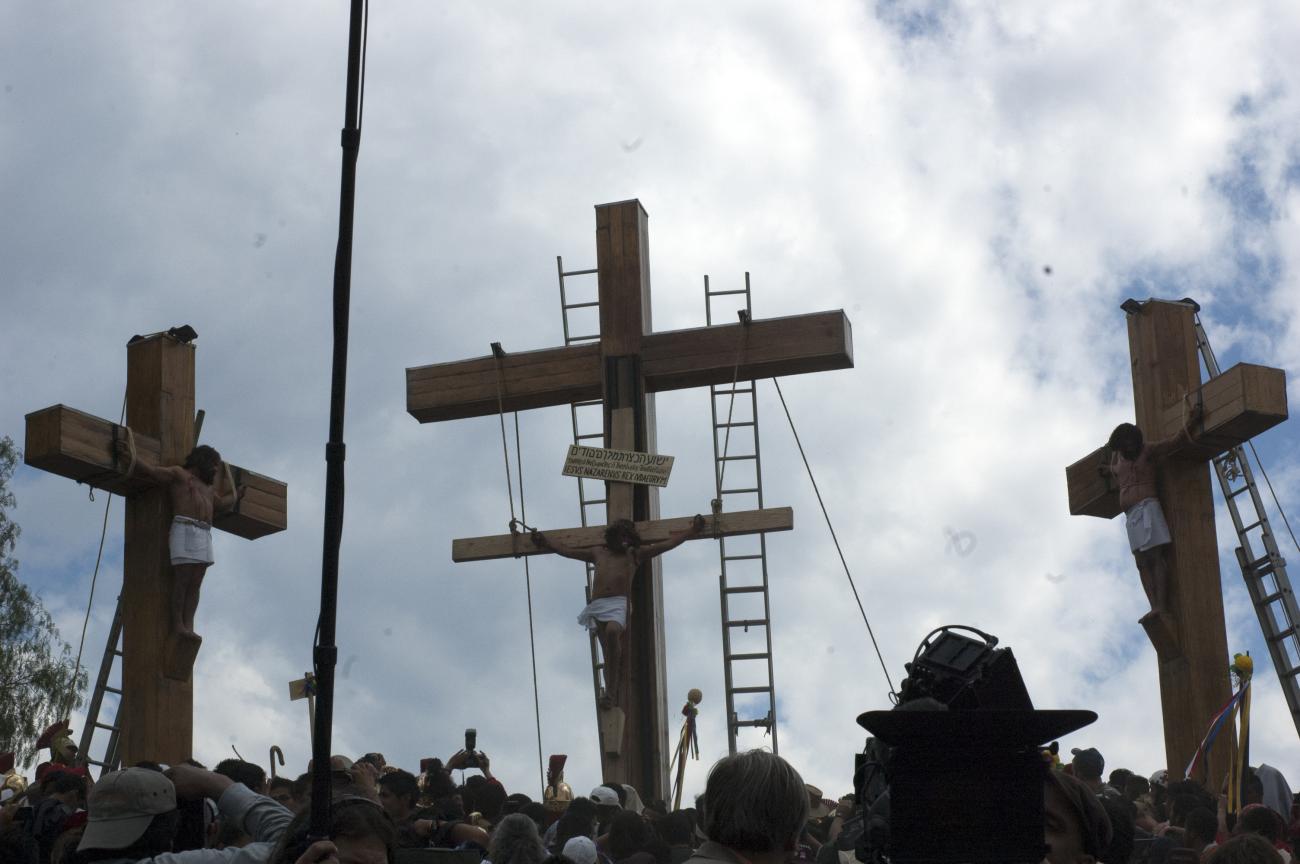
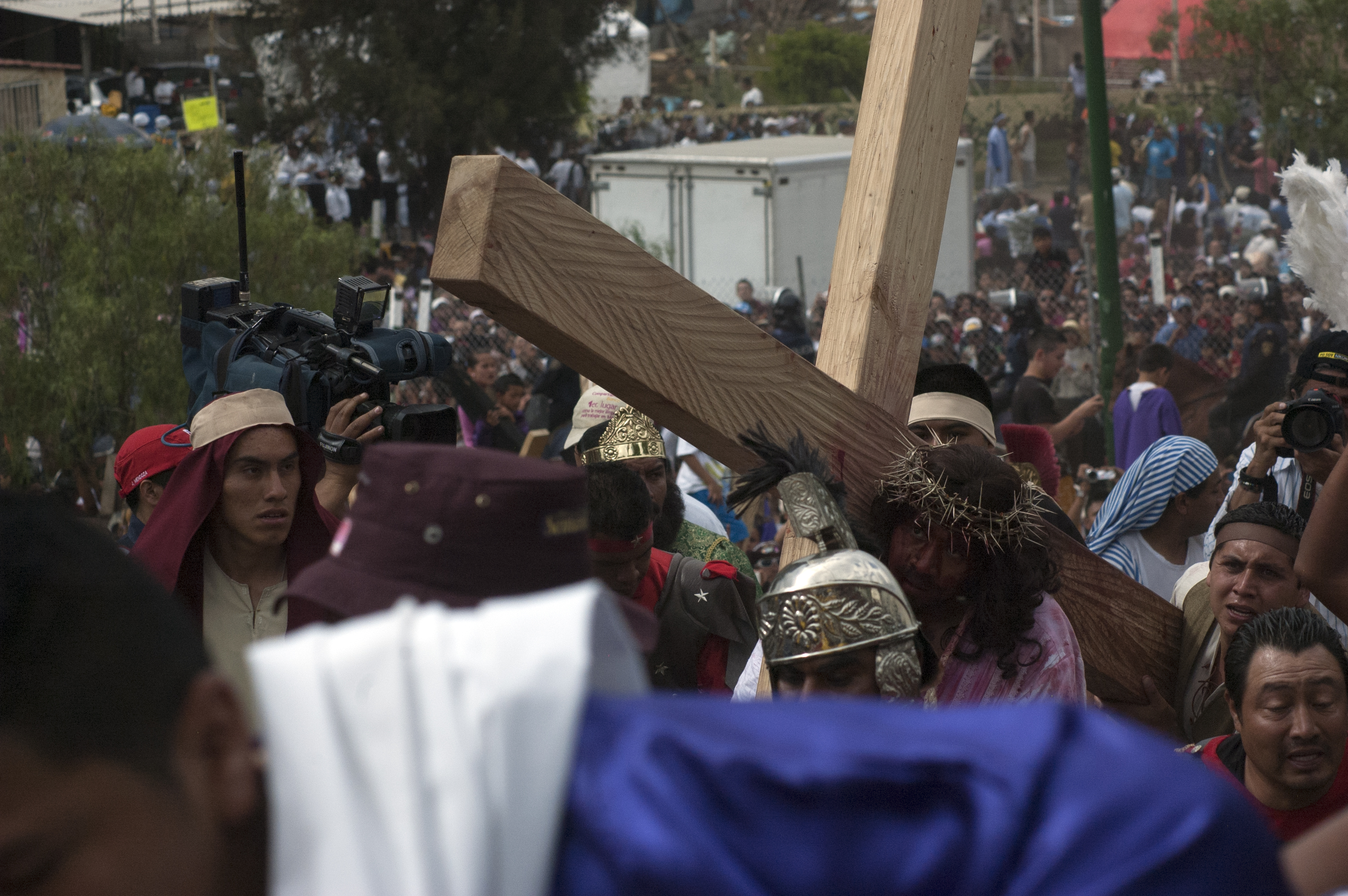
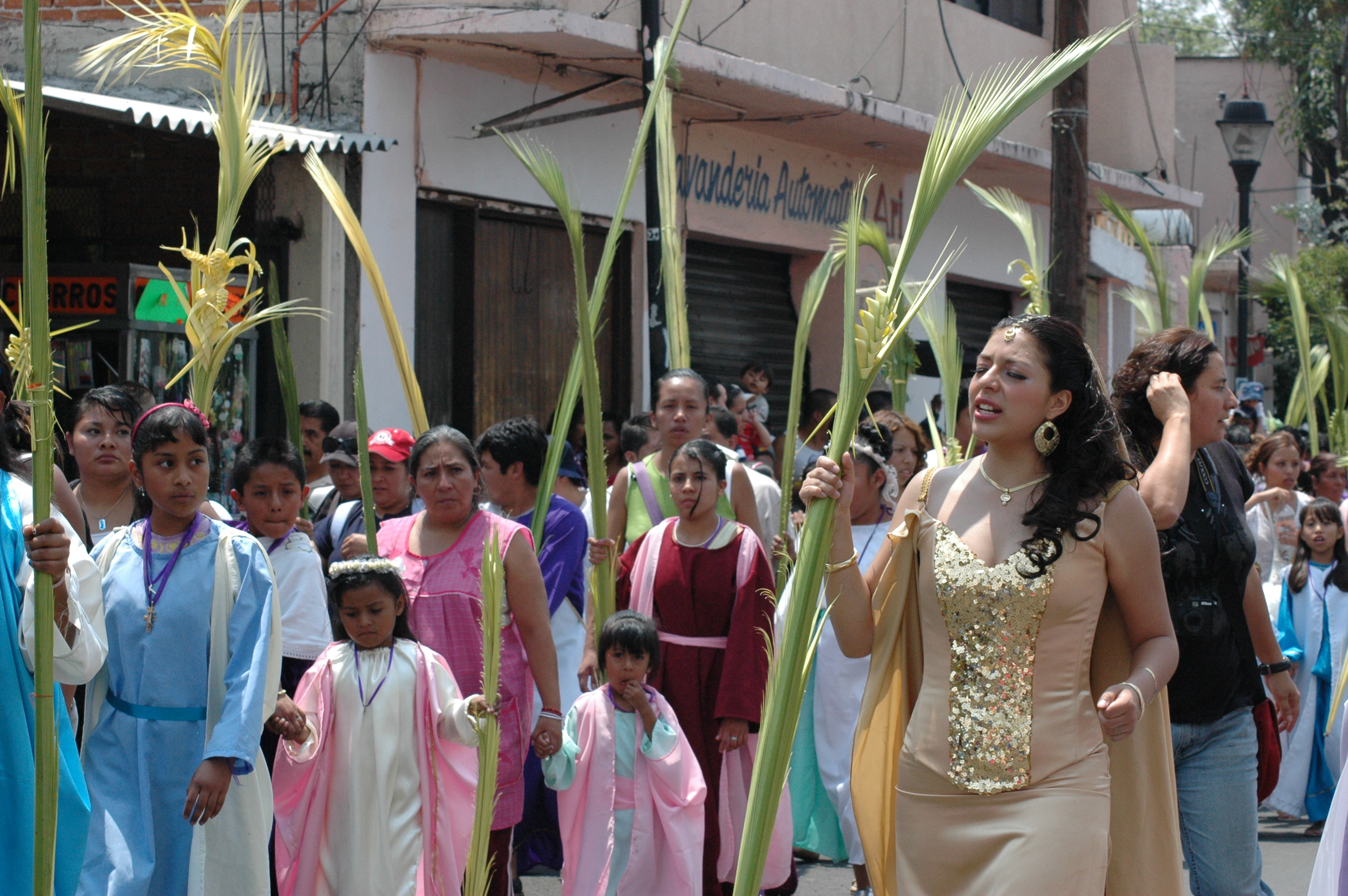
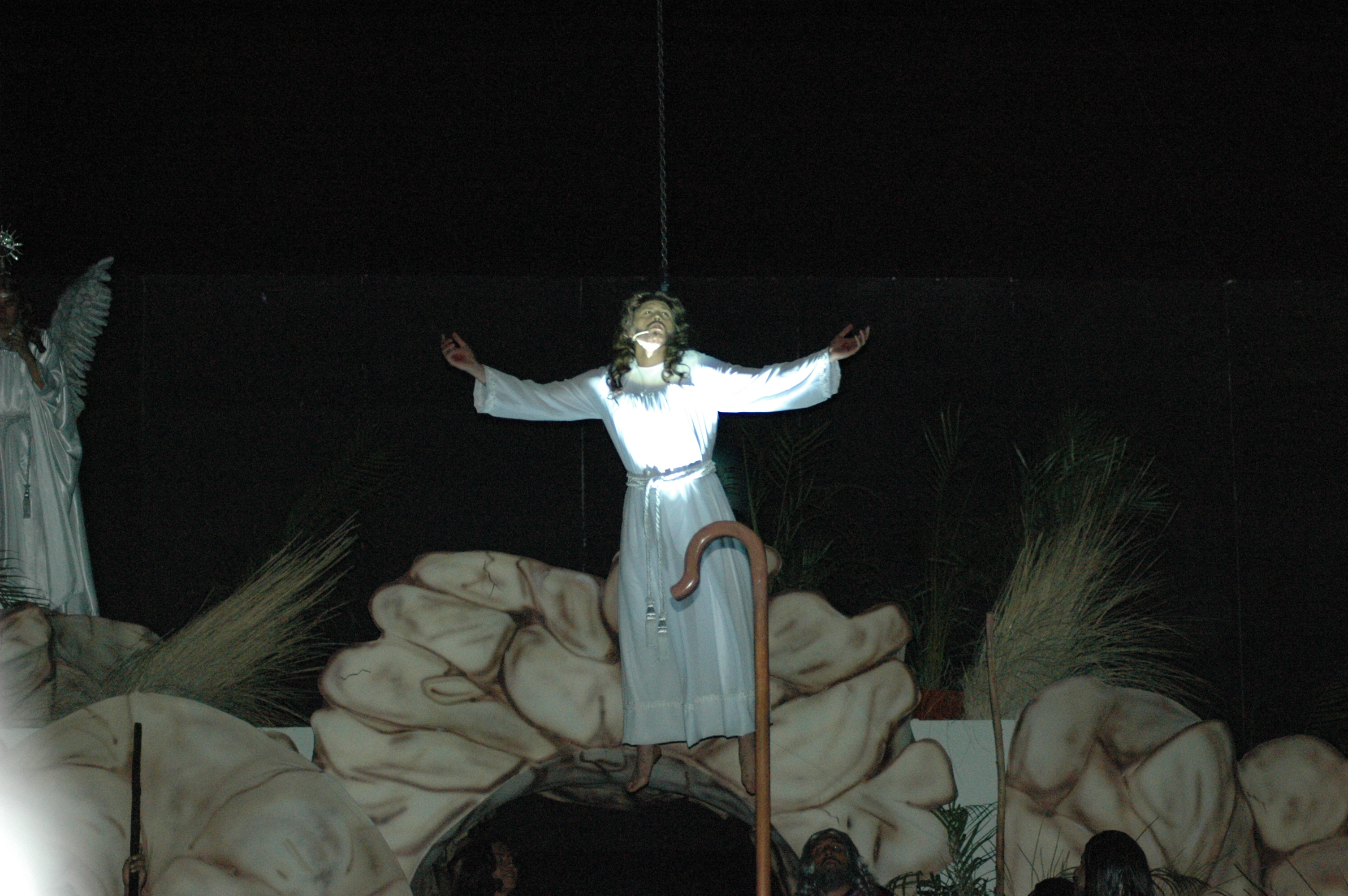
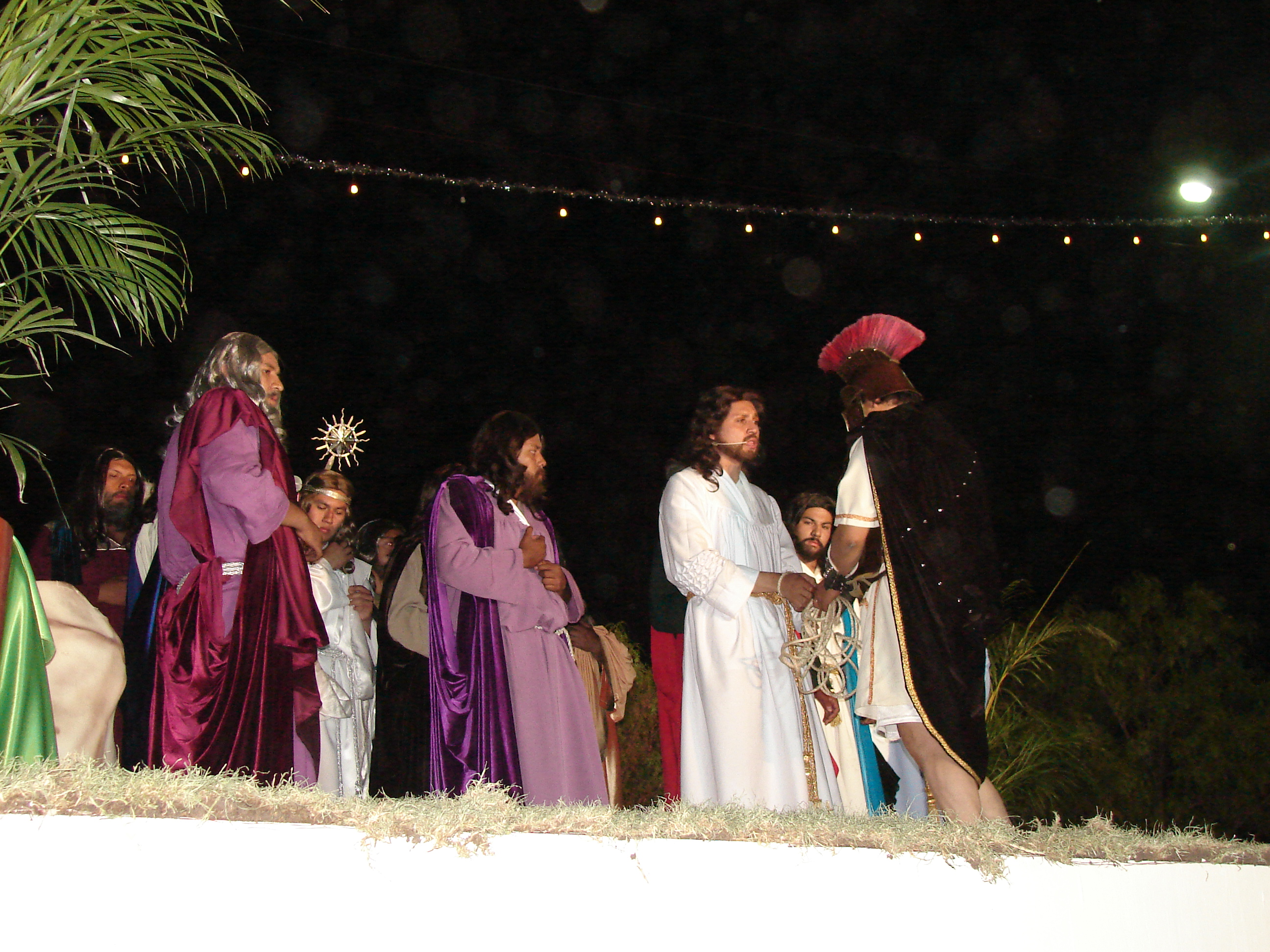
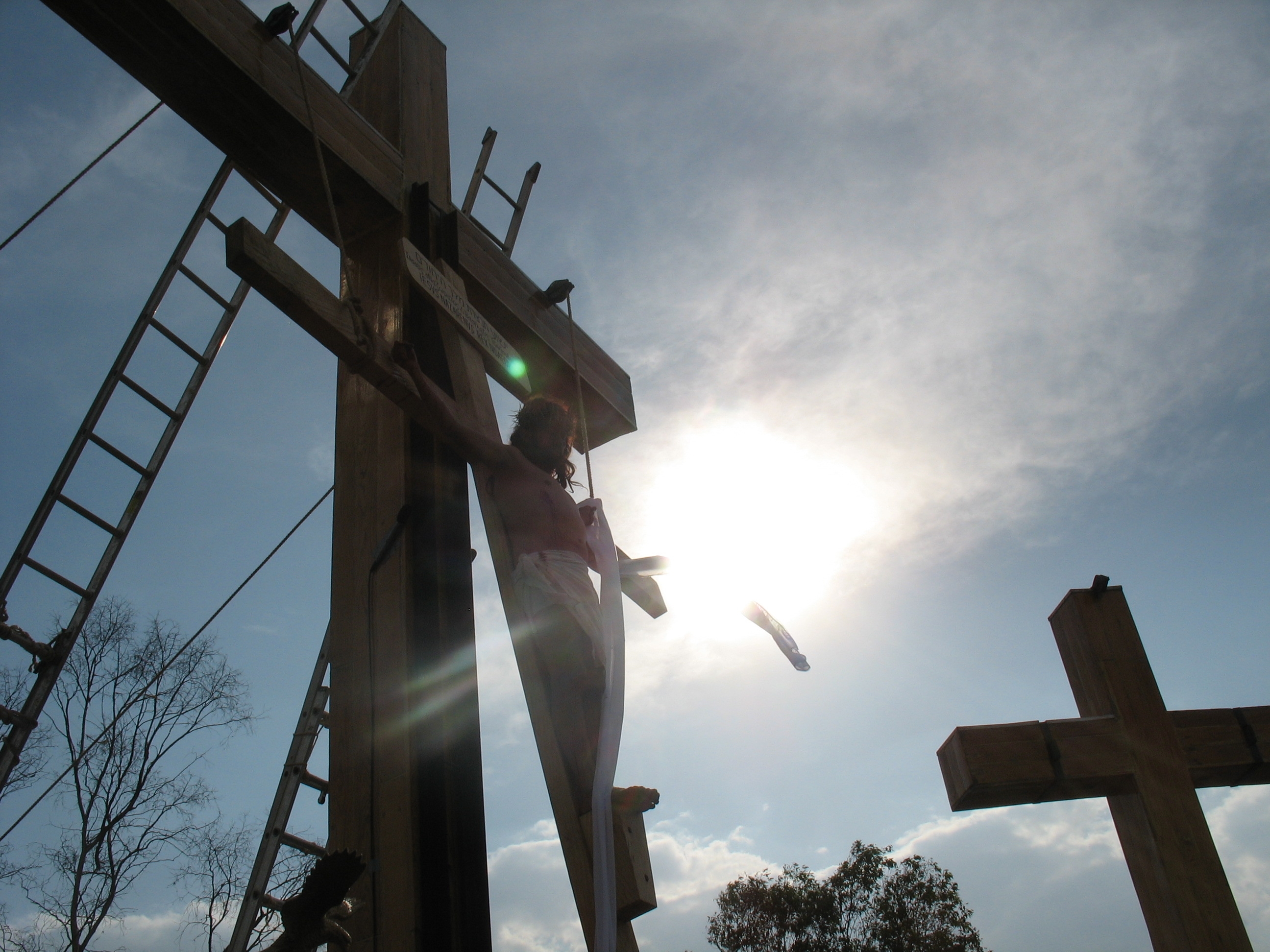
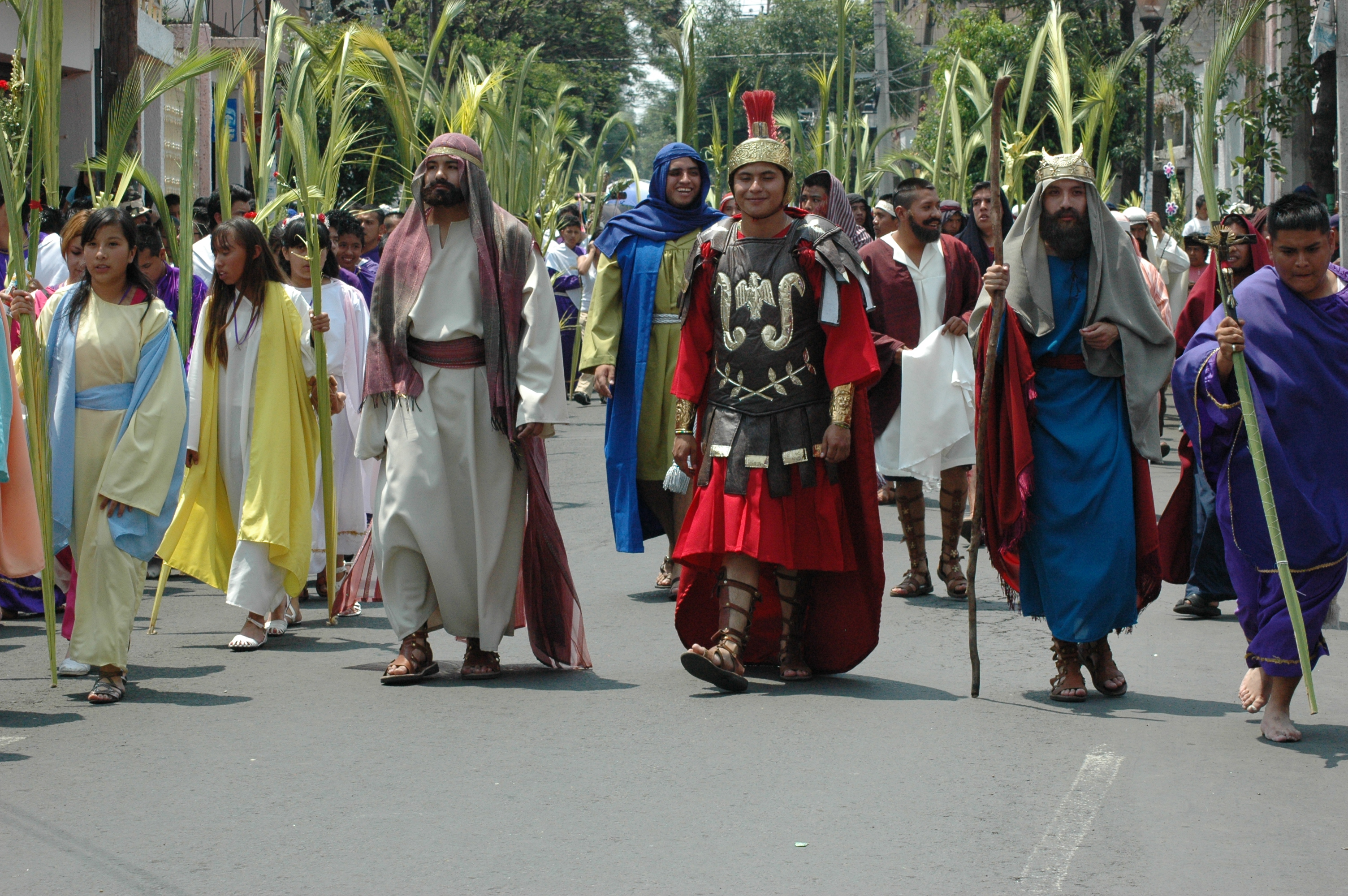
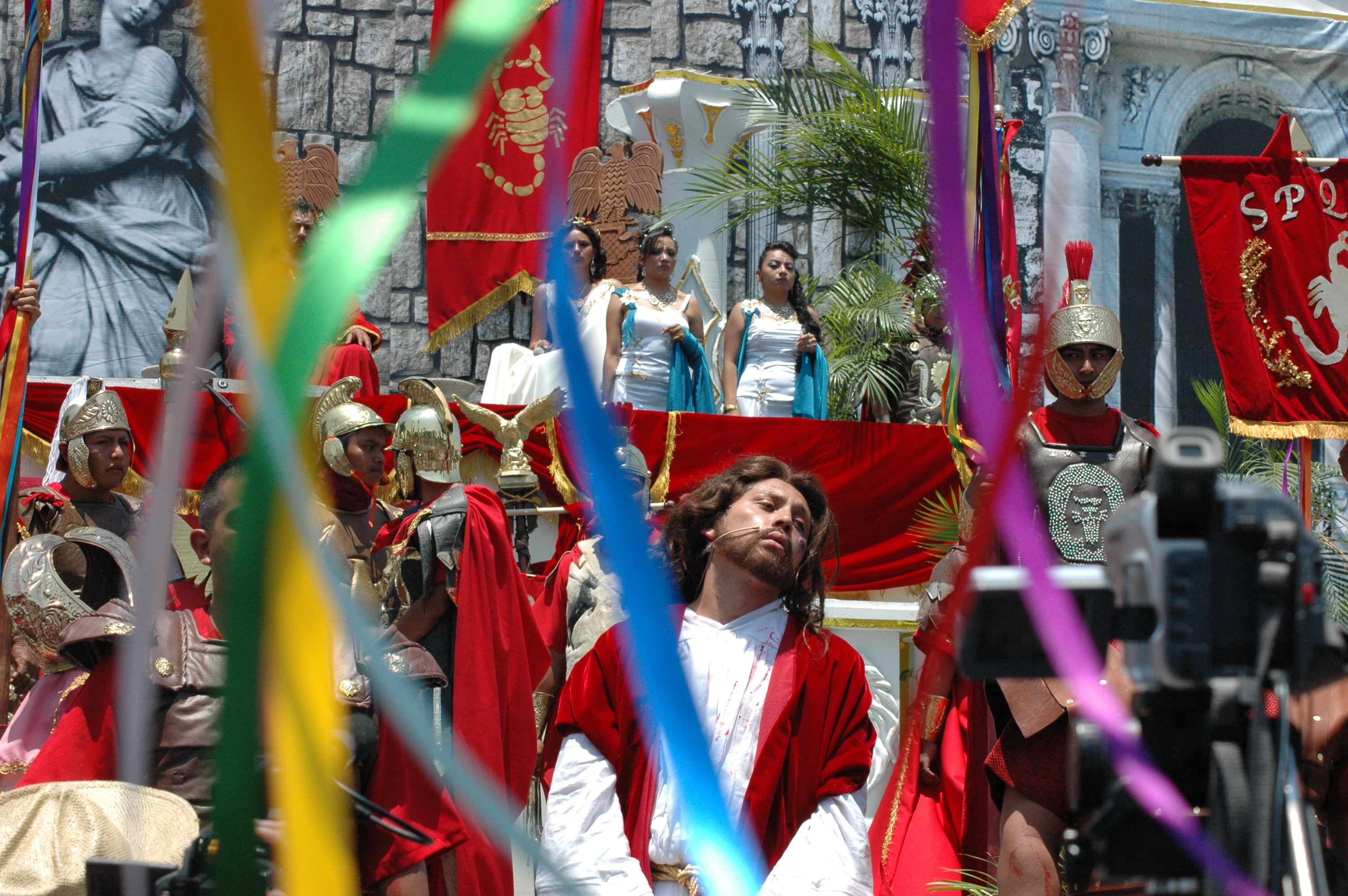
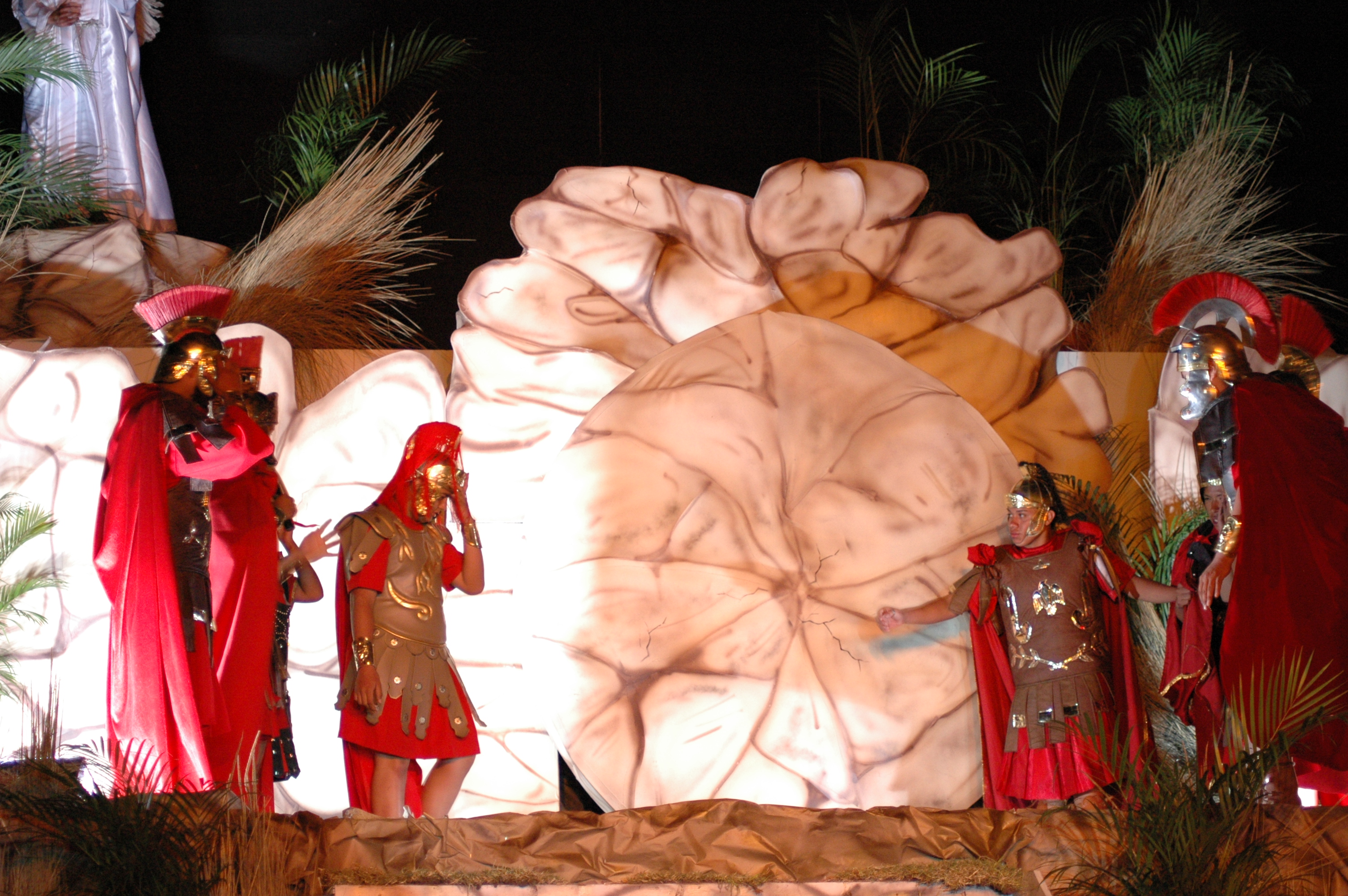
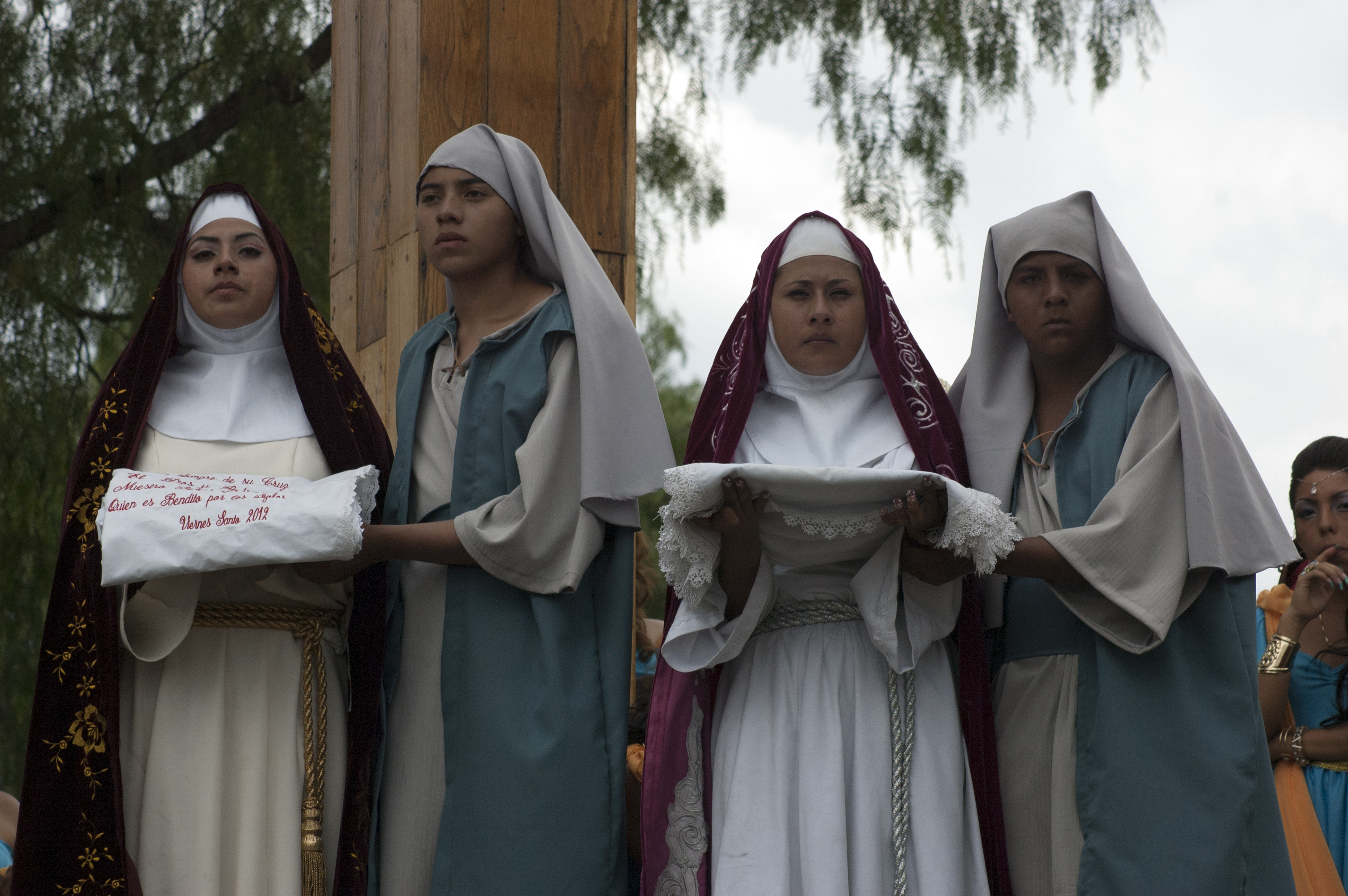
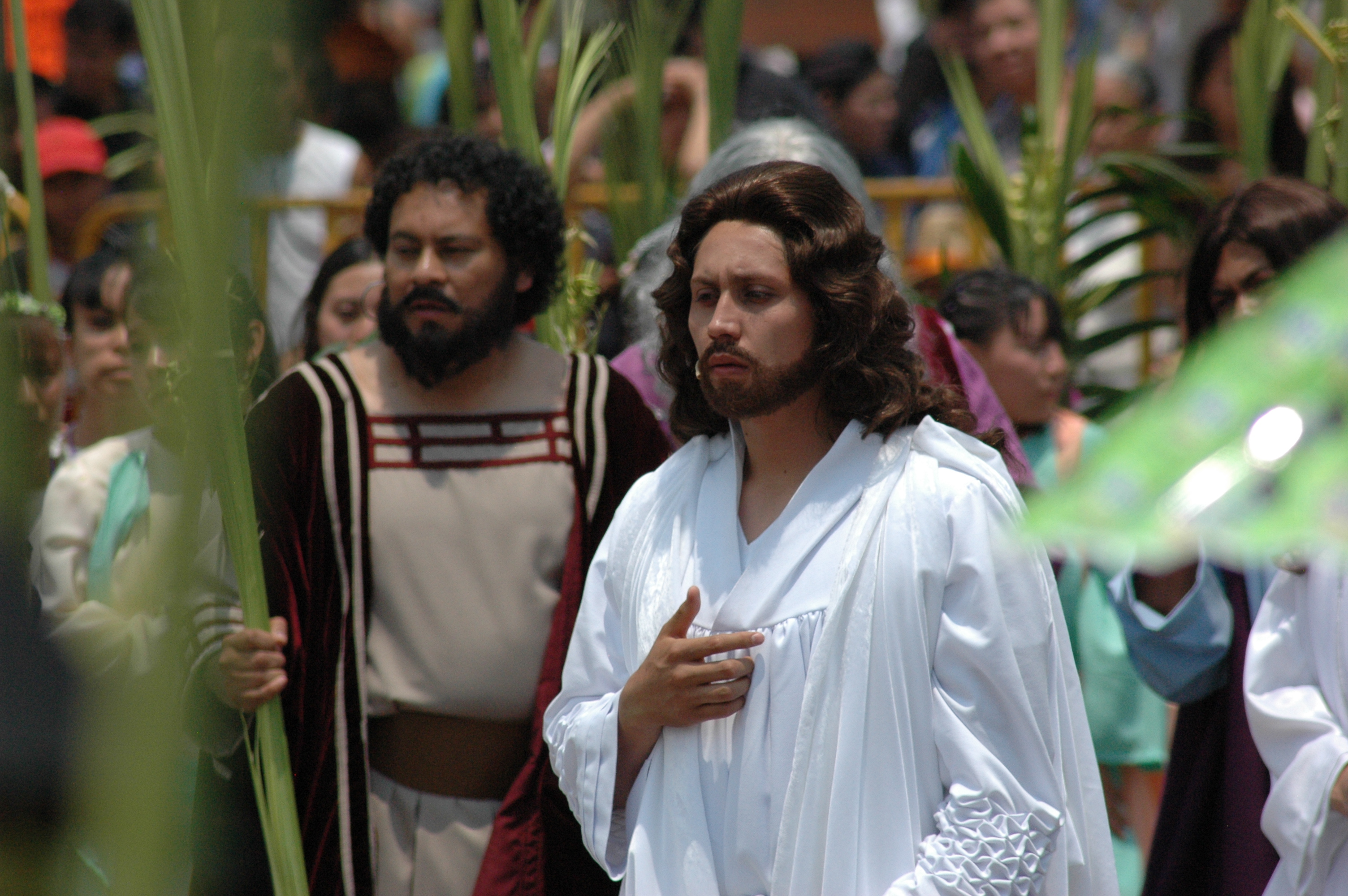
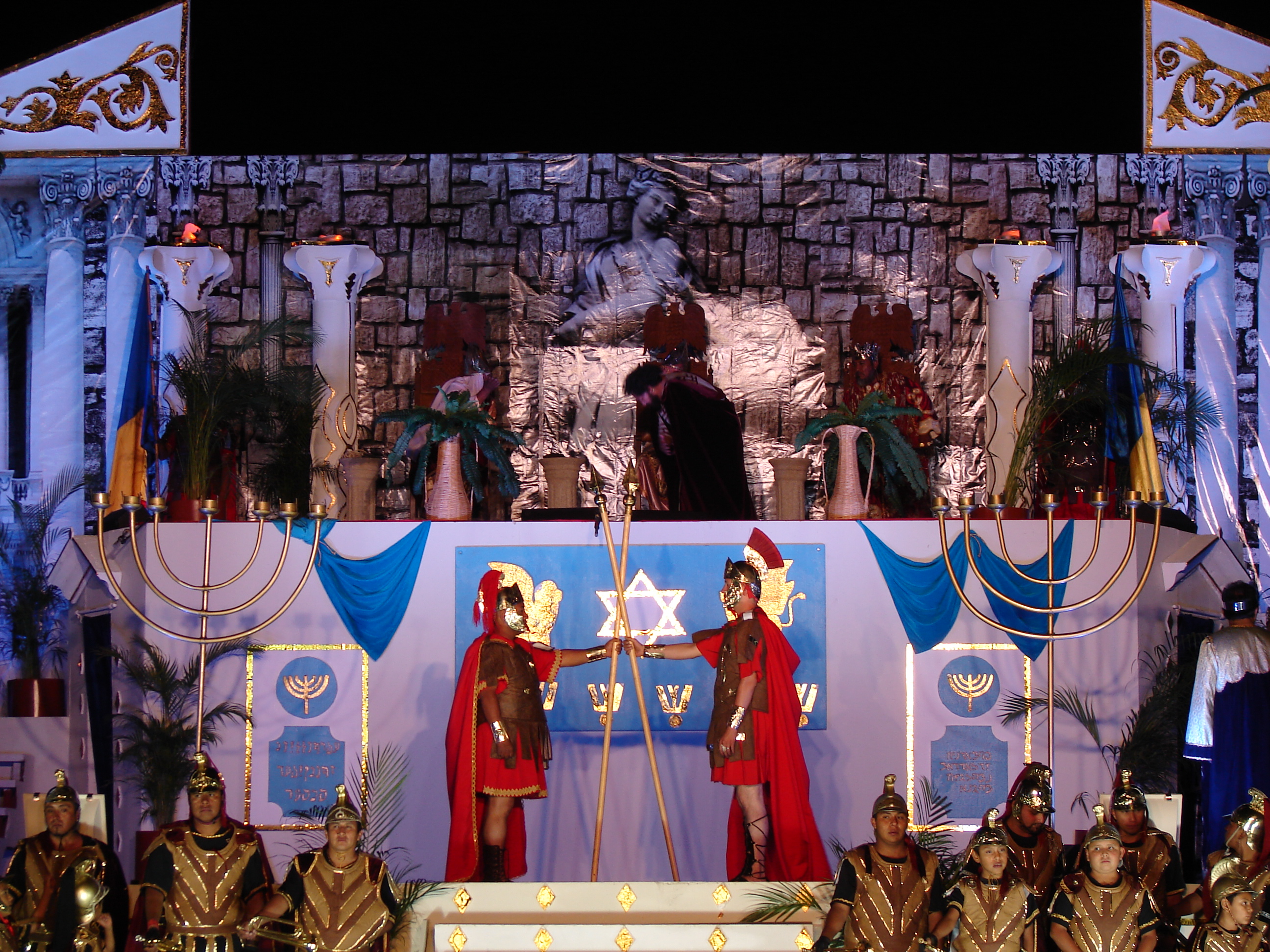
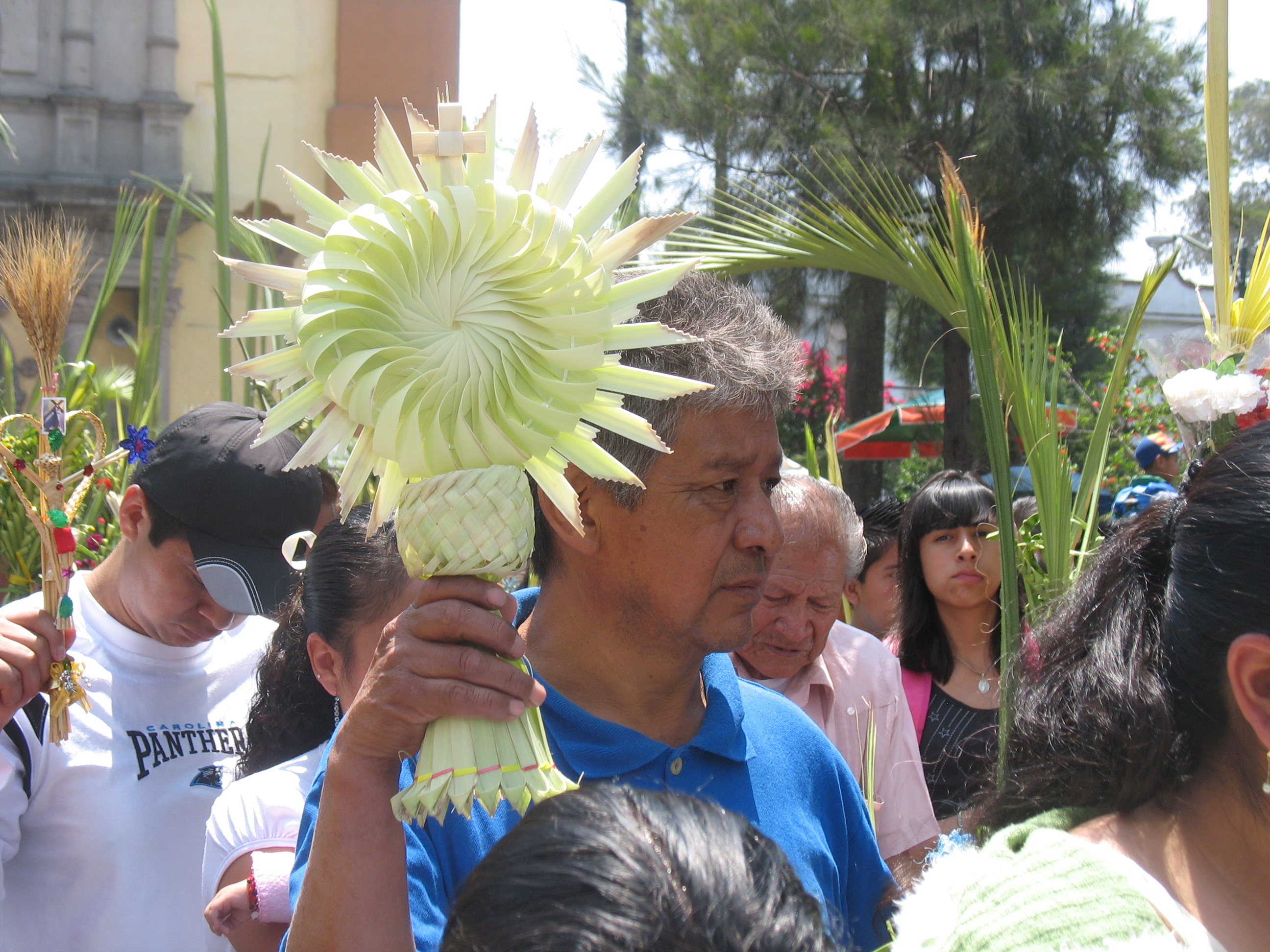
From a ritual perspective, Holy Week follows a structured sequence that begins on Palm Sunday and culminates on Holy Saturday. Each day represents key moments in the biblical narrative, but also operates as a symbolic process of collective transformation. The Way of the Cross on Good Friday, accompanied by thousands of Nazarenes carrying crosses and performing corporal penances, can be interpreted as a dramatization of sacrifice that reaffirms values such as shared suffering, devotion, and community solidarity.

In conclusion, the Representation of the Passion of Christ in Iztapalapa is not only a religious performance, but a complex cultural practice that articulates identity, memory, territory, and power. Its continued relevance demonstrates the ability of communities to adapt their traditions to modernity without losing their symbolic meaning, consolidating itself as one of the most important ritual expressions of Mexico City's living cultural heritage.

Declaratoria UNESCO

Patrimonio inmaterial
Patrimonio Intangible
Categoría Tradiciones y expresiones orales
Fecha 10-12-2025

Criterios de valor Universal Excepcional

Este lugar cumple con los siguientes criterios de valor Universal Excepcional

R.1

El elemento es patrimonio cultural inmaterial, en el sentido del Artículo 2 de la Convención.

R.2

La inscripción del elemento contribuirá a dar a conocer el patrimonio cultural inmaterial, a lograr que se tome conciencia de su importancia y a propiciar el diálogo, poniendo así de manifiesto la diversidad cultural a escala mundial y dando testimonio de la creatividad humana.

R.3

Se elaboran medidas de salvaguardia que podrían proteger y promover el elemento.

R.4

La propuesta de inscripción del elemento se ha presentado con la participación más amplia posible de la comunidad, el grupo o, si procede, los individuos interesados y con su consentimiento libre, previo e informado.

R.5

El elemento figura en un inventario del patrimonio cultural inmaterial presente en el(los) territorio(s) del(los) Estado(s) Parte(s) solicitante(s), de conformidad con los artículos 11 y 12 de la Convención.

  • Domingo de Ramos

    Domingo de Ramos

  • Domingo de Ramos

    Domingo de Ramos

  • Domingo de Ramos

    Domingo de Ramos

  • Domingo de Ramos

    Domingo de Ramos

  • Domingo de Ramos

    Domingo de Ramos

  • Domingo de Ramos

    Domingo de Ramos

  • Domingo de Ramos

    Domingo de Ramos

  • Domingo de Ramos

    Domingo de Ramos

  • Domingo de Ramos

    Domingo de Ramos

  • Jueves Santo

    Jueves Santo

  • Jueves Santo

    Jueves Santo

  • Jueves Santo

    Jueves Santo

  • Jueves Santo

    Jueves Santo

  • Jueves Santo

    Jueves Santo

  • Jueves Santo

    Jueves Santo

  • Jueves Santo

    Jueves Santo

  • Jueves Santo

    Jueves Santo

  • Jueves Santo

    Jueves Santo

  • Viernes Santo

    Viernes Santo

  • Viernes Santo

    Viernes Santo

  • Viernes Santo

    Viernes Santo

  • Viernes Santo

    Viernes Santo

  • Viernes Santo

    Viernes Santo

  • Viernes Santo

    Viernes Santo

  • Viernes Santo

    Viernes Santo

  • Viernes Santo

    Viernes Santo

  • Viernes Santo

    Viernes Santo

  • Viernes Santo

    Viernes Santo

  • Viernes Santo

    Viernes Santo

  • Sábado de Gloria

    Sábado de Gloria

  • Sábado de Gloria

    Sábado de Gloria

  • Sábado de Gloria

    Sábado de Gloria

  • Sábado de Gloria

    Sábado de Gloria


NearBY INAH PLACES