





El Mariachi, música de cuerdas, canto y trompeta
El Mariachi, música de cuerdas, canto y trompeta

World Heritage
Intangible
Usos sociales, rituales y actos festivos
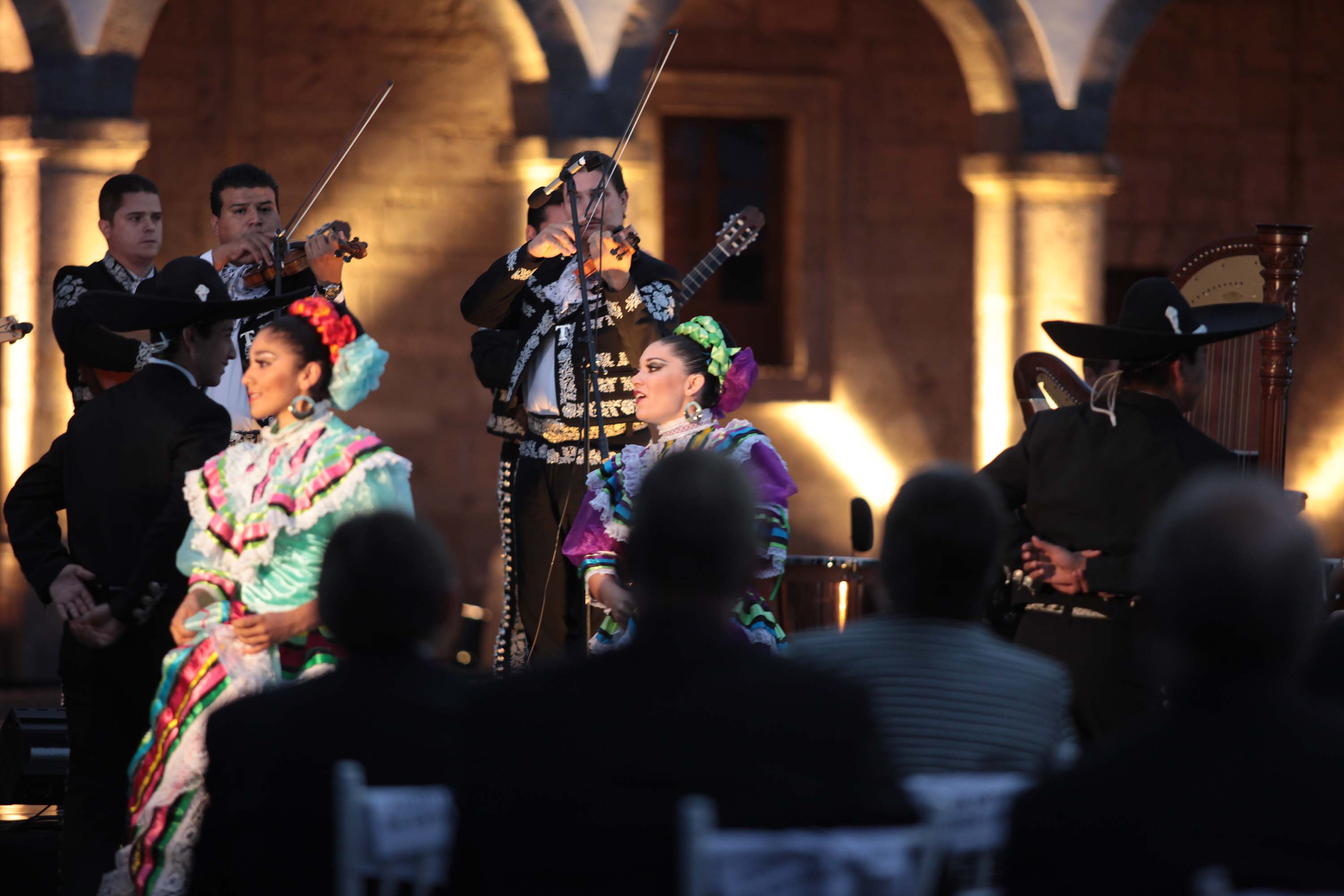
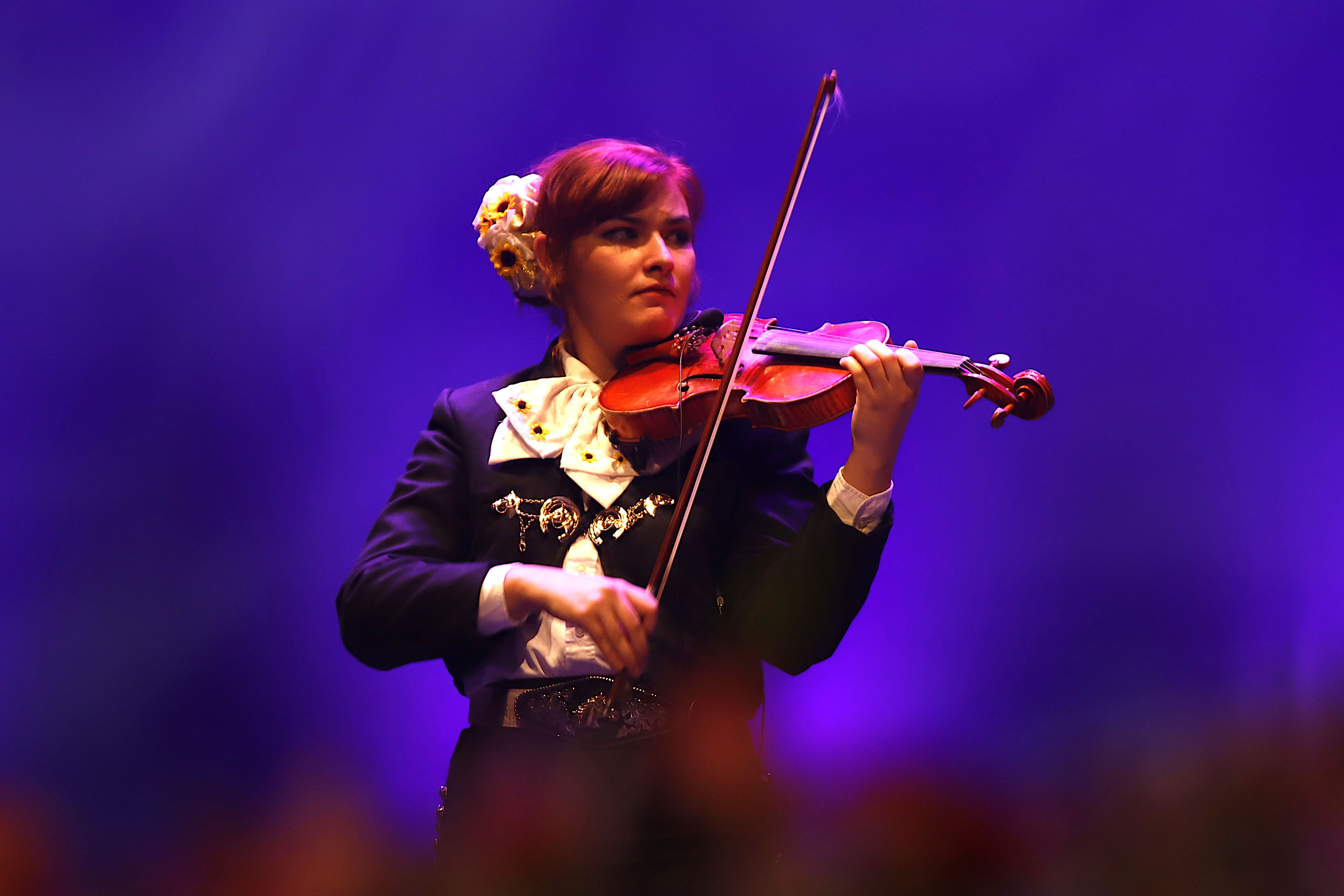
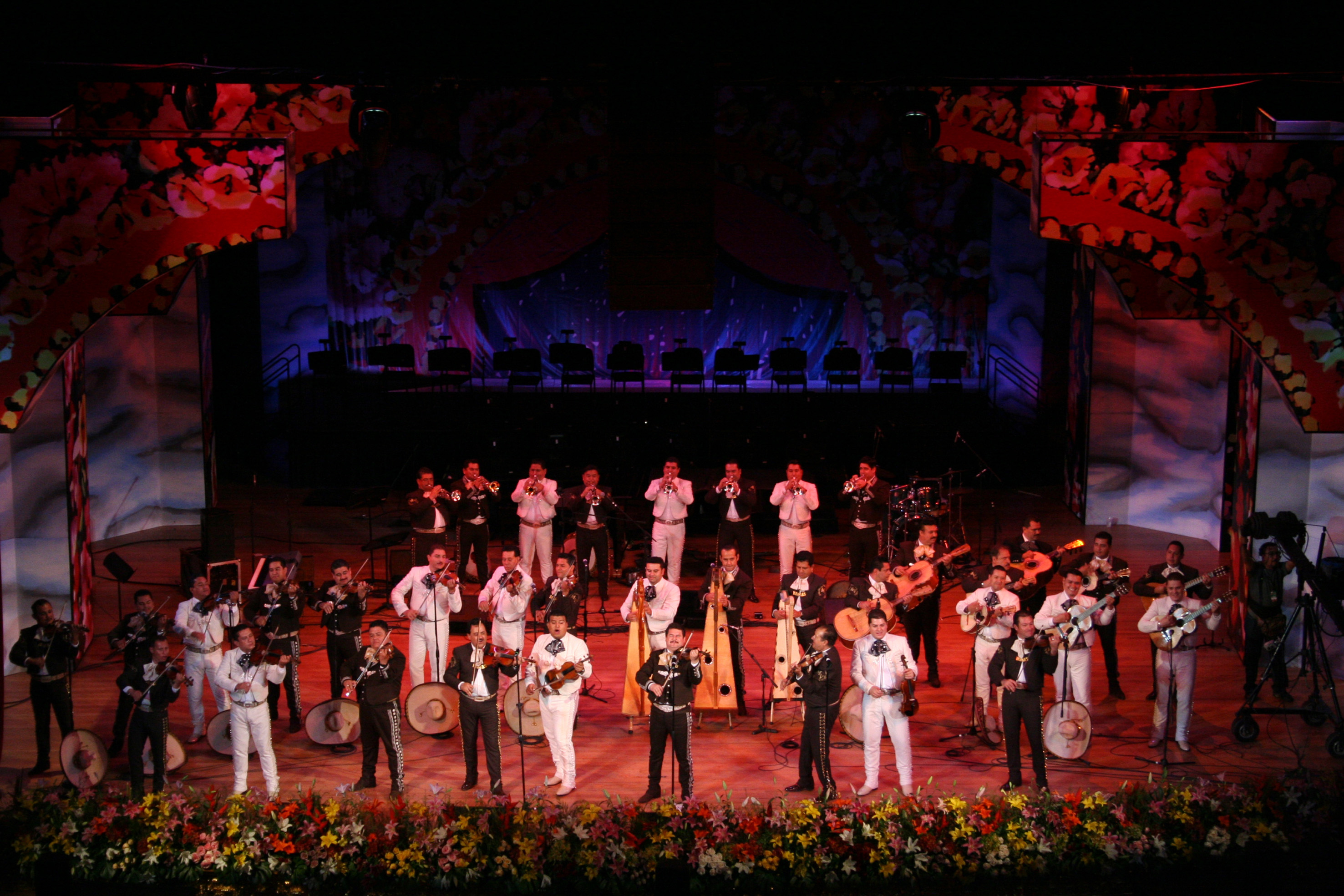
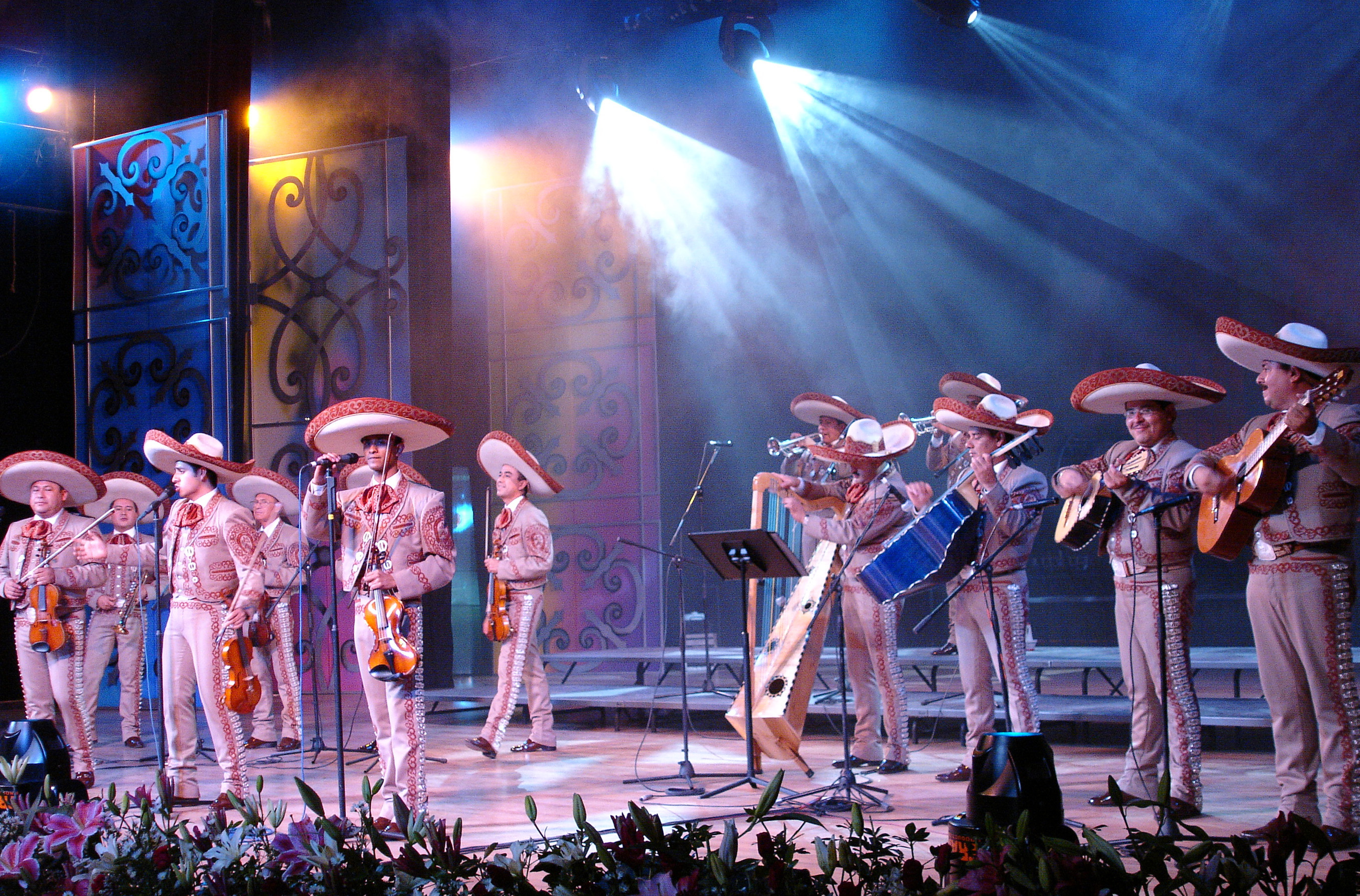
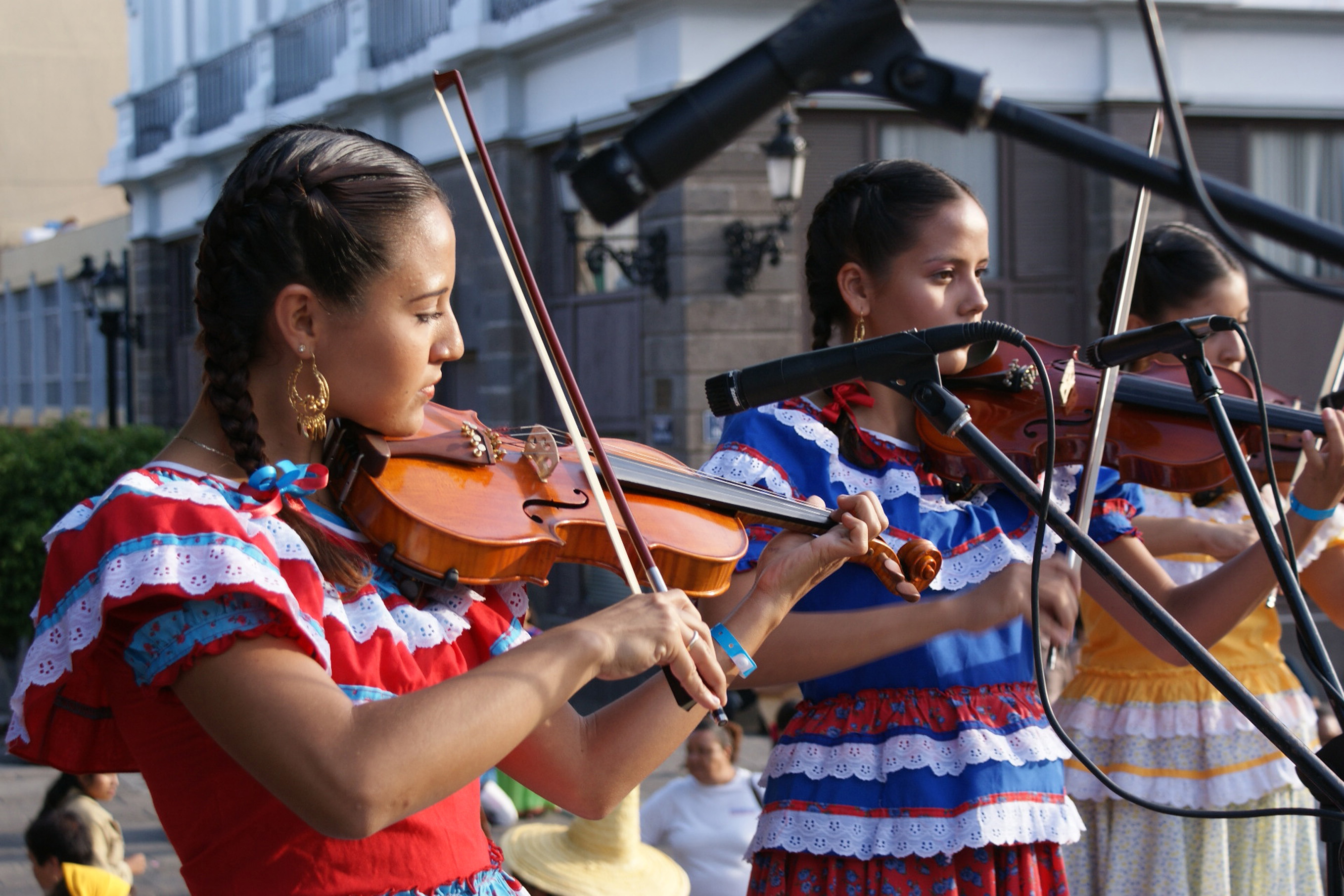
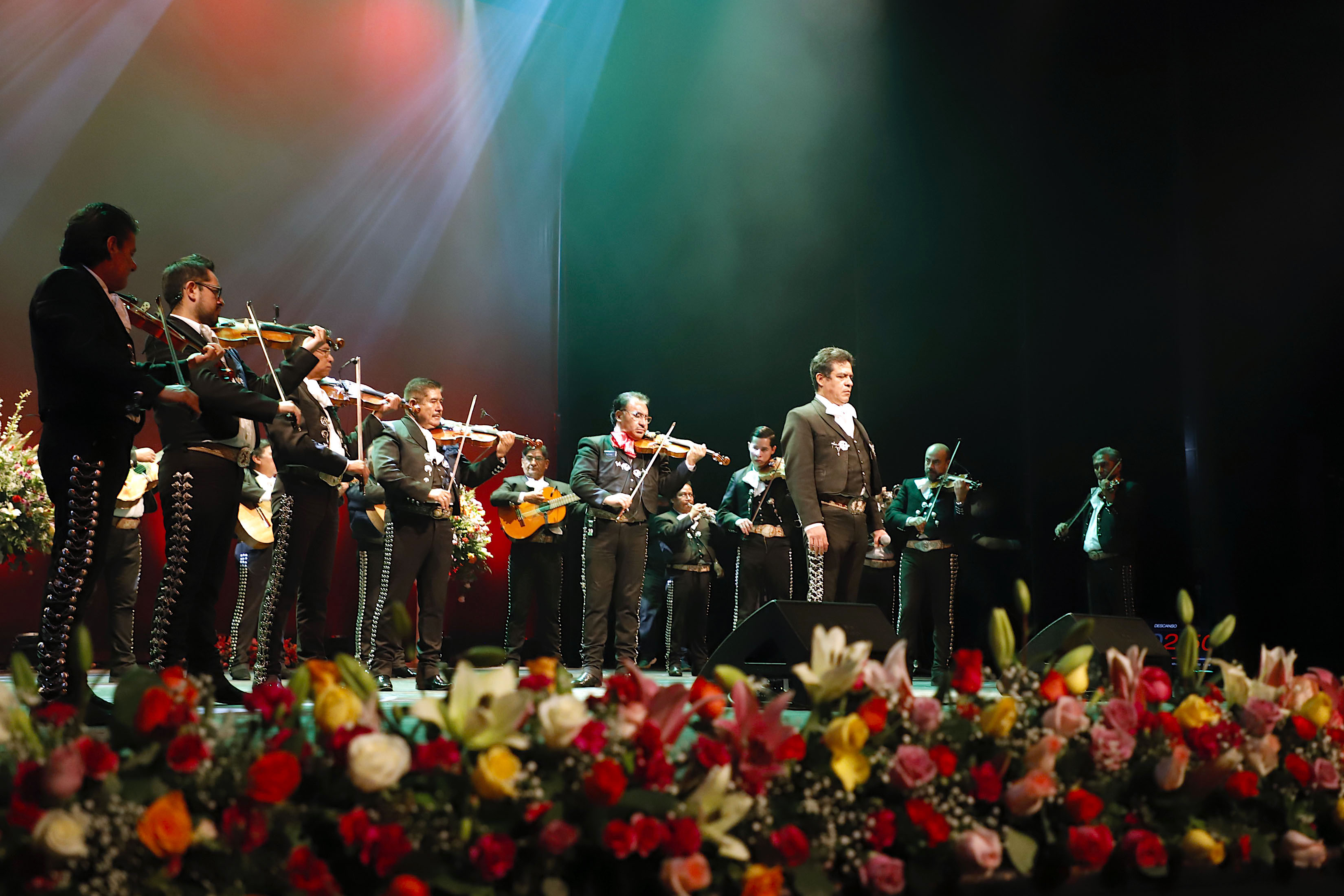
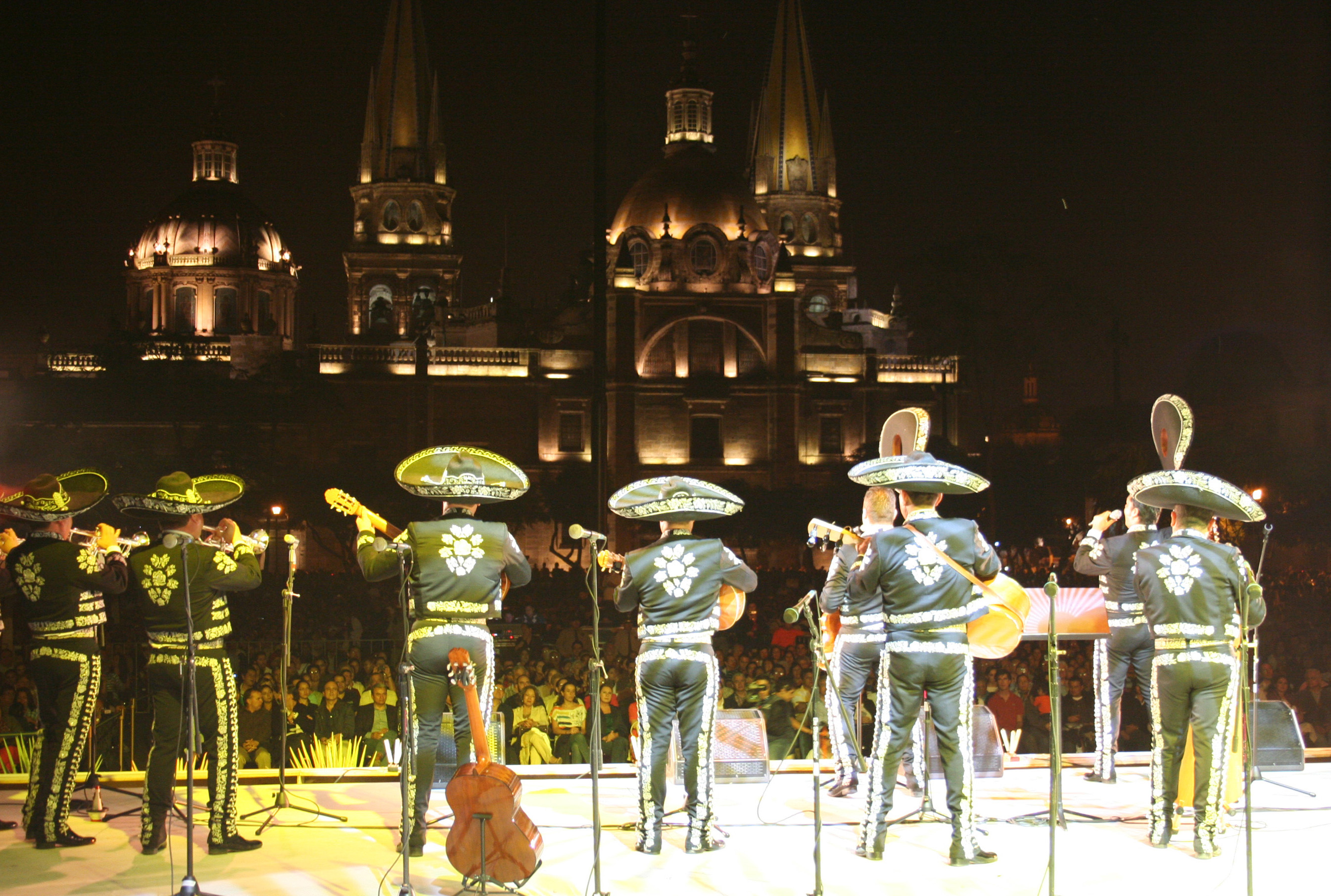
Mariachi music is a fundamental element of Mexican culture. It originated in small string ensembles that wore ritual clothing and performed a repertoire of religious minuets, jarabes-sones, valonas, corridos, songs, waltzes, polkas, and chotices by ear.
Mariachi is a traditional Mexican music ensemble that has transcended borders as a symbol representing the country, using lyrics and rhythms with themes ranging from rural life to the feelings of Mexicans abroad, uniting the elements of the nation's cultural identity.
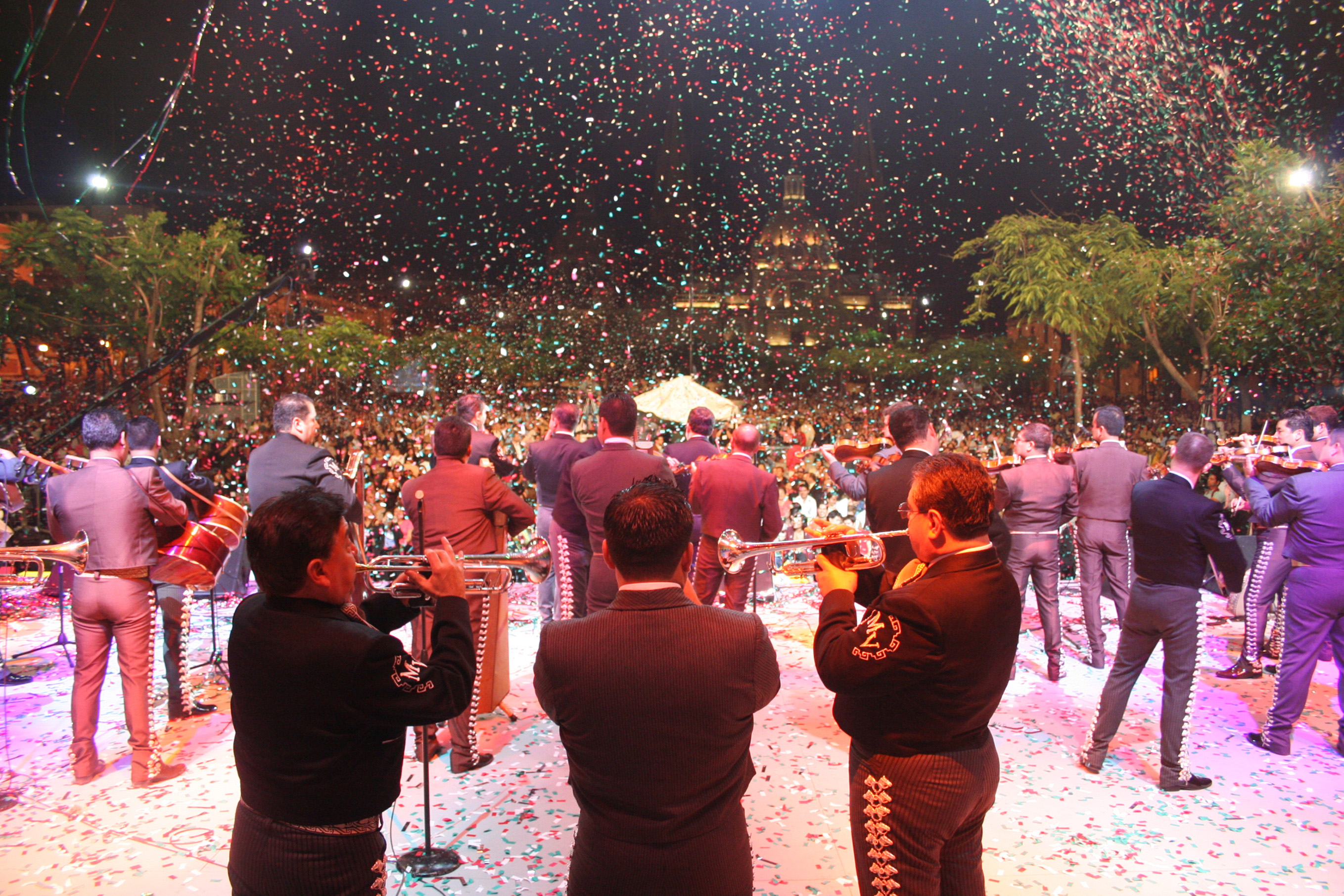
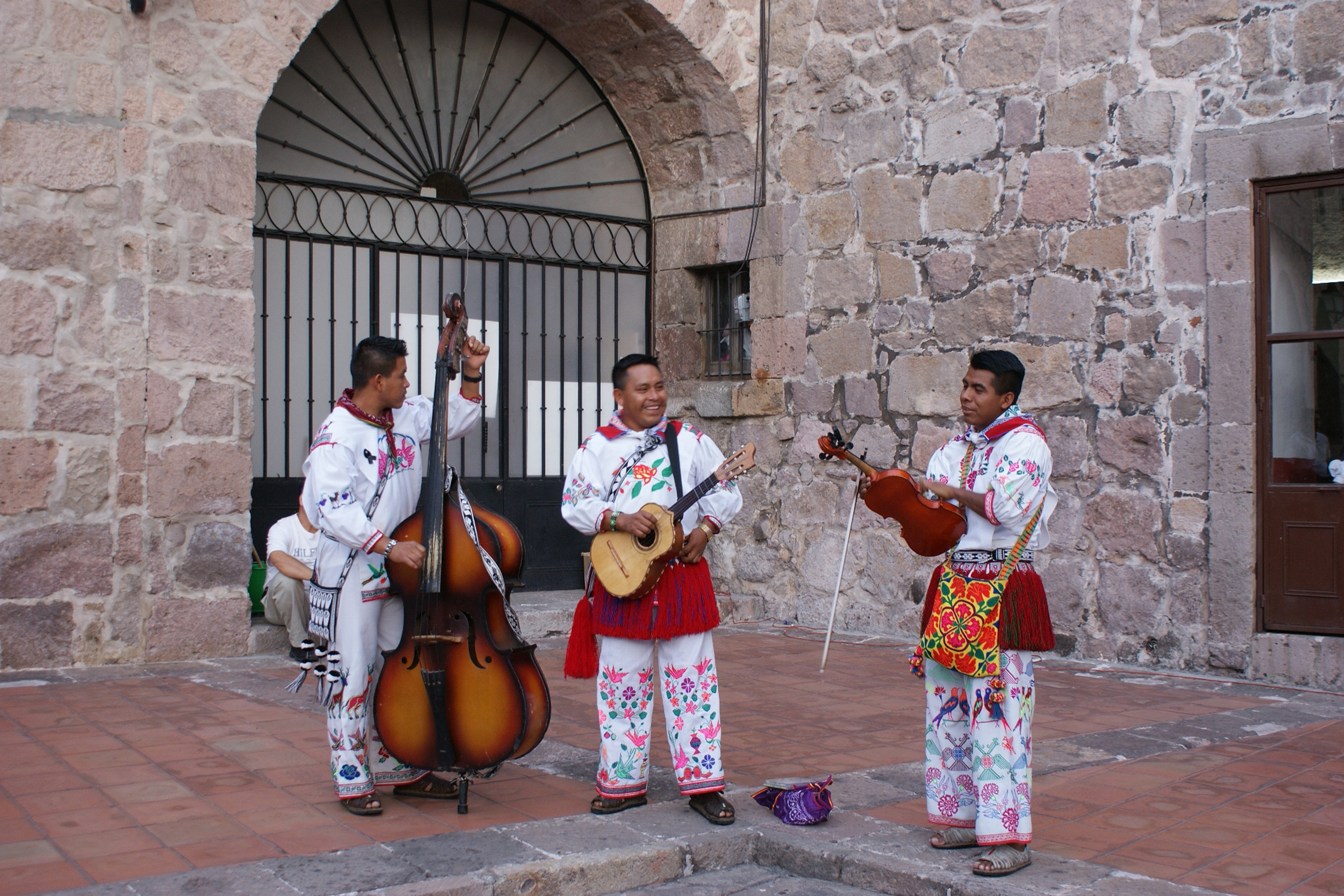
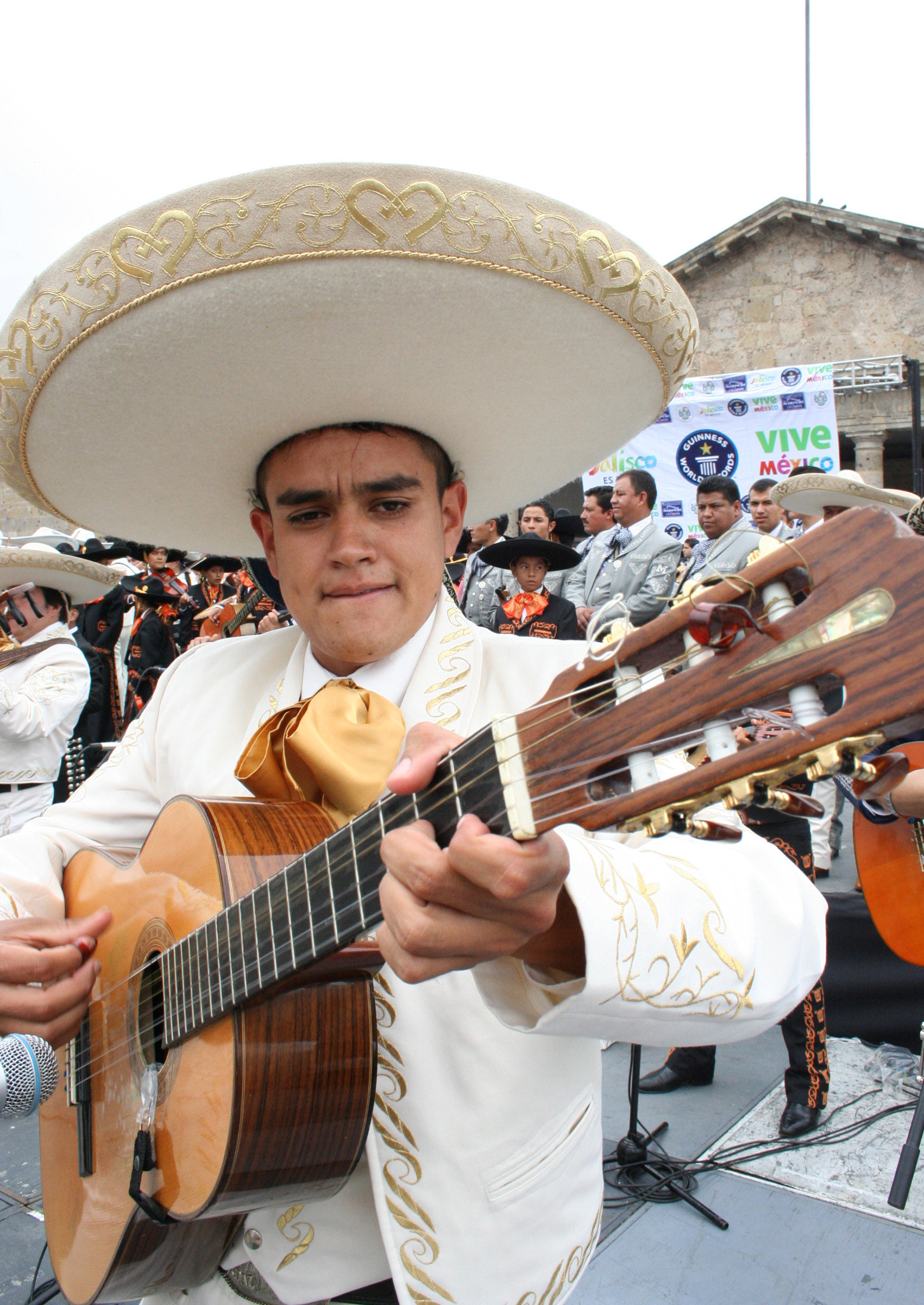
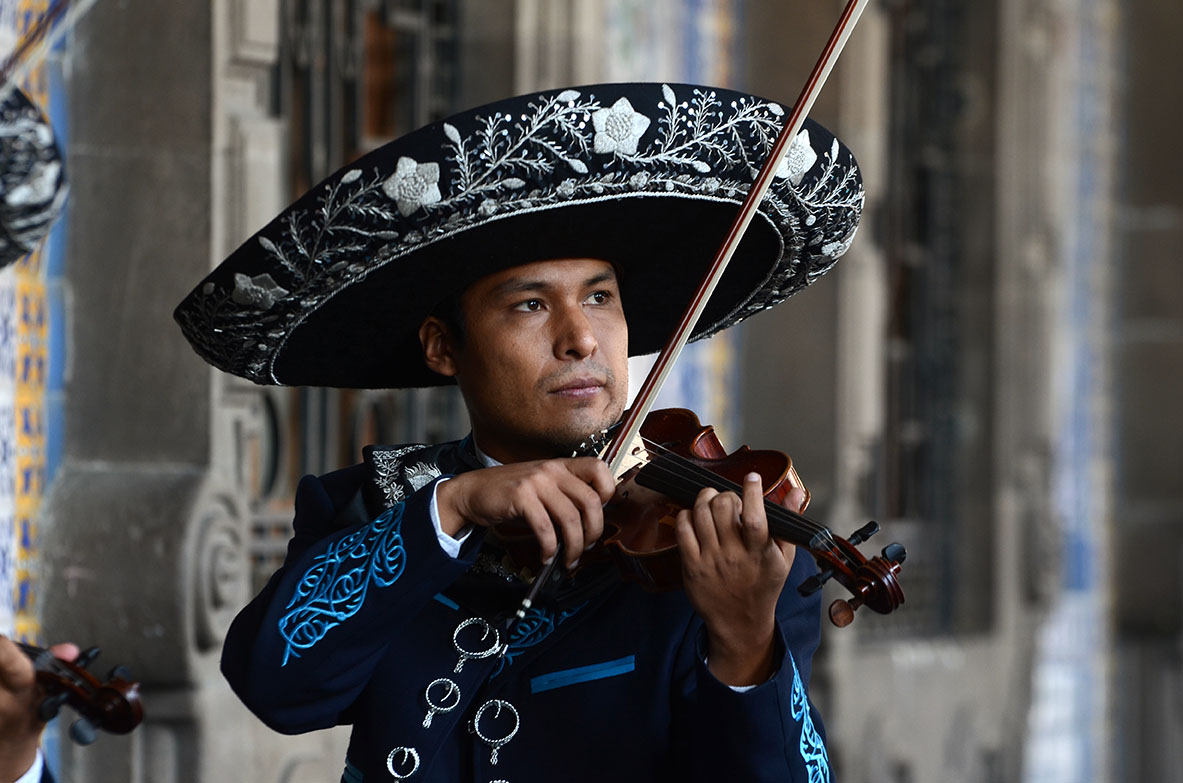
There are currently two variants of mariachi. The traditional mariachi consists of two members dressed in regional clothing who perform religious and secular genres with stringed instruments. Modern mariachi, on the other hand, incorporates trumpets, violins, vihuelas, and guitarrones. These groups consist of more than four musicians, wear charro clothing, and perform, with musical notation, lively songs from different regions and other musical genres. The genres they perform are variations of those of traditional mariachi, as well as boleros, ranchera songs, and ballads, among others.
In their regions of origin, mariachi is recognized as an element of identity. It is a practice in which the community and family transmit their knowledge, history, and the pleasure of singing to the surrounding nature through music, which, when considered their own, acquires a double value of rootedness, not only from musical reproduction but also from affection for the region of origin itself. Migrants, descendants of Mexicans abroad, and Latin Americans have turned modern mariachi into a symbol of self-recognition as part of a community, as it is a link that connects them to their roots despite the distance.
Mariachi music conveys values that promote respect for the natural heritage of Mexican regions and local history, both in Spanish and in the various indigenous languages of the western part of the country.
Declaratoria UNESCO

Patrimonio Intangible
Categoría Usos sociales, rituales y actos festivos
Fecha 2011
Criterios de valor Universal Excepcional
Este lugar cumple con los siguientes criterios de valor Universal Excepcional
R.1
El elemento es patrimonio cultural inmaterial, en el sentido del Artículo 2 de la Convención.
R.2
La inscripción del elemento contribuirá a dar a conocer el patrimonio cultural inmaterial, a lograr que se tome conciencia de su importancia y a propiciar el diálogo, poniendo así de manifiesto la diversidad cultural a escala mundial y dando testimonio de la creatividad humana.
R.3
Se elaboran medidas de salvaguardia que podrían proteger y promover el elemento.
R.4
La propuesta de inscripción del elemento se ha presentado con la participación más amplia posible de la comunidad, el grupo o, si procede, los individuos interesados y con su consentimiento libre, previo e informado.
R.5
El elemento figura en un inventario del patrimonio cultural inmaterial presente en el(los) territorio(s) del(los) Estado(s) Parte(s) solicitante(s), de conformidad con los artículos 11 y 12 de la Convención.


