











Museo Nacional de Historia Castillo de Chapultepec

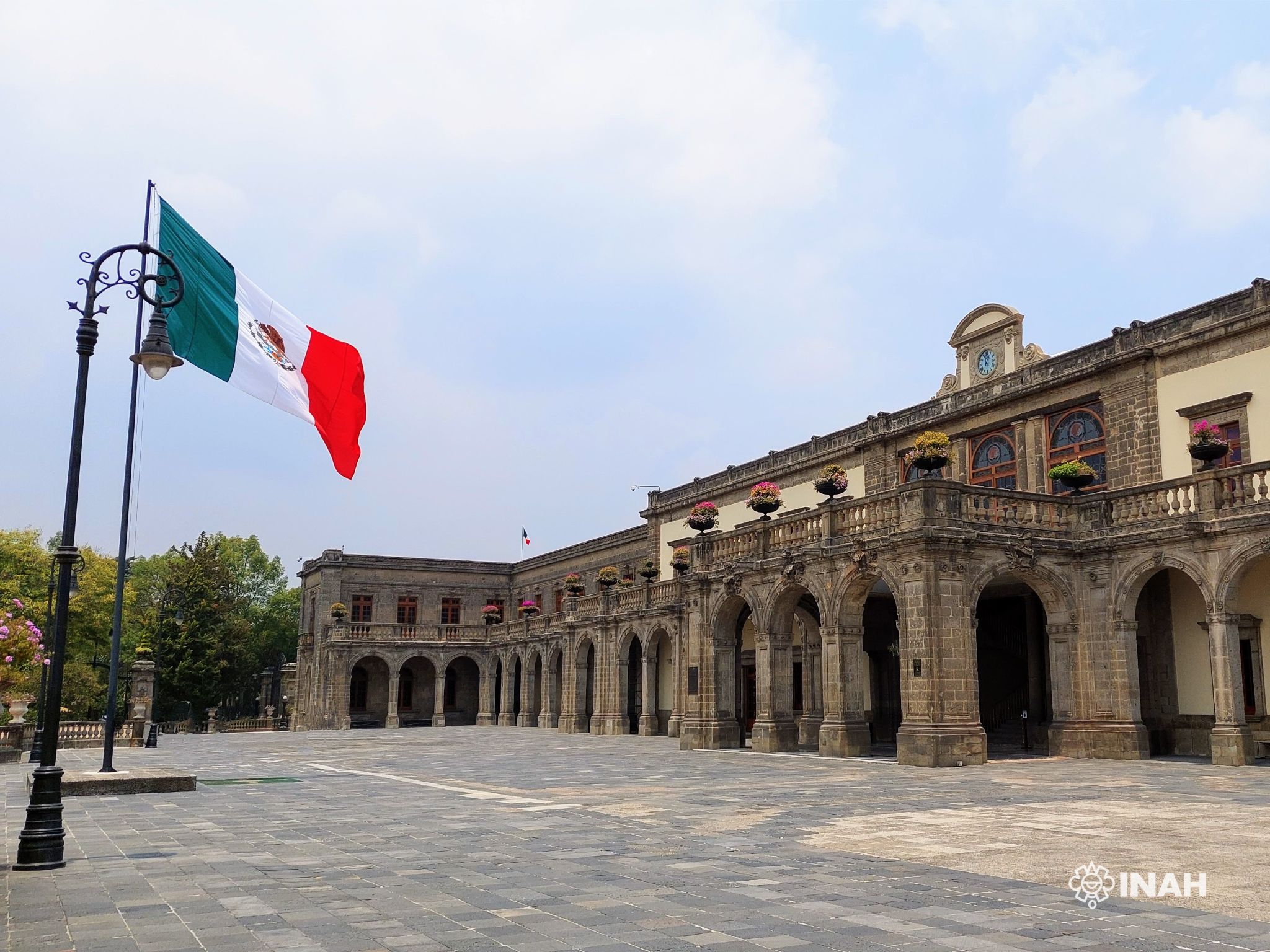
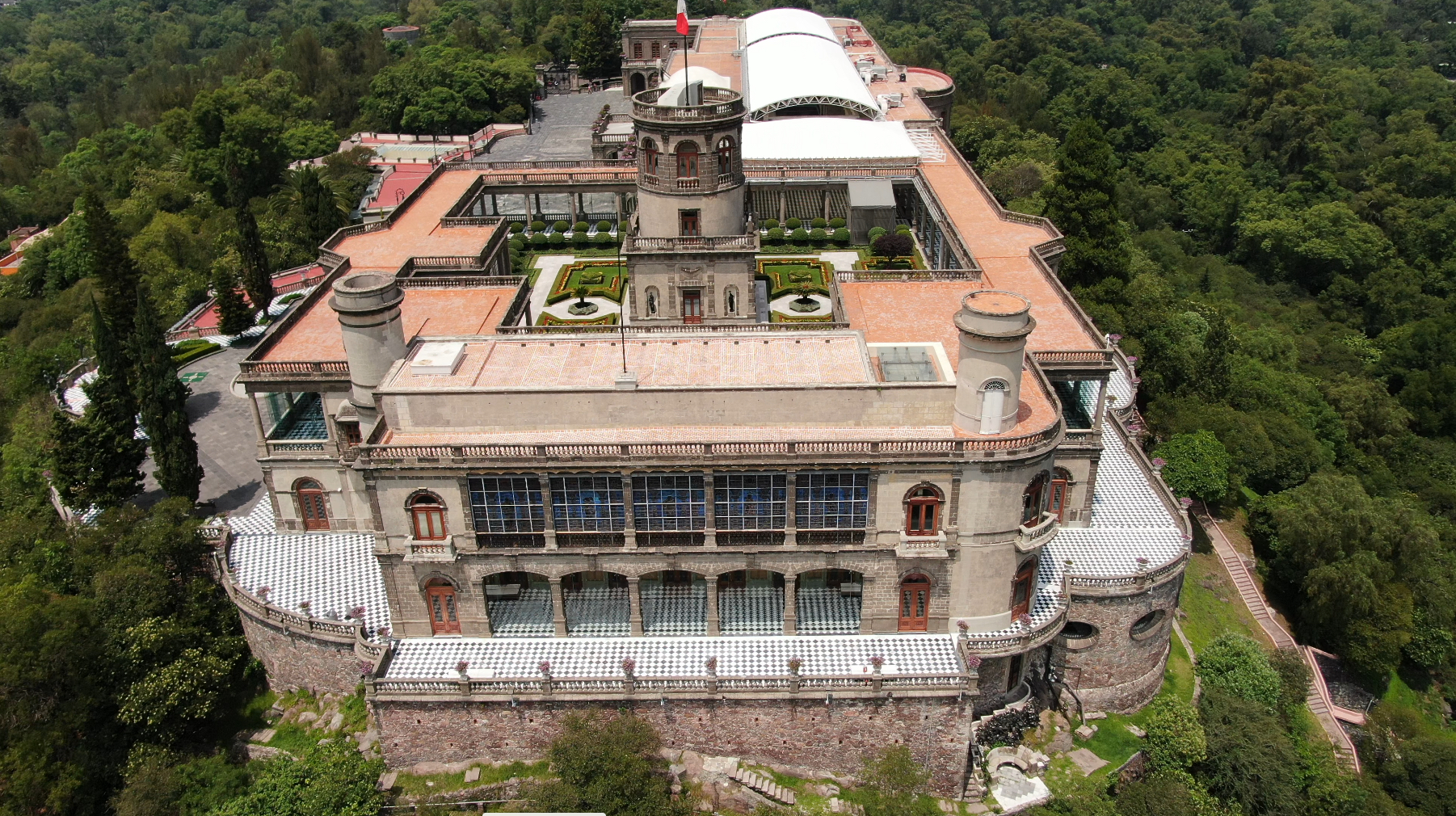
The former residence of viceroys, presidents and an emperor, Chapultepec Castle was the site of a major encounter during the Mexican-American war of 1847, and contains a splendid collection of historical artifacts.
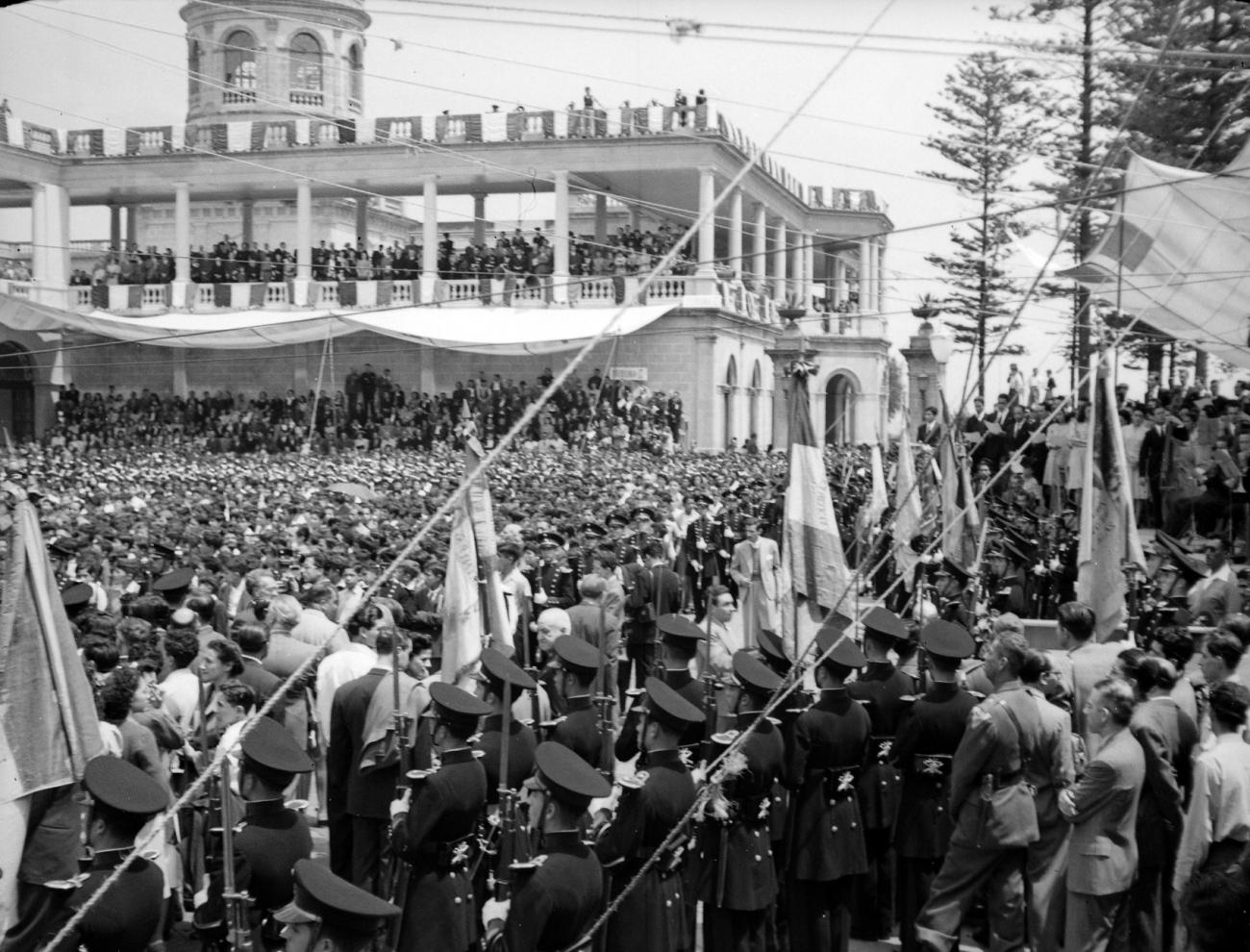
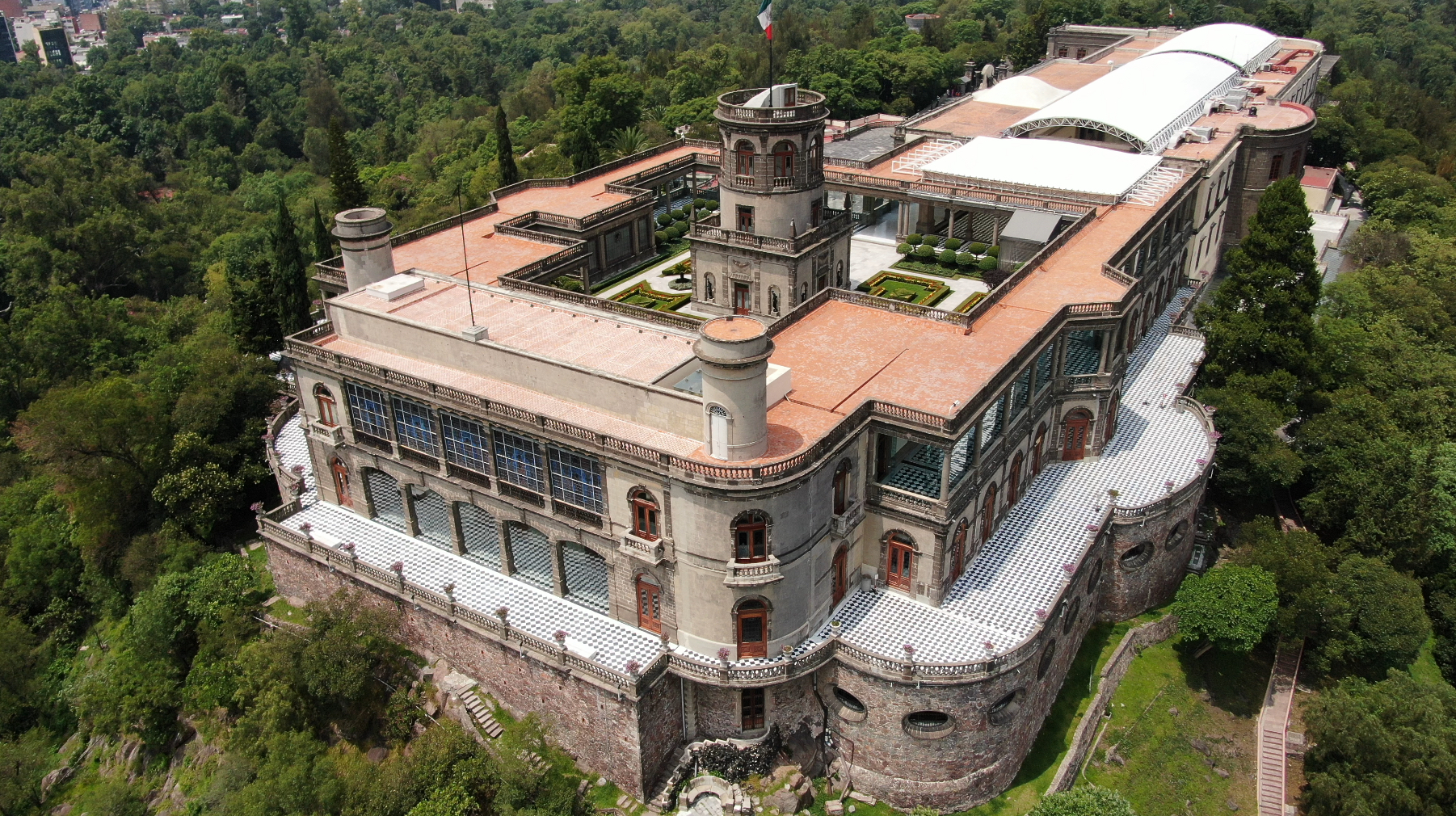
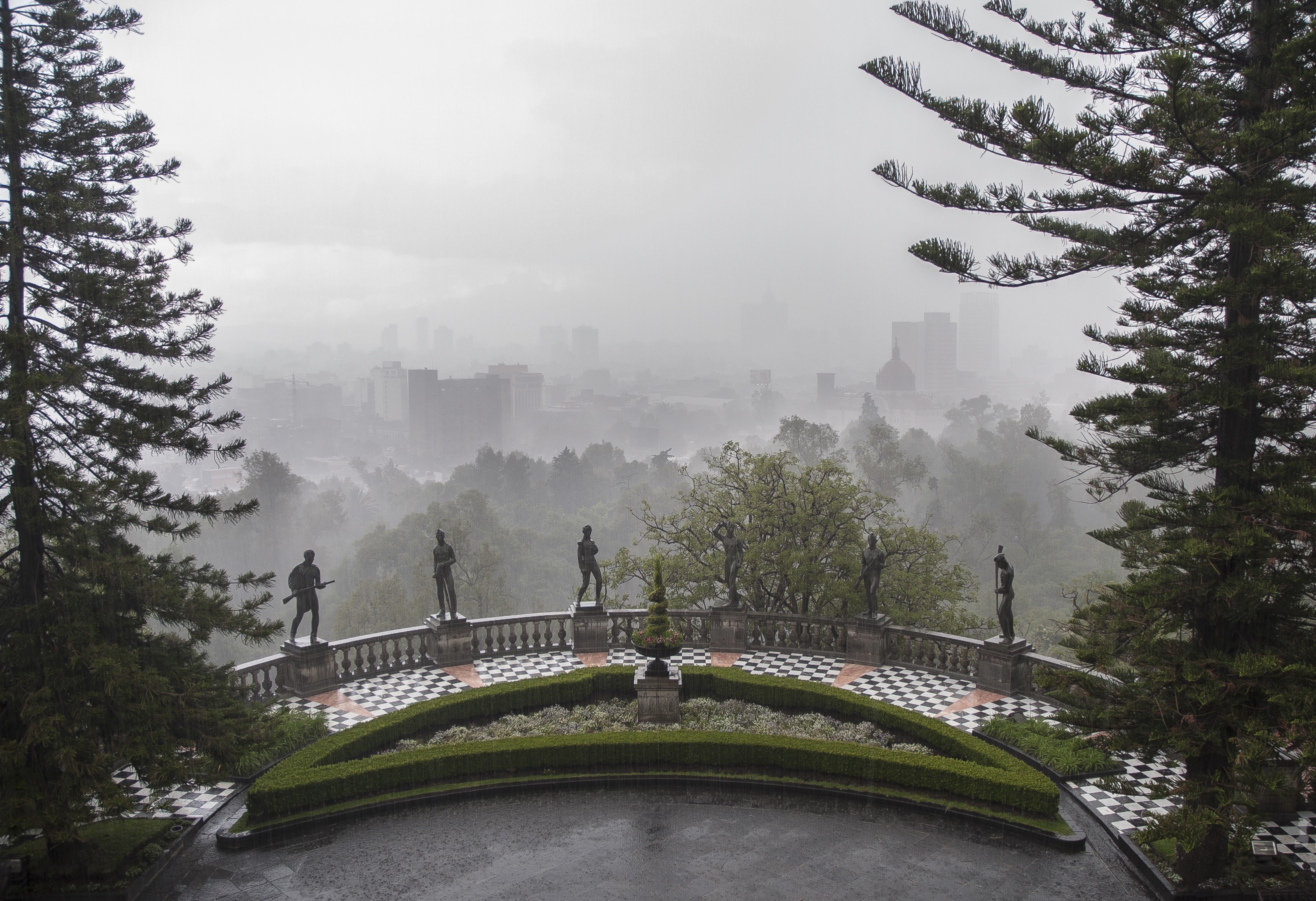
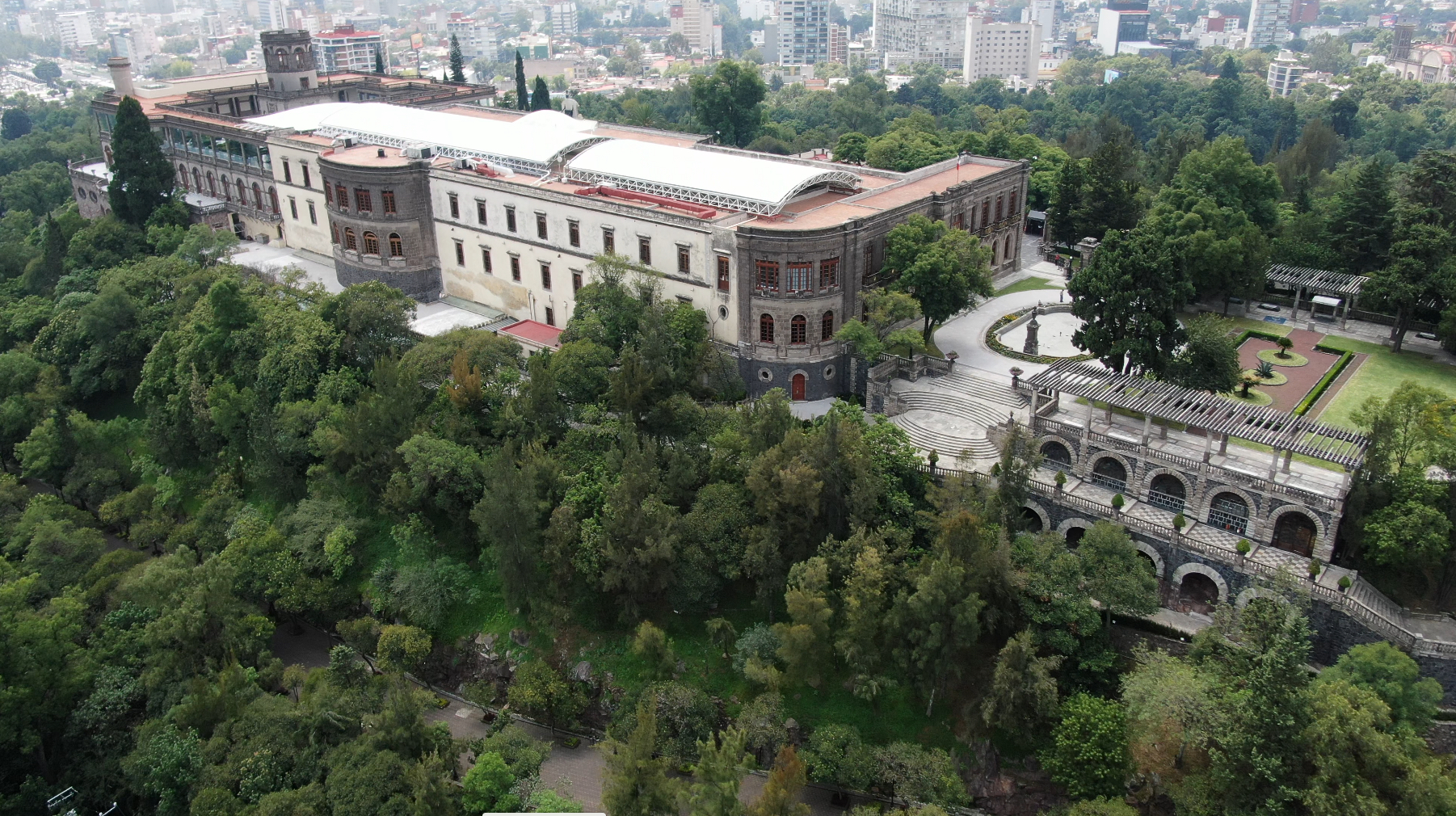
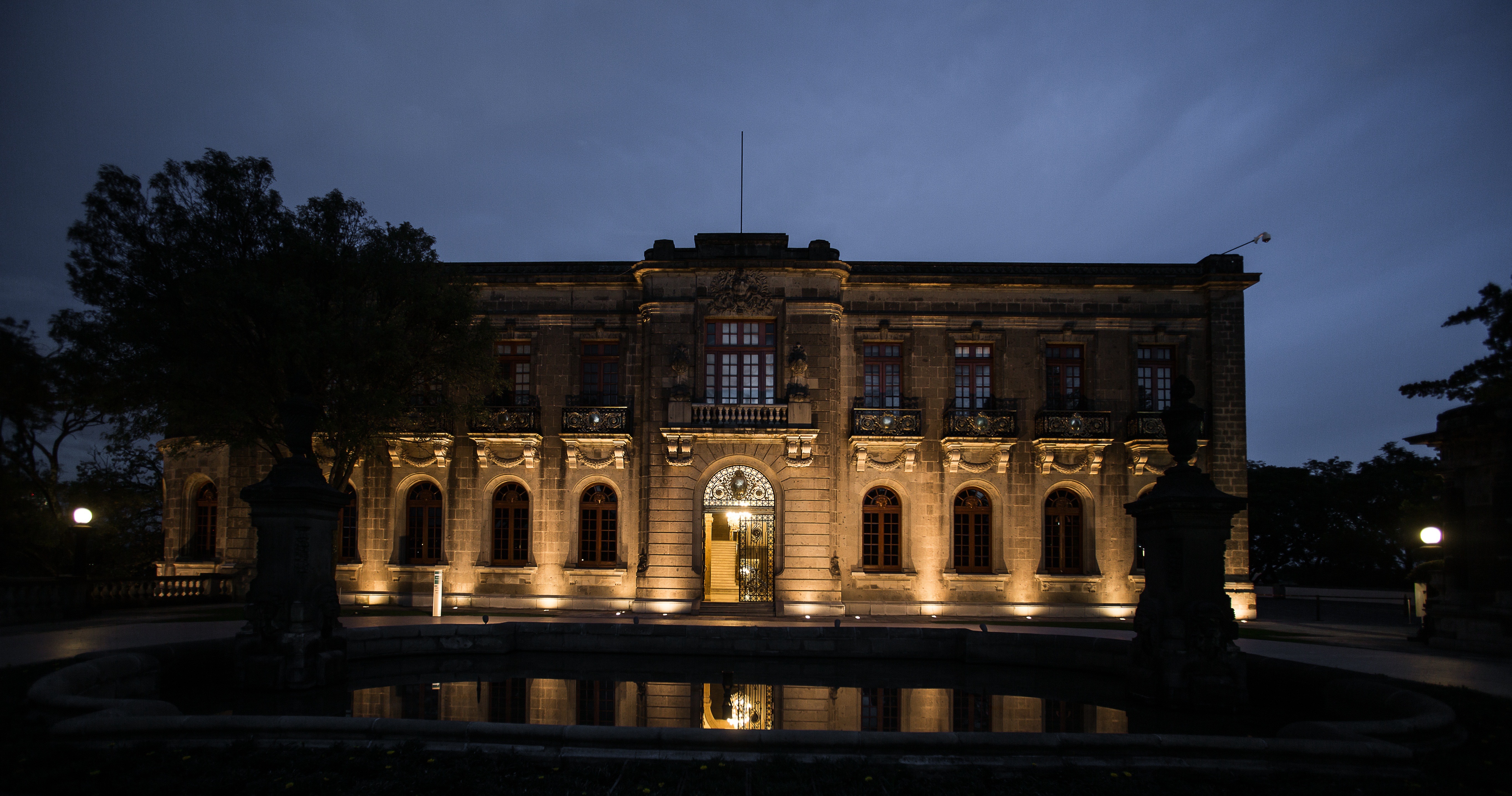
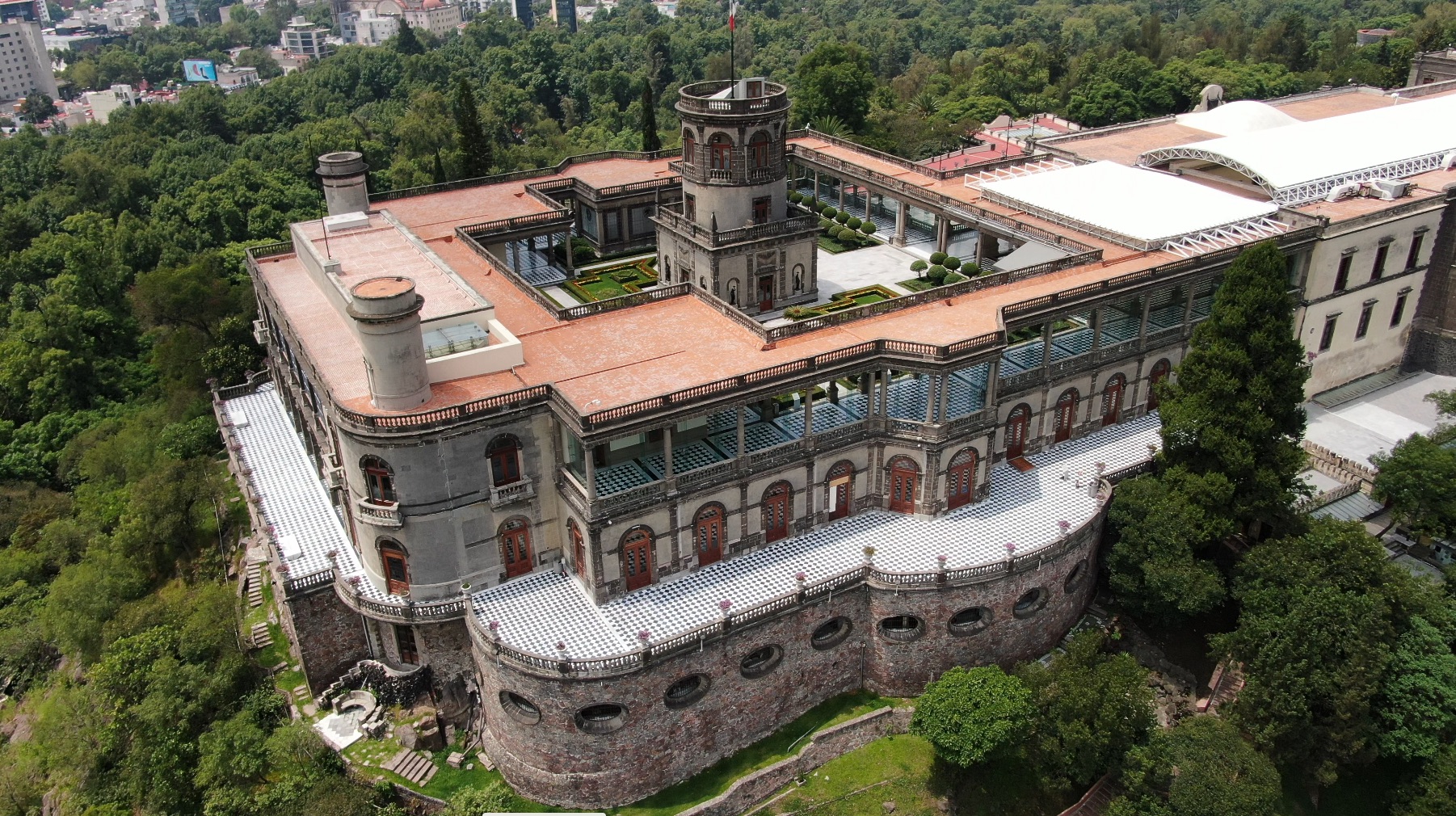
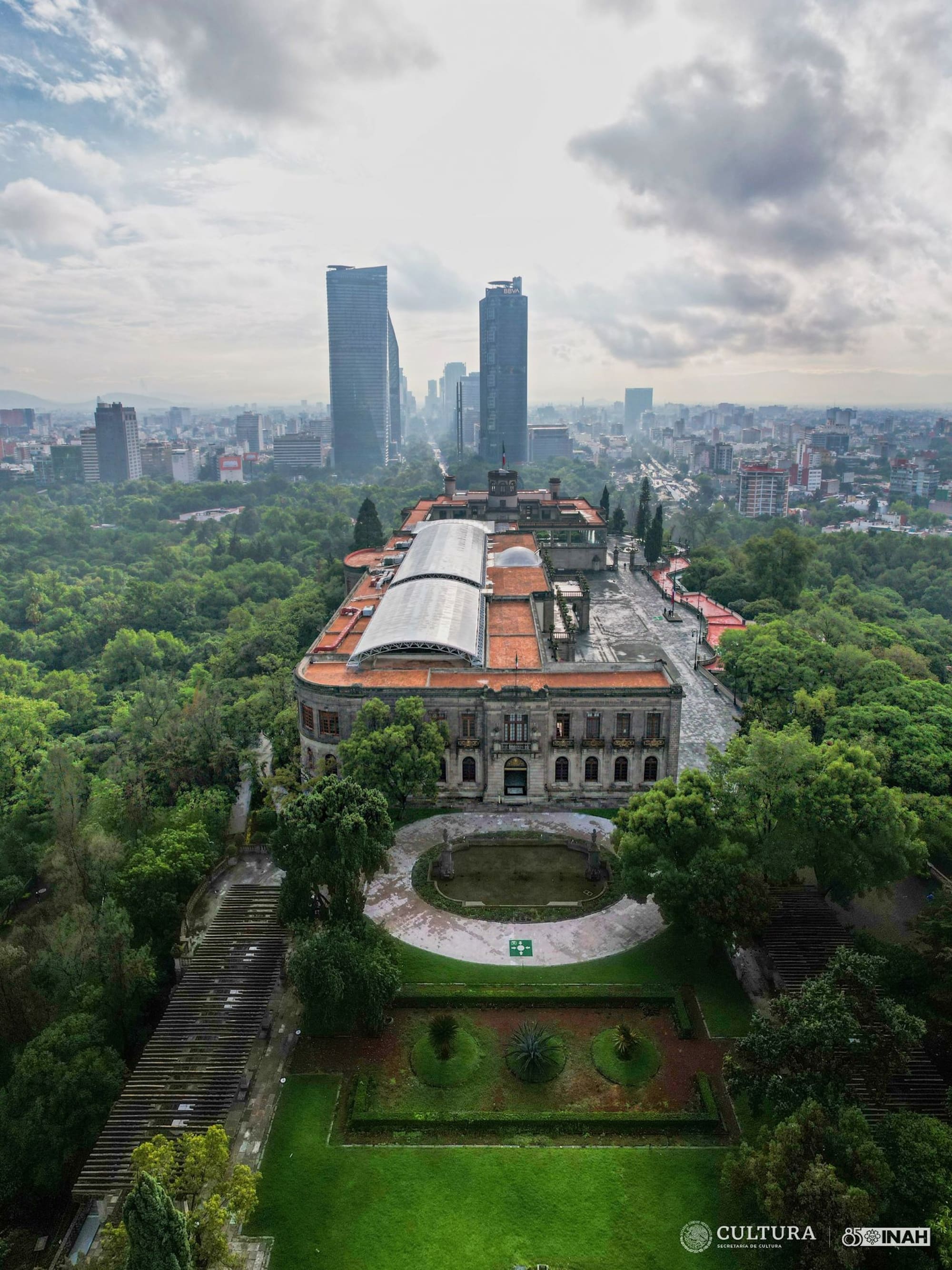
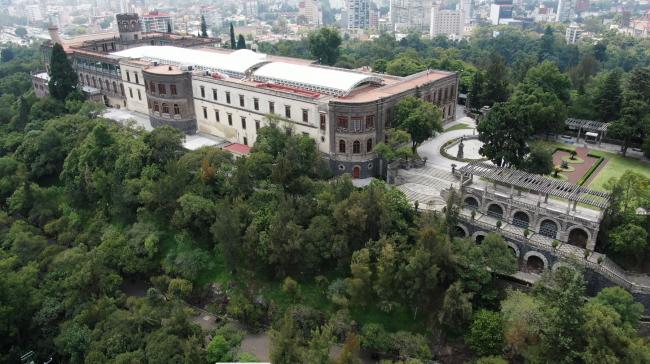
Chapultepec Castle is a magnificent late-eighteenth century construction (1785-1787) designed and built as a stately home at the behest of the Viceroy of New Spain at the time, Bernardo de Gálvez. Over the years, however, the building has been adapted several times for different uses. It was the headquarters of Mexico’s military academy, the site of battles fought during the US invasion, residence of Emperor Maximilian and Empress Carlota, and of a number of Mexican presidents. President Lázaro Cárdenas eventually issued a presidential decree in 1939 for the Castle to be used as a museum housing the collections and personal effects of Mexico’s leading historical figures. The building, standing at the highest point of Chapultepec Park, opened its doors as a museum in September 1944.
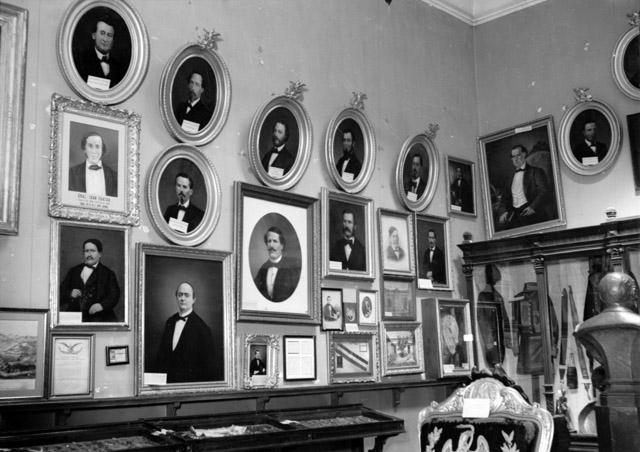
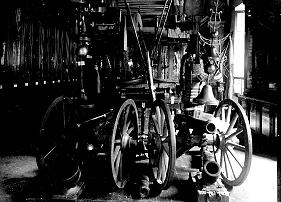
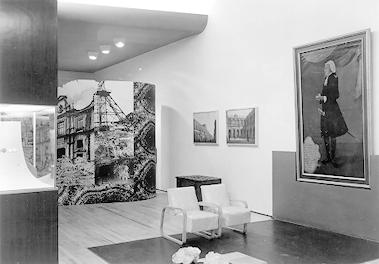
The National Museum of History—undoubtedly one of the most important exhibition spaces in Mexico—offers visitors a comprehensive view of national history, from the Conquest and the founding of New Spain until the dawn of the twentieth century. On display are more than 65,000 objects including paintings, sculptures, furniture, clothing, coins, musical instruments, silver and ceramic utensils, flags, carriages, and documents.
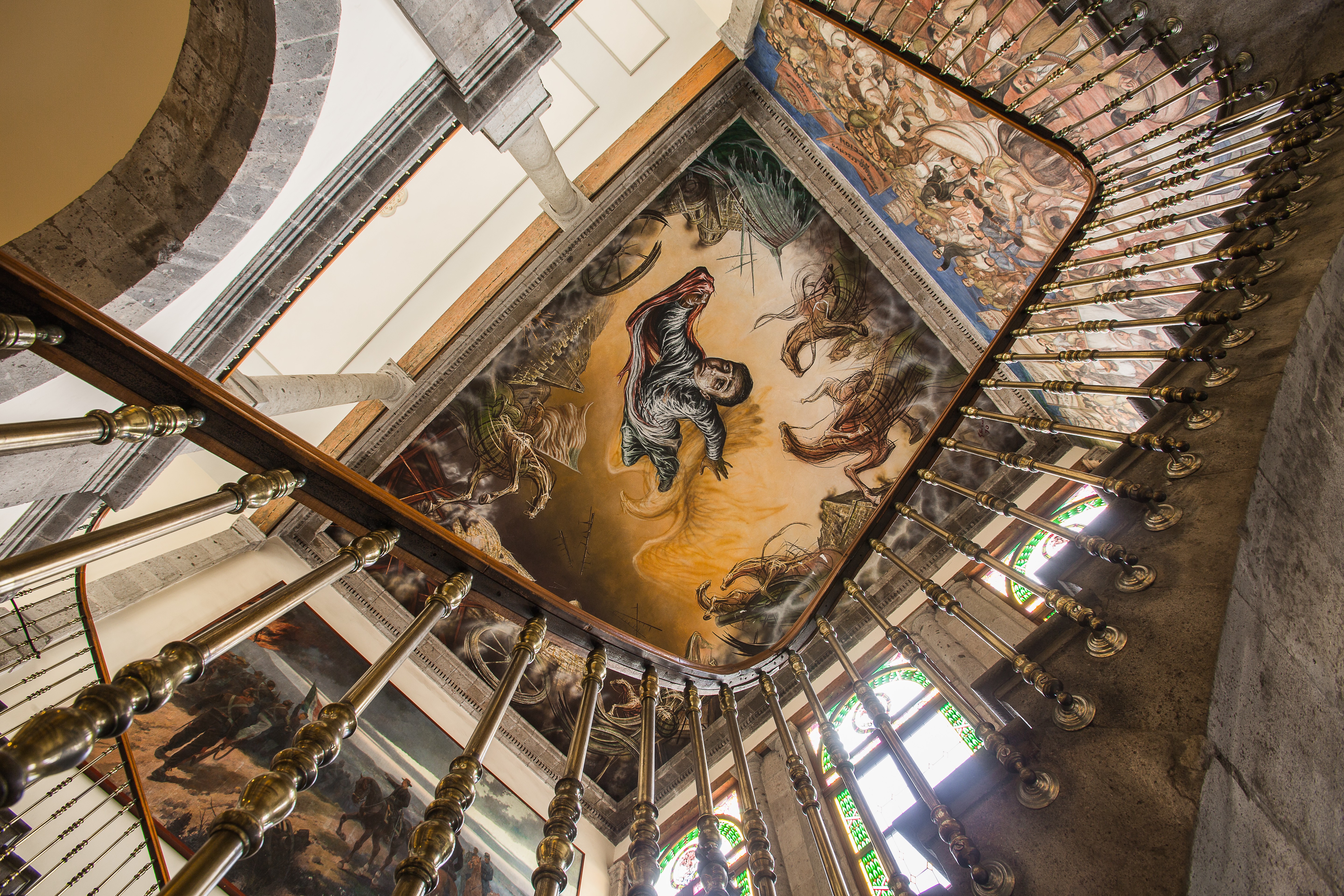
In the former military academy the galleries’ exhibits date from the time of the Conquest until the 1910 Revolution. Visitors to this part of the museum can also admire mural paintings created by leading artists between 1933 and 1970, notably Jorge González Camarena’s “La fusión de dos culturas” (“Fusion of Two Cultures”) and “La Constitución de 1917” (“1917 Constitution”); Juan O’Gorman’s “El retablo de la Independencia” (“Independence Altarpiece”), “El feudalismo porfirista” (“Porfirian Feudalism”) and “Sufragio Efectivo, no Reelección” (“Effective Suffrage, No Reelection”); José Clemente Orozco’s "La Reforma y la caída del Imperio" (“The Reform and the Fall of the Empire”), and Siqueiros’s “Del Porfirismo a la Revolución” (“From the Dictatorship of Porfirio Díaz to the Revolution”).
The ground-floor rooms in the building known as the Alcázar (“Fortress”) are decorated with furniture, domestic items, jewelry, paintings and various objects related mainly to the imperial era of Maximilian and Carlota, while the top floor contains the furniture, paintings and other belongings of President Porfirio Díaz and his wife Carmen Romero Rubio.
Chapultepec Hill and the Chapultepec Castle’s National Museum of History have their own history. In pre-Hispanic times, Moctezuma had his pools and baths here, as well as a shrine and living quarters; it is also known that Moctezuma I ordered the construction of the aqueduct to carry water from Chapultepec to Mexico-Tenochtitlan, and that Nezahualcóyotl, Lord of Texcoco, was responsible for the actual building work.
Construction on this hilltop took place between 1785 and 1787; the residence was commissioned by Viceroy Bernardo de Gálvez, who died before seeing it completed. Due to the building’s exorbitant cost, the Spanish crown tried to sell it but there were no buyers and it fell into disuse.
The Mexico City government acquired the property in 1806, but at the outbreak of the War of Independence it did not make any further use of it. It was not until 1833 that a decree was issued for it to be converted into a military academy and, after a period of alterations, it began to operate as such in 1844. On September 12 and 13, 1847, it resisted bombardment from the US army, which nevertheless caused it serious damage. After its reconstruction, the military academy reopened and Miguel Miramón, a former pupil and survivor of the Battle of Chapultepec in 1847, ordered the construction of some rooms on the second floor of the Alcázar. However, its current appearance dates from the time when Maximilian and Carlota decided to make it their imperial residence, and their team of Austrian, French, Belgian, and Mexican architects transformed it. At the end of the Second Mexican Empire, the building was abandoned once again.
From 1878 to 1883 it briefly became an astronomical, meteorological and magnetic observatory, until the military academy returned, and the Castle itself was converted into a presidential residence, providing a home successively for Porfirio Díaz, Francisco I. Madero, Venustiano Carranza, Álvaro Obregón, Plutarco Elías Calles, Emilio Portes Gil, Pascual Ortiz Rubio and Abelardo Rodríguez. On February 3, 1939, it was declared the National Museum of History.

Tea Room
Carlota at Chapultepec: According to court protocol, Carlota was accompanied by ladies-in-waiting selected from Mexico’s most prominent families.
Tea Room
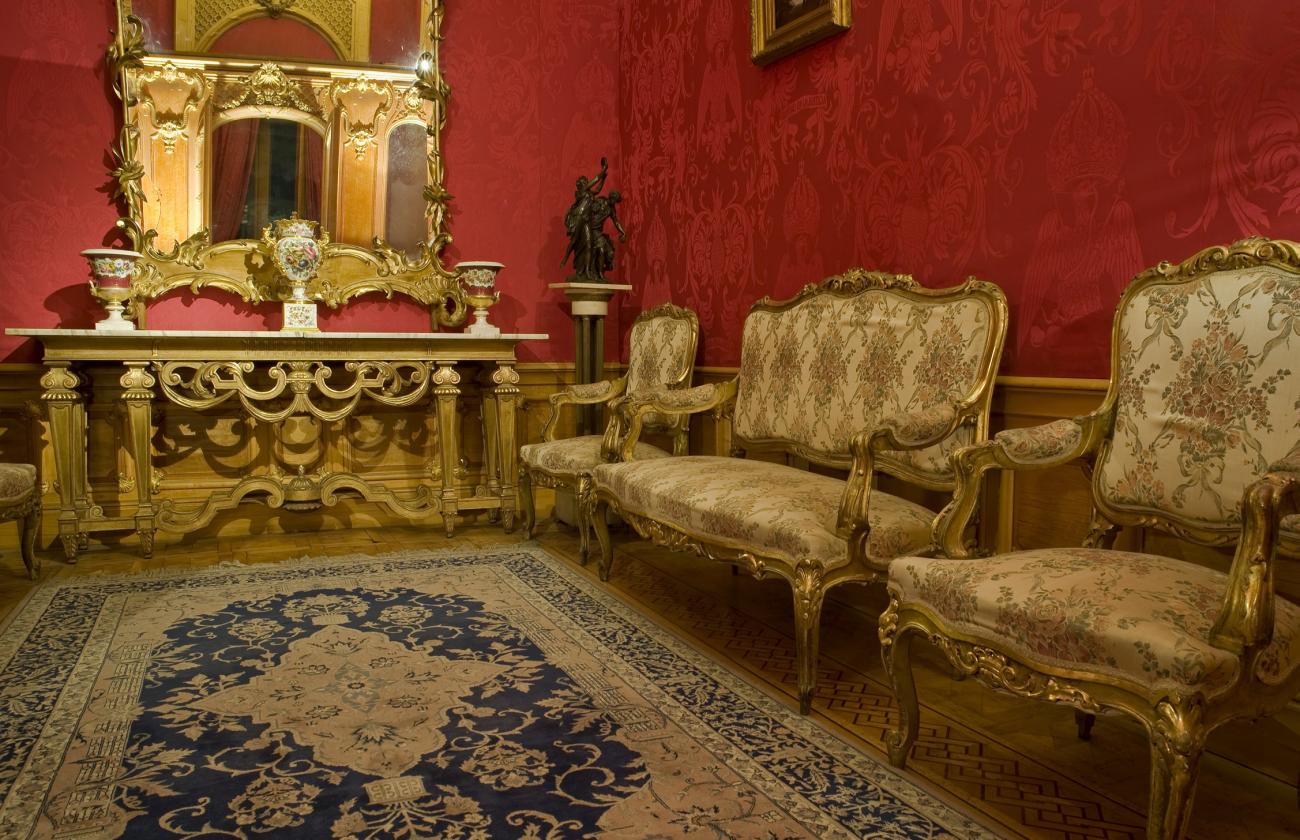
Carlota at Chapultepec: According to court protocol, Carlota was accompanied by ladies-in-waiting selected from Mexico’s most prominent families. During her time at Chapultepec, she established charitable institutions for the poor, hosted receptions, and socialized with her ladies, while also playing an active role in political matters. When Maximilian traveled through the country, he entrusted governance to Carlota, who presided over councils, granted audiences to ministers, received ambassadors in official rooms, and issued orders. As the political crisis deepened, she decided to seek help from European courts and Pope Pius IX—efforts that ultimately failed.
This space in earlier times:
- Residence of Maximilian • Staff rooms • 1866
- Observatory • Director’s rooms • 1877
- Presidential Residence (Manuel González) • Bedroom • 1882
- Presidential Residence (Porfirio Díaz) • Boudoir • 1906
- Presidential Residence (Abelardo Rodríguez) • Salon • 1932
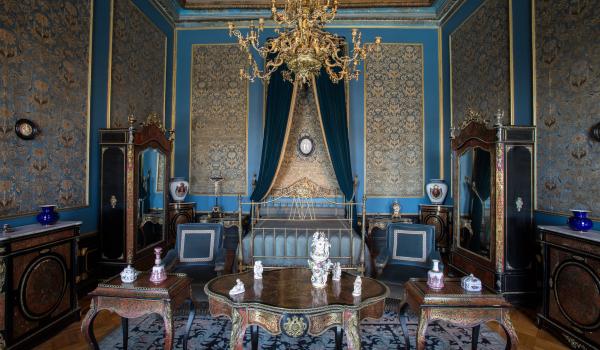
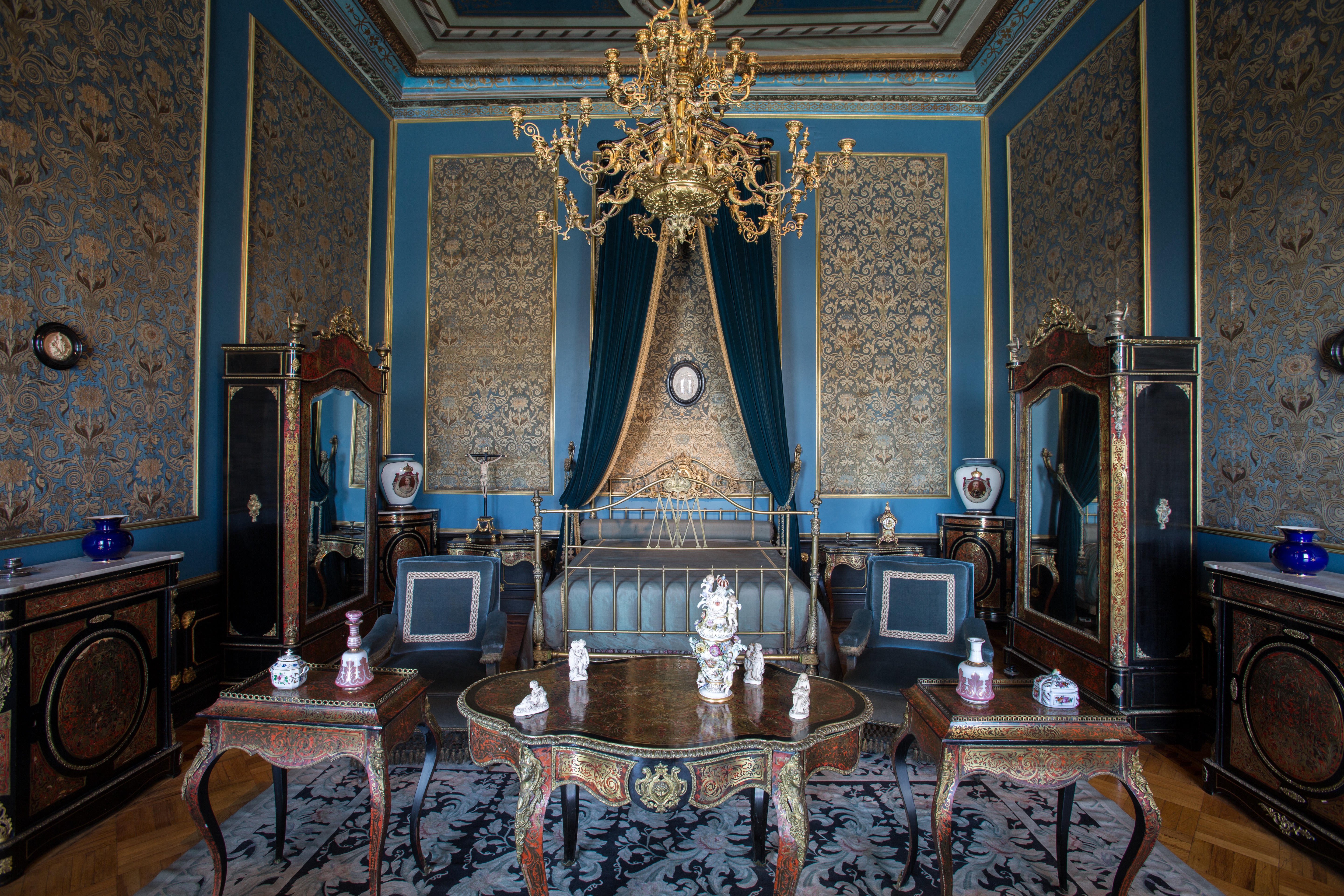
Carlota’s Bedroom
Recovering the palace: Among Maximilian’s various residences were the Imperial Palace (now the National Palace), Chapultepec, and the Borda House in Cuernavaca.
Carlota’s Bedroom
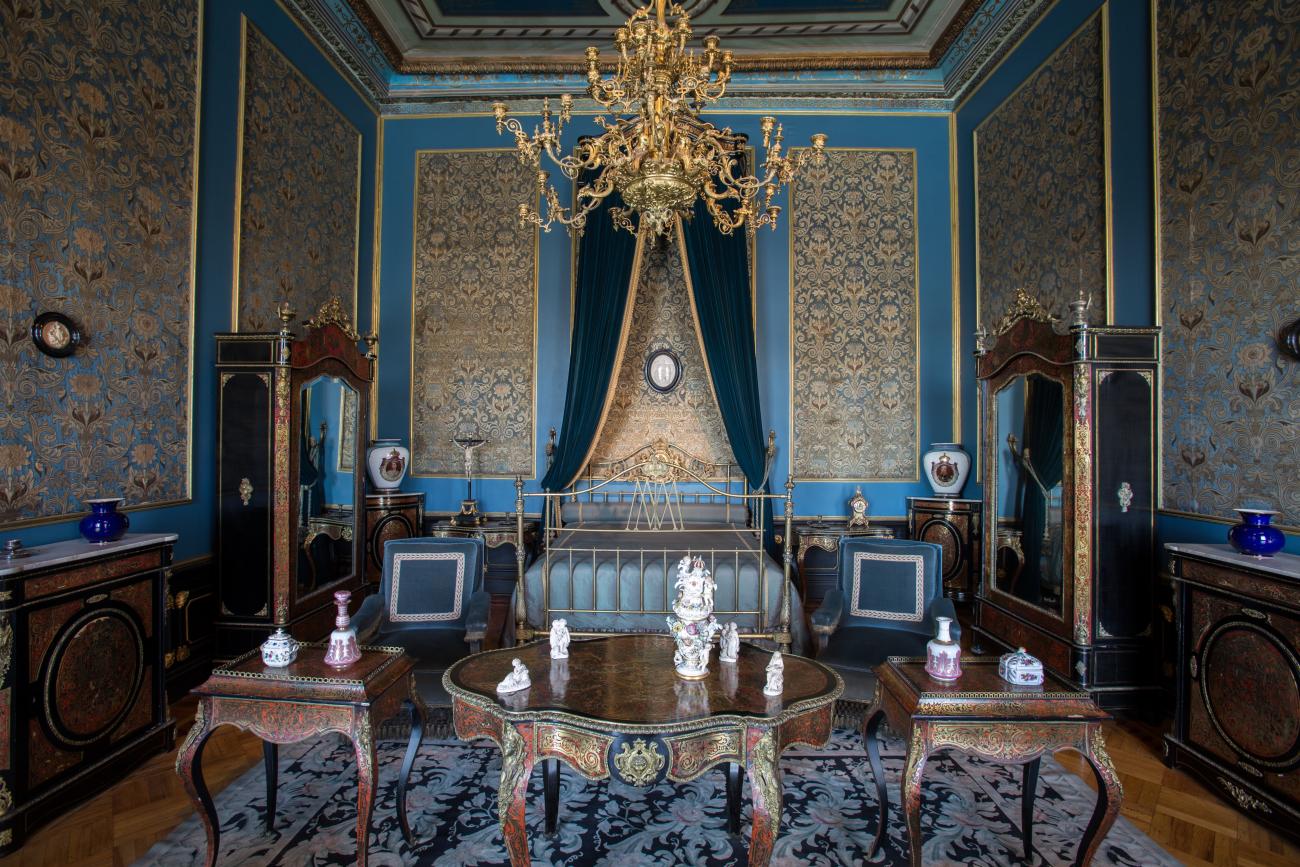
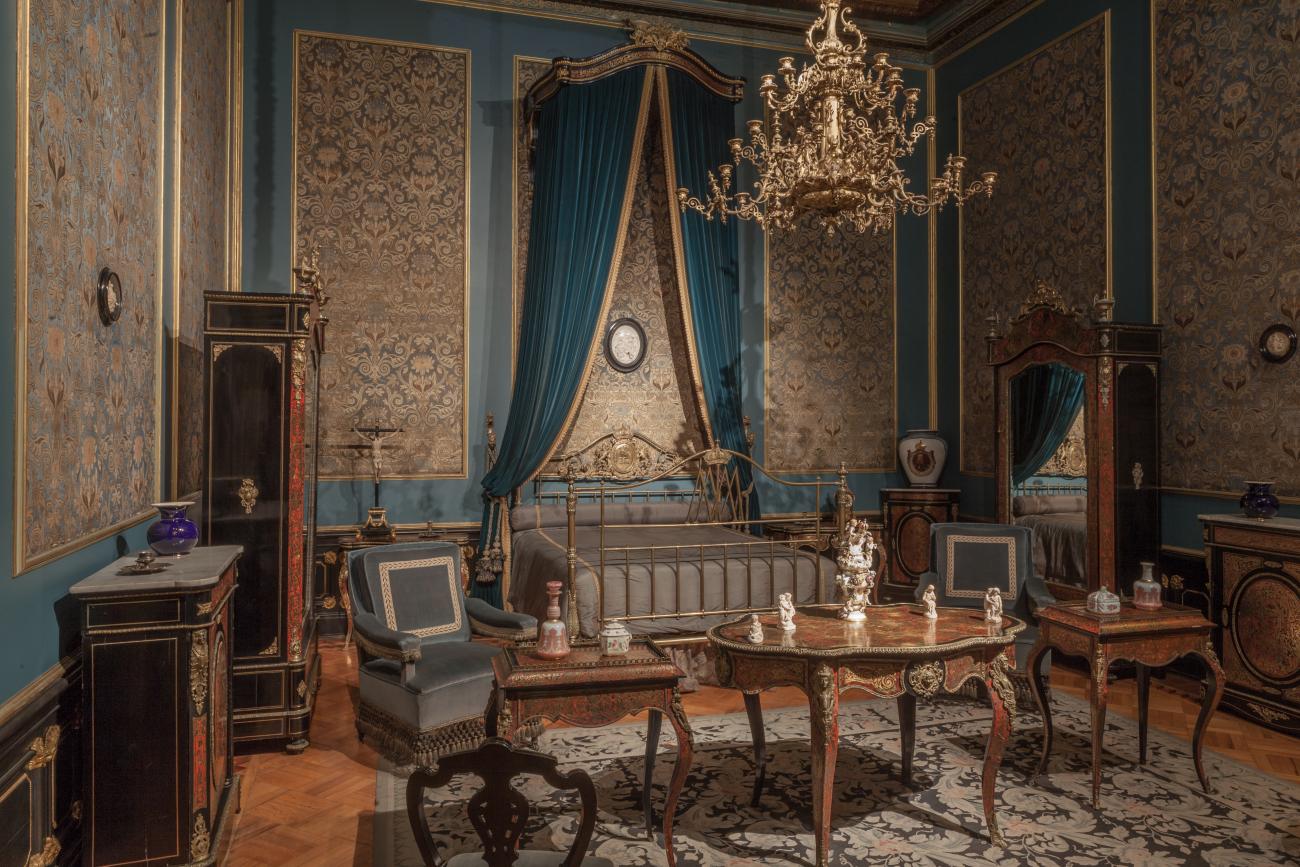
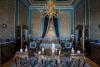
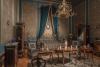
Recovering the palace: Among Maximilian’s various residences were the Imperial Palace (now the National Palace), Chapultepec, and the Borda House in Cuernavaca. All were lavishly decorated with tapestries, carpets, tableware, and European ornaments—acquisitions that drained both personal and public funds. When he foresaw the fall of his government and left Mexico City in late 1866, Maximilian ordered his palaces to be dismantled. Thus began a long story of loss and rediscovery. The French Boulle-style bedroom shown here was purchased by President Manuel González, who believed it had belonged to Carlota. Maximilian’s brass bed and other objects were among the furnishings left behind in the castle after his death.
This space in earlier times:
- Residence of Maximilian • Staff rooms • 1866
- Observatory • Director’s rooms • 1877
- Presidential Residence (Manuel González) • Bedroom • 1882
- Presidential Residence (Porfirio Díaz) • Blue bedroom • 1906
- Presidential Residence (Abelardo Rodríguez) • Carlota’s bedroom • 1932
Sitting Room
The education of a princess: Princess Marie Charlotte Amélie of Belgium was just seventeen when she married Maximilian. Born into royalty—her cousin Victoria was Queen of England—she was thoroughly educated in Catholic doctrine, the sciences, arts, and politics.
Sitting Room
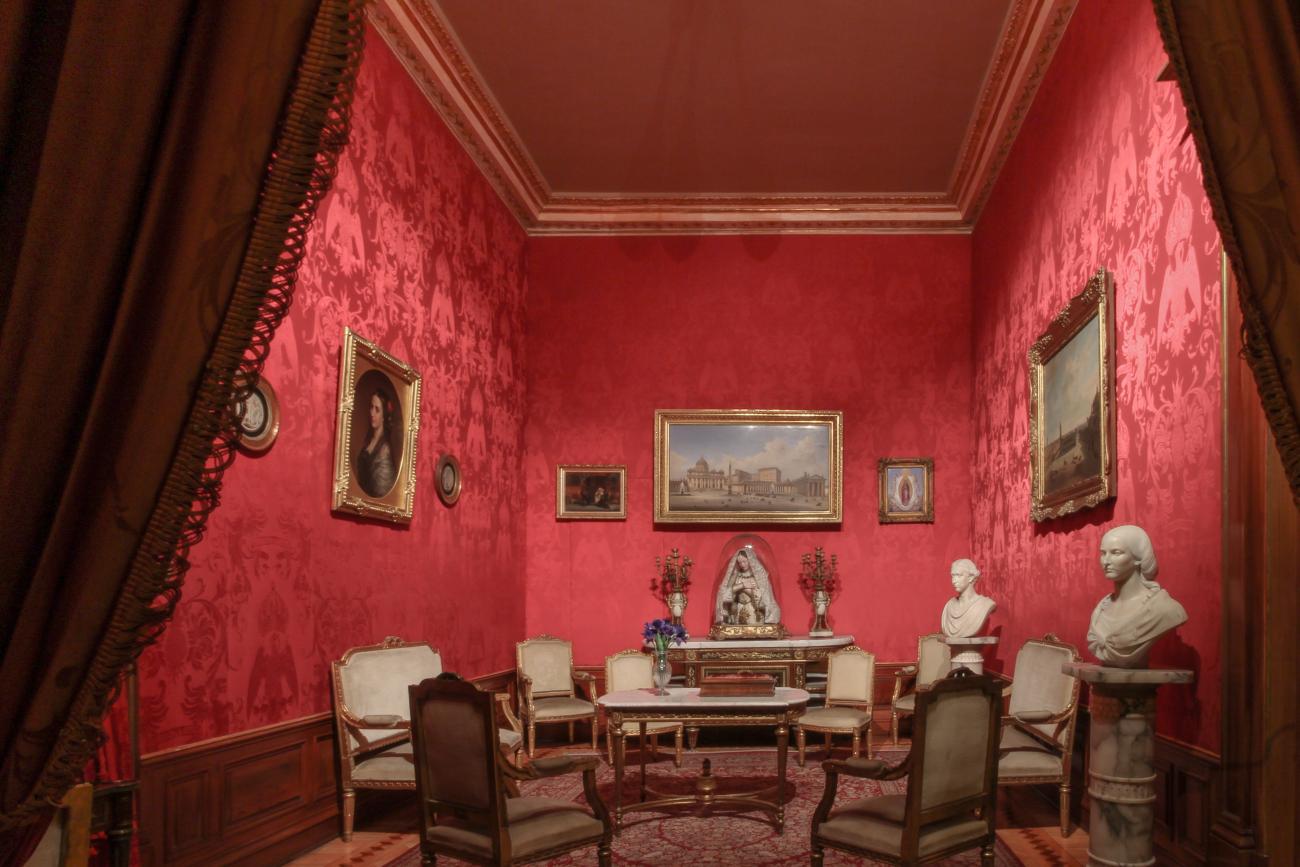
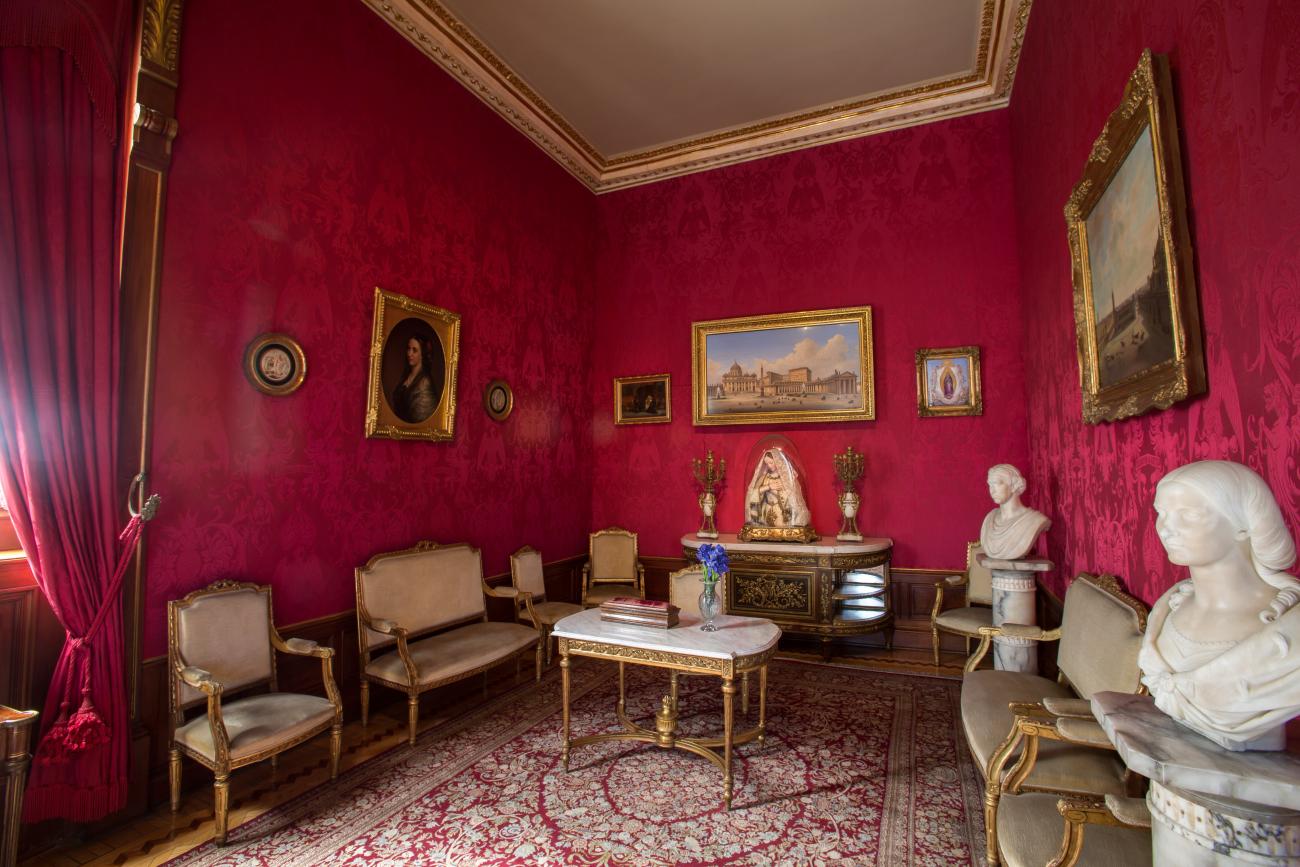
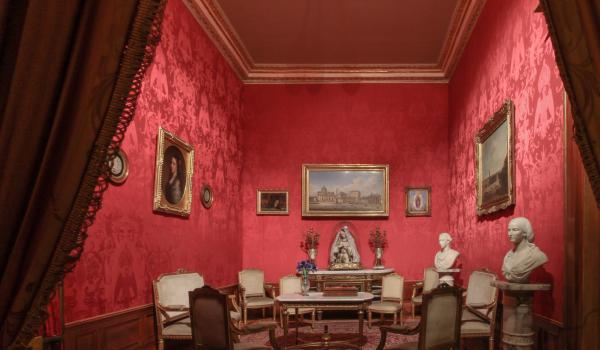
The education of a princess: Princess Marie Charlotte Amélie of Belgium was just seventeen when she married Maximilian. Born into royalty—her cousin Victoria was Queen of England—she was thoroughly educated in Catholic doctrine, the sciences, arts, and politics. Before traveling to Mexico, she studied the country's history and European-published descriptions in detail. Her endless curiosity about local customs often annoyed her Mexican ladies-in-waiting, who had been raised for domestic life. Free from household duties, Carlota often spent her private moments thinking about how to govern the country and educate its people.
This space in earlier times:
- Residence of Maximilian • Wardrobe • 1866
- Observatory • Director’s rooms • 1877
- Presidential Residence (Manuel González) • Bedroom • 1882
- Presidential Residence (Porfirio Díaz) • Parlor • 1906
- Presidential Residence (Abelardo Rodríguez) • “Chinese Room” • 1932
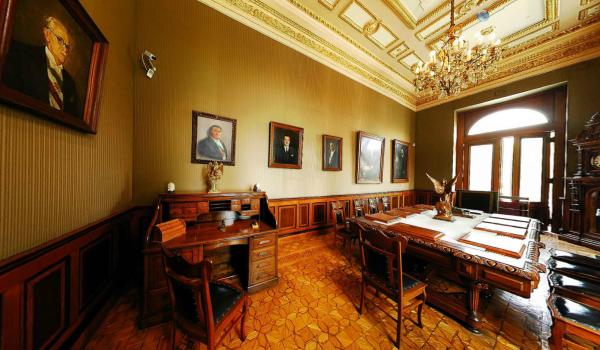
Council Room
A castle for the museum: Far from bringing peace to the country, Porfirio Díaz’s departure to Europe in May 1911 failed to prevent the continuation of the Mexican Revolution, which eventually gave rise to the modern Mexican state.
Council Room

A castle for the museum: Far from bringing peace to the country, Porfirio Díaz’s departure to Europe in May 1911 failed to prevent the continuation of the Mexican Revolution, which eventually gave rise to the modern Mexican state. Presidents continued to use the Castle as their official residence, altering its façades and interiors to suit their tastes. In this room, government leaders met with members of their cabinet to discuss and resolve public matters. President Lázaro Cárdenas moved the official presidential residence to Los Pinos and, in 1939, handed the Castle over to the people of Mexico so it could house the National Museum of History, which opened its doors in 1944.
This space in previous times...
Observatory • Meteorologist’s quarters • 1877
Presidential residence (Manuel González) • Private secretary’s office • 1882
Presidential residence (Porfirio Díaz) • Presidential council chamber • 1906
Presidential residence (Abelardo Rodríguez) • Council room • 1932

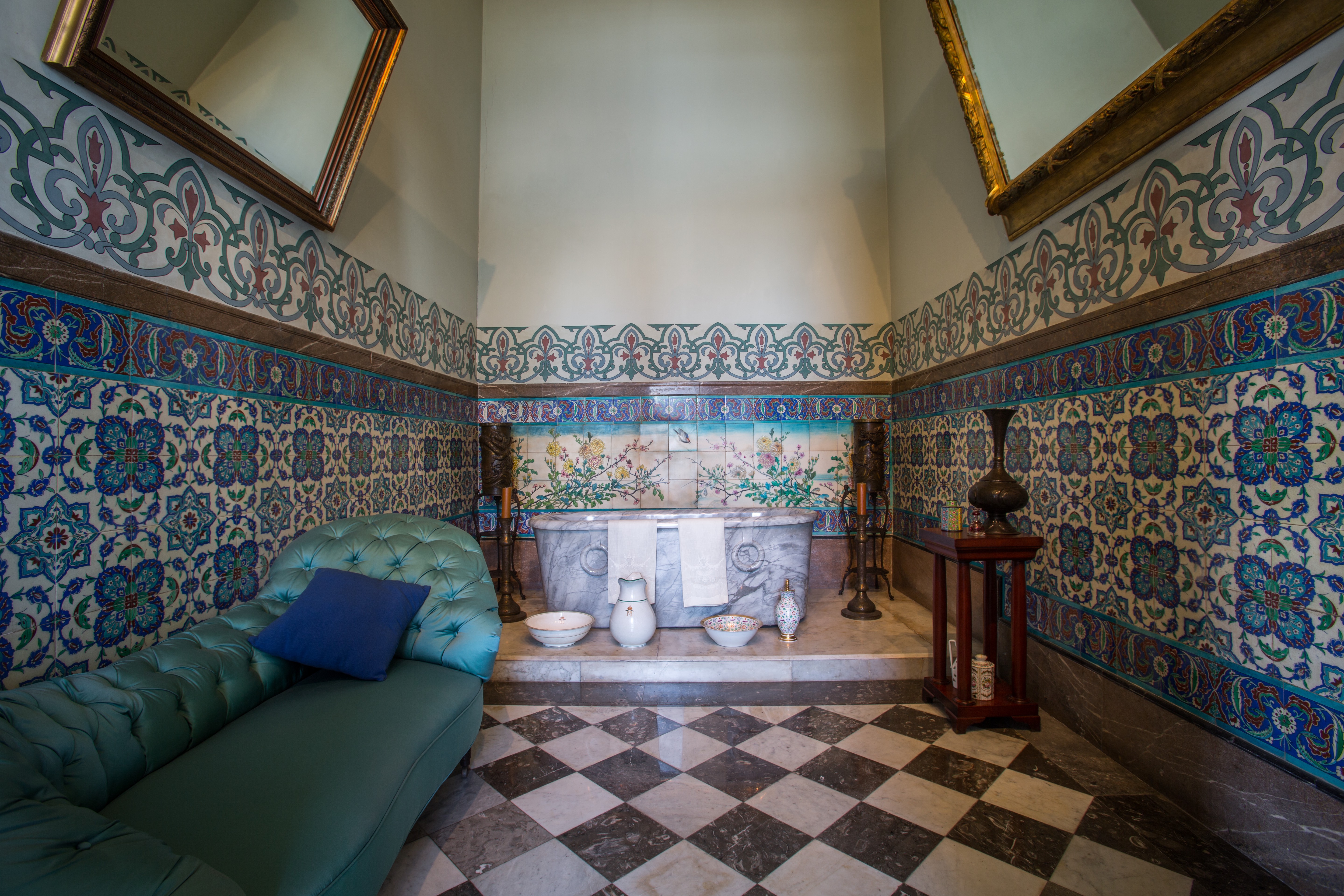
Porfirio Díaz’s Bedroom
Porfirio Díaz at Chapultepec: The presidential family resided most of the year at house number 8 on Calle de La Cadena (now Venustiano Carranza), and spent summers at Chapultepec Castle, which became a venue for lavish balls and receptions.
Porfirio Díaz’s Bedroom

Porfirio Díaz at Chapultepec: The presidential family resided most of the year at house number 8 on Calle de La Cadena (now Venustiano Carranza), and spent summers at Chapultepec Castle, which became a venue for lavish balls and receptions. Since his youth, Díaz maintained the habit of rising before dawn, exercising, and swimming. He would issue orders and meet with his ministers early in the morning at the National Palace, the official seat of the presidency. When public affairs allowed, he would travel outside of Mexico City to Querétaro, Michoacán, or Jalisco to enjoy one of his favorite pastimes: hunting.
This space in previous times...
Observatory • Altazimuth and first vertical instruments • 1877
Presidential residence (Manuel González) • Private secretary’s office • 1882
Presidential residence (Porfirio Díaz) • Presidential quarters • 1906
Carmen Romero’s Bedroom
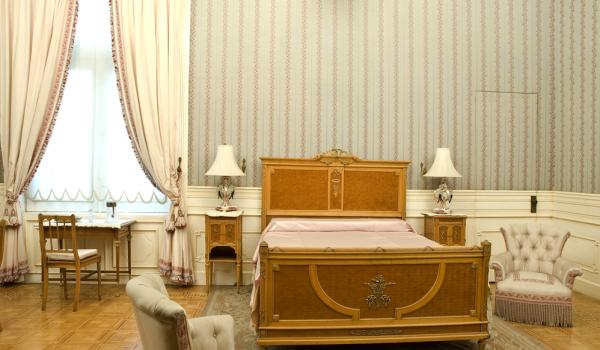
A model of distinction: Carmen, the president’s wife, was the daughter of a prominent military officer whose political views opposed those of Díaz.
Carmen Romero’s Bedroom

A model of distinction: Carmen, the president’s wife, was the daughter of a prominent military officer whose political views opposed those of Díaz. She was described as having “qualities capable of winning over even the most demanding heart.” Educated, elegant, discreet, and devout, Doña Carmelita helped Díaz gain acceptance among groups that had been resistant to his rule. Though she kept a distance from political affairs, she contributed to his public image and often interceded on behalf of those in need. Her bedroom—like her husband’s, imported from France—reflects the European tastes that were not only present in her home but also adopted by Mexico’s upper classes.
This space in previous times...
Residence of Emperor Maximilian • Carlota’s bedroom • 1866
Observatory • Observatory director’s quarters • 1877
Presidential residence (Manuel González) • President’s study • 1882
Presidential residence (Porfirio Díaz) • Sitting room • 1906

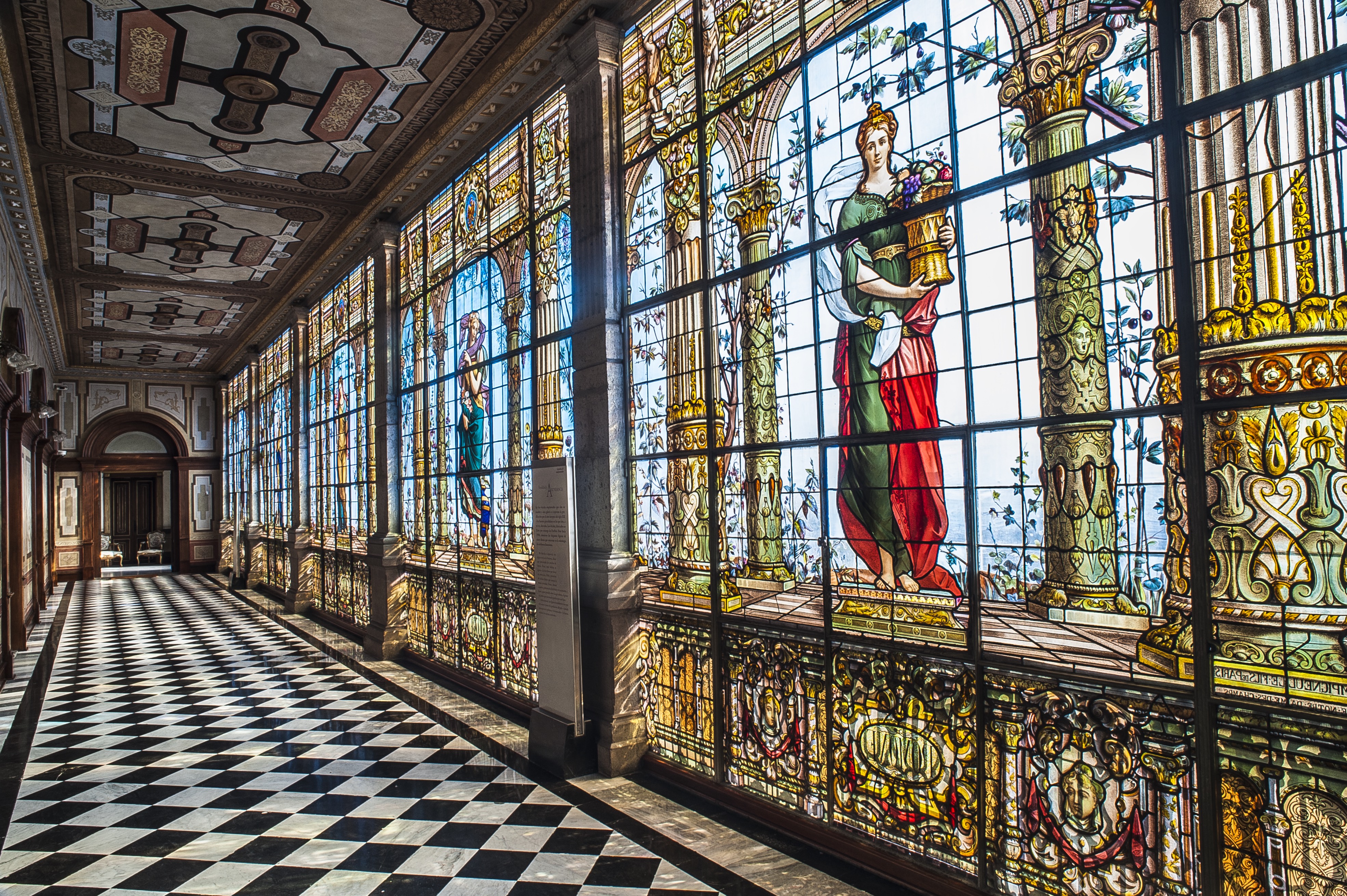
Stained Glass Room
Fertility and abundance: The stained-glass windows that give this gallery its name reflect a fascination with 19th-century European art and the Greco-Roman sources that inspired it.
Stained Glass Room

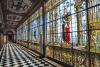
Fertility and abundance: The stained-glass windows that give this gallery its name reflect a fascination with 19th-century European art and the Greco-Roman sources that inspired it. Commissioned by Porfirio Díaz around 1900 and crafted in Paris, the windows depict five graceful goddesses who, in mythology, embody feminine virtues. From right to left: Pomona, patron of fruit harvests; Flora, whose beauty rivals the blossoms of spring; Hebe, bearer of the divine nectar of eternal youth; Diana, the huntress and goddess of fertility and childbirth; and Ceres, guardian of agriculture, grain, and a mother’s love. Ironically, these figures adorned spaces whose opulence was hidden from the eyes of a population burdened by poverty and disillusionment.
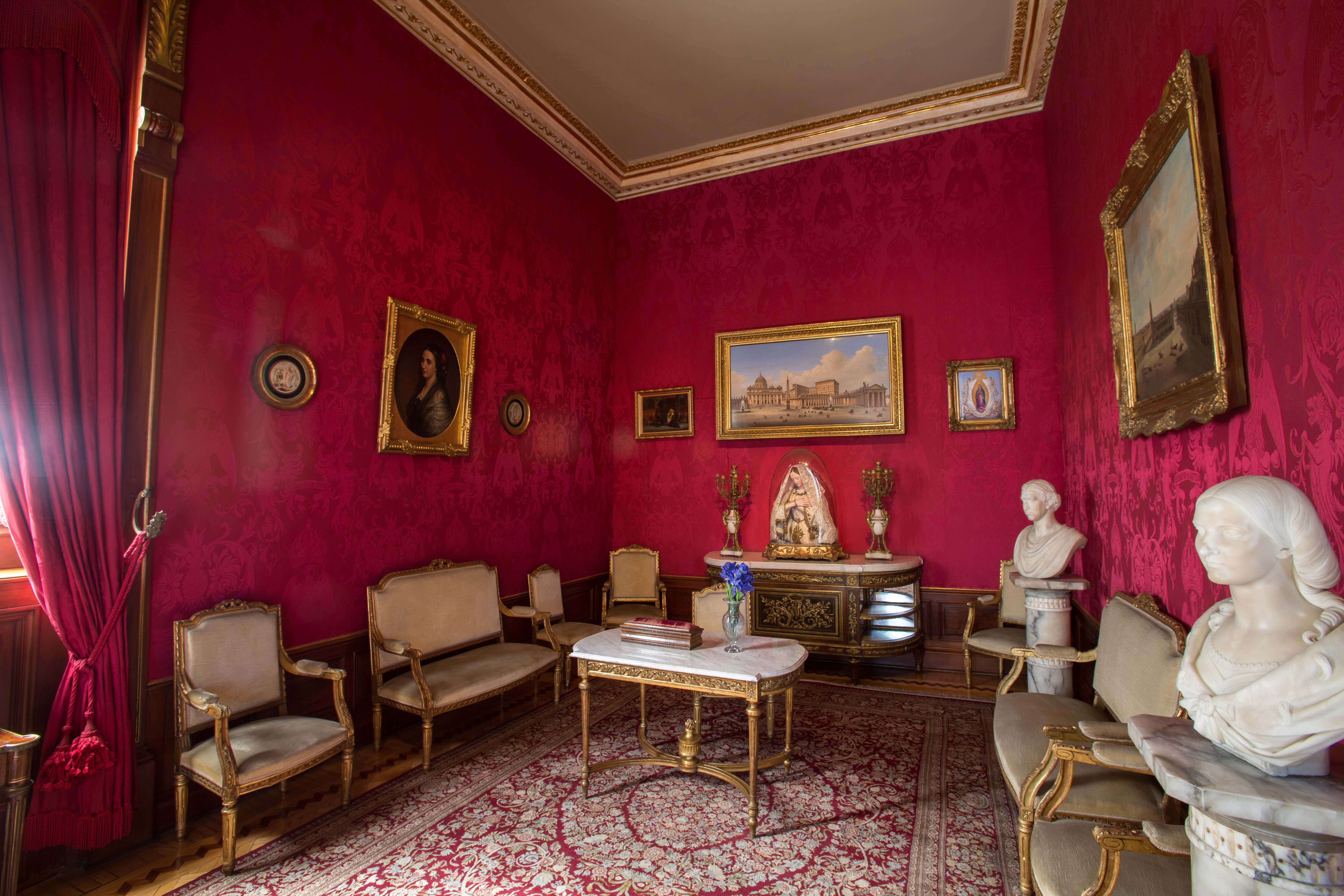
Ambassadors’ Hall
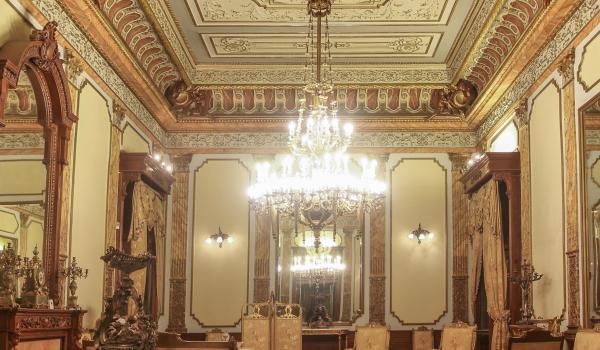
Grand receptions: During Porfirio Díaz’s presidency, Mexico’s international relations entered a period of expansion that attracted much-needed foreign investment to modernize the country.
Ambassadors’ Hall

Grand receptions: During Porfirio Díaz’s presidency, Mexico’s international relations entered a period of expansion that attracted much-needed foreign investment to modernize the country. The Castle’s grand halls hosted foreign diplomats on multiple occasions, where they enjoyed the hospitality of the presidential family. This room, known as the “Ambassadors’ Hall,” was decorated in the French style—featuring baroque and neoclassical elements—by artist Epitacio Calvo. The furniture, in the Louis XVI style, and the carpet—featuring a view of the Castle and made by the Aubusson workshop—were both produced in France.
This space in previous times...
Residence of Emperor Maximilian • Carlota’s Hall and Billiard Room • 1866
Observatory • Meteorological department and director’s quarters • 1877
Presidential residence (Manuel González) • Ballroom and annex • 1882
Presidential residence (Porfirio Díaz) • Grand Hall • 1906

Terraces of the Alcázar
"To build castles with terraced gardens"—this was how Emperor Maximilian once defined happiness. A knowledgeable enthusiast of palace architecture and garden design of his time, as well as a devoted botanist, he found in the terrace of the Castle an ideal space to bring his dream to life.
Terraces of the Alcázar
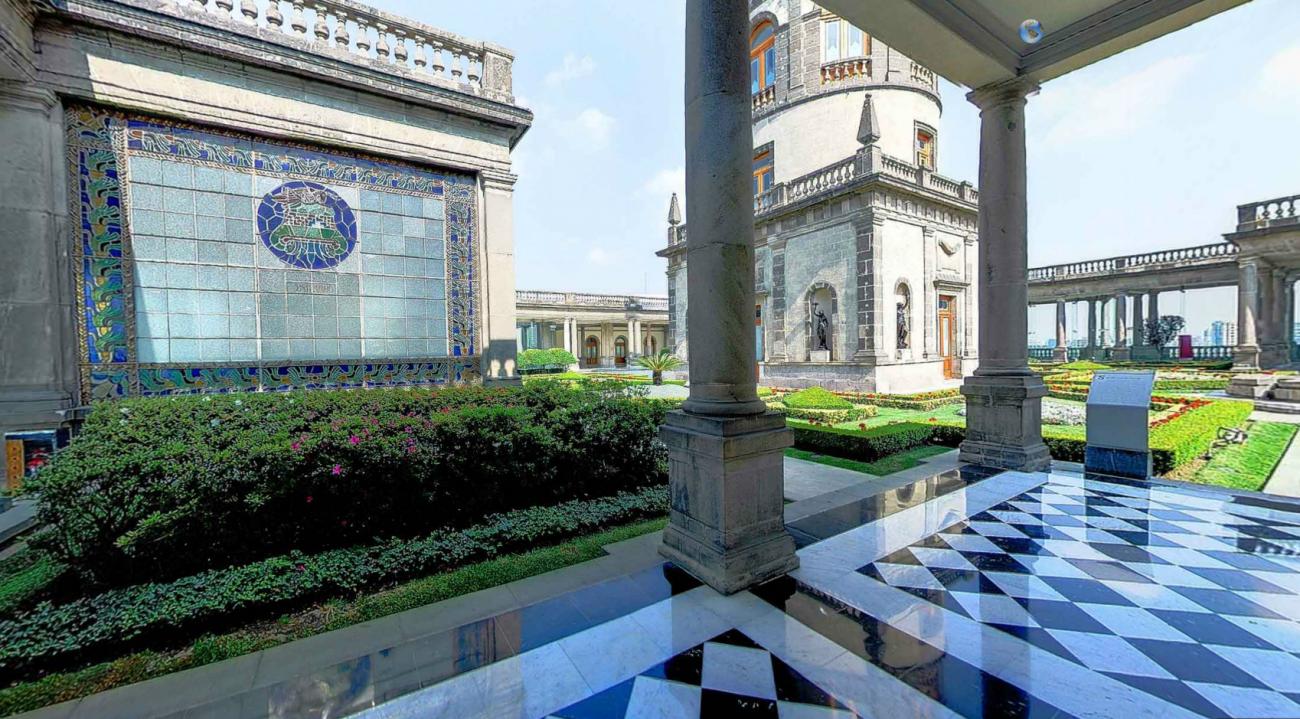
"To build castles with terraced gardens"—this was how Emperor Maximilian once defined happiness. A knowledgeable enthusiast of palace architecture and garden design of his time, as well as a devoted botanist, he found in the terrace of the Castle an ideal space to bring his dream to life.
Surrounding this intimate garden—bordered by corridors with light roofs supported by slender iron columns—Maximilian would listen to and dictate his correspondence. Much like in the European palaces of the era, the inner garden was visually connected to the surrounding parkland, in this case, the forest of Chapultepec.
Stairway of the Lions
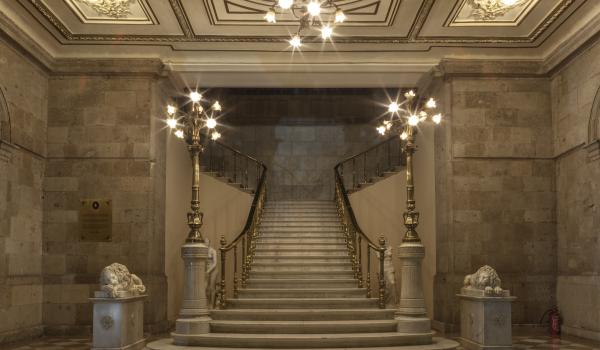
In 1878, as the terrace of Chapultepec Castle was expanded to accommodate the National Astronomical, Meteorological, and Magnetic Observatory, a new access point to the upper floor was opened. This upper level would later house the institution's scientific instruments.
Stairway of the Lions
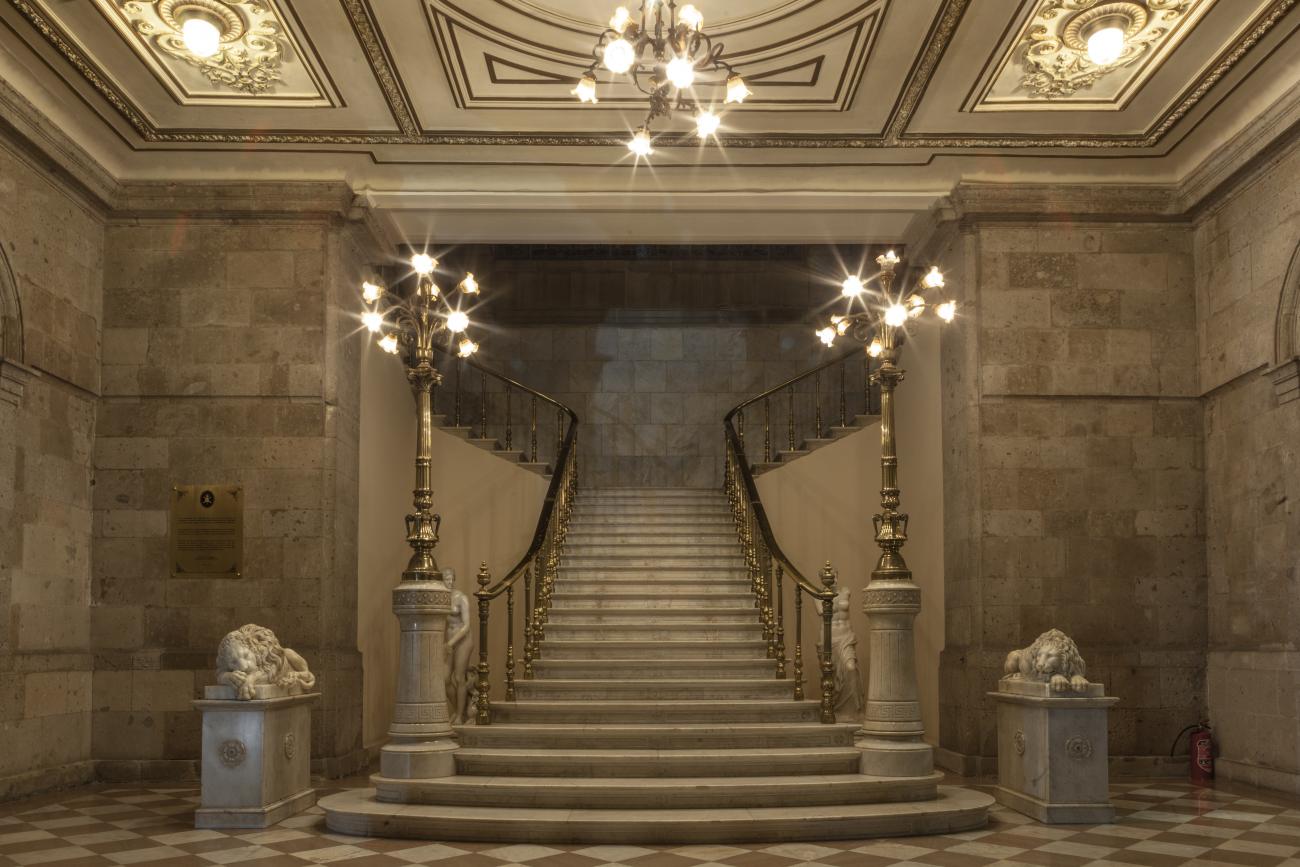
In 1878, as the terrace of Chapultepec Castle was expanded to accommodate the National Astronomical, Meteorological, and Magnetic Observatory, a new access point to the upper floor was opened. This upper level would later house the institution's scientific instruments.
Not long after, under the initiative of President Porfirio Díaz, this access point was transformed to reflect the prestige of the presidential residence. A new staircase was built, made of white marble with brass handrails. Years later, around 1915, President Venustiano Carranza ordered a remodeling. Leaded stained glass windows by painter Saturnino Hernán were added to protect the garden entrance, and the central flight of stairs was flanked by two lion sculptures—features that would eventually give the stairway its current name.
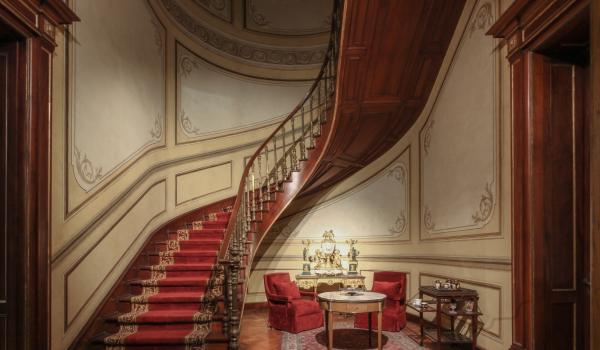
The Purple Staircase
"The comfort of home." Opened during the presidency of Manuel González (1880–1884), this staircase played a key role in turning the Alcázar into a more comfortable and accessible residence.
The Purple Staircase
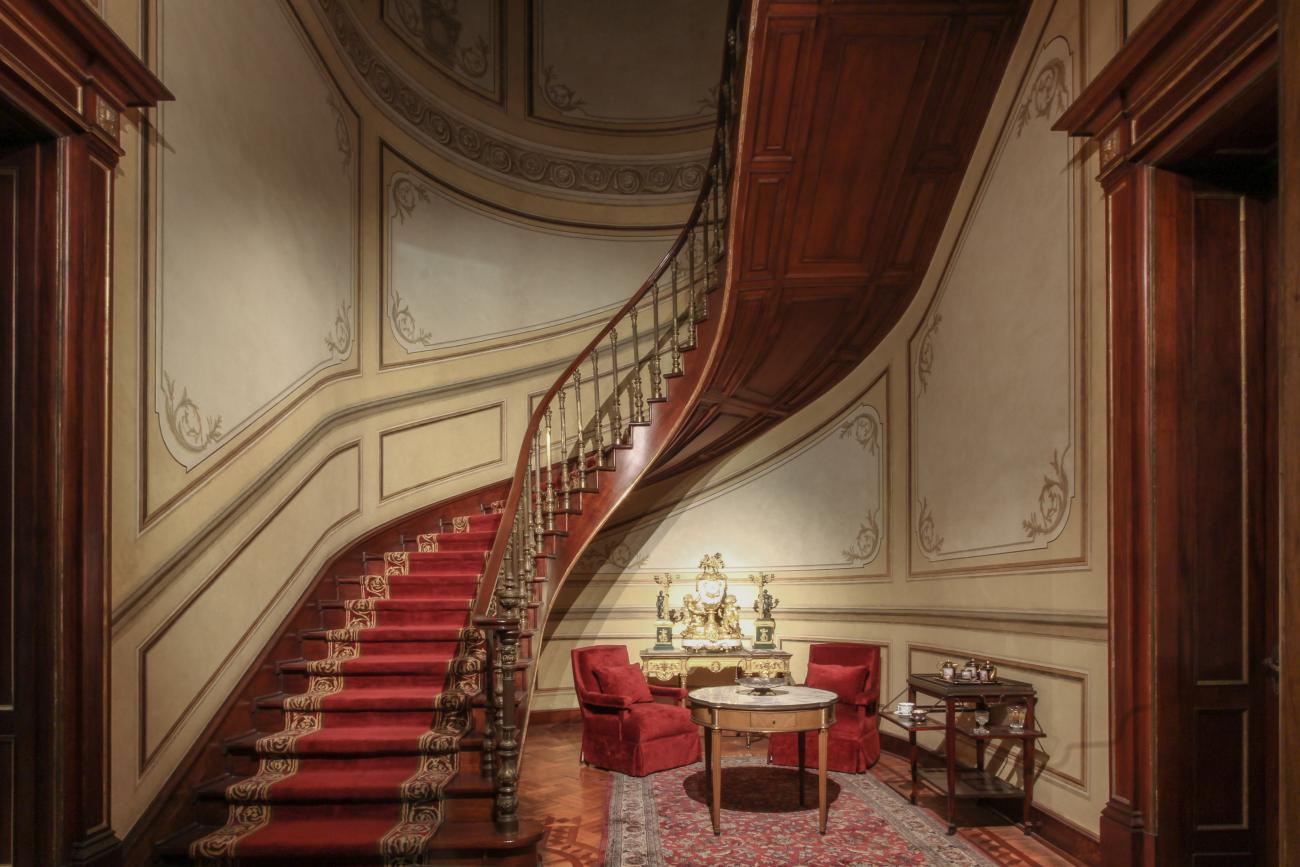
"The comfort of home." Opened during the presidency of Manuel González (1880–1884), this staircase played a key role in turning the Alcázar into a more comfortable and accessible residence. It connected the upstairs private quarters of the president and his wife with the reception halls and dining room below. The more formal Lions’ Staircase was reserved for receiving guests, while the slender southeast turret and the stairway behind the dining room were used by the household staff. Circulation between the two main floors and the basement was also facilitated by an electric elevator—exclusively for presidential use.
This space has served many roles over time...
• Residence of Emperor Maximilian – Partial billiard room – 1866
• Observatory – Meteorological Office – 1877
• Presidential Residence (Manuel González) – Staircase – 1882
• Presidential Residence (Porfirio Díaz) – Private Staircase – 1906

Document
Document
- DirecciónSalvador Miguel Rueda Smitherssalvador_rueda@inah.gob.mx+52 (55) 4040 5210AdministraciónAsgard Torres Esperanzaasgard_torres@inah.gob.mx+52 (55) 4040 5200, ext. 3113Subdirección TécnicaErandi Rubio Huertaserandi_rubio@inah.gob.mx+52 (55) 4040 5200, ext. 3162Protección y Resguardo de Bienes CulturalesEdmundo Crisóstomo Mendozaedmundo_crisostomo@inah.gob.mx+52 (55) 4040 5213