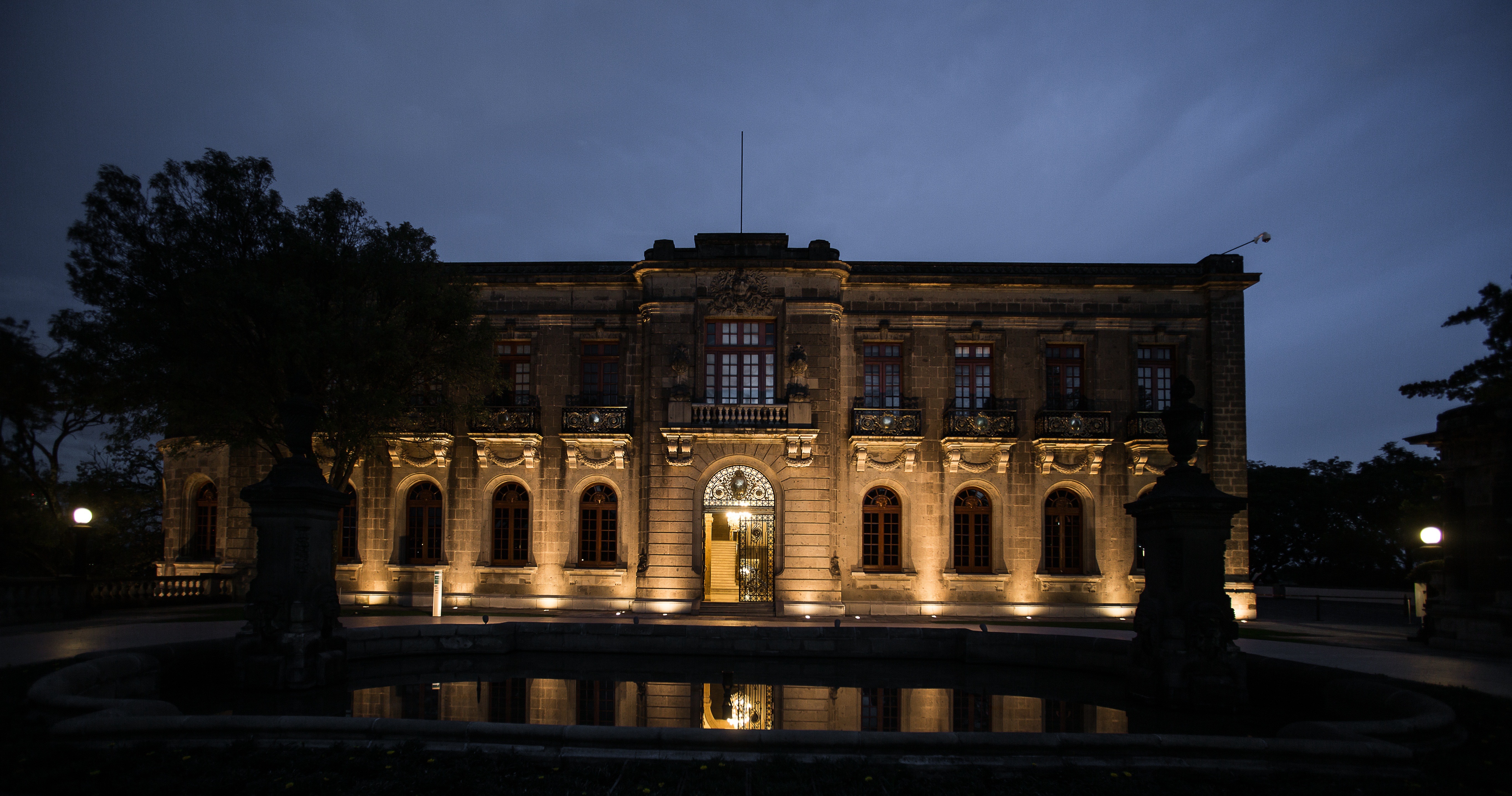
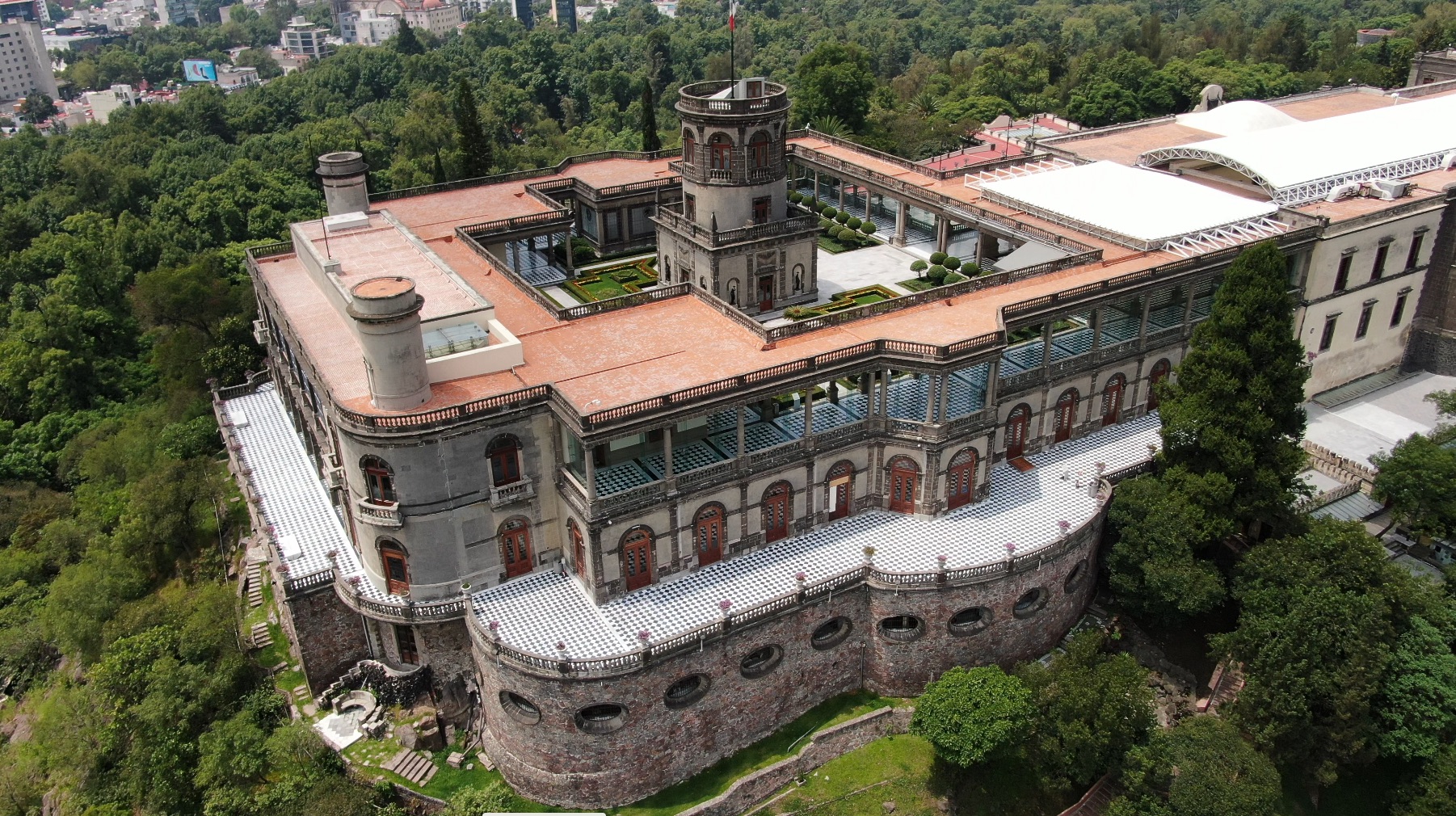
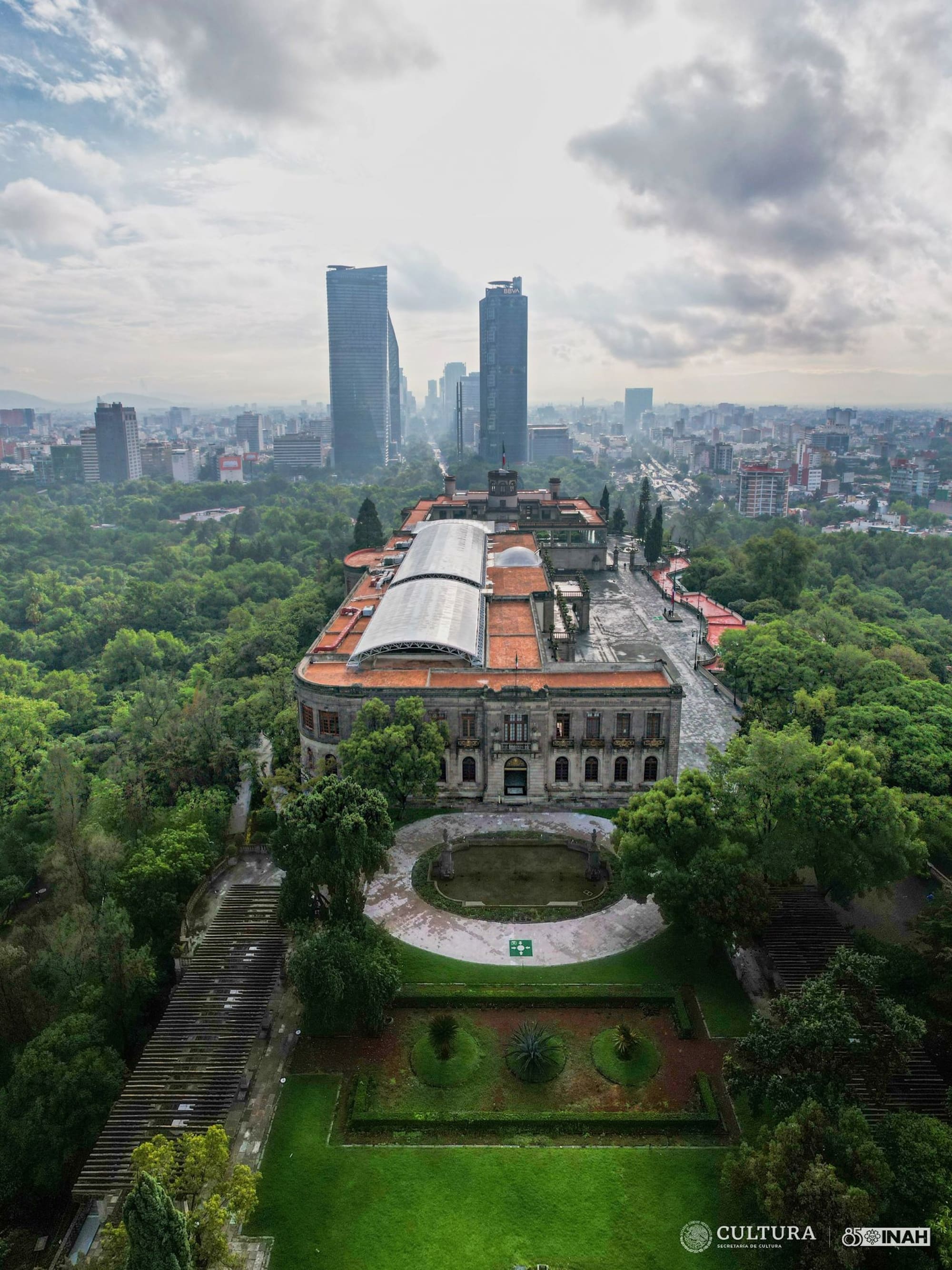
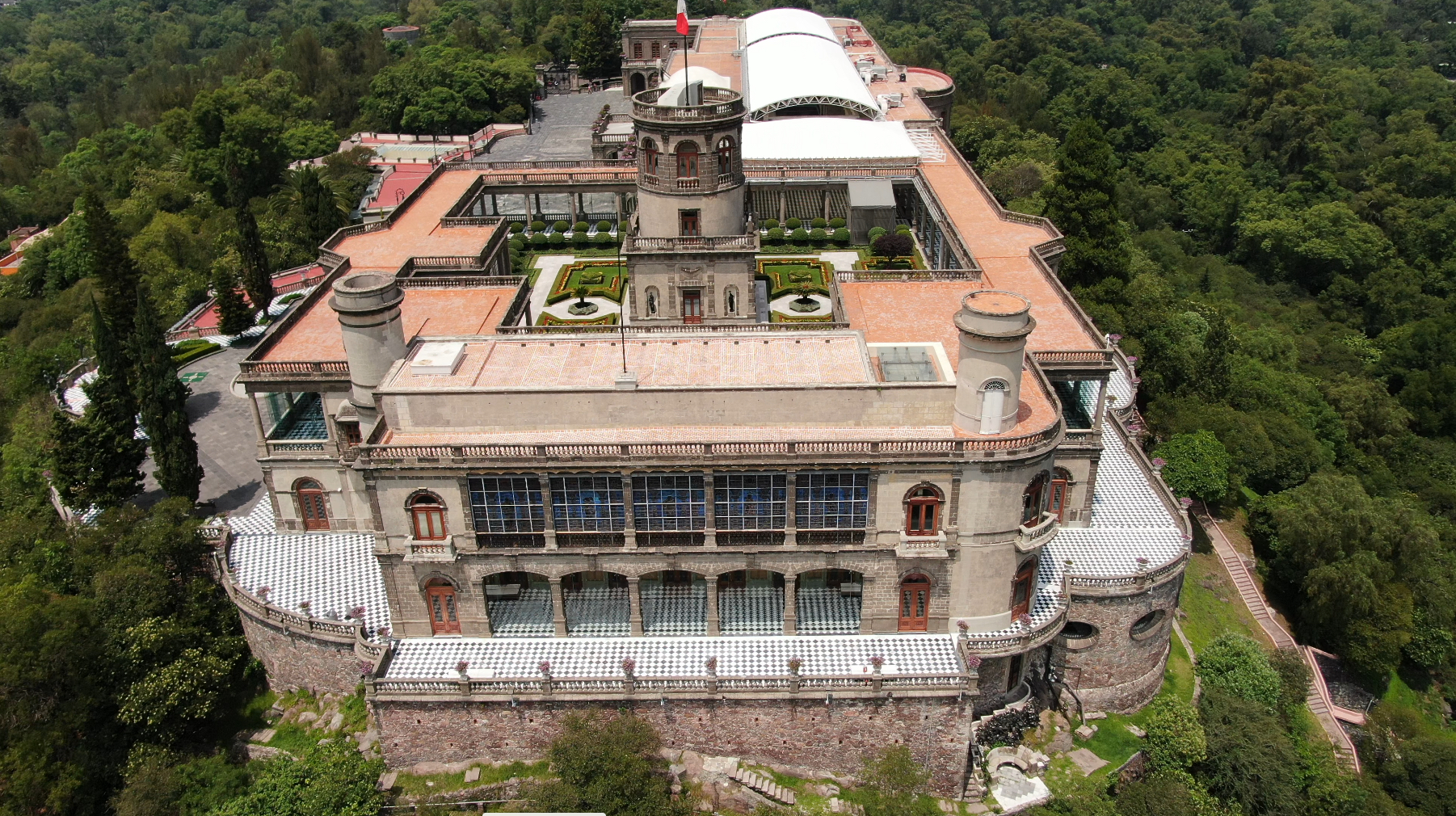












Museo Nacional de Historia Castillo de Chapultepec

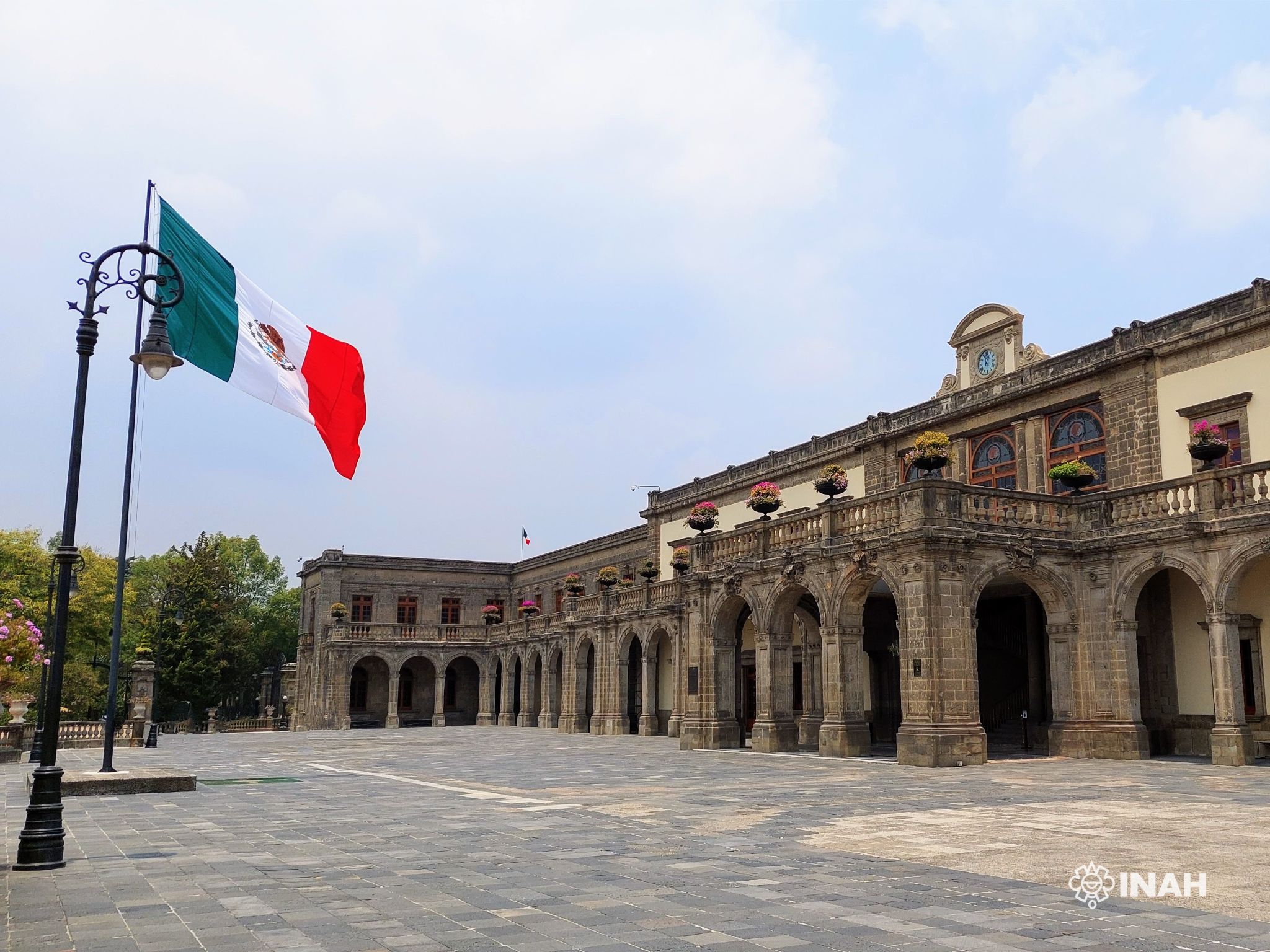
The former residence of viceroys, presidents and an emperor, Chapultepec Castle was the site of a major encounter during the Mexican-American war of 1847, and contains a splendid collection of historical artifacts.
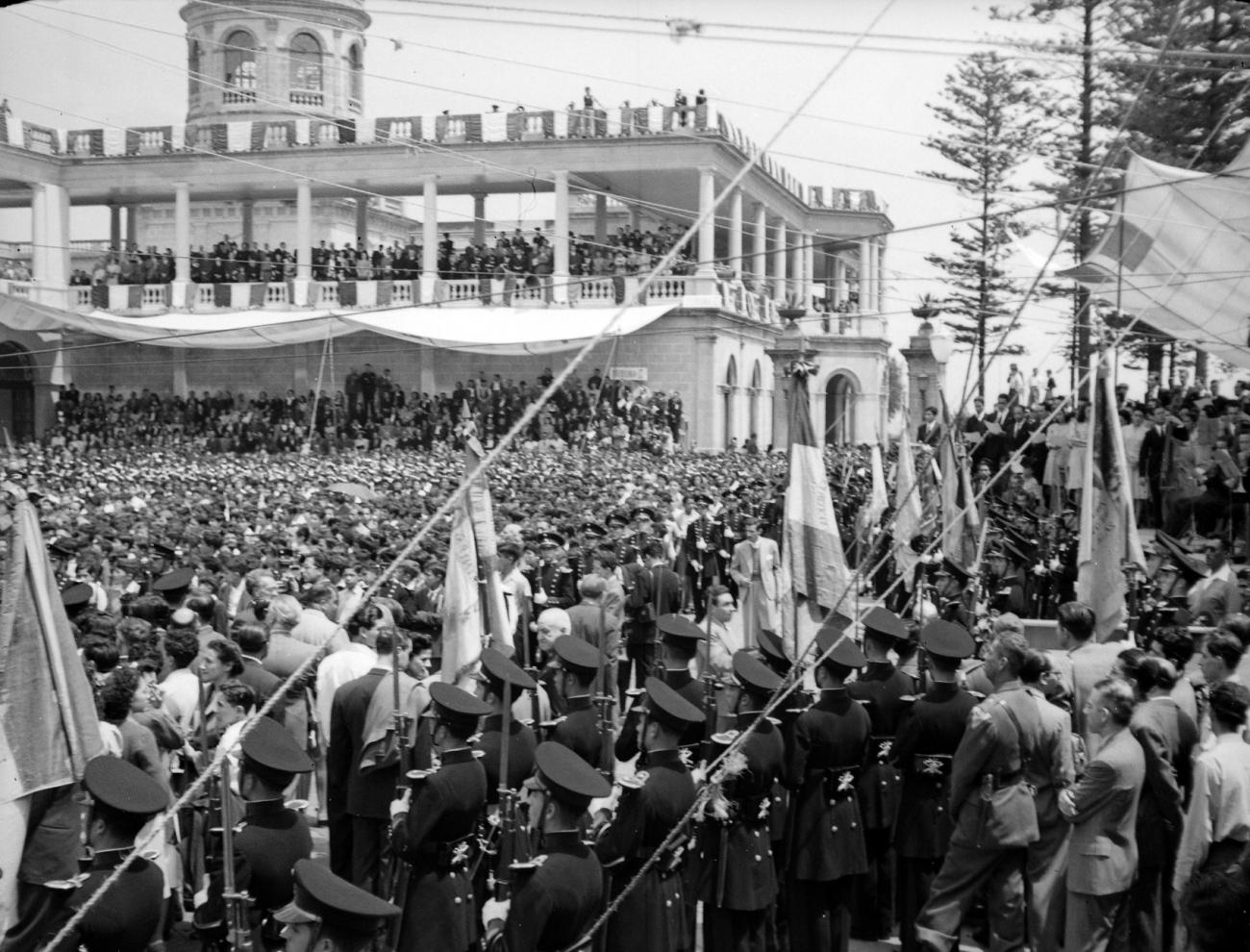
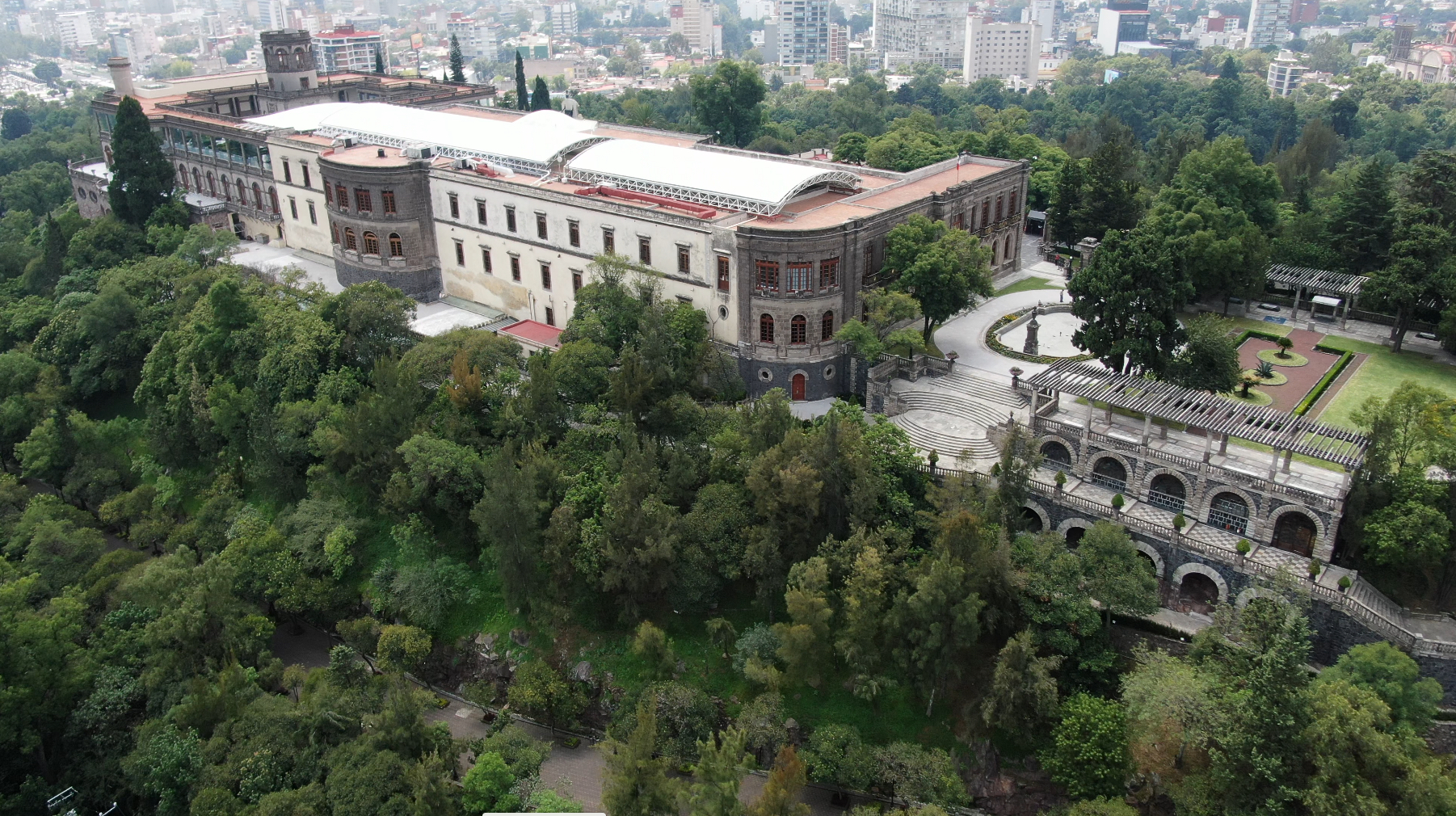
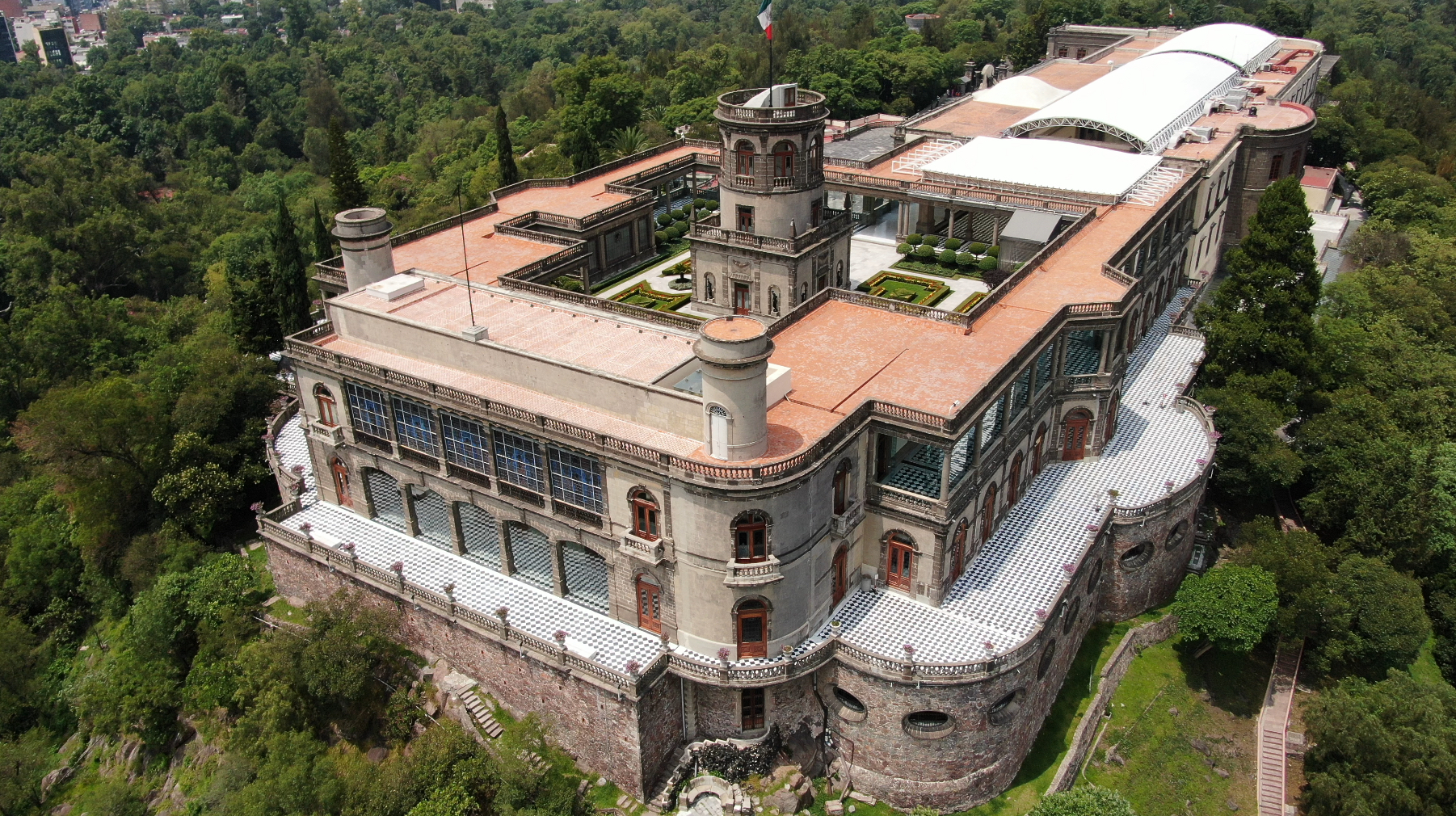
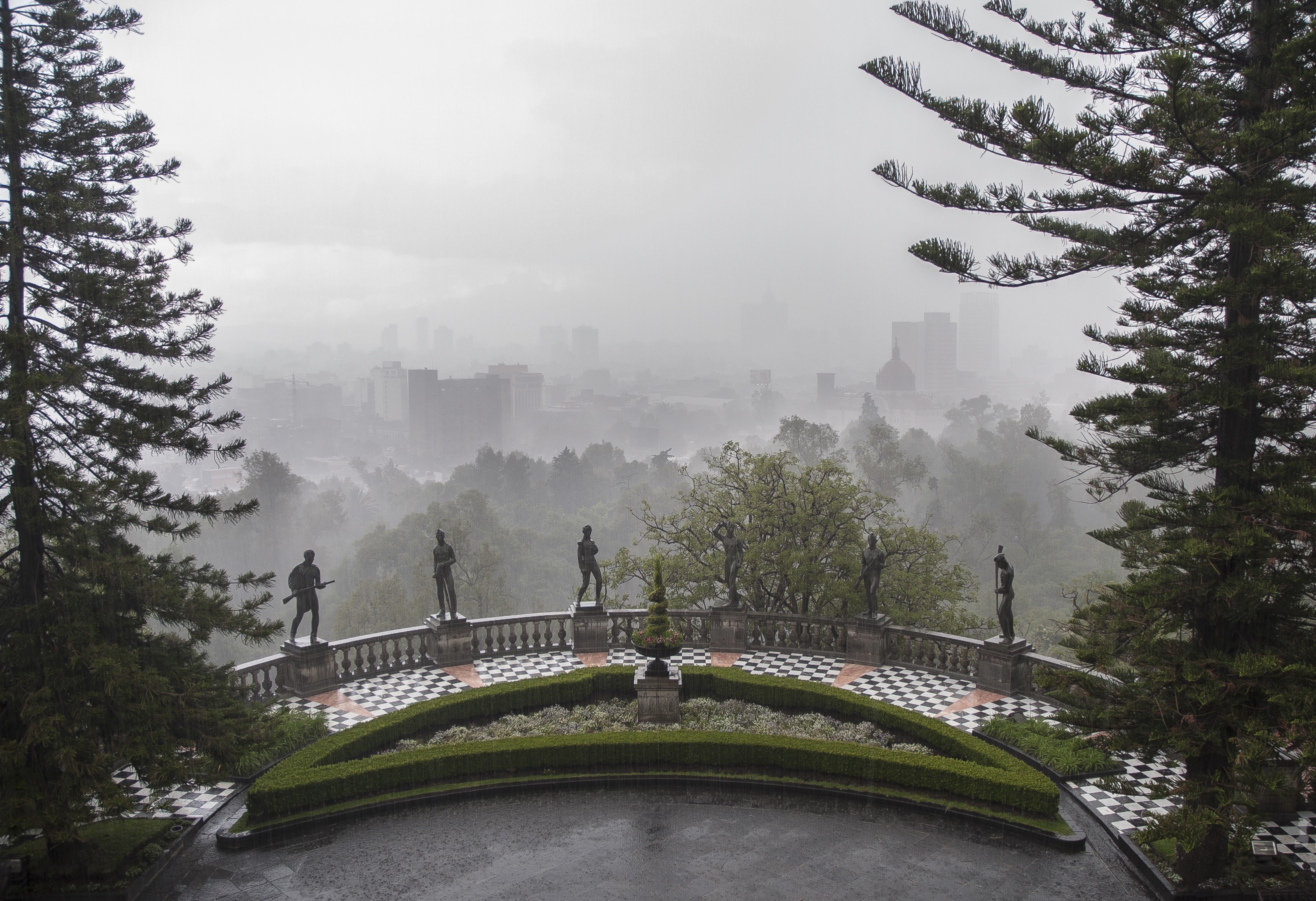
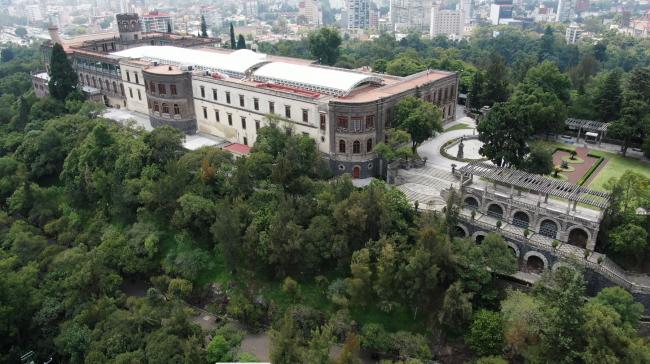
Chapultepec Castle is a magnificent late-eighteenth century construction (1785-1787) designed and built as a stately home at the behest of the Viceroy of New Spain at the time, Bernardo de Gálvez. Over the years, however, the building has been adapted several times for different uses. It was the headquarters of Mexico’s military academy, the site of battles fought during the US invasion, residence of Emperor Maximilian and Empress Carlota, and of a number of Mexican presidents. President Lázaro Cárdenas eventually issued a presidential decree in 1939 for the Castle to be used as a museum housing the collections and personal effects of Mexico’s leading historical figures. The building, standing at the highest point of Chapultepec Park, opened its doors as a museum in September 1944.
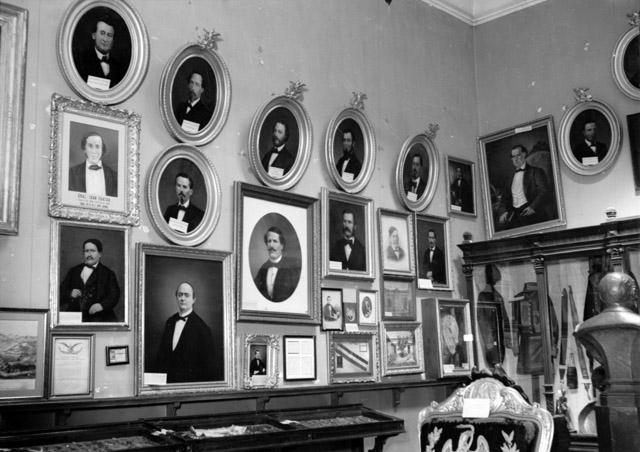
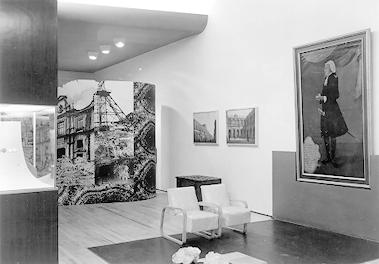
The National Museum of History—undoubtedly one of the most important exhibition spaces in Mexico—offers visitors a comprehensive view of national history, from the Conquest and the founding of New Spain until the dawn of the twentieth century. On display are more than 65,000 objects including paintings, sculptures, furniture, clothing, coins, musical instruments, silver and ceramic utensils, flags, carriages, and documents.
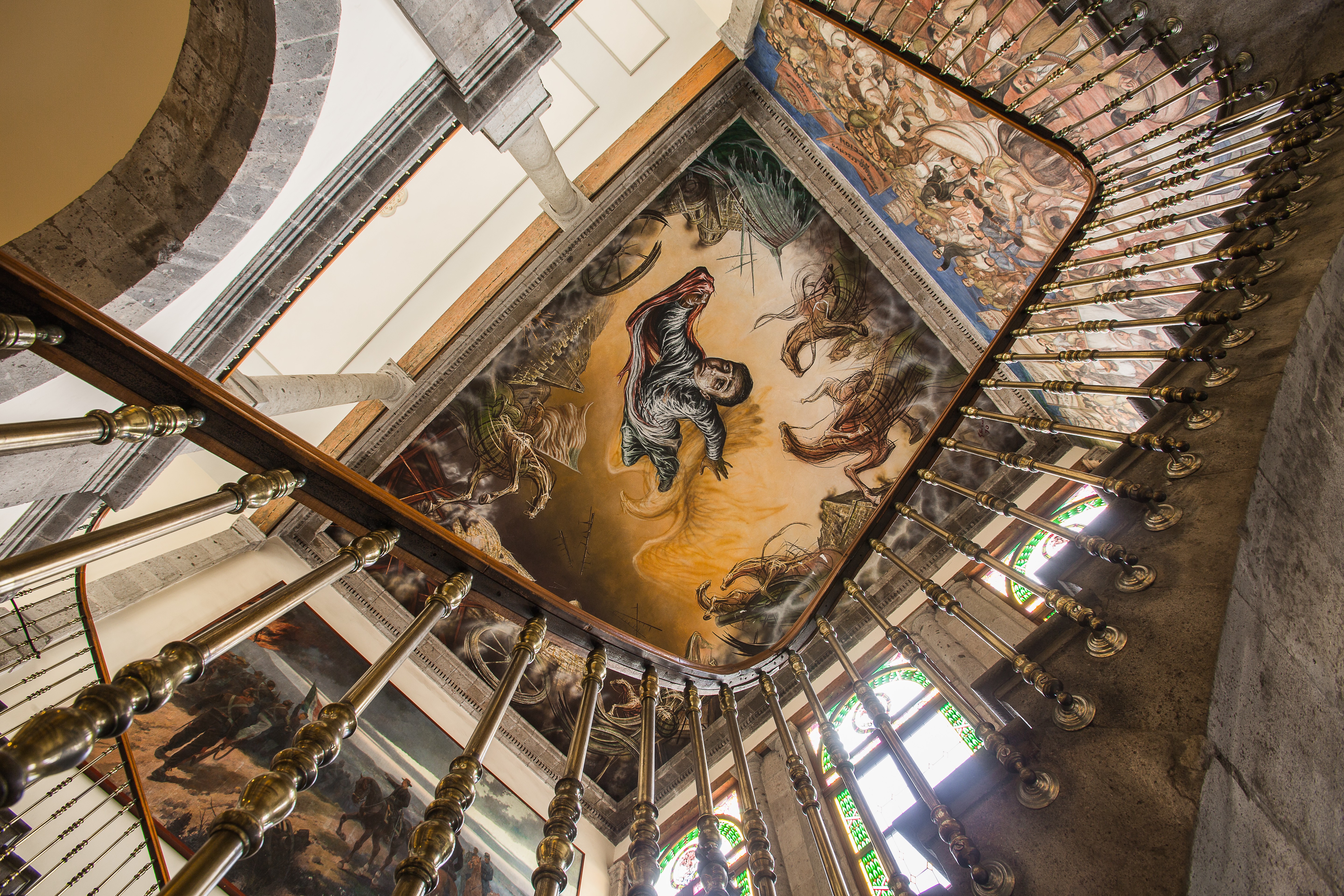
In the former military academy the galleries’ exhibits date from the time of the Conquest until the 1910 Revolution. Visitors to this part of the museum can also admire mural paintings created by leading artists between 1933 and 1970, notably Jorge González Camarena’s “La fusión de dos culturas” (“Fusion of Two Cultures”) and “La Constitución de 1917” (“1917 Constitution”); Juan O’Gorman’s “El retablo de la Independencia” (“Independence Altarpiece”), “El feudalismo porfirista” (“Porfirian Feudalism”) and “Sufragio Efectivo, no Reelección” (“Effective Suffrage, No Reelection”); José Clemente Orozco’s "La Reforma y la caída del Imperio" (“The Reform and the Fall of the Empire”), and Siqueiros’s “Del Porfirismo a la Revolución” (“From the Dictatorship of Porfirio Díaz to the Revolution”).
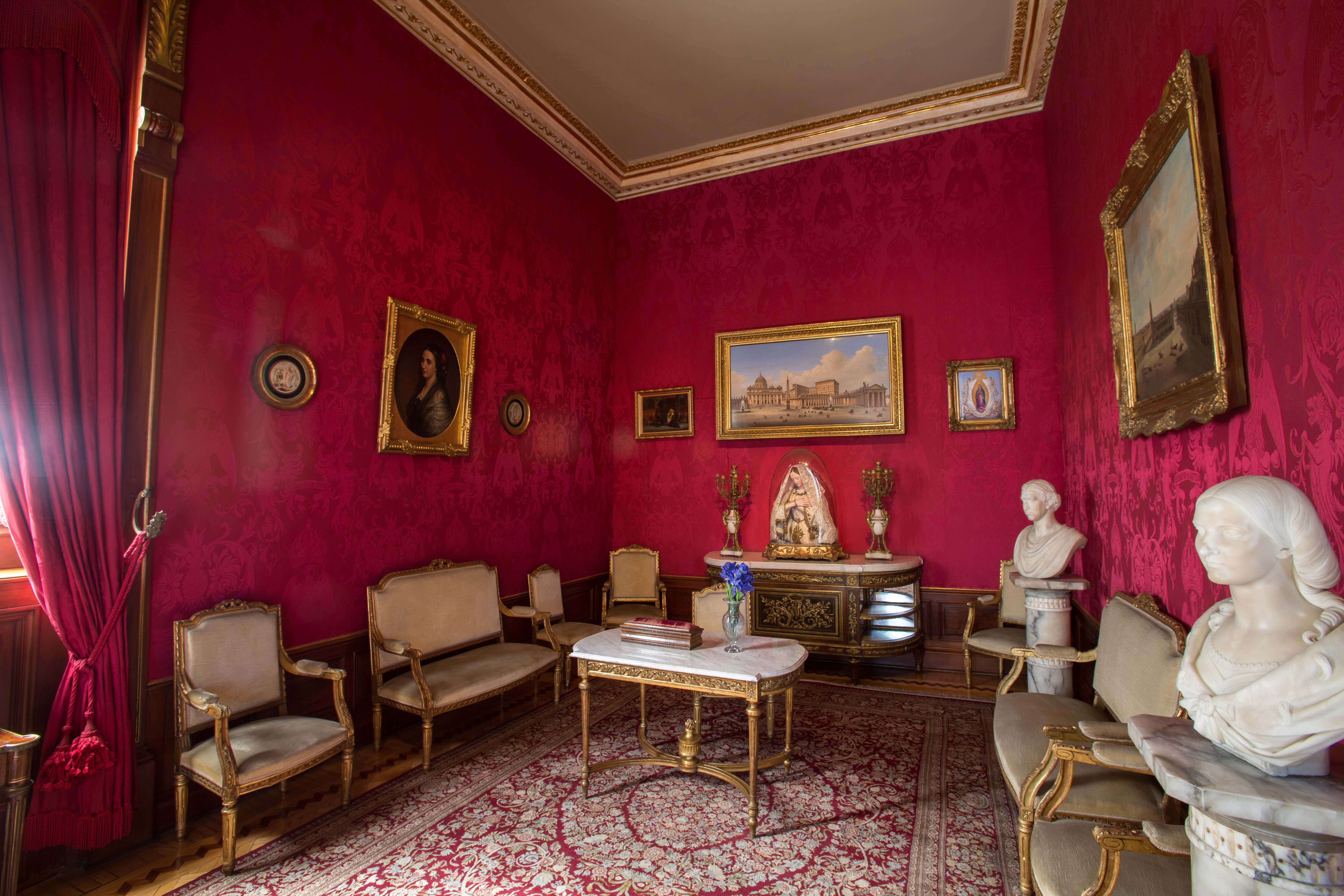
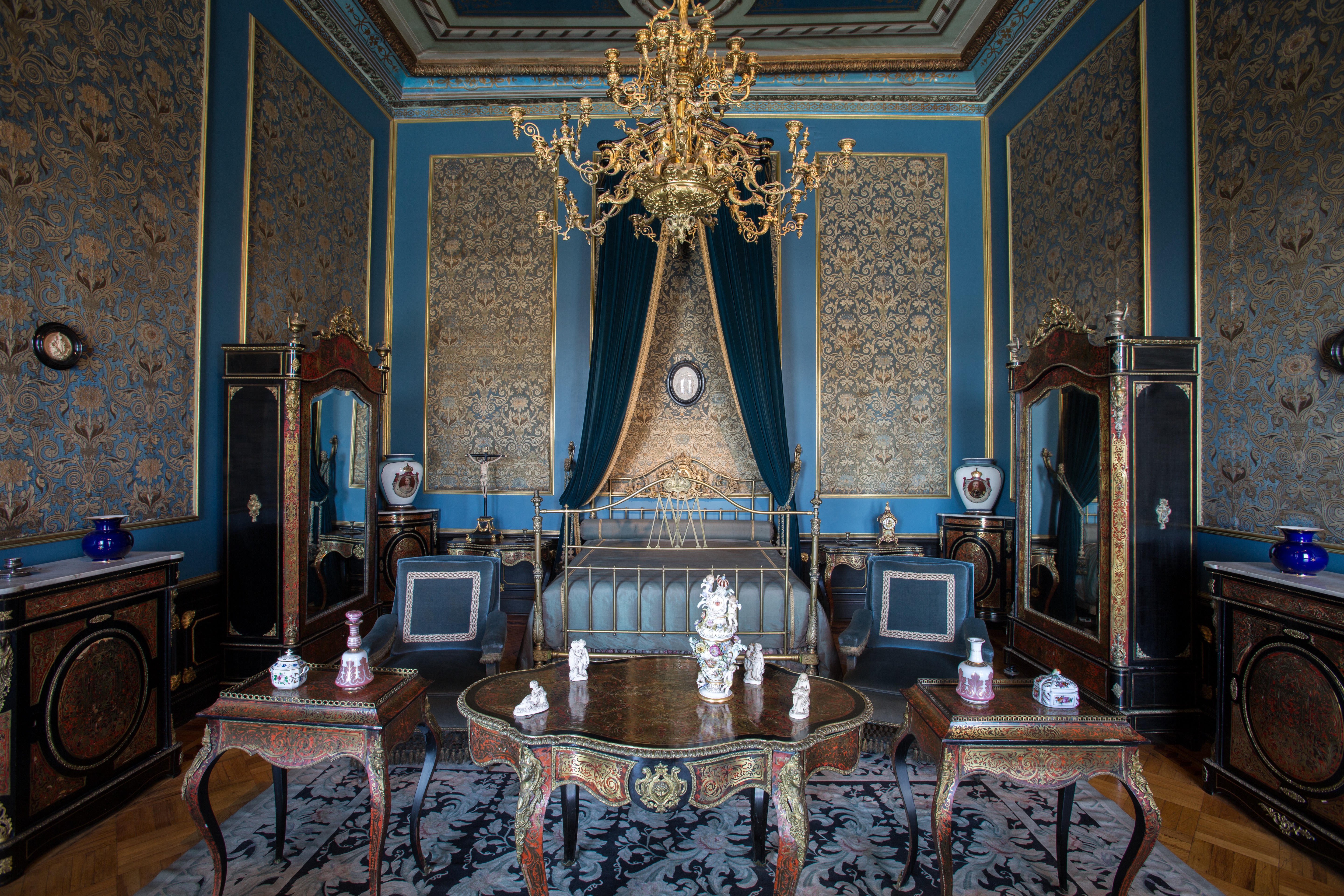
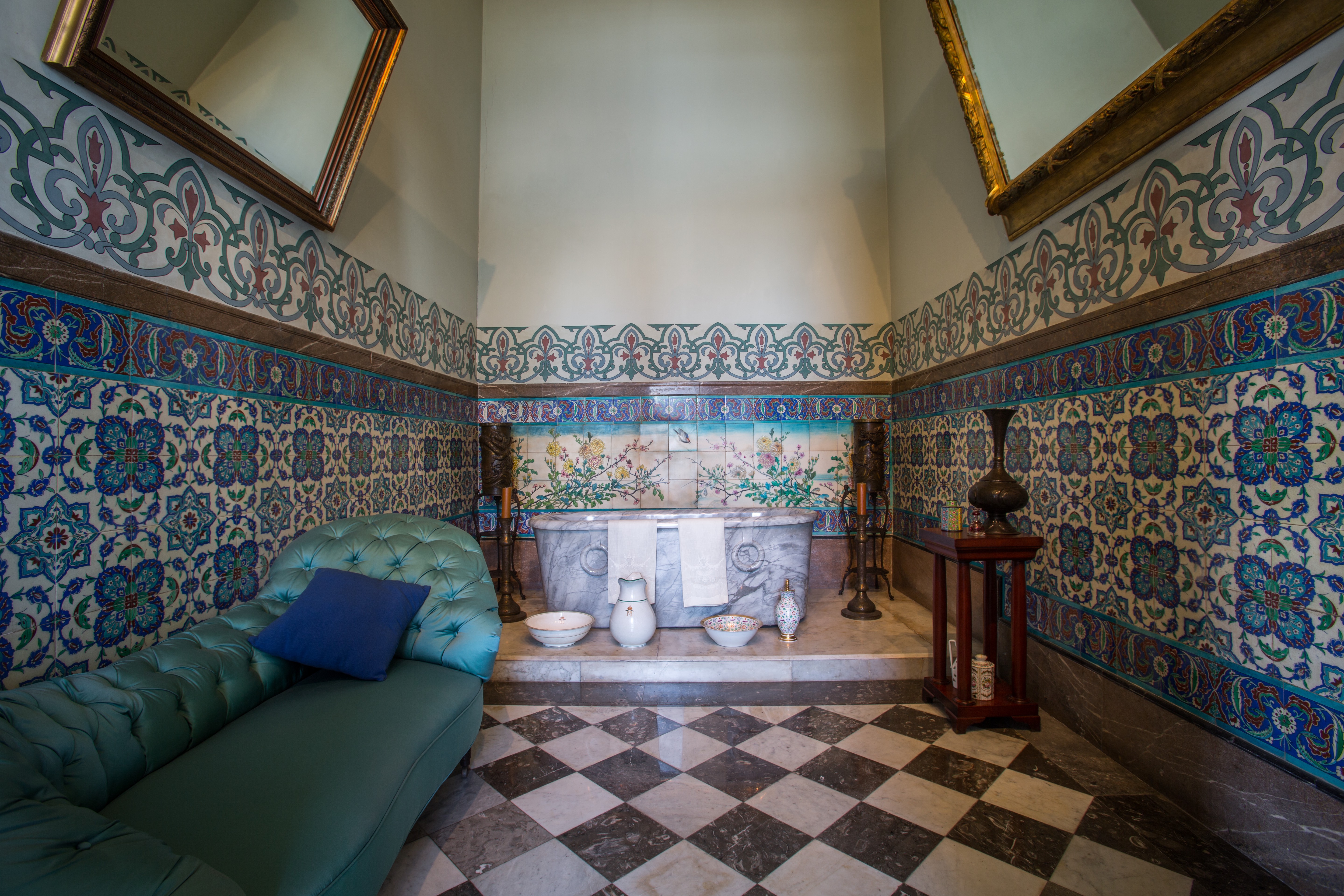
The ground-floor rooms in the building known as the Alcázar (“Fortress”) are decorated with furniture, domestic items, jewelry, paintings and various objects related mainly to the imperial era of Maximilian and Carlota, while the top floor contains the furniture, paintings and other belongings of President Porfirio Díaz and his wife Carmen Romero Rubio.
Chapultepec Hill and the Chapultepec Castle’s National Museum of History have their own history. In pre-Hispanic times, Moctezuma had his pools and baths here, as well as a shrine and living quarters; it is also known that Moctezuma I ordered the construction of the aqueduct to carry water from Chapultepec to Mexico-Tenochtitlan, and that Nezahualcóyotl, Lord of Texcoco, was responsible for the actual building work.
Construction on this hilltop took place between 1785 and 1787; the residence was commissioned by Viceroy Bernardo de Gálvez, who died before seeing it completed. Due to the building’s exorbitant cost, the Spanish crown tried to sell it but there were no buyers and it fell into disuse.
The Mexico City government acquired the property in 1806, but at the outbreak of the War of Independence it did not make any further use of it. It was not until 1833 that a decree was issued for it to be converted into a military academy and, after a period of alterations, it began to operate as such in 1844. On September 12 and 13, 1847, it resisted bombardment from the US army, which nevertheless caused it serious damage. After its reconstruction, the military academy reopened and Miguel Miramón, a former pupil and survivor of the Battle of Chapultepec in 1847, ordered the construction of some rooms on the second floor of the Alcázar. However, its current appearance dates from the time when Maximilian and Carlota decided to make it their imperial residence, and their team of Austrian, French, Belgian, and Mexican architects transformed it. At the end of the Second Mexican Empire, the building was abandoned once again.
From 1878 to 1883 it briefly became an astronomical, meteorological and magnetic observatory, until the military academy returned, and the Castle itself was converted into a presidential residence, providing a home successively for Porfirio Díaz, Francisco I. Madero, Venustiano Carranza, Álvaro Obregón, Plutarco Elías Calles, Emilio Portes Gil, Pascual Ortiz Rubio and Abelardo Rodríguez. On February 3, 1939, it was declared the National Museum of History.
Revolutions
For many historians, Mexico’s 20th century truly began in 1910. The new Constitution, proclaimed on February 5, 1917, would shape the nation’s political and social development for the rest of the century. This historic document marked the end of the Mexican Revolution.
Revolutions

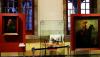
For many historians, Mexico’s 20th century truly began in 1910. The new Constitution, proclaimed on February 5, 1917, would shape the nation’s political and social development for the rest of the century. This historic document marked the end of the Mexican Revolution. It gave rise to institutions that implemented sweeping land reforms, expanded access to free, secular education, regulated relations between capital and labor, and provided health and social security for workers and the broader population.
Even with this constitutional foundation, the 20th century was marked by significant social unrest. The Cristero Rebellion, the railroad workers’ movement in the late 1950s, teachers’ and student protests in the 1960s, guerrilla movements in the 1970s and 1980s, and the Zapatista uprising in the 1990s—all reflected the voices of people demanding change.
Peaceful movements also gained ground, as civil society organizations (NGOs) championed causes such as environmental protection and human rights. The long dominance of a single political party (1929–2000) sparked a new wave of civic engagement that ultimately led to democratic electoral change in 2000.

The Constitutional Era
The Revolutionary Convention relocated from Mexico City to Aguascalientes but was rejected by Venustiano Carranza, who established his own government in Veracruz.
The Constitutional Era

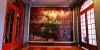
The Revolutionary Convention relocated from Mexico City to Aguascalientes but was rejected by Venustiano Carranza, who established his own government in Veracruz. This marked the beginning of the Factional Struggle, which ended with the defeat of the Conventionists—supporters of the Sovereign Revolutionary Convention—backed by leaders like Pancho Villa and Emiliano Zapata.
In September 1916, Carranza called for elections to form a Constituent Congress, as outlined in the revised Plan of Guadalupe of 1914. Its mission was to reform the 1857 Constitution. The Commission tasked with reviewing Carranza’s proposal included deputies such as Enrique Colunga, Luis G. Monzón, and Francisco J. Múgica, who introduced bolder social reforms to the president’s draft.
The result was the groundbreaking Political Constitution of the United Mexican States, signed on February 5, 1917. Key articles included:
- Article 3: Mandatory, free, and secular education
- Article 27: National ownership of subsoil rights and recognition of communal and ejido lands
- Article 115: Autonomy of local municipalities
- Article 123: Labor rights and regulations for workers
- Article 130: Definition of the relationship between church and state
This Constitution remains in force today.

The Siqueiros Room
In 1956, Dr. Eusebio Dávalos Hurtado, then director of the National Institute of Anthropology and History, and historian Antonio Arriaga, director of the National History Museum, commissioned a mural on the Mexican Revolution from David Alfaro Siqueiros.
The Siqueiros Room

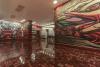
In 1956, Dr. Eusebio Dávalos Hurtado, then director of the National Institute of Anthropology and History, and historian Antonio Arriaga, director of the National History Museum, commissioned a mural on the Mexican Revolution from David Alfaro Siqueiros. By then, Siqueiros was already a celebrated artist and political activist. Work on the mural began in 1957, and it was scheduled to be inaugurated on November 20, 1960, to commemorate the Revolution’s 50th anniversary.
However, Siqueiros was imprisoned in August 1960 on charges of "social dissolution," delaying the mural’s completion until 1966.

Malachite Room
Human beings have always sought beauty, harmony, and visual pleasure in finely crafted objects. Throughout history, we find countless examples of decorative items—jewelry, fans, watches, snuffboxes, match safes, reliquaries, and rosaries—that are true works of art.
Malachite Room

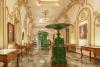
Human beings have always sought beauty, harmony, and visual pleasure in finely crafted objects. Throughout history, we find countless examples of decorative items—jewelry, fans, watches, snuffboxes, match safes, reliquaries, and rosaries—that are true works of art.
Goldsmiths and artisans created exquisite pieces that adorned both people and homes in earlier times. Ancient techniques, such as the Roman art of the cameo, continued to be used for centuries. Precious metals like gold and silver were complemented by diamonds, pearls, emeralds, rubies, amethysts, topazes, and colorful enamels.
In New Spain, gemstones were typically set in silver. Women wore brooches, gem-studded watches, bracelets, and pearl necklaces made with rare oriental pearls, coral, and jet.
Fans came from China, Japan, India, Spain, and other European countries. Local artisans adopted foreign techniques and created jewelry and decorative items of the highest quality.
During the 18th and 19th centuries, the creation of fine decorative arts became increasingly influenced by France, which set the global standard for elegance at the time. The romantic spirit of the 19th century is evident in nature-inspired jewelry, rich in floral motifs, leaves, and landscape scenes.
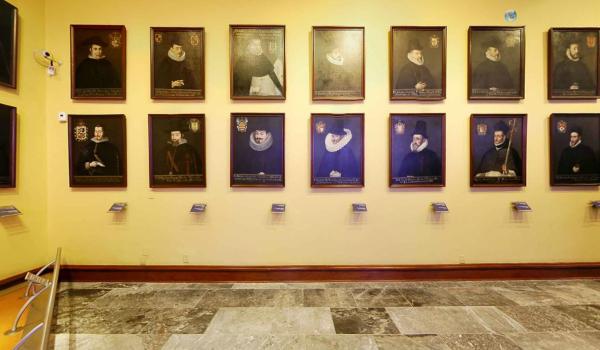
Viceroys’ Room
When the Spanish arrived, governance fell to Hernán Cortés, who ruled as captain general and chief justice. Later, the Spanish Crown attempted to administer New Spain through two successive royal courts, until finally, on April 17, 1535, Don Antonio de Mendoza took office as the first viceroy.
Viceroys’ Room


When the Spanish arrived, governance fell to Hernán Cortés, who ruled as captain general and chief justice. Later, the Spanish Crown attempted to administer New Spain through two successive royal courts, until finally, on April 17, 1535, Don Antonio de Mendoza took office as the first viceroy. The viceregal institution was built on a hierarchy that centralized power in the king, who was assisted by the Council of the Indies—an entity in Spain overseeing legal and judicial matters.
In New Spain, the viceroy represented the monarch directly and held multiple titles: chief administrator, captain general, governor of the Kingdom, president of the Royal Audience, vice-patron of the Church, and superintendent of the Royal Treasury. Beside the viceroy stood the Royal Audience, a court primarily responsible for judicial matters, though it also acted as an advisory body and, in some cases, could substitute for the viceroy. The Audience became so powerful that it could review and overturn government decisions.
Another Audience was established in Guadalajara, while other kingdoms and provinces within the viceroyalty were governed by officials who reported to the viceroy. Under their authority were mayors and magistrates, and at the local level, town councils governed municipalities and small cities.
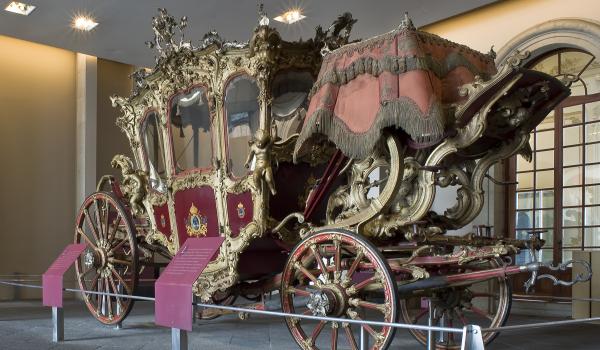
Carriage Hall

In earlier times, this space served as the carriage room of the Castle. Today, it also functions as the entrance to the Alcázar and is flanked by two murals by Antonio González Orozco: "Juárez, Symbol of the Republic against the French Intervention" (1972) and "Triumphal Entry of Benito Juárez into the National Palace Accompanied by His Cabinet" (1967).
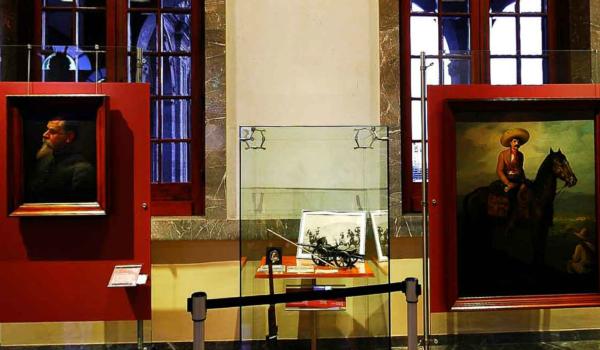
The room also features two remarkable equestrian portraits: "Archduke Maximilian of Habsburg", painted in 1865 by Juan Antonio Beaucé, and "General Porfirio Díaz", painted in 1901 and signed by José Cusachs.
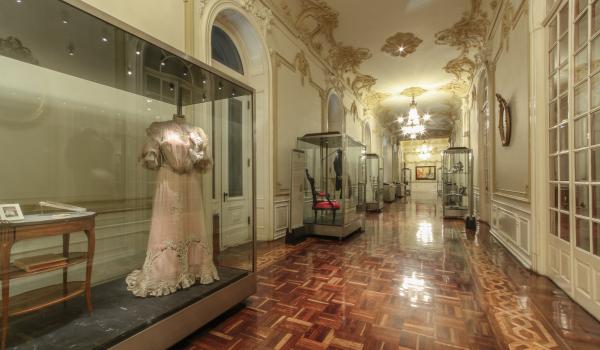
Introductory Room
A hundred years passed between the War of Independence and the beginning of the Mexican Revolution. The 19th century was a difficult period of nation-building for Mexico, during which liberal and progressive ideals took root.
Introductory Room

A hundred years passed between the War of Independence and the beginning of the Mexican Revolution. The 19th century was a difficult period of nation-building for Mexico, during which liberal and progressive ideals took root. Among the many events that marked that century, three stand out: from 1846 to 1848, Mexico lost half of its territory due to the U.S. invasion, which shaped the country’s present-day borders. Later, with Benito Juárez’s victory over Maximilian in 1867, Mexico firmly entered the republican and constitutional path. Finally, the "Porfiriato"—the period from 1876 to 1911 under President Porfirio Díaz—brought international recognition and set in motion the country’s economic modernization.
Throughout these significant events, Chapultepec Castle played a crucial role. During Maximilian of Habsburg’s rule, women wore wide skirts created by layering multiple garments: ankle-length pantaloons, flannel petticoats, knee-length underskirts, and starched overskirts.

Reading Room
Maximilian at Miravalle: Ferdinand Maximilian Joseph was the second son of Prince Franz Karl, himself the son of Francis, Emperor of Austria.
Reading Room

Maximilian at Miravalle: Ferdinand Maximilian Joseph was the second son of Prince Franz Karl, himself the son of Francis, Emperor of Austria. As a member of the House of Habsburg, Maximilian was raised under the family motto: "Austria est imperare orbi universo" (Austria will rule the entire world.) In his youth, he served as a naval officer and was later appointed Governor-General of Lombardy and Venice. In the port city of Trieste, Maximilian built his dream castle, which he named Miramare.
Upon discovering Chapultepec, he chose to name his new residence "Miravalle." On its terraces, he would read and write, whether drafting decrees and official documents or corresponding both formally and personally.
This space in earlier times...
• Observatory • Second Astronomer’s Room • 1877
• Presidential Residence (Manuel González) • Billiards Room • 1882
• Presidential Residence (Porfirio Díaz) • Billiards Room • 1906
• Presidential Residence (Abelardo Rodríguez) • Billiards • 1932

Game Room
Leisure hours: Beyond matters of state, the residents of the palace also sought moments of recreation and amusement. At the Alcázar, rulers passed the time playing bowling or billiards, or enjoying a game of cards or chess with their guests.
Game Room
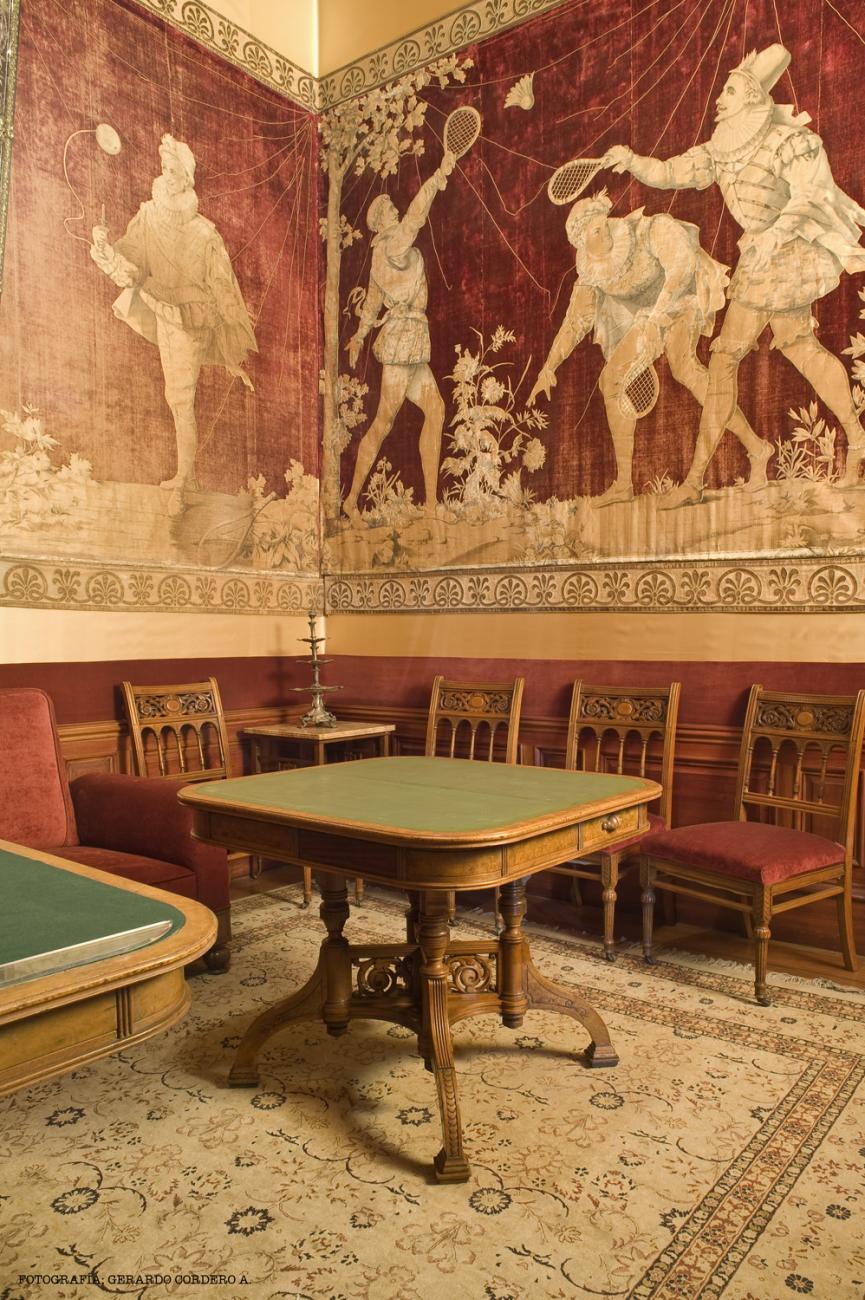
Leisure hours: Beyond matters of state, the residents of the palace also sought moments of recreation and amusement. At the Alcázar, rulers passed the time playing bowling or billiards, or enjoying a game of cards or chess with their guests. The tapestries adorning the room depict people engaged in playing with a spinning top, a cup-and-ball toy, badminton, and bowling. They were made in France and gifted to Emperor Maximilian by Napoleon III on the occasion of his birthday, celebrated on July 6.
This space in earlier times:
- Observatory • Second astronomer's room • 1877
- Presidential Residence (Manuel González) • Parlor for cards • 1882
- Presidential Residence (Porfirio Díaz) • Game room • 1906
- Presidential Residence (Abelardo Rodríguez) • Game room • 1932
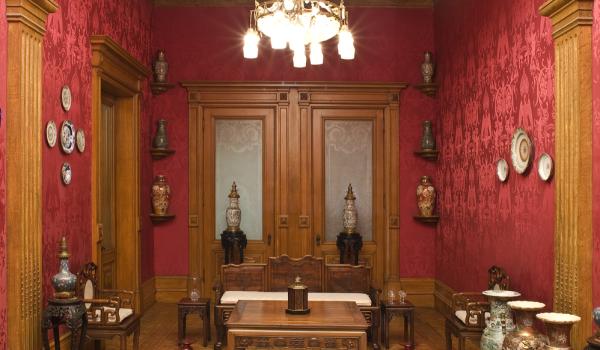
Smoking Room
After-dinner gatherings: This room, furnished and decorated with pieces from China, Japan, and the Dutch East India Company, offered a setting where the scent of tobacco and the spirit of liquor created a relaxed atmosphere for discussing the matters occupying the minds of presid
Smoking Room
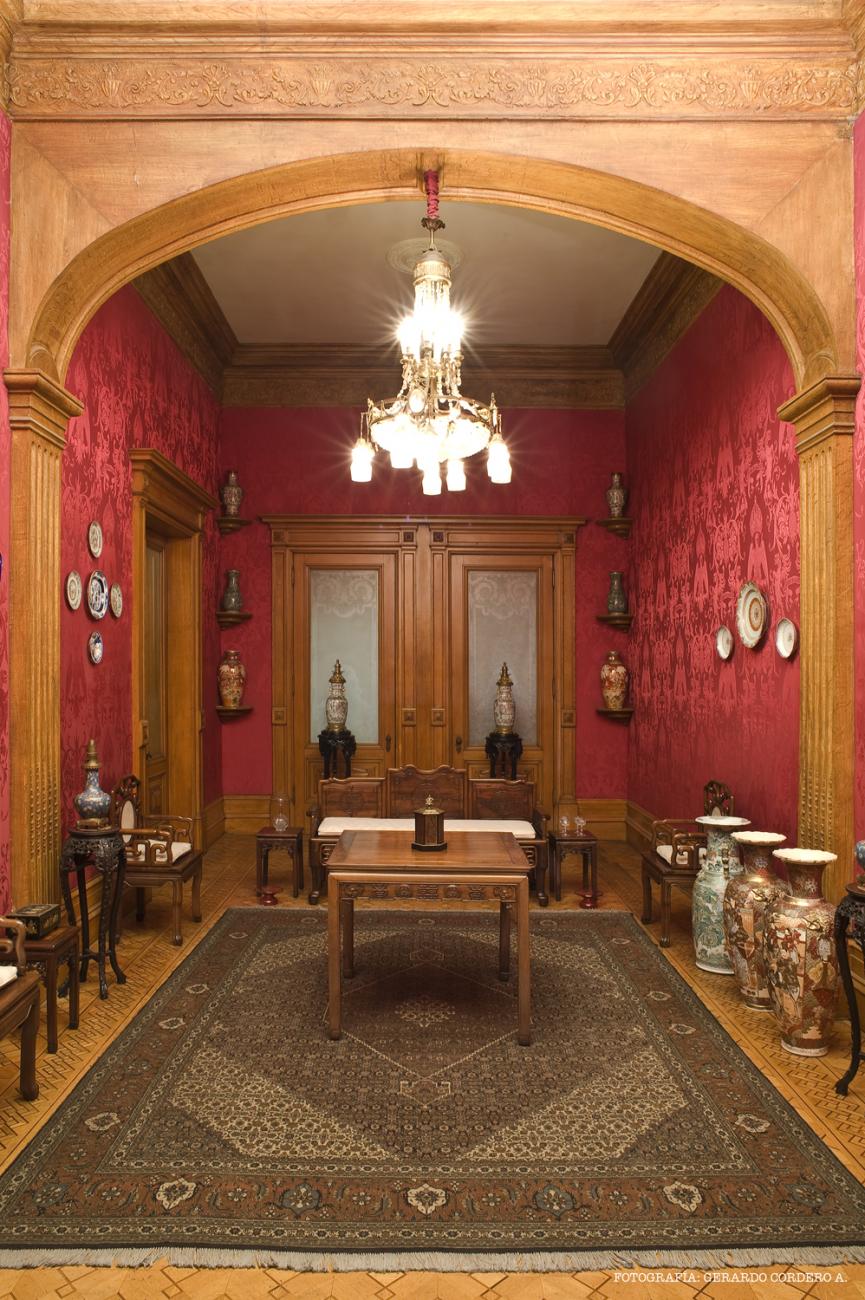
After-dinner gatherings: This room, furnished and decorated with pieces from China, Japan, and the Dutch East India Company, offered a setting where the scent of tobacco and the spirit of liquor created a relaxed atmosphere for discussing the matters occupying the minds of presidential guests. After sharing a plentiful meal, while the women withdrew to discuss domestic issues and social news, the men would typically gather here to talk business and matters of state.
This space in earlier times:
- Observatory • Second astronomer's room • 1877
- Presidential Residence (Manuel González) • Smoking room • 1882
- Presidential Residence (Porfirio Díaz) • Smoking lounge • 1906
- Presidential Residence (Abelardo Rodríguez) • Smoking room • 1932

Dining Room
The ruler at the table: Sharing a meal is a gesture of inclusion in the family circle, and important moments in a person's life are often celebrated with intimate yet festive banquets.
Dining Room

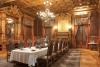
The ruler at the table: Sharing a meal is a gesture of inclusion in the family circle, and important moments in a person's life are often celebrated with intimate yet festive banquets. Presiding over the table, the ruler demonstrated generosity and reinforced his role as head of the family. The fireplace and sideboards in this dining room—crafted in cedar, mahogany, metal, and marble—were made by artist Pedro Télez Toledo at the request of President Porfirio Díaz, who also commissioned sculptor Epitacio Calvo to decorate the space. The furniture is crowned with the monogram of the Mexican Republic. On display are pieces from Maximilian’s Christofle silver dining set, as well as glassware that belonged to Porfirio Díaz.
This space in earlier times:
- Observatory • Second astronomer's room • 1877
- Presidential Residence (Manuel González) • Dining room • 1882
- Presidential Residence (Porfirio Díaz) • Dining room • 1906
- Presidential Residence (Abelardo Rodríguez) • Dining room • 1932
The kitchens and service areas were located in the basement of this wing.
Music Room
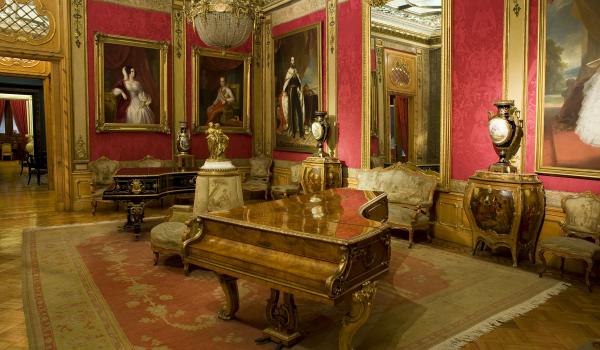
Nostalgia for Europe: By evoking family traditions, the noble homes of Europe affirmed their lineage and enriched their interiors with fine art and elegant design.
Music Room

Nostalgia for Europe: By evoking family traditions, the noble homes of Europe affirmed their lineage and enriched their interiors with fine art and elegant design. In this room, portraits of Maximilian and Carlota painted by Albert Graefle in 1865 are accompanied by those of French monarchs Napoleon III and his wife Eugénie de Montijo, who acted as their mentors. Napoleon III gifted Maximilian this Louis XV–style hazelnut wood sitting room, with gobelin tapestries from Aubusson illustrating scenes from the fables of Jean de La Fontaine. The two pianos—one French, one English—belonged to Maximilian and Carlota.
This space in earlier times:
- Residence of Maximilian • Staff rooms and wardrobe • 1866
- Observatory • Director’s room • 1877
- Presidential Residence (Manuel González) • Housekeeper’s room • 1882
- Presidential Residence (Porfirio Díaz) • Ground floor room • 1906
Stairway of the Lions
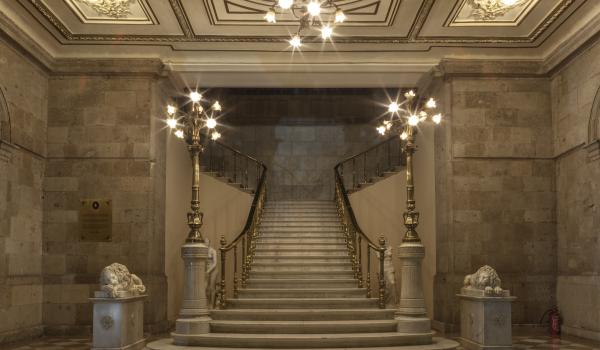
In 1878, as the terrace of Chapultepec Castle was expanded to accommodate the National Astronomical, Meteorological, and Magnetic Observatory, a new access point to the upper floor was opened. This upper level would later house the institution's scientific instruments.
Stairway of the Lions
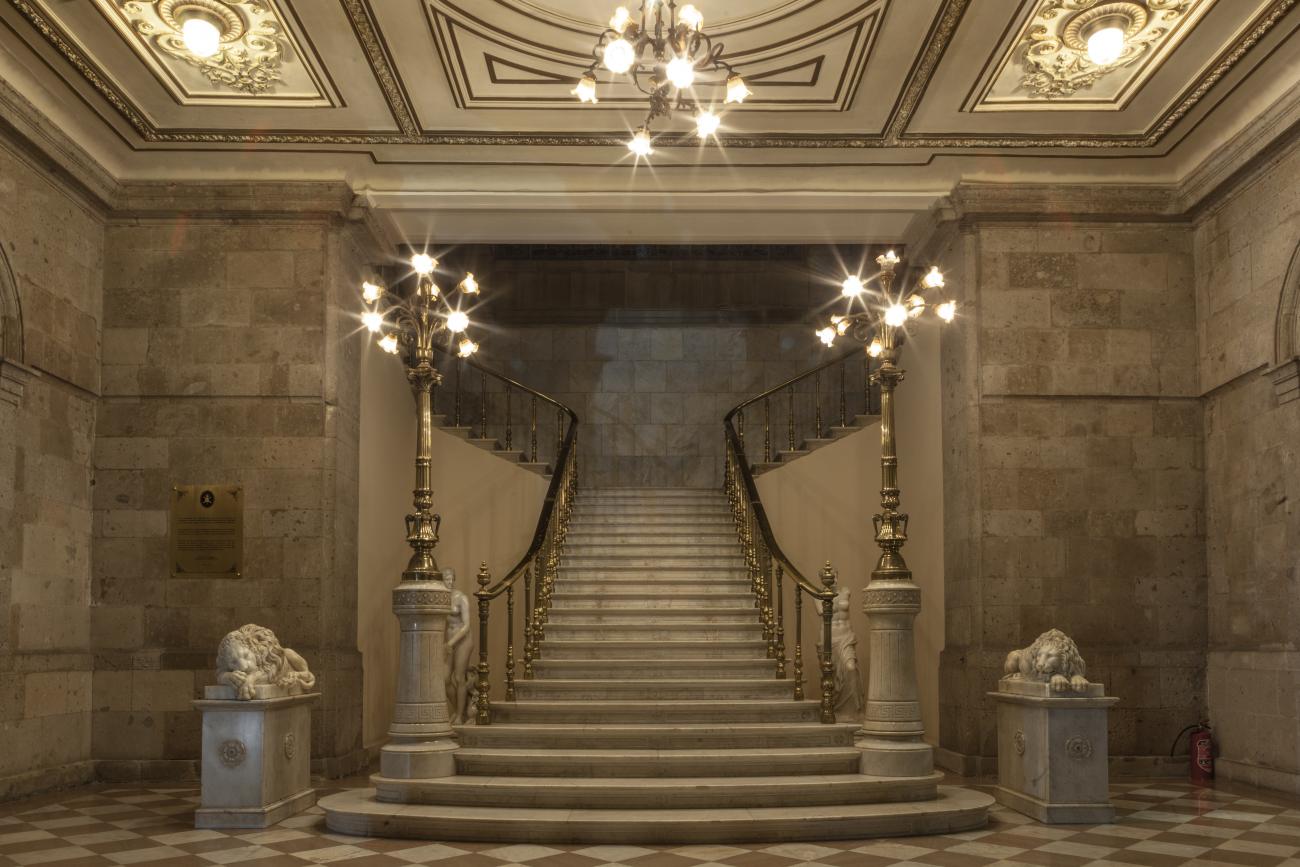
In 1878, as the terrace of Chapultepec Castle was expanded to accommodate the National Astronomical, Meteorological, and Magnetic Observatory, a new access point to the upper floor was opened. This upper level would later house the institution's scientific instruments.
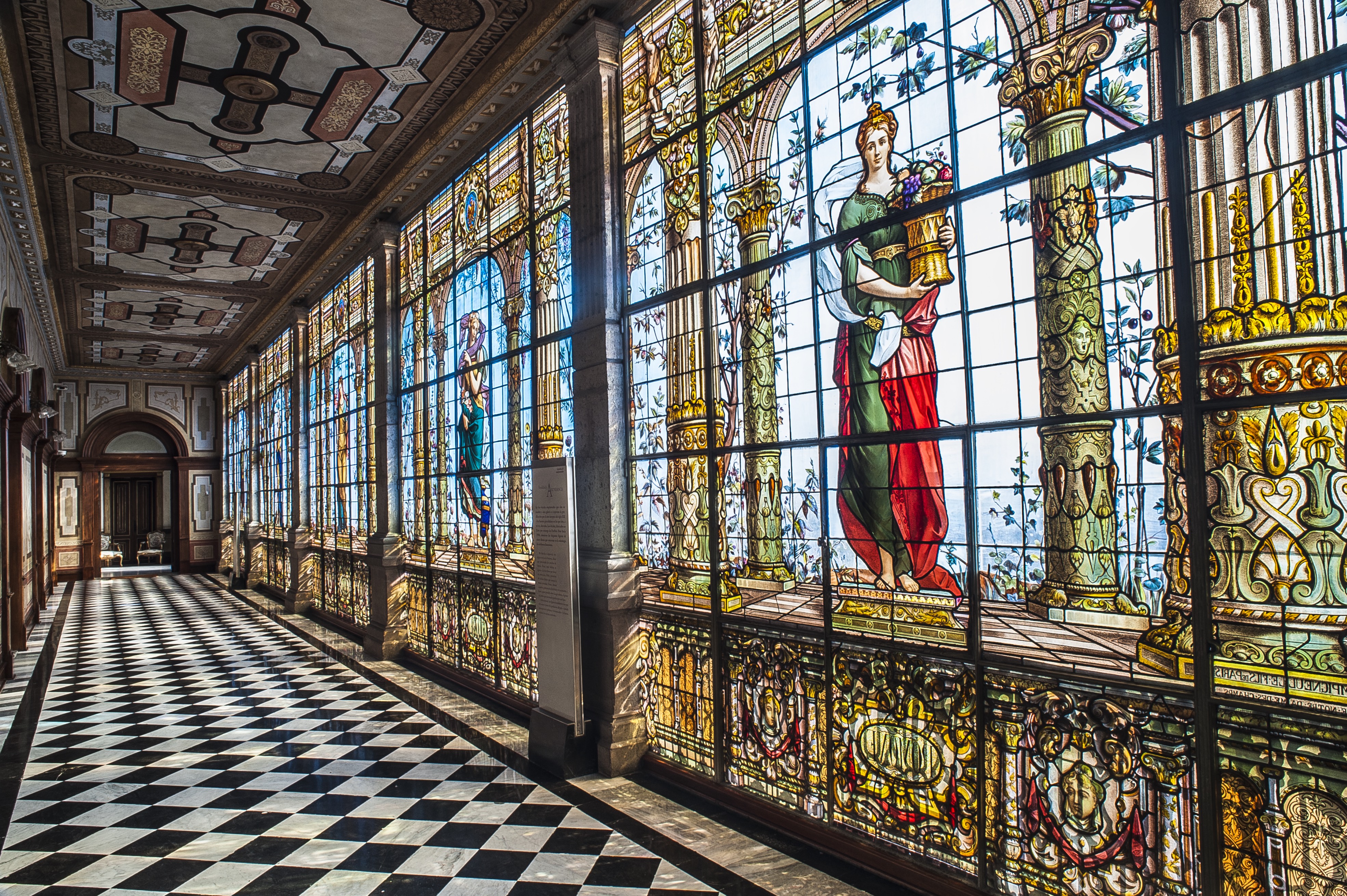
Not long after, under the initiative of President Porfirio Díaz, this access point was transformed to reflect the prestige of the presidential residence. A new staircase was built, made of white marble with brass handrails. Years later, around 1915, President Venustiano Carranza ordered a remodeling. Leaded stained glass windows by painter Saturnino Hernán were added to protect the garden entrance, and the central flight of stairs was flanked by two lion sculptures—features that would eventually give the stairway its current name.
The Purple Staircase
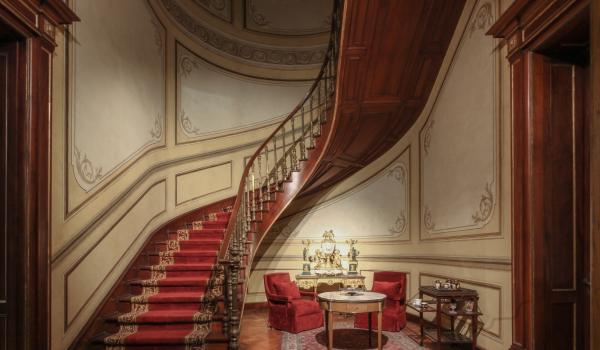
"The comfort of home." Opened during the presidency of Manuel González (1880–1884), this staircase played a key role in turning the Alcázar into a more comfortable and accessible residence.
The Purple Staircase
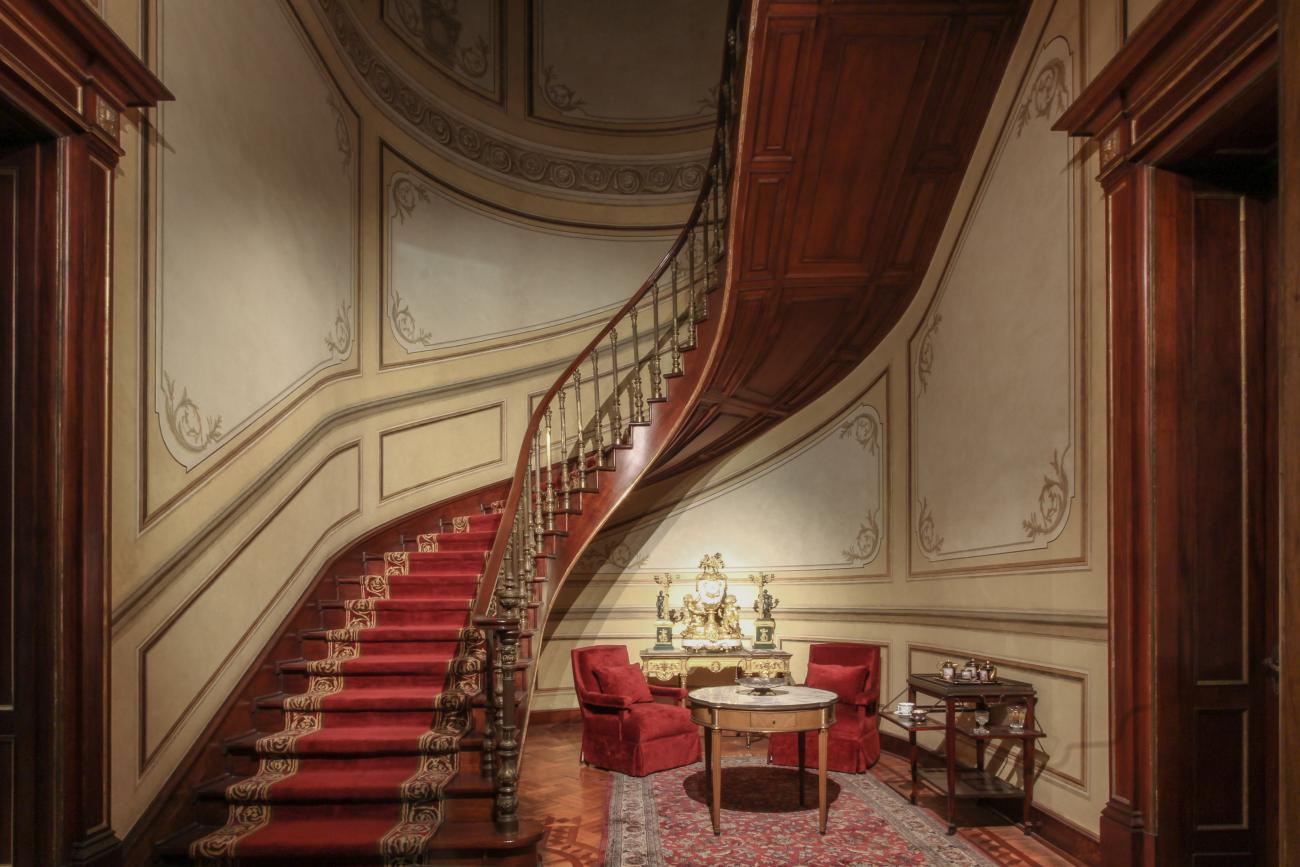
"The comfort of home." Opened during the presidency of Manuel González (1880–1884), this staircase played a key role in turning the Alcázar into a more comfortable and accessible residence. It connected the upstairs private quarters of the president and his wife with the reception halls and dining room below. The more formal Lions’ Staircase was reserved for receiving guests, while the slender southeast turret and the stairway behind the dining room were used by the household staff. Circulation between the two main floors and the basement was also facilitated by an electric elevator—exclusively for presidential use.
This space has served many roles over time...
• Residence of Emperor Maximilian – Partial billiard room – 1866
• Observatory – Meteorological Office – 1877
• Presidential Residence (Manuel González) – Staircase – 1882
• Presidential Residence (Porfirio Díaz) – Private Staircase – 1906

Document
Document
- DirecciónSalvador Miguel Rueda Smitherssalvador_rueda@inah.gob.mx+52 (55) 4040 5210AdministraciónAsgard Torres Esperanzaasgard_torres@inah.gob.mx+52 (55) 4040 5200, ext. 3113Subdirección TécnicaErandi Rubio Huertaserandi_rubio@inah.gob.mx+52 (55) 4040 5200, ext. 3162Protección y Resguardo de Bienes CulturalesEdmundo Crisóstomo Mendozaedmundo_crisostomo@inah.gob.mx+52 (55) 4040 5213