


Zonas Arqueológicas
Acanceh

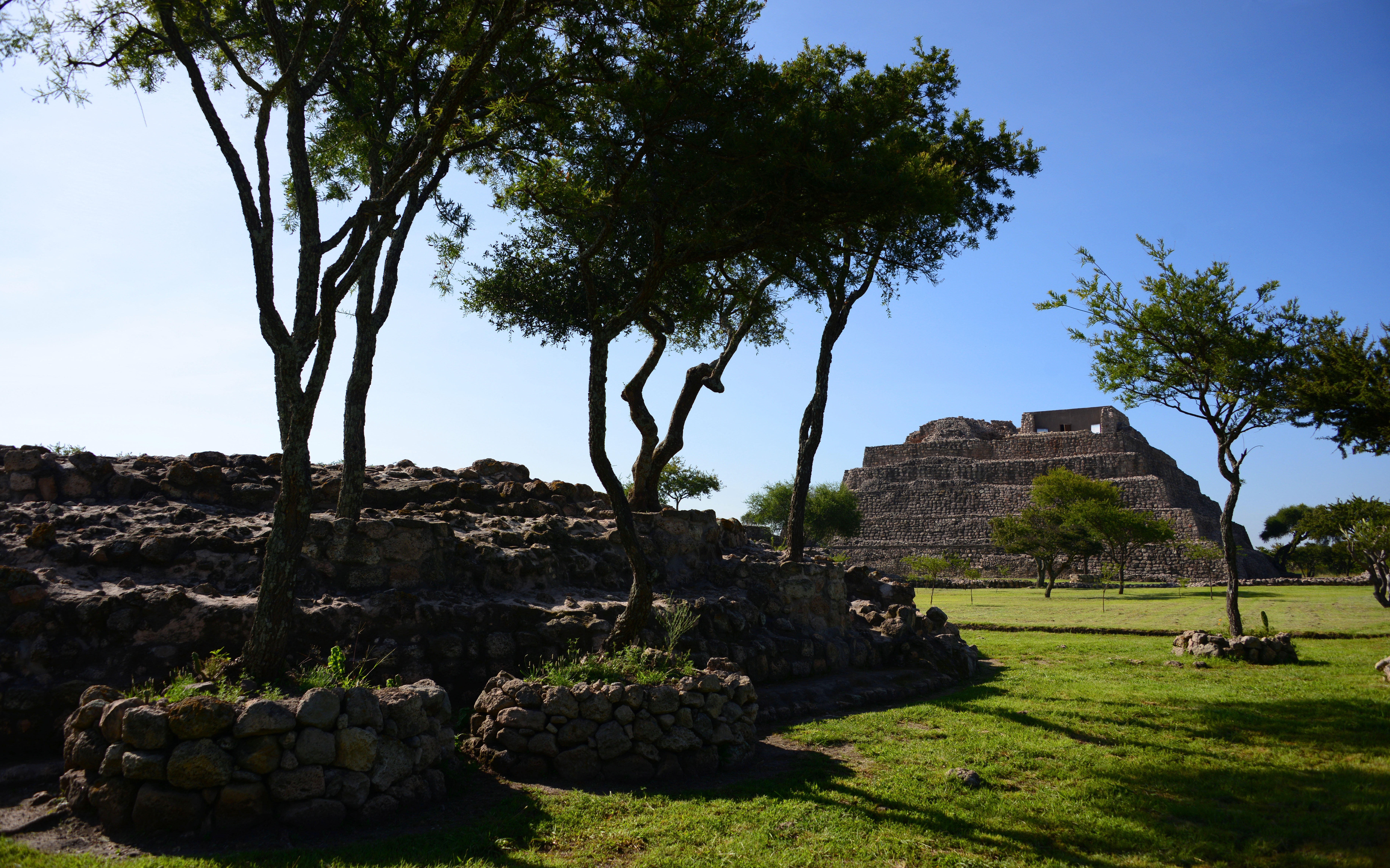
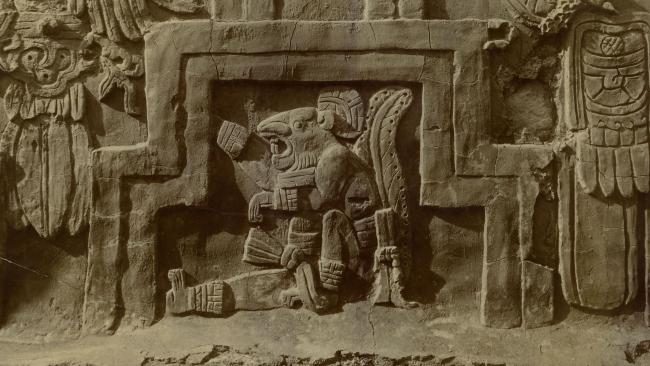
One of the main centers in the northern Yucatan Peninsula. It has two magnificent structures: The Pyramid and the Palace of Stuccos. The latter has a frieze decorated with animals, indicating a possible connection with Teotihuacan.

Aké
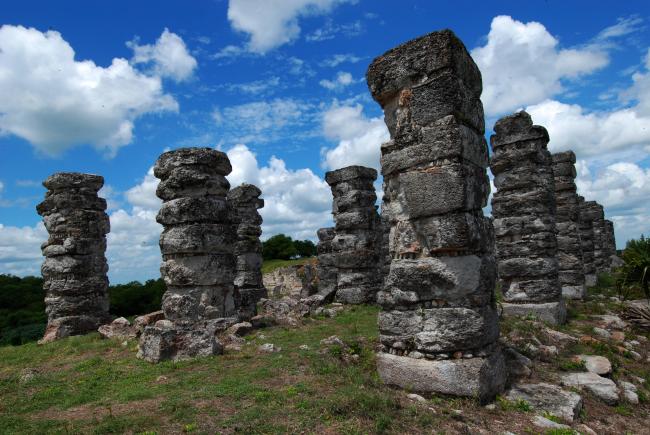
Remarkable for its system of roads called sacbeoob in Maya (plural of sacbe), the site is surrounded by concentric walls, and The Pilasters building is unusual because of the 36 square-based columns on top.
Balamcanché
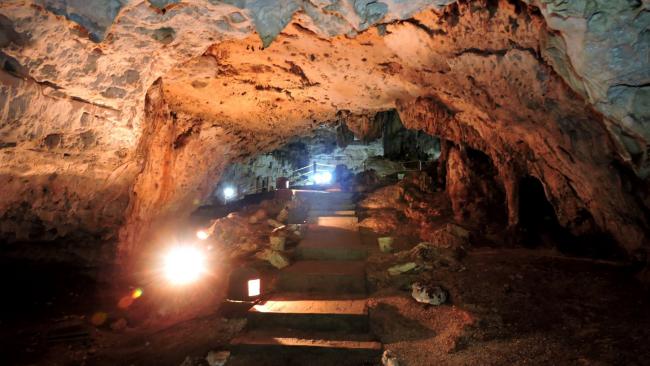
The ancient Maya inhabitants of the region constructed a ceremonial center within a cavern. Most notable is a giant pillar made by the fusion of a stalactite with a stalagmite known as the Sacred Ceiba (silk-cotton tree).
Chacmultún
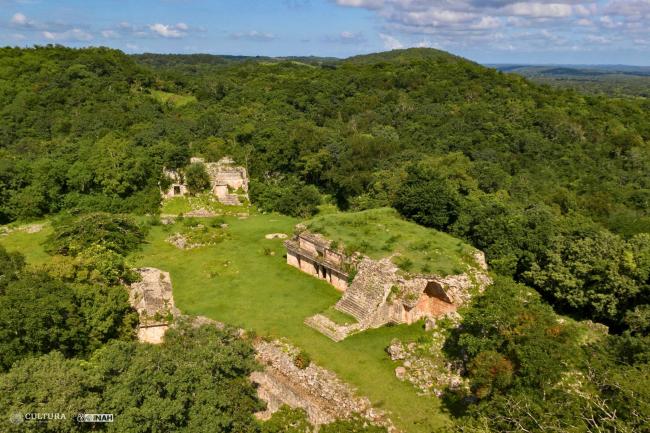
In Chacmultún, the stone slabs contain microorganisms, which when exposed to air and water acquire a reddish hue. This colors the Mayan temples, built in the exquisite Puuc style and carved like filigree. The site flourished between 800 and 1000 AD and was a crucial link between neighboring…
Chichén Itzá
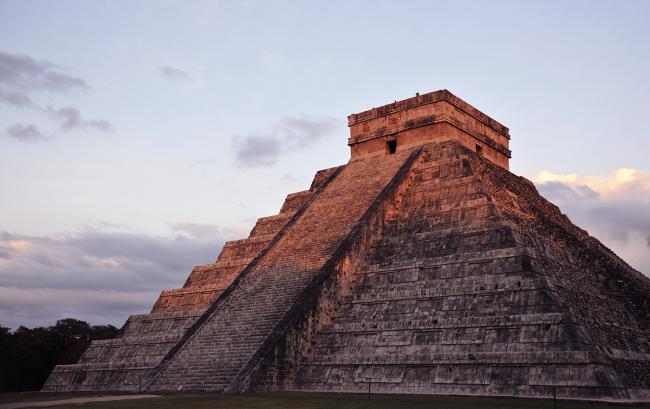
At the time of the equinoxes, the shadow of Kukulkan, the serpent, descends from its temple to fertilize the earth, while the red jaguar is hidden in the Temple of the Warriors, with its jade spots glowing. This ancient capital city has been declared a World Heritage Site.

Dzibilchaltún
The Temple of the Seven Dolls attracts hundreds of visitors at the spring and fall equinoxes, when the sun shines through the building and illuminates the doorway. There are numerous admirable stelae, beautifully carved, and an open cenote (underground pool) with crystal clear waters.
Ek' Balam
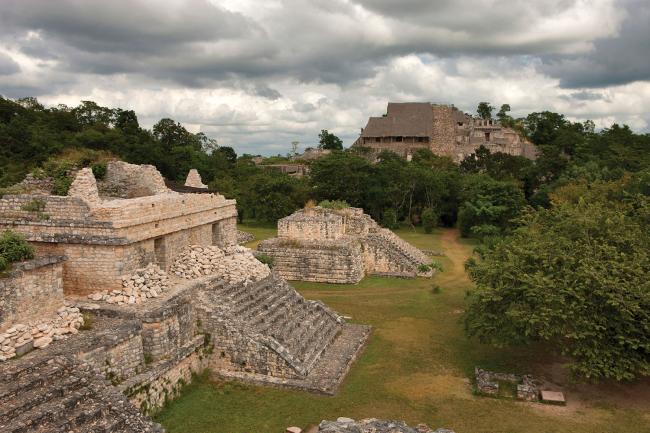
Ramparts, murals, steles, plazas and sumptuous palaces await the visitor, but the greatest surprise is the richness of the architecture and decoration of its buildings, like the Acropolis, whose entrance looks like the mouth of a monster with enormous fangs.
Izamal
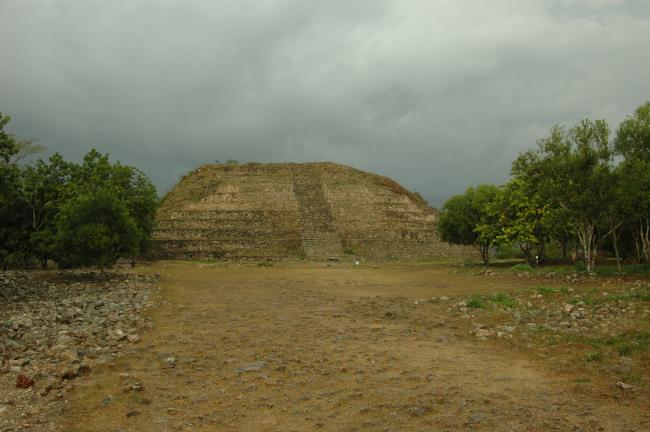
One of the most ancient cities of the Maya area (even older than Chichén Itzá and Uxmal), for centuries it was a place of pilgrimage for the inhabitants of the region. From the top of the Kinich Kak Moo pyramid there is a spectacular view.
Kabah
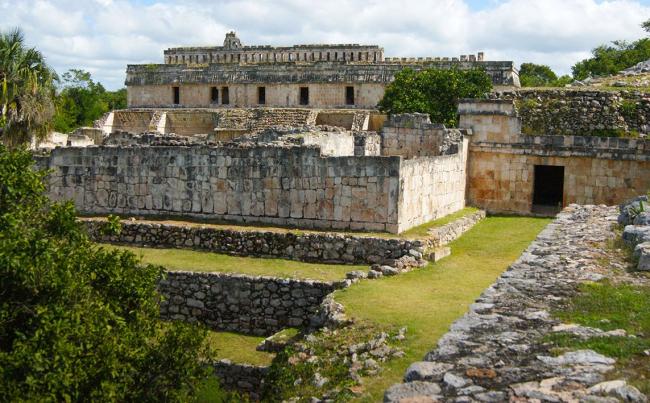
Its name is mentioned in the Chilam Balam of Chumayel, which indicates its importance. The architecture is extraordinary, particularly the temple of Codz Pop, with its facade decorated with hundreds of masks of the god Chaac, considered one of the finest examples of Maya art.
Labná
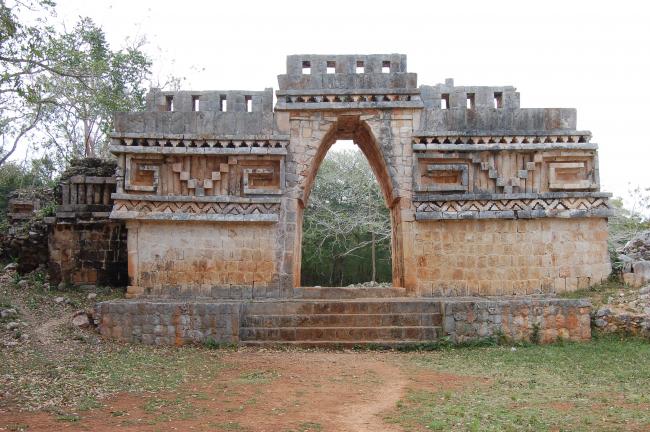
Although this is a small city, it houses three jewels: its beautiful Arch of richly carved stone; the Palace, whose facade has numerous masks of the god Chaac, and the Mirador (lookout point). It was declared a World Heritage Site together with Uxmal, Sayil and Xlapak, under the title of the Pre…
Loltún
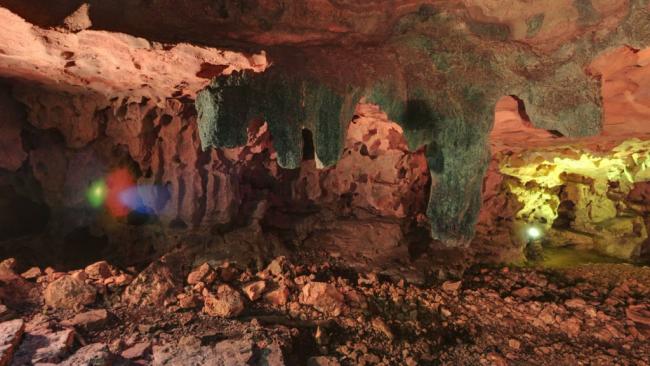
These caves provide a fascinating experience. Galleries and natural formations, with stone paintings and carvings, allow visitors a vision of primitive people in the region, and the domestication of plants and animals, until they became sedentary. The site dates back to 9000 BC.
Mayapán
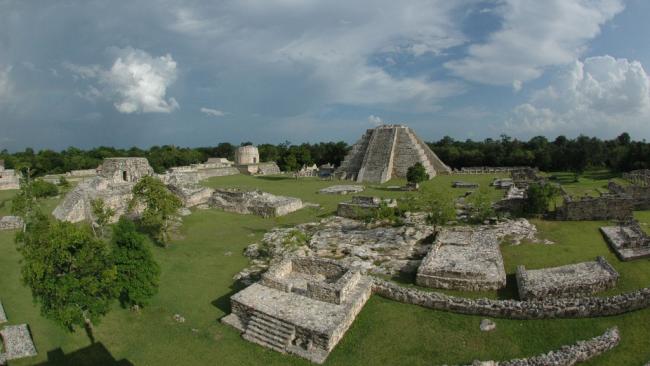
The last great city of the ancient Maya, walled, reminiscent of Chichen Itza once it had fallen. With a population of up to 12,000, founded 1,300 years ago, buildings with significant Maya-Toltec influence but with its own style, and an unexpected mural painting of great value.
