

Zonas Arqueológicas
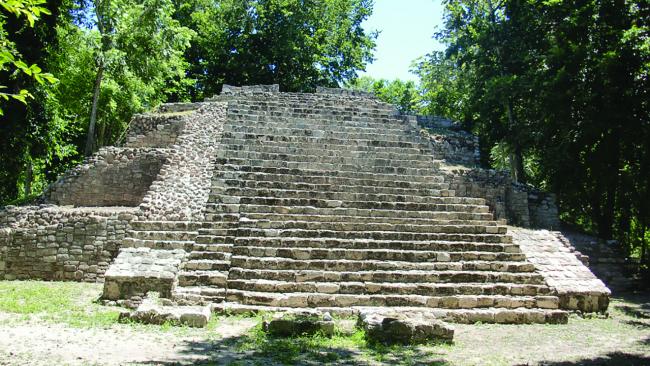
Oxtankah

The largest and most important city of Chetumal bay. Its inhabitants were skilled navigators who paddled their canoes along the canals of the region and ventured into the Caribbean to trade. As well as the numerous structures, they built wells and “chultunes” (cisterns) for the supply of fresh…

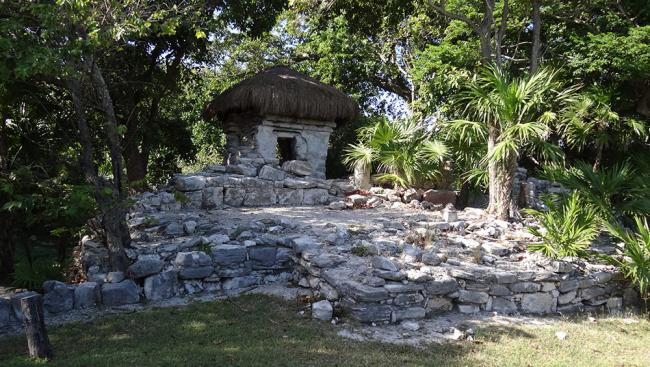
Playa del Carmen (Xamanhá)
One of the first Mayan settlements seen by the Spanish conquistadors in 1518, opposite to the island of Cozumel. Its Maya name means “water from the north.” There are eight groups of small buildings lined up between the beach and the jungle; there are fragments of paint and one of the last Mayan…
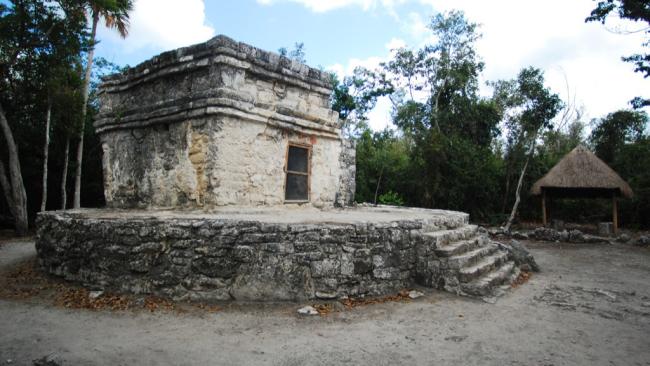
San Gervasio
The principal Maya city on the island of Cozumel, founded 17 centuries ago, it was part of the intense trade and political network of Chichen Itza. The housing and religious complexes explored to date, together with the altars and pyramids, testify to its importance.
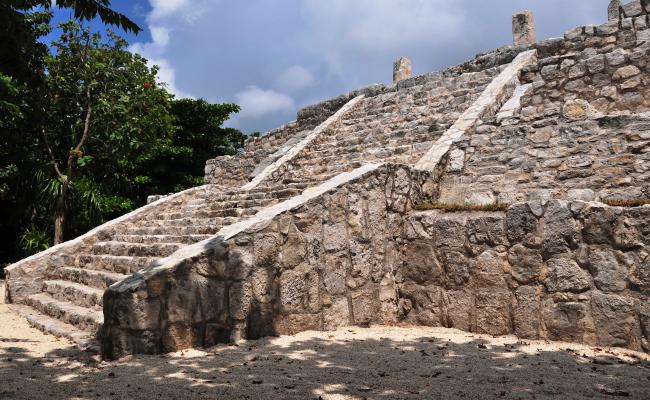
San Miguelito
An ancient city, eight centuries old, where explorers found an impressive palace of the god Chaac, almost 50 burial sites and a great variety of artefacts, some local and others imported from afar (made of obsidian, quartz, ceramic, coral and conch shell), testifying to its commercial importance…

Tulum
A powerful walled city on the coast, with some of the best preserved mural paintings in the Mayan area. Its monuments exemplify the particular style of the East Coast, where the ancient pointed arch gave way to flat roofs supported by columns.
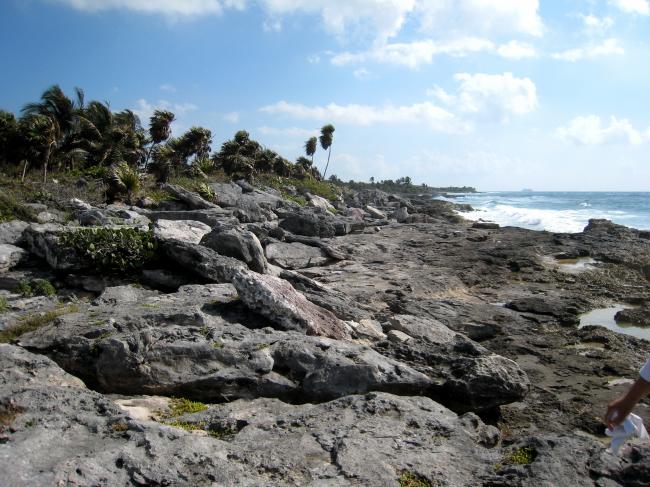
Xcaret
Pre-Hispanic port of departure to Cozumel for numerous pilgrims headed for the sanctuary of the goddess Ixchel, as well as a very important Maya trading city whose inhabitants navigated the Caribbean coast as far as Honduras. Its monuments are in the unique coastal style with large platforms and…
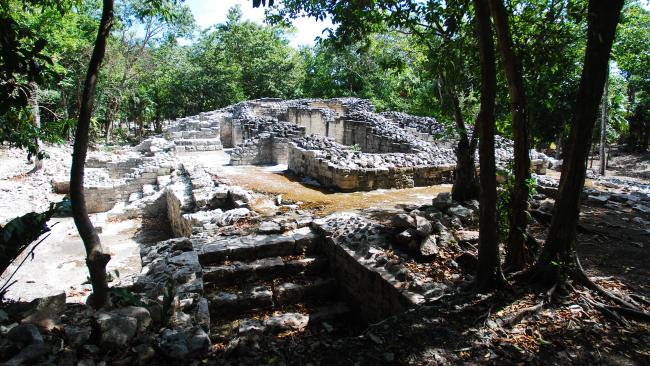
Xelhá
Crucial maritime port for the Maya Caribbean, possibly serving the great kingdom of Coba 1400 years ago. Impressive structures remain, such as the Building of the Birds, with its outstanding mural paintings. This and other vestiges reveal the influence of Teotihuacan.
